The Ultimate Guide to Home Safety and Smart Living for Boomers in 2026 with 12 Must-Know Tips
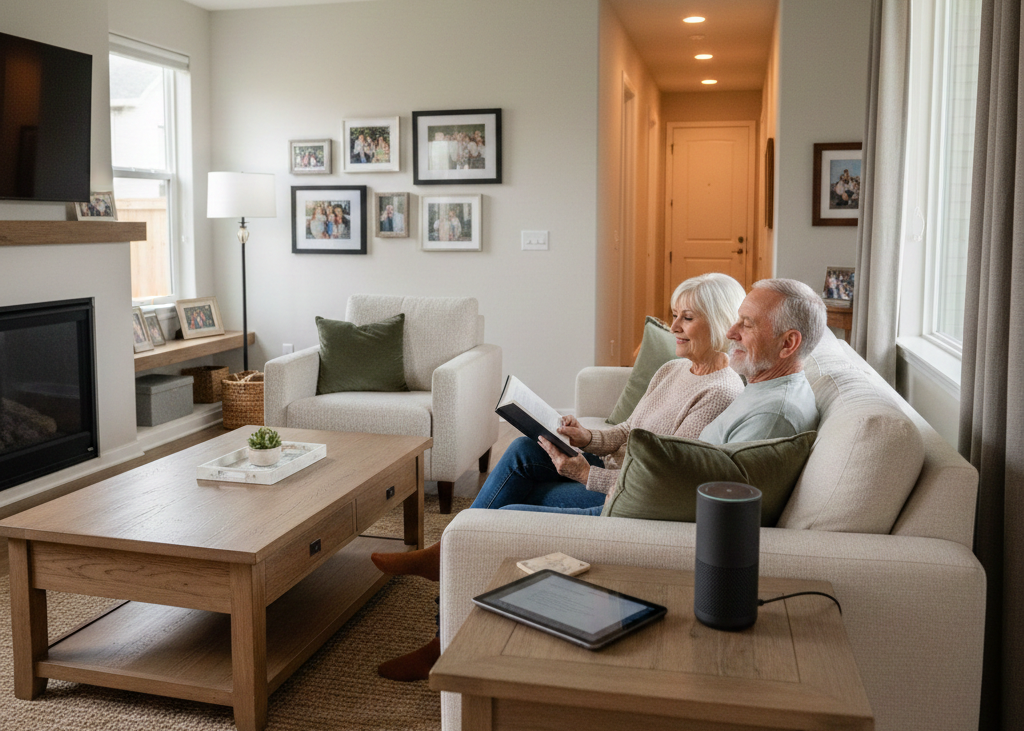
Home is more than just a place to sleep, eat, and store memories. For many baby boomers, it is a sanctuary filled with comfort, independence, and the freedom to live life on your own terms. But as we age, our homes can sometimes become a little trickier to navigate than we realize. Slippery floors, dim hallways, confusing technology, and even small trip hazards can turn everyday routines into potentially risky situations. The good news is that 2026 offers more solutions than ever to help you stay safe, independent, and connected at home.
This guide introduces 12 practical tips designed to make your home smarter, safer, and more comfortable. Whether you are aging in place, planning for the future, or simply want a home that works better for you, these strategies will give you peace of mind while keeping life easy and enjoyable. Think of this as your roadmap to living confidently in the space you love.
1. Prioritize Lighting for Safety and Visibility
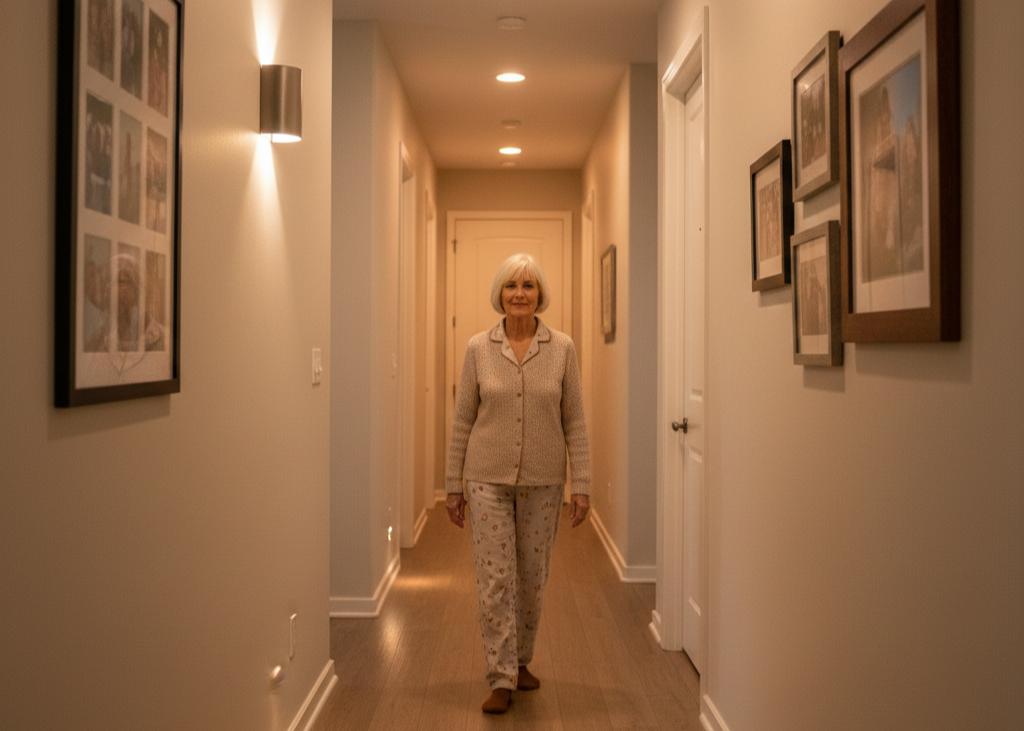
Lighting is one of the simplest yet most impactful ways to improve home safety. As eyesight changes with age, even minor obstacles like a rug or a small step can pose a real risk. Bright, strategically placed lights help prevent falls and create a welcoming environment. Motion-activated lights in hallways, bathrooms, and staircases are especially useful because they illuminate your path automatically. Nightlights near bedrooms and entrances reduce the risk of stumbling during midnight trips. Layered lighting—combining ceiling lights, lamps, and task lighting—can make every room feel safe and comfortable. Imagine walking into your kitchen at 2 a.m. and being greeted by a gentle glow instead of fumbling in the dark.
2. Install Fall Detection and Emergency Alert Systems

Falls are one of the most common safety concerns for older adults. A simple trip can lead to serious injuries, but technology now makes it easier to get help immediately. Fall detection devices, available as pendants, watches, or smart wearables, sense when you fall and automatically notify emergency contacts. Pair them with an emergency alert system that can summon medical assistance at the push of a button. This is especially helpful for those living alone, giving you the confidence to move about your home safely. The peace of mind that comes from knowing someone will respond instantly in an emergency is invaluable—not just for you, but for your loved ones too.
3. Use Smart Home Assistants for Hands-Free Control
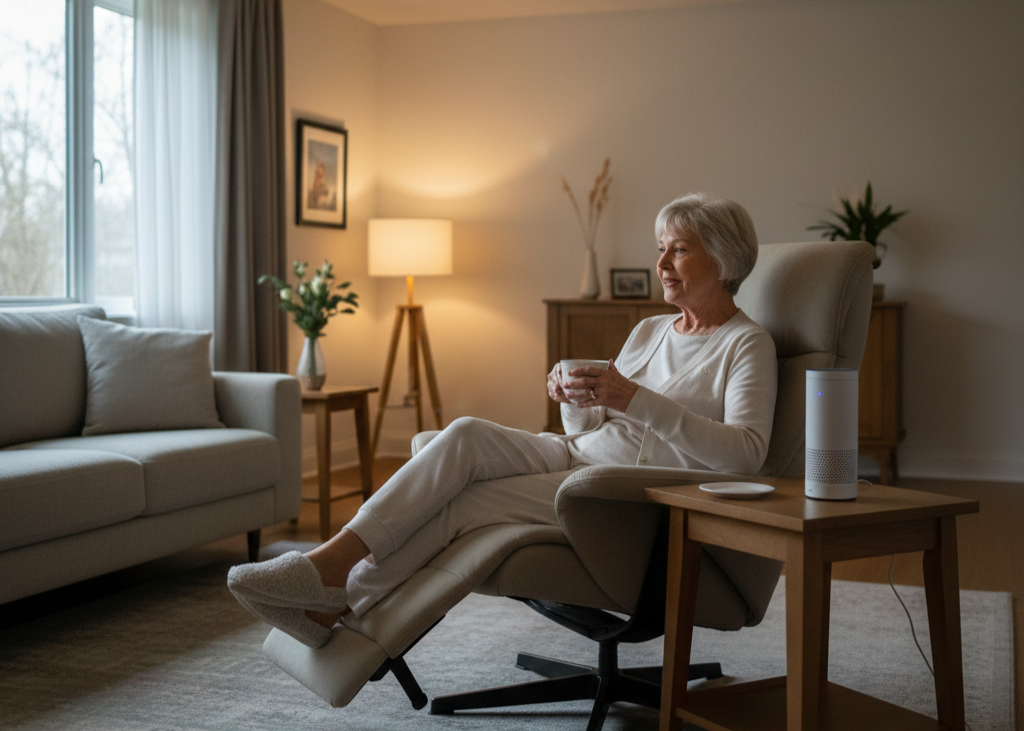
Voice-activated assistants like Amazon Alexa or Google Home can make life safer, easier, and a bit more fun. With simple voice commands, you can turn lights on and off, adjust the thermostat, make phone calls, play music, or set reminders. Some assistants can even help you order groceries, track your schedule, or provide step-by-step cooking instructions. For baby boomers, this means reducing unnecessary movement around the house, which is especially helpful for those with mobility limitations or balance concerns. Imagine sitting in your favorite chair and being able to control nearly every aspect of your home without ever getting up. Technology like this brings independence without adding complexity.
4. Upgrade to Smart Locks and Video Doorbells
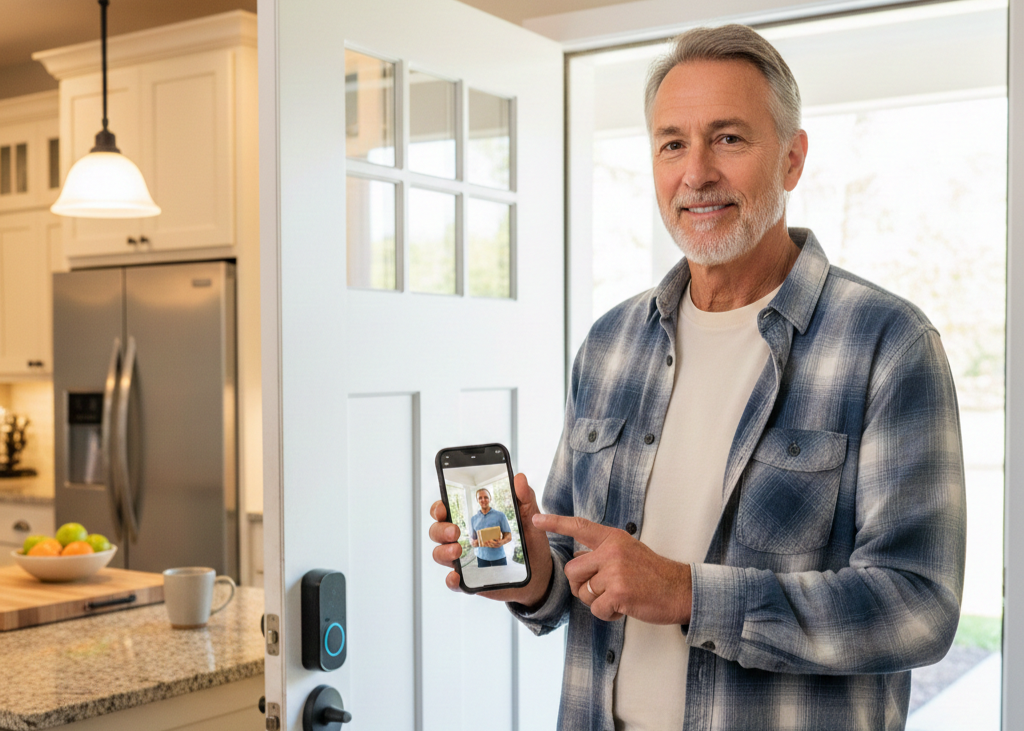
Security starts at your front door. Smart locks allow you to control who enters your home, whether you are at home or miles away. You can create temporary access codes for visitors, caregivers, or maintenance workers, eliminating the need for physical keys. Paired with a video doorbell, you can see, hear, and speak to anyone at your door from your phone, tablet, or smart assistant. These features provide peace of mind and help prevent unwanted surprises. For example, you no longer have to worry about missing a delivery or wondering who knocked while you were in another room.
5. Add Smart Thermostats for Comfort and Efficiency
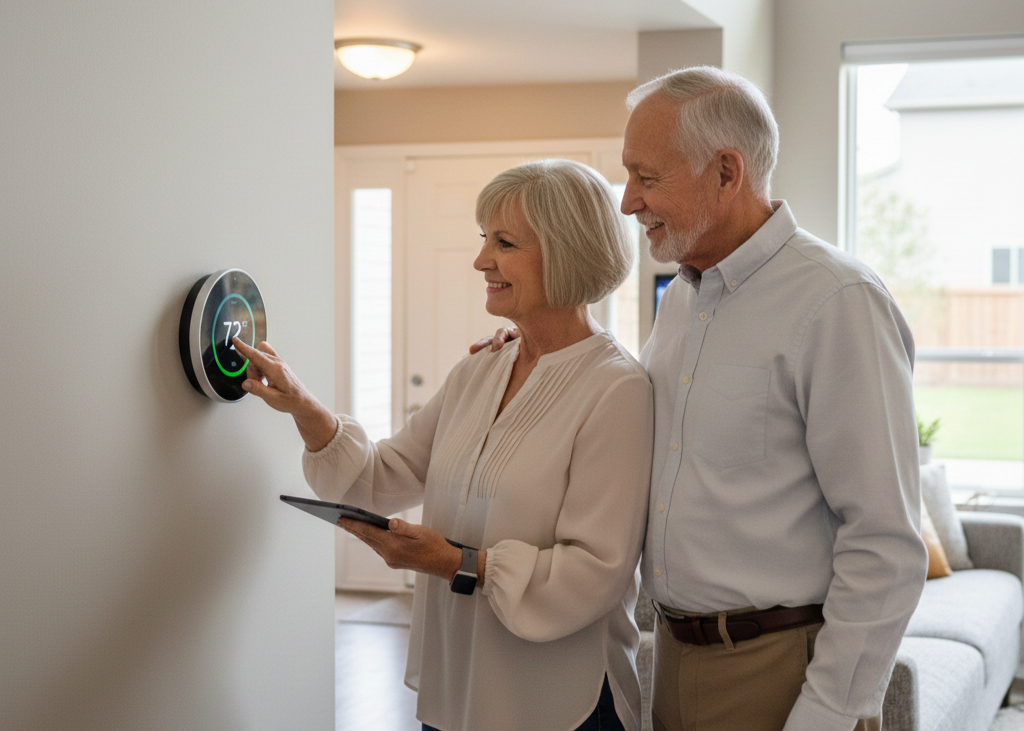
Temperature comfort becomes increasingly important as we age. Smart thermostats can automatically adjust based on your preferences and routines, keeping your home comfortable without constant manual adjustment. Some models even monitor indoor air quality, humidity, and detect temperature extremes that could pose health risks. You can control these systems remotely via a phone or tablet, ensuring your home is cozy when you return from errands or travel. Beyond comfort, smart thermostats save energy and reduce bills, which is a win-win for your wallet and your wellbeing.
6. Embrace Smart Medication Management Tools
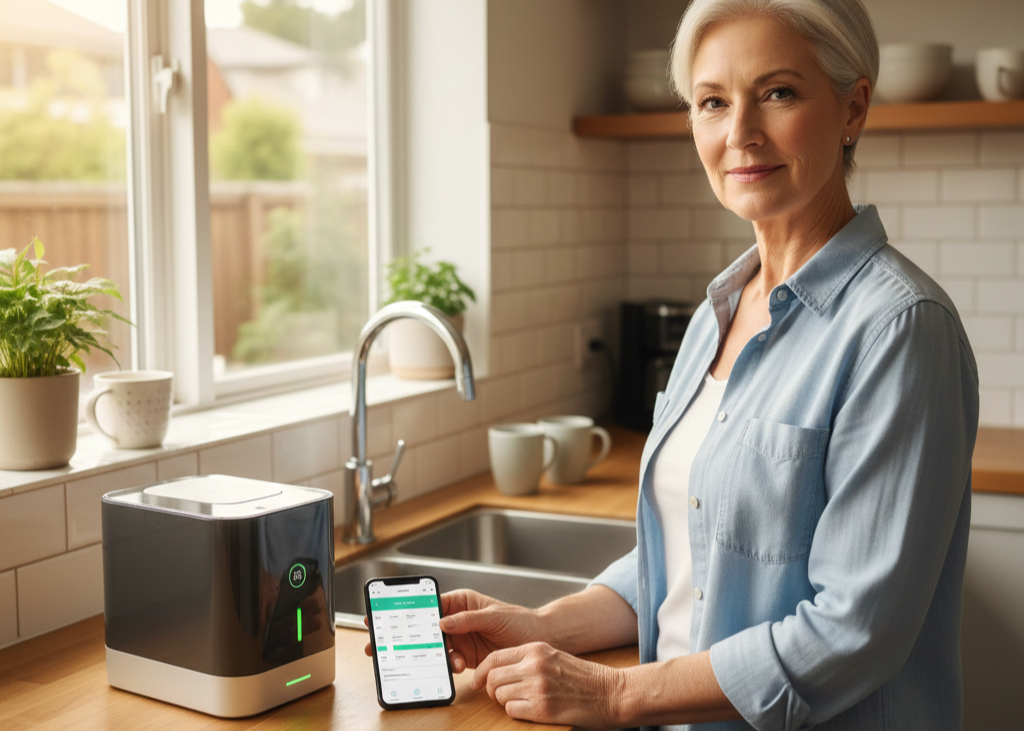
Managing medications can be a challenge, especially if you take multiple prescriptions. Smart medication dispensers schedule your doses, remind you when it’s time to take them, and even notify family members if a dose is missed. Some devices prevent accidental double-dosing by locking until the next scheduled time. This technology helps you maintain independence while reducing stress and mistakes. Knowing that your medications are organized and tracked adds an extra layer of safety to your daily routine.
7. Build a Smart Safety Network with Sensors
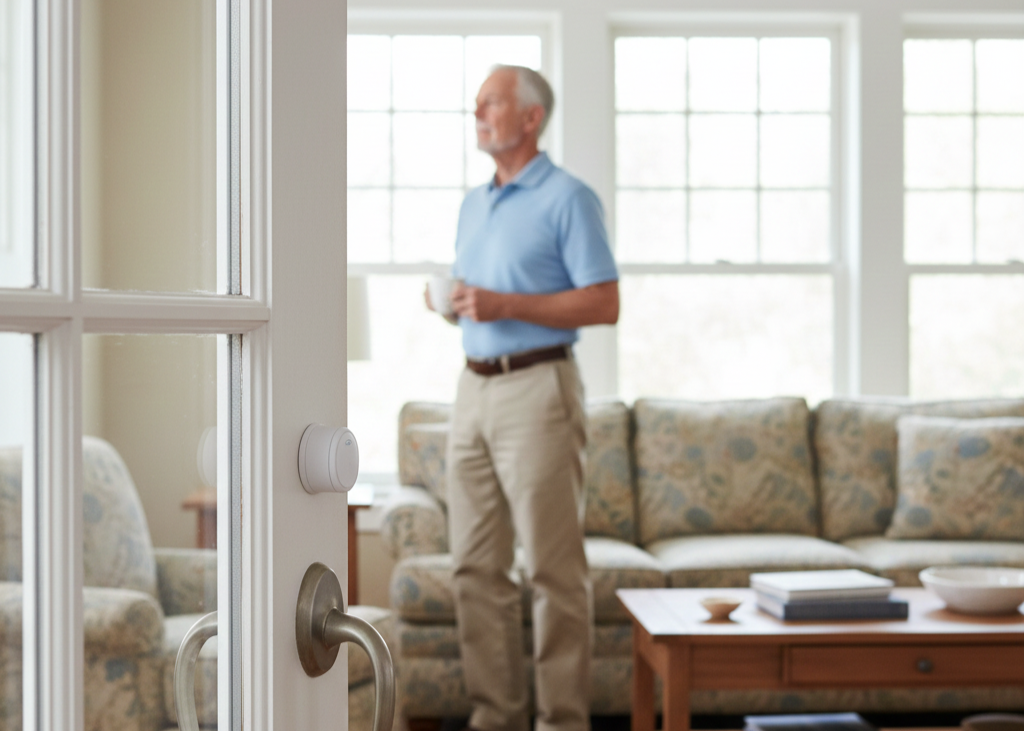
Smart sensors can be placed on doors, windows, cabinets, and appliances to monitor activity and alert you to anything unusual. For example, sensors on the refrigerator can track how often it’s opened, helping you monitor your eating habits. Motion sensors and door alerts notify you when someone enters or leaves your home. These devices are subtle, unobtrusive, and blend into the home without feeling like a surveillance system. By creating a network of sensors, you can protect your home and your routines without losing your sense of privacy.
8. Enhance Your Bathroom Safety
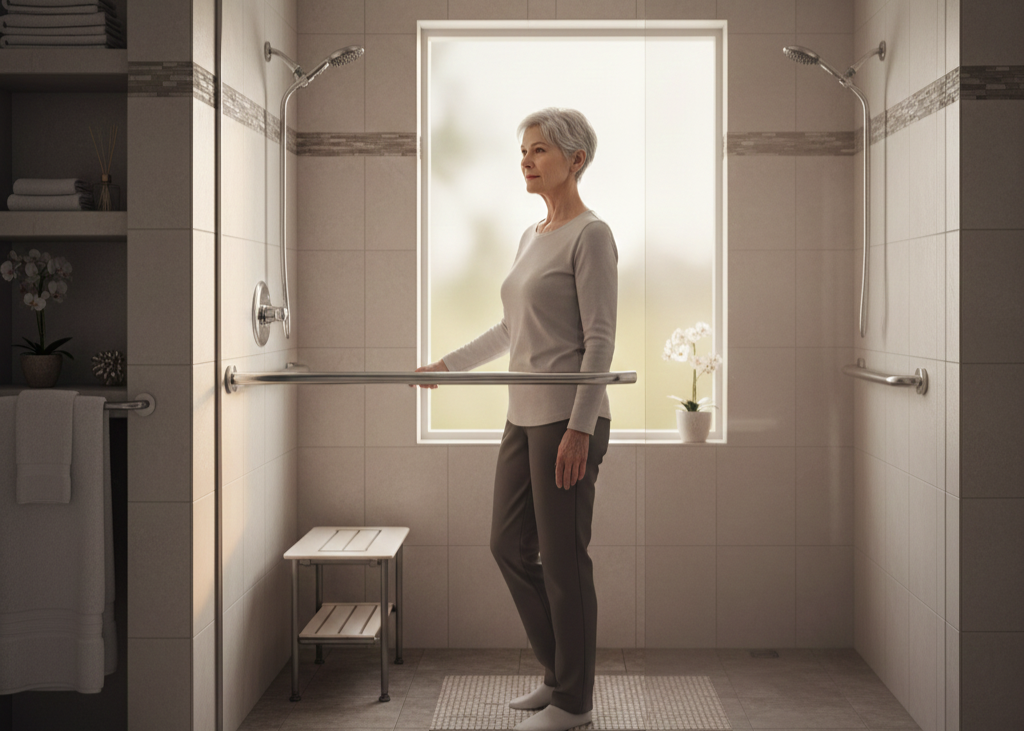
Bathrooms are a common place for accidents due to slippery surfaces. Installing grab bars near the toilet and shower, using non-slip mats, and considering a shower bench can dramatically reduce fall risks. Adequate lighting is equally important, especially if you get up at night. Adding a handheld showerhead or adjustable shower seat can make bathing safer and more comfortable. These upgrades may seem small, but they allow you to perform daily routines confidently and independently, turning a potentially risky space into one of security and ease.
9. Declutter and Clear Your Walking Paths

Even the most sophisticated technology cannot replace simple precautions. Keeping pathways clear of clutter, cords, and loose rugs is one of the most effective safety measures you can take. Arrange furniture so that walking routes are wide and unobstructed. Regularly decluttering reduces fall risks and creates a calm, welcoming environment. A tidy home is also easier to navigate for visitors or caregivers and gives you the mental clarity that comes with organized surroundings. Think of it as investing a few minutes each week for a safer, more serene home.
10. Use Smart Smoke, Water Leak, and Carbon Monoxide Detectors
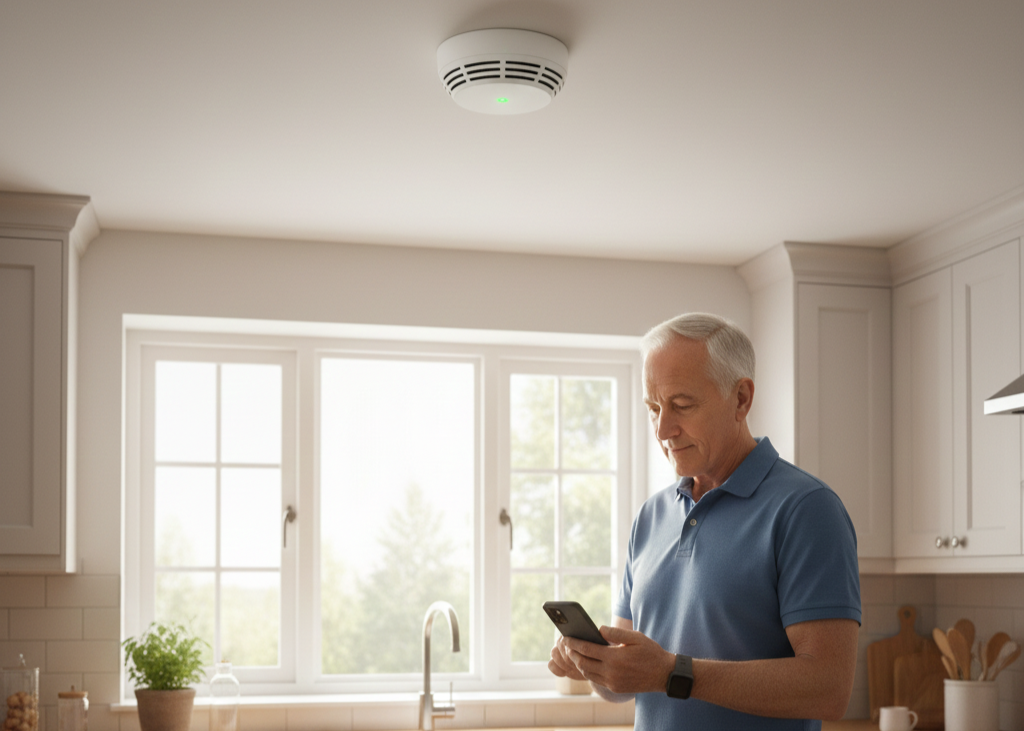
Smart detectors go beyond traditional alarms. Smoke, carbon monoxide, and water leak detectors that connect to your phone or cloud system allow you to receive instant alerts anywhere. Early detection of smoke or a gas leak can prevent injuries, and water sensors help detect leaks before they cause costly damage. Some smart systems even integrate with other smart devices, turning on lights, unlocking doors, or notifying emergency contacts automatically. This proactive approach helps you manage risks before they become emergencies.
11. Set Up Regular Check-Ins and Virtual Support
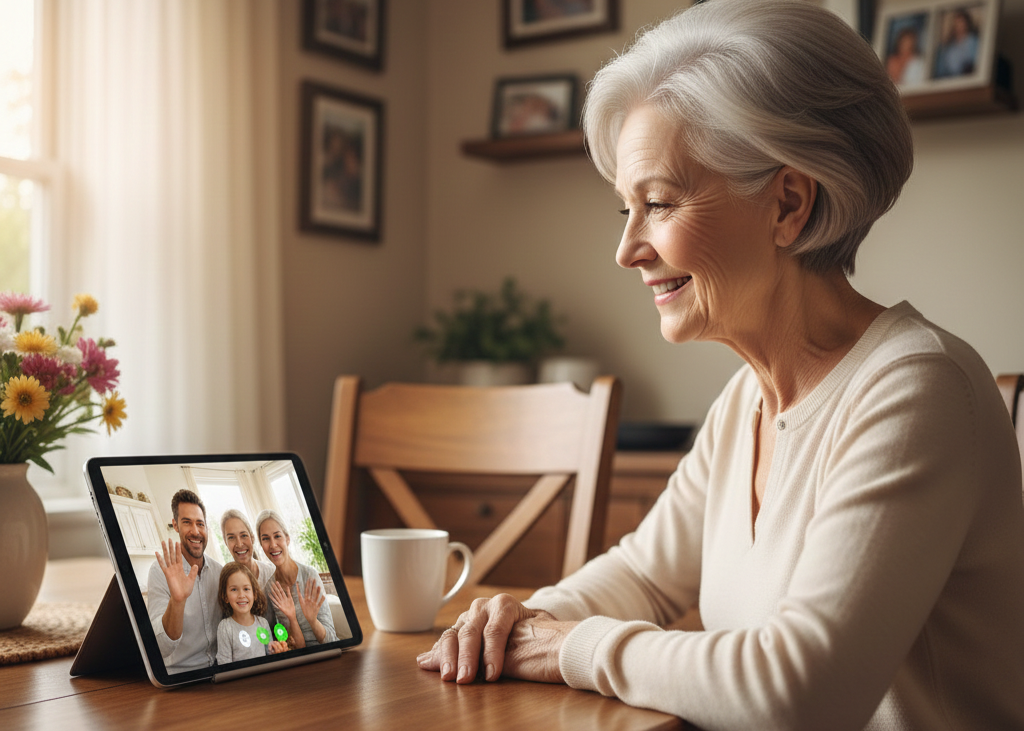
Technology is helpful, but human connection remains essential. Regular check-ins with family, friends, or caregivers provide emotional support while also monitoring safety. Video calls or shared apps can allow loved ones to see how you are doing without feeling intrusive. Some smart home systems allow designated contacts to receive alerts for unusual activity, giving reassurance to both parties. Knowing that someone is available if needed provides peace of mind and strengthens relationships, while still allowing you to maintain independence.
12. Create a Personalized Emergency Preparedness Plan
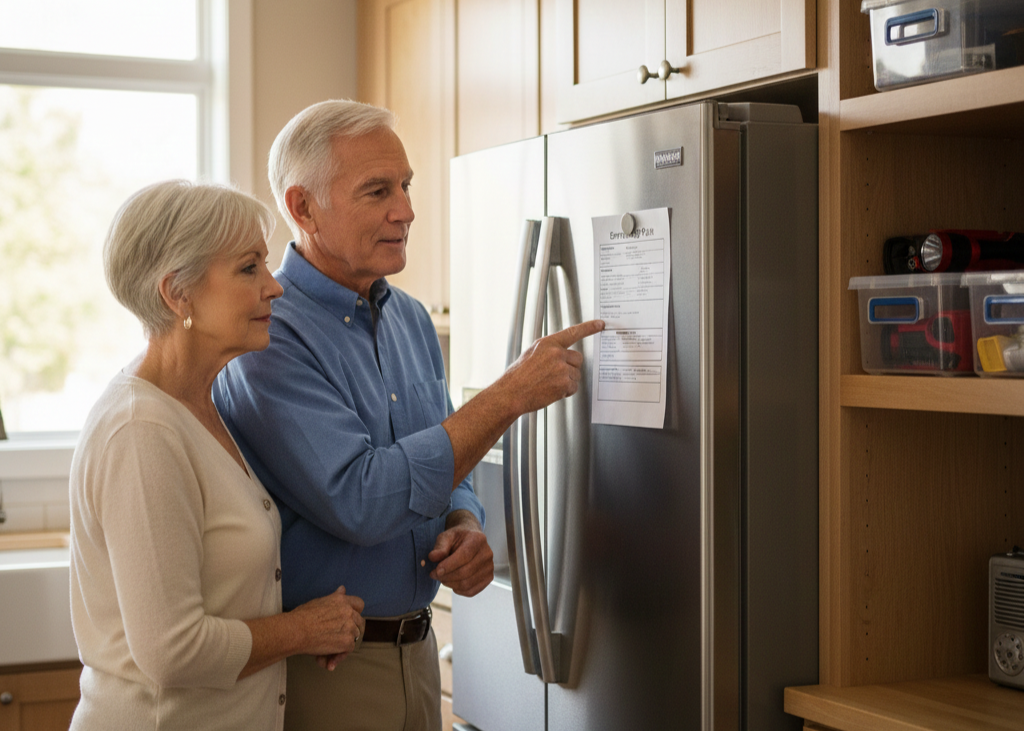
Being prepared is empowering. A personalized plan should include emergency contacts, the locations of essential items, medications, and instructions for first responders. Keep a printed copy in a visible spot, like the refrigerator, and consider backup power sources such as battery-powered lights or a generator. Regularly review and update your plan to reflect changes in health, technology, or household arrangements. A well-thought-out emergency plan ensures that you are ready for unexpected situations and gives you the confidence to handle challenges calmly and effectively.
Final Thoughts
Living safely and smartly at home is about more than gadgets or safety devices. It is about making thoughtful, practical changes that reduce risk, enhance comfort, and support an independent, fulfilling life. The 12 tips in this guide are designed to be achievable and relevant for baby boomers navigating 2026.
Start small. Upgrade one room at a time, test out a smart device, or simply reorganize your walking paths. Each step builds confidence and security, and over time, your home becomes a space that supports both independence and peace of mind.
Remember that safety is not about restricting your life. It is about giving you freedom—the freedom to move without fear, to enjoy your home fully, and to remain connected with the people who matter most. With the right combination of practical changes, modern technology, and preparedness, your home can be a sanctuary that grows with you.
Embrace the possibilities that 2026 offers. Bright lights, smart technology, simple safety upgrades, and thoughtful planning can transform your home into a space where independence, comfort, and safety go hand in hand. You deserve a home that works for you, allowing you to live confidently, happily, and securely every single day.
Leave a Reply