9 Driving Tips Our Parents Taught Us That Are Now Illegal in the U.S.
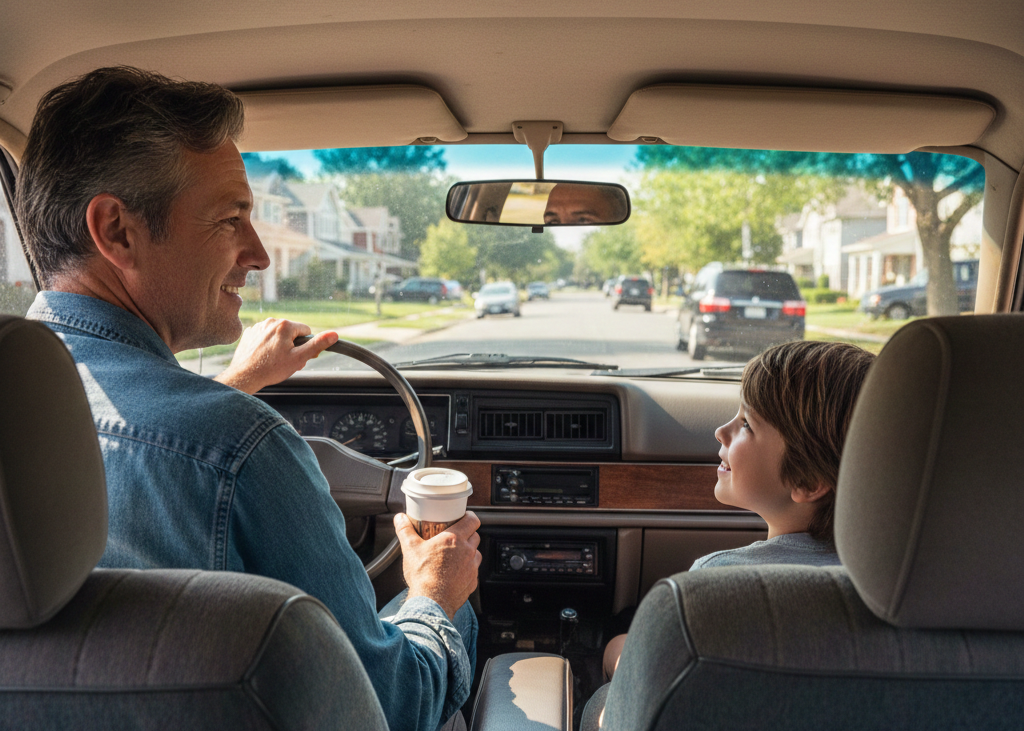
Remember sitting in the passenger seat while your parents cruised down the road with one hand on the steering wheel and the other holding a coffee cup? Back then, driving felt simpler, less stressful, and far less regulated. Parents passed down tips and habits they truly believed made driving easier or more practical, and for their time, many of those habits were considered normal—even smart.
But roads have changed. Cars are faster, traffic is heavier, and safety research has advanced dramatically. As a result, many driving tips our parents confidently taught us are now illegal, heavily fined, or strongly discouraged across the United States. While these habits may spark nostalgia, clinging to them today can put you at risk of tickets, accidents, or serious injuries.
Here are nine driving tips our parents taught us that are now illegal in the U.S., along with why it is important to leave these habits in the past for safer driving today.
1. Skipping the Seatbelt on Short Drives
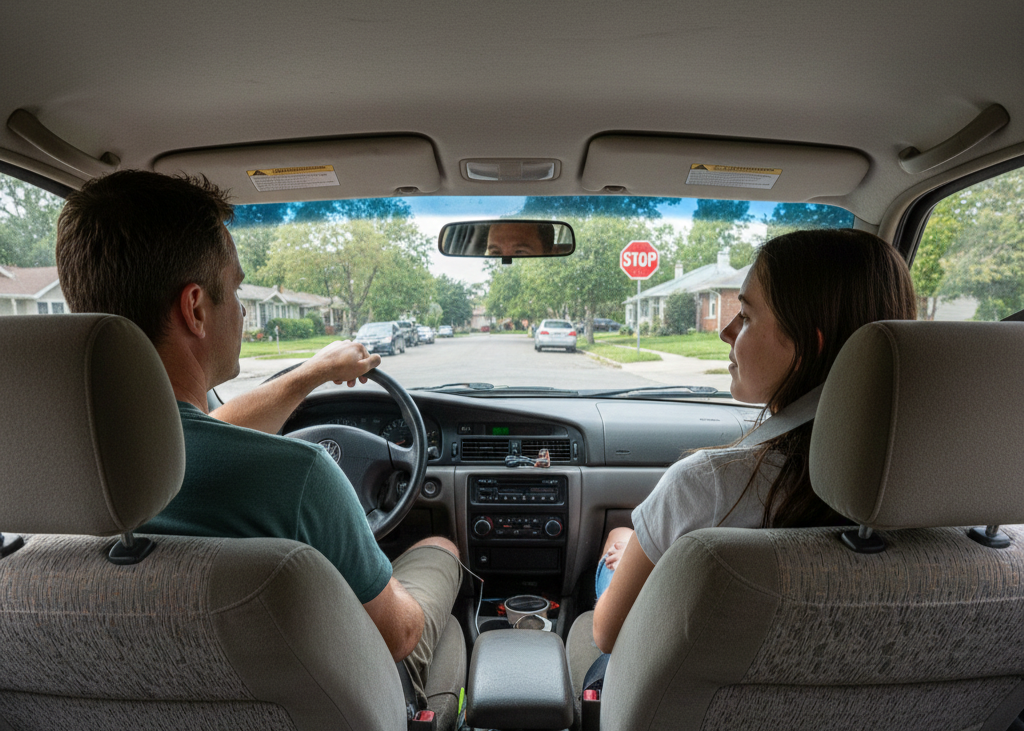
For many families, seatbelts were treated as optional—especially for quick trips to the store or around the neighborhood. Parents often reassured us by saying, “We’re only going a few blocks,” or “Nothing is going to happen.”
Today, this mindset is both outdated and illegal. Seatbelt laws now exist in all fifty states, requiring drivers and passengers to buckle up regardless of distance or speed. Studies consistently show that most serious accidents occur close to home, not on long road trips. A sudden stop, distracted driver, or unexpected obstacle can turn a short drive into a life-altering event.
Skipping a seatbelt can result in fines, points on your license, and significantly higher risk of injury or death. What once felt like a harmless shortcut is now recognized as one of the most dangerous driving habits. Buckling up every time is one of the simplest ways to protect yourself and others.
2. Eating or Drinking While Driving
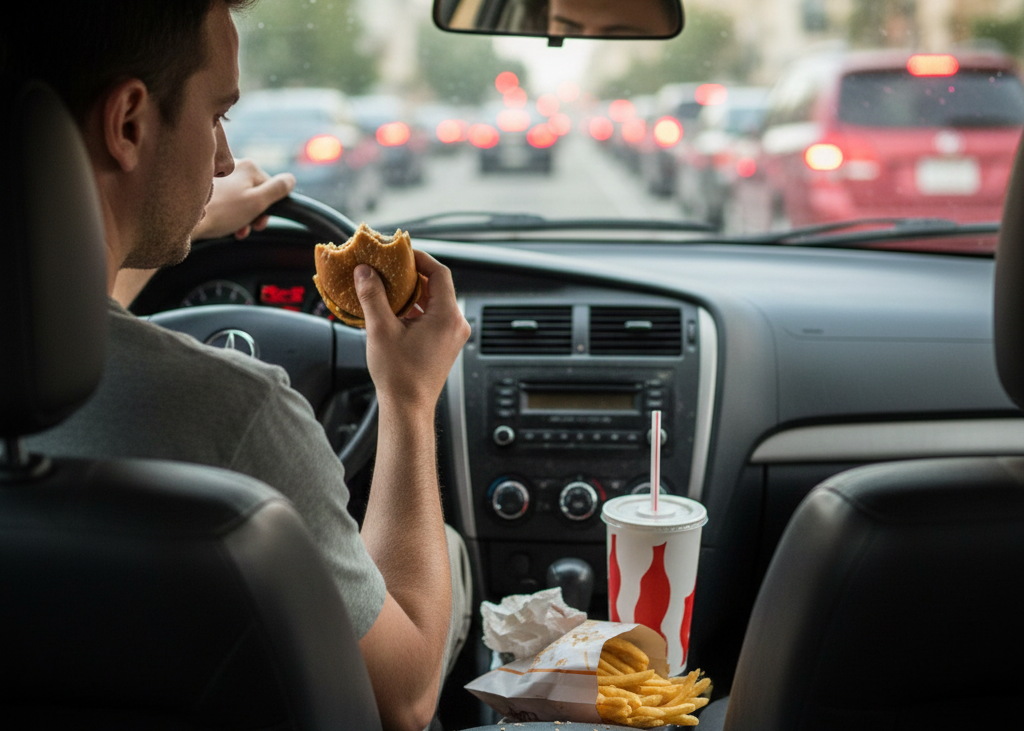
Many of us grew up watching our parents balance burgers, fries, or coffee cups while navigating traffic. It was treated as a normal part of life—especially during busy mornings or long commutes.
Today, eating or drinking behind the wheel is often classified as distracted driving. While laws vary by state, many jurisdictions allow officers to issue citations if eating or drinking interferes with safe vehicle operation. Taking your eyes off the road, one hand off the wheel, or your attention away for even a few seconds can be enough to cause a crash.
Modern driving laws emphasize focus above all else. With increased traffic density and higher speeds, multitasking is no longer considered harmless. Pulling over to eat may feel inconvenient, but it dramatically reduces risk and keeps you compliant with the law.
3. Rolling Through Stop Signs
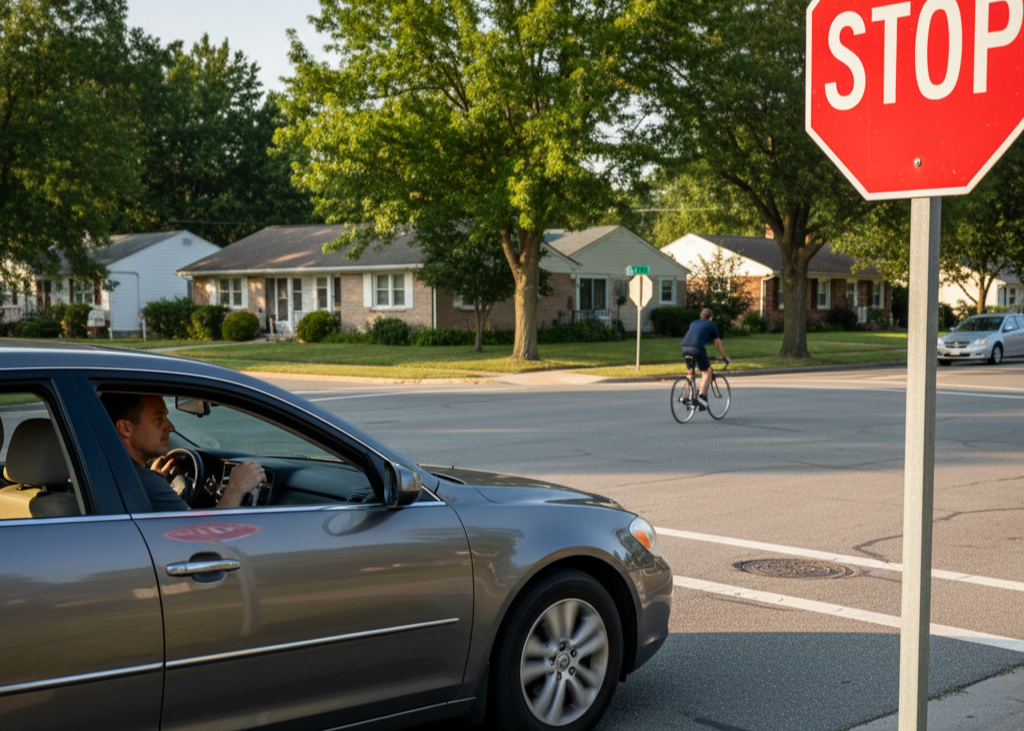
Parents often taught us that stop signs were flexible—especially in quiet neighborhoods. A slow roll-through, also known as a “California stop,” was seen as acceptable if no other cars were around.
Today, traffic laws require a full and complete stop at all stop signs. This means your wheels must come to a complete halt, even if the intersection appears empty. Rolling stops are now a common reason for traffic tickets, especially with the widespread use of traffic cameras and increased enforcement.
Stop signs exist to create predictable behavior for all drivers, cyclists, and pedestrians. Even a brief failure to stop can lead to serious accidents. What once felt like efficiency is now recognized as a significant safety risk.
4. Letting Kids Sit in the Front Seat
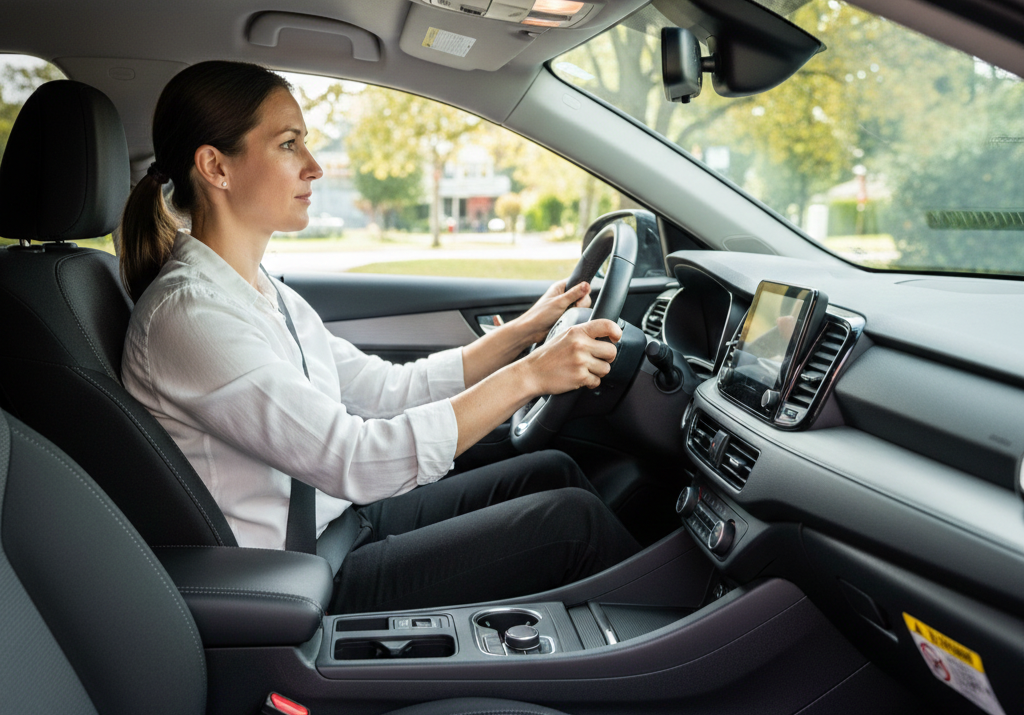
Sitting in the front seat as a child once felt like a major milestone. Parents often rewarded good behavior by letting kids ride up front, believing it was safe enough.
Modern safety research has proven otherwise. Front-seat airbags are designed for adults and can seriously injure or kill children during a collision. As a result, most states have strict laws requiring children to ride in the back seat using appropriate car seats or booster seats based on age, height, and weight.
Violating child passenger safety laws can result in hefty fines and, more importantly, puts children at unnecessary risk. Keeping kids properly restrained in the back seat is one of the most important changes in modern driving safety.
5. Flashing Headlights to Warn About Police
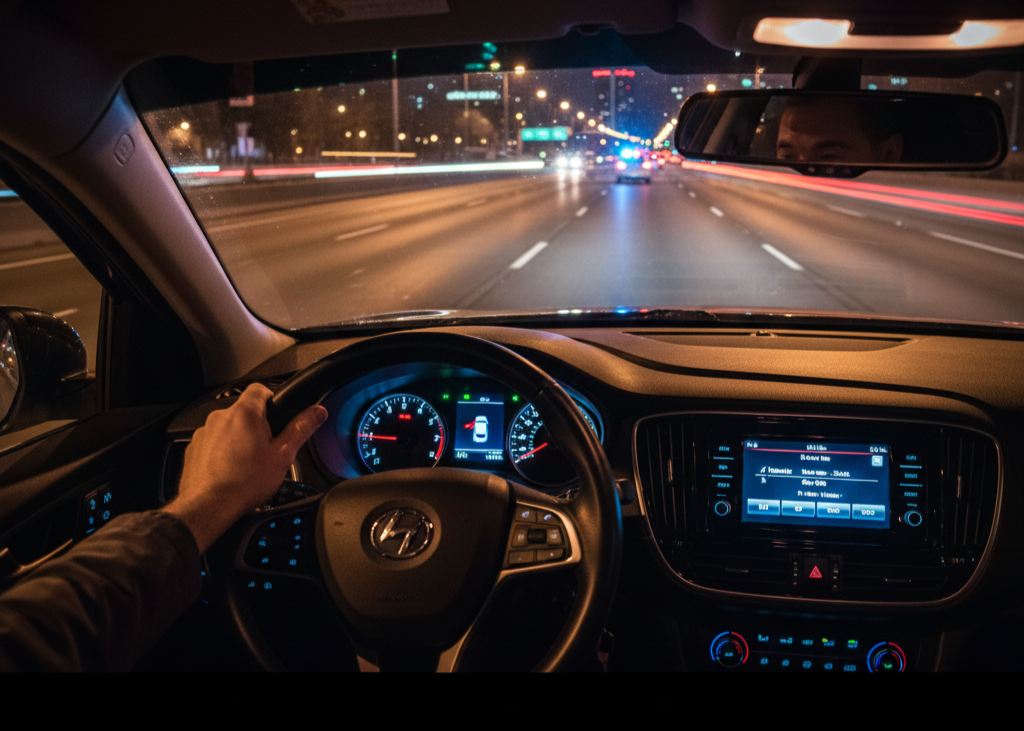
Flashing headlights to warn oncoming drivers about speed traps or police checkpoints used to be considered a friendly courtesy. Many parents taught this as an unspoken rule of the road.
Today, this practice is illegal in many states and can be interpreted as interfering with law enforcement. Police argue that it can help impaired or dangerous drivers avoid detection, putting the public at risk. Drivers caught flashing headlights for this purpose may face citations or fines.
Instead of relying on outdated signals, modern driving emphasizes compliance—following posted speed limits and traffic laws at all times, not just when enforcement is visible.
6. Driving With One Hand on the Wheel
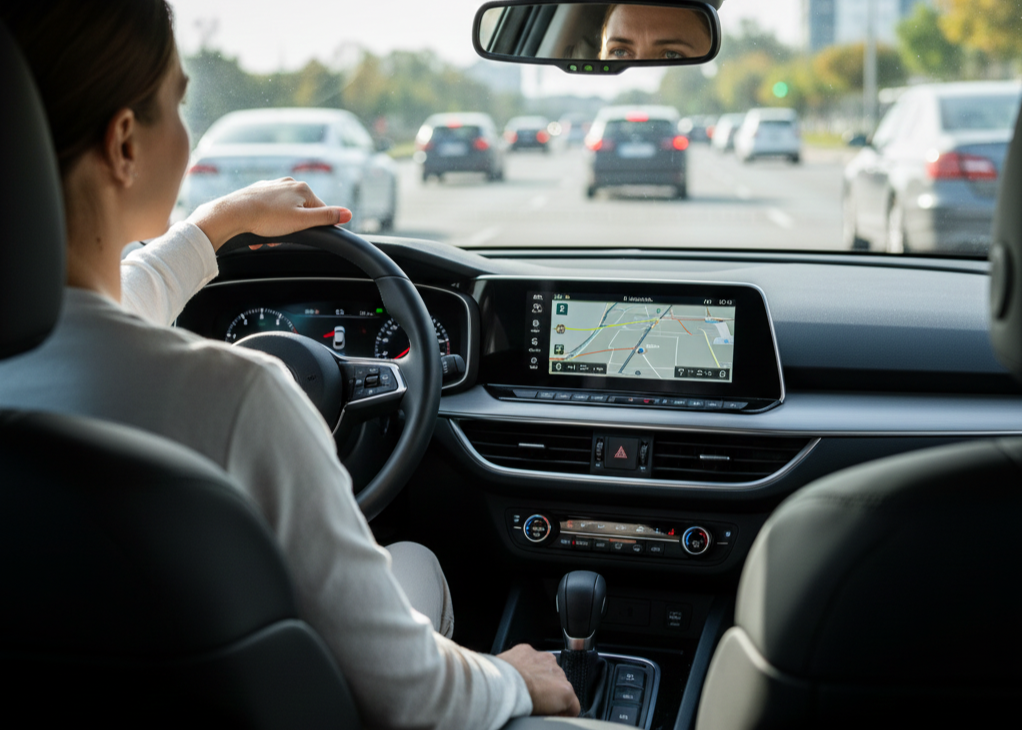
Driving with one hand draped casually over the steering wheel was once seen as relaxed and confident. Parents often did it without a second thought, especially on familiar roads.
Today, this habit is considered unsafe and may contribute to citations if it leads to poor vehicle control. Modern vehicles are highly responsive, and unexpected hazards can appear in seconds. Maintaining proper control typically requires both hands on the wheel, especially at higher speeds or in traffic.
While the law may not explicitly ban one-handed driving everywhere, it can still be cited under careless or reckless driving statutes if it compromises safety.
7. Resting Your Arm Out the Window
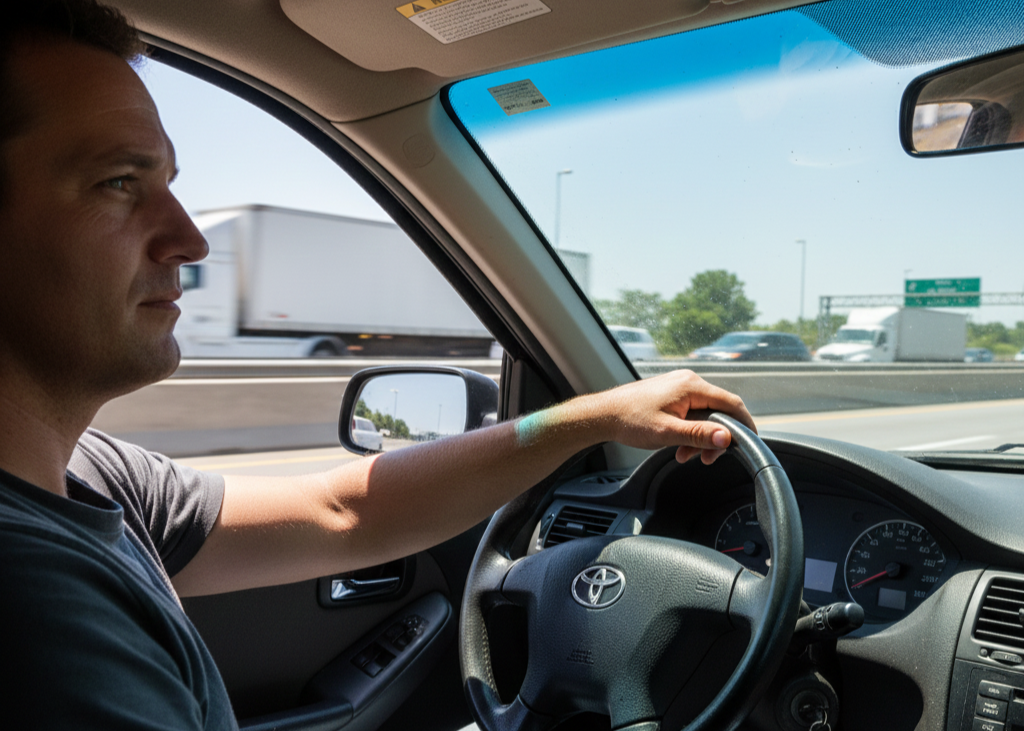
Letting your arm hang out the window during a drive once symbolized comfort and freedom. Many parents drove this way on warm days, unaware of the risks.
Modern safety standards strongly discourage this behavior, and some states consider it a traffic violation. In the event of a collision, even a minor one, an exposed arm is extremely vulnerable to severe injury. It can also limit your ability to react quickly in an emergency.
Keeping both arms inside the vehicle improves control and reduces injury risk, aligning with today’s emphasis on proactive safety.
8. Driving Barefoot or in Slippers
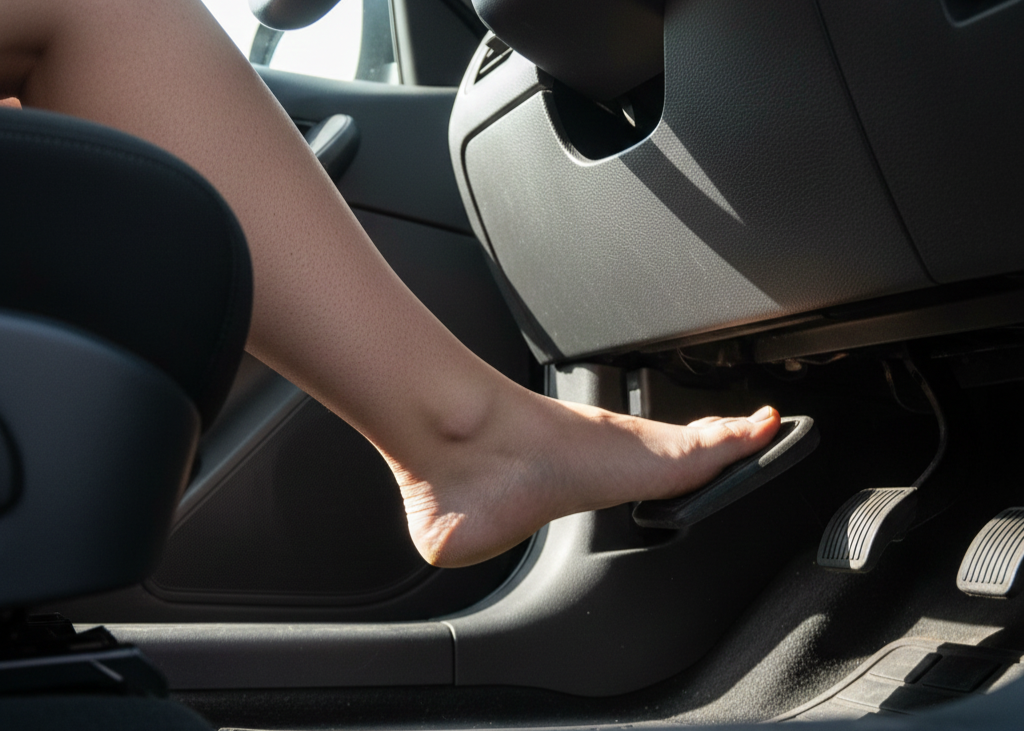
Parents often dismissed concerns about footwear, insisting that driving barefoot or in flip-flops was perfectly fine. For many families, shoes were optional when getting behind the wheel.
Today, driving without proper footwear is discouraged and, in some states, may be cited if it contributes to unsafe driving. Bare feet or loose footwear can slip off pedals or reduce reaction time during emergencies.
Wearing secure, well-fitting shoes ensures better pedal control and helps prevent avoidable accidents. What once felt comfortable is now recognized as a potential hazard.
9. Passing When You Think the Road Is Clear
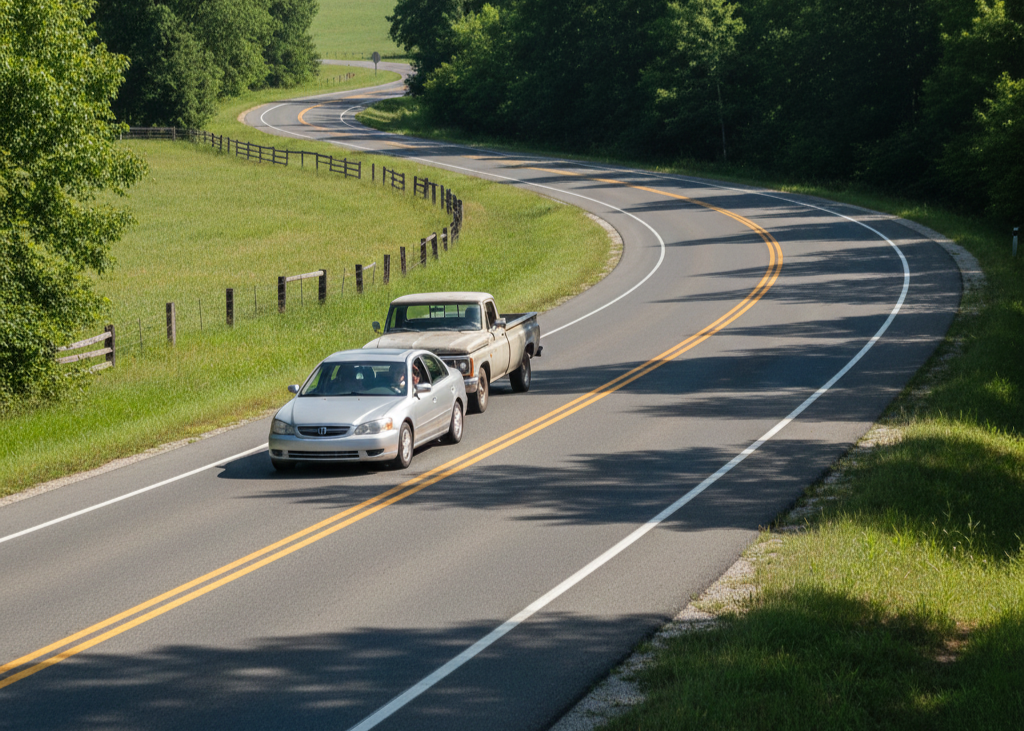
Parents often relied on judgment rather than signage, teaching us that if the road looked empty, it was safe to pass slower vehicles. This advice worked in quieter times with less traffic.
Modern laws strictly regulate passing. Passing in no-passing zones, over double yellow lines, or in areas with limited visibility is illegal and extremely dangerous. Head-on collisions caused by improper passing are among the deadliest types of accidents.
Designated passing zones exist for a reason, and ignoring them can lead to severe legal consequences and life-threatening situations.
Final Thoughts
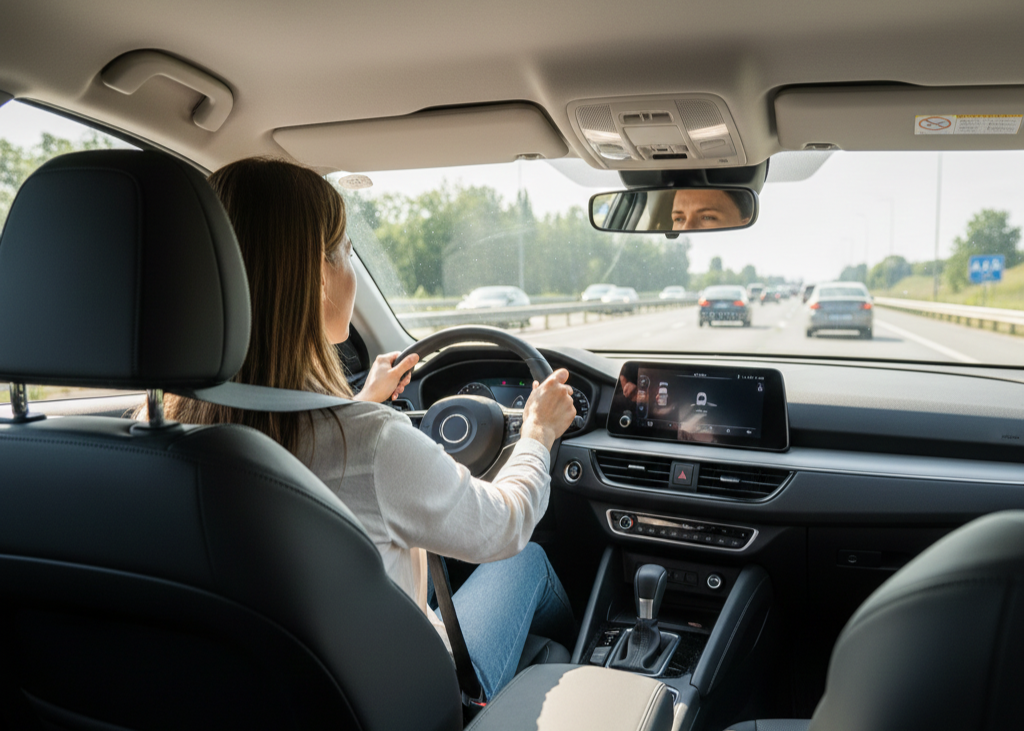
The driving tips our parents taught us were shaped by a different era—one with fewer cars, less congestion, and limited safety research. These habits were not reckless at the time; they were simply products of their environment.
Today’s traffic laws reflect decades of data, innovation, and hard lessons learned from preventable accidents. Seatbelts, child safety seats, distracted driving laws, and stricter enforcement are not about taking the joy out of driving—they are about saving lives.
Honoring our parents does not mean copying their driving habits exactly as they were. It means taking the confidence, awareness, and responsibility they modeled and combining it with modern safety standards. By unlearning outdated practices and embracing current laws, you protect yourself, your passengers, and everyone else on the road.
Driving may never feel as carefree as it once did, but it can be far safer—and that is a trade worth making.
Leave a Reply