7 Pastime Activities That Baby Boomers Enjoyed and Are Gone Forever
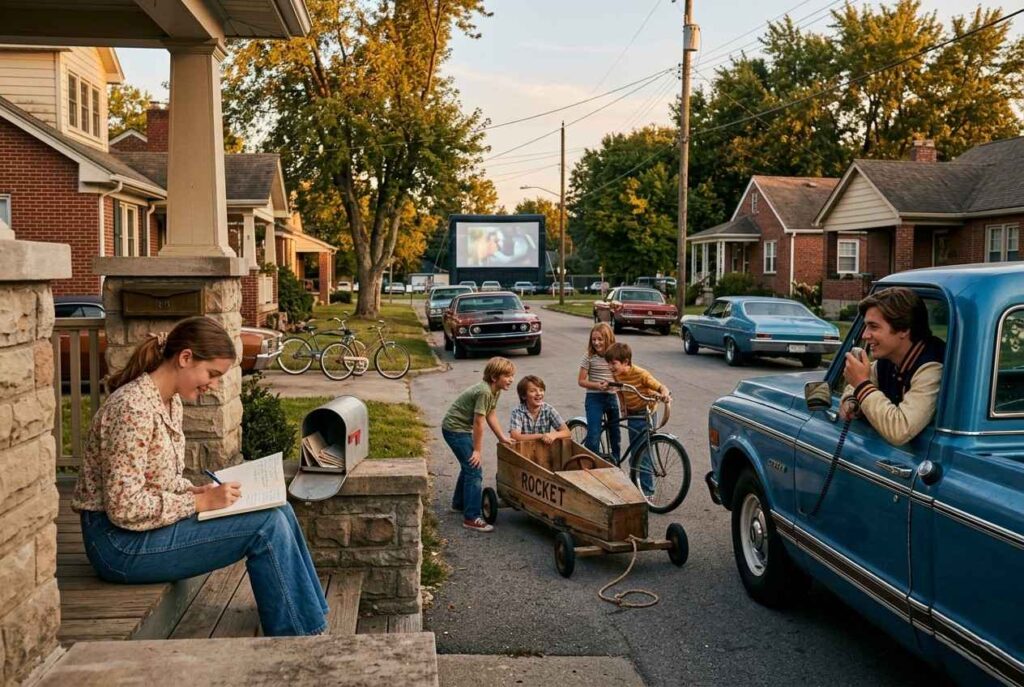
There was a time when leisure meant something different. Before smartphones, streaming, and social media dominated every spare moment, Baby Boomers found joy in hobbies that shaped their friendships, creativity, and sense of community. These were activities that demanded patience, imagination, and sometimes a little ingenuity. They weren’t just ways to pass the time — they were experiences that created lasting memories. Today, many of these pastimes have quietly disappeared, leaving only stories and photographs as reminders of simpler, slower days. They offered a rhythm to life that was both comforting and exciting, giving people reasons to look forward to weekends, summers, and special occasions. In revisiting these lost hobbies, we can glimpse the charm of an era where time seemed to move a little more slowly and connections felt deeper.
If you grew up during this era or are just curious about what life used to look like, here are seven pastime activities that Baby Boomers enjoyed that have largely vanished from everyday life.
Discover 7 pastime activities Baby Boomers enjoyed that are gone forever and why these lost hobbies still inspire creativity, connection, and fun today.
1. Pen Pal Letter Writing
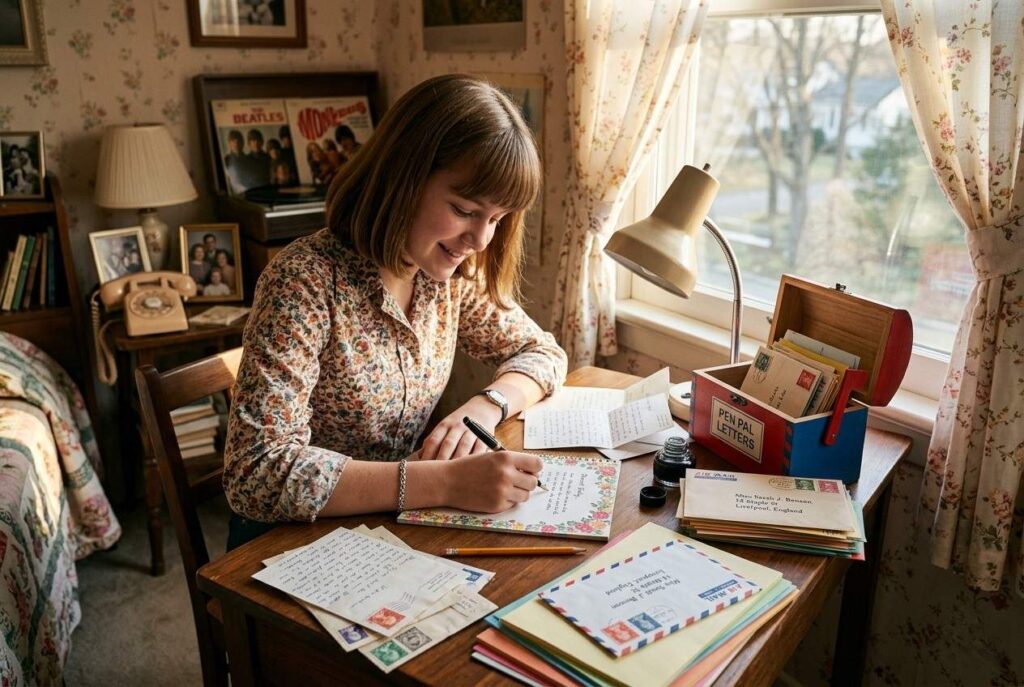
Long before email, texting, or instant messaging, writing to a pen pal was a treasured activity. Baby Boomers would carefully compose letters, fold them, and send them across states or even countries, eagerly awaiting a reply that could take weeks. Each letter was more than words on paper — it was a chance to share dreams, swap stories, and build friendships that spanned miles. Writing by hand taught patience and expression in ways digital communication rarely does today. There was a certain thrill in choosing the perfect stationery, sealing the envelope, and imagining the other person opening it somewhere far away. Every returned letter felt like a little treasure, carrying pieces of someone else’s life directly into your hands. The joy of receiving a thick envelope in the mailbox is something that today’s instant notifications simply cannot replace.
2. CB Radio Chatting
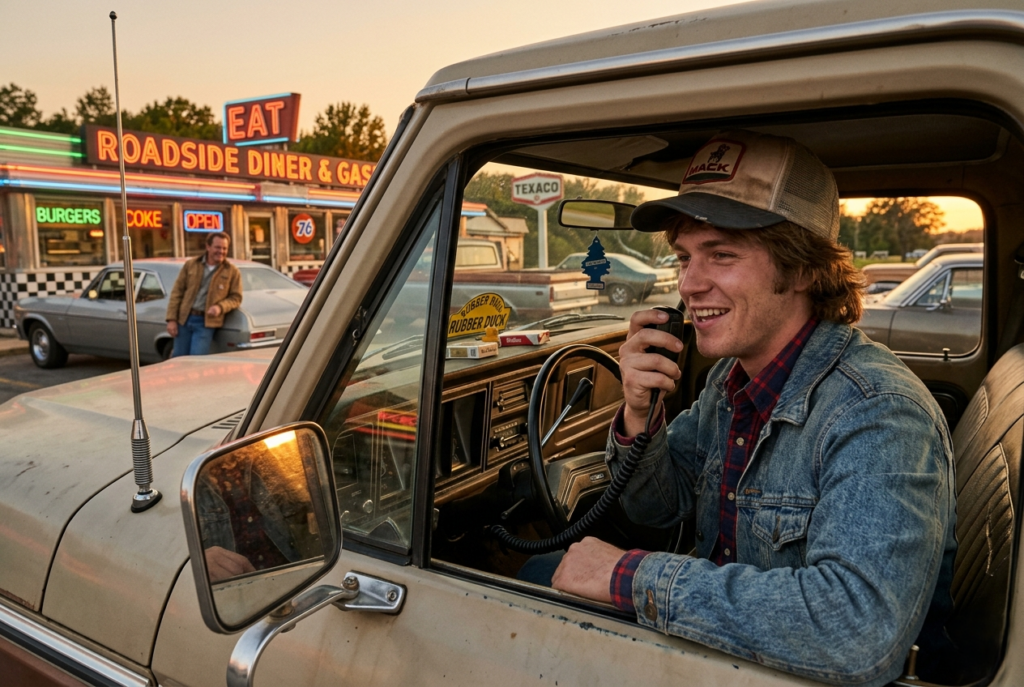
The Citizens Band radio was a social lifeline for many. Truck drivers, hobbyists, and neighbors tuned into the airwaves to share road conditions, local news, or just have a friendly chat. Users adopted playful nicknames like Rubber Duck or Gray Ghost, forming communities through voice and static. It was a hobby that mixed technology with human connection in a way that was exciting and personal. CB radios required no apps, no Wi-Fi, and no monthly bills — just a microphone and a willingness to talk. Many people even decorated their vehicles with antennas and lights to show off their CB setup, turning it into a point of pride. Weekend conversations could last for hours, creating friendships that sometimes lasted a lifetime. With the rise of cell phones and online forums, this once-thriving pastime has faded almost entirely.
3. Building and Racing Icebox Carts
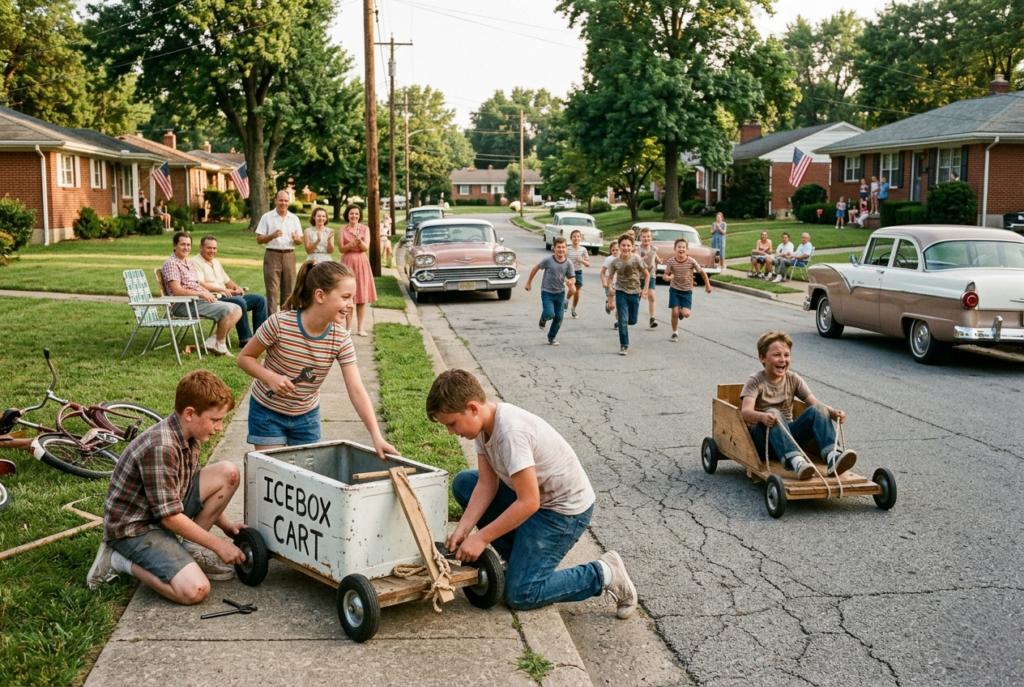
One of the quirkiest activities from mid-20th century America was turning old iceboxes into racing carts. Kids and teenagers would attach wheels, add brakes, and race these DIY creations downhill during summer fairs or neighborhood gatherings. Creativity, problem-solving, and a little daring were all part of the fun. These races encouraged community involvement, and watching friends zip by on homemade contraptions was thrilling. Families often gathered along the streets to cheer, and neighbors swapped tips on how to make carts faster or sturdier. For many, the excitement wasn’t just in winning but in the camaraderie and shared joy of building something from scratch. As iceboxes disappeared and organized soapbox derbies took over, this playful pastime quietly vanished, leaving only memories of laughter and scraped knees.
4. Home Darkroom Photography
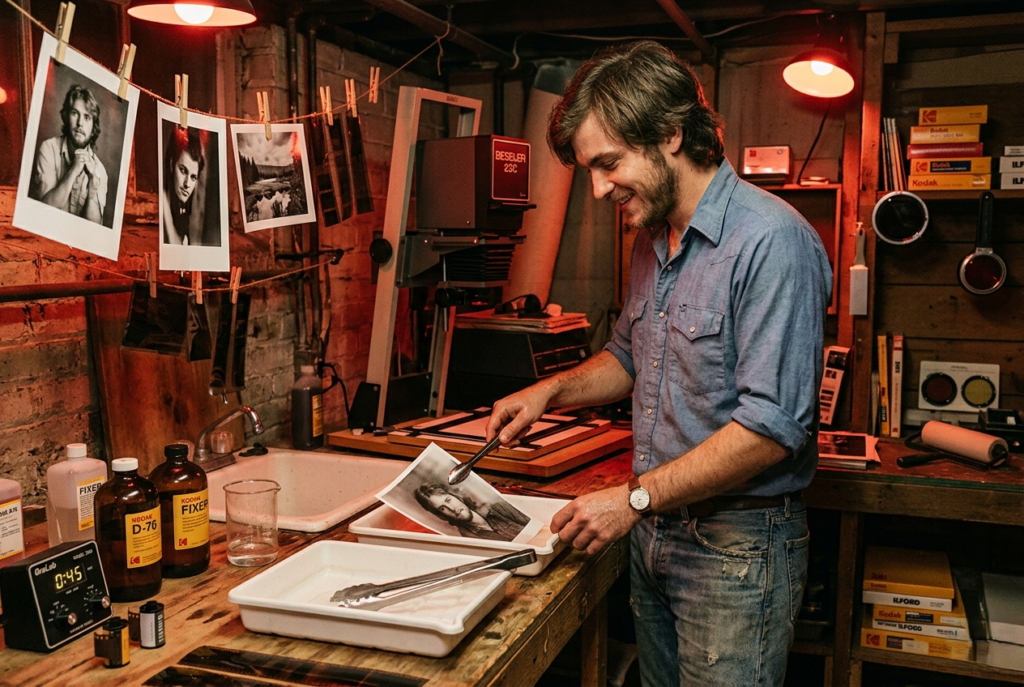
Photography used to be a hands-on art that required both skill and patience. Baby Boomers often developed their own photos at home using darkrooms, trays of chemicals, and careful timing under red safelights. Watching an image slowly emerge on paper was magical, and it offered a tangible reward for effort and creativity. The smell of the chemicals, the quiet focus, and the thrill of a perfectly developed photo made every session an adventure. Each photograph was not just a picture, but a memory carefully crafted and preserved. Today, digital cameras and smartphones make photography instant and effortless, but they also remove the suspense and tactile satisfaction of the darkroom process. While digital images can be shared in seconds, they lack the intimate, hands-on experience that made photography a true craft.
5. Model Building
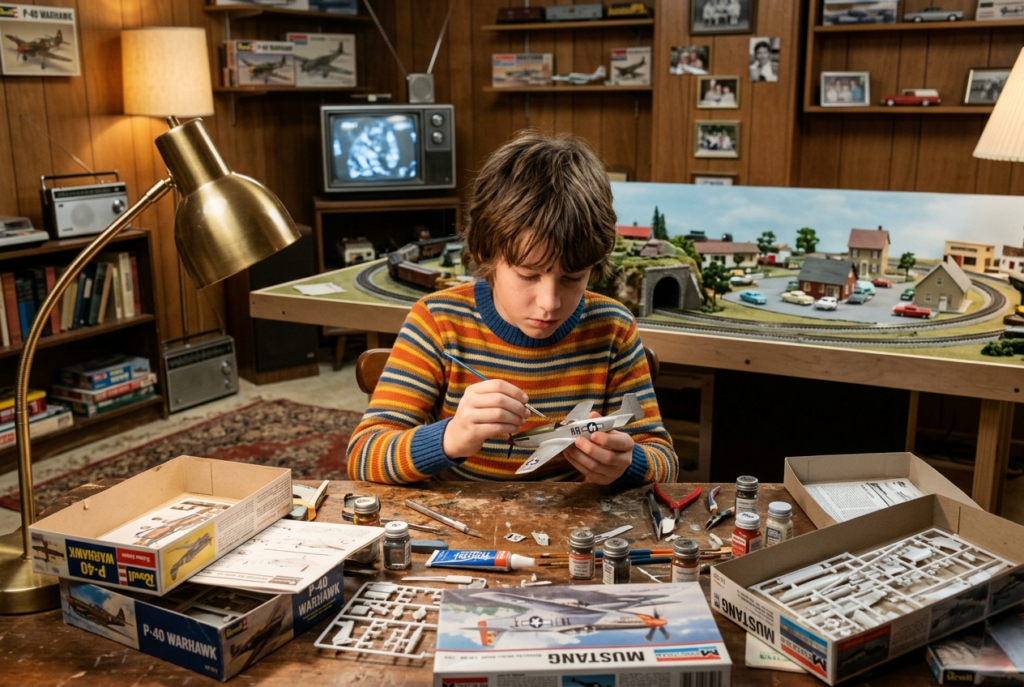
From model trains and ships to airplanes and even miniature towns, building models was a pastime that demanded attention to detail and patience. It wasn’t just about completing the model — it was about the process of constructing something by hand, learning new skills, and feeling a sense of accomplishment when the project was finished. Many Baby Boomers spent hours perfecting glue joints, painting tiny details, and arranging complex displays. Kids would often proudly display their creations to friends and family, turning living rooms into miniature worlds of imagination. These projects also encouraged problem-solving and creativity in ways that screen-based entertainment rarely can. In today’s fast-paced world, where entertainment is mostly digital, the quiet satisfaction of model building has become rare, replaced by instant gratification and screen-based hobbies.
6. Drive-In Movie Nights
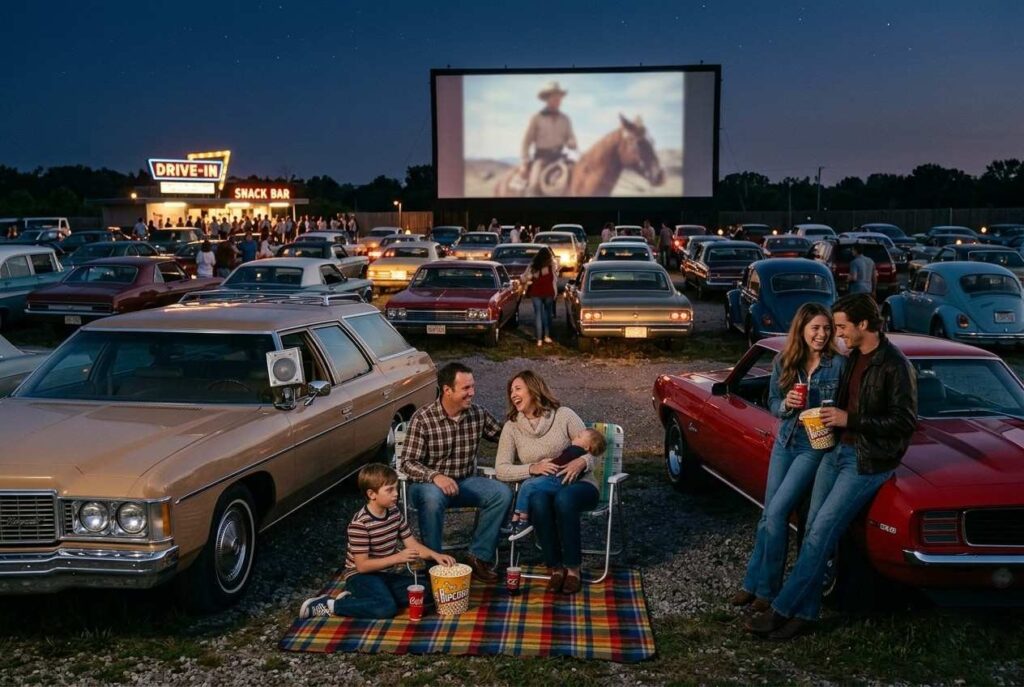
Drive-in theaters were a central part of social life for many Baby Boomers. Families and friends would pile into cars, bring blankets and snacks, and enjoy a movie under the stars. There was something uniquely communal about sharing laughter, gasps, and excitement in the open air while the world slowed down around you. Although a few drive-ins still exist, the golden era is gone. Streaming services, home theaters, and multiplex cinemas offer convenience, but they cannot replicate the charm, spontaneity, and sense of adventure that made drive-in movie nights special.
7. Bowling Leagues as Community Hubs
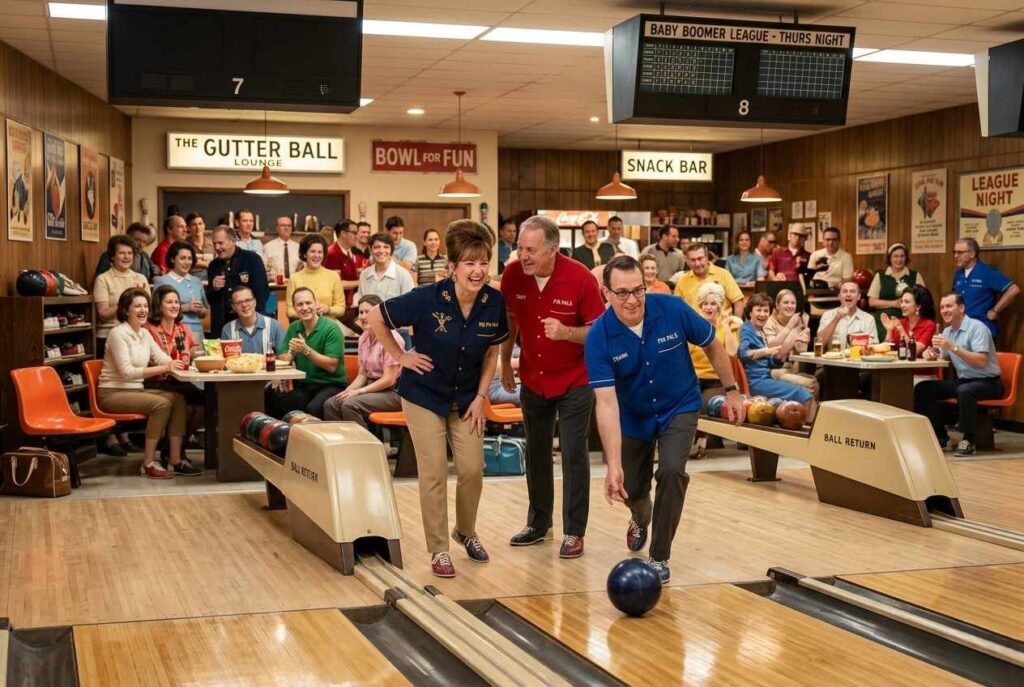
Bowling was more than just rolling balls down lanes; it was a weekly ritual, a chance to see neighbors, coworkers, and friends, and to celebrate victories or commiserate over losses. Bowling leagues created small communities built on friendly competition and social connection. Some alleys even offered potlucks and gatherings that strengthened relationships beyond the game. Today, bowling still exists, but league culture has largely faded. People still enjoy the occasional game, but the structured, social, and communal aspect of bowling leagues is mostly a thing of the past. For many Baby Boomers, those nights at the alley weren’t just about the score — they were about belonging to a community and creating memories that lasted a lifetime. The laughter, the playful rivalries, and the shared traditions are moments that modern casual play rarely captures.
Final Thoughts
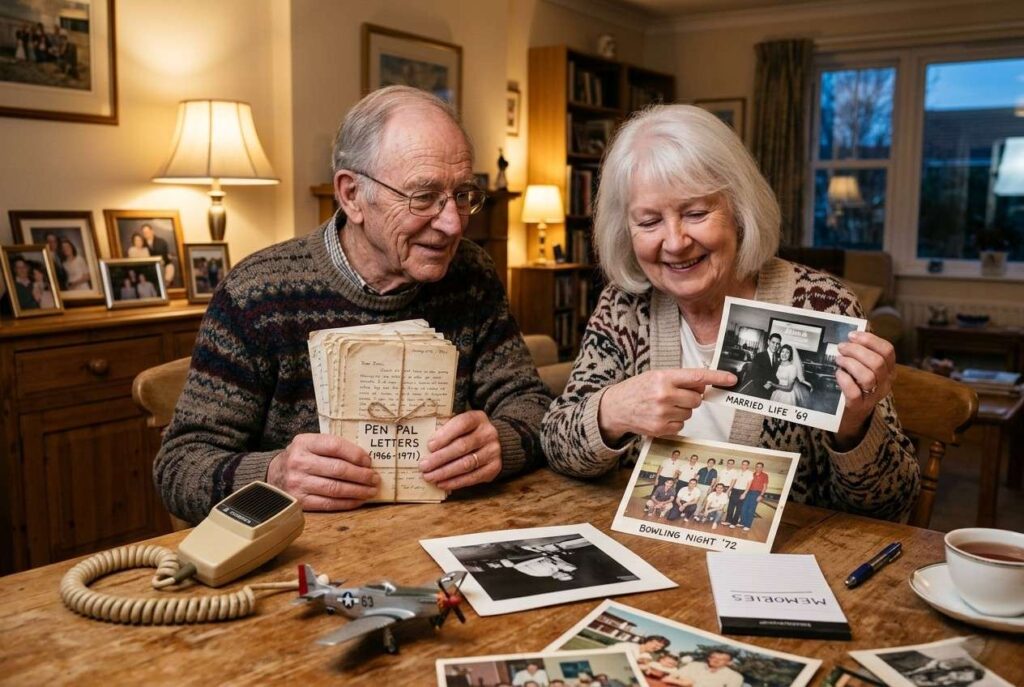
These seven pastimes remind us that leisure once carried a different rhythm. Baby Boomers grew up in an era where patience, creativity, and human connection were woven into hobbies. Writing letters, chatting over CB radios, racing icebox carts, building models, developing photos, enjoying drive-in movies, and joining bowling leagues were all activities that brought joy, fostered skills, and strengthened relationships.
While modern technology has replaced many of these activities, the underlying lessons still matter. There is value in slowing down, in making something with your hands, and in connecting with people in meaningful ways. Some of these pastimes may never return in their original forms, but remembering them can inspire new ways to bring a little of that old-world magic into our fast-moving lives. Perhaps writing a letter to a friend, visiting a local bowling alley, or trying out film photography can offer a taste of these lost joys, bridging the gap between generations and showing that even the smallest hobbies can leave lasting memories.
Leave a Reply