Our Debt Free Family

Commit. Plan. Take action.

  • BUDGETING
  • DEBT REDUCTION
  • INVESTING
  • LIFESTYLE
  • TOOLS
  • ABOUT
  • Privacy Policy
  • CONTACT
You are here: Home / Lifestyle / These 10 Adorable Animals Make Terrible Pets—Here’s Why

These 10 Adorable Animals Make Terrible Pets—Here’s Why

October 17, 2025 | Leave a Comment

10 Lovable Animals That Actually Make for Terrible Pets
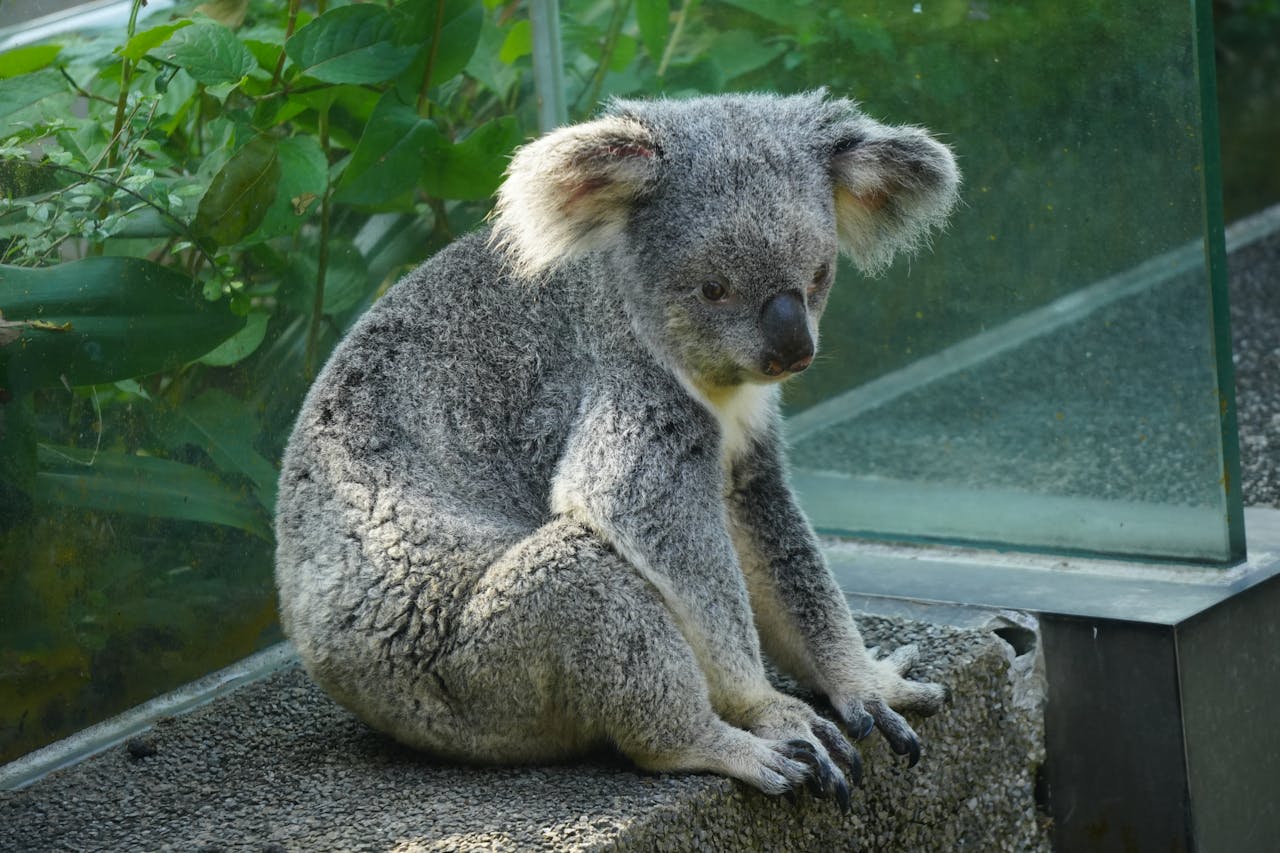
<p>Many animals captivate us with their charm and beauty, leading some to consider them as potential pets. However, certain species, despite their appeal, are unsuitable for domestication due to various challenges. Here are 10 lovable animals that actually make for terrible pets.</p> ::Pexels

Many animals captivate us with their charm and beauty, leading some to consider them as potential pets. However, certain species, despite their appeal, are unsuitable for domestication due to various challenges. Here are 10 lovable animals that actually make for terrible pets.


1. Monkeys
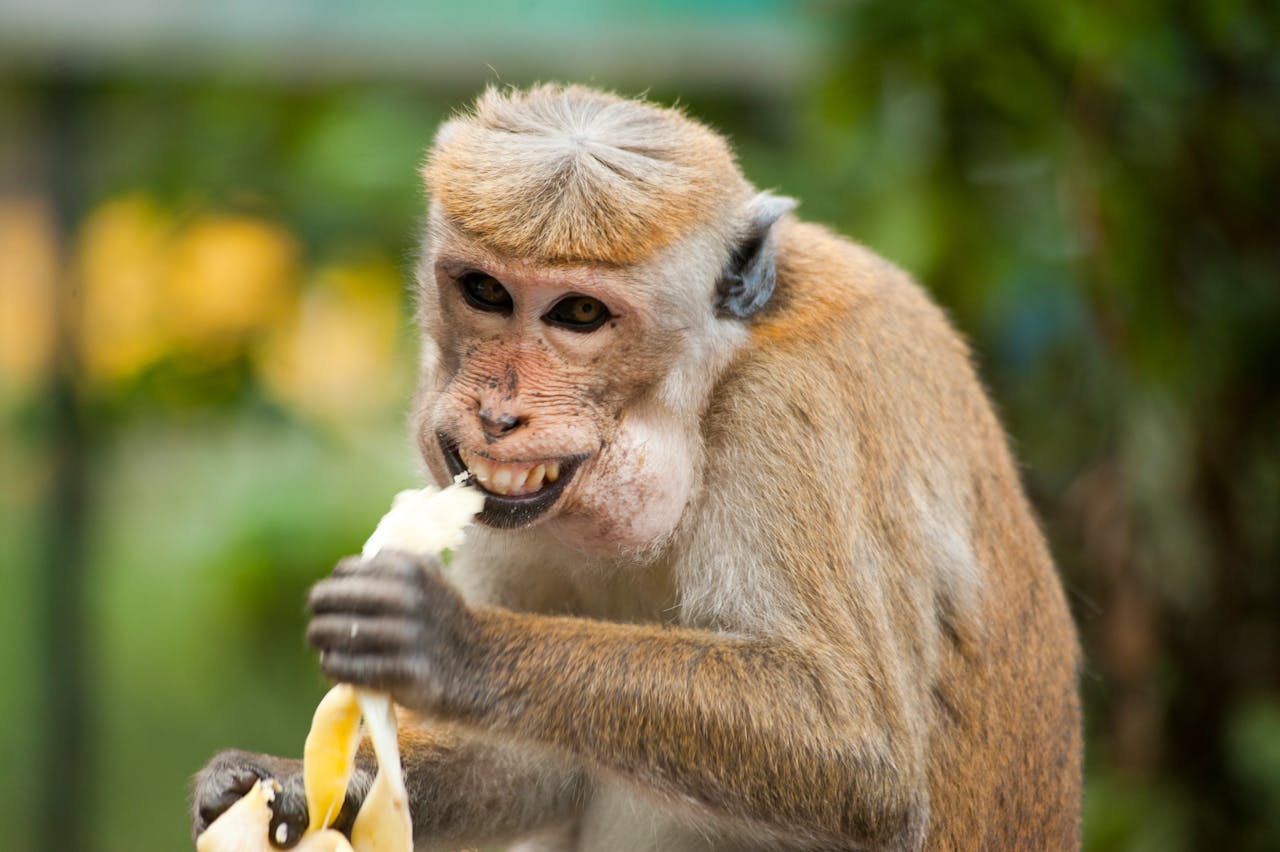
<p>Monkeys are intelligent and social creatures, making them appear as ideal companions. However, their complex social needs, potential for aggression, and long lifespans make them challenging to care for in a domestic setting. Additionally, owning primates can contribute to illegal wildlife trafficking, further threatening their populations.</p> ::Pexels

Monkeys are intelligent and social creatures, making them appear as ideal companions. However, their complex social needs, potential for aggression, and long lifespans make them challenging to care for in a domestic setting. Additionally, owning primates can contribute to illegal wildlife trafficking, further threatening their populations.


2. Slow Lorises <p> With their big, soulful eyes, slow lorises have become internet sensations. Despite their cuteness, they possess a toxic bite that can cause severe allergic reactions in humans. The illegal pet trade subjects them to inhumane practices, such as teeth removal, leading to high mortality rates. </p> :: Pexels
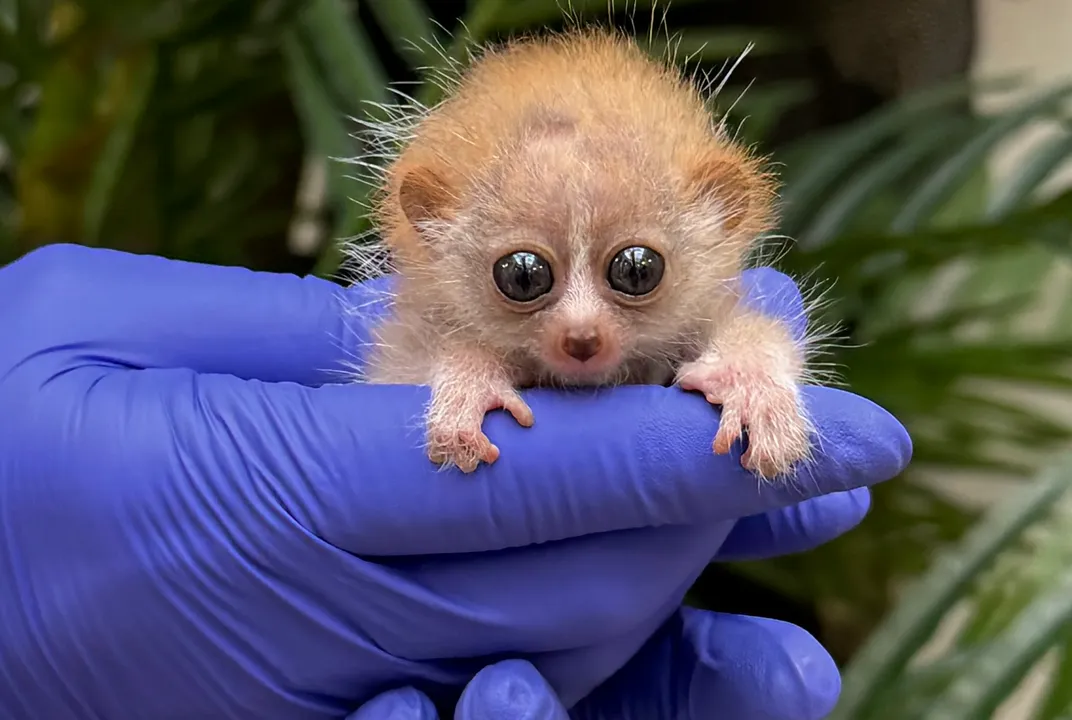
With their big, soulful eyes, slow lorises have become internet sensations. Despite their cuteness, they possess a toxic bite that can cause severe allergic reactions in humans. The illegal pet trade subjects them to inhumane practices, such as teeth removal, leading to high mortality rates.

3. Parrots
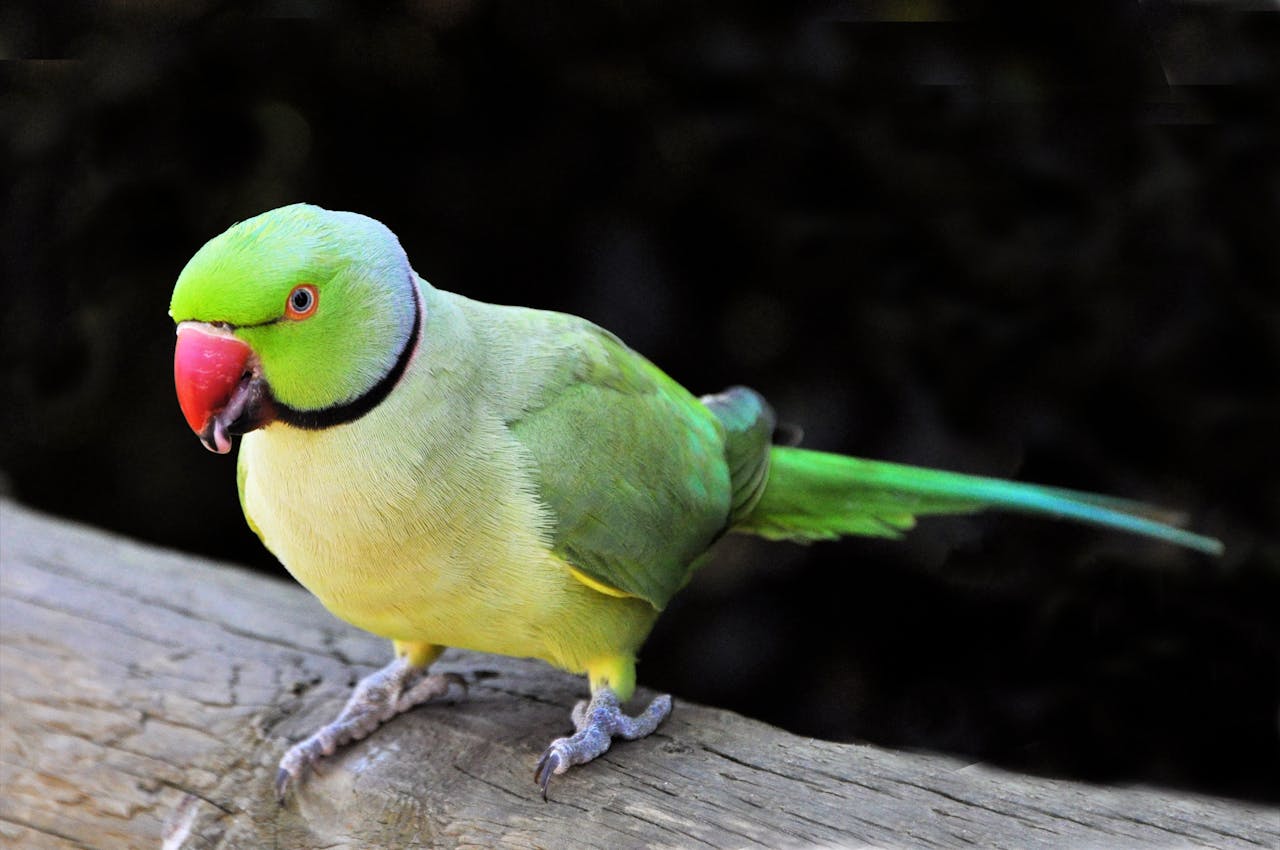
<p>Parrots are known for their vibrant plumage and ability to mimic human speech. However, they require extensive social interaction, mental stimulation, and can live for several decades. Without proper care, they may develop behavioral issues, making them unsuitable for many households.</p> ::Pexels

Parrots are known for their vibrant plumage and ability to mimic human speech. However, they require extensive social interaction, mental stimulation, and can live for several decades. Without proper care, they may develop behavioral issues, making them unsuitable for many households.


4. Green Iguanas
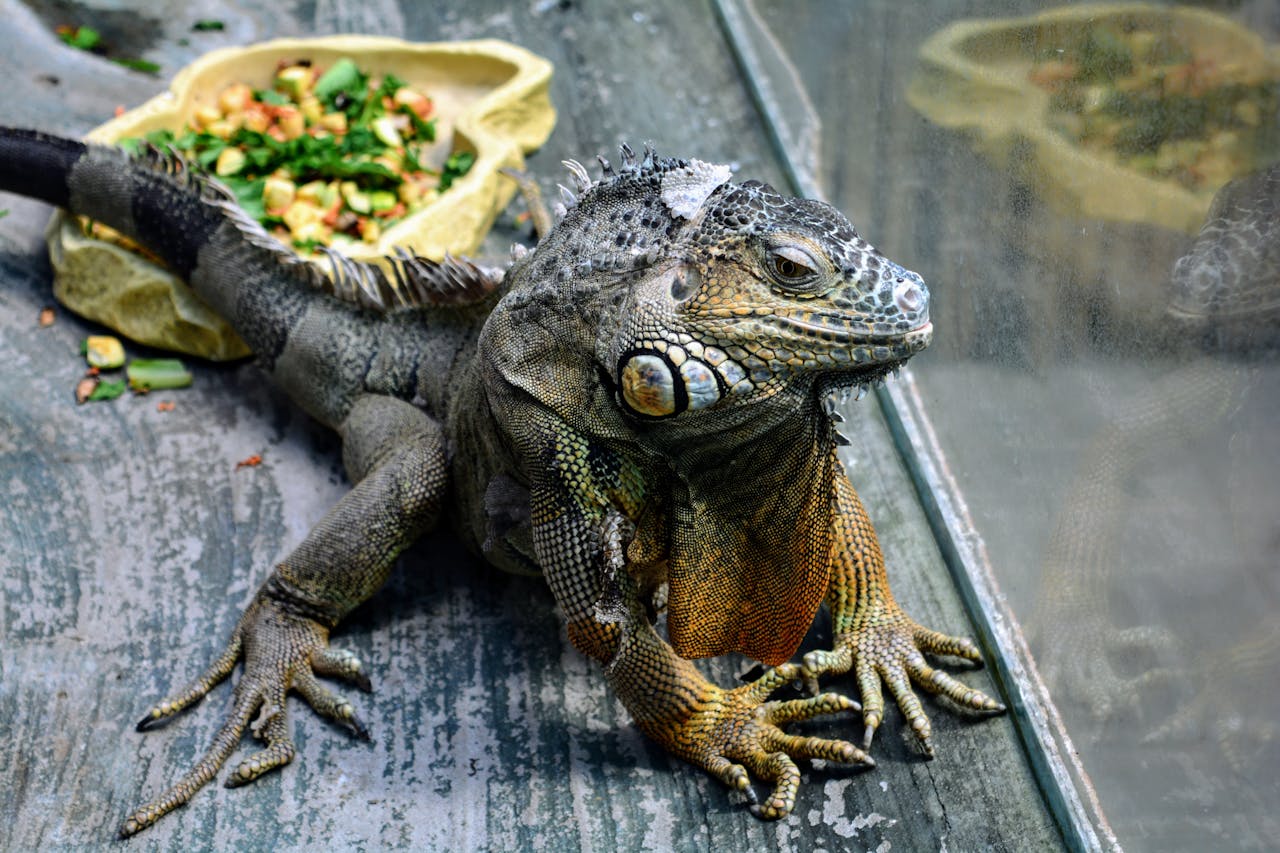
<p>Often sold as inexpensive pets, green iguanas can grow up to six feet in length and require specific environmental conditions to thrive. Inadequate care can lead to health problems, and in regions like Florida, released or escaped iguanas have become invasive, disrupting local ecosystems.</p> ::Pexels

Often sold as inexpensive pets, green iguanas can grow up to six feet in length and require specific environmental conditions to thrive. Inadequate care can lead to health problems, and in regions like Florida, released or escaped iguanas have become invasive, disrupting local ecosystems.


5. Ferrets
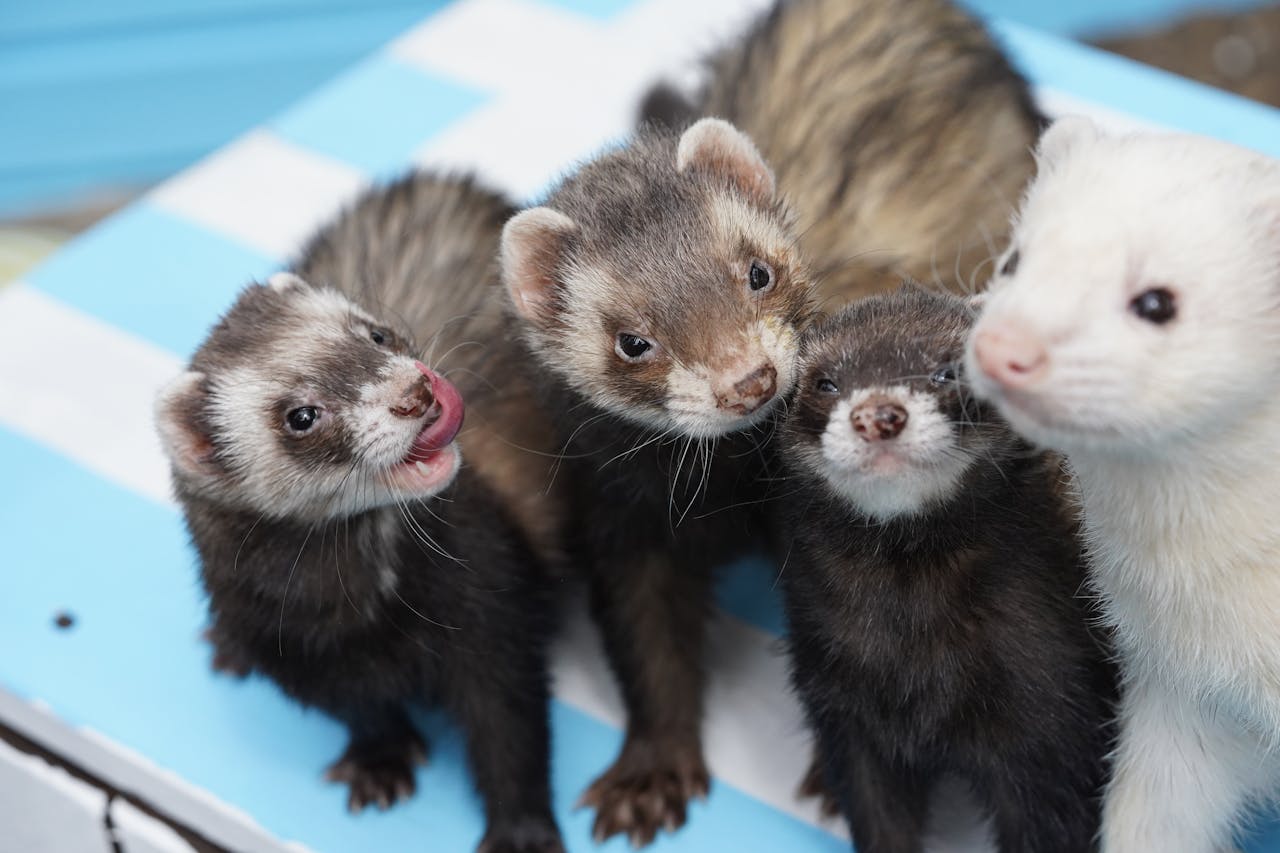
<p>Ferrets are playful and curious animals, but they have a musky odor and can be prone to destructive behavior if not properly trained and supervised. They also require a specialized diet and regular veterinary care, which can be demanding for some pet owners.</p> ::Pexels

Ferrets are playful and curious animals, but they have a musky odor and can be prone to destructive behavior if not properly trained and supervised. They also require a specialized diet and regular veterinary care, which can be demanding for some pet owners.


6. Hedgehogs
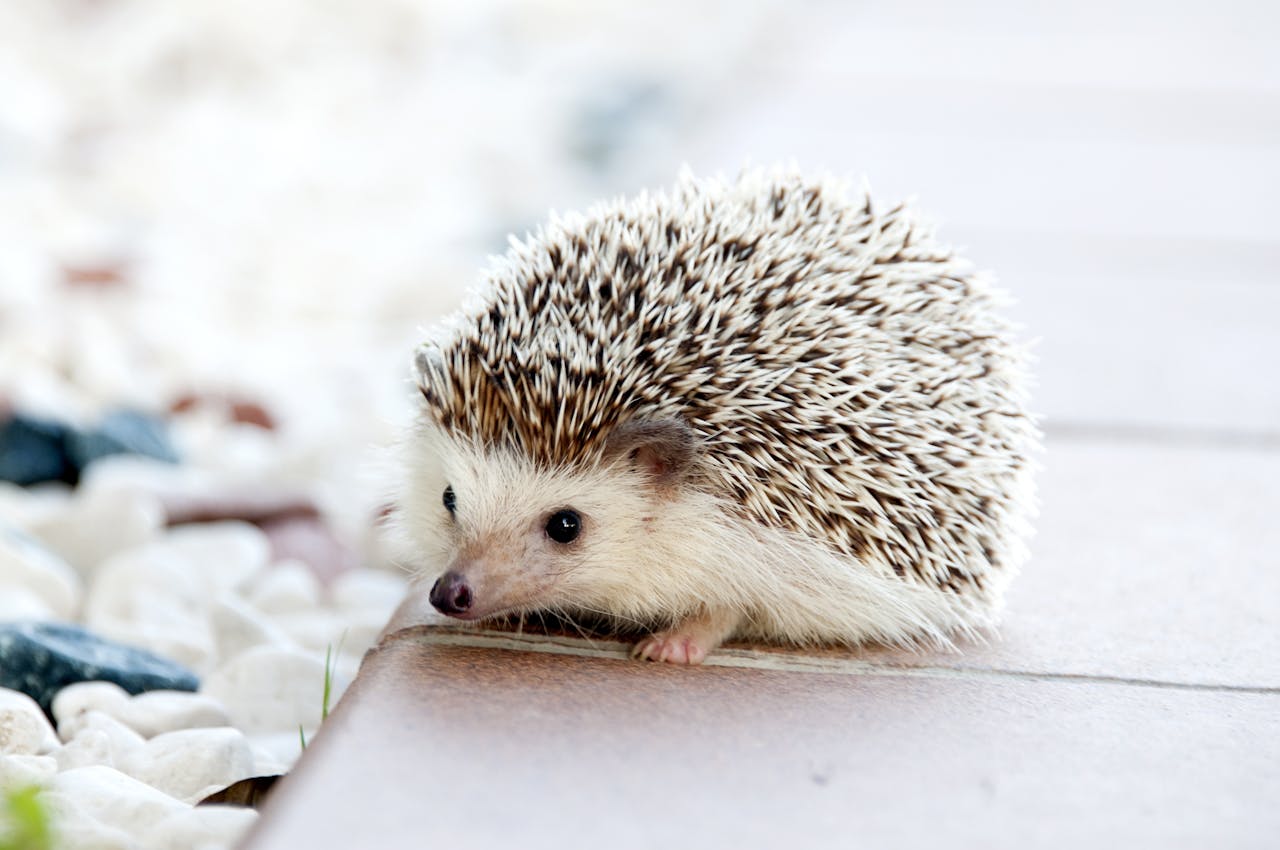
<p>These small, nocturnal creatures have gained popularity as pets due to their adorable appearance. However, they are prone to health issues, require specific temperature-controlled environments, and their nocturnal nature means they are active during the night, which may not align with human schedules.</p> ::Pexels

These small, nocturnal creatures have gained popularity as pets due to their adorable appearance. However, they are prone to health issues, require specific temperature-controlled environments, and their nocturnal nature means they are active during the night, which may not align with human schedules.


7. Owls
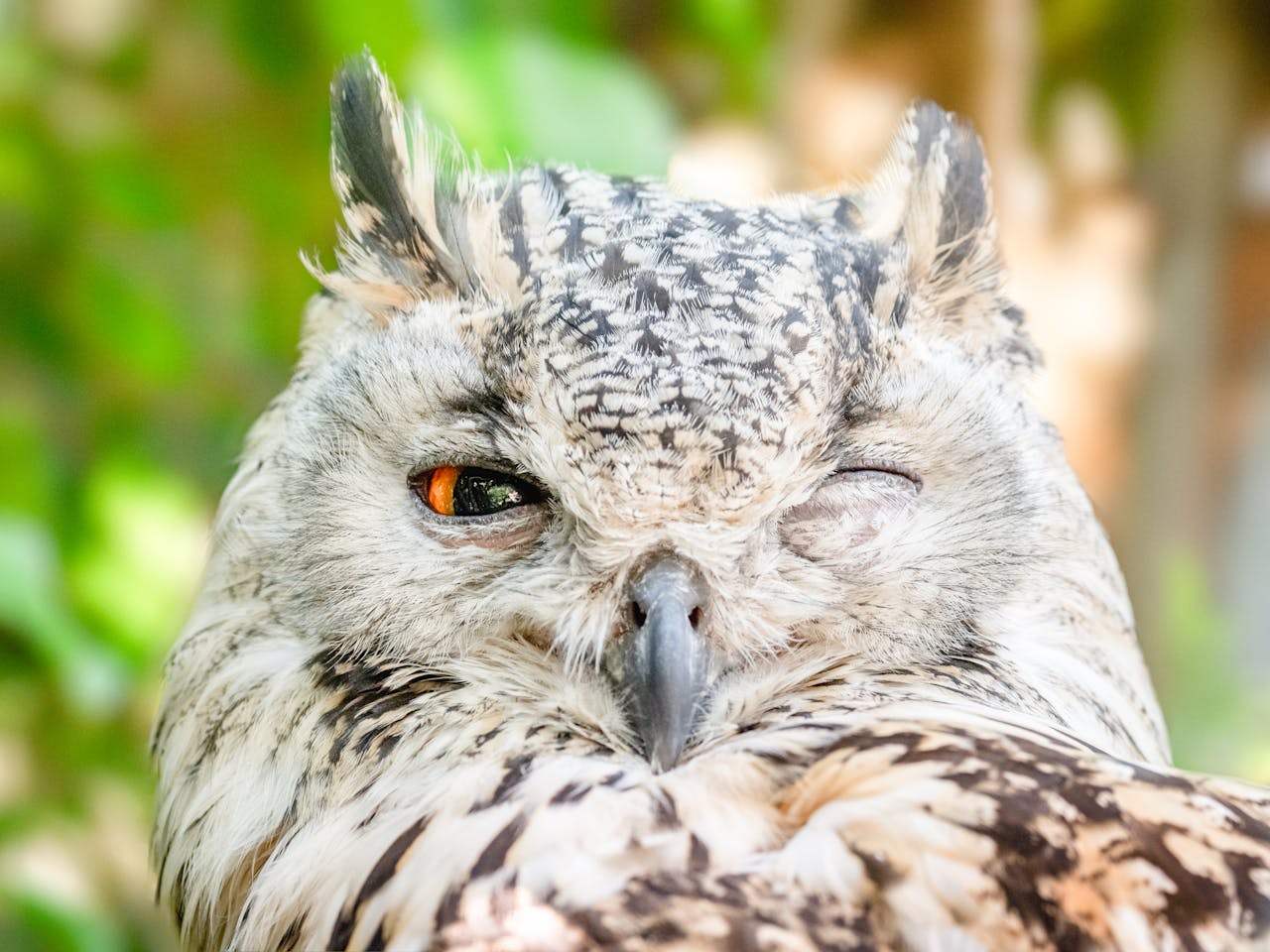
<p>Owls are often depicted as wise and majestic birds, leading some to desire them as pets. However, they are wild animals with specific dietary needs, require large enclosures, and their nocturnal habits make them unsuitable for domestic life.</p> ::Pexels

Owls are often depicted as wise and majestic birds, leading some to desire them as pets. However, they are wild animals with specific dietary needs, require large enclosures, and their nocturnal habits make them unsuitable for domestic life.


8. Skunks
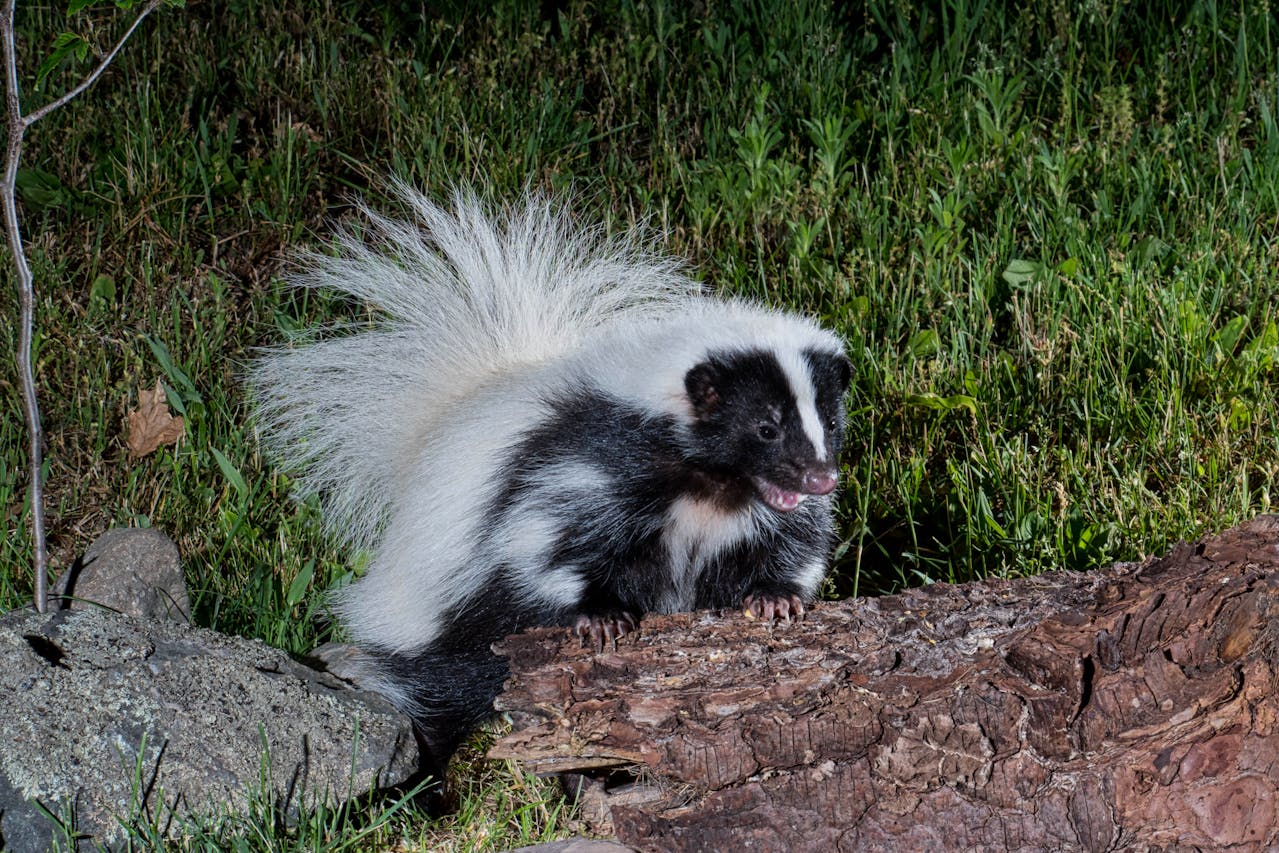
<p>While some may find skunks endearing, they are wild animals that can carry diseases such as rabies, leptospirosis, and distemper, posing health risks to humans and pets. Additionally, their natural defense mechanism—a potent spray—makes them challenging to manage as pets.</p> ::Pexels

While some may find skunks endearing, they are wild animals that can carry diseases such as rabies, leptospirosis, and distemper, posing health risks to humans and pets. Additionally, their natural defense mechanism—a potent spray—makes them challenging to manage as pets.


9. Deer
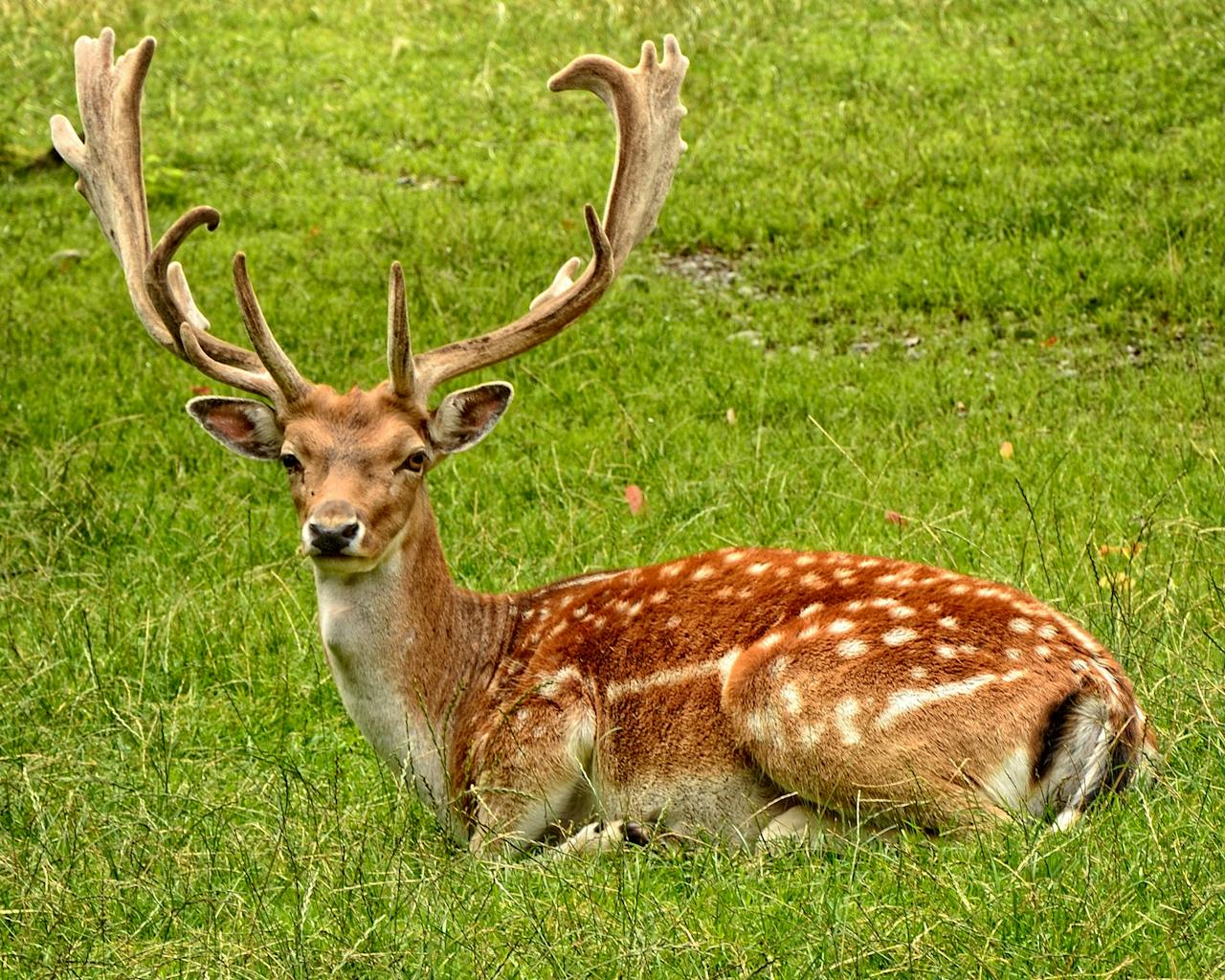
<p>Deer are often seen as gentle and graceful creatures, but keeping one as a pet is extremely impractical. They are highly skittish, require vast amounts of space, and can become aggressive—especially during the breeding season. Additionally, deer are social animals that struggle when removed from their herd, leading to stress and health issues in captivity. Many states even prohibit keeping deer as pets due to conservation concerns.</p> ::Pexels

Deer are often seen as gentle and graceful creatures, but keeping one as a pet is extremely impractical. They are highly skittish, require vast amounts of space, and can become aggressive—especially during the breeding season. Additionally, deer are social animals that struggle when removed from their herd, leading to stress and health issues in captivity. Many states even prohibit keeping deer as pets due to conservation concerns.


10. Dolphins
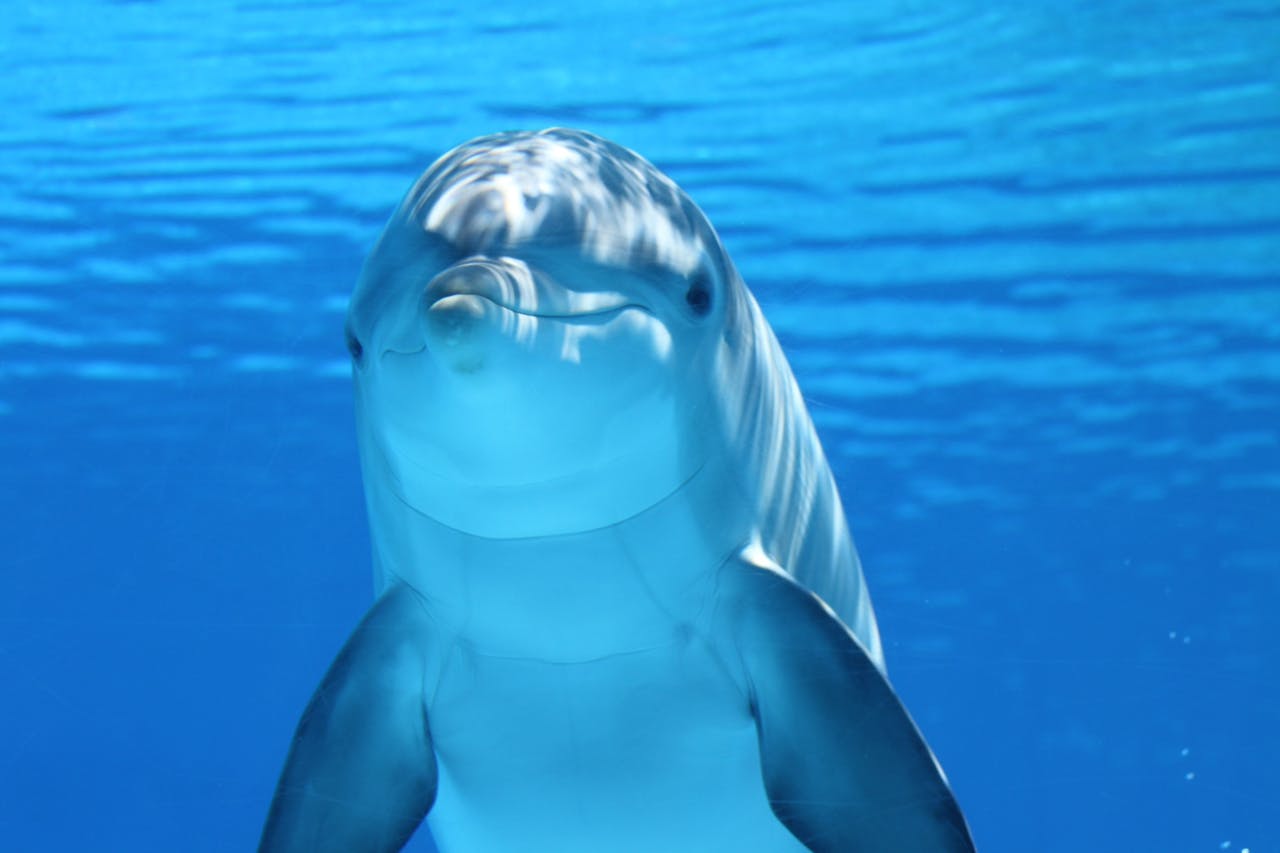
<p>Dolphins are intelligent and playful, but they are completely unsuitable as pets. They require large expanses of ocean to thrive, cannot be confined to small tanks without suffering mental and physical stress, and have complex social structures that are nearly impossible to replicate in captivity. Additionally, keeping a dolphin as a pet is illegal in most places due to conservation laws and ethical concerns. Captive dolphins often suffer from shortened lifespans and behavioral problems.</p> ::Pexels

Dolphins are intelligent and playful, but they are completely unsuitable as pets. They require large expanses of ocean to thrive, cannot be confined to small tanks without suffering mental and physical stress, and have complex social structures that are nearly impossible to replicate in captivity. Additionally, keeping a dolphin as a pet is illegal in most places due to conservation laws and ethical concerns. Captive dolphins often suffer from shortened lifespans and behavioral problems.


Final Thoughts
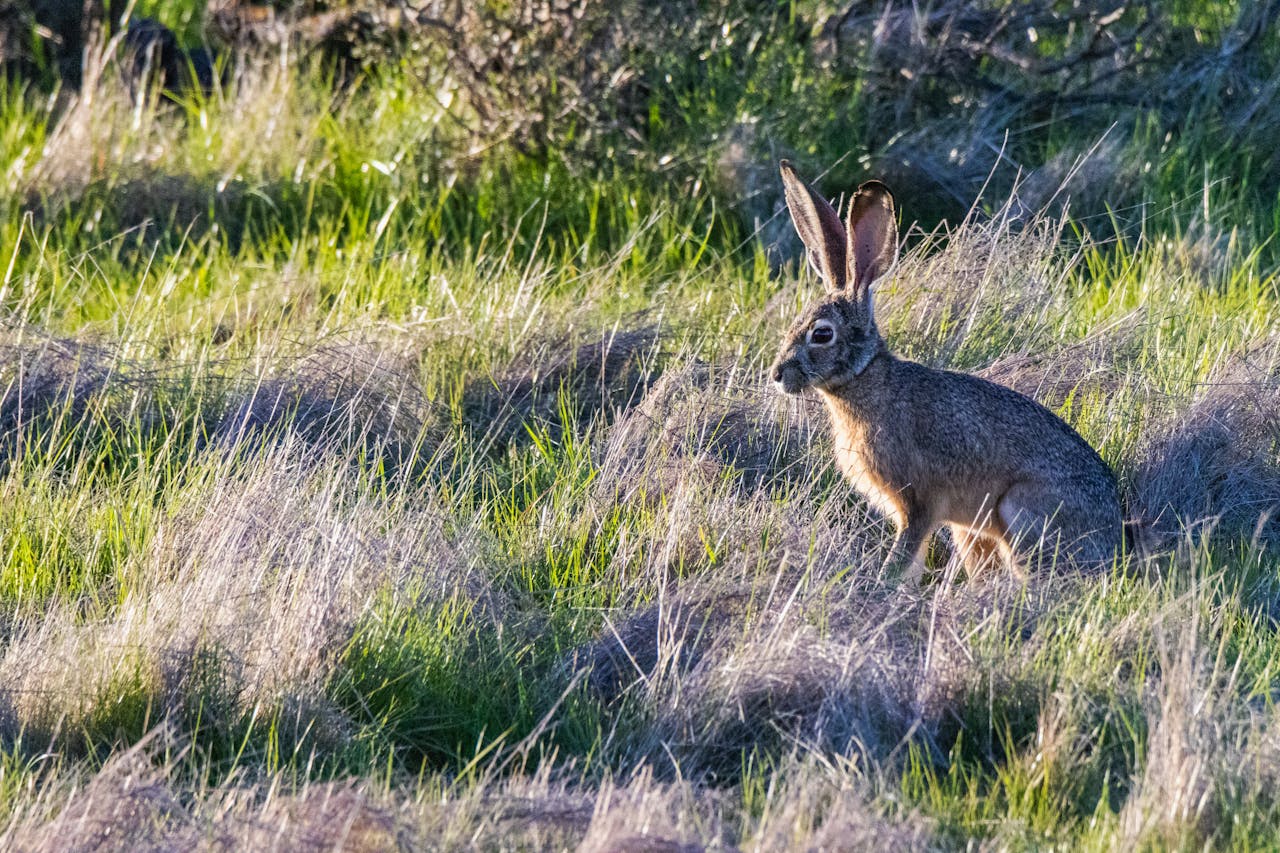
<p>While the allure of owning an exotic or unconventional pet can be strong, it’s crucial to consider the ethical, legal, and practical implications. Many of these animals are best appreciated in their natural habitats or through reputable conservation programs, ensuring their well-being and the safety of potential pet owners.</p> ::Pexels

While the allure of owning an exotic or unconventional pet can be strong, it’s crucial to consider the ethical, legal, and practical implications. Many of these animals are best appreciated in their natural habitats or through reputable conservation programs, ensuring their well-being and the safety of potential pet owners.

Filed Under: Lifestyle

Leave a Reply Cancel reply

Your email address will not be published. Required fields are marked *

  • Email
  • Facebook
  • Pinterest
  • Twitter

Our Most Popular Articles

ClickCashGo Review: Should You Avoid At All Costs?

Ultimate Guide to Mastering Your Credit Score

The 'YOLO' Mindset is a Dangerous Thing

Dave Ramsey's Financial Peace University Review: Is it Worth the Money?

Cash App Glitch 2025: Is the Free Money Glitch Real?

Five Steps To Debt Freedom

Here are five simple guidlines that will help you pay off debt.  

1) Get an emergency fund so you don’t take on debt when something comes up.

2) List your debts. This way you know where you stand.

3) Use the debt snowball. Pay your debts from smallest to largest, or most expensive to least expensive.

4) Avoid new debt. No new credit cards or loans. Period.

5) Go all cash. After everything is paid off, switch to all cash.

Helpful Resources

U of Tennesse Debt Repayment Plan Basics

Vertex 42's Debt Payoff Calculator

Savingadvice's Helpful Debt Forums

Jackie Becks Debt Blog