Our Debt Free Family

Commit. Plan. Take action.

  • BUDGETING
  • DEBT REDUCTION
  • INVESTING
  • LIFESTYLE
  • TOOLS
  • ABOUT
  • Privacy Policy
  • CONTACT
You are here: Home / Autos / Mechanics Say These 6 Simple DIY Fixes Can Extend Your Car’s Life
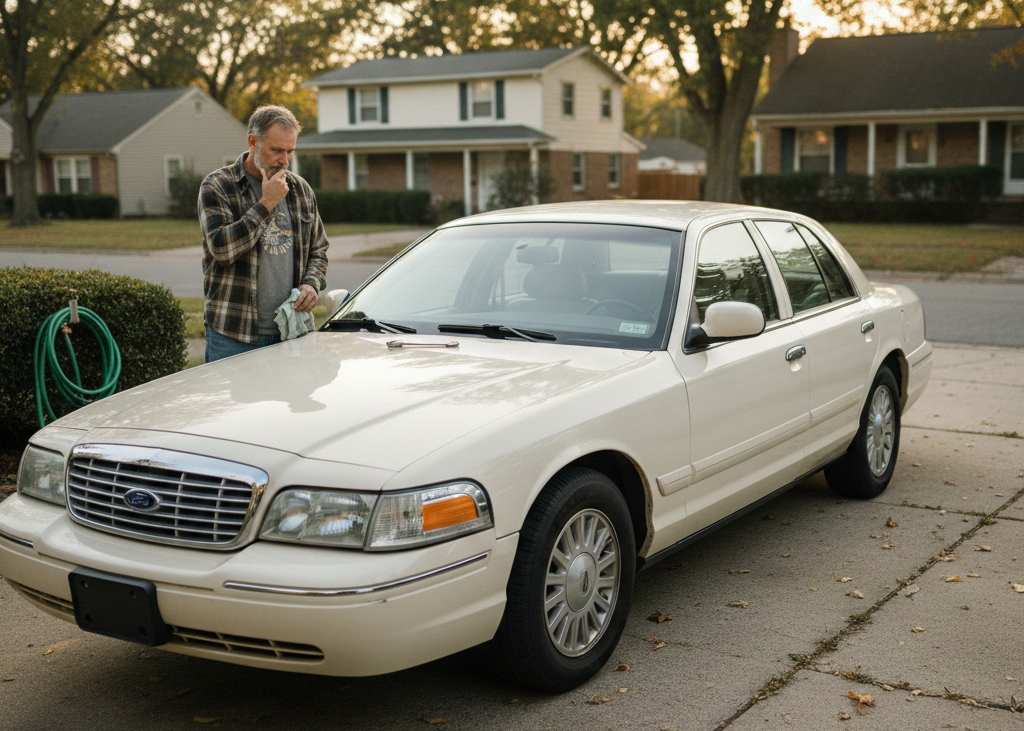
Mechanics Say These 6 Simple DIY Fixes Can Extend Your Car’s Life

January 23, 2026 | Leave a Comment

Mechanics Say These 6 Simple DIY Fixes Can Extend Your Car’s Life

<p> Most people think cars wear out because they get old. Mechanics will tell you something very different. Cars usually fail because of neglect, not age. Small maintenance tasks get skipped, warning signs get ignored, and before long, a perfectly good vehicle turns into a money pit. The frustrating part is that many of the problems that shorten a car’s lifespan start small and could have been prevented with simple do-it-yourself care.

You do not need a garage full of tools or years of experience to keep your car running longer. In fact, many mechanics agree that a handful of basic habits make a bigger difference than expensive upgrades or fancy parts. These fixes take little time, cost very little money, and can add years to your car’s life if you stay consistent.

If you want to avoid premature breakdowns, reduce repair bills, and feel more confident behind the wheel, these six simple DIY fixes are a great place to start. </p> :: Gemini

Most people think cars wear out because they get old. Mechanics will tell you something very different. Cars usually fail because of neglect, not age. Small maintenance tasks get skipped, warning signs get ignored, and before long, a perfectly good vehicle turns into a money pit. The frustrating part is that many of the problems that shorten a car’s lifespan start small and could have been prevented with simple do-it-yourself care.

You do not need a garage full of tools or years of experience to keep your car running longer. In fact, many mechanics agree that a handful of basic habits make a bigger difference than expensive upgrades or fancy parts. These fixes take little time, cost very little money, and can add years to your car’s life if you stay consistent.

If you want to avoid premature breakdowns, reduce repair bills, and feel more confident behind the wheel, these six simple DIY fixes are a great place to start.

1. Change and Check Your Engine Oil on a Consistent Schedule
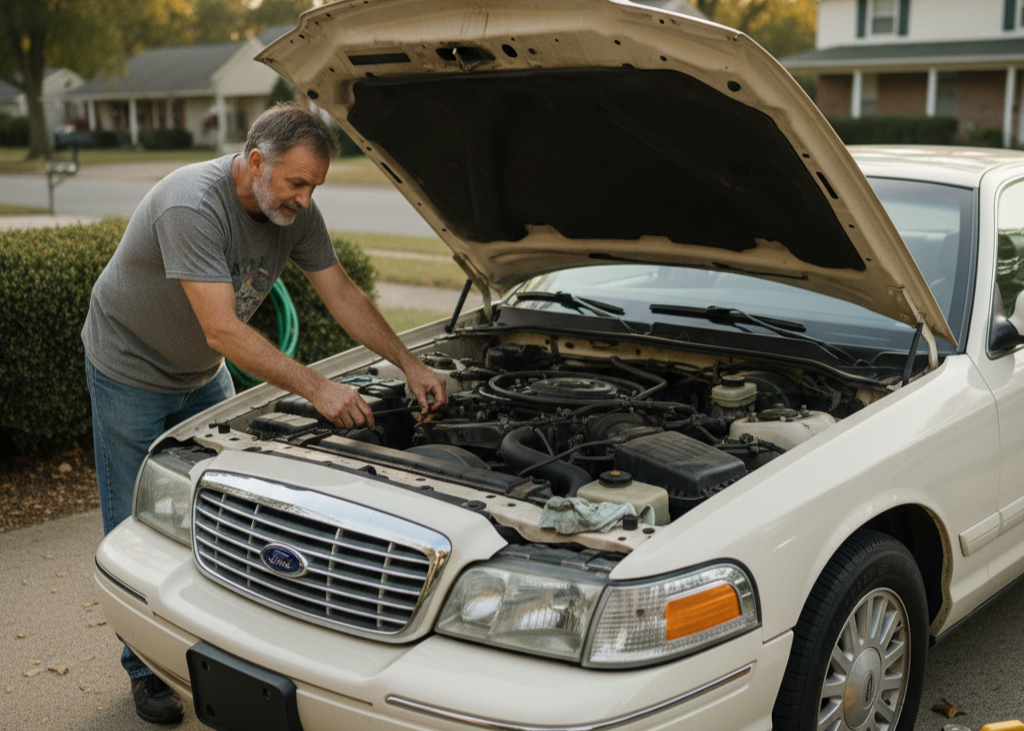
<p> If there is one thing mechanics wish every driver took seriously, it is engine oil. Oil keeps metal parts from grinding against each other, helps control engine temperature, and carries away dirt that would otherwise build up inside the engine. When oil gets old or runs low, it stops doing its job properly, and that is when wear speeds up fast.

Checking your oil once a month takes less than five minutes and gives you early warning if something is wrong. Changing it on time is just as important. Most modern cars need an oil change every five thousand to seventy five hundred miles, depending on the type of oil and how you drive. Doing this simple task keeps your engine cleaner, quieter, and far less likely to suffer major internal damage. Over the long run, regular oil changes are one of the cheapest ways to protect the most expensive part of your car. </p> :: Gemini

If there is one thing mechanics wish every driver took seriously, it is engine oil. Oil keeps metal parts from grinding against each other, helps control engine temperature, and carries away dirt that would otherwise build up inside the engine. When oil gets old or runs low, it stops doing its job properly, and that is when wear speeds up fast.

Checking your oil once a month takes less than five minutes and gives you early warning if something is wrong. Changing it on time is just as important. Most modern cars need an oil change every five thousand to seventy five hundred miles, depending on the type of oil and how you drive. Doing this simple task keeps your engine cleaner, quieter, and far less likely to suffer major internal damage. Over the long run, regular oil changes are one of the cheapest ways to protect the most expensive part of your car.

2. Keep Your Tires Properly Inflated and Rotated
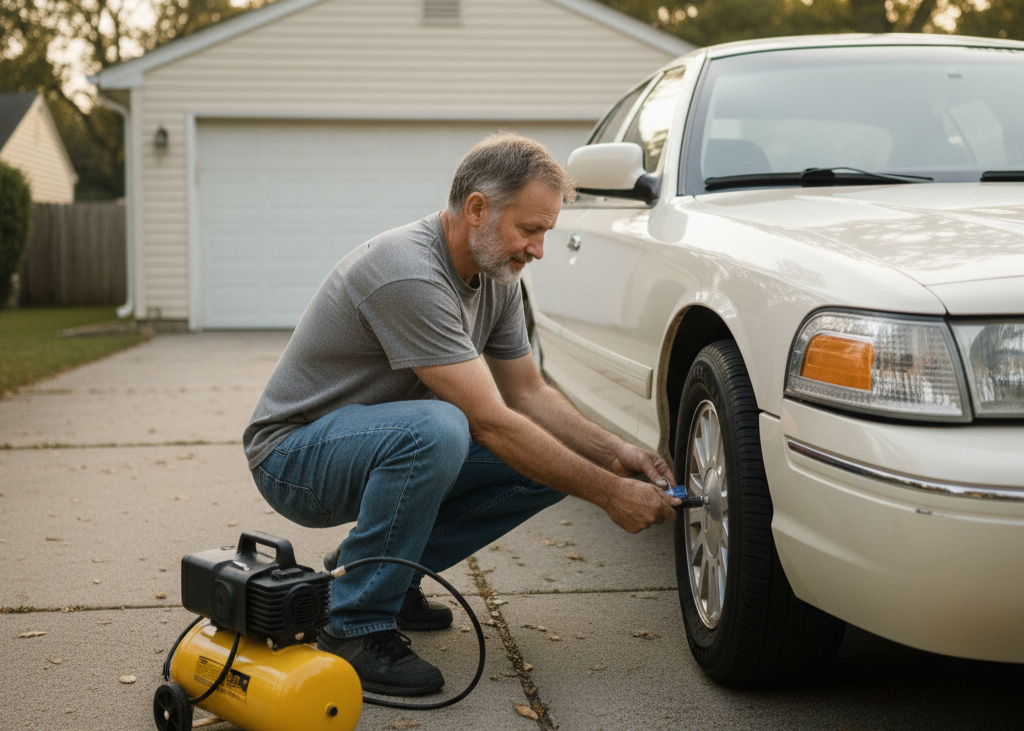
<p> Tires are easy to forget about until one goes flat or wears out too soon. Mechanics see uneven tire wear all the time, and it often points to poor inflation habits or skipped rotations. Driving on underinflated tires makes your engine work harder, reduces fuel efficiency, and puts extra strain on suspension and steering parts.

Checking tire pressure once a month is simple and can usually be done with a basic gauge or at a gas station. Inflating your tires to the recommended pressure helps them wear evenly and improves handling and safety. Tire rotation is just as important. Rotating tires every six thousand to eight thousand miles helps all four tires wear at a similar rate, which extends their life and keeps your car driving straight and stable. It is a small effort that pays off every time you hit the road. </p> :: Gemini

Tires are easy to forget about until one goes flat or wears out too soon. Mechanics see uneven tire wear all the time, and it often points to poor inflation habits or skipped rotations. Driving on underinflated tires makes your engine work harder, reduces fuel efficiency, and puts extra strain on suspension and steering parts.

Checking tire pressure once a month is simple and can usually be done with a basic gauge or at a gas station. Inflating your tires to the recommended pressure helps them wear evenly and improves handling and safety. Tire rotation is just as important. Rotating tires every six thousand to eight thousand miles helps all four tires wear at a similar rate, which extends their life and keeps your car driving straight and stable. It is a small effort that pays off every time you hit the road.

3. Replace a Dirty Air Filter Before It Chokes Performance
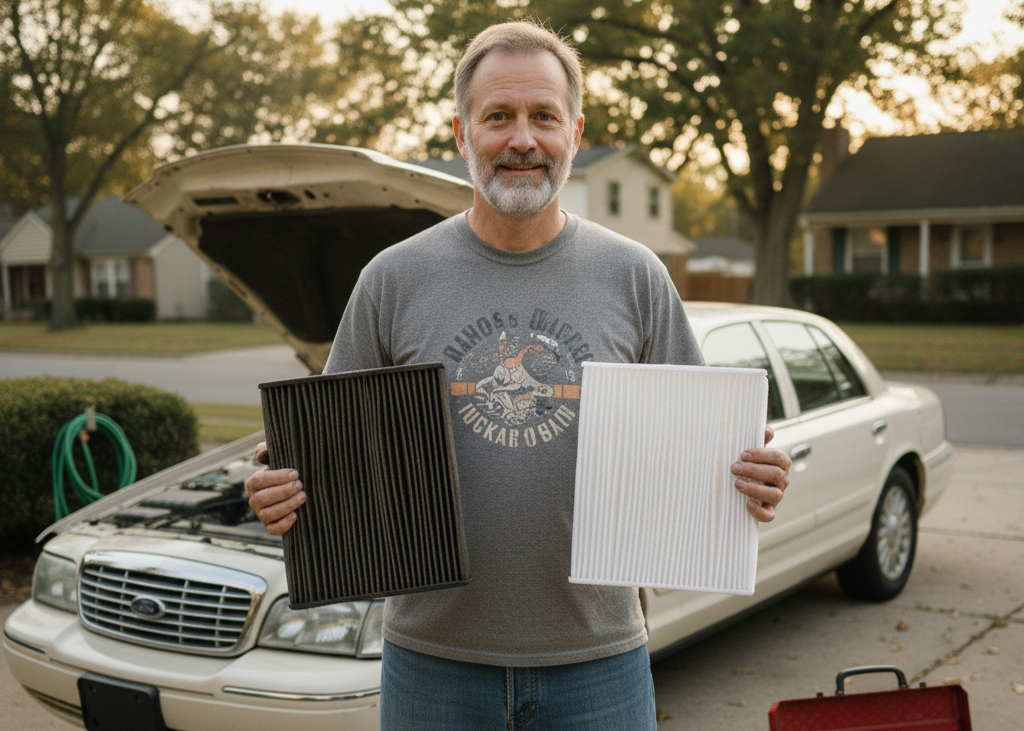
<p> Your engine needs clean air to run efficiently, but many drivers forget about the air filter entirely. A clogged air filter restricts airflow, forcing the engine to work harder than it should. That can lead to reduced fuel efficiency, sluggish acceleration, and unnecessary strain on engine components.

The good news is that replacing an air filter is one of the easiest DIY jobs you can do. In many cars, it takes less than ten minutes and requires no tools. If your filter looks dark, dusty, or packed with debris, it is time for a new one. Keeping a clean air filter helps your engine breathe easier, run smoother, and last longer. It is a small fix that delivers immediate benefits you can actually feel while driving. </p> :: Gemini

Your engine needs clean air to run efficiently, but many drivers forget about the air filter entirely. A clogged air filter restricts airflow, forcing the engine to work harder than it should. That can lead to reduced fuel efficiency, sluggish acceleration, and unnecessary strain on engine components.

The good news is that replacing an air filter is one of the easiest DIY jobs you can do. In many cars, it takes less than ten minutes and requires no tools. If your filter looks dark, dusty, or packed with debris, it is time for a new one. Keeping a clean air filter helps your engine breathe easier, run smoother, and last longer. It is a small fix that delivers immediate benefits you can actually feel while driving.

4. Take Care of Your Car Battery Before It Fails
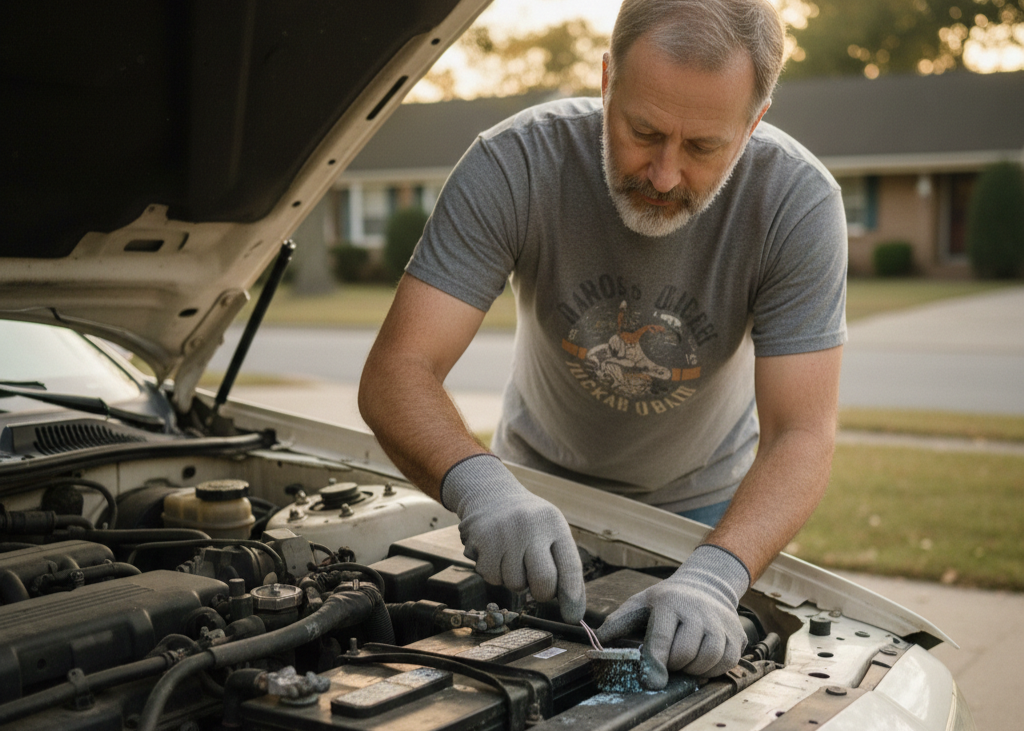
<p> A dead battery has a way of striking at the worst possible moment. Many battery failures are not sudden at all. They show warning signs that drivers often miss, like slow starts or flickering lights. Mechanics frequently see batteries fail early simply because corrosion was allowed to build up or connections were left loose.

Checking your battery a couple of times a year can prevent those headaches. Look for corrosion on the terminals and clean it off if needed. Make sure the cables are tight and secure. If your battery is more than three years old, having it tested is a smart move. Taking these small steps can extend battery life and help you avoid being stranded in a parking lot or driveway when you least expect it. </p> :: Gemini

A dead battery has a way of striking at the worst possible moment. Many battery failures are not sudden at all. They show warning signs that drivers often miss, like slow starts or flickering lights. Mechanics frequently see batteries fail early simply because corrosion was allowed to build up or connections were left loose.

Checking your battery a couple of times a year can prevent those headaches. Look for corrosion on the terminals and clean it off if needed. Make sure the cables are tight and secure. If your battery is more than three years old, having it tested is a smart move. Taking these small steps can extend battery life and help you avoid being stranded in a parking lot or driveway when you least expect it.

5. Check and Top Off Essential Fluids Regularly
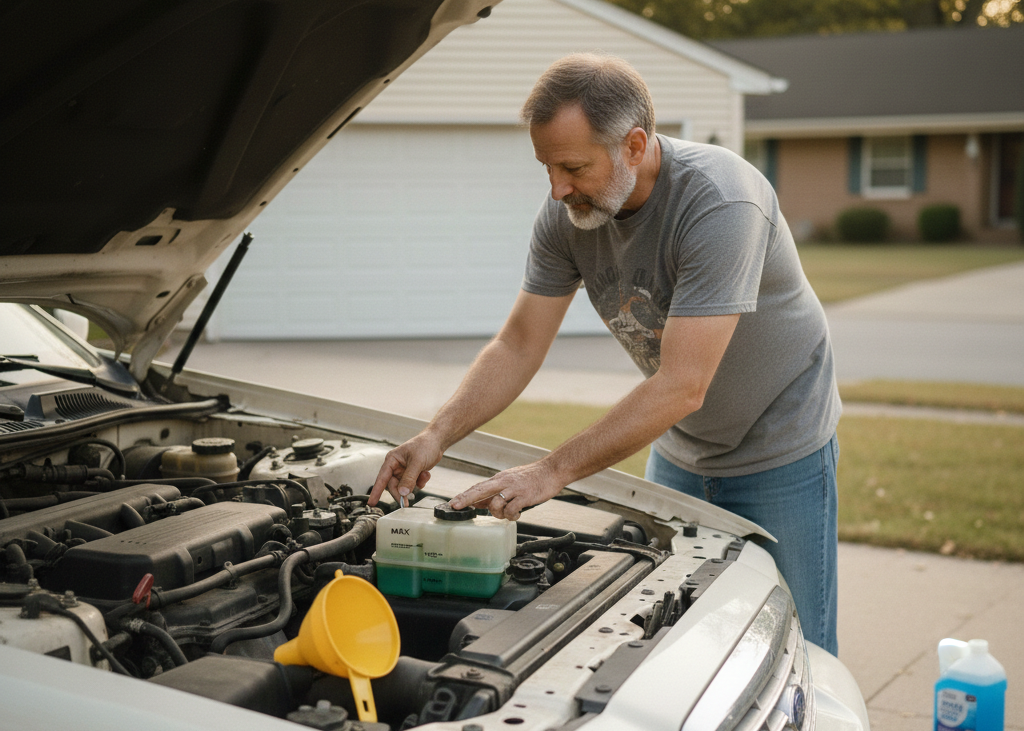
<p> Your car relies on several fluids to operate safely and smoothly, not just engine oil. Coolant prevents overheating, brake fluid ensures reliable stopping power, power steering fluid helps with steering response, and windshield washer fluid keeps your view clear. When these fluids run low or become contaminated, problems can escalate quickly.

Checking fluid levels is one of the simplest habits you can build. Most reservoirs are clearly marked and easy to access under the hood. Keeping fluids at the proper level helps prevent overheating, brake issues, and steering problems that can shorten your car’s lifespan. It also helps you spot leaks early, when they are easier and cheaper to fix. Staying on top of fluids is an easy way to protect both performance and safety. </p> :: Gemini

Your car relies on several fluids to operate safely and smoothly, not just engine oil. Coolant prevents overheating, brake fluid ensures reliable stopping power, power steering fluid helps with steering response, and windshield washer fluid keeps your view clear. When these fluids run low or become contaminated, problems can escalate quickly.

Checking fluid levels is one of the simplest habits you can build. Most reservoirs are clearly marked and easy to access under the hood. Keeping fluids at the proper level helps prevent overheating, brake issues, and steering problems that can shorten your car’s lifespan. It also helps you spot leaks early, when they are easier and cheaper to fix. Staying on top of fluids is an easy way to protect both performance and safety.

6. Keep a Simple Maintenance Log to Stay Ahead of Problems

<p> This fix does not involve tools or grease, but mechanics swear by it. A basic maintenance log helps you remember when services were done and when they are due again. Many drivers rely on memory, and that often leads to skipped oil changes, forgotten rotations, or delayed inspections.

Keeping a small notebook in your glove box or a note on your phone can make a big difference. Write down dates and mileage for oil changes, tire rotations, filter replacements, and fluid checks. This habit keeps you organized and helps you catch maintenance needs before they turn into costly repairs. It also adds value if you ever sell your car, since buyers appreciate proof that a vehicle has been well cared for. </p> :: Gemini

This fix does not involve tools or grease, but mechanics swear by it. A basic maintenance log helps you remember when services were done and when they are due again. Many drivers rely on memory, and that often leads to skipped oil changes, forgotten rotations, or delayed inspections.

Keeping a small notebook in your glove box or a note on your phone can make a big difference. Write down dates and mileage for oil changes, tire rotations, filter replacements, and fluid checks. This habit keeps you organized and helps you catch maintenance needs before they turn into costly repairs. It also adds value if you ever sell your car, since buyers appreciate proof that a vehicle has been well cared for.

Final Thoughts

<p> Extending your car’s life does not require expensive tools, professional training, or hours in a repair shop. It comes down to consistency, awareness, and a willingness to handle the basics before problems grow. Mechanics see it every day. Cars that receive simple, regular care often last far longer than expected, while neglected vehicles break down early and cost far more to own.

These six DIY fixes are not glamorous, but they work. They protect your engine, improve safety, and help you avoid the kind of repairs that drain your savings and ruin your day. When you take a little time to care for your car, you are not just saving money. You are buying peace of mind every time you turn the key.

Your car does a lot for you. Giving it a bit of attention in return is one of the smartest habits a driver can build. </p> :: Gemini

Extending your car’s life does not require expensive tools, professional training, or hours in a repair shop. It comes down to consistency, awareness, and a willingness to handle the basics before problems grow. Mechanics see it every day. Cars that receive simple, regular care often last far longer than expected, while neglected vehicles break down early and cost far more to own.

These six DIY fixes are not glamorous, but they work. They protect your engine, improve safety, and help you avoid the kind of repairs that drain your savings and ruin your day. When you take a little time to care for your car, you are not just saving money. You are buying peace of mind every time you turn the key.

Your car does a lot for you. Giving it a bit of attention in return is one of the smartest habits a driver can build.

Filed Under: Autos

Leave a Reply Cancel reply

Your email address will not be published. Required fields are marked *

  • Email
  • Facebook
  • Pinterest
  • Twitter

Our Most Popular Articles

ClickCashGo Review: Should You Avoid At All Costs?

Ultimate Guide to Mastering Your Credit Score

The 'YOLO' Mindset is a Dangerous Thing

Dave Ramsey's Financial Peace University Review: Is it Worth the Money?

Cash App Glitch 2025: Is the Free Money Glitch Real?

Five Steps To Debt Freedom

Here are five simple guidlines that will help you pay off debt.  

1) Get an emergency fund so you don’t take on debt when something comes up.

2) List your debts. This way you know where you stand.

3) Use the debt snowball. Pay your debts from smallest to largest, or most expensive to least expensive.

4) Avoid new debt. No new credit cards or loans. Period.

5) Go all cash. After everything is paid off, switch to all cash.

Helpful Resources

U of Tennesse Debt Repayment Plan Basics

Vertex 42's Debt Payoff Calculator

Savingadvice's Helpful Debt Forums

Jackie Becks Debt Blog