Our Debt Free Family

Commit. Plan. Take action.

  • BUDGETING
  • DEBT REDUCTION
  • INVESTING
  • LIFESTYLE
  • TOOLS
  • ABOUT
  • Privacy Policy
  • CONTACT
You are here: Home / Lifestyle / Living Differently in 2026: The 15 Ways Micro-Communities Are Changing Life
Living Differently in 2026: The 15 Ways Micro-Communities Are Changing Life

January 11, 2026 | Leave a Comment

Living Differently in 2026: The 15 Ways Micro-Communities Are Changing Life

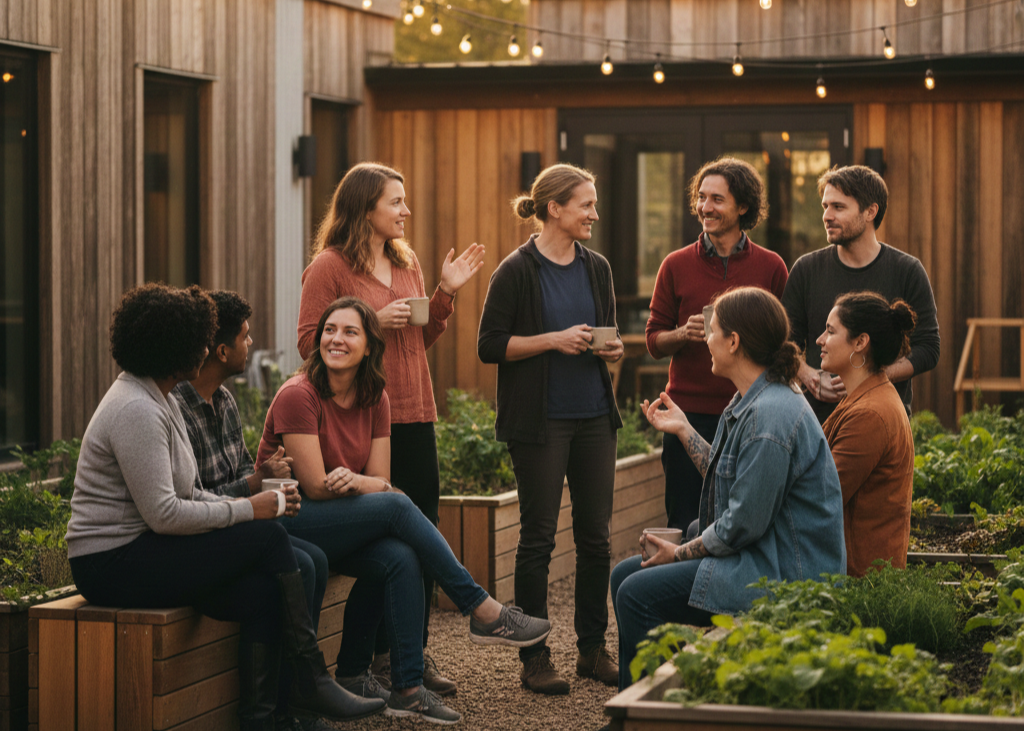
<p> In 2026, more Americans are discovering that bigger is not always better. From sprawling cities to crowded social media feeds, life can sometimes feel impersonal and overwhelming. That is why micro-communities are gaining attention as a fresh way to live, connect, and thrive. These are small, intentional groups of people—sometimes just a handful, sometimes a few hundred—who come together around shared values, interests, or goals. The beauty of micro-communities is that they combine connection, purpose, and real-life impact in ways traditional neighborhoods, workplaces, or online networks often cannot.

Whether you are curious about living in a tiny home village, joining a digital niche group, or finding your block-level team, micro-communities offer innovative ways to feel seen, supported, and part of something meaningful. Here are 15 ways micro-communities are reshaping how we live in 2026. </p> :: Gemini

In 2026, more Americans are discovering that bigger is not always better. From sprawling cities to crowded social media feeds, life can sometimes feel impersonal and overwhelming. That is why micro-communities are gaining attention as a fresh way to live, connect, and thrive. These are small, intentional groups of people—sometimes just a handful, sometimes a few hundred—who come together around shared values, interests, or goals. The beauty of micro-communities is that they combine connection, purpose, and real-life impact in ways traditional neighborhoods, workplaces, or online networks often cannot.

Whether you are curious about living in a tiny home village, joining a digital niche group, or finding your block-level team, micro-communities offer innovative ways to feel seen, supported, and part of something meaningful. Here are 15 ways micro-communities are reshaping how we live in 2026.

1. Intentional Cohousing Neighborhoods
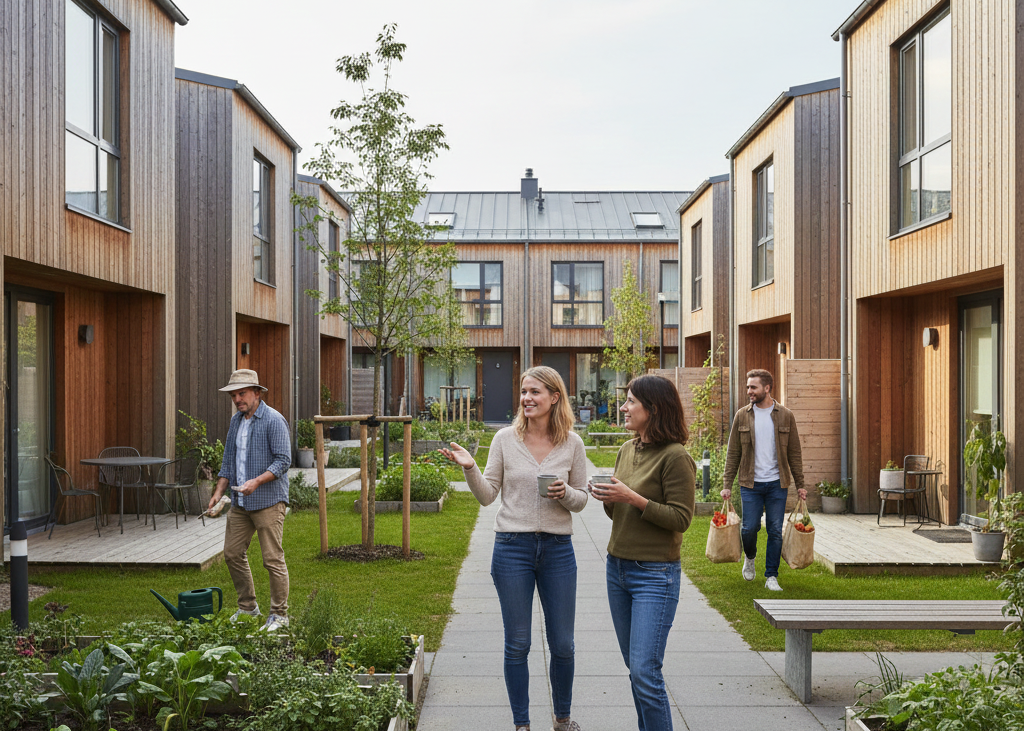
<p> Cohousing neighborhoods are designed to foster connection while respecting privacy. Residents have private homes but share common spaces such as gardens, kitchens, and community houses. Social interactions are built into everyday life without feeling forced. Cohousing promotes collaboration, sustainability, and a sense of belonging that is increasingly rare in traditional suburbs. Living in such a neighborhood often leads to lifelong friendships, shared resources, and a stronger sense of security. </p> :: Gemini

Cohousing neighborhoods are designed to foster connection while respecting privacy. Residents have private homes but share common spaces such as gardens, kitchens, and community houses. Social interactions are built into everyday life without feeling forced. Cohousing promotes collaboration, sustainability, and a sense of belonging that is increasingly rare in traditional suburbs. Living in such a neighborhood often leads to lifelong friendships, shared resources, and a stronger sense of security.

2. Tiny Home Villages With Big Hearts
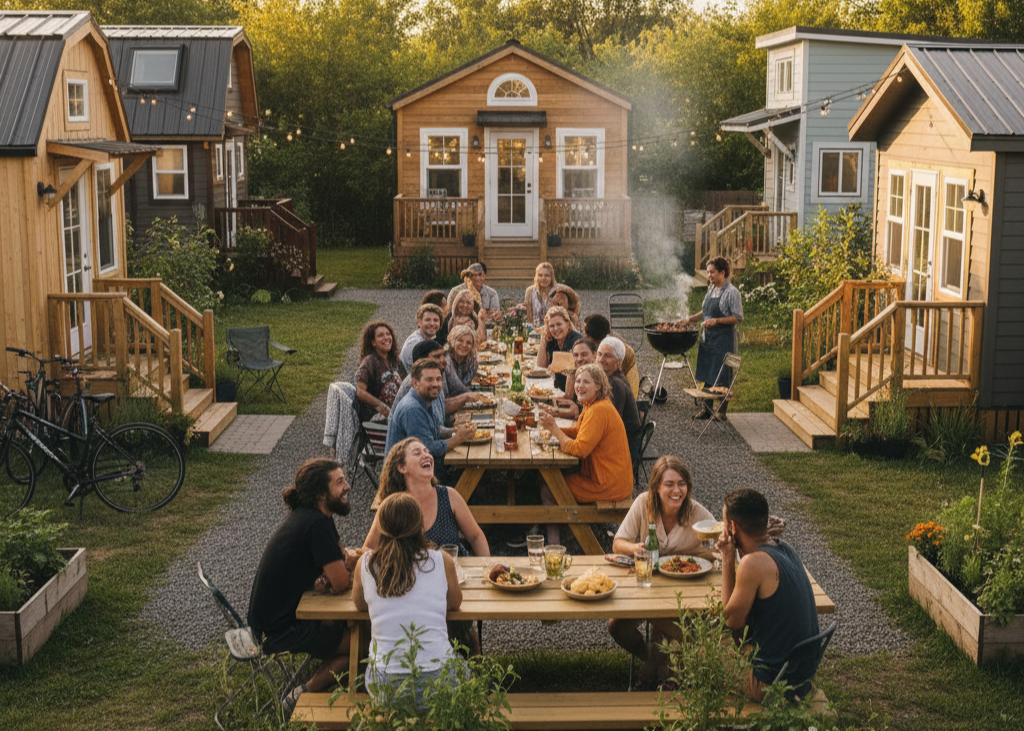
<p> Tiny home communities are popping up across the country as affordable and community-focused alternatives to traditional housing. In these villages, homes are small, but the connections are big. Residents often share common areas, participate in group projects, and support each other in ways that large neighborhoods rarely offer. From single-person homes to family units, these communities encourage cooperation, creativity, and even occasional neighborhood potlucks, making them feel warm and vibrant. </p> :: Gemini

Tiny home communities are popping up across the country as affordable and community-focused alternatives to traditional housing. In these villages, homes are small, but the connections are big. Residents often share common areas, participate in group projects, and support each other in ways that large neighborhoods rarely offer. From single-person homes to family units, these communities encourage cooperation, creativity, and even occasional neighborhood potlucks, making them feel warm and vibrant.

3. Digital Niche Groups That Feel Like Home

<p> Not all micro-communities exist in physical spaces. Online micro-communities are thriving, bringing together people with hyper-specific interests. Whether it is a Discord server for gardening enthusiasts or a Slack group for freelance writers, these small digital circles allow members to ask questions, exchange advice, and collaborate. They offer intimacy and support often missing in large social networks, creating real-life friendships that sometimes extend offline. </p> :: Gemini

Not all micro-communities exist in physical spaces. Online micro-communities are thriving, bringing together people with hyper-specific interests. Whether it is a Discord server for gardening enthusiasts or a Slack group for freelance writers, these small digital circles allow members to ask questions, exchange advice, and collaborate. They offer intimacy and support often missing in large social networks, creating real-life friendships that sometimes extend offline.

4. LGBTQ Plus Focused Villages
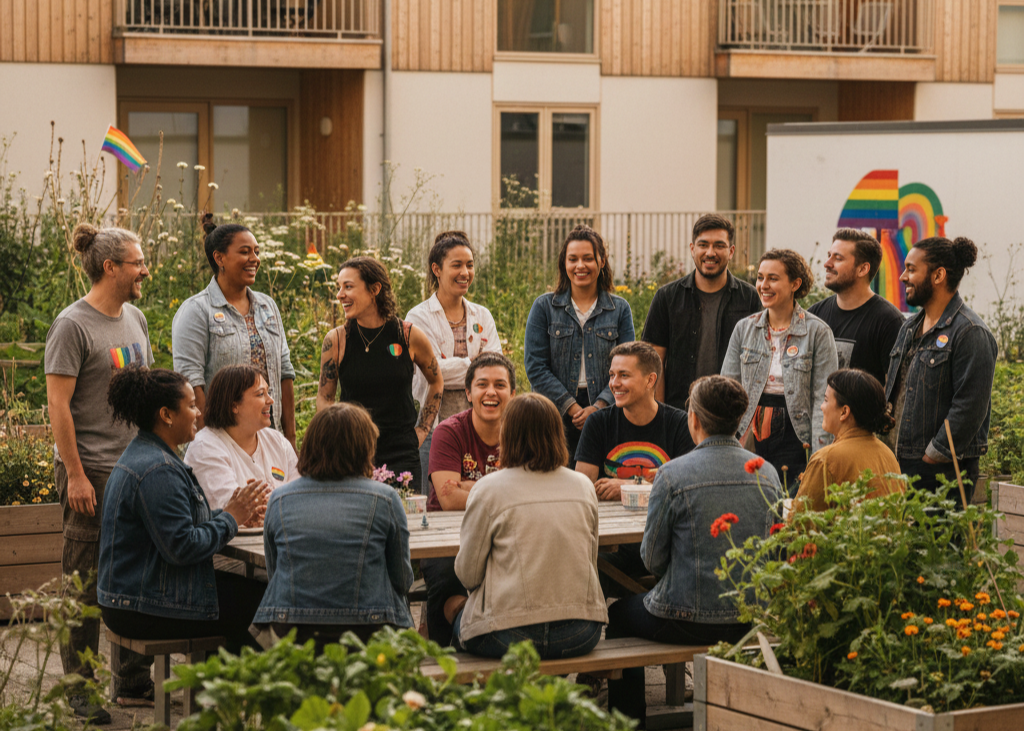
<p> For those seeking safety and inclusivity, LGBTQ plus-focused villages provide supportive environments for all ages. These communities offer shared housing, communal spaces, and programming that strengthens connections and mutual care. They also give members a space to celebrate identity without fear of judgment, creating bonds that last a lifetime. Residents often become an extended family, supporting each other through challenges and milestones. </p> :: Gemini

For those seeking safety and inclusivity, LGBTQ plus-focused villages provide supportive environments for all ages. These communities offer shared housing, communal spaces, and programming that strengthens connections and mutual care. They also give members a space to celebrate identity without fear of judgment, creating bonds that last a lifetime. Residents often become an extended family, supporting each other through challenges and milestones.

5. Prioritizing Connection Over Clout

<p> Some people are choosing to leave behind the pressure of social media popularity and focus on genuine relationships. In this intimacy-focused approach, trust and shared values take priority over likes and followers. Small communities centered around meaningful interaction allow members to build deep connections, offer real support, and enjoy a sense of belonging that is both rare and rewarding. </p> :: Gemini

Some people are choosing to leave behind the pressure of social media popularity and focus on genuine relationships. In this intimacy-focused approach, trust and shared values take priority over likes and followers. Small communities centered around meaningful interaction allow members to build deep connections, offer real support, and enjoy a sense of belonging that is both rare and rewarding.

6. Hyper-Local Block Teams
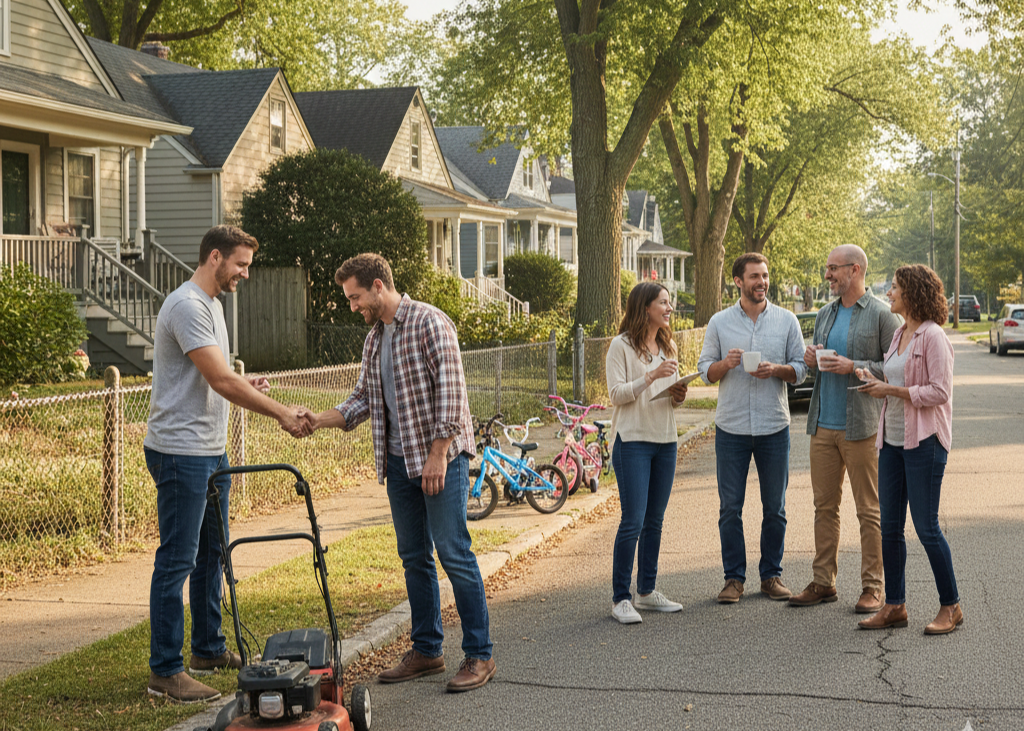
<p> Micro-communities are also forming at the block level, where neighbors collaborate on practical needs and social engagement. These teams often share tools, coordinate childcare, organize local events, and even plan for emergencies. Life becomes more neighborly and cooperative, transforming streets into small villages where people know and rely on each other. </p> :: Gemini

Micro-communities are also forming at the block level, where neighbors collaborate on practical needs and social engagement. These teams often share tools, coordinate childcare, organize local events, and even plan for emergencies. Life becomes more neighborly and cooperative, transforming streets into small villages where people know and rely on each other.

7. Community-Led Homeless Villages
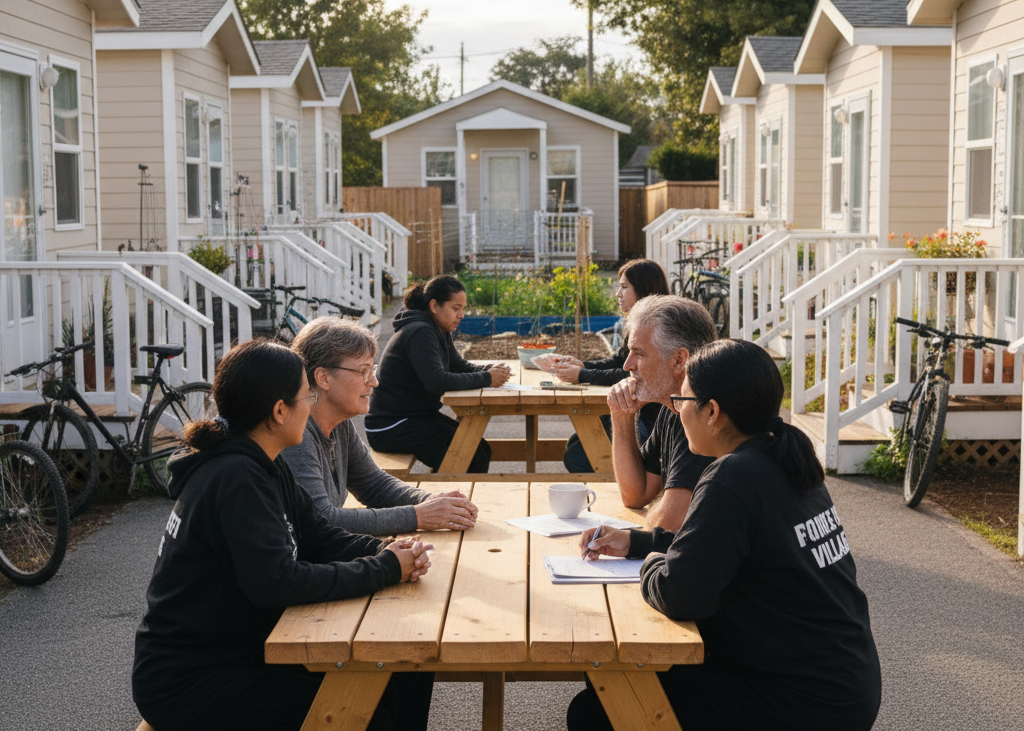
<p> Micro-communities are making a difference in social impact too. Across the U.S., tiny home villages for people experiencing homelessness are offering permanent supportive housing and peer networks. These intentional villages provide residents with dignity, stability, and an environment to rebuild their lives. They prove that small, well-organized communities can create meaningful change. </p> :: Gemini

Micro-communities are making a difference in social impact too. Across the U.S., tiny home villages for people experiencing homelessness are offering permanent supportive housing and peer networks. These intentional villages provide residents with dignity, stability, and an environment to rebuild their lives. They prove that small, well-organized communities can create meaningful change.

8. Pop-Up Cities and Temporary Co-Living Experiences
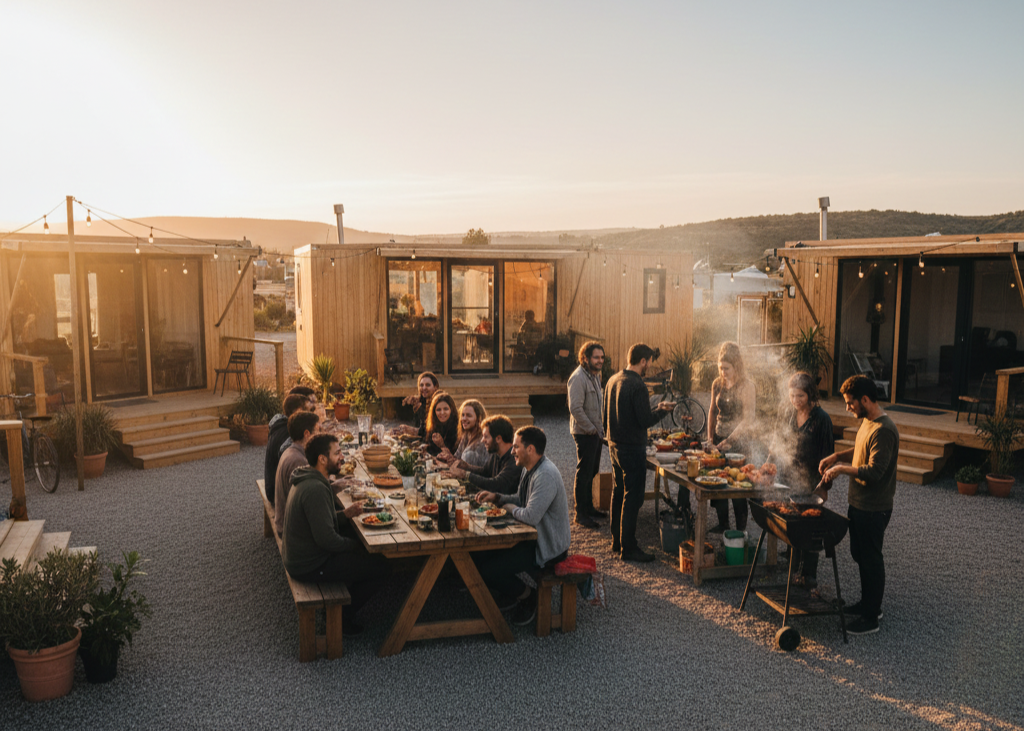
<p> Not all micro-communities are permanent. Temporary co-living experiences and pop-up cities offer immersive, short-term living arrangements where participants share housing, meals, and activities. These temporary hubs foster connection, spark creativity, and sometimes even lead to long-term collaborations. They allow people to experience community living without a permanent commitment, which can be both fun and transformative. </p> :: Gemini

Not all micro-communities are permanent. Temporary co-living experiences and pop-up cities offer immersive, short-term living arrangements where participants share housing, meals, and activities. These temporary hubs foster connection, spark creativity, and sometimes even lead to long-term collaborations. They allow people to experience community living without a permanent commitment, which can be both fun and transformative.

9. Creative and Learning Circles

<p> Micro-communities often form around artistic or educational pursuits. Writers, photographers, coders, and hobbyists come together to critique work, host workshops, and share skills. These creative and learning circles provide encouragement, mentorship, and accountability, helping members improve their craft while forming meaningful bonds. </p> :: Gemini

Micro-communities often form around artistic or educational pursuits. Writers, photographers, coders, and hobbyists come together to critique work, host workshops, and share skills. These creative and learning circles provide encouragement, mentorship, and accountability, helping members improve their craft while forming meaningful bonds.

10. Work-Life Co-Living Houses
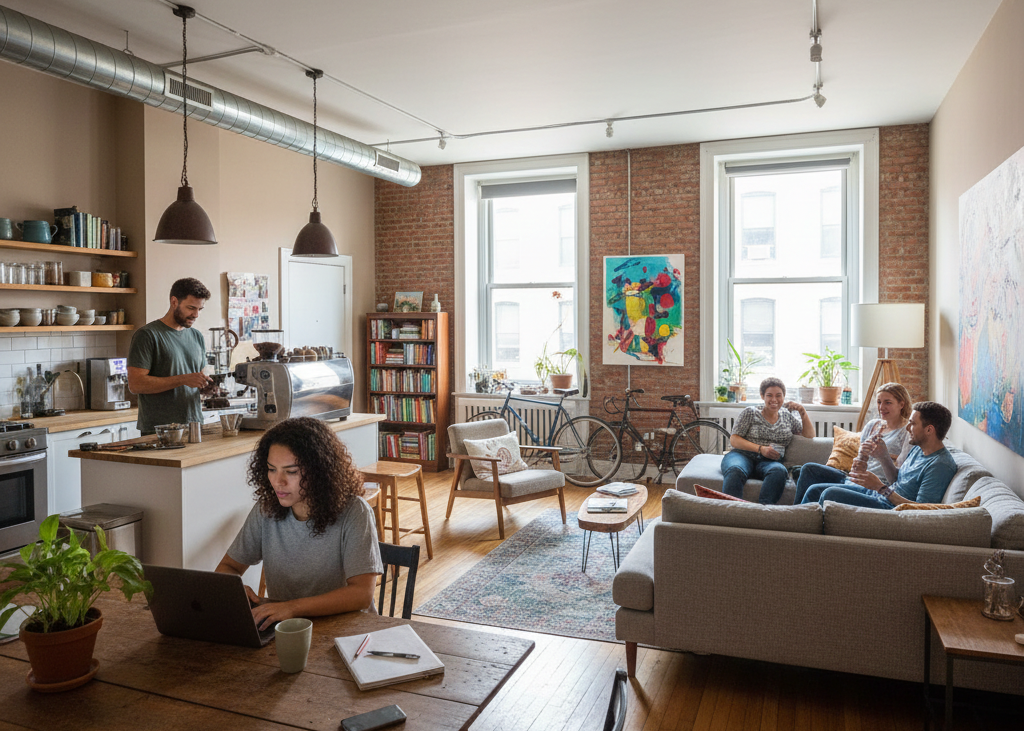
<p> Across cities like Los Angeles and Denver, co-living houses are offering residents a balance of autonomy and community. Residents share common areas, chores, and even decision-making while maintaining personal spaces. These communities encourage collaboration, support, and a sense of belonging, making daily life richer and more connected than traditional apartments or houses. </p> :: Gemini

Across cities like Los Angeles and Denver, co-living houses are offering residents a balance of autonomy and community. Residents share common areas, chores, and even decision-making while maintaining personal spaces. These communities encourage collaboration, support, and a sense of belonging, making daily life richer and more connected than traditional apartments or houses.

11. Niche Professional Networks

<p> Some micro-communities exist purely for professional purposes, bringing together people in specific careers or skill sets. These networks provide mentorship, collaboration opportunities, and access to job leads. Unlike large professional platforms, small, focused networks allow for deeper, more meaningful professional relationships, offering both guidance and camaraderie. </p> :: Gemini

Some micro-communities exist purely for professional purposes, bringing together people in specific careers or skill sets. These networks provide mentorship, collaboration opportunities, and access to job leads. Unlike large professional platforms, small, focused networks allow for deeper, more meaningful professional relationships, offering both guidance and camaraderie.

12. Multi-Generational Family-Style Communities
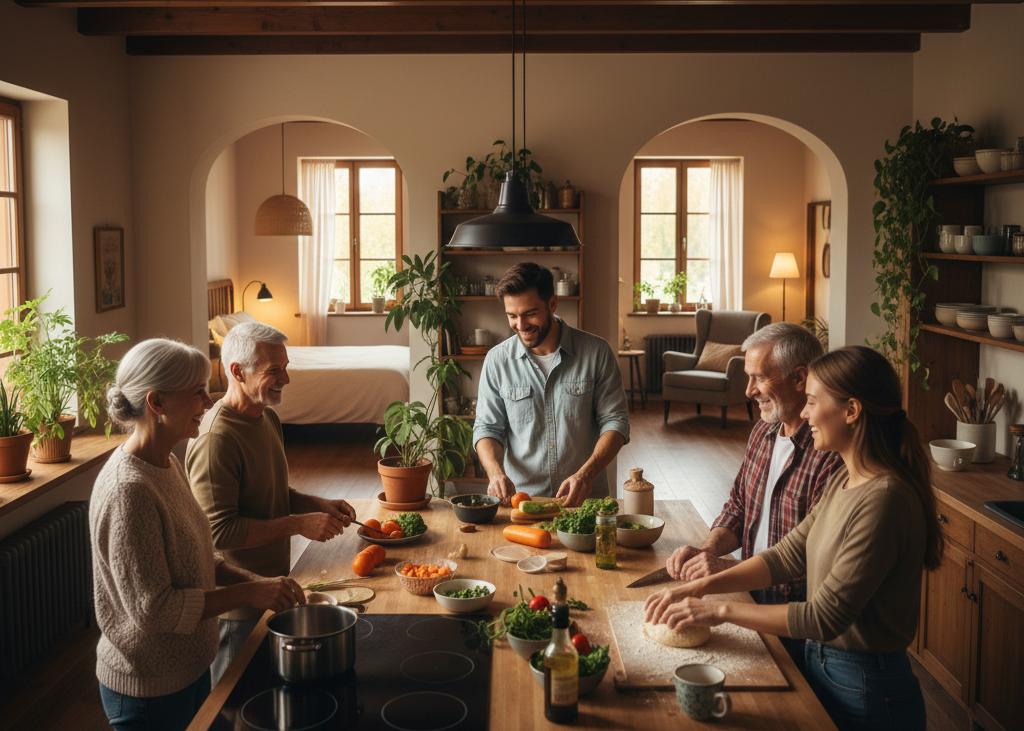
<p> Some micro-communities are designed for multi-generational living, where grandparents, parents, and children share responsibilities while maintaining private spaces. This approach offers both practical and emotional support, reshaping traditional notions of family, home, and aging. These communities nurture strong family bonds and teach shared responsibility in ways that modern life often overlooks. </p> :: Gemini

Some micro-communities are designed for multi-generational living, where grandparents, parents, and children share responsibilities while maintaining private spaces. This approach offers both practical and emotional support, reshaping traditional notions of family, home, and aging. These communities nurture strong family bonds and teach shared responsibility in ways that modern life often overlooks.

13. Purpose-Driven Online Support Groups

<p> Many micro-communities exist around shared life challenges such as chronic illness, mental health, or parenting. These small online groups provide emotional support, resources, and advice. Members find comfort in knowing that someone truly understands their struggles. Purpose-driven communities like these become lifelines for those navigating life transitions or difficult circumstances. </p> :: Gemini

Many micro-communities exist around shared life challenges such as chronic illness, mental health, or parenting. These small online groups provide emotional support, resources, and advice. Members find comfort in knowing that someone truly understands their struggles. Purpose-driven communities like these become lifelines for those navigating life transitions or difficult circumstances.

14. Skill-Sharing and Barter Networks

<p> Skill-sharing communities encourage members to exchange expertise instead of money. One member may offer gardening lessons in exchange for cooking tips, while another trades photography skills for woodworking advice. These networks strengthen self-sufficiency, foster collaboration, and create a sense of mutual investment in each other’s success. </p> :: Gemini

Skill-sharing communities encourage members to exchange expertise instead of money. One member may offer gardening lessons in exchange for cooking tips, while another trades photography skills for woodworking advice. These networks strengthen self-sufficiency, foster collaboration, and create a sense of mutual investment in each other’s success.

15. Micro-Activist Hubs
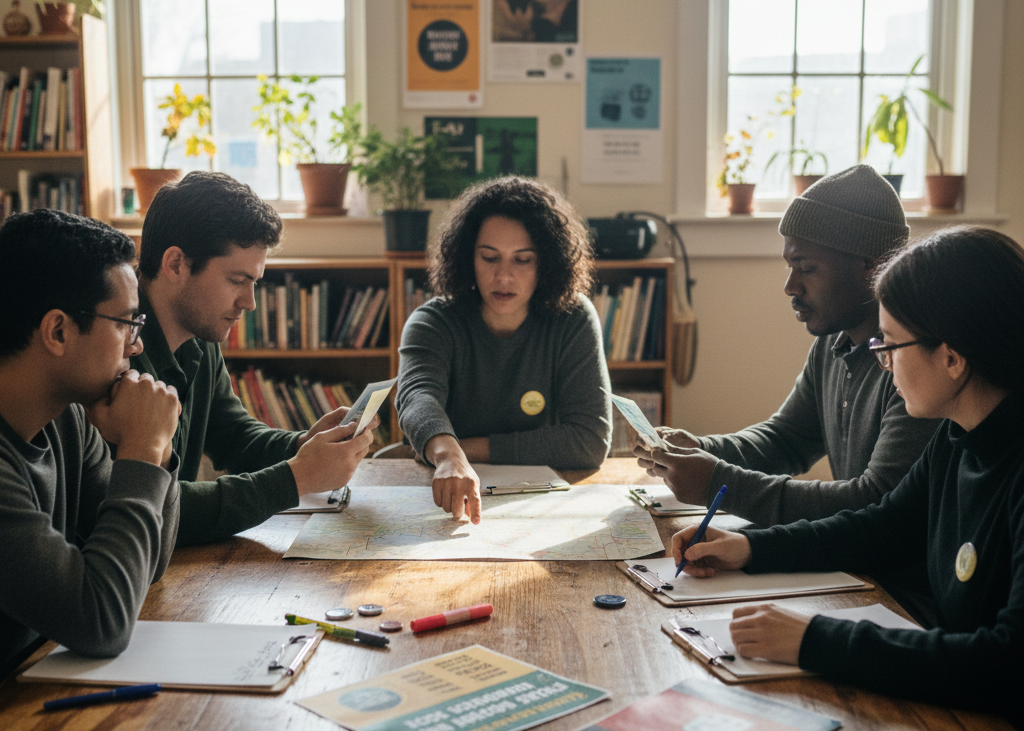
<p> Small communities are also making a difference in civic engagement. Groups of neighbors now organize local sustainability initiatives, volunteer projects, and safety programs. These micro-activist hubs prove that positive change does not require large organizations, but rather passionate, connected people working together for a common purpose. </p> :: Gemini

Small communities are also making a difference in civic engagement. Groups of neighbors now organize local sustainability initiatives, volunteer projects, and safety programs. These micro-activist hubs prove that positive change does not require large organizations, but rather passionate, connected people working together for a common purpose.

Final Thoughts
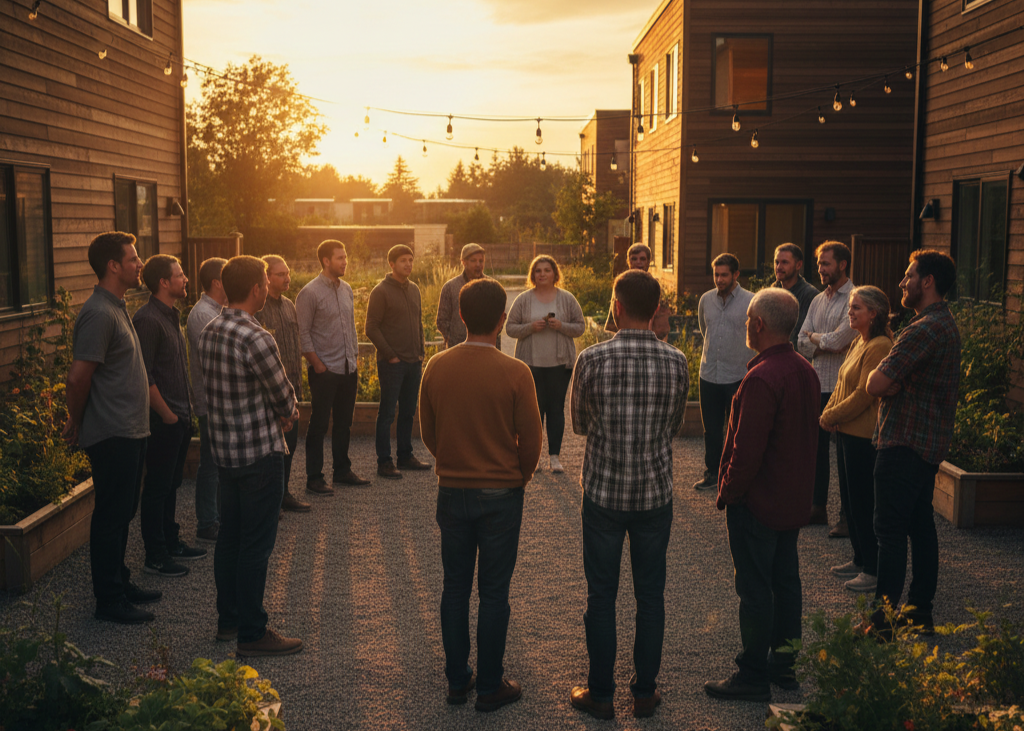
<p> The rise of micro-communities in 2026 shows that humans are not losing their need for connection—they are simply redefining it. Small groups, whether online or offline, offer a sense of belonging, purpose, and real-life impact that larger networks often cannot provide. They remind us that life does not have to be rushed, impersonal, or isolating.

Living differently in 2026 may mean joining a tiny home village, participating in a digital niche group, or even forming a block-level team. Whatever path you choose, the key is intentionality. By surrounding yourself with people who share your values and interests, you create not only a support system but also a life that feels fuller, richer, and more meaningful.

Micro-communities are proof that small can be powerful. They teach us that connection, shared purpose, and mutual care are worth investing in, and that sometimes the best way to live is not alone, not in crowds, but in small, intentional circles that make every day feel a little more like home. </p> :: Gemini

The rise of micro-communities in 2026 shows that humans are not losing their need for connection—they are simply redefining it. Small groups, whether online or offline, offer a sense of belonging, purpose, and real-life impact that larger networks often cannot provide. They remind us that life does not have to be rushed, impersonal, or isolating.

Living differently in 2026 may mean joining a tiny home village, participating in a digital niche group, or even forming a block-level team. Whatever path you choose, the key is intentionality. By surrounding yourself with people who share your values and interests, you create not only a support system but also a life that feels fuller, richer, and more meaningful.

Micro-communities are proof that small can be powerful. They teach us that connection, shared purpose, and mutual care are worth investing in, and that sometimes the best way to live is not alone, not in crowds, but in small, intentional circles that make every day feel a little more like home.

Filed Under: Lifestyle

Leave a Reply Cancel reply

Your email address will not be published. Required fields are marked *

  • Email
  • Facebook
  • Pinterest
  • Twitter

Our Most Popular Articles

ClickCashGo Review: Should You Avoid At All Costs?

Ultimate Guide to Mastering Your Credit Score

The 'YOLO' Mindset is a Dangerous Thing

Dave Ramsey's Financial Peace University Review: Is it Worth the Money?

Cash App Glitch 2025: Is the Free Money Glitch Real?

Five Steps To Debt Freedom

Here are five simple guidlines that will help you pay off debt.  

1) Get an emergency fund so you don’t take on debt when something comes up.

2) List your debts. This way you know where you stand.

3) Use the debt snowball. Pay your debts from smallest to largest, or most expensive to least expensive.

4) Avoid new debt. No new credit cards or loans. Period.

5) Go all cash. After everything is paid off, switch to all cash.

Helpful Resources

U of Tennesse Debt Repayment Plan Basics

Vertex 42's Debt Payoff Calculator

Savingadvice's Helpful Debt Forums

Jackie Becks Debt Blog