Why Your Garage Is Not the Storage Space You Think It Is: 9 Things You Should Never Keep There and the Real Reasons Why
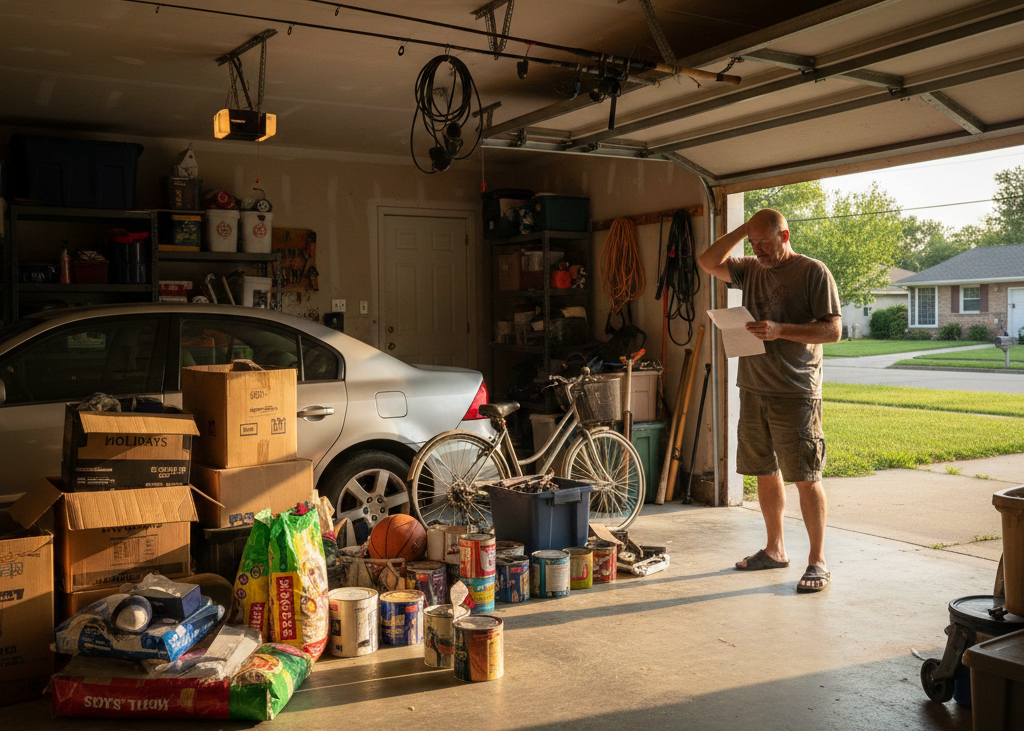
If you are like most homeowners, your garage has probably become a catch-all for the things you do not know where else to put. A box of old tax documents? In the garage. That half-used can of paint from the living room makeover you did three summers ago? Garage. Extra pet food? Also garage. Before you know it, the place meant to protect your car has slowly turned into a climate-swinging, pest-friendly, hazard-prone storage unit that does your belongings absolutely no favors.
The truth is, garages seem convenient, but many everyday items simply cannot handle the heat, humidity, cold, or lack of ventilation that comes with typical garage conditions. Some items can even become unsafe when stored there. If you have ever wondered why things get ruined “out of nowhere” or why pests mysteriously show up, your garage may be quietly sabotaging you.
This guide breaks down the nine things you should never store in your garage and explains in clear, practical, human terms why they just do not belong there. The goal is to help you avoid damage, save money, reduce hazards, and make smarter use of your home’s storage spaces.
1. Paint, Solvents, and Other Household Chemicals
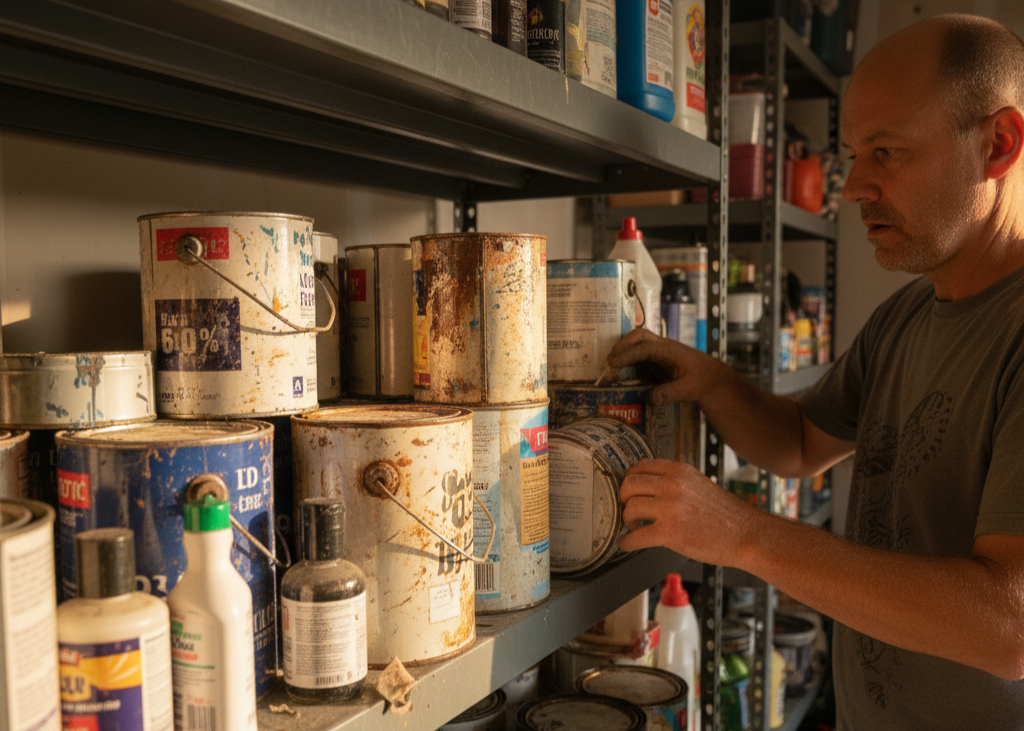
It is incredibly tempting to toss leftover paint, varnish, stain, or cleaning chemicals into the garage. They feel like “garage items,” but they definitely are not. Paint and chemicals do not react well to heat or cold, especially in places where temperatures swing dramatically throughout the year. Paint separates or thickens, while solvents and cleaners can become unstable or release fumes you really do not want lingering anywhere near your home.
When stored in hot conditions, pressure can build up inside containers, causing leaks or, in rare cases, even combustion. Even if nothing dramatic happens, the products will simply not perform the way they are supposed to when you eventually try to use them. It is much safer to keep these items in a cool indoor closet, a utility cabinet, or a temperature-controlled shed if you have one.
2. Propane Tanks, Gasoline, and Fuel Containers
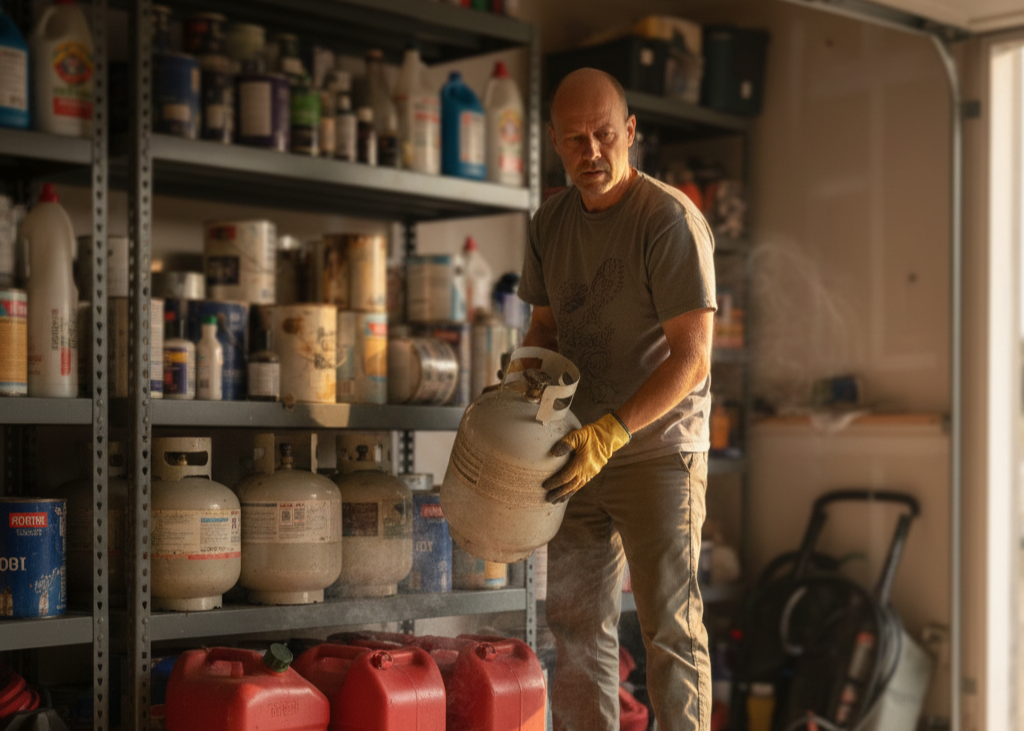
Propane tanks and gasoline are some of the most dangerous things to leave in a garage. Even a tiny leak from a propane tank can allow gas to collect in an enclosed space. Since propane is heavier than air, it does not just float away; it settles low to the ground, waiting for an ignition source. One spark from a car engine, an appliance, or even static electricity can turn a harmless-looking tank into a disaster.
Gasoline and other fuels are just as problematic. The fumes they release are not only highly flammable but also unhealthy to inhale. These containers belong outside in a ventilated storage area that is protected from direct sunlight but not sealed up tight. The goal is to allow fumes to disperse safely rather than accumulate.
3. Food and Pet Food

Storing food in the garage might seem like a great way to free up pantry space, especially if you shop in bulk. But whether it is human food, canned goods, or a giant sack of dog kibble, your garage is simply not the right place for it. The fluctuating temperatures are not good for food quality, and humidity can lead to spoilage far sooner than you might expect.
Plus, if there is one thing pests love, it is food that is easy to get to. Rodents, ants, and insects will happily chew through bags, boxes, or containers to reach a meal. Once they have found a food source, you can bet they will keep coming back. Food should stay inside your home where temperatures remain stable and pests are not waiting for an invitation.
4. Electronics and Tech Equipment

Old laptops, gaming systems, speakers, printers, and cords often get tossed into the garage “just until I figure out what to do with them.” Unfortunately, electronic devices do not tolerate moisture or heat very well. Humidity can cause corrosion inside components, while extreme temperatures can warp or crack delicate parts.
Even dust buildup becomes a problem over time and causes internal damage or blockages. If you have electronics you do not currently use but want to keep, store them inside the house where the environment is controlled. Even a closet shelf is a better option than the garage.
5. Rugs, Clothing, and Any Kind of Fabric

Garages might look like a decent spot to stash old blankets, extra linens, seasonal clothing, or area rugs that you are “not using right now.” The problem is that fabric absorbs moisture. A garage’s humidity can slowly lead to mildew, musty odors, and even mold.
Fabrics also attract pests like moths and rodents that love nothing more than turning your belongings into nesting material. Once they get in, the damage is often impossible to fix. Instead, pack fabrics in airtight plastic storage bins and keep them somewhere cool and dry indoors.
6. Important Documents, Photos, and Sentimental Items
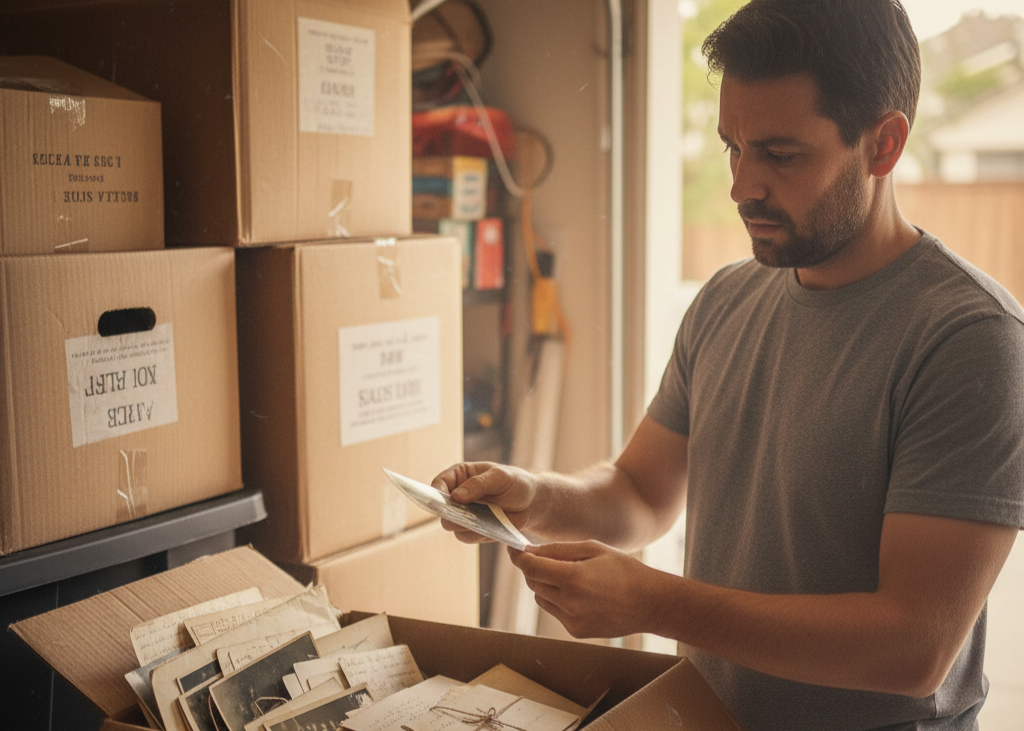
Garages are one of the worst places to store anything irreplaceable. Paper absorbs moisture, which leads to warping, sticking, mold, and fading. Photographs can be damaged beyond recognition with just a little humidity or heat. And pests will happily chew through cardboard boxes and paper if given the chance.
If you want your documents, family photos, kids’ artwork, or keepsakes to survive long term, store them indoors in airtight containers. Even better, use a fireproof and water-resistant box. Garages are great for many things, but preserving memories is not one of them.
7. Firewood
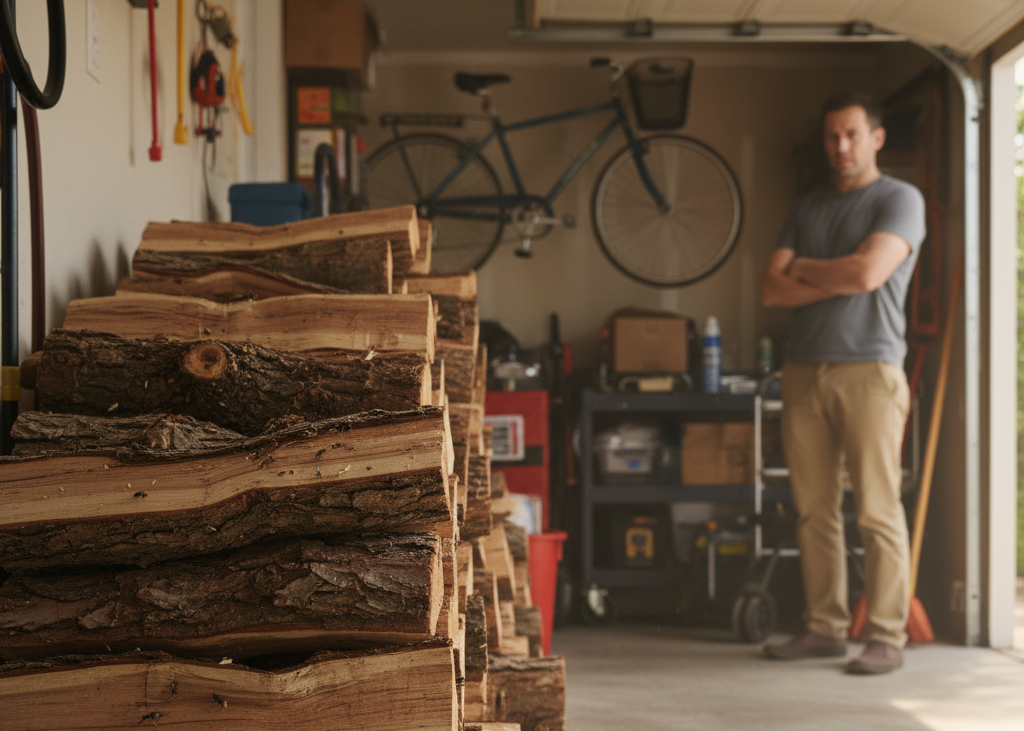
It feels logical to keep firewood close to the house. After all, who wants to trek across the yard on a freezing evening? But storing wood in the garage brings in insects and pests that are hiding in the bark or the crevices of the logs. Once those pests are comfortable, they often migrate into your home.
Firewood also needs airflow to dry properly. A garage typically does not provide enough ventilation, which can lead to mold growth and musty smells. The best place for firewood is outdoors, raised off the ground and covered with something that protects it from rain but still allows air to circulate.
8. Oily Rags and Solvent-Soaked Materials
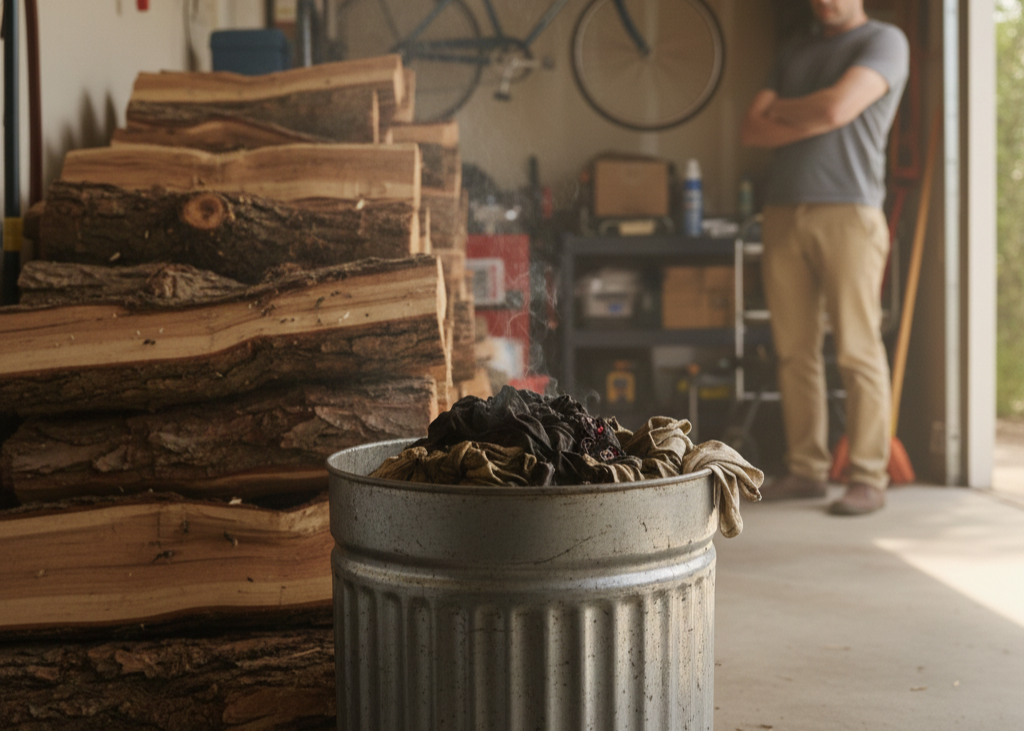
Many people do not realize that oily rags can spontaneously combust under the right conditions. If the heat from the oil binding with oxygen builds up faster than it can dissipate, the rag can begin smoldering on its own. Combine that with a closed garage and potential ignition sources, and you have a genuine fire hazard.
If you must store oily rags temporarily, let them dry fully outdoors first, then place them in a sealed metal container until you can dispose of them properly. Never toss them into a pile in the garage and assume nothing will happen.
9. Aerosol Cans and Flammable Sprays
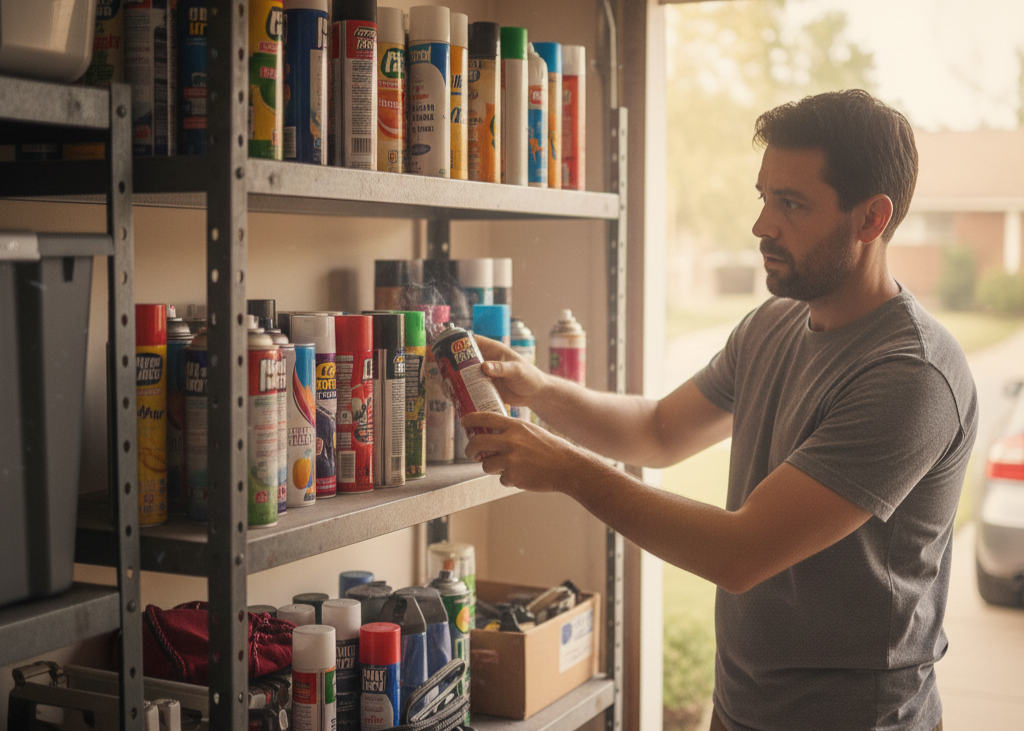
Aerosol cans are pressurized, which means they react to temperature changes. Inside a hot garage, pressure builds, increasing the risk of leaks or even bursting. Products such as spray paint, cleaning sprays, insecticides, and automotive aerosols become especially dangerous in uncontrolled conditions.
Not only can the cans themselves become unstable, but the product inside can break down or become unusable. These items do best in indoor storage spaces away from heat sources, pilot lights, or extreme cold.
Final Thoughts
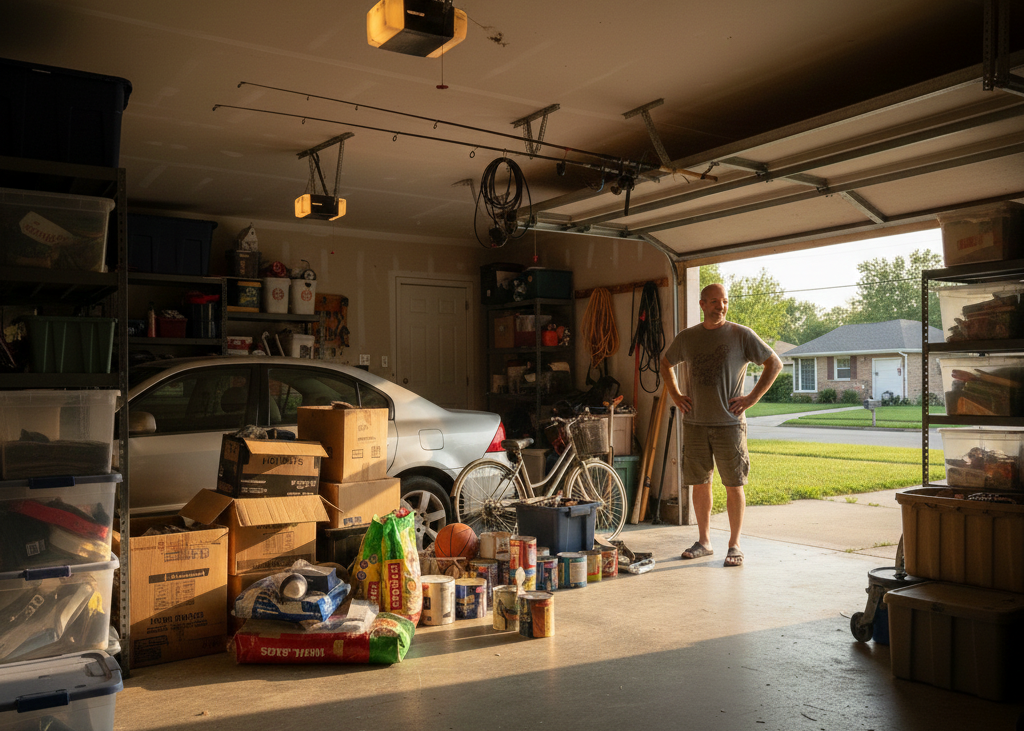
Your garage can be incredibly useful, but only when you treat it for what it is: a space with constantly changing temperatures, inconsistent ventilation, and plenty of opportunities for pests to sneak in. Once you understand that, it becomes clearer why some items thrive there and others absolutely do not.
By choosing the right storage locations for paint, food, electronics, documents, and other sensitive items, you protect your belongings, reduce safety risks, and avoid the unpleasant surprise of discovering something has been ruined. A little intentional storage planning can save you money, frustration, and in some cases, prevent serious hazards.
The next time you are tempted to stash something in the garage “just for now,” pause for a moment. If it cannot handle heat, cold, moisture, or pests, your garage is not the place for it. Your future self will be glad you made the smarter choice.
Leave a Reply