8 Nutrition Science Facts Boomers Should Trust (and Ignore the Myths)

Let’s be honest: nutrition advice today can feel like a game of telephone gone wrong. One friend swears carbs are the enemy, another says butter is back, and the internet is full of miracle supplements promising to erase twenty years overnight. For Baby Boomers, who grew up hearing “finish your milk for strong bones” and “low fat everything,” it is no wonder that confusion runs deep.
But here is the good news: science has come a long way, and the latest research gives us clear, practical truths that actually matter for your health right now. Forget fads and myths that refuse to die. This list covers eight science-backed nutrition facts Boomers can rely on to feel stronger, sharper, and more energized in the years ahead.
Grab a cup of coffee (yes, you can still enjoy it) and let’s clear the table of outdated advice once and for all.
1. Protein is your best friend for staying strong

When you were younger, you probably did not think twice about how much protein you were eating. But as we age, the body naturally loses muscle mass, which can make everyday tasks feel harder. Research shows that older adults benefit from eating more protein than the minimum daily requirement. Getting between one and 1.3 grams per kilogram of body weight each day can help maintain strength, balance, and independence.
Ignore the myth: “Older adults do not need much protein” or “too much protein will damage your kidneys.” For most healthy Boomers, these claims are outdated. The real risk is not eating enough protein to support your muscles.
Practical tip: Aim for a palm-sized portion of protein at each meal—think eggs for breakfast, chicken or beans at lunch, and fish or tofu at dinner. Pair this with light strength training and you will feel the difference.
2. Vitamin D and calcium still matter, but they are not magic bullets

Strong bones and steady muscles depend on vitamin D and calcium. As we get older, our bodies absorb and produce less vitamin D, and that can increase the risk of falls or fractures. Calcium also helps keep bones dense and durable.
Ignore the myth: Taking handfuls of supplements will guarantee you never break a bone. Studies show that supplements are helpful if you are deficient, but they are not cure-alls. In fact, overdoing calcium can create other health issues.
Practical tip: Get your levels checked, and if you need more, aim to get it first from food and sunlight. Fatty fish, fortified dairy, and a little time outdoors can go a long way. If a supplement is needed, stick to what your doctor recommends and keep it moderate.
3. Fiber, whole grains, fruits, and vegetables are non-negotiable

Here is one thing that has never gone out of style: eating your fruits and vegetables. Fiber-rich foods keep digestion moving, support heart health, and even help protect against certain cancers. Whole grains like oats, brown rice, and whole wheat bread provide valuable nutrients and keep you fuller for longer.
Ignore the myth: “Carbs are bad” or “fiber is only for younger people.” The truth is, fiber is your digestive system’s best ally as you age. It keeps things running smoothly and helps you feel more energized throughout the day.
Practical tip: Fill at least half your plate with vegetables and fruit, and make at least half your grains whole. Aiming for 25 to 30 grams of fiber daily is a realistic goal that pays off in better health.
4. Hydration is more important than you think
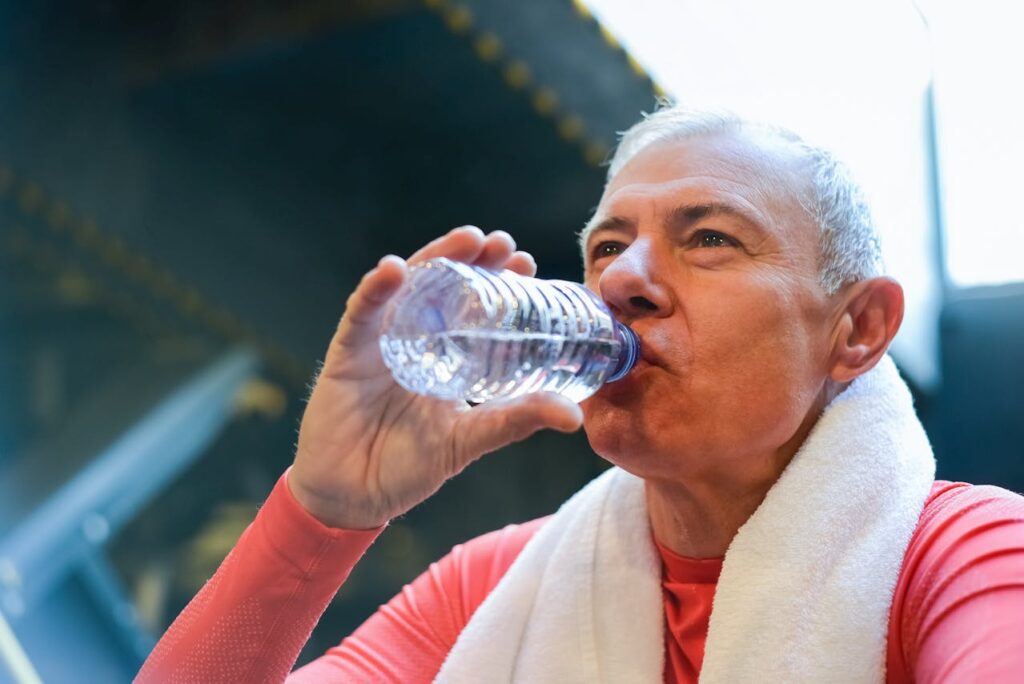
As we age, the body’s sense of thirst weakens. That means you may not feel thirsty even when you are running low on fluids. Dehydration can cause fatigue, confusion, dizziness, and even increase the risk of falls.
Ignore the myth: “Drink only when you are thirsty.” That advice might work for younger people, but Boomers need to be more proactive. Another outdated belief is that coffee and tea dehydrate you. In moderation, they count toward your daily fluid intake.
Practical tip: Keep a water bottle nearby and sip often. Add hydrating foods like watermelon, cucumbers, and soups to your meals. If you enjoy coffee or tea, keep drinking them—just balance them with plenty of plain water.
5. It is never too late to improve your diet

Maybe you skipped vegetables in your 40s or ate more fast food than you should have in your 50s. That does not mean it is too late to turn things around. Studies show that adopting better eating habits in your 60s and 70s still leads to significant improvements in energy, immunity, and overall health.
Ignore the myth: “The damage is already done.” That mindset holds people back. The body is resilient, and positive changes at any age can make a difference.
Practical tip: Start small. Add one extra serving of vegetables a day, switch soda for sparkling water, or cook at home more often. Small wins add up, and your body will thank you.
6. Not all fats are bad

For years, fat was painted as the villain in every diet. But science has set the record straight: certain fats are essential for your brain, heart, and joints. Healthy fats like olive oil, nuts, avocado, and fatty fish provide omega-3s that help reduce inflammation and may even support memory.
Ignore the myth: “All fats clog your arteries” or “low-fat is always better.” In reality, trans fats and heavily processed foods are the real culprits. Healthy fats, on the other hand, should have a place on your plate.
Practical tip: Drizzle olive oil on salads, snack on a handful of almonds, or enjoy salmon once or twice a week. Skip the margarine sticks and fried fast foods.
7. Supplements can help, but they are not replacements
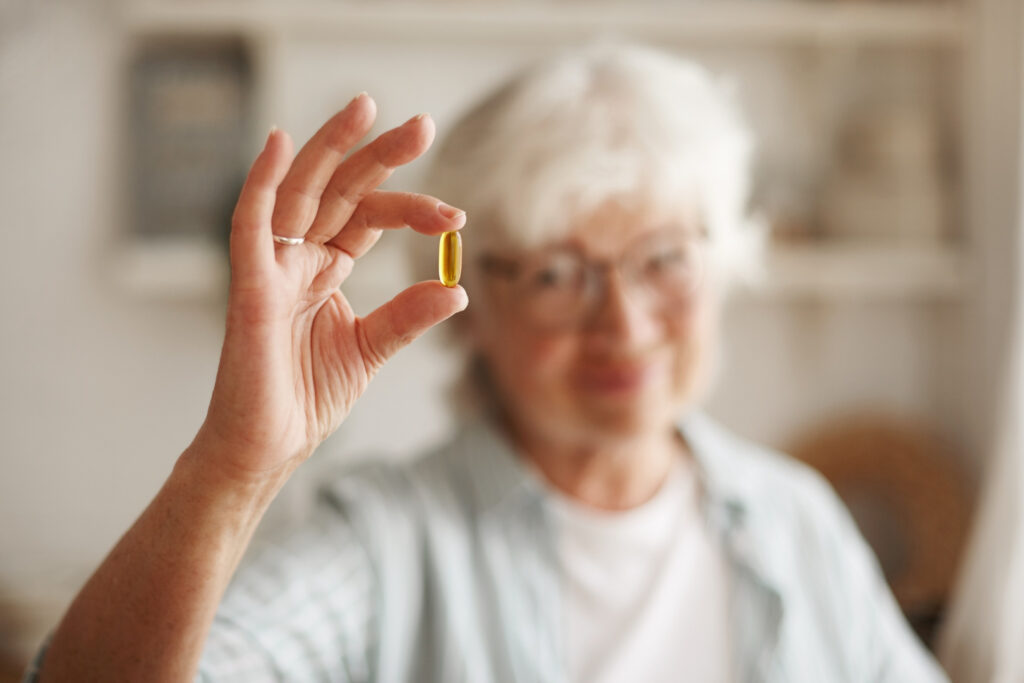
Supplements have their place, especially if you are low in vitamin B12, vitamin D, or other specific nutrients. But they should not take the place of balanced meals. Whole foods offer a combination of fiber, antioxidants, and other compounds that no pill can replicate.
Ignore the myth: “If I take a multivitamin, I do not need to worry about what I eat.” Supplements should fill gaps, not become a crutch.
Practical tip: Talk to your doctor about which nutrients you may be lacking. If you need a supplement, keep it simple and targeted. Otherwise, focus on nutrient-rich foods that do the heavy lifting for your health.
8. Nutrition works best when paired with movement

Food fuels the body, but movement keeps it thriving. Strength training preserves muscle, balance exercises reduce fall risk, and cardio supports the heart and brain. When nutrition and activity work together, the results are powerful.
Ignore the myth: “Exercise is too dangerous at my age” or “Eating well is enough.” With the right guidance, exercise is safe and highly beneficial. Even short bouts of movement can make a big impact.
Practical tip: Find an activity you enjoy. Walk with friends, try tai chi, or use light hand weights while watching television. Aim for 150 minutes of movement each week, and sprinkle in strength and balance training a few times as well.
Final Thoughts

The truth about nutrition is refreshingly simple once you set aside the noise. Eat enough protein to stay strong. Keep bones steady with the right mix of vitamin D and calcium. Embrace fiber, hydrate often, and never underestimate the power of small changes. Add healthy fats, use supplements wisely, and keep moving.
Baby Boomers have lived through decades of shifting diet advice, from margarine to kale smoothies. But the timeless takeaway is this: your health is not set in stone, no matter your age. Every plate of food and every glass of water is a chance to invest in more energy, better mobility, and a life filled with the things you love.
So, the next time someone tries to sell you a miracle shake or a fad diet, smile politely, and remember: science is on your side.
Leave a Reply