Our Debt Free Family

Commit. Plan. Take action.

  • BUDGETING
  • DEBT REDUCTION
  • INVESTING
  • LIFESTYLE
  • TOOLS
  • ABOUT
  • Privacy Policy
  • CONTACT
You are here: Home / Lifestyle / 10 Paint Colors Experts Say Could Lower Your Home’s Value
10 Paint Colors Experts Say Could Lower Your Home’s Value

December 25, 2025 | Leave a Comment

10 Paint Colors Experts Say Could Lower Your Home’s Value

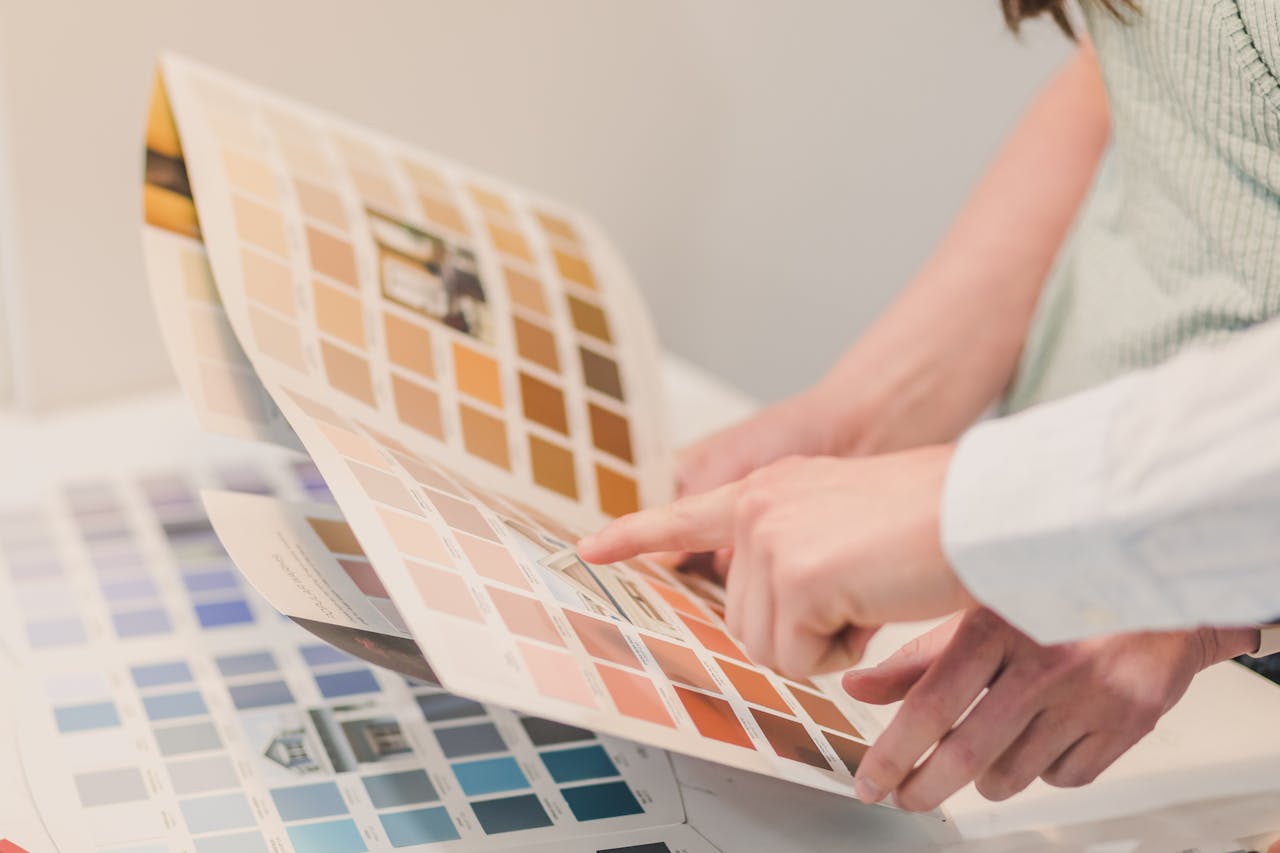
<p> When it comes to preparing your home for sale, every detail matters. One of the most impactful elements is the paint color you choose for each room. While you might love a bold or unique hue, experts warn that certain paint colors can actually lower your home's value and make it harder to attract potential buyers. Certain shades, though striking, can feel overwhelming or too personal, preventing buyers from envisioning themselves in your space. If you are getting ready to list your home or simply want to give it a fresh look, it’s important to know which colors could hurt its value. Here are 10 paint colors that experts say could turn off buyers and lower your home’s appeal. </p> :: Pexels

When it comes to preparing your home for sale, every detail matters. One of the most impactful elements is the paint color you choose for each room. While you might love a bold or unique hue, experts warn that certain paint colors can actually lower your home’s value and make it harder to attract potential buyers. Certain shades, though striking, can feel overwhelming or too personal, preventing buyers from envisioning themselves in your space. If you are getting ready to list your home or simply want to give it a fresh look, it’s important to know which colors could hurt its value. Here are 10 paint colors that experts say could turn off buyers and lower your home’s appeal.

1. Bright Yellow
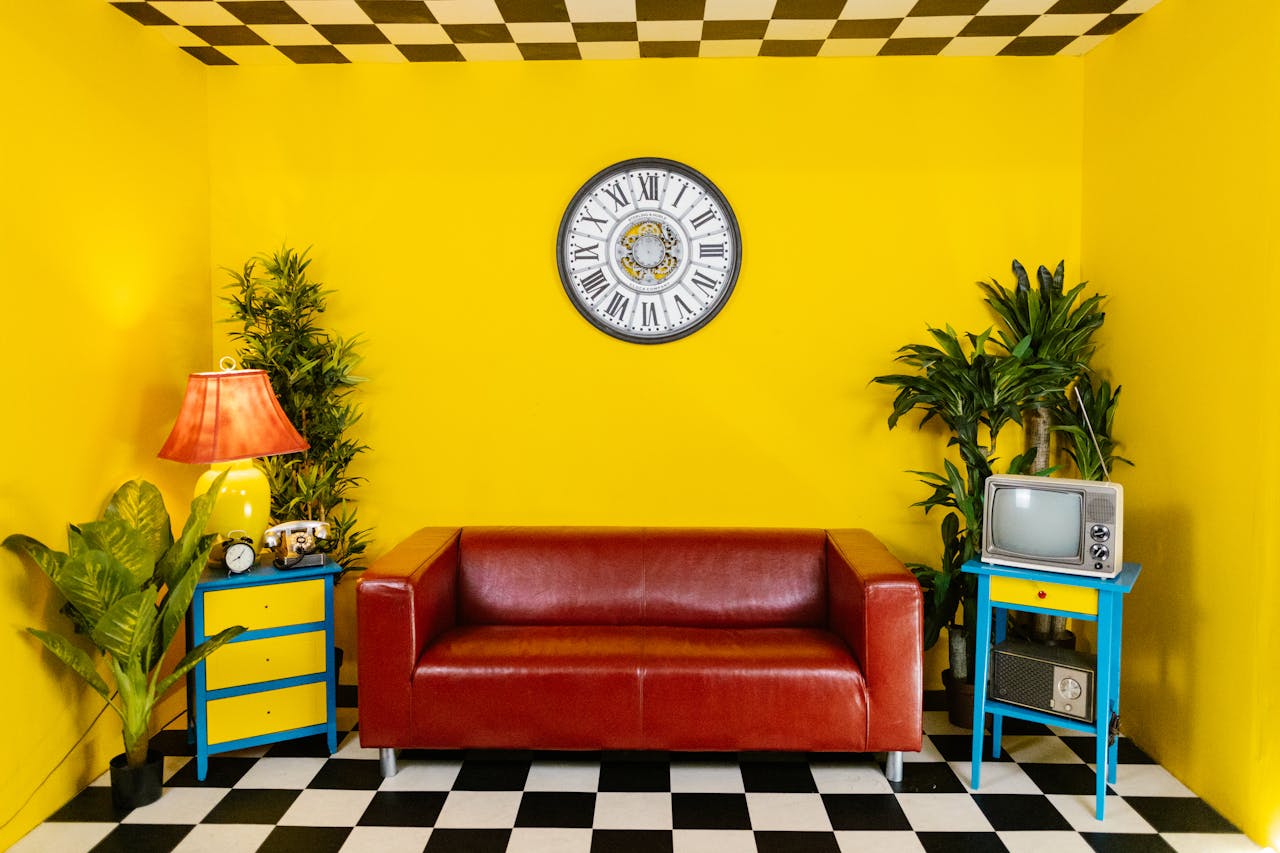
<p> Bright yellow is often associated with energy and happiness, but when used excessively in a home, it can have the opposite effect. This color is intense and can make a room feel smaller and less inviting. While it might work as an accent in a kitchen or a playful space, large walls painted in bright yellow can overwhelm potential buyers. People looking to purchase a home may find it difficult to imagine themselves in such a vivid environment. If you’re drawn to yellow, consider using more muted tones or pale yellows that still brighten a space without overwhelming it. </p> :: Pexels

Bright yellow is often associated with energy and happiness, but when used excessively in a home, it can have the opposite effect. This color is intense and can make a room feel smaller and less inviting. While it might work as an accent in a kitchen or a playful space, large walls painted in bright yellow can overwhelm potential buyers. People looking to purchase a home may find it difficult to imagine themselves in such a vivid environment. If you’re drawn to yellow, consider using more muted tones or pale yellows that still brighten a space without overwhelming it.

2. Neon or Vibrant Colors
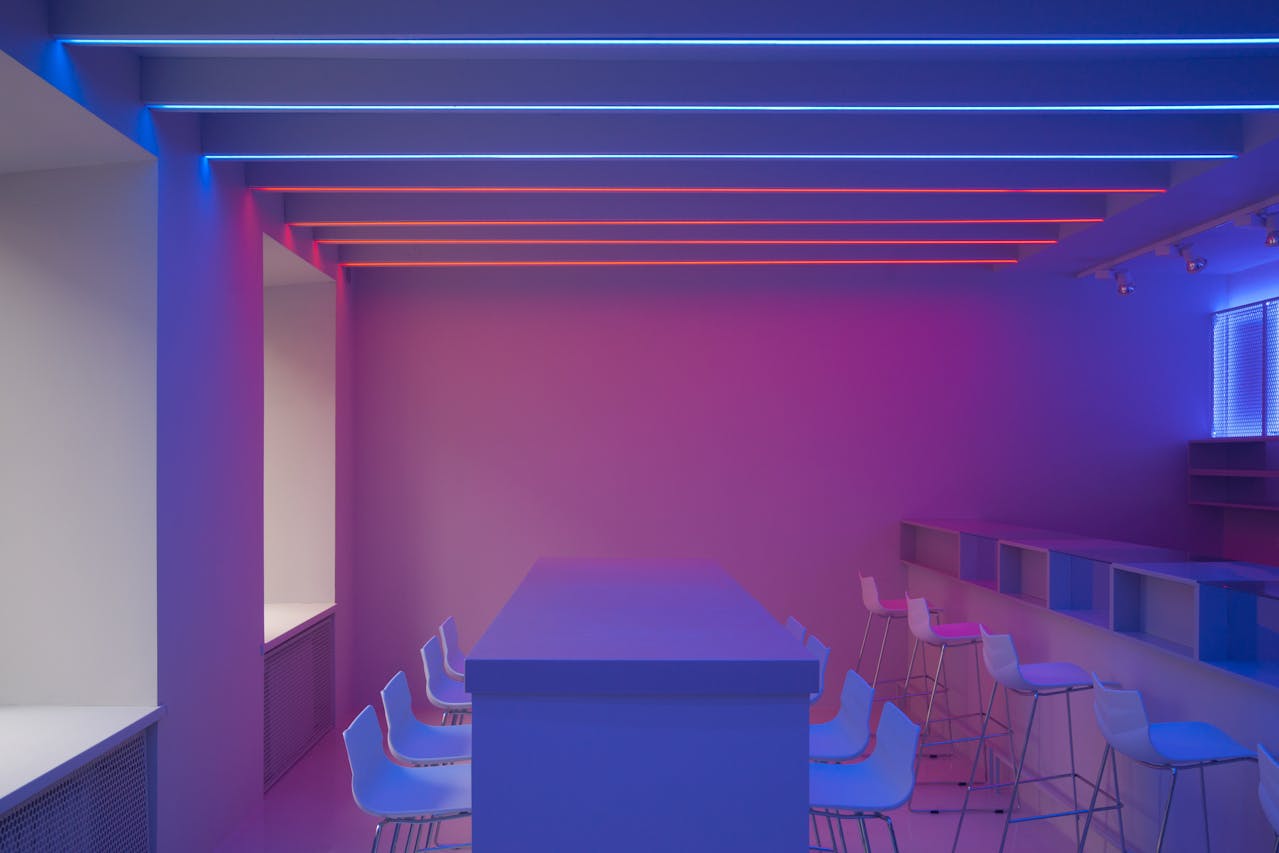
<p> Neon colors, such as neon pink, green, or bright blue, are eye-catching but can be jarring in home interiors. These bold shades may be fun for a party or an art studio, but they don’t create the inviting, neutral backdrop that most homebuyers desire. Neon or extremely vibrant colors can make it difficult for potential buyers to picture their own furniture and decor in the space. These shades might even give the impression that the home is more suited for a temporary space rather than a long-term residence. Stick to softer, more subtle tones if you want to create a welcoming environment that appeals to a broader audience. </p> :: Pexels

Neon colors, such as neon pink, green, or bright blue, are eye-catching but can be jarring in home interiors. These bold shades may be fun for a party or an art studio, but they don’t create the inviting, neutral backdrop that most homebuyers desire. Neon or extremely vibrant colors can make it difficult for potential buyers to picture their own furniture and decor in the space. These shades might even give the impression that the home is more suited for a temporary space rather than a long-term residence. Stick to softer, more subtle tones if you want to create a welcoming environment that appeals to a broader audience.

3. Dark Purple
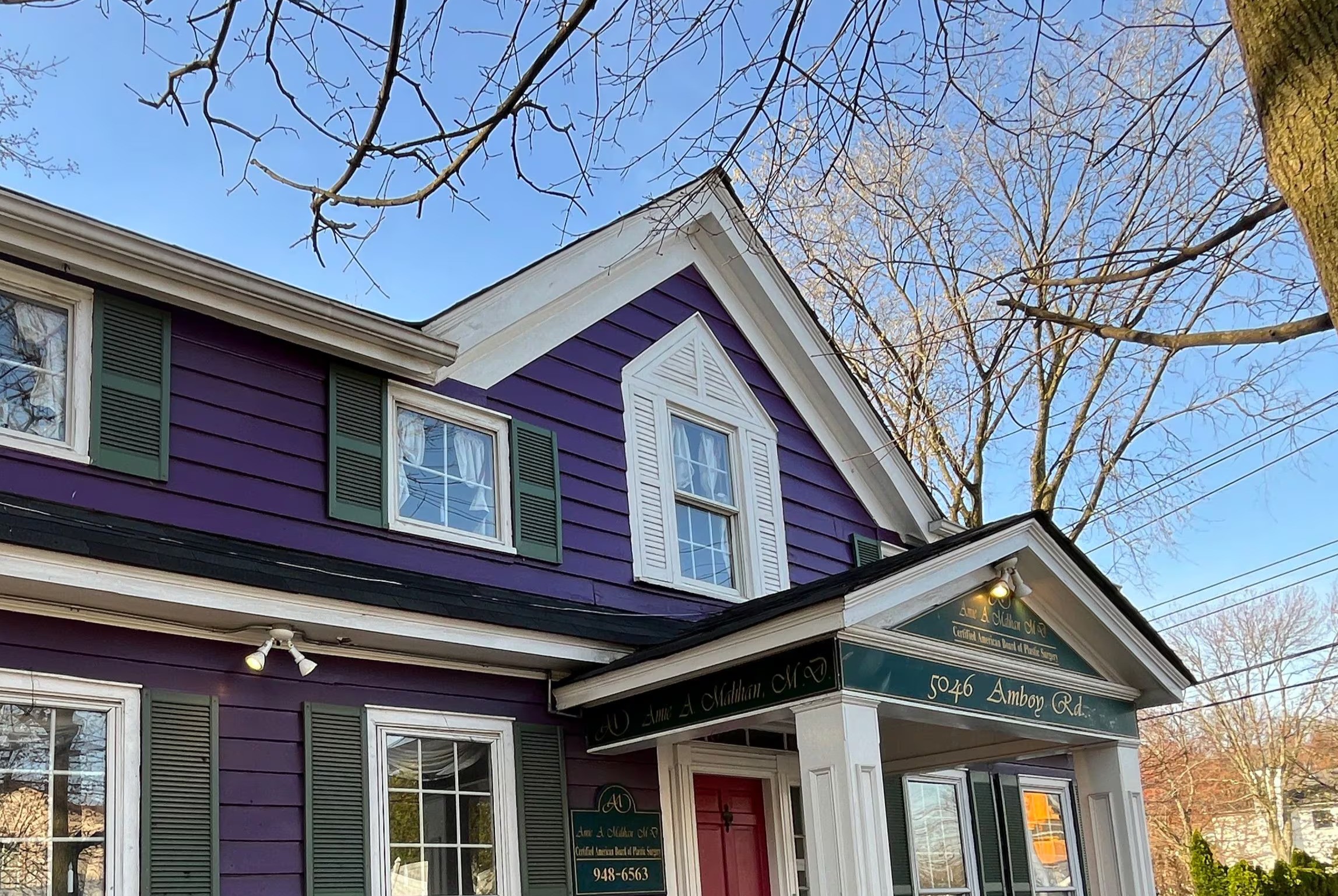
<p>Deep, dark purple can be a striking and luxurious color, but it may not have the desired effect in a home setting. Experts advise against using dark purple in living areas or bedrooms, as it can feel heavy, dramatic, and even oppressive. Such bold tones can make a room seem smaller, while also potentially making buyers feel uncomfortable or like they’re stepping into a theatrical space. If purple is a must for your home, consider using a softer lavender or a more neutral violet that won't overpower a room and is more likely to resonate with a wide variety of buyers. </p> :: Jan Somma-Hammel | silive.com

Deep, dark purple can be a striking and luxurious color, but it may not have the desired effect in a home setting. Experts advise against using dark purple in living areas or bedrooms, as it can feel heavy, dramatic, and even oppressive. Such bold tones can make a room seem smaller, while also potentially making buyers feel uncomfortable or like they’re stepping into a theatrical space. If purple is a must for your home, consider using a softer lavender or a more neutral violet that won’t overpower a room and is more likely to resonate with a wide variety of buyers.

4. Bright Red
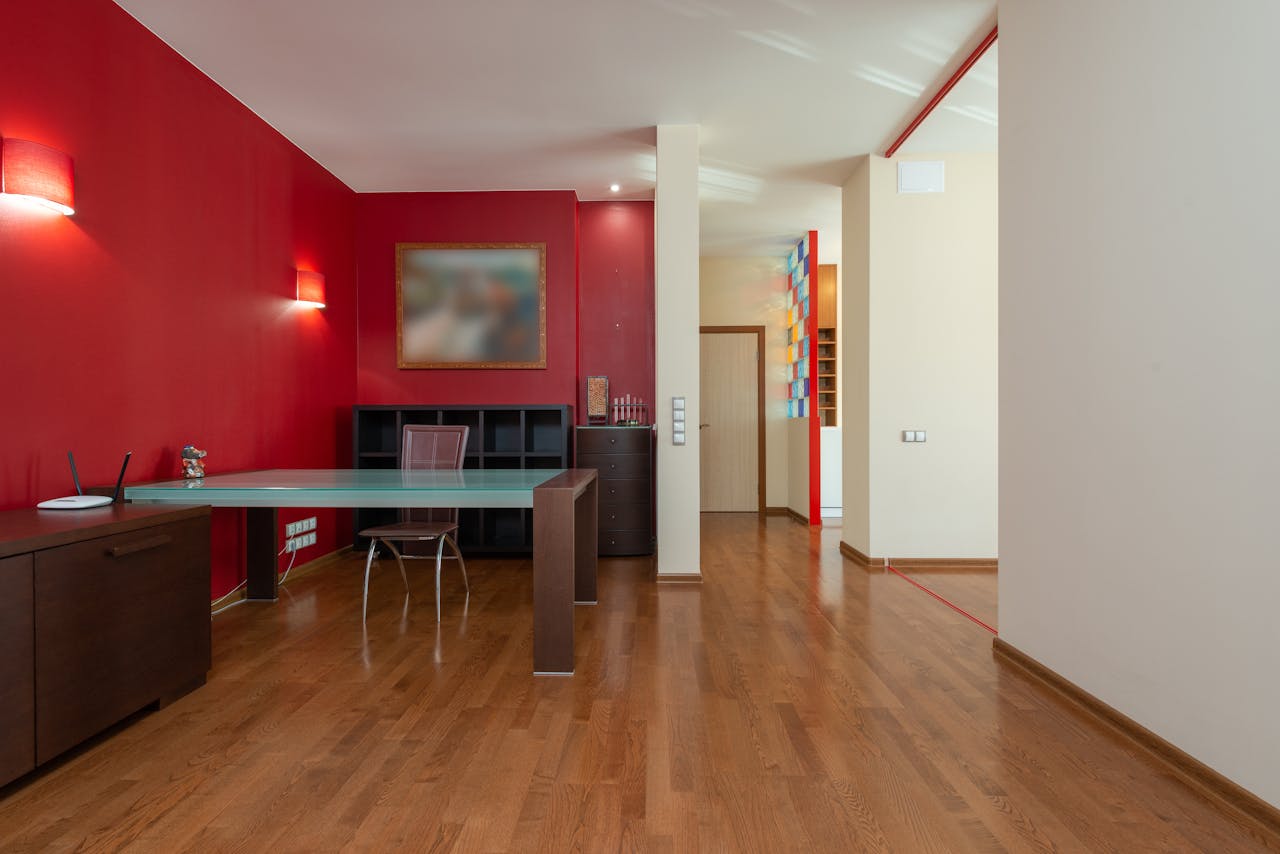
<p> Red is a powerful color that symbolizes energy, passion, and excitement, but it can have an unintended effect when used as the dominant color in a room. Bright red can overwhelm the senses, especially in spaces like living rooms or bedrooms, where you want to create a calm and relaxing atmosphere. For homebuyers, a red room can feel too intense or stressful, and it may detract from the appeal of the space. If you are drawn to red, it’s best to use it sparingly—perhaps as an accent wall or in a small, well-defined area—rather than painting an entire room in this bold hue. </p> :: Pexels

Red is a powerful color that symbolizes energy, passion, and excitement, but it can have an unintended effect when used as the dominant color in a room. Bright red can overwhelm the senses, especially in spaces like living rooms or bedrooms, where you want to create a calm and relaxing atmosphere. For homebuyers, a red room can feel too intense or stressful, and it may detract from the appeal of the space. If you are drawn to red, it’s best to use it sparingly—perhaps as an accent wall or in a small, well-defined area—rather than painting an entire room in this bold hue.

5. Dark Brown or Muddy Shades
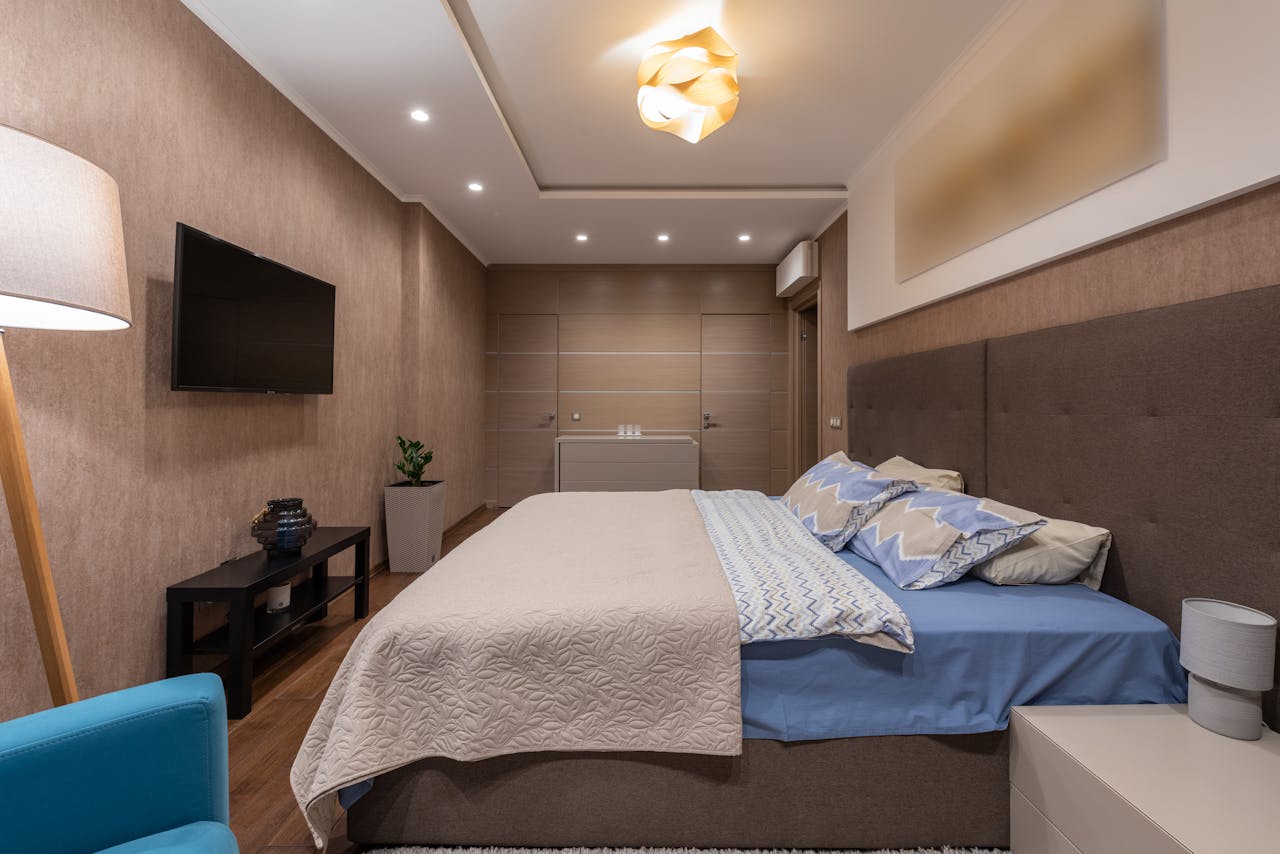
<p> While earthy tones like beige or light brown can create a warm and welcoming environment, dark brown or muddy shades can have the opposite effect. These darker hues tend to absorb light, making rooms feel smaller and more closed off. Instead of feeling cozy, dark brown can give a room an oppressive, dated appearance, which can make the space seem less modern and appealing. Instead of dark brown, consider lighter shades of brown, like taupe or sand, which still offer warmth but make rooms feel airier and more open. </p> :: Pexels

While earthy tones like beige or light brown can create a warm and welcoming environment, dark brown or muddy shades can have the opposite effect. These darker hues tend to absorb light, making rooms feel smaller and more closed off. Instead of feeling cozy, dark brown can give a room an oppressive, dated appearance, which can make the space seem less modern and appealing. Instead of dark brown, consider lighter shades of brown, like taupe or sand, which still offer warmth but make rooms feel airier and more open.

6. Orange
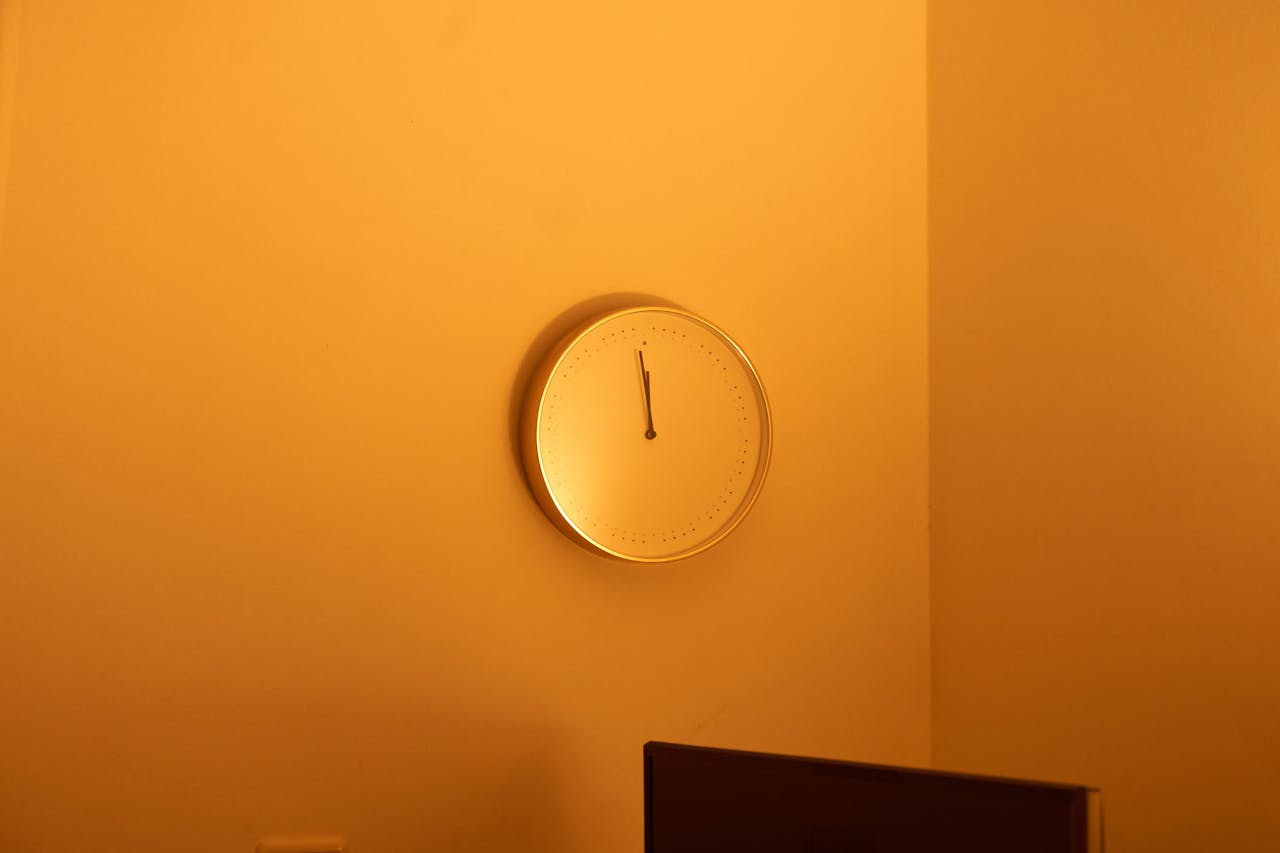
<p> Orange is another color that demands attention, but not always in a good way. Bright orange can make a room feel chaotic and unsettling, which is far from ideal in a space where people want to relax and unwind. Many people find it challenging to design around such a bold color, making it difficult for buyers to imagine their own style in the home. Though orange works well as an accent color, large amounts of it can feel overwhelming and may turn off potential buyers. If you must have orange, opt for a more subdued tone, like burnt orange, to maintain an inviting and grounded atmosphere. </p> :: Pexels

Orange is another color that demands attention, but not always in a good way. Bright orange can make a room feel chaotic and unsettling, which is far from ideal in a space where people want to relax and unwind. Many people find it challenging to design around such a bold color, making it difficult for buyers to imagine their own style in the home. Though orange works well as an accent color, large amounts of it can feel overwhelming and may turn off potential buyers. If you must have orange, opt for a more subdued tone, like burnt orange, to maintain an inviting and grounded atmosphere.

7. Mint Green
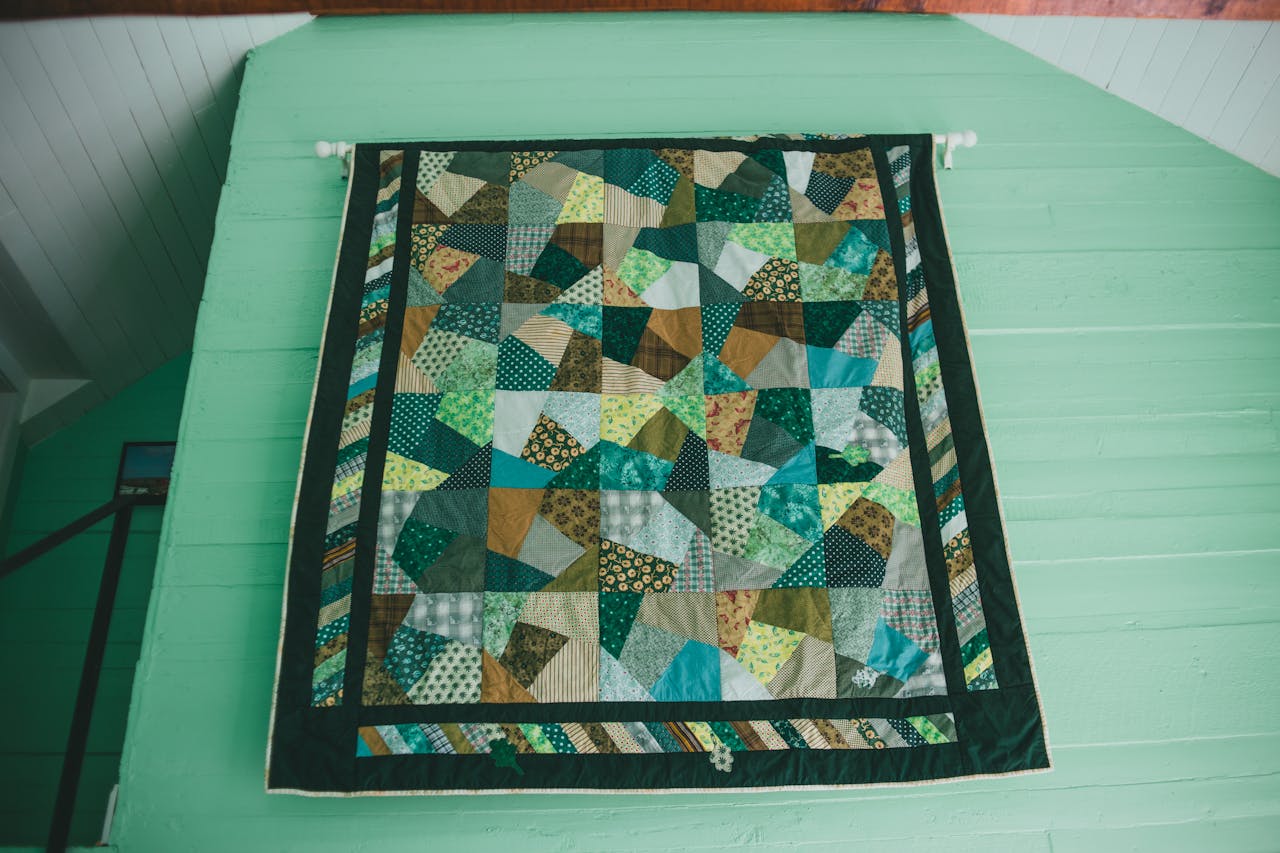
<p> Mint green might seem fresh and inviting, but it can also feel overly nostalgic or even kitschy when used on walls. This color may remind potential buyers of outdated bathrooms or children’s rooms, making the home feel less contemporary. Mint green has a tendency to give off a dated vibe, and it can be difficult for buyers to see past it. If you love the fresh look of green, try a more modern shade like sage or olive, which offer the same calming effect but are more universally appealing and likely to resonate with buyers looking for a neutral space. </p> :: Pexels

Mint green might seem fresh and inviting, but it can also feel overly nostalgic or even kitschy when used on walls. This color may remind potential buyers of outdated bathrooms or children’s rooms, making the home feel less contemporary. Mint green has a tendency to give off a dated vibe, and it can be difficult for buyers to see past it. If you love the fresh look of green, try a more modern shade like sage or olive, which offer the same calming effect but are more universally appealing and likely to resonate with buyers looking for a neutral space.

8. Black
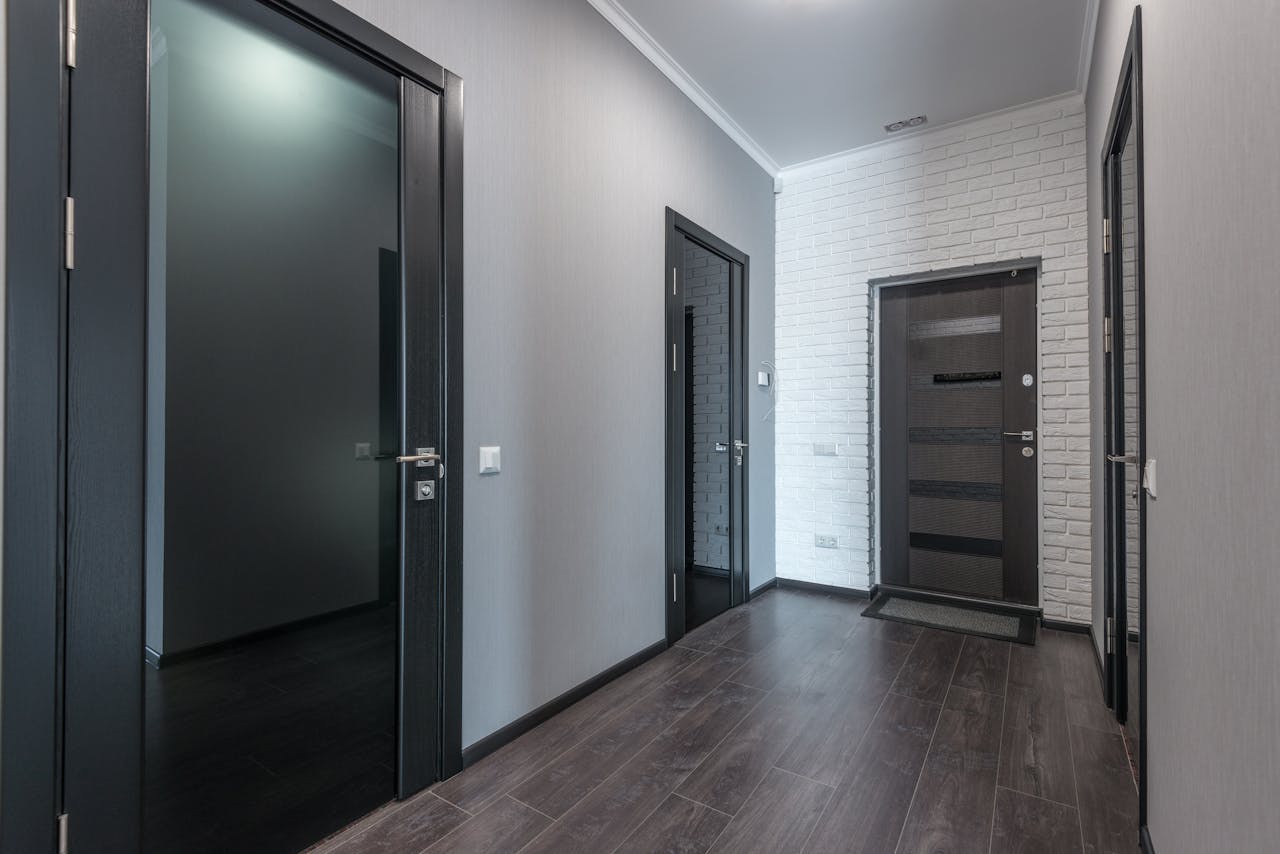
<p> Black is often associated with elegance and sophistication, but when used excessively in home interiors, it can create a dark and closed-off atmosphere. While black can work well for accents or smaller areas like trim or doors, entire rooms painted in black can feel heavy and unwelcoming. Black walls absorb light and can make a space feel smaller, which is not ideal for homebuyers looking for a bright, open environment. If you’re aiming for a modern, chic look, incorporate black in moderation and pair it with lighter, brighter tones to create balance. </p> :: Pexels

Black is often associated with elegance and sophistication, but when used excessively in home interiors, it can create a dark and closed-off atmosphere. While black can work well for accents or smaller areas like trim or doors, entire rooms painted in black can feel heavy and unwelcoming. Black walls absorb light and can make a space feel smaller, which is not ideal for homebuyers looking for a bright, open environment. If you’re aiming for a modern, chic look, incorporate black in moderation and pair it with lighter, brighter tones to create balance.

9. Lavender or Lilac
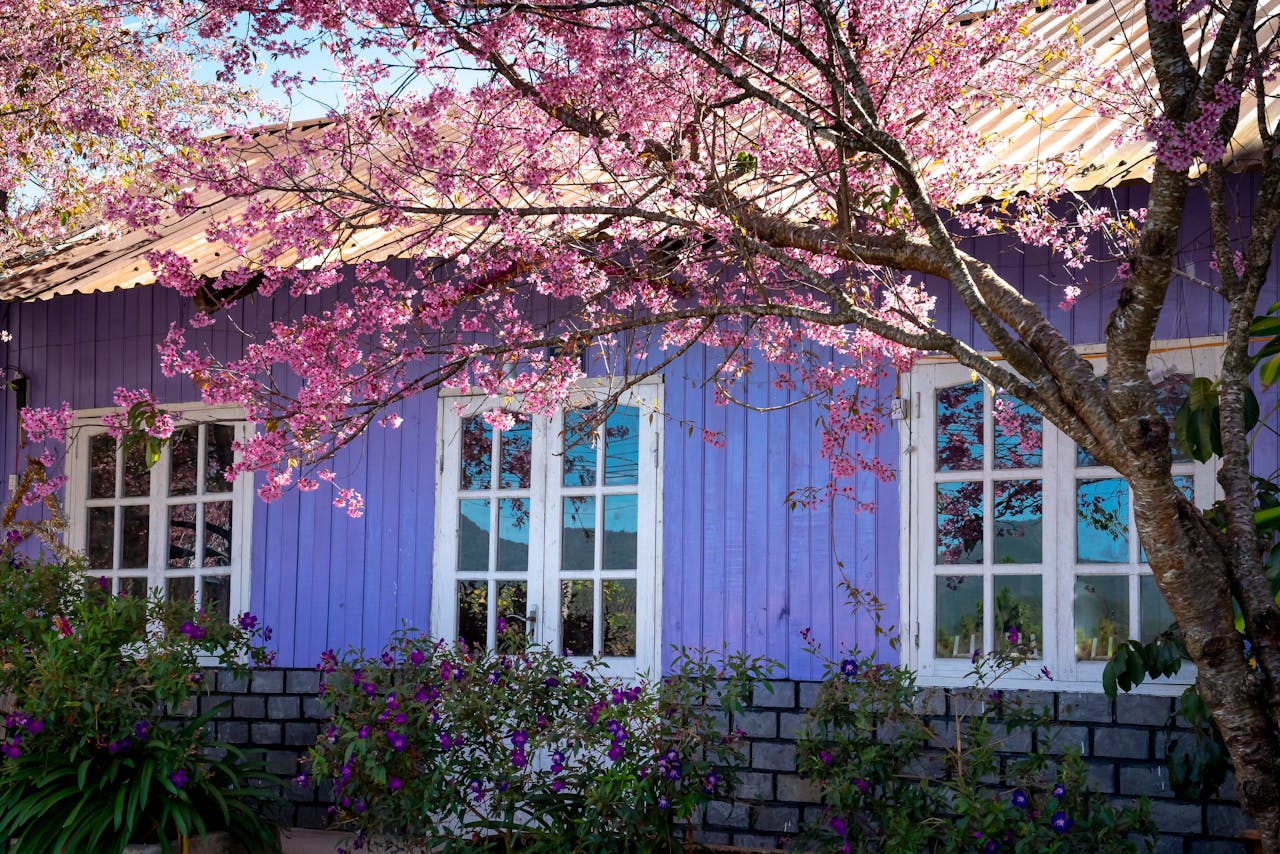
<p> Lavender and lilac are soft, dreamy shades, but they can come across as overly feminine or juvenile when used as primary colors in a home. These colors often evoke a sense of calm but may feel too playful or specific to one demographic. In larger spaces, lavender can start to feel unbalanced, and many buyers may struggle to visualize their own furnishings in a room dominated by this hue. Instead, try incorporating a softer, more neutral version of purple or opt for a more sophisticated tone like mauve, which can feel both calm and inviting. </p> :: Pexels

Lavender and lilac are soft, dreamy shades, but they can come across as overly feminine or juvenile when used as primary colors in a home. These colors often evoke a sense of calm but may feel too playful or specific to one demographic. In larger spaces, lavender can start to feel unbalanced, and many buyers may struggle to visualize their own furnishings in a room dominated by this hue. Instead, try incorporating a softer, more neutral version of purple or opt for a more sophisticated tone like mauve, which can feel both calm and inviting.

10. Forest Green

<p> While green is a soothing, nature-inspired color, forest green can feel too dark and overwhelming in home interiors. In spaces with limited natural light, this deep, rich shade can make a room feel even smaller. Additionally, forest green may give your home an outdated or dated appearance, especially if used in older-style homes. A more modern green, like sage or mint, can provide the same calming effect but without making a space feel too heavy or enclosed. Forest green may work well in small doses, such as in accents or décor, but it’s best avoided on large walls. </p> :: Pexels

While green is a soothing, nature-inspired color, forest green can feel too dark and overwhelming in home interiors. In spaces with limited natural light, this deep, rich shade can make a room feel even smaller. Additionally, forest green may give your home an outdated or dated appearance, especially if used in older-style homes. A more modern green, like sage or mint, can provide the same calming effect but without making a space feel too heavy or enclosed. Forest green may work well in small doses, such as in accents or décor, but it’s best avoided on large walls.

Final Thoughts

<p> The colors you choose for your home can significantly impact its appeal to potential buyers. While bold and unique hues may reflect your personal style, they might not be the most appealing when it comes to selling your home. Certain colors, like bright yellow, dark purple, or neon shades, can overwhelm buyers and make it hard for them to see past the color to the home’s true potential. Instead, opt for more neutral tones, soft pastels, and muted hues that create a welcoming atmosphere and allow buyers to envision themselves in the space. By choosing the right paint colors, you’ll increase the chances of selling your home for the best price and attract a wider range of interested buyers. </p> :: Pexels

The colors you choose for your home can significantly impact its appeal to potential buyers. While bold and unique hues may reflect your personal style, they might not be the most appealing when it comes to selling your home. Certain colors, like bright yellow, dark purple, or neon shades, can overwhelm buyers and make it hard for them to see past the color to the home’s true potential. Instead, opt for more neutral tones, soft pastels, and muted hues that create a welcoming atmosphere and allow buyers to envision themselves in the space. By choosing the right paint colors, you’ll increase the chances of selling your home for the best price and attract a wider range of interested buyers.

Filed Under: Lifestyle

Leave a Reply Cancel reply

Your email address will not be published. Required fields are marked *

  • Email
  • Facebook
  • Pinterest
  • Twitter

Our Most Popular Articles

ClickCashGo Review: Should You Avoid At All Costs?

Ultimate Guide to Mastering Your Credit Score

The 'YOLO' Mindset is a Dangerous Thing

Dave Ramsey's Financial Peace University Review: Is it Worth the Money?

Cash App Glitch 2025: Is the Free Money Glitch Real?

Five Steps To Debt Freedom

Here are five simple guidlines that will help you pay off debt.  

1) Get an emergency fund so you don’t take on debt when something comes up.

2) List your debts. This way you know where you stand.

3) Use the debt snowball. Pay your debts from smallest to largest, or most expensive to least expensive.

4) Avoid new debt. No new credit cards or loans. Period.

5) Go all cash. After everything is paid off, switch to all cash.

Helpful Resources

U of Tennesse Debt Repayment Plan Basics

Vertex 42's Debt Payoff Calculator

Savingadvice's Helpful Debt Forums

Jackie Becks Debt Blog