8 Perennial Vegetables That Practically Grow Themselves and Feed You for Years
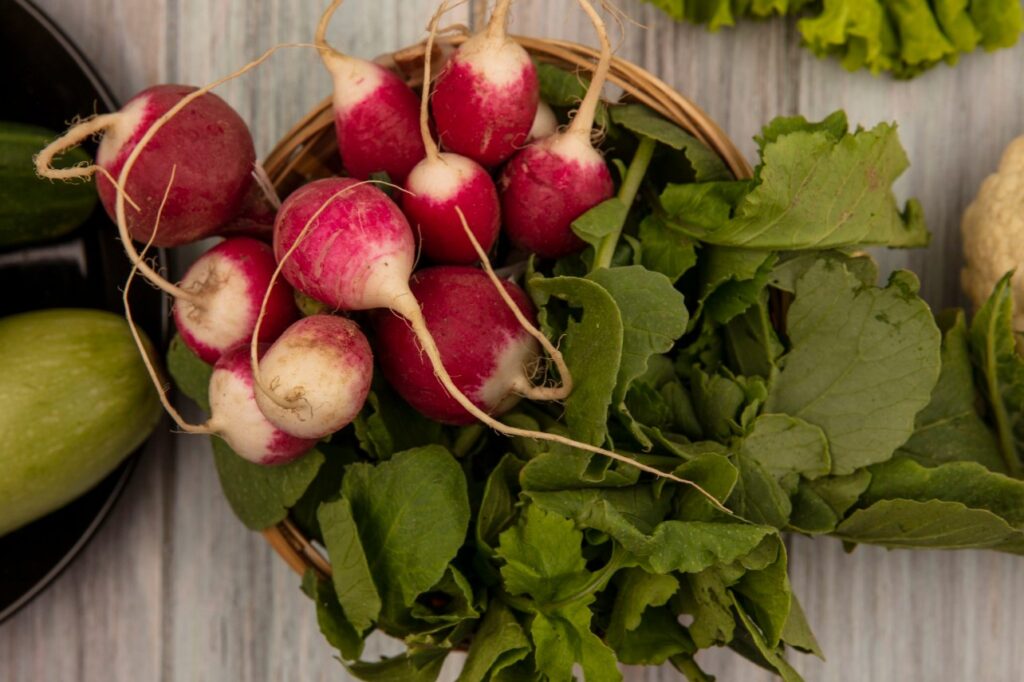
Tired of planting the same vegetables every year only to watch them vanish with the seasons? What if you could plant a crop once—and enjoy fresh harvests for many years to come? That’s the magic of perennial vegetables. These low-maintenance superstars return year after year with little fuss, giving you a more sustainable and time-saving garden.
For U.S.-based gardeners who want to work smarter (not harder), perennial veggies are like hitting the jackpot. Whether you’re just getting started or looking to simplify your garden, these eight vegetables will reward you with flavor, beauty, and bounty season after season. Let’s dig in and meet your garden’s new best friends!
1. Artichokes
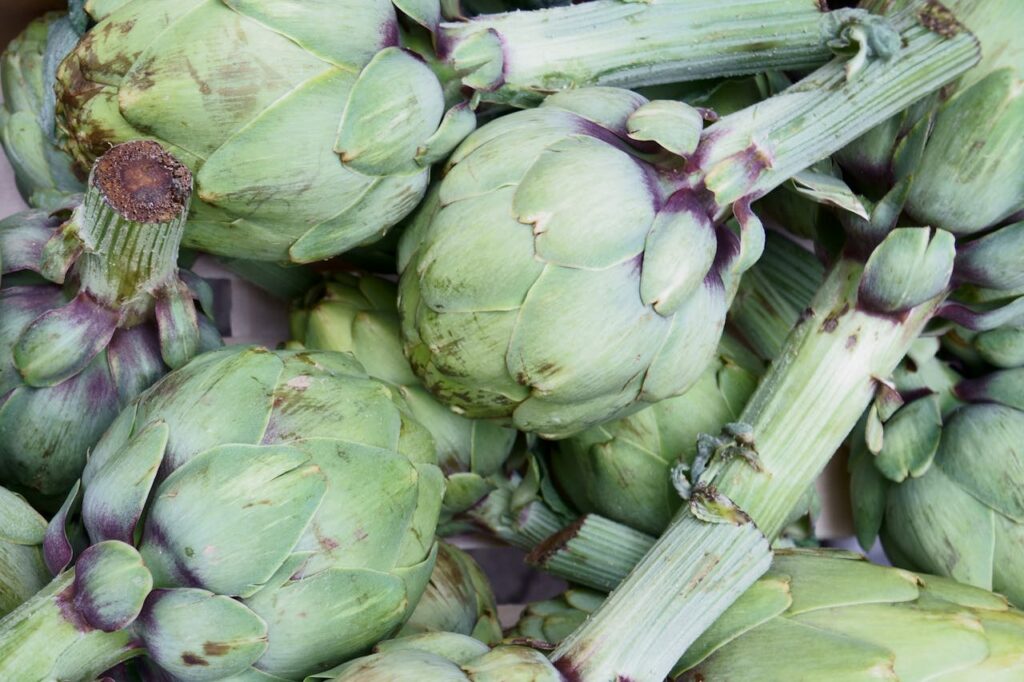
Artichokes are more than just pretty faces—they’re bold, delicious, and surprisingly easy to grow in the right zones. Hardy in USDA zones 7 through 11, these edible flower buds add a dramatic flair to your garden with their spiky foliage and striking purple blooms. Varieties like ‘Imperial Star’ even thrive in cooler climates if given winter protection. Once established, artichokes return each year with minimal upkeep. Roast the hearts, dip the leaves, and enjoy the beauty they bring to your backyard.
2. Asparagus
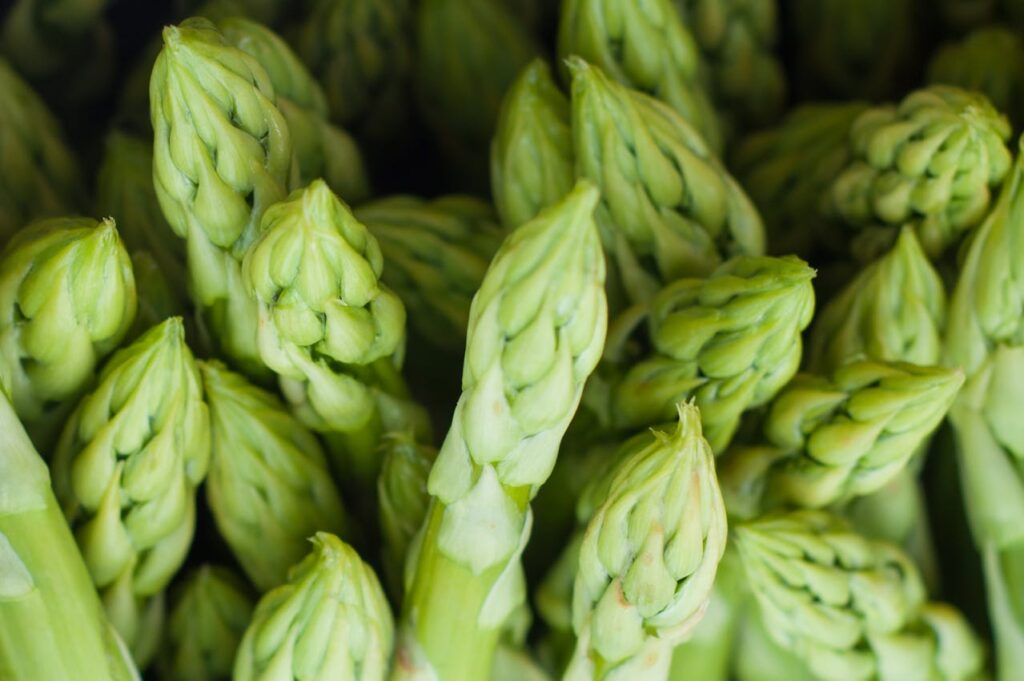
If there’s one vegetable that proves patience pays off, it’s asparagus. Though it takes two to three years to fully establish, once it does, this springtime favorite will reward you with fresh spears for up to two decades. Hardy in zones 3 through 9, asparagus plants form a beautiful fern-like canopy after harvest that improves your soil and suppresses weeds. Plant it in a permanent bed, add compost each spring, and you’ll be picking those tender green stalks each season with barely a second thought.
3. Horseradish
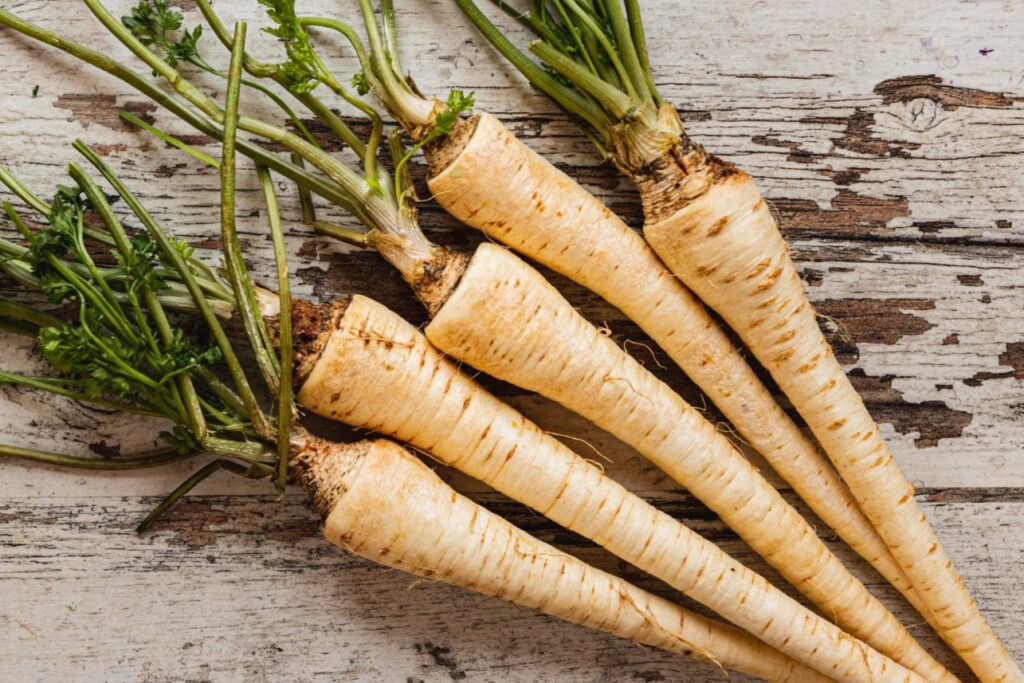
Horseradish is the spicy underdog of the garden. Plant a small root and it’ll take off like wildfire, returning year after year with gusto. Known for its pungent kick, horseradish thrives in zones 3 through 9 and is nearly impossible to kill. In fact, it can become invasive if not managed properly. Many gardeners prefer to grow it in containers to keep its wild nature in check. Once harvested, its roots can be grated into sauces, dips, and even used as a natural decongestant—talk about versatility.
4. Jerusalem Artichoke (Sunchoke)
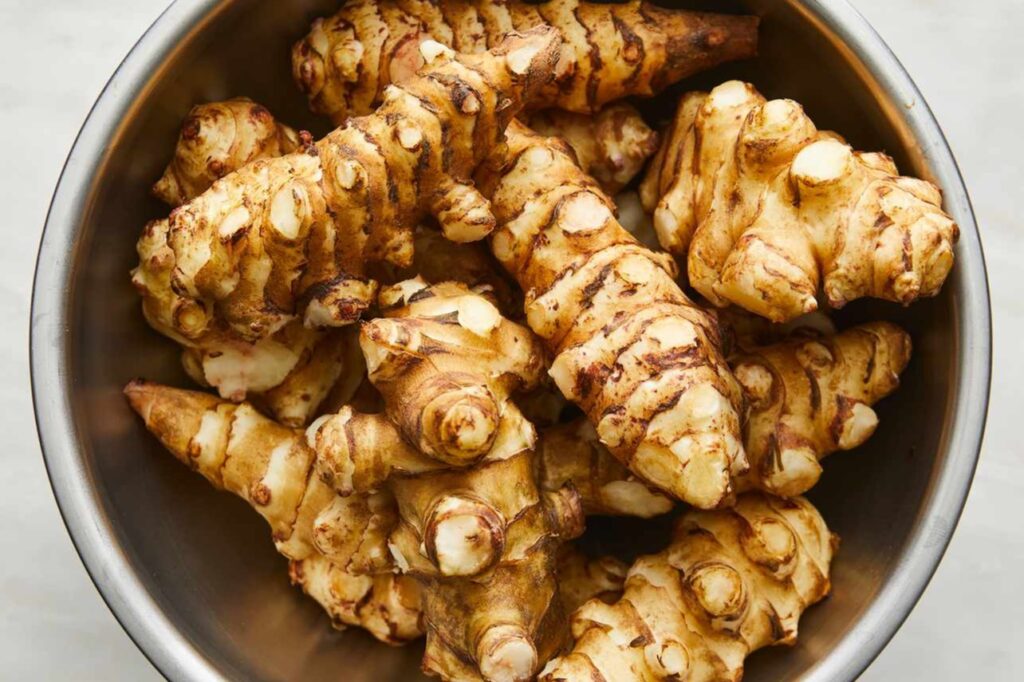
Despite the name, Jerusalem artichokes are not artichokes at all. These tuber-producing members of the sunflower family are a crunchy, nutty delight. Hardy in zones 3 through 9, sunchokes are easy to grow and thrive with very little attention. Once you plant them, they’ll multiply underground and can be harvested in late fall. Eat them raw in salads or roast them for a sweet, earthy side dish. A word of caution: like horseradish, they tend to spread, so container growing or designated garden areas are best.
5. Lovage
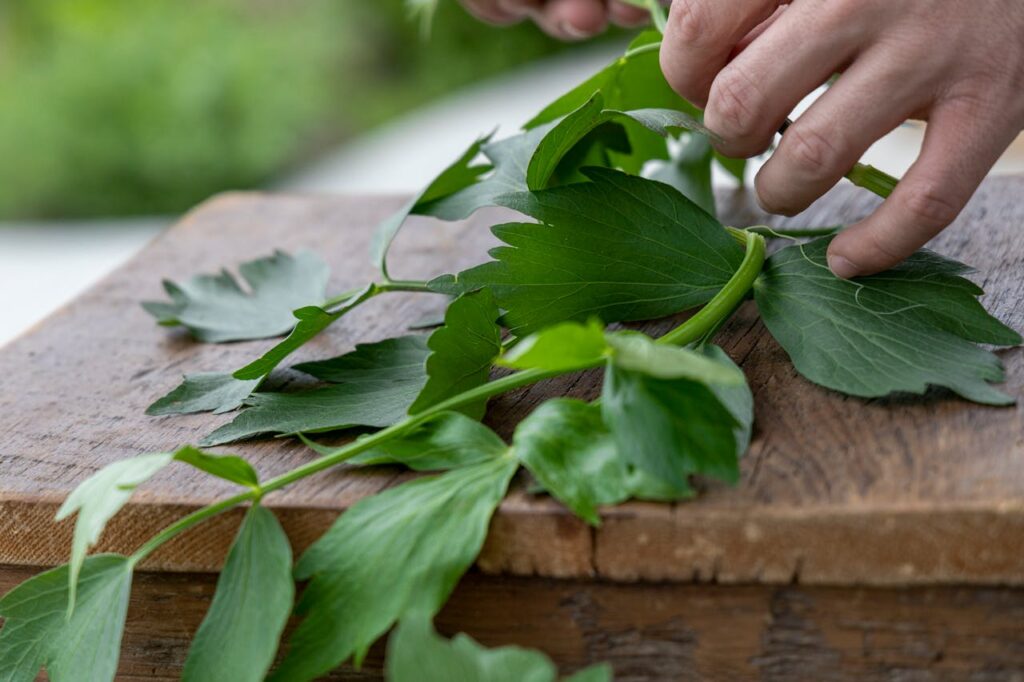
If celery had a cooler, more flavorful cousin, it would be lovage. This tall, leafy perennial is hardy in zones 3 through 9 and tastes like celery with a richer, more aromatic twist. It’s perfect for soups, stews, and even as a garnish in cocktails. Lovage is low-maintenance, fast-growing, and can reach impressive heights, making it an excellent backdrop plant for garden beds. Bonus: you can use the leaves, stalks, and even the seeds in your cooking.
6. Rhubarb
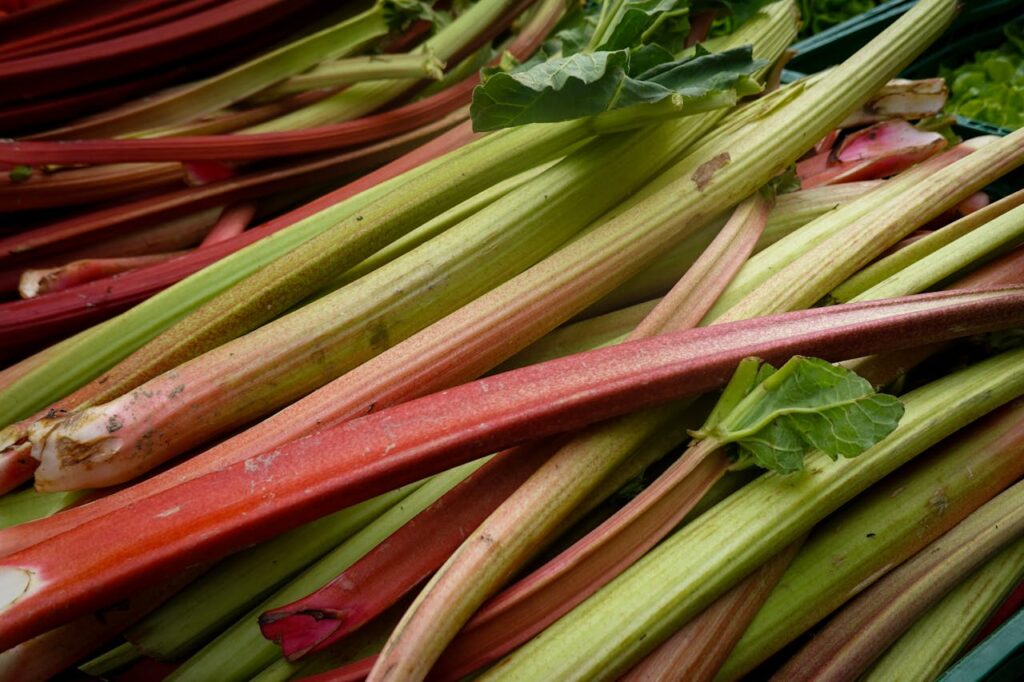
Rhubarb is a garden classic, beloved for its tart red stalks that bring zing to pies, jams, and even savory sauces. Hardy in zones 3 through 9, rhubarb is one of the easiest perennials to grow. Once it’s established, it will return every spring with thick, vibrant stalks ready to harvest. Just remember: only the stalks are edible—the leaves are toxic and should be discarded. Rhubarb also adds an eye-catching burst of color to any garden bed.
7. Sea Kale
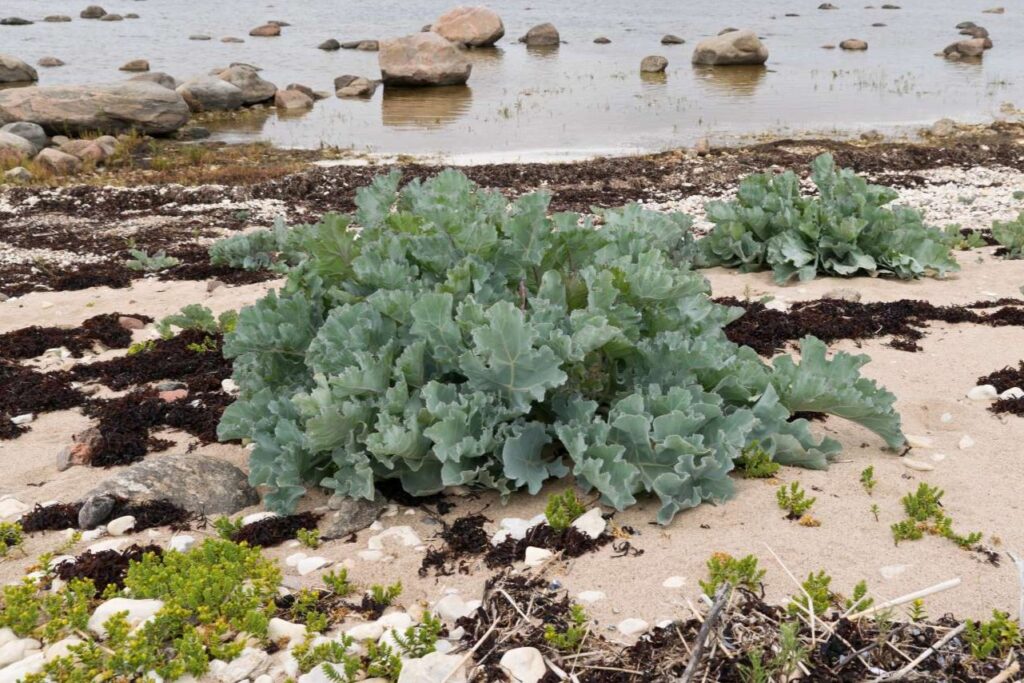
Looking for a unique and rugged leafy green? Sea kale fits the bill. This coastal native is perennial in zones 6 through 9 and produces beautiful, bluish-green leaves that can be eaten raw when young or cooked when older. Its spring shoots are also edible and resemble asparagus in both appearance and taste. Sea kale tolerates drought, poor soil, and even salty air, making it a hardy addition to tough garden spots. Plus, its decorative flowers attract pollinators, making it a win for your whole garden.
8. Sorrel
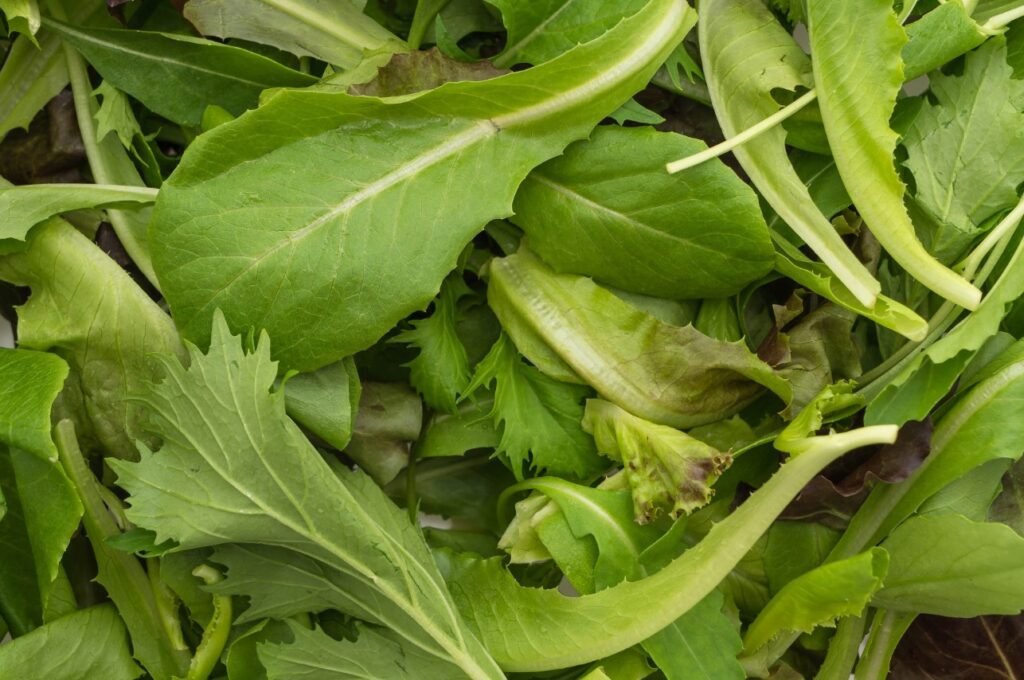
Sorrel is a lemony, zesty green that brings brightness to salads, soups, and sauces. This leafy perennial is hardy in zones 3 through 9 and pops up early in spring, offering one of the first harvests of the season. Sorrel loves full sun and slightly acidic soil, and once it’s established, it will produce abundantly for years. Regular trimming keeps it producing tender leaves and prevents flowering. It’s the perfect plant for gardeners who want fast, fresh, and flavorful greens without the fuss.
Final Thoughts
If you’ve been longing for a garden that gives more and demands less, perennial vegetables are the way to go. These eight resilient crops offer delicious rewards year after year with minimal care—perfect for busy gardeners, backyard homesteaders, or anyone who just wants to spend more time harvesting than hoeing.
Perennial veggies aren’t just a time-saver—they’re a smarter, more sustainable way to grow. You plant them once, nurture them just a bit, and then reap the rewards season after season. Whether it’s the sharp bite of horseradish, the sweet earthiness of sunchokes, or the tangy brightness of sorrel, these plants deliver variety, nutrition, and garden joy on autopilot.
So grab a shovel, pick your favorites from the list, and start creating your very own “forever” garden. Your future self—and your dinner plate—will thank you.
Leave a Reply