Why You Should Step Outside Every Day: 7 Science-Backed Benefits of Spending Time Outdoors

In our modern, screen-filled lives, it’s easy to forget the simple power of stepping outside. Whether it’s a quick walk in the park or lounging in your backyard, spending time outdoors offers more than just a breath of fresh air—it brings a cascade of mental, physical, and emotional benefits backed by science. From improving your mood to boosting your immune system, nature has a remarkable effect on your well-being. Here are 7 science-backed reasons why getting outside every day can transform your life.
1. Boosts Mood and Reduces Stress

One of the most immediate benefits of spending time outdoors is its effect on your mental health. Studies have shown that time spent in nature significantly reduces levels of cortisol, the body’s primary stress hormone, leading to a calmer, more relaxed state. Even just 20 minutes outside can lower stress levels and boost your mood, according to research published in Frontiers in Psychology. Natural surroundings help quiet the mind and provide a break from the overstimulation of digital life. Green spaces, in particular, are linked to lower rates of depression and anxiety. Sunlight exposure stimulates serotonin production, a hormone that stabilizes mood, feelings of well-being, and happiness. Simply put, sunlight, fresh air, and the soothing sounds of nature help reset your nervous system and bring emotional balance in ways artificial environments cannot.
2. Improves Immune Function

Spending time outdoors doesn’t just feel good—it also helps your body function better on a biological level. Immune system enhancement is one of the most compelling science-supported reasons to get outside daily. Researchers in Japan have extensively studied the practice of shinrin-yoku, or forest bathing, and found that people who spend time walking through forests experience increases in the number and activity of natural killer cells, which are a type of white blood cell that plays a critical role in the body’s defense against viruses and tumor cells. This increase in immune response can last for more than a week after exposure. Additionally, sunlight exposure helps your skin produce vitamin D, which supports immune health, reduces inflammation, and helps regulate the absorption of calcium and phosphorus. Adequate levels of vitamin D are associated with a lower risk of respiratory infections and chronic diseases. Simply spending time in nature can empower your immune system to perform at its best.
3. Enhances Creativity and Mental Clarity

If you’ve ever found yourself stuck in a creative rut or overwhelmed by mental clutter, heading outside might be the most productive thing you can do. A study published in PLOS ONE revealed that spending time in natural environments significantly boosts creative problem-solving skills. In the study, participants who spent several days immersed in nature performed up to 50 percent better on creative thinking tasks compared to those in urban environments. Nature helps reset the brain by reducing mental fatigue and providing a calming backdrop that encourages reflection and open-minded thinking. This is tied to the Attention Restoration Theory, which suggests that natural environments help replenish mental energy and restore the brain’s ability to focus on demanding tasks. Whether you are brainstorming, problem-solving, or simply looking for inspiration, a daily dose of the outdoors can provide the clarity and mental refresh you need to perform your best.
4. Promotes Physical Fitness Naturally

One of the most obvious but often overlooked benefits of going outside is the increase in physical activity. Whether you are walking, jogging, cycling, hiking, or gardening, outdoor environments naturally encourage more movement than indoor ones. According to the American Journal of Public Health, individuals who spend time outdoors daily are more likely to meet physical activity guidelines and maintain a healthy weight. Outdoor physical activity often feels less like a chore and more like a pleasure, which makes it easier to maintain long-term. You are also more likely to engage a wider variety of muscles when navigating natural terrain, which adds to your physical conditioning. Even moderate activities like raking leaves, walking your dog, or playing with your kids in the yard contribute to cardiovascular health, improved mobility, and greater endurance. Regular outdoor exercise reduces the risk of chronic conditions such as heart disease, obesity, and type 2 diabetes. The fresh air and ever-changing scenery help keep your fitness routine enjoyable and effective.
5. Supports Better Sleep Quality

If you are struggling to get restful sleep, your daily sunlight exposure—or lack thereof—may be part of the problem. Natural light plays a crucial role in regulating your circadian rhythm, the internal biological clock that controls your sleep-wake cycle. Spending time outside, particularly in the morning, helps signal your body when to be awake and when to sleep. A study from the Journal of Clinical Sleep Medicine found that people who receive more natural daylight during working hours sleep longer and report better quality sleep than those exposed primarily to artificial light. Sunlight exposure increases daytime alertness and helps produce melatonin, the hormone responsible for inducing sleep, in the evening. In contrast, excessive artificial light and screen time can delay melatonin production and interfere with your ability to fall asleep. Getting outdoors daily—even for a short period—can help you fall asleep more easily, stay asleep longer, and wake up feeling more refreshed and alert.
6. Strengthens Social Connections

Humans are social beings, and meaningful relationships are a key component of overall health. Interestingly, getting outside can help strengthen these connections. Parks, community gardens, beaches, and trails offer common ground where people naturally come together. Whether you are chatting with neighbors on a walk, joining an outdoor yoga class, or simply smiling at a passerby, outdoor environments create opportunities for positive social interactions. According to a study in the Journal of Environmental Psychology, frequent visits to green spaces are linked to greater feelings of social cohesion and community belonging. Strong social connections are associated with reduced stress, improved mental health, and even increased longevity. For older adults in particular, social time outdoors has been linked to reduced feelings of loneliness and depression. Being outside can provide a sense of connectedness, even without deep interaction, and remind us that we are part of something bigger than ourselves.
7. Increases Mindfulness and Reduces Mental Fatigue
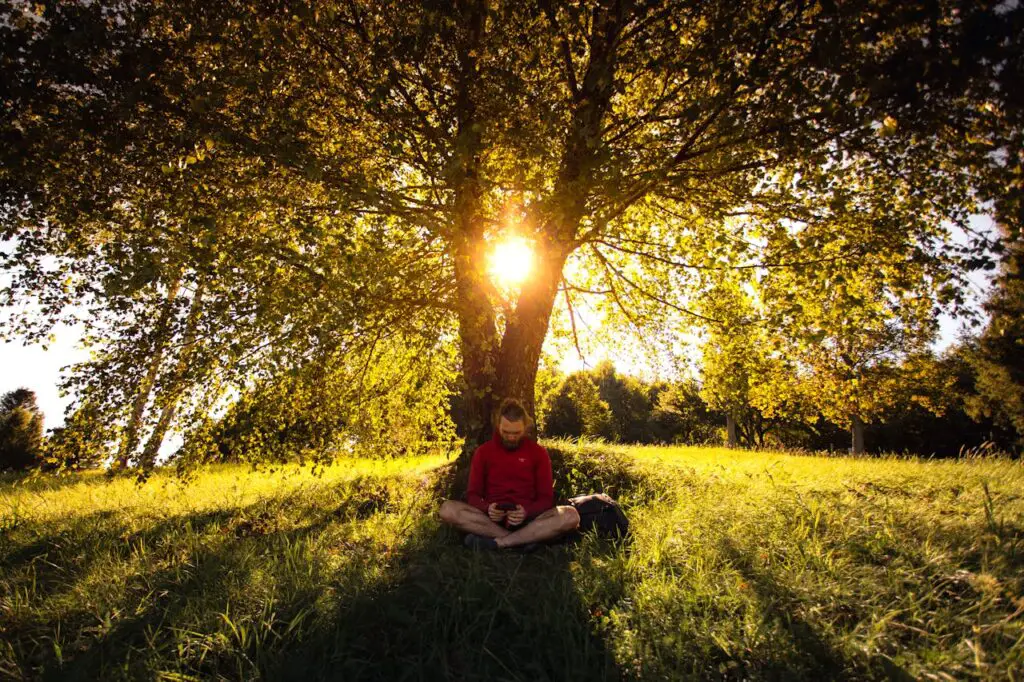
In a world that demands constant attention and multitasking, mental fatigue is a common complaint. Nature offers a peaceful refuge from the distractions of modern life and provides the perfect setting for mindfulness—the practice of being fully present and engaged in the moment. Studies show that people who spend time outdoors report greater levels of mindfulness, reduced negative thought patterns, and increased emotional resilience. The Journal of Environmental Psychology reports that natural settings help the brain recover from mental fatigue and improve directed attention, which is essential for problem-solving and goal-directed behavior. Even passive engagement with nature, such as sitting quietly in a park or watching clouds pass by, can lead to noticeable improvements in focus and emotional well-being. Mindfulness has been linked to lower levels of anxiety and depression, as well as improved coping skills during periods of stress. Incorporating time in nature into your daily routine fosters a deeper sense of awareness and gratitude, grounding you in the present and restoring your mental clarity.
Final Thoughts

The beauty of spending time outdoors is that it is free, accessible, and profoundly beneficial. Whether you live in a bustling city or a rural town, nature is closer than you think—just outside your door. From lifting your mood and strengthening your immune system to enhancing creativity, deepening sleep, and building stronger social bonds, the advantages of being outside are well supported by scientific evidence. You do not need to hike for hours or travel to a national park to reap these rewards. A 20-minute walk around your neighborhood, sitting under a tree, or simply breathing deeply in your backyard can create a noticeable shift in how you feel. By making it a habit to step outside each day, you are not just adding a healthy practice to your routine—you are investing in your long-term physical and mental health. The best part? The benefits begin the moment you step outside.
Leave a Reply