10 Things You Should Know About Self-Driving Cars in 2025
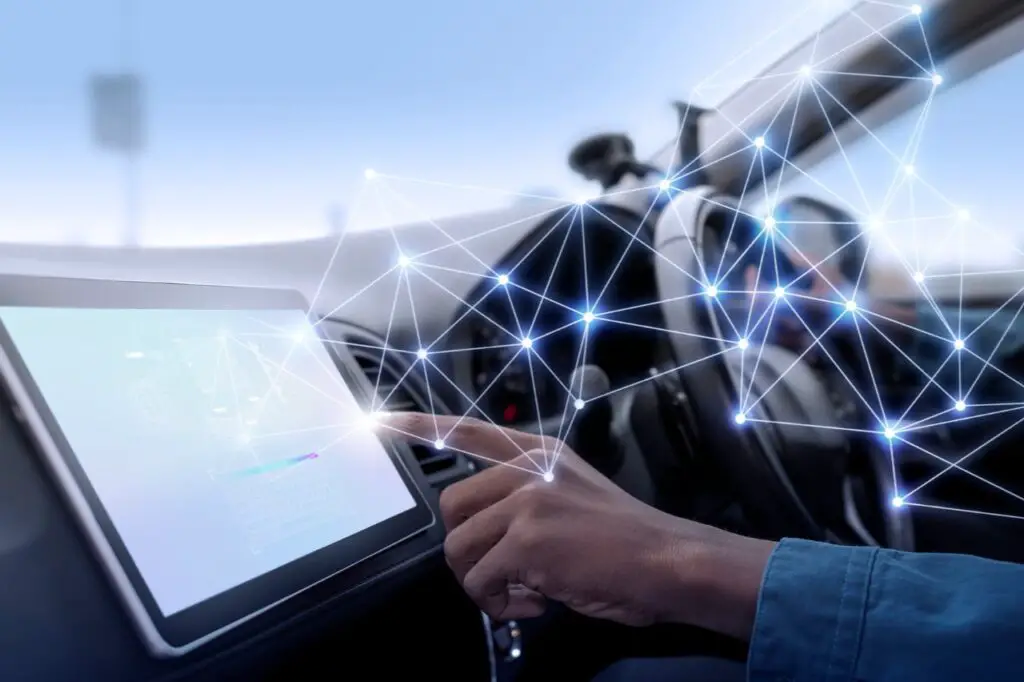
If you’d told someone a decade ago that a car might show up at their doorstep—with no driver, no steering wheel, and a friendly voice greeting them—they’d have thought you were quoting a sci-fi movie. Yet here we are in 2025, and self-driving cars aren’t just test projects—they’re an everyday reality in some U.S. cities.
From robotaxis quietly whisking people across town to debates raging over safety and privacy, autonomous vehicles have officially hit the mainstream conversation. But amid the excitement, confusion still reigns: Are these cars truly “driverless”? Are they safe? And how close are we to owning one in our garage?
Buckle up as we explore 10 essential things every American should know about self-driving cars in 2025. Whether you’re tech-obsessed, safety-focused, or just plain curious, here’s what’s really going on behind the wheel—or, increasingly, the lack of one.
1. Self-Driving Ride-Hailing Is No Longer Sci-Fi
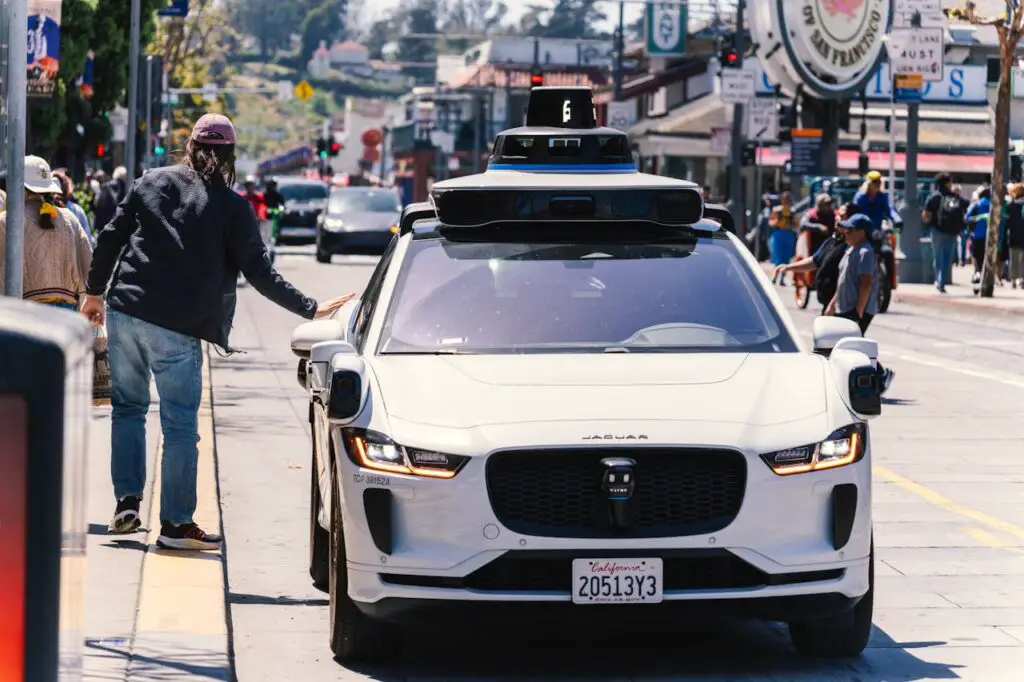
Forget waiting for a human driver—robotaxis are rolling on real streets right now. Companies like Waymo (Google’s sibling) and Cruise have launched autonomous ride-hailing services in cities including Phoenix, San Francisco, Los Angeles, Austin, and Atlanta. Riders can summon a car through an app, hop in, and get driven across town—without anyone in the driver’s seat.
Waymo recently celebrated over 250,000 rides a week, showing this tech is far from experimental. Tesla, meanwhile, is cautiously testing supervised robotaxis in Austin, blending automation with human oversight. While the idea of a driverless cab might feel unsettling, for thousands of riders, it’s become just another Tuesday commute.
2. Tesla’s Fully Driverless Delivery Made Headlines
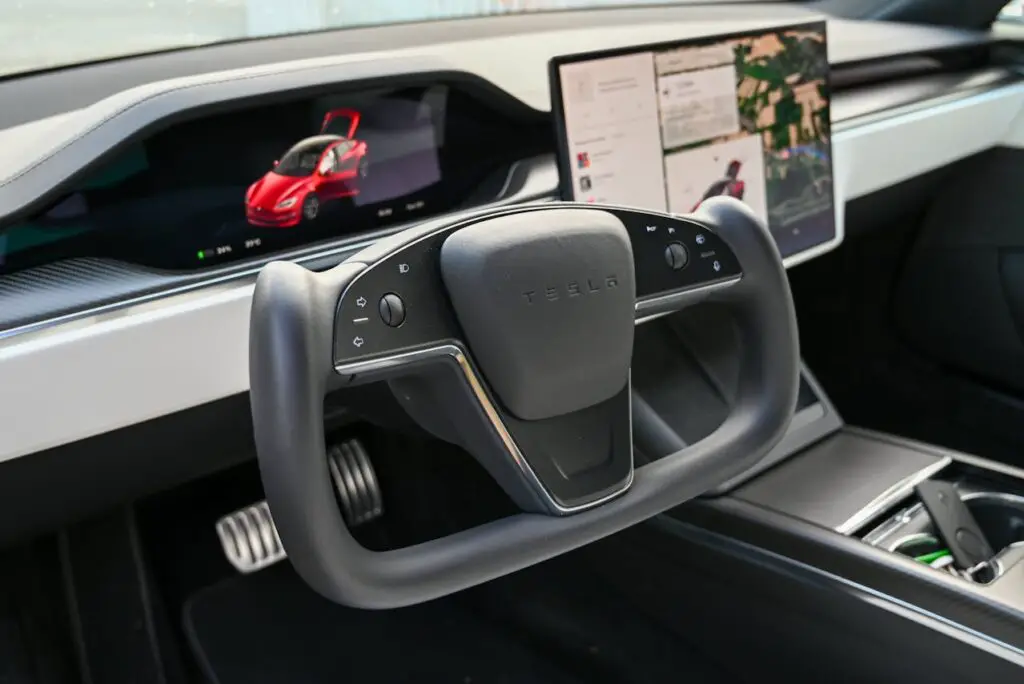
In a jaw-dropping moment earlier this year, Tesla delivered a brand-new Model Y to a Texas owner—without a human behind the wheel. The car navigated highways, merged lanes, and pulled into the customer’s driveway entirely on its own.
It wasn’t a stunt. It was a milestone, showcasing how advanced Tesla’s autonomous tech has become. While this doesn’t mean your next Tesla will be entirely driverless, it’s a giant leap closer to mainstream adoption. It also signals how fiercely automakers are racing toward a future where cars might arrive at your door with no human assistance at all.
3. Government Regulations Are Finally Taking Shape
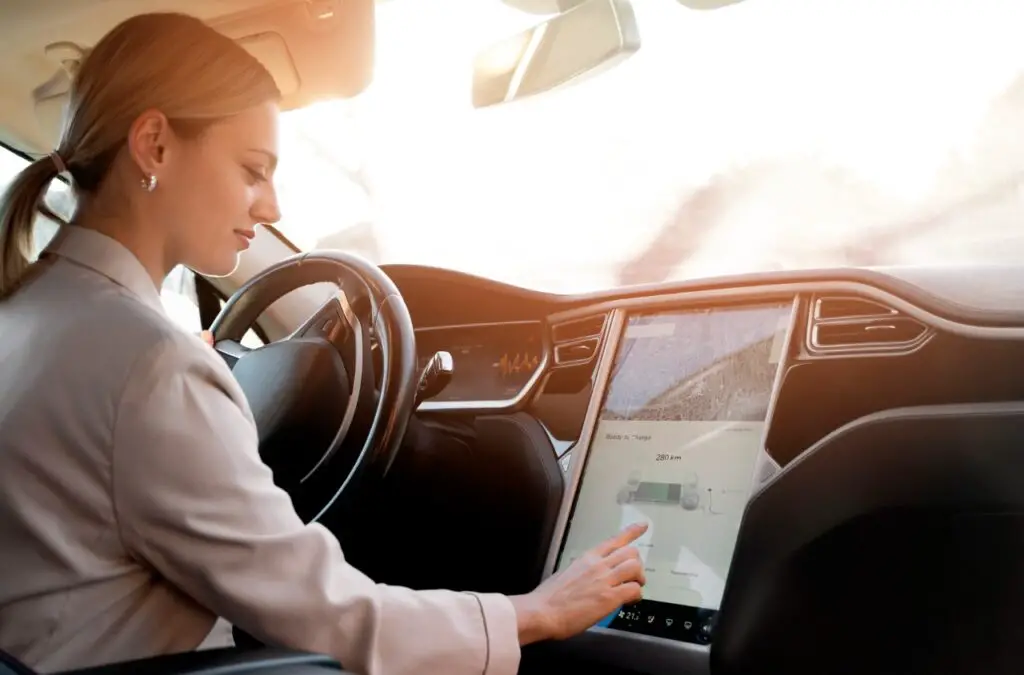
For years, self-driving tech outpaced lawmakers, creating a Wild West of innovation—and legal uncertainty. But 2025 is ushering in new laws to bring order to the roads.
The Autonomous Vehicle Acceleration Act, introduced in Congress this year, is setting national standards for testing, safety protocols, and liability. Meanwhile, the National Highway Traffic Safety Administration (NHTSA) is streamlining rules to help companies deploy autonomous fleets without endless red tape.
It’s good news for consumers. With clear regulations, companies can scale faster, and drivers can feel more confident about sharing the road with cars that… well, don’t have drivers.
4. “Self-Driving” Doesn’t Always Mean Fully Autonomous
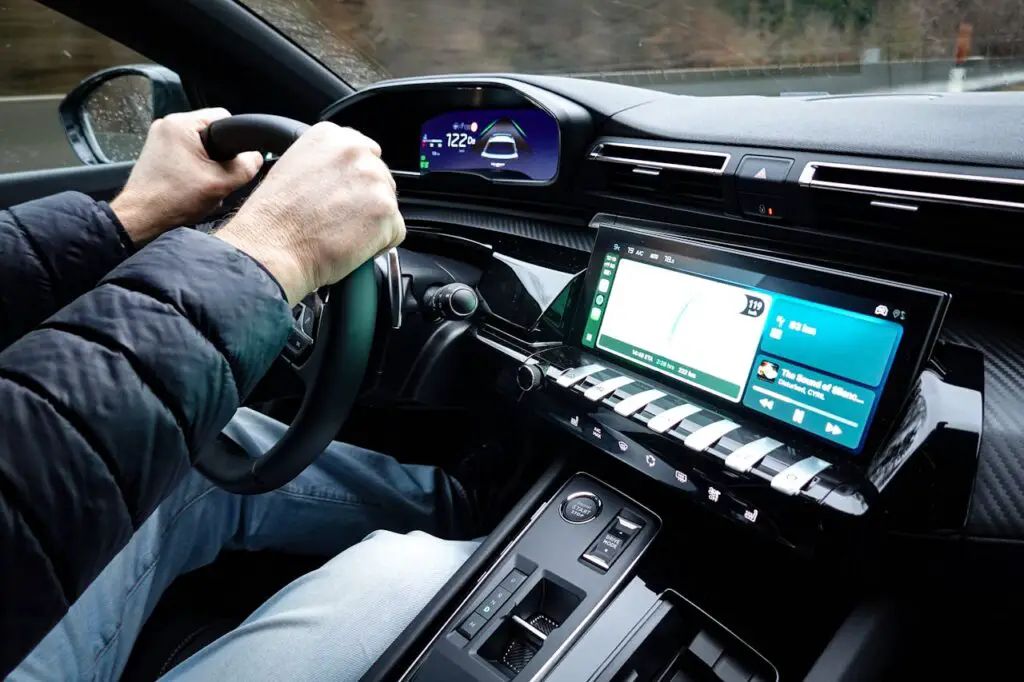
Here’s one of the biggest misconceptions: when a carmaker advertises “self-driving,” it doesn’t necessarily mean the car is fully autonomous.
Industry experts categorize autonomous driving into five levels:
-
Level 0: No automation
-
Level 1: Basic driver assistance (like cruise control)
-
Level 2: Partial automation (the car can steer and accelerate but needs driver supervision)
-
Level 3: Conditional automation (the car drives itself but expects the driver to take over if needed)
-
Level 4: High automation (the car can handle driving in certain areas without any driver intervention)
-
Level 5: Full automation (no driver required anywhere, anytime)
In 2025, most personal vehicles—including Teslas, BMWs, and Fords—hover around Levels 2 or 3. So while your car might steer itself on the highway, you still need to keep your hands and eyes ready. For now, true Level 5 cars remain rare outside experimental fleets.
5. The Great Camera vs. Lidar Debate Rolls On
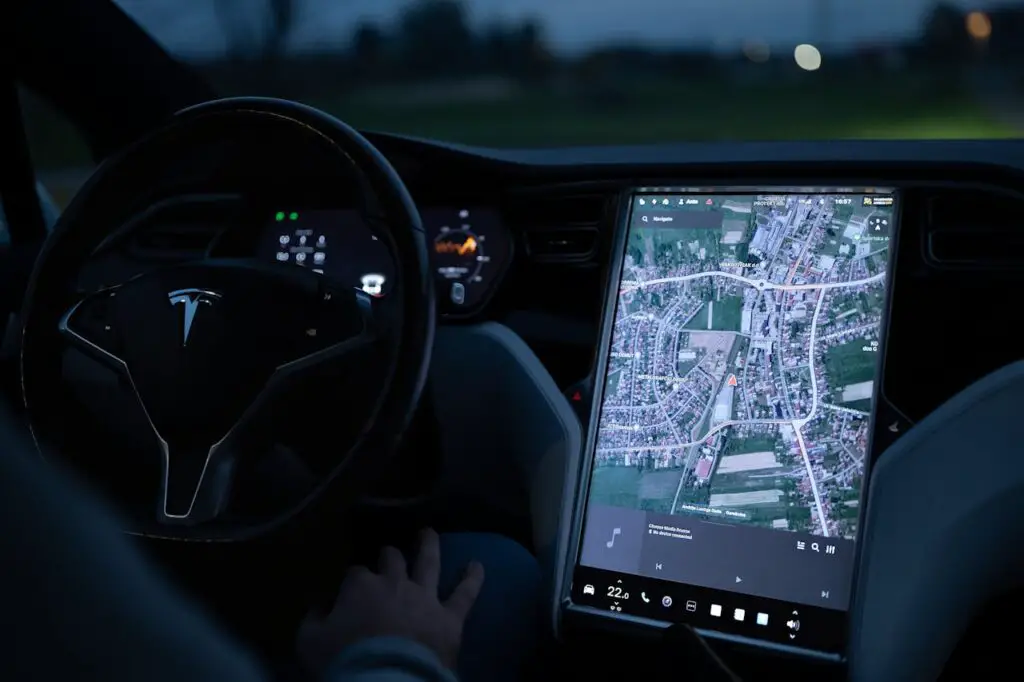
Tech giants are deeply divided on how to “see” the world. Tesla champions a camera-only system, believing high-resolution cameras and artificial intelligence can match—or even surpass—human vision. Elon Musk calls lidar (laser-based sensors) expensive and unnecessary.
Waymo, Cruise, and Zoox disagree. They use lidar to map surroundings in 3D with incredible precision, giving vehicles an extra layer of perception—especially useful in poor lighting or fog.
Each side has its pros and cons. Cameras are cheaper and simpler. Lidar provides richer detail but comes at a cost. In 2025, the debate is far from settled. Meanwhile, engineers keep pushing both technologies to be safer, smarter, and more affordable.
6. Small-Scale Autonomous Shuttles Are Quietly Thriving
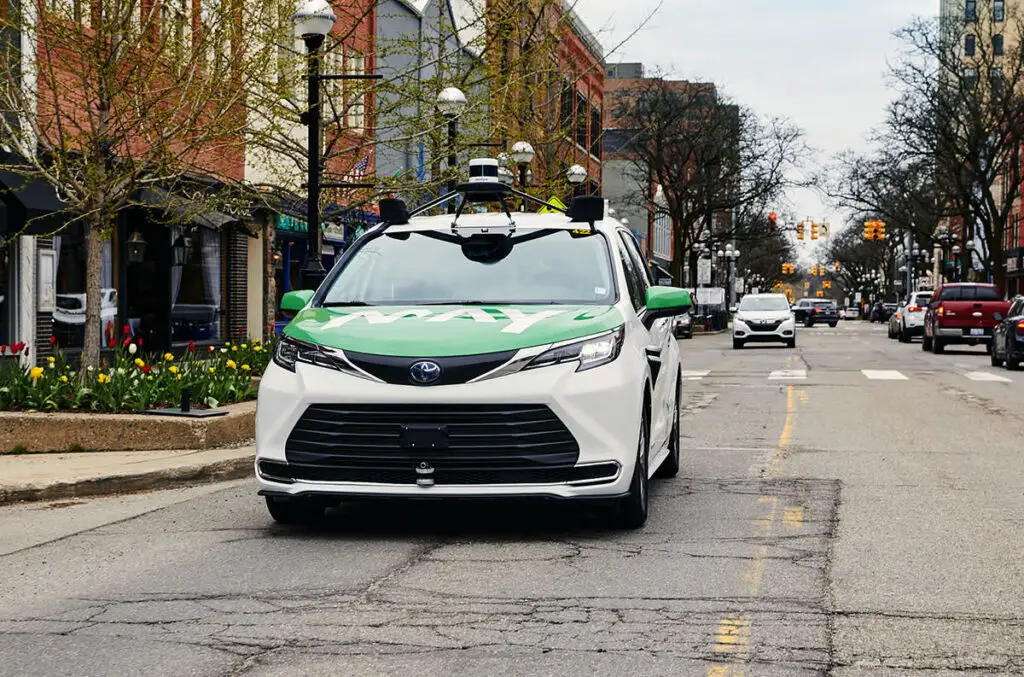
While flashy robotaxis grab headlines, there’s a quieter revolution underway in places like retirement communities, corporate campuses, and small towns. Companies like May Mobility and Aurora Innovation are running autonomous shuttles in controlled environments where traffic is lighter and speeds are lower.
Think of them as test kitchens for the future of autonomy. These small-scale deployments let companies refine their technology while minimizing risk. Riders get a taste of self-driving travel, and operators gather critical real-world data. It’s a win-win—and a big reason why self-driving tech keeps inching closer to mainstream life.
7. Insurance Is Getting a Futuristic Makeover
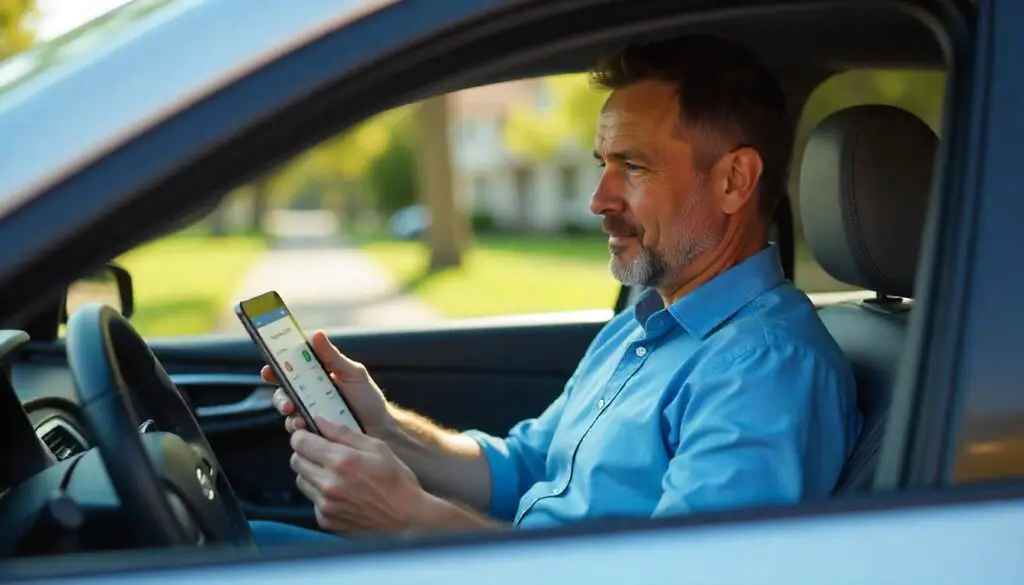
Here’s a puzzle: If your car drives itself and crashes, who’s to blame—you or the automaker?
That question is rewriting the entire auto insurance industry. Some manufacturers, like Mercedes-Benz, already take full legal responsibility when their Level 3 systems are active. That means if the autonomous system messes up, the carmaker—not the driver—takes the hit.
Insurance providers are racing to create new products focused on product liability rather than traditional driver fault. It’s a huge shift that could eventually change how you buy car insurance—and possibly how much you pay for it.
8. Privacy and Cybersecurity Are Big-Time Concerns
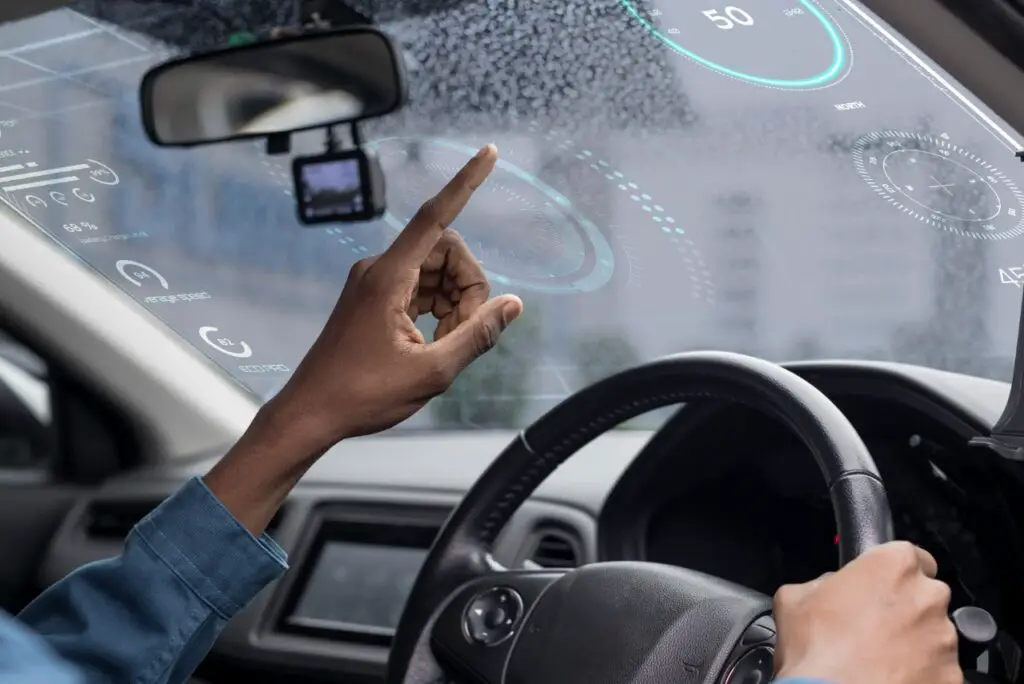
Your self-driving car is basically a rolling computer, gathering mountains of data about where you go, how you drive, and even what you say.
In 2025, cybersecurity has become a front-line issue. Hackers could theoretically seize control of an autonomous vehicle, putting passengers and pedestrians at risk. That’s why automakers and lawmakers are investing heavily in data encryption, secure software updates, and strict privacy laws.
Consumers should pay close attention to privacy policies. It’s essential to know who owns your data, how it’s stored, and whether your futuristic ride is keeping your personal info truly private.
9. Semi-Autonomous Features Are Already in Many Driveways
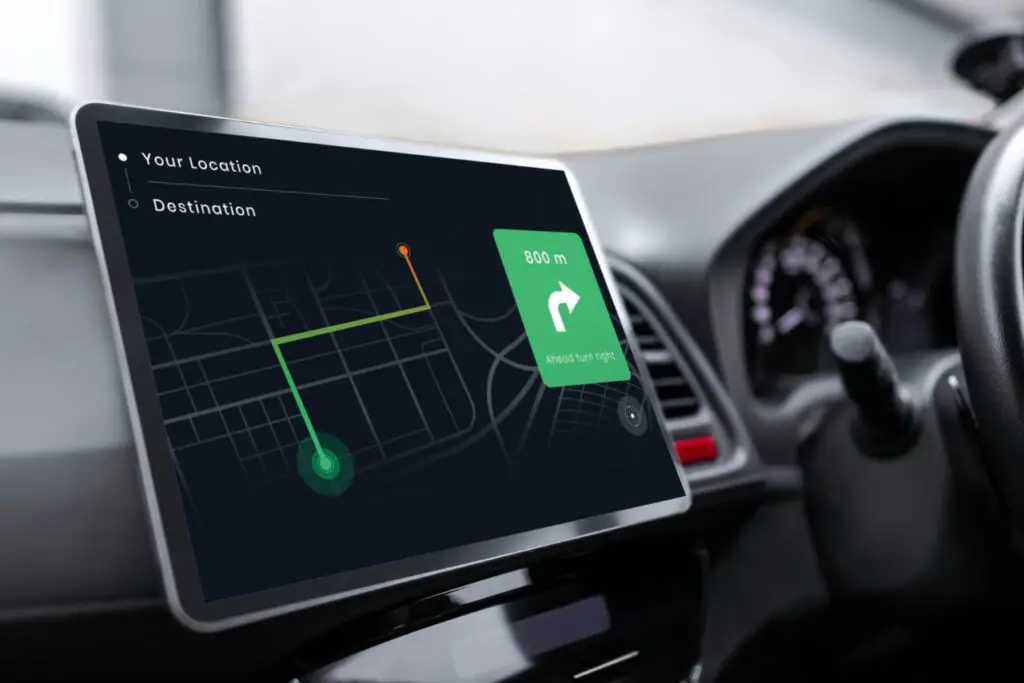
Even if you’re not planning to summon a robotaxi, chances are your next car will include some form of semi-autonomous tech.
The 2025 Chevy Tahoe, Genesis G90, BMW X5, and many other models now offer advanced features like:
-
Adaptive cruise control that adjusts speed in traffic
-
Lane-centering that keeps you precisely between lines
-
Automatic emergency braking
-
Hands-free highway driving in certain conditions
These features make long trips safer and less tiring, offering a glimpse of full autonomy without taking humans completely out of the equation. It’s like dipping your toe in the self-driving pool—without diving in headfirst.
10. Public Trust Remains the Biggest Hurdle
Technologically, self-driving cars are inching closer to prime time. But emotionally? Many Americans still aren’t sold.
Surveys in 2025 show significant skepticism about riding in a car with no driver. People worry about safety, software errors, and the idea of surrendering control to a machine. That’s why companies are investing heavily in public outreach, safety records, and transparent reporting.
Winning over hearts and minds might be the final frontier. No matter how advanced the tech becomes, widespread adoption hinges on drivers—and passengers—feeling confident enough to let go of the wheel.
Final Thoughts
It’s official: Self-driving cars have left the test tracks and entered everyday American life. From driverless taxis to autonomous deliveries, the future is pulling up to the curb—sometimes quite literally. But as we’ve seen, this transformation is equal parts thrilling and complex.
The road ahead isn’t perfectly paved. There are regulatory hurdles to clear, ethical dilemmas to solve, and the all-important task of convincing people to trust technology with their lives. Yet the potential benefits are enormous: safer roads, reduced traffic, newfound freedom for seniors and people with disabilities, and the possibility of reclaiming precious hours once lost to driving.
Whether you’re eager to summon a robotaxi or simply intrigued by the changes ahead, one thing’s certain: the age of the autonomous vehicle has arrived. So keep your eyes open—and maybe keep your hands near the wheel—for now. The ride is only just beginning.
Leave a Reply