A Senior Driver’s Guide to Knowing When It Is Time to Stop Driving

Driving is more than just a way to get from point A to point B. For many seniors, it represents independence, freedom, and control over daily life. But as we age, our abilities behind the wheel can change, sometimes subtly, sometimes dramatically. Recognizing when it is time to consider slowing down or giving up driving altogether can be challenging. No one wants to feel like they are losing their independence, but the truth is that staying on the road when it is no longer safe can put both yourself and others at serious risk.
This guide is meant to help seniors and their families understand the warning signs that suggest it might be time to stop driving. It is written with compassion, humor, and practicality, offering a roadmap for making tough decisions while preserving independence in other ways.
1. Getting Lost on Familiar Roads
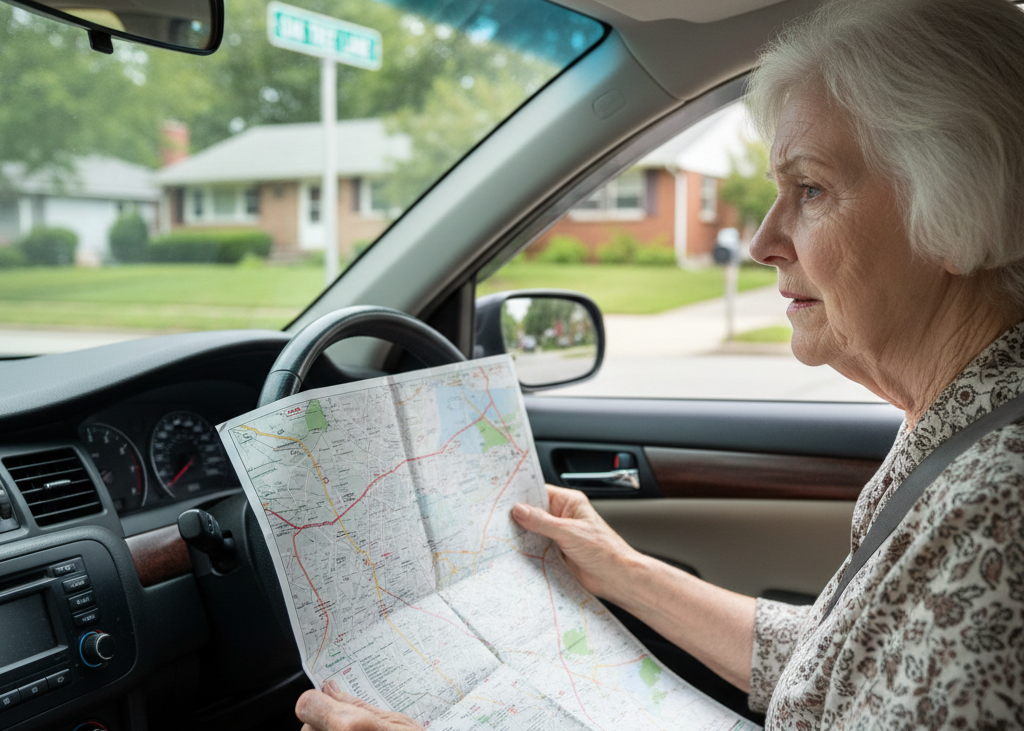
Have you ever turned onto a street you have driven hundreds of times and felt unsure if you were going the right way? That sense of confusion or disorientation on familiar routes can be one of the first signs that driving might be becoming risky. It is normal to occasionally forget a turn, but repeated instances can indicate that your spatial awareness or attention is declining. Being lost does not only affect you but can also increase stress and danger on the road.
Recognizing these moments early and talking about them with family, friends, or your doctor can help you assess whether adjustments or a complete pause in driving is necessary.
2. Slower Reaction Times and Coordination

Driving requires quick reflexes and precise coordination. If you notice yourself hesitating before making a turn, braking late, or struggling to steer smoothly, your body might not be keeping up with the demands of the road. Even minor delays in reaction time can lead to dangerous situations, especially in unexpected circumstances like sudden stops or swerving vehicles.
Understanding that slower reflexes are a natural part of aging is important, but acting on these signs is even more critical. Slowing down on the road, avoiding busy traffic, or considering alternative transportation may be necessary steps.
3. Vision, Hearing, and Medication Concerns
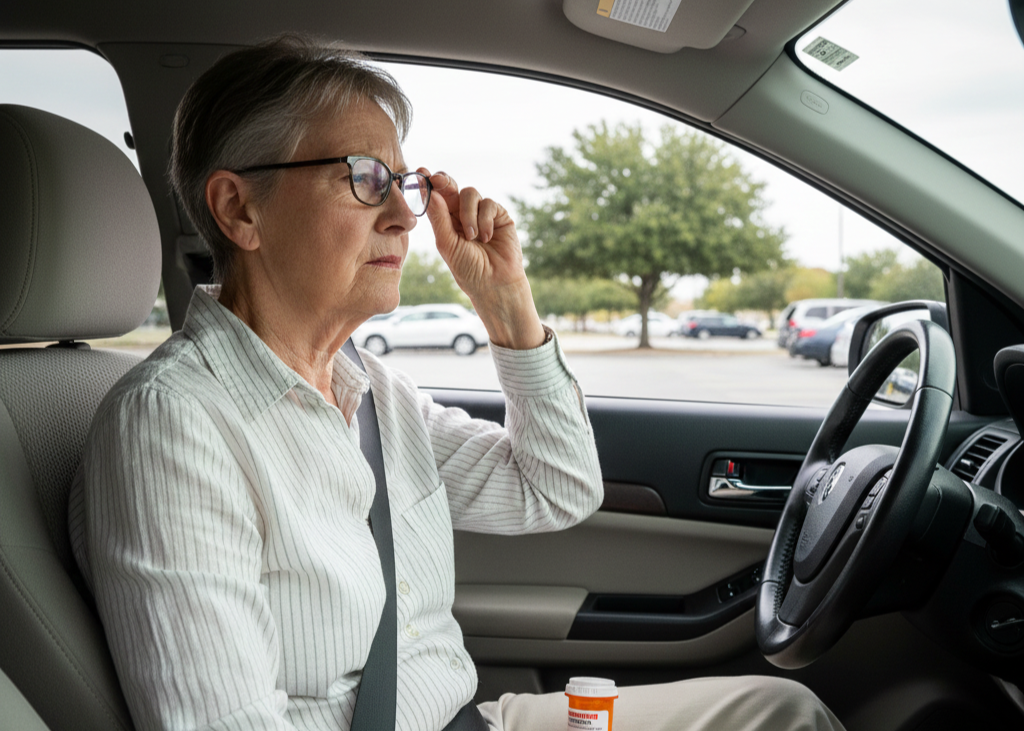
Clear vision and hearing are essential for safe driving. Aging can bring challenges such as reduced night vision, increased glare sensitivity, and difficulty detecting sounds like horns or sirens. Additionally, medications commonly taken by seniors can cause drowsiness, dizziness, or other side effects that impair driving ability.
If you have trouble reading signs, noticing hazards, or reacting promptly due to medication effects, it is worth consulting your doctor or eye specialist. Safety comes first, and sometimes even a minor adjustment, like new glasses or changing medication timing, can make a big difference.
4. Frequent Near Misses or Minor Collisions
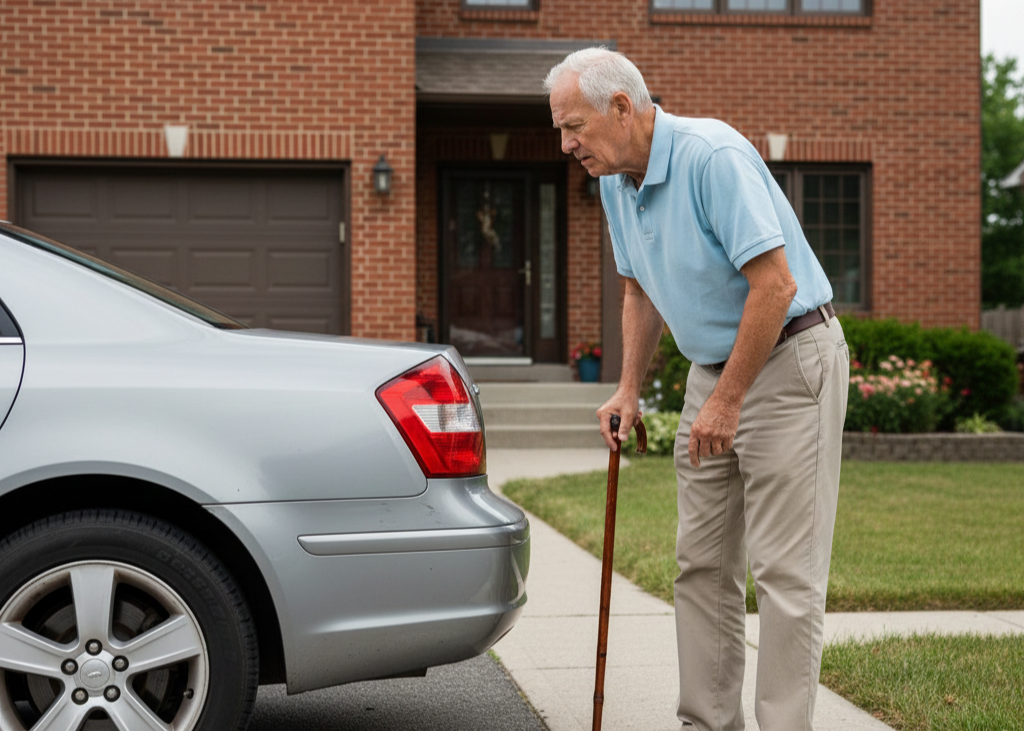
Even if you have never had a serious accident, frequent close calls, minor fender benders, or hitting curbs can indicate that driving skills are declining. These incidents might seem minor but can signal slower decision-making or reduced awareness behind the wheel.
Paying attention to patterns is key. If you find these moments happening more often than they used to, it might be time to consider reducing driving or stopping altogether.
5. Feeling Nervous or Overwhelmed Behind the Wheel

Driving should feel manageable, not stressful. If you notice that traffic, night driving, bad weather, or even simple errands make you anxious or exhausted, your driving comfort level may be declining. Stress can slow reaction time, reduce focus, and increase the likelihood of mistakes on the road.
Acknowledging these feelings is not a sign of weakness. Instead, it is a recognition that safety and peace of mind matter just as much as independence. Reducing or stopping driving may allow you to continue getting around safely without unnecessary anxiety.
6. Health Conditions Affecting Driving

Chronic health conditions can have a significant impact on driving safety. Arthritis, joint pain, dizziness, memory issues, or other age-related ailments can interfere with steering, braking, or maintaining focus. These physical limitations often develop gradually, and sometimes seniors do not realize how much they affect driving until problems arise.
Listening to your body and consulting your healthcare provider can help determine whether driving is still safe. In some cases, targeted therapies, exercises, or adaptive devices may help, but it is important to recognize when the risks outweigh the benefits.
7. Observations from Family and Friends

Sometimes those closest to you notice changes that you might not recognize yourself. If family members or passengers frequently express concern about your driving, it is worth paying attention. Repeated comments about missed turns, delayed reactions, or uncertain maneuvers can be important indicators.
Family feedback can be difficult to hear, but it can also be lifesaving. Taking their observations seriously can help guide decisions about reducing driving or transitioning to alternative transportation.
8. Avoiding Risky Driving Situations

Many seniors naturally begin avoiding night driving, highways, busy intersections, or bad weather. This is a form of self-regulation and can help maintain safety. However, if you find yourself limiting driving to only the simplest, shortest trips and even those feel challenging, it may be time to consider stopping altogether.
Acknowledging that driving under certain conditions is no longer safe does not mean giving up independence. Instead, it is a step toward ensuring safety while exploring other ways to maintain mobility.
9. Physical Limitations
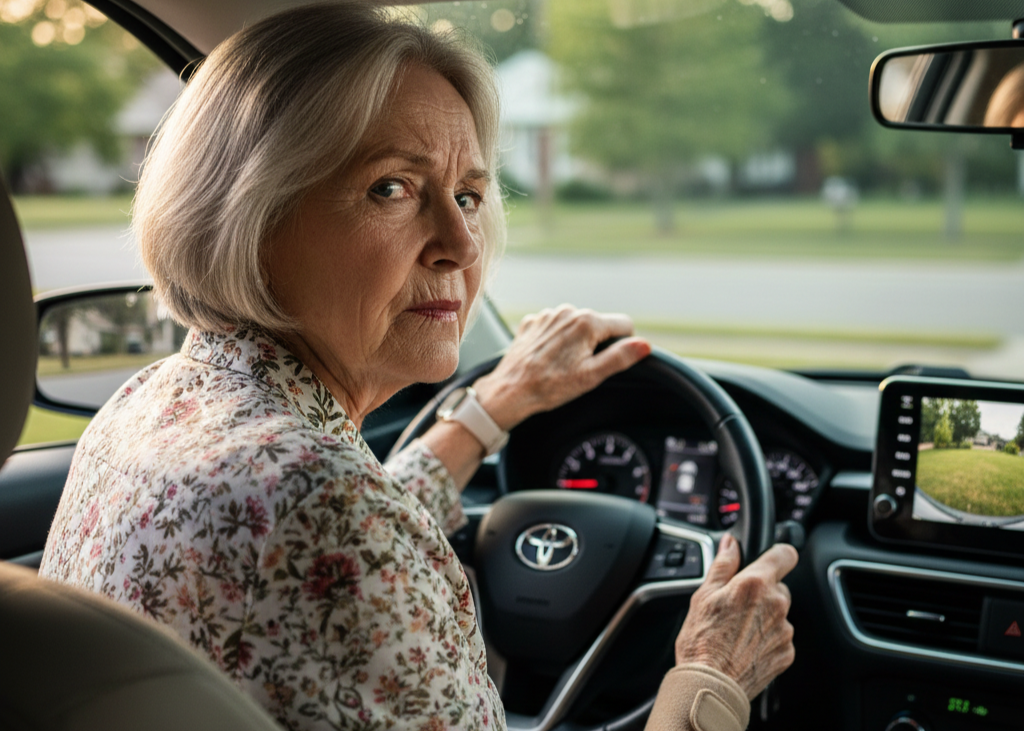
Physical limitations can make driving uncomfortable or unsafe. Difficulty turning the head, reduced arm or leg strength, arthritis, or fatigue can all interfere with the ability to steer, brake, or accelerate safely. Even if your mental focus is sharp, these physical challenges can make driving hazardous.
Being honest about physical limitations allows you to make decisions that protect both yourself and other drivers. Sometimes small modifications to the car help, but often these limitations signal it is time to stop driving.
10. Driving Incidents or Violations
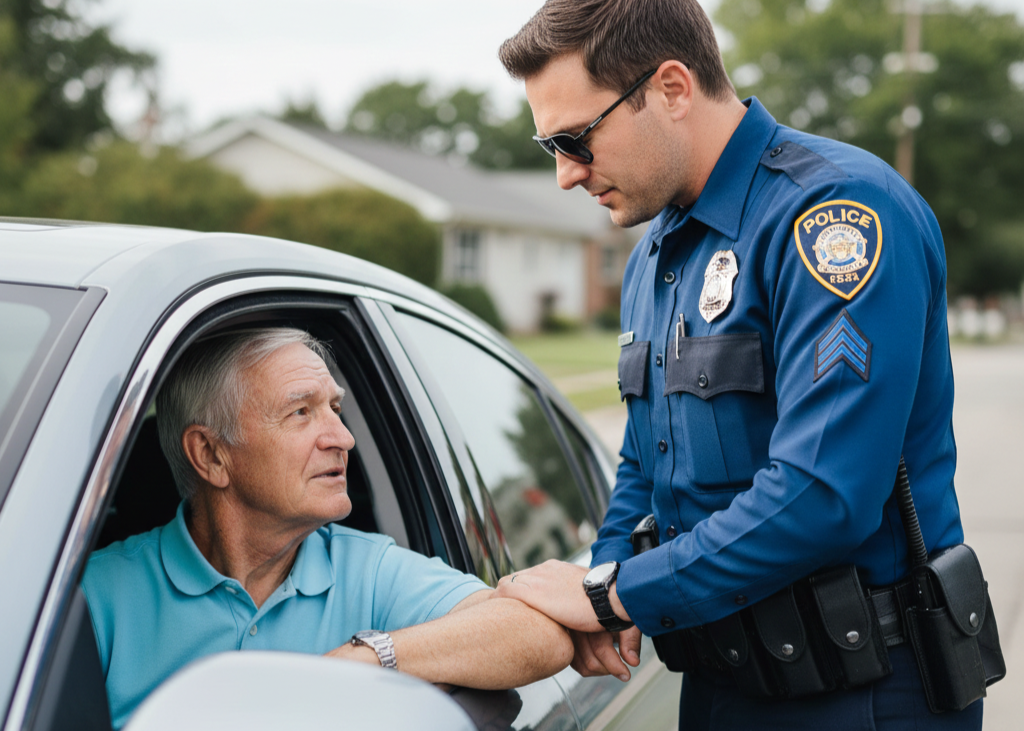
Your recent driving history is a key indicator of whether it is time to stop. Tickets, warnings, or minor accidents that have occurred more frequently may indicate that driving skills are declining. These incidents are not about blame but about recognizing patterns that suggest it is time to reconsider your ability to drive safely.
If you notice these patterns, it is important to act rather than ignore them. Taking action now can prevent more serious consequences later.
Final Thoughts

Deciding to stop driving is never easy. For many seniors, driving represents freedom, independence, and connection to daily life. At the same time, continuing to drive when it is unsafe can have serious consequences for both the driver and others on the road.
The goal is not to take away independence but to recognize when safety should take priority. Paying attention to the warning signs, listening to feedback from family or medical professionals, and being honest with yourself are critical steps.
Transitioning away from driving does not mean losing control of your life. There are many alternatives, from ridesharing and public transportation to family and community support networks. Planning ahead, staying informed, and exploring options can help maintain independence while keeping yourself and others safe.
Being able to recognize the right time to stop driving is an act of responsibility, wisdom, and care. By doing so, you are not just protecting yourself, but also ensuring that the roads remain safe for everyone, and that your golden years remain vibrant and fulfilling.
Leave a Reply