Our Debt Free Family

Commit. Plan. Take action.

  • BUDGETING
  • DEBT REDUCTION
  • INVESTING
  • LIFESTYLE
  • TOOLS
  • ABOUT
  • Privacy Policy
  • CONTACT
You are here: Home / Autos / 6 Things That Happen When You Stop Driving Your Car (The Last One is Scary)
6 Things That Happen When You Stop Driving Your Car (The Last One is Scary)

October 9, 2025 | Leave a Comment

6 Things That Happen When You Stop Driving Your Car (The Last One is Scary)

<p> Cars are more than just machines that get us from point A to point B—they’re complex systems that rely on regular use to stay in good shape. Many drivers do not realize what really happens when a vehicle sits idle for too long. Whether you are working from home, relying more on public transportation, or simply giving your car a break, letting it sit unused can lead to a surprising set of problems. Some are inconvenient, others are expensive, and one of them is downright dangerous.

If you have ever thought, “I’ll just let the car sit for a while, nothing bad will happen,” think again. Here are six things that happen when you stop driving your car, plus some tips to keep it road-ready. </p> :: Gemini

Cars are more than just machines that get us from point A to point B—they’re complex systems that rely on regular use to stay in good shape. Many drivers do not realize what really happens when a vehicle sits idle for too long. Whether you are working from home, relying more on public transportation, or simply giving your car a break, letting it sit unused can lead to a surprising set of problems. Some are inconvenient, others are expensive, and one of them is downright dangerous.

If you have ever thought, “I’ll just let the car sit for a while, nothing bad will happen,” think again. Here are six things that happen when you stop driving your car, plus some tips to keep it road-ready.

1. Your Battery Slowly Gives Up
<p> Car batteries are happiest when they are being recharged regularly through driving. When you stop using your car, the battery still powers small systems like the clock, alarm, and onboard electronics. Over time, this drains its charge. After a few weeks of inactivity, you might return to your car only to find the dreaded click-click sound of a dead battery. If this happens often, the battery may permanently lose capacity and need replacement.

What you can do: A battery maintainer or trickle charger can keep it alive. If that is not an option, starting the car every week or two and letting it run for about 15 minutes can help. </p> :: Gemini

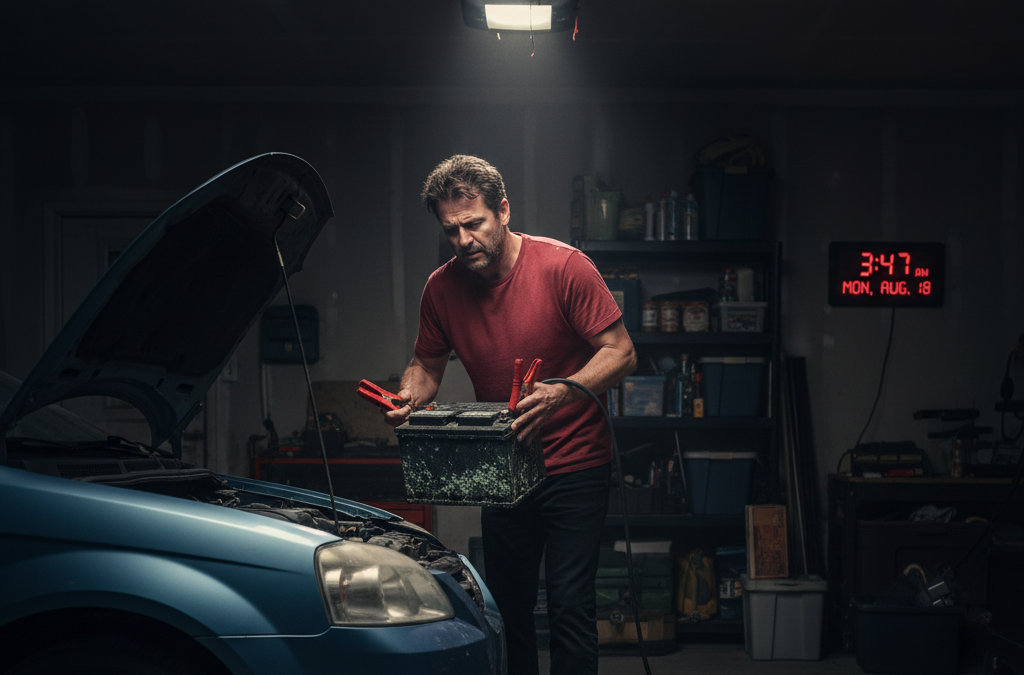
Car batteries are happiest when they are being recharged regularly through driving. When you stop using your car, the battery still powers small systems like the clock, alarm, and onboard electronics. Over time, this drains its charge. After a few weeks of inactivity, you might return to your car only to find the dreaded click-click sound of a dead battery. If this happens often, the battery may permanently lose capacity and need replacement.

What you can do: A battery maintainer or trickle charger can keep it alive. If that is not an option, starting the car every week or two and letting it run for about 15 minutes can help.

2. Tires Lose Their Shape and Strength
<p> Tires are designed to roll, not sit in one place forever. When a car is parked too long, the weight of the vehicle presses down on the same spots, creating what mechanics call “flat spots.” At the same time, tires naturally lose air, and rubber ages faster when it is neglected. The result is uneven wear, cracks, and possible blowouts when you finally hit the road again.

What you can do: Inflate the tires slightly above normal (within safe limits), check the pressure regularly, and if possible, move the car every few weeks. If you are storing it for months, tire cradles or blocks can help prevent damage. </p> :: Gemini

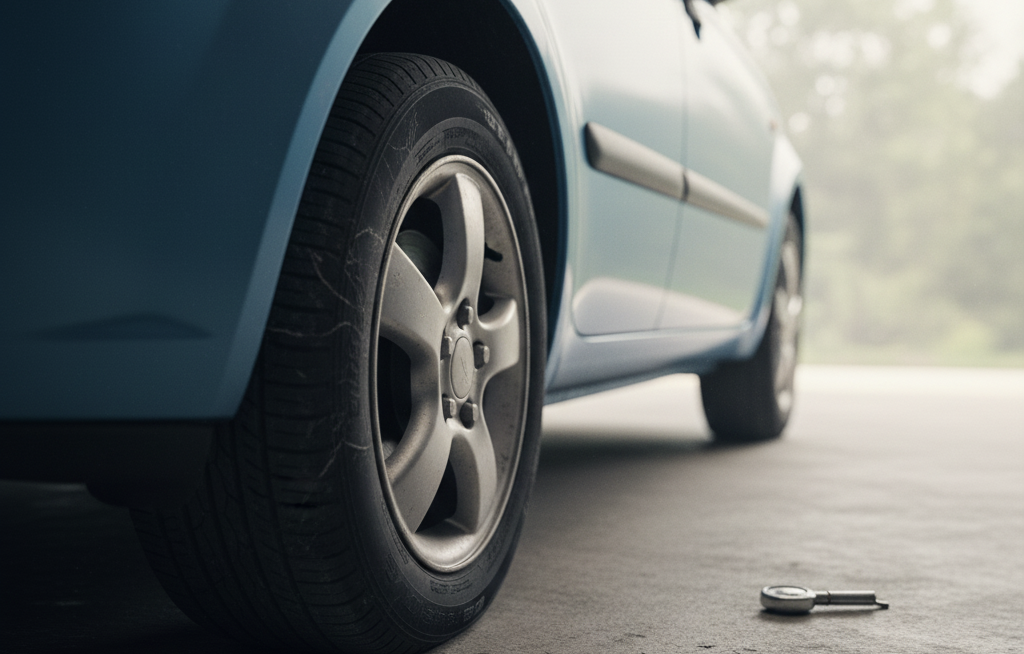
Tires are designed to roll, not sit in one place forever. When a car is parked too long, the weight of the vehicle presses down on the same spots, creating what mechanics call “flat spots.” At the same time, tires naturally lose air, and rubber ages faster when it is neglected. The result is uneven wear, cracks, and possible blowouts when you finally hit the road again.

What you can do: Inflate the tires slightly above normal (within safe limits), check the pressure regularly, and if possible, move the car every few weeks. If you are storing it for months, tire cradles or blocks can help prevent damage.

3. Brakes Collect Rust and May Stop Working Properly
<p> Brakes are one of the most important safety systems in your car, but they need occasional use to stay in good shape. When a car sits for too long, moisture in the air causes rust to form on brake rotors and other components. At first, this may cause squeaking when you drive, but over time it can lead to more serious problems like sticking calipers or reduced braking power.

What you can do: Try to drive the car around the block every couple of weeks. Even a short trip is enough to scrape surface rust off the rotors and keep the braking system healthy. </p> :: Gemini

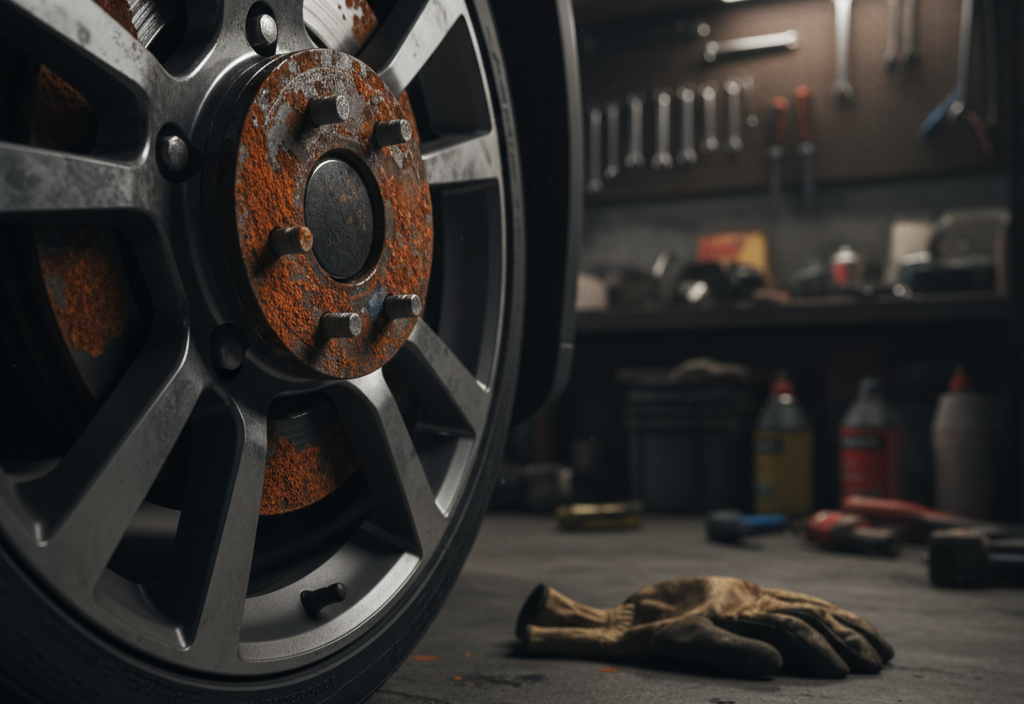
Brakes are one of the most important safety systems in your car, but they need occasional use to stay in good shape. When a car sits for too long, moisture in the air causes rust to form on brake rotors and other components. At first, this may cause squeaking when you drive, but over time it can lead to more serious problems like sticking calipers or reduced braking power.

What you can do: Try to drive the car around the block every couple of weeks. Even a short trip is enough to scrape surface rust off the rotors and keep the braking system healthy.

4. Fluids Break Down and Seals Dry Out
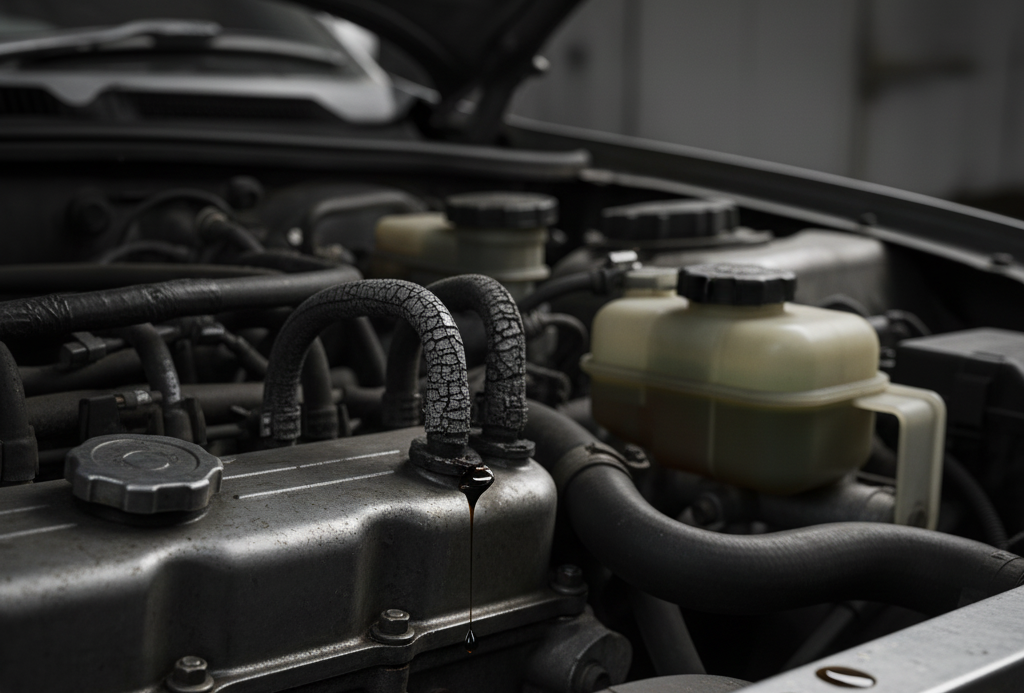
<p> Your car’s fluids—oil, coolant, brake fluid, and transmission fluid—are all designed to circulate. When they sit still for too long, they can break down, collect moisture, or lose their protective qualities. At the same time, rubber seals and gaskets begin to dry out when they are not being lubricated. This can lead to leaks, poor lubrication, and costly repairs down the road.

What you can do: Before leaving a car unused for an extended time, top off the fluids and consider getting an oil change. Starting the car periodically also helps circulate fluids and keeps seals from drying out. </p> :: Gemini

Your car’s fluids—oil, coolant, brake fluid, and transmission fluid—are all designed to circulate. When they sit still for too long, they can break down, collect moisture, or lose their protective qualities. At the same time, rubber seals and gaskets begin to dry out when they are not being lubricated. This can lead to leaks, poor lubrication, and costly repairs down the road.

What you can do: Before leaving a car unused for an extended time, top off the fluids and consider getting an oil change. Starting the car periodically also helps circulate fluids and keeps seals from drying out.

5. Critters and Mold Make Themselves at Home
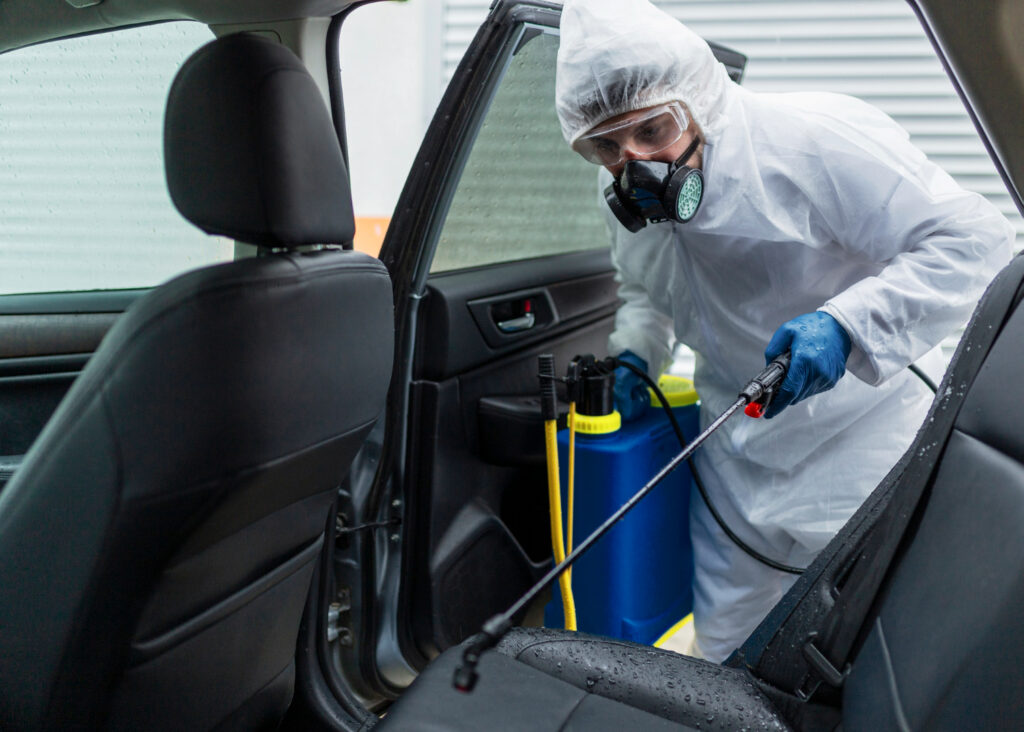
<p> One of the more unpleasant side effects of leaving a car unused is that nature has a way of moving in. Rodents may chew through wiring or build nests under the hood. Insects may crawl into vents. And if the interior is not kept clean and dry, mold and mildew can grow, leaving behind a musty odor that is hard to remove. Even the sun can do damage over time, fading dashboards and cracking upholstery.

What you can do: Keep the car clean and dry, and if possible, store it in a garage. Use rodent repellents or traps in areas where critters are a concern. Running the air conditioning occasionally can also help keep moisture and mold at bay. </p> :: Freepik

One of the more unpleasant side effects of leaving a car unused is that nature has a way of moving in. Rodents may chew through wiring or build nests under the hood. Insects may crawl into vents. And if the interior is not kept clean and dry, mold and mildew can grow, leaving behind a musty odor that is hard to remove. Even the sun can do damage over time, fading dashboards and cracking upholstery.

What you can do: Keep the car clean and dry, and if possible, store it in a garage. Use rodent repellents or traps in areas where critters are a concern. Running the air conditioning occasionally can also help keep moisture and mold at bay.

6. The Scary One: Your Car Becomes Unsafe to Drive
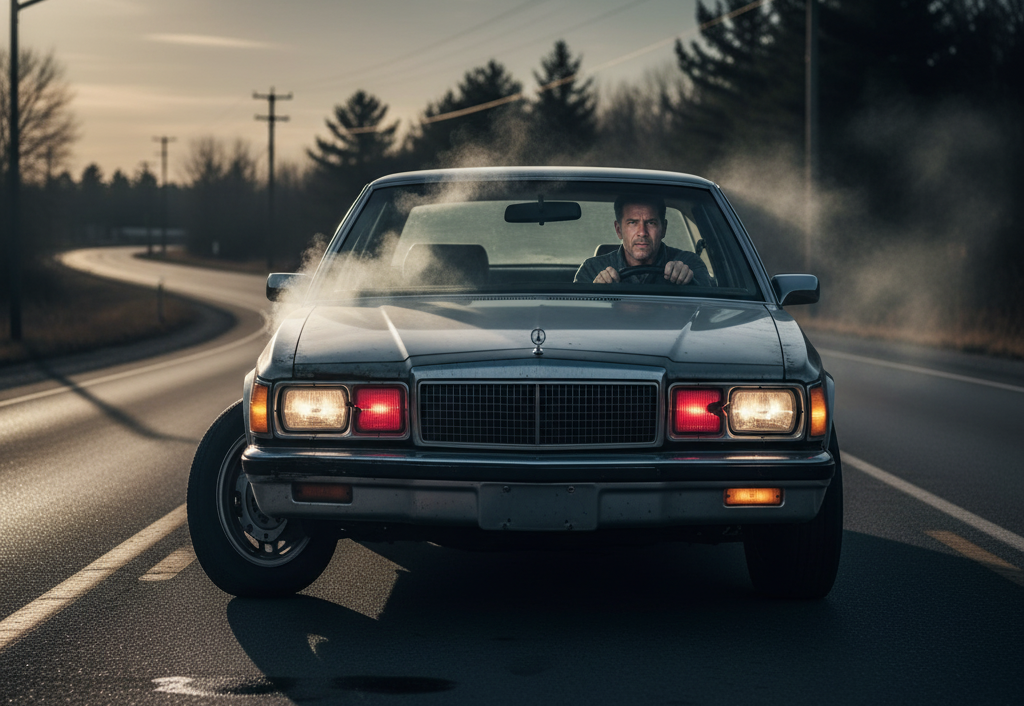
<p> Here is where things get serious. A car that has been sitting for too long is not just inconvenient—it can become dangerous. Rusty brakes, brittle tires, dried-out hoses, and failing electrical systems can all turn into major hazards on the road. In the worst cases, the car may not start at all. Even scarier, it might start but fail while you are driving, putting you and others at risk.

Imagine finally taking your car out for a spin only to find the brakes do not respond the way they should. Or picture hitting the highway and suddenly realizing a critical system has failed. That is not just a headache—it is a safety threat.

What you can do: Before returning a car to regular use, give it a thorough inspection. Check tire pressure, fluid levels, belts, and hoses. If the car has been sitting for months, it is wise to have a mechanic look it over before you get behind the wheel. </p> :: Gemini

Here is where things get serious. A car that has been sitting for too long is not just inconvenient—it can become dangerous. Rusty brakes, brittle tires, dried-out hoses, and failing electrical systems can all turn into major hazards on the road. In the worst cases, the car may not start at all. Even scarier, it might start but fail while you are driving, putting you and others at risk.

Imagine finally taking your car out for a spin only to find the brakes do not respond the way they should. Or picture hitting the highway and suddenly realizing a critical system has failed. That is not just a headache—it is a safety threat.

What you can do: Before returning a car to regular use, give it a thorough inspection. Check tire pressure, fluid levels, belts, and hoses. If the car has been sitting for months, it is wise to have a mechanic look it over before you get behind the wheel.

Final Thoughts
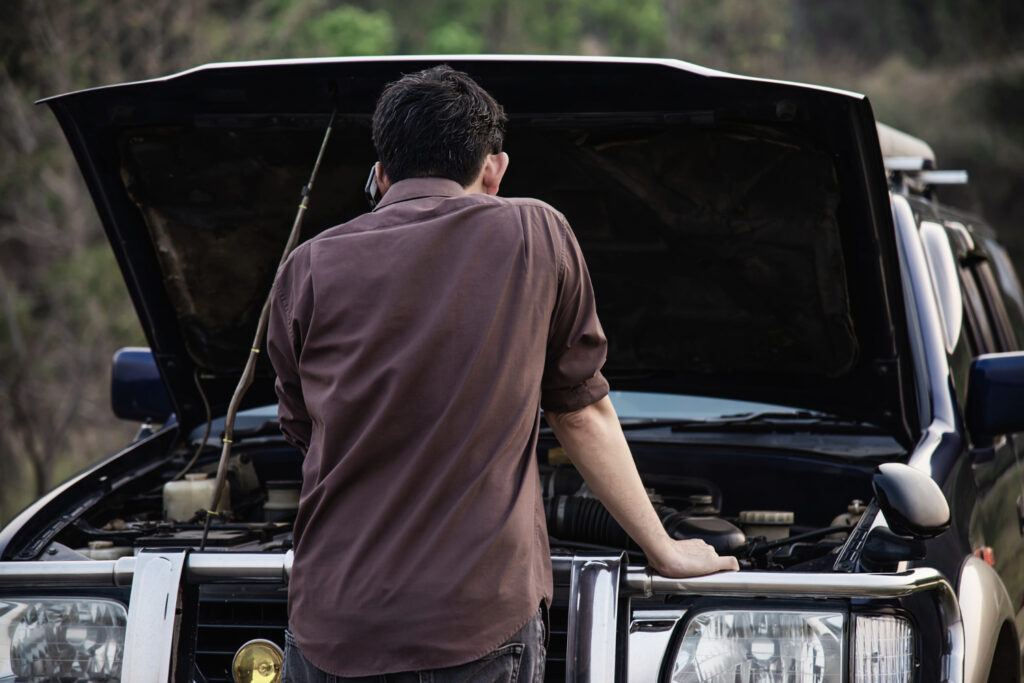
<p> Cars are built to be driven, not stored away like furniture. When you stop driving your car, it begins a slow decline that can lead to everything from dead batteries to unsafe conditions on the road. The good news is, most of these problems are preventable with just a little care.

Think of your car like a pet—it needs attention, exercise, and the occasional checkup to stay healthy. Give it that, and it will be ready for you when life requires it. Ignore it, and you may find yourself stranded, frustrated, or worse, facing a scary situation behind the wheel.

So even if you are not driving as much these days, do not let your car waste away in the driveway. A little preventive care today means peace of mind tomorrow. </p> :: Freepik

Cars are built to be driven, not stored away like furniture. When you stop driving your car, it begins a slow decline that can lead to everything from dead batteries to unsafe conditions on the road. The good news is, most of these problems are preventable with just a little care.

Think of your car like a pet—it needs attention, exercise, and the occasional checkup to stay healthy. Give it that, and it will be ready for you when life requires it. Ignore it, and you may find yourself stranded, frustrated, or worse, facing a scary situation behind the wheel.

So even if you are not driving as much these days, do not let your car waste away in the driveway. A little preventive care today means peace of mind tomorrow.

Filed Under: Autos

Leave a Reply Cancel reply

Your email address will not be published. Required fields are marked *

  • Email
  • Facebook
  • Pinterest
  • Twitter

Our Most Popular Articles

ClickCashGo Review: Should You Avoid At All Costs?

Ultimate Guide to Mastering Your Credit Score

The 'YOLO' Mindset is a Dangerous Thing

Dave Ramsey's Financial Peace University Review: Is it Worth the Money?

Cash App Glitch 2025: Is the Free Money Glitch Real?

Five Steps To Debt Freedom

Here are five simple guidlines that will help you pay off debt.  

1) Get an emergency fund so you don’t take on debt when something comes up.

2) List your debts. This way you know where you stand.

3) Use the debt snowball. Pay your debts from smallest to largest, or most expensive to least expensive.

4) Avoid new debt. No new credit cards or loans. Period.

5) Go all cash. After everything is paid off, switch to all cash.

Helpful Resources

U of Tennesse Debt Repayment Plan Basics

Vertex 42's Debt Payoff Calculator

Savingadvice's Helpful Debt Forums

Jackie Becks Debt Blog