Our Debt Free Family

Commit. Plan. Take action.

  • BUDGETING
  • DEBT REDUCTION
  • INVESTING
  • LIFESTYLE
  • TOOLS
  • ABOUT
  • Privacy Policy
  • CONTACT
You are here: Home / Lifestyle / The Psychology of Sports Fans: 8 Reasons We Love Rooting for Our Favorite Teams

The Psychology of Sports Fans: 8 Reasons We Love Rooting for Our Favorite Teams

December 16, 2025 | Leave a Comment

The Psychology of Sports Fans: 8 Reasons We Love Rooting for Our Favorite Teams

<p> Sports have a unique ability to bring people together, creating a sense of community and shared experience. Whether it's the thrill of a last-minute victory or the heartbreak of a tough loss, rooting for a favorite team is a powerful emotional experience that transcends age, gender, and cultural background. But what drives this passion? Understanding the psychology behind sports fandom reveals a complex interplay of social, emotional, and psychological factors that make being a sports fan an integral part of many people's lives. In this article, we explore eight compelling reasons why we love rooting for our favorite teams. </p> :: Pexels

Sports have a unique ability to bring people together, creating a sense of community and shared experience. Whether it’s the thrill of a last-minute victory or the heartbreak of a tough loss, rooting for a favorite team is a powerful emotional experience that transcends age, gender, and cultural background. But what drives this passion? Understanding the psychology behind sports fandom reveals a complex interplay of social, emotional, and psychological factors that make being a sports fan an integral part of many people’s lives. In this article, we explore eight compelling reasons why we love rooting for our favorite teams.

1. A Sense of Belonging

<p> One of the primary reasons people become sports fans is the sense of belonging it provides. Supporting a team creates a community, allowing fans to connect with others who share similar interests and passions. This camaraderie fosters a feeling of unity and belonging, especially in larger cities where fans often come together in bars, stadiums, or homes to watch games. The shared experience of cheering for a team can deepen social connections and create lifelong friendships, making fans feel part of something greater than themselves. </p> :: Pexels

One of the primary reasons people become sports fans is the sense of belonging it provides. Supporting a team creates a community, allowing fans to connect with others who share similar interests and passions. This camaraderie fosters a feeling of unity and belonging, especially in larger cities where fans often come together in bars, stadiums, or homes to watch games. The shared experience of cheering for a team can deepen social connections and create lifelong friendships, making fans feel part of something greater than themselves.

2. Emotional Investment

<p> Sports evoke strong emotions, and fans often become emotionally invested in their teams. This emotional connection can lead to intense feelings of joy, pride, or disappointment, depending on the outcome of a game. Fans may feel a sense of victory when their team wins or experience profound sadness when they lose. This rollercoaster of emotions creates an adrenaline rush and adds excitement to life. The highs and lows associated with being a fan contribute to a rich tapestry of experiences that make sports an integral part of many people's lives. </p> :: Pexels

Sports evoke strong emotions, and fans often become emotionally invested in their teams. This emotional connection can lead to intense feelings of joy, pride, or disappointment, depending on the outcome of a game. Fans may feel a sense of victory when their team wins or experience profound sadness when they lose. This rollercoaster of emotions creates an adrenaline rush and adds excitement to life. The highs and lows associated with being a fan contribute to a rich tapestry of experiences that make sports an integral part of many people’s lives.

3. Escapism and Distraction

<p> For many fans, sports provide an escape from the challenges of everyday life. Engaging with a favorite team offers a break from routine, stress, and personal issues. During games, fans can immerse themselves in the action, allowing them to forget their worries and fully engage in the thrill of competition. This escapism can be therapeutic, providing a healthy outlet for stress and a chance to recharge mentally and emotionally. The anticipation of game days and the rituals surrounding them can become a source of comfort and joy. </p> :: Pexels

For many fans, sports provide an escape from the challenges of everyday life. Engaging with a favorite team offers a break from routine, stress, and personal issues. During games, fans can immerse themselves in the action, allowing them to forget their worries and fully engage in the thrill of competition. This escapism can be therapeutic, providing a healthy outlet for stress and a chance to recharge mentally and emotionally. The anticipation of game days and the rituals surrounding them can become a source of comfort and joy.

4. Identity and Self-Expression

<p> Supporting a sports team often becomes a significant part of a person's identity. Fans often wear team jerseys, decorate their homes with memorabilia, and proudly display their loyalty on social media. This self-expression allows individuals to showcase their passion and loyalty, creating a sense of pride in their team. Additionally, rooting for a team can serve as a conversation starter, helping fans connect with others and share their experiences. This identity can provide a sense of stability and consistency in an ever-changing world. </p> :: Pexels

Supporting a sports team often becomes a significant part of a person’s identity. Fans often wear team jerseys, decorate their homes with memorabilia, and proudly display their loyalty on social media. This self-expression allows individuals to showcase their passion and loyalty, creating a sense of pride in their team. Additionally, rooting for a team can serve as a conversation starter, helping fans connect with others and share their experiences. This identity can provide a sense of stability and consistency in an ever-changing world.

5. Tradition and Rituals

<p> Many sports fans engage in traditions and rituals that enhance their connection to their teams. These can range from family traditions of watching games together to personal rituals like wearing lucky socks or performing specific pre-game activities. These rituals can provide a sense of control and comfort, especially in high-stakes situations. Additionally, the continuity of these traditions can create lasting memories, allowing fans to bond with family and friends over shared experiences. The repeated nature of these rituals adds depth to the fan experience and can strengthen emotional connections. </p> :: Pexels

Many sports fans engage in traditions and rituals that enhance their connection to their teams. These can range from family traditions of watching games together to personal rituals like wearing lucky socks or performing specific pre-game activities. These rituals can provide a sense of control and comfort, especially in high-stakes situations. Additionally, the continuity of these traditions can create lasting memories, allowing fans to bond with family and friends over shared experiences. The repeated nature of these rituals adds depth to the fan experience and can strengthen emotional connections.

6. Community and Social Interaction

<p> Being a sports fan often extends beyond individual experience; it fosters community engagement and social interaction. Fans gather to watch games, participate in discussions, and celebrate victories together. This social aspect of fandom can be especially strong in local communities, where sports teams serve as a source of pride and identity. Local businesses often thrive on game days, creating a sense of economic community around a shared passion. These interactions can enhance feelings of connection and provide opportunities for fans to forge new relationships. </p> :: Pexels

Being a sports fan often extends beyond individual experience; it fosters community engagement and social interaction. Fans gather to watch games, participate in discussions, and celebrate victories together. This social aspect of fandom can be especially strong in local communities, where sports teams serve as a source of pride and identity. Local businesses often thrive on game days, creating a sense of economic community around a shared passion. These interactions can enhance feelings of connection and provide opportunities for fans to forge new relationships.

7. Competition and Rivalry

<p> The competitive nature of sports is a major draw for many fans. Rooting for a team offers an opportunity to engage in friendly rivalries and competition with others. These rivalries can create a sense of excitement and anticipation, as fans look forward to matchups against long-time competitors. This competitive spirit adds an additional layer of enjoyment to the experience of being a fan, as it encourages passionate discussions and debates about team performance, strategy, and future prospects. The thrill of competition enhances the overall experience of following a team. </p> :: Pexels

The competitive nature of sports is a major draw for many fans. Rooting for a team offers an opportunity to engage in friendly rivalries and competition with others. These rivalries can create a sense of excitement and anticipation, as fans look forward to matchups against long-time competitors. This competitive spirit adds an additional layer of enjoyment to the experience of being a fan, as it encourages passionate discussions and debates about team performance, strategy, and future prospects. The thrill of competition enhances the overall experience of following a team.

8. Role Models and Inspiration

<p> Sports fans often look up to athletes as role models, drawing inspiration from their dedication, hard work, and success. Athletes can embody values such as resilience, teamwork, and perseverance, which resonate with fans on a personal level. By following their favorite athletes, fans can glean valuable life lessons and motivation to pursue their own goals. Additionally, stories of athletes overcoming adversity can serve as a source of hope and encouragement, reinforcing the idea that hard work and determination can lead to success. </p> :: Pexels

Sports fans often look up to athletes as role models, drawing inspiration from their dedication, hard work, and success. Athletes can embody values such as resilience, teamwork, and perseverance, which resonate with fans on a personal level. By following their favorite athletes, fans can glean valuable life lessons and motivation to pursue their own goals. Additionally, stories of athletes overcoming adversity can serve as a source of hope and encouragement, reinforcing the idea that hard work and determination can lead to success.

Final Thoughts
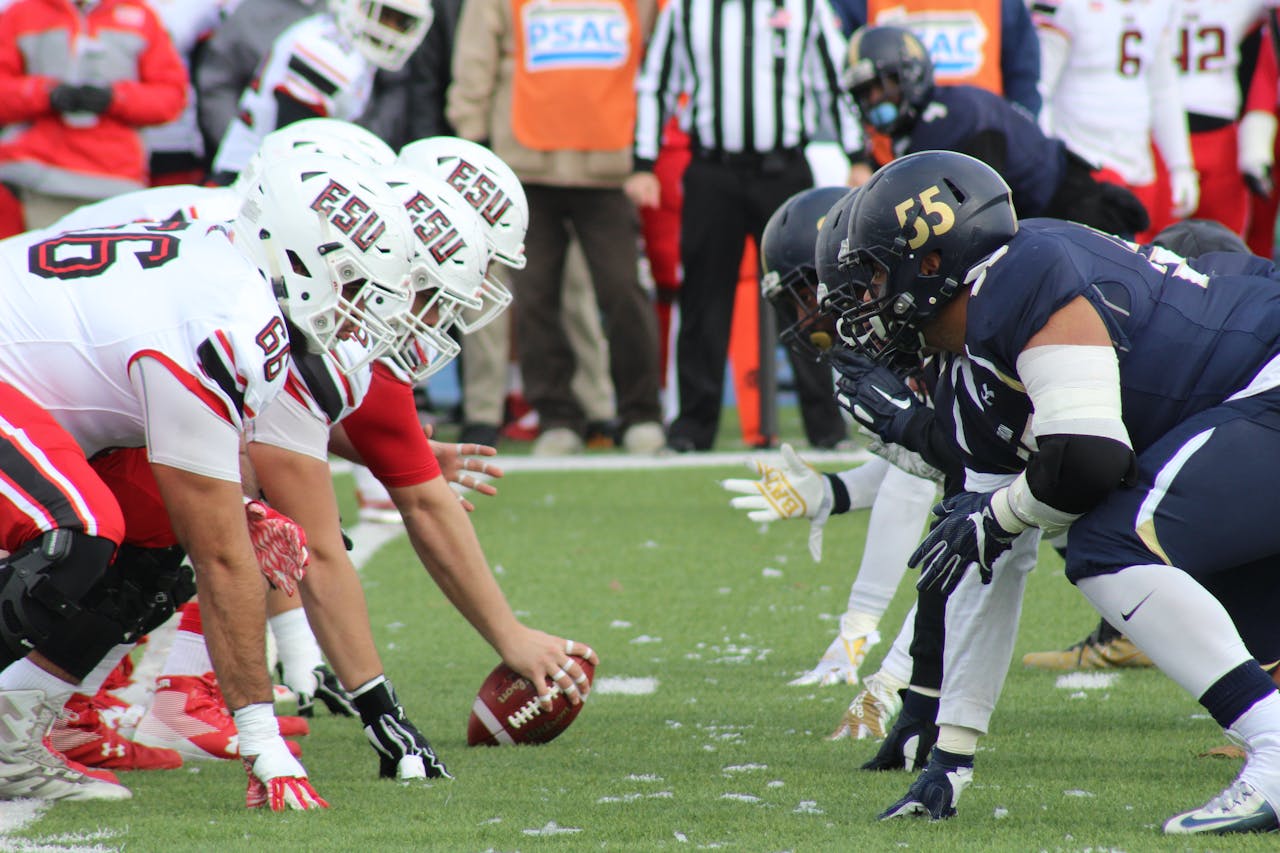
<p> The psychology of sports fandom is a fascinating exploration of human behavior, driven by a combination of emotional investment, community, and identity. Understanding the reasons we love rooting for our favorite teams reveals the profound impact sports have on our lives. From the thrill of victory to the solace of community, being a sports fan is more than just a pastime; it’s a rich tapestry of experiences that shapes our identities and connections to others. As we continue to cheer for our teams, we celebrate not only the game itself but the bonds, emotions, and memories that come with being a fan. </p> :: Pexels

The psychology of sports fandom is a fascinating exploration of human behavior, driven by a combination of emotional investment, community, and identity. Understanding the reasons we love rooting for our favorite teams reveals the profound impact sports have on our lives. From the thrill of victory to the solace of community, being a sports fan is more than just a pastime; it’s a rich tapestry of experiences that shapes our identities and connections to others. As we continue to cheer for our teams, we celebrate not only the game itself but the bonds, emotions, and memories that come with being a fan.

Filed Under: Lifestyle

Leave a Reply Cancel reply

Your email address will not be published. Required fields are marked *

  • Email
  • Facebook
  • Pinterest
  • Twitter

Our Most Popular Articles

ClickCashGo Review: Should You Avoid At All Costs?

Ultimate Guide to Mastering Your Credit Score

The 'YOLO' Mindset is a Dangerous Thing

Dave Ramsey's Financial Peace University Review: Is it Worth the Money?

Cash App Glitch 2025: Is the Free Money Glitch Real?

Five Steps To Debt Freedom

Here are five simple guidlines that will help you pay off debt.  

1) Get an emergency fund so you don’t take on debt when something comes up.

2) List your debts. This way you know where you stand.

3) Use the debt snowball. Pay your debts from smallest to largest, or most expensive to least expensive.

4) Avoid new debt. No new credit cards or loans. Period.

5) Go all cash. After everything is paid off, switch to all cash.

Helpful Resources

U of Tennesse Debt Repayment Plan Basics

Vertex 42's Debt Payoff Calculator

Savingadvice's Helpful Debt Forums

Jackie Becks Debt Blog