Our Debt Free Family

Commit. Plan. Take action.

  • BUDGETING
  • DEBT REDUCTION
  • INVESTING
  • LIFESTYLE
  • TOOLS
  • ABOUT
  • Privacy Policy
  • CONTACT
You are here: Home / Lifestyle / 10 Shocking Things Boomers Endured Growing Up That Are Hard to Believe Today
10 Shocking Things Boomers Endured Growing Up That Are Hard to Believe Today

December 23, 2025 | Leave a Comment

10 Shocking Things Boomers Endured Growing Up That Are Hard to Believe Today

<p> The Baby Boomer generation—those born between 1946 and 1964—grew up in a world that seems almost unrecognizable to younger generations today. From a lack of modern technology to economic challenges, Boomers faced a variety of hardships that might seem unbelievable in our digital age. If you think growing up today is tough, wait until you hear about the things Boomers endured during their childhood. This listicle will take you through some of the most shocking and unexpected aspects of life for Boomers—things that seem unimaginable in the world we live in now! </p> :: Pexels

The Baby Boomer generation—those born between 1946 and 1964—grew up in a world that seems almost unrecognizable to younger generations today. From a lack of modern technology to economic challenges, Boomers faced a variety of hardships that might seem unbelievable in our digital age. If you think growing up today is tough, wait until you hear about the things Boomers endured during their childhood. This listicle will take you through some of the most shocking and unexpected aspects of life for Boomers—things that seem unimaginable in the world we live in now!


1. Limited Access to Information

<p> Before the internet revolutionized how we access information, Baby Boomers lived in a world where knowledge wasn’t just a few clicks away. For them, finding answers to their questions meant relying on books, libraries, and asking people for help. There were no Google searches or Wikipedia to provide instant access to anything and everything. If you needed to know something, you had to make an effort to track down the information. Today, we take for granted the ability to pull out a phone and find answers in seconds, but for Boomers, information gathering was a slow and often inconvenient process. </p> :: Pexels

Before the internet revolutionized how we access information, Baby Boomers lived in a world where knowledge wasn’t just a few clicks away. For them, finding answers to their questions meant relying on books, libraries, and asking people for help. There were no Google searches or Wikipedia to provide instant access to anything and everything. If you needed to know something, you had to make an effort to track down the information. Today, we take for granted the ability to pull out a phone and find answers in seconds, but for Boomers, information gathering was a slow and often inconvenient process.


2. Black-and-White Television with Few Channels
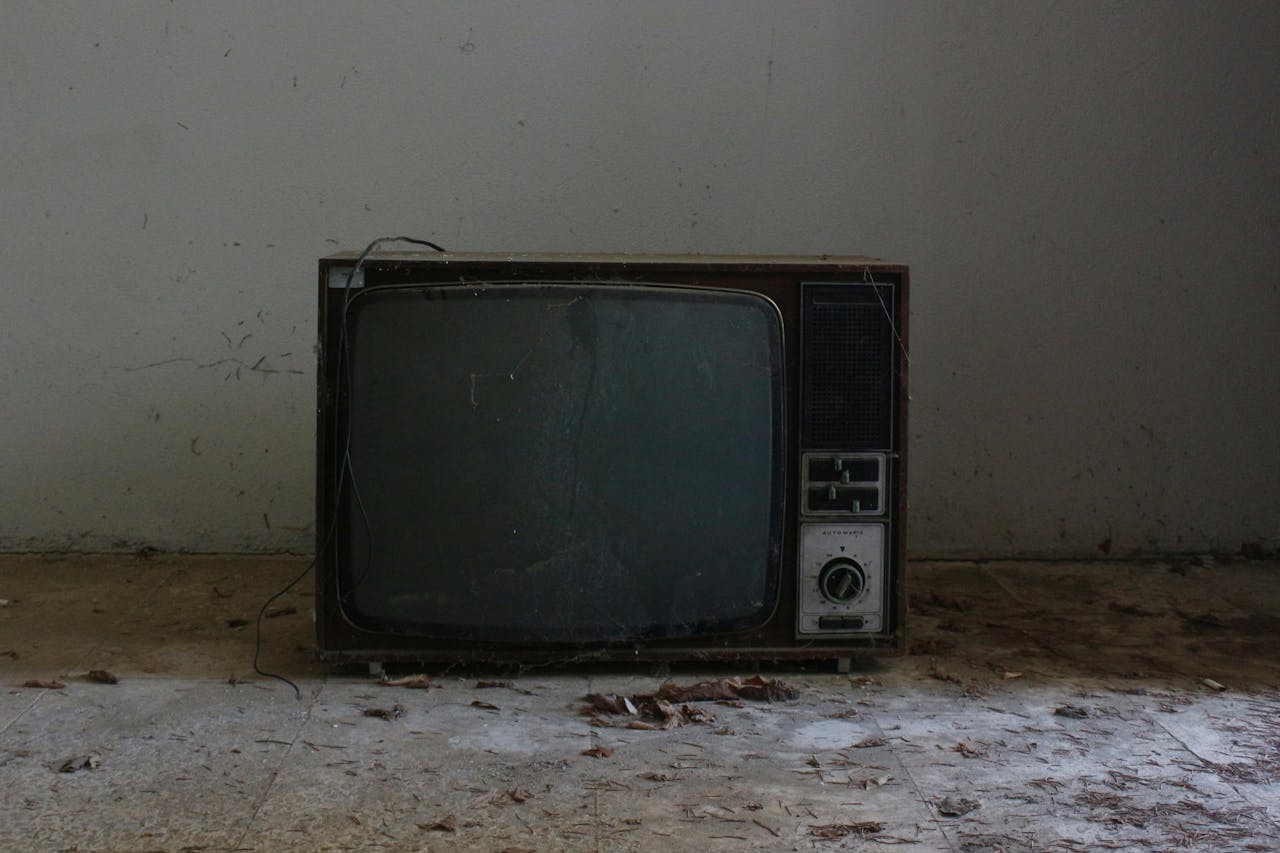
<p> If you grew up in the Baby Boomer era, you might remember a time when television was a luxury, not a necessity. Most families had black-and-white TVs with a handful of channels—often only three or four. If you missed your favorite show, you couldn’t just DVR it or stream it later. There were no 24-hour broadcasts or on-demand content. The idea of having a library of movies and shows at your fingertips on platforms like Netflix or Hulu would have been mind-blowing back then. Boomers had to make do with limited options, and TV time was a rare treat. </p> :: Pexels

If you grew up in the Baby Boomer era, you might remember a time when television was a luxury, not a necessity. Most families had black-and-white TVs with a handful of channels—often only three or four. If you missed your favorite show, you couldn’t just DVR it or stream it later. There were no 24-hour broadcasts or on-demand content. The idea of having a library of movies and shows at your fingertips on platforms like Netflix or Hulu would have been mind-blowing back then. Boomers had to make do with limited options, and TV time was a rare treat.


3. No Cell Phones or Text Messaging

<p> Imagine going through your day without texting, checking social media, or even having a cell phone. For Baby Boomers, this was reality. If you wanted to contact someone, you had to pick up a landline phone, wait for them to answer, and possibly leave a message on an answering machine if they weren’t home. The concept of texting or sending instant messages didn’t exist. Today, we’re so used to staying connected at all times that the idea of waiting to get in touch with someone is practically unthinkable! </p> :: Pexels

Imagine going through your day without texting, checking social media, or even having a cell phone. For Baby Boomers, this was reality. If you wanted to contact someone, you had to pick up a landline phone, wait for them to answer, and possibly leave a message on an answering machine if they weren’t home. The concept of texting or sending instant messages didn’t exist. Today, we’re so used to staying connected at all times that the idea of waiting to get in touch with someone is practically unthinkable!


4. Full-Service Gas Stations
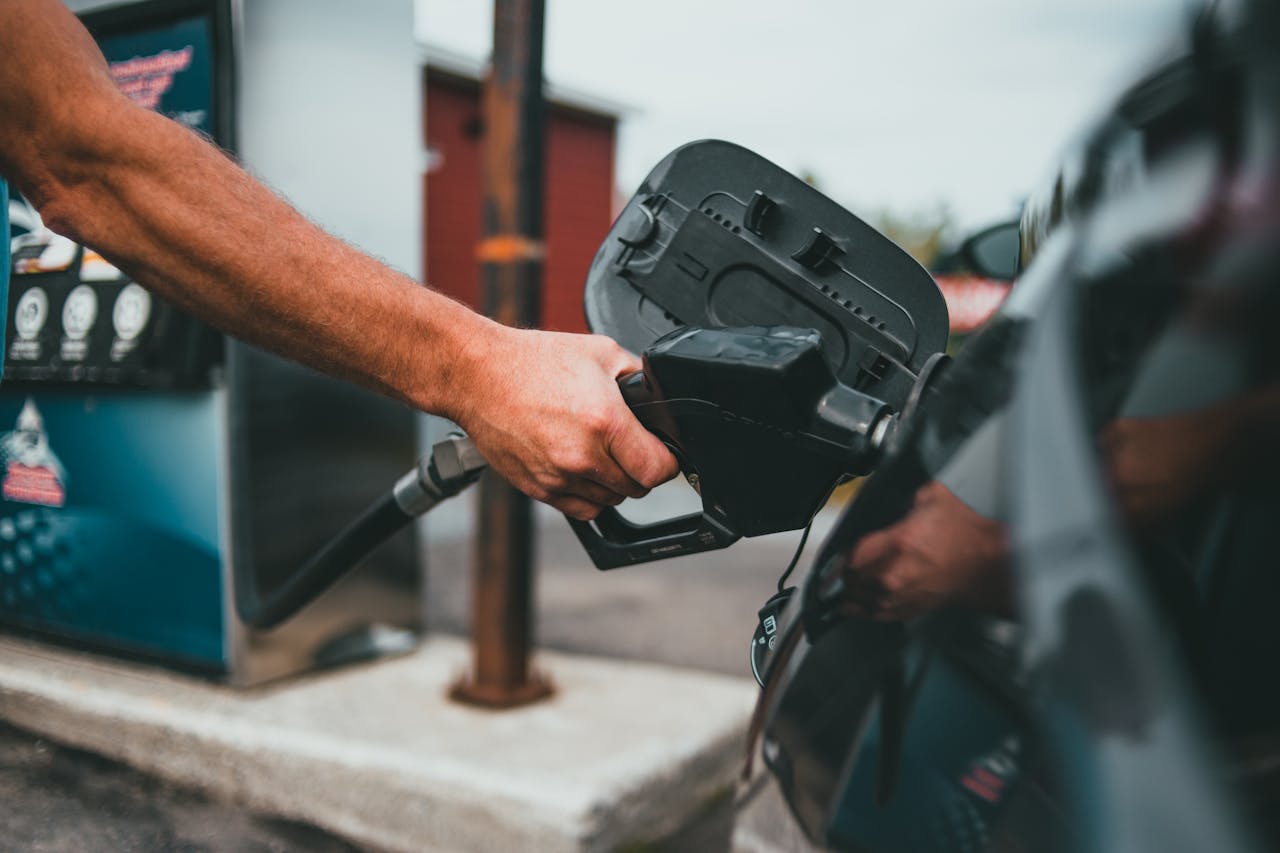
<p> Before self-service gas stations became the norm, full-service gas stations were standard. Baby Boomers grew up with the luxury of having an attendant pump their gas, check the oil, and even clean the windshield. You didn’t even have to leave your car! This convenience would feel like a distant memory to most people today, as self-serve gas stations are now ubiquitous. The idea of someone else pumping your gas might seem like a rare treat, but for Boomers, it was a standard part of everyday life. </p> :: Pexels

Before self-service gas stations became the norm, full-service gas stations were standard. Baby Boomers grew up with the luxury of having an attendant pump their gas, check the oil, and even clean the windshield. You didn’t even have to leave your car! This convenience would feel like a distant memory to most people today, as self-serve gas stations are now ubiquitous. The idea of someone else pumping your gas might seem like a rare treat, but for Boomers, it was a standard part of everyday life.


5. No Seat Belts in Cars

<p> Back in the early years of the Baby Boomer generation, seat belts were not standard in cars. Many children would ride in the backseat without any kind of safety restraint at all. It wasn’t until the 1970s that laws began requiring seat belts in vehicles, and it took time for seatbelt use to become a norm. Today, it’s hard to imagine getting into a car without putting on a seatbelt, but for Boomers, this was just the way things were. The idea of driving without any protection during a crash is almost impossible to fathom in today's world. </p> :: Pexels

Back in the early years of the Baby Boomer generation, seat belts were not standard in cars. Many children would ride in the backseat without any kind of safety restraint at all. It wasn’t until the 1970s that laws began requiring seat belts in vehicles, and it took time for seatbelt use to become a norm. Today, it’s hard to imagine getting into a car without putting on a seatbelt, but for Boomers, this was just the way things were. The idea of driving without any protection during a crash is almost impossible to fathom in today’s world.


6. Walkman and Cassette Tapes as the Pinnacle of Portable Music
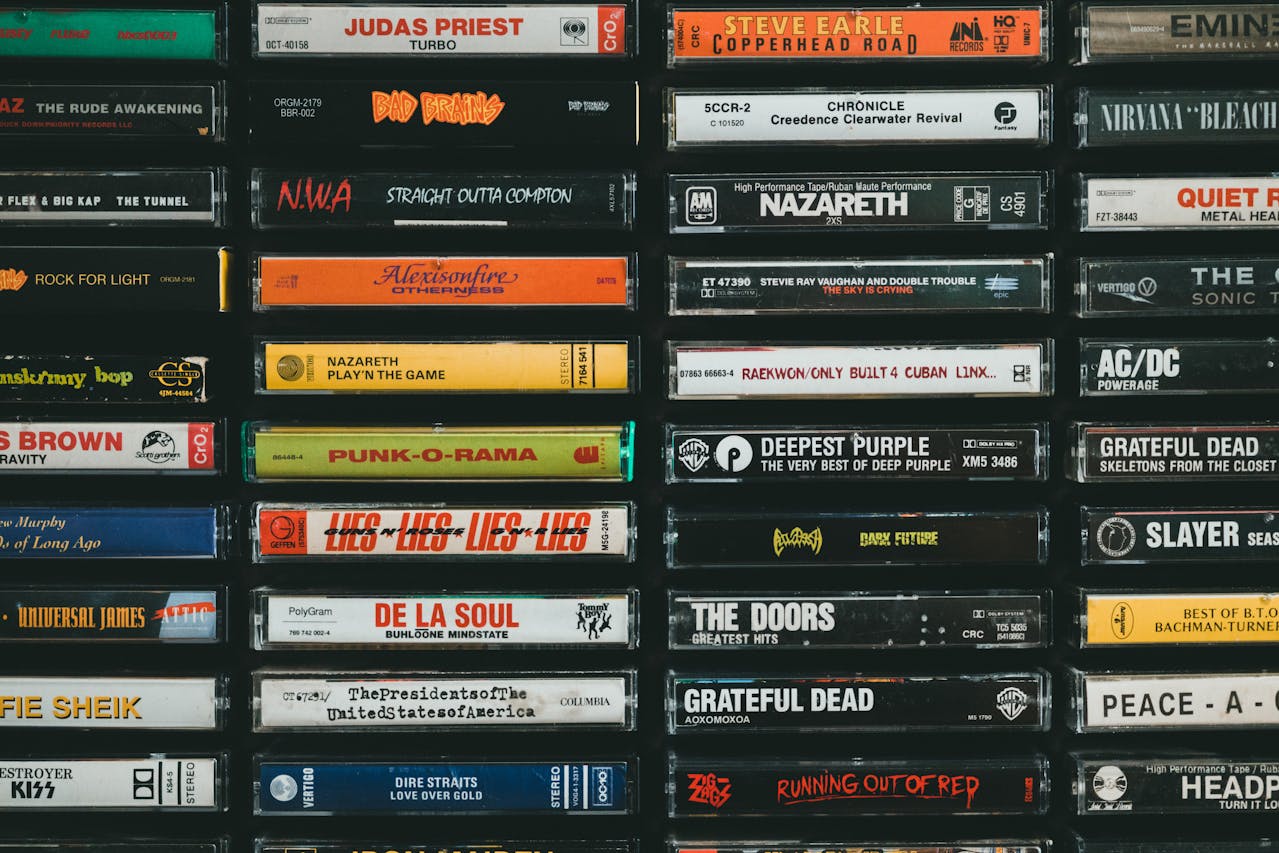
<p> Before smartphones and streaming services, portable music for Baby Boomers was all about cassette tapes and the Walkman. To listen to music on the go, you had to carry a bulky device and manually rewind or fast-forward the tape to find the song you wanted. Today, we carry entire music libraries in our pockets, instantly accessible through services like Spotify or Apple Music. The Walkman, once a revolutionary device, now seems like a relic of a bygone era, but it was the peak of portable music for Boomers. </p> :: Pexels

Before smartphones and streaming services, portable music for Baby Boomers was all about cassette tapes and the Walkman. To listen to music on the go, you had to carry a bulky device and manually rewind or fast-forward the tape to find the song you wanted. Today, we carry entire music libraries in our pockets, instantly accessible through services like Spotify or Apple Music. The Walkman, once a revolutionary device, now seems like a relic of a bygone era, but it was the peak of portable music for Boomers.


7. No Air Conditioning in Homes
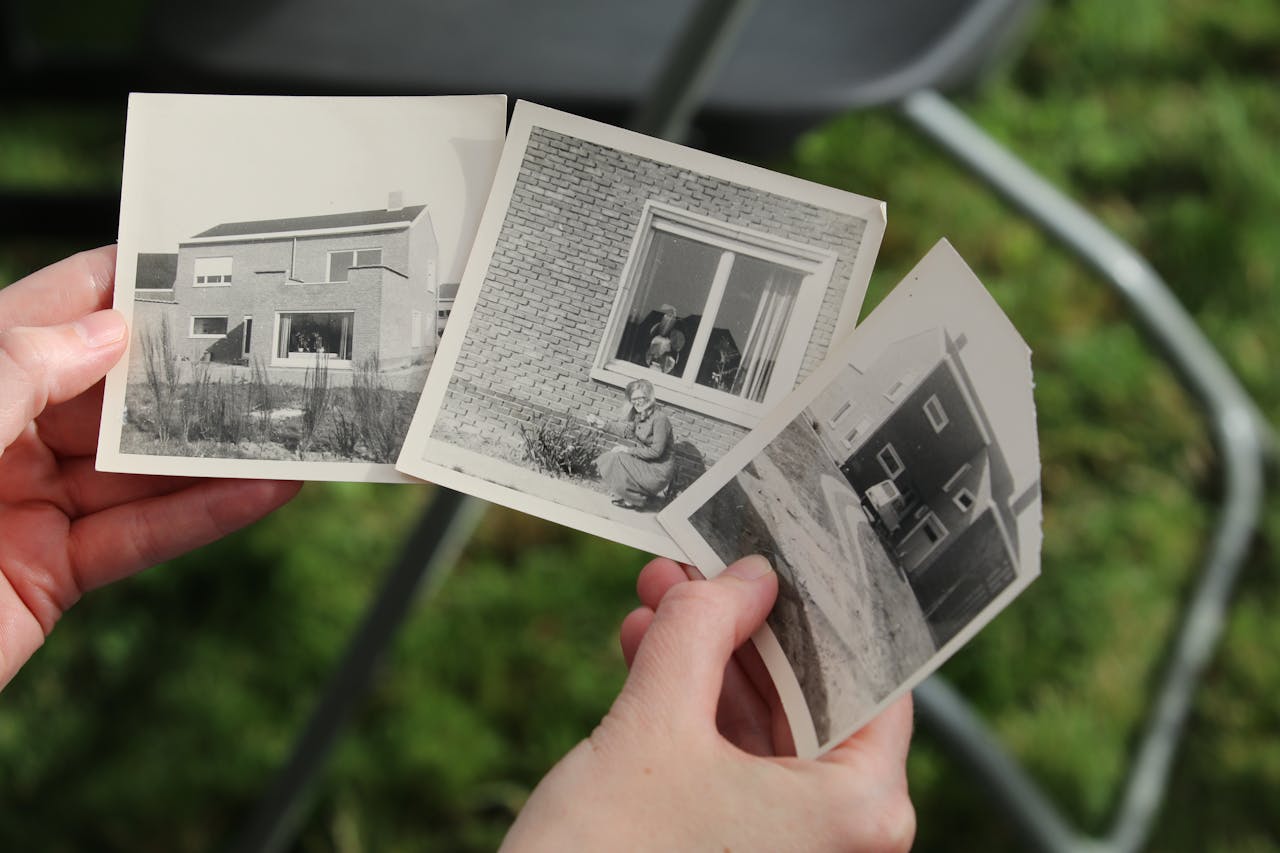
<p> Air conditioning was a luxury that wasn’t commonly available in homes during the Baby Boomer years. On scorching summer days, families had to rely on fans or open windows to try and cool down their homes. The idea of spending the summer months comfortably with a cool, air-conditioned home is something that most of today’s generations take for granted. Back then, it was not unusual to spend hot nights sweating through the heat, hoping for a break from the heatwave. Only later did air conditioning become a common feature in homes, but for many Boomers, it was a luxury they didn’t grow up with. </p> :: Pexels

Air conditioning was a luxury that wasn’t commonly available in homes during the Baby Boomer years. On scorching summer days, families had to rely on fans or open windows to try and cool down their homes. The idea of spending the summer months comfortably with a cool, air-conditioned home is something that most of today’s generations take for granted. Back then, it was not unusual to spend hot nights sweating through the heat, hoping for a break from the heatwave. Only later did air conditioning become a common feature in homes, but for many Boomers, it was a luxury they didn’t grow up with.


8. Grocery Shopping Without Barcodes or Self-Checkout
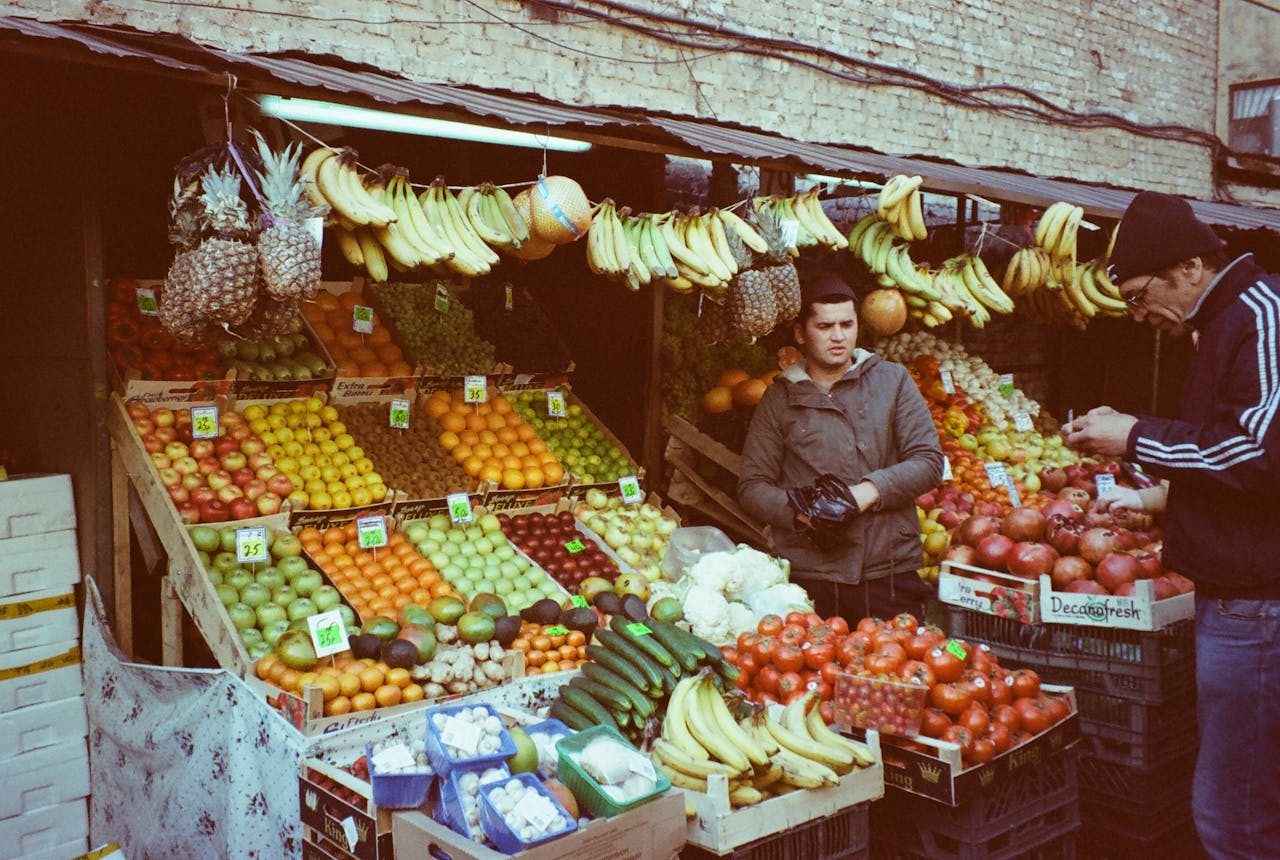
<p> Shopping for groceries today is an entirely different experience compared to the Baby Boomer era. Back then, grocery store cashiers manually entered prices and made change by hand. There were no barcodes or self-checkout systems, and the whole process took much longer than it does today. If you had a shopping list, it was handwritten and often didn’t have the benefit of an app to help you find products. The idea of using a smartphone to streamline grocery shopping would seem completely foreign to someone who grew up in the 50s and 60s. </p> :: Pexels

Shopping for groceries today is an entirely different experience compared to the Baby Boomer era. Back then, grocery store cashiers manually entered prices and made change by hand. There were no barcodes or self-checkout systems, and the whole process took much longer than it does today. If you had a shopping list, it was handwritten and often didn’t have the benefit of an app to help you find products. The idea of using a smartphone to streamline grocery shopping would seem completely foreign to someone who grew up in the 50s and 60s.

9. No Personal Computers or Internet
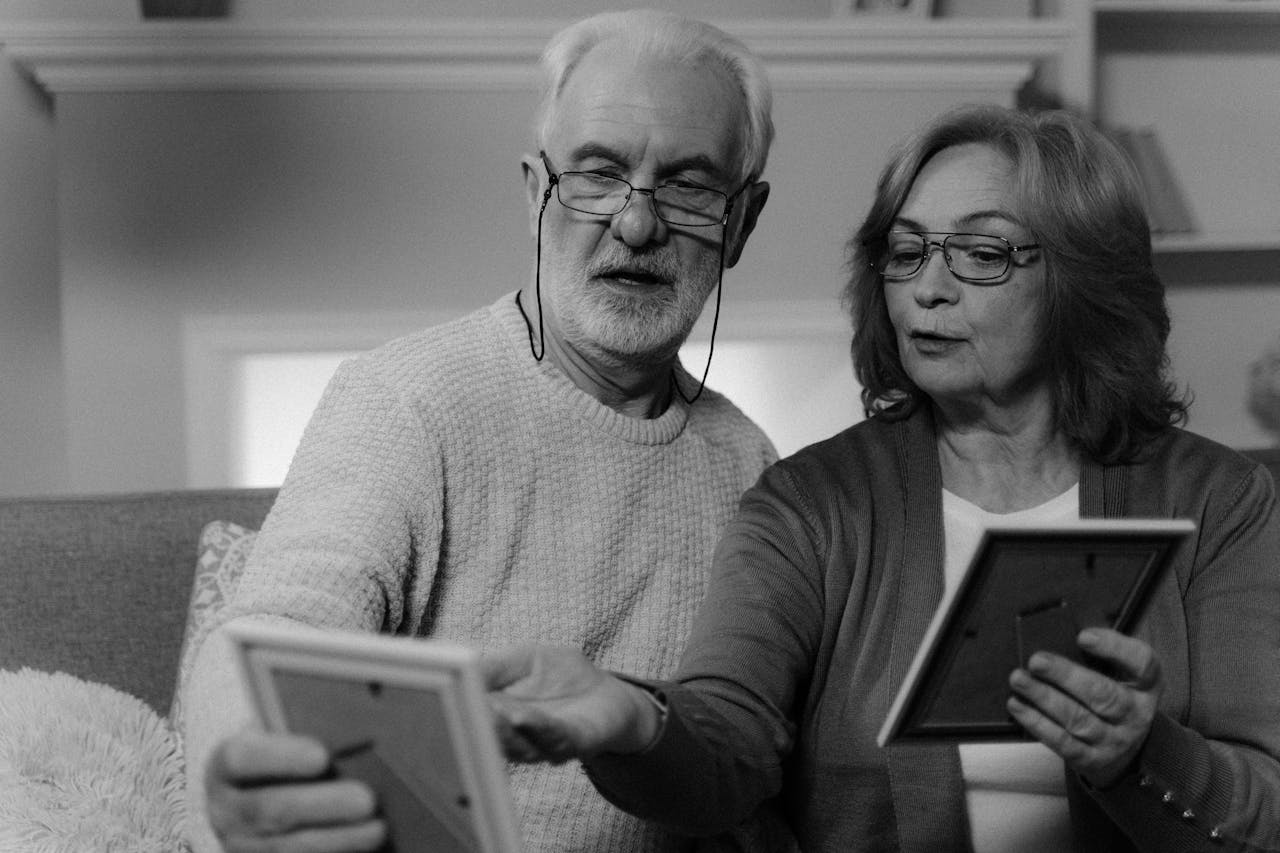
<p> Personal computers were nearly non-existent during the early years of the Baby Boomer generation, and the internet as we know it didn’t exist. Homework was done on typewriters or by hand, and research for school projects meant a trip to the library to search through physical encyclopedias. If you wanted to get in touch with someone far away, you had to rely on written letters or expensive long-distance phone calls. The thought of using a computer to browse the web, shop online, or communicate with people across the globe would have been unfathomable to Boomers, who lived in a world without these conveniences. </p> :: Pexels

Personal computers were nearly non-existent during the early years of the Baby Boomer generation, and the internet as we know it didn’t exist. Homework was done on typewriters or by hand, and research for school projects meant a trip to the library to search through physical encyclopedias. If you wanted to get in touch with someone far away, you had to rely on written letters or expensive long-distance phone calls. The thought of using a computer to browse the web, shop online, or communicate with people across the globe would have been unfathomable to Boomers, who lived in a world without these conveniences.


10. Dangerous Toys with No Safety Regulations

<p> The toys that Baby Boomers played with as children were often much more dangerous than what kids have access to today. Many popular toys were made with materials that could be hazardous, such as lead-based paint or sharp edges. Safety regulations for toys were not as stringent, and many items that are now considered unsafe, like lawn darts or bikes without helmets, were commonly played with. Today, toy manufacturers must adhere to strict safety guidelines, but for Boomers, these safety concerns didn’t exist, and childhood was often filled with risky, yet thrilling, play. </p> :: Pexels

The toys that Baby Boomers played with as children were often much more dangerous than what kids have access to today. Many popular toys were made with materials that could be hazardous, such as lead-based paint or sharp edges. Safety regulations for toys were not as stringent, and many items that are now considered unsafe, like lawn darts or bikes without helmets, were commonly played with. Today, toy manufacturers must adhere to strict safety guidelines, but for Boomers, these safety concerns didn’t exist, and childhood was often filled with risky, yet thrilling, play.


Final Thoughts

<p> The Baby Boomer generation experienced a childhood filled with challenges and changes that seem almost impossible to imagine today. From the lack of technology to unsafe products and inconvenient methods of communication, life for Boomers was a world of limited options. However, these experiences helped shape the values and work ethic that defined their generation. While today's world offers convenience and technology beyond imagination, it's important to remember just how far we've come, thanks to the experiences of those who came before us. </p> :: Pexels

The Baby Boomer generation experienced a childhood filled with challenges and changes that seem almost impossible to imagine today. From the lack of technology to unsafe products and inconvenient methods of communication, life for Boomers was a world of limited options. However, these experiences helped shape the values and work ethic that defined their generation. While today’s world offers convenience and technology beyond imagination, it’s important to remember just how far we’ve come, thanks to the experiences of those who came before us.

Filed Under: Lifestyle

Leave a Reply Cancel reply

Your email address will not be published. Required fields are marked *

  • Email
  • Facebook
  • Pinterest
  • Twitter

Our Most Popular Articles

ClickCashGo Review: Should You Avoid At All Costs?

Ultimate Guide to Mastering Your Credit Score

The 'YOLO' Mindset is a Dangerous Thing

Dave Ramsey's Financial Peace University Review: Is it Worth the Money?

Cash App Glitch 2025: Is the Free Money Glitch Real?

Five Steps To Debt Freedom

Here are five simple guidlines that will help you pay off debt.  

1) Get an emergency fund so you don’t take on debt when something comes up.

2) List your debts. This way you know where you stand.

3) Use the debt snowball. Pay your debts from smallest to largest, or most expensive to least expensive.

4) Avoid new debt. No new credit cards or loans. Period.

5) Go all cash. After everything is paid off, switch to all cash.

Helpful Resources

U of Tennesse Debt Repayment Plan Basics

Vertex 42's Debt Payoff Calculator

Savingadvice's Helpful Debt Forums

Jackie Becks Debt Blog