11 Everyday Things That Used to Be Normal But Are Now Completely Banned

What was once considered perfectly acceptable—ordinary, even—has now been locked away in the vault of forbidden history. From smoking in the sky to playing with deadly backyard toys, many once-commonplace behaviors and products have been completely outlawed over the years. As health risks, environmental concerns, and public safety became impossible to ignore, lawmakers around the globe took action. The result? A long list of things that were once part of daily life but are now totally banned. Prepare for a trip down memory lane as we uncover 11 everyday things that used to be normal—but are now strictly off-limits.
1. Smoking on Airplanes
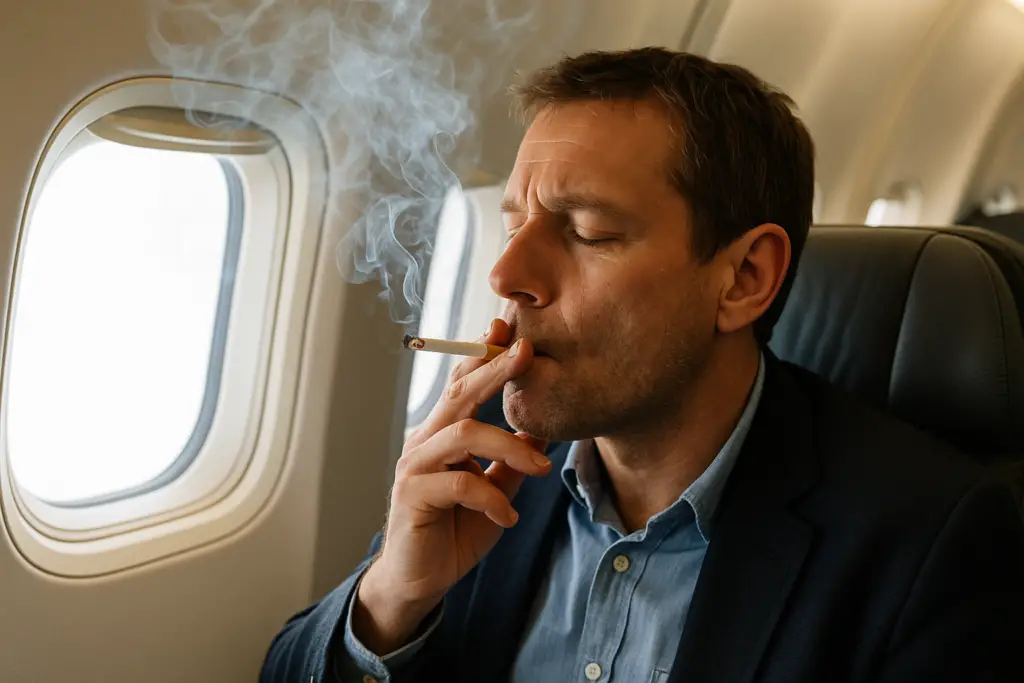
Just a few decades ago, it was perfectly normal to light up a cigarette mid-flight. Airplanes even came equipped with ashtrays, and smoking sections were standard, despite the fact that smoke circulated throughout the cabin. It wasn’t until the 1980s and 1990s that mounting evidence of secondhand smoke’s dangers prompted governments to act. The United States banned smoking on most domestic flights by 1990, with international carriers following suit soon after. Today, smoking on an airplane is not only banned but tampering with smoke detectors in restrooms can result in serious legal consequences.
2. Lead-Based Paint in Homes
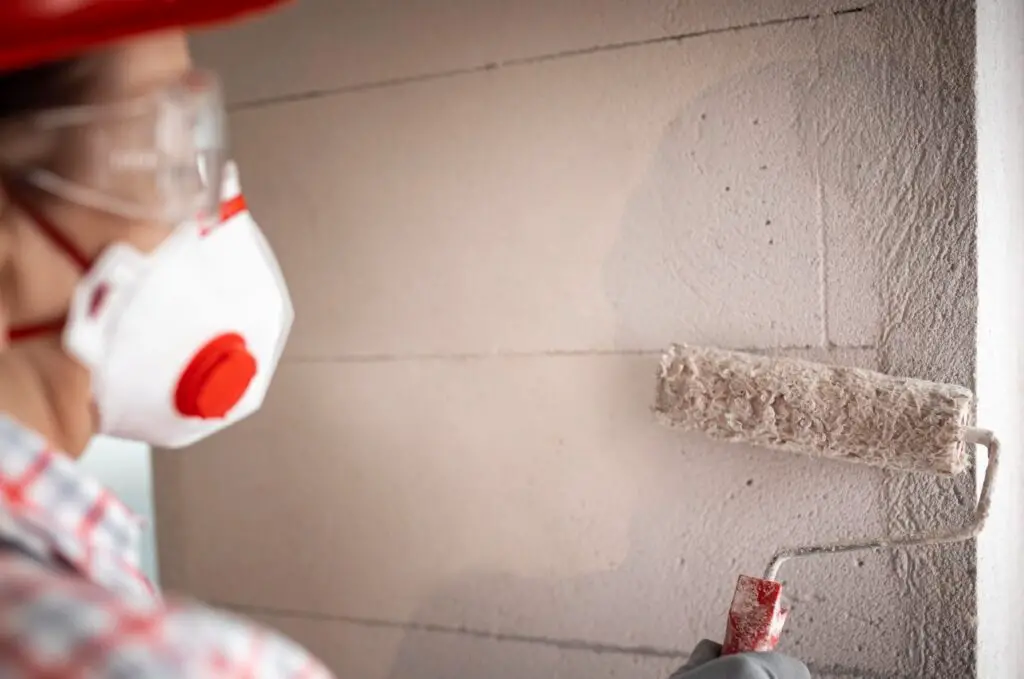
Lead-based paint was the go-to choice for decades due to its durability and vibrant color. It coated the walls of homes, schools, and even children’s toys. However, by the late 20th century, researchers discovered the severe health effects of lead exposure, particularly in children. Lead poisoning can cause developmental delays, behavioral issues, and neurological damage. As awareness grew, the United States banned the use of lead-based paint in residential buildings in 1978, and similar regulations took hold globally. Today, selling or renting a home built before 1978 requires lead paint disclosure in many areas.
3. Lawn Darts

Lawn darts, known as “Jarts,” were once a hit at family barbecues and weekend gatherings. But the metal-tipped darts turned out to be far more dangerous than fun. Thousands of injuries and several tragic deaths, primarily involving children, led to increasing scrutiny. Despite repeated warnings, it wasn’t until 1988 that the U.S. Consumer Product Safety Commission finally banned them outright. Today, owning or selling the original version is illegal in many places, and safer, plastic alternatives have taken their place on store shelves.
4. Corporal Punishment in Schools

Not too long ago, students could be physically punished in school for even the smallest infractions. Paddle-wielding principals and ruler-happy teachers were a normal part of many students’ lives. Over time, however, public opinion shifted as studies showed the lasting psychological harm caused by corporal punishment. Most developed nations have since outlawed the practice in schools, and in the United States, the majority of states have banned it or left it up to local jurisdictions. What was once seen as discipline is now widely regarded as abuse.
5. DDT Pesticides
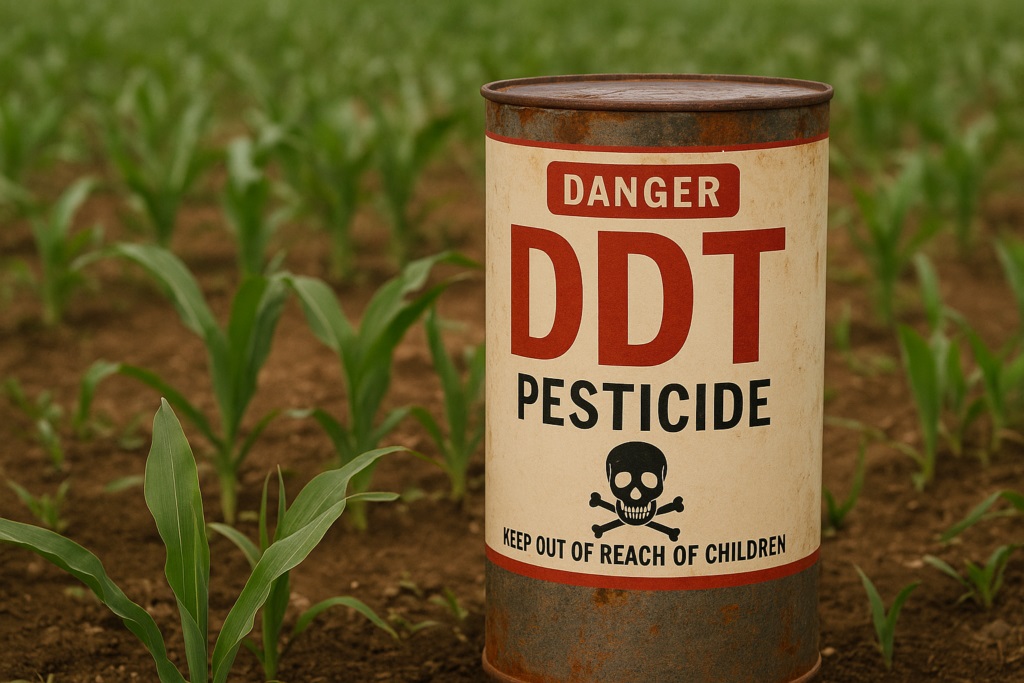
Once celebrated as a miracle pesticide, DDT was widely used after World War II to combat insects and protect crops. Entire neighborhoods were sprayed with the substance, often with little concern for its impact. That changed when scientists discovered that DDT was devastating ecosystems, especially bird populations, and possibly causing cancer in humans. Rachel Carson’s 1962 book Silent Spring sparked public outcry and a new environmental movement. By the 1970s, DDT was banned in many countries, including the United States, and remains a powerful symbol of environmental reform.
6. Asbestos in Construction

Asbestos was once found in everything from insulation and tiles to roofing and cement. Its fire-resistant qualities made it a construction industry favorite—until its deadly health risks became undeniable. Inhalation of asbestos fibers was linked to severe diseases like mesothelioma, lung cancer, and asbestosis. Many countries, including the United States, have since banned or heavily restricted its use. Today, buildings constructed before the 1980s are often required to undergo asbestos removal during renovations or demolitions.
7. Indoor Tanning for Minors
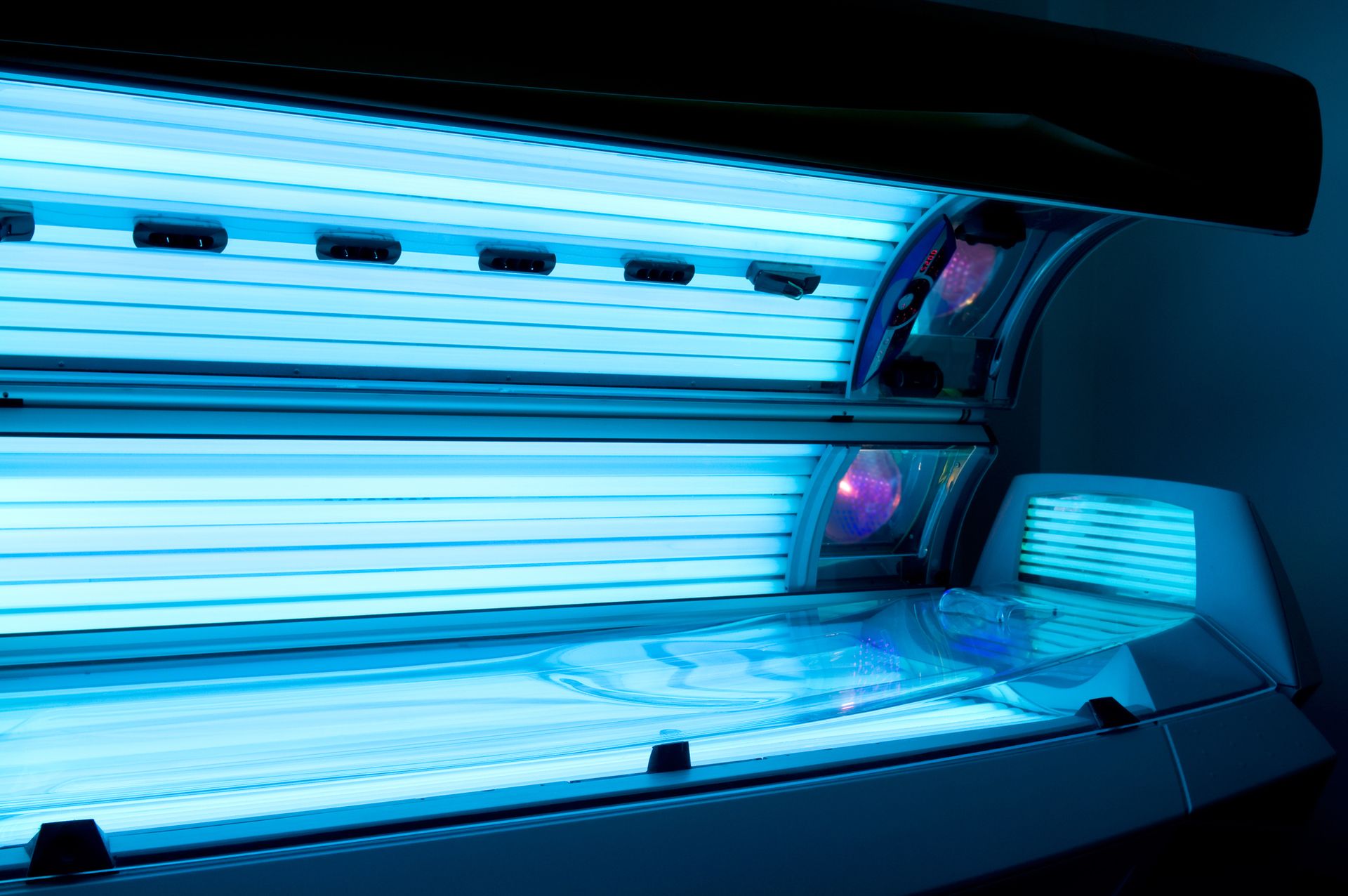
There was a time when teenagers could walk into a tanning salon without a second thought. Indoor tanning was marketed as a safe and easy way to get a sun-kissed glow. But as evidence mounted linking UV tanning beds to skin cancer, especially melanoma, lawmakers took action. Countries like Brazil and Australia banned indoor tanning altogether, while many U.S. states now prohibit anyone under 18 from using tanning beds. The practice is now widely regarded as a dangerous health risk rather than a harmless beauty trend.
8. Plastic Bags in Retail Stores
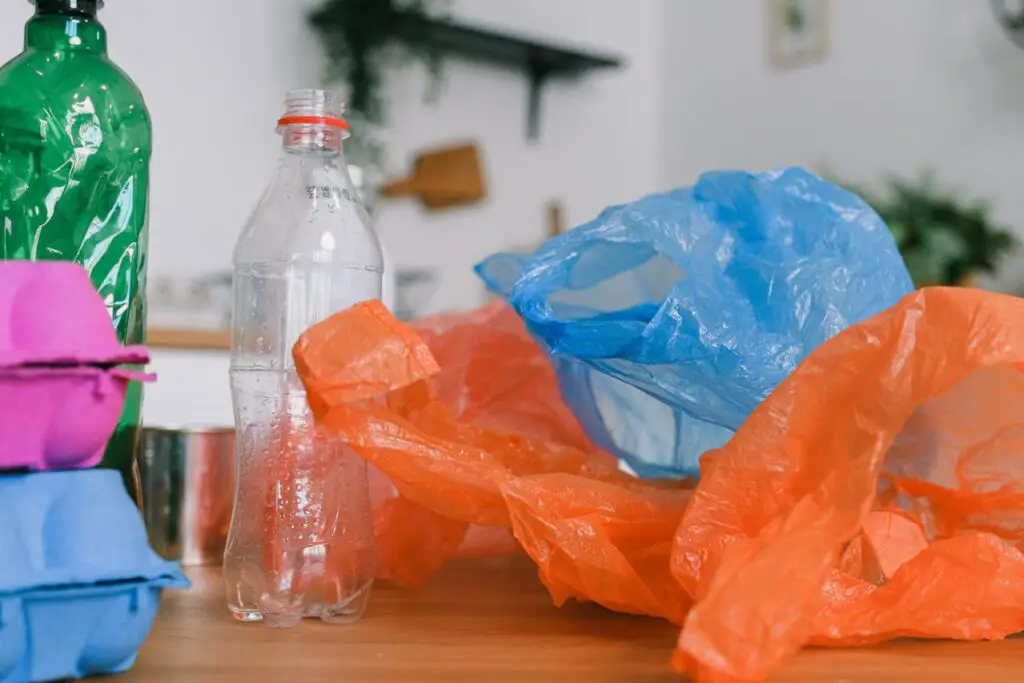
Plastic bags were once the default option at checkout counters, with no regard for their environmental toll. But these single-use bags started clogging oceans, harming wildlife, and littering landscapes. In response, a growing number of cities and countries have banned or heavily taxed them. Places like Kenya, Rwanda, and several U.S. states now prohibit plastic bags entirely. Reusable bags have become the new norm, and what was once seen as convenient is now recognized as a major ecological threat.
9. Kinder Surprise Eggs in the United States

While Kinder Surprise eggs are a beloved treat in many countries, the original version is banned in the United States. The reason? U.S. regulations prohibit embedding non-edible objects inside food products due to choking hazards. Kinder Joy, a modified version with the toy packaged separately, is available legally, but the classic Kinder Surprise remains prohibited. U.S. customs agents have even confiscated them at the border. Despite their international popularity, they are one childhood treat American kids will likely never experience in its original form.
10. Baby Bottles Containing BPA

Bisphenol A, or BPA, was once commonly used in plastic baby bottles and sippy cups. It helped harden plastics, making them durable and shatter-resistant. But over time, BPA was found to leach into liquids, disrupting hormones and potentially affecting brain development and behavior in children. In 2012, the United States banned BPA in baby bottles and infant cups, and many other countries have similar restrictions. Parents now actively seek out BPA-free labels, and glass or silicone bottles are often preferred as safer alternatives.
11. Hitchhiking on Highways
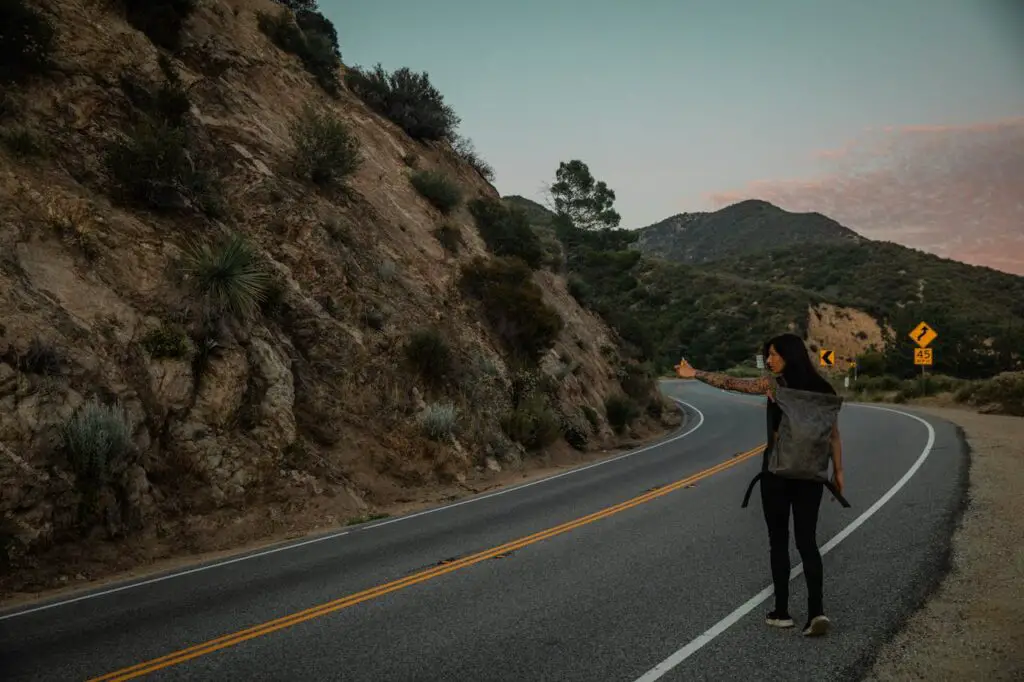
Hitchhiking was once seen as a practical and adventurous way to travel. Travelers with thumbs out and signs in hand were a common sight along highways and interstates. But rising concerns about crime and personal safety led many regions to outlaw hitchhiking altogether. Laws now ban pedestrians from standing on highways or soliciting rides in many jurisdictions. Although still legal in certain areas with restrictions, hitchhiking has become rare, replaced by safer and more reliable transportation options like rideshare apps.
Final Thoughts

It’s incredible to think how many things that were once everyday norms are now completely off the table. Some of these changes came from hard lessons, others from advances in science and social awareness. Whether driven by public health, safety, or environmental impact, these bans show just how much our world has evolved—and how quickly the “normal” of yesterday can become the outlawed of today. As we continue to learn more about the world around us, there’s no doubt that future generations will look back on some of our current practices with the same disbelief we now reserve for smoking on planes or playing with lawn darts. Progress may not always be fast, but it’s certainly real—and in many cases, life-saving.
Leave a Reply