Our Debt Free Family

Commit. Plan. Take action.

  • BUDGETING
  • DEBT REDUCTION
  • INVESTING
  • LIFESTYLE
  • TOOLS
  • ABOUT
  • Privacy Policy
  • CONTACT
You are here: Home / Lifestyle / Stop Doing These 10 Things to Your Lawn or Risk Ruining It
Stop Doing These 10 Things to Your Lawn or Risk Ruining It

March 10, 2026 | Leave a Comment

Stop Doing These 10 Things to Your Lawn or Risk Ruining It

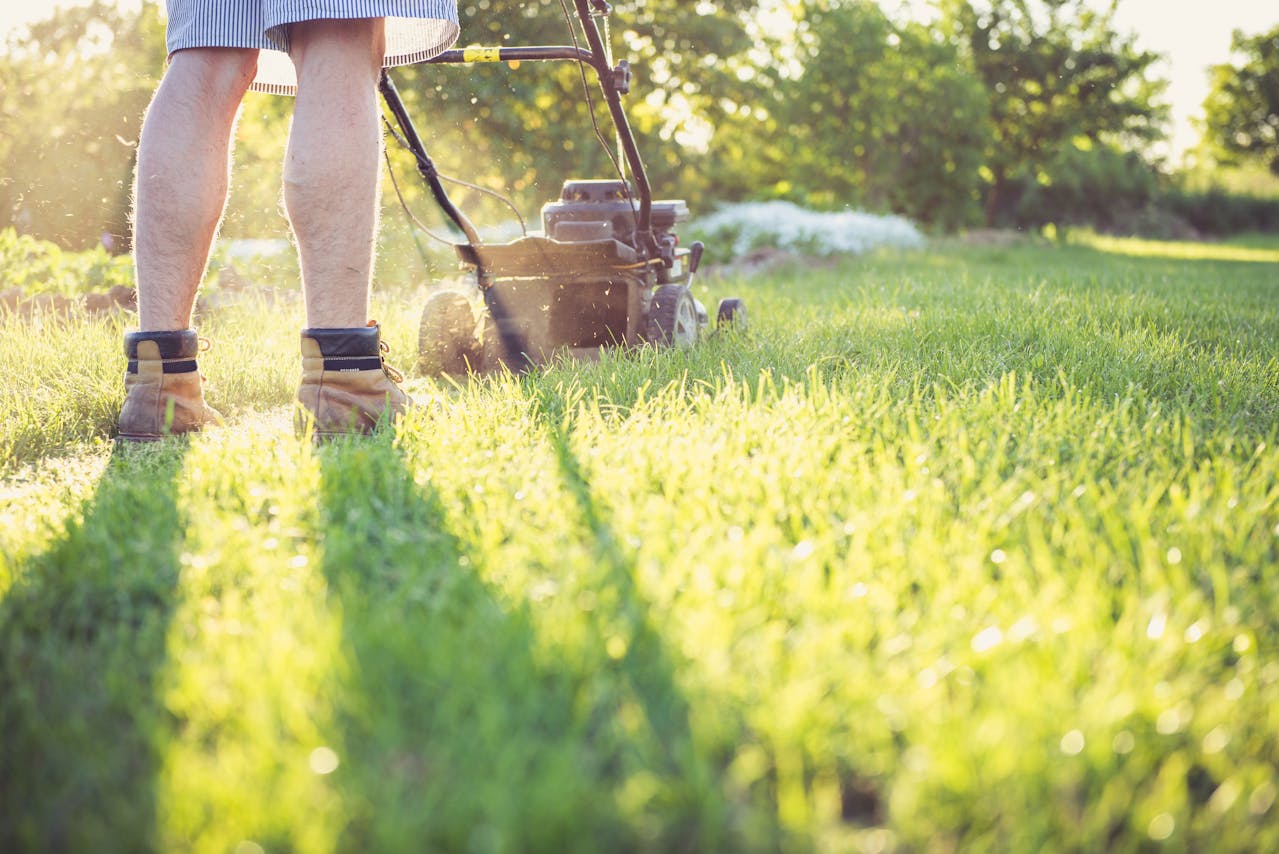
<p> A lush, green lawn is a homeowner’s pride, but maintaining one takes more than just regular mowing and watering. In fact, some common practices may actually be harming your grass without you realizing it. If your lawn looks patchy, dull, or isn’t as vibrant as it used to be, it could be the result of errors in your lawn care routine. Below are ten things you should stop doing to your lawn right away if you want to avoid damaging it beyond repair. </p> :: Pexels

A lush, green lawn is a homeowner’s pride, but maintaining one takes more than just regular mowing and watering. In fact, some common practices may actually be harming your grass without you realizing it. If your lawn looks patchy, dull, or isn’t as vibrant as it used to be, it could be the result of errors in your lawn care routine. Below are ten things you should stop doing to your lawn right away if you want to avoid damaging it beyond repair.

1. Mowing Too Short
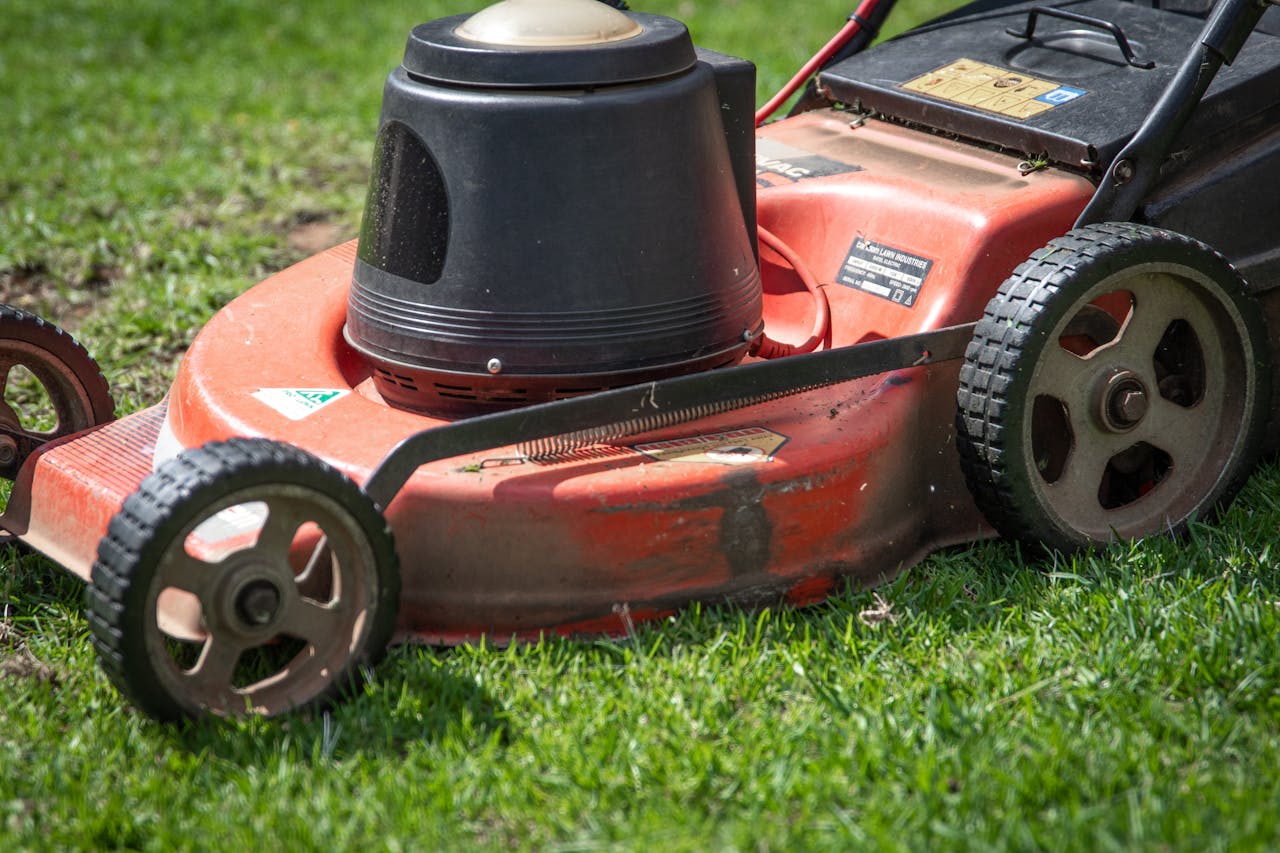
<p> Mowing the grass too short is a frequent mistake that weakens your lawn and leaves it vulnerable to weeds, pests, and diseases. When you cut the grass too low, it reduces the grass’s ability to photosynthesize properly and diminishes its overall health. Short grass also encourages weed growth since more sunlight reaches the soil, allowing weeds to take root. Ideally, you should follow the one-third rule, meaning never cut more than one-third of the grass blade in one mowing session. Taller grass shades the soil, retains moisture better, and helps prevent weeds from sprouting. </p> :: Pexels

Mowing the grass too short is a frequent mistake that weakens your lawn and leaves it vulnerable to weeds, pests, and diseases. When you cut the grass too low, it reduces the grass’s ability to photosynthesize properly and diminishes its overall health. Short grass also encourages weed growth since more sunlight reaches the soil, allowing weeds to take root. Ideally, you should follow the one-third rule, meaning never cut more than one-third of the grass blade in one mowing session. Taller grass shades the soil, retains moisture better, and helps prevent weeds from sprouting.

2. Overwatering Your Lawn
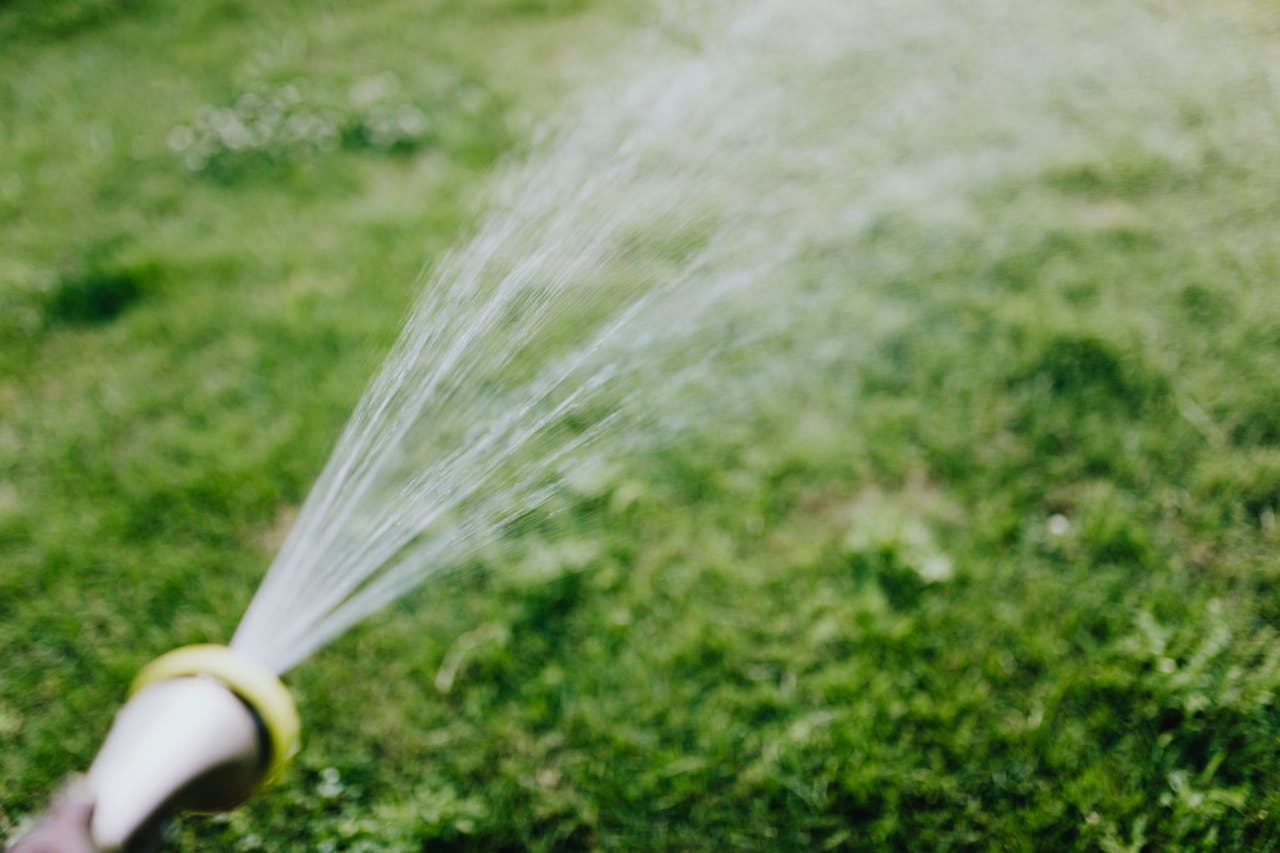
<p> While it may seem logical to water your lawn generously, too much water can lead to waterlogged soil and poor root development. Overwatering suffocates the roots by filling up the air pockets in the soil, making it hard for oxygen to reach the grass. This leads to shallow roots, weak grass, and an increased risk of fungal diseases. Instead, aim for deep and infrequent watering—typically one inch of water per week, depending on the weather. Watering deeply encourages deeper root growth, making your lawn more resilient during dry periods. </p> :: Pexels

While it may seem logical to water your lawn generously, too much water can lead to waterlogged soil and poor root development. Overwatering suffocates the roots by filling up the air pockets in the soil, making it hard for oxygen to reach the grass. This leads to shallow roots, weak grass, and an increased risk of fungal diseases. Instead, aim for deep and infrequent watering—typically one inch of water per week, depending on the weather. Watering deeply encourages deeper root growth, making your lawn more resilient during dry periods.

3. Watering at the Wrong Time
<p> When and how you water your lawn plays a major role in its overall health. Watering during the hottest part of the day may seem convenient, but most of the water will evaporate before it has a chance to soak into the soil. On the other hand, watering at night can leave your lawn damp for too long, increasing the risk of fungal diseases. The best time to water your lawn is early in the morning, ideally between 6 a.m. and 10 a.m. This ensures that your lawn has enough time to absorb the moisture before the heat of the day sets in. </p> :: Pexels

When and how you water your lawn plays a major role in its overall health. Watering during the hottest part of the day may seem convenient, but most of the water will evaporate before it has a chance to soak into the soil. On the other hand, watering at night can leave your lawn damp for too long, increasing the risk of fungal diseases. The best time to water your lawn is early in the morning, ideally between 6 a.m. and 10 a.m. This ensures that your lawn has enough time to absorb the moisture before the heat of the day sets in.

4. Using Dull Mower Blades
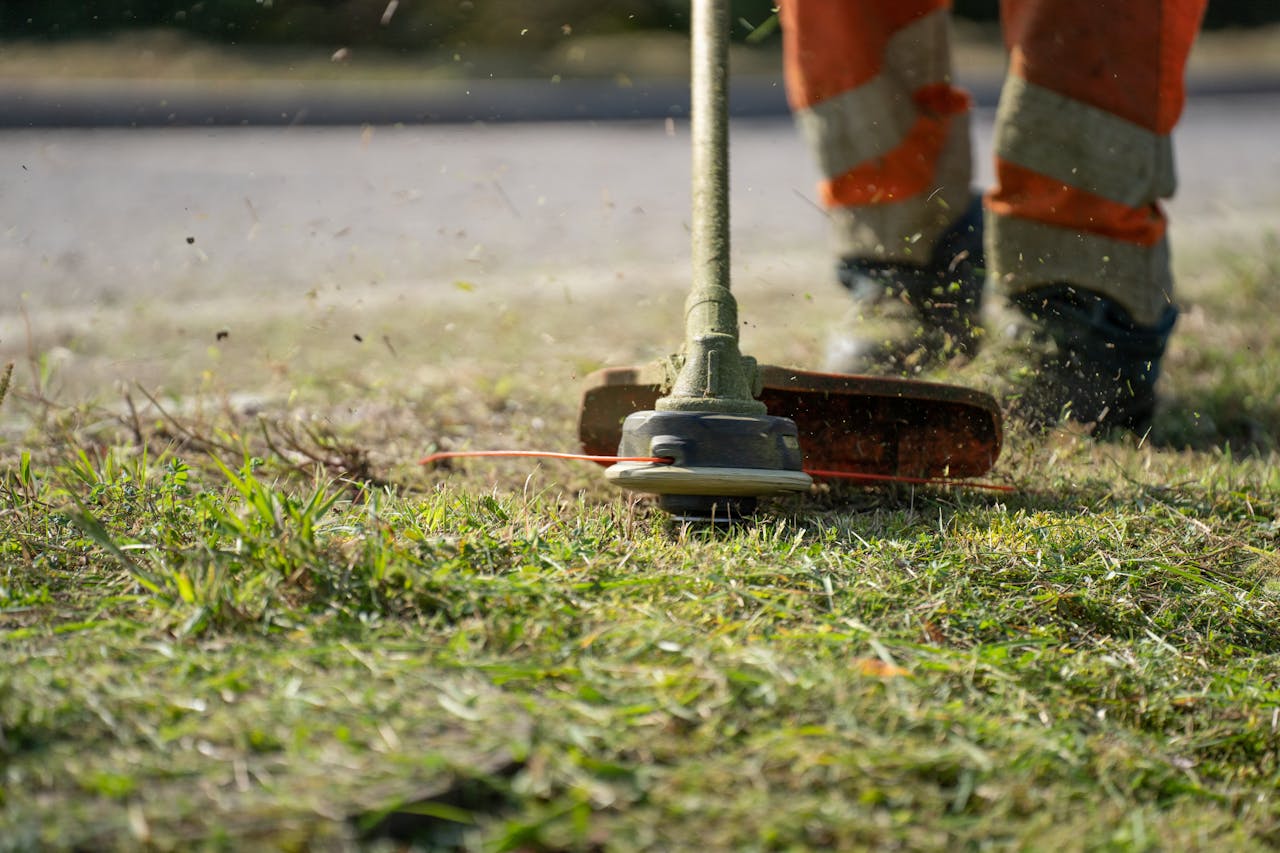
<p> If you’re using a lawnmower with dull blades, you’re doing more harm than good. Dull blades tear at the grass rather than cutting it cleanly, leaving behind frayed and jagged edges. These uneven cuts are more susceptible to diseases and pests. Regularly sharpening your mower blades ensures a clean cut, which promotes faster healing for the grass and helps it maintain a neat, even appearance. Experts recommend sharpening your mower blades every 20 to 25 hours of use to keep them effective. </p> :: Pexels

If you’re using a lawnmower with dull blades, you’re doing more harm than good. Dull blades tear at the grass rather than cutting it cleanly, leaving behind frayed and jagged edges. These uneven cuts are more susceptible to diseases and pests. Regularly sharpening your mower blades ensures a clean cut, which promotes faster healing for the grass and helps it maintain a neat, even appearance. Experts recommend sharpening your mower blades every 20 to 25 hours of use to keep them effective.

5. Applying Too Much Fertilizer
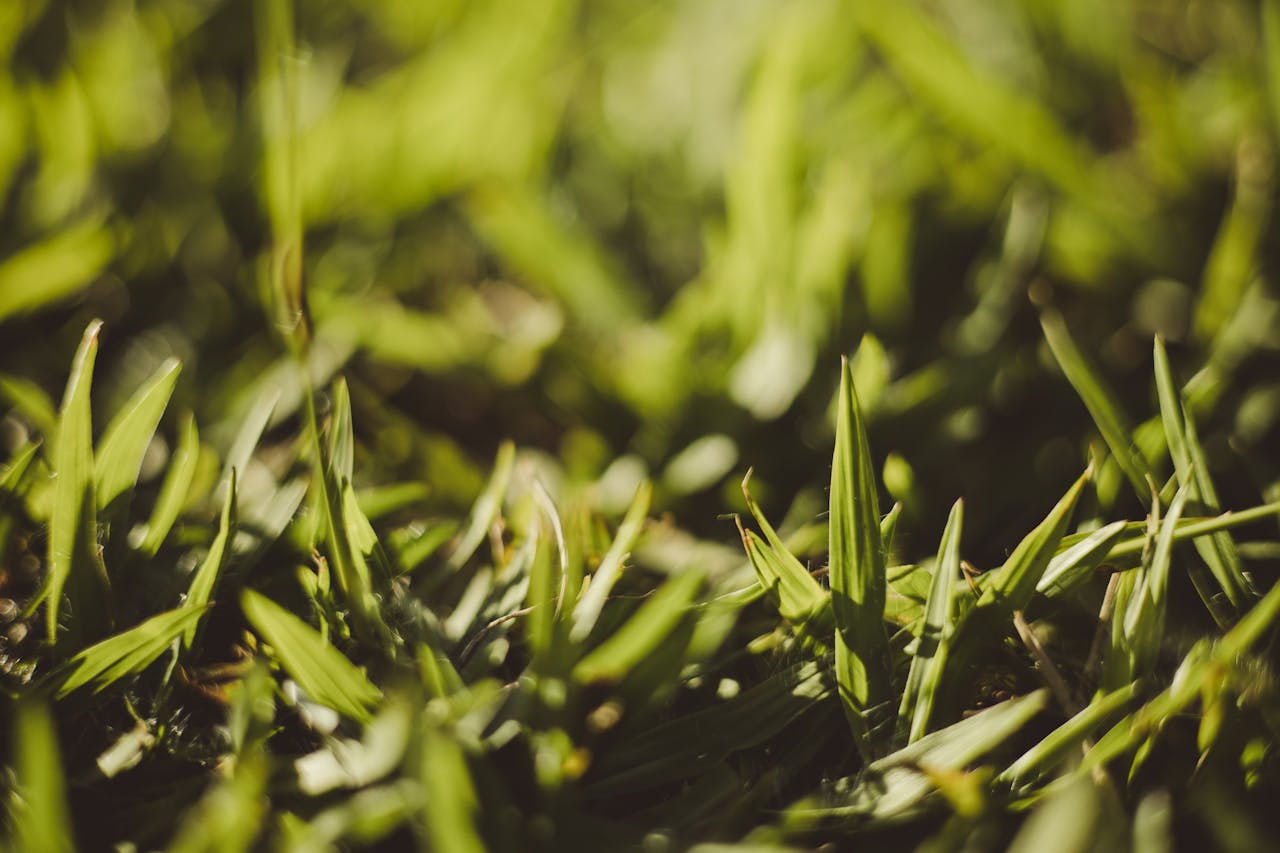
<p> Fertilizing your lawn is essential for keeping it healthy, but too much fertilizer can burn the grass and cause significant damage. Over-fertilization can lead to rapid, unhealthy growth that weakens the lawn’s root system, leaving it prone to diseases and thatch buildup. Excess fertilizer can also create an imbalance of nutrients in the soil, making it harder for your grass to thrive. Always follow the manufacturer’s instructions for the correct application rate, and consider using slow-release fertilizers to give your lawn steady nutrients over time. </p> :: Pexels

Fertilizing your lawn is essential for keeping it healthy, but too much fertilizer can burn the grass and cause significant damage. Over-fertilization can lead to rapid, unhealthy growth that weakens the lawn’s root system, leaving it prone to diseases and thatch buildup. Excess fertilizer can also create an imbalance of nutrients in the soil, making it harder for your grass to thrive. Always follow the manufacturer’s instructions for the correct application rate, and consider using slow-release fertilizers to give your lawn steady nutrients over time.

6. Neglecting Soil Compaction
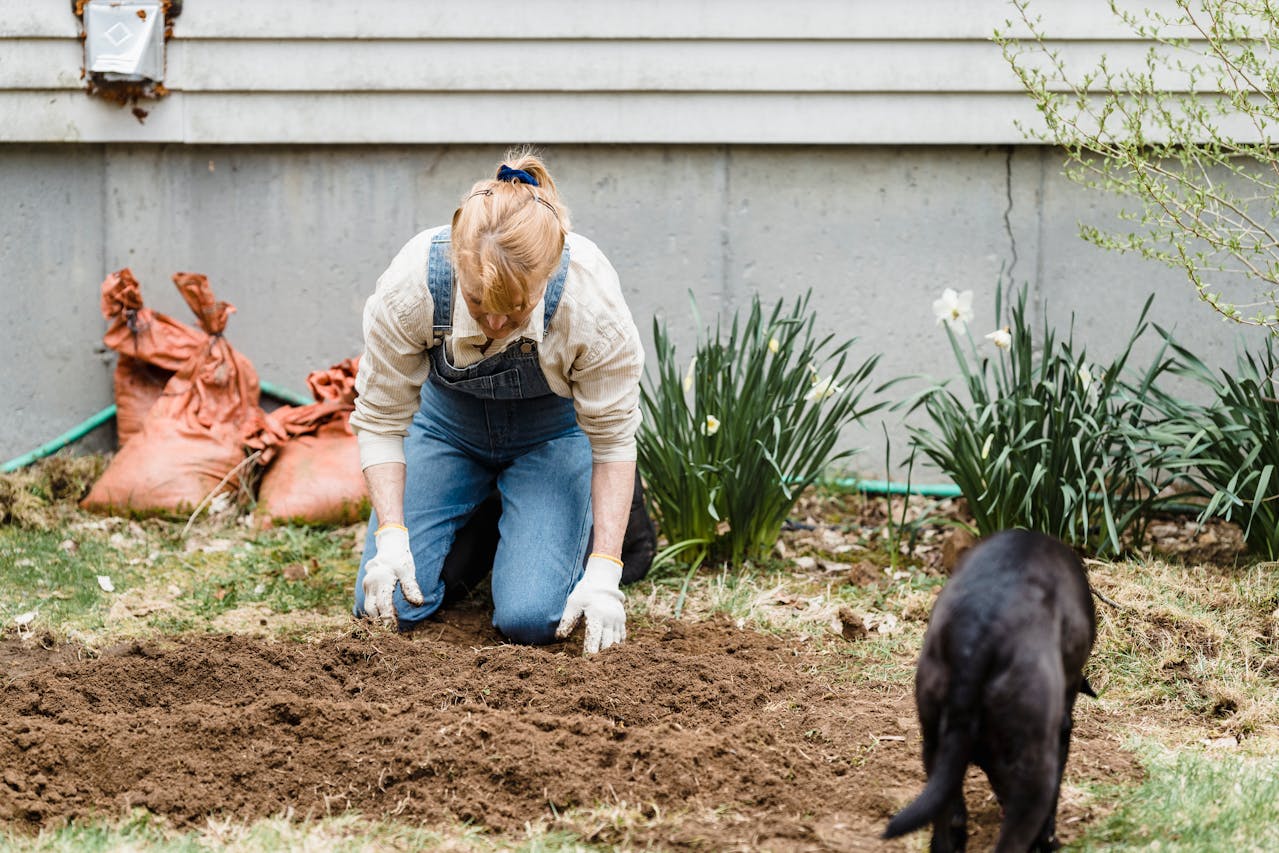
<p> Over time, foot traffic, lawn equipment, and even rainfall can cause the soil in your yard to become compacted. When soil is compacted, it reduces the amount of oxygen, water, and nutrients that can reach the grass roots. This results in poor grass growth, bare patches, and an increased risk of disease. If you notice that your lawn feels hard when you walk on it or that water is pooling instead of being absorbed, it’s time to aerate the soil. Aerating involves creating small holes in the soil to allow air, water, and nutrients to penetrate deeply, helping your grass thrive. </p> :: Pexels

Over time, foot traffic, lawn equipment, and even rainfall can cause the soil in your yard to become compacted. When soil is compacted, it reduces the amount of oxygen, water, and nutrients that can reach the grass roots. This results in poor grass growth, bare patches, and an increased risk of disease. If you notice that your lawn feels hard when you walk on it or that water is pooling instead of being absorbed, it’s time to aerate the soil. Aerating involves creating small holes in the soil to allow air, water, and nutrients to penetrate deeply, helping your grass thrive.

7. Ignoring Weeds
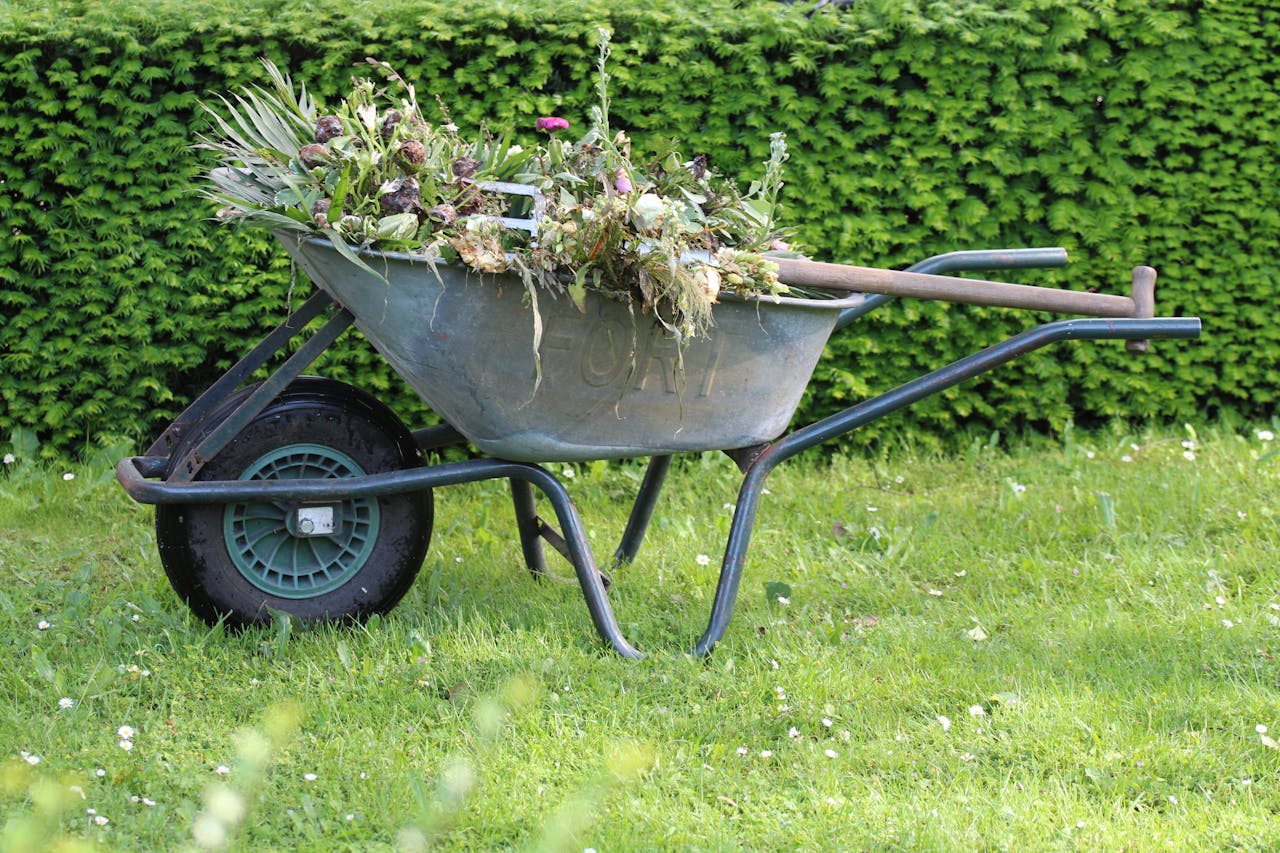
<p> Weeds are more than just an aesthetic problem—they compete with your grass for vital nutrients, water, and sunlight. Ignoring weeds can quickly turn a well-maintained lawn into a weed-infested one. Weeds grow faster than grass, and if left unchecked, they can take over entire sections of your lawn. Regularly inspecting your lawn for weeds and addressing them early on is crucial. You can remove weeds by hand or use an appropriate herbicide, but be careful to choose one that won’t harm your grass. </p> :: Pexels

Weeds are more than just an aesthetic problem—they compete with your grass for vital nutrients, water, and sunlight. Ignoring weeds can quickly turn a well-maintained lawn into a weed-infested one. Weeds grow faster than grass, and if left unchecked, they can take over entire sections of your lawn. Regularly inspecting your lawn for weeds and addressing them early on is crucial. You can remove weeds by hand or use an appropriate herbicide, but be careful to choose one that won’t harm your grass.

8. Skipping Seasonal Lawn Care
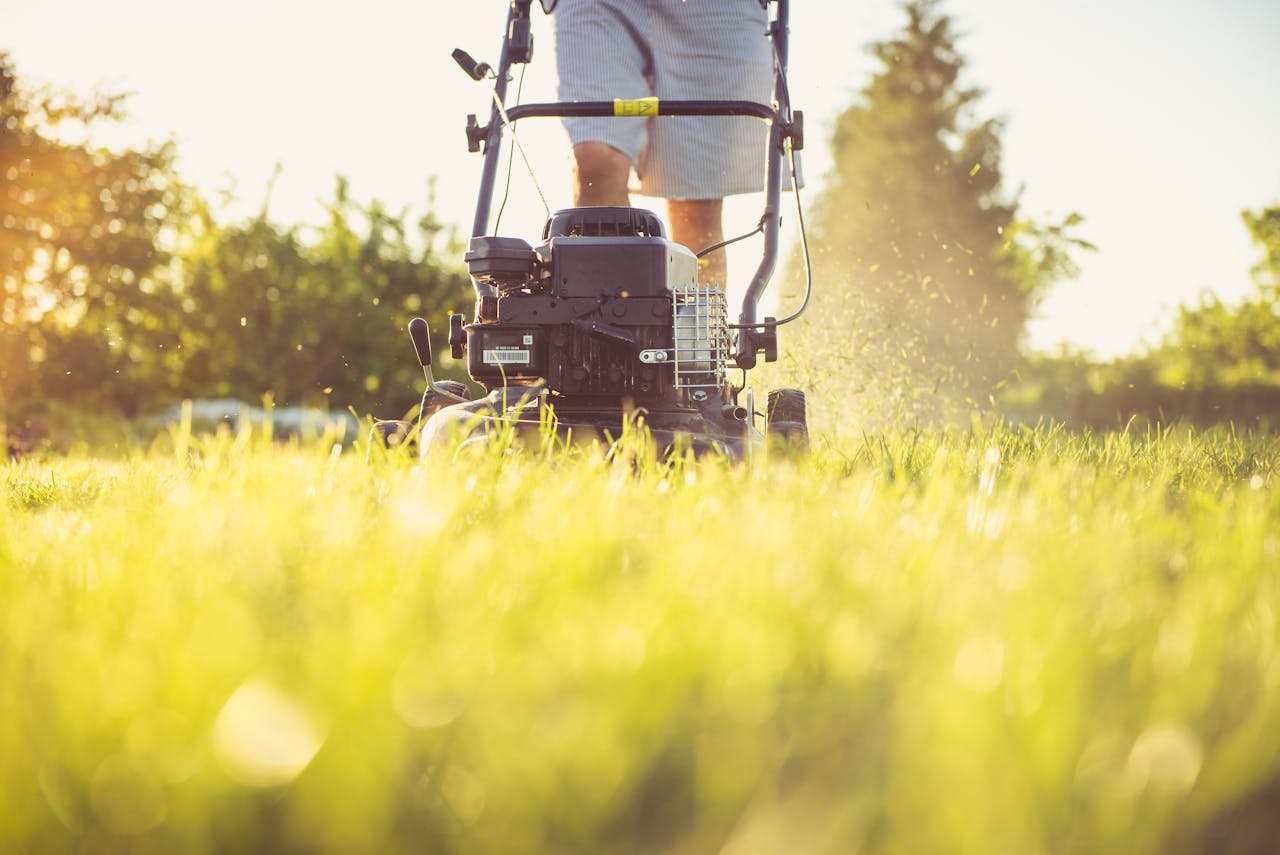
<p> Your lawn has different needs depending on the time of year, and skipping crucial seasonal care can negatively impact its health. For example, neglecting to fertilize in the spring can result in weak early growth, while failing to aerate or overseed in the fall can lead to thinning grass and poor root development. Additionally, not preparing your lawn for winter can expose it to frost damage, making it harder for your grass to recover in the spring. A seasonal lawn care plan that includes fertilizing, aerating, and weed control can help keep your lawn strong and healthy throughout the year. </p> :: Pexels

Your lawn has different needs depending on the time of year, and skipping crucial seasonal care can negatively impact its health. For example, neglecting to fertilize in the spring can result in weak early growth, while failing to aerate or overseed in the fall can lead to thinning grass and poor root development. Additionally, not preparing your lawn for winter can expose it to frost damage, making it harder for your grass to recover in the spring. A seasonal lawn care plan that includes fertilizing, aerating, and weed control can help keep your lawn strong and healthy throughout the year.

9. Choosing the Wrong Grass Type
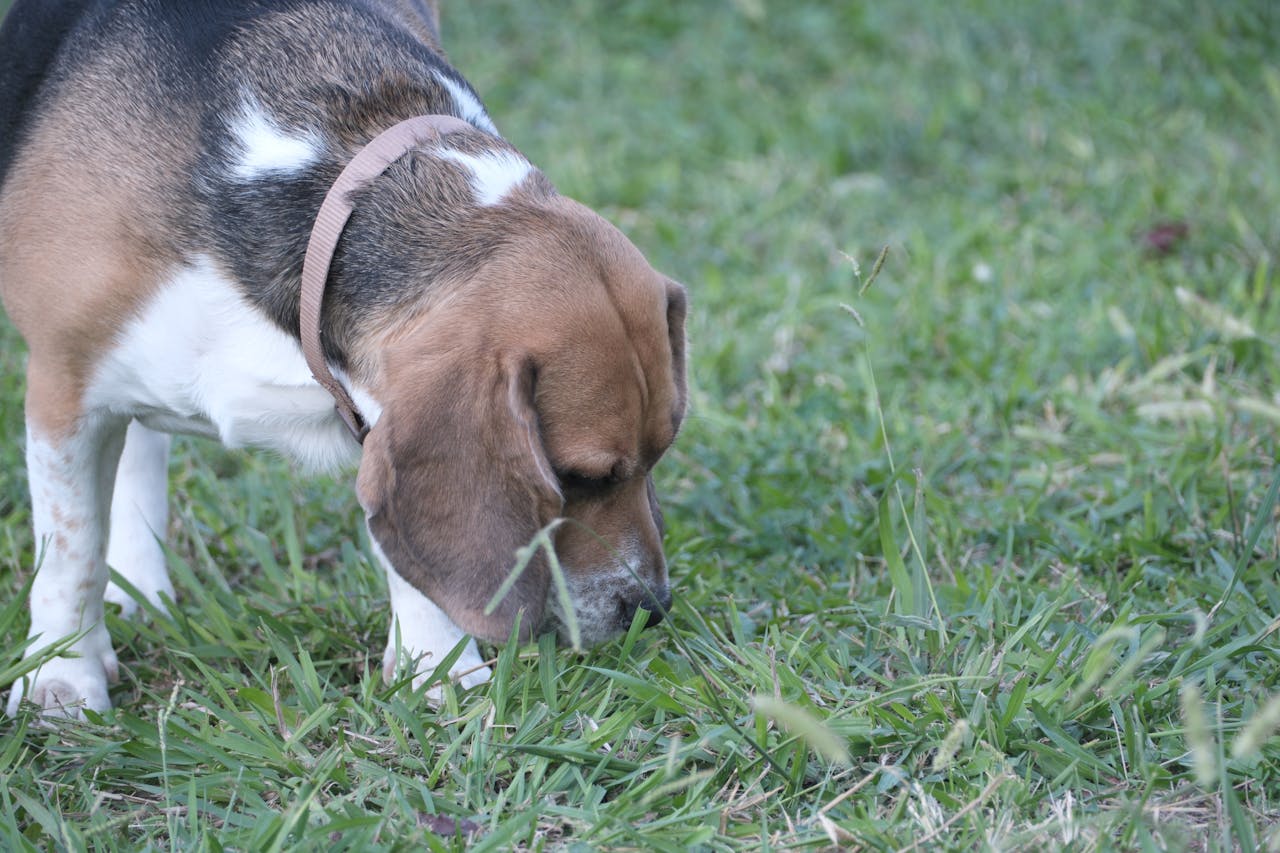
<p> One of the biggest mistakes people make is choosing the wrong type of grass for their climate, soil, and lawn conditions. Different grass species have different requirements for sunlight, water, and temperature. For example, cool-season grasses like Kentucky bluegrass and fescue thrive in cooler temperatures, while warm-season grasses like Bermuda grass do better in hot, dry climates. If your grass doesn’t suit your local environment, it will struggle to grow and may become patchy or weak. Before planting or reseeding, consult with a local lawn care expert to choose the best grass type for your region and conditions. </p> :: Pexels

One of the biggest mistakes people make is choosing the wrong type of grass for their climate, soil, and lawn conditions. Different grass species have different requirements for sunlight, water, and temperature. For example, cool-season grasses like Kentucky bluegrass and fescue thrive in cooler temperatures, while warm-season grasses like Bermuda grass do better in hot, dry climates. If your grass doesn’t suit your local environment, it will struggle to grow and may become patchy or weak. Before planting or reseeding, consult with a local lawn care expert to choose the best grass type for your region and conditions.

10. Allowing Thatch Buildup
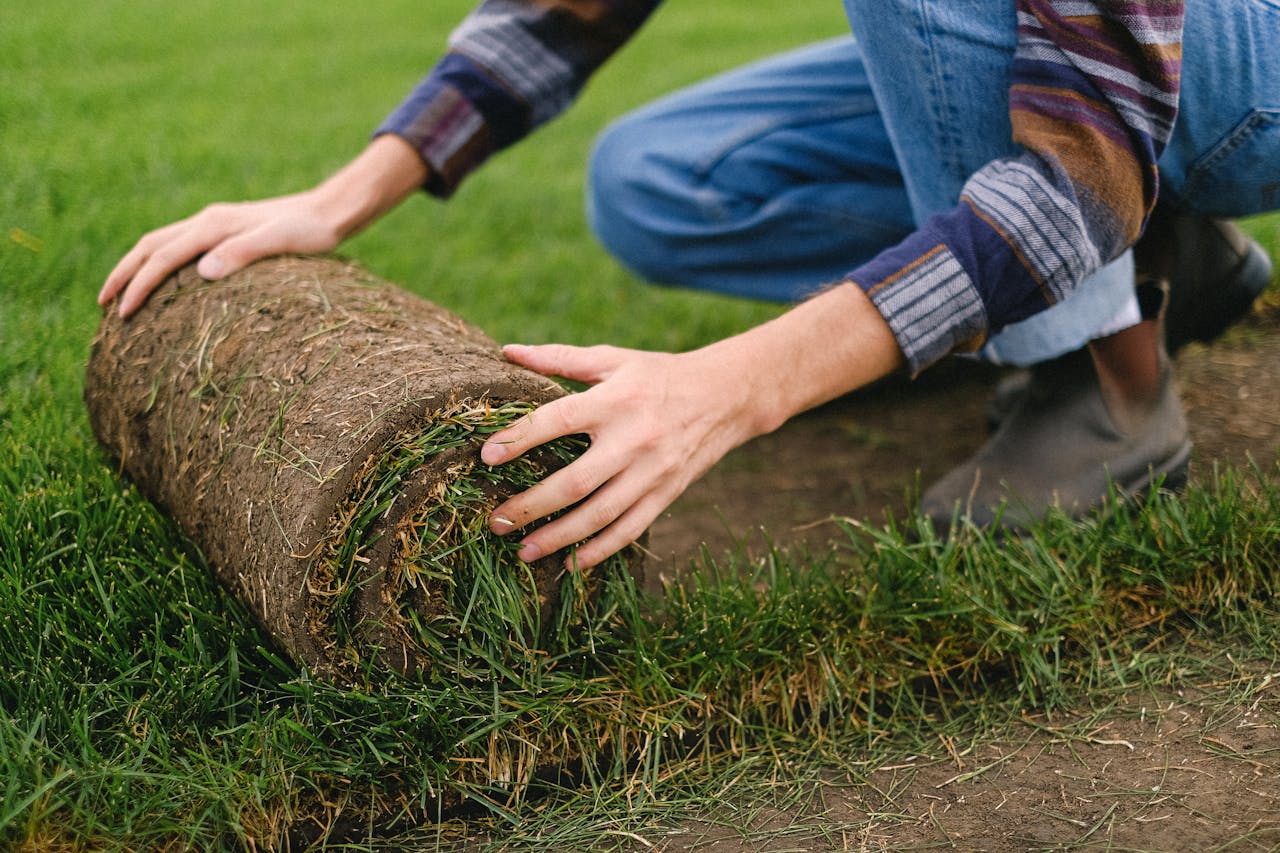
<p> Thatch is the layer of dead grass, roots, and organic material that builds up between the soil and the grass blades. While a thin layer of thatch is normal and can help protect the soil, too much thatch prevents water, nutrients, and air from reaching the grass roots. Thatch also creates a breeding ground for pests and diseases. If your lawn feels spongy when you walk on it, it’s a sign that you have a thick thatch layer that needs to be removed. Dethatching your lawn every couple of years can help keep this layer under control and ensure your grass gets the resources it needs. </p> :: Pexels

Thatch is the layer of dead grass, roots, and organic material that builds up between the soil and the grass blades. While a thin layer of thatch is normal and can help protect the soil, too much thatch prevents water, nutrients, and air from reaching the grass roots. Thatch also creates a breeding ground for pests and diseases. If your lawn feels spongy when you walk on it, it’s a sign that you have a thick thatch layer that needs to be removed. Dethatching your lawn every couple of years can help keep this layer under control and ensure your grass gets the resources it needs.

Final Thoughts
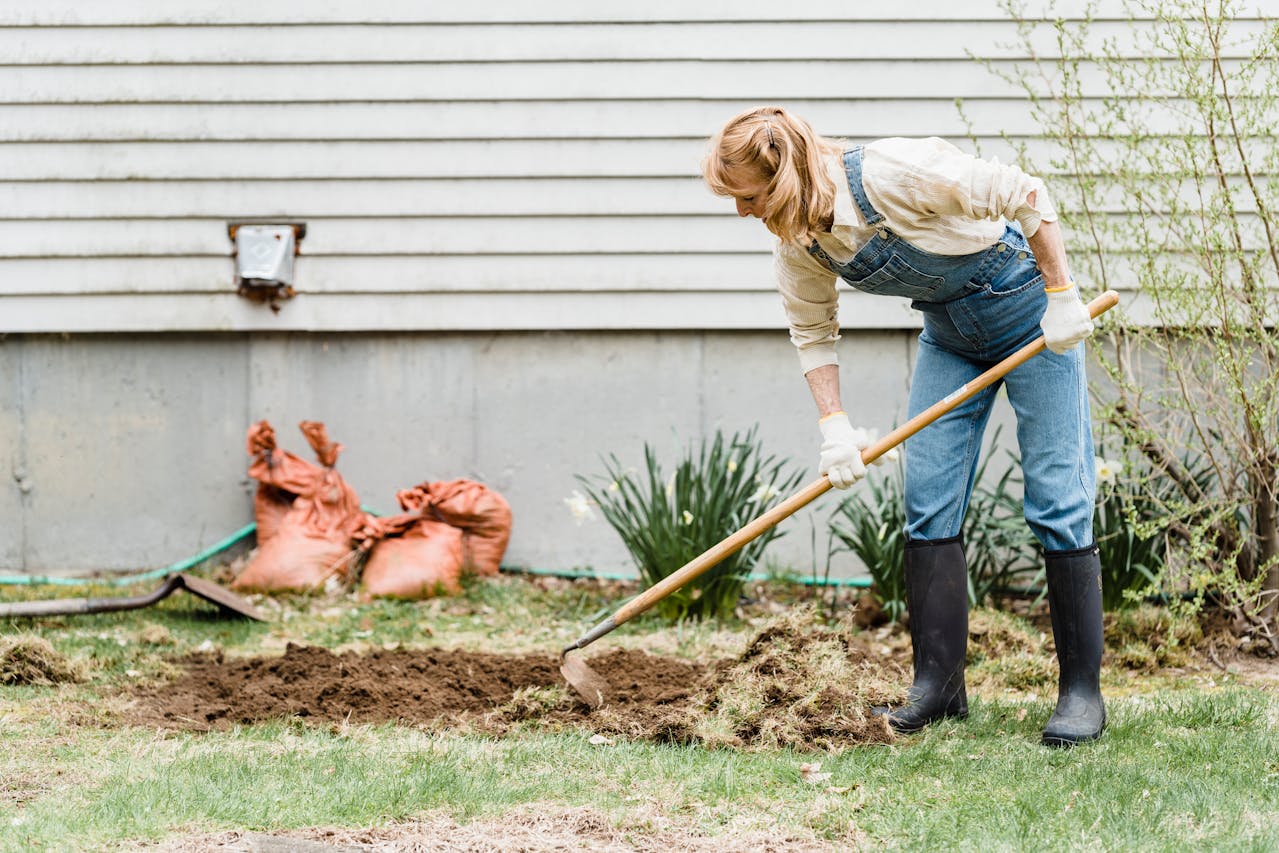
<p> By avoiding these common lawn care mistakes, you can help your lawn reach its full potential and maintain a healthy, vibrant appearance. Taking the time to address issues like overwatering, improper mowing, and seasonal care will ensure that your grass stays lush and green throughout the year. Whether you’re a seasoned gardener or a first-time homeowner, proper lawn care is essential to maintaining a beautiful and thriving yard. Your lawn is an investment, and with the right care, you can enjoy a green, healthy landscape for years to come. </p> :: Pexels

By avoiding these common lawn care mistakes, you can help your lawn reach its full potential and maintain a healthy, vibrant appearance. Taking the time to address issues like overwatering, improper mowing, and seasonal care will ensure that your grass stays lush and green throughout the year. Whether you’re a seasoned gardener or a first-time homeowner, proper lawn care is essential to maintaining a beautiful and thriving yard. Your lawn is an investment, and with the right care, you can enjoy a green, healthy landscape for years to come.

Filed Under: Lifestyle

Leave a Reply Cancel reply

Your email address will not be published. Required fields are marked *

  • Email
  • Facebook
  • Pinterest
  • Twitter

Our Most Popular Articles

ClickCashGo Review: Should You Avoid At All Costs?

Ultimate Guide to Mastering Your Credit Score

The 'YOLO' Mindset is a Dangerous Thing

Dave Ramsey's Financial Peace University Review: Is it Worth the Money?

Cash App Glitch 2025: Is the Free Money Glitch Real?

Five Steps To Debt Freedom

Here are five simple guidlines that will help you pay off debt.  

1) Get an emergency fund so you don’t take on debt when something comes up.

2) List your debts. This way you know where you stand.

3) Use the debt snowball. Pay your debts from smallest to largest, or most expensive to least expensive.

4) Avoid new debt. No new credit cards or loans. Period.

5) Go all cash. After everything is paid off, switch to all cash.

Helpful Resources

U of Tennesse Debt Repayment Plan Basics

Vertex 42's Debt Payoff Calculator

Savingadvice's Helpful Debt Forums

Jackie Becks Debt Blog