This 7 Simple Winter Habit Can Improve Your Indoor Air Quality in Just 5 Minutes

Winter has a funny way of making us forget about the air we breathe. Once the temperature drops, we shut the windows, seal the doors, crank up the heat, and settle in for months of cozy indoor living. It feels safe and comfortable, but there is a hidden downside that most people never think about until their head feels stuffy, their throat feels dry, or their allergies suddenly act up. The air inside your home can quietly become more polluted than the air outside.
Indoor air quality matters more in winter than almost any other season. With less ventilation, dust, pet dander, cooking fumes, moisture, and chemical pollutants get trapped inside and recirculate all day long. The good news is that improving your indoor air does not require expensive equipment or a major lifestyle overhaul. In fact, a few simple habits that take about five minutes can make a noticeable difference.
Below are seven easy, practical winter habits that can improve your indoor air quality quickly. They are realistic for busy households, affordable for most budgets, and effective enough to help you breathe easier all season long.
1. Crack Open a Window for a Quick Air Reset

It might sound uncomfortable in the middle of winter, but opening a window for just a few minutes can work wonders for your indoor air. When homes stay sealed for long periods, pollutants build up and linger. A brief window opening allows stale air to escape and fresh air to circulate through your space, flushing out odors, excess moisture, and airborne irritants.
You do not need to leave windows open long enough to freeze your living room. Even five minutes is enough to refresh the air without significantly lowering the temperature. Try doing this during the warmest part of the day or when the sun is shining. Many people are surprised by how much better the air feels afterward, even if the room cools only slightly. Think of it as hitting the reset button for your home.
2. Change Your HVAC Filter Before It Becomes a Problem
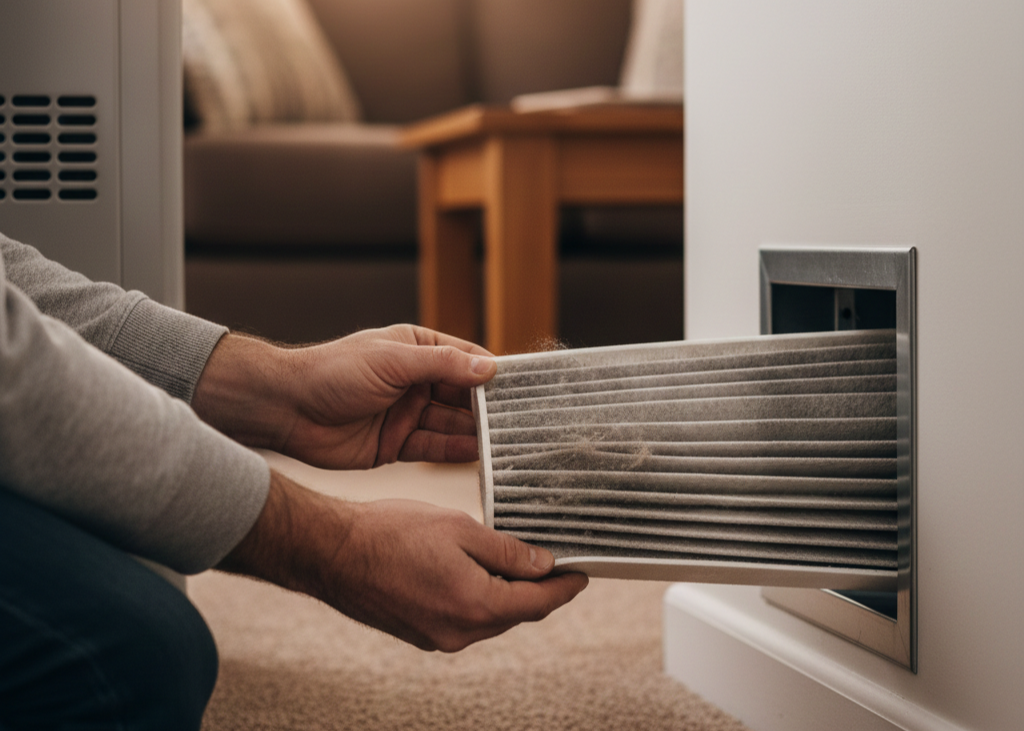
Your heating system works overtime during winter, and so does the air filter inside it. That filter is responsible for trapping dust, pollen, pet hair, and other particles before they circulate through your home. When it gets clogged, it cannot do its job properly, and all those particles end up back in the air you breathe.
Changing an HVAC filter takes only a few minutes, yet it is one of the most effective ways to improve indoor air quality. A clean filter helps reduce allergens, improves airflow, and even makes your heating system run more efficiently. If you have pets or allergies, you may need to replace filters more often during winter. It is a small task with big benefits, and your lungs will thank you for it.
3. Use Bathroom and Kitchen Fans Every Single Time

Steam, smoke, and odors are not just annoying. They are signals that pollutants and moisture are being released into your indoor air. Cooking and showering are two of the biggest contributors to poor indoor air quality during winter, especially when windows stay closed.
Turning on your kitchen or bathroom exhaust fan helps pull that polluted air outside instead of letting it spread through the house. It only takes a second to flip the switch, but it can prevent moisture buildup, reduce cooking fumes, and lower the risk of mold growth. Make it a habit to run fans during and after showers and while cooking. This simple step keeps your indoor air cleaner and more comfortable with almost no effort.
4. Dust Surfaces Using a Damp Cloth Instead of a Dry One
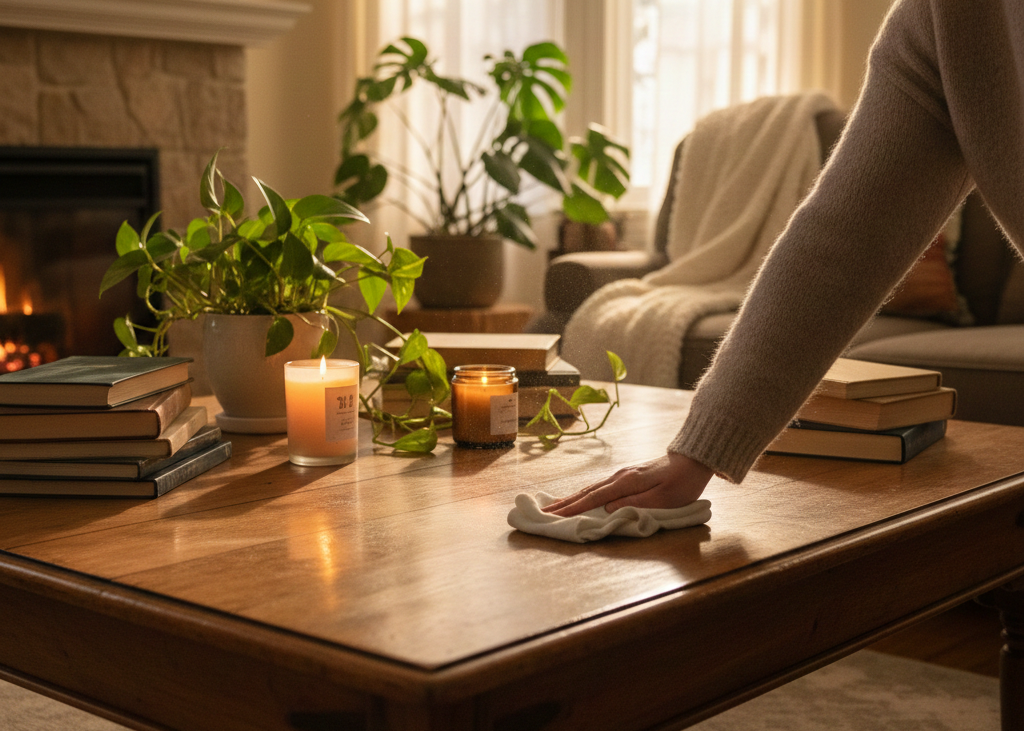
Dusting feels like a basic chore, but how you do it makes a big difference. Dry dusting often sends particles into the air, where they float around and eventually settle again. That means you end up breathing in the very dust you were trying to remove.
Using a slightly damp cloth traps dust instead of spreading it. In just a few minutes, you can wipe down common dust magnets like shelves, coffee tables, baseboards, and electronics. This method removes allergens such as pet dander and pollen more effectively and keeps them out of the air. It is a small change in technique that makes cleaning more effective and helps your home feel fresher almost instantly.
5. Keep Indoor Humidity at a Comfortable Level
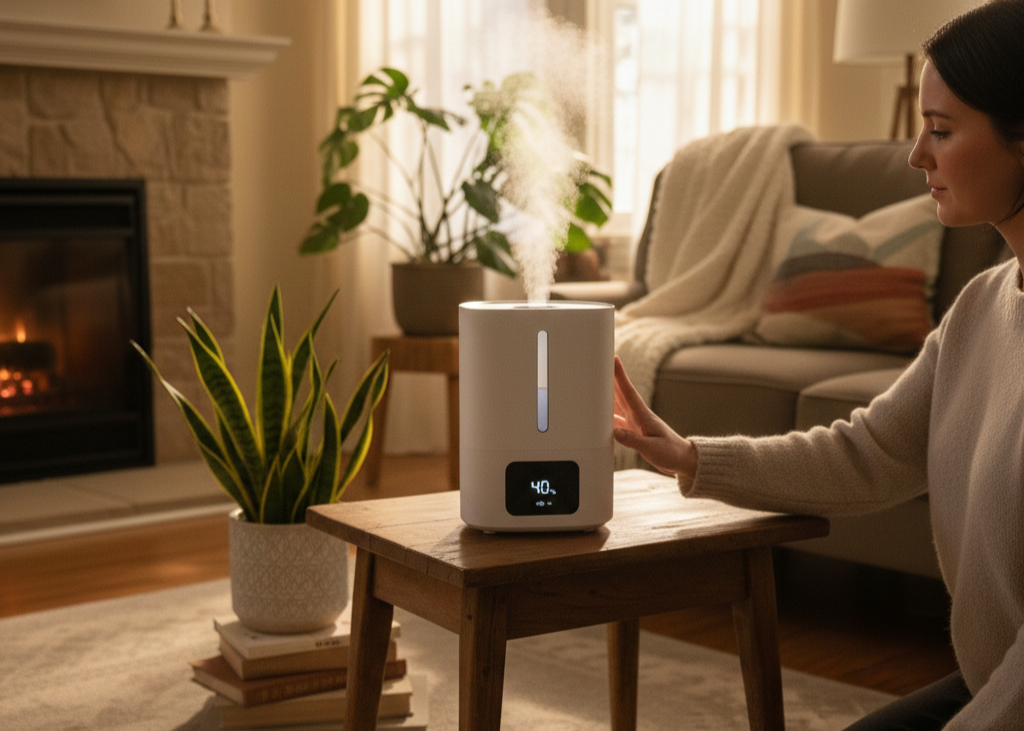
Winter heating systems tend to dry out indoor air, which can irritate your nose, throat, and lungs. Air that is too dry can also make dust and other particles more irritating to breathe. On the other hand, air that is too humid can encourage mold growth and dust mites. Finding the right balance is key.
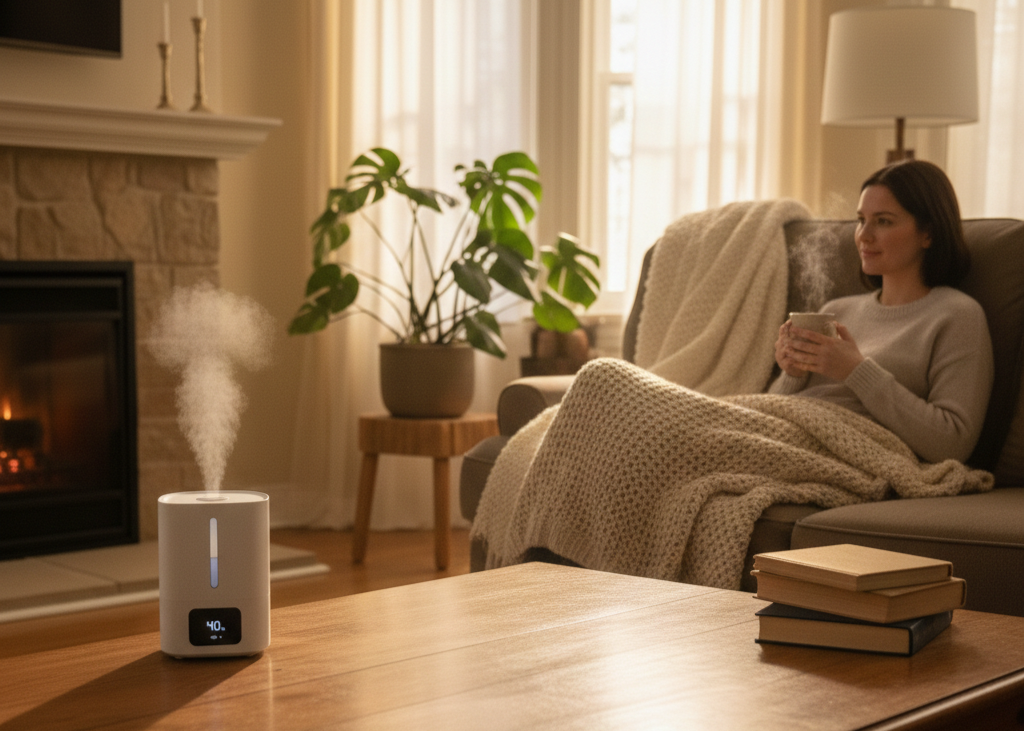
Taking five minutes to check and adjust your humidity level can improve both comfort and air quality. Many people find that indoor humidity between 30 and 50 percent feels best during winter. If your home feels overly dry, a humidifier can help add moisture. If it feels damp or musty, a short dehumidifier session can help. Balanced humidity makes the air feel cleaner and easier to breathe.
6. Vacuum High Traffic Areas With a HEPA Filter
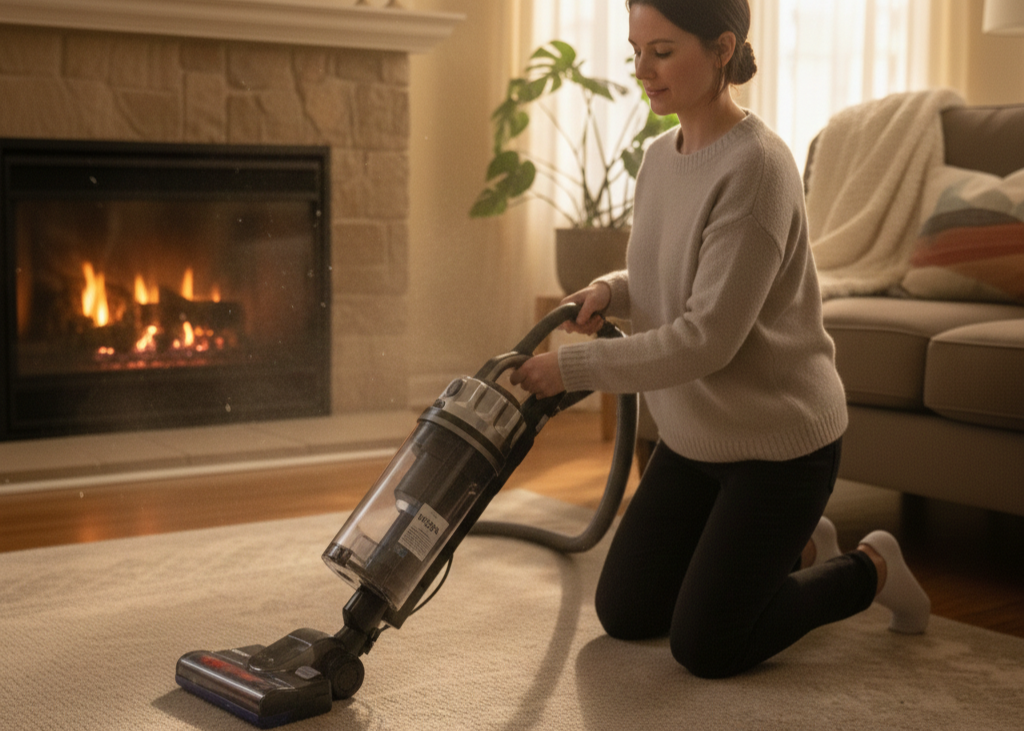
Vacuuming is not just about clean floors. It is also about cleaner air. Dust, crumbs, pet hair, and allergens collect on carpets and rugs, especially in areas where people walk most often. When these particles get disturbed, they can easily become airborne.
Using a vacuum with a HEPA filter helps trap tiny particles instead of blowing them back into the room. Spending just five minutes vacuuming entryways, living room rugs, or hallways can noticeably reduce airborne dust. This is especially helpful during winter when windows stay closed and particles have fewer places to escape. Even short, targeted vacuum sessions can make your indoor air feel lighter and fresher.
7. Let Steam Escape Instead of Letting It Linger
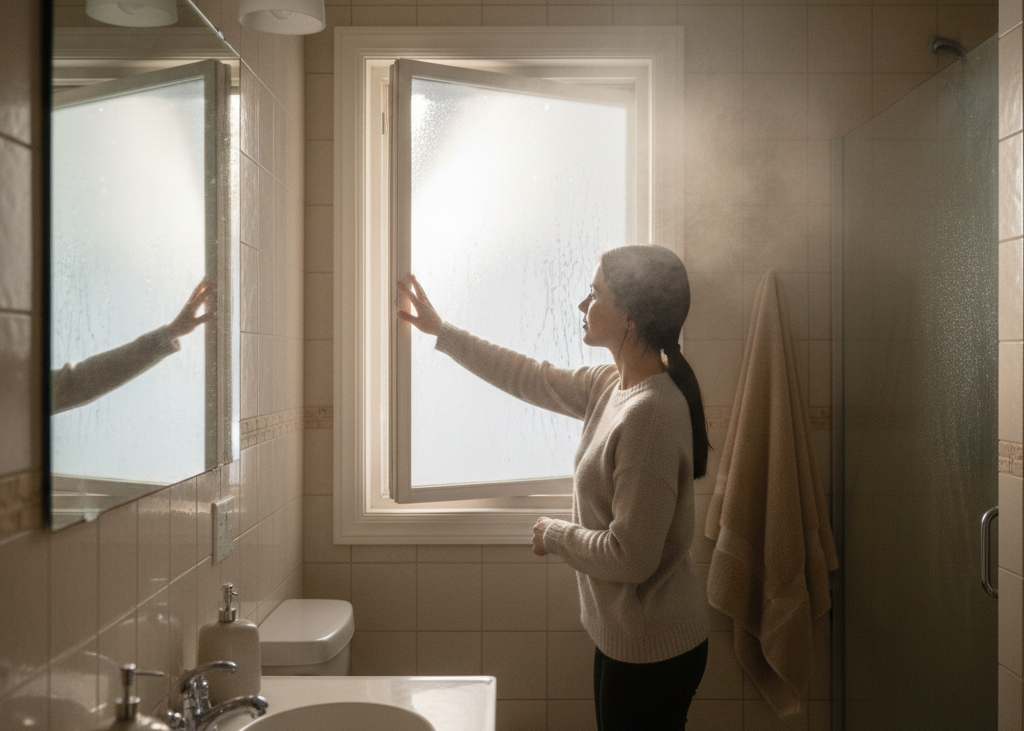
Steam from showers and cooking does not disappear on its own. When it lingers, it increases indoor humidity and creates the perfect environment for mold and mildew. These issues can quietly damage your air quality and trigger respiratory irritation.
After a shower or while cooking, take a moment to let steam escape. Turn on ventilation, open a nearby window briefly, or both. Wiping down wet surfaces afterward helps prevent moisture from sticking around. This habit takes very little time but plays a big role in keeping indoor air cleaner and healthier throughout winter.
Final Thoughts
Improving indoor air quality in winter does not have to be complicated, expensive, or time consuming. The biggest changes often come from small habits done consistently. Five minutes here and there adds up, especially during a season when we spend most of our time indoors.
These simple winter habits are not about perfection. They are about awareness and small actions that make everyday life more comfortable. Cleaner air can mean fewer headaches, less congestion, better sleep, and a home that simply feels better to live in. You do not need to do all seven at once. Start with one or two that fit easily into your routine and build from there.
Winter should be about comfort, not stuffy rooms and stale air. By taking a few minutes each day to care for the air inside your home, you are investing in your health, your comfort, and your overall well being. Breathe easier, stay warm, and enjoy the season knowing your home is working with you, not against you.
Leave a Reply