Grow a Thriving Vegetable Garden with These 10 Essential Tips
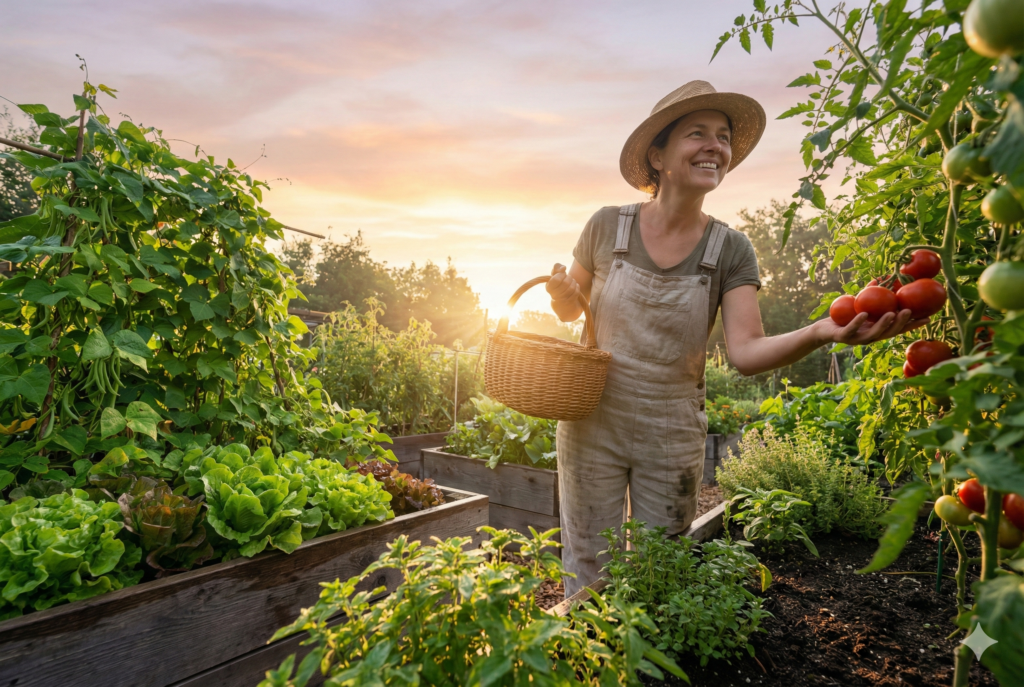
Have you ever imagined stepping outside to your backyard, plucking a ripe tomato straight from the vine, or harvesting crisp lettuce for a fresh salad? Starting a vegetable garden is more than a hobby; it is a journey that connects you with nature, teaches patience, and rewards you with fresh, healthy produce. Whether you live in a spacious yard or a small urban balcony, a vegetable garden is achievable with the right approach. Here are ten practical, beginner-friendly tips to help your garden flourish and turn your dreams of homegrown veggies into reality.
1. Choose the Right Spot for Your Garden
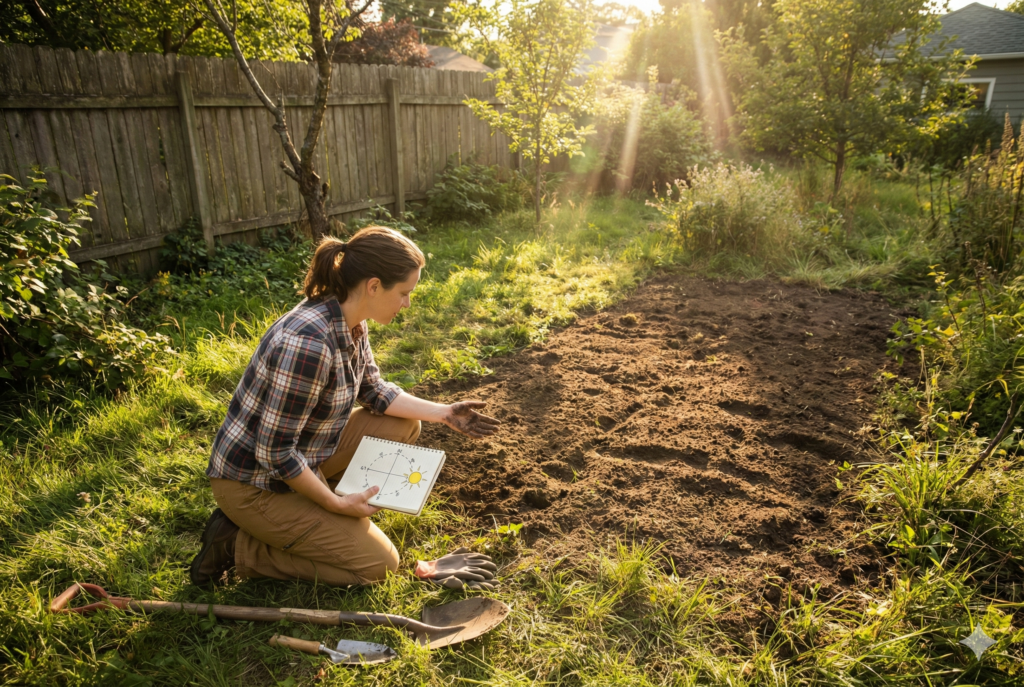
Location is everything when it comes to a thriving vegetable garden. Most vegetables need six to eight hours of sunlight each day to grow well. Pay attention to how the sun moves across your yard or balcony and pick a spot that receives consistent light. Good drainage is equally important because vegetables do not like soggy roots. If your chosen area tends to stay wet, raised beds or large containers filled with quality soil can solve the problem while keeping plants healthy.
2. Start with Easy-to-Grow Vegetables
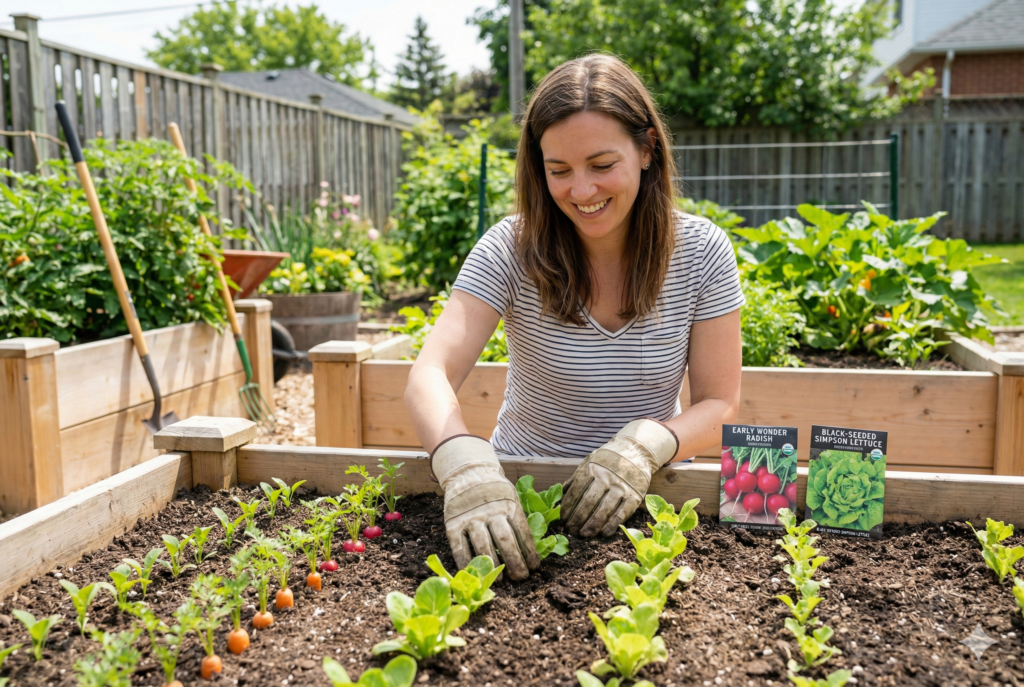
If you are new to gardening, begin with vegetables that are forgiving and grow quickly. Leafy greens such as lettuce and spinach, root vegetables like radishes and carrots, and legumes including peas and beans are great choices. These vegetables are generally low-maintenance and adaptable to different soil conditions. Starting with beginner-friendly crops helps build confidence and allows you to experience the joy of harvesting sooner rather than later.
3. Know Your Climate and Planting Schedule
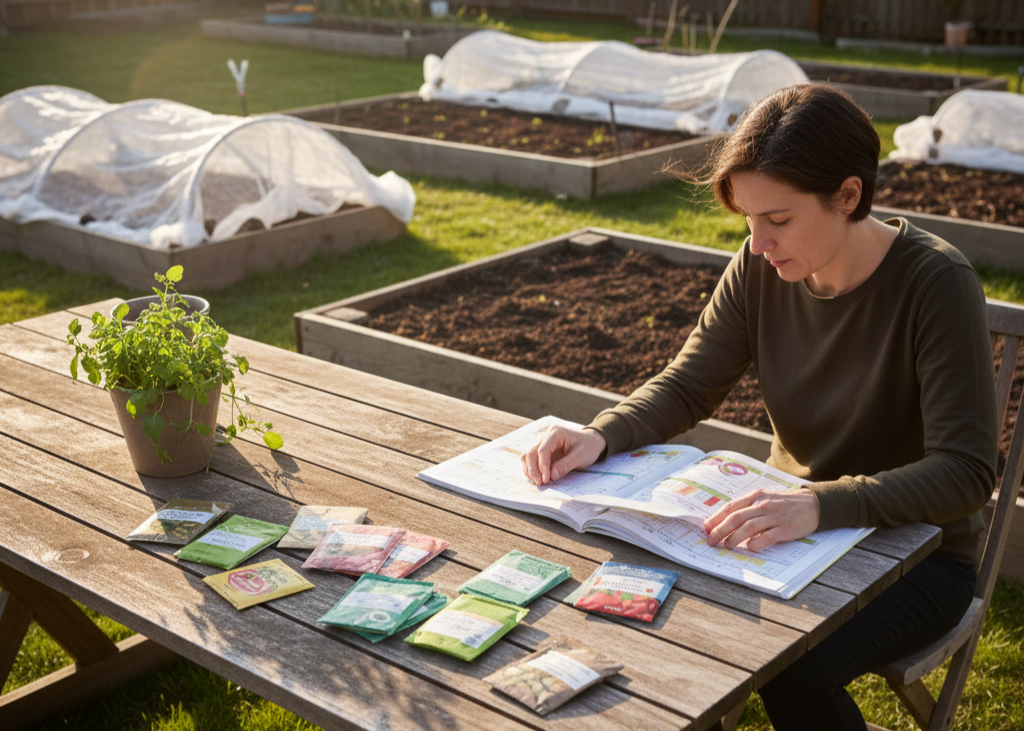
Understanding your local climate is key to timing your planting correctly. Warm-season vegetables such as tomatoes, peppers, and squash thrive after all risk of frost has passed. Cool-season vegetables such as lettuce, peas, and radishes can often be planted earlier in the season. Checking a local planting calendar or reading your seed packets will ensure you plant at the right time. Paying attention to seasonal timing prevents unnecessary setbacks and increases your chances of a successful harvest.
4. Prepare Your Soil for Healthy Growth
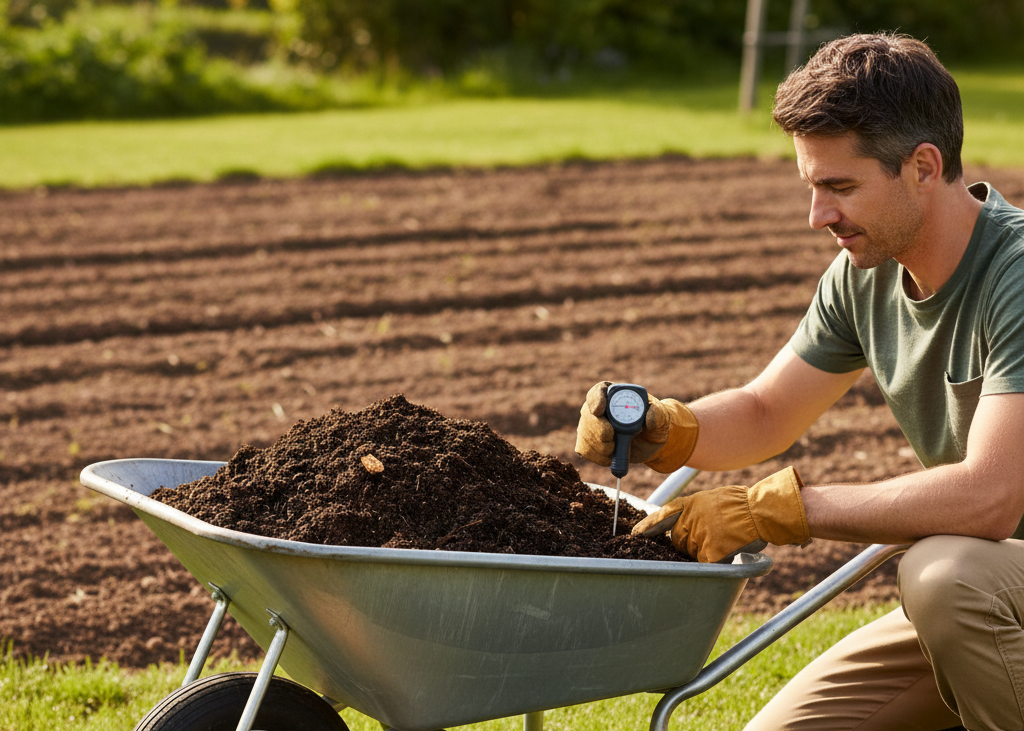
Healthy soil is the foundation of a productive garden. Start by testing your soil to check pH and nutrient levels, including nitrogen, phosphorous, and potassium. Most vegetables prefer slightly acidic to neutral soil with plenty of nutrients. Once you know what your soil needs, enrich it with organic matter such as compost or aged manure. This improves soil structure, enhances fertility, and encourages strong root growth. Well-prepared soil sets the stage for vibrant plants and plentiful vegetables.
5. Plan Your Garden Layout Thoughtfully
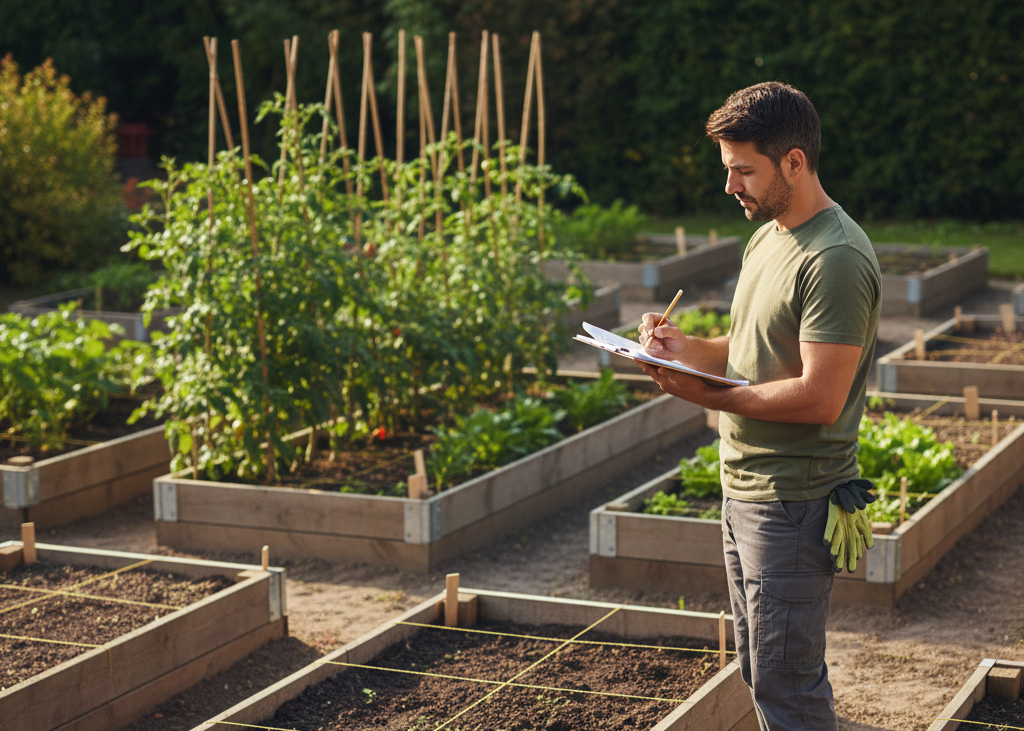
A well-planned garden layout helps your plants thrive and makes maintenance easier. Taller plants, such as tomatoes and corn, should be positioned so they do not shade shorter vegetables. Spacing is critical to prevent overcrowding and allow airflow, reducing the risk of disease. If your garden space is limited, consider compact planting methods such as square-foot gardening, vertical gardening, or raised beds. Thoughtful planning maximizes your yield while minimizing the effort needed to maintain the garden.
6. Water Deeply and Consistently
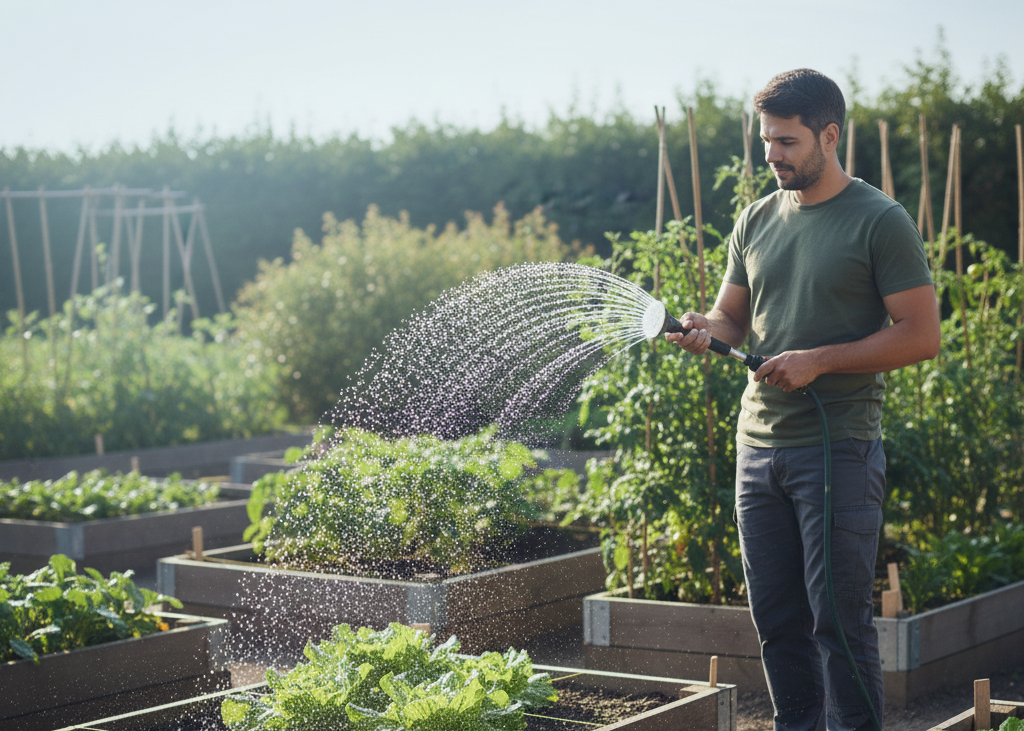
Watering is one of the most important aspects of gardening. Instead of frequent shallow watering, aim for deep, consistent watering that reaches several inches into the soil. Deep watering encourages roots to grow strong and healthy. The best time to water is in the morning when temperatures are cooler and evaporation is lower. Focus on watering the soil around the base of your plants rather than the leaves to reduce the risk of fungal diseases. Regular monitoring will ensure your plants stay hydrated without becoming waterlogged.
7. Use Mulch to Protect and Nourish
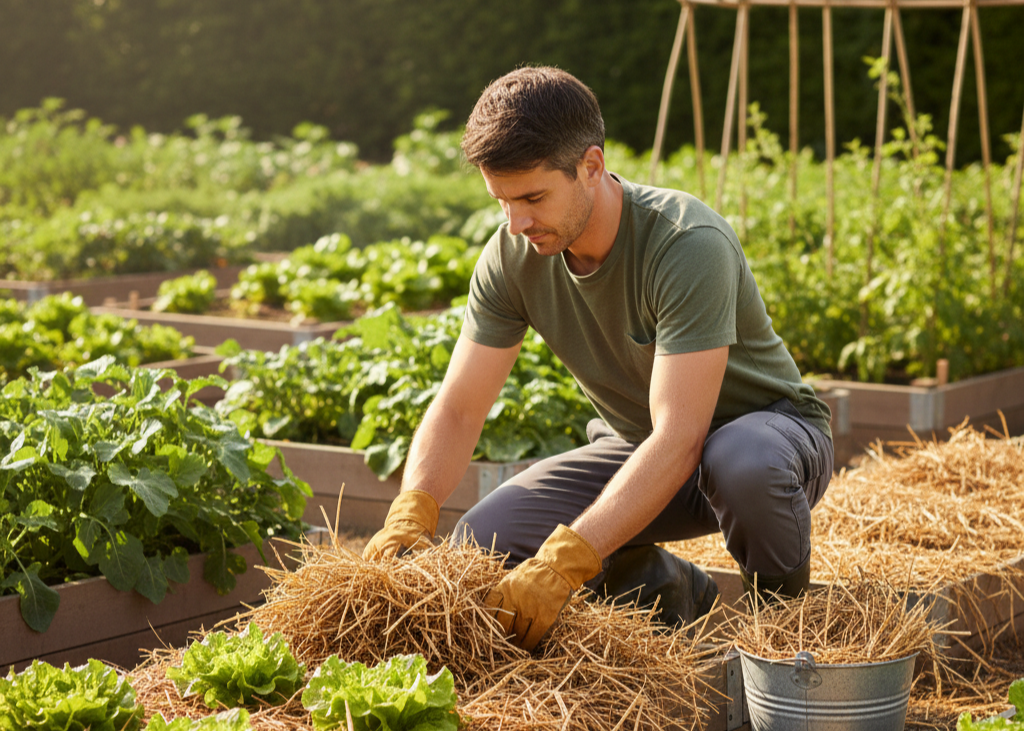
Mulch is a gardener’s secret weapon. A layer of straw, shredded leaves, or compost helps retain soil moisture, regulate temperature, and suppress weeds. Mulch also reduces the frequency of watering while protecting plant roots from extreme heat or cold. Apply mulch carefully, leaving a small gap around plant stems to prevent rot. Mulching not only benefits your plants but also reduces the effort required to maintain your garden.
8. Provide Shelter from Wind and Harsh Conditions
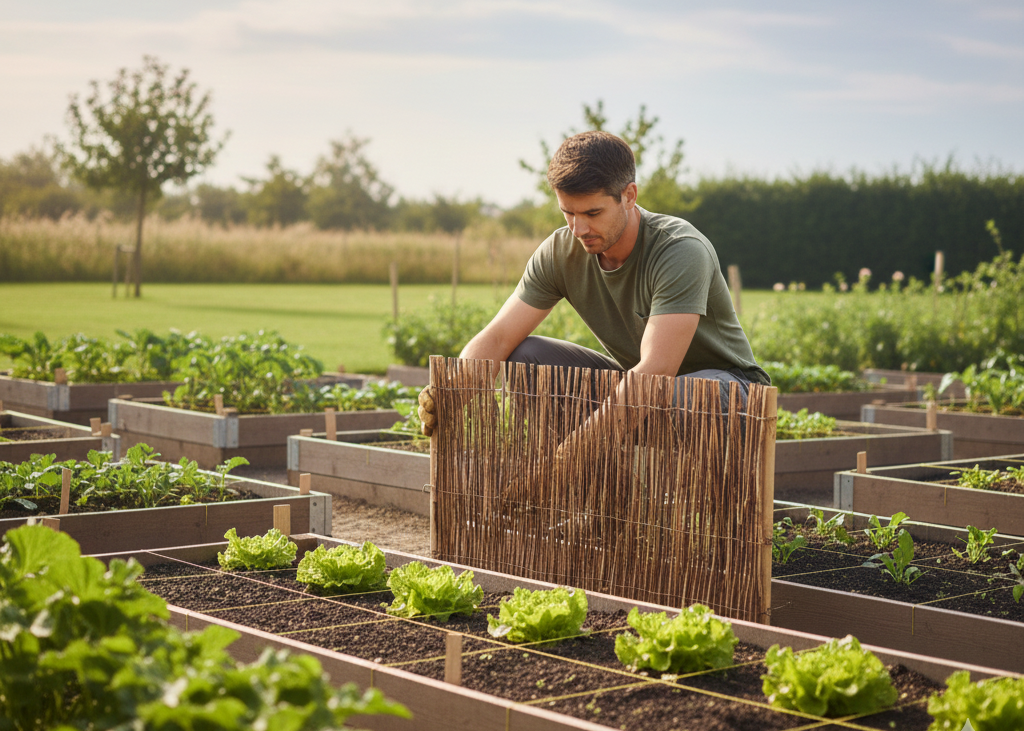
Strong winds can damage young plants, dry out soil, and interfere with pollination. Choose a location that is naturally sheltered or create a windbreak using fences, shrubs, or nearby structures. At the same time, avoid placing your garden in areas that are heavily shaded. Protecting your vegetables from harsh elements ensures they grow strong and productive. Simple measures to block wind can make a noticeable difference in plant health and yield.
9. Monitor Your Garden Regularly
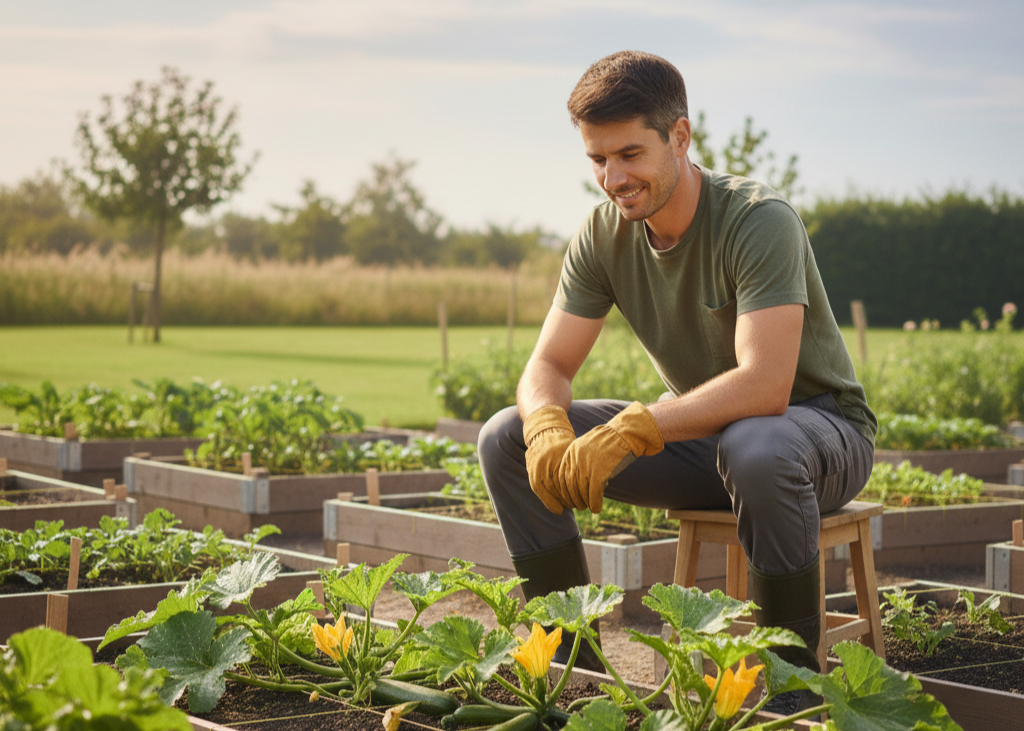
Keeping an eye on your garden is essential. Check plants frequently for pests such as aphids, caterpillars, and slugs, as well as diseases that may appear as spots or mold. Early intervention makes managing problems easier and prevents significant damage. Regularly remove weeds, which compete with your vegetables for nutrients, water, and sunlight. A well-maintained garden is a healthy garden, and consistent observation allows you to address issues before they become major problems.
10. Be Patient and Enjoy the Process
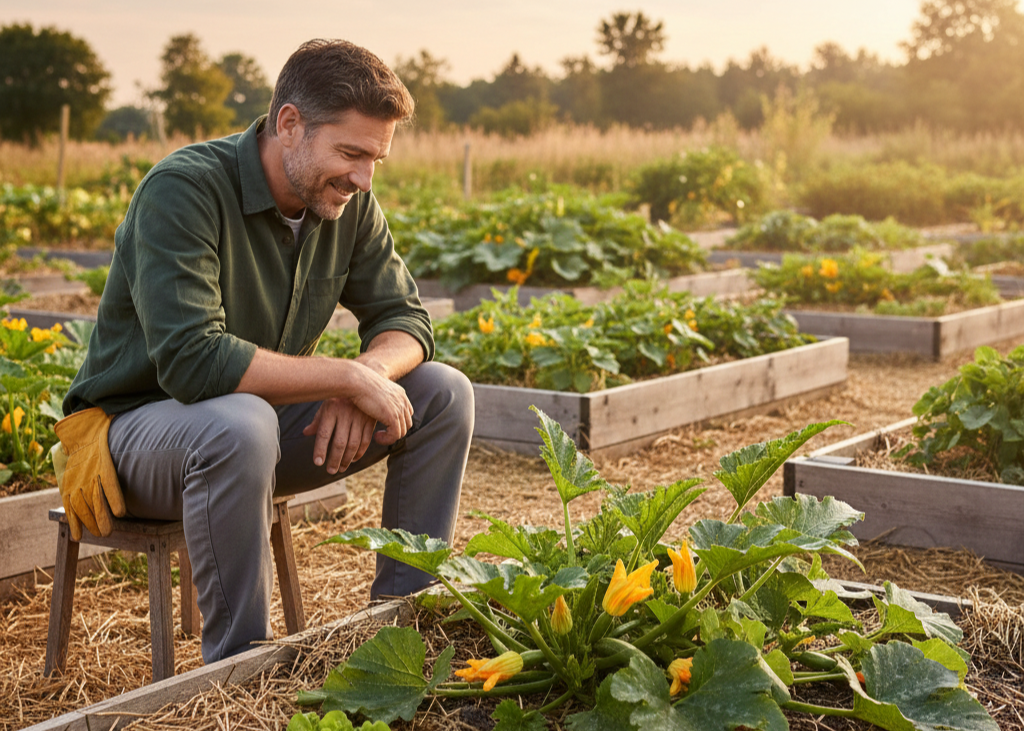
Gardening is a journey that rewards patience and observation. Even when you follow every tip perfectly, growth takes time. Roots develop, leaves spread, flowers bloom, and only then do vegetables form. Mistakes are part of the learning process, and each season provides new lessons. Celebrate small successes, whether it is the first sprout, the first flower, or the first harvest. Over time, you will develop a rhythm and confidence that makes gardening deeply satisfying.
Final Thoughts
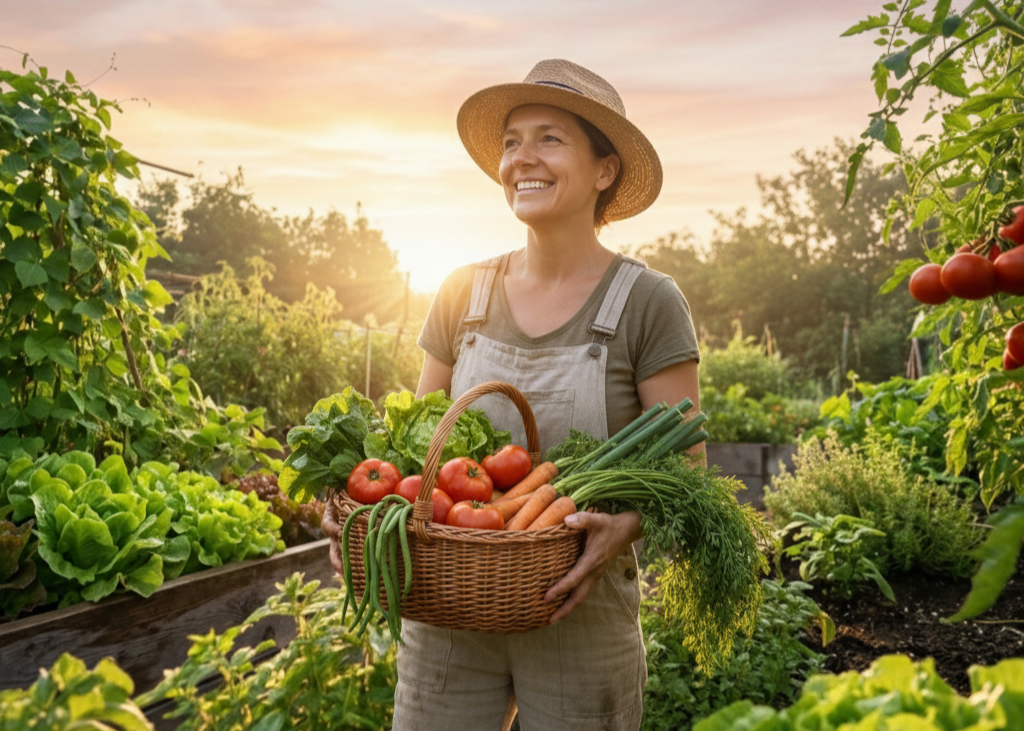
Starting a vegetable garden is more than planting seeds; it is an invitation to slow down, connect with nature, and cultivate your own food. By choosing a sunny spot, starting with easy vegetables, preparing your soil, watering thoughtfully, and monitoring your plants, you set the stage for a thriving garden. Add patience, curiosity, and a willingness to experiment, and you will discover that gardening is not just about the harvest — it is about the experience itself.
Every season teaches something new. Even if your first garden is not perfect, the lessons you learn will make the next one even better. Soon, you will enjoy the simple pleasure of picking fresh vegetables, tasting flavors that are unmatched by store-bought produce, and sharing your bounty with friends and family. Gardening is a rewarding journey that nourishes both your body and your spirit, and it all begins with a single seed and a little care.
Leave a Reply