Our Debt Free Family

Commit. Plan. Take action.

  • BUDGETING
  • DEBT REDUCTION
  • INVESTING
  • LIFESTYLE
  • TOOLS
  • ABOUT
  • Privacy Policy
  • CONTACT
You are here: Home / Food & Drink / 10 Vegetables That Are Dangerously Toxic If You Eat Them Raw
10 Vegetables That Are Dangerously Toxic If You Eat Them Raw

March 26, 2026 | Leave a Comment

10 Vegetables That Are Dangerously Toxic If You Eat Them Raw

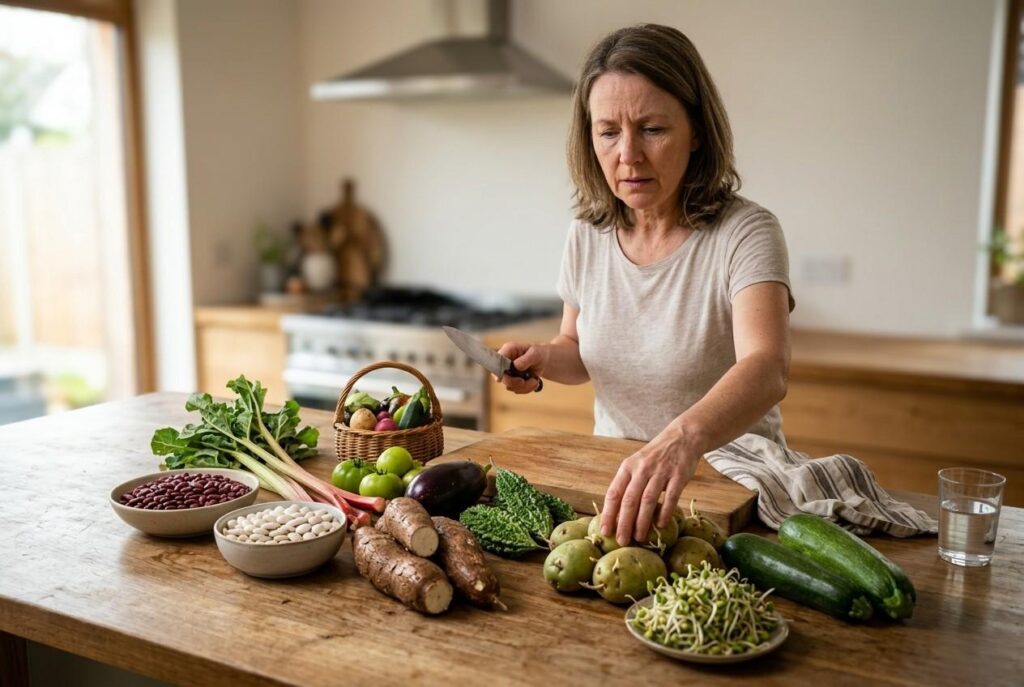
<p> When it comes to eating vegetables, many of us assume that raw is always better. Crunchy salads, fresh smoothies, and quick veggie snacks feel healthy and safe. But not all vegetables are as harmless as they look. Some contain natural compounds that are designed to protect the plant from pests but can make humans seriously sick if eaten raw. Yes, even something as innocent-looking as a potato or a bean could land you in the bathroom if not prepared correctly.

Understanding which vegetables can be toxic and how to handle them properly is more than just a fun kitchen fact. It is essential for keeping yourself and your family safe. In this list, we will explore ten common vegetables that can be dangerous when eaten raw, explain the risks, and show why cooking is not just a culinary choice but a safety measure. </p> :: Gemini

When it comes to eating vegetables, many of us assume that raw is always better. Crunchy salads, fresh smoothies, and quick veggie snacks feel healthy and safe. But not all vegetables are as harmless as they look. Some contain natural compounds that are designed to protect the plant from pests but can make humans seriously sick if eaten raw. Yes, even something as innocent-looking as a potato or a bean could land you in the bathroom if not prepared correctly.

Understanding which vegetables can be toxic and how to handle them properly is more than just a fun kitchen fact. It is essential for keeping yourself and your family safe. In this list, we will explore ten common vegetables that can be dangerous when eaten raw, explain the risks, and show why cooking is not just a culinary choice but a safety measure.

1. Red Kidney Beans
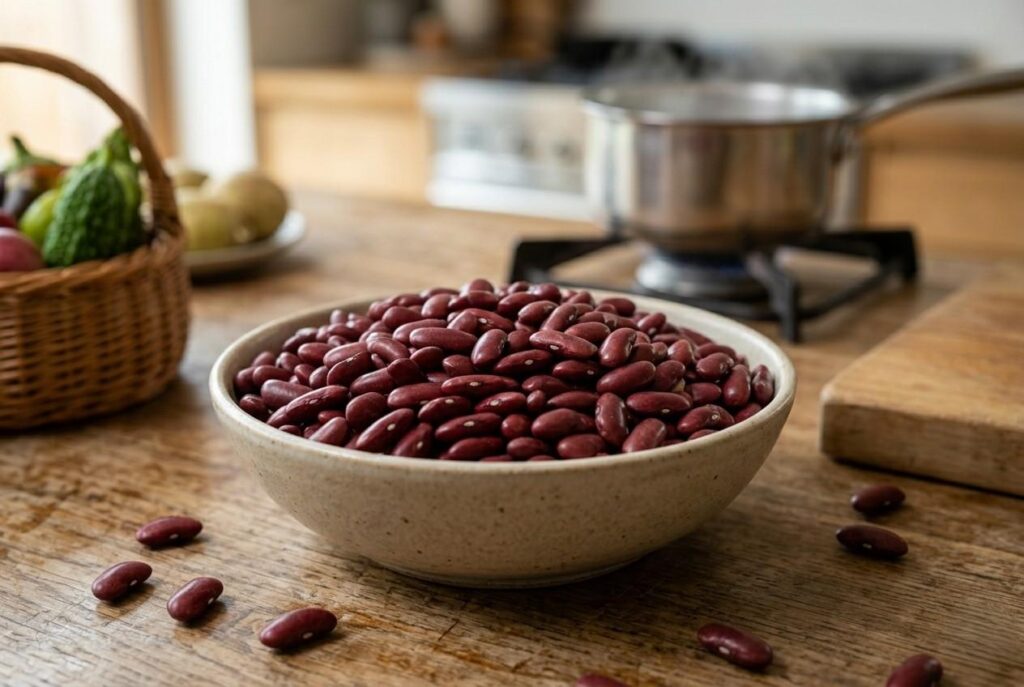
<p> Red kidney beans are a staple in chili, soups, and salads, but eating them raw can cause severe digestive distress. They contain a natural toxin called phytohaemagglutinin, which is a type of lectin. Just a handful of raw beans can trigger nausea, vomiting, and diarrhea within a few hours. The good news is that cooking kidney beans properly neutralizes this toxin. Always soak the beans for several hours and boil them for at least ten minutes to ensure they are safe to eat. Properly cooked beans are not only safe but packed with protein and fiber, making them a nutritional powerhouse. </p> :: Gemini

Red kidney beans are a staple in chili, soups, and salads, but eating them raw can cause severe digestive distress. They contain a natural toxin called phytohaemagglutinin, which is a type of lectin. Just a handful of raw beans can trigger nausea, vomiting, and diarrhea within a few hours. The good news is that cooking kidney beans properly neutralizes this toxin. Always soak the beans for several hours and boil them for at least ten minutes to ensure they are safe to eat. Properly cooked beans are not only safe but packed with protein and fiber, making them a nutritional powerhouse.

2. Cassava (Yuca or Manioc)
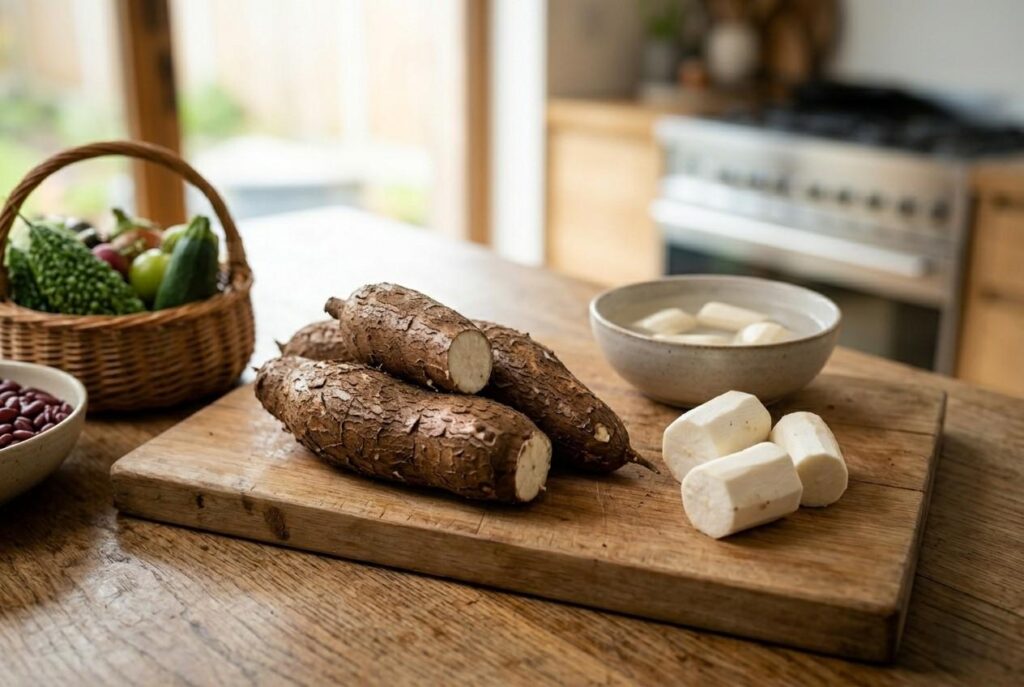
<p> Cassava is a starchy root that is widely used in Latin American, African, and Asian cuisines. It is delicious when boiled, baked, or fried, but raw cassava contains cyanogenic compounds that can release hydrogen cyanide in the body. Consuming raw or improperly prepared cassava can cause dizziness, vomiting, and in extreme cases, be fatal. To enjoy cassava safely, peel it, soak it in water, and cook it thoroughly. Once cooked, it becomes a versatile and safe ingredient for savory dishes and desserts alike. </p> :: Gemini

Cassava is a starchy root that is widely used in Latin American, African, and Asian cuisines. It is delicious when boiled, baked, or fried, but raw cassava contains cyanogenic compounds that can release hydrogen cyanide in the body. Consuming raw or improperly prepared cassava can cause dizziness, vomiting, and in extreme cases, be fatal. To enjoy cassava safely, peel it, soak it in water, and cook it thoroughly. Once cooked, it becomes a versatile and safe ingredient for savory dishes and desserts alike.

3. Lima Beans
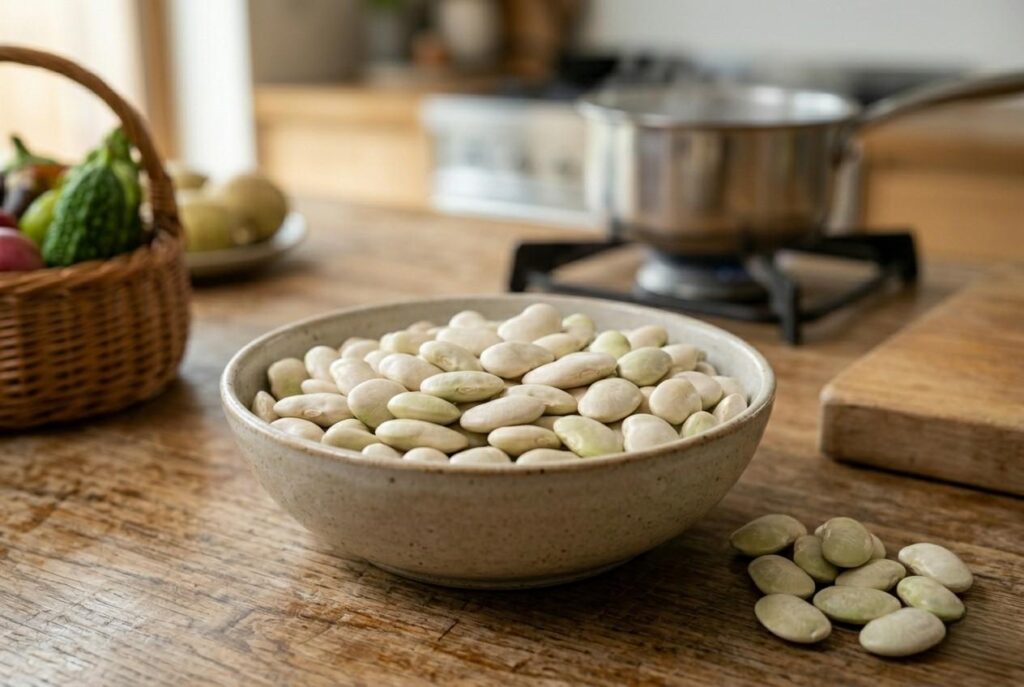
<p> Lima beans, also known as butter beans, are creamy and satisfying when cooked. However, raw lima beans contain a compound called linamarin, which can convert into hydrogen cyanide in the body. Eating them raw can cause stomach cramps, nausea, and other unpleasant symptoms. Boiling lima beans for at least ten minutes neutralizes the toxin, allowing you to enjoy them safely. They are excellent in soups, stews, or as a side dish, offering a rich source of protein and fiber without any risk. </p> :: Gemini

Lima beans, also known as butter beans, are creamy and satisfying when cooked. However, raw lima beans contain a compound called linamarin, which can convert into hydrogen cyanide in the body. Eating them raw can cause stomach cramps, nausea, and other unpleasant symptoms. Boiling lima beans for at least ten minutes neutralizes the toxin, allowing you to enjoy them safely. They are excellent in soups, stews, or as a side dish, offering a rich source of protein and fiber without any risk.

4. Rhubarb Leaves
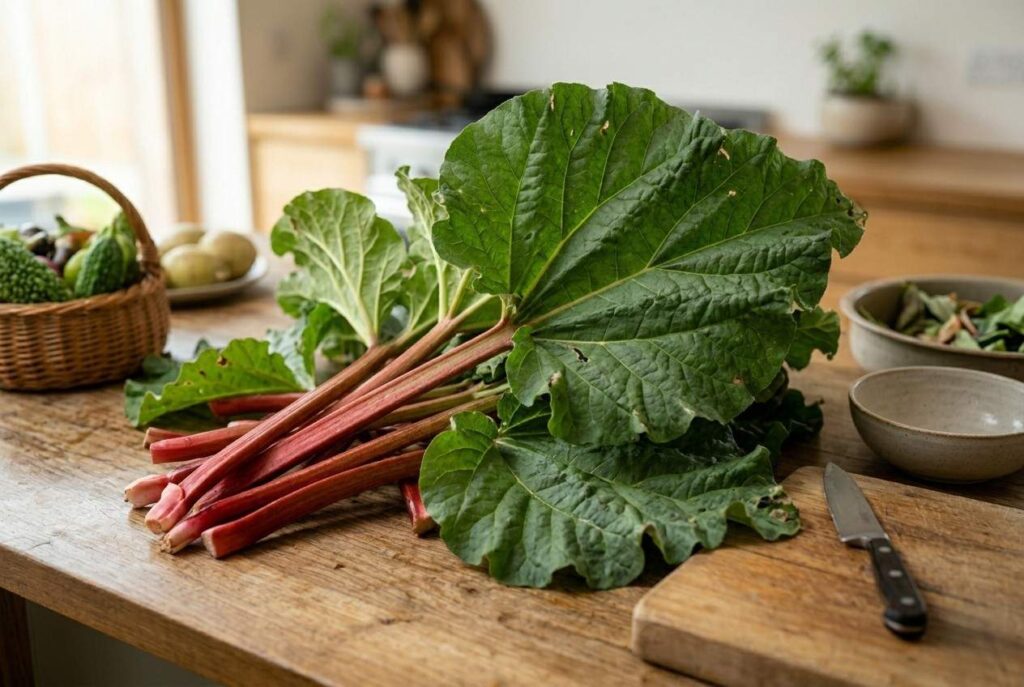
<p> Rhubarb is famous for its tart stalks in pies and jams, but the leaves are extremely toxic. Rhubarb leaves contain high levels of oxalic acid, which can cause kidney damage, digestive upset, and neurological symptoms if ingested. The stalks themselves are perfectly safe and delicious when cooked. Always remember to discard the leaves completely, and never use them as garnish or compost if children or pets might accidentally ingest them. Cooking rhubarb stalks brings out their natural sweetness and transforms them into a safe and tasty ingredient. </p> :: Gemini

Rhubarb is famous for its tart stalks in pies and jams, but the leaves are extremely toxic. Rhubarb leaves contain high levels of oxalic acid, which can cause kidney damage, digestive upset, and neurological symptoms if ingested. The stalks themselves are perfectly safe and delicious when cooked. Always remember to discard the leaves completely, and never use them as garnish or compost if children or pets might accidentally ingest them. Cooking rhubarb stalks brings out their natural sweetness and transforms them into a safe and tasty ingredient.

5. Potatoes, Especially Green or Sprouted Ones
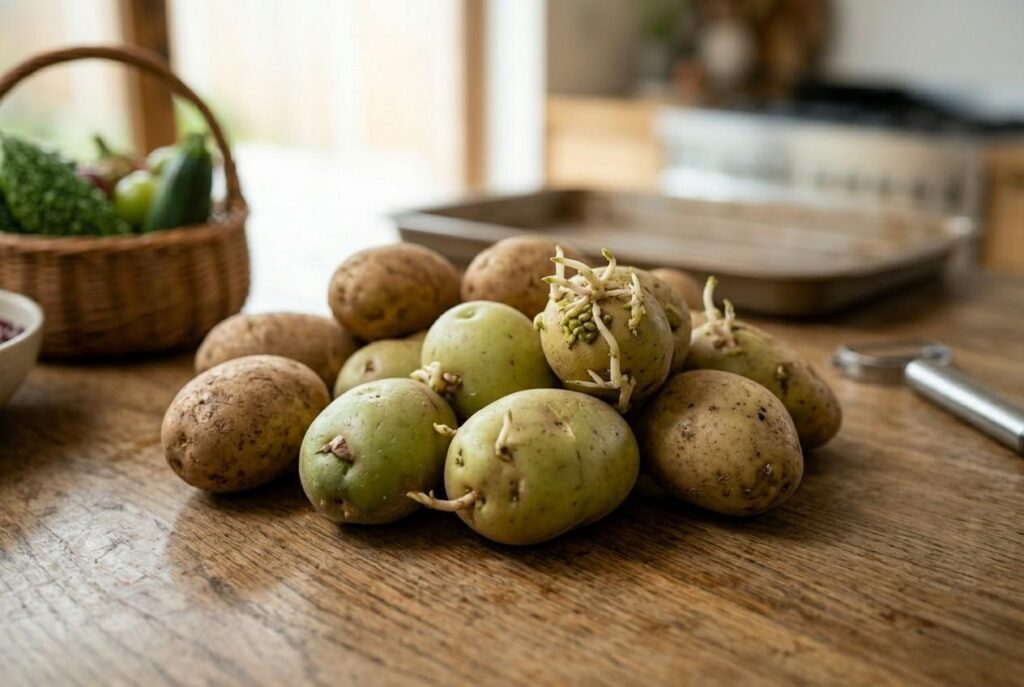
<p> Potatoes are a comfort food classic, but raw potatoes contain natural toxins called glycoalkaloids, including solanine. These compounds protect the potato from pests but can cause nausea, headaches, and digestive problems in humans. Green or sprouted potatoes have higher concentrations of these toxins. Cooking potatoes thoroughly, whether by boiling, roasting, or baking, destroys these compounds and makes them safe to eat. Potatoes are best enjoyed cooked, and removing any green spots or sprouts is essential for safety. </p> :: Gemini

Potatoes are a comfort food classic, but raw potatoes contain natural toxins called glycoalkaloids, including solanine. These compounds protect the potato from pests but can cause nausea, headaches, and digestive problems in humans. Green or sprouted potatoes have higher concentrations of these toxins. Cooking potatoes thoroughly, whether by boiling, roasting, or baking, destroys these compounds and makes them safe to eat. Potatoes are best enjoyed cooked, and removing any green spots or sprouts is essential for safety.

6. Unripe Green Tomatoes
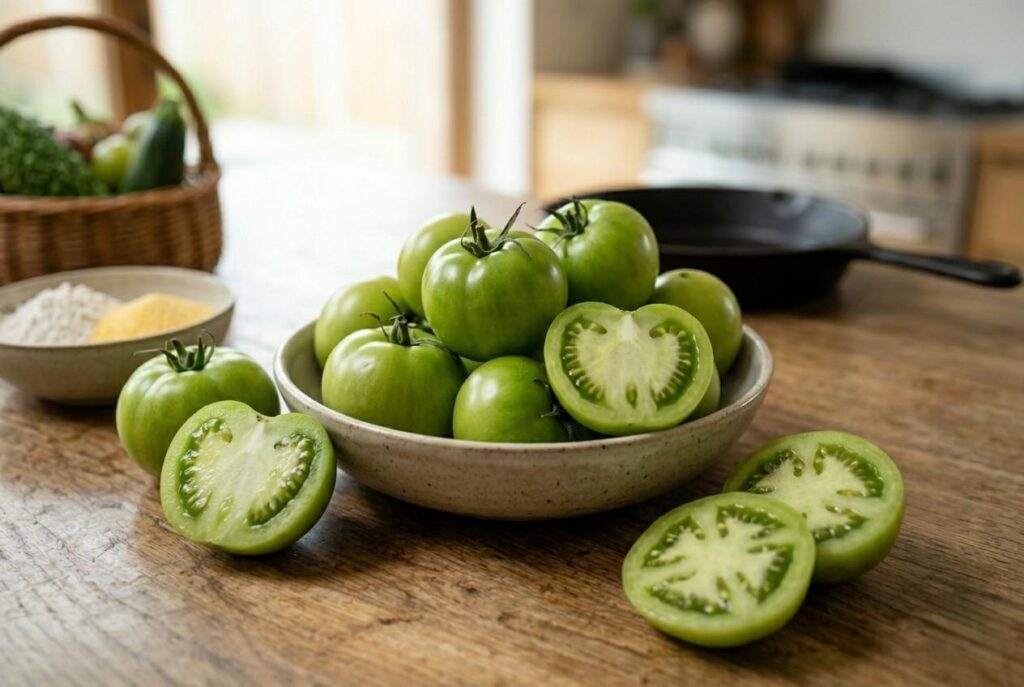
<p> Green tomatoes are a common sight in late summer gardens, and while they are often fried or pickled, eating them raw in large amounts can be risky. Unripe tomatoes contain solanine, the same natural toxin found in potatoes, which can irritate the digestive system. Cooking green tomatoes not only makes them safe but also enhances their flavor. Roasting, baking, or frying green tomatoes turns them into a delicious treat while neutralizing any potential toxins. </p> :: Gemini

Green tomatoes are a common sight in late summer gardens, and while they are often fried or pickled, eating them raw in large amounts can be risky. Unripe tomatoes contain solanine, the same natural toxin found in potatoes, which can irritate the digestive system. Cooking green tomatoes not only makes them safe but also enhances their flavor. Roasting, baking, or frying green tomatoes turns them into a delicious treat while neutralizing any potential toxins.

7. Eggplant
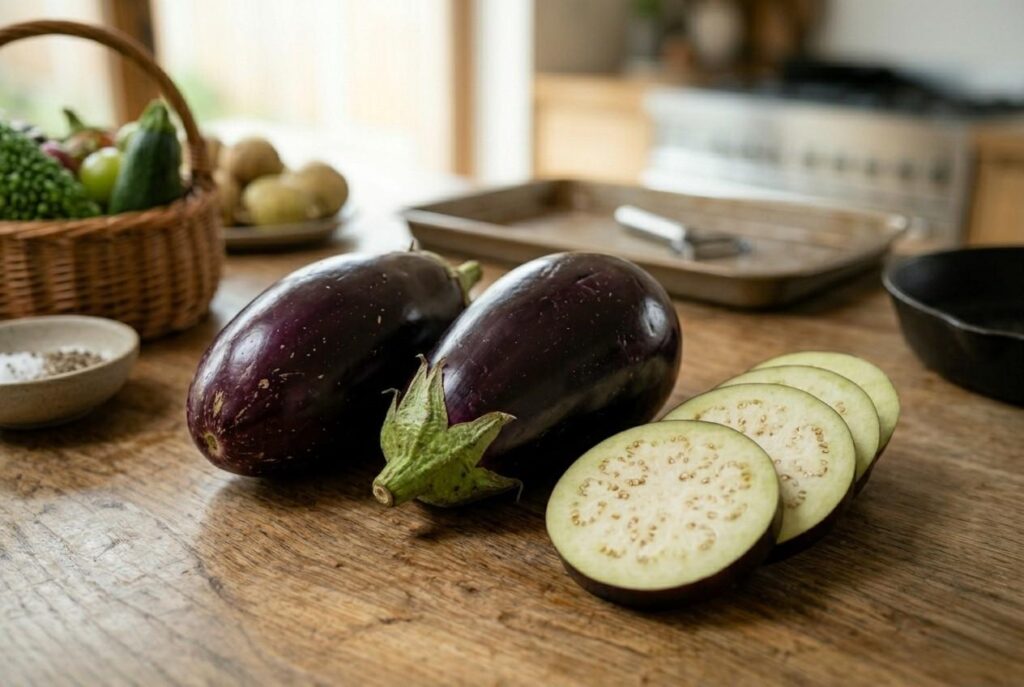
<p> Eggplant, or aubergine, is known for its rich, meaty texture, but eating it raw is not ideal. Raw eggplant contains solanine and similar compounds that can irritate the digestive system. Cooking eggplant thoroughly removes these compounds, making it safe to eat and much more palatable. Roasting, grilling, or sautéing eggplant brings out its natural sweetness and creates a tender, flavorful texture that is perfect for a wide variety of dishes. </p> :: Gemini

Eggplant, or aubergine, is known for its rich, meaty texture, but eating it raw is not ideal. Raw eggplant contains solanine and similar compounds that can irritate the digestive system. Cooking eggplant thoroughly removes these compounds, making it safe to eat and much more palatable. Roasting, grilling, or sautéing eggplant brings out its natural sweetness and creates a tender, flavorful texture that is perfect for a wide variety of dishes.

8. Certain Wild Mushrooms
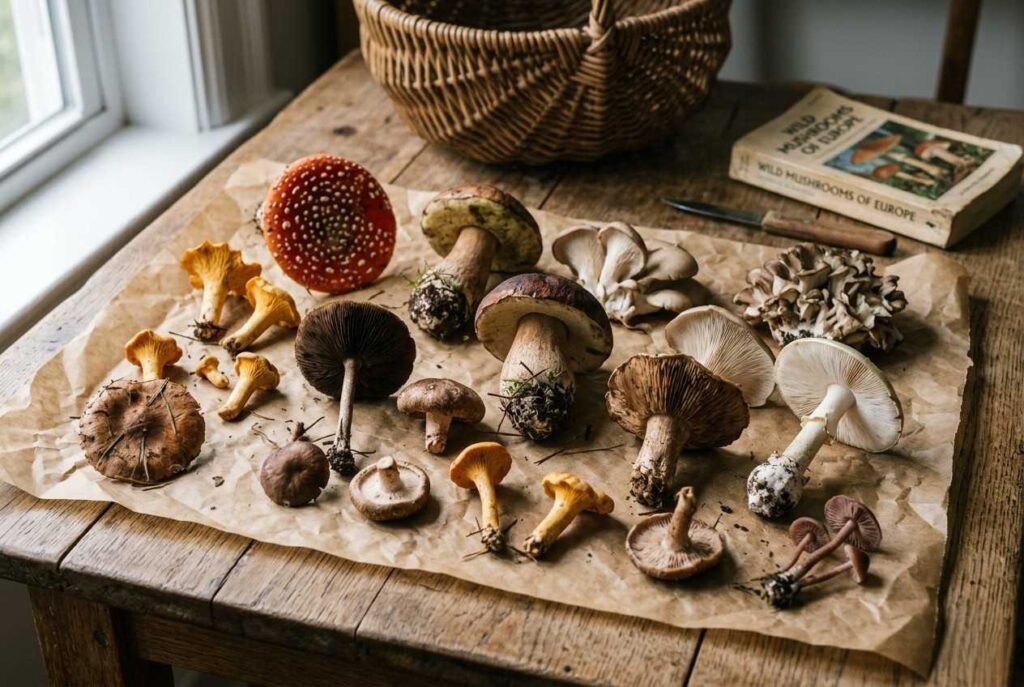
<p> While grocery store mushrooms are generally safe to eat raw, wild mushrooms are a completely different story. Some wild mushrooms are extremely toxic and can cause serious illness or even death if consumed. The death cap mushroom, for example, is one of the most poisonous mushrooms in the world. Unless you are an expert forager, it is best to avoid wild mushrooms altogether. Even store-bought mushrooms benefit from cooking, which improves digestibility and flavor while eliminating the risk of bacterial contamination. </p> :: Gemini

While grocery store mushrooms are generally safe to eat raw, wild mushrooms are a completely different story. Some wild mushrooms are extremely toxic and can cause serious illness or even death if consumed. The death cap mushroom, for example, is one of the most poisonous mushrooms in the world. Unless you are an expert forager, it is best to avoid wild mushrooms altogether. Even store-bought mushrooms benefit from cooking, which improves digestibility and flavor while eliminating the risk of bacterial contamination.

9. Bitter Gourds and Occasionally Zucchini
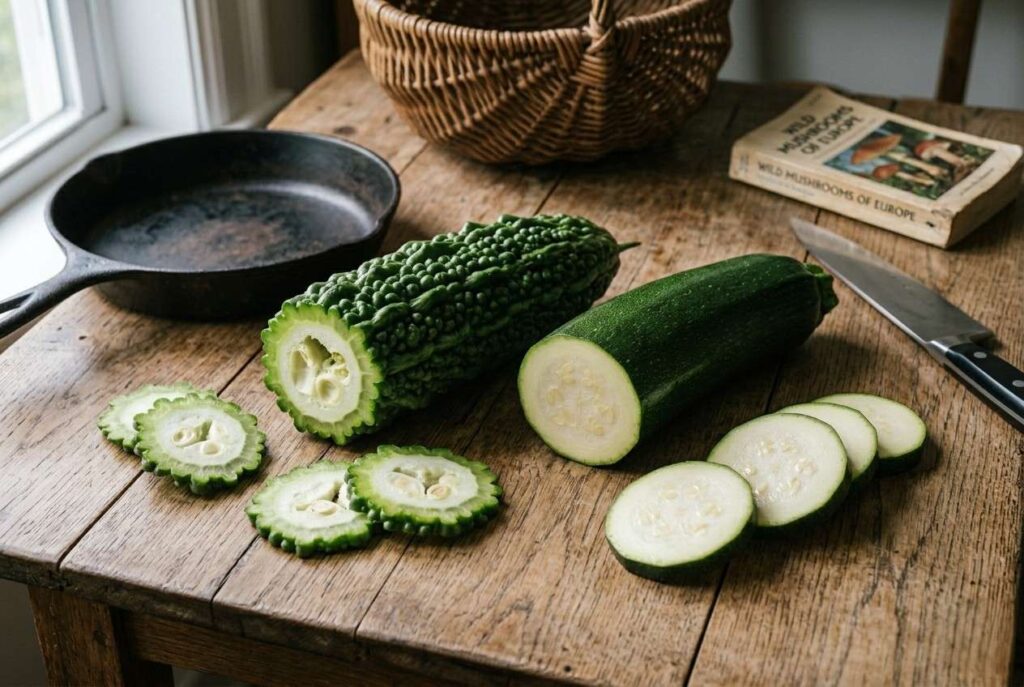
<p> Bitter gourds and sometimes zucchini can contain natural toxins called cucurbitacins. These compounds can cause vomiting, cramps, and diarrhea if consumed raw, especially when the vegetable tastes distinctly bitter. Cooking these vegetables not only neutralizes the toxins but also enhances their flavor. If a gourd or zucchini tastes unusually bitter, it is safest to discard it. Roasting, sautéing, or steaming these vegetables ensures they are both safe and delicious. </p> :: Gemini

Bitter gourds and sometimes zucchini can contain natural toxins called cucurbitacins. These compounds can cause vomiting, cramps, and diarrhea if consumed raw, especially when the vegetable tastes distinctly bitter. Cooking these vegetables not only neutralizes the toxins but also enhances their flavor. If a gourd or zucchini tastes unusually bitter, it is safest to discard it. Roasting, sautéing, or steaming these vegetables ensures they are both safe and delicious.

10. Sprouts Such as Alfalfa or Mung Bean
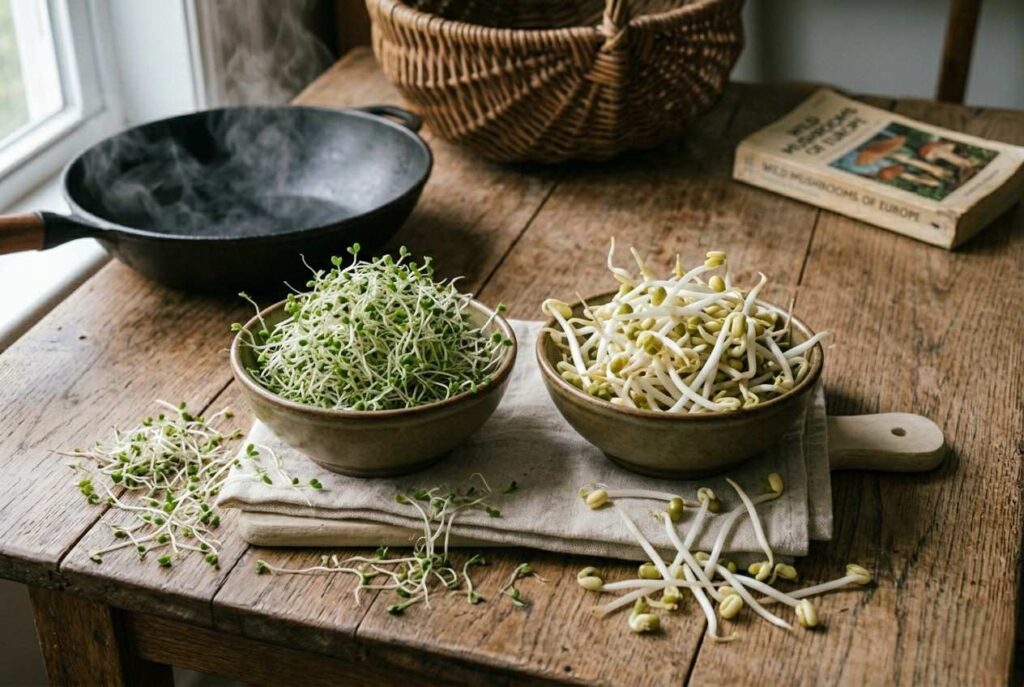
<p> Sprouts are often added to salads, sandwiches, and wraps for their fresh crunch, but they carry a hidden risk. Sprouts are grown in warm, humid conditions that are perfect for bacteria like Salmonella and E. coli. Eating them raw increases the risk of foodborne illness. Cooking sprouts thoroughly reduces this risk and makes them a safe addition to stir-fries, soups, and sautés. Even though sprouts are small, they require careful handling and proper cooking to ensure safety. </p> :: Gemini

Sprouts are often added to salads, sandwiches, and wraps for their fresh crunch, but they carry a hidden risk. Sprouts are grown in warm, humid conditions that are perfect for bacteria like Salmonella and E. coli. Eating them raw increases the risk of foodborne illness. Cooking sprouts thoroughly reduces this risk and makes them a safe addition to stir-fries, soups, and sautés. Even though sprouts are small, they require careful handling and proper cooking to ensure safety.

Final Thoughts

<p> Eating vegetables is an essential part of a healthy diet, but this list shows that not all vegetables are safe straight from the garden or grocery store. Nature has equipped many plants with chemical defenses, and while these compounds protect the plants, they can be harmful or even deadly to humans if not handled properly. Cooking, peeling, and soaking certain vegetables are simple steps that eliminate the risk and allow you to enjoy a wide range of flavors safely.

Remember, fresh and raw is not always synonymous with healthy or safe. Taking the time to prepare vegetables properly protects your health, enhances flavor, and allows you to enjoy a diverse, nutrient-rich diet without worry. Next time you reach for a bean, root, or leaf, think about the proper preparation method and let heat do its magic. Your taste buds and your stomach will thank you.

Safety and flavor go hand in hand, so embrace cooking as part of your journey to enjoy vegetables fully. Crunchy salads are wonderful, but knowing which vegetables need a little heat can make all the difference between a delicious meal and a trip to the bathroom. Keep your kitchen curious, your vegetables colorful, and your meals safe. </p> :: Gemini

Eating vegetables is an essential part of a healthy diet, but this list shows that not all vegetables are safe straight from the garden or grocery store. Nature has equipped many plants with chemical defenses, and while these compounds protect the plants, they can be harmful or even deadly to humans if not handled properly. Cooking, peeling, and soaking certain vegetables are simple steps that eliminate the risk and allow you to enjoy a wide range of flavors safely.

Remember, fresh and raw is not always synonymous with healthy or safe. Taking the time to prepare vegetables properly protects your health, enhances flavor, and allows you to enjoy a diverse, nutrient-rich diet without worry. Next time you reach for a bean, root, or leaf, think about the proper preparation method and let heat do its magic. Your taste buds and your stomach will thank you.

Safety and flavor go hand in hand, so embrace cooking as part of your journey to enjoy vegetables fully. Crunchy salads are wonderful, but knowing which vegetables need a little heat can make all the difference between a delicious meal and a trip to the bathroom. Keep your kitchen curious, your vegetables colorful, and your meals safe.

Filed Under: Food & Drink

Leave a Reply Cancel reply

Your email address will not be published. Required fields are marked *

  • Email
  • Facebook
  • Pinterest
  • Twitter

Our Most Popular Articles

ClickCashGo Review: Should You Avoid At All Costs?

Ultimate Guide to Mastering Your Credit Score

The 'YOLO' Mindset is a Dangerous Thing

Dave Ramsey's Financial Peace University Review: Is it Worth the Money?

Cash App Glitch 2025: Is the Free Money Glitch Real?

Five Steps To Debt Freedom

Here are five simple guidlines that will help you pay off debt.  

1) Get an emergency fund so you don’t take on debt when something comes up.

2) List your debts. This way you know where you stand.

3) Use the debt snowball. Pay your debts from smallest to largest, or most expensive to least expensive.

4) Avoid new debt. No new credit cards or loans. Period.

5) Go all cash. After everything is paid off, switch to all cash.

Helpful Resources

U of Tennesse Debt Repayment Plan Basics

Vertex 42's Debt Payoff Calculator

Savingadvice's Helpful Debt Forums

Jackie Becks Debt Blog