Why Your Transmission Sometimes Defies Even the Best Mechanics
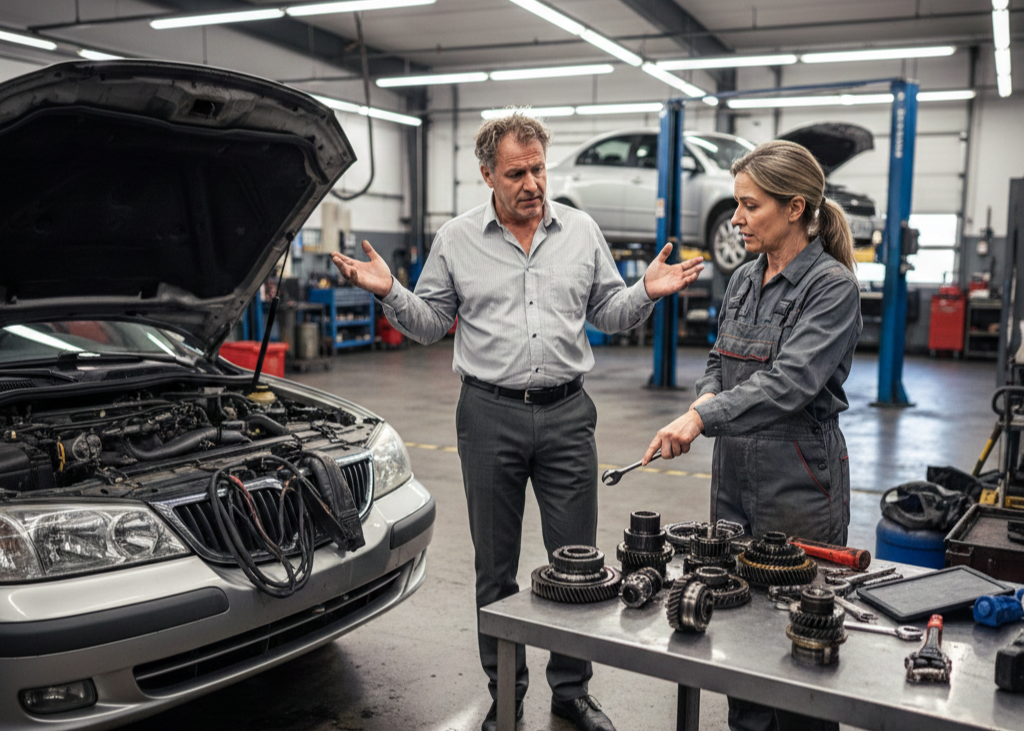
Few experiences are more frustrating than dropping your car off at a trusted mechanic only to find that your transmission is still acting up after the repair. You might leave the shop feeling hopeful, only to discover that your car is still hesitant to shift smoothly, makes unusual noises, or even refuses to move at all. Transmissions are notoriously complex, and even the most skilled mechanics sometimes run into problems that are nearly impossible to fix completely. Understanding why this happens can save you money, frustration, and a lot of unnecessary stress.
In this article, we explore ten reasons why your transmission may resist repair. We will look at everything from mechanical damage to electronics, driving habits, and maintenance history. By the end, you’ll have a clearer picture of why some transmissions seem impossible to fix and how to take smarter steps for your vehicle’s health.
1. Internal Damage Has Advanced Too Far
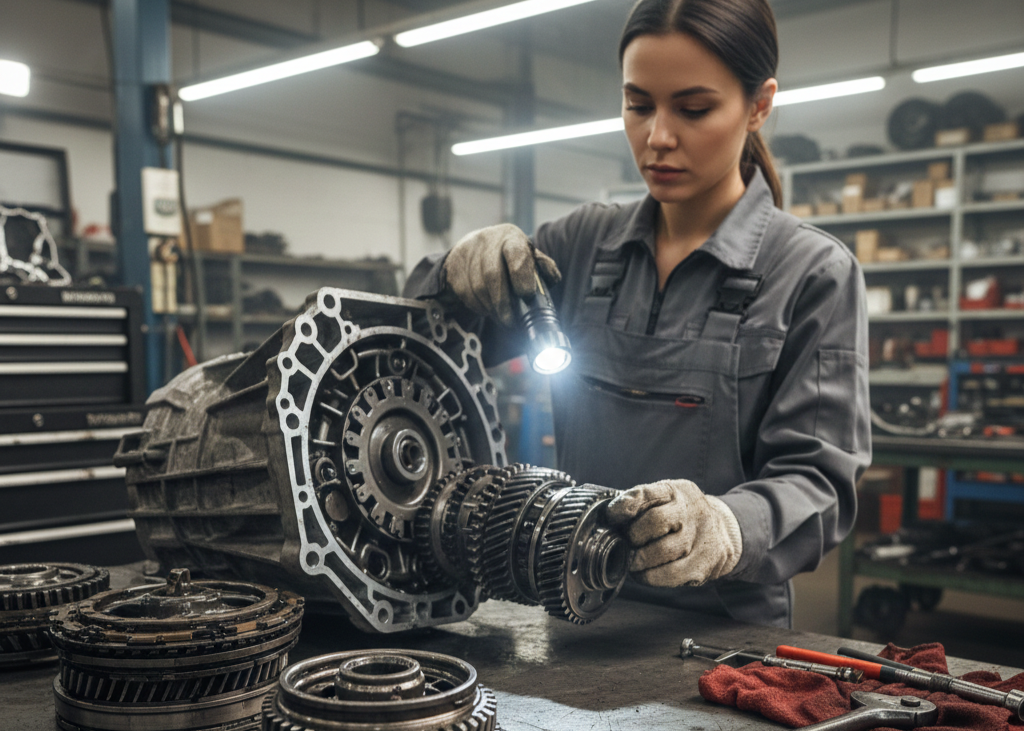
Transmissions are full of intricate components such as gears, bearings, clutch packs, seals, and valve bodies. These parts work together with extreme precision, and once they start to wear, they can trigger a cascade of issues. If a gear tooth is slightly worn, a bearing begins to fail, or a clutch pack starts slipping, repairing just one part may not restore the transmission’s full functionality.
For example, a worn clutch pack in an automatic transmission might cause the car to hesitate or jerk when shifting. Even after a mechanic replaces the clutch, other internal parts that have been weakened over time may fail soon after. In high-mileage vehicles, internal damage may be so advanced that the only long-term solution is a full transmission rebuild or replacement. Think of it like trying to patch a roof with multiple holes in different places; sometimes you need to replace the entire roof to truly fix the problem.
2. Transmission Fluid Problems Are Often Underestimated

Transmission fluid is more than just a lubricant. It cools internal components, maintains hydraulic pressure, and allows smooth power transfer from the engine to the wheels. Problems arise when the fluid becomes contaminated, breaks down due to heat, or is not maintained regularly. Old, burnt, or dirty fluid can cause serious damage that is difficult to reverse.
Even if a mechanic drains and replaces the fluid, the transmission may already have sustained damage to its internal components, such as worn bearings or burnt clutch material. Regular fluid maintenance is critical, and skipping it even once can set the stage for long-term problems. Imagine trying to cook a delicate recipe in a burnt pan; no matter how perfect the ingredients, the results will be affected. Similarly, neglected transmission fluid can leave a lasting impact that a simple repair cannot undo.
3. Torque Converter Issues Can Hide Deeper Problems

For automatic vehicles, the torque converter is a crucial part of the transmission system. It transfers engine power to the transmission and allows the car to come to a stop without stalling. When the torque converter develops internal problems, it can create symptoms that mimic other transmission failures, such as slipping, shuddering, or overheating.
Even after a skilled mechanic repairs or replaces parts of the transmission, a faulty torque converter can cause recurring issues. Minor installation errors or alignment problems can have major consequences. Drivers often describe it as “the car feels fixed for a week, and then it’s jerking again.” This is why torque converter issues are often overlooked or misdiagnosed, even by experienced professionals.
4. Modern Electronics Introduce New Challenges

Today’s automatic transmissions rely heavily on sensors, solenoids, and control modules. These electronic components control when and how the transmission shifts, and a single malfunction can lead to erratic or unexpected behavior. Even a minor glitch in a sensor or module can cause delays in shifting, slipping, or irregular gear engagement.
Mechanics may inspect and replace mechanical components while overlooking electronic issues. Diagnosing electrical problems often requires specialized diagnostic tools, and intermittent faults can make it extremely challenging to identify the root cause. For car owners, this means that even after a “successful” repair, the transmission may continue to behave unpredictably until the electronic issue is resolved.
5. Leaky Seals and Gaskets Can Reappear

Seals and gaskets play a critical role in a transmission. They maintain hydraulic pressure, prevent contamination, and keep transmission fluid contained. Over time, heat cycles, vibrations, and wear can degrade these components, leading to fluid leaks.
Replacing seals or gaskets is a standard part of transmission repair, but leaks can recur if the underlying cause, such as warped housing or improper torque on bolts, is not addressed. Even a small leak can be dangerous because low fluid levels can quickly lead to slipping, overheating, and accelerated wear on internal parts. This is one of the most common reasons why a repaired transmission may fail again soon after leaving the shop.
6. Overheating Accelerates Wear

Heat is a transmission’s worst enemy. Excessive heat can thin the fluid, warp metal components, damage seals, and accelerate internal wear. Heavy towing, stop-and-go traffic, or driving in hot climates can push a transmission beyond safe operating temperatures.
Even after repairs, if the vehicle continues to experience high heat conditions, the transmission may degrade again quickly. For example, a transmission rebuilt to perfect specifications can start slipping again if used to tow heavy trailers up steep hills without proper cooling. Preventive measures, such as installing an auxiliary cooler or using high-quality fluid, can make a difference, but excessive heat remains one of the most challenging factors to control.
7. Past Repairs or Maintenance Mistakes Leave a Lasting Impact
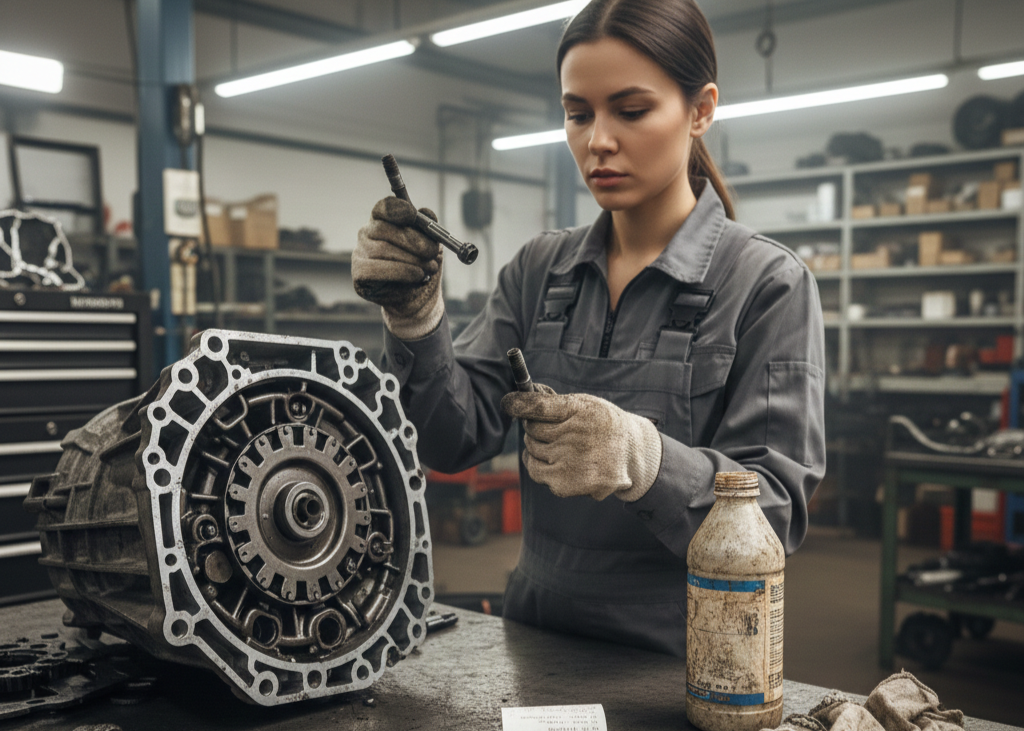
Even skilled mechanics can be challenged by previous errors or neglect. Using the wrong type of fluid, installing parts incorrectly, or skipping routine maintenance can all contribute to recurring transmission problems. Many drivers assume transmissions are “sealed for life,” but this is a misconception. Regular inspections and fluid changes are critical to preventing long-term issues.
Think of a transmission as a delicate clock. Even if one cog is replaced, if other parts are worn or were installed incorrectly in the past, the entire mechanism can malfunction. Mechanics often find themselves troubleshooting problems that began years ago, long before the current repair.
8. Driving Habits Affect Transmission Health

Your transmission’s longevity is closely tied to how you drive. Hard starts, aggressive shifting, towing beyond recommended limits, and riding the clutch place significant stress on the system. Even the most carefully repaired transmission can wear out prematurely if subjected to poor driving habits.
For example, drivers who frequently stop and start in traffic or tow heavy loads without adequate cooling can accelerate wear on clutch packs, bearings, and torque converters. Smooth and moderate driving is often overlooked as a factor in transmission health, but it is one of the most effective ways to prevent recurring problems.
9. Some Problems Are Subtle and Hard to Detect

Modern transmissions are incredibly complex, and some issues are nearly invisible until they escalate. Early symptoms like a slight delay in shifting, faint whining, or occasional slipping are easy to miss during routine inspections. By the time a problem is obvious, internal damage may already be significant.
Mechanics diagnose problems based on what they can measure and observe. Intermittent issues or microscopic wear can escape detection, resulting in recurring problems after a repair. Patience, careful observation, and routine checks can help catch subtle issues before they turn into costly failures.
10. Rebuilding or Replacing May Be the Only Option
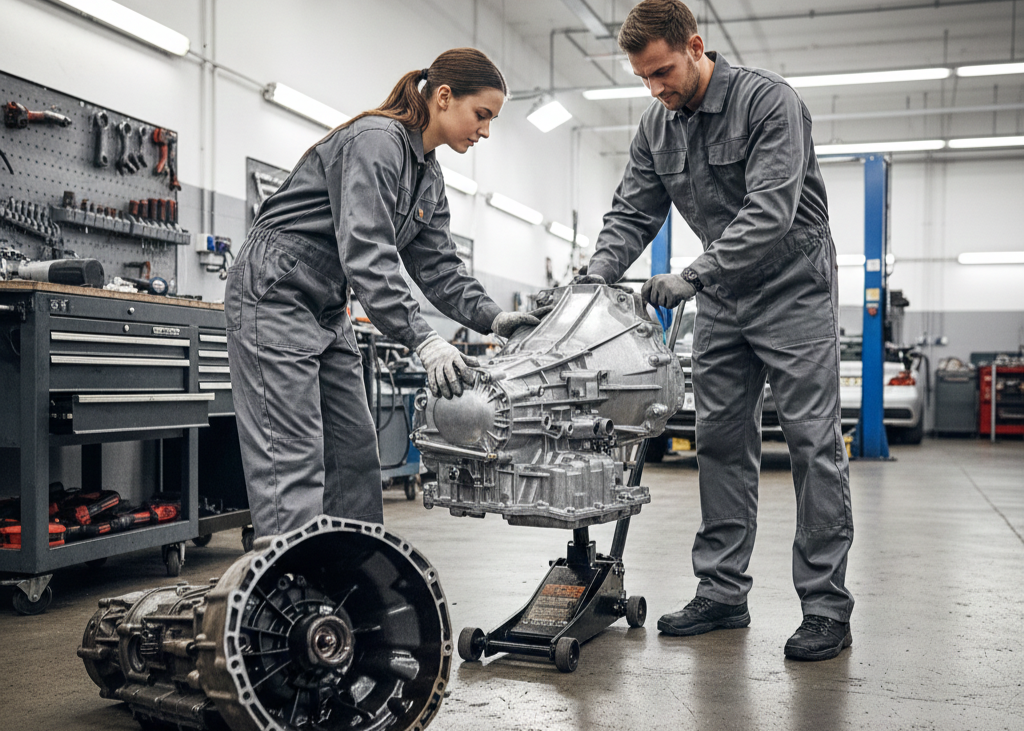
Sometimes, even the best repair cannot solve the problem because the damage is too widespread. Older vehicles with high mileage may have multiple components nearing the end of their useful life. A repaired transmission may only offer a temporary solution, and repeated failures are common.
At this point, a full rebuild or replacement is often the most practical choice. While expensive, this approach addresses systemic issues and gives the vehicle a fresh start. In some cases, replacing the transmission or even the entire vehicle is the smartest long-term decision, saving time, money, and frustration in the long run.
Final Thoughts

Transmissions are among the most intricate parts of a car, with thousands of moving components working in harmony under heat, friction, and pressure. When a transmission fails, it is rarely due to a single problem. Instead, issues often cascade from worn or damaged components, electronic faults, poor maintenance, or driving habits.
Even the best mechanics can only address what is visible and measurable. Some problems, like internal wear, microscopic damage, or intermittent electronic failures, may be beyond repair. Understanding why your transmission resists repair allows you to make smarter decisions about maintenance, driving, and long-term care.
If your transmission continues to give trouble after a repair, consider these questions: Is the problem isolated or systemic? How much wear does the vehicle have overall? Are your driving habits contributing to the problem? In some cases, repairs are worth it, but in others, a replacement or new vehicle may be the most practical solution.
A transmission is only as strong as its weakest component. Mechanics can do their best, but physics, wear, and time sometimes dictate the outcome. Knowledge, preventive care, and realistic expectations are your best tools for keeping your vehicle running smoothly and avoiding frustrating surprises. Remember, a well-maintained transmission can last hundreds of thousands of miles, but even the strongest system requires attention and respect.
Leave a Reply