Our Debt Free Family

Commit. Plan. Take action.

  • BUDGETING
  • DEBT REDUCTION
  • INVESTING
  • LIFESTYLE
  • TOOLS
  • ABOUT
  • Privacy Policy
  • CONTACT
You are here: Home / Autos / 10 Crucial Things You Must Inspect Before Buying a Used Car
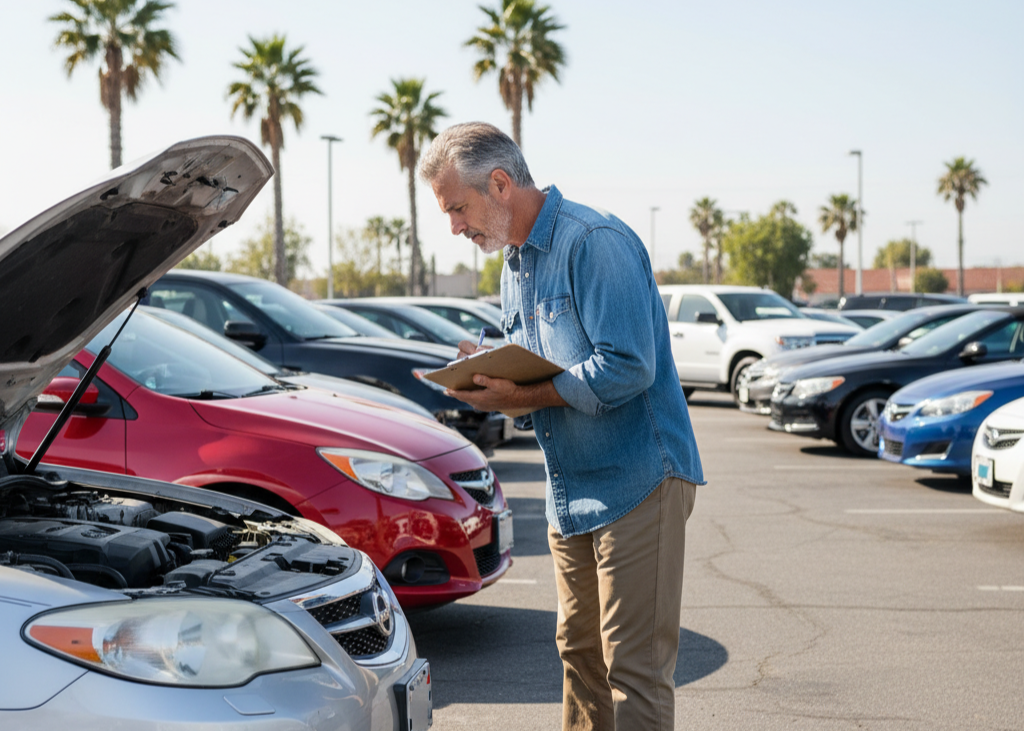
10 Crucial Things You Must Inspect Before Buying a Used Car

November 18, 2025 | Leave a Comment

10 Crucial Things You Must Inspect Before Buying a Used Car

<p> Buying a used car can feel exciting and stressful at the same time. The idea of getting a great vehicle at a better price than a brand-new one is appealing, but the fear of hidden problems can make even the most confident buyers hesitate. Unlike buying new, used cars come with their own history and quirks. A seemingly perfect car can hide costly surprises if you do not know what to look for. Spending a little extra time inspecting the car now can save you hundreds or even thousands of dollars later.

Here is a practical guide to the most important areas to inspect before committing to a used car purchase. This list is designed for everyday drivers, whether you are buying from a dealer or a private seller in the United States. Follow this checklist, and you will feel more confident that your next car is a smart investment. </p> :: Gemini

Buying a used car can feel exciting and stressful at the same time. The idea of getting a great vehicle at a better price than a brand-new one is appealing, but the fear of hidden problems can make even the most confident buyers hesitate. Unlike buying new, used cars come with their own history and quirks. A seemingly perfect car can hide costly surprises if you do not know what to look for. Spending a little extra time inspecting the car now can save you hundreds or even thousands of dollars later.

Here is a practical guide to the most important areas to inspect before committing to a used car purchase. This list is designed for everyday drivers, whether you are buying from a dealer or a private seller in the United States. Follow this checklist, and you will feel more confident that your next car is a smart investment.

1. Check the Vehicle History and Title Status
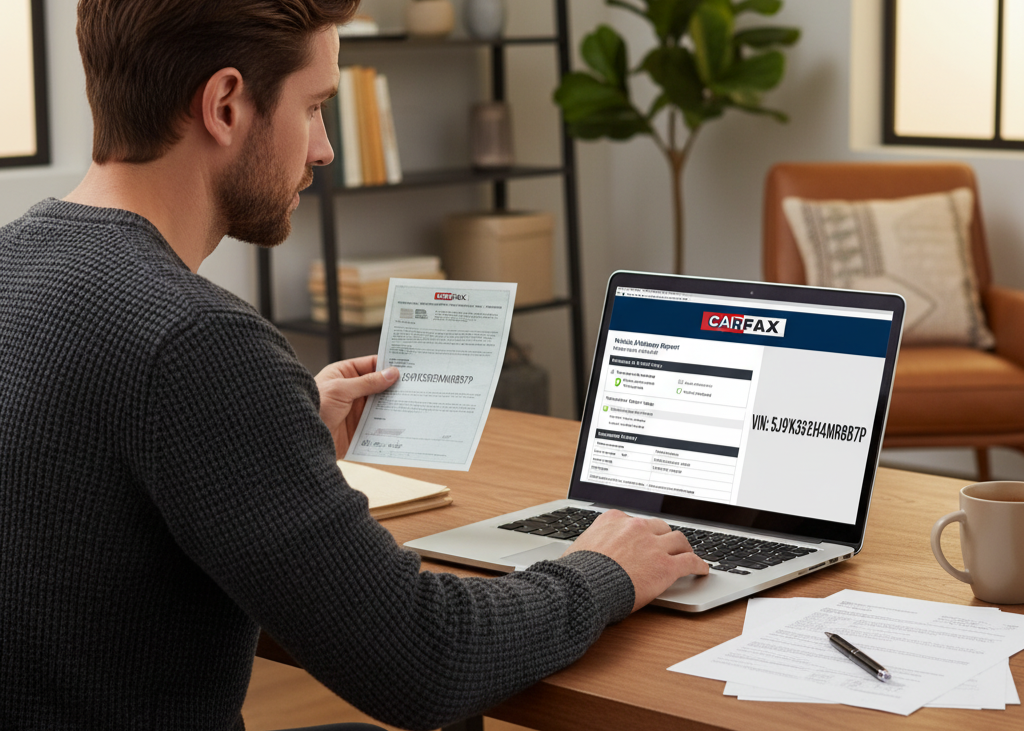
<p> One of the first things to do is review the car’s history and title status. Think of it like checking a person’s background before hiring them. Services like CARFAX and AutoCheck can tell you if the car has been in accidents, suffered flood damage, or has an odometer that may not be accurate. The title should be clean, meaning it is free of salvage or rebuilt branding. A car with a branded title is not necessarily undriveable, but it will likely cost more to repair and could be hard to resell. Always match the VIN on the car to the VIN on the history report to make sure everything aligns. Taking the time to verify the car’s story can help you avoid hidden nightmares that only show up after purchase. </p> :: Gemini

One of the first things to do is review the car’s history and title status. Think of it like checking a person’s background before hiring them. Services like CARFAX and AutoCheck can tell you if the car has been in accidents, suffered flood damage, or has an odometer that may not be accurate. The title should be clean, meaning it is free of salvage or rebuilt branding. A car with a branded title is not necessarily undriveable, but it will likely cost more to repair and could be hard to resell. Always match the VIN on the car to the VIN on the history report to make sure everything aligns. Taking the time to verify the car’s story can help you avoid hidden nightmares that only show up after purchase.

2. Inspect the Exterior and Body Condition
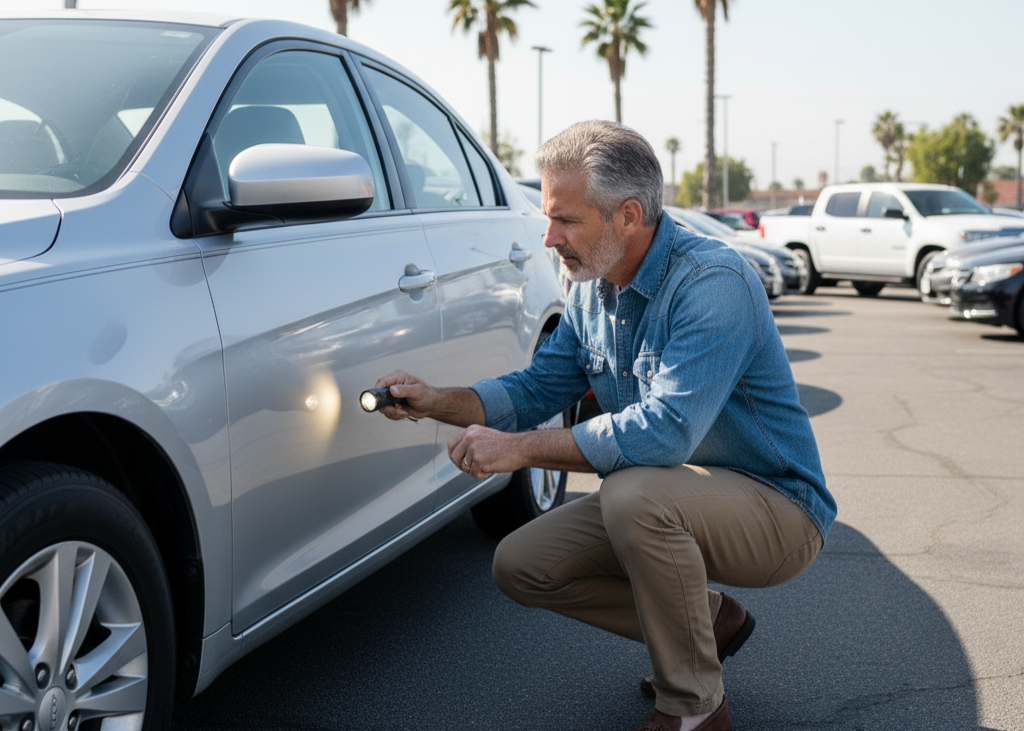
<p> The outside of the car can tell you a lot about how it was treated. Walk around and examine the paint for scratches, rust, and mismatched areas. Look closely at the gaps between panels, which can reveal if the car has been in an accident and poorly repaired. Small dents and chips are normal, but major damage or signs of collision repair could indicate bigger problems. A consistent exterior and well-maintained paint job usually reflect an owner who cared about the vehicle. Pay attention to details such as bumpers, doors, and fenders, and don’t hesitate to ask the seller about anything that looks unusual. </p> :: Gemini

The outside of the car can tell you a lot about how it was treated. Walk around and examine the paint for scratches, rust, and mismatched areas. Look closely at the gaps between panels, which can reveal if the car has been in an accident and poorly repaired. Small dents and chips are normal, but major damage or signs of collision repair could indicate bigger problems. A consistent exterior and well-maintained paint job usually reflect an owner who cared about the vehicle. Pay attention to details such as bumpers, doors, and fenders, and don’t hesitate to ask the seller about anything that looks unusual.

3. Examine the Interior and Functionality

<p> Step inside and take a good look at the interior. Worn seats, ripped upholstery, and dirty carpets can indicate neglect, but they may also signal potential mechanical issues. Smells are important too; a musty or moldy odor can suggest water damage or flooding. Test all the buttons, switches, and electronics including windows, locks, air conditioning, and infotainment systems. If anything does not work, take note. A car with a clean, functional interior often means it has been cared for, while signs of neglect could mean more costly problems later. </p> :: Gemini

Step inside and take a good look at the interior. Worn seats, ripped upholstery, and dirty carpets can indicate neglect, but they may also signal potential mechanical issues. Smells are important too; a musty or moldy odor can suggest water damage or flooding. Test all the buttons, switches, and electronics including windows, locks, air conditioning, and infotainment systems. If anything does not work, take note. A car with a clean, functional interior often means it has been cared for, while signs of neglect could mean more costly problems later.

4. Inspect Under the Hood
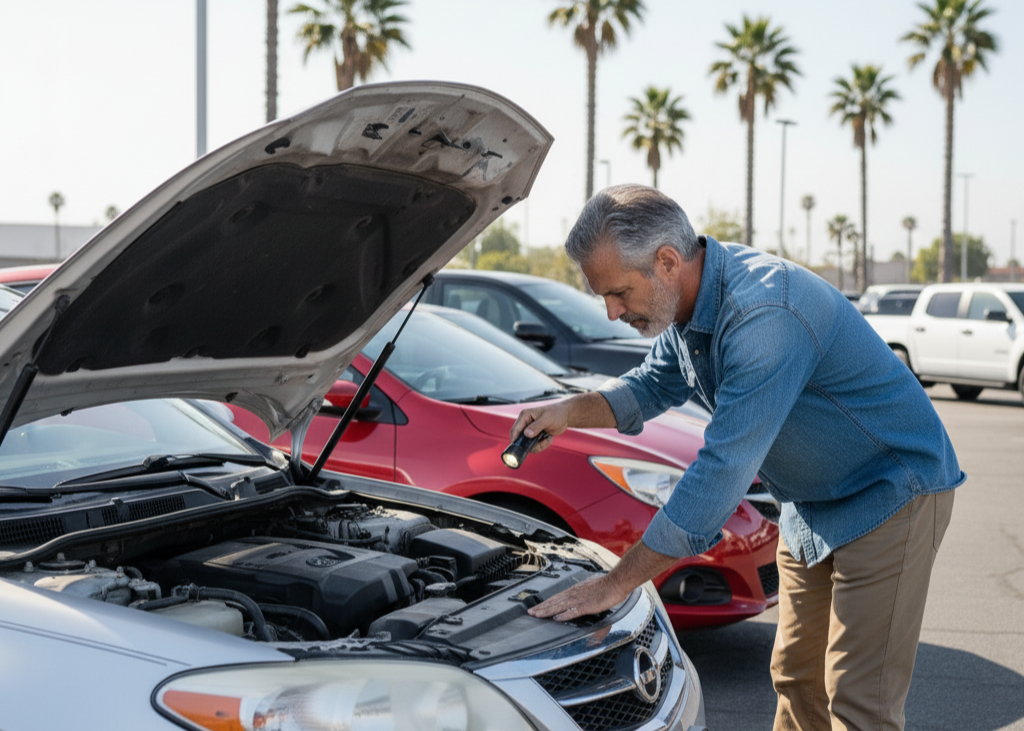
<p> Pop the hood and inspect the engine bay. Check fluid levels including engine oil, coolant, and brake fluid. Look for any leaks or corrosion on hoses and belts. Even if you are not a mechanic, you can spot obvious issues such as wet spots, worn belts, or a dirty battery. Start the car and listen for unusual noises like knocking, ticking, or rough idling. These sounds can point to deeper mechanical issues. Taking a few minutes to check the engine can help you determine if the car has been maintained or neglected. </p> :: Gemini

Pop the hood and inspect the engine bay. Check fluid levels including engine oil, coolant, and brake fluid. Look for any leaks or corrosion on hoses and belts. Even if you are not a mechanic, you can spot obvious issues such as wet spots, worn belts, or a dirty battery. Start the car and listen for unusual noises like knocking, ticking, or rough idling. These sounds can point to deeper mechanical issues. Taking a few minutes to check the engine can help you determine if the car has been maintained or neglected.

5. Check Tires, Brakes, Suspension, and Underbody
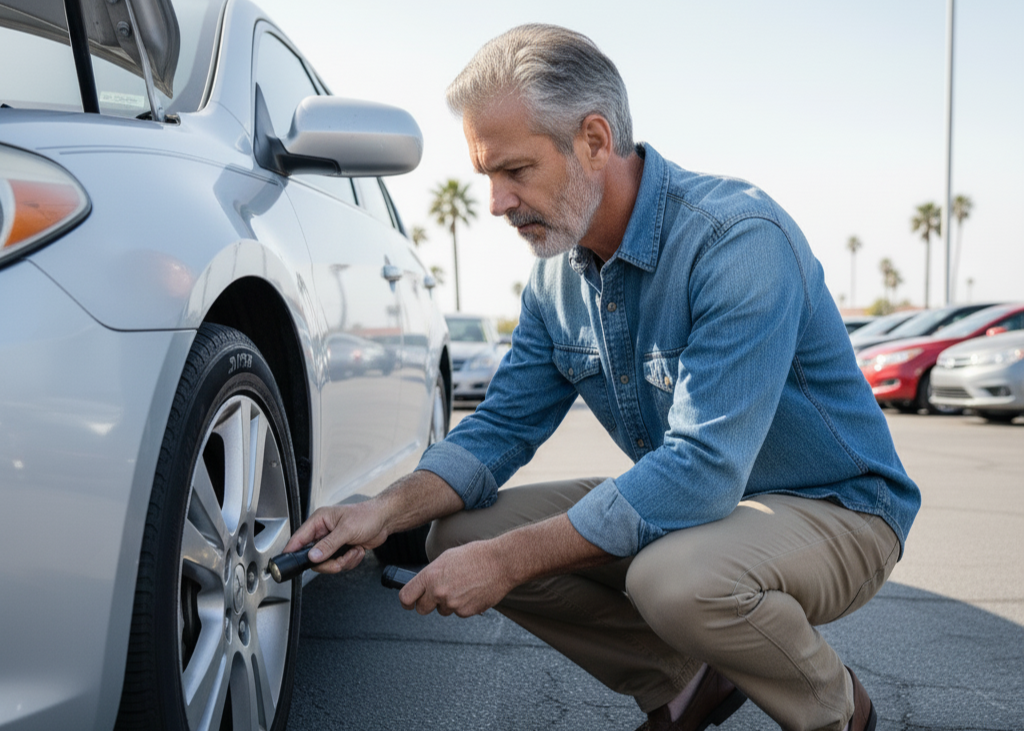
<p> Tires, brakes, and suspension are critical to safety and often overlooked. Inspect tire tread for uneven wear, which may indicate alignment or suspension problems. During a test drive, pay attention to how the car stops and handles. Listen for squeaks, grinding noises, or clunks that could signal worn brakes or suspension components. Look under the car for rust, especially on the frame and suspension. Rust can compromise safety and be expensive to repair. Ensuring these components are in good condition will help you avoid major repairs down the road. </p> :: Gemini

Tires, brakes, and suspension are critical to safety and often overlooked. Inspect tire tread for uneven wear, which may indicate alignment or suspension problems. During a test drive, pay attention to how the car stops and handles. Listen for squeaks, grinding noises, or clunks that could signal worn brakes or suspension components. Look under the car for rust, especially on the frame and suspension. Rust can compromise safety and be expensive to repair. Ensuring these components are in good condition will help you avoid major repairs down the road.

6. Take a Thorough Test Drive

<p> A test drive is where the car shows its true personality. Drive in different conditions, including city streets, highways, and hills if possible. Observe how the car accelerates, brakes, and handles corners. Does the transmission shift smoothly? Are there any vibrations, pulls, or rattles? Test the brakes at various speeds and listen for noises. This is also the time to try out features like heating, cooling, and steering responsiveness. A thorough test drive allows you to confirm the car feels right and works as expected. </p> :: Gemini

A test drive is where the car shows its true personality. Drive in different conditions, including city streets, highways, and hills if possible. Observe how the car accelerates, brakes, and handles corners. Does the transmission shift smoothly? Are there any vibrations, pulls, or rattles? Test the brakes at various speeds and listen for noises. This is also the time to try out features like heating, cooling, and steering responsiveness. A thorough test drive allows you to confirm the car feels right and works as expected.

7. Review Maintenance Records and Wear Items

<p> Maintenance history is essential when evaluating a used car. Ask the seller for service records including oil changes, brake replacements, tire rotations, and major repairs. Knowing whether the timing belt, transmission, and other critical parts have been serviced can save you unexpected expenses. A high-mileage car with thorough maintenance records may be a safer bet than a low-mileage car with no history. Be sure to check whether routine items such as tires, brakes, and battery are in good shape, as these are common replacement costs. A well-documented history reflects a responsible owner and increases your confidence in the purchase. </p> :: Gemini

Maintenance history is essential when evaluating a used car. Ask the seller for service records including oil changes, brake replacements, tire rotations, and major repairs. Knowing whether the timing belt, transmission, and other critical parts have been serviced can save you unexpected expenses. A high-mileage car with thorough maintenance records may be a safer bet than a low-mileage car with no history. Be sure to check whether routine items such as tires, brakes, and battery are in good shape, as these are common replacement costs. A well-documented history reflects a responsible owner and increases your confidence in the purchase.

8. Consider Price, Resale Value, and Hidden Costs

<p> Price is more than just the sticker on the car. Factor in insurance, registration, taxes, and anticipated maintenance. Some cars depreciate faster than others, so check resale value if you plan to sell in the future. Consider upcoming wear items such as tires, brakes, or timing belt replacements. Even minor repairs or cosmetic issues can affect the car’s overall value. Understanding these costs will help you negotiate a fair price and avoid surprises after purchase. A smart buyer is one who considers both the purchase price and the total cost of ownership. </p> :: Gemini

Price is more than just the sticker on the car. Factor in insurance, registration, taxes, and anticipated maintenance. Some cars depreciate faster than others, so check resale value if you plan to sell in the future. Consider upcoming wear items such as tires, brakes, or timing belt replacements. Even minor repairs or cosmetic issues can affect the car’s overall value. Understanding these costs will help you negotiate a fair price and avoid surprises after purchase. A smart buyer is one who considers both the purchase price and the total cost of ownership.

Final Thoughts

<p> Buying a used car does not have to be nerve-wracking. By following this eight-step inspection guide, you will gain clarity, confidence, and peace of mind. Take your time, ask questions, and look closely at the details. Even small red flags can reveal bigger issues, and a thorough inspection is your best defense against costly mistakes. Remember, a successful purchase is not just about the car that looks good today, but the one that will reliably serve you for years to come. With the right approach, your next used car can be a smart investment and a source of enjoyment rather than stress. </p> :: Gemini

Buying a used car does not have to be nerve-wracking. By following this eight-step inspection guide, you will gain clarity, confidence, and peace of mind. Take your time, ask questions, and look closely at the details. Even small red flags can reveal bigger issues, and a thorough inspection is your best defense against costly mistakes. Remember, a successful purchase is not just about the car that looks good today, but the one that will reliably serve you for years to come. With the right approach, your next used car can be a smart investment and a source of enjoyment rather than stress.

Filed Under: Autos

Leave a Reply Cancel reply

Your email address will not be published. Required fields are marked *

  • Email
  • Facebook
  • Pinterest
  • Twitter

Our Most Popular Articles

ClickCashGo Review: Should You Avoid At All Costs?

Ultimate Guide to Mastering Your Credit Score

The 'YOLO' Mindset is a Dangerous Thing

Dave Ramsey's Financial Peace University Review: Is it Worth the Money?

Cash App Glitch 2025: Is the Free Money Glitch Real?

Five Steps To Debt Freedom

Here are five simple guidlines that will help you pay off debt.  

1) Get an emergency fund so you don’t take on debt when something comes up.

2) List your debts. This way you know where you stand.

3) Use the debt snowball. Pay your debts from smallest to largest, or most expensive to least expensive.

4) Avoid new debt. No new credit cards or loans. Period.

5) Go all cash. After everything is paid off, switch to all cash.

Helpful Resources

U of Tennesse Debt Repayment Plan Basics

Vertex 42's Debt Payoff Calculator

Savingadvice's Helpful Debt Forums

Jackie Becks Debt Blog