12 Reasons Younger Generations Wouldn’t Last a Week in the 1960s
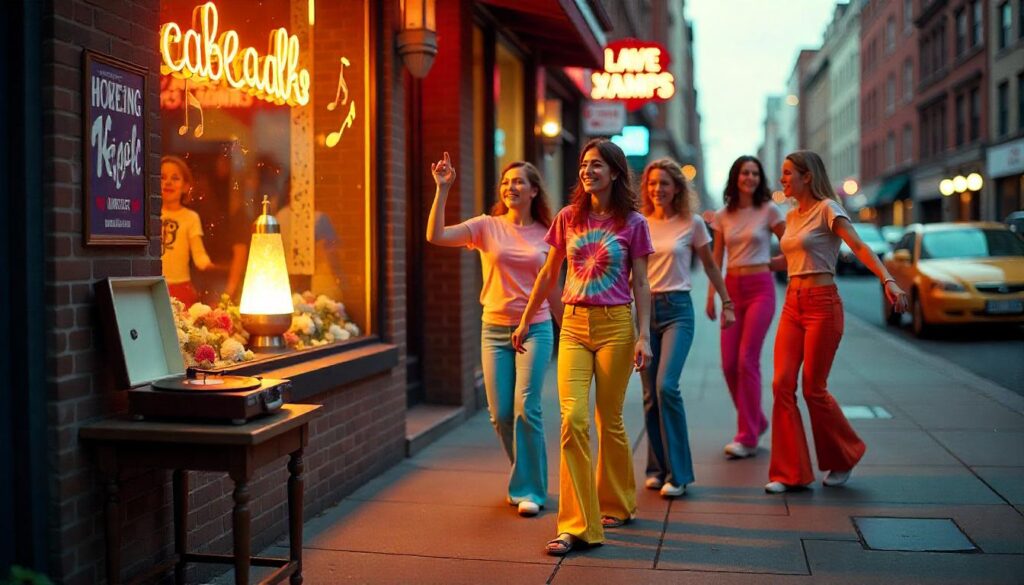
Close your eyes and picture it: the Beatles blaring from a record player, lava lamps casting psychedelic glows, and bell-bottoms swishing down the sidewalks. The 1960s were a thrilling ride of social change, unforgettable music, and wild fashion statements. But beneath all that groovy exterior was a world that demanded patience, resilience, and a whole lot of improvisation.
For younger generations raised on Wi-Fi, smartphones, and instant everything, stepping into the 1960s would be like landing on another planet. Could they even last a week? Here are 12 hilarious and eye-opening reasons why the answer might be a resounding “no.”
1. No Internet—At All

Imagine waking up to a world without notifications, Google searches, or social media scrolling. While that might sound blissful for five minutes, reality would soon set in. Need a recipe, movie times, or a random fact about which Beatles album came first? Too bad. You had to rely on encyclopedias, libraries, or calling someone who might know. For younger folks who demand instant answers, the uncertainty of “just not knowing” would be maddening.
2. Phones Were Tethered to the Wall
Texting under the dinner table or Facetiming from your bed? Not in the 1960s. Phones were bulky rotary models attached to the wall or sitting on a table, and the entire family could hear your conversations. Privacy was basically nonexistent. Want to talk for hours with your crush? You would have an audience—and possibly your dad glaring from the next room. For digital natives used to private, portable devices, the old-school landline would be a real buzzkill.
3. Music Wasn’t Instantly Available
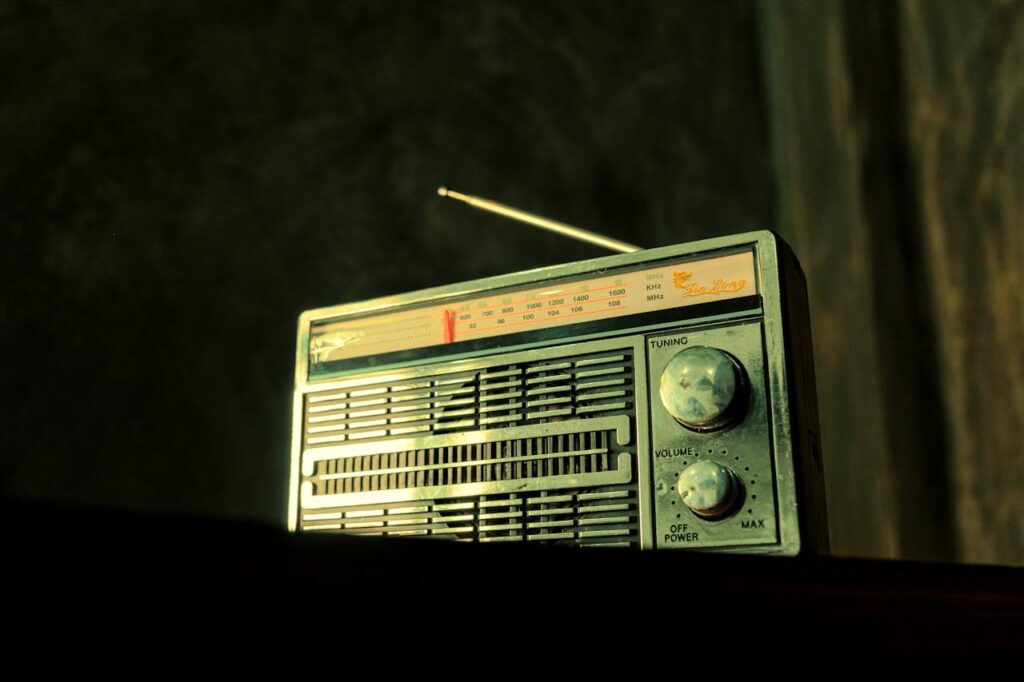
If you wanted to hear the latest hit, you had two choices: pray the radio DJ played it or buy the vinyl record. Making a playlist involved carefully stacking records on a turntable or recording songs off the radio, hoping the DJ didn’t talk over the intro. Younger generations, used to streaming any song in seconds, would probably lose their minds waiting for a favorite track—or worse, having to flip a record halfway through an album.
4. No GPS—Only Paper Maps

Getting lost today means your GPS politely rerouting you in seconds. In the 1960s, you navigated with paper maps so large they could double as picnic blankets. Folding them back up was an art form few mastered. Wrong turns were frequent, and arguments about directions were practically a sport. For younger drivers who rely on a robotic voice guiding every turn, the thought of navigating solo would be downright terrifying.
5. TV Was Limited and Scheduled

Picture this: you’re obsessed with a show, and it only airs once a week. Miss it, and you are out of luck until a possible rerun months later. Streaming entire seasons in a weekend was unimaginable. TV offered just a handful of channels, and you watched what was on when it was on. Younger generations used to pausing, rewinding, and binge-watching would quickly become unhinged under the tyranny of scheduled programming.
6. Fashion Was Far Less Comfortable

While the 1960s brought fabulous styles, everyday fashion wasn’t built for comfort. Women squeezed into girdles and pointy bras, men wore starched shirts and stiff suits even in summer, and jeans were thick and rigid. Forget stretchy leggings or cozy hoodies. Younger folks who live in athleisure might survive about an hour in a 1960s outfit before longing for sweatpants and sneakers. Comfort was simply not a priority back then.
7. No Online Shopping

Running low on toothpaste or craving new shoes? Today, it takes a few taps and an Amazon delivery. In the 1960s, shopping meant physically going to a store, hoping they had what you needed, and possibly waiting in long lines. No online reviews, no overnight shipping, and definitely no returns by clicking a button. For younger generations addicted to convenience, the idea of shopping as a time-consuming outing would feel like pure torture.
8. Censorship Was Much Stricter

Television, movies, and music in the 1960s were subject to tight censorship. Topics like sexuality, politics, and social justice were often off-limits. Swear words? Forget about it. Even mild innuendos could get cut. Younger generations, who value open conversations and diverse representation, would feel stifled in a decade where so much was considered taboo or inappropriate for public discussion.
9. Cash Was King

Tap to pay with your phone? Not in the 1960s. Buying anything required cash or a checkbook, which had to be balanced by hand. Credit cards were rare and not widely accepted. Running out of money meant no purchases until your next bank visit—which could involve waiting in a long line and dealing with grumpy tellers. For younger people used to digital wallets and easy payments, handling and budgeting physical cash would be a rude awakening.
10. Smoking Was Everywhere

In the 1960s, smoking was practically a national pastime. People smoked in offices, restaurants, airplanes, and even hospitals. Ashtrays were everywhere, and secondhand smoke was inescapable. For today’s health-conscious generations, the constant haze of cigarette smoke—and the cultural pressure to light up—would be not only unpleasant but downright horrifying.
11. Kids Had Way More Freedom and Responsibility
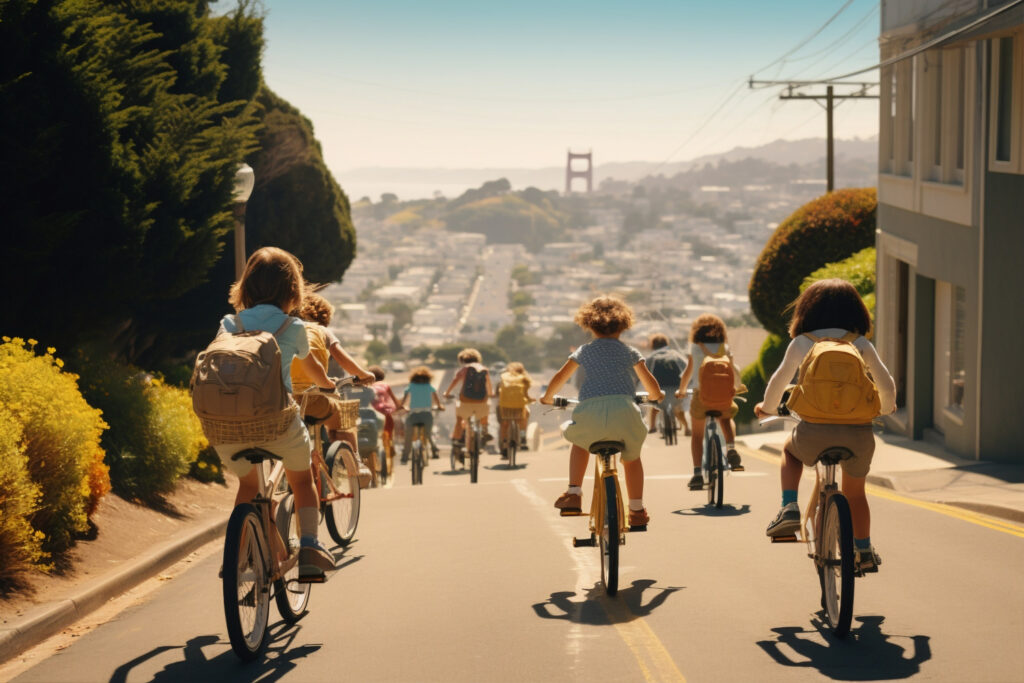
Kids in the 1960s had a level of freedom that would send modern parents into panic mode. Children roamed neighborhoods until the streetlights came on, biked without helmets, and entertained themselves for hours without adult supervision. Structured activities were rare, and “helicopter parenting” hadn’t been invented yet. For younger generations raised on schedules, apps, and constant check-ins, the 1960s version of “go play outside” would be both thrilling and overwhelming.
12. Waiting Was a Way of Life

Patience wasn’t just a virtue in the 1960s—it was a necessity. Taking photos meant waiting days or weeks for the film to be developed. Mailing a letter could mean waiting a week or longer for a reply. Want to read up on a new topic? You might spend hours at the library flipping through card catalogs. Younger generations used to instant messaging, email, and real-time everything would find the slow pace of life in the ‘60s utterly maddening.
Final Thoughts

The 1960s were undoubtedly one of the most colorful and revolutionary decades in American history. The music changed the world, social movements reshaped society, and people dreamed bigger than ever before. But daily life demanded patience, resilience, and adaptability in ways many of us take for granted today.
While younger generations are incredibly savvy, creative, and resourceful, they have also grown up in a world of instant gratification and endless convenience. Dropping them into the 1960s—even for a week—would be a fascinating social experiment, full of eye rolls, culture shocks, and hilarious mishaps.
So, the next time your Wi-Fi cuts out for five minutes or Amazon takes a whole day to deliver, take a deep breath and remember: it could always be the 1960s. And that’s not just nostalgia talking—that’s survival!
Leave a Reply