Why Baby Boomers Are Struggling to Get a Job (10 Reasons That Actually Make Sense)

Finding a job is never easy, but for many Baby Boomers, the hunt can feel like climbing a mountain with no end in sight. After years or even decades of experience, hard work, and dedication, it’s frustrating to face rejection or feel overlooked. The truth is, the modern job market is very different from the one Boomers started in, and some of the challenges they face are not only real but also understandable. From technology changes to workplace biases, these obstacles can make a job search feel daunting. Many Boomers also find that the rules of hiring—such as online applications, automated screening systems, and digital networking—have changed dramatically over the years. As a result, even highly qualified candidates may struggle to navigate a hiring process that now looks completely different from what they once knew.
If you are a Boomer trying to reenter the workforce or simply want to understand the hurdles your generation faces, here are ten reasons why landing a job today is harder than it seems.
1. Age Discrimination Still Exists

Even though laws in the United States protect against age discrimination, subtle biases remain. Employers may unconsciously assume older candidates are less adaptable, slower to learn new technologies, or closer to retirement, even if these assumptions are not true. Many Boomers report sensing that age plays a role in hiring decisions, which can be discouraging.
Age discrimination is often not overt. It might show up in the wording of job postings, the type of candidates being interviewed, or the reluctance to offer higher-level responsibilities. Recognizing that this is a reality can help Boomers approach the job hunt strategically, emphasizing flexibility, adaptability, and relevant skills.
2. Skills Do Not Always Match Modern Job Requirements

Decades of experience do not automatically translate to today’s job descriptions. Many positions now require familiarity with specific software, digital tools, and platforms that did not exist when Boomers first entered the workforce. This skills gap can lead to qualified candidates being overlooked.
The good news is that the core skills Boomers bring, such as problem solving, leadership, and critical thinking, are highly valuable. Pairing these with a few modern technical skills can dramatically improve the chances of landing a role.
3. Technology Changes Too Fast

Technology is everywhere in today’s workplaces, from cloud-based software to communication apps and collaboration platforms. Employers often expect candidates to already be comfortable with tools like Zoom, Microsoft Teams, Slack, and industry-specific software.
While younger candidates may have grown up with these tools, Boomers sometimes have not had consistent opportunities to learn them. Taking time to familiarize yourself with current technology, even through online tutorials or short courses, can make a big difference during interviews and on the job. Even basic digital skills like managing online documents, joining virtual meetings, or using shared workspaces can greatly improve your confidence and efficiency. Demonstrating a willingness to learn new tools also signals to employers that you are adaptable and open to change.
4. Traditional Job Search Methods Are Less Effective

5. Salary Expectations Can Be a Barrier

With decades of experience, many Boomers naturally expect compensation that reflects their skills and expertise. Employers sometimes assume these expectations are too high, particularly in smaller companies or startups.
This perception can create a barrier, even if the candidate is willing to be flexible. Being open to negotiations, understanding the market rate, and highlighting the value of experience can help overcome these hurdles.
6. Being Overqualified Can Hurt Chances

Having a long history of experience can sometimes work against Boomers. Employers may worry that an overqualified candidate will become bored, demand more pay, or leave quickly.
This can be frustrating, especially for Boomers willing to pivot or take on roles outside their previous scope. Addressing these concerns directly in applications and interviews, emphasizing enthusiasm for the role, and showing willingness to learn can turn this challenge into an advantage.
7. Financial Pressure Forces Many Boomers Back into the Workforce

Many Boomers are job hunting out of necessity rather than choice. Rising costs, unexpected expenses, and insufficient retirement savings are pushing some back into the workforce later in life.
While motivation is high, the combination of financial need and hiring barriers can be stressful. Understanding this reality and focusing on roles that provide both income and satisfaction is important for maintaining confidence and motivation.
8. Health and Mobility Concerns Can Influence Opportunities

As people age, health issues or physical limitations can affect the types of work they can do. Some Boomers may restrict their job search to roles that fit their capabilities, while some employers may make assumptions about stamina or reliability. This can sometimes lead to fewer opportunities, even when candidates have valuable knowledge and a strong work ethic. Many older workers are fully capable but may simply need roles that better match their energy levels or physical comfort.
Flexible work arrangements, part-time roles, and remote positions can help bridge this gap. Finding employers who value experience and adaptability over assumptions about health can make the search less daunting.
9. Networking Opportunities Are Often Smaller

Networking has always been a critical component of finding new jobs. Today, digital networks such as LinkedIn play a huge role in connecting candidates with opportunities.
Many Boomers did not grow up with professional social media platforms, meaning their online presence may be smaller than younger candidates. Investing time in networking both online and offline, attending industry events, and reconnecting with former colleagues can create opportunities that are not advertised publicly.
10. A Competitive and Slower Labor Market Adds Pressure

The labor market in recent years has become highly competitive, with many companies slowing hiring due to economic uncertainty. Boomers entering or reentering the job market face more competition for fewer roles, and employers may be more selective.
Automation and AI tools sometimes replace tasks that used to provide entry points for older candidates. Understanding these trends and targeting roles where human experience is valued can improve the odds of success. Networking, industry connections, and referrals are also becoming more important than ever in landing opportunities. Staying flexible and open to contract work, consulting, or part-time roles can also help older workers remain active in today’s evolving job market.
Final Thoughts
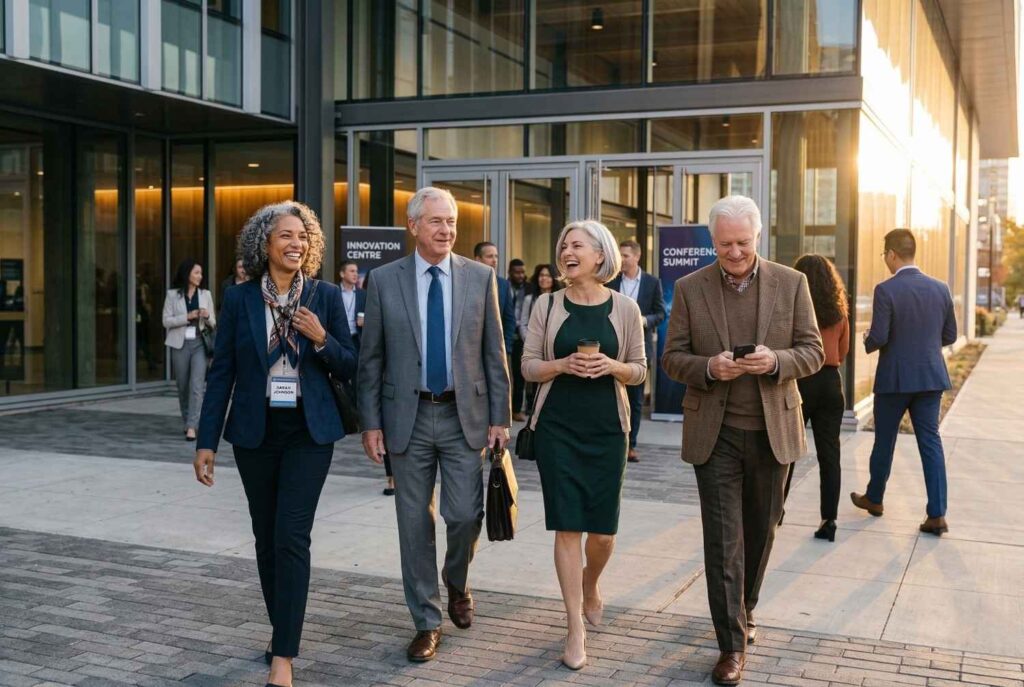
Job hunting as a Baby Boomer is not easy, but the challenges make sense when you look at the modern workplace. Technology moves fast, expectations shift, and biases — both subtle and overt — can make qualified candidates feel invisible. However, Boomers bring unmatched experience, resilience, and professionalism to any role.
Success today often comes from blending decades of experience with updated skills, digital fluency, and a strategic approach to networking. Being adaptable, confident, and open to new ways of working can make a huge difference. The journey may be challenging, but with the right approach, Baby Boomers can not only find meaningful work but thrive in it.
Experience, perspective, and the ability to mentor younger colleagues are invaluable assets in today’s workforce. For Boomers willing to embrace change and showcase their strengths, the right opportunities are out there — they just require a smart approach, patience, and persistence.
Leave a Reply