Items You Might Own That Are Actually Banned in the United States: 10 Surprising Examples

Have you ever been rummaging through your attic, garage, or pantry and stumbled across something and thought, “Wait, is this even legal?” You are not alone. The truth is, some of the most seemingly innocent items in your home could technically be banned in the United States. From toys you loved as a child to exotic souvenirs or even food you bought while traveling, the reasons these items are prohibited are often surprising.
Sometimes the bans exist for safety reasons, sometimes for health reasons, and other times for environmental or wildlife conservation concerns. The laws aren’t always obvious, and many people remain completely unaware that the things they own could be problematic. This list is designed to open your eyes, make you smile, and maybe even save you from an awkward conversation with the authorities. Whether you are a collector, a parent, or just someone who enjoys a little nostalgia, knowing what you legally can and cannot have is surprisingly useful.
In the following sections, we will explore ten items that might be hiding in your home right now that are technically banned. Some are quirky, some are serious, but all are worth understanding so that you can enjoy them safely or store them responsibly.
1. Original Kinder Surprise Eggs
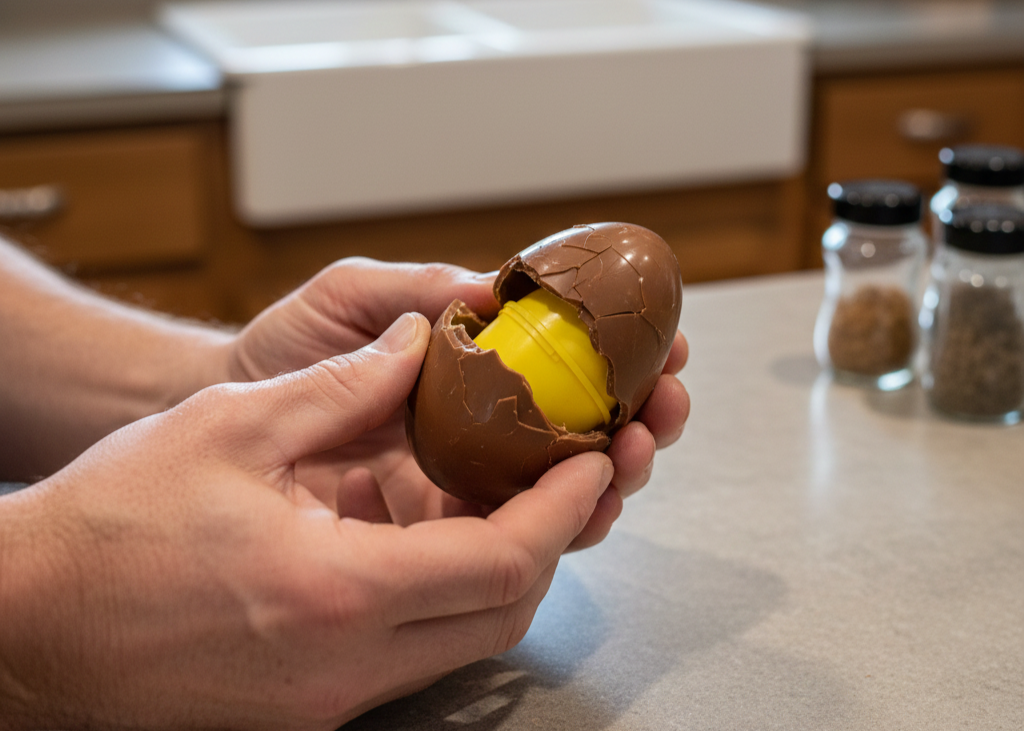
Ah, the excitement of cracking open a Kinder Surprise egg as a child. Chocolate on the outside, a tiny toy hidden inside, and hours of fun trying to figure out what you got. However, the original Kinder Surprise eggs, the ones with the toy fully embedded inside the chocolate, are banned in the United States. The U.S. Food and Drug Administration prohibits any food item that contains non-nutritive objects, and toys inside chocolate are considered a choking hazard.
Luckily, a modified version called Kinder Joy is legal because the toy is separated from the chocolate. Collectors might still seek out the original Kinder Surprise for nostalgia, but eating one on American soil could technically get you into trouble. It is the kind of item that makes you marvel at how something so innocent could be deemed illegal. If you happen to stumble upon a vintage stash from abroad, admire it, photograph it, and keep it safely on display instead of trying to eat it.
2. Lawn Darts
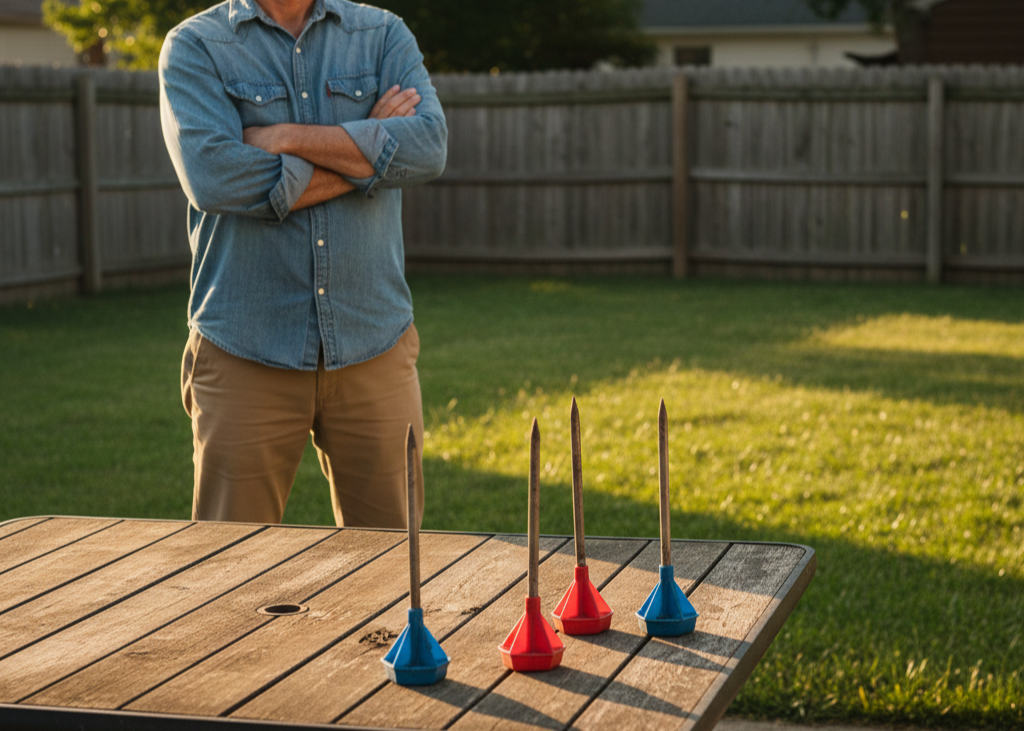
Lawn darts, also called Jarts, were a quintessential backyard game for many children and adults growing up in the 1970s and 1980s. The idea seemed harmless: toss a large dart into a target on the lawn and see who scored. But the fun came with serious risks. Lawn darts with metal tips could pierce skin, cause permanent injuries, and tragically, even lead to fatalities. Due to these dangers, lawn darts were banned in the United States in 1988.
Finding a vintage set in your garage today might bring back memories, but it is definitely not a game you want to play with kids. Some collectors display them as a nostalgic piece of Americana, but safety should always come first. If you do have a set, consider keeping it on a shelf rather than the lawn. It is a great conversation starter, and it reminds us of how safety regulations evolve over time.
3. Eagle Feathers and Parts

Bald and golden eagles are among the most iconic birds in the United States, symbolizing strength and freedom. Their feathers are beautiful and often sought after for crafts or decoration. However, possessing eagle feathers, talons, nests, or eggs is illegal for most people under federal law. Only members of federally recognized Native American tribes can legally have these items with the proper permits.
The law exists to protect these birds from exploitation and to ensure their populations remain healthy. Owning eagle feathers outside these regulations can result in heavy fines or legal penalties. Many people are surprised that an item meant to be a natural keepsake is illegal. If you appreciate eagle feathers, it is best to admire them in museums, art, or photographs rather than collecting them yourself.
4. Certain Exotic Animal Products

Exotic animals capture the imagination, but owning products made from them can be illegal. Small turtles under four inches, for example, were banned as pets in the United States because of the risk of salmonella. Other exotic animal parts, including bird feathers, skins, and eggs, fall under strict wildlife protection laws and may require special permits to own legally.
Even items that seem harmless, like souvenirs from international trips, may be prohibited. Collectors and travelers need to be extra cautious. Owning these items without proper authorization not only violates the law but can also threaten endangered species. Before purchasing or displaying exotic animal products, make sure to research their legal status carefully.
5. High-Powered Laser Pointers

Laser pointers are often seen as harmless gadgets, especially for work presentations or stargazing. However, high-powered laser pointers are illegal in certain areas due to safety concerns. They can cause permanent eye damage, interfere with pilots and aircraft, and even distract drivers on highways. Many people are unaware that a device that seems like a simple tool could be classified as dangerous.
The safest approach is to check the power rating and local laws before using or carrying one. A pointer suitable for presentations is usually safe, but anything stronger could cross legal boundaries. Consider sticking with laser pointers designed for classroom or office use and avoid flashy, high-intensity models that could land you in trouble.
6. Brass Knuckles and Certain Martial Arts Weapons

Brass knuckles, nunchucks, and other martial arts weapons might look impressive on display or serve as collectibles. However, in many states, owning or carrying these items is illegal. They are considered offensive weapons designed for causing harm rather than practical tools.
Laws vary widely from state to state, meaning what is legal in one area could be strictly prohibited in another. Even if you have a vintage set, it is important to store it safely and avoid using it outside controlled environments. These items can be fascinating to collectors, but understanding their legal implications ensures that your hobby does not result in fines or legal trouble.
7. Certain Firearm Accessories
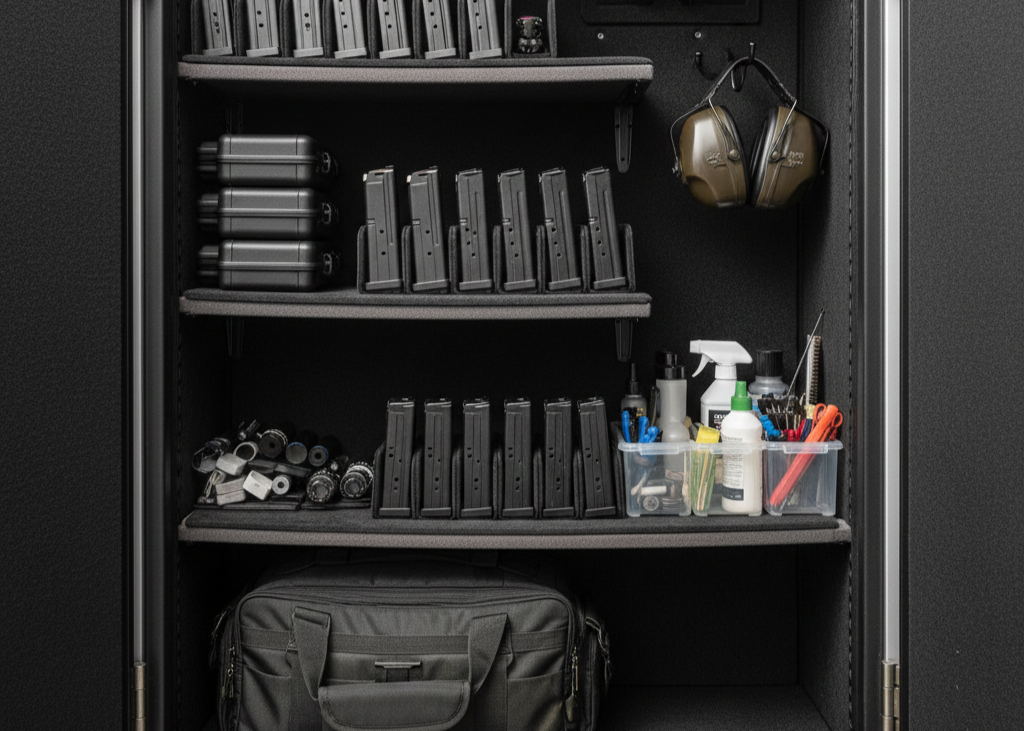
Firearm accessories like bump stocks have been highly regulated or banned in recent years. Bump stocks allow semi-automatic rifles to fire rapidly and have been banned under federal law in certain contexts. Possessing illegal accessories, even unknowingly, can result in serious legal consequences.
Firearm laws are complex and vary by state, so staying informed is essential for gun owners. Double-check your collection to ensure compliance with current regulations. Even responsible firearm enthusiasts need to be vigilant, as laws can change quickly. Knowing the rules not only protects you but also demonstrates responsible ownership.
8. Foods with Hidden Non-Food Objects
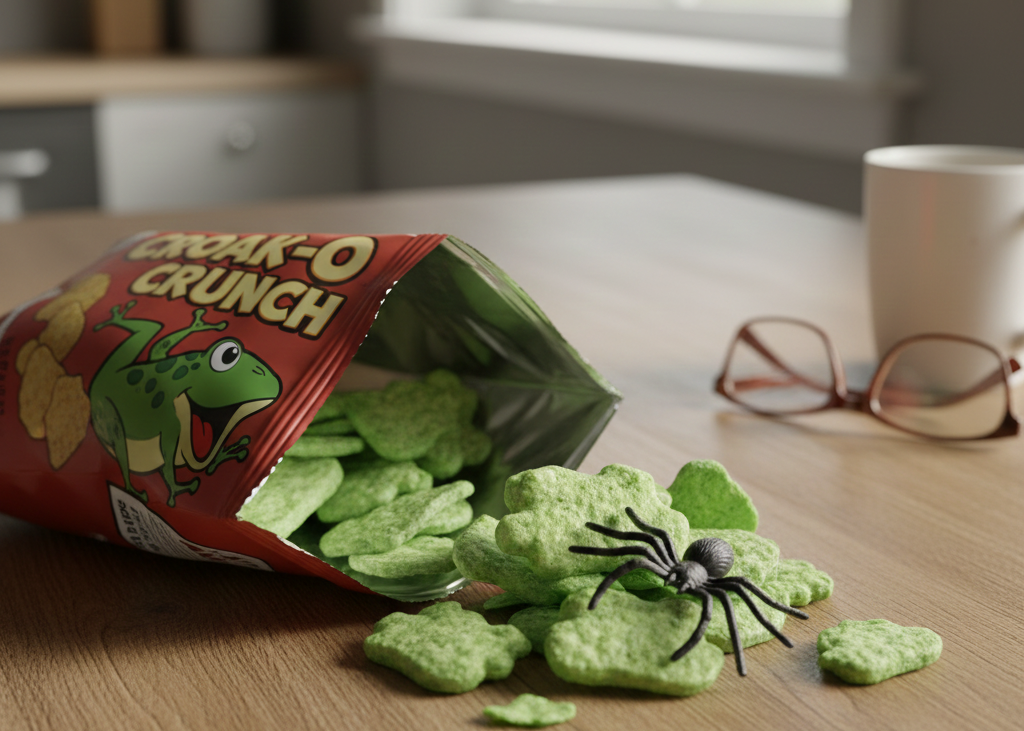
Other than Kinder Surprise, novelty snacks that embed toys or non-edible objects inside the food are banned in the United States. The main concern is choking hazards, particularly for children. These rules apply to both imported and domestic products, which means that a seemingly fun snack might be illegal to sell or import.
Parents, collectors, and snack enthusiasts should pay close attention to labels and packaging. While these snacks might appear fun or collectible, the potential health risks make them prohibited. A better approach is to enjoy novelty items where the non-food part is separate, or keep them as display pieces rather than edible treats.
9. Fireworks Without Permits

Fireworks are part of celebrations, but their legality depends heavily on where you live. Many U.S. states and cities prohibit certain types of fireworks without a permit. Aerial fireworks, high-powered sparklers, and other large-scale devices are often illegal in urban areas due to fire hazards.
Even small fireworks can be banned in some locations, and misunderstandings about the rules can result in fines or confiscation. Attending professional displays or using fireworks in areas where they are permitted is the safest way to enjoy them. Always check local regulations before storing or lighting fireworks at home.
10. Some Imported Snacks and Delicacies

Certain imported foods and delicacies are restricted or banned in the United States for health, safety, or environmental reasons. Luxury items like wild beluga caviar are protected under wildlife trade laws, while some imported snacks fail U.S. food safety standards.
Collectors, travelers, and food enthusiasts often unknowingly bring these items home. Understanding import laws helps prevent fines, confiscation, and legal headaches. Always research regulations before buying exotic foods abroad, and consider legal alternatives or domestic substitutes if you crave a rare treat.
Final Thoughts

It may surprise you how many everyday items could technically be illegal in the United States. Many bans exist for logical reasons, whether it is to protect children, safeguard public health, preserve wildlife, or prevent injuries. Still, it is easy to forget that nostalgic toys, unusual collectibles, or imported snacks may fall into these categories.
Before selling, gifting, or even keeping unusual items, take a few minutes to research their legality. Checking the rules is a simple step that can save you from fines, confiscation, and unnecessary stress. Being informed allows you to enjoy your collectibles, snacks, and gadgets safely and legally.
Owning banned items can be fascinating and even fun to learn about. They are little windows into history, safety regulations, and cultural shifts. With a little awareness, you can appreciate these objects without risk, protect your family, and even impress friends with your knowledge of surprising laws. Nostalgia and legality can coexist — you just need to know the difference.
Leave a Reply