Our Debt Free Family

Commit. Plan. Take action.

  • BUDGETING
  • DEBT REDUCTION
  • INVESTING
  • LIFESTYLE
  • TOOLS
  • ABOUT
  • Privacy Policy
  • CONTACT
You are here: Home / Health & Fitness / Before Bed: 5 Expert-Backed Habits to Lower Your Blood Pressure

Before Bed: 5 Expert-Backed Habits to Lower Your Blood Pressure

March 29, 2026 | Leave a Comment

Before Bed: 5 Expert-Backed Habits to Lower Your Blood Pressure

<p> High blood pressure, also known as hypertension, is a serious health concern that increases the risk of heart disease, stroke, and other complications. It is often called the "silent killer" because it can develop without noticeable symptoms, making it crucial to take proactive steps to manage it. Fortunately, small changes to your nighttime routine can have a big impact on your blood pressure. Experts emphasize that reducing stress, improving sleep quality, and making mindful lifestyle choices before bed can help regulate blood pressure levels naturally. If you want to support your heart health and lower your blood pressure, consider incorporating these five expert-backed habits into your nightly routine. </p> :: Pexels

High blood pressure, also known as hypertension, is a serious health concern that increases the risk of heart disease, stroke, and other complications. It is often called the “silent killer” because it can develop without noticeable symptoms, making it crucial to take proactive steps to manage it. Fortunately, small changes to your nighttime routine can have a big impact on your blood pressure. Experts emphasize that reducing stress, improving sleep quality, and making mindful lifestyle choices before bed can help regulate blood pressure levels naturally. If you want to support your heart health and lower your blood pressure, consider incorporating these five expert-backed habits into your nightly routine.


1. Practice Deep Breathing and Meditation
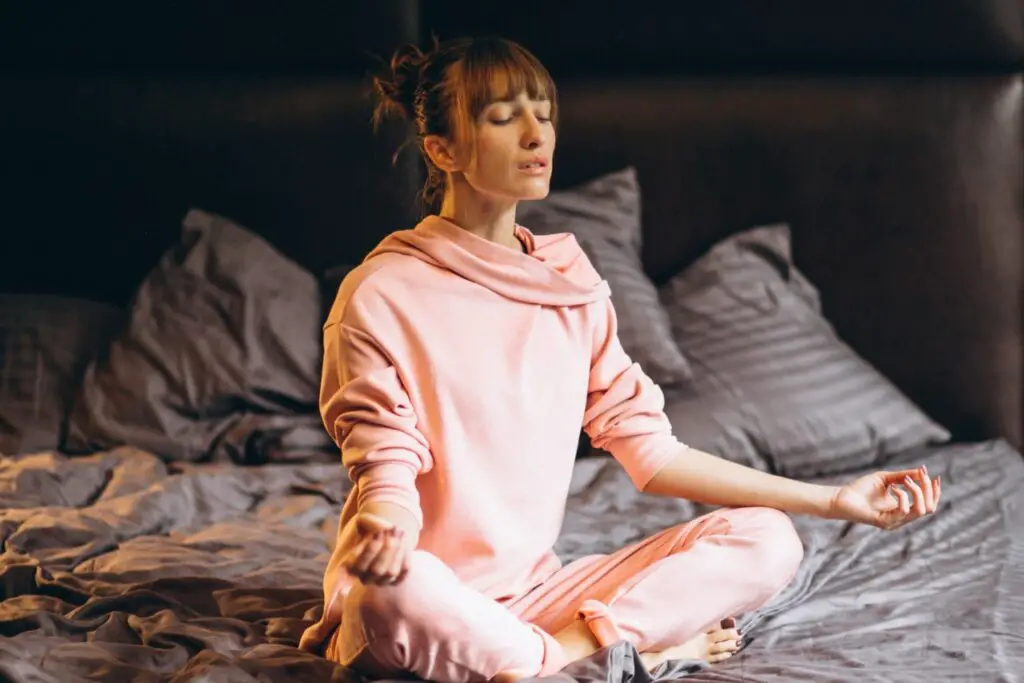
<p> Taking a few minutes to practice deep breathing or meditation before bed can significantly reduce blood pressure by calming the nervous system and lowering stress hormones. Deep breathing exercises activate the parasympathetic nervous system, which slows the heart rate and relaxes blood vessels. One effective technique is the 4-7-8 breathing method, where you inhale for four seconds, hold your breath for seven seconds, and exhale for eight seconds. This practice helps regulate oxygen flow, reduces cortisol levels, and promotes a sense of relaxation. Meditation, particularly mindfulness meditation, has also been shown to improve blood pressure by reducing stress and encouraging mental clarity. By incorporating deep breathing or meditation into your nightly routine, you create a calming transition into restful sleep while supporting long-term cardiovascular health. </p> :: Freepik

Taking a few minutes to practice deep breathing or meditation before bed can significantly reduce blood pressure by calming the nervous system and lowering stress hormones. Deep breathing exercises activate the parasympathetic nervous system, which slows the heart rate and relaxes blood vessels. One effective technique is the 4-7-8 breathing method, where you inhale for four seconds, hold your breath for seven seconds, and exhale for eight seconds. This practice helps regulate oxygen flow, reduces cortisol levels, and promotes a sense of relaxation. Meditation, particularly mindfulness meditation, has also been shown to improve blood pressure by reducing stress and encouraging mental clarity. By incorporating deep breathing or meditation into your nightly routine, you create a calming transition into restful sleep while supporting long-term cardiovascular health.


2. Sip a Cup of Herbal Tea

<p> Drinking a warm cup of herbal tea before bed is a simple yet effective way to lower blood pressure while preparing your body for a restful night's sleep. Certain herbal teas, such as hibiscus, chamomile, and valerian root, contain natural compounds that relax blood vessels and help regulate blood pressure. Hibiscus tea, in particular, is rich in antioxidants known as anthocyanins, which have been shown to improve blood flow and reduce hypertension. Chamomile tea is widely recognized for its calming properties, which can alleviate stress, one of the leading causes of high blood pressure. Choosing a caffeine-free herbal tea in the evening supports relaxation while providing heart-healthy benefits. Make this a nightly habit, and you may see gradual improvements in both your sleep quality and blood pressure levels. </p> :: Pexels

Drinking a warm cup of herbal tea before bed is a simple yet effective way to lower blood pressure while preparing your body for a restful night’s sleep. Certain herbal teas, such as hibiscus, chamomile, and valerian root, contain natural compounds that relax blood vessels and help regulate blood pressure. Hibiscus tea, in particular, is rich in antioxidants known as anthocyanins, which have been shown to improve blood flow and reduce hypertension. Chamomile tea is widely recognized for its calming properties, which can alleviate stress, one of the leading causes of high blood pressure. Choosing a caffeine-free herbal tea in the evening supports relaxation while providing heart-healthy benefits. Make this a nightly habit, and you may see gradual improvements in both your sleep quality and blood pressure levels.


3. Engage in Light Stretching or Yoga

<p> Engaging in light stretching or a short yoga session before bed can help lower blood pressure by improving circulation, reducing stress, and promoting flexibility. Studies have shown that yoga, particularly when combined with controlled breathing, can significantly lower both systolic and diastolic blood pressure. Certain yoga poses, such as the child’s pose, seated forward bends, and legs-up-the-wall pose, encourage relaxation and help regulate blood flow. Stretching relieves muscle tension and promotes overall relaxation, which can help reduce stress-related spikes in blood pressure. Just 10 to 15 minutes of gentle movement before bed can make a noticeable difference in your cardiovascular health. Establishing a routine of light stretching or yoga in the evening will not only support lower blood pressure but also improve sleep quality and overall well-being. </p> :: Pexels

Engaging in light stretching or a short yoga session before bed can help lower blood pressure by improving circulation, reducing stress, and promoting flexibility. Studies have shown that yoga, particularly when combined with controlled breathing, can significantly lower both systolic and diastolic blood pressure. Certain yoga poses, such as the child’s pose, seated forward bends, and legs-up-the-wall pose, encourage relaxation and help regulate blood flow. Stretching relieves muscle tension and promotes overall relaxation, which can help reduce stress-related spikes in blood pressure. Just 10 to 15 minutes of gentle movement before bed can make a noticeable difference in your cardiovascular health. Establishing a routine of light stretching or yoga in the evening will not only support lower blood pressure but also improve sleep quality and overall well-being.


4. Turn Off Screens and Limit Blue Light Exposure

<p> Limiting blue light exposure before bed is essential for maintaining healthy sleep patterns and supporting blood pressure regulation. The artificial blue light emitted from screens, including smartphones, tablets, and televisions, interferes with melatonin production, the hormone responsible for sleep. Poor sleep quality is directly linked to high blood pressure, as inadequate rest can disrupt the body's ability to regulate stress hormones and maintain optimal circulation. Experts recommend turning off electronic devices at least 30 to 60 minutes before bedtime to allow melatonin production to occur naturally. If avoiding screens entirely is not possible, consider using blue light filters or wearing blue light-blocking glasses to reduce exposure. Creating a relaxing bedtime environment with dim lighting, reading a book, or engaging in a calming activity can further enhance sleep quality and help keep blood pressure levels in check. </p> :: Pexels

Limiting blue light exposure before bed is essential for maintaining healthy sleep patterns and supporting blood pressure regulation. The artificial blue light emitted from screens, including smartphones, tablets, and televisions, interferes with melatonin production, the hormone responsible for sleep. Poor sleep quality is directly linked to high blood pressure, as inadequate rest can disrupt the body’s ability to regulate stress hormones and maintain optimal circulation. Experts recommend turning off electronic devices at least 30 to 60 minutes before bedtime to allow melatonin production to occur naturally. If avoiding screens entirely is not possible, consider using blue light filters or wearing blue light-blocking glasses to reduce exposure. Creating a relaxing bedtime environment with dim lighting, reading a book, or engaging in a calming activity can further enhance sleep quality and help keep blood pressure levels in check.


5. Take a Warm Bath with Epsom Salt

<p> Soaking in a warm bath with Epsom salt before bed is a relaxing way to lower blood pressure and ease tension. Epsom salt contains magnesium, an essential mineral that plays a key role in heart health and blood pressure regulation. Magnesium helps relax blood vessels, improving circulation and reducing hypertension. Studies suggest that many people with high blood pressure have a magnesium deficiency, making Epsom salt baths an excellent way to boost magnesium levels naturally. The warm water further promotes relaxation by reducing muscle tension and encouraging better blood flow. Adding a few drops of essential oils, such as lavender or chamomile, to your bath can enhance the soothing effects and prepare your body for restful sleep. By making Epsom salt baths a regular part of your nighttime routine, you can experience both physical relaxation and long-term benefits for your cardiovascular system. </p> :: Pexels

Soaking in a warm bath with Epsom salt before bed is a relaxing way to lower blood pressure and ease tension. Epsom salt contains magnesium, an essential mineral that plays a key role in heart health and blood pressure regulation. Magnesium helps relax blood vessels, improving circulation and reducing hypertension. Studies suggest that many people with high blood pressure have a magnesium deficiency, making Epsom salt baths an excellent way to boost magnesium levels naturally. The warm water further promotes relaxation by reducing muscle tension and encouraging better blood flow. Adding a few drops of essential oils, such as lavender or chamomile, to your bath can enhance the soothing effects and prepare your body for restful sleep. By making Epsom salt baths a regular part of your nighttime routine, you can experience both physical relaxation and long-term benefits for your cardiovascular system.


Final Thoughts

<p> Lowering blood pressure does not always require medication. By making simple yet effective changes to your bedtime routine, you can naturally support your cardiovascular health and improve your overall well-being. Deep breathing and meditation help calm the nervous system, herbal tea provides natural compounds that promote relaxation, stretching or yoga improves circulation, limiting blue light exposure enhances sleep quality, and a warm Epsom salt bath aids in relaxation while boosting magnesium levels. Each of these habits is backed by scientific research and expert recommendations, making them powerful tools for reducing blood pressure before bed. If you have high blood pressure or any underlying health conditions, it is always best to consult with a healthcare professional before making significant lifestyle changes. However, incorporating these expert-backed habits into your nighttime routine can provide a natural and effective way to manage hypertension while promoting better sleep and a healthier heart. By prioritizing these small but meaningful adjustments, you can take control of your health and set the foundation for long-term well-being. To ensure your success, focus on consistency and patience, as natural changes take time to yield results. Embracing these habits as part of a holistic approach to wellness will provide lasting benefits for both your blood pressure and overall quality of life. </p> :: Pexels

Lowering blood pressure does not always require medication. By making simple yet effective changes to your bedtime routine, you can naturally support your cardiovascular health and improve your overall well-being. Deep breathing and meditation help calm the nervous system, herbal tea provides natural compounds that promote relaxation, stretching or yoga improves circulation, limiting blue light exposure enhances sleep quality, and a warm Epsom salt bath aids in relaxation while boosting magnesium levels. Each of these habits is backed by scientific research and expert recommendations, making them powerful tools for reducing blood pressure before bed.

If you have high blood pressure or any underlying health conditions, it is always best to consult with a healthcare professional before making significant lifestyle changes. However, incorporating these expert-backed habits into your nighttime routine can provide a natural and effective way to manage hypertension while promoting better sleep and a healthier heart. By prioritizing these small but meaningful adjustments, you can take control of your health and set the foundation for long-term well-being. To ensure your success, focus on consistency and patience, as natural changes take time to yield results. Embracing these habits as part of a holistic approach to wellness will provide lasting benefits for both your blood pressure and overall quality of life.

Filed Under: Health & Fitness

Leave a Reply Cancel reply

Your email address will not be published. Required fields are marked *

  • Email
  • Facebook
  • Pinterest
  • Twitter

Our Most Popular Articles

ClickCashGo Review: Should You Avoid At All Costs?

Ultimate Guide to Mastering Your Credit Score

The 'YOLO' Mindset is a Dangerous Thing

Dave Ramsey's Financial Peace University Review: Is it Worth the Money?

Cash App Glitch 2025: Is the Free Money Glitch Real?

Five Steps To Debt Freedom

Here are five simple guidlines that will help you pay off debt.  

1) Get an emergency fund so you don’t take on debt when something comes up.

2) List your debts. This way you know where you stand.

3) Use the debt snowball. Pay your debts from smallest to largest, or most expensive to least expensive.

4) Avoid new debt. No new credit cards or loans. Period.

5) Go all cash. After everything is paid off, switch to all cash.

Helpful Resources

U of Tennesse Debt Repayment Plan Basics

Vertex 42's Debt Payoff Calculator

Savingadvice's Helpful Debt Forums

Jackie Becks Debt Blog