Our Debt Free Family

Commit. Plan. Take action.

  • BUDGETING
  • DEBT REDUCTION
  • INVESTING
  • LIFESTYLE
  • TOOLS
  • ABOUT
  • Privacy Policy
  • CONTACT

7 Quick Morning Stretches to Boost Your Energy All Day

February 28, 2026 | Leave a Comment

7 Quick Morning Stretches to Boost Your Energy All Day

<p> Starting your day with a quick stretch routine can do wonders for your body and mind. It helps wake you up, improve circulation, and set a positive tone for the rest of the day. If you’re looking to feel energized, reduce stress, and enhance your flexibility, these 7 morning stretches are perfect for you. Not only do they take just a few minutes, but they can also help you stay active, focused, and ready to tackle whatever comes your way. Here’s a list of stretches that can make a big difference in how you feel throughout the day. </p> :: Pexels

Starting your day with a quick stretch routine can do wonders for your body and mind. It helps wake you up, improve circulation, and set a positive tone for the rest of the day. If you’re looking to feel energized, reduce stress, and enhance your flexibility, these 7 morning stretches are perfect for you. Not only do they take just a few minutes, but they can also help you stay active, focused, and ready to tackle whatever comes your way. Here’s a list of stretches that can make a big difference in how you feel throughout the day.

1. Cat-Cow Stretch

<p> The Cat-Cow stretch is a fantastic way to wake up your spine and gently stretch your back muscles. This stretch also helps improve flexibility and relieve tension in your neck and lower back. To do this stretch, start on all fours with your wrists aligned under your shoulders and knees under your hips. Inhale as you arch your back and drop your belly toward the floor, lifting your head and tailbone (this is the "cow" position). Exhale as you round your spine, tucking your chin toward your chest and pulling your belly button toward your spine (this is the "cat" position). Repeat for 10-15 breaths, alternating between the two movements. This dynamic stretch activates your core and improves your posture, setting a positive tone for the day ahead. The Cat-Cow stretch is excellent for spinal mobility, and its rhythmic movement helps reduce stiffness, which is especially beneficial if you wake up feeling tight or sore. </p> :: Pexels

The Cat-Cow stretch is a fantastic way to wake up your spine and gently stretch your back muscles. This stretch also helps improve flexibility and relieve tension in your neck and lower back. To do this stretch, start on all fours with your wrists aligned under your shoulders and knees under your hips. Inhale as you arch your back and drop your belly toward the floor, lifting your head and tailbone (this is the “cow” position). Exhale as you round your spine, tucking your chin toward your chest and pulling your belly button toward your spine (this is the “cat” position). Repeat for 10-15 breaths, alternating between the two movements. This dynamic stretch activates your core and improves your posture, setting a positive tone for the day ahead. The Cat-Cow stretch is excellent for spinal mobility, and its rhythmic movement helps reduce stiffness, which is especially beneficial if you wake up feeling tight or sore.

2. Downward Dog

<p> Downward Dog is a powerful stretch that targets multiple areas of your body, including your hamstrings, calves, shoulders, and back. It’s great for improving flexibility and strength while also boosting energy. Start by coming into a tabletop position on your hands and knees. Lift your hips toward the ceiling, forming an inverted V shape with your body. Keep your hands shoulder-width apart and your feet hip-width apart, pressing your heels toward the floor (don’t worry if they don’t touch). Hold for 15-30 seconds, then slowly lower back to the starting position. This stretch increases blood flow to your brain, helping you feel more awake and alert. Additionally, Downward Dog engages your core and improves your posture, which can help you stand taller and feel more confident as you go about your day. </p> :: Pexels

Downward Dog is a powerful stretch that targets multiple areas of your body, including your hamstrings, calves, shoulders, and back. It’s great for improving flexibility and strength while also boosting energy. Start by coming into a tabletop position on your hands and knees. Lift your hips toward the ceiling, forming an inverted V shape with your body. Keep your hands shoulder-width apart and your feet hip-width apart, pressing your heels toward the floor (don’t worry if they don’t touch). Hold for 15-30 seconds, then slowly lower back to the starting position. This stretch increases blood flow to your brain, helping you feel more awake and alert. Additionally, Downward Dog engages your core and improves your posture, which can help you stand taller and feel more confident as you go about your day.

3. Standing Forward Fold

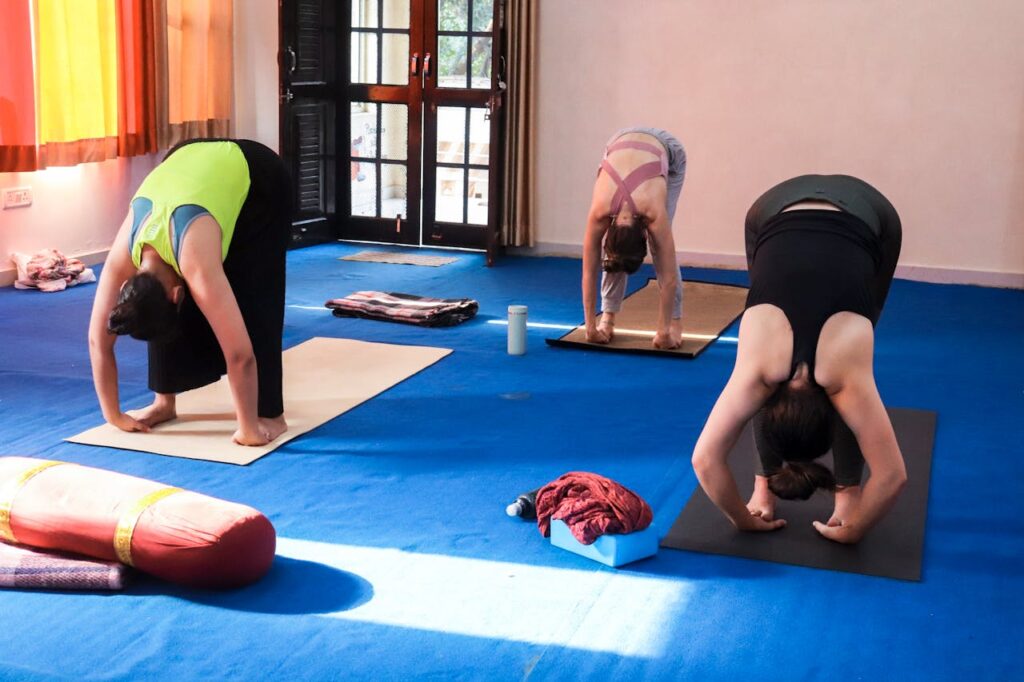
<p> The Standing Forward Fold is a simple yet effective stretch that helps release tension in your lower back, hamstrings, and neck. It also promotes better circulation throughout your body. To perform this stretch, stand with your feet hip-width apart and slowly bend forward from your hips, keeping a slight bend in your knees if necessary. Let your head hang down toward the floor and try to touch your toes (or your shins, depending on your flexibility). Hold for 20-30 seconds, breathing deeply. This stretch encourages relaxation and helps calm your mind, leaving you feeling refreshed and ready for the day. By stretching your hamstrings and lower back, the Standing Forward Fold also helps alleviate any stiffness or discomfort from sleeping, making it a great way to start your morning with a sense of relief. </p> :: Freepik

The Standing Forward Fold is a simple yet effective stretch that helps release tension in your lower back, hamstrings, and neck. It also promotes better circulation throughout your body. To perform this stretch, stand with your feet hip-width apart and slowly bend forward from your hips, keeping a slight bend in your knees if necessary. Let your head hang down toward the floor and try to touch your toes (or your shins, depending on your flexibility). Hold for 20-30 seconds, breathing deeply. This stretch encourages relaxation and helps calm your mind, leaving you feeling refreshed and ready for the day. By stretching your hamstrings and lower back, the Standing Forward Fold also helps alleviate any stiffness or discomfort from sleeping, making it a great way to start your morning with a sense of relief.

4. Lunge with a Twist

<p> A lunge with a twist is a great way to engage your entire body, stretch your hip flexors, and open up your chest. It’s also an excellent stretch for improving your balance and flexibility. Begin by stepping one foot forward into a lunge position, with your front knee bent at a 90-degree angle and your back leg straight. Place your hands on your hips and gently twist your torso toward the side of your front leg, reaching your arms out to the sides. Hold the twist for 15-30 seconds, then repeat on the other side. This stretch helps activate your core and upper body, giving you a full-body boost of energy. The Lunge with a Twist also helps improve flexibility in your hips and spine, which can be particularly helpful if you’ve been sitting for long periods of time. </p> :: Pexels

A lunge with a twist is a great way to engage your entire body, stretch your hip flexors, and open up your chest. It’s also an excellent stretch for improving your balance and flexibility. Begin by stepping one foot forward into a lunge position, with your front knee bent at a 90-degree angle and your back leg straight. Place your hands on your hips and gently twist your torso toward the side of your front leg, reaching your arms out to the sides. Hold the twist for 15-30 seconds, then repeat on the other side. This stretch helps activate your core and upper body, giving you a full-body boost of energy. The Lunge with a Twist also helps improve flexibility in your hips and spine, which can be particularly helpful if you’ve been sitting for long periods of time.

5. Chest Opener Stretch

<p> A tight chest can contribute to poor posture and discomfort, especially if you spend a lot of time sitting. The Chest Opener Stretch helps to counteract this by stretching your chest, shoulders, and arms. To perform this stretch, stand tall with your feet hip-width apart. Clasp your hands behind your back and straighten your arms, gently lifting them away from your body as you open your chest and squeeze your shoulder blades together. Hold for 20-30 seconds, breathing deeply to release any tension. This stretch helps to expand your chest and lungs, improving your posture and increasing your energy levels as you start the day. By opening up your chest, the Chest Opener Stretch can help you breathe more deeply, which increases oxygen flow and gives you a natural energy boost. </p> :: Pexels

A tight chest can contribute to poor posture and discomfort, especially if you spend a lot of time sitting. The Chest Opener Stretch helps to counteract this by stretching your chest, shoulders, and arms. To perform this stretch, stand tall with your feet hip-width apart. Clasp your hands behind your back and straighten your arms, gently lifting them away from your body as you open your chest and squeeze your shoulder blades together. Hold for 20-30 seconds, breathing deeply to release any tension. This stretch helps to expand your chest and lungs, improving your posture and increasing your energy levels as you start the day. By opening up your chest, the Chest Opener Stretch can help you breathe more deeply, which increases oxygen flow and gives you a natural energy boost.

6. Seated Forward Fold

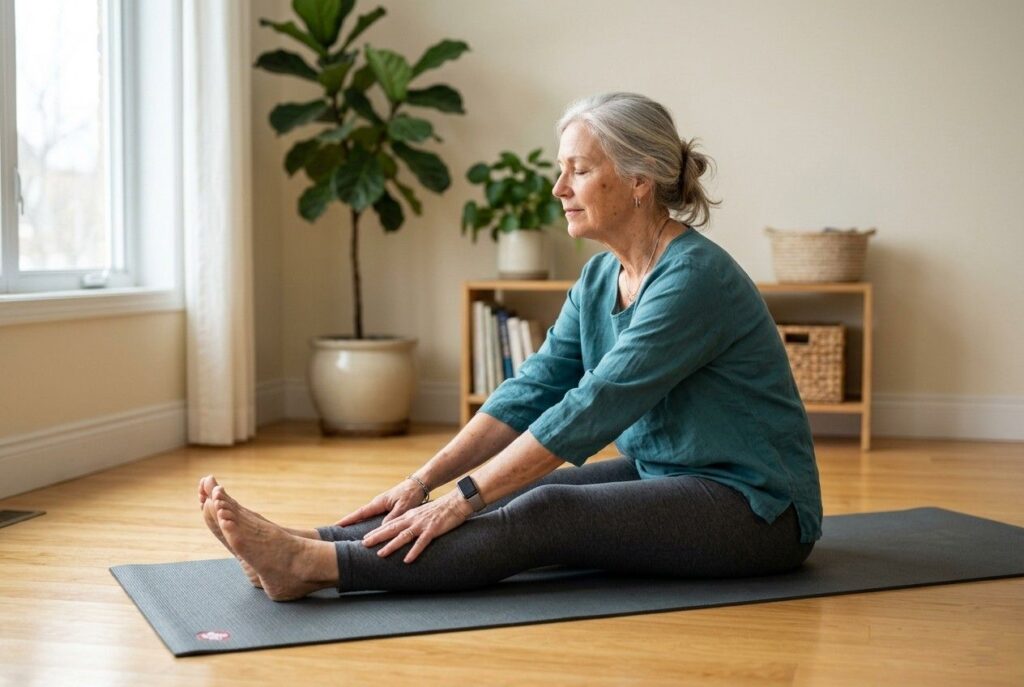
<p> The Seated Forward Fold is a calming stretch that targets your hamstrings, lower back, and hips. It’s a great way to release any tightness from sleeping and helps calm your nervous system. To do this stretch, sit on the floor with your legs extended straight in front of you. Keep your spine tall and hinge forward from your hips, reaching your hands toward your feet. If you can’t reach your feet, simply place your hands on your shins or thighs. Hold for 20-30 seconds, focusing on deep breathing. This stretch encourages flexibility in your legs and promotes relaxation, giving you a peaceful yet energized start to your day. The Seated Forward Fold is also beneficial for calming your mind, helping to reduce any morning stress or anxiety before you start your daily activities. </p> :: Pexels

The Seated Forward Fold is a calming stretch that targets your hamstrings, lower back, and hips. It’s a great way to release any tightness from sleeping and helps calm your nervous system. To do this stretch, sit on the floor with your legs extended straight in front of you. Keep your spine tall and hinge forward from your hips, reaching your hands toward your feet. If you can’t reach your feet, simply place your hands on your shins or thighs. Hold for 20-30 seconds, focusing on deep breathing. This stretch encourages flexibility in your legs and promotes relaxation, giving you a peaceful yet energized start to your day. The Seated Forward Fold is also beneficial for calming your mind, helping to reduce any morning stress or anxiety before you start your daily activities.

7. Spinal Twist

<p> A Spinal Twist is a fantastic way to release tension in your spine and improve flexibility in your back. It also helps to massage your internal organs, promoting digestion and detoxification. Start by sitting on the floor with your legs extended in front of you. Bend your right knee and place your right foot on the floor outside of your left thigh. Inhale as you lengthen your spine, and exhale as you twist your torso to the right, bringing your left elbow to the outside of your right knee. Hold for 15-30 seconds, then repeat on the other side. This stretch is excellent for increasing mobility in your spine and relieving stiffness, helping you feel more alert and energized. The Spinal Twist is also great for stimulating the digestive system, which can help you feel lighter and more refreshed as you begin your day. </p> :: Pexels

A Spinal Twist is a fantastic way to release tension in your spine and improve flexibility in your back. It also helps to massage your internal organs, promoting digestion and detoxification. Start by sitting on the floor with your legs extended in front of you. Bend your right knee and place your right foot on the floor outside of your left thigh. Inhale as you lengthen your spine, and exhale as you twist your torso to the right, bringing your left elbow to the outside of your right knee. Hold for 15-30 seconds, then repeat on the other side. This stretch is excellent for increasing mobility in your spine and relieving stiffness, helping you feel more alert and energized. The Spinal Twist is also great for stimulating the digestive system, which can help you feel lighter and more refreshed as you begin your day.

Final Thoughts

<p> Incorporating these 7 quick morning stretches into your routine can help you start your day with a burst of energy, improved flexibility, and a sense of calm. Whether you're looking to relieve tension, boost circulation, or simply feel more awake, these stretches are a great way to prepare your body and mind for the challenges ahead. Best of all, they only take a few minutes, making them easy to fit into even the busiest mornings. So, next time you wake up, take a few minutes to stretch and feel the difference it makes throughout your day. These stretches are not just about physical benefits; they can also enhance your mental clarity, reduce stress, and leave you feeling more focused and energized, ready to conquer whatever comes your way. By committing to these simple stretches each morning, you'll notice improvements in your flexibility, posture, and overall well-being. Whether you’re working from home, heading to the office, or taking care of daily tasks, starting your day with a mindful stretch routine will help you feel centered and prepared for anything. So, roll out of bed, take a deep breath, and begin your day with these powerful stretches to set yourself up for success. </p> :: Pexels

Incorporating these 7 quick morning stretches into your routine can help you start your day with a burst of energy, improved flexibility, and a sense of calm. Whether you’re looking to relieve tension, boost circulation, or simply feel more awake, these stretches are a great way to prepare your body and mind for the challenges ahead. Best of all, they only take a few minutes, making them easy to fit into even the busiest mornings. So, next time you wake up, take a few minutes to stretch and feel the difference it makes throughout your day. These stretches are not just about physical benefits; they can also enhance your mental clarity, reduce stress, and leave you feeling more focused and energized, ready to conquer whatever comes your way.

By committing to these simple stretches each morning, you’ll notice improvements in your flexibility, posture, and overall well-being. Whether you’re working from home, heading to the office, or taking care of daily tasks, starting your day with a mindful stretch routine will help you feel centered and prepared for anything. So, roll out of bed, take a deep breath, and begin your day with these powerful stretches to set yourself up for success.

Filed Under: Health & Fitness

8 Creative Ways to Stay Active Without Hitting the Gym

February 27, 2026 | Leave a Comment

8 Creative Ways to Stay Active Without Hitting the Gym

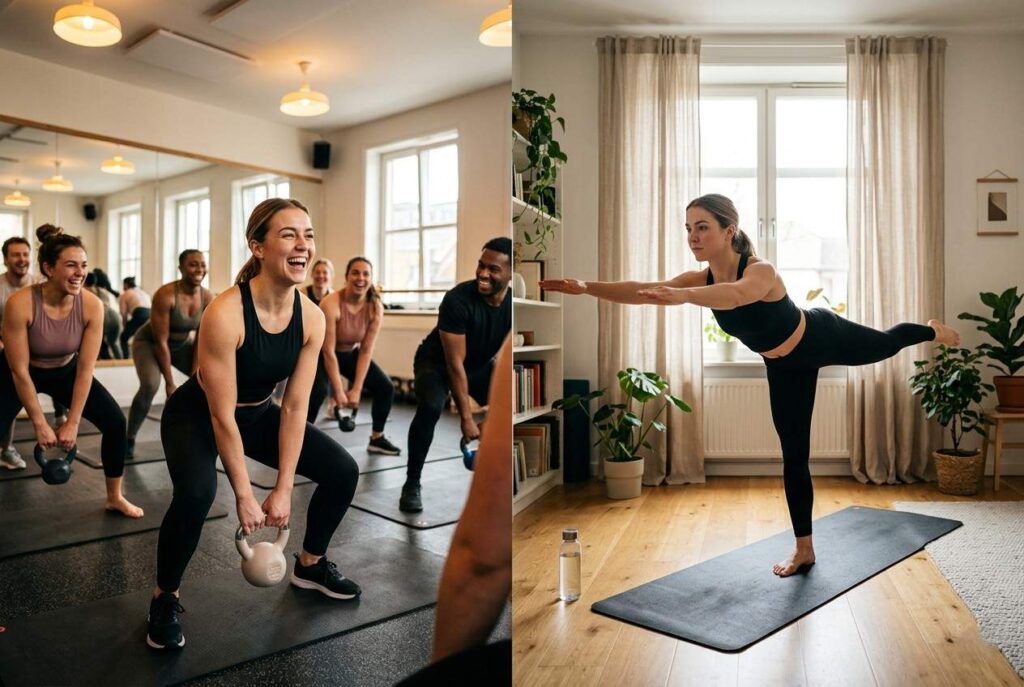
<p> Staying active is essential for maintaining overall health and well-being, but hitting the gym isn’t the only way to get your body moving. Whether you’re looking to avoid the monotony of gym workouts, save money, or simply enjoy the outdoors, there are plenty of creative ways to stay active without stepping foot in a gym. In this blog post, we’ll explore eight fun and effective alternatives that will help you keep fit while adding variety to your routine. These activities are perfect for anyone looking to spice up their fitness journey and stay motivated! </p> :: Pexels
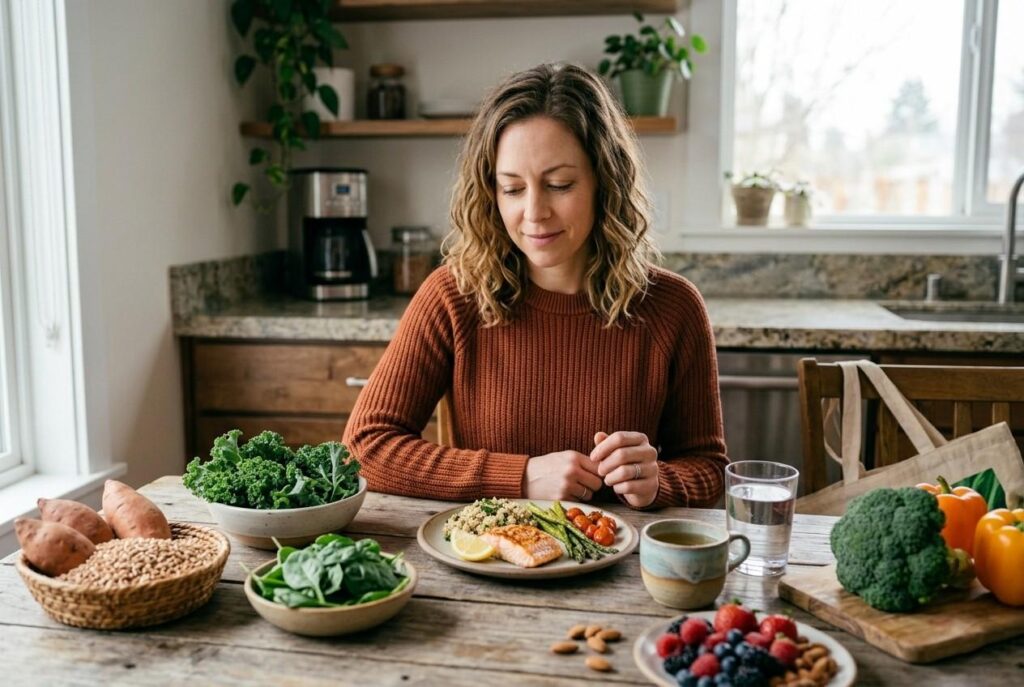
Staying active is essential for maintaining overall health and well-being, but hitting the gym isn’t the only way to get your body moving. Whether you’re looking to avoid the monotony of gym workouts, save money, or simply enjoy the outdoors, there are plenty of creative ways to stay active without stepping foot in a gym. In this blog post, we’ll explore eight fun and effective alternatives that will help you keep fit while adding variety to your routine. These activities are perfect for anyone looking to spice up their fitness journey and stay motivated!
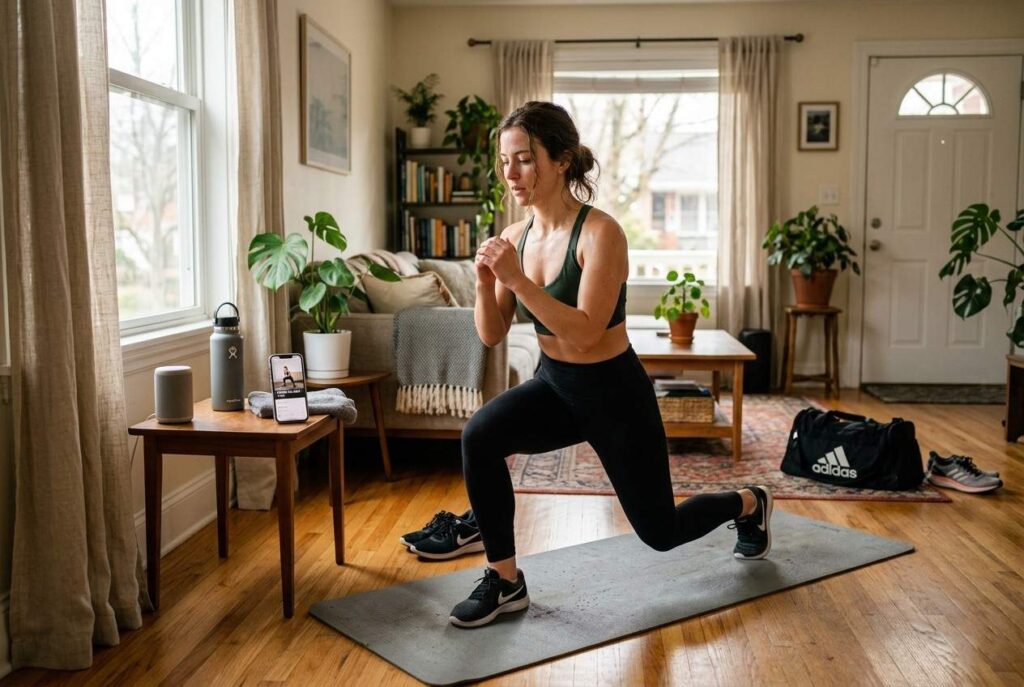
1. Dance It Out

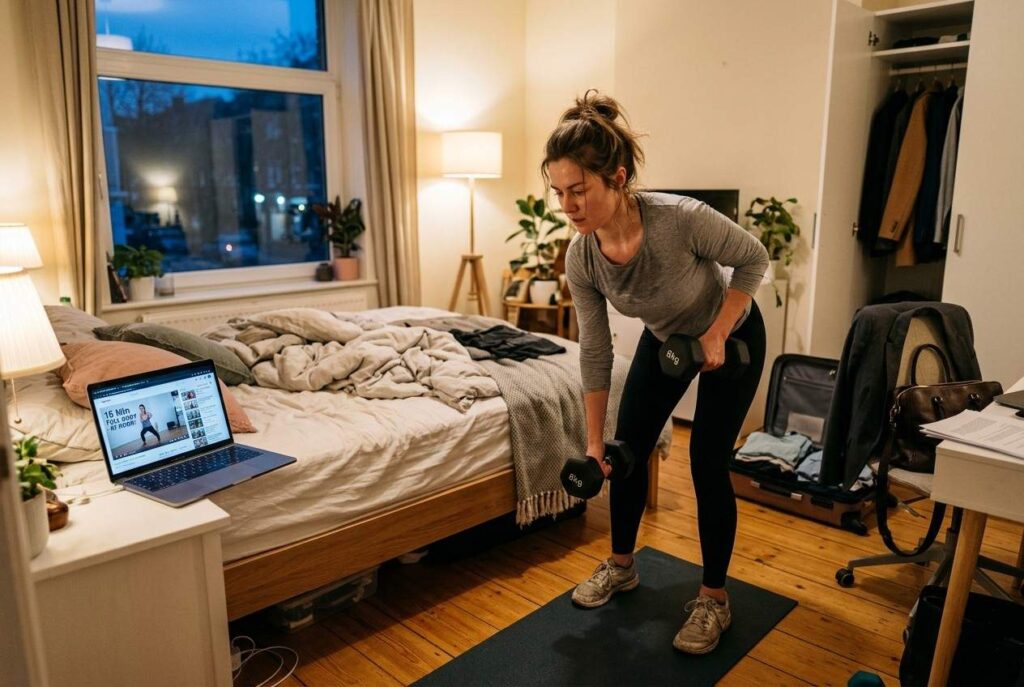
<p> One of the most enjoyable and effective ways to stay active without hitting the gym is dancing. Whether you’re taking a dance class, following an online tutorial, or simply dancing to your favorite songs at home, dancing offers a full-body workout that improves cardiovascular health, boosts flexibility, and enhances coordination. Plus, it’s a great way to relieve stress and boost your mood. From salsa to hip-hop or even just freestyle dancing, there are countless styles to explore, and you can tailor your dance sessions to your fitness level and preferences. So turn up the music and let loose! Dancing doesn’t require expensive equipment or a lot of space. You can even use it as a fun way to get your family involved in staying active. And if you enjoy the social aspect, consider joining a local dance group or attending dance events to meet like-minded people. </p> :: Pexels
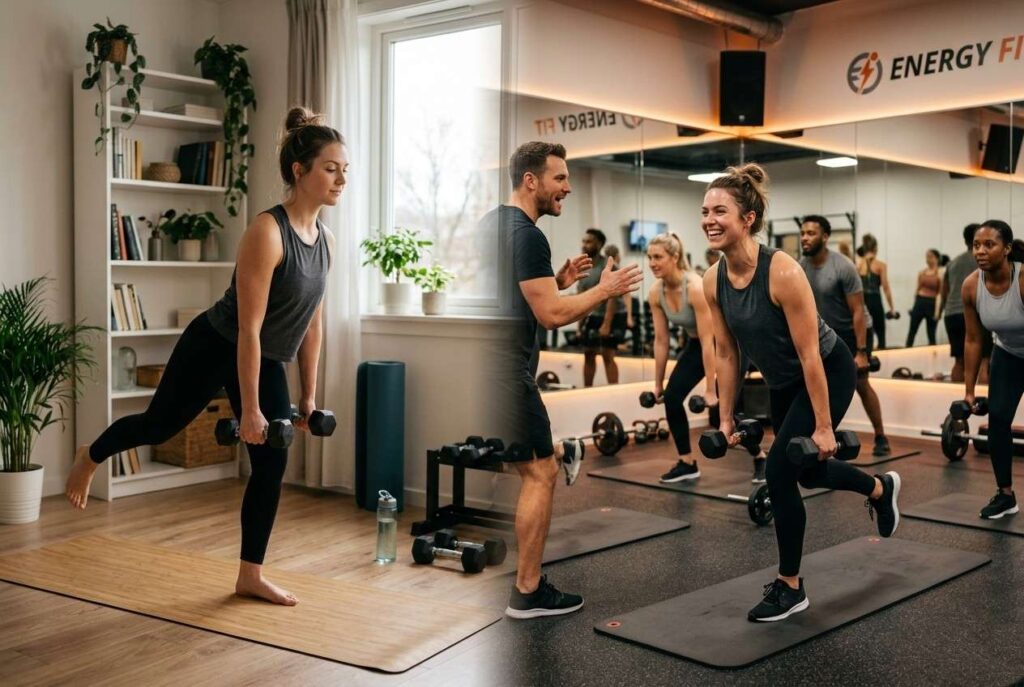

One of the most enjoyable and effective ways to stay active without hitting the gym is dancing. Whether you’re taking a dance class, following an online tutorial, or simply dancing to your favorite songs at home, dancing offers a full-body workout that improves cardiovascular health, boosts flexibility, and enhances coordination. Plus, it’s a great way to relieve stress and boost your mood. From salsa to hip-hop or even just freestyle dancing, there are countless styles to explore, and you can tailor your dance sessions to your fitness level and preferences. So turn up the music and let loose! Dancing doesn’t require expensive equipment or a lot of space. You can even use it as a fun way to get your family involved in staying active. And if you enjoy the social aspect, consider joining a local dance group or attending dance events to meet like-minded people.

2. Take a Hike

<p> If you enjoy being outdoors, hiking is an excellent way to stay active and connect with nature. Not only does hiking improve cardiovascular health, but it also strengthens your muscles, especially your legs and core. Whether you’re tackling a challenging mountain trail or simply walking through a local park, hiking provides a full-body workout while allowing you to explore beautiful scenery. The best part is that it’s suitable for all fitness levels, and you can gradually increase the difficulty of your hikes as you build strength and endurance. Hiking also has the added benefit of reducing stress and improving mental health by spending time in nature. If you don’t have access to mountainous terrain, you can start with shorter, flatter trails and work your way up. Bring along a friend or family member to make it a social outing or use it as an opportunity for some quiet, solo reflection. </p> :: Pexels

If you enjoy being outdoors, hiking is an excellent way to stay active and connect with nature. Not only does hiking improve cardiovascular health, but it also strengthens your muscles, especially your legs and core. Whether you’re tackling a challenging mountain trail or simply walking through a local park, hiking provides a full-body workout while allowing you to explore beautiful scenery. The best part is that it’s suitable for all fitness levels, and you can gradually increase the difficulty of your hikes as you build strength and endurance. Hiking also has the added benefit of reducing stress and improving mental health by spending time in nature. If you don’t have access to mountainous terrain, you can start with shorter, flatter trails and work your way up. Bring along a friend or family member to make it a social outing or use it as an opportunity for some quiet, solo reflection.

3. Try Yoga or Pilates at Home

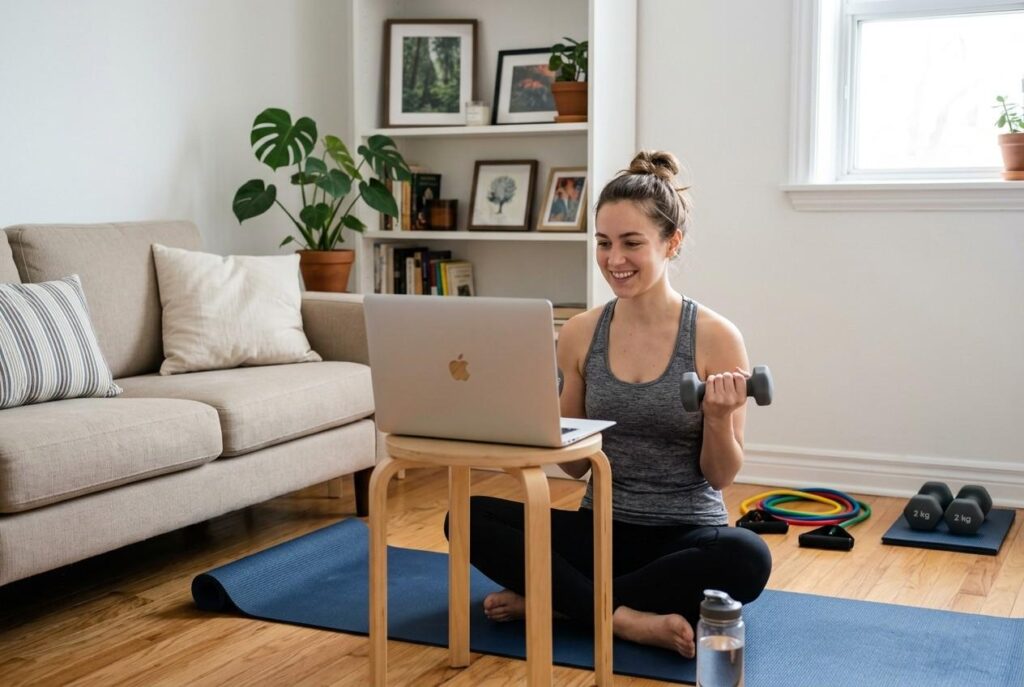
<p> Yoga and Pilates are two low-impact exercises that can be done in the comfort of your own home. These practices focus on improving flexibility, balance, and core strength, and they also promote mindfulness and stress relief. With countless online videos and apps available, it’s easy to follow along with guided sessions that fit your schedule and fitness level. Whether you’re a beginner or an experienced practitioner, both yoga and Pilates offer a variety of styles and poses that can challenge your body and mind. The beauty of these exercises is that they can be modified to meet your needs. For example, if you’re looking for a more intense workout, you can focus on power yoga or advanced Pilates techniques. Alternatively, if relaxation is your goal, you can explore restorative yoga or Pilates sessions designed for flexibility and mental clarity. So roll out your mat and take a deep breath – your body will thank you. </p> :: Pexels

Yoga and Pilates are two low-impact exercises that can be done in the comfort of your own home. These practices focus on improving flexibility, balance, and core strength, and they also promote mindfulness and stress relief. With countless online videos and apps available, it’s easy to follow along with guided sessions that fit your schedule and fitness level. Whether you’re a beginner or an experienced practitioner, both yoga and Pilates offer a variety of styles and poses that can challenge your body and mind. The beauty of these exercises is that they can be modified to meet your needs. For example, if you’re looking for a more intense workout, you can focus on power yoga or advanced Pilates techniques. Alternatively, if relaxation is your goal, you can explore restorative yoga or Pilates sessions designed for flexibility and mental clarity. So roll out your mat and take a deep breath – your body will thank you.

4. Go for a Bike Ride

<p> Cycling is a fantastic way to stay active without the need for a gym membership. Whether you prefer outdoor cycling through scenic routes or indoor stationary biking, cycling provides an excellent cardiovascular workout that tones your legs and improves endurance. Plus, it’s an eco-friendly way to get around town. If you’re new to cycling, start with short rides and gradually increase the distance and intensity as you build strength. For those looking to take their cycling workouts to the next level, try incorporating interval training or exploring more challenging terrains. Outdoor cycling allows you to enjoy the fresh air, discover new places, and get a great workout in the process. If you prefer indoor cycling, you can find a variety of virtual cycling classes that simulate outdoor routes and provide a competitive edge. Regardless of the type of cycling you choose, it’s an enjoyable and effective way to stay active. </p> :: Pexels

Cycling is a fantastic way to stay active without the need for a gym membership. Whether you prefer outdoor cycling through scenic routes or indoor stationary biking, cycling provides an excellent cardiovascular workout that tones your legs and improves endurance. Plus, it’s an eco-friendly way to get around town. If you’re new to cycling, start with short rides and gradually increase the distance and intensity as you build strength. For those looking to take their cycling workouts to the next level, try incorporating interval training or exploring more challenging terrains. Outdoor cycling allows you to enjoy the fresh air, discover new places, and get a great workout in the process. If you prefer indoor cycling, you can find a variety of virtual cycling classes that simulate outdoor routes and provide a competitive edge. Regardless of the type of cycling you choose, it’s an enjoyable and effective way to stay active.

5. Take Up Swimming

<p> Swimming is a full-body workout that is easy on the joints while still offering a great way to stay active. Whether you have access to a pool at a local gym, community center, or in your own backyard, swimming engages multiple muscle groups and provides an excellent cardiovascular workout. The resistance of the water helps to build strength and tone muscles, while the buoyancy of the water reduces the risk of injury. Swimming is also a great way to cool off during the summer months while still getting a workout. From leisurely laps to more intense interval training, swimming offers versatility and can be enjoyed by people of all ages and fitness levels. It’s also an ideal activity for individuals with joint pain or mobility issues, as the water supports your body, making it easier to move. Whether you prefer freestyle, breaststroke, or backstroke, swimming is a low-impact, high-reward exercise that can be enjoyed year-round. </p> :: Pexels

Swimming is a full-body workout that is easy on the joints while still offering a great way to stay active. Whether you have access to a pool at a local gym, community center, or in your own backyard, swimming engages multiple muscle groups and provides an excellent cardiovascular workout. The resistance of the water helps to build strength and tone muscles, while the buoyancy of the water reduces the risk of injury. Swimming is also a great way to cool off during the summer months while still getting a workout. From leisurely laps to more intense interval training, swimming offers versatility and can be enjoyed by people of all ages and fitness levels. It’s also an ideal activity for individuals with joint pain or mobility issues, as the water supports your body, making it easier to move. Whether you prefer freestyle, breaststroke, or backstroke, swimming is a low-impact, high-reward exercise that can be enjoyed year-round.

6. Explore Home Workouts with Resistance Bands

<p> Resistance bands are an affordable and versatile tool that can help you stay active without the need for a gym. These bands come in various levels of resistance and can be used for a wide range of exercises, from squats and lunges to arm curls and shoulder presses. The best part about resistance bands is that they can be used at home, outdoors, or even while traveling. You can easily incorporate them into your daily routine to target specific muscle groups, improve strength, and increase flexibility. Resistance band exercises can also be customized to your fitness level, so whether you're a beginner or more advanced, there are plenty of options to challenge yourself. To get started, you don’t need a lot of space or fancy equipment. Just find a comfortable spot in your living room or backyard, and you’re good to go. For even more variety, try combining resistance band exercises with bodyweight movements like push-ups or squats for a full-body workout. </p> :: Pexels

Resistance bands are an affordable and versatile tool that can help you stay active without the need for a gym. These bands come in various levels of resistance and can be used for a wide range of exercises, from squats and lunges to arm curls and shoulder presses. The best part about resistance bands is that they can be used at home, outdoors, or even while traveling. You can easily incorporate them into your daily routine to target specific muscle groups, improve strength, and increase flexibility. Resistance band exercises can also be customized to your fitness level, so whether you’re a beginner or more advanced, there are plenty of options to challenge yourself. To get started, you don’t need a lot of space or fancy equipment. Just find a comfortable spot in your living room or backyard, and you’re good to go. For even more variety, try combining resistance band exercises with bodyweight movements like push-ups or squats for a full-body workout.

7. Take the Stairs

<p> If you’re looking for a simple yet effective way to stay active throughout the day, taking the stairs is a great option. Climbing stairs is a weight-bearing exercise that strengthens your legs, tones your glutes, and improves cardiovascular health. It’s also an activity that can be easily incorporated into your daily routine. Instead of taking the elevator, opt for the stairs whenever possible – whether at work, at home, or when out running errands. To make it more challenging, try increasing the number of flights you climb each day or incorporate stair sprints for a high-intensity workout. It’s a small change that can have a big impact on your fitness. If you have access to a set of stairs at home or work, make it a habit to take a few extra trips up and down each day. You can even challenge yourself to see how many flights you can climb in a set amount of time. It’s a great way to get your heart rate up and improve lower body strength without the need for any special equipment. </p> :: Pexels

If you’re looking for a simple yet effective way to stay active throughout the day, taking the stairs is a great option. Climbing stairs is a weight-bearing exercise that strengthens your legs, tones your glutes, and improves cardiovascular health. It’s also an activity that can be easily incorporated into your daily routine. Instead of taking the elevator, opt for the stairs whenever possible – whether at work, at home, or when out running errands. To make it more challenging, try increasing the number of flights you climb each day or incorporate stair sprints for a high-intensity workout. It’s a small change that can have a big impact on your fitness. If you have access to a set of stairs at home or work, make it a habit to take a few extra trips up and down each day. You can even challenge yourself to see how many flights you can climb in a set amount of time. It’s a great way to get your heart rate up and improve lower body strength without the need for any special equipment.

8. Try Outdoor Sports or Games

<p> Engaging in outdoor sports or recreational games is a fun and social way to stay active. From playing a game of tennis or basketball with friends to enjoying a game of frisbee or soccer at the park, outdoor sports provide a full-body workout while allowing you to enjoy the company of others. These activities can be as competitive or casual as you like, and they’re a great way to improve coordination, balance, and endurance. Additionally, outdoor sports often take place in scenic locations, which can make the experience even more enjoyable. If you’re not interested in competitive sports, consider casual activities like volleyball, badminton, or even a game of tag. These games provide a fun way to get moving and can be done with a small group of friends or family members. The best part is that you don’t need to be a professional athlete to enjoy these activities – just grab a ball or a frisbee and start playing! </p> :: Pexels

Engaging in outdoor sports or recreational games is a fun and social way to stay active. From playing a game of tennis or basketball with friends to enjoying a game of frisbee or soccer at the park, outdoor sports provide a full-body workout while allowing you to enjoy the company of others. These activities can be as competitive or casual as you like, and they’re a great way to improve coordination, balance, and endurance. Additionally, outdoor sports often take place in scenic locations, which can make the experience even more enjoyable. If you’re not interested in competitive sports, consider casual activities like volleyball, badminton, or even a game of tag. These games provide a fun way to get moving and can be done with a small group of friends or family members. The best part is that you don’t need to be a professional athlete to enjoy these activities – just grab a ball or a frisbee and start playing!

Final Thoughts

<p> Staying active doesn’t have to mean hitting the gym. With these eight creative alternatives, you can keep your body moving, improve your fitness, and have fun along the way. From dancing to hiking, swimming, and outdoor sports, there are countless ways to stay fit while enjoying the activities you love. The key is to find something that excites you and fits your lifestyle, so you’re more likely to stick with it. Whether you prefer to work out solo or with friends, there are plenty of options to keep you motivated and moving. So get creative, stay active, and embrace the many ways to stay fit without ever stepping foot in a gym! </p> :: Pexels

Staying active doesn’t have to mean hitting the gym. With these eight creative alternatives, you can keep your body moving, improve your fitness, and have fun along the way. From dancing to hiking, swimming, and outdoor sports, there are countless ways to stay fit while enjoying the activities you love. The key is to find something that excites you and fits your lifestyle, so you’re more likely to stick with it. Whether you prefer to work out solo or with friends, there are plenty of options to keep you motivated and moving. So get creative, stay active, and embrace the many ways to stay fit without ever stepping foot in a gym!

Filed Under: Health & Fitness

7 Superfoods People in Their 50s Are Adding to Their Diet for Better Health

February 27, 2026 | Leave a Comment

7 Superfoods People in Their 50s Are Adding to Their Diet for Better Health

<p> As we age, our bodies require more care and attention to maintain optimal health. For individuals in their 50s, this often means making dietary changes to support heart health, bone density, and overall vitality. Superfoods—nutrient-rich foods that provide multiple health benefits—are becoming a popular choice for those looking to age gracefully. Here are seven superfoods that people in their 50s are incorporating into their diets for better health and well-being. </p> :: Pexels

As we age, our bodies require more care and attention to maintain optimal health. For individuals in their 50s, this often means making dietary changes to support heart health, bone density, and overall vitality. Superfoods—nutrient-rich foods that provide multiple health benefits—are becoming a popular choice for those looking to age gracefully. Here are seven superfoods that people in their 50s are incorporating into their diets for better health and well-being.

1. Blueberries: The Brain-Boosting Berry

<p> Blueberries are packed with antioxidants, particularly anthocyanins, which give them their vibrant color and powerful health benefits. These tiny berries are known for improving brain health by reducing oxidative stress and inflammation, which can help protect against cognitive decline and memory loss. They’re also high in vitamin C and fiber, making them a heart-healthy option that supports digestion. Whether added to smoothies, oatmeal, or eaten as a snack, blueberries are a versatile and delicious way to boost your diet. </p> :: Pexels

Blueberries are packed with antioxidants, particularly anthocyanins, which give them their vibrant color and powerful health benefits. These tiny berries are known for improving brain health by reducing oxidative stress and inflammation, which can help protect against cognitive decline and memory loss. They’re also high in vitamin C and fiber, making them a heart-healthy option that supports digestion. Whether added to smoothies, oatmeal, or eaten as a snack, blueberries are a versatile and delicious way to boost your diet.

2. Salmon: The Heart-Healthy Protein

<p> Rich in omega-3 fatty acids, salmon is a go-to superfood for supporting cardiovascular health. Omega-3s help reduce inflammation, lower triglyceride levels, and improve overall heart function, which is crucial as the risk of heart disease increases with age. Additionally, salmon is an excellent source of high-quality protein, vitamin D, and selenium, which are essential for maintaining muscle mass and bone strength. Opt for wild-caught salmon when possible for the highest nutritional value, and enjoy it grilled, baked, or in a hearty salad. </p> :: Pexels

Rich in omega-3 fatty acids, salmon is a go-to superfood for supporting cardiovascular health. Omega-3s help reduce inflammation, lower triglyceride levels, and improve overall heart function, which is crucial as the risk of heart disease increases with age. Additionally, salmon is an excellent source of high-quality protein, vitamin D, and selenium, which are essential for maintaining muscle mass and bone strength. Opt for wild-caught salmon when possible for the highest nutritional value, and enjoy it grilled, baked, or in a hearty salad.

3. Kale: The Nutrient Powerhouse

<p> Kale is a leafy green that has earned its reputation as a nutritional powerhouse. It’s loaded with vitamins A, C, and K, as well as calcium and fiber, making it an excellent choice for supporting bone health and digestion. Kale also contains antioxidants like lutein and zeaxanthin, which promote eye health—a common concern for those in their 50s. Whether used in salads, soups, or as a base for green smoothies, kale is a versatile addition to any diet. </p> :: Pexels

Kale is a leafy green that has earned its reputation as a nutritional powerhouse. It’s loaded with vitamins A, C, and K, as well as calcium and fiber, making it an excellent choice for supporting bone health and digestion. Kale also contains antioxidants like lutein and zeaxanthin, which promote eye health—a common concern for those in their 50s. Whether used in salads, soups, or as a base for green smoothies, kale is a versatile addition to any diet.

4. Walnuts: The All-Around Health Nut

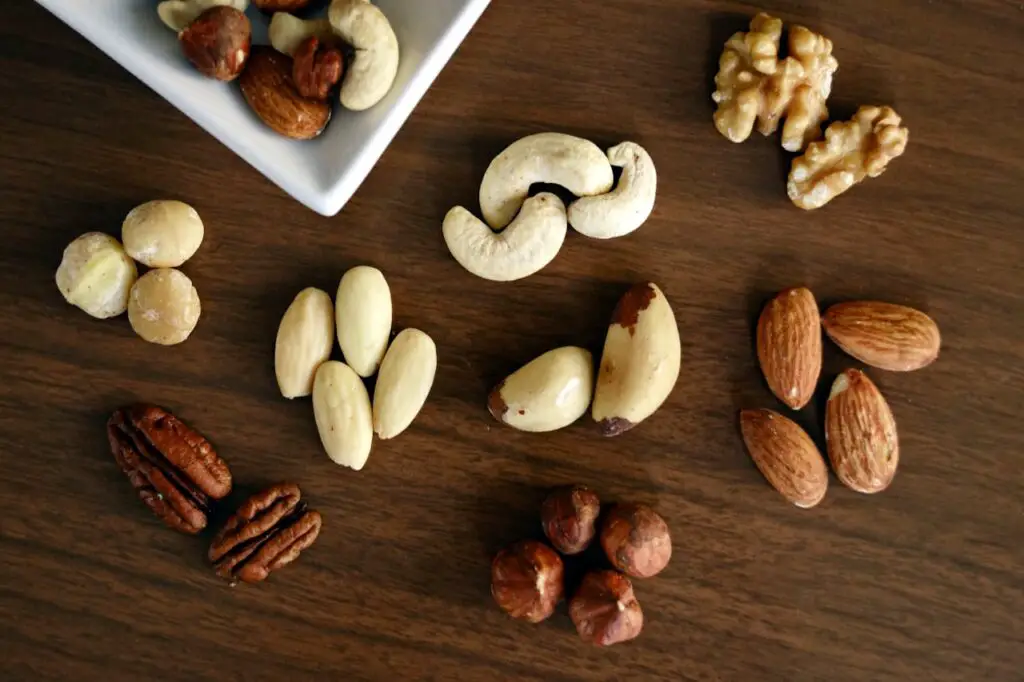
<p> Walnuts are a nutrient-dense snack that offers numerous health benefits, particularly for brain and heart health. They are one of the best plant-based sources of omega-3 fatty acids, which help reduce inflammation and support cognitive function. Walnuts are also rich in antioxidants, magnesium, and vitamin E, which contribute to better heart health and reduced cholesterol levels. Adding a handful of walnuts to your daily diet, whether as a topping for yogurt or a quick snack, can make a big difference in your overall health. </p> :: Pexels

Walnuts are a nutrient-dense snack that offers numerous health benefits, particularly for brain and heart health. They are one of the best plant-based sources of omega-3 fatty acids, which help reduce inflammation and support cognitive function. Walnuts are also rich in antioxidants, magnesium, and vitamin E, which contribute to better heart health and reduced cholesterol levels. Adding a handful of walnuts to your daily diet, whether as a topping for yogurt or a quick snack, can make a big difference in your overall health.

5. Avocados: The Creamy Superfood

<p> Avocados are celebrated for their creamy texture and incredible health benefits. They’re rich in monounsaturated fats, which are heart-healthy and help lower bad cholesterol levels. Avocados also provide potassium, which is essential for maintaining healthy blood pressure, and they’re a good source of fiber, aiding digestion and keeping you full longer. Incorporating avocados into your diet is easy—spread them on toast, add them to salads, or blend them into smoothies for a creamy boost of nutrients. </p> :: Pexels

Avocados are celebrated for their creamy texture and incredible health benefits. They’re rich in monounsaturated fats, which are heart-healthy and help lower bad cholesterol levels. Avocados also provide potassium, which is essential for maintaining healthy blood pressure, and they’re a good source of fiber, aiding digestion and keeping you full longer. Incorporating avocados into your diet is easy—spread them on toast, add them to salads, or blend them into smoothies for a creamy boost of nutrients.

6. Quinoa: The Complete Protein Grain

<p> Quinoa is a gluten-free grain that is packed with complete protein, containing all nine essential amino acids that the body needs. This makes it an excellent choice for maintaining muscle mass and supporting overall health as you age. Quinoa is also high in fiber, magnesium, and iron, which contribute to better digestion, energy levels, and bone health. Its versatility makes it a great addition to salads, soups, or as a side dish to complement your meals. </p> :: Freepik

Quinoa is a gluten-free grain that is packed with complete protein, containing all nine essential amino acids that the body needs. This makes it an excellent choice for maintaining muscle mass and supporting overall health as you age. Quinoa is also high in fiber, magnesium, and iron, which contribute to better digestion, energy levels, and bone health. Its versatility makes it a great addition to salads, soups, or as a side dish to complement your meals.

7. Dark Chocolate: The Sweet Antioxidant Treat

<p> Dark chocolate is a delightful way to satisfy your sweet tooth while reaping significant health benefits. Rich in flavonoids, dark chocolate helps improve blood flow, reduce blood pressure, and support heart health. It also contains magnesium and iron, which are essential for energy production and maintaining healthy bones. To enjoy its benefits, choose dark chocolate with at least 70% cocoa content and limit your intake to a small square or two per day. Pair it with nuts or berries for a satisfying and nutritious snack. </p> :: Pexels

Dark chocolate is a delightful way to satisfy your sweet tooth while reaping significant health benefits. Rich in flavonoids, dark chocolate helps improve blood flow, reduce blood pressure, and support heart health. It also contains magnesium and iron, which are essential for energy production and maintaining healthy bones. To enjoy its benefits, choose dark chocolate with at least 70% cocoa content and limit your intake to a small square or two per day. Pair it with nuts or berries for a satisfying and nutritious snack.

Final Thoughts

<p> The journey to better health doesn’t have to be overwhelming. By adding these seven superfoods to your meals, you can take proactive steps toward aging gracefully and staying active. Whether you’re enjoying a bowl of quinoa salad, snacking on walnuts, or indulging in a square of dark chocolate, every bite is a step closer to better health in your 50s and beyond. Start small, experiment with recipes, and discover how delicious healthy eating can be. These superfoods are not only packed with nutrients but also offer a variety of flavors and textures that can make healthy eating enjoyable and sustainable. So, why not start today? Your body will thank you for it. </p> :: Pexels

The journey to better health doesn’t have to be overwhelming. By adding these seven superfoods to your meals, you can take proactive steps toward aging gracefully and staying active. Whether you’re enjoying a bowl of quinoa salad, snacking on walnuts, or indulging in a square of dark chocolate, every bite is a step closer to better health in your 50s and beyond. Start small, experiment with recipes, and discover how delicious healthy eating can be. These superfoods are not only packed with nutrients but also offer a variety of flavors and textures that can make healthy eating enjoyable and sustainable. So, why not start today? Your body will thank you for it.

Filed Under: Health & Fitness

Low-Sugar Diet? Skip These 10 Fruits That Can Spike Your Levels

February 27, 2026 | Leave a Comment

Low-Sugar Diet? Skip These 10 Fruits That Can Spike Your Levels

<p> When most of us think of fruit, we picture wholesome, healthy goodness on our plates. After all, it is “nature’s candy,” right? But here is the catch: not all fruit is created equal when it comes to blood sugar. For baby boomers especially, paying attention to sugar intake is key to maintaining steady energy, supporting heart health, and avoiding those dreaded mid-afternoon crashes. Some fruits that look innocent enough can actually send your blood sugar levels soaring faster than you might expect. That does not mean you can never enjoy them again, but it does mean it is worth being selective. Think of it less as giving up fruit and more as choosing the ones that love your body back. So, if you are watching your sugar or managing conditions like prediabetes or diabetes, you will want to take a closer look at this list. Here are 10 fruits that can spike your levels and what you can do instead. </p> :: Freepik

When most of us think of fruit, we picture wholesome, healthy goodness on our plates. After all, it is “nature’s candy,” right? But here is the catch: not all fruit is created equal when it comes to blood sugar. For baby boomers especially, paying attention to sugar intake is key to maintaining steady energy, supporting heart health, and avoiding those dreaded mid-afternoon crashes.

Some fruits that look innocent enough can actually send your blood sugar levels soaring faster than you might expect. That does not mean you can never enjoy them again, but it does mean it is worth being selective. Think of it less as giving up fruit and more as choosing the ones that love your body back.

So, if you are watching your sugar or managing conditions like prediabetes or diabetes, you will want to take a closer look at this list. Here are 10 fruits that can spike your levels and what you can do instead.

1. Watermelon

<p> Few things feel more nostalgic than a slice of cold watermelon on a hot summer day. Unfortunately, watermelon has a very high glycemic index, which means your body absorbs its sugar quickly. Because it is mostly water with little fiber to slow things down, the sweetness can cause your blood sugar to rise in record time. If you love watermelon, enjoy a very small portion and balance it with some protein, like a slice of cheese. Otherwise, it may be best to stick with lower-sugar fruits for that summertime refreshment. </p> :: Pexels

Few things feel more nostalgic than a slice of cold watermelon on a hot summer day. Unfortunately, watermelon has a very high glycemic index, which means your body absorbs its sugar quickly. Because it is mostly water with little fiber to slow things down, the sweetness can cause your blood sugar to rise in record time. If you love watermelon, enjoy a very small portion and balance it with some protein, like a slice of cheese. Otherwise, it may be best to stick with lower-sugar fruits for that summertime refreshment.

2. Pineapple

<p> Bright, tropical, and full of flavor, pineapple often steals the show in fruit salads. The problem is that it is also loaded with natural sugars and has a moderately high glycemic index. That means it digests quickly, sending sugar into your bloodstream faster than you might like. If you are craving pineapple, think small: a couple of chunks paired with cottage cheese or Greek yogurt will let you enjoy the flavor without the sugar spike. </p> :: Pexels

Bright, tropical, and full of flavor, pineapple often steals the show in fruit salads. The problem is that it is also loaded with natural sugars and has a moderately high glycemic index. That means it digests quickly, sending sugar into your bloodstream faster than you might like. If you are craving pineapple, think small: a couple of chunks paired with cottage cheese or Greek yogurt will let you enjoy the flavor without the sugar spike.

3. Ripe Bananas

<p> Bananas are one of the easiest grab-and-go snacks out there. But as bananas ripen, their starch turns into sugar, which increases their effect on blood sugar levels. A fully ripe banana may taste deliciously sweet, but it can hit your system hard. A firmer banana, slightly less ripe, has a bit less sugar and a lower glycemic impact. If you cannot resist, try pairing half a banana with a spoonful of peanut butter for a snack that is both satisfying and balanced. </p> :: Pexels

Bananas are one of the easiest grab-and-go snacks out there. But as bananas ripen, their starch turns into sugar, which increases their effect on blood sugar levels. A fully ripe banana may taste deliciously sweet, but it can hit your system hard. A firmer banana, slightly less ripe, has a bit less sugar and a lower glycemic impact. If you cannot resist, try pairing half a banana with a spoonful of peanut butter for a snack that is both satisfying and balanced.

4. Mangoes

<p> Mangoes taste like pure sunshine in fruit form. Unfortunately, that sunny sweetness comes with a hefty sugar load—about 23 grams per cup. While they are rich in vitamins, they can cause a rapid rise in blood sugar if eaten in large portions. If you enjoy mangoes, cut a small slice and savor it slowly rather than tackling the whole fruit. That way, you get the flavor without overwhelming your system. </p> :: Pexels

Mangoes taste like pure sunshine in fruit form. Unfortunately, that sunny sweetness comes with a hefty sugar load—about 23 grams per cup. While they are rich in vitamins, they can cause a rapid rise in blood sugar if eaten in large portions. If you enjoy mangoes, cut a small slice and savor it slowly rather than tackling the whole fruit. That way, you get the flavor without overwhelming your system.

5. Dates

<p> Dates are often called nature’s candy for good reason. They are sticky, chewy, and incredibly sweet. But just one date can contain as much sugar as some candy bars in disguise. Because they are also high in calories and have a high glycemic load, dates are best left as an occasional treat. If you enjoy them, pair just one with a handful of nuts to balance the sugar with protein and healthy fats. </p> :: Freepik

Dates are often called nature’s candy for good reason. They are sticky, chewy, and incredibly sweet. But just one date can contain as much sugar as some candy bars in disguise. Because they are also high in calories and have a high glycemic load, dates are best left as an occasional treat. If you enjoy them, pair just one with a handful of nuts to balance the sugar with protein and healthy fats.

6. Raisins and Other Dried Fruits

<p> Dried fruit may seem like a healthy snack, but it is deceptive. Drying removes the water, concentrating the sugars into each bite. A handful of raisins or dried cranberries can easily deliver more sugar than you intended. The trouble is that dried fruit is also very easy to overeat because it feels so small and light. If you want something sweet, opt for a few fresh berries instead. They are juicy, lower in sugar, and full of fiber to help keep your blood sugar steady. </p> :: Freepik

Dried fruit may seem like a healthy snack, but it is deceptive. Drying removes the water, concentrating the sugars into each bite. A handful of raisins or dried cranberries can easily deliver more sugar than you intended. The trouble is that dried fruit is also very easy to overeat because it feels so small and light. If you want something sweet, opt for a few fresh berries instead. They are juicy, lower in sugar, and full of fiber to help keep your blood sugar steady.

7. Lychee

<p> These tiny tropical gems look innocent enough, but lychees pack quite a sugar punch. Fresh or canned, they rank high on the glycemic index and can cause a quick spike in blood sugar. Canned lychees often come in syrup, which adds even more sugar to the mix. If you enjoy their unique flavor, treat them like candy—an occasional indulgence, not an everyday fruit. </p> :: Pexels

These tiny tropical gems look innocent enough, but lychees pack quite a sugar punch. Fresh or canned, they rank high on the glycemic index and can cause a quick spike in blood sugar. Canned lychees often come in syrup, which adds even more sugar to the mix. If you enjoy their unique flavor, treat them like candy—an occasional indulgence, not an everyday fruit.

8. Papaya

<p> Papaya has a reputation as a “healthy” fruit, often recommended for digestion. But when ripe, papaya contains a fair amount of sugar and lands in the moderate-to-high range on the glycemic index. While a few slices may not hurt, a big bowl can tip the balance and raise your blood sugar quickly. Enjoy papaya in small amounts and consider pairing it with something protein-rich, like Greek yogurt, to soften the impact. </p> :: Pexels

Papaya has a reputation as a “healthy” fruit, often recommended for digestion. But when ripe, papaya contains a fair amount of sugar and lands in the moderate-to-high range on the glycemic index. While a few slices may not hurt, a big bowl can tip the balance and raise your blood sugar quickly. Enjoy papaya in small amounts and consider pairing it with something protein-rich, like Greek yogurt, to soften the impact.

9. Cantaloupe

<p> Cantaloupe may seem light and harmless, but its glycemic index lands in the 60s, which means it can still send your blood sugar higher than you might expect. Because it is mostly water, the glycemic load is a little lower, but the sugar is still there. The trick is moderation. Instead of eating a big bowl of cantaloupe on its own, try combining a few slices with a handful of almonds or walnuts. This pairing slows digestion and helps you feel satisfied without the sugar rollercoaster. </p> :: Freepik

Cantaloupe may seem light and harmless, but its glycemic index lands in the 60s, which means it can still send your blood sugar higher than you might expect. Because it is mostly water, the glycemic load is a little lower, but the sugar is still there. The trick is moderation. Instead of eating a big bowl of cantaloupe on its own, try combining a few slices with a handful of almonds or walnuts. This pairing slows digestion and helps you feel satisfied without the sugar rollercoaster.

10. Grapes

<p> Grapes are perhaps the ultimate mindless snack. A bunch in a bowl disappears quickly, but each handful adds up to a significant amount of sugar. Grapes are delicious and full of antioxidants, but they can cause blood sugar to climb rapidly. To enjoy them safely, measure out a small portion—maybe ten or twelve grapes—instead of eating straight from the bunch. You will still get the sweet burst without going overboard. </p> :: Pexels

Grapes are perhaps the ultimate mindless snack. A bunch in a bowl disappears quickly, but each handful adds up to a significant amount of sugar. Grapes are delicious and full of antioxidants, but they can cause blood sugar to climb rapidly. To enjoy them safely, measure out a small portion—maybe ten or twelve grapes—instead of eating straight from the bunch. You will still get the sweet burst without going overboard.

Final Thoughts

<p> Cutting back on high-sugar fruits does not mean you have to give up the joy of fruit altogether. Instead, it is about making smarter choices. Berries, apples, pears, and citrus fruits tend to be friendlier options when it comes to keeping blood sugar stable, and they still offer plenty of flavor and nutrition. As baby boomers, the goal is not perfection but balance. Enjoying fruit should be part of a full and satisfying diet that supports energy, health, and yes, even the occasional sweet craving. With a little awareness and moderation, you can still savor nature’s sweetness without the sugar spike that follows. After all, life is too short not to enjoy the sweet moments—it just helps to choose the ones that truly nourish you. </p> :: Pexels

Cutting back on high-sugar fruits does not mean you have to give up the joy of fruit altogether. Instead, it is about making smarter choices. Berries, apples, pears, and citrus fruits tend to be friendlier options when it comes to keeping blood sugar stable, and they still offer plenty of flavor and nutrition.

As baby boomers, the goal is not perfection but balance. Enjoying fruit should be part of a full and satisfying diet that supports energy, health, and yes, even the occasional sweet craving. With a little awareness and moderation, you can still savor nature’s sweetness without the sugar spike that follows. After all, life is too short not to enjoy the sweet moments—it just helps to choose the ones that truly nourish you.

Filed Under: Health & Fitness

What Happens to Your Body When You Start the Morning with Water: 10 Surprising Benefits

February 27, 2026 | Leave a Comment

What Happens to Your Body When You Start the Morning with Water: 10 Surprising Benefits

<p> Most of us roll over, grab our phones, or stumble toward the coffee maker the second our alarm goes off. It feels automatic, almost necessary. But what if the most powerful way to wake up your body has nothing to do with caffeine or notifications? What if the simplest habit could quietly transform how you feel for the rest of the day?

That habit is drinking water. Before the emails, before the headlines, before the first sip of coffee, your body is already craving hydration. After seven or eight hours without fluids, you wake up mildly dehydrated, even if you do not feel thirsty. A single glass of water can jumpstart your system, sharpen your mind, and spark a chain reaction of benefits that ripple through your metabolism, digestion, mood, and energy levels. It is a small act that signals to your body, “We are taking care of you today.” And over time, that simple choice can become the foundation for healthier mornings and stronger days.

Here is a deeper look at what happens when you make morning hydration a non-negotiable part of your daily routine. </p> :: Gemini

Most of us roll over, grab our phones, or stumble toward the coffee maker the second our alarm goes off. It feels automatic, almost necessary. But what if the most powerful way to wake up your body has nothing to do with caffeine or notifications? What if the simplest habit could quietly transform how you feel for the rest of the day?

That habit is drinking water. Before the emails, before the headlines, before the first sip of coffee, your body is already craving hydration. After seven or eight hours without fluids, you wake up mildly dehydrated, even if you do not feel thirsty. A single glass of water can jumpstart your system, sharpen your mind, and spark a chain reaction of benefits that ripple through your metabolism, digestion, mood, and energy levels. It is a small act that signals to your body, “We are taking care of you today.” And over time, that simple choice can become the foundation for healthier mornings and stronger days.

Here is a deeper look at what happens when you make morning hydration a non-negotiable part of your daily routine.

1. Rehydrates Your Body After Sleep

<p> When you sleep, your body continues to work, using energy and losing fluids through breathing, sweat, and even tiny amounts of evaporation from your skin. By the time your alarm goes off, you may already be slightly dehydrated. Drinking a glass of water immediately after waking replenishes these fluids, giving your cells and organs the hydration they need to function properly. You may notice less grogginess, reduced dry mouth, and even a smaller chance of waking up with a headache. This simple act is like turning on the lights in a dark room; suddenly everything feels more alert and ready for action. </p> :: Gemini

When you sleep, your body continues to work, using energy and losing fluids through breathing, sweat, and even tiny amounts of evaporation from your skin. By the time your alarm goes off, you may already be slightly dehydrated. Drinking a glass of water immediately after waking replenishes these fluids, giving your cells and organs the hydration they need to function properly. You may notice less grogginess, reduced dry mouth, and even a smaller chance of waking up with a headache. This simple act is like turning on the lights in a dark room; suddenly everything feels more alert and ready for action.

2. Boosts Your Morning Metabolism

<p> Water does more than hydrate—it activates your metabolism. Research suggests that drinking water can temporarily increase your resting metabolic rate, which means your body burns more calories even when you are not moving. While it is not a replacement for exercise or healthy eating, starting your day with water gives your metabolism a small but meaningful boost. This helps your body process the food you eat more efficiently and can contribute to long-term weight management without any extreme dieting or fad tricks. </p> :: Gemini

Water does more than hydrate—it activates your metabolism. Research suggests that drinking water can temporarily increase your resting metabolic rate, which means your body burns more calories even when you are not moving. While it is not a replacement for exercise or healthy eating, starting your day with water gives your metabolism a small but meaningful boost. This helps your body process the food you eat more efficiently and can contribute to long-term weight management without any extreme dieting or fad tricks.

3. Kickstarts Your Digestive System

<p> Drinking water first thing helps wake up your digestive system. Your intestines and stomach start to move, preparing to process the breakfast you are about to eat. It can help prevent constipation and bloating by supporting smooth muscle movements in your digestive tract. Many people find that a simple glass of water makes their morning bathroom routine easier and more comfortable. Think of it as giving your internal plumbing a gentle nudge so it does not have to struggle later in the day. </p> :: Gemini

Drinking water first thing helps wake up your digestive system. Your intestines and stomach start to move, preparing to process the breakfast you are about to eat. It can help prevent constipation and bloating by supporting smooth muscle movements in your digestive tract. Many people find that a simple glass of water makes their morning bathroom routine easier and more comfortable. Think of it as giving your internal plumbing a gentle nudge so it does not have to struggle later in the day.

4. Improves Mental Clarity and Focus

<p> Your brain is mostly water, which means even mild dehydration can make you feel foggy or slow. By rehydrating in the morning, you improve blood flow to your brain, which supports cognitive functions like concentration, memory, and problem-solving. This is especially important if you have a busy workday or need to be alert for meetings. You may be surprised how much more awake and focused you feel after a single glass of water before tackling your first email. </p> :: Gemini

Your brain is mostly water, which means even mild dehydration can make you feel foggy or slow. By rehydrating in the morning, you improve blood flow to your brain, which supports cognitive functions like concentration, memory, and problem-solving. This is especially important if you have a busy workday or need to be alert for meetings. You may be surprised how much more awake and focused you feel after a single glass of water before tackling your first email.

5. Balances Mood and Energy Levels

<p> Dehydration affects your energy and mood, even in subtle ways. Feeling sluggish, irritable, or unmotivated may be your body telling you it needs fluids. Drinking water when you wake up replenishes your system, which can improve mood, energy, and overall mental well-being. It is an easy and natural way to give yourself a gentle emotional boost, especially on mornings when coffee alone is not enough to shake off the sleepiness. </p> :: Gemini

Dehydration affects your energy and mood, even in subtle ways. Feeling sluggish, irritable, or unmotivated may be your body telling you it needs fluids. Drinking water when you wake up replenishes your system, which can improve mood, energy, and overall mental well-being. It is an easy and natural way to give yourself a gentle emotional boost, especially on mornings when coffee alone is not enough to shake off the sleepiness.

6. Supports Healthy Weight Management

<p> Hydration can help with weight management without feeling like a diet. Drinking water before breakfast can reduce hunger and help you feel fuller, which may prevent overeating or snacking on high-calorie foods later in the day. Over time, this small habit, combined with balanced meals and regular activity, can help you maintain a healthy weight. The best part is that it does not involve complicated meal plans or restrictive diets—it is a simple, natural way to support your body. </p> :: Gemini

Hydration can help with weight management without feeling like a diet. Drinking water before breakfast can reduce hunger and help you feel fuller, which may prevent overeating or snacking on high-calorie foods later in the day. Over time, this small habit, combined with balanced meals and regular activity, can help you maintain a healthy weight. The best part is that it does not involve complicated meal plans or restrictive diets—it is a simple, natural way to support your body.

7. Flushes Toxins and Supports Kidney Function

<p> Your kidneys work constantly to filter waste from your blood, but they need water to do it efficiently. Drinking water first thing in the morning helps your kidneys remove toxins and maintain healthy function. This supports not only your urinary system but also your overall health. Staying hydrated helps prevent kidney stones and urinary tract issues, making morning water a small but important investment in your long-term well-being. </p> :: Gemini

Your kidneys work constantly to filter waste from your blood, but they need water to do it efficiently. Drinking water first thing in the morning helps your kidneys remove toxins and maintain healthy function. This supports not only your urinary system but also your overall health. Staying hydrated helps prevent kidney stones and urinary tract issues, making morning water a small but important investment in your long-term well-being.

8. Promotes Healthier Skin and Hair

<p> Hydration is essential for skin and hair health. While creams and serums work on the surface, drinking water supports your skin from the inside out. Proper hydration helps maintain skin elasticity, reduces dryness, and can contribute to a brighter, more radiant complexion. Hair follicles also benefit, resulting in healthier, shinier hair over time. Starting the day with water is one of the simplest ways to support natural beauty without relying on expensive products. </p> :: Gemini

Hydration is essential for skin and hair health. While creams and serums work on the surface, drinking water supports your skin from the inside out. Proper hydration helps maintain skin elasticity, reduces dryness, and can contribute to a brighter, more radiant complexion. Hair follicles also benefit, resulting in healthier, shinier hair over time. Starting the day with water is one of the simplest ways to support natural beauty without relying on expensive products.

9. Strengthens Immune and Lymphatic Systems

<p> Hydration is critical for your immune system. Your lymphatic system, which is responsible for removing waste and defending against infections, relies on sufficient fluid levels to function properly. By drinking water in the morning, you support the circulation of lymph and blood, which helps your body fight off illness more effectively. While water is not a substitute for sleep, nutrition, or vaccines, it gives your body a better foundation to defend itself. </p> :: Gemini

Hydration is critical for your immune system. Your lymphatic system, which is responsible for removing waste and defending against infections, relies on sufficient fluid levels to function properly. By drinking water in the morning, you support the circulation of lymph and blood, which helps your body fight off illness more effectively. While water is not a substitute for sleep, nutrition, or vaccines, it gives your body a better foundation to defend itself.

10. Sets the Tone for Healthier Daily Choices

<p> Perhaps the most unexpected benefit of drinking water first thing is the psychological impact. Making hydration your first conscious act of the day reinforces the idea that your health matters. This simple habit often leads to other positive choices, like choosing nutritious foods, taking short walks, or maintaining other daily wellness routines. Drinking water becomes more than a physical act—it becomes a small ritual that reminds you to take care of yourself every day. </p> :: Gemini

Perhaps the most unexpected benefit of drinking water first thing is the psychological impact. Making hydration your first conscious act of the day reinforces the idea that your health matters. This simple habit often leads to other positive choices, like choosing nutritious foods, taking short walks, or maintaining other daily wellness routines. Drinking water becomes more than a physical act—it becomes a small ritual that reminds you to take care of yourself every day.

Final Thoughts

<p> Drinking water first thing in the morning is simple, affordable, and effective. It is not a miracle cure, but it sets your body up for better hydration, digestion, cognitive function, and overall health throughout the day. By making this small adjustment to your morning routine, you can feel more energized, alert, and ready to take on whatever comes your way.

Starting your day with water is also a reminder that self-care does not need to be complicated. One glass can spark a cascade of positive effects that improve your health and well-being over time. Small daily habits often create the biggest long-term results, and this is one of the easiest to maintain. When you begin your morning with intention, you are more likely to make mindful choices for the rest of the day. Consistency, not perfection, is what truly transforms your health. So tomorrow morning, before coffee, before checking your phone, raise that glass and give your body the hydration it has been waiting for. Your energy, mood, skin, and even your mindset will thank you. </p> :: Gemini

Drinking water first thing in the morning is simple, affordable, and effective. It is not a miracle cure, but it sets your body up for better hydration, digestion, cognitive function, and overall health throughout the day. By making this small adjustment to your morning routine, you can feel more energized, alert, and ready to take on whatever comes your way.

Starting your day with water is also a reminder that self-care does not need to be complicated. One glass can spark a cascade of positive effects that improve your health and well-being over time. Small daily habits often create the biggest long-term results, and this is one of the easiest to maintain. When you begin your morning with intention, you are more likely to make mindful choices for the rest of the day. Consistency, not perfection, is what truly transforms your health. So tomorrow morning, before coffee, before checking your phone, raise that glass and give your body the hydration it has been waiting for. Your energy, mood, skin, and even your mindset will thank you.

Filed Under: Health & Fitness

7 Common Health Issues in Your 50s and How to Prevent Them

February 26, 2026 | Leave a Comment

7 Common Health Issues in Your 50s and How to Prevent Them

<p> Reaching your 50s often brings a renewed focus on maintaining health and well-being. However, it is also a time when certain health issues become more prevalent. Knowing what to expect and how to prevent these concerns can help you stay active, healthy, and happy as you age. Here are seven common health issues in your 50s and simple steps you can take to prevent them. </p> :: Pexels

Reaching your 50s often brings a renewed focus on maintaining health and well-being. However, it is also a time when certain health issues become more prevalent. Knowing what to expect and how to prevent these concerns can help you stay active, healthy, and happy as you age. Here are seven common health issues in your 50s and simple steps you can take to prevent them.

1. Heart Disease

<p> Heart disease is one of the leading health concerns for individuals in their 50s, largely due to a combination of genetics, lifestyle, and age-related changes. Conditions such as high blood pressure, high cholesterol, and obesity increase the risk of heart attacks and strokes. Prevention starts with regular cardiovascular check-ups to monitor heart health. A heart-healthy diet rich in fruits, vegetables, and whole grains is essential. Aim for at least 150 minutes of moderate exercise each week, which can include activities like walking, swimming, or cycling. Additionally, managing stress through practices such as yoga or mindfulness can have positive effects on heart health. Avoiding smoking and limiting alcohol intake also play critical roles in keeping your heart in good condition. Early detection of heart-related issues through routine checkups is key to prevention. </p> :: Pexels

Heart disease is one of the leading health concerns for individuals in their 50s, largely due to a combination of genetics, lifestyle, and age-related changes. Conditions such as high blood pressure, high cholesterol, and obesity increase the risk of heart attacks and strokes. Prevention starts with regular cardiovascular check-ups to monitor heart health. A heart-healthy diet rich in fruits, vegetables, and whole grains is essential. Aim for at least 150 minutes of moderate exercise each week, which can include activities like walking, swimming, or cycling. Additionally, managing stress through practices such as yoga or mindfulness can have positive effects on heart health. Avoiding smoking and limiting alcohol intake also play critical roles in keeping your heart in good condition. Early detection of heart-related issues through routine checkups is key to prevention.

2. Osteoarthritis

<p> Osteoarthritis, the most common form of arthritis, becomes more noticeable in your 50s due to wear and tear on joints over time. This condition can cause pain, stiffness, and a decrease in mobility, particularly in the knees, hips, and hands. Preventing or minimizing osteoarthritis involves maintaining a healthy weight to reduce strain on the joints. Staying physically active is crucial, as it keeps the joints flexible and helps maintain muscle strength. Low-impact exercises like swimming, cycling, or walking are excellent choices that provide cardiovascular benefits without stressing the joints. Strengthening the muscles around the joints through resistance training can also help provide better joint support and alleviate pain. Staying hydrated and eating foods rich in omega-3 fatty acids, such as fatty fish and walnuts, can further support joint health. Regular visits to a healthcare provider for evaluations can help track joint health and identify issues early on. </p> :: Pexels

Osteoarthritis, the most common form of arthritis, becomes more noticeable in your 50s due to wear and tear on joints over time. This condition can cause pain, stiffness, and a decrease in mobility, particularly in the knees, hips, and hands. Preventing or minimizing osteoarthritis involves maintaining a healthy weight to reduce strain on the joints. Staying physically active is crucial, as it keeps the joints flexible and helps maintain muscle strength. Low-impact exercises like swimming, cycling, or walking are excellent choices that provide cardiovascular benefits without stressing the joints. Strengthening the muscles around the joints through resistance training can also help provide better joint support and alleviate pain. Staying hydrated and eating foods rich in omega-3 fatty acids, such as fatty fish and walnuts, can further support joint health. Regular visits to a healthcare provider for evaluations can help track joint health and identify issues early on.

3. Type 2 Diabetes

<p> The risk of developing type 2 diabetes increases as you age, especially if you lead a sedentary lifestyle or have a poor diet. Being overweight or having a family history of diabetes can heighten this risk significantly. Prevention starts with adopting a balanced diet low in refined sugars and processed foods. Focus on whole foods, including plenty of vegetables, lean proteins, and whole grains. Regular physical activity, such as walking, swimming, or participating in fitness classes, can improve insulin sensitivity and help manage weight. Aim for at least 150 minutes of moderate exercise each week. Additionally, monitoring your blood sugar levels regularly and scheduling routine checkups can help catch early signs of diabetes. If you have prediabetes, work closely with a healthcare provider to develop a personalized prevention plan that includes dietary changes and lifestyle modifications. </p> :: Pexels

The risk of developing type 2 diabetes increases as you age, especially if you lead a sedentary lifestyle or have a poor diet. Being overweight or having a family history of diabetes can heighten this risk significantly. Prevention starts with adopting a balanced diet low in refined sugars and processed foods. Focus on whole foods, including plenty of vegetables, lean proteins, and whole grains. Regular physical activity, such as walking, swimming, or participating in fitness classes, can improve insulin sensitivity and help manage weight. Aim for at least 150 minutes of moderate exercise each week. Additionally, monitoring your blood sugar levels regularly and scheduling routine checkups can help catch early signs of diabetes. If you have prediabetes, work closely with a healthcare provider to develop a personalized prevention plan that includes dietary changes and lifestyle modifications.

4. Osteoporosis

<p> Osteoporosis is another common health issue in your 50s, particularly among women after menopause. This condition causes bones to become brittle and weak, increasing the risk of fractures. To prevent osteoporosis, it is vital to maintain a diet rich in calcium and vitamin D, which are essential for bone health. Dairy products, leafy greens, and fortified foods are excellent sources of calcium, while exposure to sunlight helps your body produce vitamin D. Weight-bearing exercises, such as walking, hiking, and strength training, strengthen bones and reduce the risk of bone density loss. Regular bone density screenings can help detect osteoporosis early, allowing for timely intervention. Limiting caffeine and alcohol consumption can also help maintain bone density. If you have a family history of osteoporosis, it is especially important to discuss your risk factors with your healthcare provider and develop a proactive plan to protect your bones. </p> :: Pexels

Osteoporosis is another common health issue in your 50s, particularly among women after menopause. This condition causes bones to become brittle and weak, increasing the risk of fractures. To prevent osteoporosis, it is vital to maintain a diet rich in calcium and vitamin D, which are essential for bone health. Dairy products, leafy greens, and fortified foods are excellent sources of calcium, while exposure to sunlight helps your body produce vitamin D. Weight-bearing exercises, such as walking, hiking, and strength training, strengthen bones and reduce the risk of bone density loss. Regular bone density screenings can help detect osteoporosis early, allowing for timely intervention. Limiting caffeine and alcohol consumption can also help maintain bone density. If you have a family history of osteoporosis, it is especially important to discuss your risk factors with your healthcare provider and develop a proactive plan to protect your bones.

5. Vision Problems

<p> As you enter your 50s, vision problems such as presbyopia (difficulty focusing on close objects), cataracts, and age-related macular degeneration (AMD) become more common. These conditions can significantly impact your quality of life if left unchecked. Preventive measures include having regular eye exams, ideally every one to two years, depending on your vision and overall health. Wearing sunglasses with UV protection can help shield your eyes from harmful rays, which may contribute to cataract formation. Maintaining a diet rich in vitamins A, C, and E, as well as antioxidants like lutein and zeaxanthin, found in leafy greens and colorful fruits, can further support your eye health. Limiting screen time and giving your eyes frequent breaks can also reduce strain and support long-term vision. If you notice any significant changes in your vision, consult an eye care professional promptly to discuss potential treatments or corrective lenses. </p> :: Pexels

As you enter your 50s, vision problems such as presbyopia (difficulty focusing on close objects), cataracts, and age-related macular degeneration (AMD) become more common. These conditions can significantly impact your quality of life if left unchecked. Preventive measures include having regular eye exams, ideally every one to two years, depending on your vision and overall health. Wearing sunglasses with UV protection can help shield your eyes from harmful rays, which may contribute to cataract formation. Maintaining a diet rich in vitamins A, C, and E, as well as antioxidants like lutein and zeaxanthin, found in leafy greens and colorful fruits, can further support your eye health. Limiting screen time and giving your eyes frequent breaks can also reduce strain and support long-term vision. If you notice any significant changes in your vision, consult an eye care professional promptly to discuss potential treatments or corrective lenses.

6. Hearing Loss

<p> Age-related hearing loss, or presbycusis, can start to manifest in your 50s, making it harder to hear high-pitched sounds or follow conversations in noisy environments. While some degree of hearing loss is natural with age, there are steps you can take to preserve your hearing. Avoid prolonged exposure to loud noises, and use ear protection when necessary, whether at concerts, around loud machinery, or when listening to music. Regular hearing tests can help detect early signs of hearing loss. If you notice difficulty in hearing, address any issues sooner rather than later with hearing aids or other treatments. Protecting your ears from noise damage is essential for preventing long-term issues. Additionally, maintaining good overall health through a balanced diet and regular exercise can support your auditory health. </p> :: Pexels

Age-related hearing loss, or presbycusis, can start to manifest in your 50s, making it harder to hear high-pitched sounds or follow conversations in noisy environments. While some degree of hearing loss is natural with age, there are steps you can take to preserve your hearing. Avoid prolonged exposure to loud noises, and use ear protection when necessary, whether at concerts, around loud machinery, or when listening to music. Regular hearing tests can help detect early signs of hearing loss. If you notice difficulty in hearing, address any issues sooner rather than later with hearing aids or other treatments. Protecting your ears from noise damage is essential for preventing long-term issues. Additionally, maintaining good overall health through a balanced diet and regular exercise can support your auditory health.

7. Weight Gain

<p> Many individuals in their 50s struggle with unintentional weight gain due to hormonal changes, a slower metabolism, and lifestyle factors. Excess weight, particularly around the abdomen, increases the risk of numerous health problems, including heart disease, diabetes, and joint issues. Preventing weight gain requires a combination of mindful eating and regular physical activity. Focus on portion control and choose nutrient-dense foods, such as vegetables, lean proteins, and healthy fats. Incorporating both cardio and strength training into your exercise routine can help maintain muscle mass, boost your metabolism, and burn calories. Aim for at least 150 minutes of moderate-intensity exercise each week, along with two days of strength training. Managing stress through activities like meditation or yoga can reduce emotional eating and improve overall well-being. Staying hydrated and getting adequate sleep are also critical components of weight management. </p> :: Pexels

Many individuals in their 50s struggle with unintentional weight gain due to hormonal changes, a slower metabolism, and lifestyle factors. Excess weight, particularly around the abdomen, increases the risk of numerous health problems, including heart disease, diabetes, and joint issues. Preventing weight gain requires a combination of mindful eating and regular physical activity. Focus on portion control and choose nutrient-dense foods, such as vegetables, lean proteins, and healthy fats. Incorporating both cardio and strength training into your exercise routine can help maintain muscle mass, boost your metabolism, and burn calories. Aim for at least 150 minutes of moderate-intensity exercise each week, along with two days of strength training. Managing stress through activities like meditation or yoga can reduce emotional eating and improve overall well-being. Staying hydrated and getting adequate sleep are also critical components of weight management.


Final Thoughts

<p> In your 50s, it is crucial to stay proactive about your health by making lifestyle changes that prevent common issues like heart disease, arthritis, diabetes, and osteoporosis. A balanced diet, regular exercise, and consistent medical checkups can go a long way in helping you avoid these conditions. Early detection and prevention are key to living a healthy, active life in your 50s and beyond. By staying informed and taking small steps now, you can protect your body and enjoy the benefits of good health well into the future. Remember that investing in your health today pays dividends for a brighter tomorrow. Taking charge of your well-being in your 50s sets the foundation for a fulfilling and vibrant life as you continue to age gracefully. </p> :: Pexels

In your 50s, it is crucial to stay proactive about your health by making lifestyle changes that prevent common issues like heart disease, arthritis, diabetes, and osteoporosis. A balanced diet, regular exercise, and consistent medical checkups can go a long way in helping you avoid these conditions. Early detection and prevention are key to living a healthy, active life in your 50s and beyond. By staying informed and taking small steps now, you can protect your body and enjoy the benefits of good health well into the future. Remember that investing in your health today pays dividends for a brighter tomorrow. Taking charge of your well-being in your 50s sets the foundation for a fulfilling and vibrant life as you continue to age gracefully.

Filed Under: Health & Fitness

7 Health Facts Most People Don’t Want to Hear — But Should

February 26, 2026 | Leave a Comment

7 Health Facts Most People Don’t Want to Hear — But Should

<p> We all want health advice to be simple and painless. Eat this, skip that, do ten minutes of exercise, and boom—perfect health, right? Not quite. The truth is often uncomfortable. Real health is a mix of small daily choices, science-backed habits, and sometimes inconvenient realities. Some facts about our bodies and wellness are hard to accept, but knowing them can make a huge difference in how we feel, age, and live our lives.

In this article, we are going to tackle seven health facts most people prefer to ignore. These truths are practical, backed by science, and surprisingly empowering once you embrace them. They might challenge your habits, but understanding them is the first step toward lasting health. </p> :: Gemini

We all want health advice to be simple and painless. Eat this, skip that, do ten minutes of exercise, and boom—perfect health, right? Not quite. The truth is often uncomfortable. Real health is a mix of small daily choices, science-backed habits, and sometimes inconvenient realities. Some facts about our bodies and wellness are hard to accept, but knowing them can make a huge difference in how we feel, age, and live our lives.

In this article, we are going to tackle seven health facts most people prefer to ignore. These truths are practical, backed by science, and surprisingly empowering once you embrace them. They might challenge your habits, but understanding them is the first step toward lasting health.

1. Not All Foods Labeled Healthy Are Actually Healthy

<p> It is easy to assume that anything marketed as healthy is automatically good for you. Labels like “natural,” “whole grain,” and “fat-free” sound like guarantees of better health. Unfortunately, the reality is more complicated. Many so-called healthy foods are packed with sugar, refined ingredients, or unnecessary additives.

For instance, fat-free cookies often contain added sugar to make up for the flavor lost when fat is removed. Natural juices might have concentrated fruit sugars equivalent to soda. Even granola bars, which look wholesome, can be calorie bombs loaded with hidden sugars. The key is to stop trusting labels blindly. Pay attention to the ingredient list and choose whole, minimally processed foods whenever possible. Real health comes from understanding what you put into your body, not trusting clever marketing. </p> :: Gemini

It is easy to assume that anything marketed as healthy is automatically good for you. Labels like “natural,” “whole grain,” and “fat-free” sound like guarantees of better health. Unfortunately, the reality is more complicated. Many so-called healthy foods are packed with sugar, refined ingredients, or unnecessary additives.

For instance, fat-free cookies often contain added sugar to make up for the flavor lost when fat is removed. Natural juices might have concentrated fruit sugars equivalent to soda. Even granola bars, which look wholesome, can be calorie bombs loaded with hidden sugars. The key is to stop trusting labels blindly. Pay attention to the ingredient list and choose whole, minimally processed foods whenever possible. Real health comes from understanding what you put into your body, not trusting clever marketing.

2. You Do Not Need Exactly Eight Glasses of Water a Day

<p> The eight-glasses-a-day rule has been repeated for decades, but science does not support a one-size-fits-all number. Hydration needs vary depending on your body, activity level, and environment. Someone who exercises regularly in a hot climate needs more water than someone who works at a desk in an air-conditioned office.

Instead of focusing on a rigid number, pay attention to your body’s signals. Thirst is a surprisingly reliable guide. Urine color is another useful clue; pale yellow usually indicates proper hydration. Drinking water consistently throughout the day, rather than in large forced doses, is more effective. The real takeaway is to listen to your body and adjust intake as needed instead of chasing an arbitrary target. </p> :: Gemini

The eight-glasses-a-day rule has been repeated for decades, but science does not support a one-size-fits-all number. Hydration needs vary depending on your body, activity level, and environment. Someone who exercises regularly in a hot climate needs more water than someone who works at a desk in an air-conditioned office.

Instead of focusing on a rigid number, pay attention to your body’s signals. Thirst is a surprisingly reliable guide. Urine color is another useful clue; pale yellow usually indicates proper hydration. Drinking water consistently throughout the day, rather than in large forced doses, is more effective. The real takeaway is to listen to your body and adjust intake as needed instead of chasing an arbitrary target.

3. Carbohydrates Are Not the Enemy

<p> Carbs often get a bad reputation in diet culture, but the truth is that carbohydrates are your body’s main energy source. The problem lies in the type of carbohydrates you eat, not the carbs themselves. Whole grains, fruits, vegetables, and legumes provide fiber, vitamins, and steady energy.

Refined carbs, like white bread, pastries, and sugary snacks, spike blood sugar and can lead to weight gain and health issues. Avoiding carbs completely can actually hurt your metabolism and energy levels. Instead, focus on quality. Choose fiber-rich whole foods, pair them with protein and healthy fats, and enjoy your meals without guilt. Your body needs carbs, just the right ones. </p> :: Gemini

Carbs often get a bad reputation in diet culture, but the truth is that carbohydrates are your body’s main energy source. The problem lies in the type of carbohydrates you eat, not the carbs themselves. Whole grains, fruits, vegetables, and legumes provide fiber, vitamins, and steady energy.

Refined carbs, like white bread, pastries, and sugary snacks, spike blood sugar and can lead to weight gain and health issues. Avoiding carbs completely can actually hurt your metabolism and energy levels. Instead, focus on quality. Choose fiber-rich whole foods, pair them with protein and healthy fats, and enjoy your meals without guilt. Your body needs carbs, just the right ones.

4. Your Body Already Detoxifies Itself

<p> Detox teas, juice cleanses, and fad diets promise to flush toxins from your system, but your body is already doing that work naturally. Your liver, kidneys, and lymphatic system filter waste, manage chemical balances, and remove harmful substances every single day.

Buying special products to "cleanse" your system is usually unnecessary and, in some cases, can even be harmful. Instead, support your natural detoxification by staying hydrated, eating fiber-rich foods, exercising regularly, and getting adequate sleep. Trusting your body to do its job is more effective than chasing quick fixes. </p> :: Gemini

Detox teas, juice cleanses, and fad diets promise to flush toxins from your system, but your body is already doing that work naturally. Your liver, kidneys, and lymphatic system filter waste, manage chemical balances, and remove harmful substances every single day.

Buying special products to “cleanse” your system is usually unnecessary and, in some cases, can even be harmful. Instead, support your natural detoxification by staying hydrated, eating fiber-rich foods, exercising regularly, and getting adequate sleep. Trusting your body to do its job is more effective than chasing quick fixes.

5. Your Weight Does Not Tell the Whole Story

<p> Society has conditioned us to equate thinness with health, but appearances can be deceiving. Weight is only one aspect of wellness, and it does not provide a complete picture. Factors like muscle mass, body fat distribution, blood pressure, cholesterol, blood sugar, and lifestyle habits matter far more.

You could be thin and still have high visceral fat or poor cardiovascular health. On the other hand, someone heavier may be fit, active, and metabolically healthy. Instead of fixating on the scale, focus on habits that truly affect long-term wellness: eating nutritious food, moving your body regularly, managing stress, and sleeping well. Health is multidimensional, and appearance is just one part of the story. </p> :: Gemini

Society has conditioned us to equate thinness with health, but appearances can be deceiving. Weight is only one aspect of wellness, and it does not provide a complete picture. Factors like muscle mass, body fat distribution, blood pressure, cholesterol, blood sugar, and lifestyle habits matter far more.

You could be thin and still have high visceral fat or poor cardiovascular health. On the other hand, someone heavier may be fit, active, and metabolically healthy. Instead of fixating on the scale, focus on habits that truly affect long-term wellness: eating nutritious food, moving your body regularly, managing stress, and sleeping well. Health is multidimensional, and appearance is just one part of the story.

6. Sitting Is Worse Than You Think

<p> Most of us spend the majority of our day sitting, whether at work, commuting, or relaxing at home. Prolonged sitting is linked to increased risks of heart disease, diabetes, obesity, and even early death. The damage comes not just from inactivity but from staying in one position for too long.

The good news is that small changes make a big difference. Taking short breaks to stand, stretch, or walk can offset the risks of long periods of sitting. Even light movement, like a quick stroll around the block or some gentle stretching during commercial breaks, improves circulation, digestion, and energy levels. Sitting may feel harmless, but incorporating regular movement is crucial for long-term health. </p> :: Gemini

Most of us spend the majority of our day sitting, whether at work, commuting, or relaxing at home. Prolonged sitting is linked to increased risks of heart disease, diabetes, obesity, and even early death. The damage comes not just from inactivity but from staying in one position for too long.

The good news is that small changes make a big difference. Taking short breaks to stand, stretch, or walk can offset the risks of long periods of sitting. Even light movement, like a quick stroll around the block or some gentle stretching during commercial breaks, improves circulation, digestion, and energy levels. Sitting may feel harmless, but incorporating regular movement is crucial for long-term health.

7. Sleep and Stress Are More Important Than You Realize

<p> Sleep and stress management are often overlooked, yet they affect every system in your body. Poor sleep interferes with hormone regulation, appetite control, immune function, and even mood. Chronic stress increases inflammation, weakens immunity, and contributes to long-term health problems.

Prioritizing sleep is not a luxury; it is essential. Aim for a consistent bedtime routine, limit screen time before bed, and create a restful environment. Managing stress is equally critical. Techniques like deep breathing, mindfulness, physical activity, and connecting with friends or family can reduce stress levels significantly. Quality sleep and stress management are powerful tools that impact everything from your energy levels to your heart health. </p> :: Gemini

Sleep and stress management are often overlooked, yet they affect every system in your body. Poor sleep interferes with hormone regulation, appetite control, immune function, and even mood. Chronic stress increases inflammation, weakens immunity, and contributes to long-term health problems.

Prioritizing sleep is not a luxury; it is essential. Aim for a consistent bedtime routine, limit screen time before bed, and create a restful environment. Managing stress is equally critical. Techniques like deep breathing, mindfulness, physical activity, and connecting with friends or family can reduce stress levels significantly. Quality sleep and stress management are powerful tools that impact everything from your energy levels to your heart health.

Final Thoughts

<p> Facing the truth about health can be uncomfortable, but it is also empowering. These seven facts are not meant to scare you; they are meant to guide you toward choices that improve your life in practical, lasting ways. Health is rarely simple, but understanding the realities can help you cut through misinformation and make decisions that truly matter.

The most effective health changes are often small, consistent, and realistic. Read labels, choose whole foods, hydrate intelligently, move your body, sleep well, manage stress, and do not let appearances or numbers define your wellness. These are habits that pay dividends over time.

Remember, health is a lifelong journey. Embracing the facts, even the uncomfortable ones, puts you in control of your well-being. The sooner you start, the sooner your body and mind will thank you. </p> :: Gemini

Facing the truth about health can be uncomfortable, but it is also empowering. These seven facts are not meant to scare you; they are meant to guide you toward choices that improve your life in practical, lasting ways. Health is rarely simple, but understanding the realities can help you cut through misinformation and make decisions that truly matter.

The most effective health changes are often small, consistent, and realistic. Read labels, choose whole foods, hydrate intelligently, move your body, sleep well, manage stress, and do not let appearances or numbers define your wellness. These are habits that pay dividends over time.

Remember, health is a lifelong journey. Embracing the facts, even the uncomfortable ones, puts you in control of your well-being. The sooner you start, the sooner your body and mind will thank you.

Filed Under: Health & Fitness

How to Rehab a Smoker’s House in 7 Simple Steps

February 25, 2026 | Leave a Comment

How to Rehab a Smoker’s House in 7 Simple Steps

<p> Rehabbing a smoker’s house is no small task, but it’s an investment in restoring comfort, cleanliness, and health. Smoke leaves behind a complex web of odors, stains, and residue that can seep into every surface, fabric, and even the air. Whether you’re reclaiming a beloved home or preparing a property for sale, this guide will walk you through the most effective strategies for eliminating smoke damage. With a bit of effort and these seven steps, you can completely transform the space into a fresh, smoke-free haven. </p> :: Pexels

Rehabbing a smoker’s house is no small task, but it’s an investment in restoring comfort, cleanliness, and health. Smoke leaves behind a complex web of odors, stains, and residue that can seep into every surface, fabric, and even the air. Whether you’re reclaiming a beloved home or preparing a property for sale, this guide will walk you through the most effective strategies for eliminating smoke damage. With a bit of effort and these seven steps, you can completely transform the space into a fresh, smoke-free haven.

Step 1: Refresh the Air in Every Room

<p> Improving the air quality is one of the most crucial steps in rehabbing a smoker’s house. Smoke particles can linger in the air long after the smoking stops, making it essential to invest in a high-quality air purifier with a HEPA filter. These devices effectively trap smoke particles, allergens, and other pollutants, significantly improving indoor air quality. Opening windows regularly during the cleaning process will help bring in fresh air, pushing stale, smoke-filled air out. For particularly stubborn smoke odors, an ozone generator is a powerful tool. These machines neutralize odors at a molecular level, but you must vacate the house while it’s running, as ozone can be harmful to breathe in high concentrations. Consider running the generator multiple times in heavily affected areas for maximum effectiveness. </p> :: Pexels

Improving the air quality is one of the most crucial steps in rehabbing a smoker’s house. Smoke particles can linger in the air long after the smoking stops, making it essential to invest in a high-quality air purifier with a HEPA filter. These devices effectively trap smoke particles, allergens, and other pollutants, significantly improving indoor air quality. Opening windows regularly during the cleaning process will help bring in fresh air, pushing stale, smoke-filled air out. For particularly stubborn smoke odors, an ozone generator is a powerful tool. These machines neutralize odors at a molecular level, but you must vacate the house while it’s running, as ozone can be harmful to breathe in high concentrations. Consider running the generator multiple times in heavily affected areas for maximum effectiveness.

Step 2: Scrub Walls and Ceilings

<p> Walls and ceilings are notorious for soaking up smoke and nicotine residue, leaving behind unsightly yellow stains and a lingering odor. Start by preparing a cleaning solution using warm water, white vinegar, and a small amount of dish soap. This combination is gentle yet effective at cutting through the sticky residue left by smoke. Use a sponge or cloth to scrub the surfaces thoroughly, paying special attention to areas near vents or where smoking was most frequent. If the stains are particularly tough, trisodium phosphate (TSP) cleaner is a more aggressive option that can break down stubborn residues. Once the walls and ceilings are clean, repainting is often necessary to fully eliminate odors. Use a primer specifically designed to block stains and odors, as this will prevent the smoke smell from bleeding through the fresh paint. Choosing a light, neutral color for the new paint can also make the home feel brighter and more inviting. </p> :: Pexels

Walls and ceilings are notorious for soaking up smoke and nicotine residue, leaving behind unsightly yellow stains and a lingering odor. Start by preparing a cleaning solution using warm water, white vinegar, and a small amount of dish soap. This combination is gentle yet effective at cutting through the sticky residue left by smoke. Use a sponge or cloth to scrub the surfaces thoroughly, paying special attention to areas near vents or where smoking was most frequent.

If the stains are particularly tough, trisodium phosphate (TSP) cleaner is a more aggressive option that can break down stubborn residues. Once the walls and ceilings are clean, repainting is often necessary to fully eliminate odors. Use a primer specifically designed to block stains and odors, as this will prevent the smoke smell from bleeding through the fresh paint. Choosing a light, neutral color for the new paint can also make the home feel brighter and more inviting.

Step 3: Revive or Replace Carpets and Flooring

<p> Carpets are among the biggest challenges when it comes to removing smoke odors. Even with deep cleaning, smoke particles can cling to the fibers and padding underneath. Begin by hiring a professional carpet cleaning service to steam clean the carpets. This process uses high-pressure hot water to lift dirt, grime, and odors trapped deep within the fibers. If the smoke odor persists, replacing the carpet and its padding may be the only option. For hard flooring, such as tile, wood, or laminate, a thorough cleaning with a strong degreaser or specialized floor cleaner is often enough to remove smoke residue. In some cases, refinishing hardwood floors or re-grouting tile may be necessary to completely eliminate the effects of smoke damage. </p> :: Pexels

Carpets are among the biggest challenges when it comes to removing smoke odors. Even with deep cleaning, smoke particles can cling to the fibers and padding underneath. Begin by hiring a professional carpet cleaning service to steam clean the carpets. This process uses high-pressure hot water to lift dirt, grime, and odors trapped deep within the fibers.

If the smoke odor persists, replacing the carpet and its padding may be the only option. For hard flooring, such as tile, wood, or laminate, a thorough cleaning with a strong degreaser or specialized floor cleaner is often enough to remove smoke residue. In some cases, refinishing hardwood floors or re-grouting tile may be necessary to completely eliminate the effects of smoke damage.

Step 4: Clean and Upgrade the HVAC System

<p> The HVAC system plays a significant role in the overall air quality of a home. If the system has been exposed to cigarette smoke, it can circulate smoke particles and odors throughout the house. Start by replacing all air filters, as these are likely saturated with smoke residue. Next, schedule a professional duct cleaning to remove any buildup from the vents and ducts. In severe cases, components like the evaporator coils or blower motor may need replacement, as these parts can harbor stubborn smoke smells. For an added layer of protection, consider installing a UV light air purifier within the HVAC system. These devices use ultraviolet light to kill bacteria and neutralize odors, ensuring cleaner air is circulated throughout the home. </p> :: Pexels

The HVAC system plays a significant role in the overall air quality of a home. If the system has been exposed to cigarette smoke, it can circulate smoke particles and odors throughout the house. Start by replacing all air filters, as these are likely saturated with smoke residue. Next, schedule a professional duct cleaning to remove any buildup from the vents and ducts.

In severe cases, components like the evaporator coils or blower motor may need replacement, as these parts can harbor stubborn smoke smells. For an added layer of protection, consider installing a UV light air purifier within the HVAC system. These devices use ultraviolet light to kill bacteria and neutralize odors, ensuring cleaner air is circulated throughout the home.

Step 5: Wash All Soft Materials

<p> Soft materials, such as curtains, furniture, and rugs, can trap smoke particles and odors, making it essential to clean them thoroughly. Begin by removing all washable items, such as curtains, cushion covers, and removable upholstery, and laundering them with a cup of white vinegar added to the detergent. Vinegar is excellent at breaking down odor molecules, leaving fabrics smelling fresh. For non-washable items, professional steam cleaning is often the best option. Steam penetrates deep into fabrics to remove smoke particles and odors without causing damage. If certain items, like an old couch or area rug, still retain the smoke smell despite cleaning, replacing them may be the most practical solution. Remember to vacuum and clean underneath furniture as well, as smoke particles can settle in these overlooked areas. </p> :: Pexels

Soft materials, such as curtains, furniture, and rugs, can trap smoke particles and odors, making it essential to clean them thoroughly. Begin by removing all washable items, such as curtains, cushion covers, and removable upholstery, and laundering them with a cup of white vinegar added to the detergent. Vinegar is excellent at breaking down odor molecules, leaving fabrics smelling fresh.

For non-washable items, professional steam cleaning is often the best option. Steam penetrates deep into fabrics to remove smoke particles and odors without causing damage. If certain items, like an old couch or area rug, still retain the smoke smell despite cleaning, replacing them may be the most practical solution. Remember to vacuum and clean underneath furniture as well, as smoke particles can settle in these overlooked areas.

Step 6: Tackle Hard Surfaces with Care

<p> Smoke residue doesn’t just cling to fabrics—it also settles on hard surfaces throughout the house. Kitchen cabinets, countertops, doors, and even light fixtures can develop a sticky film over time. Use a mixture of white vinegar and warm water or a commercial degreaser to clean these surfaces thoroughly. A microfiber cloth or sponge will help lift residue without scratching delicate surfaces. Don’t forget about hidden areas like the insides of drawers, shelves, or behind appliances. These spots often collect smoke residue and can contribute to lingering odors. Once all hard surfaces are cleaned, sealing porous materials like wood with a clear finish or varnish can help lock in any remaining particles and odors, preventing them from resurfacing later. </p> :: Pexels

Smoke residue doesn’t just cling to fabrics—it also settles on hard surfaces throughout the house. Kitchen cabinets, countertops, doors, and even light fixtures can develop a sticky film over time. Use a mixture of white vinegar and warm water or a commercial degreaser to clean these surfaces thoroughly. A microfiber cloth or sponge will help lift residue without scratching delicate surfaces.

Don’t forget about hidden areas like the insides of drawers, shelves, or behind appliances. These spots often collect smoke residue and can contribute to lingering odors. Once all hard surfaces are cleaned, sealing porous materials like wood with a clear finish or varnish can help lock in any remaining particles and odors, preventing them from resurfacing later.

Step 7: Add Fresh Finishing Touches

<p> With the heavy cleaning complete, it’s time to add the finishing touches that will make the house feel fresh and inviting. Start by placing odor-absorbing materials, such as bowls of baking soda or activated charcoal, in key areas. These natural deodorizers work to trap any remaining odors over time. Essential oil diffusers can also help fill the space with pleasant, fresh scents like citrus, lavender, or eucalyptus. Houseplants are another excellent addition to a smoker’s house. Plants like peace lilies, spider plants, and Boston ferns are not only beautiful but also help improve air quality by filtering out toxins and odors. Finally, arrange clean, light decor that reflects the transformation of the space. Fresh linens, new throw pillows, and a clean, uncluttered layout can make the house feel brand new. </p> :: Pexels

With the heavy cleaning complete, it’s time to add the finishing touches that will make the house feel fresh and inviting. Start by placing odor-absorbing materials, such as bowls of baking soda or activated charcoal, in key areas. These natural deodorizers work to trap any remaining odors over time. Essential oil diffusers can also help fill the space with pleasant, fresh scents like citrus, lavender, or eucalyptus.

Houseplants are another excellent addition to a smoker’s house. Plants like peace lilies, spider plants, and Boston ferns are not only beautiful but also help improve air quality by filtering out toxins and odors. Finally, arrange clean, light decor that reflects the transformation of the space. Fresh linens, new throw pillows, and a clean, uncluttered layout can make the house feel brand new.

Final Thoughts

<p> Rehabbing a smoker’s house may seem like an intimidating task, but with the right approach and attention to detail, it’s entirely doable. Each step—from refreshing the air to replacing affected materials—brings you closer to eliminating smoke damage and restoring the home to a clean, welcoming state. By following these seven steps, you’ll not only remove the visible signs of smoking but also create a healthier, more enjoyable living environment. </p> :: Pexels

Rehabbing a smoker’s house may seem like an intimidating task, but with the right approach and attention to detail, it’s entirely doable. Each step—from refreshing the air to replacing affected materials—brings you closer to eliminating smoke damage and restoring the home to a clean, welcoming state. By following these seven steps, you’ll not only remove the visible signs of smoking but also create a healthier, more enjoyable living environment.

Filed Under: Health & Fitness

10 Healthy Habits That Depend on Privilege, Not Just Discipline

February 24, 2026 | Leave a Comment

10 Healthy Habits That Depend on Privilege, Not Just Discipline

<p> We love to celebrate discipline when it comes to health. Meal prepping, early morning workouts, meditation routines, and consistent sleep patterns are often framed as signs of willpower and dedication. But the truth is, these habits are not just about personal discipline. They are also shaped by the privileges we have, from financial stability to safe neighborhoods, time, and access to healthcare. Recognizing the role of privilege does not diminish anyone’s effort. Instead, it opens our eyes to the invisible factors that make healthy living easier for some and harder for others.

By understanding how privilege influences wellness, we can approach health with more empathy and awareness. Here are ten habits that many consider “discipline,” but in reality, rely heavily on access, resources, and opportunity. </p> :: Gemini

We love to celebrate discipline when it comes to health. Meal prepping, early morning workouts, meditation routines, and consistent sleep patterns are often framed as signs of willpower and dedication. But the truth is, these habits are not just about personal discipline. They are also shaped by the privileges we have, from financial stability to safe neighborhoods, time, and access to healthcare. Recognizing the role of privilege does not diminish anyone’s effort. Instead, it opens our eyes to the invisible factors that make healthy living easier for some and harder for others.

By understanding how privilege influences wellness, we can approach health with more empathy and awareness. Here are ten habits that many consider “discipline,” but in reality, rely heavily on access, resources, and opportunity.

1. Affording Fresh, Nutritious Food

<p> Eating well is often praised as a simple choice, but fresh fruits, vegetables, lean proteins, and whole foods cost more than processed and packaged options. For many people, tight budgets and limited access to grocery stores create real barriers to eating healthily. Living near a grocery store with affordable and quality produce, having the money to buy it, and having the time to cook meals from scratch are privileges that are often invisible when we talk about healthy eating. Discipline plays a role, but access and financial stability are equally critical. </p> :: Gemini

Eating well is often praised as a simple choice, but fresh fruits, vegetables, lean proteins, and whole foods cost more than processed and packaged options. For many people, tight budgets and limited access to grocery stores create real barriers to eating healthily. Living near a grocery store with affordable and quality produce, having the money to buy it, and having the time to cook meals from scratch are privileges that are often invisible when we talk about healthy eating. Discipline plays a role, but access and financial stability are equally critical.

2. Living in a Safe, Walkable Neighborhood

<p> Exercise is celebrated as a key habit for health, but it depends on where you live. Walking in the morning or evening may feel simple in a neighborhood with low traffic, streetlights, and sidewalks. For those living in areas with high traffic, crime, or no safe outdoor spaces, exercising outdoors can be risky or stressful. Neighborhood safety and the availability of parks and walking trails make a huge difference in what kind of physical activity is realistically possible. What looks like commitment for some is often a product of environmental privilege. </p> :: Gemini

Exercise is celebrated as a key habit for health, but it depends on where you live. Walking in the morning or evening may feel simple in a neighborhood with low traffic, streetlights, and sidewalks. For those living in areas with high traffic, crime, or no safe outdoor spaces, exercising outdoors can be risky or stressful. Neighborhood safety and the availability of parks and walking trails make a huge difference in what kind of physical activity is realistically possible. What looks like commitment for some is often a product of environmental privilege.

3. Having Health Insurance and Access to Preventive Care

<p> Regular checkups, screenings, and preventive care are essential for long-term health. But in the United States, access to healthcare often depends on employment, income, and insurance coverage. Millions of people delay doctor visits due to cost or lack of coverage. Visiting a doctor regularly is not simply a matter of discipline; it is deeply connected to financial security and systemic healthcare access. Those with reliable insurance and easy access to clinics benefit from early detection and prevention, which others may not have the privilege to prioritize. </p> :: Gemini

Regular checkups, screenings, and preventive care are essential for long-term health. But in the United States, access to healthcare often depends on employment, income, and insurance coverage. Millions of people delay doctor visits due to cost or lack of coverage. Visiting a doctor regularly is not simply a matter of discipline; it is deeply connected to financial security and systemic healthcare access. Those with reliable insurance and easy access to clinics benefit from early detection and prevention, which others may not have the privilege to prioritize.

4. Having Time for Fitness

<p> Finding time for exercise is commonly framed as a matter of motivation. Yet many people juggle multiple jobs, care responsibilities, or long commutes, leaving little energy for workouts. Time itself is a privilege, and being able to dedicate consistent hours to exercise is not equally available to everyone. Waking up early to hit the gym or attending yoga classes is much easier when your life allows for flexibility and rest. Discipline helps, but without the gift of time, even the most motivated person can struggle to maintain a fitness routine. </p> :: Gemini

Finding time for exercise is commonly framed as a matter of motivation. Yet many people juggle multiple jobs, care responsibilities, or long commutes, leaving little energy for workouts. Time itself is a privilege, and being able to dedicate consistent hours to exercise is not equally available to everyone. Waking up early to hit the gym or attending yoga classes is much easier when your life allows for flexibility and rest. Discipline helps, but without the gift of time, even the most motivated person can struggle to maintain a fitness routine.

5. Access to Mental Health Support

<p> Prioritizing mental health through therapy, meditation, or counseling is an important habit. But mental health support requires time, money, and access. Not everyone can afford therapy or has culturally supportive networks that normalize seeking help. Even simple practices like journaling or mindfulness can be challenging without the time, space, or privacy to engage in them. What is often framed as a personal choice or self-care discipline is also a reflection of privilege in access and resources. </p> :: Gemini

Prioritizing mental health through therapy, meditation, or counseling is an important habit. But mental health support requires time, money, and access. Not everyone can afford therapy or has culturally supportive networks that normalize seeking help. Even simple practices like journaling or mindfulness can be challenging without the time, space, or privacy to engage in them. What is often framed as a personal choice or self-care discipline is also a reflection of privilege in access and resources.

6. Having a Clean, Quiet Space for Rest

<p> Sleep is one of the most critical components of wellness. However, quality sleep depends on having a safe and comfortable place to rest. Crowded living situations, noisy environments, or unstable housing make restorative sleep difficult. A comfortable bed, quiet nights, and the ability to control your schedule are advantages not everyone has. Privilege plays a large role in one of the most basic habits we often take for granted. Sleep is essential, but the ability to achieve it consistently is shaped by circumstances outside of willpower. </p> :: Gemini

Sleep is one of the most critical components of wellness. However, quality sleep depends on having a safe and comfortable place to rest. Crowded living situations, noisy environments, or unstable housing make restorative sleep difficult. A comfortable bed, quiet nights, and the ability to control your schedule are advantages not everyone has. Privilege plays a large role in one of the most basic habits we often take for granted. Sleep is essential, but the ability to achieve it consistently is shaped by circumstances outside of willpower.

7. Easy Access to Reliable Health Information

<p> Knowing what is healthy and how to implement it may seem like a personal responsibility, but it depends on access to reliable information. Those with high-speed internet, time to research, and a strong educational background have a clear advantage in understanding nutrition, exercise, and medical guidance. On the other hand, people with limited access to technology or resources may struggle to separate accurate health information from misinformation. Understanding and acting on health knowledge is not just a discipline issue; it is a privilege tied to access. </p> :: Gemini

Knowing what is healthy and how to implement it may seem like a personal responsibility, but it depends on access to reliable information. Those with high-speed internet, time to research, and a strong educational background have a clear advantage in understanding nutrition, exercise, and medical guidance. On the other hand, people with limited access to technology or resources may struggle to separate accurate health information from misinformation. Understanding and acting on health knowledge is not just a discipline issue; it is a privilege tied to access.

8. Being Physically Able

<p> The ability to move freely and without chronic pain is often overlooked when discussing healthy habits. Physical ability makes it easier to engage in exercise, participate in sports, or perform everyday activities that support wellness. Those living with disabilities or chronic conditions face barriers that cannot be solved through discipline alone. Being able-bodied is a form of privilege that shapes what healthy habits are feasible and sustainable. Recognizing this can foster empathy and a broader understanding of health beyond individual effort. </p> :: Gemini

The ability to move freely and without chronic pain is often overlooked when discussing healthy habits. Physical ability makes it easier to engage in exercise, participate in sports, or perform everyday activities that support wellness. Those living with disabilities or chronic conditions face barriers that cannot be solved through discipline alone. Being able-bodied is a form of privilege that shapes what healthy habits are feasible and sustainable. Recognizing this can foster empathy and a broader understanding of health beyond individual effort.

9. Having Social Support

<p> Having friends, family, or communities that encourage wellness is a major contributor to healthy living. Social support helps us maintain exercise routines, eat better, and manage stress. Not everyone has this type of support, whether due to social isolation, financial stress, or other life circumstances. The habit of maintaining wellness is easier when there is someone cheering you on, helping share responsibilities, or simply reminding you to prioritize your health. Support networks are a privilege that can amplify the impact of personal discipline. </p> :: Gemini

Having friends, family, or communities that encourage wellness is a major contributor to healthy living. Social support helps us maintain exercise routines, eat better, and manage stress. Not everyone has this type of support, whether due to social isolation, financial stress, or other life circumstances. The habit of maintaining wellness is easier when there is someone cheering you on, helping share responsibilities, or simply reminding you to prioritize your health. Support networks are a privilege that can amplify the impact of personal discipline.

10. Time Off Work and Paid Leave

<p> Rest, recovery, and stress management require time off from work. Many people in the United States do not have paid leave or flexible schedules. Without time off, attending doctor appointments, practicing stress-relief activities, or recovering from illness becomes significantly harder. Having paid leave or flexible hours is a privilege that allows health routines to flourish. Habits that involve rest and self-care are often celebrated as signs of discipline, but they are only fully possible when life grants the time to focus on them. </p> :: Gemini

Rest, recovery, and stress management require time off from work. Many people in the United States do not have paid leave or flexible schedules. Without time off, attending doctor appointments, practicing stress-relief activities, or recovering from illness becomes significantly harder. Having paid leave or flexible hours is a privilege that allows health routines to flourish. Habits that involve rest and self-care are often celebrated as signs of discipline, but they are only fully possible when life grants the time to focus on them.

Final Thoughts

<p> Health is often celebrated as a personal achievement, but the reality is more complex. The habits we admire, from eating well and exercising to resting and managing stress, are shaped by access, resources, and environment. Recognizing the role of privilege does not make anyone’s effort less valid; it simply gives context. Discipline matters, but it is not the whole story.

By understanding the invisible advantages some people have, we can approach wellness with empathy and realism. We can advocate for communities that provide safe spaces, affordable food, healthcare access, and flexible schedules. We can check our assumptions and celebrate the hard work of those who overcome barriers we may never face. Health is personal, but it is also social. Being mindful of privilege helps us create a world where healthy habits are achievable for everyone, not just for those who start with advantages.

Remember, the next time you celebrate your discipline, reflect on the privileges that supported your success. That awareness brings humility, gratitude, and the insight to help others achieve wellness too. </p> :: Gemini

Health is often celebrated as a personal achievement, but the reality is more complex. The habits we admire, from eating well and exercising to resting and managing stress, are shaped by access, resources, and environment. Recognizing the role of privilege does not make anyone’s effort less valid; it simply gives context. Discipline matters, but it is not the whole story.

By understanding the invisible advantages some people have, we can approach wellness with empathy and realism. We can advocate for communities that provide safe spaces, affordable food, healthcare access, and flexible schedules. We can check our assumptions and celebrate the hard work of those who overcome barriers we may never face. Health is personal, but it is also social. Being mindful of privilege helps us create a world where healthy habits are achievable for everyone, not just for those who start with advantages.

Remember, the next time you celebrate your discipline, reflect on the privileges that supported your success. That awareness brings humility, gratitude, and the insight to help others achieve wellness too.

Filed Under: Health & Fitness

Keep Your Mind Sharp: 8 Daily Habits That Help Boomers Age Gracefully

February 23, 2026 | Leave a Comment

Keep Your Mind Sharp: 8 Daily Habits That Help Boomers Age Gracefully

<p> Aging is one of life’s few guarantees, but losing your mental edge certainly does not have to be part of the deal. Baby boomers today are rewriting the rules on what it means to grow older. They are living longer, staying active, and looking for ways to keep their minds as sharp as their bodies. Whether you’re tackling new hobbies, planning travels, or simply enjoying time with family, mental clarity is essential for a full and vibrant life. While puzzles and brain games have their place, the real secret to keeping your brain sharp lies in small daily habits that nurture your mind and body. Simple actions you take each day can help improve memory, focus, and overall brain health, making it easier to age gracefully and maintain your zest for life. If you’re ready to protect your mental agility and enjoy your golden years to the fullest, here are 8 powerful daily habits to help keep your mind sharp and your spirit youthful. </p> :: Pexels

Aging is one of life’s few guarantees, but losing your mental edge certainly does not have to be part of the deal. Baby boomers today are rewriting the rules on what it means to grow older. They are living longer, staying active, and looking for ways to keep their minds as sharp as their bodies. Whether you’re tackling new hobbies, planning travels, or simply enjoying time with family, mental clarity is essential for a full and vibrant life.

While puzzles and brain games have their place, the real secret to keeping your brain sharp lies in small daily habits that nurture your mind and body. Simple actions you take each day can help improve memory, focus, and overall brain health, making it easier to age gracefully and maintain your zest for life.

If you’re ready to protect your mental agility and enjoy your golden years to the fullest, here are 8 powerful daily habits to help keep your mind sharp and your spirit youthful.

1. Start the Day with Movement

<p> You do not need to run a marathon to benefit your brain. Even light exercise first thing in the morning can work wonders for mental clarity. Physical activity increases blood flow to the brain, delivering oxygen and vital nutrients that keep your neurons firing properly. Research consistently shows that regular exercise lowers the risk of cognitive decline and even helps boost mood and creativity. The good news is you can pick whatever activity you enjoy most. Try a brisk walk around the neighborhood, gentle yoga stretches, dancing to your favorite tunes, or even a bit of gardening. The key is consistency. A few minutes each day of moving your body helps keep your mind in top shape, and you will feel better physically, too. </p> :: Pexels

You do not need to run a marathon to benefit your brain. Even light exercise first thing in the morning can work wonders for mental clarity. Physical activity increases blood flow to the brain, delivering oxygen and vital nutrients that keep your neurons firing properly. Research consistently shows that regular exercise lowers the risk of cognitive decline and even helps boost mood and creativity.

The good news is you can pick whatever activity you enjoy most. Try a brisk walk around the neighborhood, gentle yoga stretches, dancing to your favorite tunes, or even a bit of gardening. The key is consistency. A few minutes each day of moving your body helps keep your mind in top shape, and you will feel better physically, too.

2. Eat Brain-Friendly Foods

<p> The old saying “you are what you eat” is especially true when it comes to your brain. The right foods can protect brain cells, reduce inflammation, and improve memory and focus. A diet rich in fruits, vegetables, whole grains, lean proteins, and healthy fats has been shown to lower the risk of mental decline. Focus on leafy greens like spinach and kale, berries packed with antioxidants, fatty fish such as salmon or trout, and healthy fats from nuts, seeds, and olive oil. Even a bit of dark chocolate can give your brain a beneficial boost thanks to its flavonoids. A Mediterranean-style diet has been linked to sharper thinking and slower cognitive decline. So go ahead and savor that delicious grilled fish or fresh salad knowing you are feeding your brain as well as your body. </p> :: Freepik

The old saying “you are what you eat” is especially true when it comes to your brain. The right foods can protect brain cells, reduce inflammation, and improve memory and focus. A diet rich in fruits, vegetables, whole grains, lean proteins, and healthy fats has been shown to lower the risk of mental decline.

Focus on leafy greens like spinach and kale, berries packed with antioxidants, fatty fish such as salmon or trout, and healthy fats from nuts, seeds, and olive oil. Even a bit of dark chocolate can give your brain a beneficial boost thanks to its flavonoids. A Mediterranean-style diet has been linked to sharper thinking and slower cognitive decline. So go ahead and savor that delicious grilled fish or fresh salad knowing you are feeding your brain as well as your body.

3. Keep Learning Something New

<p> One of the best ways to keep your mind agile is to challenge it with new experiences. Learning stimulates your brain’s neural connections, helps improve memory, and keeps you mentally engaged. It is never too late to discover a new passion or skill. Consider picking up a foreign language, trying out a musical instrument, or exploring digital technology that once seemed intimidating. You might also take an online course in art, history, or photography. Even reading books on unfamiliar topics or learning a new hobby like woodworking or pottery keeps your brain active. The goal is to stretch your mind beyond your comfort zone. The sense of accomplishment and confidence you gain can be as rewarding as the cognitive benefits. </p> :: Pexels

One of the best ways to keep your mind agile is to challenge it with new experiences. Learning stimulates your brain’s neural connections, helps improve memory, and keeps you mentally engaged. It is never too late to discover a new passion or skill.

Consider picking up a foreign language, trying out a musical instrument, or exploring digital technology that once seemed intimidating. You might also take an online course in art, history, or photography. Even reading books on unfamiliar topics or learning a new hobby like woodworking or pottery keeps your brain active. The goal is to stretch your mind beyond your comfort zone. The sense of accomplishment and confidence you gain can be as rewarding as the cognitive benefits.

4. Stay Socially Connected

<p> Humans thrive on connection, and staying socially active is one of the most powerful ways to protect brain health. Regular interaction with friends, family, or community groups helps keep depression and feelings of loneliness at bay, both of which can negatively impact cognitive function. Call an old friend, join a local book club, attend community events, or volunteer for a cause close to your heart. Even small interactions, like chatting with neighbors or sharing a laugh with the barista at your favorite coffee shop, can lift your spirits and stimulate your brain. Social engagement helps keep your communication skills sharp and gives you a sense of belonging that is crucial for mental and emotional well-being. </p> :: Pexels

Humans thrive on connection, and staying socially active is one of the most powerful ways to protect brain health. Regular interaction with friends, family, or community groups helps keep depression and feelings of loneliness at bay, both of which can negatively impact cognitive function.

Call an old friend, join a local book club, attend community events, or volunteer for a cause close to your heart. Even small interactions, like chatting with neighbors or sharing a laugh with the barista at your favorite coffee shop, can lift your spirits and stimulate your brain. Social engagement helps keep your communication skills sharp and gives you a sense of belonging that is crucial for mental and emotional well-being.

5. Practice Mindfulness or Meditation

<p> Modern life can be hectic, even in retirement, and chronic stress is no friend to your brain. Practicing mindfulness or meditation for just a few minutes daily can reduce stress, improve focus, and even enhance memory and emotional health. Mindfulness simply means being present in the moment without judgment. You might practice deep breathing exercises, listen to calming music, or follow a guided meditation. Apps like Calm or Headspace make it easy, but you can also sit quietly in a comfortable chair, close your eyes, and focus on your breath. Over time, this practice helps quiet racing thoughts and makes it easier to concentrate on what truly matters in your day-to-day life. </p> :: Pexels

Modern life can be hectic, even in retirement, and chronic stress is no friend to your brain. Practicing mindfulness or meditation for just a few minutes daily can reduce stress, improve focus, and even enhance memory and emotional health.

Mindfulness simply means being present in the moment without judgment. You might practice deep breathing exercises, listen to calming music, or follow a guided meditation. Apps like Calm or Headspace make it easy, but you can also sit quietly in a comfortable chair, close your eyes, and focus on your breath. Over time, this practice helps quiet racing thoughts and makes it easier to concentrate on what truly matters in your day-to-day life.

6. Get Enough Quality Sleep

<p> A good night’s sleep does more than keep you feeling rested. During sleep, your brain cleans out waste products that can contribute to cognitive decline, solidifies memories, and prepares you for the challenges of the next day. Lack of sleep, on the other hand, can leave you feeling foggy, unfocused, and irritable. Most adults need seven to nine hours of quality sleep each night. To improve your sleep, stick to a consistent bedtime, avoid caffeine late in the day, and power down electronic screens at least an hour before you go to bed. A cool, dark, and quiet bedroom environment helps signal your body it’s time to rest. Prioritizing sleep is not a luxury—it is an essential pillar of brain health and overall well-being. </p> :: Pexels

A good night’s sleep does more than keep you feeling rested. During sleep, your brain cleans out waste products that can contribute to cognitive decline, solidifies memories, and prepares you for the challenges of the next day. Lack of sleep, on the other hand, can leave you feeling foggy, unfocused, and irritable.

Most adults need seven to nine hours of quality sleep each night. To improve your sleep, stick to a consistent bedtime, avoid caffeine late in the day, and power down electronic screens at least an hour before you go to bed. A cool, dark, and quiet bedroom environment helps signal your body it’s time to rest. Prioritizing sleep is not a luxury—it is an essential pillar of brain health and overall well-being.

7. Challenge Your Brain Daily

<p> Your brain thrives on variety and challenge. Daily mental workouts keep your cognitive abilities sharp and help slow age-related changes in memory and processing speed. The good news is that brain exercises can be enjoyable and fit seamlessly into your day. Try crossword puzzles, Sudoku, word games, or online trivia quizzes. Learn a new card game, play chess, or test your memory by recalling the details of a recent news article or movie plot. Even learning to navigate new technology, like using a smartphone app or streaming service, gives your brain a productive challenge. Just like your muscles, your brain needs regular exercise to stay strong and flexible. </p> :: Pexels

Your brain thrives on variety and challenge. Daily mental workouts keep your cognitive abilities sharp and help slow age-related changes in memory and processing speed. The good news is that brain exercises can be enjoyable and fit seamlessly into your day.

Try crossword puzzles, Sudoku, word games, or online trivia quizzes. Learn a new card game, play chess, or test your memory by recalling the details of a recent news article or movie plot. Even learning to navigate new technology, like using a smartphone app or streaming service, gives your brain a productive challenge. Just like your muscles, your brain needs regular exercise to stay strong and flexible.

8. Maintain a Positive Outlook

<p> Believe it or not, optimism can help protect your brain. People with a positive attitude tend to experience less stress and enjoy better mental health, which translates into sharper thinking and better memory. Cultivating a positive outlook does not mean ignoring life’s challenges, but rather focusing on solutions, gratitude, and moments of joy. Start each day by reflecting on three things you are thankful for. Surround yourself with people who uplift and encourage you. Laugh often, find humor in everyday life, and seek out activities that bring you genuine happiness. A positive mindset not only feels good emotionally—it supports your cognitive health in meaningful ways. </p> :: Pexels

Believe it or not, optimism can help protect your brain. People with a positive attitude tend to experience less stress and enjoy better mental health, which translates into sharper thinking and better memory. Cultivating a positive outlook does not mean ignoring life’s challenges, but rather focusing on solutions, gratitude, and moments of joy.

Start each day by reflecting on three things you are thankful for. Surround yourself with people who uplift and encourage you. Laugh often, find humor in everyday life, and seek out activities that bring you genuine happiness. A positive mindset not only feels good emotionally—it supports your cognitive health in meaningful ways.

Final Thoughts

<p> Staying mentally sharp as you age does not require drastic changes or complicated routines. It is about weaving small, meaningful habits into your daily life that nurture your brain, body, and spirit. Baby boomers have a wealth of life experience and wisdom to draw from, and maintaining mental clarity allows you to keep contributing, exploring, and enjoying life to the fullest. Whether you are savoring a healthy meal, enjoying conversations with friends, learning something new, or simply taking a quiet moment for yourself, each habit is a gift to your future self. Remember, it is never too late to start building habits that help you age gracefully while keeping your mind vibrant and strong. So go ahead—lace up your walking shoes, try a new recipe, reconnect with old friends, or give meditation a shot. Your brain will thank you for it, and your golden years will shine even brighter. </p> :: Pexels

Staying mentally sharp as you age does not require drastic changes or complicated routines. It is about weaving small, meaningful habits into your daily life that nurture your brain, body, and spirit. Baby boomers have a wealth of life experience and wisdom to draw from, and maintaining mental clarity allows you to keep contributing, exploring, and enjoying life to the fullest.

Whether you are savoring a healthy meal, enjoying conversations with friends, learning something new, or simply taking a quiet moment for yourself, each habit is a gift to your future self. Remember, it is never too late to start building habits that help you age gracefully while keeping your mind vibrant and strong.

So go ahead—lace up your walking shoes, try a new recipe, reconnect with old friends, or give meditation a shot. Your brain will thank you for it, and your golden years will shine even brighter.

Filed Under: Health & Fitness

  • 1
  • 2
  • 3
  • …
  • 20
  • Next Page »
  • Email
  • Facebook
  • Pinterest
  • Twitter

Our Most Popular Articles

ClickCashGo Review: Should You Avoid At All Costs?

Ultimate Guide to Mastering Your Credit Score

The 'YOLO' Mindset is a Dangerous Thing

Dave Ramsey's Financial Peace University Review: Is it Worth the Money?

Cash App Glitch 2025: Is the Free Money Glitch Real?

Five Steps To Debt Freedom

Here are five simple guidlines that will help you pay off debt.  

1) Get an emergency fund so you don’t take on debt when something comes up.

2) List your debts. This way you know where you stand.

3) Use the debt snowball. Pay your debts from smallest to largest, or most expensive to least expensive.

4) Avoid new debt. No new credit cards or loans. Period.

5) Go all cash. After everything is paid off, switch to all cash.

Helpful Resources

U of Tennesse Debt Repayment Plan Basics

Vertex 42's Debt Payoff Calculator

Savingadvice's Helpful Debt Forums

Jackie Becks Debt Blog