10 Basic Etiquette Rules Most People Forget That Make Baby Boomers Annoyed
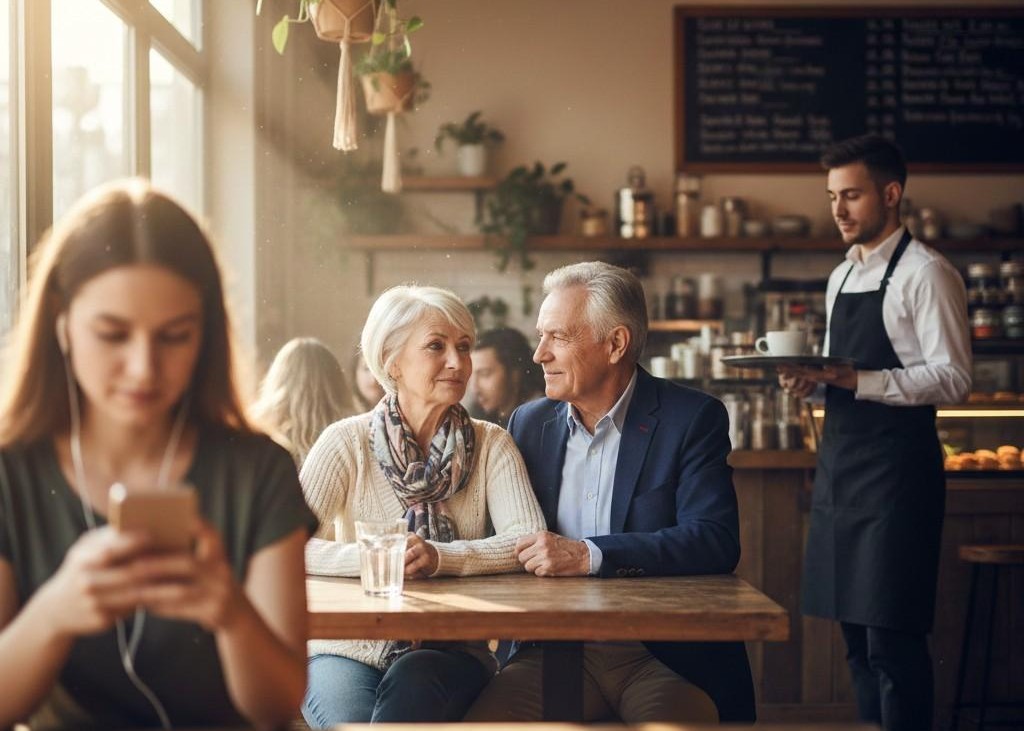
Etiquette might feel like something from another era, but it is really about respect, thoughtfulness, and making everyday interactions smoother for everyone. Baby boomers often notice when simple courtesies have disappeared, whether it is during a conversation, a visit to a restaurant, or just running errands. Sometimes it is the little things that make the biggest difference, and forgetting them can trigger silent sighs, eye rolls, and yes, a little annoyance.
While it is easy to brush off etiquette as old-fashioned, these behaviors still matter because they show care and consideration for the people around us. They make social interactions more pleasant and relationships stronger. If you want to make a positive impression on the baby boomers in your life and just feel more confident in social situations, it helps to remember the basics. Here are ten etiquette rules that many people forget, and why baby boomers wish they were still common practice.
1. Saying Please and Thank You Every Time

Saying please and thank you might sound simple, even obvious, but it is astonishing how often these words are skipped today. Whether you are asking for help at the grocery store, requesting assistance from a colleague, or even asking someone to pass a dish at the dinner table, using these phrases shows gratitude and respect. Baby boomers grew up in a time when politeness was expected and noticed. When someone forgets to say these small words, it can feel like they do not care about the effort of others. Being polite is effortless but makes a lasting impression.
2. Making Eye Contact During Conversations
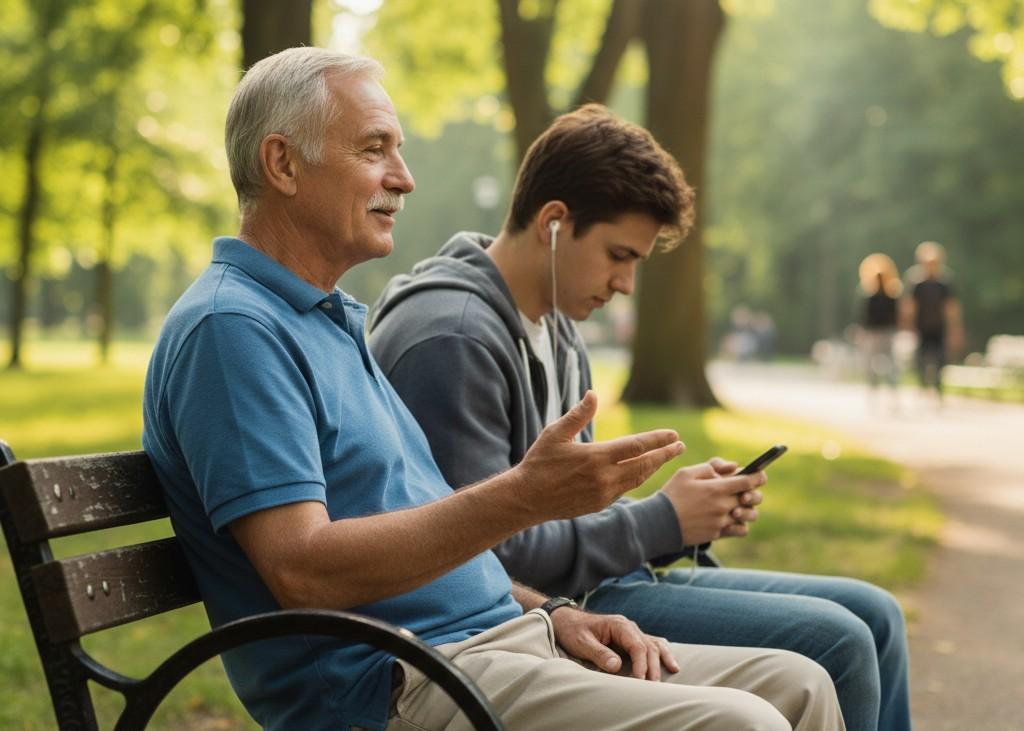
Eye contact communicates attentiveness, interest, and respect. Many people today are distracted by phones or multitasking, which can make a conversation feel one-sided. Baby boomers notice when someone is not fully engaged and may feel overlooked. Maintaining gentle, steady eye contact helps show that you are present and listening. You do not need to stare intensely, but giving someone your full attention signals respect and makes conversations feel more genuine. It also allows for a stronger connection, which is always appreciated.
3. Holding Doors and Letting Others Through
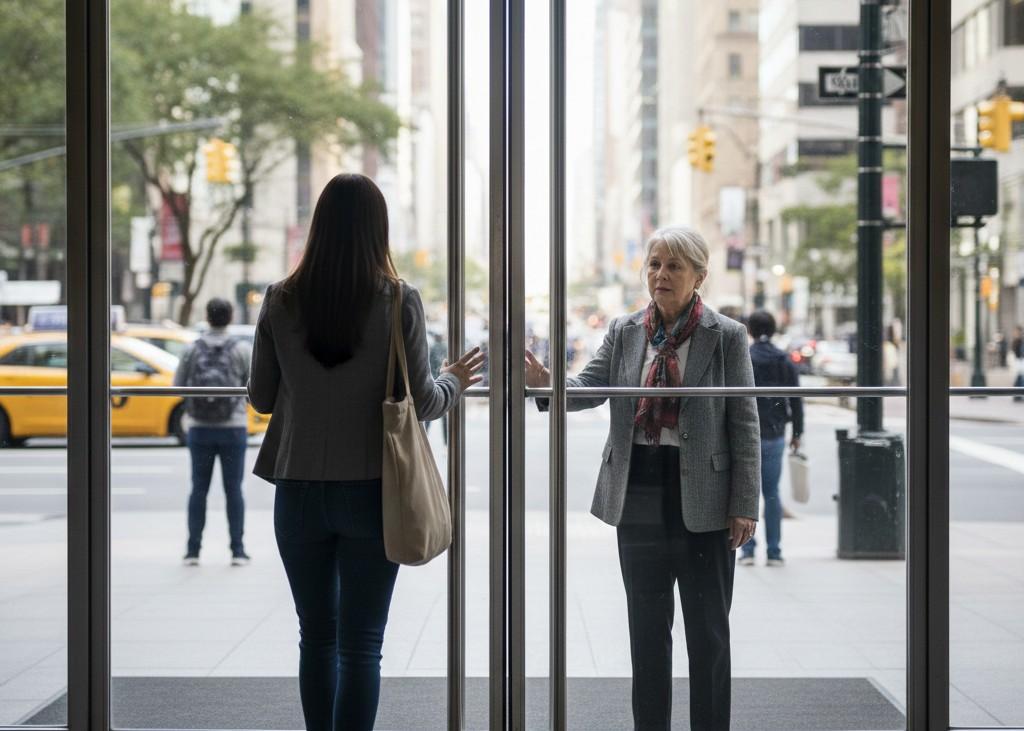
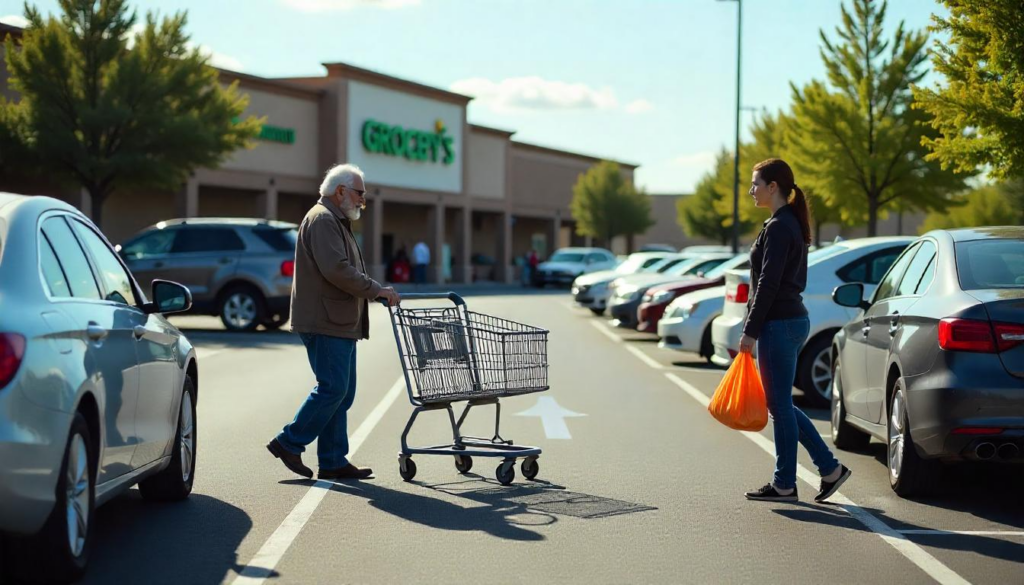
Opening a door for someone is a small action with a big impact. Boomers remember when this simple courtesy was standard practice, whether it was for friends, colleagues, or strangers. Letting someone pass through first, especially in public places or tight spaces, shows awareness and kindness. Even if someone is carrying packages or is a little behind, holding the door communicates thoughtfulness. Ignoring this small act can make interactions feel rushed and impersonal, and it is something that can be easily remembered.
4. Not Interrupting Conversations
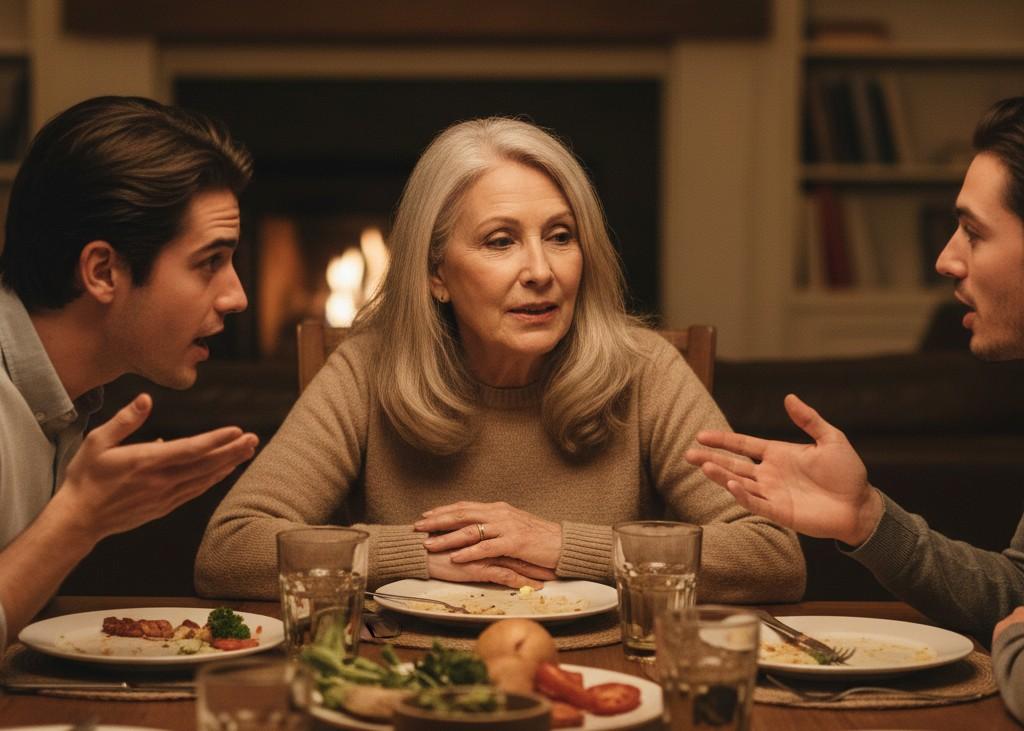
Interrupting someone in the middle of a sentence may seem harmless, but it is a sign of impatience and can make the other person feel unheard. With fast-paced texting and constant notifications, people are used to jumping in quickly, but baby boomers value the practice of listening fully before speaking. Pausing to allow someone to finish shows respect and creates a more meaningful exchange. Conversations are about connecting, not just responding, and taking the time to listen fully reflects genuine interest in what someone has to say.
5. Using Excuse Me When Passing or Interrupting

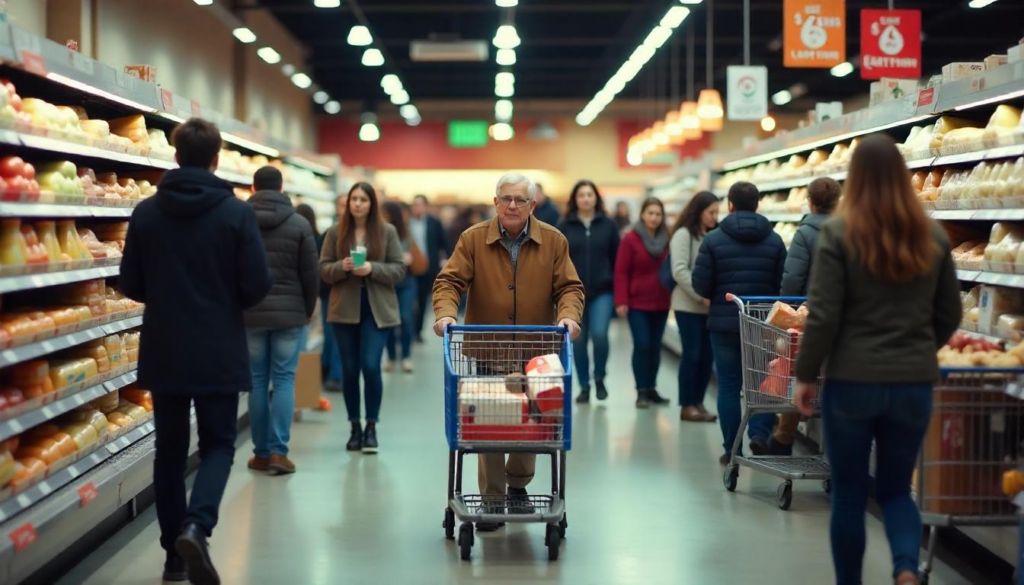
Saying excuse me is a courtesy that smooths social interactions, especially in crowded or shared spaces. Whether you are passing someone in a grocery aisle, trying to get attention in a busy office, or needing to move through a room, these two words signal awareness and respect. Baby boomers were raised with a strong emphasis on acknowledging others when moving through shared spaces. Simple words like excuse me help avoid awkwardness, prevent collisions, and make public spaces more pleasant for everyone.
6. Keeping Your Voice at a Respectful Volume
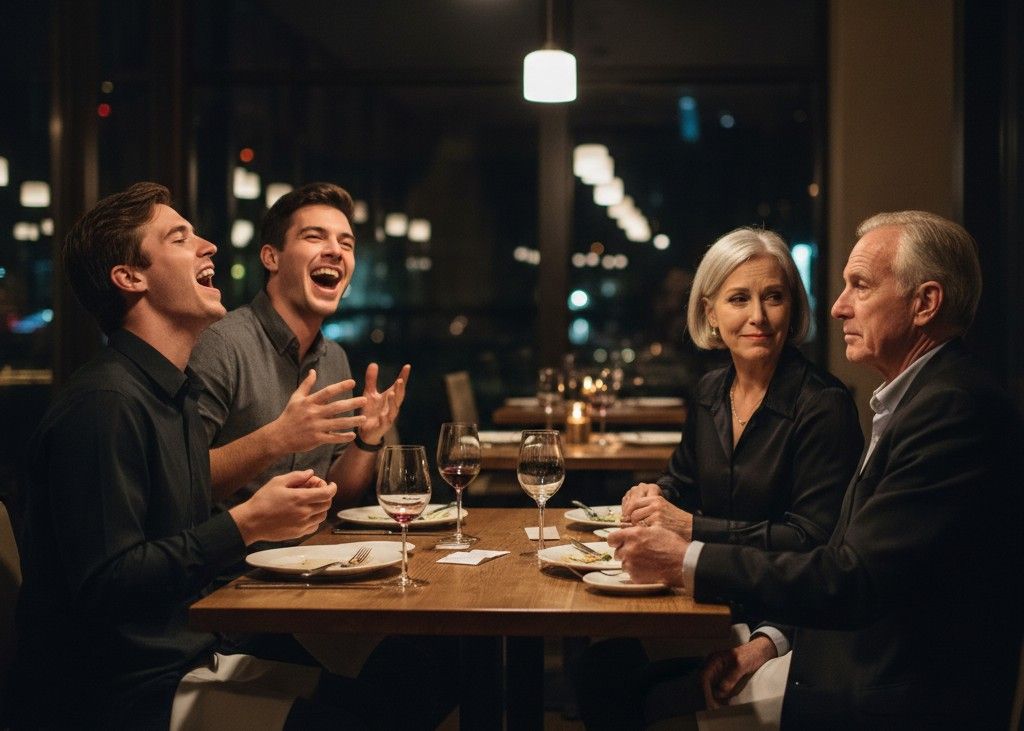
Speaking too loudly can feel intrusive, especially in quiet or shared spaces such as restaurants, libraries, or public transport. Many baby boomers value a controlled and considerate speaking volume because it shows awareness of your environment and other people. Loud voices or shouting across a room may not make your message clearer but can make others uncomfortable. Being mindful of how loudly you speak demonstrates thoughtfulness and social awareness, and it makes shared spaces much more comfortable.
7. RSVP and Being On Time
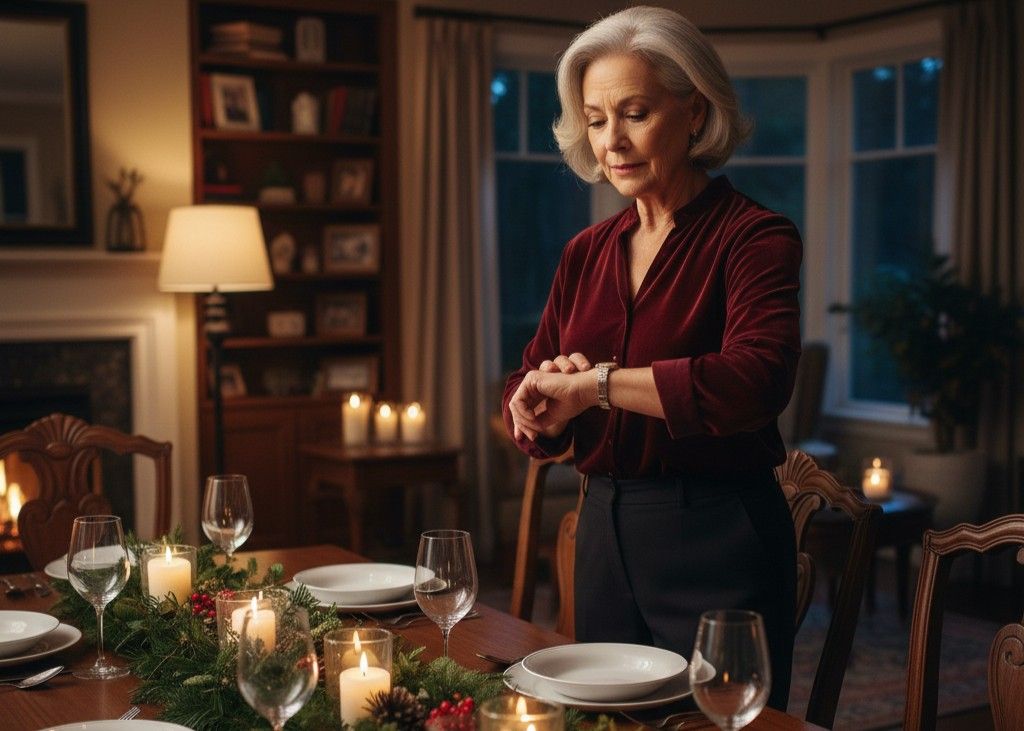
An RSVP is more than a formality; it is a courtesy to hosts planning events. Baby boomers remember when failing to respond or showing up late without notice was considered rude because it caused unnecessary stress and disruption. Being punctual shows respect for other people’s time and effort. Arriving late or failing to respond to an invitation signals that other people’s schedules are less important than your own. Simple communication about your plans goes a long way toward keeping social situations smooth and enjoyable.
8. Not Texting During Social Interactions
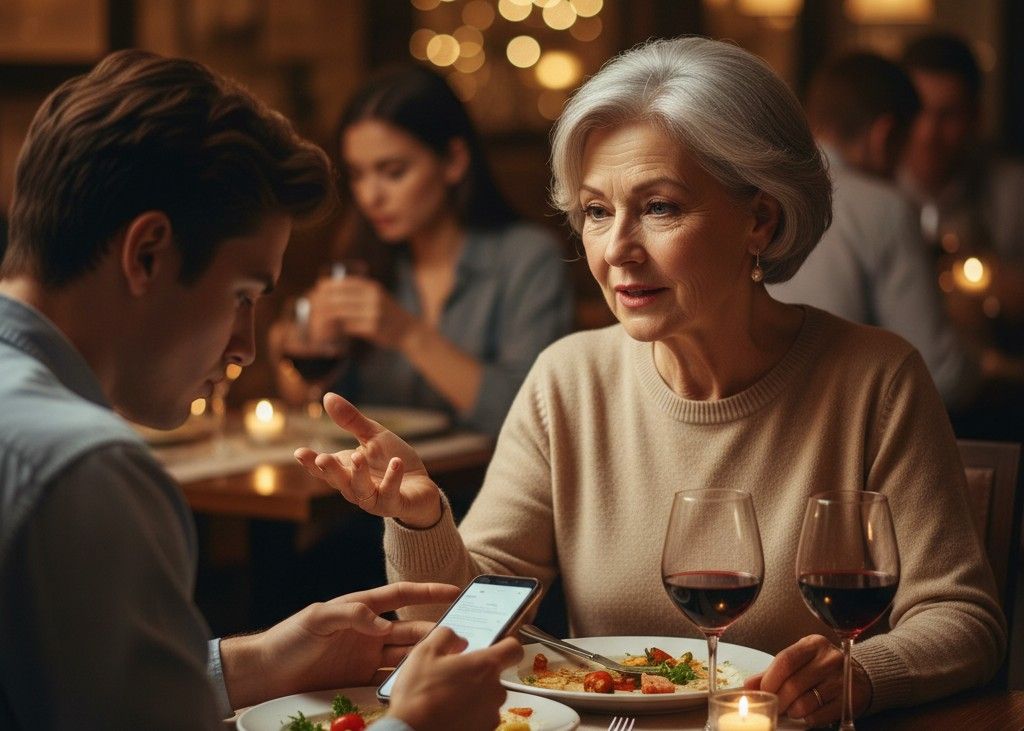
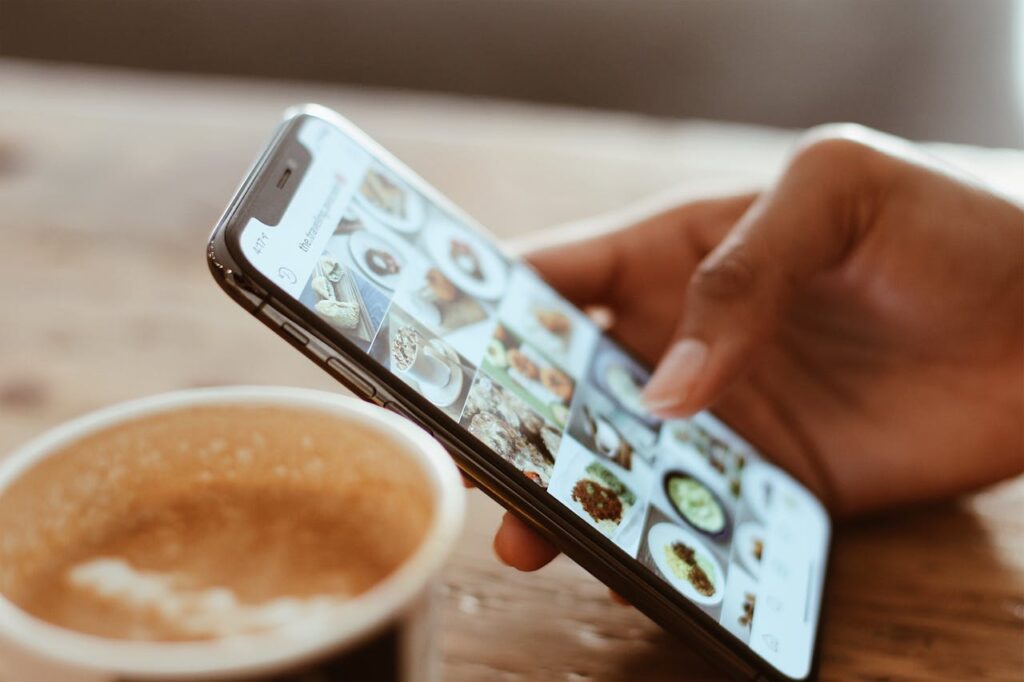
Looking at your phone during a meal, meeting, or conversation can make the person in front of you feel undervalued. Baby boomers often find this behavior baffling because face-to-face conversations used to happen without digital interruptions. While phones are an essential part of life, using them at the wrong time can create tension or discomfort. Checking your device only when necessary and putting it aside during social interactions shows presence and consideration. It signals that the people around you are important and worthy of attention.
9. Covering Your Mouth When You Cough or Sneeze

Hygiene and etiquette often go hand in hand. Covering your mouth when you cough or sneeze is not only polite but considerate of others. Baby boomers grew up with a strong understanding of these norms, and seeing them ignored can be irritating. Using a tissue, your elbow, or stepping away when necessary prevents the spread of germs and demonstrates mindfulness. It is a simple practice that shows respect for the comfort and health of others in shared spaces.
10. Writing Thank-You Notes
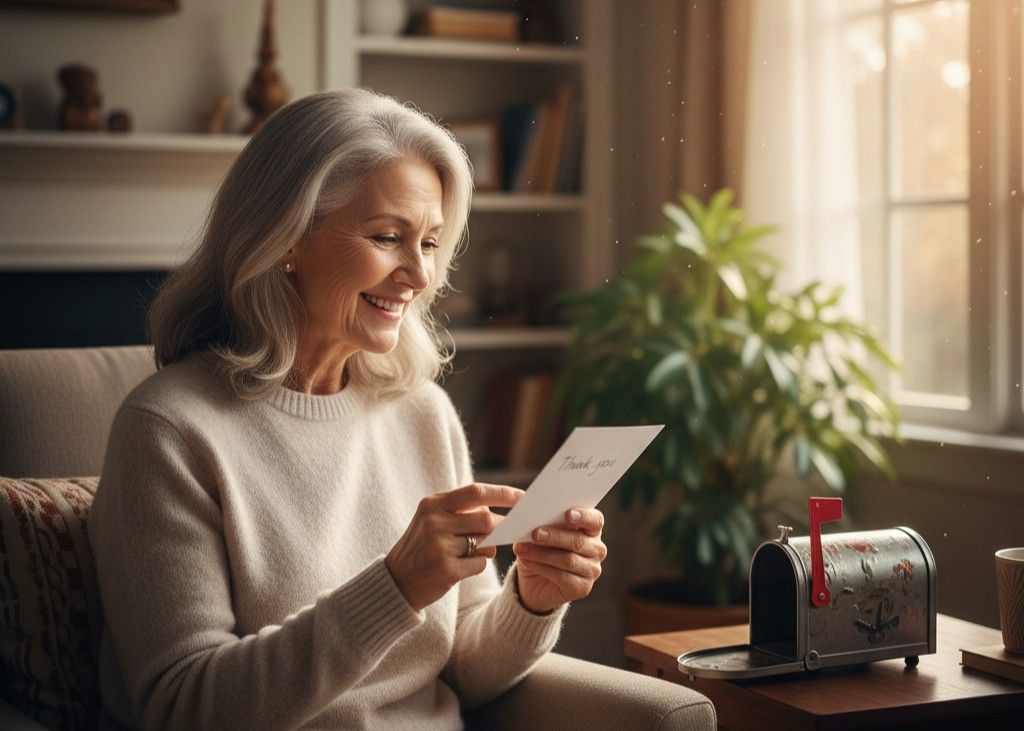
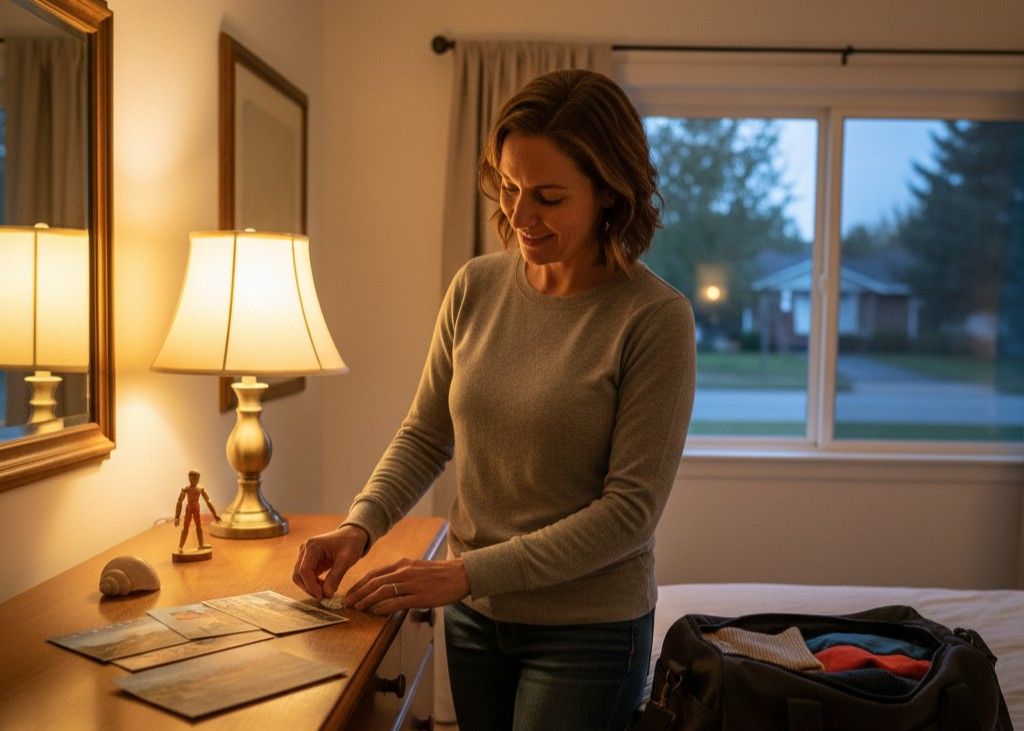
Handwritten thank-you notes may feel old-fashioned in the age of text messages and emails, but they are still a meaningful gesture. Baby boomers value the effort, thought, and personal touch that a physical note conveys. Whether you are thanking someone for a gift, hospitality, or a favor, taking the time to write a note sets you apart. A written thank-you expresses gratitude more deeply than a quick text or email and leaves a lasting positive impression. It is a simple, timeless way to show appreciation and strengthen relationships.
Final Thoughts
These ten etiquette rules may seem small, but they carry a big impact. Baby boomers grew up in a culture that valued politeness, thoughtfulness, and clear communication, and many still appreciate these practices today. Forgetting basic courtesies does not mean someone is rude; often, it is simply a sign of changing social norms. However, making the effort to remember these small gestures shows respect, kindness, and awareness — qualities that are timeless.
Practicing good etiquette is not about following rules rigidly; it is about improving everyday interactions. From holding a door to saying thank you, these behaviors make people feel seen, respected, and valued. They create smoother, more enjoyable interactions and help bridge the gap between generations.
By embracing these principles, you show others that you care about their comfort and experience. You also create a social environment where kindness, respect, and consideration are appreciated and reciprocated. In a world that can feel rushed and distracted, small gestures of courtesy can make a big difference, leaving a lasting impression that feels genuine and thoughtful.
Etiquette is not a relic of the past — it is a tool for connecting with people and making life a little easier and more pleasant for everyone. The next time you are in a social situation, remember these basic courtesies. You might be surprised at how much more enjoyable your interactions become, and how much appreciation you receive in return.