Common Blood Pressure Mistakes That Can Give You False Readings
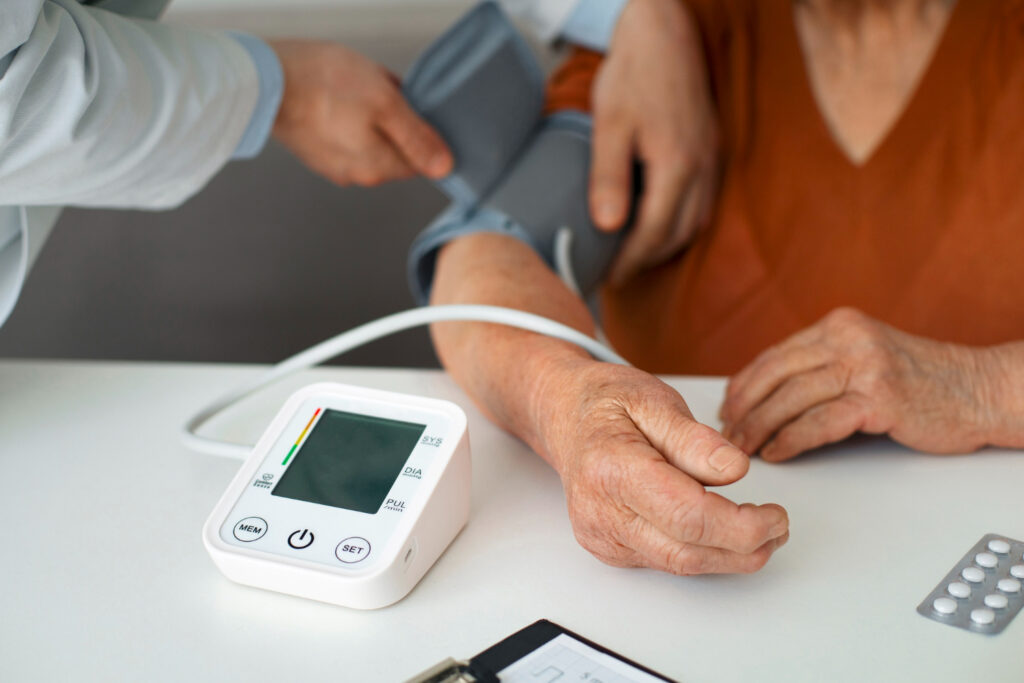
Measuring your blood pressure might seem straightforward. You wrap a cuff around your arm, press a button, and voilà, you have your numbers. But what if I told you that many of the readings you trust could be misleading? Inaccurate blood pressure measurements are surprisingly common and can sneak up on you, making you think your heart is in perfect shape when it is not or causing unnecessary worry when everything is actually fine.
Understanding the mistakes that can throw off your blood pressure readings is essential for taking control of your health. Here are eight of the most common errors people make and practical ways to fix them so that you can get readings that truly reflect what is happening inside your body.
1. Using the Wrong Size Cuff
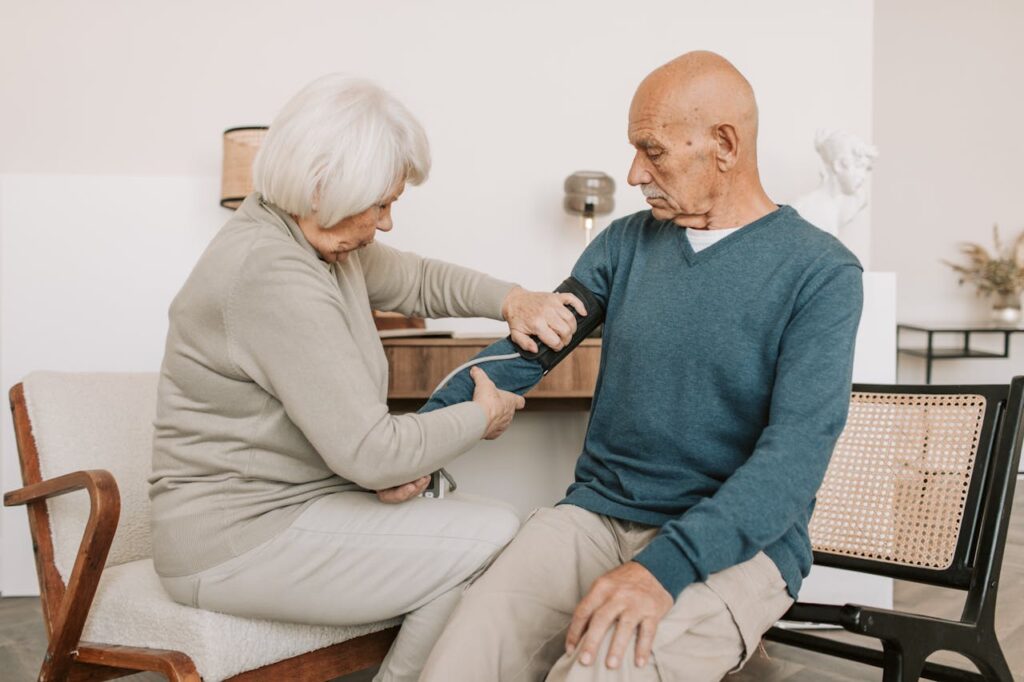
One of the most overlooked reasons for false readings is using the wrong size cuff. Blood pressure cuffs are not one-size-fits-all. If the cuff is too small, it squeezes your arm too tightly and can produce readings that are artificially high. Conversely, a cuff that is too large may give you falsely low numbers.
To prevent this mistake, measure the circumference of your upper arm and choose a cuff that fits snugly but comfortably. A properly sized cuff has a bladder that is about 80 percent of the length of your arm and at least 40 percent of the arm’s width. Investing a few minutes to find the right size can save you from months of confusion and unnecessary worry.
2. Placing the Cuff Over Clothing
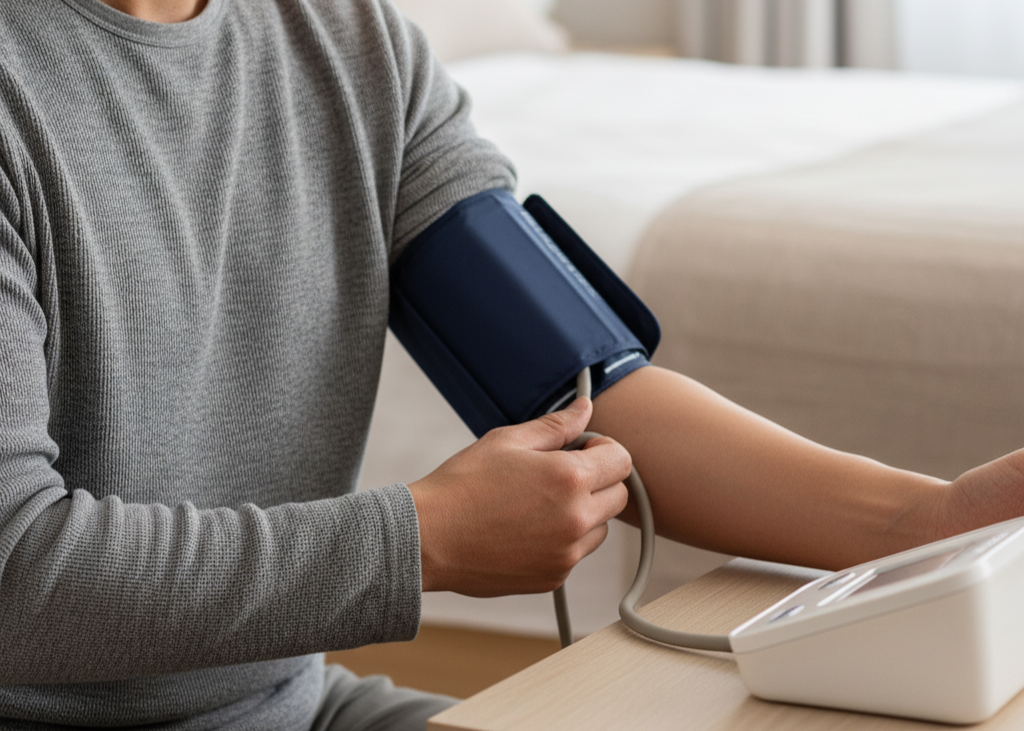
It might seem harmless to keep your shirt on while taking a reading, but even thin fabric can distort results. Wrapping a cuff over clothing can cause the measurement to be significantly higher than your actual blood pressure.
The solution is simple: always place the cuff directly on bare skin. Rolling up a sleeve is much better than taking a reading through fabric, and it only takes a few extra seconds to do it correctly.
3. Not Taking Time to Rest Before Measuring
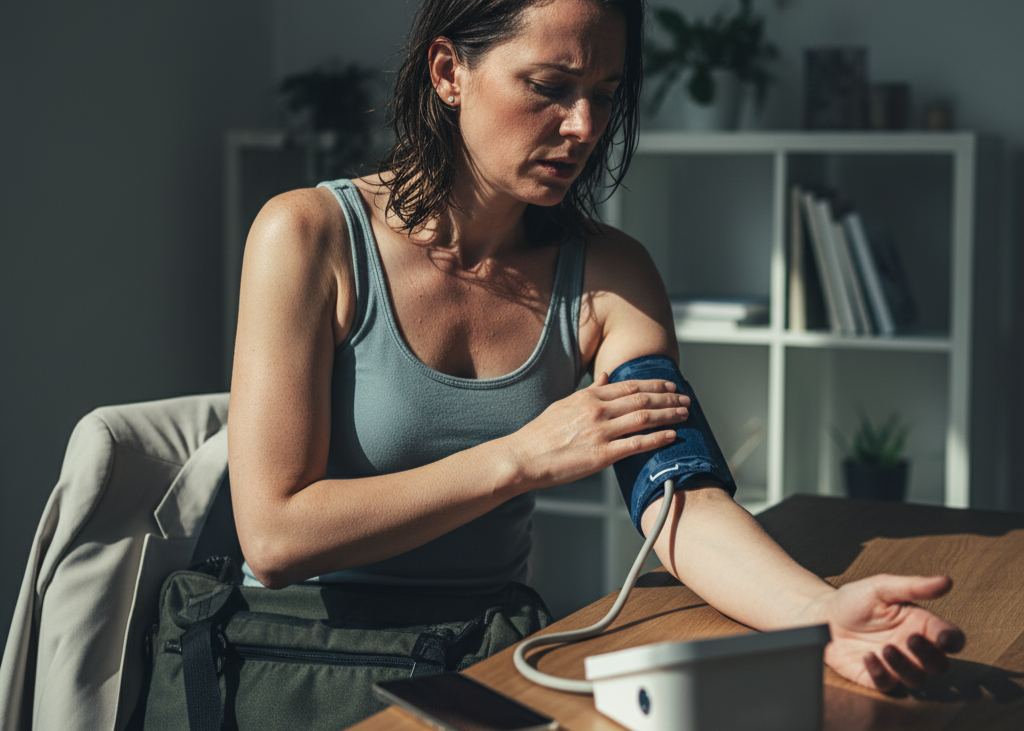
If you are rushing around in the morning, rushing to work, or just got done with household chores, your blood pressure reading is likely to be higher than it would be at rest. Your body needs a few minutes to settle down for an accurate reading.
Experts recommend sitting quietly for five full minutes before taking a measurement. Find a comfortable chair, put your feet flat on the floor, and take a few deep breaths. Allow your body and mind to calm down so your reading reflects your resting blood pressure, not the stress of the moment.
4. Incorrect Seating and Arm Position
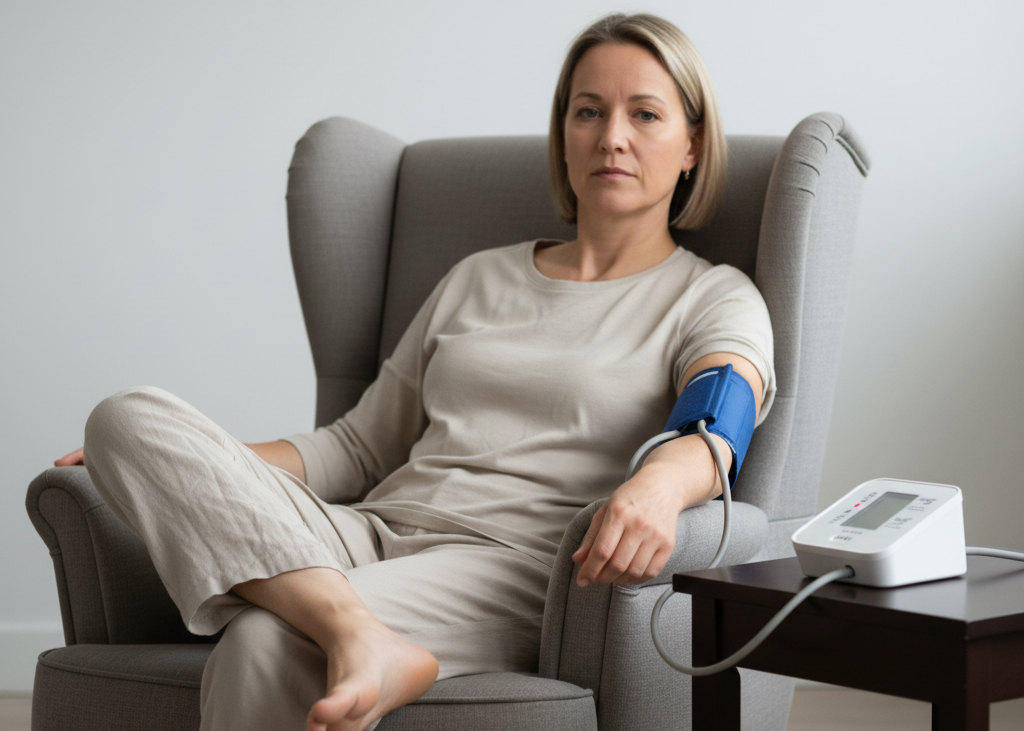
Where and how you sit during a reading can have a significant impact on your numbers. Slouching, crossing your legs, or not supporting your back can increase readings. Your arm position is equally important. If your arm is hanging down at your side or raised above heart level, your reading will not be accurate.
To measure correctly, sit upright in a chair with your back supported, feet flat on the floor, and your arm supported on a flat surface. The cuff should be aligned with the level of your heart. Small adjustments in posture can make a surprising difference in your readings.
5. Talking or Being Distracted
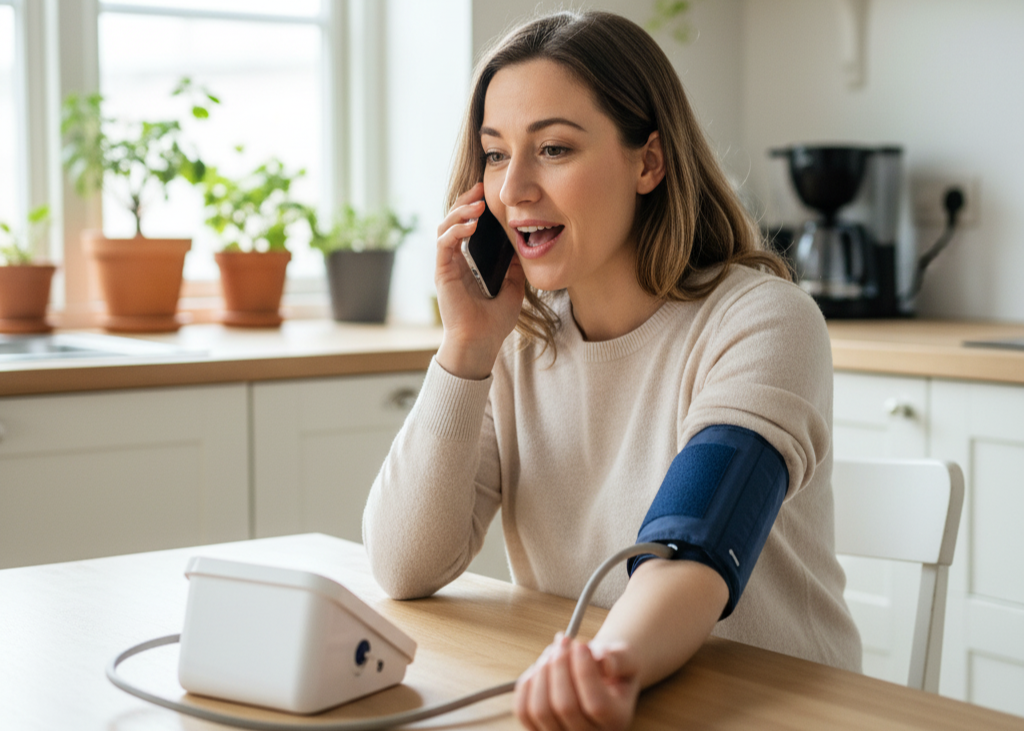
You might think that taking your blood pressure while scrolling through your phone or chatting with someone nearby is harmless, but it can affect your results. Talking or being distracted activates your nervous system, which can cause a temporary spike in blood pressure.
For the most accurate measurement, stay silent and still. Treat those moments like a mini-meditation for your heart, focusing only on being relaxed and present while the device works.
6. Not Emptying Your Bladder
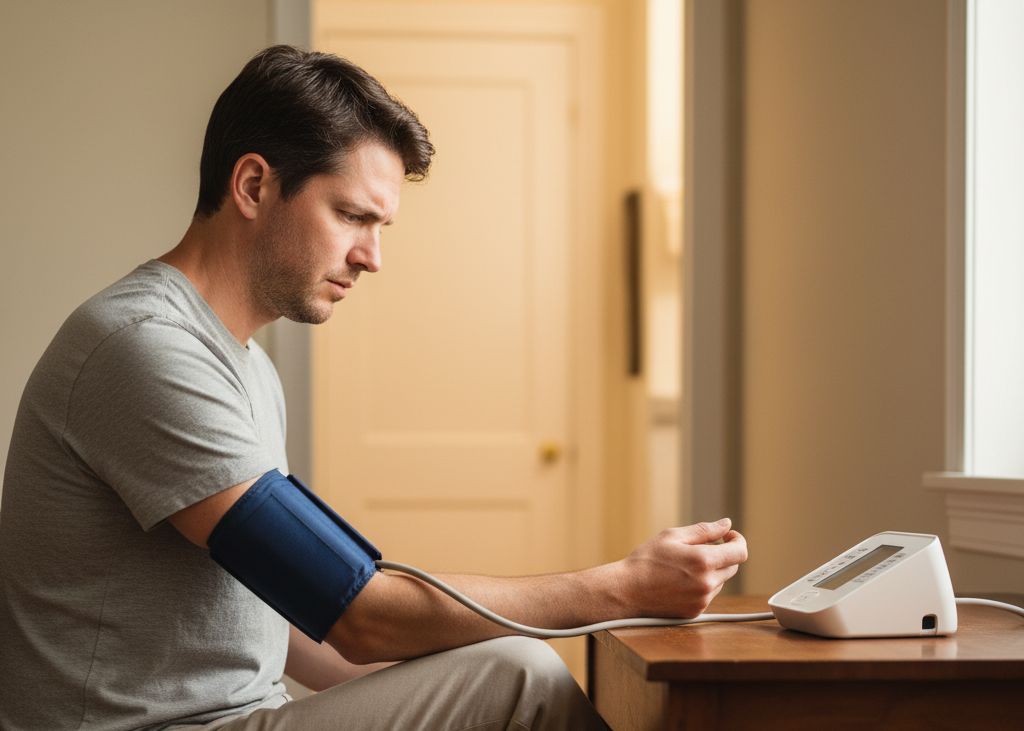
It may sound strange, but having a full bladder can significantly impact your blood pressure reading. Studies show that a full bladder can increase both systolic and diastolic numbers, giving you a reading that is higher than your actual blood pressure.
Before taking a measurement, use the restroom. It is a simple step that takes only a minute and ensures that your readings are not influenced by a full bladder.
7. Measuring Immediately After Caffeine, Nicotine, or Exercise
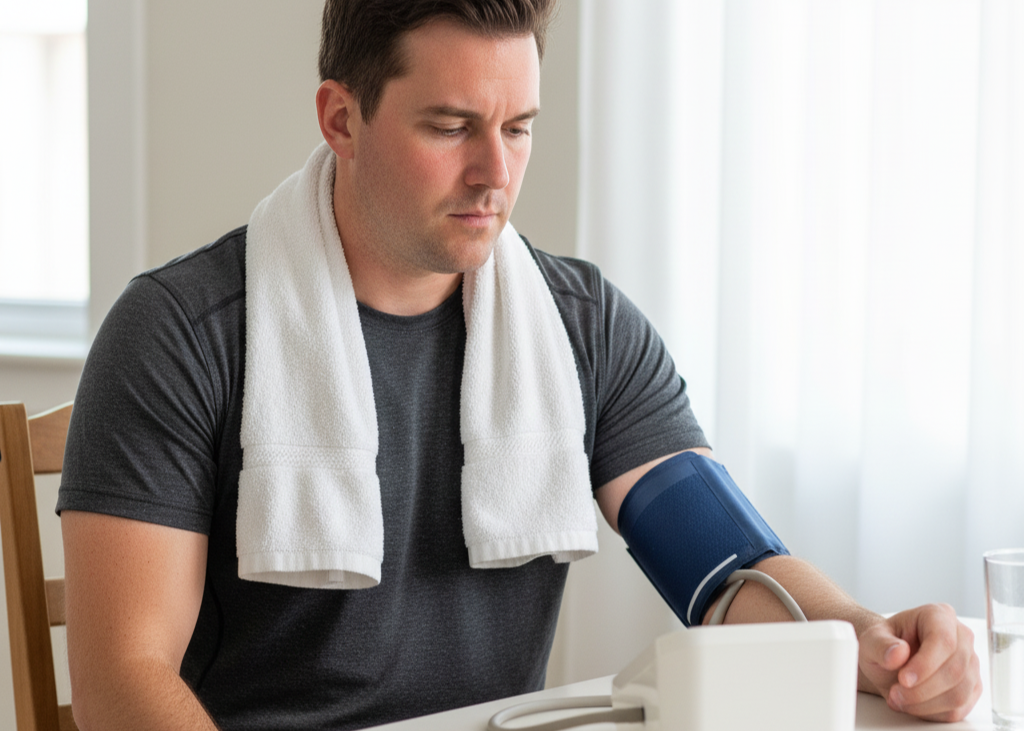
Coffee, cigarettes, and physical activity are all known to temporarily raise blood pressure. Taking a reading right after these activities can give you a number that reflects a temporary spike rather than your usual blood pressure.
It is best to wait at least thirty minutes after consuming caffeine, smoking, or exercising before measuring your blood pressure. This allows your body to return to its normal state and ensures a reading that accurately reflects your typical blood pressure.
8. Relying on a Single Reading
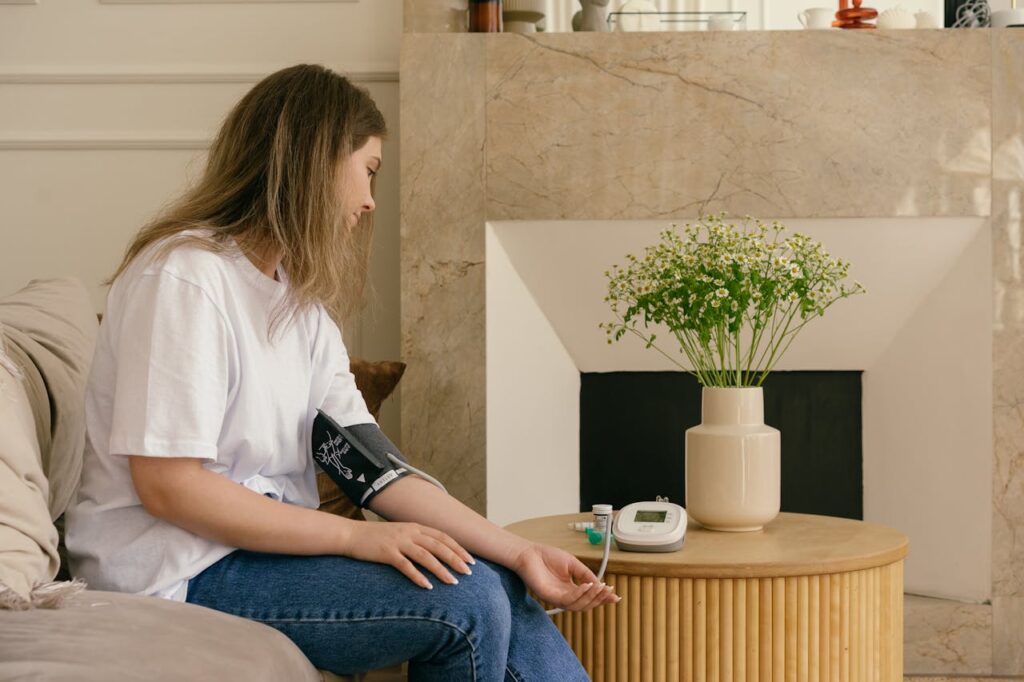
A single blood pressure measurement does not tell the whole story. Blood pressure fluctuates naturally throughout the day due to stress, activity, and even posture. Relying on only one reading can give a false sense of security or unnecessary worry.
For a more accurate picture, take two to three readings at each session, spaced a minute or two apart, and calculate the average. Tracking your measurements over several days or weeks can help you and your doctor understand your true blood pressure pattern and make informed decisions about your health.
Final Thoughts

Accurate blood pressure measurement is crucial for heart health, yet small mistakes can make a big difference. Many people unknowingly take readings that are either too high or too low, which can affect treatment decisions and create unnecessary stress. By paying attention to the eight common mistakes outlined here — using the correct cuff size, measuring on bare skin, resting before readings, sitting properly, staying silent, emptying your bladder, waiting after stimulants or exercise, and averaging multiple readings — you can dramatically improve the accuracy of your blood pressure checks.
Taking these small steps is not just about numbers on a monitor; it is about understanding your body, taking control of your health, and making informed choices for the future. With reliable readings, you can work confidently with your doctor to maintain heart health and peace of mind. Start implementing these changes today, and watch how much more confident you feel in your blood pressure management.
Leave a Reply