Our Debt Free Family

Commit. Plan. Take action.

  • BUDGETING
  • DEBT REDUCTION
  • INVESTING
  • LIFESTYLE
  • TOOLS
  • ABOUT
  • Privacy Policy
  • CONTACT
You are here: Home / Budgeting / Budgeting Tricks Boomers Still Swear By: 5 Timeless Habits That Actually Work

Budgeting Tricks Boomers Still Swear By: 5 Timeless Habits That Actually Work

April 17, 2026 | Leave a Comment

Budgeting Tricks Boomers Still Swear By: 5 Timeless Habits That Actually Work

<p> There is something oddly comforting about advice that has already stood the test of time. In a world where financial trends seem to change every few months and new apps promise to “fix your money” overnight, it is easy to forget that people were managing their finances long before any of that existed.

Think about it. No budgeting apps. No automatic trackers. No instant notifications every time you swipe your card. Yet somehow, many Baby Boomers built stable lives, paid off homes, raised families, and even retired with peace of mind.

That did not happen by accident.

It came down to habits. Simple ones. Consistent ones. The kind that do not rely on technology or trends, just discipline and awareness. And while some of these methods might seem a bit old-fashioned at first glance, they are surprisingly relevant today. In fact, with how easy it is to overspend now, they might be more important than ever.

If you are trying to get your finances under control or just want a smarter way to handle your money, these five budgeting tricks are worth a serious look. They are not flashy, but they work. And sometimes, that is exactly what you need. </p> :: Pexels

There is something oddly comforting about advice that has already stood the test of time. In a world where financial trends seem to change every few months and new apps promise to “fix your money” overnight, it is easy to forget that people were managing their finances long before any of that existed.

Think about it. No budgeting apps. No automatic trackers. No instant notifications every time you swipe your card. Yet somehow, many Baby Boomers built stable lives, paid off homes, raised families, and even retired with peace of mind.

That did not happen by accident.

It came down to habits. Simple ones. Consistent ones. The kind that do not rely on technology or trends, just discipline and awareness. And while some of these methods might seem a bit old-fashioned at first glance, they are surprisingly relevant today. In fact, with how easy it is to overspend now, they might be more important than ever.

If you are trying to get your finances under control or just want a smarter way to handle your money, these five budgeting tricks are worth a serious look. They are not flashy, but they work. And sometimes, that is exactly what you need.

1. The Cash Envelope System That Keeps Spending in Check
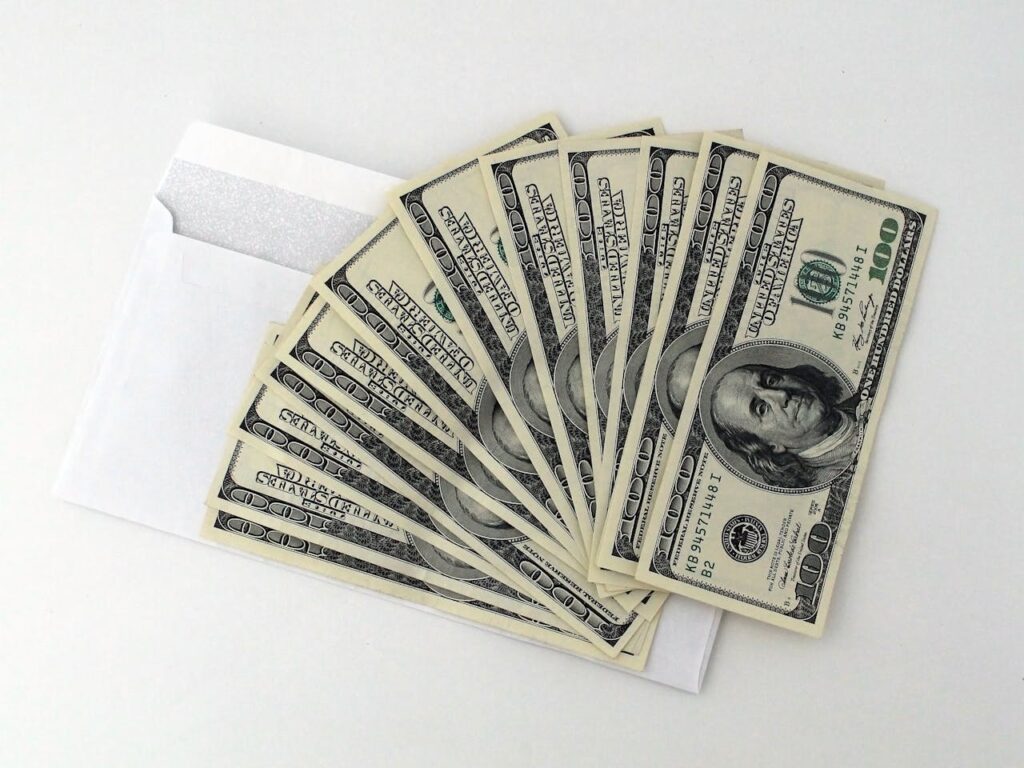
<p> Before cards became the default way to pay for everything, many households used a simple but powerful method. They divided their money into physical envelopes, each labeled with a specific purpose like groceries, transportation, or entertainment.

It sounds almost too simple to be effective, but that is exactly why it works so well.

When you rely on cash, every purchase feels real. You can see the money leaving your hands, and that creates a natural sense of awareness. Compare that to tapping a card or clicking a button online, where spending can feel almost invisible. It is much easier to lose track when you are not physically interacting with your money.

The envelope system creates clear boundaries. If your grocery envelope runs out before the week ends, you have to adjust. Maybe that means cooking with what you already have or getting a little creative with meals. If your entertainment budget is gone, you skip the extra night out. There is no borrowing from the future or pretending it will somehow work out.

What makes this method powerful is not just the structure, but the mindset behind it. You are giving every dollar a job and respecting the limits you set.

You do not have to go fully old-school to make this work today. You can use digital categories or even separate bank accounts for different expenses. Some people still prefer withdrawing cash for certain categories just to keep that physical awareness alive. The format can change, but the principle stays the same. When your money has clear boundaries, your spending becomes more intentional. </p> :: Pexels

Before cards became the default way to pay for everything, many households used a simple but powerful method. They divided their money into physical envelopes, each labeled with a specific purpose like groceries, transportation, or entertainment.

It sounds almost too simple to be effective, but that is exactly why it works so well.

When you rely on cash, every purchase feels real. You can see the money leaving your hands, and that creates a natural sense of awareness. Compare that to tapping a card or clicking a button online, where spending can feel almost invisible. It is much easier to lose track when you are not physically interacting with your money.

The envelope system creates clear boundaries. If your grocery envelope runs out before the week ends, you have to adjust. Maybe that means cooking with what you already have or getting a little creative with meals. If your entertainment budget is gone, you skip the extra night out. There is no borrowing from the future or pretending it will somehow work out.

What makes this method powerful is not just the structure, but the mindset behind it. You are giving every dollar a job and respecting the limits you set.

You do not have to go fully old-school to make this work today. You can use digital categories or even separate bank accounts for different expenses. Some people still prefer withdrawing cash for certain categories just to keep that physical awareness alive. The format can change, but the principle stays the same. When your money has clear boundaries, your spending becomes more intentional.

2. Paying Yourself First Instead of Hoping Something Is Left

<p> One of the most common budgeting mistakes people make is treating savings like an afterthought. They pay bills, spend on daily needs, enjoy a few wants, and then try to save whatever remains. More often than not, nothing does.

Boomers flipped that approach.

Instead of saving what is left, they save first. The moment income comes in, a portion of it is set aside before anything else happens. It is treated like a bill that must be paid, not an optional extra.

This small shift changes everything.

When you prioritize savings upfront, you are protecting your future before the present has a chance to eat away at it. It builds consistency, and consistency is what actually grows your money over time. Even modest amounts add up when they are done regularly.

There is also a psychological benefit. When you know your savings are already handled, you can spend the rest of your money with less guilt and more clarity. You are not constantly wondering if you should be saving more because you already did.

Today, this habit is easier than ever to implement. Automatic transfers can move money into savings accounts or investment funds without you having to think about it. But the convenience should not distract from the core idea. You are making a decision that your future matters just as much as your current needs.

If you are not used to saving this way, start small. Even setting aside a small percentage of your income can build the habit. Over time, you can increase it as your comfort grows. The important part is not the amount, it is the consistency. </p> :: Pexels

One of the most common budgeting mistakes people make is treating savings like an afterthought. They pay bills, spend on daily needs, enjoy a few wants, and then try to save whatever remains. More often than not, nothing does.

Boomers flipped that approach.

Instead of saving what is left, they save first. The moment income comes in, a portion of it is set aside before anything else happens. It is treated like a bill that must be paid, not an optional extra.

This small shift changes everything.

When you prioritize savings upfront, you are protecting your future before the present has a chance to eat away at it. It builds consistency, and consistency is what actually grows your money over time. Even modest amounts add up when they are done regularly.

There is also a psychological benefit. When you know your savings are already handled, you can spend the rest of your money with less guilt and more clarity. You are not constantly wondering if you should be saving more because you already did.

Today, this habit is easier than ever to implement. Automatic transfers can move money into savings accounts or investment funds without you having to think about it. But the convenience should not distract from the core idea. You are making a decision that your future matters just as much as your current needs.

If you are not used to saving this way, start small. Even setting aside a small percentage of your income can build the habit. Over time, you can increase it as your comfort grows. The important part is not the amount, it is the consistency.

3. Knowing the Difference Between Needs and Wants and Actually Acting on It

<p> Most people understand the basic difference between a need and a want. Housing, food, and utilities are needs. Dining out, new gadgets, and subscriptions are wants. The challenge is not the definition. It is the honesty.

Boomers developed a reputation for being very clear about this line, and more importantly, respecting it. They did not blur the categories to justify spending. A want stayed a want, even when it was tempting to call it something else.

In today’s world, that line can get fuzzy very quickly.

Marketing is more sophisticated. Convenience is everywhere. It is easy to convince yourself that something is necessary when it is really just appealing in the moment. A daily coffee feels harmless. A subscription seems small. An upgrade feels justified. But when you stack those decisions over time, they can quietly take a big chunk out of your budget.

The real power of this habit is the pause. Before spending, you take a moment and ask yourself if the purchase is truly necessary right now. Not forever, not in general, but in this specific moment.

That pause creates space for better decisions.

This does not mean cutting out all enjoyment or living in a constant state of restriction. It means being intentional. When you choose to spend on something that is not essential, you are doing it on purpose, not out of habit or impulse.

Over time, this awareness helps you align your spending with what actually matters to you. You might find that some expenses are worth it, while others are easy to let go. Either way, you are in control, and that makes a big difference. </p> :: Pexels

Most people understand the basic difference between a need and a want. Housing, food, and utilities are needs. Dining out, new gadgets, and subscriptions are wants. The challenge is not the definition. It is the honesty.

Boomers developed a reputation for being very clear about this line, and more importantly, respecting it. They did not blur the categories to justify spending. A want stayed a want, even when it was tempting to call it something else.

In today’s world, that line can get fuzzy very quickly.

Marketing is more sophisticated. Convenience is everywhere. It is easy to convince yourself that something is necessary when it is really just appealing in the moment. A daily coffee feels harmless. A subscription seems small. An upgrade feels justified. But when you stack those decisions over time, they can quietly take a big chunk out of your budget.

The real power of this habit is the pause. Before spending, you take a moment and ask yourself if the purchase is truly necessary right now. Not forever, not in general, but in this specific moment.

That pause creates space for better decisions.

This does not mean cutting out all enjoyment or living in a constant state of restriction. It means being intentional. When you choose to spend on something that is not essential, you are doing it on purpose, not out of habit or impulse.

Over time, this awareness helps you align your spending with what actually matters to you. You might find that some expenses are worth it, while others are easy to let go. Either way, you are in control, and that makes a big difference.

4. Staying Cautious About Debt Instead of Normalizing It

<p> Debt today is incredibly easy to access. Credit cards, installment plans, and financing options are everywhere. In many cases, they are designed to feel normal, even helpful. And sometimes, they can be. But they also come with risks that are easy to overlook.

Boomers tend to approach debt with caution.

For many of them, the idea was simple. If you cannot afford something right now, you wait. You save up. You plan for it. The goal is to avoid paying extra in interest or carrying financial stress into the future.

That does not mean all debt is bad. There are situations where borrowing makes sense, such as buying a home or investing in education. The key difference is intention. It is about understanding what you are taking on and why, rather than using debt as a default option.

One of the biggest issues with modern debt is how invisible it can feel. When you swipe a card or choose a payment plan, the full cost is not immediately obvious. You see the monthly amount, not the total. That can lead to spending more than you originally intended.

Adopting a more cautious approach can help you avoid that trap.

Try delaying non-essential purchases instead of financing them right away. Give yourself time to decide if you really want or need the item. In many cases, the urgency fades, and you end up saving money without feeling deprived.

When you do choose to take on debt, do it with a clear plan. Know how you will pay it off and how long it will take. That level of awareness keeps you in control rather than letting the debt control you. </p> :: Pexels

Debt today is incredibly easy to access. Credit cards, installment plans, and financing options are everywhere. In many cases, they are designed to feel normal, even helpful. And sometimes, they can be. But they also come with risks that are easy to overlook.

Boomers tend to approach debt with caution.

For many of them, the idea was simple. If you cannot afford something right now, you wait. You save up. You plan for it. The goal is to avoid paying extra in interest or carrying financial stress into the future.

That does not mean all debt is bad. There are situations where borrowing makes sense, such as buying a home or investing in education. The key difference is intention. It is about understanding what you are taking on and why, rather than using debt as a default option.

One of the biggest issues with modern debt is how invisible it can feel. When you swipe a card or choose a payment plan, the full cost is not immediately obvious. You see the monthly amount, not the total. That can lead to spending more than you originally intended.

Adopting a more cautious approach can help you avoid that trap.

Try delaying non-essential purchases instead of financing them right away. Give yourself time to decide if you really want or need the item. In many cases, the urgency fades, and you end up saving money without feeling deprived.

When you do choose to take on debt, do it with a clear plan. Know how you will pay it off and how long it will take. That level of awareness keeps you in control rather than letting the debt control you.

5. Tracking Every Dollar to Stay Fully Aware

<p> If there is one habit that ties all the others together, it is this one. Knowing exactly where your money goes.

Before digital tools made tracking automatic, people had to do it manually. They wrote down expenses, kept receipts, and reviewed their spending regularly. It required effort, but it also created a deep level of awareness.

That awareness is what makes the habit so valuable.

When you track your spending, you start to see patterns. You notice how small, everyday purchases add up. You identify areas where you might be overspending without realizing it. And you gain a clearer picture of what your financial life actually looks like.

This clarity allows you to make better decisions.

Instead of guessing where your money went, you know. Instead of feeling like you should cut back somewhere, you can pinpoint exactly where it makes sense to adjust.

The good news is that tracking does not have to be complicated. You can use an app, a spreadsheet, or even a simple notebook. What matters is consistency. Even tracking your expenses for a short period can reveal insights that stick with you long term.

Some people worry that tracking every dollar will feel restrictive or overwhelming. In reality, it often has the opposite effect. It gives you a sense of control. You are no longer reacting to your finances, you are managing them.

And that shift in perspective can be incredibly empowering. </p> :: Pexels

If there is one habit that ties all the others together, it is this one. Knowing exactly where your money goes.

Before digital tools made tracking automatic, people had to do it manually. They wrote down expenses, kept receipts, and reviewed their spending regularly. It required effort, but it also created a deep level of awareness.

That awareness is what makes the habit so valuable.

When you track your spending, you start to see patterns. You notice how small, everyday purchases add up. You identify areas where you might be overspending without realizing it. And you gain a clearer picture of what your financial life actually looks like.

This clarity allows you to make better decisions.

Instead of guessing where your money went, you know. Instead of feeling like you should cut back somewhere, you can pinpoint exactly where it makes sense to adjust.

The good news is that tracking does not have to be complicated. You can use an app, a spreadsheet, or even a simple notebook. What matters is consistency. Even tracking your expenses for a short period can reveal insights that stick with you long term.

Some people worry that tracking every dollar will feel restrictive or overwhelming. In reality, it often has the opposite effect. It gives you a sense of control. You are no longer reacting to your finances, you are managing them.

And that shift in perspective can be incredibly empowering.

Final Thoughts

<p> There is a reason these budgeting habits have lasted for decades. They are not built on trends or technology. They are built on behavior.

At their core, all five of these tricks come down to awareness, intention, and consistency. You are paying attention to your money, making thoughtful decisions about how you use it, and sticking to those decisions over time. It sounds simple, and in many ways it is. But simple does not mean easy. It takes effort to build these habits, especially in a world that constantly encourages spending.

The good news is that you do not have to adopt everything at once.

Start with one habit that resonates with you. Maybe it is tracking your expenses or setting aside savings first. Focus on that until it feels natural, then build from there. Over time, these small changes can create a strong financial foundation.

What makes these old-school methods so effective is their reliability. They have worked through different economic cycles, changing lifestyles, and evolving financial systems. That kind of track record is hard to ignore.

In the end, budgeting is not about restriction. It is about direction. It is about making sure your money supports the life you want, not the other way around.

And sometimes, the best way forward is to learn from what has already been proven to work. </p> :: Pexels

There is a reason these budgeting habits have lasted for decades. They are not built on trends or technology. They are built on behavior.

At their core, all five of these tricks come down to awareness, intention, and consistency. You are paying attention to your money, making thoughtful decisions about how you use it, and sticking to those decisions over time. It sounds simple, and in many ways it is. But simple does not mean easy. It takes effort to build these habits, especially in a world that constantly encourages spending.

The good news is that you do not have to adopt everything at once.

Start with one habit that resonates with you. Maybe it is tracking your expenses or setting aside savings first. Focus on that until it feels natural, then build from there. Over time, these small changes can create a strong financial foundation.

What makes these old-school methods so effective is their reliability. They have worked through different economic cycles, changing lifestyles, and evolving financial systems. That kind of track record is hard to ignore.

In the end, budgeting is not about restriction. It is about direction. It is about making sure your money supports the life you want, not the other way around.

And sometimes, the best way forward is to learn from what has already been proven to work.

Filed Under: Budgeting

Leave a Reply Cancel reply

Your email address will not be published. Required fields are marked *

  • Email
  • Facebook
  • Pinterest
  • Twitter

Our Most Popular Articles

ClickCashGo Review: Should You Avoid At All Costs?

Ultimate Guide to Mastering Your Credit Score

The 'YOLO' Mindset is a Dangerous Thing

Dave Ramsey's Financial Peace University Review: Is it Worth the Money?

Cash App Glitch 2025: Is the Free Money Glitch Real?

Five Steps To Debt Freedom

Here are five simple guidlines that will help you pay off debt.  

1) Get an emergency fund so you don’t take on debt when something comes up.

2) List your debts. This way you know where you stand.

3) Use the debt snowball. Pay your debts from smallest to largest, or most expensive to least expensive.

4) Avoid new debt. No new credit cards or loans. Period.

5) Go all cash. After everything is paid off, switch to all cash.

Helpful Resources

U of Tennesse Debt Repayment Plan Basics

Vertex 42's Debt Payoff Calculator

Savingadvice's Helpful Debt Forums

Jackie Becks Debt Blog