Canned Foods Seniors Should Never Eat: 12 Everyday Items That Can Quietly Harm Your Health
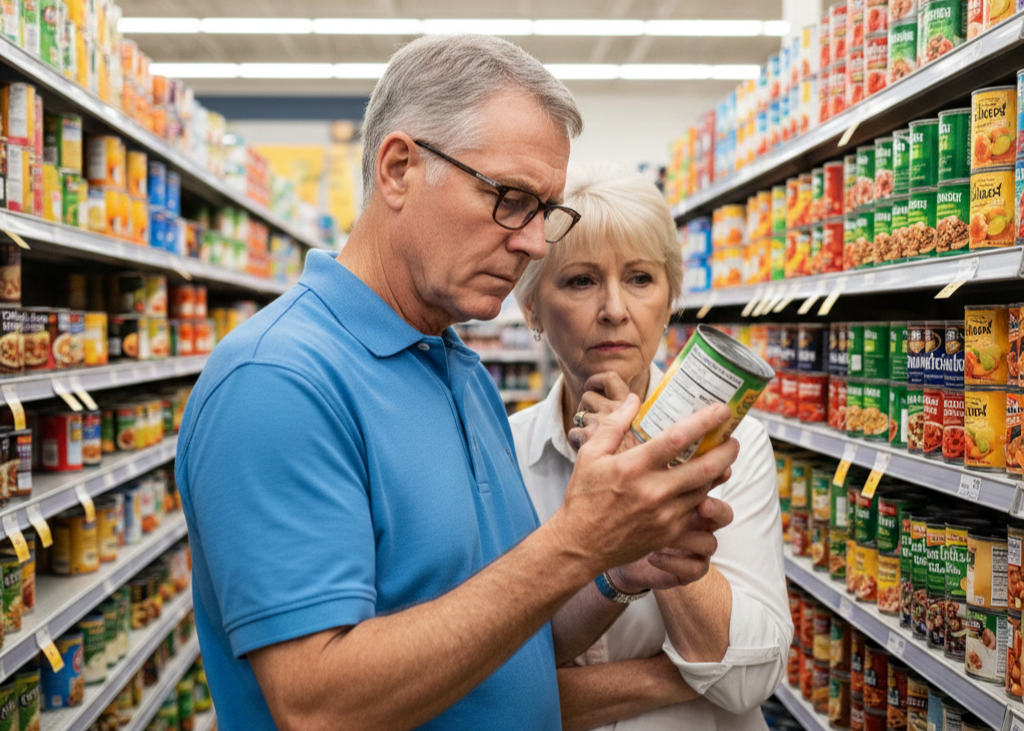
Walk down any grocery store aisle in the U.S. and you will see shelves packed with canned foods promising convenience, affordability, and long shelf life. For many seniors, canned foods feel like a practical solution. They are easy to store, quick to prepare, and often cheaper than fresh options. But here is the uncomfortable truth: not all canned foods are senior friendly. Some are loaded with sodium, sugar, unhealthy fats, and additives that can quietly worsen blood pressure, strain the heart, and interfere with blood sugar control.
As we age, our bodies become less forgiving. What once felt harmless in our 30s or 40s can create real problems in our 60s and beyond. That is why knowing which canned foods to avoid is just as important as knowing what to eat. This list breaks down the canned foods seniors should never eat regularly, explained in a clear, practical, and relatable way so you can make smarter choices without giving up convenience.
1. Canned Cream-Based Soups

Creamy canned soups often feel comforting, especially on cold days or when cooking feels like too much effort. Unfortunately, these soups are usually packed with saturated fat and sodium. One serving can contain nearly an entire day’s recommended salt intake, which can quickly raise blood pressure and increase fluid retention. For seniors managing heart disease, high blood pressure, or joint swelling, these soups can do more harm than good. They may taste soothing, but they quietly stress the heart and kidneys.
2. Regular Canned Soups With Full Sodium
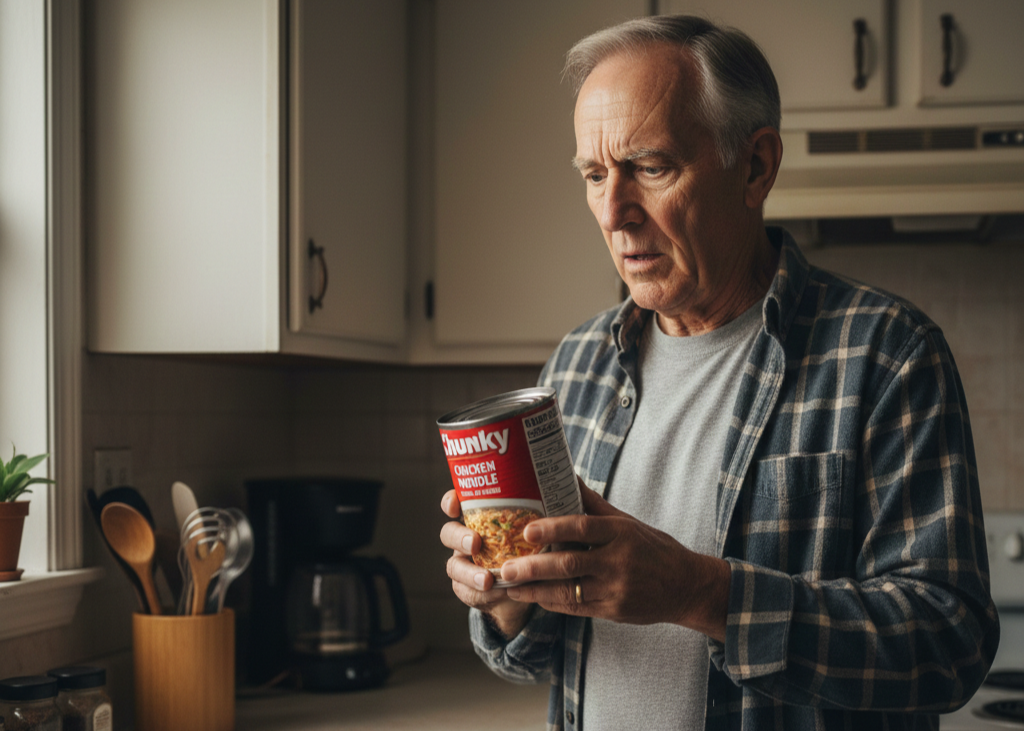
Even soups that do not look unhealthy can be problematic. Standard canned chicken noodle, beef, or vegetable soups often contain shockingly high sodium levels. Many people assume the whole can is one serving, when labels list two or more servings per can. Eating the entire can can easily double your sodium intake for the day. Over time, this can worsen hypertension and increase the risk of heart complications, especially for seniors who are salt sensitive.
3. Canned Tuna Packed in Oil
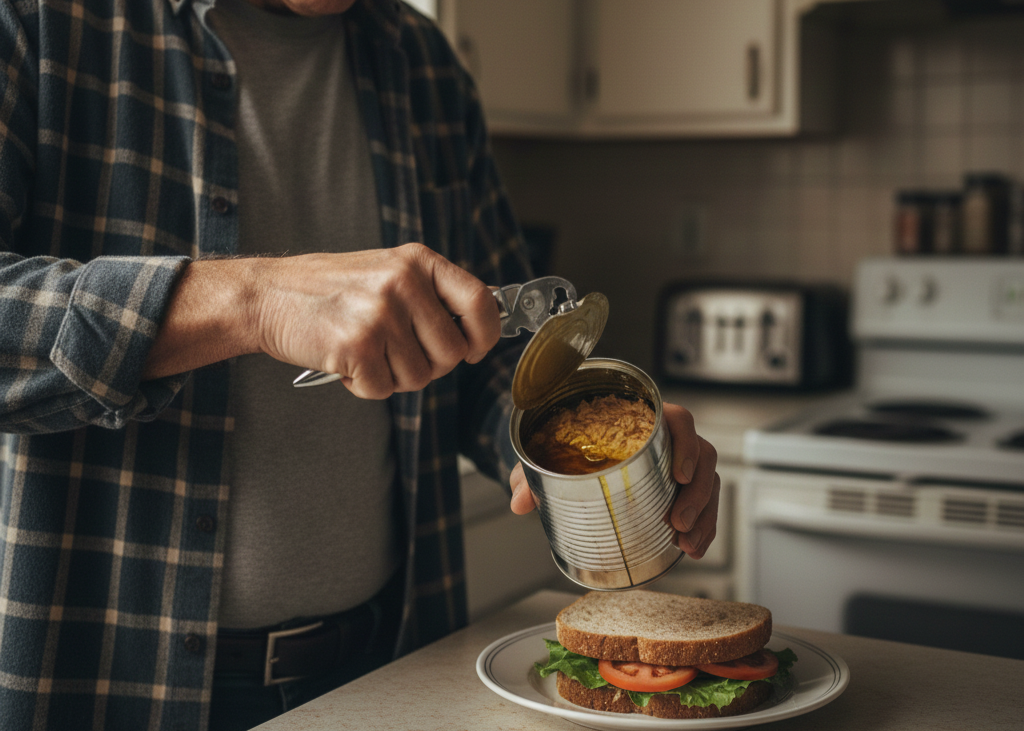
Tuna has a healthy reputation, but canned tuna in oil changes the story. The added oil increases calories and unhealthy fats without adding meaningful nutrition. Some varieties may also contain higher mercury levels, which can be concerning when eaten frequently. Seniors who rely on tuna as a protein source may unknowingly consume excess fat and heavy metals, which can affect brain and nerve health over time.
4. Canned Vegetables With Added Salt
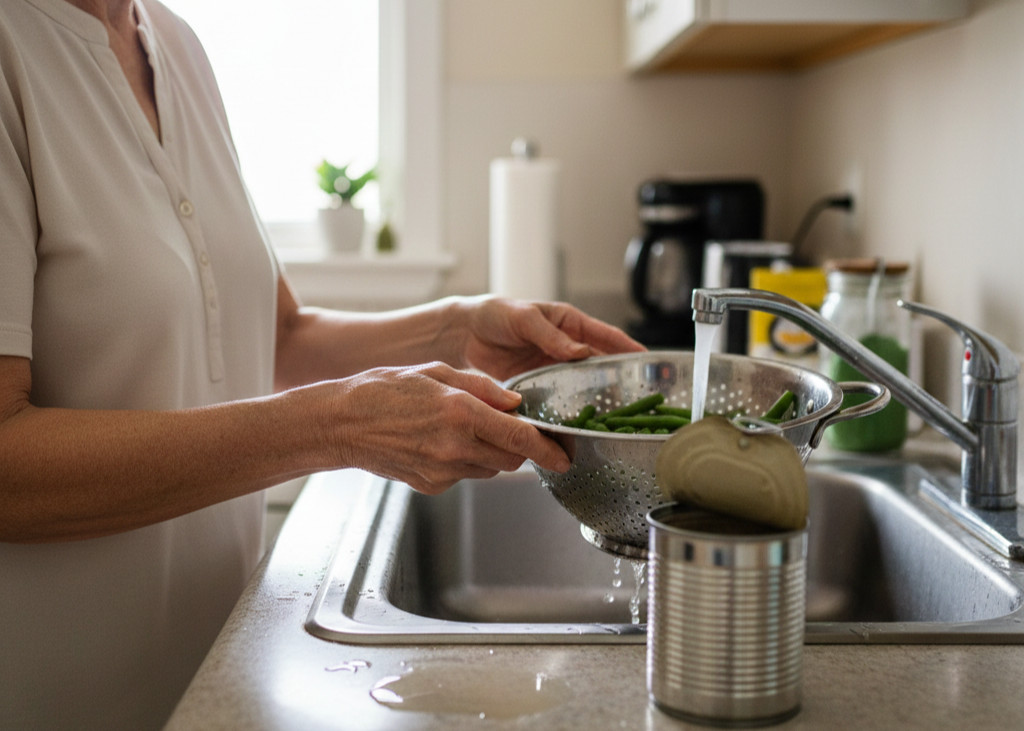
Vegetables are supposed to be healthy, but canned versions often come swimming in salt. While the vegetables themselves still contain nutrients, the added sodium can cancel out many benefits. Excess salt places extra strain on aging kidneys and contributes to higher blood pressure. Seniors who eat canned vegetables daily without rinsing them may slowly accumulate too much sodium without realizing it.
5. Canned Spaghetti Sauce With Added Sugar and Salt
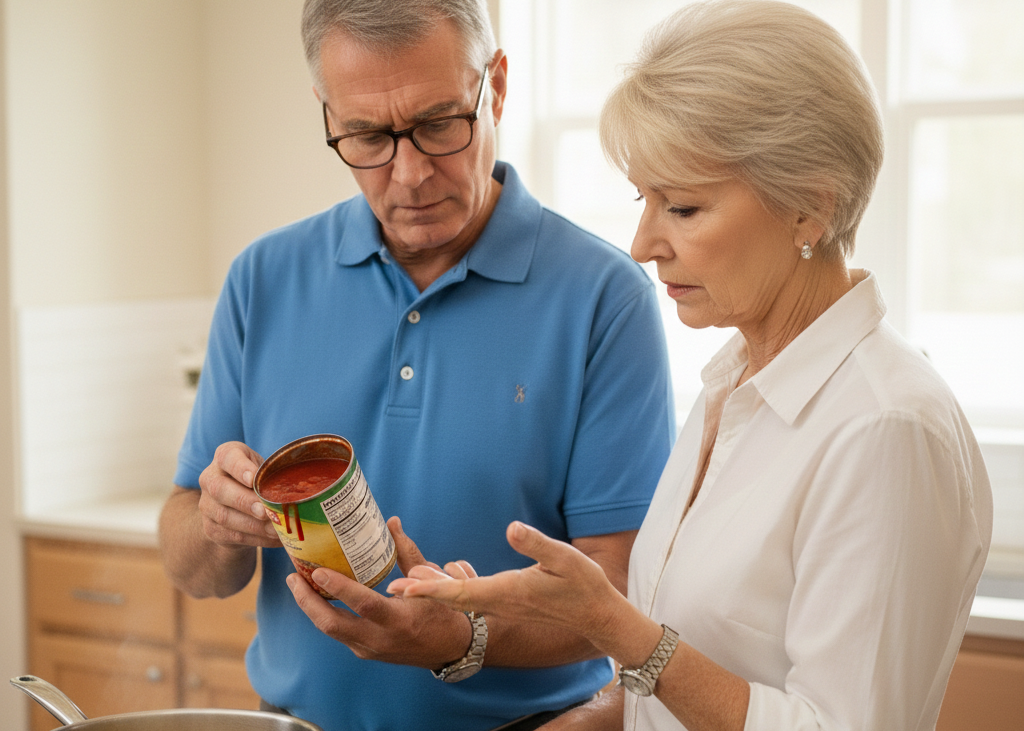
Canned spaghetti sauces can turn a simple pasta meal into a nutritional trap. Many jars and cans contain added sugar to enhance flavor and large amounts of sodium for preservation. These hidden ingredients can spike blood sugar levels and increase blood pressure. Seniors trying to manage diabetes or heart health may be surprised by how unhealthy these sauces can be when eaten regularly.
6. Canned Fruit in Heavy Syrup

Fruit sounds like a safe choice, but canned fruit in heavy syrup is closer to dessert than a healthy snack. The syrup is loaded with added sugar, which can cause blood sugar swings and contribute to weight gain. For seniors managing diabetes or prediabetes, this type of canned fruit can make blood sugar control much more difficult, even though it appears wholesome at first glance.
7. Canned Meat Products

Canned meats like corned beef, luncheon meat, and spam-style products are some of the saltiest foods in the grocery store. They often contain preservatives, unhealthy fats, and extremely high sodium levels. Regular consumption has been linked to higher blood pressure and increased heart disease risk. These products may be convenient, but they are among the least heart friendly choices seniors can make.
8. Canned Chicken With Gravy Meals

Canned chicken meals with gravy seem like an easy dinner solution, but they are often heavily processed. The gravy usually contains added salt, thickening agents, and unhealthy fats designed to boost flavor and shelf life. These meals can be surprisingly high in calories while offering limited nutritional value, making them a poor choice for seniors focused on weight management and heart health.
9. Canned Beans With Added Sodium

Beans are an excellent source of fiber and plant-based protein, but many canned versions come loaded with salt. Without rinsing, a single serving can add a significant amount of sodium to your meal. Seniors who eat beans frequently may think they are making a healthy choice, yet unknowingly consume too much salt. This can impact blood pressure and cause bloating or water retention.
10. Canned Sausages and Hot Dog-Style Products

Canned sausages and hot dog-style foods are highly processed and packed with sodium, saturated fat, and preservatives. These products are especially tough on aging hearts and arteries. While they may remind some seniors of childhood meals or camping trips, they are best treated as rare indulgences rather than pantry staples.
11. Canned Stews and Chili With Additives
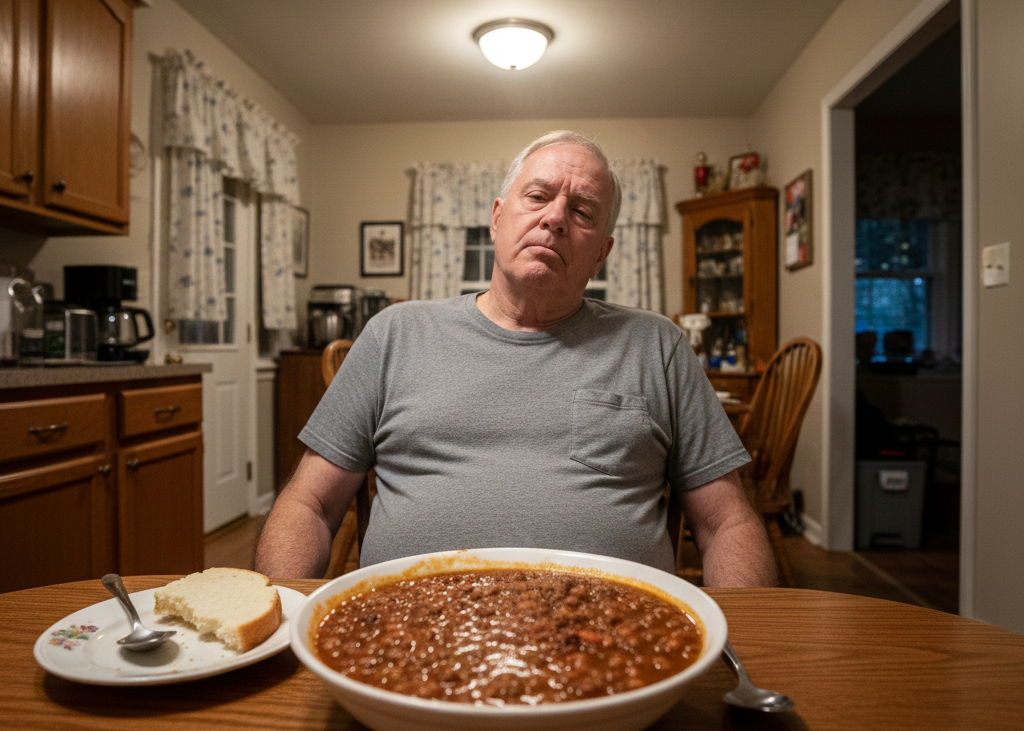
Canned stews and chili are marketed as hearty and filling, but many rely on salt, starches, and flavor enhancers to achieve that richness. These additives increase calorie density while offering limited nutrition. Seniors who eat these meals often may struggle with weight gain, elevated blood pressure, and digestive discomfort, all from foods that appear wholesome on the surface.
12. Canned Tomato Juice and Broths High in Sodium
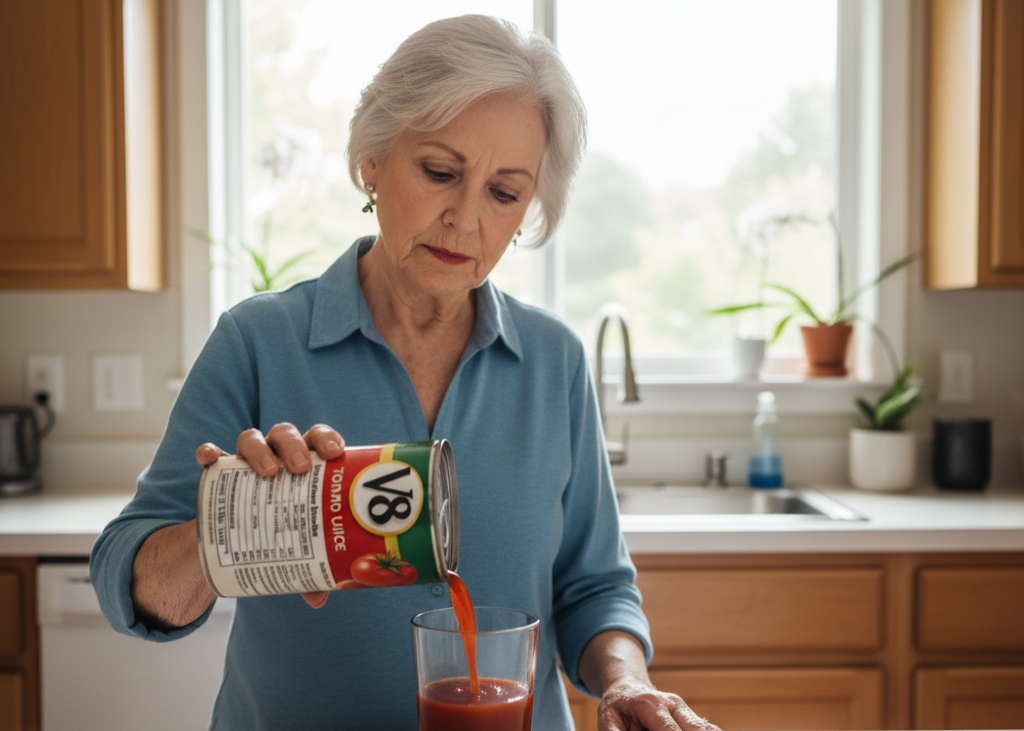
Canned tomato juice and broths are often overlooked, yet they can contain more sodium than many solid foods. Drinking them regularly can quietly push sodium intake well beyond healthy limits. For seniors watching their blood pressure or managing fluid balance, these beverages can be just as problematic as salty snacks.
Final Thoughts

Canned foods are not the enemy, but blind trust in them can be. For seniors, small dietary choices add up over time, and many canned foods quietly work against heart health, blood sugar balance, and overall well-being. The key is not perfection but awareness. Reading labels, choosing low-sodium or no-sugar-added options, rinsing canned foods, and balancing them with fresh ingredients can make a meaningful difference.
Aging well does not mean giving up convenience. It means being smart enough to know which shortcuts are worth taking and which ones quietly steal your health. By avoiding the canned foods on this list and choosing better alternatives, seniors can protect their bodies, enjoy their meals, and maintain independence and energy for years to come.
Leave a Reply