Our Debt Free Family

Commit. Plan. Take action.

  • BUDGETING
  • DEBT REDUCTION
  • INVESTING
  • LIFESTYLE
  • TOOLS
  • ABOUT
  • Privacy Policy
  • CONTACT

Hit the Road in Comfort: 10 Road Trip Cars Americans Love for Comfort and Reliability

October 18, 2025 | Leave a Comment

Hit the Road in Comfort: 10 Road Trip Cars Americans Love for Comfort and Reliability

<p> There is nothing quite like the feeling of rolling down the highway with the windows cracked, your favorite songs filling the air, and miles of open road stretching ahead. A great road trip is about freedom, discovery, and the joy of the journey itself—but none of that feels very joyful if you are cramped in the back seat or worried your car might break down halfway through Nevada. That is why choosing the right road trip car is so important. You need something reliable, comfortable, and practical enough to handle long stretches of driving without wearing you out.

Whether you are traveling cross-country, exploring scenic coastal highways, or taking the family to visit relatives a few states away, the following ten vehicles have earned their reputation among American drivers for being the best road trip companions on four wheels. These cars combine comfort, dependability, and real-world usefulness, making every mile as enjoyable as the destination itself. </p> :: Freepik

There is nothing quite like the feeling of rolling down the highway with the windows cracked, your favorite songs filling the air, and miles of open road stretching ahead. A great road trip is about freedom, discovery, and the joy of the journey itself—but none of that feels very joyful if you are cramped in the back seat or worried your car might break down halfway through Nevada. That is why choosing the right road trip car is so important. You need something reliable, comfortable, and practical enough to handle long stretches of driving without wearing you out.

Whether you are traveling cross-country, exploring scenic coastal highways, or taking the family to visit relatives a few states away, the following ten vehicles have earned their reputation among American drivers for being the best road trip companions on four wheels. These cars combine comfort, dependability, and real-world usefulness, making every mile as enjoyable as the destination itself.

1. Honda Accord
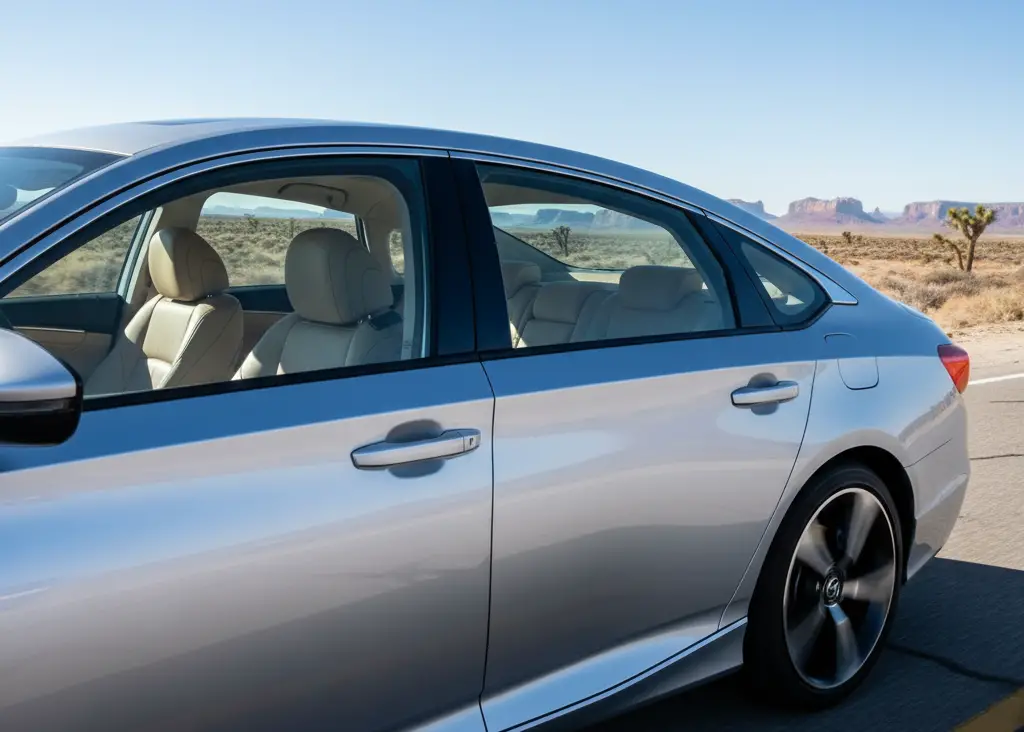
<p> The Honda Accord has long been a favorite for people who love road trips. It is spacious, smooth, and fuel-efficient, making it easy to cover long distances without feeling drained. The seats are soft yet supportive, and the cabin stays impressively quiet even at highway speeds. Whether you are cruising down Route 66 or navigating city traffic, the Accord delivers a consistently comfortable ride. Plus, Honda’s strong record of reliability means you can spend less time worrying about maintenance and more time enjoying the view. </p> :: Gemini

The Honda Accord has long been a favorite for people who love road trips. It is spacious, smooth, and fuel-efficient, making it easy to cover long distances without feeling drained. The seats are soft yet supportive, and the cabin stays impressively quiet even at highway speeds. Whether you are cruising down Route 66 or navigating city traffic, the Accord delivers a consistently comfortable ride. Plus, Honda’s strong record of reliability means you can spend less time worrying about maintenance and more time enjoying the view.

2. Toyota Camry
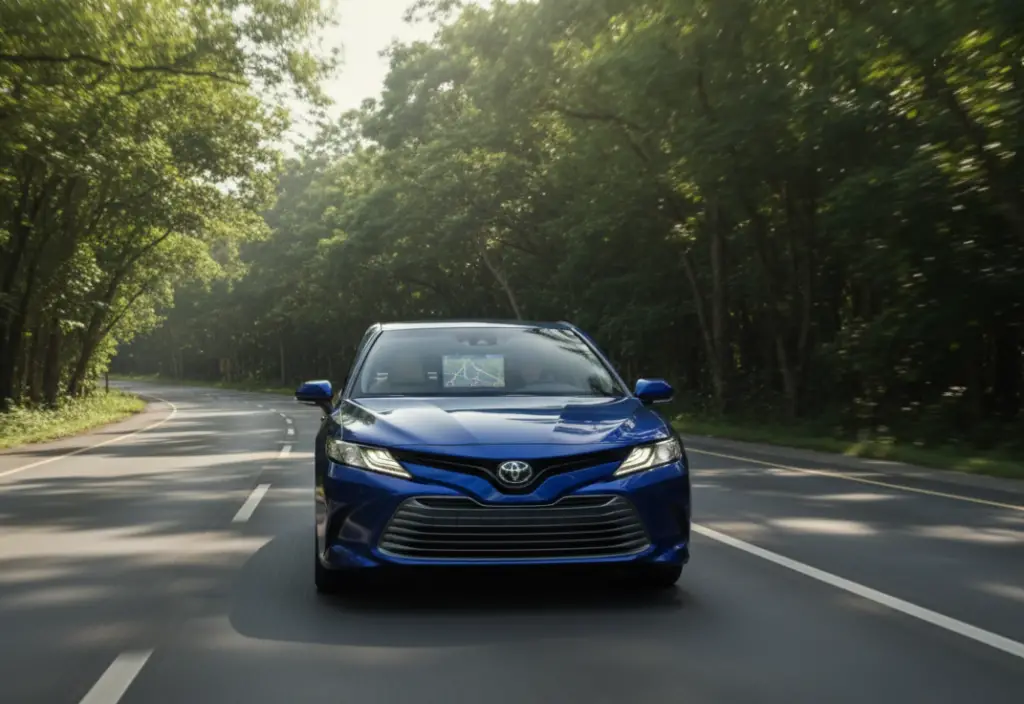
<p> When it comes to dependable sedans, few can match the Toyota Camry. It strikes a great balance between comfort and performance, offering a silky-smooth ride that feels effortless on long drives. The Camry’s interior is designed for relaxation, with well-padded seats and an easy-to-use infotainment system that makes navigation simple. If you opt for the hybrid version, you will also enjoy outstanding gas mileage, meaning fewer stops at the pump. It is no wonder the Camry has been a staple of American highways for decades—it just works. </p> :: Gemini

When it comes to dependable sedans, few can match the Toyota Camry. It strikes a great balance between comfort and performance, offering a silky-smooth ride that feels effortless on long drives. The Camry’s interior is designed for relaxation, with well-padded seats and an easy-to-use infotainment system that makes navigation simple. If you opt for the hybrid version, you will also enjoy outstanding gas mileage, meaning fewer stops at the pump. It is no wonder the Camry has been a staple of American highways for decades—it just works.

3. Toyota Highlander
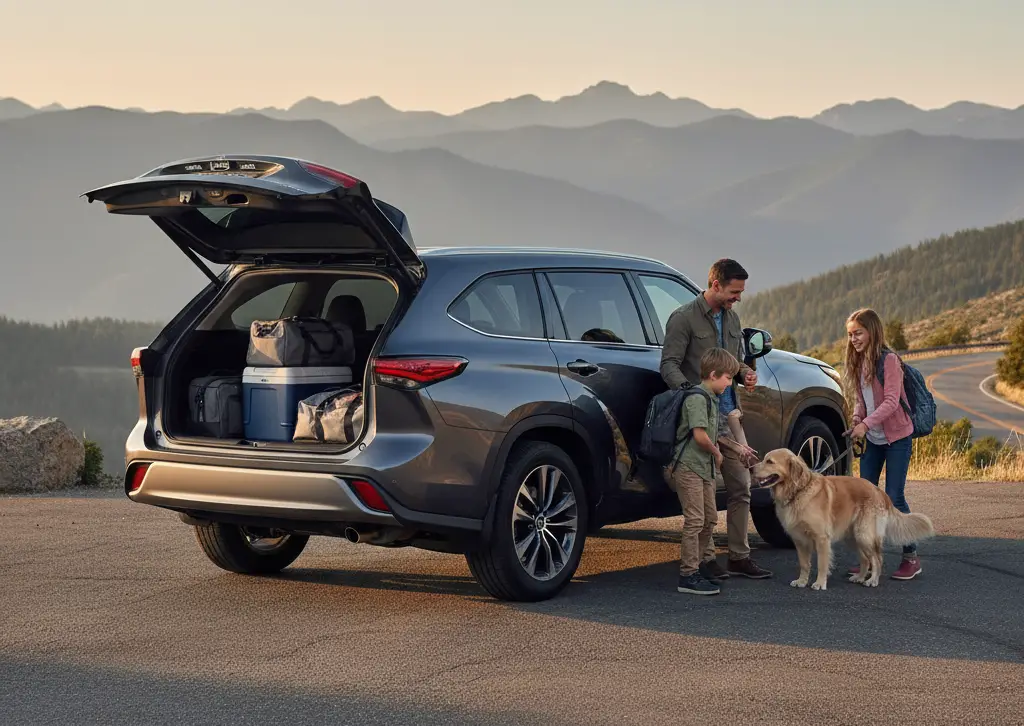
<p> If you need extra space for passengers, gear, or both, the Toyota Highlander is a fantastic choice. This midsize SUV combines power with comfort, giving you plenty of room to stretch out while still feeling refined on the road. The Highlander’s smooth suspension soaks up bumps, and its available all-wheel-drive system provides confidence on rougher terrain or during unexpected weather. It is especially popular among families who need a reliable vehicle that can handle both daily errands and long vacations with ease. </p> :: Gemini

If you need extra space for passengers, gear, or both, the Toyota Highlander is a fantastic choice. This midsize SUV combines power with comfort, giving you plenty of room to stretch out while still feeling refined on the road. The Highlander’s smooth suspension soaks up bumps, and its available all-wheel-drive system provides confidence on rougher terrain or during unexpected weather. It is especially popular among families who need a reliable vehicle that can handle both daily errands and long vacations with ease.

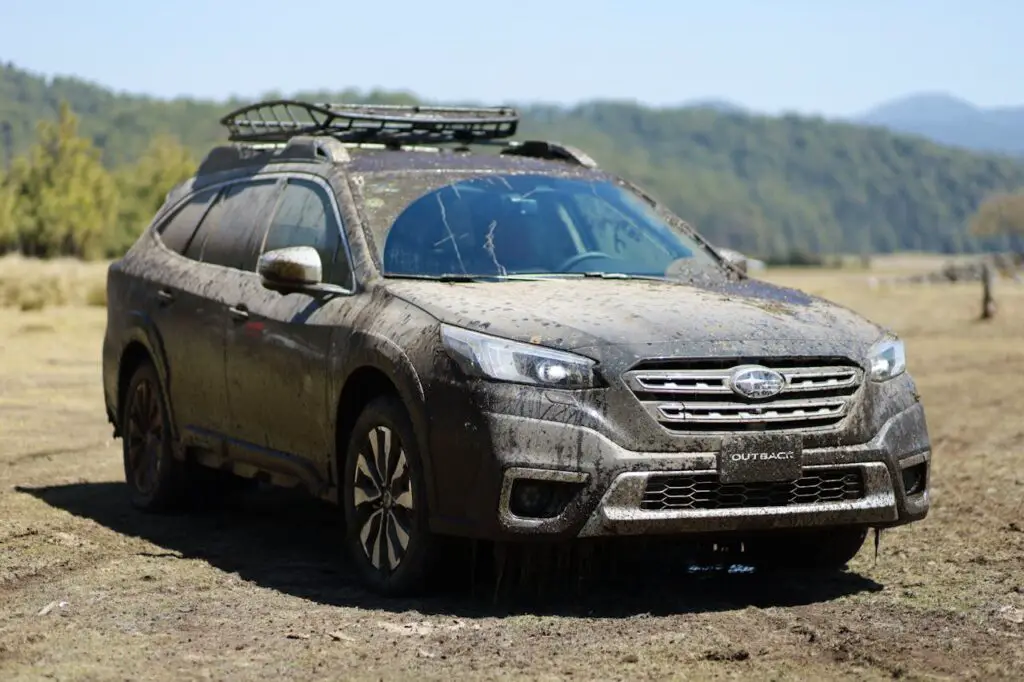
4. Subaru Outback
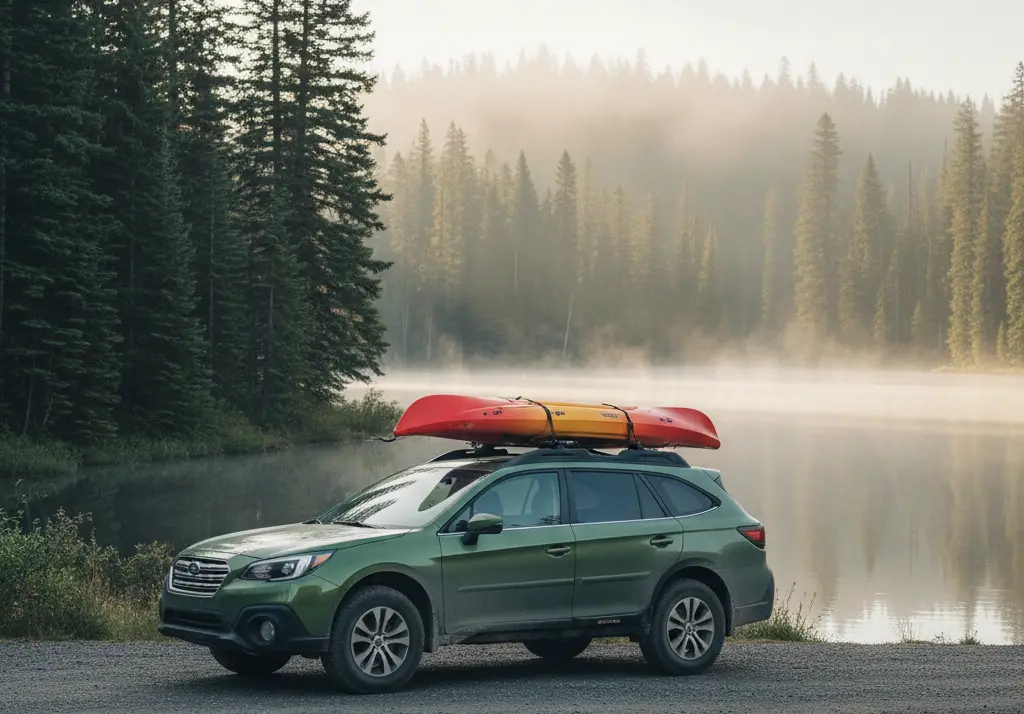
<p> Few cars capture the spirit of adventure quite like the Subaru Outback. This versatile crossover is made for exploring, with standard all-wheel drive and generous ground clearance that let you tackle winding mountain roads or dirt paths without hesitation. Inside, the Outback feels cozy yet spacious, with comfortable seats and a practical layout for packing everything from camping gear to coolers. Its excellent safety ratings and dependable performance make it a favorite among those who like to wander off the beaten path without sacrificing comfort. </p> :: Gemini

Few cars capture the spirit of adventure quite like the Subaru Outback. This versatile crossover is made for exploring, with standard all-wheel drive and generous ground clearance that let you tackle winding mountain roads or dirt paths without hesitation. Inside, the Outback feels cozy yet spacious, with comfortable seats and a practical layout for packing everything from camping gear to coolers. Its excellent safety ratings and dependable performance make it a favorite among those who like to wander off the beaten path without sacrificing comfort.

5. Chevrolet Traverse
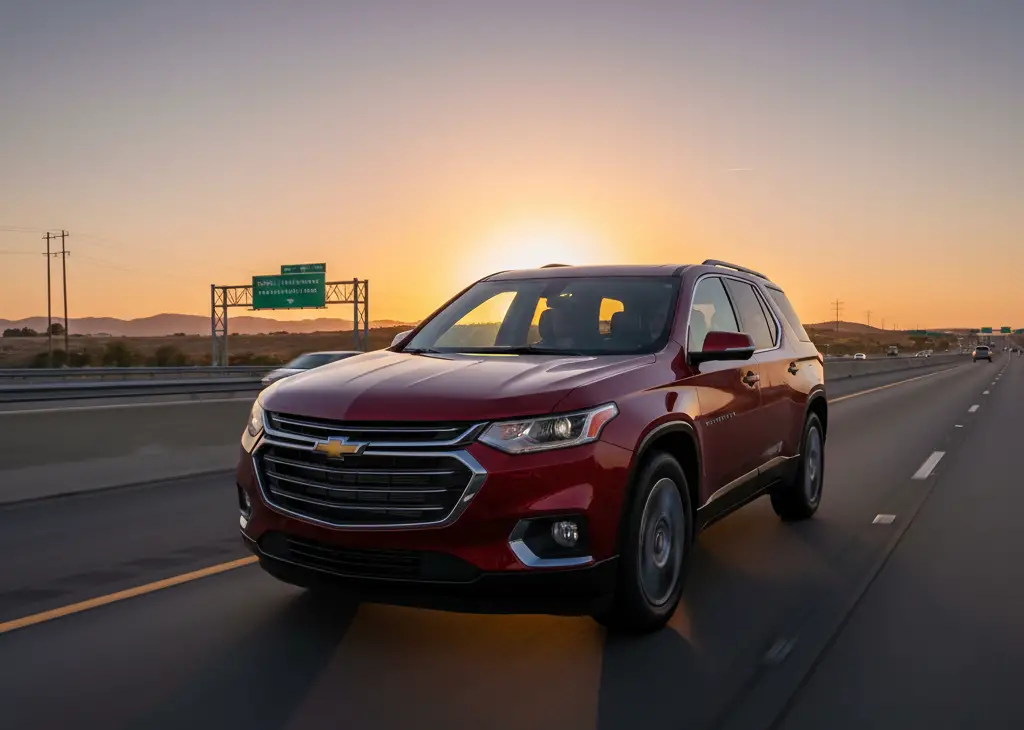
<p> For those who crave space and comfort in equal measure, the Chevrolet Traverse delivers. This three-row SUV offers tons of interior room, making it perfect for large families or groups of friends who love road trips. The seats are plush, the cabin is quiet, and the ride is smooth even over long stretches of highway. With lots of cargo space and modern tech features, the Traverse makes it easy to keep everyone entertained and relaxed during those marathon drives across state lines. </p> :: Gemini

For those who crave space and comfort in equal measure, the Chevrolet Traverse delivers. This three-row SUV offers tons of interior room, making it perfect for large families or groups of friends who love road trips. The seats are plush, the cabin is quiet, and the ride is smooth even over long stretches of highway. With lots of cargo space and modern tech features, the Traverse makes it easy to keep everyone entertained and relaxed during those marathon drives across state lines.

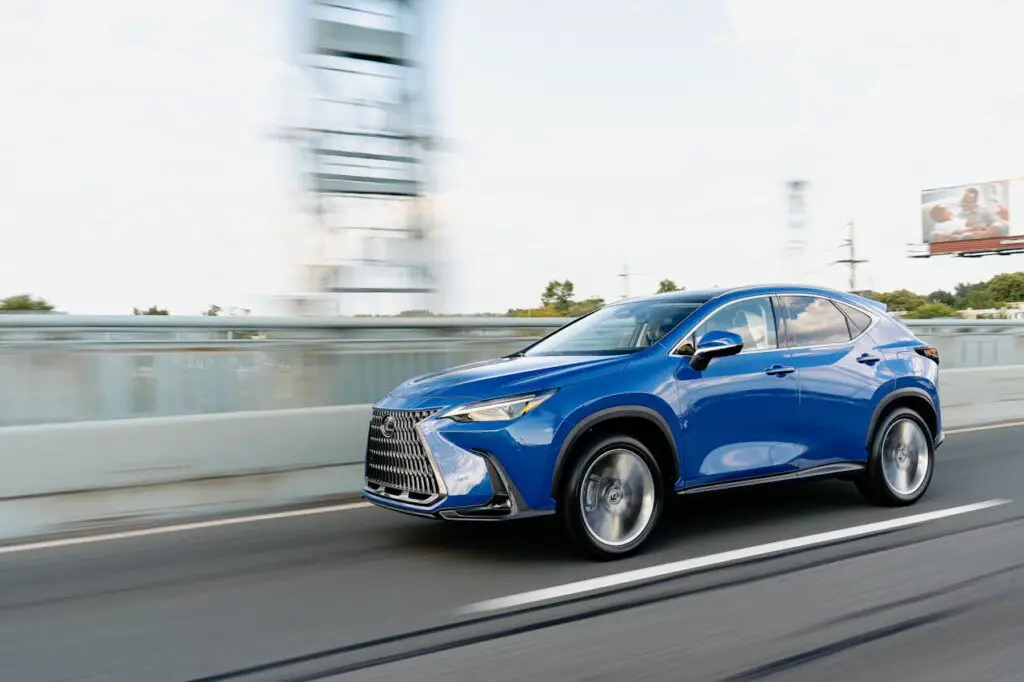
6. Lexus ES
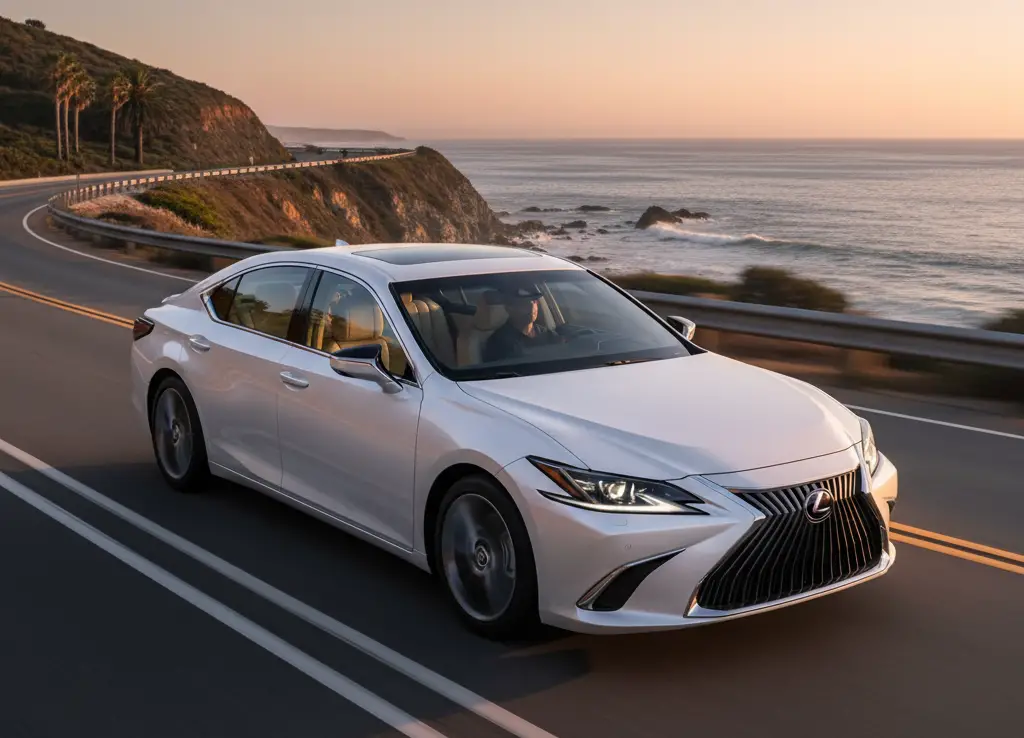
<p> If your idea of a perfect road trip includes a touch of luxury, the Lexus ES is hard to beat. Known for its ultra-smooth ride and whisper-quiet cabin, the ES turns even the longest drive into a peaceful experience. The seats are among the most comfortable you will find in any sedan, with soft leather and adjustable lumbar support that make a huge difference after hours behind the wheel. Lexus also has a sterling reputation for reliability, so you can enjoy premium comfort without worrying about unexpected surprises along the way. </p> :: Gemini

If your idea of a perfect road trip includes a touch of luxury, the Lexus ES is hard to beat. Known for its ultra-smooth ride and whisper-quiet cabin, the ES turns even the longest drive into a peaceful experience. The seats are among the most comfortable you will find in any sedan, with soft leather and adjustable lumbar support that make a huge difference after hours behind the wheel. Lexus also has a sterling reputation for reliability, so you can enjoy premium comfort without worrying about unexpected surprises along the way.

7. Toyota Sienna Hybrid
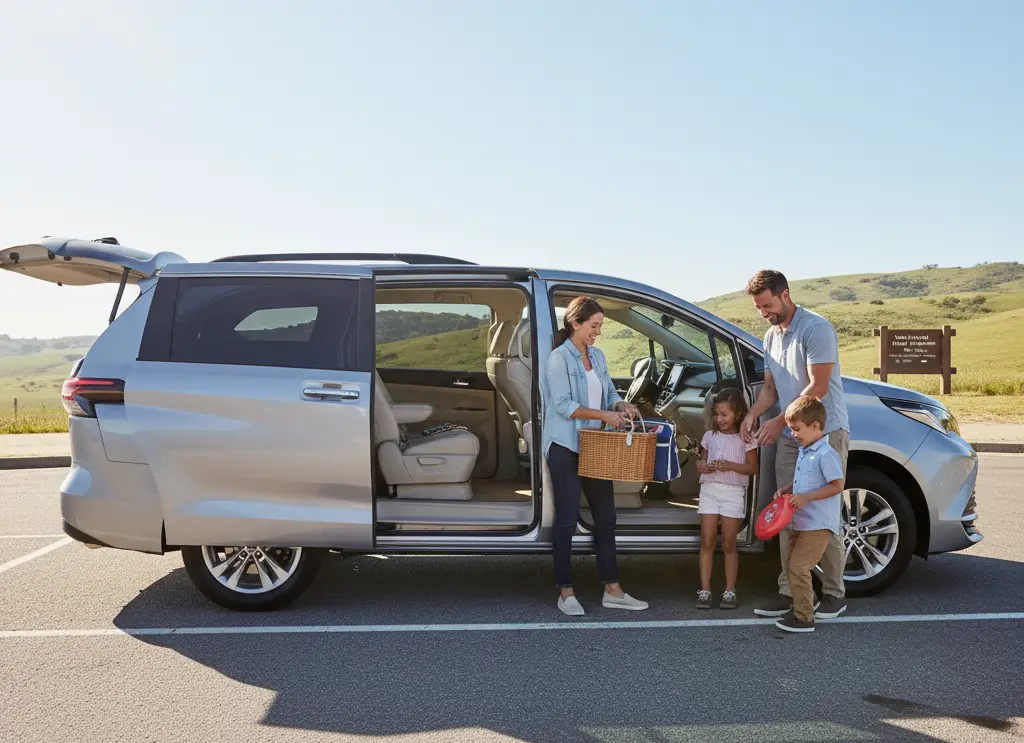
<p> The Toyota Sienna Hybrid proves that minivans can be both stylish and road-trip-ready. With its impressive fuel efficiency, spacious cabin, and silky ride, the Sienna is the ultimate family travel vehicle. It seats up to eight passengers comfortably and offers plenty of cargo space for luggage, snacks, and all the essentials. Sliding doors make it easy to get in and out at rest stops, while modern safety features help keep everyone secure. Whether you are heading to the beach or a national park, the Sienna makes the journey smooth and stress-free. </p> :: Gemini

The Toyota Sienna Hybrid proves that minivans can be both stylish and road-trip-ready. With its impressive fuel efficiency, spacious cabin, and silky ride, the Sienna is the ultimate family travel vehicle. It seats up to eight passengers comfortably and offers plenty of cargo space for luggage, snacks, and all the essentials. Sliding doors make it easy to get in and out at rest stops, while modern safety features help keep everyone secure. Whether you are heading to the beach or a national park, the Sienna makes the journey smooth and stress-free.

8. BMW 5 Series
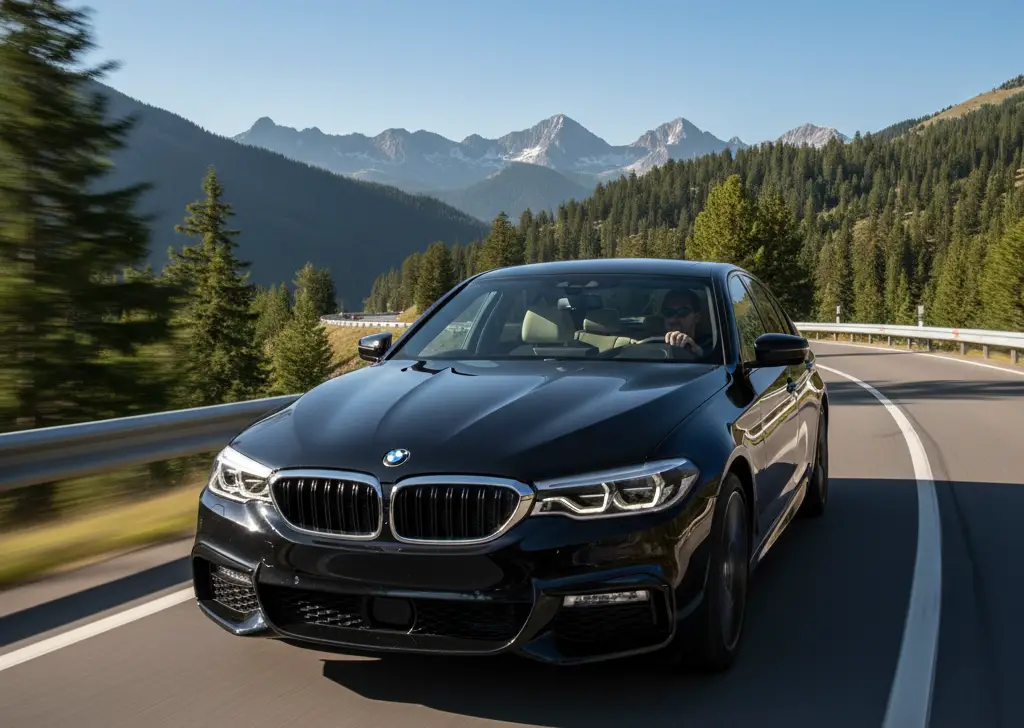
<p> If you love driving as much as you love traveling, the BMW 5 Series makes every mile enjoyable. This luxury sedan offers a perfect mix of power and comfort, with refined handling that makes winding roads a pleasure. The ride is buttery smooth, the seats are supportive, and the interior feels like a first-class cabin. While it is more expensive than some of the other cars on this list, the driving experience is worth every penny. For road trippers who want a little excitement with their comfort, the 5 Series is a top pick. </p> :: Gemini

If you love driving as much as you love traveling, the BMW 5 Series makes every mile enjoyable. This luxury sedan offers a perfect mix of power and comfort, with refined handling that makes winding roads a pleasure. The ride is buttery smooth, the seats are supportive, and the interior feels like a first-class cabin. While it is more expensive than some of the other cars on this list, the driving experience is worth every penny. For road trippers who want a little excitement with their comfort, the 5 Series is a top pick.

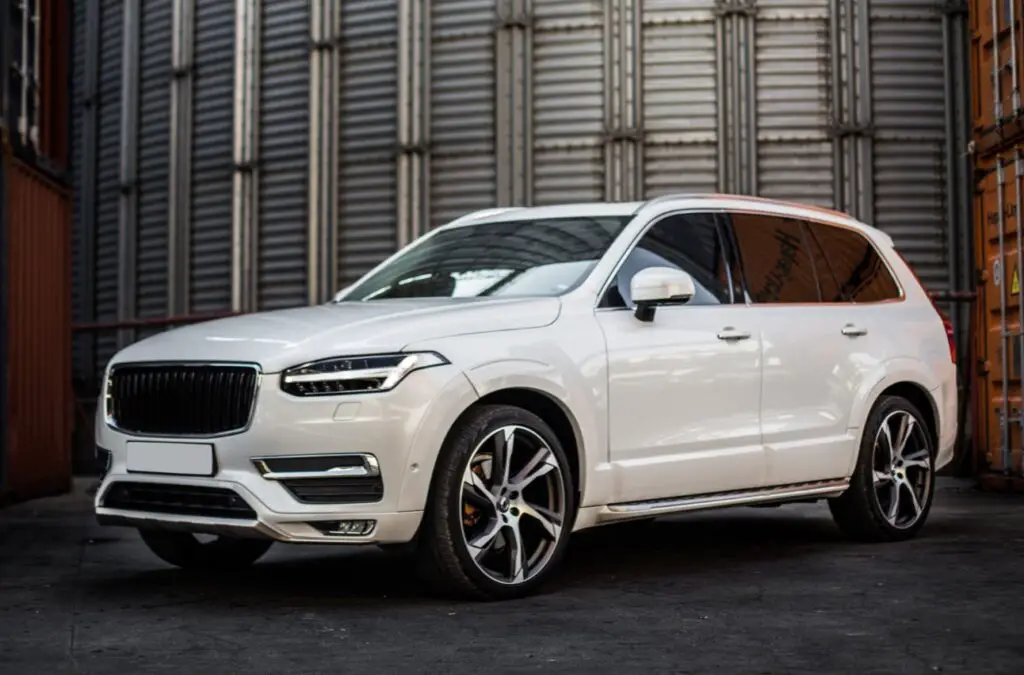
9. Volvo V90 Cross Country
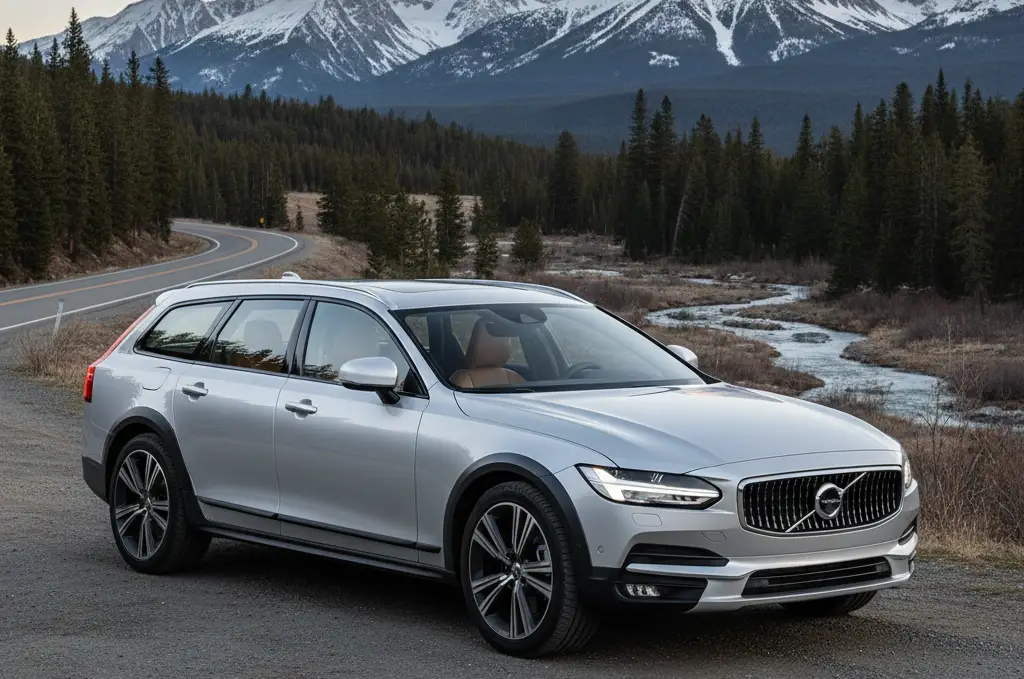
<p> The Volvo V90 Cross Country is a road tripper’s dream car. Combining Scandinavian design with rugged versatility, it offers all-wheel drive and a higher ride height, making it perfect for both highways and light off-road adventures. Inside, the cabin is a masterpiece of comfort, with some of the most supportive seats you will ever sit in. Volvo even offers massage options for the front seats in some trims—ideal for long hauls. Elegant, safe, and endlessly comfortable, the V90 Cross Country makes every journey feel special. </p> :: Gemini

The Volvo V90 Cross Country is a road tripper’s dream car. Combining Scandinavian design with rugged versatility, it offers all-wheel drive and a higher ride height, making it perfect for both highways and light off-road adventures. Inside, the cabin is a masterpiece of comfort, with some of the most supportive seats you will ever sit in. Volvo even offers massage options for the front seats in some trims—ideal for long hauls. Elegant, safe, and endlessly comfortable, the V90 Cross Country makes every journey feel special.

10. Nissan Rogue
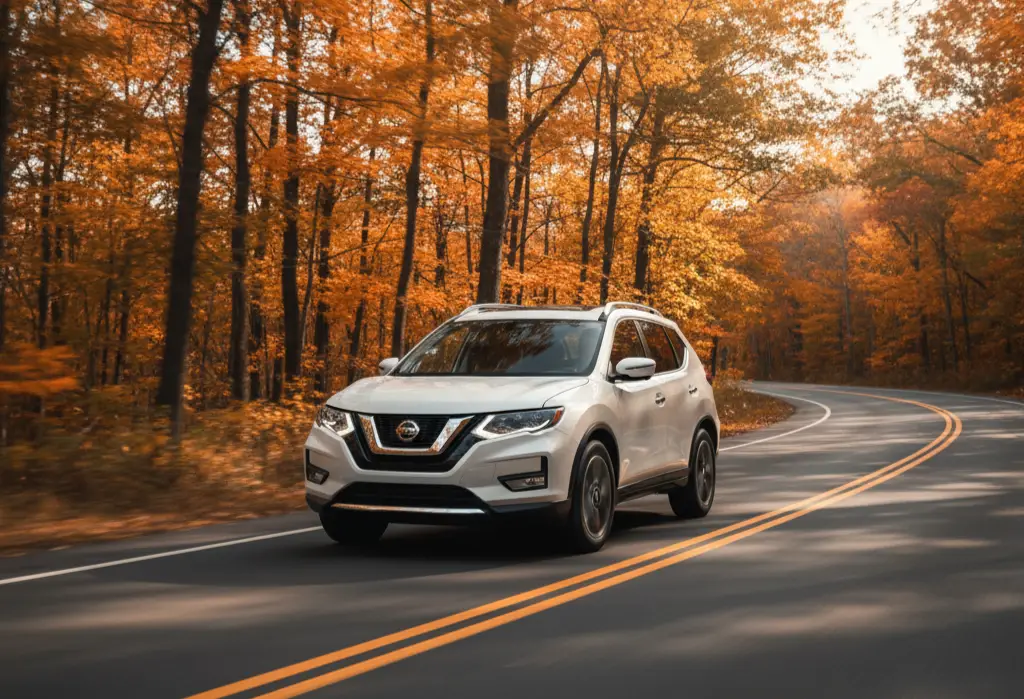
<p> Compact yet capable, the Nissan Rogue is a great choice for drivers who want a comfortable and affordable crossover for road trips. It offers excellent fuel economy, plenty of cargo room, and a surprisingly smooth ride for its size. The seats are designed for long-distance comfort, and the interior feels modern and well thought out. With available all-wheel drive and a suite of advanced safety features, the Rogue gives you peace of mind on both open highways and winding backroads. It is proof that you do not need a massive SUV to enjoy a big adventure. </p> :: Gemini

Compact yet capable, the Nissan Rogue is a great choice for drivers who want a comfortable and affordable crossover for road trips. It offers excellent fuel economy, plenty of cargo room, and a surprisingly smooth ride for its size. The seats are designed for long-distance comfort, and the interior feels modern and well thought out. With available all-wheel drive and a suite of advanced safety features, the Rogue gives you peace of mind on both open highways and winding backroads. It is proof that you do not need a massive SUV to enjoy a big adventure.

Final Thoughts

<p> The perfect road trip car is not just about horsepower or price—it is about how you feel after several hours on the road. The best ones make you forget the miles altogether. The vehicles on this list are loved by American drivers because they deliver exactly what road trippers need: comfort, dependability, and a touch of personality.

Whether you prefer the reliability of a Toyota, the all-weather confidence of a Subaru, or the luxury of a Lexus or BMW, there is a road trip car here for every kind of traveler. Before you set out, take a little time to make sure your car is road-ready—check your tires, top off fluids, and load up on snacks. Then hit the road with confidence, knowing you are traveling in comfort and style.

After all, the best part of a road trip is not just reaching your destination—it is all the moments, memories, and little detours along the way. So pick your favorite ride, turn up the music, and let the road take you somewhere unforgettable. </p> :; Gemini

The perfect road trip car is not just about horsepower or price—it is about how you feel after several hours on the road. The best ones make you forget the miles altogether. The vehicles on this list are loved by American drivers because they deliver exactly what road trippers need: comfort, dependability, and a touch of personality.

Whether you prefer the reliability of a Toyota, the all-weather confidence of a Subaru, or the luxury of a Lexus or BMW, there is a road trip car here for every kind of traveler. Before you set out, take a little time to make sure your car is road-ready—check your tires, top off fluids, and load up on snacks. Then hit the road with confidence, knowing you are traveling in comfort and style.

After all, the best part of a road trip is not just reaching your destination—it is all the moments, memories, and little detours along the way. So pick your favorite ride, turn up the music, and let the road take you somewhere unforgettable.


Filed Under: Autos

These Are the 7 Leading Causes of Road Rage Incidents—According to Official Studies

October 14, 2025 | Leave a Comment

These Are the 7 Leading Causes of Road Rage Incidents—According to Official Studies

<p>Traffic congestion, time pressure, and even the weather can push drivers over the edge. According to NHTSA road rage and speeding data, AAA Foundation traffic safety surveys, and peer-reviewed research, these seven factors consistently emerge as the leading road rage causes across the United States.</p> ::Pexels

Traffic congestion, time pressure, and even the weather can push drivers over the edge. According to NHTSA road rage and speeding data, AAA Foundation traffic safety surveys, and peer-reviewed research, these seven factors consistently emerge as the leading road rage causes across the United States.

1) Traffic Congestion: The Most Common Road Rage Cause

<p>Few things test patience like sitting in bumper-to-bumper traffic. Studies show that congestion is the number-one factor linked to aggressive driving behaviors such as weaving, tailgating, and sudden lane changes. When drivers feel trapped, their frustration can escalate quickly into verbal or physical confrontations. Long delays create a sense of helplessness, which fuels anger and increases the risk of road rage incidents.</p> ::Pexels

Few things test patience like sitting in bumper-to-bumper traffic. Studies show that congestion is the number-one factor linked to aggressive driving behaviors such as weaving, tailgating, and sudden lane changes. When drivers feel trapped, their frustration can escalate quickly into verbal or physical confrontations. Long delays create a sense of helplessness, which fuels anger and increases the risk of road rage incidents.

2) Time Pressure and Running Late: A Key Aggressive Driving Trigger

<p>Being late for work, school, or appointments often causes drivers to push the limits of safety. Research from AAA Foundation’s Traffic Safety Culture Index reveals that drivers under time pressure are more likely to speed, ignore signals, and cut others off. This behavior not only endangers everyone on the road but also sparks anger from other drivers who feel threatened. In many cases, running late becomes a self-fulfilling cycle of stress and conflict.</p> ::Pexels

Being late for work, school, or appointments often causes drivers to push the limits of safety. Research from AAA Foundation’s Traffic Safety Culture Index reveals that drivers under time pressure are more likely to speed, ignore signals, and cut others off. This behavior not only endangers everyone on the road but also sparks anger from other drivers who feel threatened. In many cases, running late becomes a self-fulfilling cycle of stress and conflict.

3) Anonymity in Cars: Hidden Road Rage Causes Backed by Psychology

<p>Inside a vehicle, people often feel shielded from accountability, a concept psychologists call “de-individuation.” Drivers who would normally act politely in person may become aggressive, honking, yelling, or tailgating because they feel unseen. This false sense of invisibility can strip away normal social restraints and amplify anger. The enclosed space of the car creates an emotional distance that makes hostile reactions more likely.</p> ::Pexels

Inside a vehicle, people often feel shielded from accountability, a concept psychologists call “de-individuation.” Drivers who would normally act politely in person may become aggressive, honking, yelling, or tailgating because they feel unseen. This false sense of invisibility can strip away normal social restraints and amplify anger. The enclosed space of the car creates an emotional distance that makes hostile reactions more likely.

4) Speeding Statistics 2023 Show Rule-Breaking as a Trigger

<p>Speeding remains one of the most common aggressive driving triggers, contributing to nearly a third of all U.S. traffic fatalities in 2023 according to NHTSA. Many drivers treat speeding as a harmless habit, but officials classify it as a gateway to road rage. When one driver’s disregard for rules forces others to react, tempers flare. This cultural normalization of unsafe driving makes hostile interactions feel almost inevitable on busy highways.</p> ::Pexels

Speeding remains one of the most common aggressive driving triggers, contributing to nearly a third of all U.S. traffic fatalities in 2023 according to NHTSA. Many drivers treat speeding as a harmless habit, but officials classify it as a gateway to road rage. When one driver’s disregard for rules forces others to react, tempers flare. This cultural normalization of unsafe driving makes hostile interactions feel almost inevitable on busy highways.

5) Heat and Road Rage: Environmental Stressors That Escalate Anger

<p>Temperature isn’t just uncomfortable—it directly affects mood and aggression. Classic studies in Phoenix demonstrated that as heat rose, drivers honked faster and longer at stalled vehicles. High temperatures make the body physically stressed, lowering tolerance for delays or mistakes. Today, researchers continue to list heat and road rage as a measurable factor in spikes of incidents during summer months (Kenrick and MacFarlane, Environment and Behavior).</p> ::Pexels

Temperature isn’t just uncomfortable—it directly affects mood and aggression. Classic studies in Phoenix demonstrated that as heat rose, drivers honked faster and longer at stalled vehicles. High temperatures make the body physically stressed, lowering tolerance for delays or mistakes. Today, researchers continue to list heat and road rage as a measurable factor in spikes of incidents during summer months (Kenrick & MacFarlane, Environment & Behavior).

6) Distracted Driving: Flashpoints Identified by the AAA Road Rage Survey

<p>Distraction is one of the most frustrating behaviors witnessed by other drivers. The AAA road rage survey shows that nearly one in three motorists admit to texting or checking their phones while driving. When someone swerves or misses a light due to distraction, others interpret it as careless or disrespectful. These moments often serve as immediate flashpoints for shouting, honking, or retaliatory driving.</p> ::Pexels

Distraction is one of the most frustrating behaviors witnessed by other drivers. The AAA road rage survey shows that nearly one in three motorists admit to texting or checking their phones while driving. When someone swerves or misses a light due to distraction, others interpret it as careless or disrespectful. These moments often serve as immediate flashpoints for shouting, honking, or retaliatory driving.

7) Illegal Maneuvers and Perceived Slights as Road Rage Causes

<p>Tailgating, cutting off another driver, and weaving through lanes are not just violations—they feel personal. Official reports highlight that many road rage causes begin when one driver perceives another’s move as intentional disrespect. Even minor maneuvers can trigger anger if drivers are already stressed or impatient. This mix of illegality and perceived insult creates a combustible situation that can escalate quickly.</p> ::Pexels

Tailgating, cutting off another driver, and weaving through lanes are not just violations—they feel personal. Official reports highlight that many road rage causes begin when one driver perceives another’s move as intentional disrespect. Even minor maneuvers can trigger anger if drivers are already stressed or impatient. This mix of illegality and perceived insult creates a combustible situation that can escalate quickly.

Why the Distinction Between Aggressive Driving Triggers and Road Rage Matters

<p>Aggressive driving refers to dangerous behaviors like speeding, tailgating, and running red lights. Road rage is the escalation of those behaviors into violence, such as intentional ramming or physical assault. Studies emphasize the importance of preventing the first stage before it reaches the second. Strong enforcement of traffic laws and public awareness campaigns can help keep frustration from boiling over into violence.</p> ::Pexels

Aggressive driving refers to dangerous behaviors like speeding, tailgating, and running red lights. Road rage is the escalation of those behaviors into violence, such as intentional ramming or physical assault. Studies emphasize the importance of preventing the first stage before it reaches the second. Strong enforcement of traffic laws and public awareness campaigns can help keep frustration from boiling over into violence.

Practical Ways to Defuse These Road Rage Causes

<p>Experts recommend building extra travel time into your schedule to avoid time pressure and speeding urges. Staying cool—literally and emotionally—can reduce the chance of hostile reactions in hot weather. Avoiding confrontational behaviors, such as blocking lane changes or honking excessively, helps de-escalate tense situations. Finally, putting away the phone removes one of the most common triggers for conflict.</p> ::Pexels

Experts recommend building extra travel time into your schedule to avoid time pressure and speeding urges. Staying cool—literally and emotionally—can reduce the chance of hostile reactions in hot weather. Avoiding confrontational behaviors, such as blocking lane changes or honking excessively, helps de-escalate tense situations. Finally, putting away the phone removes one of the most common triggers for conflict.

Filed Under: Autos

5 Trucks to Skip in 2025 Mechanics Say They Are the Worst Buys

October 14, 2025 | Leave a Comment

5 Trucks to Skip in 2025 Mechanics Say They Are the Worst Buys

<p> Buying a new truck is supposed to feel exciting. You imagine the open road, heavy loads, or maybe just cruising around town with a reliable workhorse that will last you years. But sometimes, what looks shiny in the showroom ends up being a headache once the miles pile up. Mechanics who spend their days under the hood will tell you that not every truck is worth your hard-earned money.

For 2025, several models are already raising eyebrows for issues ranging from questionable reliability to frustrating technology quirks. If you want a truck that will keep you on the road instead of stuck in the repair shop, these are the five you may want to think twice about before signing on the dotted line. </p> :: Gemini

Buying a new truck is supposed to feel exciting. You imagine the open road, heavy loads, or maybe just cruising around town with a reliable workhorse that will last you years. But sometimes, what looks shiny in the showroom ends up being a headache once the miles pile up. Mechanics who spend their days under the hood will tell you that not every truck is worth your hard-earned money.

For 2025, several models are already raising eyebrows for issues ranging from questionable reliability to frustrating technology quirks. If you want a truck that will keep you on the road instead of stuck in the repair shop, these are the five you may want to think twice about before signing on the dotted line.

1. 2025 Toyota Tundra

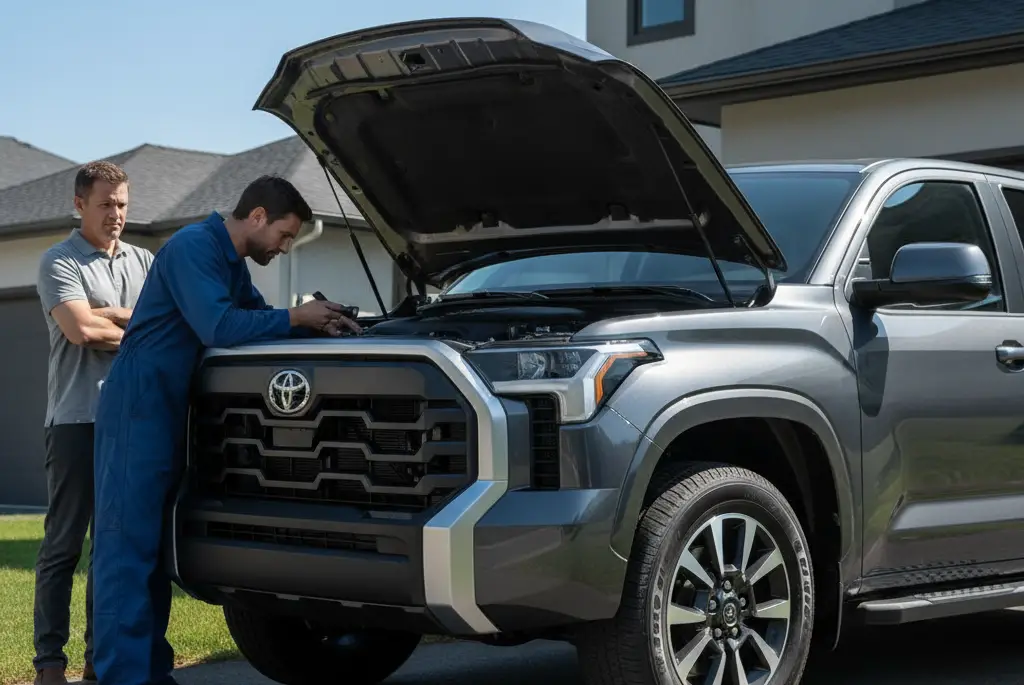
<p> It might surprise you to see the Toyota Tundra on this list. After all, Toyota is often synonymous with bulletproof reliability. But since the Tundra’s redesign, complaints have stacked up. Owners and mechanics alike have pointed to issues with electronics, camera systems, and a history of engine recalls tied to leftover machining debris in earlier models. Those kinds of red flags make people nervous about long-term durability.

The problem here is not that the Tundra is a bad truck—it is still powerful, roomy, and capable of towing impressive loads. The issue is that Toyota has not quite shaken out the bugs of its latest version. Until they prove the new systems can match the company’s old reputation for longevity, you could end up paying extra for both the truck and repeated trips to the dealership. </p> :: Gemini

It might surprise you to see the Toyota Tundra on this list. After all, Toyota is often synonymous with bulletproof reliability. But since the Tundra’s redesign, complaints have stacked up. Owners and mechanics alike have pointed to issues with electronics, camera systems, and a history of engine recalls tied to leftover machining debris in earlier models. Those kinds of red flags make people nervous about long-term durability.

The problem here is not that the Tundra is a bad truck—it is still powerful, roomy, and capable of towing impressive loads. The issue is that Toyota has not quite shaken out the bugs of its latest version. Until they prove the new systems can match the company’s old reputation for longevity, you could end up paying extra for both the truck and repeated trips to the dealership.

2. 2025 Ram 1500

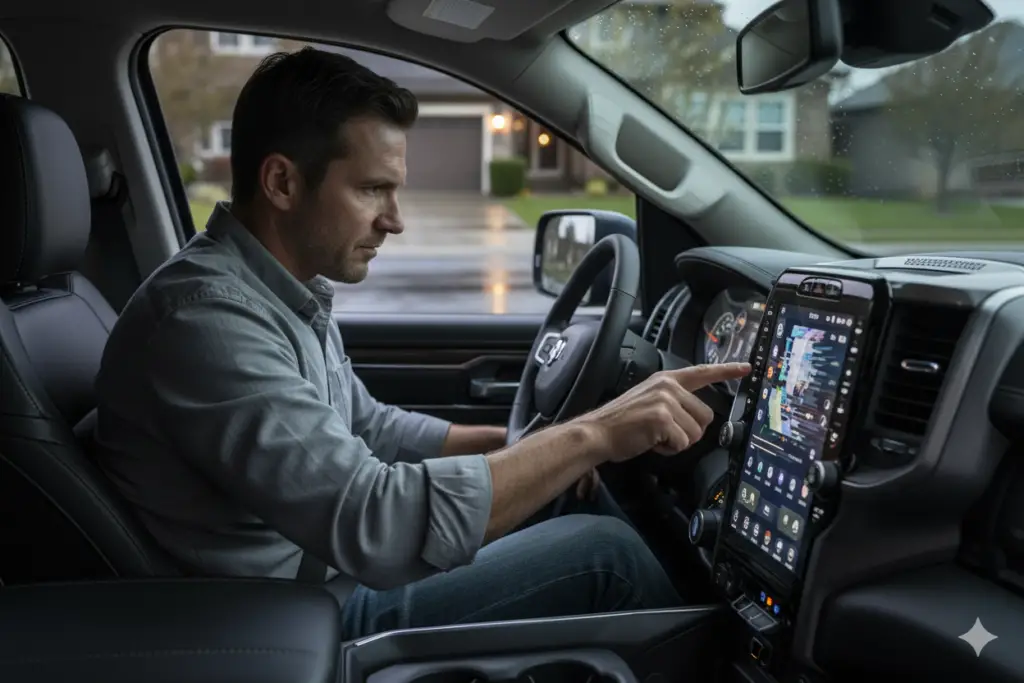
<p> The Ram 1500 has a loyal fan base, but 2025 is a year of big change. Ram dropped its famous Hemi V8 and is betting heavily on the new Hurricane turbocharged inline-six. On paper, it sounds promising—plenty of horsepower with better efficiency. In practice, however, many drivers have already reported problems.

Mechanics are seeing check engine lights, faulty sensors, and stubborn electrical glitches. Some trucks even have infotainment systems that freeze or seats that refuse to heat properly. A few unlucky owners reported overnight battery drains that left them stranded in the morning. While it is possible that software updates will fix some of these issues, it is also possible that Ram rushed this transition. If you depend on your truck to start and go every day without drama, the 2025 Ram 1500 might test your patience. </p> :: Gemini

The Ram 1500 has a loyal fan base, but 2025 is a year of big change. Ram dropped its famous Hemi V8 and is betting heavily on the new Hurricane turbocharged inline-six. On paper, it sounds promising—plenty of horsepower with better efficiency. In practice, however, many drivers have already reported problems.

Mechanics are seeing check engine lights, faulty sensors, and stubborn electrical glitches. Some trucks even have infotainment systems that freeze or seats that refuse to heat properly. A few unlucky owners reported overnight battery drains that left them stranded in the morning. While it is possible that software updates will fix some of these issues, it is also possible that Ram rushed this transition. If you depend on your truck to start and go every day without drama, the 2025 Ram 1500 might test your patience.

3. 2025 Chevrolet Silverado 1500

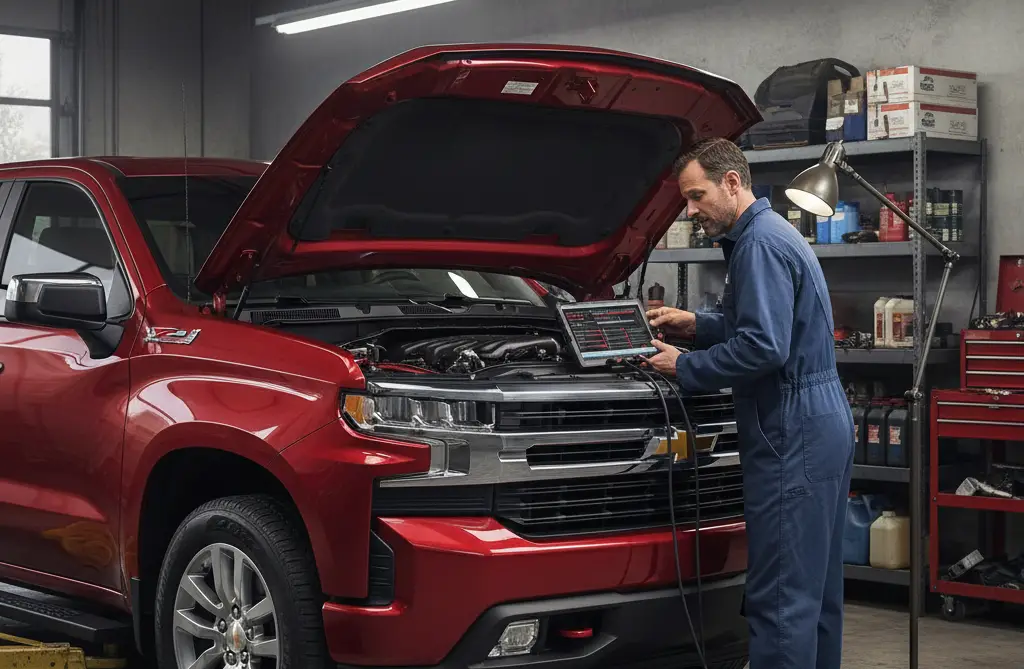
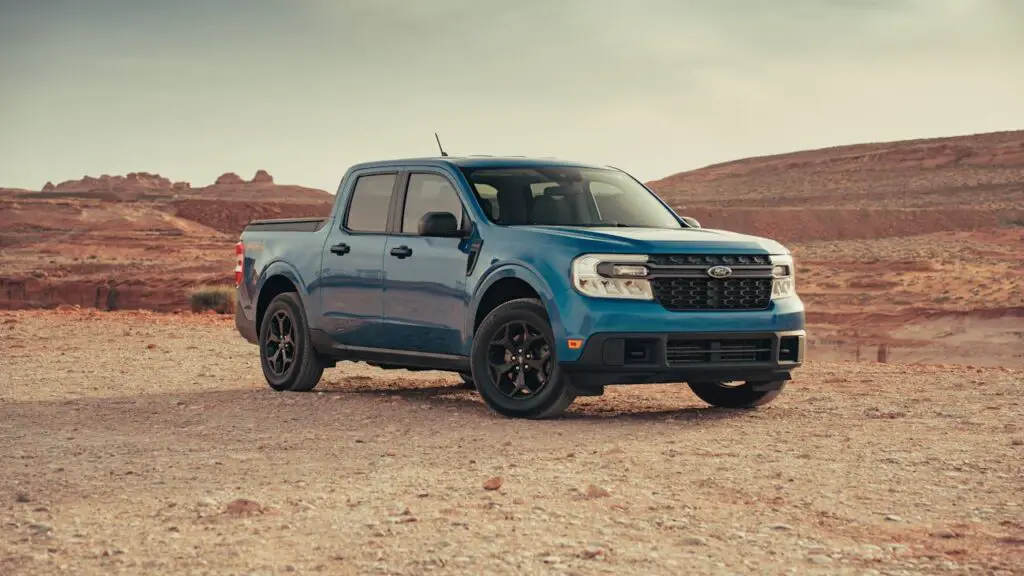
<p> The Silverado has long been a staple of American roads, but its 2025 version is landing on many “buyer beware” lists. The truck’s transmission continues to be a sore point, with complaints of rough shifting and hesitation that do not inspire confidence. On top of that, electrical issues and engine-related concerns are becoming too common for comfort.

This is frustrating because the Silverado is otherwise a capable truck. It offers plenty of trims, engine options, and towing capacity. Yet when reliability comes into question, the glossy features do not matter much. If you are someone who wants peace of mind knowing your truck will handle both everyday driving and weekend hauling, the Silverado may leave you second-guessing your choice after the warranty expires. </p> :: Gemini

The Silverado has long been a staple of American roads, but its 2025 version is landing on many “buyer beware” lists. The truck’s transmission continues to be a sore point, with complaints of rough shifting and hesitation that do not inspire confidence. On top of that, electrical issues and engine-related concerns are becoming too common for comfort.

This is frustrating because the Silverado is otherwise a capable truck. It offers plenty of trims, engine options, and towing capacity. Yet when reliability comes into question, the glossy features do not matter much. If you are someone who wants peace of mind knowing your truck will handle both everyday driving and weekend hauling, the Silverado may leave you second-guessing your choice after the warranty expires.

4. 2025 GMC Sierra 1500

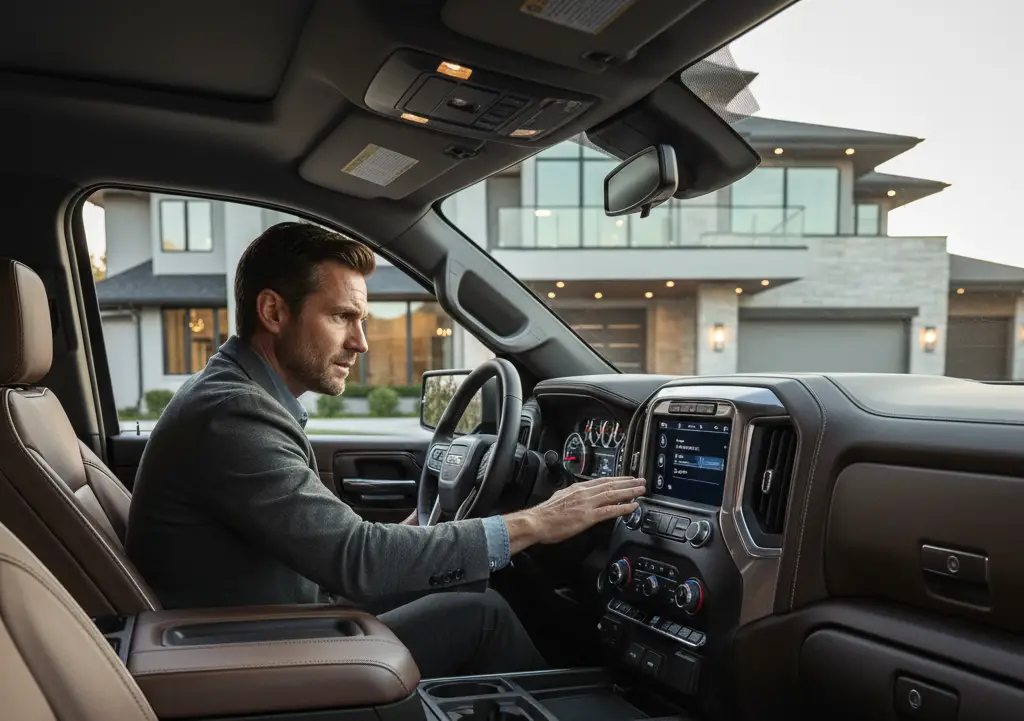
<p> The GMC Sierra 1500 is essentially the Silverado’s upscale sibling, which means it inherits many of the same problems. The premium trims like Denali and Ultimate promise luxury-level finishes, but owners have reported frequent electrical faults, malfunctioning sensors, and frustrating software hiccups. When you are paying extra for a “luxury truck,” those headaches are harder to swallow.

It is one thing to deal with issues in a mid-priced workhorse. It is another thing entirely to pay top dollar and still feel like you are beta-testing the manufacturer’s new gadgets. For buyers who want a dependable truck with premium features, the Sierra may not deliver the return on investment you would expect. Until the kinks are worked out, mechanics suggest looking elsewhere for your blend of toughness and refinement. </p> :: Gemini

The GMC Sierra 1500 is essentially the Silverado’s upscale sibling, which means it inherits many of the same problems. The premium trims like Denali and Ultimate promise luxury-level finishes, but owners have reported frequent electrical faults, malfunctioning sensors, and frustrating software hiccups. When you are paying extra for a “luxury truck,” those headaches are harder to swallow.

It is one thing to deal with issues in a mid-priced workhorse. It is another thing entirely to pay top dollar and still feel like you are beta-testing the manufacturer’s new gadgets. For buyers who want a dependable truck with premium features, the Sierra may not deliver the return on investment you would expect. Until the kinks are worked out, mechanics suggest looking elsewhere for your blend of toughness and refinement.

5. Tesla Cybertruck

<p> No list of trucks to skip in 2025 would be complete without mentioning the Tesla Cybertruck. It has grabbed headlines for its futuristic design and stainless steel body, but under the buzz lies a series of concerns that mechanics are not ignoring. Reports of safety issues are stacking up, including doors that may not open during accidents and systems that can trap occupants if the software fails. Add in recalls during its early production run, and you begin to see why many experts call it risky.

The Cybertruck feels more like an experiment than a finished product. For early adopters who love Tesla and do not mind dealing with quirks, it may be exciting. But for buyers who want a truck to simply work without constant troubleshooting, the Cybertruck is not the safe bet in 2025. When safety, reliability, and repair costs are factored in, this flashy pickup may end up being more trouble than it is worth. </p> :: Gemini

No list of trucks to skip in 2025 would be complete without mentioning the Tesla Cybertruck. It has grabbed headlines for its futuristic design and stainless steel body, but under the buzz lies a series of concerns that mechanics are not ignoring. Reports of safety issues are stacking up, including doors that may not open during accidents and systems that can trap occupants if the software fails. Add in recalls during its early production run, and you begin to see why many experts call it risky.

The Cybertruck feels more like an experiment than a finished product. For early adopters who love Tesla and do not mind dealing with quirks, it may be exciting. But for buyers who want a truck to simply work without constant troubleshooting, the Cybertruck is not the safe bet in 2025. When safety, reliability, and repair costs are factored in, this flashy pickup may end up being more trouble than it is worth.

Final Thoughts

<p> Shopping for a truck is not just about horsepower or towing capacity—it is about trust. You want to know that when you turn the key, the engine roars to life and stays reliable for years to come. In 2025, these five trucks come with enough concerns to make even the most devoted brand fans pause. Whether it is unresolved electrical problems, untested engines, or bold designs that feel unfinished, the risks outweigh the rewards for now.

That does not mean these trucks are doomed forever. Manufacturers can and do make improvements, often within just a year or two. But if you are planning to buy in 2025, think twice before investing in these models. After all, the best truck is the one that makes your life easier, not one that keeps your mechanic busy.

So, take your time, do your research, and choose wisely. Your future self—and your wallet—will thank you. </p> :: Gemini

Shopping for a truck is not just about horsepower or towing capacity—it is about trust. You want to know that when you turn the key, the engine roars to life and stays reliable for years to come. In 2025, these five trucks come with enough concerns to make even the most devoted brand fans pause. Whether it is unresolved electrical problems, untested engines, or bold designs that feel unfinished, the risks outweigh the rewards for now.

That does not mean these trucks are doomed forever. Manufacturers can and do make improvements, often within just a year or two. But if you are planning to buy in 2025, think twice before investing in these models. After all, the best truck is the one that makes your life easier, not one that keeps your mechanic busy.

So, take your time, do your research, and choose wisely. Your future self—and your wallet—will thank you.

Filed Under: Autos

16 legendary 90’s Japanese Cars You Need to Know About

October 13, 2025 | Leave a Comment

16 legendary 90’s Japanese Cars You Need to Know About

<p>Japan has a long history of producing some of the world's most iconic and beloved automobiles. From performance beasts to luxury sedans, the diversity and innovation in Japanese car manufacturing are unmatched. Here’s a list of 16 Japanese cars that you need to know about, each one a testament to the engineering prowess and automotive creativity of the Land of the Rising Sun. </p>:: MotorTrend

Japan has a long history of producing some of the world’s most iconic and beloved automobiles. From performance beasts to luxury sedans, the diversity and innovation in Japanese car manufacturing are unmatched. Here’s a list of 16 Japanese cars that you need to know about, each one a testament to the engineering prowess and automotive creativity of the Land of the Rising Sun.


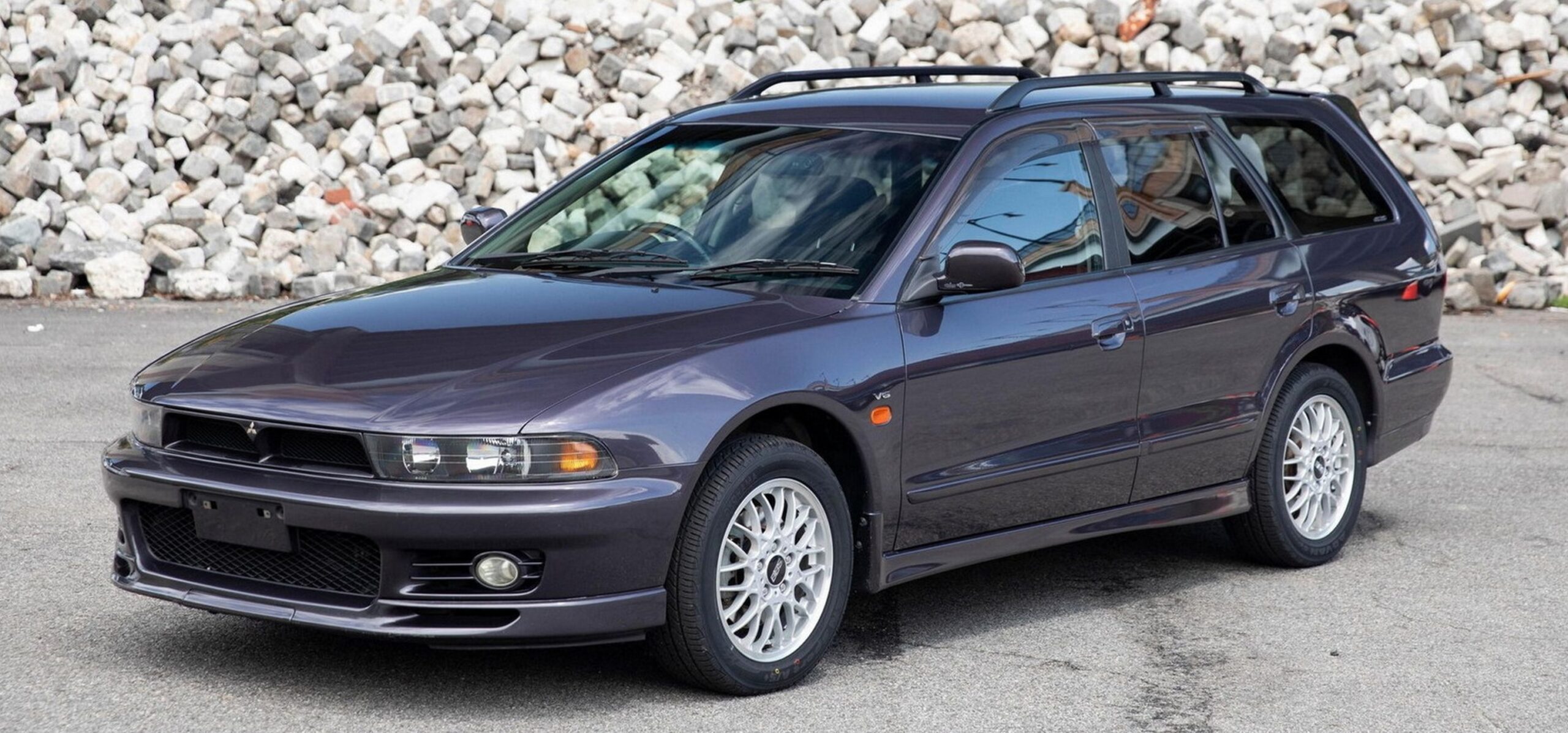
1. Mitsubishi Legnum

<p>The Mitsubishi Legnum is a station wagon variant of the Mitsubishi Galant, produced from 1996 to 2002. It's best known for its VR-4 model, which features a 2.5L V6 twin-turbocharged engine, all-wheel drive, and a sophisticated multi-link suspension. The Legnum VR-4 offers a blend of practicality and high performance, making it a favorite among car enthusiasts who appreciate versatile speedsters. Its engine and drivetrain make it highly tunable, allowing for significant horsepower increases with the right modifications. The Legnum VR-4 is popular in the aftermarket community for custom builds and performance upgrades. </p>:: Mitsubishi

The Mitsubishi Legnum is a station wagon variant of the Mitsubishi Galant, produced from 1996 to 2002. It’s best known for its VR-4 model, which features a 2.5L V6 twin-turbocharged engine, all-wheel drive, and a sophisticated multi-link suspension. The Legnum VR-4 offers a blend of practicality and high performance, making it a favorite among car enthusiasts who appreciate versatile speedsters. Its engine and drivetrain make it highly tunable, allowing for significant horsepower increases with the right modifications. The Legnum VR-4 is popular in the aftermarket community for custom builds and performance upgrades.


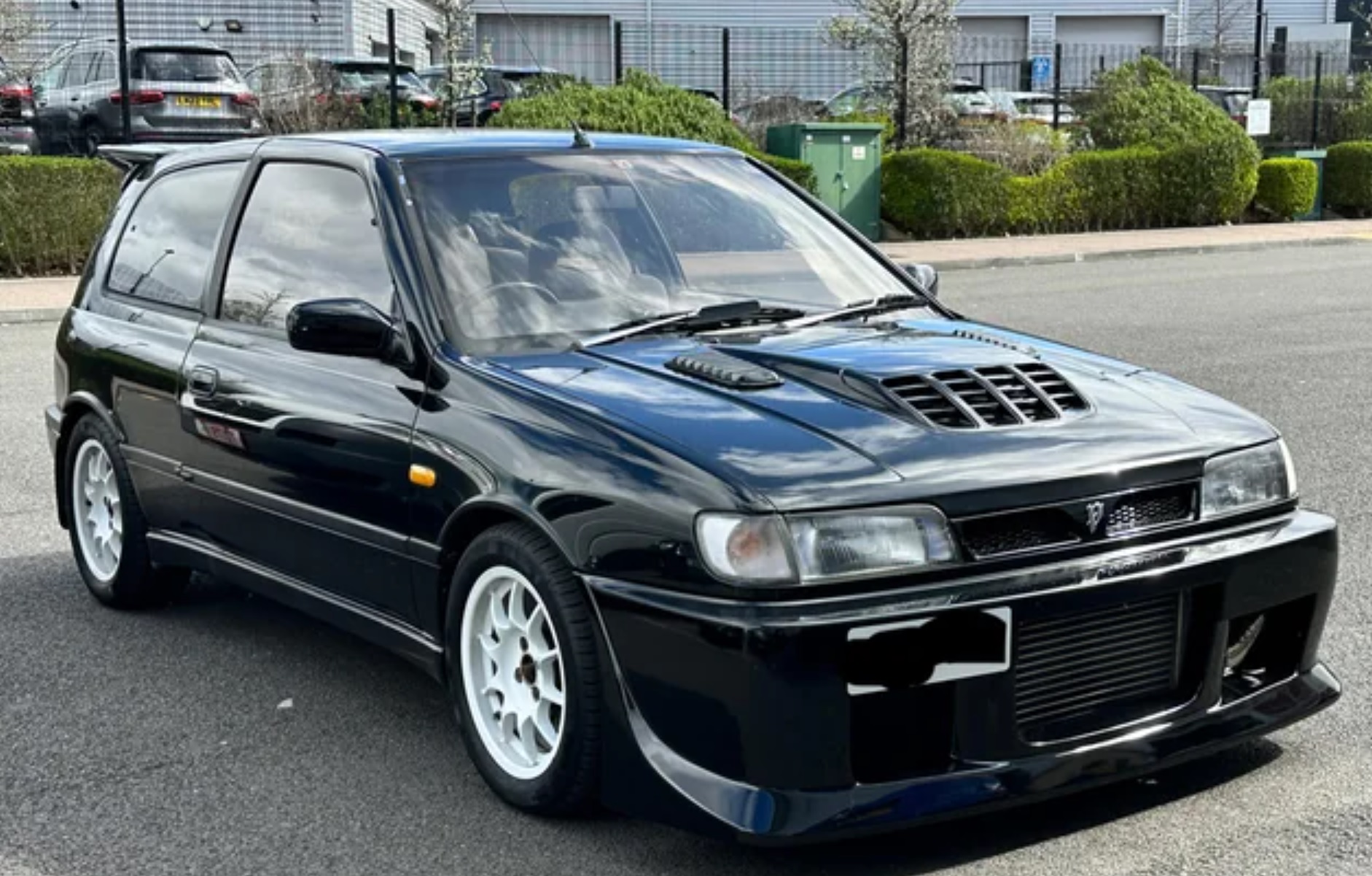
2. Nissan Pulsar GTI-R

<p>The Nissan Pulsar GTI-R is a rally-bred hot hatch that emerged in the early 1990s. Equipped with a turbocharged 2.0L SR20DET engine producing around 227 hp, all-wheel drive, and a lightweight body, the GTI-R was designed to dominate in the World Rally Championship. Despite its compact size, it delivers exhilarating performance, earning it the nickname "Baby Godzilla." The SR20DET engine is well-known in the tuning community for its robustness and capacity for power upgrades, making it a prime candidate for turbo enhancements and performance tuning. The Pulsar GTI-R's all-wheel-drive system also benefits from upgrades, enhancing its grip and handling in various conditions. </p>:: Nissan

The Nissan Pulsar GTI-R is a rally-bred hot hatch that emerged in the early 1990s. Equipped with a turbocharged 2.0L SR20DET engine producing around 227 hp, all-wheel drive, and a lightweight body, the GTI-R was designed to dominate in the World Rally Championship. Despite its compact size, it delivers exhilarating performance, earning it the nickname “Baby Godzilla.” The SR20DET engine is well-known in the tuning community for its robustness and capacity for power upgrades, making it a prime candidate for turbo enhancements and performance tuning. The Pulsar GTI-R’s all-wheel-drive system also benefits from upgrades, enhancing its grip and handling in various conditions.


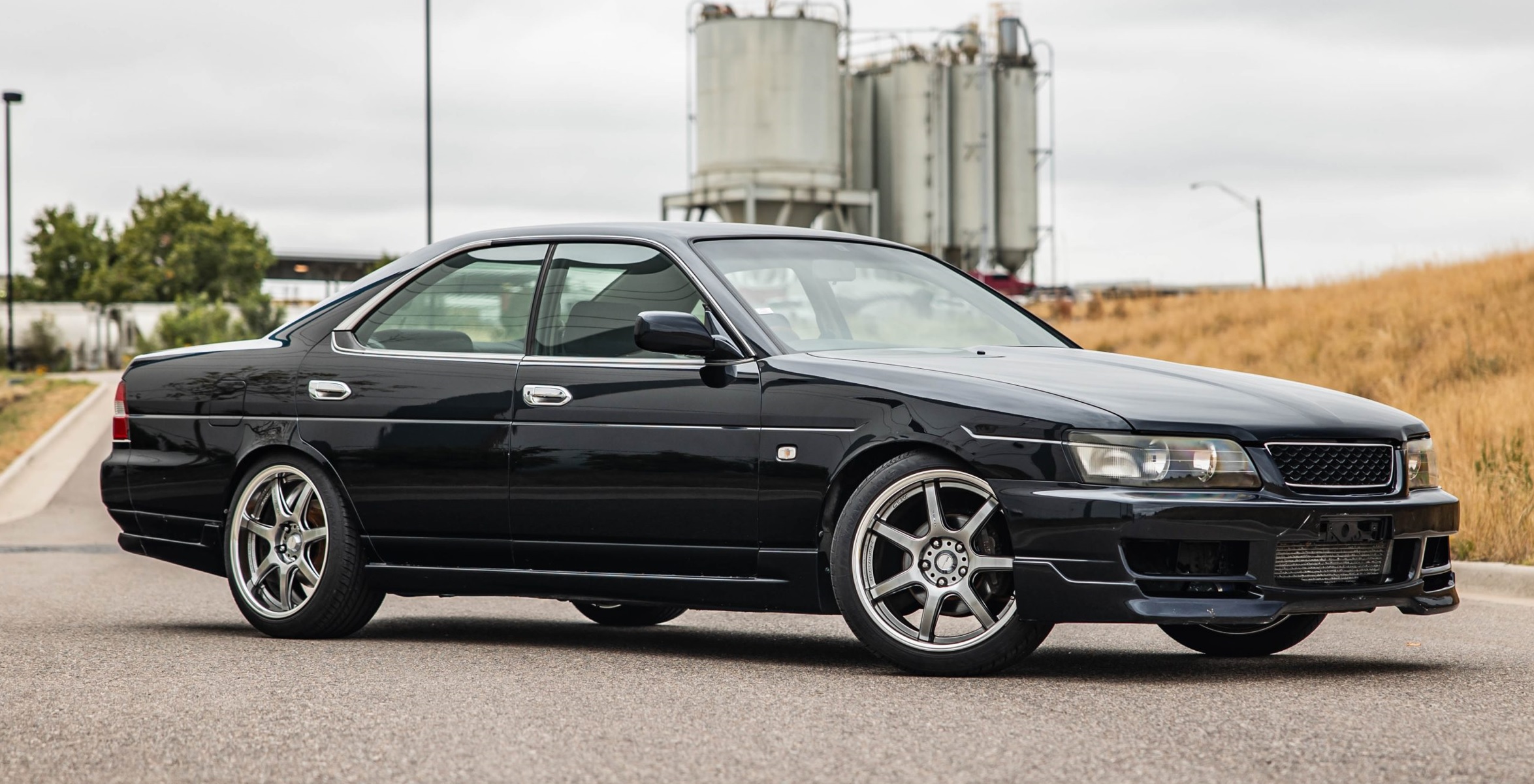
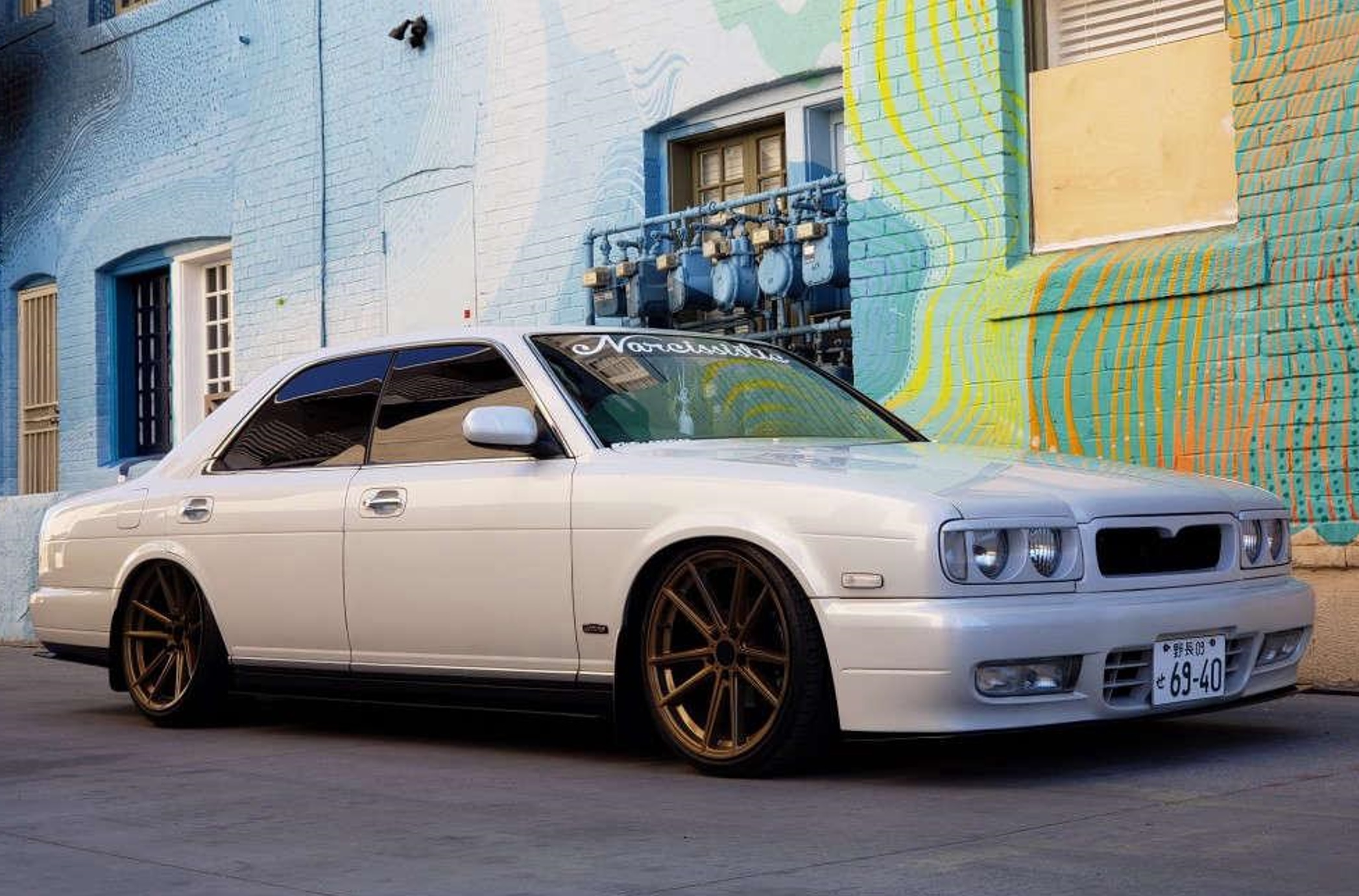
3. Nissan Laurel

<p>The Nissan Laurel is a mid-size luxury sedan that has been in production since 1968. Renowned for its elegant design and smooth ride, the Laurel offers a range of powerful engines, including the RB25DET 2.5L turbocharged inline-six. The combination of luxury and performance makes it a standout choice for those seeking a refined yet spirited driving experience. The RB25DET engine is a favorite among tuners for its strength and tuning potential, capable of handling substantial power increases with appropriate modifications. The Laurel’s chassis can also be upgraded with performance suspension setups, making it suitable for both street and track use. </p>:: Nissan

The Nissan Laurel is a mid-size luxury sedan that has been in production since 1968. Renowned for its elegant design and smooth ride, the Laurel offers a range of powerful engines, including the RB25DET 2.5L turbocharged inline-six. The combination of luxury and performance makes it a standout choice for those seeking a refined yet spirited driving experience. The RB25DET engine is a favorite among tuners for its strength and tuning potential, capable of handling substantial power increases with appropriate modifications. The Laurel’s chassis can also be upgraded with performance suspension setups, making it suitable for both street and track use.


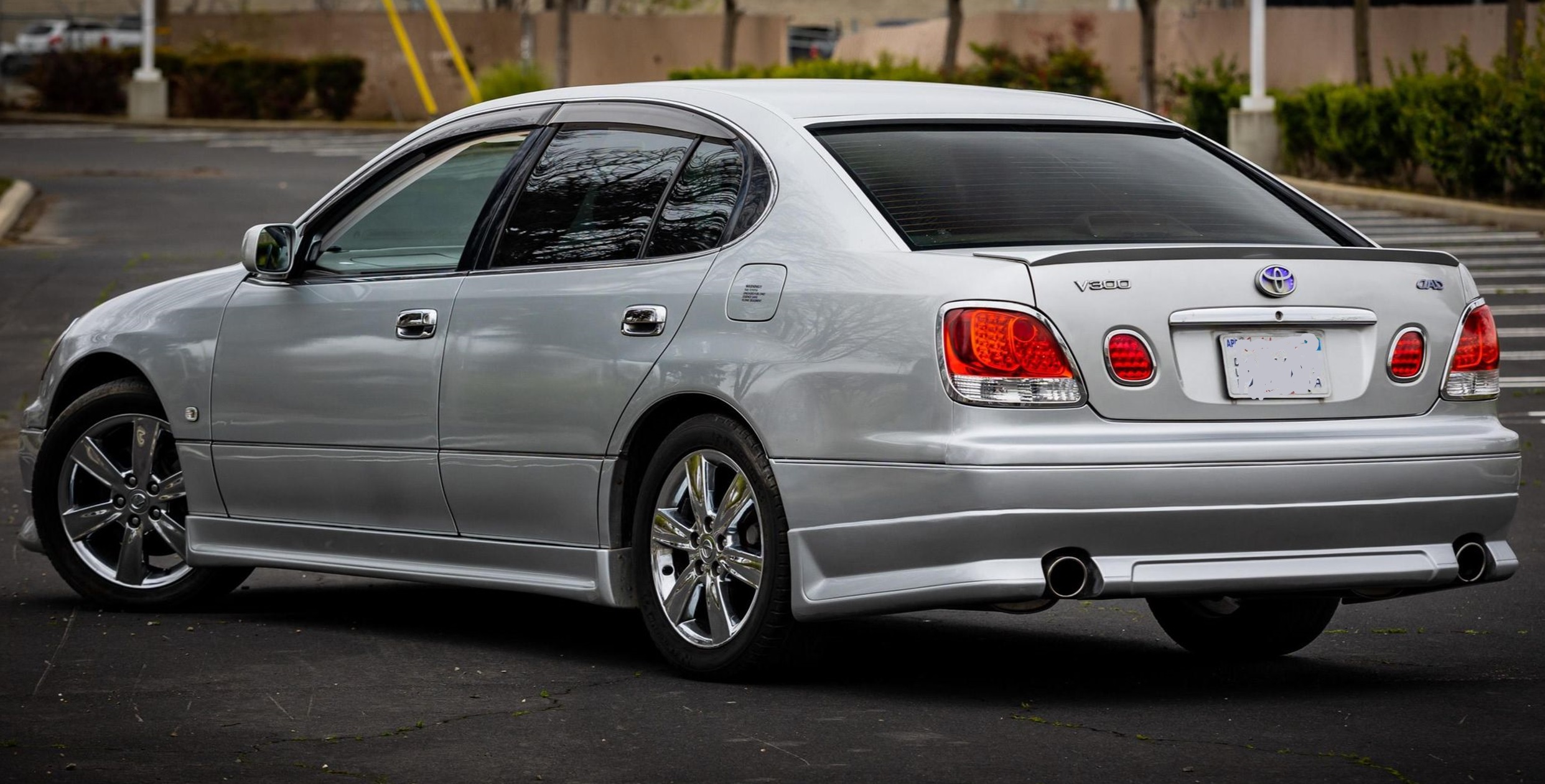
4. Toyota Aristo V300

<p>Known in other markets as the Lexus GS, the Toyota Aristo V300 is a luxury sports sedan that gained a cult following thanks to its 2JZ-GTE engine—the same powerhouse found in the legendary Toyota Supra. This 3.0L twin-turbo inline-six engine delivers robust performance, making the Aristo V300 a popular choice for tuners and luxury car enthusiasts alike. The 2JZ-GTE is renowned for its bulletproof reliability and immense tuning potential, often achieving power outputs well beyond 600 hp with the right upgrades. The Aristo’s sophisticated suspension and braking systems can also be enhanced to handle the increased power, making it a well-rounded performance machine. </p>:: Toyota

Known in other markets as the Lexus GS, the Toyota Aristo V300 is a luxury sports sedan that gained a cult following thanks to its 2JZ-GTE engine—the same powerhouse found in the legendary Toyota Supra. This 3.0L twin-turbo inline-six engine delivers robust performance, making the Aristo V300 a popular choice for tuners and luxury car enthusiasts alike. The 2JZ-GTE is renowned for its bulletproof reliability and immense tuning potential, often achieving power outputs well beyond 600 hp with the right upgrades. The Aristo’s sophisticated suspension and braking systems can also be enhanced to handle the increased power, making it a well-rounded performance machine.


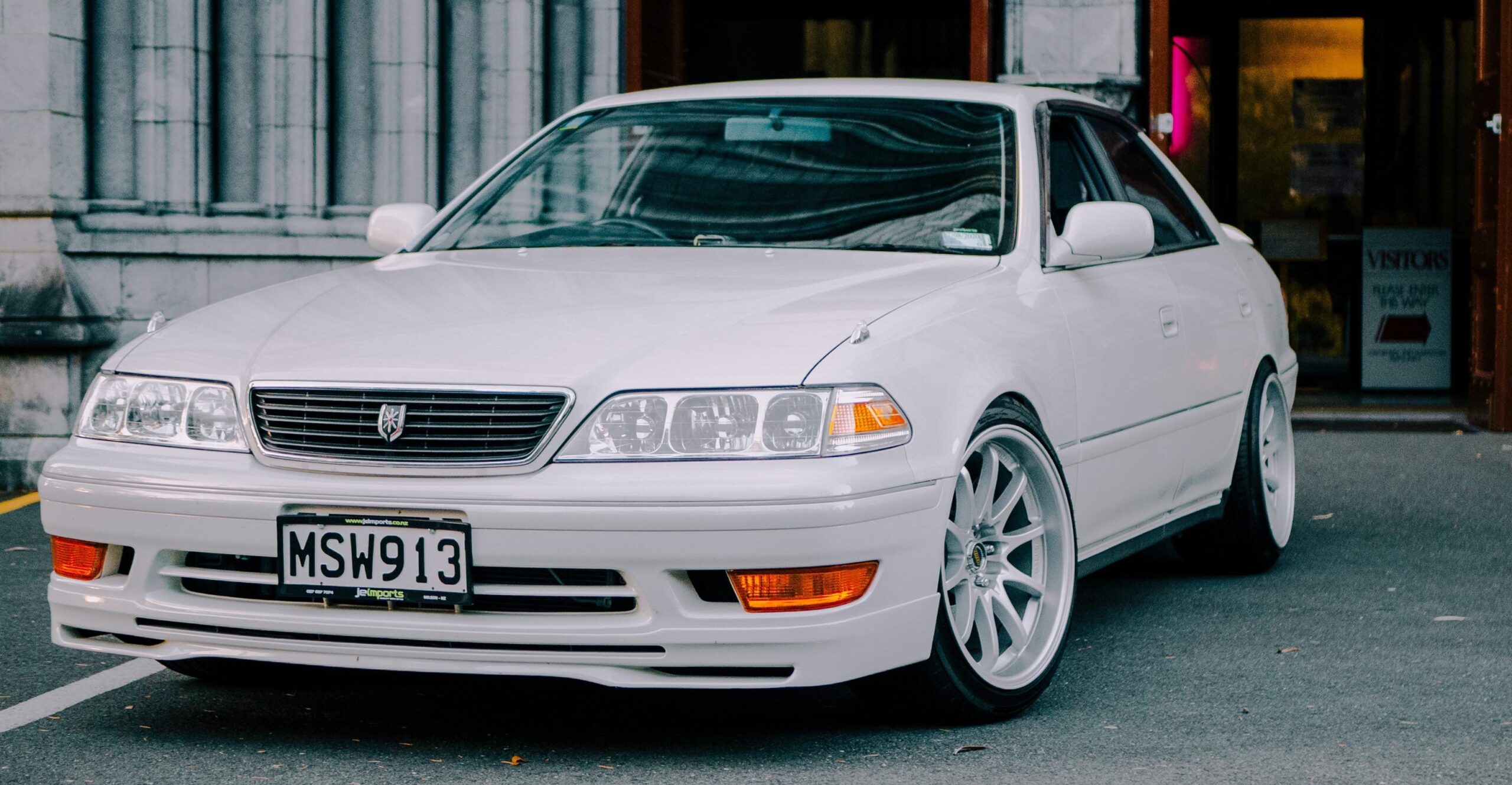
5. Toyota Mark II Tourer V

<p>The Toyota Mark II, produced from 1968 to 2004, is a mid-size sedan known for its reliability and balanced performance. The JZX100 model, in particular, is celebrated for its 1JZ-GTE 2.5L turbocharged engine, rear-wheel drive, and excellent handling characteristics. It's a favorite among drift car enthusiasts and those looking for a dependable daily driver with a sporty edge. The 1JZ-GTE engine is highly tunable, capable of achieving significant horsepower gains with turbo upgrades and engine tuning. The Mark II’s chassis also supports extensive suspension modifications, making it a versatile platform for both street and competitive drifting setups. </p>:: Toyota

The Toyota Mark II, produced from 1968 to 2004, is a mid-size sedan known for its reliability and balanced performance. The JZX100 model, in particular, is celebrated for its 1JZ-GTE 2.5L turbocharged engine, rear-wheel drive, and excellent handling characteristics. It’s a favorite among drift car enthusiasts and those looking for a dependable daily driver with a sporty edge. The 1JZ-GTE engine is highly tunable, capable of achieving significant horsepower gains with turbo upgrades and engine tuning. The Mark II’s chassis also supports extensive suspension modifications, making it a versatile platform for both street and competitive drifting setups.


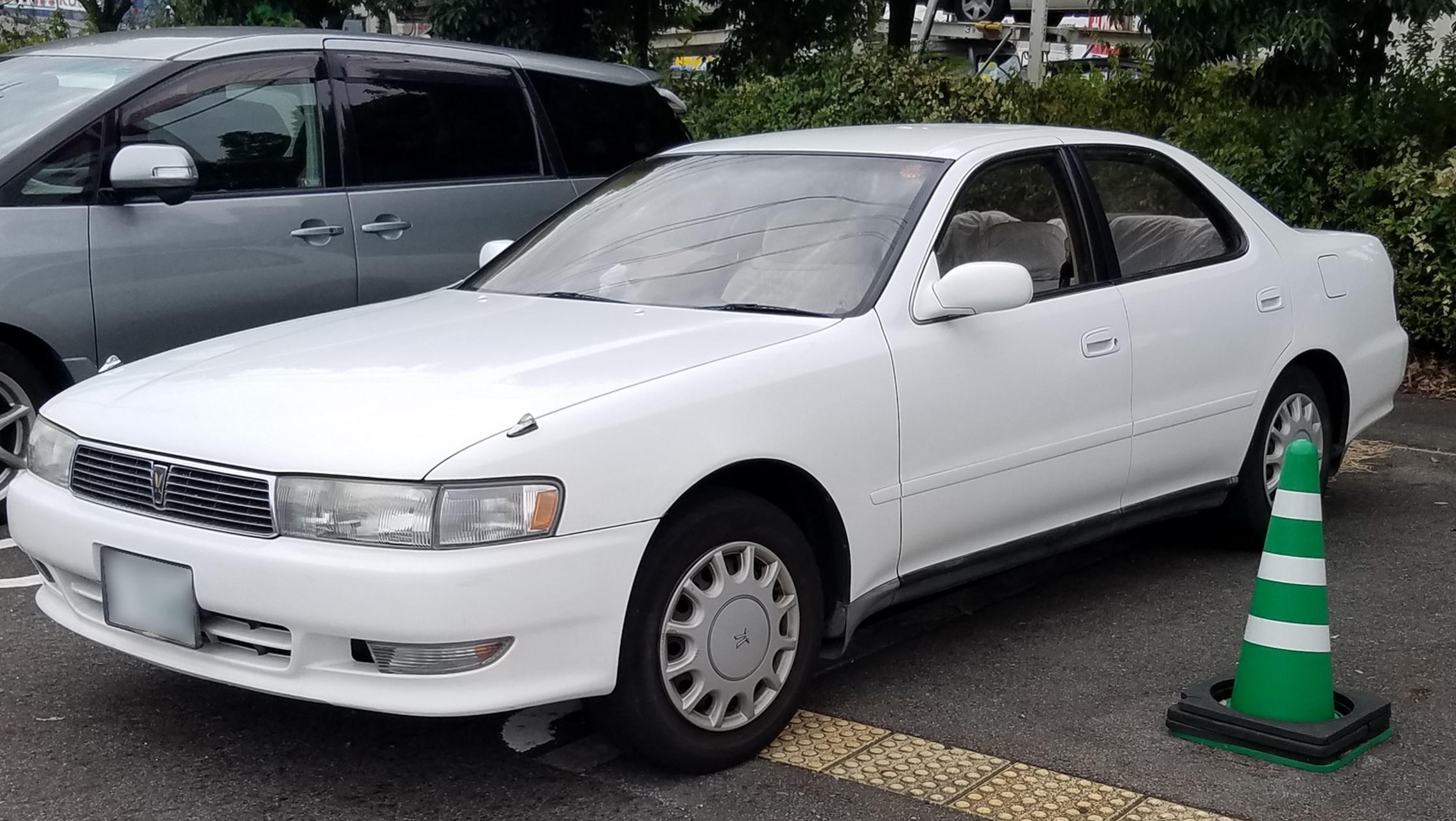
6. Toyota Cresta

<p>The Toyota Cresta is a close relative of the Mark II, sharing many of its mechanical components but with a more luxurious touch. Produced from 1980 to 2001, the Cresta offered a refined ride, plush interiors, and powerful engines like the 1JZ-GTE. It's a prime example of Toyota's ability to blend comfort and performance seamlessly. The 1JZ-GTE engine in the Cresta can be modified for higher performance, making it a popular choice for enthusiasts looking to boost power output. The Cresta’s robust build and suspension geometry also allow for aftermarket enhancements, improving its handling and overall driving dynamics. </p>:: Toyota

The Toyota Cresta is a close relative of the Mark II, sharing many of its mechanical components but with a more luxurious touch. Produced from 1980 to 2001, the Cresta offered a refined ride, plush interiors, and powerful engines like the 1JZ-GTE. It’s a prime example of Toyota’s ability to blend comfort and performance seamlessly. The 1JZ-GTE engine in the Cresta can be modified for higher performance, making it a popular choice for enthusiasts looking to boost power output. The Cresta’s robust build and suspension geometry also allow for aftermarket enhancements, improving its handling and overall driving dynamics.


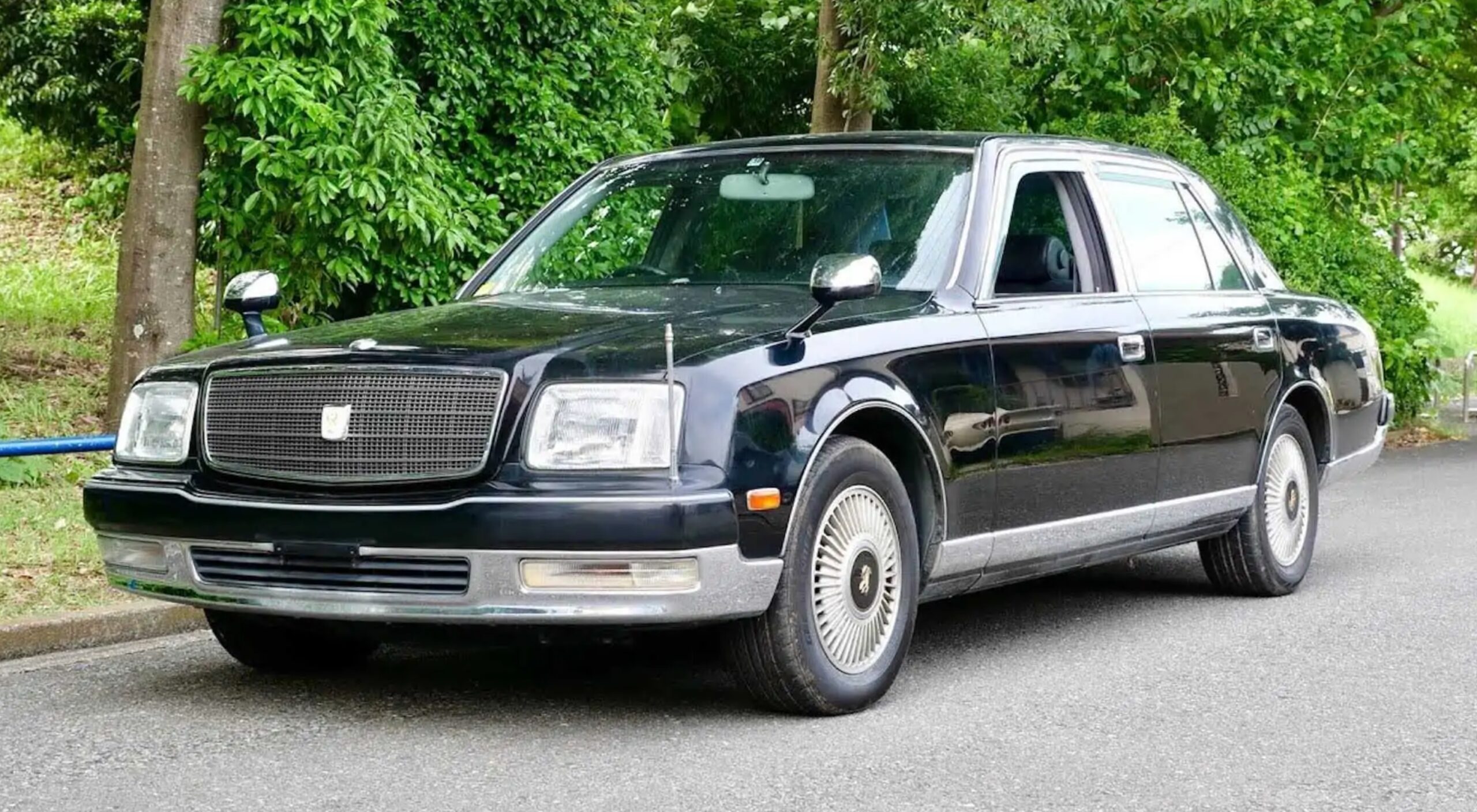
7. Toyota Century

<p>The Toyota Century is Japan's quintessential luxury limousine, produced since 1967. Often compared to the Rolls-Royce, the Century is known for its understated elegance, handcrafted details, and exceptional ride quality. The latest models feature a 5.0L V8 hybrid engine, combining traditional luxury with modern technology. It's the car of choice for Japan's elite, including the Emperor. While the Century is primarily focused on luxury, its V8 engine has tuning potential for those looking to enhance its performance. However, modifications are rare, as the Century's primary appeal lies in its luxurious features and smooth ride rather than raw power. </p>:: Toyota

The Toyota Century is Japan’s quintessential luxury limousine, produced since 1967. Often compared to the Rolls-Royce, the Century is known for its understated elegance, handcrafted details, and exceptional ride quality. The latest models feature a 5.0L V8 hybrid engine, combining traditional luxury with modern technology. It’s the car of choice for Japan’s elite, including the Emperor. While the Century is primarily focused on luxury, its V8 engine has tuning potential for those looking to enhance its performance. However, modifications are rare, as the Century’s primary appeal lies in its luxurious features and smooth ride rather than raw power.


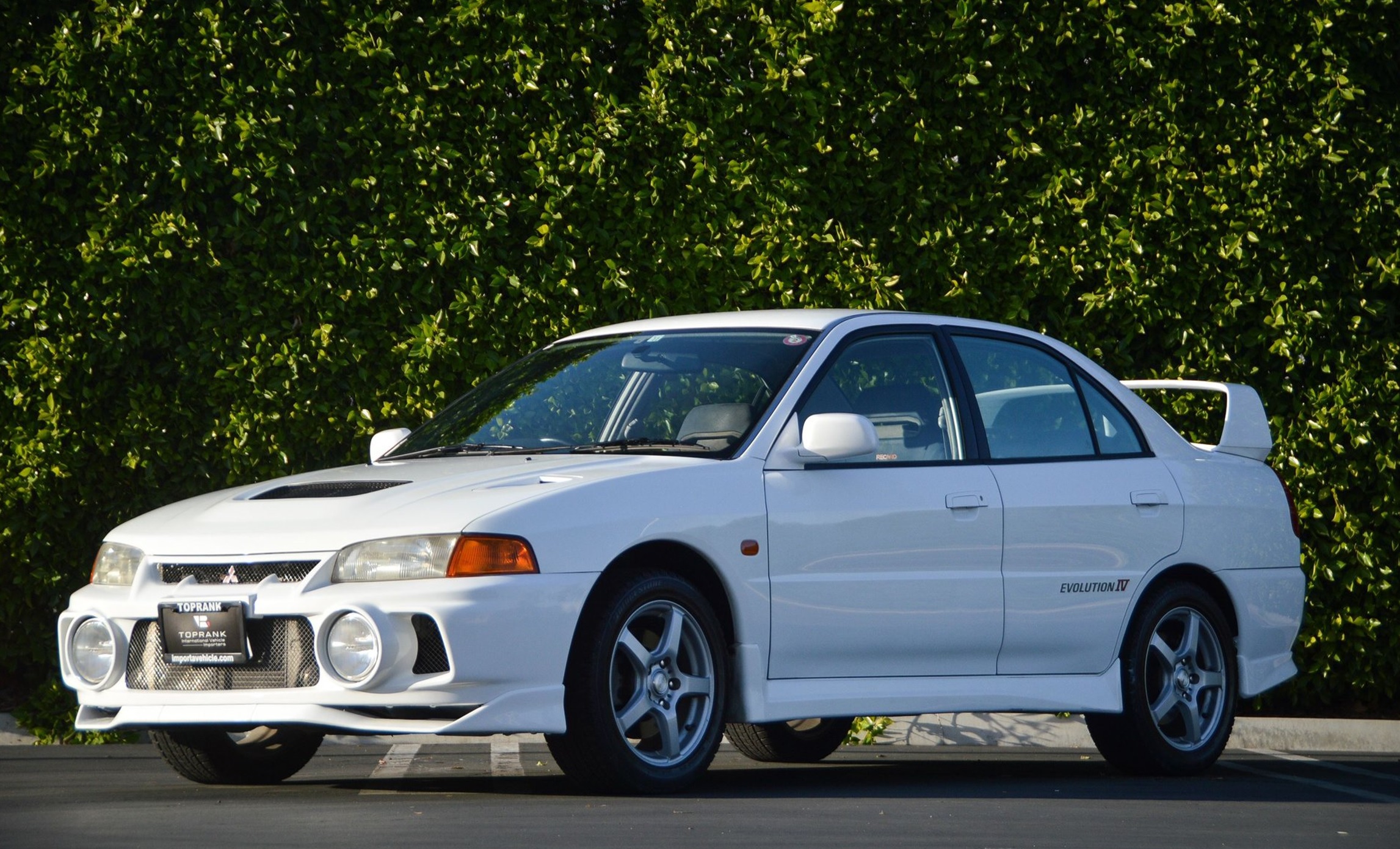
8. Mitsubishi Lancer Evolution IV

<p>The Mitsubishi Lancer Evolution IV, produced from 1996 to 1998, is a legendary rally-bred sedan renowned for its performance and handling. It features a turbocharged 2.0L inline-four engine paired with Mitsubishi's advanced all-wheel-drive system, delivering exceptional grip and agility on both tarmac and gravel surfaces. The Evolution IV marked a significant evolution in Mitsubishi's rally car lineage, incorporating advanced technologies and aerodynamic enhancements for improved performance. Its robust drivetrain and chassis make it a formidable contender on the rally stage and a favorite among performance enthusiasts. Additionally, the Evolution IV's turbocharged engine and AWD system offer ample potential for tuning, allowing owners to further enhance its already impressive performance capabilities. </p>:: Mitsubishi

The Mitsubishi Lancer Evolution IV, produced from 1996 to 1998, is a legendary rally-bred sedan renowned for its performance and handling. It features a turbocharged 2.0L inline-four engine paired with Mitsubishi’s advanced all-wheel-drive system, delivering exceptional grip and agility on both tarmac and gravel surfaces. The Evolution IV marked a significant evolution in Mitsubishi’s rally car lineage, incorporating advanced technologies and aerodynamic enhancements for improved performance. Its robust drivetrain and chassis make it a formidable contender on the rally stage and a favorite among performance enthusiasts. Additionally, the Evolution IV’s turbocharged engine and AWD system offer ample potential for tuning, allowing owners to further enhance its already impressive performance capabilities.


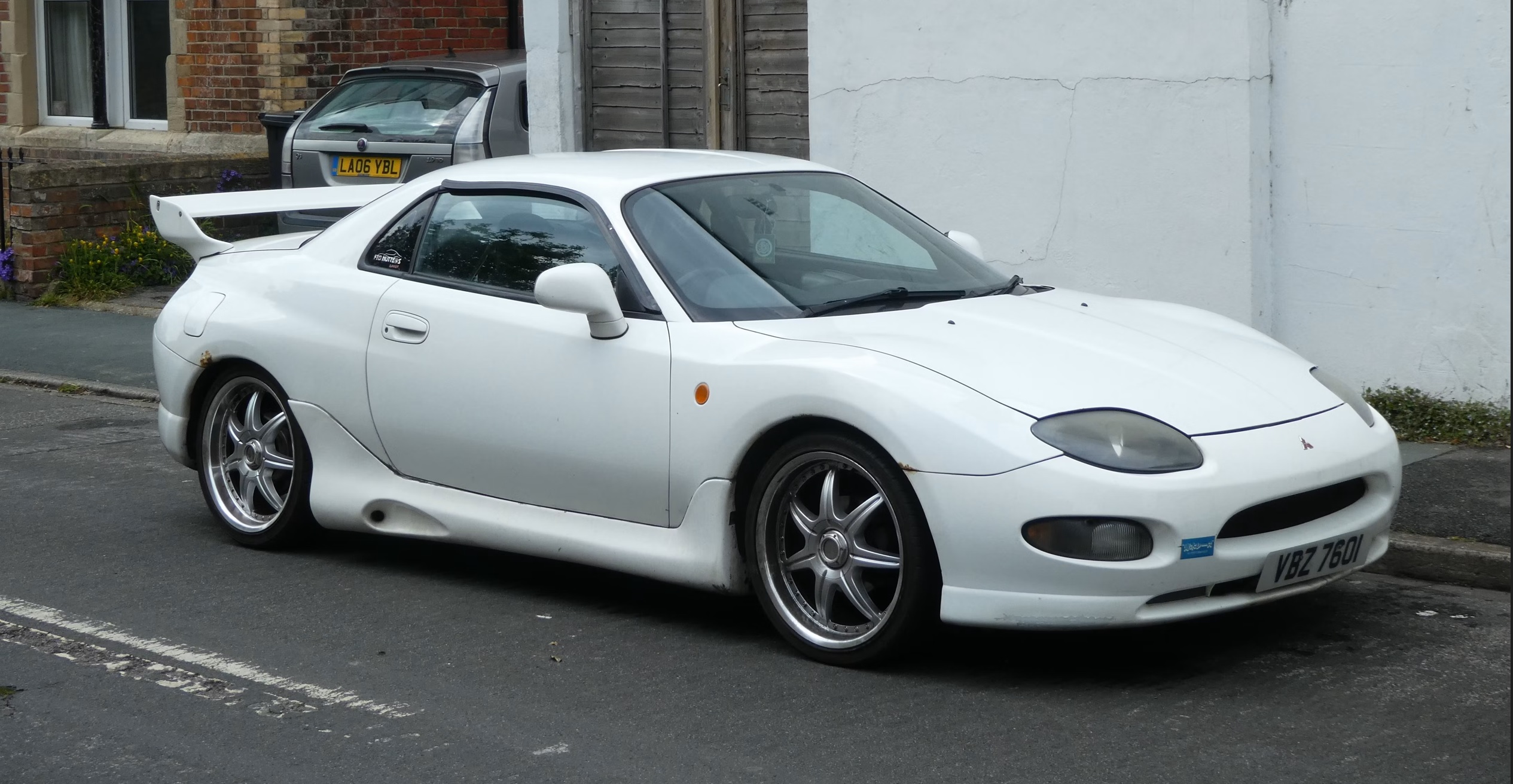
9. Mitsubishi FTO

<p>The Mitsubishi FTO is a compact sports coupe produced from 1994 to 2000. Known for its agile handling and sporty design, the FTO offers a range of engines, including the powerful 2.0L V6 MIVEC. It won the prestigious Japanese Car of the Year award in 1994 and continues to be cherished by car enthusiasts for its fun driving dynamics. The FTO’s MIVEC engine is responsive to tuning, allowing for increased performance with modifications such as upgraded intake and exhaust systems. Additionally, its lightweight chassis can be further improved with suspension upgrades, enhancing its agility and handling on the road or track. </p>:: Mitsubishi

The Mitsubishi FTO is a compact sports coupe produced from 1994 to 2000. Known for its agile handling and sporty design, the FTO offers a range of engines, including the powerful 2.0L V6 MIVEC. It won the prestigious Japanese Car of the Year award in 1994 and continues to be cherished by car enthusiasts for its fun driving dynamics. The FTO’s MIVEC engine is responsive to tuning, allowing for increased performance with modifications such as upgraded intake and exhaust systems. Additionally, its lightweight chassis can be further improved with suspension upgrades, enhancing its agility and handling on the road or track.


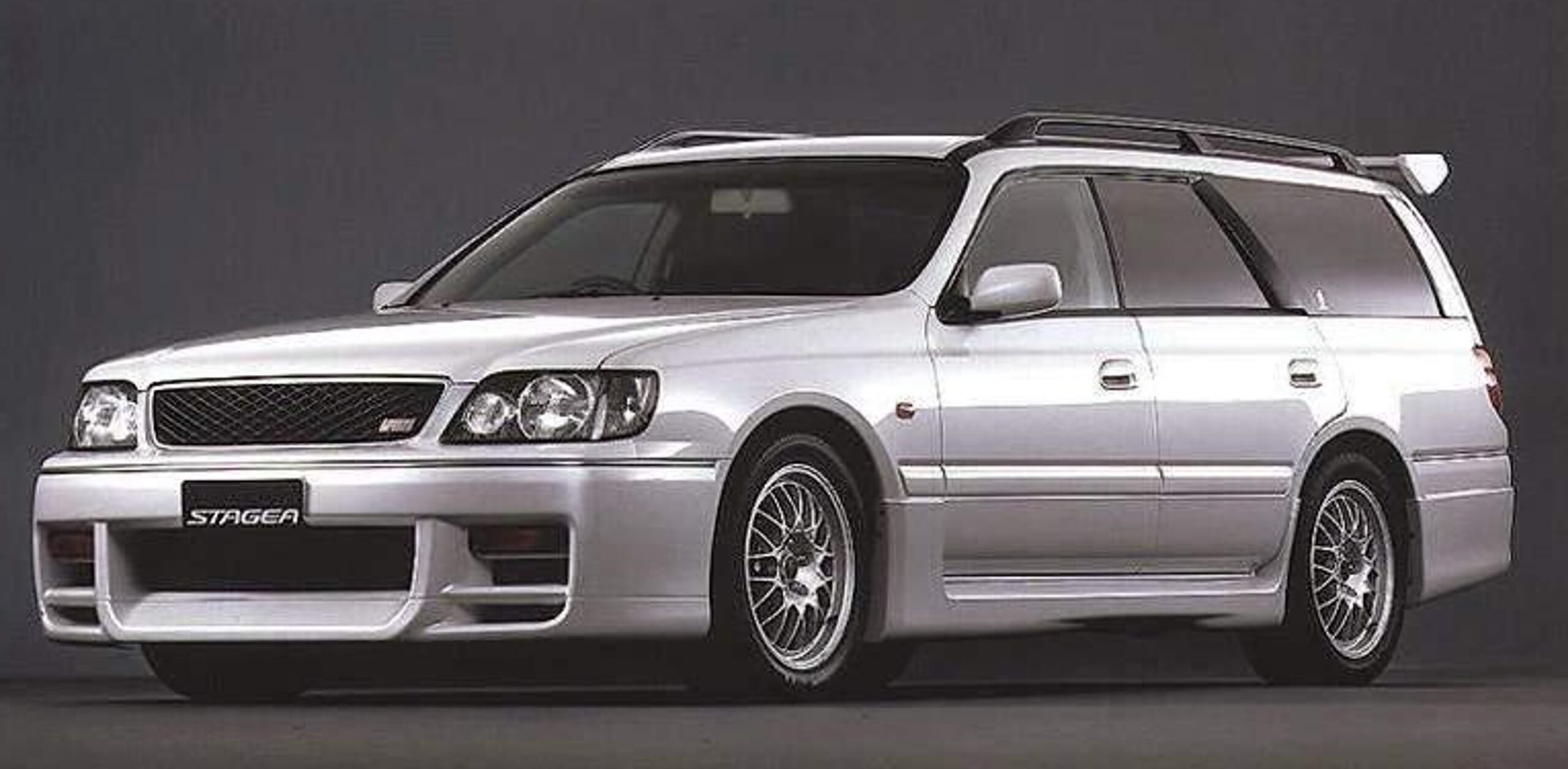
10. Nissan Stagea

<p>The Nissan Stagea is a mid-size station wagon produced from 1996 to 2007, often dubbed the "Skyline Wagon" due to its shared platform with the Nissan Skyline. The most sought-after models are those equipped with the RB26DETT engine from the Skyline GT-R, offering incredible performance in a practical wagon body. It's a versatile and powerful choice for enthusiasts needing space and speed. The RB26DETT engine is legendary for its tuning potential, capable of achieving extreme power outputs with the right modifications. The Stagea’s chassis also supports extensive performance upgrades, making it an ideal choice for those who want a high-performance vehicle with ample cargo space. </p>:: Nissan

The Nissan Stagea is a mid-size station wagon produced from 1996 to 2007, often dubbed the “Skyline Wagon” due to its shared platform with the Nissan Skyline. The most sought-after models are those equipped with the RB26DETT engine from the Skyline GT-R, offering incredible performance in a practical wagon body. It’s a versatile and powerful choice for enthusiasts needing space and speed. The RB26DETT engine is legendary for its tuning potential, capable of achieving extreme power outputs with the right modifications. The Stagea’s chassis also supports extensive performance upgrades, making it an ideal choice for those who want a high-performance vehicle with ample cargo space.


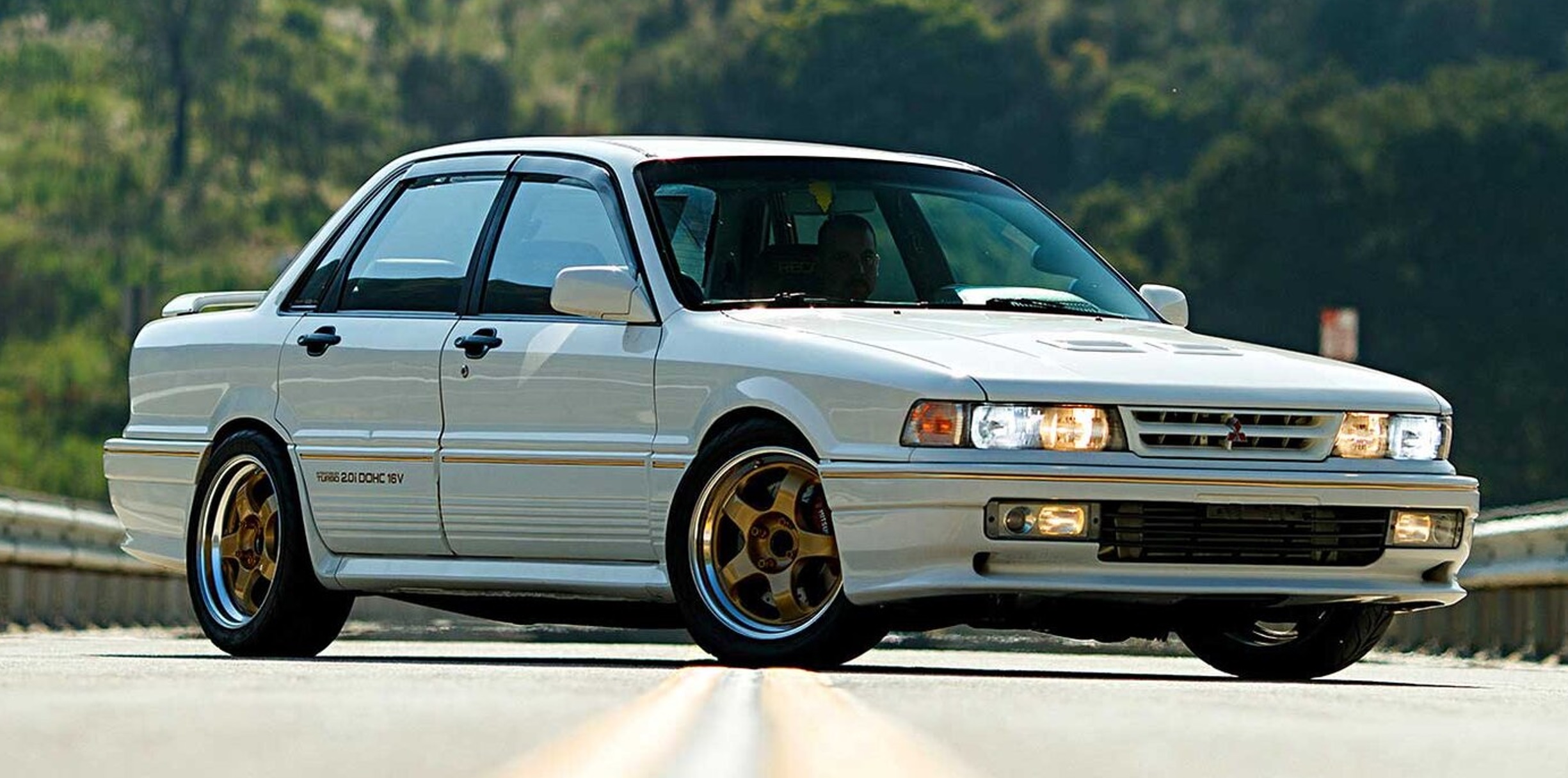
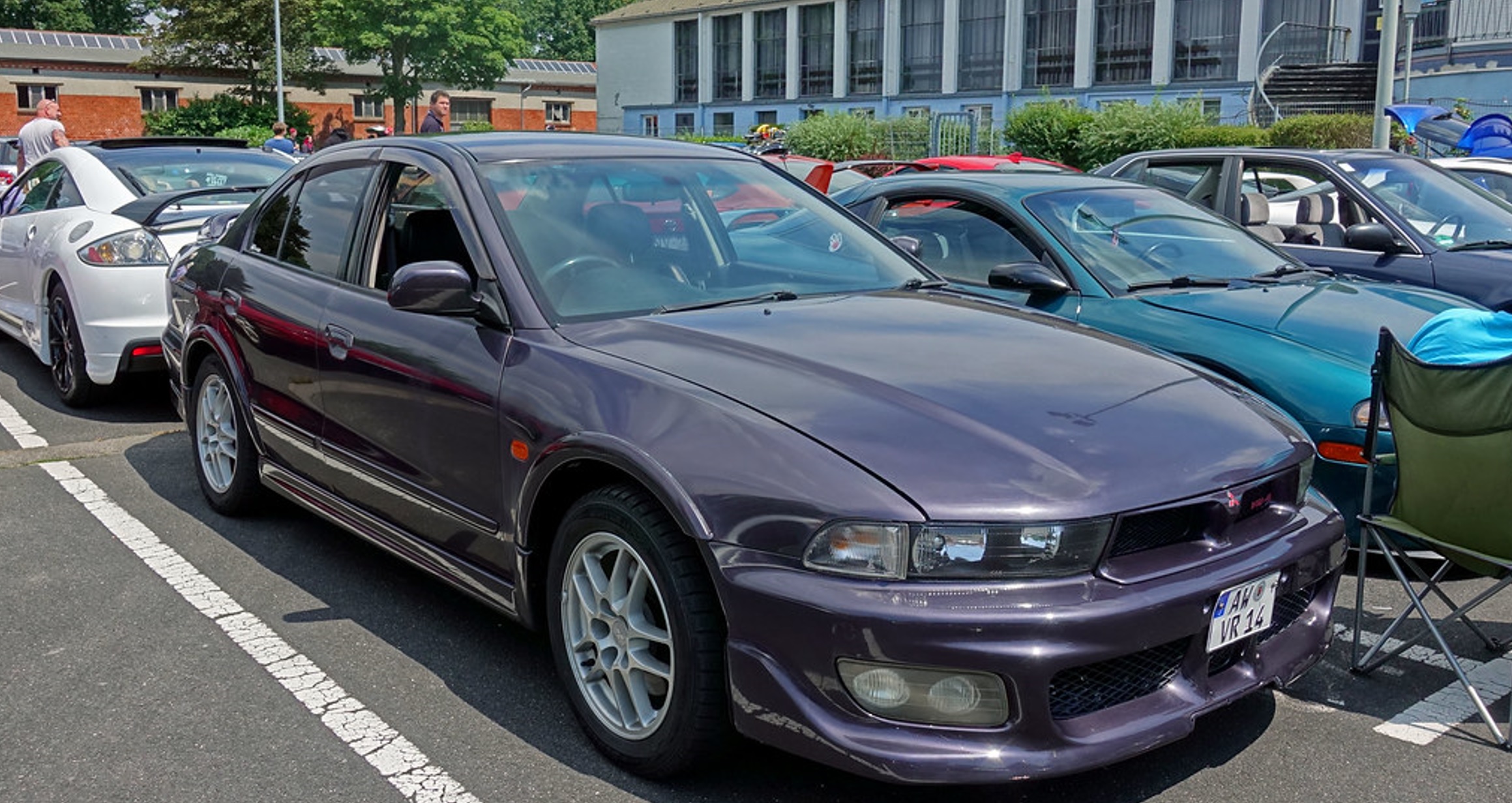
11. Mitsubishi Galant VR-4

<p>The Mitsubishi Galant VR-4 is a high-performance variant of the Galant sedan, produced from 1988 to 2002. It features a turbocharged 2.0L inline-four engine, all-wheel drive, and four-wheel steering, making it a technological marvel of its time. The Galant VR-4's rally-inspired performance and advanced features make it a standout choice for those who appreciate both speed and sophistication. The turbocharged engine offers significant tuning potential, with options for increasing boost pressure and upgrading engine components for higher performance. The all-wheel-drive system also benefits from enhancements, improving the Galant VR-4’s traction and handling capabilities. </p>:: Mitsubishi

The Mitsubishi Galant VR-4 is a high-performance variant of the Galant sedan, produced from 1988 to 2002. It features a turbocharged 2.0L inline-four engine, all-wheel drive, and four-wheel steering, making it a technological marvel of its time. The Galant VR-4’s rally-inspired performance and advanced features make it a standout choice for those who appreciate both speed and sophistication. The turbocharged engine offers significant tuning potential, with options for increasing boost pressure and upgrading engine components for higher performance. The all-wheel-drive system also benefits from enhancements, improving the Galant VR-4’s traction and handling capabilities.


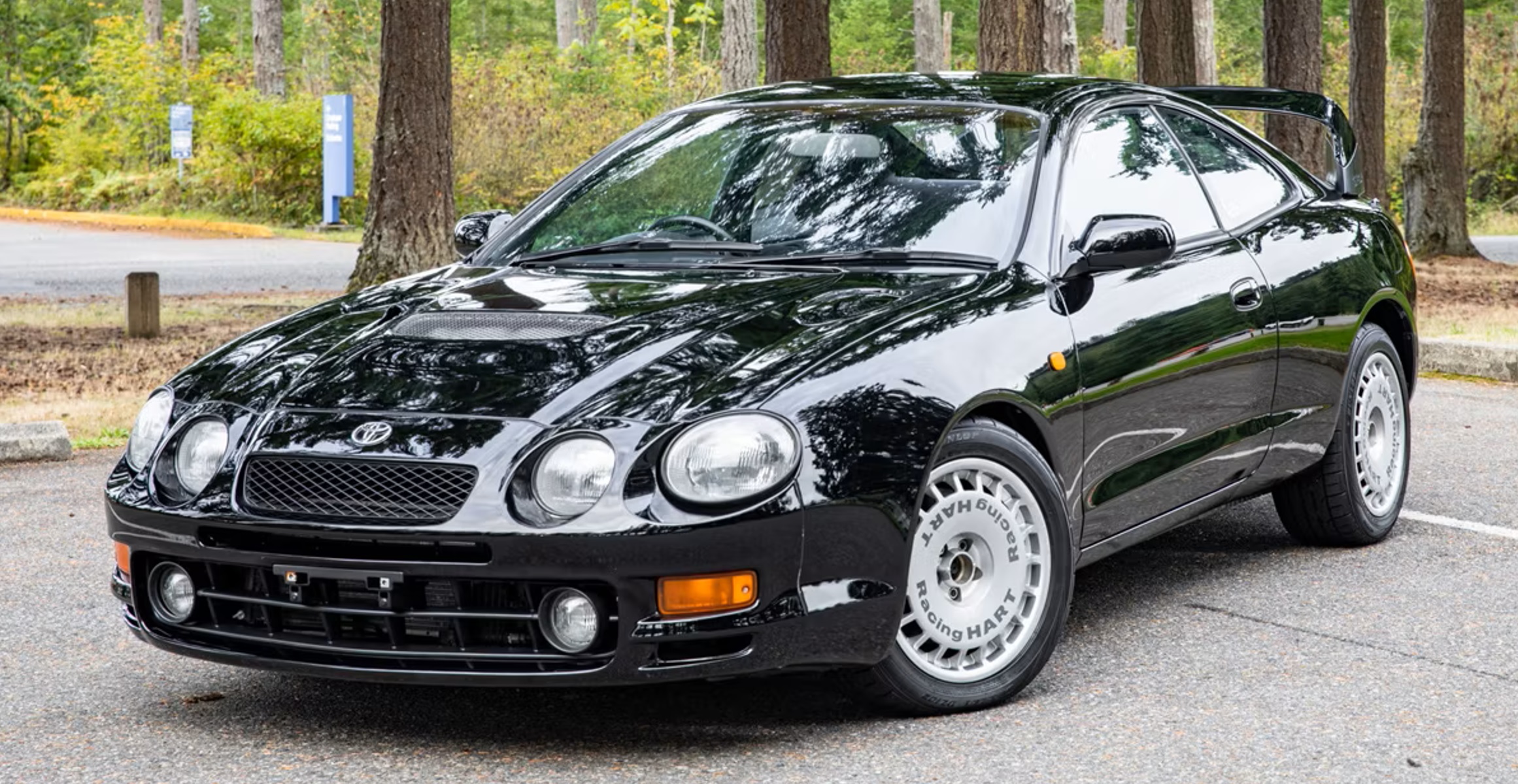
12. Toyota Celica GT-Four ST205

<p>The Toyota Celica GT-Four ST205 is a high-performance version of the Celica, produced between 1994 and 1999. It features a turbocharged 2.0L 3S-GTE engine, all-wheel drive, and advanced suspension systems designed for rallying. Known for its impressive performance and robust build, the ST205 was Toyota’s entry into the World Rally Championship, where it enjoyed considerable success. Its rally heritage and formidable capabilities make it a highly sought-after model among car enthusiasts. The 3S-GTE engine is highly tunable, capable of handling increased boost and producing significantly more power with the right modifications. The ST205’s all-wheel-drive system and suspension can also be upgraded, enhancing its performance in both rally and street environments. </p>:: Toyota

The Toyota Celica GT-Four ST205 is a high-performance version of the Celica, produced between 1994 and 1999. It features a turbocharged 2.0L 3S-GTE engine, all-wheel drive, and advanced suspension systems designed for rallying. Known for its impressive performance and robust build, the ST205 was Toyota’s entry into the World Rally Championship, where it enjoyed considerable success. Its rally heritage and formidable capabilities make it a highly sought-after model among car enthusiasts. The 3S-GTE engine is highly tunable, capable of handling increased boost and producing significantly more power with the right modifications. The ST205’s all-wheel-drive system and suspension can also be upgraded, enhancing its performance in both rally and street environments.


13. Nissan Cedric Y32

<p>The Nissan Cedric Y32 Turbo, produced from 1991 to 1995, is a mid-size luxury sedan known for its smooth ride and robust performance. The Y32 model, particularly the ones equipped with the VG30DET 3.0L turbocharged V6 engine, offers a powerful yet refined driving experience. The Cedric Y32 Turbo combines Nissan's engineering excellence with a touch of luxury, making it a beloved choice among fans of classic Japanese sedans. The VG30DET engine is responsive to tuning, allowing for significant performance upgrades through turbo and engine modifications. The Cedric’s luxurious chassis can also be enhanced with performance suspension setups, improving its handling while maintaining its comfortable ride. </p>:: Nissan

The Nissan Cedric Y32 Turbo, produced from 1991 to 1995, is a mid-size luxury sedan known for its smooth ride and robust performance. The Y32 model, particularly the ones equipped with the VG30DET 3.0L turbocharged V6 engine, offers a powerful yet refined driving experience. The Cedric Y32 Turbo combines Nissan’s engineering excellence with a touch of luxury, making it a beloved choice among fans of classic Japanese sedans. The VG30DET engine is responsive to tuning, allowing for significant performance upgrades through turbo and engine modifications. The Cedric’s luxurious chassis can also be enhanced with performance suspension setups, improving its handling while maintaining its comfortable ride.


14. Mitsubishi Galant VR-4 EC5A

<p>The Mitsubishi Galant VR-4 EC5W, an evolution of the VR-4 lineage, represents a pinnacle of Mitsubishi's performance sedan offerings. Produced from 1996 to 2002, this iteration retained the turbocharged 2.0L inline-four engine and all-wheel-drive system that defined its predecessors. The Galant VR-4 EC5W featured advanced technologies for its time, including Active Yaw Control (AYC) and Active Stability Control (ASC), enhancing its cornering prowess and overall stability. With its rally-inspired heritage and potent powertrain, the Galant VR-4 EC5W continues to captivate enthusiasts who appreciate a blend of performance and practicality. Moreover, its turbocharged engine and AWD system offer ample opportunities for tuning, allowing enthusiasts to extract even more performance from this already impressive platform. </p>:: Mitsubishi

The Mitsubishi Galant VR-4 EC5W, an evolution of the VR-4 lineage, represents a pinnacle of Mitsubishi’s performance sedan offerings. Produced from 1996 to 2002, this iteration retained the turbocharged 2.0L inline-four engine and all-wheel-drive system that defined its predecessors. The Galant VR-4 EC5W featured advanced technologies for its time, including Active Yaw Control (AYC) and Active Stability Control (ASC), enhancing its cornering prowess and overall stability. With its rally-inspired heritage and potent powertrain, the Galant VR-4 EC5W continues to captivate enthusiasts who appreciate a blend of performance and practicality. Moreover, its turbocharged engine and AWD system offer ample opportunities for tuning, allowing enthusiasts to extract even more performance from this already impressive platform.


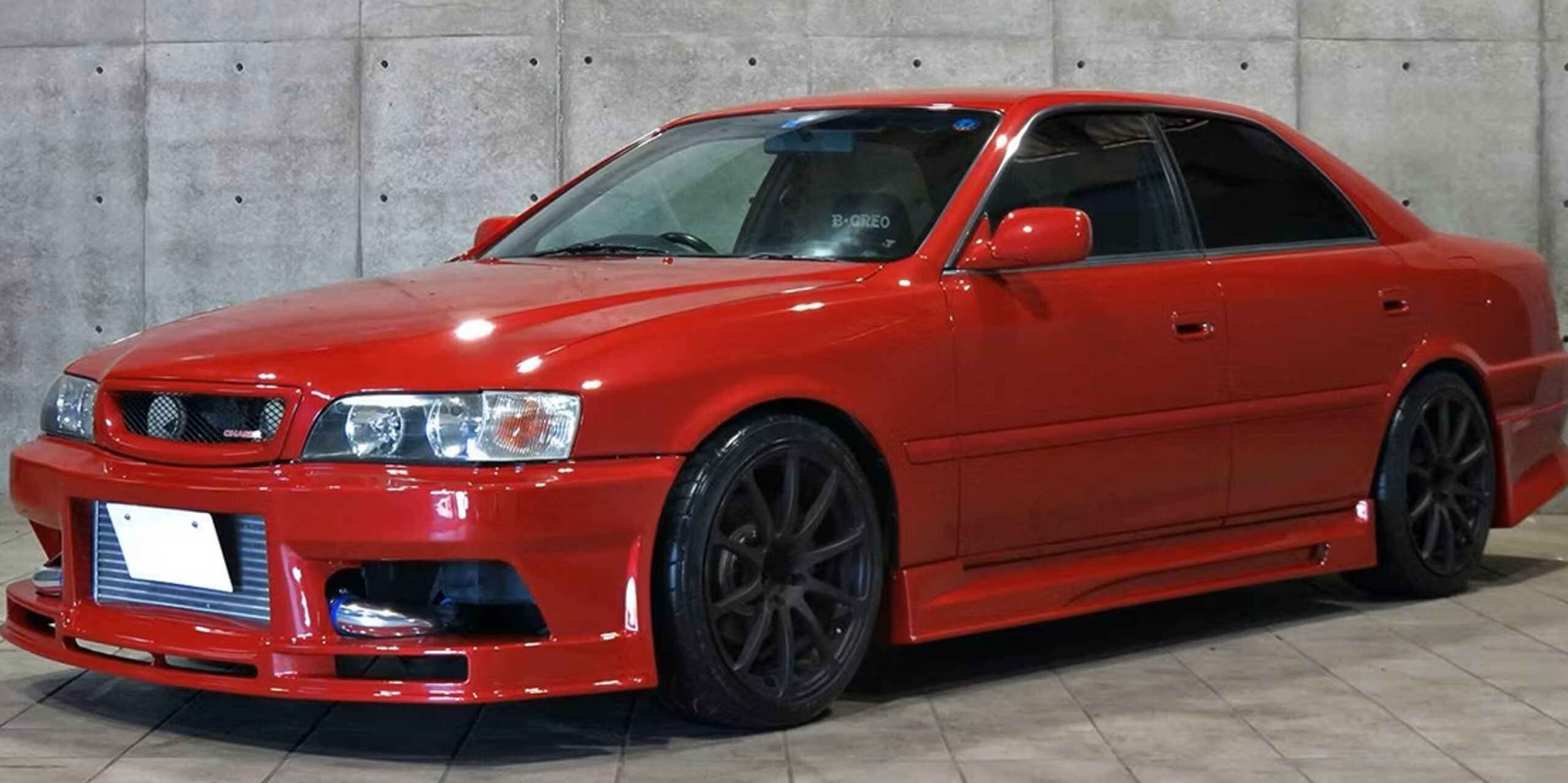
15. Toyota Chaser Tourer V

<p>The Toyota Chaser Tourer V is a performance-oriented sedan that was part of Toyota's "JZX" lineup, produced from 1996 to 2001. Equipped with a range of engines, including the 1JZ-GTE twin-turbocharged inline-six, the Chaser Tourer V offered exhilarating performance in a practical package. With rear-wheel drive and a well-tuned suspension, it provided excellent handling and driving dynamics. The 1JZ-GTE engine is highly regarded in the tuning community for its robustness and tuning potential, making the Chaser Tourer V a popular choice among enthusiasts looking to extract more power. Its responsive chassis and drivetrain make it a versatile platform for both street and track applications. </p>:: Toyota

The Toyota Chaser Tourer V is a performance-oriented sedan that was part of Toyota’s “JZX” lineup, produced from 1996 to 2001. Equipped with a range of engines, including the 1JZ-GTE twin-turbocharged inline-six, the Chaser Tourer V offered exhilarating performance in a practical package. With rear-wheel drive and a well-tuned suspension, it provided excellent handling and driving dynamics. The 1JZ-GTE engine is highly regarded in the tuning community for its robustness and tuning potential, making the Chaser Tourer V a popular choice among enthusiasts looking to extract more power. Its responsive chassis and drivetrain make it a versatile platform for both street and track applications.


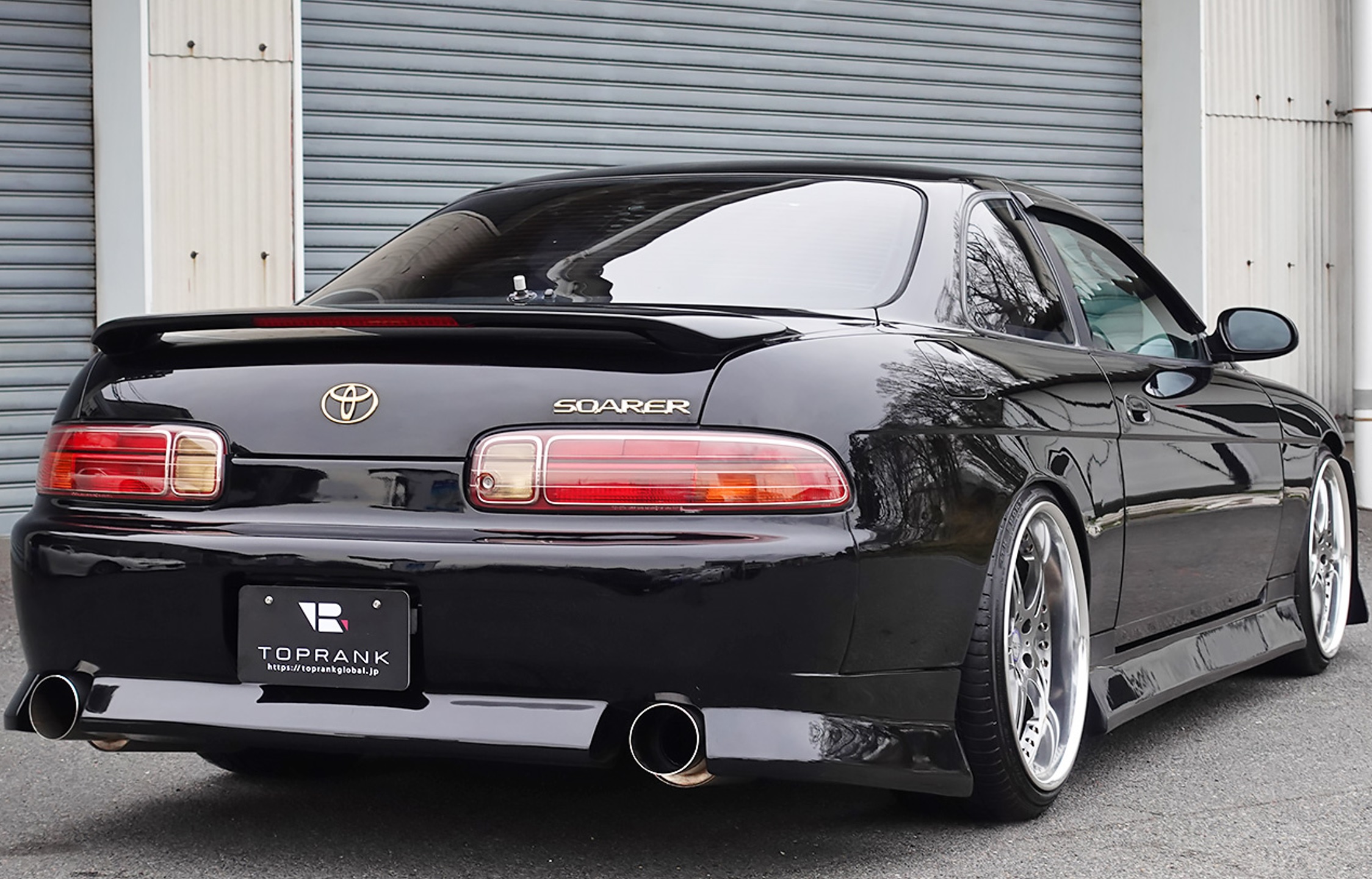
16. Toyota Soarer 2.5 GT-T

<p>The Toyota Soarer 2.5 GT-T, part of the Z30 series produced from 1991 to 2000, is a standout model within the Soarer lineup. It is equipped with the powerful 1JZ-GTE 2.5L twin-turbocharged inline-six engine, delivering strong performance and smooth power delivery. Known for its luxurious features and advanced technology, the Soarer 2.5 GT-T offers a premium driving experience with the heart of a sports car. The 1JZ-GTE engine is highly regarded in the tuning community for its durability and potential for significant power upgrades. With modifications such as turbo enhancements and engine tuning, the Soarer 2.5 GT-T can achieve impressive performance gains. Additionally, its chassis is well-suited for suspension and braking upgrades, making it a versatile platform for both luxury and performance enthusiasts. </p>:: TopRank

The Toyota Soarer 2.5 GT-T, part of the Z30 series produced from 1991 to 2000, is a standout model within the Soarer lineup. It is equipped with the powerful 1JZ-GTE 2.5L twin-turbocharged inline-six engine, delivering strong performance and smooth power delivery. Known for its luxurious features and advanced technology, the Soarer 2.5 GT-T offers a premium driving experience with the heart of a sports car. The 1JZ-GTE engine is highly regarded in the tuning community for its durability and potential for significant power upgrades. With modifications such as turbo enhancements and engine tuning, the Soarer 2.5 GT-T can achieve impressive performance gains. Additionally, its chassis is well-suited for suspension and braking upgrades, making it a versatile platform for both luxury and performance enthusiasts.


Final Thoughts

<p>These 16 Japanese cars exemplify the diverse range of automotive excellence that Japan has offered over the decades. From luxurious sedans and practical wagons to high-performance sports cars, there’s a Japanese car to suit every taste and preference. Each model presents unique tuning possibilities, allowing enthusiasts to tailor their vehicles to achieve both aesthetic and performance goals. Didn’t see your favorite? Don’t worry, we purposely left off the usual JDM suspects. Let’s hear what’s your favorite JDM vehicle from the 90’s.</p>::Pexels

These 16 Japanese cars exemplify the diverse range of automotive excellence that Japan has offered over the decades. From luxurious sedans and practical wagons to high-performance sports cars, there’s a Japanese car to suit every taste and preference. Each model presents unique tuning possibilities, allowing enthusiasts to tailor their vehicles to achieve both aesthetic and performance goals. Didn’t see your favorite? Don’t worry, we purposely left off the usual JDM suspects. Let’s hear what’s your favorite JDM vehicle from the 90’s.

Filed Under: Autos

11 Reliable Cars Built to Last for the Long Haul

October 12, 2025 | Leave a Comment

11 Reliable Cars Built to Last for the Long Haul

<p> When it comes to buying a car, reliability is one of the most crucial factors. A dependable vehicle not only saves you money on repairs but also ensures peace of mind for years to come. Some cars are simply built to go the distance, with high-quality engineering and durability that allow them to last well beyond 200,000 miles. If you are looking for a trustworthy vehicle that will keep running strong, here are 11 reliable cars built to last for the long haul. </p> :: Pexels

When it comes to buying a car, reliability is one of the most crucial factors. A dependable vehicle not only saves you money on repairs but also ensures peace of mind for years to come. Some cars are simply built to go the distance, with high-quality engineering and durability that allow them to last well beyond 200,000 miles. If you are looking for a trustworthy vehicle that will keep running strong, here are 11 reliable cars built to last for the long haul.


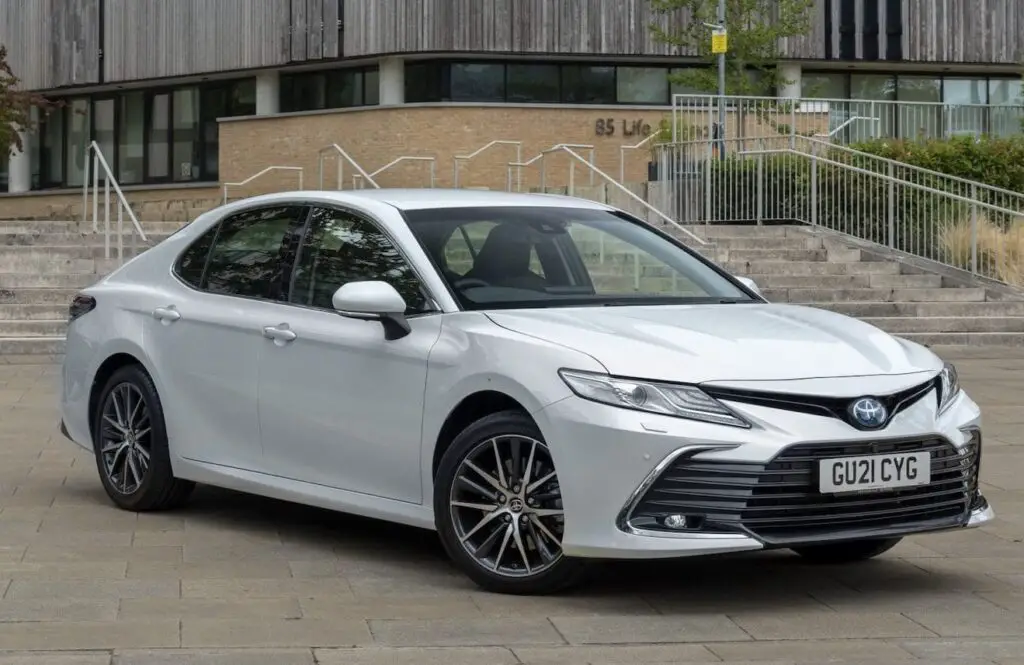
1. Toyota Camry

<p> The Toyota Camry has long been synonymous with reliability. Known for its durable engine, smooth ride, and minimal maintenance costs, the Camry is a favorite among those looking for a car that will easily surpass 200,000 miles. Its sturdy transmission and high resale value make it a wise investment, whether you choose a new or used model. Plus, Toyota’s commitment to safety and fuel efficiency ensures the Camry remains a top pick for reliability. </p> :: thecarexpert.co.uk

The Toyota Camry has long been synonymous with reliability. Known for its durable engine, smooth ride, and minimal maintenance costs, the Camry is a favorite among those looking for a car that will easily surpass 200,000 miles. Its sturdy transmission and high resale value make it a wise investment, whether you choose a new or used model. Plus, Toyota’s commitment to safety and fuel efficiency ensures the Camry remains a top pick for reliability.


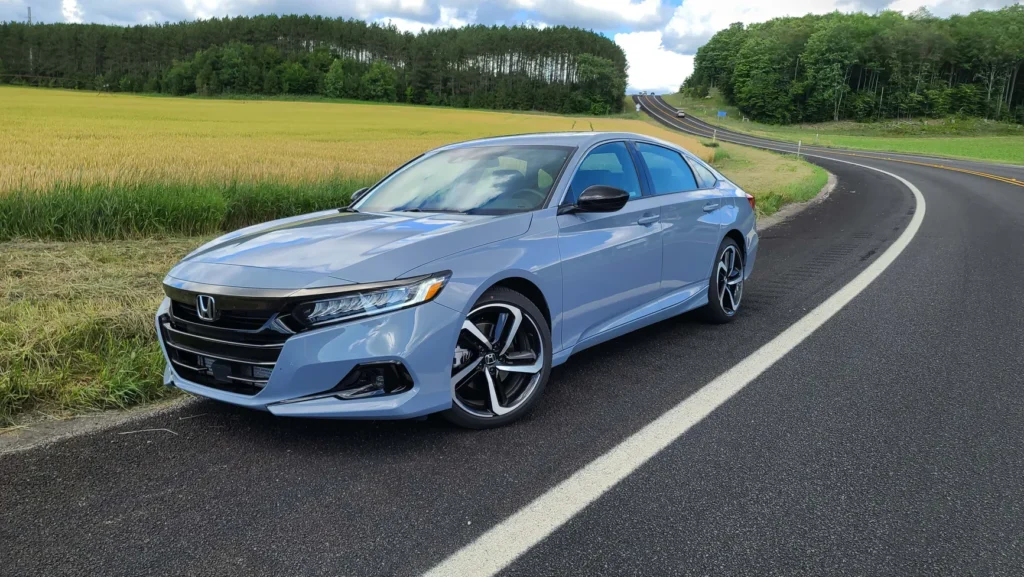
2. Honda Accord

<p> The Honda Accord is a legend in terms of longevity, thanks to its well-built engine, strong transmission, and excellent fuel economy. With proper maintenance, Accords frequently reach 300,000 miles or more. Honda’s engineering excellence ensures a smooth and efficient ride, while its reputation for reliability has made it a staple on the road for decades. If you want a car that combines performance and durability, the Accord is a solid choice. </p> :: The Detroit News | detroitnews.com

The Honda Accord is a legend in terms of longevity, thanks to its well-built engine, strong transmission, and excellent fuel economy. With proper maintenance, Accords frequently reach 300,000 miles or more. Honda’s engineering excellence ensures a smooth and efficient ride, while its reputation for reliability has made it a staple on the road for decades. If you want a car that combines performance and durability, the Accord is a solid choice.


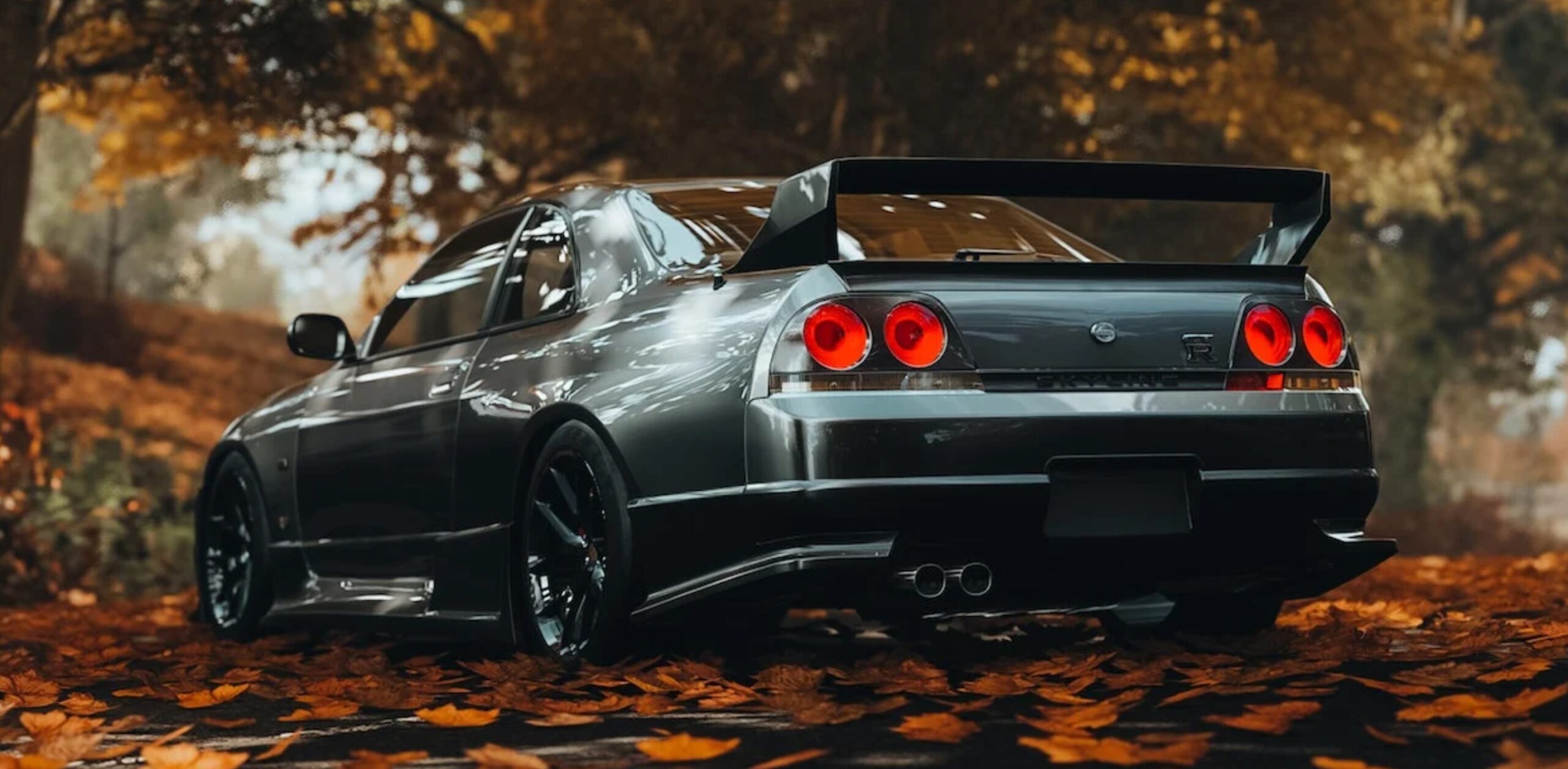
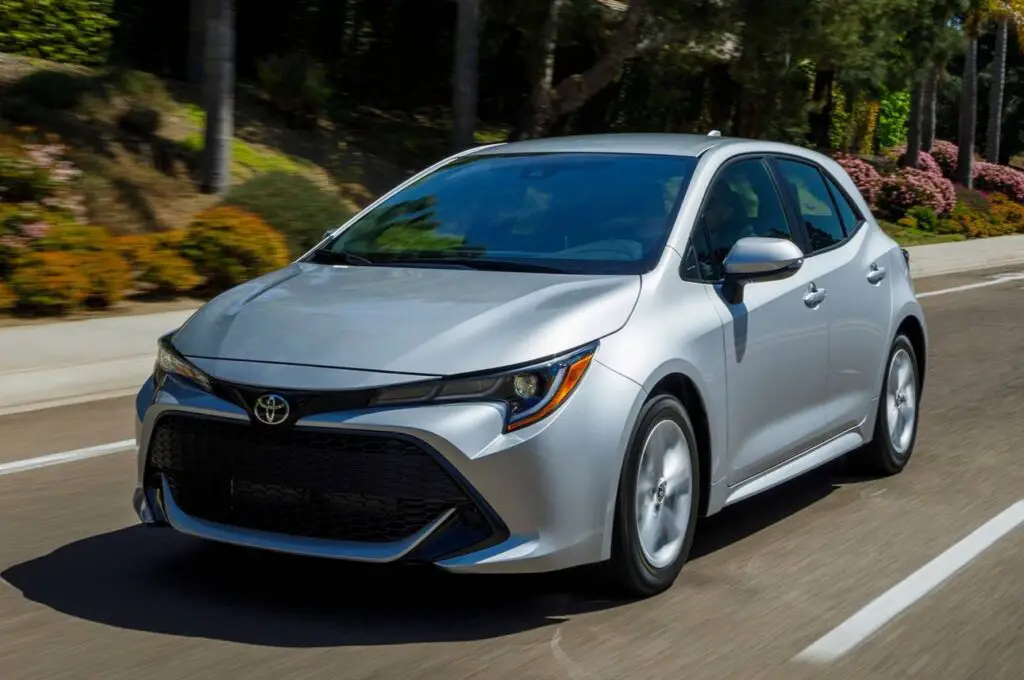
3. Toyota Corolla

<p> The Toyota Corolla is one of the best-selling cars in the world for a reason—it is incredibly reliable. Known for its fuel efficiency, low maintenance costs, and long lifespan, the Corolla is a top pick for those who need a car that will last for years. With routine care, it is not uncommon for Corollas to hit the 300,000-mile mark. Its simple yet sturdy design makes it a practical choice for drivers who value dependability. </p> :: Edmunds
The Toyota Corolla is one of the best-selling cars in the world for a reason—it is incredibly reliable. Known for its fuel efficiency, low maintenance costs, and long lifespan, the Corolla is a top pick for those who need a car that will last for years. With routine care, it is not uncommon for Corollas to hit the 300,000-mile mark. Its simple yet sturdy design makes it a practical choice for drivers who value dependability.
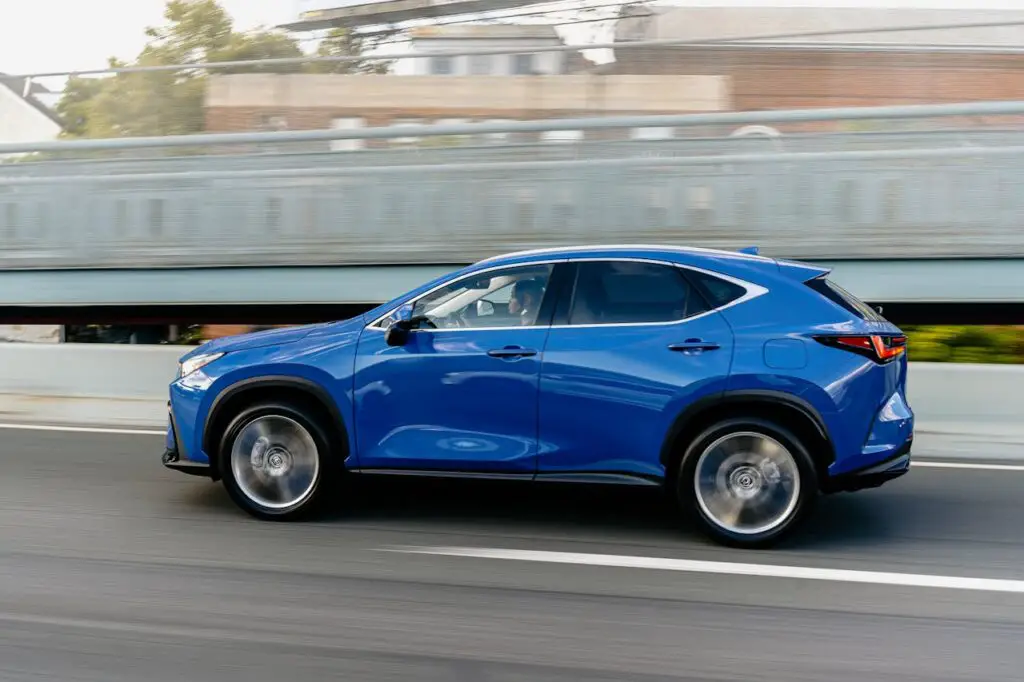
 

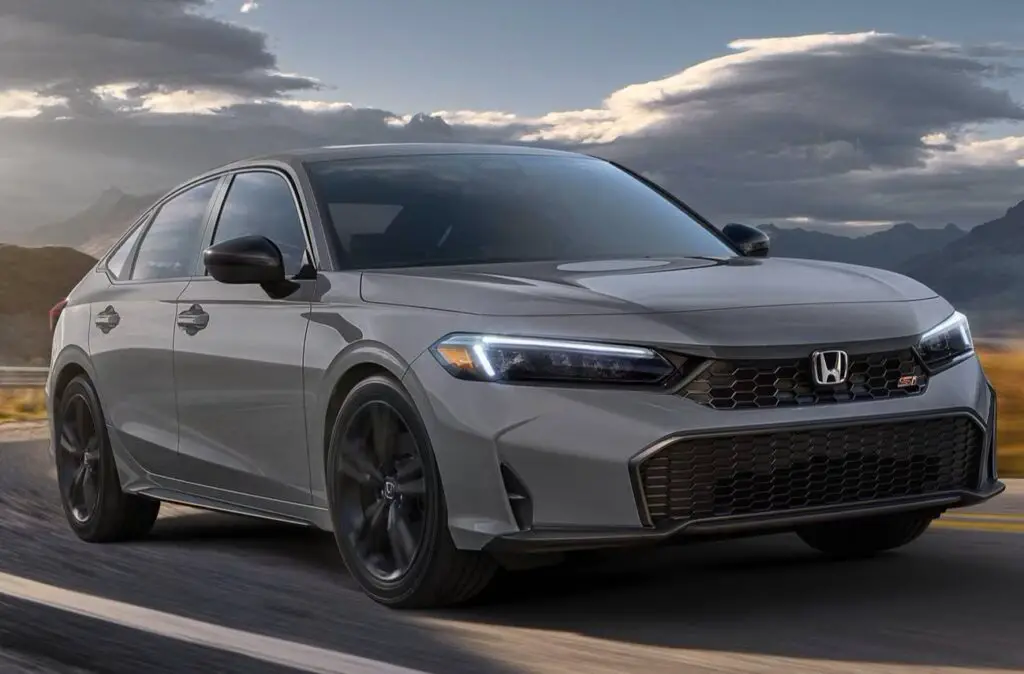
4. Honda Civic

<p> The Honda Civic is another vehicle renowned for its longevity. Built with a strong engine, durable transmission, and fuel-efficient performance, the Civic is a compact car that delivers big on reliability. Many Civics on the road today have well over 200,000 miles, with some even surpassing 400,000 miles when properly maintained. Whether you are looking for a commuter car or a long-term investment, the Civic is a smart buy. </p> :: Edmunds

The Honda Civic is another vehicle renowned for its longevity. Built with a strong engine, durable transmission, and fuel-efficient performance, the Civic is a compact car that delivers big on reliability. Many Civics on the road today have well over 200,000 miles, with some even surpassing 400,000 miles when properly maintained. Whether you are looking for a commuter car or a long-term investment, the Civic is a smart buy.


5. Subaru Outback

<p> For those who need a rugged and reliable car, the Subaru Outback is an excellent option. With its all-wheel drive, solid construction, and well-engineered boxer engine, the Outback is built to handle various terrains and weather conditions. It is a favorite among adventure seekers and families alike, with many models lasting over 250,000 miles. Subaru’s reputation for safety and durability makes the Outback a standout in the long-lasting vehicle category. </p> :: Pexels

For those who need a rugged and reliable car, the Subaru Outback is an excellent option. With its all-wheel drive, solid construction, and well-engineered boxer engine, the Outback is built to handle various terrains and weather conditions. It is a favorite among adventure seekers and families alike, with many models lasting over 250,000 miles. Subaru’s reputation for safety and durability makes the Outback a standout in the long-lasting vehicle category.


6. Toyota Highlander

<p> SUV lovers looking for a durable and reliable ride should consider the Toyota Highlander. This midsize SUV is known for its sturdy build, powerful yet efficient engine, and low maintenance costs. With a well-maintained Highlander, reaching 250,000 miles or more is easily achievable. Toyota’s commitment to safety and longevity makes the Highlander a great choice for families and long-distance travelers alike. </p> :: Freepik
SUV lovers looking for a durable and reliable ride should consider the Toyota Highlander. This midsize SUV is known for its sturdy build, powerful yet efficient engine, and low maintenance costs. With a well-maintained Highlander, reaching 250,000 miles or more is easily achievable. Toyota’s commitment to safety and longevity makes the Highlander a great choice for families and long-distance travelers alike.

 

7. Lexus RX 350

<p> Luxury and reliability do not always go hand in hand, but the Lexus RX 350 proves otherwise. This premium SUV is built with Toyota’s legendary engineering, ensuring it remains dependable for many years. Owners report that RX 350 models frequently exceed 250,000 miles with minimal issues. With a comfortable ride, high-end interior, and advanced safety features, the RX 350 is perfect for those who want a long-lasting car without sacrificing luxury. </p> :: Pexels

Luxury and reliability do not always go hand in hand, but the Lexus RX 350 proves otherwise. This premium SUV is built with Toyota’s legendary engineering, ensuring it remains dependable for many years. Owners report that RX 350 models frequently exceed 250,000 miles with minimal issues. With a comfortable ride, high-end interior, and advanced safety features, the RX 350 is perfect for those who want a long-lasting car without sacrificing luxury.


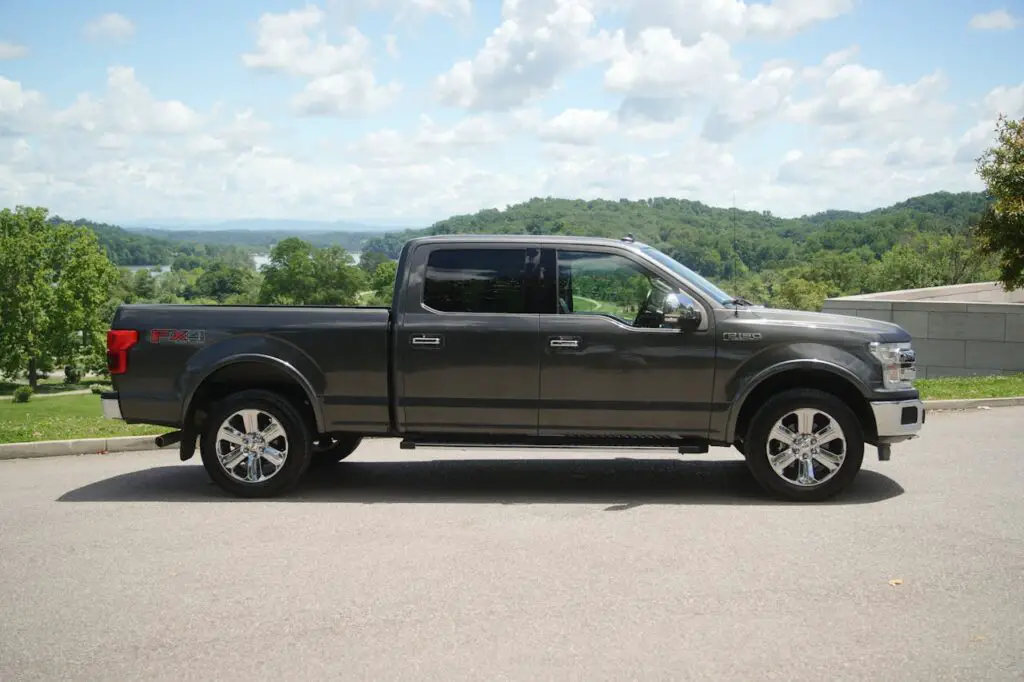
8. Ford F-150

<p> The Ford F-150 is an American icon and one of the most reliable trucks on the market. With a rugged design, powerful engine options, and exceptional towing capacity, the F-150 is built to handle tough conditions. Many owners report surpassing 300,000 miles with proper maintenance, making it a go-to choice for those who need a long-lasting workhorse. Whether for personal or professional use, the F-150 stands the test of time. </p> :: Pexels

The Ford F-150 is an American icon and one of the most reliable trucks on the market. With a rugged design, powerful engine options, and exceptional towing capacity, the F-150 is built to handle tough conditions. Many owners report surpassing 300,000 miles with proper maintenance, making it a go-to choice for those who need a long-lasting workhorse. Whether for personal or professional use, the F-150 stands the test of time.


9. Honda CR-V

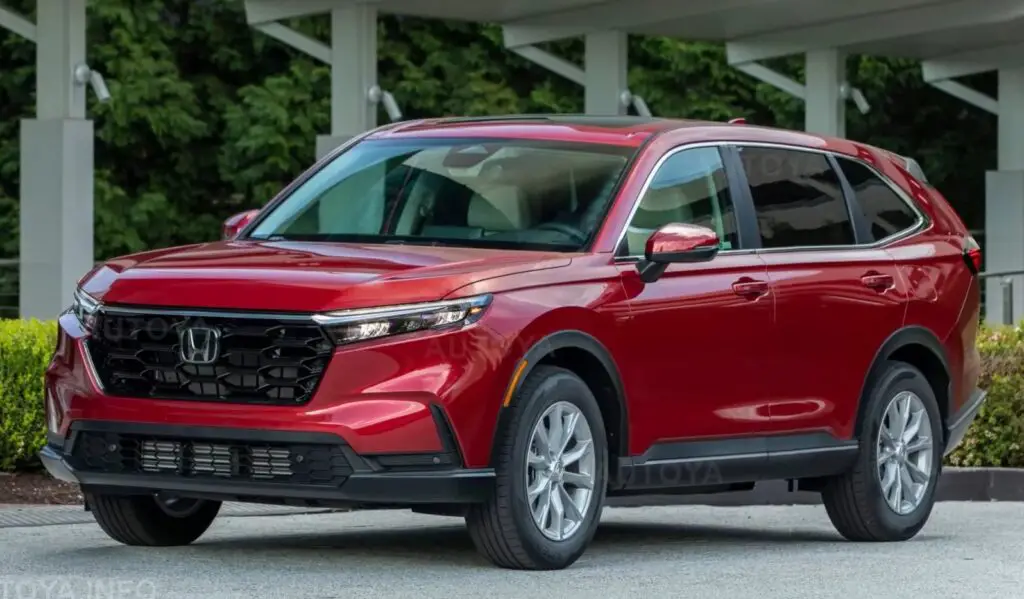
<p> If you are in the market for a reliable and fuel-efficient SUV, the Honda CR-V is a fantastic option. This compact SUV is known for its spacious interior, smooth handling, and exceptional reliability. With a strong engine and low cost of maintenance, many CR-V models reach well beyond 250,000 miles. Honda’s track record for dependable vehicles ensures that the CR-V remains a top pick for those looking for a long-lasting ride. </p> :: Grainger Honda

If you are in the market for a reliable and fuel-efficient SUV, the Honda CR-V is a fantastic option. This compact SUV is known for its spacious interior, smooth handling, and exceptional reliability. With a strong engine and low cost of maintenance, many CR-V models reach well beyond 250,000 miles. Honda’s track record for dependable vehicles ensures that the CR-V remains a top pick for those looking for a long-lasting ride.


10. Mazda MX-5 Miata

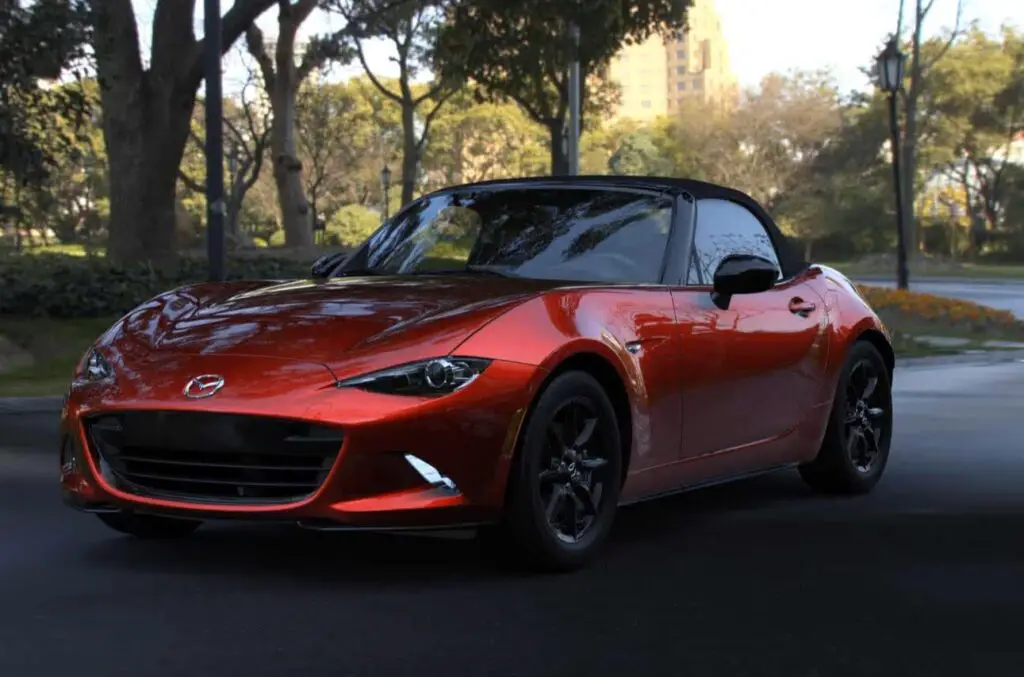
<p> The Mazda MX-5 Miata proves that sports cars can be reliable too. Known for its lightweight design, efficient engine, and straightforward mechanics, the Miata is a fun-to-drive car that lasts for years. With proper care, many Miata models reach well over 200,000 miles. Its simple yet effective engineering makes it easy to maintain, making it one of the most dependable sports cars available today. </p> :: kennyrossmazda.com

The Mazda MX-5 Miata proves that sports cars can be reliable too. Known for its lightweight design, efficient engine, and straightforward mechanics, the Miata is a fun-to-drive car that lasts for years. With proper care, many Miata models reach well over 200,000 miles. Its simple yet effective engineering makes it easy to maintain, making it one of the most dependable sports cars available today.


11. Chevrolet Silverado 1500

<p> Another highly reliable truck, the Chevrolet Silverado 1500, is built for endurance. With a powerful V8 engine, tough frame, and excellent towing capacity, the Silverado is designed to handle demanding tasks. Many Silverado owners have driven their trucks for over 300,000 miles with routine maintenance. If you need a tough and long-lasting truck, the Silverado 1500 is a solid investment. </p> :: Edmunds

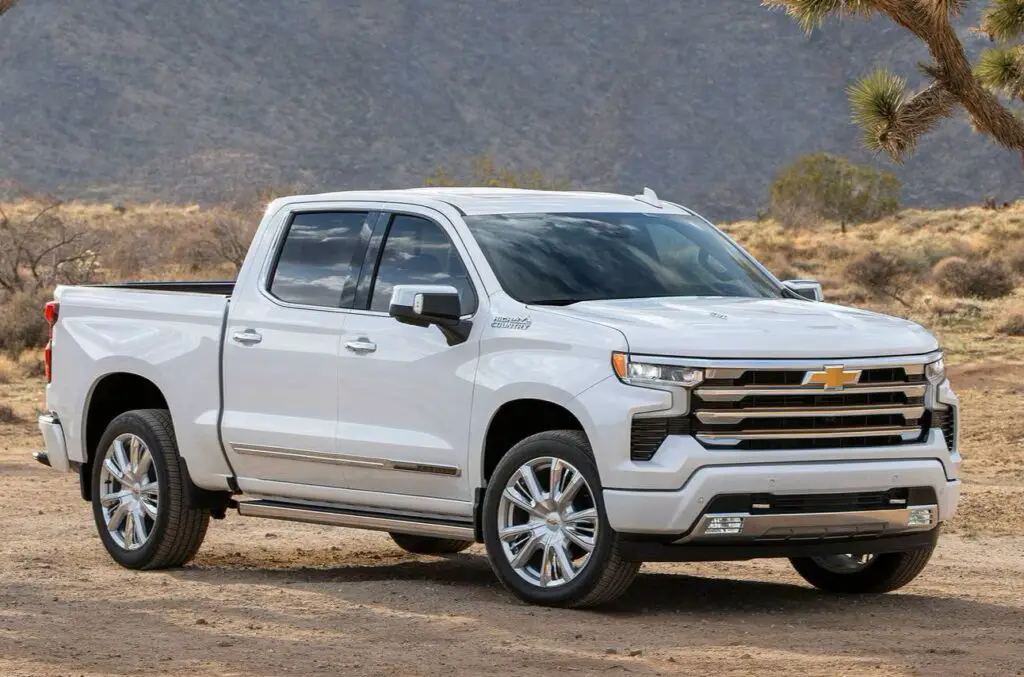
Another highly reliable truck, the Chevrolet Silverado 1500, is built for endurance. With a powerful V8 engine, tough frame, and excellent towing capacity, the Silverado is designed to handle demanding tasks. Many Silverado owners have driven their trucks for over 300,000 miles with routine maintenance. If you need a tough and long-lasting truck, the Silverado 1500 is a solid investment.


Final Thoughts

<p> Choosing a reliable car can save you thousands of dollars in repairs and provide you with peace of mind for years to come. The vehicles on this list have been proven to go the distance, with many lasting well over 200,000 miles when properly maintained. Whether you prefer a sedan, SUV, or truck, these 11 reliable cars are built to last for the long haul. When making your next car purchase, consider one of these dependable options to ensure you get the most value out of your investment. </p> :: Pexels

Choosing a reliable car can save you thousands of dollars in repairs and provide you with peace of mind for years to come. The vehicles on this list have been proven to go the distance, with many lasting well over 200,000 miles when properly maintained. Whether you prefer a sedan, SUV, or truck, these 11 reliable cars are built to last for the long haul. When making your next car purchase, consider one of these dependable options to ensure you get the most value out of your investment.

Filed Under: Autos

7 Things You Should Never Say to a Car Mechanic (If You Don’t Want to Be Ripped Off)

October 12, 2025 | Leave a Comment

7 Things You Should Never Say to a Car Mechanic (If You Don’t Want to Be Ripped Off)

<p> Walking into an auto repair shop can feel a little intimidating. Your car is making a strange sound, you are worried about the cost, and the mechanic holds all the knowledge and tools to fix the problem. It is a situation where many people feel vulnerable. The truth is, most mechanics are honest and hardworking, but just like in any industry, there are a few who may take advantage of the wrong words.
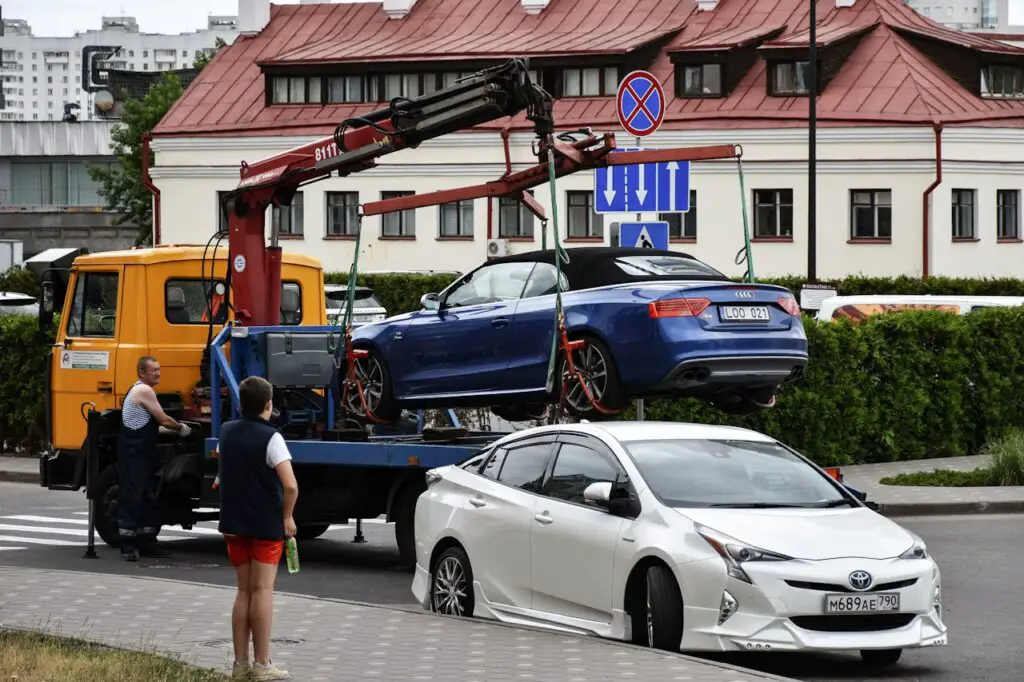
What you say at the service desk can make a big difference in how you are treated and how much you end up paying. Sometimes, innocent phrases can signal to a mechanic that you are willing to spend without question, that you are uninformed, or that you can be easily persuaded into unnecessary add-ons. The good news? With a little awareness, you can communicate more effectively, save money, and walk out feeling confident about your car repair.

Here are seven things you should never say to a car mechanic if you do not want to be ripped off—and what you can say instead. </p> :: Freepik

Walking into an auto repair shop can feel a little intimidating. Your car is making a strange sound, you are worried about the cost, and the mechanic holds all the knowledge and tools to fix the problem. It is a situation where many people feel vulnerable. The truth is, most mechanics are honest and hardworking, but just like in any industry, there are a few who may take advantage of the wrong words.

What you say at the service desk can make a big difference in how you are treated and how much you end up paying. Sometimes, innocent phrases can signal to a mechanic that you are willing to spend without question, that you are uninformed, or that you can be easily persuaded into unnecessary add-ons. The good news? With a little awareness, you can communicate more effectively, save money, and walk out feeling confident about your car repair.

Here are seven things you should never say to a car mechanic if you do not want to be ripped off—and what you can say instead.

1. “Just fix whatever is wrong. I don’t care how much it costs.”

<p> This might sound like you are giving the mechanic permission to do their job, but to the wrong person, it is like handing over a blank check. Saying you do not care about the cost invites extra repairs, inflated labor charges, and maybe even services you do not really need. Instead of leaving it open-ended, ask for a detailed estimate before any work begins. Let them know you want a call for approval if new issues come up. That way, you stay in control and can make informed decisions about what is worth fixing now and what can wait. </p> :: Gemini

This might sound like you are giving the mechanic permission to do their job, but to the wrong person, it is like handing over a blank check. Saying you do not care about the cost invites extra repairs, inflated labor charges, and maybe even services you do not really need. Instead of leaving it open-ended, ask for a detailed estimate before any work begins. Let them know you want a call for approval if new issues come up. That way, you stay in control and can make informed decisions about what is worth fixing now and what can wait.

2. “I do not know anything about cars. You tell me.”

<p> It might feel honest to admit you are clueless about engines and brakes, but it is also like advertising that you are an easy target. Some mechanics may see this as an opportunity to suggest expensive services that sound urgent but really are not. You do not need to pretend you are an expert, but you can describe your car’s symptoms clearly. For example, instead of saying “I don’t know anything,” try “My car makes a squealing noise when I brake” or “There is a burning smell when I drive on the highway.” This shows you are paying attention and makes it harder for someone to exaggerate what needs to be done. </p> :: Gemini

It might feel honest to admit you are clueless about engines and brakes, but it is also like advertising that you are an easy target. Some mechanics may see this as an opportunity to suggest expensive services that sound urgent but really are not. You do not need to pretend you are an expert, but you can describe your car’s symptoms clearly. For example, instead of saying “I don’t know anything,” try “My car makes a squealing noise when I brake” or “There is a burning smell when I drive on the highway.” This shows you are paying attention and makes it harder for someone to exaggerate what needs to be done.

3. “I Googled my problem, and I think it’s this.”

<p> Thanks to the internet, we all have a little “mechanic” in us now. But walking into a shop and announcing your self-diagnosis can rub a professional the wrong way. It can come across as dismissive of their training or as though you are questioning their expertise. A better approach is to say something like, “I read online that it could be the alternator, but I would like your opinion.” This shows that you have done your homework but still respect their knowledge. Mechanics are more likely to work with you when you treat them as the expert rather than the opposition. </p> :: Gemini

Thanks to the internet, we all have a little “mechanic” in us now. But walking into a shop and announcing your self-diagnosis can rub a professional the wrong way. It can come across as dismissive of their training or as though you are questioning their expertise. A better approach is to say something like, “I read online that it could be the alternator, but I would like your opinion.” This shows that you have done your homework but still respect their knowledge. Mechanics are more likely to work with you when you treat them as the expert rather than the opposition.

4. “I am going on a trip next week. I just need it safe.”

<p> On the surface, this sounds reasonable. You are about to put miles on your car, and you want to make sure nothing goes wrong. But saying you are leaving town can trigger an upsell opportunity. A mechanic may assume you are willing to pay for every possible fix, even the ones that are not urgent, just for peace of mind. Instead, phrase it differently: “Please check the essentials so the car is safe to drive. If you find anything else, let me know before doing the work.” This sets clear boundaries and keeps you from being talked into a laundry list of repairs you might not need. </p> :: Gemini

On the surface, this sounds reasonable. You are about to put miles on your car, and you want to make sure nothing goes wrong. But saying you are leaving town can trigger an upsell opportunity. A mechanic may assume you are willing to pay for every possible fix, even the ones that are not urgent, just for peace of mind. Instead, phrase it differently: “Please check the essentials so the car is safe to drive. If you find anything else, let me know before doing the work.” This sets clear boundaries and keeps you from being talked into a laundry list of repairs you might not need.

5. “I cannot afford more than X dollars.”

<p> It makes sense to set a budget, but telling the mechanic your absolute maximum up front can backfire. If the shop knows you are capped at a certain number, they may price the job right up to that limit, even if the real cost would have been lower. Or they may cut corners to stay within your stated budget, leaving bigger problems down the road. Instead, say something like, “I am trying to keep costs around X dollars. Can you prioritize what is urgent and let me know what could wait until later?” This puts you in control without locking yourself into a situation that could compromise either your wallet or your car’s health. </p> :: Gemini

It makes sense to set a budget, but telling the mechanic your absolute maximum up front can backfire. If the shop knows you are capped at a certain number, they may price the job right up to that limit, even if the real cost would have been lower. Or they may cut corners to stay within your stated budget, leaving bigger problems down the road. Instead, say something like, “I am trying to keep costs around X dollars. Can you prioritize what is urgent and let me know what could wait until later?” This puts you in control without locking yourself into a situation that could compromise either your wallet or your car’s health.

6. “Can you just sell me the part and I will install it myself?”

<p> Some people say this hoping to save money on labor, but it is usually a dead end. Many shops will not agree to install customer-supplied parts because of liability issues, warranty concerns, or the risk of incorrect specifications. Plus, part sales are one way repair shops cover their overhead, so they may not be thrilled if you try to cut that out. A smarter move is to ask the mechanic to show you the old part once it is replaced. That way, you can be sure the work was actually done. You can also ask for an itemized quote for both parts and labor, so you know exactly what you are paying for. </p> :: Gemini

Some people say this hoping to save money on labor, but it is usually a dead end. Many shops will not agree to install customer-supplied parts because of liability issues, warranty concerns, or the risk of incorrect specifications. Plus, part sales are one way repair shops cover their overhead, so they may not be thrilled if you try to cut that out. A smarter move is to ask the mechanic to show you the old part once it is replaced. That way, you can be sure the work was actually done. You can also ask for an itemized quote for both parts and labor, so you know exactly what you are paying for.

7. “That price seems high. Can you lower it?”

<p> No one likes to feel overcharged, but saying this bluntly can sour the relationship fast. The mechanic may get defensive, and you risk losing their willingness to explain or compromise. Instead of challenging the price head-on, start a conversation. Try asking, “Can you help me understand why the labor cost is what it is?” or “Is there a less expensive option for the part?” You can also ask if it is possible to split the work into phases so you handle the most important repairs first. This shows respect for their expertise while still protecting your wallet. </p> :: Gemini

No one likes to feel overcharged, but saying this bluntly can sour the relationship fast. The mechanic may get defensive, and you risk losing their willingness to explain or compromise. Instead of challenging the price head-on, start a conversation. Try asking, “Can you help me understand why the labor cost is what it is?” or “Is there a less expensive option for the part?” You can also ask if it is possible to split the work into phases so you handle the most important repairs first. This shows respect for their expertise while still protecting your wallet.

Final Thoughts

<p> Talking to a mechanic can feel tricky, especially when you are worried about cost and do not understand the technical details. But you do not need to be a car expert to protect yourself from being overcharged. What matters most is how you communicate. Avoid phrases that make you sound like an open wallet or completely in the dark, and instead focus on being clear, respectful, and firm about your expectations.

Remember, most mechanics genuinely want to help you keep your car running safely. The key is building trust through honest questions and informed choices. Ask for written estimates, approve additional work before it happens, and do not be afraid to get a second opinion for major repairs.

At the end of the day, your car is one of your biggest investments. The way you talk about it in the shop can be just as important as the work done under the hood. A little confidence, the right questions, and a few smart substitutions in your wording can save you money and stress—and keep your relationship with your mechanic on the right track. </p> :: Gemini

Talking to a mechanic can feel tricky, especially when you are worried about cost and do not understand the technical details. But you do not need to be a car expert to protect yourself from being overcharged. What matters most is how you communicate. Avoid phrases that make you sound like an open wallet or completely in the dark, and instead focus on being clear, respectful, and firm about your expectations.

Remember, most mechanics genuinely want to help you keep your car running safely. The key is building trust through honest questions and informed choices. Ask for written estimates, approve additional work before it happens, and do not be afraid to get a second opinion for major repairs.

At the end of the day, your car is one of your biggest investments. The way you talk about it in the shop can be just as important as the work done under the hood. A little confidence, the right questions, and a few smart substitutions in your wording can save you money and stress—and keep your relationship with your mechanic on the right track.

Filed Under: Autos

Stop Doing These 10 Things Before You Completely Wreck Your Engine

October 11, 2025 | Leave a Comment

Stop Doing These 10 Things Before You Completely Wreck Your Engine

<p> Your car’s engine may be made of metal, but it has feelings… sort of. At least, it reacts to how you treat it. Push it too hard, ignore obvious signs of trouble, or skip basic maintenance, and you are basically speeding toward a very expensive disaster. An engine that could have lasted another 100,000 miles might suddenly fail in spectacular fashion, leaving you stranded on the side of the road and staring at a repair bill that costs more than your next vacation.

The good news? Avoiding those headaches is easier than you think. Most engine problems come from habits drivers do without even realizing it. If you want to keep your car humming for years, stop doing these ten things before you completely wreck your engine. </p> :: Freepik

Your car’s engine may be made of metal, but it has feelings… sort of. At least, it reacts to how you treat it. Push it too hard, ignore obvious signs of trouble, or skip basic maintenance, and you are basically speeding toward a very expensive disaster. An engine that could have lasted another 100,000 miles might suddenly fail in spectacular fashion, leaving you stranded on the side of the road and staring at a repair bill that costs more than your next vacation.

The good news? Avoiding those headaches is easier than you think. Most engine problems come from habits drivers do without even realizing it. If you want to keep your car humming for years, stop doing these ten things before you completely wreck your engine.

1. Skipping Oil Changes

<p> Skipping or delaying oil changes is like asking your heart to pump sludge instead of blood. Oil keeps all the moving parts in your engine lubricated, cool, and protected from dirt and debris. When you let it go too long, that oil breaks down, loses its protective qualities, and allows metal-on-metal friction that chews away at your engine from the inside.

If you are the type who keeps saying “I will do it next weekend,” you are playing a dangerous game. Stick to the schedule in your owner’s manual, and if you do a lot of short trips or heavy driving, shorten that interval. Think of an oil change as cheap insurance for the most expensive part of your car. </p> :: Freepik

Skipping or delaying oil changes is like asking your heart to pump sludge instead of blood. Oil keeps all the moving parts in your engine lubricated, cool, and protected from dirt and debris. When you let it go too long, that oil breaks down, loses its protective qualities, and allows metal-on-metal friction that chews away at your engine from the inside.

If you are the type who keeps saying “I will do it next weekend,” you are playing a dangerous game. Stick to the schedule in your owner’s manual, and if you do a lot of short trips or heavy driving, shorten that interval. Think of an oil change as cheap insurance for the most expensive part of your car.

2. Ignoring the Check Engine Light

<p> That little amber light on your dashboard is not there to decorate the display. It is your car’s way of crying out for help. Ignoring it can turn a minor issue like a faulty sensor into something serious, such as a damaged catalytic converter or a misfiring cylinder that ruins the engine.

Sure, sometimes it is something small, but you never know until you get it checked. A quick scan today could save you thousands tomorrow. If your car is trying to tell you something, listen before it starts yelling in the form of smoke or a breakdown. </p> :: Gemini

That little amber light on your dashboard is not there to decorate the display. It is your car’s way of crying out for help. Ignoring it can turn a minor issue like a faulty sensor into something serious, such as a damaged catalytic converter or a misfiring cylinder that ruins the engine.

Sure, sometimes it is something small, but you never know until you get it checked. A quick scan today could save you thousands tomorrow. If your car is trying to tell you something, listen before it starts yelling in the form of smoke or a breakdown.

3. Using the Wrong Oil or Cheap Oil

<p> Not all motor oil is created equal, and your engine definitely has a preference. Using the wrong viscosity or grabbing the cheapest option on the shelf might seem harmless, but it can reduce lubrication, break down too quickly, and leave your engine exposed to wear and tear.

Your owner’s manual tells you exactly which oil grade your engine needs, and it is not a suggestion—it is a requirement. Spend a few extra dollars for the right oil, and your engine will thank you by lasting longer and running smoother. </p> :: Gemini

Not all motor oil is created equal, and your engine definitely has a preference. Using the wrong viscosity or grabbing the cheapest option on the shelf might seem harmless, but it can reduce lubrication, break down too quickly, and leave your engine exposed to wear and tear.

Your owner’s manual tells you exactly which oil grade your engine needs, and it is not a suggestion—it is a requirement. Spend a few extra dollars for the right oil, and your engine will thank you by lasting longer and running smoother.

4. Neglecting the Cooling System

<p> Engines and heat have a complicated relationship. They need heat to run, but too much of it can destroy them. If you neglect your cooling system by ignoring coolant levels, skipping radiator flushes, or letting hoses and caps age past their prime, you are setting yourself up for overheating. And overheating can warp heads, blow gaskets, or even crack the block—none of which are cheap to fix.

Check your coolant regularly, flush the system when it is due, and pay attention to leaks or strange smells. A healthy cooling system is the difference between smooth road trips and calling a tow truck in the middle of nowhere. </p> :: Gemini

Engines and heat have a complicated relationship. They need heat to run, but too much of it can destroy them. If you neglect your cooling system by ignoring coolant levels, skipping radiator flushes, or letting hoses and caps age past their prime, you are setting yourself up for overheating. And overheating can warp heads, blow gaskets, or even crack the block—none of which are cheap to fix.

Check your coolant regularly, flush the system when it is due, and pay attention to leaks or strange smells. A healthy cooling system is the difference between smooth road trips and calling a tow truck in the middle of nowhere.

5. Driving Hard Before the Engine Warms Up

<p> Engines do not like to be rushed, especially when cold. When you first start your car, the oil has not fully circulated and the engine is still stiff from sitting. Flooring it or revving hard right away puts strain on parts that are not ready for action.

Treat your car like you treat yourself when you first wake up—it needs a little time to get moving. Drive gently for the first few minutes, let the fluids warm up, and then go about your business. Your engine will thank you with fewer breakdowns in the future. </p> :: Gemini

Engines do not like to be rushed, especially when cold. When you first start your car, the oil has not fully circulated and the engine is still stiff from sitting. Flooring it or revving hard right away puts strain on parts that are not ready for action.

Treat your car like you treat yourself when you first wake up—it needs a little time to get moving. Drive gently for the first few minutes, let the fluids warm up, and then go about your business. Your engine will thank you with fewer breakdowns in the future.

6. Excessive Idling

<p> Leaving your car idling for long stretches might feel harmless, but it is not doing your engine any favors. Idling lets water vapor and unburned fuel build up in the system, which can dilute oil and cause unnecessary wear. It also wastes gas, which is like throwing money out the window.

If you are parked for more than a couple of minutes, turn it off unless traffic or safety requires otherwise. Modern engines do not need to idle forever, and shutting down is often the smarter choice. </p> :: Gemini

Leaving your car idling for long stretches might feel harmless, but it is not doing your engine any favors. Idling lets water vapor and unburned fuel build up in the system, which can dilute oil and cause unnecessary wear. It also wastes gas, which is like throwing money out the window.

If you are parked for more than a couple of minutes, turn it off unless traffic or safety requires otherwise. Modern engines do not need to idle forever, and shutting down is often the smarter choice.

7. Forgetting About Air and Fuel Filters

<p> Your engine needs clean air and clean fuel to work properly. When filters get clogged, the engine has to work harder, which leads to poor performance, higher fuel consumption, and increased wear. The worst-case scenario? Dirt and contaminants slip through, causing serious internal damage.

Replacing filters is one of the cheapest and simplest maintenance tasks, yet so many drivers forget to do it. A clean filter is like giving your engine a fresh breath of air—and it will run better for it. </p> :: Gemini

Your engine needs clean air and clean fuel to work properly. When filters get clogged, the engine has to work harder, which leads to poor performance, higher fuel consumption, and increased wear. The worst-case scenario? Dirt and contaminants slip through, causing serious internal damage.

Replacing filters is one of the cheapest and simplest maintenance tasks, yet so many drivers forget to do it. A clean filter is like giving your engine a fresh breath of air—and it will run better for it.

8. Driving in the Wrong Gear

<p> Whether you drive a stick shift or an automatic, your car has a sweet spot for engine speed. Driving in a gear that is too high for your speed, also called lugging the engine, puts extra strain on components and can make the engine knock or stutter. Do it often enough, and you will cause long-term wear.

Use the right gear for the situation. If you are driving slow, downshift or let the transmission handle it. Do not force your engine to push harder than it was designed to at low speeds—it is not a workout, it is abuse. </p> :: Gemini

Whether you drive a stick shift or an automatic, your car has a sweet spot for engine speed. Driving in a gear that is too high for your speed, also called lugging the engine, puts extra strain on components and can make the engine knock or stutter. Do it often enough, and you will cause long-term wear.

Use the right gear for the situation. If you are driving slow, downshift or let the transmission handle it. Do not force your engine to push harder than it was designed to at low speeds—it is not a workout, it is abuse.

9. Ignoring the Timing Belt or Timing Chain

<p> A timing belt or chain is one of those parts you rarely see but depend on more than almost anything else. If it fails, the internal parts of your engine can slam into each other, bending valves and damaging pistons in a matter of seconds. That kind of damage usually means your engine is done for.

Check your manual for replacement intervals, and if you are not sure when it was last changed, assume it is overdue. Replacing it might not be cheap, but it is far less expensive than replacing the entire engine. </p> :: Freepik

A timing belt or chain is one of those parts you rarely see but depend on more than almost anything else. If it fails, the internal parts of your engine can slam into each other, bending valves and damaging pistons in a matter of seconds. That kind of damage usually means your engine is done for.

Check your manual for replacement intervals, and if you are not sure when it was last changed, assume it is overdue. Replacing it might not be cheap, but it is far less expensive than replacing the entire engine.

10. Letting Fluids Run Low or Get Dirty

<p> It is not just the oil that matters. Transmission fluid, power steering fluid, coolant, and even differential fluid all play critical roles. If they are low or dirty, systems start failing—and when one system goes, the engine often pays the price too.

Make it a habit to check fluid levels regularly. Clean, fresh fluids keep everything running smoothly and prevent a domino effect of failures that can lead straight back to your engine. Think of it as hydration for your car. </p> :: Gemini

It is not just the oil that matters. Transmission fluid, power steering fluid, coolant, and even differential fluid all play critical roles. If they are low or dirty, systems start failing—and when one system goes, the engine often pays the price too.

Make it a habit to check fluid levels regularly. Clean, fresh fluids keep everything running smoothly and prevent a domino effect of failures that can lead straight back to your engine. Think of it as hydration for your car.

Final Thoughts

<p> Your engine is tough, but it is not indestructible. Most of the problems that end its life early come from neglect or small habits that seem harmless in the moment. The truth is, if you take a little extra care—changing fluids on time, respecting warm-up periods, and paying attention to warning signs—you can keep your engine running strong for years.

Think of your car like a partner in life: take care of it, and it will take care of you. Ignore it, and it will eventually leave you stranded at the worst possible time. By breaking these ten bad habits, you are not just saving money—you are giving yourself peace of mind every time you turn the key. </p> :: Freepik

Your engine is tough, but it is not indestructible. Most of the problems that end its life early come from neglect or small habits that seem harmless in the moment. The truth is, if you take a little extra care—changing fluids on time, respecting warm-up periods, and paying attention to warning signs—you can keep your engine running strong for years.

Think of your car like a partner in life: take care of it, and it will take care of you. Ignore it, and it will eventually leave you stranded at the worst possible time. By breaking these ten bad habits, you are not just saving money—you are giving yourself peace of mind every time you turn the key.

Filed Under: Autos

6 Things That Happen When You Stop Driving Your Car (The Last One is Scary)

October 9, 2025 | Leave a Comment

6 Things That Happen When You Stop Driving Your Car (The Last One is Scary)

<p> Cars are more than just machines that get us from point A to point B—they’re complex systems that rely on regular use to stay in good shape. Many drivers do not realize what really happens when a vehicle sits idle for too long. Whether you are working from home, relying more on public transportation, or simply giving your car a break, letting it sit unused can lead to a surprising set of problems. Some are inconvenient, others are expensive, and one of them is downright dangerous.

If you have ever thought, “I’ll just let the car sit for a while, nothing bad will happen,” think again. Here are six things that happen when you stop driving your car, plus some tips to keep it road-ready. </p> :: Gemini

Cars are more than just machines that get us from point A to point B—they’re complex systems that rely on regular use to stay in good shape. Many drivers do not realize what really happens when a vehicle sits idle for too long. Whether you are working from home, relying more on public transportation, or simply giving your car a break, letting it sit unused can lead to a surprising set of problems. Some are inconvenient, others are expensive, and one of them is downright dangerous.

If you have ever thought, “I’ll just let the car sit for a while, nothing bad will happen,” think again. Here are six things that happen when you stop driving your car, plus some tips to keep it road-ready.

1. Your Battery Slowly Gives Up

<p> Car batteries are happiest when they are being recharged regularly through driving. When you stop using your car, the battery still powers small systems like the clock, alarm, and onboard electronics. Over time, this drains its charge. After a few weeks of inactivity, you might return to your car only to find the dreaded click-click sound of a dead battery. If this happens often, the battery may permanently lose capacity and need replacement.

What you can do: A battery maintainer or trickle charger can keep it alive. If that is not an option, starting the car every week or two and letting it run for about 15 minutes can help. </p> :: Gemini

Car batteries are happiest when they are being recharged regularly through driving. When you stop using your car, the battery still powers small systems like the clock, alarm, and onboard electronics. Over time, this drains its charge. After a few weeks of inactivity, you might return to your car only to find the dreaded click-click sound of a dead battery. If this happens often, the battery may permanently lose capacity and need replacement.

What you can do: A battery maintainer or trickle charger can keep it alive. If that is not an option, starting the car every week or two and letting it run for about 15 minutes can help.

2. Tires Lose Their Shape and Strength

<p> Tires are designed to roll, not sit in one place forever. When a car is parked too long, the weight of the vehicle presses down on the same spots, creating what mechanics call “flat spots.” At the same time, tires naturally lose air, and rubber ages faster when it is neglected. The result is uneven wear, cracks, and possible blowouts when you finally hit the road again.

What you can do: Inflate the tires slightly above normal (within safe limits), check the pressure regularly, and if possible, move the car every few weeks. If you are storing it for months, tire cradles or blocks can help prevent damage. </p> :: Gemini

Tires are designed to roll, not sit in one place forever. When a car is parked too long, the weight of the vehicle presses down on the same spots, creating what mechanics call “flat spots.” At the same time, tires naturally lose air, and rubber ages faster when it is neglected. The result is uneven wear, cracks, and possible blowouts when you finally hit the road again.

What you can do: Inflate the tires slightly above normal (within safe limits), check the pressure regularly, and if possible, move the car every few weeks. If you are storing it for months, tire cradles or blocks can help prevent damage.

3. Brakes Collect Rust and May Stop Working Properly

<p> Brakes are one of the most important safety systems in your car, but they need occasional use to stay in good shape. When a car sits for too long, moisture in the air causes rust to form on brake rotors and other components. At first, this may cause squeaking when you drive, but over time it can lead to more serious problems like sticking calipers or reduced braking power.

What you can do: Try to drive the car around the block every couple of weeks. Even a short trip is enough to scrape surface rust off the rotors and keep the braking system healthy. </p> :: Gemini

Brakes are one of the most important safety systems in your car, but they need occasional use to stay in good shape. When a car sits for too long, moisture in the air causes rust to form on brake rotors and other components. At first, this may cause squeaking when you drive, but over time it can lead to more serious problems like sticking calipers or reduced braking power.

What you can do: Try to drive the car around the block every couple of weeks. Even a short trip is enough to scrape surface rust off the rotors and keep the braking system healthy.

4. Fluids Break Down and Seals Dry Out

<p> Your car’s fluids—oil, coolant, brake fluid, and transmission fluid—are all designed to circulate. When they sit still for too long, they can break down, collect moisture, or lose their protective qualities. At the same time, rubber seals and gaskets begin to dry out when they are not being lubricated. This can lead to leaks, poor lubrication, and costly repairs down the road.

What you can do: Before leaving a car unused for an extended time, top off the fluids and consider getting an oil change. Starting the car periodically also helps circulate fluids and keeps seals from drying out. </p> :: Gemini

Your car’s fluids—oil, coolant, brake fluid, and transmission fluid—are all designed to circulate. When they sit still for too long, they can break down, collect moisture, or lose their protective qualities. At the same time, rubber seals and gaskets begin to dry out when they are not being lubricated. This can lead to leaks, poor lubrication, and costly repairs down the road.

What you can do: Before leaving a car unused for an extended time, top off the fluids and consider getting an oil change. Starting the car periodically also helps circulate fluids and keeps seals from drying out.

5. Critters and Mold Make Themselves at Home

<p> One of the more unpleasant side effects of leaving a car unused is that nature has a way of moving in. Rodents may chew through wiring or build nests under the hood. Insects may crawl into vents. And if the interior is not kept clean and dry, mold and mildew can grow, leaving behind a musty odor that is hard to remove. Even the sun can do damage over time, fading dashboards and cracking upholstery.

What you can do: Keep the car clean and dry, and if possible, store it in a garage. Use rodent repellents or traps in areas where critters are a concern. Running the air conditioning occasionally can also help keep moisture and mold at bay. </p> :: Freepik

One of the more unpleasant side effects of leaving a car unused is that nature has a way of moving in. Rodents may chew through wiring or build nests under the hood. Insects may crawl into vents. And if the interior is not kept clean and dry, mold and mildew can grow, leaving behind a musty odor that is hard to remove. Even the sun can do damage over time, fading dashboards and cracking upholstery.

What you can do: Keep the car clean and dry, and if possible, store it in a garage. Use rodent repellents or traps in areas where critters are a concern. Running the air conditioning occasionally can also help keep moisture and mold at bay.

6. The Scary One: Your Car Becomes Unsafe to Drive

<p> Here is where things get serious. A car that has been sitting for too long is not just inconvenient—it can become dangerous. Rusty brakes, brittle tires, dried-out hoses, and failing electrical systems can all turn into major hazards on the road. In the worst cases, the car may not start at all. Even scarier, it might start but fail while you are driving, putting you and others at risk.

Imagine finally taking your car out for a spin only to find the brakes do not respond the way they should. Or picture hitting the highway and suddenly realizing a critical system has failed. That is not just a headache—it is a safety threat.

What you can do: Before returning a car to regular use, give it a thorough inspection. Check tire pressure, fluid levels, belts, and hoses. If the car has been sitting for months, it is wise to have a mechanic look it over before you get behind the wheel. </p> :: Gemini

Here is where things get serious. A car that has been sitting for too long is not just inconvenient—it can become dangerous. Rusty brakes, brittle tires, dried-out hoses, and failing electrical systems can all turn into major hazards on the road. In the worst cases, the car may not start at all. Even scarier, it might start but fail while you are driving, putting you and others at risk.

Imagine finally taking your car out for a spin only to find the brakes do not respond the way they should. Or picture hitting the highway and suddenly realizing a critical system has failed. That is not just a headache—it is a safety threat.

What you can do: Before returning a car to regular use, give it a thorough inspection. Check tire pressure, fluid levels, belts, and hoses. If the car has been sitting for months, it is wise to have a mechanic look it over before you get behind the wheel.

Final Thoughts

<p> Cars are built to be driven, not stored away like furniture. When you stop driving your car, it begins a slow decline that can lead to everything from dead batteries to unsafe conditions on the road. The good news is, most of these problems are preventable with just a little care.

Think of your car like a pet—it needs attention, exercise, and the occasional checkup to stay healthy. Give it that, and it will be ready for you when life requires it. Ignore it, and you may find yourself stranded, frustrated, or worse, facing a scary situation behind the wheel.

So even if you are not driving as much these days, do not let your car waste away in the driveway. A little preventive care today means peace of mind tomorrow. </p> :: Freepik

Cars are built to be driven, not stored away like furniture. When you stop driving your car, it begins a slow decline that can lead to everything from dead batteries to unsafe conditions on the road. The good news is, most of these problems are preventable with just a little care.

Think of your car like a pet—it needs attention, exercise, and the occasional checkup to stay healthy. Give it that, and it will be ready for you when life requires it. Ignore it, and you may find yourself stranded, frustrated, or worse, facing a scary situation behind the wheel.

So even if you are not driving as much these days, do not let your car waste away in the driveway. A little preventive care today means peace of mind tomorrow.

Filed Under: Autos

6 Car Colors That Kill Your Resale Value: Avoid These Shades at All Costs

October 1, 2025 | Leave a Comment

6 Car Colors That Kill Your Resale Value: Avoid These Shades at All Costs

<p> When shopping for a new car, most of us focus on the big-ticket details: price, mileage, fuel efficiency, and safety features. But there is one factor that often flies under the radar, and it can quietly cost you thousands of dollars down the road—color. Yes, the shade you choose when you drive off the lot can make a surprising difference in how much money you will get back when you eventually trade it in or sell it.

While you should always pick something you like, not every color ages well in the resale market. Some hues are timeless, while others scream “outdated” faster than you can say “Champagne Metallic.” If your goal is to protect your investment, you may want to think twice before picking one of the colors below. These six shades are notorious for hurting resale value, and unless you are keeping the car forever, they are worth avoiding. </p> :: Pexels

When shopping for a new car, most of us focus on the big-ticket details: price, mileage, fuel efficiency, and safety features. But there is one factor that often flies under the radar, and it can quietly cost you thousands of dollars down the road—color. Yes, the shade you choose when you drive off the lot can make a surprising difference in how much money you will get back when you eventually trade it in or sell it.

While you should always pick something you like, not every color ages well in the resale market. Some hues are timeless, while others scream “outdated” faster than you can say “Champagne Metallic.” If your goal is to protect your investment, you may want to think twice before picking one of the colors below. These six shades are notorious for hurting resale value, and unless you are keeping the car forever, they are worth avoiding.

1. Gold or Champagne Metallic

<p> Gold may look luxurious at first glance, but buyers tend to see it as tired and dated when it hits the used car market. Studies consistently show that gold and champagne tones depreciate faster than most other colors. Cars in these shades often lose more than a third of their value within the first few years.

The problem is that gold was a trend, not a classic. It had its moment in the late 1990s and early 2000s, but in today’s market, it is often associated with older drivers or cars that look “stuck in time.” Most people shopping for a used vehicle are not lining up to pay top dollar for a color that feels out of fashion. If you are concerned about resale value, you are better off sticking to something neutral and timeless. </p> :: Pexels

Gold may look luxurious at first glance, but buyers tend to see it as tired and dated when it hits the used car market. Studies consistently show that gold and champagne tones depreciate faster than most other colors. Cars in these shades often lose more than a third of their value within the first few years.

The problem is that gold was a trend, not a classic. It had its moment in the late 1990s and early 2000s, but in today’s market, it is often associated with older drivers or cars that look “stuck in time.” Most people shopping for a used vehicle are not lining up to pay top dollar for a color that feels out of fashion. If you are concerned about resale value, you are better off sticking to something neutral and timeless.

2. Brown and Other Earth Tones

<p> Brown, beige, and taupe may seem like safe bets because they blend in, but that is exactly the problem. Buyers scrolling through car listings tend to skip over these colors because they come across as bland. These earth tones do not have the sleek sophistication of black, the clean appeal of white, or the modern vibe of silver.

In fact, cars in brown or beige shades rank among the highest in depreciation rates. A beige sedan or a brown SUV is far less exciting than the same model in a more appealing shade. While you may appreciate the subtlety, the resale market has spoken: most buyers do not. Unless you want your car to sit on the lot longer than necessary, it is wise to avoid going down the earthy route. </p> :: Pexels

Brown, beige, and taupe may seem like safe bets because they blend in, but that is exactly the problem. Buyers scrolling through car listings tend to skip over these colors because they come across as bland. These earth tones do not have the sleek sophistication of black, the clean appeal of white, or the modern vibe of silver.

In fact, cars in brown or beige shades rank among the highest in depreciation rates. A beige sedan or a brown SUV is far less exciting than the same model in a more appealing shade. While you may appreciate the subtlety, the resale market has spoken: most buyers do not. Unless you want your car to sit on the lot longer than necessary, it is wise to avoid going down the earthy route.

3. Bright Purple and Lavender

<p> Purple is one of those colors that can make a bold personal statement, but unfortunately, it rarely works in your favor when it comes time to sell. While a deep plum or a rich violet might turn heads in a positive way on a sports car, most purple shades simply narrow your audience of potential buyers.

Lavender or brighter purples tend to feel playful or even cartoonish to many shoppers, and that limits the car’s marketability. Unless you are selling to someone who happens to share your exact taste in color, you may be forced to lower your asking price just to move the vehicle. Even if you love purple, it is worth thinking long term: will the next buyer love it as much as you do? Chances are, probably not. </p> :: Gemini Nano Banana

Purple is one of those colors that can make a bold personal statement, but unfortunately, it rarely works in your favor when it comes time to sell. While a deep plum or a rich violet might turn heads in a positive way on a sports car, most purple shades simply narrow your audience of potential buyers.

Lavender or brighter purples tend to feel playful or even cartoonish to many shoppers, and that limits the car’s marketability. Unless you are selling to someone who happens to share your exact taste in color, you may be forced to lower your asking price just to move the vehicle. Even if you love purple, it is worth thinking long term: will the next buyer love it as much as you do? Chances are, probably not.

4. Neon Green and Lime

<p> There is no denying that neon green makes a statement. It is bold, it is flashy, and it will definitely stand out in a crowded parking lot. Unfortunately, that also makes it a resale nightmare. While some buyers might appreciate the uniqueness, most will view it as too loud and impractical.

Lime green and other neon variations age poorly because they are tied to very specific trends. What feels fun and edgy today may feel tacky or over-the-top just a few years from now. Even if you are drawn to the idea of a unique car that reflects your personality, it is worth remembering that a niche color equals a smaller pool of buyers. The fewer buyers interested, the harder it is to get a fair price later. </p> :: Pexels

There is no denying that neon green makes a statement. It is bold, it is flashy, and it will definitely stand out in a crowded parking lot. Unfortunately, that also makes it a resale nightmare. While some buyers might appreciate the uniqueness, most will view it as too loud and impractical.

Lime green and other neon variations age poorly because they are tied to very specific trends. What feels fun and edgy today may feel tacky or over-the-top just a few years from now. Even if you are drawn to the idea of a unique car that reflects your personality, it is worth remembering that a niche color equals a smaller pool of buyers. The fewer buyers interested, the harder it is to get a fair price later.

5. Loud Orange

<p> Orange is a tricky shade. In the right context, like a limited-edition sports car or a rugged off-road vehicle, it can add flair and actually help the car stand out in a good way. But on everyday cars, orange often feels forced. That “fun” color that seemed like a great idea at the dealership can become a headache when you are ready to sell.

Bright or flame orange tends to polarize buyers. Some love the boldness, but many see it as too flashy for daily use. For sedans, minivans, and crossovers, orange rarely makes sense in the used market. Unless you are driving a performance model where orange is part of the brand’s identity, you will likely take a hit on resale value. </p> :: Gemini Nano Banana

Orange is a tricky shade. In the right context, like a limited-edition sports car or a rugged off-road vehicle, it can add flair and actually help the car stand out in a good way. But on everyday cars, orange often feels forced. That “fun” color that seemed like a great idea at the dealership can become a headache when you are ready to sell.

Bright or flame orange tends to polarize buyers. Some love the boldness, but many see it as too flashy for daily use. For sedans, minivans, and crossovers, orange rarely makes sense in the used market. Unless you are driving a performance model where orange is part of the brand’s identity, you will likely take a hit on resale value.

6. Jet Black or Ultra-Dark Black

<p> Black is often considered a timeless classic, but in reality, it is not always the safest choice for resale value. While it is sleek and elegant, ultra-dark black shows every imperfection. Scratches, swirl marks, water spots, and dust all stand out more on black than on almost any other color. Buyers in the used market notice these flaws right away, which can lead to lower offers.

On top of that, black cars can be harder to keep cool in hot climates, which can deter buyers in states like Arizona, Texas, or Florida. While black will not hurt your resale value as severely as gold or brown, it can still depreciate faster than you might expect. If you want a classic look without the maintenance headache, consider dark gray instead. </p> :: Pexels

Black is often considered a timeless classic, but in reality, it is not always the safest choice for resale value. While it is sleek and elegant, ultra-dark black shows every imperfection. Scratches, swirl marks, water spots, and dust all stand out more on black than on almost any other color. Buyers in the used market notice these flaws right away, which can lead to lower offers.

On top of that, black cars can be harder to keep cool in hot climates, which can deter buyers in states like Arizona, Texas, or Florida. While black will not hurt your resale value as severely as gold or brown, it can still depreciate faster than you might expect. If you want a classic look without the maintenance headache, consider dark gray instead.

Final Thoughts

<p> Buying a car is one of the biggest financial decisions most of us make, and while color might feel like a purely personal choice, it can have very real consequences for your wallet. Shades like gold, brown, purple, neon green, loud orange, and ultra-dark black can drag down your resale value and make it harder to attract buyers when it is time to sell.

Of course, if you plan to keep your car for a decade or more and resale value is not a concern, then go with whatever color makes you happy. But if you are like most drivers who trade in after a few years, choosing a more market-friendly color can put more money back in your pocket. Think of it as a way to future-proof your investment while still enjoying a car that reflects your style.

When in doubt, stick with timeless neutrals like white, gray, or silver. They may not be the flashiest choices on the lot, but they will help ensure you are not stuck taking a hit on resale value later. After all, a car is more than just transportation—it is also an investment. And making a smart color choice today can save you a lot of regret tomorrow. </p> :: Pexels

Buying a car is one of the biggest financial decisions most of us make, and while color might feel like a purely personal choice, it can have very real consequences for your wallet. Shades like gold, brown, purple, neon green, loud orange, and ultra-dark black can drag down your resale value and make it harder to attract buyers when it is time to sell.

Of course, if you plan to keep your car for a decade or more and resale value is not a concern, then go with whatever color makes you happy. But if you are like most drivers who trade in after a few years, choosing a more market-friendly color can put more money back in your pocket. Think of it as a way to future-proof your investment while still enjoying a car that reflects your style.

When in doubt, stick with timeless neutrals like white, gray, or silver. They may not be the flashiest choices on the lot, but they will help ensure you are not stuck taking a hit on resale value later. After all, a car is more than just transportation—it is also an investment. And making a smart color choice today can save you a lot of regret tomorrow.

Filed Under: Autos

10 Reasons Some People Still Refuse to Buy Electric Vehicles

October 1, 2025 | Leave a Comment

10 Reasons Some People Still Refuse to Buy Electric Vehicles

<p> Electric vehicles are often hailed as the future of transportation, offering a cleaner and more efficient alternative to gasoline-powered cars. With promises of lower operating costs, reduced carbon emissions, and cutting-edge technology, EVs seem like an obvious choice for modern drivers. However, not everyone is on board with the switch. Many consumers still have doubts about electric cars due to concerns over affordability, infrastructure, and performance. Despite industry advancements, a large portion of car buyers continue to opt for traditional vehicles. Here are ten key reasons why some people still say no to electric vehicles. </p> :: Pexels

Electric vehicles are often hailed as the future of transportation, offering a cleaner and more efficient alternative to gasoline-powered cars. With promises of lower operating costs, reduced carbon emissions, and cutting-edge technology, EVs seem like an obvious choice for modern drivers. However, not everyone is on board with the switch. Many consumers still have doubts about electric cars due to concerns over affordability, infrastructure, and performance. Despite industry advancements, a large portion of car buyers continue to opt for traditional vehicles. Here are ten key reasons why some people still say no to electric vehicles.

1. Limited Charging Infrastructure

<p> A major reason people hesitate to adopt EVs is the lack of charging stations compared to the abundance of gas stations. While urban areas have seen an increase in charging stations, many suburban and rural locations still lack reliable charging infrastructure. Long road trips can be stressful for EV owners who must carefully plan their routes to ensure they have access to charging stations. Until charging stations become as widespread and convenient as gas stations, range anxiety will continue to deter potential buyers. </p> :: Pexels

A major reason people hesitate to adopt EVs is the lack of charging stations compared to the abundance of gas stations. While urban areas have seen an increase in charging stations, many suburban and rural locations still lack reliable charging infrastructure. Long road trips can be stressful for EV owners who must carefully plan their routes to ensure they have access to charging stations. Until charging stations become as widespread and convenient as gas stations, range anxiety will continue to deter potential buyers.

2. High Upfront Costs

<p> Despite government incentives, electric vehicles still come with a higher upfront price tag compared to gasoline-powered cars. Many budget-conscious consumers simply cannot justify the cost, especially when affordable, fuel-efficient gas vehicles remain available. While EVs may save money in the long run due to lower fuel and maintenance costs, the initial investment is still too high for many buyers. Until prices drop significantly, cost-conscious consumers will continue to favor traditional cars. </p> :: Pexels

Despite government incentives, electric vehicles still come with a higher upfront price tag compared to gasoline-powered cars. Many budget-conscious consumers simply cannot justify the cost, especially when affordable, fuel-efficient gas vehicles remain available. While EVs may save money in the long run due to lower fuel and maintenance costs, the initial investment is still too high for many buyers. Until prices drop significantly, cost-conscious consumers will continue to favor traditional cars.

3. Concerns About Battery Life and Replacement Costs

<p> EV batteries are one of the most expensive components of the vehicle, and their longevity remains a significant concern for buyers. Although manufacturers offer warranties and claim that modern EV batteries can last for hundreds of thousands of miles, skepticism remains. The cost of replacing a battery can run into the thousands, making potential buyers hesitant about future expenses. Some drivers worry that once their battery degrades, they will be forced into costly repairs or replacements, negating any savings they might have enjoyed on fuel. </p> :: Power Sonic

EV batteries are one of the most expensive components of the vehicle, and their longevity remains a significant concern for buyers. Although manufacturers offer warranties and claim that modern EV batteries can last for hundreds of thousands of miles, skepticism remains. The cost of replacing a battery can run into the thousands, making potential buyers hesitant about future expenses. Some drivers worry that once their battery degrades, they will be forced into costly repairs or replacements, negating any savings they might have enjoyed on fuel.

4. Range Anxiety Still Exists

<p> Even with advances in battery technology, many drivers worry about running out of charge before reaching their destination. Unlike gas-powered cars that can refuel in minutes, EVs require more time and careful planning to recharge. Long commutes or road trips can become a challenge, particularly in regions where charging stations are scarce. Until EVs offer significantly longer driving ranges on a single charge, many consumers will continue to rely on gasoline-powered vehicles. </p> :: Pexels

Even with advances in battery technology, many drivers worry about running out of charge before reaching their destination. Unlike gas-powered cars that can refuel in minutes, EVs require more time and careful planning to recharge. Long commutes or road trips can become a challenge, particularly in regions where charging stations are scarce. Until EVs offer significantly longer driving ranges on a single charge, many consumers will continue to rely on gasoline-powered vehicles.

5. Charging Takes Too Long

<p> One of the biggest frustrations for potential EV buyers is charging time. While refueling a gas-powered car takes only a few minutes, charging an electric vehicle can take anywhere from 30 minutes with a fast charger to several hours at home. For those without access to home charging, the need to wait at public stations can be an inconvenience. The unpredictability of charging speeds and station availability is a major deterrent for people who are used to the quick and easy process of filling up a gas tank. </p> :: Pexels

One of the biggest frustrations for potential EV buyers is charging time. While refueling a gas-powered car takes only a few minutes, charging an electric vehicle can take anywhere from 30 minutes with a fast charger to several hours at home. For those without access to home charging, the need to wait at public stations can be an inconvenience. The unpredictability of charging speeds and station availability is a major deterrent for people who are used to the quick and easy process of filling up a gas tank.

6. Cold Weather Performance Issues

<p> EVs tend to struggle in extreme cold, which can significantly reduce battery efficiency and range. Drivers in colder regions worry about how well an electric car will perform in freezing temperatures, particularly when heating systems further drain the battery. In contrast, gasoline-powered cars are generally more reliable in winter conditions. Until EVs can offer consistent performance in all climates, many drivers in cold regions will remain skeptical. </p> :: Pexels

EVs tend to struggle in extreme cold, which can significantly reduce battery efficiency and range. Drivers in colder regions worry about how well an electric car will perform in freezing temperatures, particularly when heating systems further drain the battery. In contrast, gasoline-powered cars are generally more reliable in winter conditions. Until EVs can offer consistent performance in all climates, many drivers in cold regions will remain skeptical.

7. Limited Vehicle Options

<p> Although the EV market is growing, gasoline-powered cars still offer a wider variety of models. Many consumers, especially those looking for trucks, SUVs, or high-performance vehicles, find that EV options are still limited or too expensive. The used EV market is also not as developed, making it harder for budget-conscious buyers to find an affordable electric car. Until automakers expand their offerings to include more diverse and budget-friendly models, many buyers will stick with traditional vehicles. </p> :: Pexels

Although the EV market is growing, gasoline-powered cars still offer a wider variety of models. Many consumers, especially those looking for trucks, SUVs, or high-performance vehicles, find that EV options are still limited or too expensive. The used EV market is also not as developed, making it harder for budget-conscious buyers to find an affordable electric car. Until automakers expand their offerings to include more diverse and budget-friendly models, many buyers will stick with traditional vehicles.

8. Environmental Concerns Over Battery Production

<p> Ironically, some environmentally conscious consumers avoid EVs due to concerns about how their batteries are made. The mining of lithium, cobalt, and nickel—the key materials used in EV batteries—has been linked to environmental destruction and unethical labor practices. Additionally, large-scale solutions for recycling or safely disposing of used EV batteries are still in development. This has led some buyers to question whether EVs are truly the sustainable alternative they are claimed to be. </p> :: Pexels

Ironically, some environmentally conscious consumers avoid EVs due to concerns about how their batteries are made. The mining of lithium, cobalt, and nickel—the key materials used in EV batteries—has been linked to environmental destruction and unethical labor practices. Additionally, large-scale solutions for recycling or safely disposing of used EV batteries are still in development. This has led some buyers to question whether EVs are truly the sustainable alternative they are claimed to be.

9. Lack of Trust in New Technology

<p> Many drivers are hesitant to embrace new automotive technology, preferring the reliability of traditional gasoline engines. Some worry that EVs rely too heavily on software, which can be vulnerable to bugs, glitches, or hacking. Additionally, concerns over long-term maintenance and repair costs make some buyers reluctant to switch. While advancements in EV technology continue to improve reliability, skepticism remains a barrier to widespread adoption. </p> :: Pexels

Many drivers are hesitant to embrace new automotive technology, preferring the reliability of traditional gasoline engines. Some worry that EVs rely too heavily on software, which can be vulnerable to bugs, glitches, or hacking. Additionally, concerns over long-term maintenance and repair costs make some buyers reluctant to switch. While advancements in EV technology continue to improve reliability, skepticism remains a barrier to widespread adoption.

10. Insufficient Towing and Heavy-Duty Capabilities

<p> For truck owners and those who require heavy-duty vehicles, EVs still fall short in terms of towing and hauling capacity. Although some electric trucks are entering the market, their performance under heavy loads remains a concern. Towing significantly reduces an EV’s range, making it impractical for long-distance hauls. Until electric trucks can match or exceed the power and endurance of traditional gasoline and diesel models, many buyers in industries such as construction and agriculture will continue to rely on conventional vehicles. </p> :: Pexels

For truck owners and those who require heavy-duty vehicles, EVs still fall short in terms of towing and hauling capacity. Although some electric trucks are entering the market, their performance under heavy loads remains a concern. Towing significantly reduces an EV’s range, making it impractical for long-distance hauls. Until electric trucks can match or exceed the power and endurance of traditional gasoline and diesel models, many buyers in industries such as construction and agriculture will continue to rely on conventional vehicles.

Final Thoughts

<p> While electric vehicles continue to grow in popularity, they still face significant hurdles before achieving mass adoption. Concerns over charging infrastructure, affordability, battery life, and cold weather performance make many consumers hesitant to make the switch. Additionally, factors like limited model availability, long charging times, and skepticism about new technology further contribute to EV resistance. As advancements in battery technology, charging networks, and vehicle capabilities improve, more consumers may be willing to embrace electric vehicles in the future. However, for now, these ten reasons highlight why some people still prefer gasoline-powered cars over EVs. </p> :: Pexels

While electric vehicles continue to grow in popularity, they still face significant hurdles before achieving mass adoption. Concerns over charging infrastructure, affordability, battery life, and cold weather performance make many consumers hesitant to make the switch. Additionally, factors like limited model availability, long charging times, and skepticism about new technology further contribute to EV resistance. As advancements in battery technology, charging networks, and vehicle capabilities improve, more consumers may be willing to embrace electric vehicles in the future. However, for now, these ten reasons highlight why some people still prefer gasoline-powered cars over EVs.

Filed Under: Autos

  • « Previous Page
  • 1
  • …
  • 5
  • 6
  • 7
  • 8
  • 9
  • Next Page »
  • Email
  • Facebook
  • Pinterest
  • Twitter

Our Most Popular Articles

ClickCashGo Review: Should You Avoid At All Costs?

Ultimate Guide to Mastering Your Credit Score

The 'YOLO' Mindset is a Dangerous Thing

Dave Ramsey's Financial Peace University Review: Is it Worth the Money?

Cash App Glitch 2025: Is the Free Money Glitch Real?

Five Steps To Debt Freedom

Here are five simple guidlines that will help you pay off debt.  

1) Get an emergency fund so you don’t take on debt when something comes up.

2) List your debts. This way you know where you stand.

3) Use the debt snowball. Pay your debts from smallest to largest, or most expensive to least expensive.

4) Avoid new debt. No new credit cards or loans. Period.

5) Go all cash. After everything is paid off, switch to all cash.

Helpful Resources

U of Tennesse Debt Repayment Plan Basics

Vertex 42's Debt Payoff Calculator

Savingadvice's Helpful Debt Forums

Jackie Becks Debt Blog