Common Foods That Can Worsen Your Arthritis Pain: 11 You Might Be Eating Every Day

Living with arthritis is challenging, especially when pain and stiffness can flare up without warning. Many people assume that joint discomfort is inevitable, but did you know that your diet can play a surprisingly big role in how your joints feel? Certain everyday foods may quietly fuel inflammation, making arthritis pain worse. While there is no magical cure, knowing which foods to limit can help you manage discomfort and improve your quality of life.
Before you panic and start tossing everything in your pantry, remember this is not about perfection. It is about making informed choices that support your joints, energy, and overall well-being. Let’s explore 11 common foods that may aggravate arthritis pain, along with practical alternatives to keep your meals both enjoyable and joint-friendly.
1. Sugary Sweets and Treats

Candy, pastries, and desserts may satisfy your sweet tooth, but they can trigger inflammation in your body. When you consume large amounts of refined sugar, your body releases inflammatory messengers called cytokines, which may worsen joint pain and stiffness. Over time, this can contribute to more frequent arthritis flare-ups.
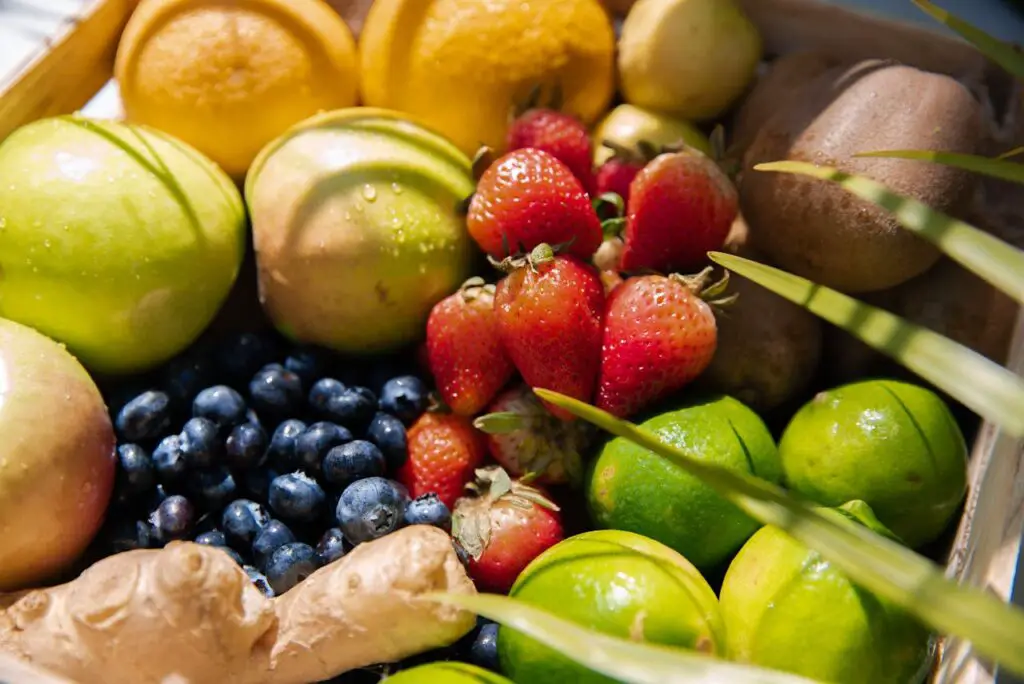
Try This Instead: Swap sugary treats for naturally sweet fruits such as berries, apples, or peaches. You can even sprinkle a bit of cinnamon on them for added flavor. Not only do fruits satisfy cravings, but they also provide antioxidants that help combat inflammation.
2. Soda and Sweetened Beverages

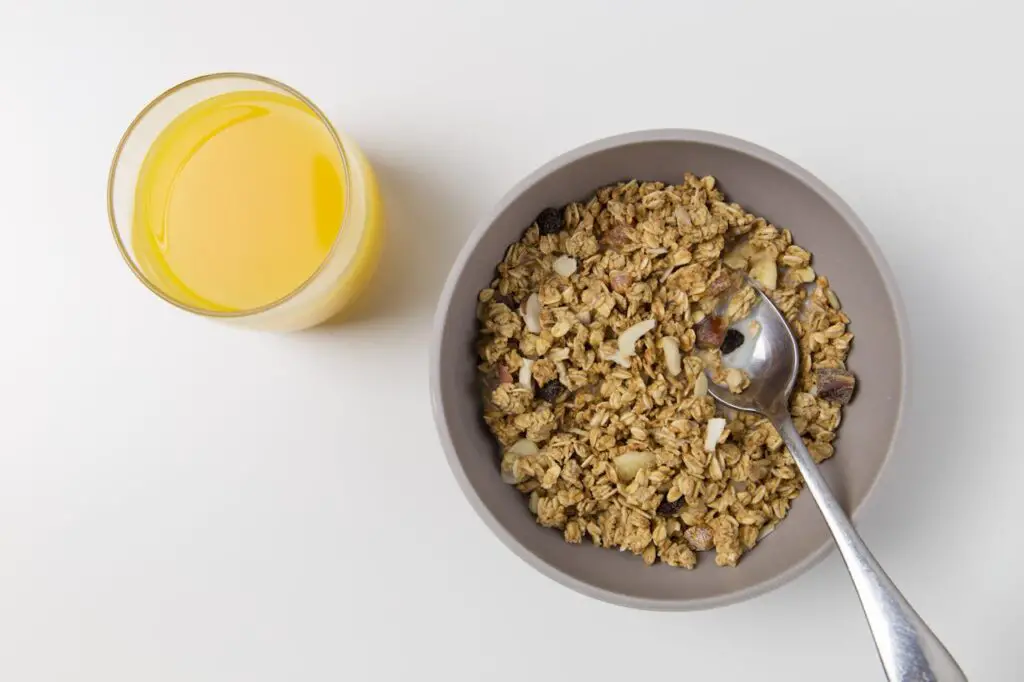
It is easy to overlook liquid calories, but sugary drinks like soda, sweet tea, fruit juices, and flavored coffees can have the same inflammatory effects as desserts. These beverages spike your blood sugar and may increase your risk of joint pain and swelling over time.
Try This Instead: Opt for water, sparkling water with a splash of lemon, or herbal teas. Staying hydrated without added sugar supports overall health and helps reduce inflammation naturally.
3. Fried and Fast Foods

Fried favorites like French fries, chicken wings, and onion rings are undeniably tasty, but they often contain trans fats and oxidized oils that can trigger inflammatory responses in the body. Regular consumption of fast food is associated with higher inflammation and may worsen arthritis symptoms.
Try This Instead: Bake, grill, or air-fry your favorite comfort foods. Using these methods reduces harmful fats while still delivering satisfying flavor and texture. Even small changes like swapping deep frying for oven roasting can make a noticeable difference in inflammation levels over time.
4. Red and Processed Meats

Bacon, sausage, hot dogs, and fatty beef contain saturated fats and preservatives that can increase inflammatory markers such as C-reactive protein. Eating these foods regularly may contribute to more frequent joint pain and swelling.
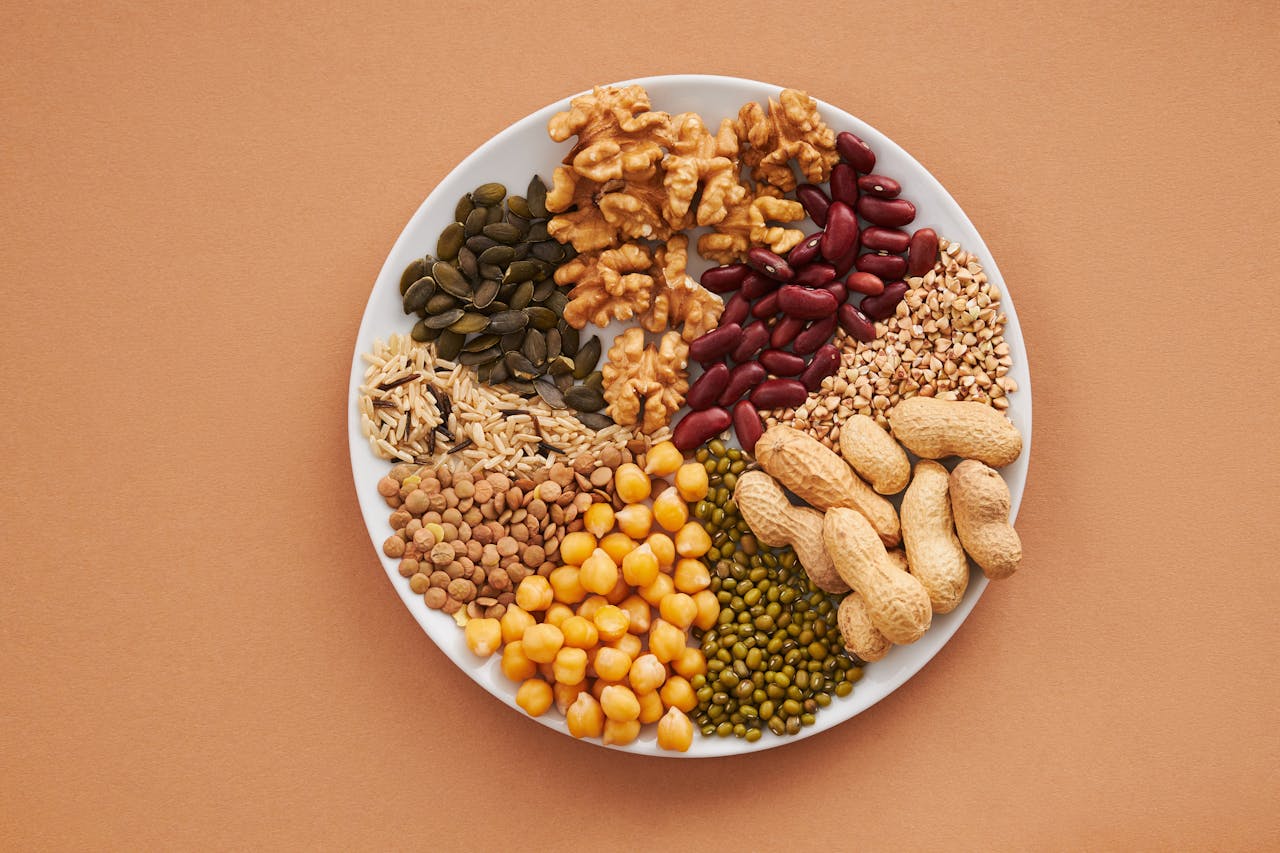
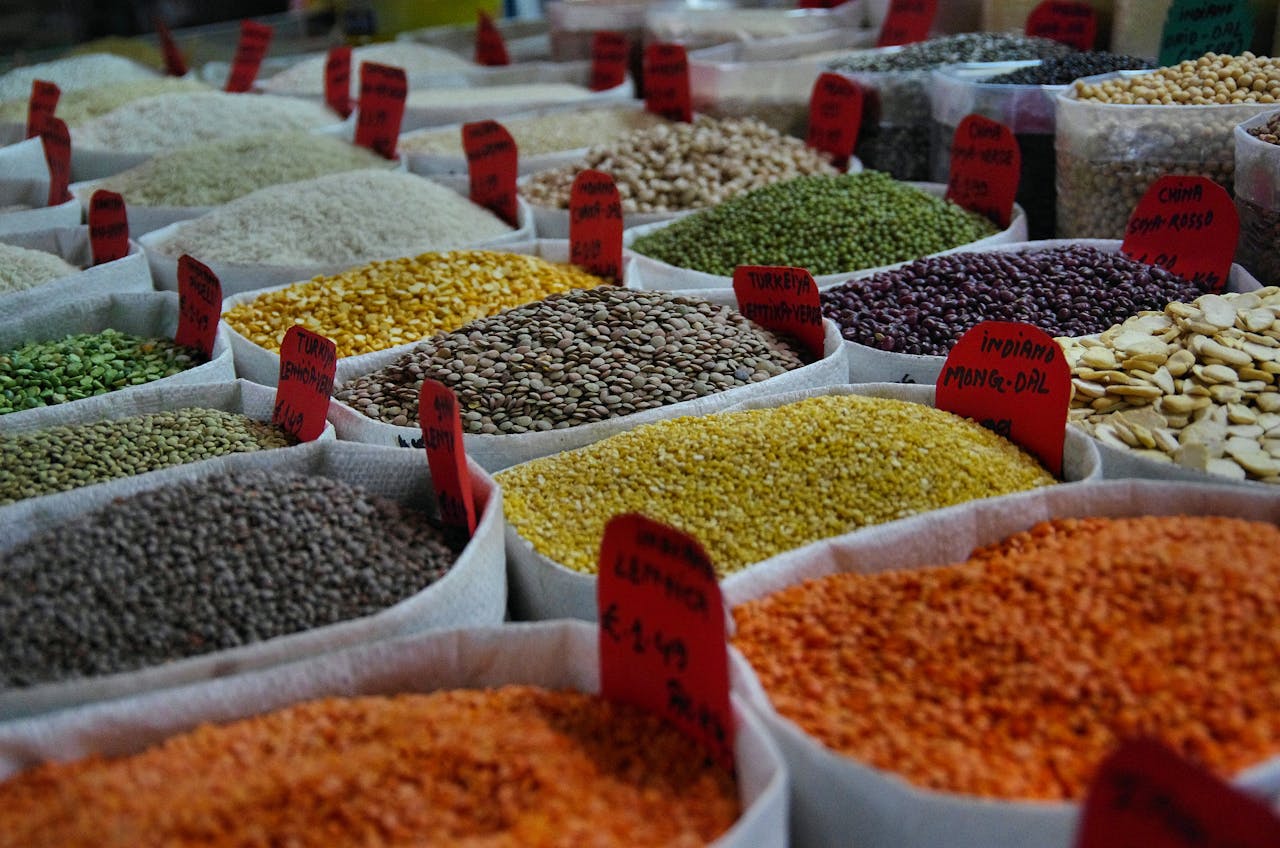
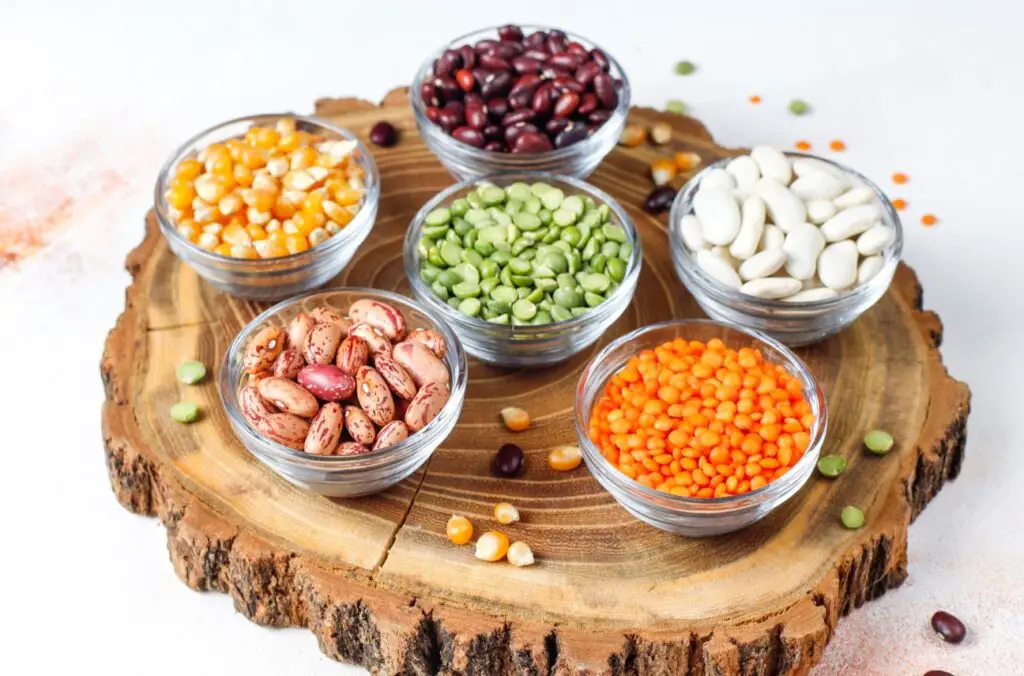
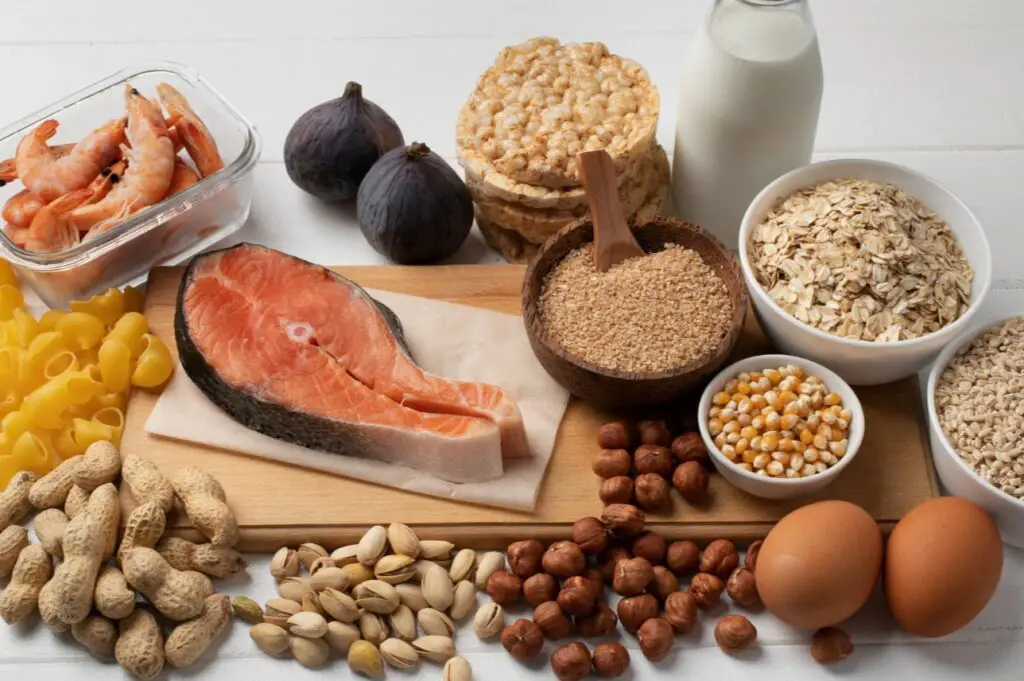
Try This Instead: Lean proteins like chicken, turkey, fish, beans, lentils, and plant-based protein options are gentler on your joints. They provide essential nutrients while reducing the inflammation associated with red and processed meats.
5. Refined Carbohydrates

White bread, regular pasta, pastries, and many crackers are stripped of fiber and nutrients. These foods cause rapid spikes in blood sugar, which can promote inflammation throughout the body and worsen arthritis symptoms.
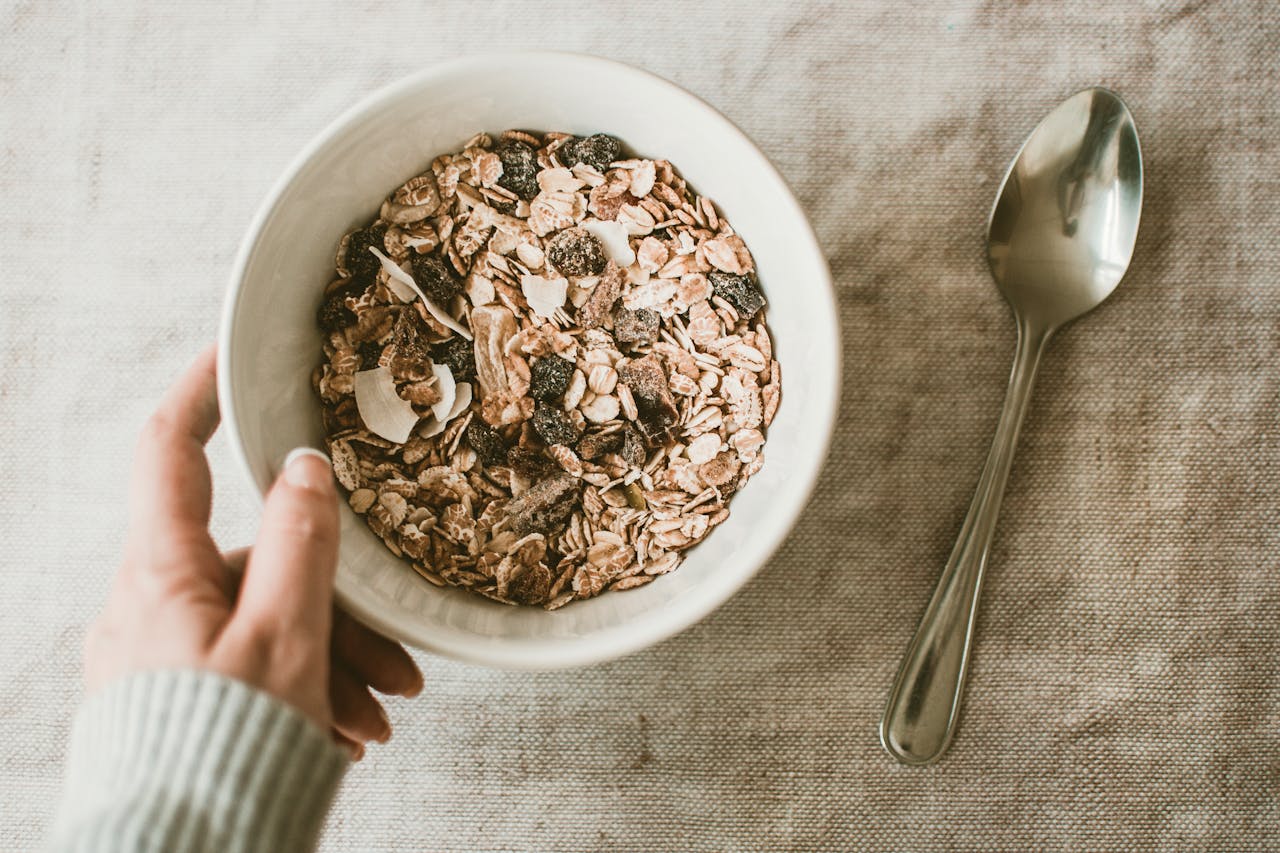
Try This Instead: Choose whole grains like quinoa, brown rice, whole-wheat pasta, and oats. Whole grains provide fiber, steady energy, and anti-inflammatory benefits, all while keeping your joints a little happier.
6. High-Sodium Processed Foods

Canned soups, frozen dinners, salty snacks, and fast foods are often loaded with sodium. Excess salt can lead to water retention, which may cause swelling in your joints and increase discomfort.
Try This Instead: Flavor your meals with fresh herbs, spices, garlic, and citrus juice. These natural seasonings add vibrant taste without the inflammation-triggering effects of high sodium.
7. Dairy Products (for Sensitive Individuals)

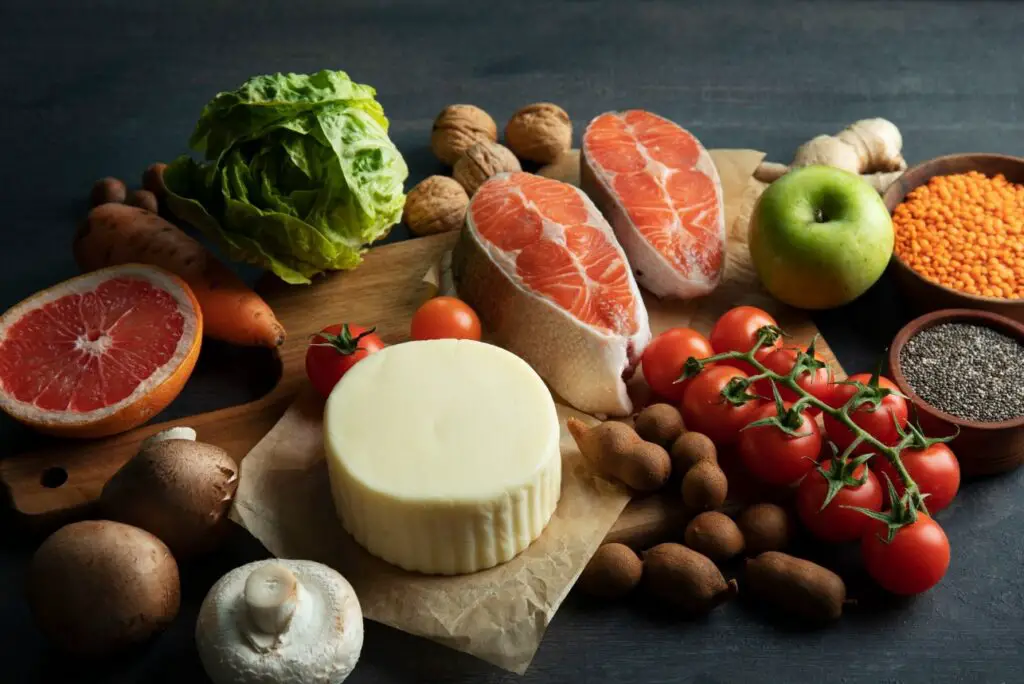
Milk, cheese, and ice cream contain proteins like casein, which can trigger inflammation in some people with arthritis. Not everyone reacts the same way, but if you notice increased joint stiffness or swelling after consuming dairy, it may be worth exploring alternatives.
Try This Instead: Plant-based options such as almond milk, oat milk, or coconut yogurt may be easier on your system. Pair these with fruits, nuts, or seeds for a nutritious and joint-friendly treat.
8. Alcohol

While an occasional glass of wine may be harmless for some, frequent or heavy alcohol consumption can disrupt gut health, increase inflammation, and interfere with arthritis medications. Over time, this can exacerbate joint pain and swelling.
Try This Instead: Keep alcohol consumption moderate and consult your doctor about your specific situation. Opting for water, sparkling water, or herbal teas can reduce inflammation while keeping your social life enjoyable.
9. Artificial Sweeteners and Additives

Artificial sweeteners, such as aspartame found in diet sodas and “sugar-free” products, may trigger inflammatory pathways in some individuals. Additives like monosodium glutamate (MSG) in processed foods can also provoke inflammation.
Try This Instead: Choose minimally processed foods with short, recognizable ingredient lists. Cooking fresh meals from whole ingredients reduces exposure to additives and supports joint health.
10. Foods High in Omega-6 Fats

While omega-6 fats are essential in small amounts, excessive intake from oils such as corn, safflower, sunflower, and soybean oils can promote inflammation. A diet high in omega-6 fats relative to anti-inflammatory omega-3 fats may contribute to arthritis flare-ups.
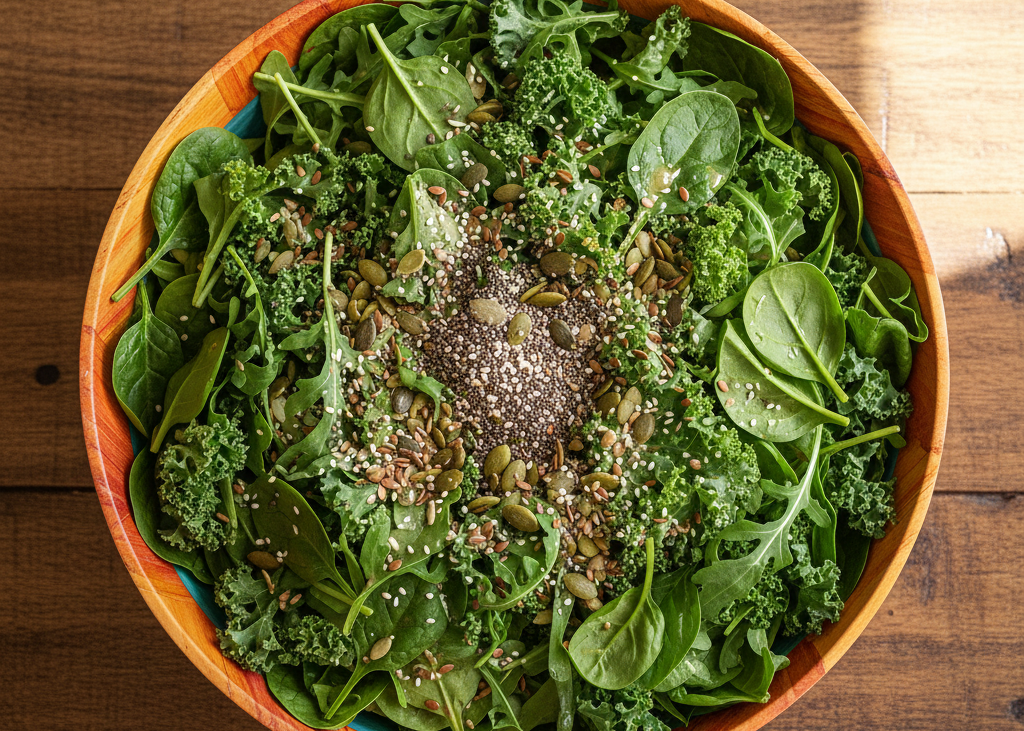
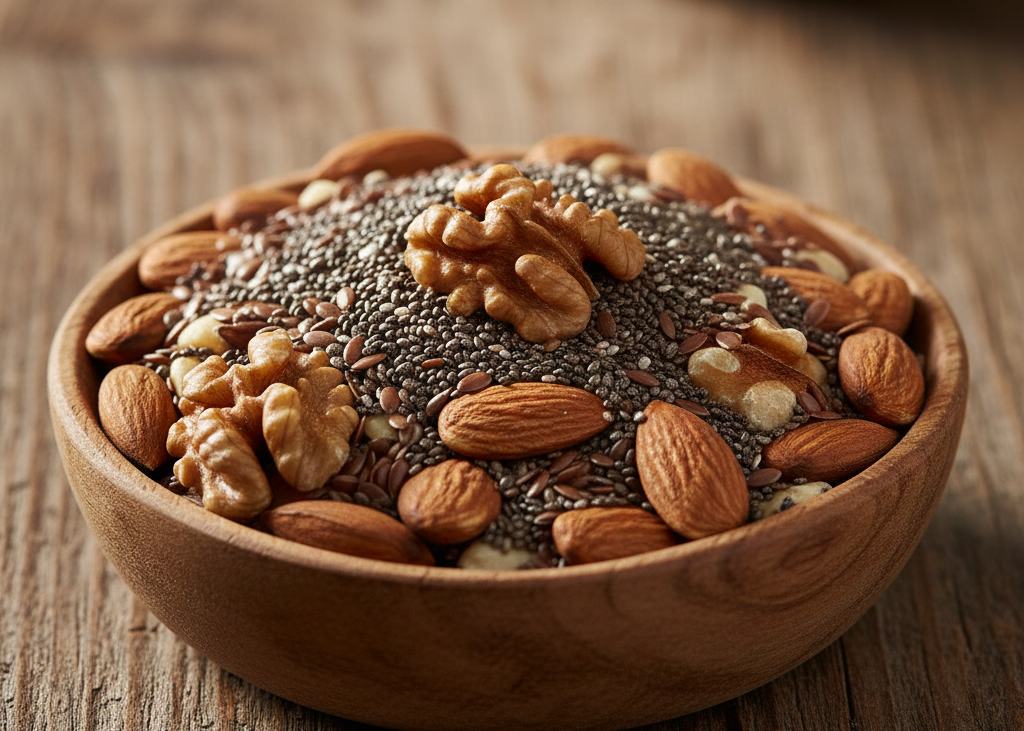
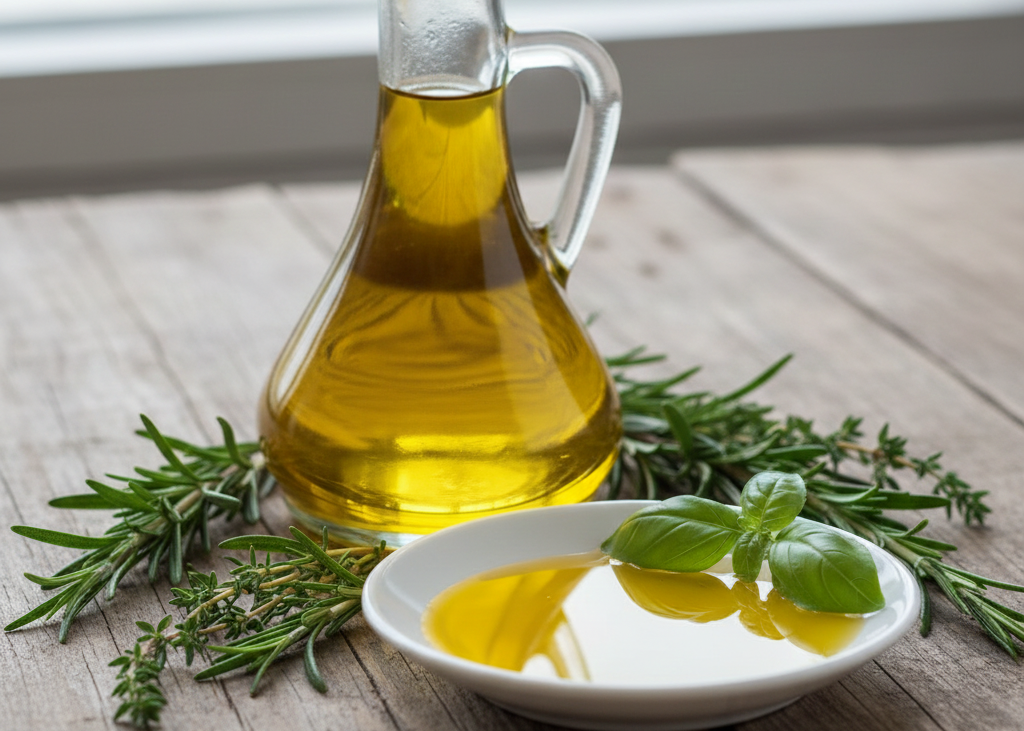
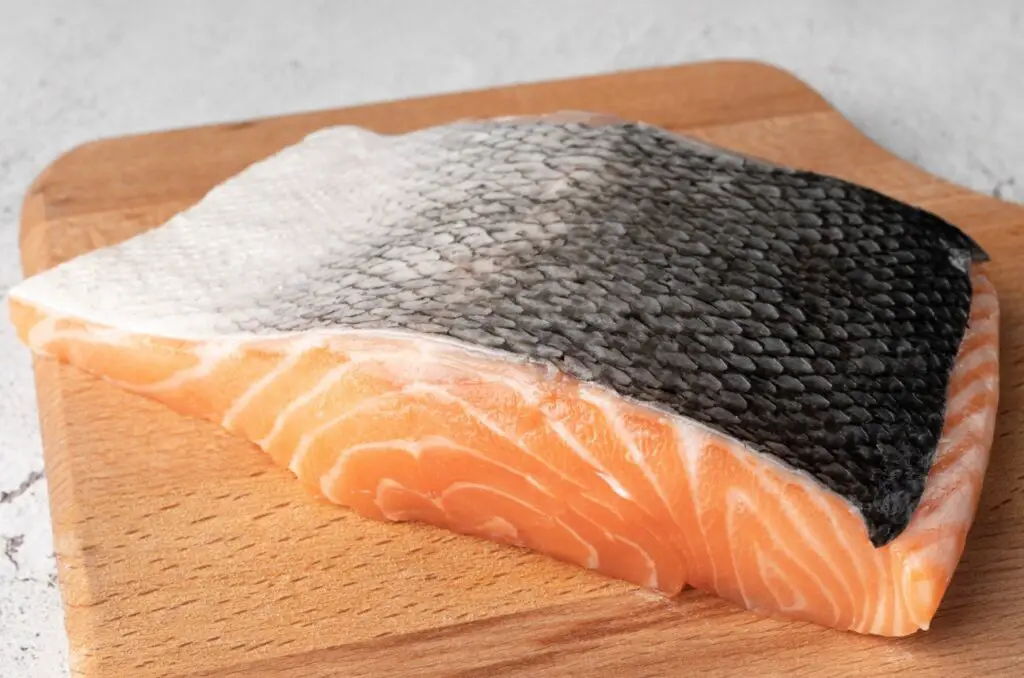
Try This Instead: Use olive oil for cooking and salad dressings, and incorporate omega-3 rich foods like salmon, walnuts, chia seeds, and flaxseeds. Balancing your fat intake can help reduce inflammation naturally.
11. Nightshade Vegetables (for Some People)
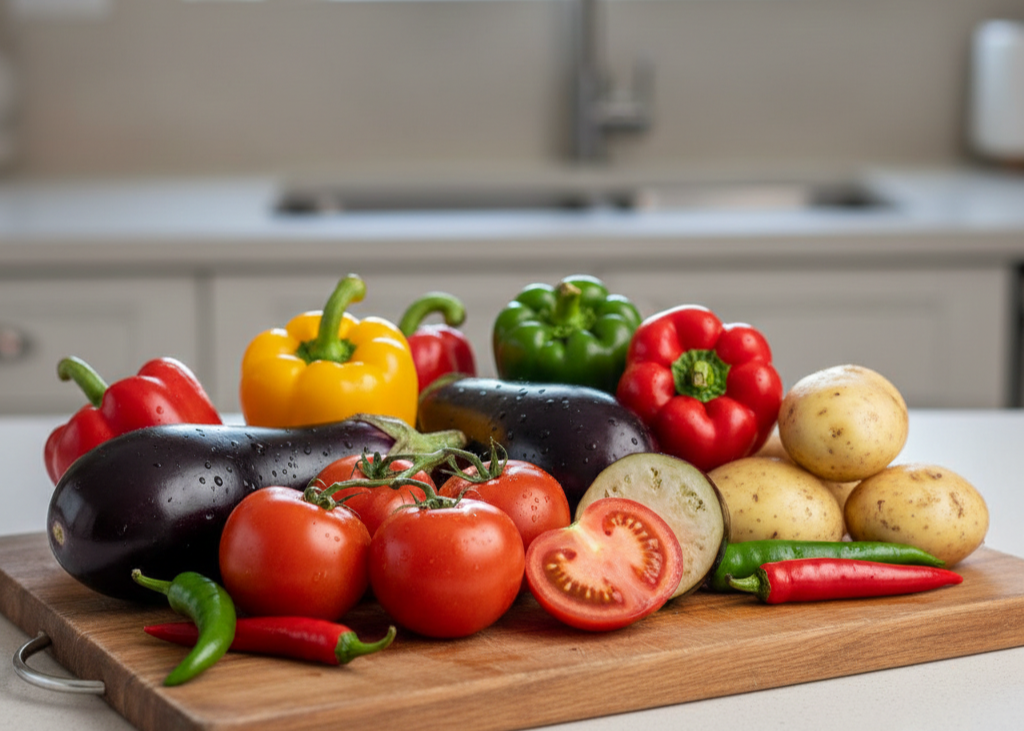
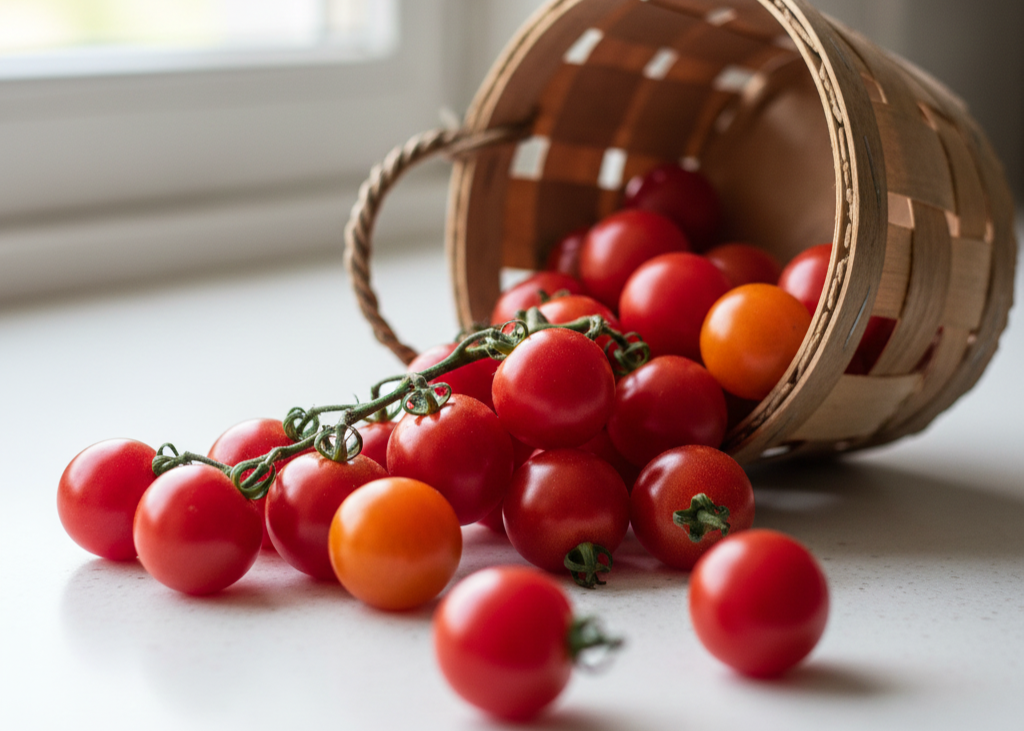
Vegetables like tomatoes, eggplants, peppers, and white potatoes contain solanine, which may aggravate arthritis symptoms in sensitive individuals. While most people tolerate these vegetables just fine, paying attention to your body’s response is key.
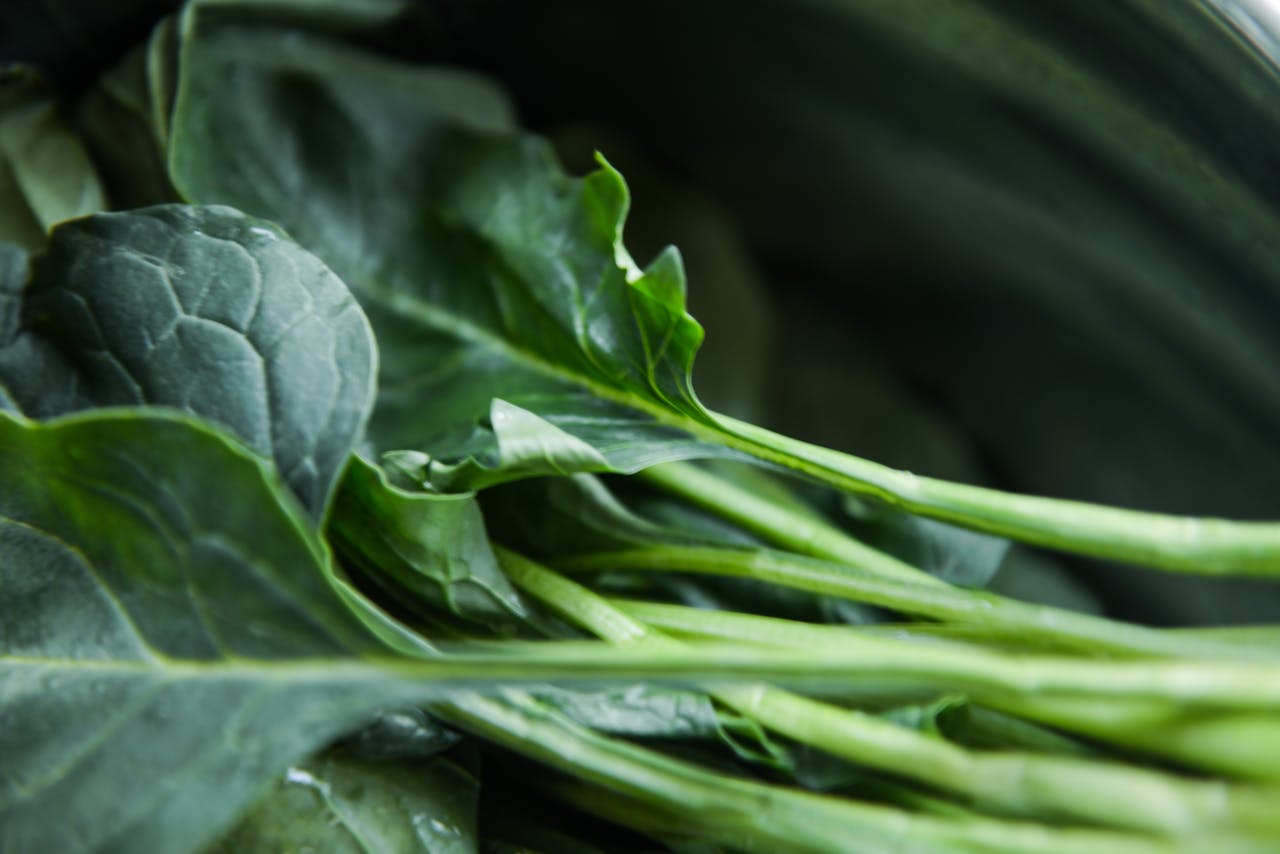
Try This Instead: If you notice flare-ups after consuming nightshades, try limiting them and tracking symptoms. Alternative vegetables like zucchini, carrots, and leafy greens can provide similar nutrients without potentially triggering pain.
Final Thoughts

Managing arthritis is not about eliminating all the foods you love. It is about making mindful choices that reduce inflammation and support your joints. Small, sustainable changes in your diet can lead to noticeable improvements in comfort and mobility.
Start by paying attention to how your body responds to certain foods. Keep a food journal, experiment with healthier alternatives, and gradually reduce foods that may worsen inflammation. Combine these dietary choices with regular movement, hydration, and proper medical care, and you can take control of your arthritis symptoms.
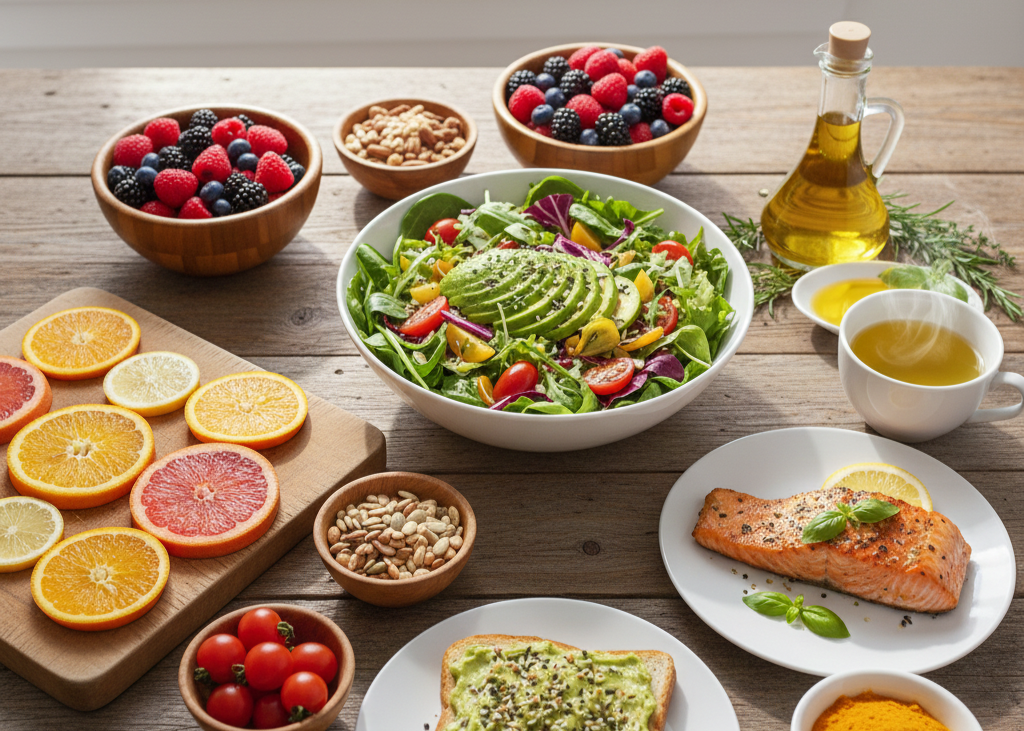
Remember, eating to support joint health does not have to be boring. Delicious, satisfying, and anti-inflammatory foods are everywhere. Swap sugary treats for fresh fruit, fried snacks for baked options, and red meat for lean proteins. These small adjustments can make meals more enjoyable while helping to keep arthritis pain at bay.
Ultimately, you are your own best guide. Listen to your body, prioritize nutritious foods, and embrace a lifestyle that encourages movement, health, and comfort. Your joints—and your quality of life—will thank you.