Our Debt Free Family

Commit. Plan. Take action.

  • BUDGETING
  • DEBT REDUCTION
  • INVESTING
  • LIFESTYLE
  • TOOLS
  • ABOUT
  • Privacy Policy
  • CONTACT

9 Super Healthy Seeds You Should Be Eating Today
September 24, 2025 | Leave a Comment

9 Super Healthy Seeds You Should Be Eating Today

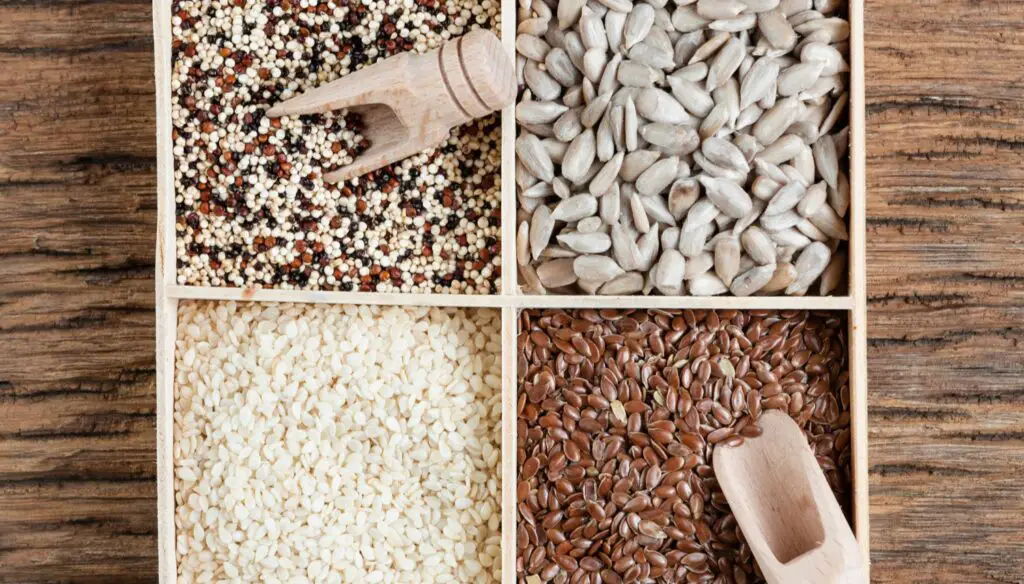
<p> Seeds are nutritional powerhouses packed with essential vitamins, minerals, healthy fats, and plant-based proteins. Incorporating them into your diet can boost heart health, improve digestion, enhance brain function, and support weight management. Whether you sprinkle them on salads, blend them into smoothies, or bake them into snacks, seeds are an easy and delicious way to enhance your nutrition. Here are nine super healthy seeds you should be eating today. </p> :: Freepik

Seeds are nutritional powerhouses packed with essential vitamins, minerals, healthy fats, and plant-based proteins. Incorporating them into your diet can boost heart health, improve digestion, enhance brain function, and support weight management. Whether you sprinkle them on salads, blend them into smoothies, or bake them into snacks, seeds are an easy and delicious way to enhance your nutrition. Here are nine super healthy seeds you should be eating today.

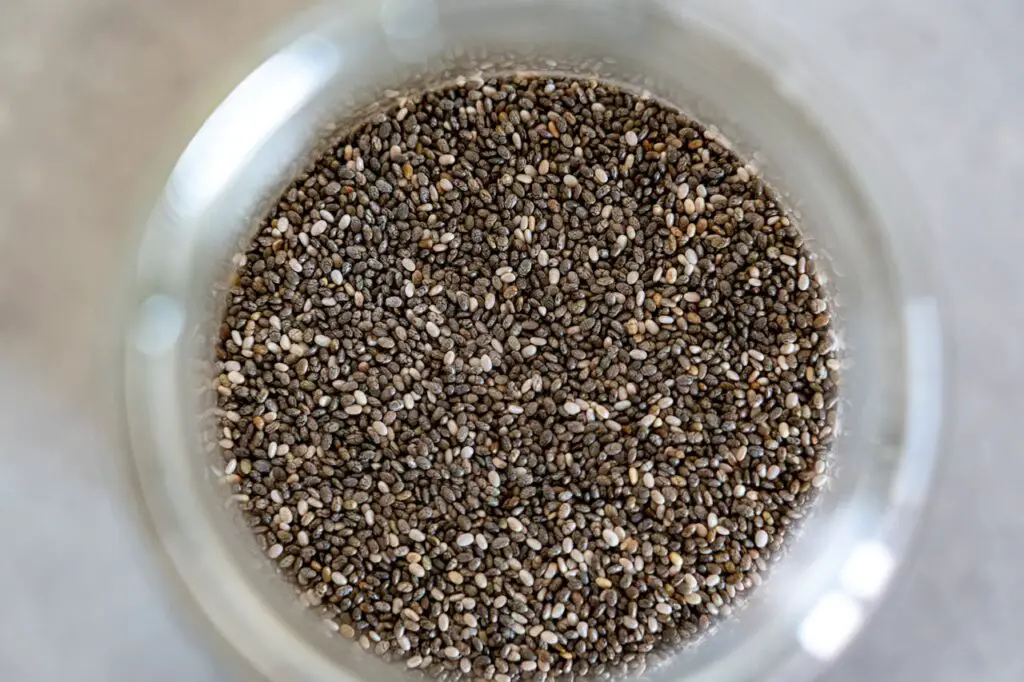
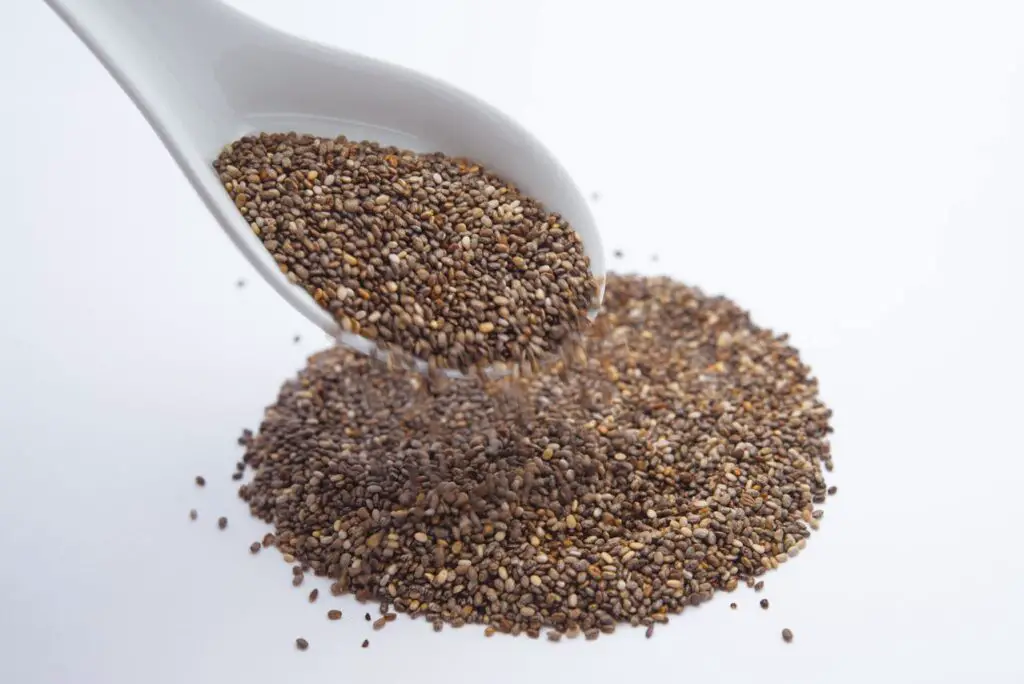
1. Chia Seeds
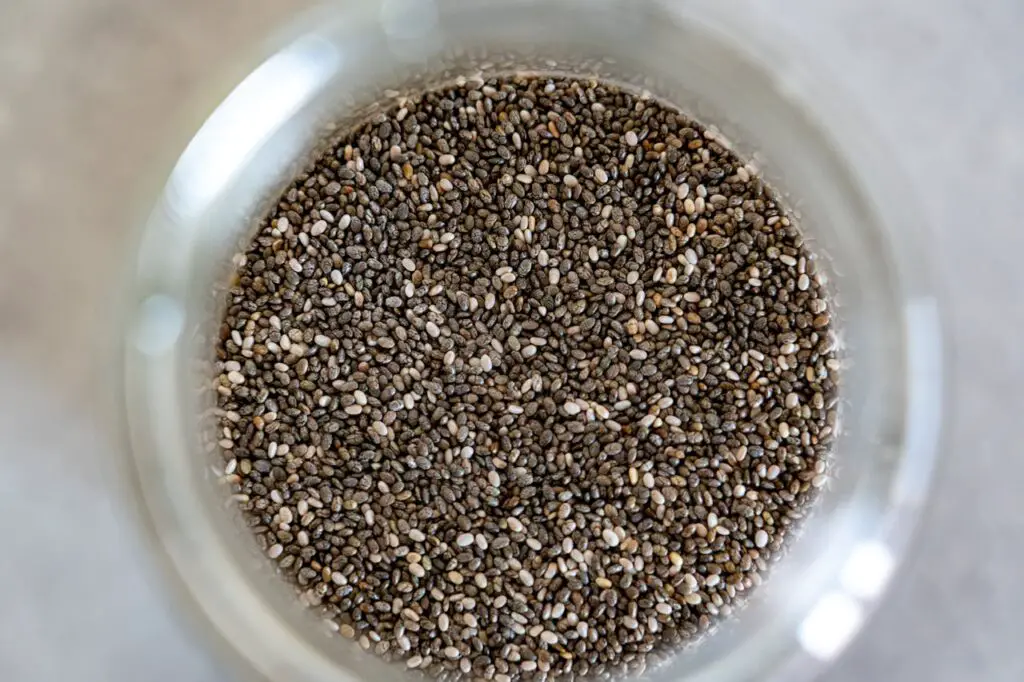
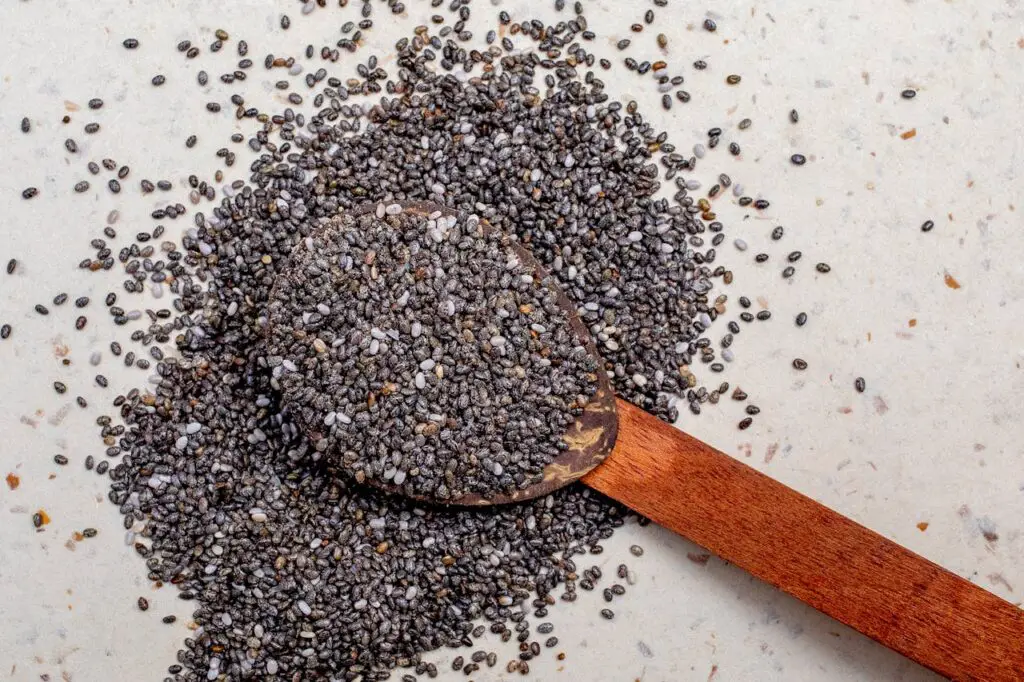
<p> Chia seeds are a tiny but mighty superfood loaded with fiber, omega-3 fatty acids, and high-quality protein. These seeds absorb water and expand in your stomach, helping you feel fuller for longer and promoting healthy digestion. They also support heart health by lowering cholesterol levels and reducing inflammation. With their mild, nutty flavor, chia seeds are versatile and can be added to yogurt, oatmeal, smoothies, or even used to make a nutritious pudding. Additionally, they help maintain stable blood sugar levels and can be incorporated into various dishes such as homemade energy bars and baked goods. </p> :: Pexels

Chia seeds are a tiny but mighty superfood loaded with fiber, omega-3 fatty acids, and high-quality protein. These seeds absorb water and expand in your stomach, helping you feel fuller for longer and promoting healthy digestion. They also support heart health by lowering cholesterol levels and reducing inflammation. With their mild, nutty flavor, chia seeds are versatile and can be added to yogurt, oatmeal, smoothies, or even used to make a nutritious pudding. Additionally, they help maintain stable blood sugar levels and can be incorporated into various dishes such as homemade energy bars and baked goods.

2. Flaxseeds
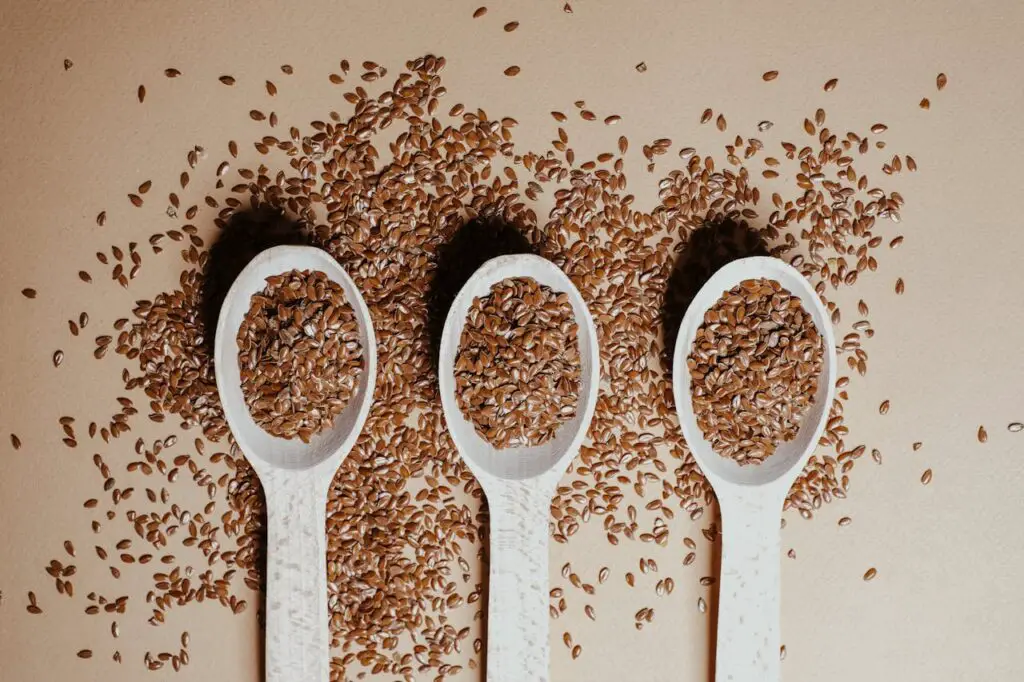
<p> Flaxseeds are rich in alpha-linolenic acid (ALA), a type of omega-3 fatty acid that plays a key role in reducing inflammation and improving heart health. They are also packed with lignans, powerful antioxidants that may help lower the risk of certain cancers. The high fiber content in flaxseeds supports digestion and helps regulate blood sugar levels. To maximize their nutritional benefits, consume ground flaxseeds rather than whole, as this makes it easier for your body to absorb their nutrients. Sprinkle them over cereals, mix them into smoothies, or bake them into healthy muffins. They can also be used as an egg substitute in vegan baking by mixing them with water to form a gel-like consistency. </p> :: Pexels

Flaxseeds are rich in alpha-linolenic acid (ALA), a type of omega-3 fatty acid that plays a key role in reducing inflammation and improving heart health. They are also packed with lignans, powerful antioxidants that may help lower the risk of certain cancers. The high fiber content in flaxseeds supports digestion and helps regulate blood sugar levels. To maximize their nutritional benefits, consume ground flaxseeds rather than whole, as this makes it easier for your body to absorb their nutrients. Sprinkle them over cereals, mix them into smoothies, or bake them into healthy muffins. They can also be used as an egg substitute in vegan baking by mixing them with water to form a gel-like consistency.

3. Pumpkin Seeds
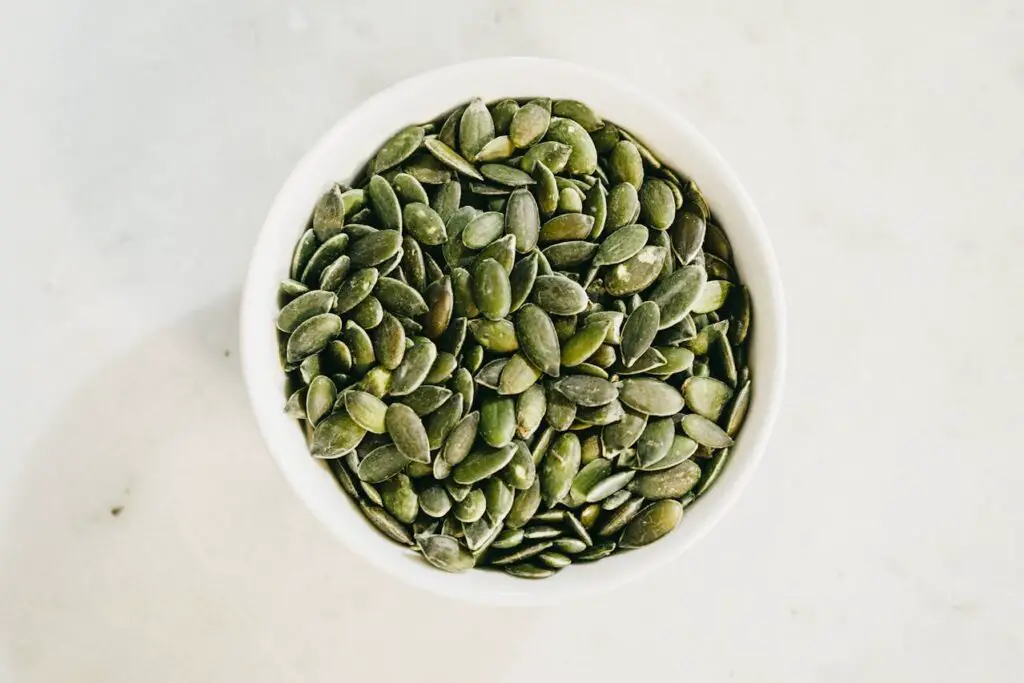
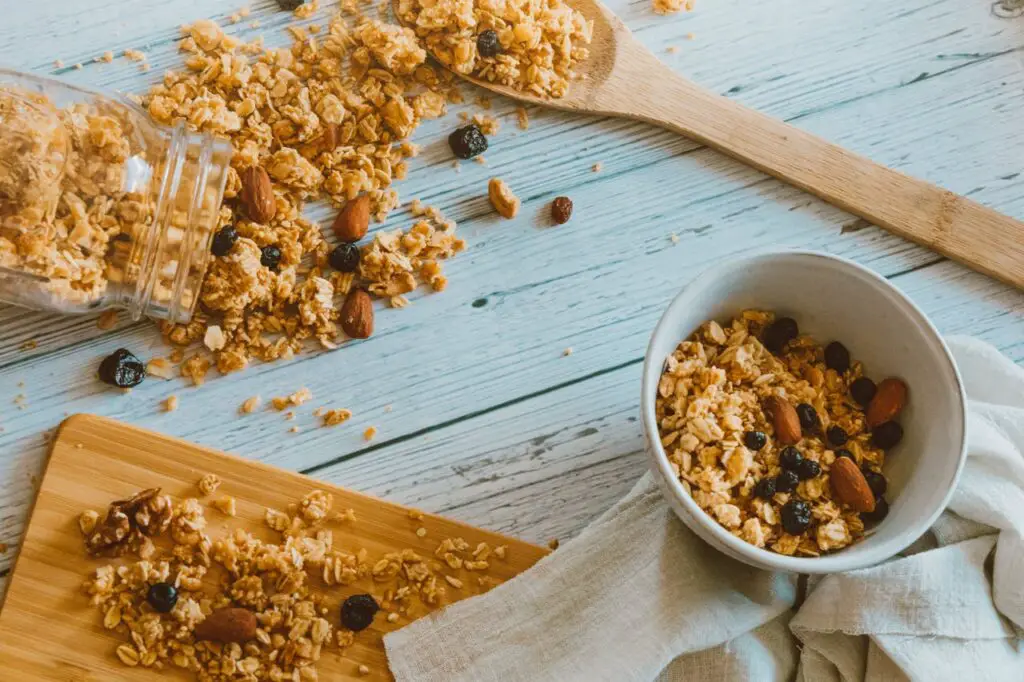
<p> Pumpkin seeds, also known as pepitas, are loaded with magnesium, zinc, iron, and healthy fats, making them an excellent snack for boosting energy and immunity. Their high antioxidant content helps reduce inflammation and protect cells from damage. These seeds also promote prostate health in men and support better sleep due to their natural tryptophan content. Enjoy them roasted with a sprinkle of sea salt, add them to granola, or blend them into a creamy pumpkin seed butter for a nutritious treat. They also make a great topping for soups and salads, adding a delightful crunch and nutritional boost. </p> :: Pexels

Pumpkin seeds, also known as pepitas, are loaded with magnesium, zinc, iron, and healthy fats, making them an excellent snack for boosting energy and immunity. Their high antioxidant content helps reduce inflammation and protect cells from damage. These seeds also promote prostate health in men and support better sleep due to their natural tryptophan content. Enjoy them roasted with a sprinkle of sea salt, add them to granola, or blend them into a creamy pumpkin seed butter for a nutritious treat. They also make a great topping for soups and salads, adding a delightful crunch and nutritional boost.

4. Sunflower Seeds
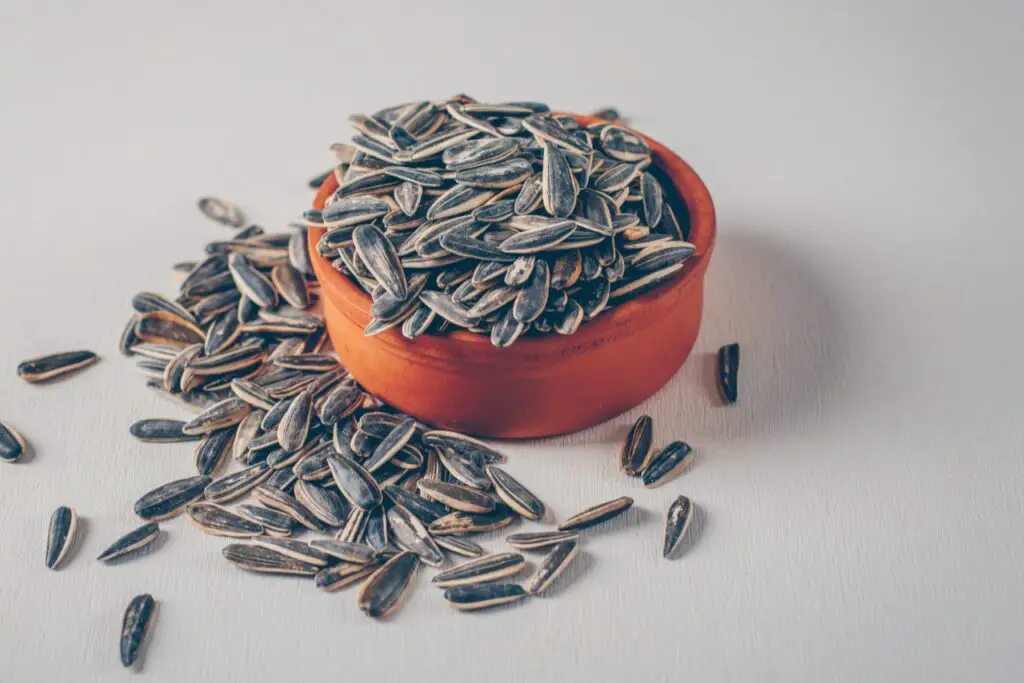
<p> Sunflower seeds are an excellent source of vitamin E, a powerful antioxidant that protects skin health and reduces oxidative stress in the body. They are also rich in healthy fats, protein, and selenium, which support thyroid function and immune health. Eating sunflower seeds regularly may help lower cholesterol and reduce the risk of heart disease. Their crunchy texture and mild nutty flavor make them a great addition to salads, trail mixes, and homemade energy bars. Sunflower seed butter is also a great alternative to peanut butter for those with nut allergies, providing a similar creamy texture and flavor. </p> :: Pexels

Sunflower seeds are an excellent source of vitamin E, a powerful antioxidant that protects skin health and reduces oxidative stress in the body. They are also rich in healthy fats, protein, and selenium, which support thyroid function and immune health. Eating sunflower seeds regularly may help lower cholesterol and reduce the risk of heart disease. Their crunchy texture and mild nutty flavor make them a great addition to salads, trail mixes, and homemade energy bars. Sunflower seed butter is also a great alternative to peanut butter for those with nut allergies, providing a similar creamy texture and flavor.

5. Hemp Seeds
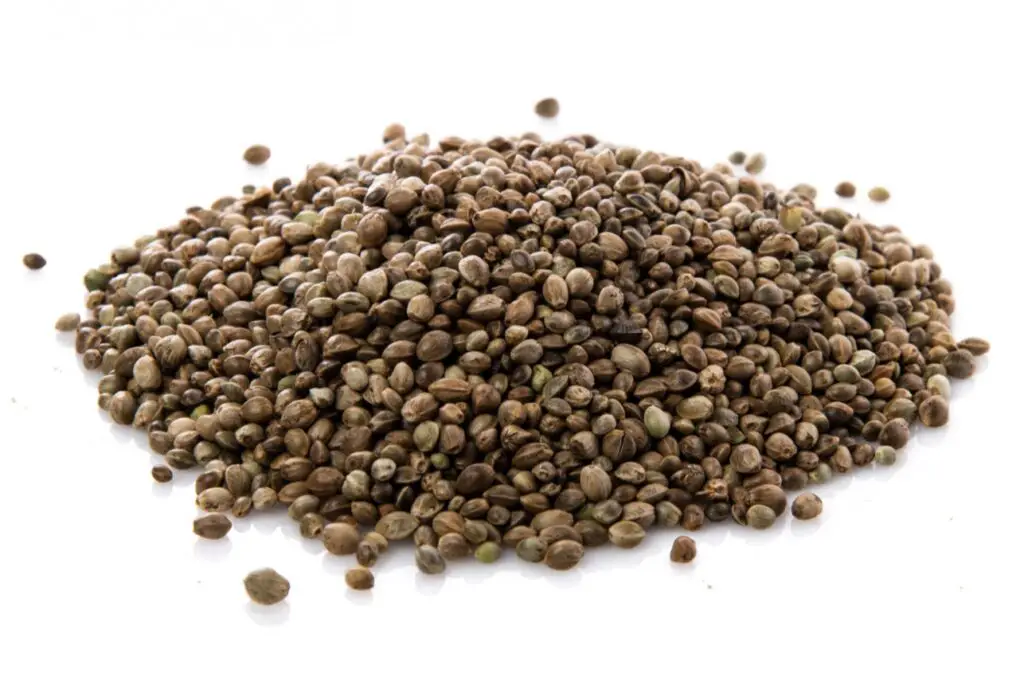
<p> Hemp seeds are a complete protein, containing all nine essential amino acids that the body needs for muscle growth and repair. They are also high in healthy fats, particularly omega-3 and omega-6 fatty acids, which promote heart and brain health. The rich magnesium content in hemp seeds helps regulate blood pressure and reduce stress. Their slightly nutty flavor makes them perfect for sprinkling over salads, stirring into yogurt, or blending into protein-packed smoothies. Hemp seeds are also an excellent addition to homemade granola bars and can be used to make dairy-free hemp milk for those with lactose intolerance. </p> :: Pexels

Hemp seeds are a complete protein, containing all nine essential amino acids that the body needs for muscle growth and repair. They are also high in healthy fats, particularly omega-3 and omega-6 fatty acids, which promote heart and brain health. The rich magnesium content in hemp seeds helps regulate blood pressure and reduce stress. Their slightly nutty flavor makes them perfect for sprinkling over salads, stirring into yogurt, or blending into protein-packed smoothies. Hemp seeds are also an excellent addition to homemade granola bars and can be used to make dairy-free hemp milk for those with lactose intolerance.

6. Sesame Seeds
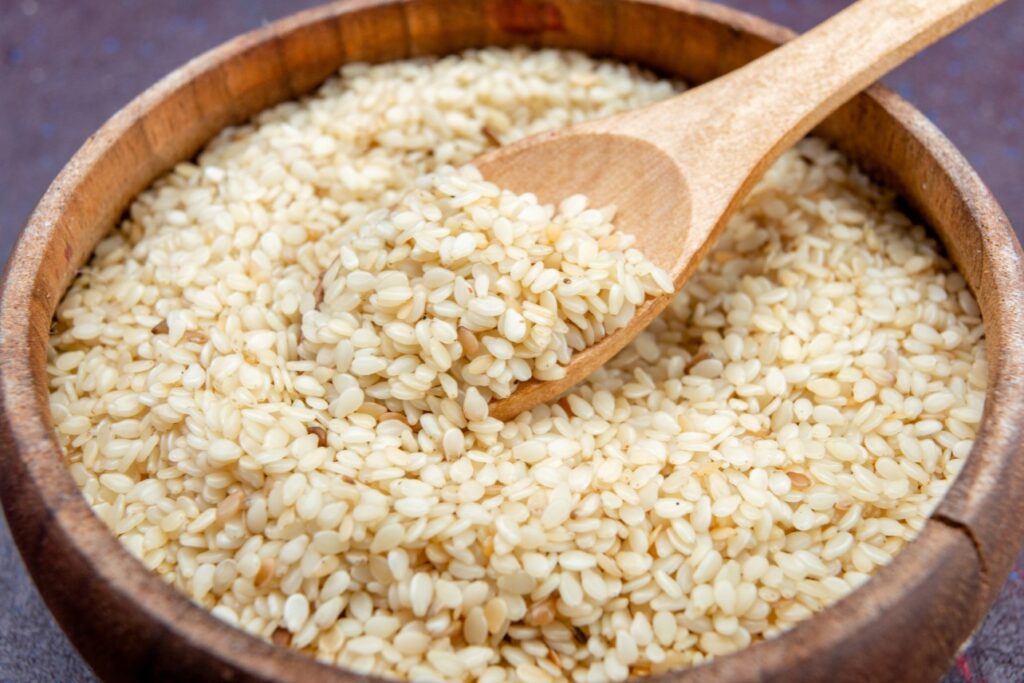
<p> Sesame seeds are tiny but packed with powerful nutrients, including calcium, iron, and lignans, which have antioxidant and anti-inflammatory properties. These seeds are particularly beneficial for bone health and may help lower blood pressure. They also support hormone balance and liver function. Sesame seeds come in white and black varieties, both offering significant health benefits. Toast them for a richer flavor and sprinkle them over stir-fries, sushi, or even mix them into homemade hummus for an extra nutritional boost. Additionally, tahini, a paste made from sesame seeds, is a delicious and nutritious ingredient commonly used in Mediterranean and Middle Eastern cuisine. </p> :: Pexels

Sesame seeds are tiny but packed with powerful nutrients, including calcium, iron, and lignans, which have antioxidant and anti-inflammatory properties. These seeds are particularly beneficial for bone health and may help lower blood pressure. They also support hormone balance and liver function. Sesame seeds come in white and black varieties, both offering significant health benefits. Toast them for a richer flavor and sprinkle them over stir-fries, sushi, or even mix them into homemade hummus for an extra nutritional boost. Additionally, tahini, a paste made from sesame seeds, is a delicious and nutritious ingredient commonly used in Mediterranean and Middle Eastern cuisine.

7. Poppy Seeds
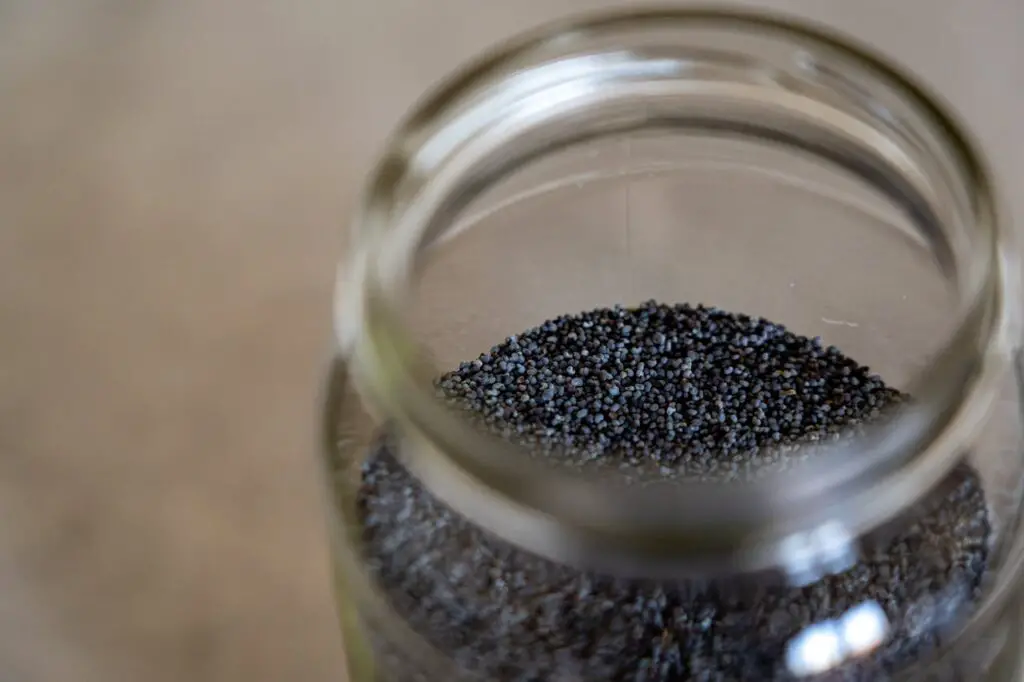
<p> Poppy seeds are a great source of calcium, phosphorus, and iron, which are essential for strong bones and healthy red blood cells. They also contain dietary fiber that supports digestion and helps regulate bowel movements. The unique nutty taste of poppy seeds makes them a delicious addition to baked goods, salad dressings, and yogurt. Their mild sedative properties can even promote relaxation and improve sleep quality. Just a small sprinkle can provide a nutritional boost without altering the taste of your meal. Poppy seeds are also used in traditional medicine for their pain-relieving and digestive benefits. </p> :: Pexels

Poppy seeds are a great source of calcium, phosphorus, and iron, which are essential for strong bones and healthy red blood cells. They also contain dietary fiber that supports digestion and helps regulate bowel movements. The unique nutty taste of poppy seeds makes them a delicious addition to baked goods, salad dressings, and yogurt. Their mild sedative properties can even promote relaxation and improve sleep quality. Just a small sprinkle can provide a nutritional boost without altering the taste of your meal. Poppy seeds are also used in traditional medicine for their pain-relieving and digestive benefits.

8. Quinoa Seeds
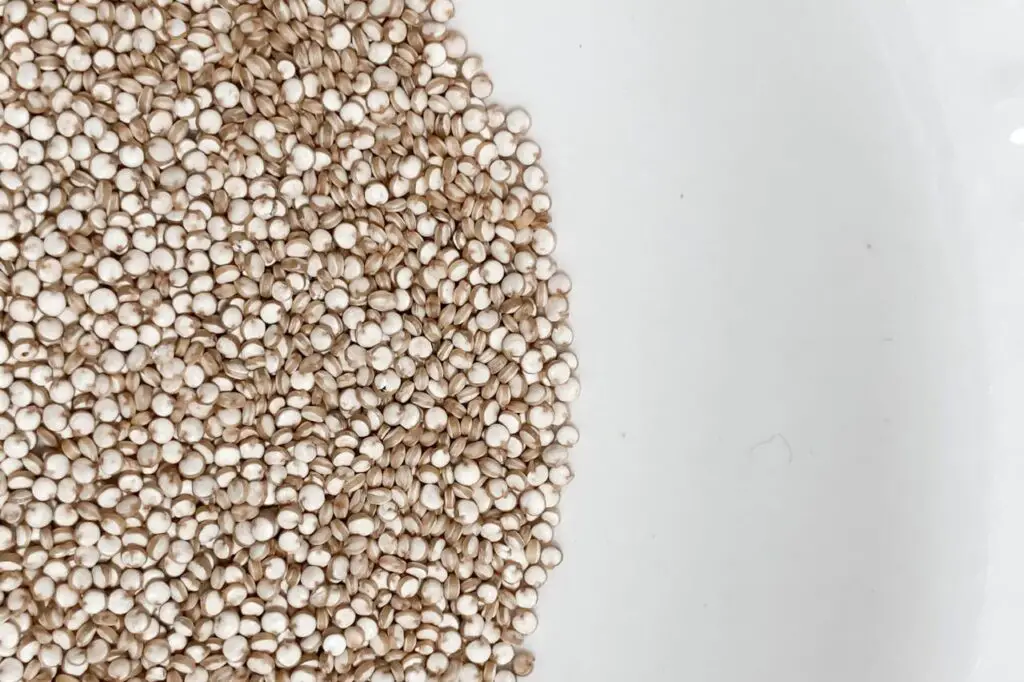
<p> Though commonly mistaken for a grain, quinoa is actually a seed that is packed with complete protein, fiber, and essential vitamins and minerals. It is particularly high in magnesium, iron, and B vitamins, which support energy production and brain function. Quinoa is naturally gluten-free and has a low glycemic index, making it a great option for those managing blood sugar levels. Its light, fluffy texture makes it a perfect substitute for rice, an excellent base for salads, or even a healthy breakfast alternative when cooked with milk and fruit. Quinoa is also incredibly versatile and can be used to make veggie burgers, stuffed peppers, and protein-packed power bowls. </p> :: Pexels

Though commonly mistaken for a grain, quinoa is actually a seed that is packed with complete protein, fiber, and essential vitamins and minerals. It is particularly high in magnesium, iron, and B vitamins, which support energy production and brain function. Quinoa is naturally gluten-free and has a low glycemic index, making it a great option for those managing blood sugar levels. Its light, fluffy texture makes it a perfect substitute for rice, an excellent base for salads, or even a healthy breakfast alternative when cooked with milk and fruit. Quinoa is also incredibly versatile and can be used to make veggie burgers, stuffed peppers, and protein-packed power bowls.

9. Nigella Seeds
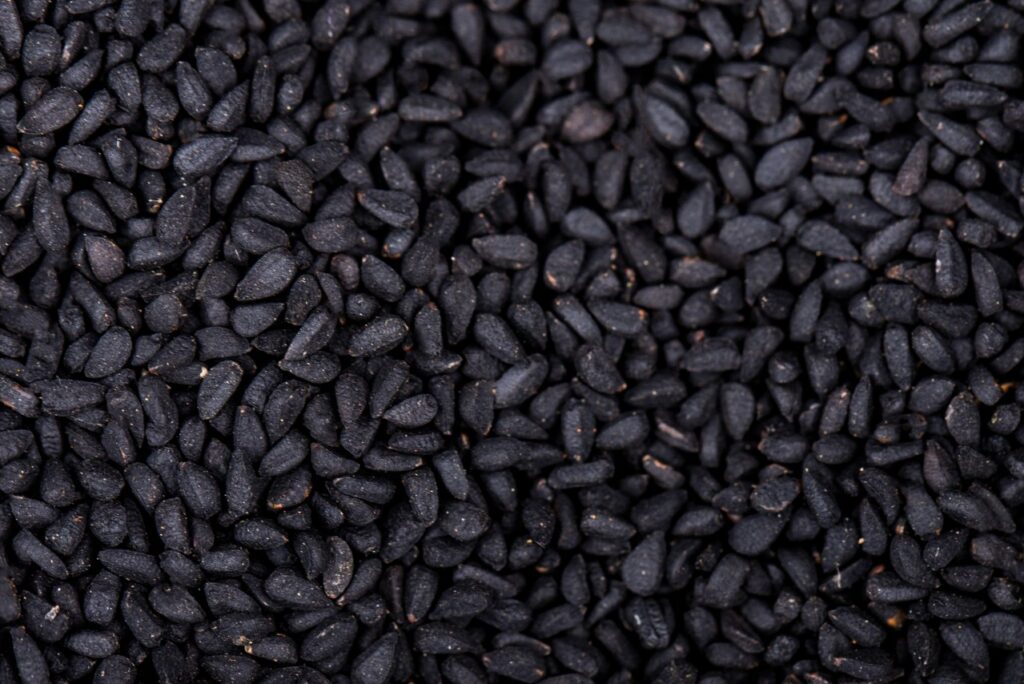
<p> Also known as black cumin or kalonji, nigella seeds have been used for centuries in traditional medicine for their impressive health benefits. They contain thymoquinone, a powerful antioxidant and anti-inflammatory compound that supports immune health and may help manage blood sugar levels. Nigella seeds also have antibacterial and antifungal properties, making them a natural remedy for various ailments. Their slightly bitter and peppery flavor pairs well with curries, soups, and roasted vegetables, adding both taste and nutrition to your meals. These seeds have also been studied for their potential role in weight management, as they help regulate metabolism and reduce appetite. </p> :: Freepik

Also known as black cumin or kalonji, nigella seeds have been used for centuries in traditional medicine for their impressive health benefits. They contain thymoquinone, a powerful antioxidant and anti-inflammatory compound that supports immune health and may help manage blood sugar levels. Nigella seeds also have antibacterial and antifungal properties, making them a natural remedy for various ailments. Their slightly bitter and peppery flavor pairs well with curries, soups, and roasted vegetables, adding both taste and nutrition to your meals. These seeds have also been studied for their potential role in weight management, as they help regulate metabolism and reduce appetite.

Final Thoughts
<p> Seeds are an easy and versatile way to enhance your diet with essential nutrients that support overall health. Whether you are looking to improve heart health, boost digestion, or increase your protein intake, these nine super seeds offer countless benefits. Start incorporating them into your meals today by sprinkling them over salads, blending them into smoothies, or using them in your favorite recipes. Your body will thank you for the added nutrition and long-term health benefits. With so many delicious and creative ways to enjoy seeds, there is no reason not to make them a staple in your daily diet. </p> :: Pexels

Seeds are an easy and versatile way to enhance your diet with essential nutrients that support overall health. Whether you are looking to improve heart health, boost digestion, or increase your protein intake, these nine super seeds offer countless benefits. Start incorporating them into your meals today by sprinkling them over salads, blending them into smoothies, or using them in your favorite recipes. Your body will thank you for the added nutrition and long-term health benefits. With so many delicious and creative ways to enjoy seeds, there is no reason not to make them a staple in your daily diet.


Filed Under: Health & Fitness

10 Proven Nutrition Tips from Experts to Help Boomers Stay Active and Vital

September 24, 2025 | Leave a Comment

10 Proven Nutrition Tips from Experts to Help Boomers Stay Active and Vital

<p> Aging is a privilege, but let’s be honest—it also comes with a few curveballs. Energy levels dip, metabolism slows, and suddenly the foods we once loved do not always love us back. But here is the good news: with the right nutrition choices, you can keep your body strong, your mind sharp, and your days filled with vitality. Baby boomers across the United States are discovering that healthy eating is not about dieting or giving up the good stuff—it is about making smart, enjoyable tweaks that keep you active and thriving.

Whether you are already a wellness enthusiast or just trying to figure out what “eating better” looks like in your 60s and 70s, these ten expert-backed tips are designed with you in mind. They are practical, realistic, and—dare we say—actually enjoyable. Let us dive in. </p> :: Freepik

Aging is a privilege, but let’s be honest—it also comes with a few curveballs. Energy levels dip, metabolism slows, and suddenly the foods we once loved do not always love us back. But here is the good news: with the right nutrition choices, you can keep your body strong, your mind sharp, and your days filled with vitality. Baby boomers across the United States are discovering that healthy eating is not about dieting or giving up the good stuff—it is about making smart, enjoyable tweaks that keep you active and thriving.

Whether you are already a wellness enthusiast or just trying to figure out what “eating better” looks like in your 60s and 70s, these ten expert-backed tips are designed with you in mind. They are practical, realistic, and—dare we say—actually enjoyable. Let us dive in.

1. Prioritize Protein at Every Meal

<p> If you want to keep your muscles strong and your energy steady, protein is your best friend. As we age, our bodies naturally lose muscle mass, which can make us feel weaker and less active. To counter this, experts recommend getting protein at breakfast, lunch, and dinner. Think scrambled eggs in the morning, a tuna sandwich or lentil soup for lunch, and grilled chicken or tofu stir-fry at night. Even snacks can help—Greek yogurt, cottage cheese, or a handful of nuts are simple, protein-rich options. It is not about eating a steak at every meal—it is about spreading protein throughout your day so your body has the building blocks it needs to stay strong. </p> :: Pexels

If you want to keep your muscles strong and your energy steady, protein is your best friend. As we age, our bodies naturally lose muscle mass, which can make us feel weaker and less active. To counter this, experts recommend getting protein at breakfast, lunch, and dinner. Think scrambled eggs in the morning, a tuna sandwich or lentil soup for lunch, and grilled chicken or tofu stir-fry at night. Even snacks can help—Greek yogurt, cottage cheese, or a handful of nuts are simple, protein-rich options. It is not about eating a steak at every meal—it is about spreading protein throughout your day so your body has the building blocks it needs to stay strong.

2. Strengthen Bones with Calcium and Vitamin D

<p> Bone strength becomes more important with every birthday candle we add. Calcium is the mineral that keeps bones sturdy, while vitamin D helps your body absorb that calcium. Women over 50 and men over 70 should aim for about 1,200 milligrams of calcium per day. Great food sources include dairy products, fortified plant milks, leafy greens, and canned salmon with bones. Since vitamin D can be harder to get from food alone, a little safe sunshine or a supplement may help. Pairing calcium and vitamin D together is like giving your bones a double layer of armor. </p> :: Freepik

Bone strength becomes more important with every birthday candle we add. Calcium is the mineral that keeps bones sturdy, while vitamin D helps your body absorb that calcium. Women over 50 and men over 70 should aim for about 1,200 milligrams of calcium per day. Great food sources include dairy products, fortified plant milks, leafy greens, and canned salmon with bones. Since vitamin D can be harder to get from food alone, a little safe sunshine or a supplement may help. Pairing calcium and vitamin D together is like giving your bones a double layer of armor.

3. Boost Fiber with Whole Grains and Plants

<p> Fiber is one of those nutrients that works quietly behind the scenes, but its benefits are big. It helps digestion run smoothly, keeps cholesterol in check, and stabilizes blood sugar levels. The best way to add more fiber is by filling your plate with whole grains, fruits, vegetables, beans, and seeds. A bowl of oatmeal topped with berries, a hearty vegetable soup, or a slice of whole wheat toast can all help you hit your daily fiber goal. If fresh produce is expensive or spoils too quickly, frozen or canned versions are just as nutritious and often easier on the budget. </p> :: Freepik

Fiber is one of those nutrients that works quietly behind the scenes, but its benefits are big. It helps digestion run smoothly, keeps cholesterol in check, and stabilizes blood sugar levels. The best way to add more fiber is by filling your plate with whole grains, fruits, vegetables, beans, and seeds. A bowl of oatmeal topped with berries, a hearty vegetable soup, or a slice of whole wheat toast can all help you hit your daily fiber goal. If fresh produce is expensive or spoils too quickly, frozen or canned versions are just as nutritious and often easier on the budget.

4. Choose Healthy Fats Over the Unhealthy Ones

<p> For decades, fat got a bad reputation, but not all fats are created equal. Healthy fats—like the kind found in olive oil, avocados, walnuts, and salmon—support your heart, brain, and joints. On the flip side, too much saturated fat from red meat or butter, and especially trans fats found in many processed foods, can increase health risks. A simple swap, like drizzling olive oil instead of spreading butter, or choosing grilled fish over fried chicken, can have a lasting impact on your overall well-being. </p> :: Freepik

For decades, fat got a bad reputation, but not all fats are created equal. Healthy fats—like the kind found in olive oil, avocados, walnuts, and salmon—support your heart, brain, and joints. On the flip side, too much saturated fat from red meat or butter, and especially trans fats found in many processed foods, can increase health risks. A simple swap, like drizzling olive oil instead of spreading butter, or choosing grilled fish over fried chicken, can have a lasting impact on your overall well-being.

5. Do Not Overlook Important Micronutrients

<p> While protein, carbs, and fats get most of the attention, micronutrients play a huge role in keeping boomers healthy. Vitamin B12 supports your brain and nervous system, magnesium helps with muscle function and sleep, and zinc boosts the immune system. Unfortunately, absorption of some nutrients decreases with age, which makes it important to pay attention to variety. Eggs, leafy greens, seafood, beans, and fortified cereals are all smart choices. A quick chat with your doctor can help determine if you might benefit from a supplement. </p> :: Freepik

While protein, carbs, and fats get most of the attention, micronutrients play a huge role in keeping boomers healthy. Vitamin B12 supports your brain and nervous system, magnesium helps with muscle function and sleep, and zinc boosts the immune system. Unfortunately, absorption of some nutrients decreases with age, which makes it important to pay attention to variety. Eggs, leafy greens, seafood, beans, and fortified cereals are all smart choices. A quick chat with your doctor can help determine if you might benefit from a supplement.

6. Cut Back on Added Sugar and Salt

<p> It is easy to enjoy that slice of cake or salty bag of chips, but too much sugar and sodium can take a toll on your heart and blood pressure. That does not mean you can never enjoy dessert again. Instead, focus on balance. Choose water over soda, swap salty crackers for a handful of unsalted nuts, and use herbs like rosemary or garlic to flavor your meals instead of relying on the salt shaker. Over time, your taste buds adjust, and those healthier options start to taste even better. </p> :: Freepik

It is easy to enjoy that slice of cake or salty bag of chips, but too much sugar and sodium can take a toll on your heart and blood pressure. That does not mean you can never enjoy dessert again. Instead, focus on balance. Choose water over soda, swap salty crackers for a handful of unsalted nuts, and use herbs like rosemary or garlic to flavor your meals instead of relying on the salt shaker. Over time, your taste buds adjust, and those healthier options start to taste even better.

7. Stay Hydrated, Even When You Do Not Feel Thirsty

<p> One sneaky part of aging is that our sense of thirst is not as sharp as it used to be. That means many older adults end up dehydrated without realizing it. Staying hydrated keeps energy up, joints lubricated, and digestion running smoothly. Aim for water as your main drink, but herbal teas, soups, and even water-rich fruits like watermelon count toward your fluid intake. If plain water feels boring, add slices of lemon, cucumber, or berries for a refreshing twist. </p> :: Pexels

One sneaky part of aging is that our sense of thirst is not as sharp as it used to be. That means many older adults end up dehydrated without realizing it. Staying hydrated keeps energy up, joints lubricated, and digestion running smoothly. Aim for water as your main drink, but herbal teas, soups, and even water-rich fruits like watermelon count toward your fluid intake. If plain water feels boring, add slices of lemon, cucumber, or berries for a refreshing twist.

8. Eat the Rainbow of Fruits and Vegetables

<p> If you want a simple, visual way to improve your diet, just “eat the rainbow.” Brightly colored fruits and vegetables are packed with vitamins, minerals, fiber, and antioxidants that fight inflammation and support overall health. Try red bell peppers for vitamin C, blueberries for brain health, and leafy greens for bone strength. Frozen options are just as nutritious as fresh and often more affordable. By mixing colors on your plate, you ensure a wide variety of nutrients without overthinking it. </p> :: Pexels

If you want a simple, visual way to improve your diet, just “eat the rainbow.” Brightly colored fruits and vegetables are packed with vitamins, minerals, fiber, and antioxidants that fight inflammation and support overall health. Try red bell peppers for vitamin C, blueberries for brain health, and leafy greens for bone strength. Frozen options are just as nutritious as fresh and often more affordable. By mixing colors on your plate, you ensure a wide variety of nutrients without overthinking it.

9. Make Every Calorie Count

<p> Our metabolism naturally slows as we age, so we often need fewer calories than before. That makes it extra important to choose foods that give us the most nutritional bang for our buck. Instead of wasting calories on empty snacks like chips or sweets, fill your plate with nutrient-dense foods like vegetables, beans, lean proteins, and healthy fats. It is not about eating less—it is about choosing foods that fuel your body rather than drag it down. </p> :: Pexels

Our metabolism naturally slows as we age, so we often need fewer calories than before. That makes it extra important to choose foods that give us the most nutritional bang for our buck. Instead of wasting calories on empty snacks like chips or sweets, fill your plate with nutrient-dense foods like vegetables, beans, lean proteins, and healthy fats. It is not about eating less—it is about choosing foods that fuel your body rather than drag it down.

10. Enjoy Meals and Make Them Social

<p> Food is not just fuel—it is a source of joy and connection. Planning meals ahead of time can help you make healthier choices, but eating with others adds another layer of benefit. Sharing meals with family, friends, or community groups not only boosts mood but also encourages better eating habits. Cooking in batches, keeping healthy snacks on hand, and joining a potluck or dinner club are simple ways to combine good nutrition with good company. After all, laughter and connection are part of a healthy lifestyle too. </p> :: Pexels

Food is not just fuel—it is a source of joy and connection. Planning meals ahead of time can help you make healthier choices, but eating with others adds another layer of benefit. Sharing meals with family, friends, or community groups not only boosts mood but also encourages better eating habits. Cooking in batches, keeping healthy snacks on hand, and joining a potluck or dinner club are simple ways to combine good nutrition with good company. After all, laughter and connection are part of a healthy lifestyle too.

Final Thoughts

<p> Nutrition for baby boomers is not about strict rules or cutting out everything you love. It is about making intentional choices that support the life you want to live—whether that is chasing your grandkids, traveling, gardening, or simply feeling good each morning when you wake up. Start small. Maybe add a protein-rich breakfast, switch soda for sparkling water, or toss a colorful veggie into your dinner tonight. These little changes add up to big results over time.

You have worked hard to get to this stage of life, and you deserve to feel your best. By following these expert-approved nutrition tips, you are not just fueling your body—you are giving yourself the gift of vitality, strength, and joy for the years ahead. Here is to eating well, living fully, and enjoying every moment. </p> :: Pexels

Nutrition for baby boomers is not about strict rules or cutting out everything you love. It is about making intentional choices that support the life you want to live—whether that is chasing your grandkids, traveling, gardening, or simply feeling good each morning when you wake up. Start small. Maybe add a protein-rich breakfast, switch soda for sparkling water, or toss a colorful veggie into your dinner tonight. These little changes add up to big results over time.

You have worked hard to get to this stage of life, and you deserve to feel your best. By following these expert-approved nutrition tips, you are not just fueling your body—you are giving yourself the gift of vitality, strength, and joy for the years ahead. Here is to eating well, living fully, and enjoying every moment.

Filed Under: Health & Fitness

11 Power Foods That Naturally Lower High Sugar Levels

September 23, 2025 | Leave a Comment

11 Power Foods That Naturally Lower High Sugar Levels

<p> Maintaining healthy blood sugar levels is crucial for overall well-being, especially for those at risk of diabetes or metabolic disorders. While medication and exercise play a role, diet is one of the most powerful tools for regulating glucose levels. Choosing the right foods can help prevent sugar spikes and improve insulin sensitivity. If you are looking for natural ways to keep your blood sugar stable, here are 11 power foods that can help you lower high sugar levels effectively. </p> :: Pexels

Maintaining healthy blood sugar levels is crucial for overall well-being, especially for those at risk of diabetes or metabolic disorders. While medication and exercise play a role, diet is one of the most powerful tools for regulating glucose levels. Choosing the right foods can help prevent sugar spikes and improve insulin sensitivity. If you are looking for natural ways to keep your blood sugar stable, here are 11 power foods that can help you lower high sugar levels effectively.

1. Leafy Greens

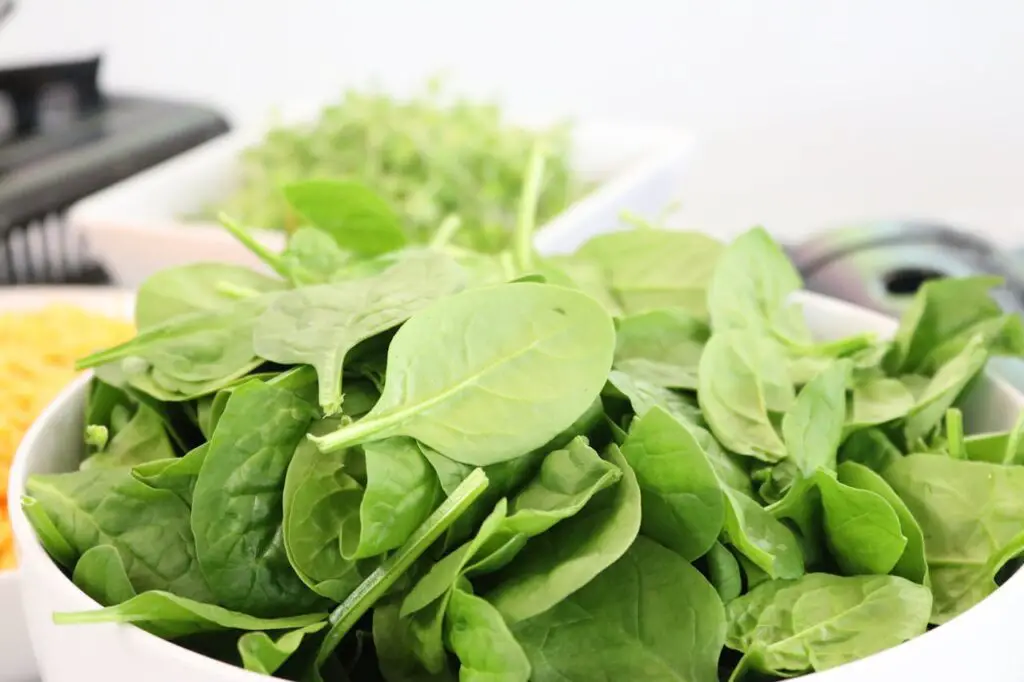
<p> Leafy greens like spinach, kale, and Swiss chard are packed with fiber, antioxidants, and magnesium, which aid in blood sugar regulation. These nutrient-dense vegetables have a low glycemic index, meaning they do not cause sharp spikes in glucose levels. Magnesium plays a crucial role in insulin function, helping cells absorb sugar efficiently. Additionally, leafy greens contain polyphenols that combat inflammation, a common issue for those with high blood sugar levels. </p> :: Pexels

Leafy greens like spinach, kale, and Swiss chard are packed with fiber, antioxidants, and magnesium, which aid in blood sugar regulation. These nutrient-dense vegetables have a low glycemic index, meaning they do not cause sharp spikes in glucose levels. Magnesium plays a crucial role in insulin function, helping cells absorb sugar efficiently. Additionally, leafy greens contain polyphenols that combat inflammation, a common issue for those with high blood sugar levels.

2. Cinnamon

<p> Cinnamon is more than just a delicious spice; it has potent blood sugar-lowering properties. Studies have shown that cinnamon can improve insulin sensitivity, allowing your body to use sugar more efficiently. This spice slows the breakdown of carbohydrates in the digestive tract, preventing sudden spikes in blood sugar after meals. Adding a dash of cinnamon to your oatmeal, coffee, or smoothies can provide significant benefits for glucose control. </p> :: Pexels

Cinnamon is more than just a delicious spice; it has potent blood sugar-lowering properties. Studies have shown that cinnamon can improve insulin sensitivity, allowing your body to use sugar more efficiently. This spice slows the breakdown of carbohydrates in the digestive tract, preventing sudden spikes in blood sugar after meals. Adding a dash of cinnamon to your oatmeal, coffee, or smoothies can provide significant benefits for glucose control.

3. Chia Seeds

<p> Chia seeds are a superfood packed with fiber, omega-3 fatty acids, and protein, making them an excellent choice for stabilizing blood sugar levels. The high fiber content slows digestion and the absorption of sugar, preventing post-meal sugar spikes. Additionally, chia seeds support weight management, which is crucial for those struggling with insulin resistance. Sprinkle them on yogurt, salads, or mix them into a pudding for a nutritious snack. </p> :: Pexels

Chia seeds are a superfood packed with fiber, omega-3 fatty acids, and protein, making them an excellent choice for stabilizing blood sugar levels. The high fiber content slows digestion and the absorption of sugar, preventing post-meal sugar spikes. Additionally, chia seeds support weight management, which is crucial for those struggling with insulin resistance. Sprinkle them on yogurt, salads, or mix them into a pudding for a nutritious snack.

4. Garlic

<p> Garlic is known for its medicinal properties, including its ability to lower blood sugar levels naturally. It enhances insulin secretion and improves insulin sensitivity, making it beneficial for those with diabetes or prediabetes. Garlic also contains powerful antioxidants that help reduce inflammation and support heart health. Incorporating fresh garlic into soups, stir-fries, or dressings is an easy way to enjoy its health benefits. </p> :: Pexels

Garlic is known for its medicinal properties, including its ability to lower blood sugar levels naturally. It enhances insulin secretion and improves insulin sensitivity, making it beneficial for those with diabetes or prediabetes. Garlic also contains powerful antioxidants that help reduce inflammation and support heart health. Incorporating fresh garlic into soups, stir-fries, or dressings is an easy way to enjoy its health benefits.

5. Nuts and Seeds

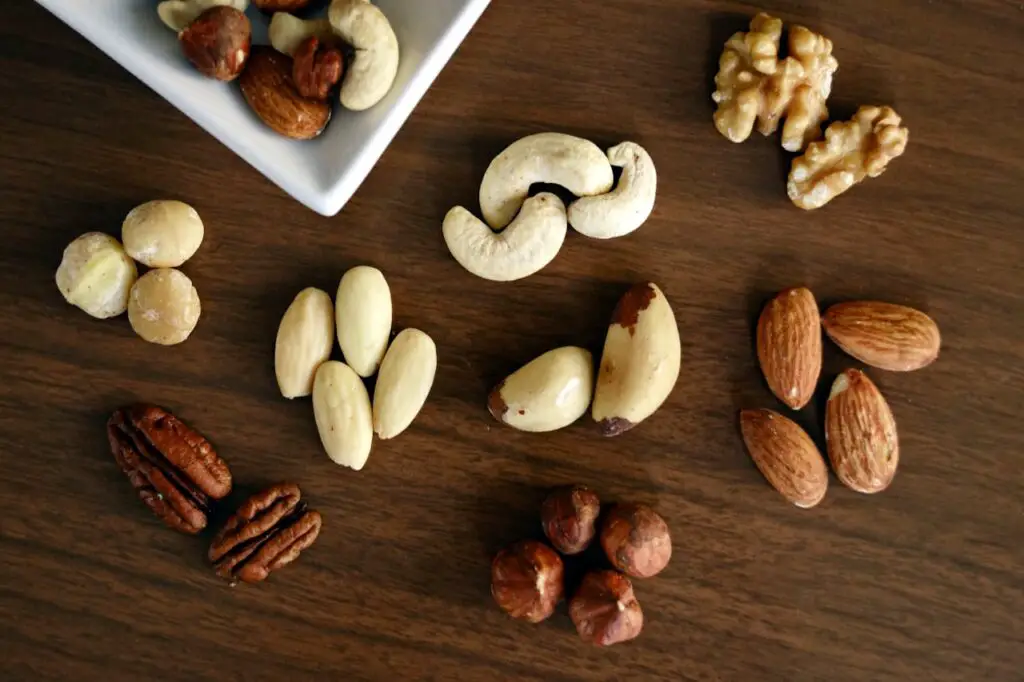
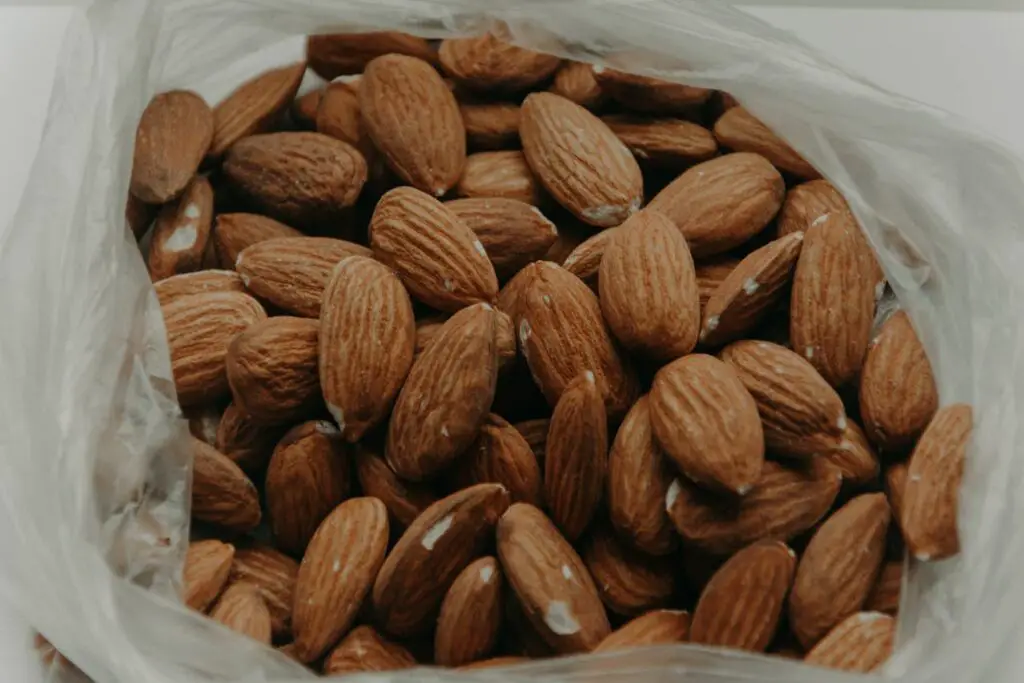
<p> Nuts such as almonds, walnuts, and pistachios, along with seeds like flaxseeds and pumpkin seeds, are rich in healthy fats, fiber, and protein, which slow the release of glucose into the bloodstream. Their low carbohydrate content and high levels of magnesium make them an excellent snack for blood sugar regulation. Eating a handful of nuts or adding seeds to your meals can help keep sugar levels steady throughout the day. </p> :: Pexels

Nuts such as almonds, walnuts, and pistachios, along with seeds like flaxseeds and pumpkin seeds, are rich in healthy fats, fiber, and protein, which slow the release of glucose into the bloodstream. Their low carbohydrate content and high levels of magnesium make them an excellent snack for blood sugar regulation. Eating a handful of nuts or adding seeds to your meals can help keep sugar levels steady throughout the day.

6. Berries

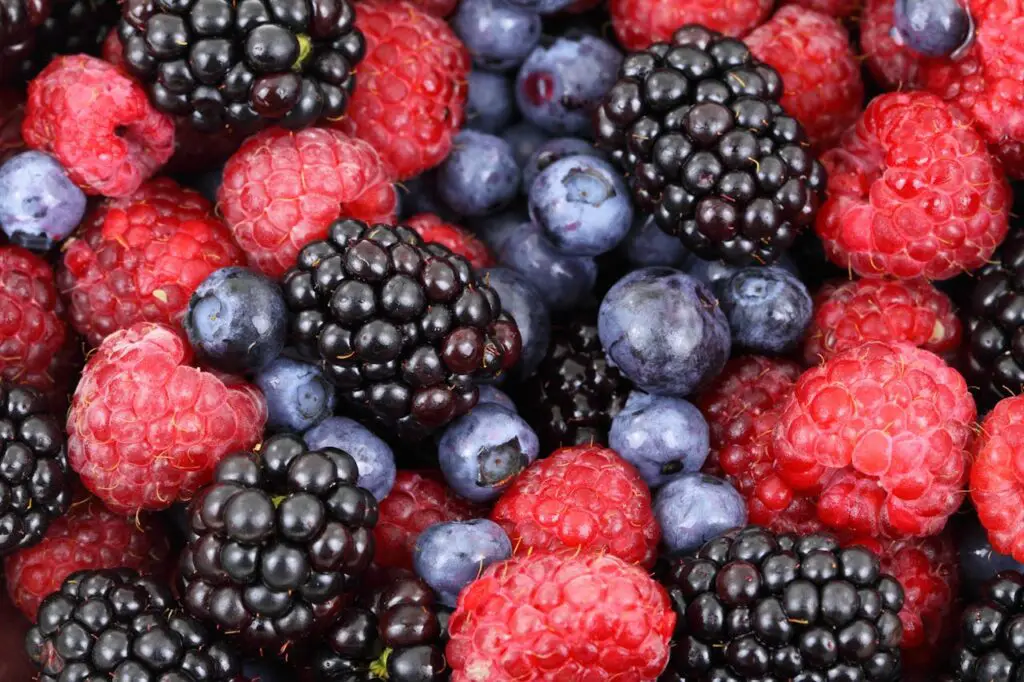
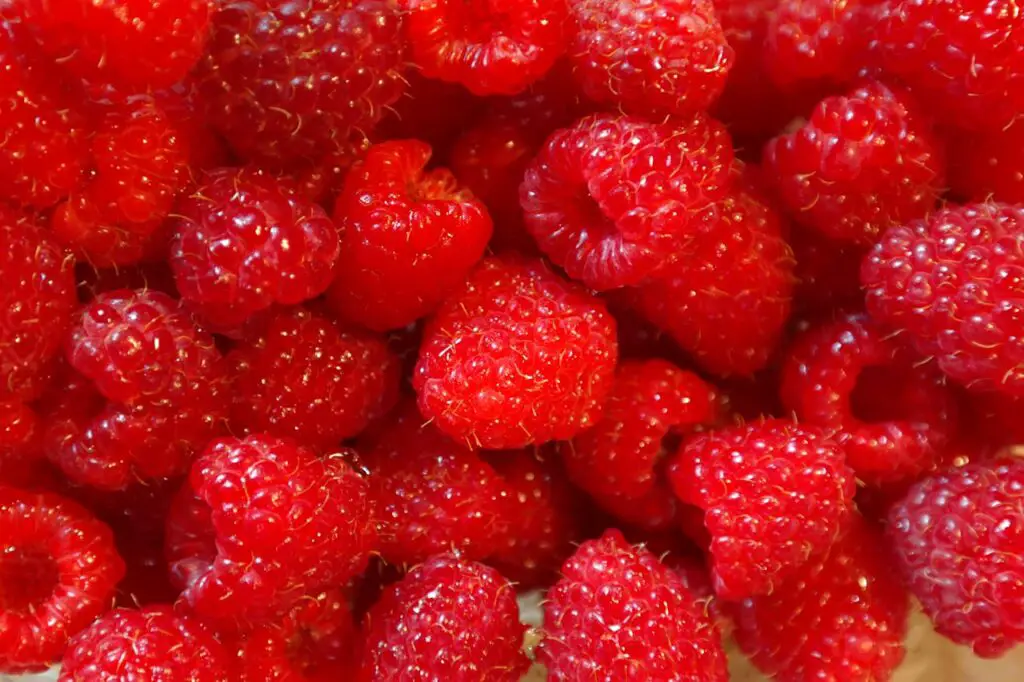
<p> Berries like blueberries, strawberries, and raspberries are loaded with antioxidants and fiber, making them a great choice for blood sugar management. Their high levels of anthocyanins help slow digestion and prevent glucose spikes after meals. Unlike many other fruits, berries have a lower glycemic index, meaning they provide natural sweetness without drastically raising blood sugar. Enjoy them fresh, blended into smoothies, or as a topping for Greek yogurt. </p> :: Pexels

Berries like blueberries, strawberries, and raspberries are loaded with antioxidants and fiber, making them a great choice for blood sugar management. Their high levels of anthocyanins help slow digestion and prevent glucose spikes after meals. Unlike many other fruits, berries have a lower glycemic index, meaning they provide natural sweetness without drastically raising blood sugar. Enjoy them fresh, blended into smoothies, or as a topping for Greek yogurt.

7. Avocados

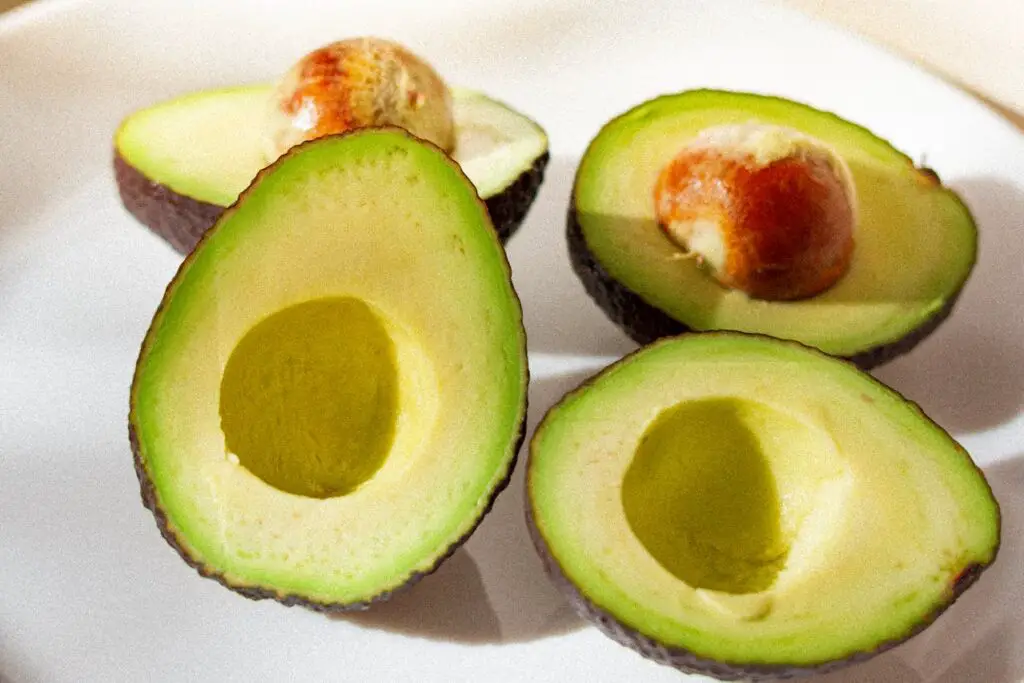
<p> Avocados are a powerhouse of healthy monounsaturated fats, fiber, and essential nutrients that contribute to stable blood sugar levels. The high-fat content slows down digestion and prevents rapid glucose absorption, making them ideal for managing sugar spikes. Avocados also contain compounds that improve insulin sensitivity and reduce inflammation. Add them to salads, spread them on toast, or blend them into smoothies for a creamy and nutritious boost. </p> :: Pexels

Avocados are a powerhouse of healthy monounsaturated fats, fiber, and essential nutrients that contribute to stable blood sugar levels. The high-fat content slows down digestion and prevents rapid glucose absorption, making them ideal for managing sugar spikes. Avocados also contain compounds that improve insulin sensitivity and reduce inflammation. Add them to salads, spread them on toast, or blend them into smoothies for a creamy and nutritious boost.

8. Apple Cider Vinegar

<p> Apple cider vinegar has been shown to improve insulin function and lower blood sugar levels, particularly after meals. It slows the digestion of starches, reducing the amount of sugar entering the bloodstream. Drinking a tablespoon of apple cider vinegar diluted in water before meals may help prevent sugar spikes. However, it is important to consume it in moderation to avoid digestive discomfort. </p> :: Pexels

Apple cider vinegar has been shown to improve insulin function and lower blood sugar levels, particularly after meals. It slows the digestion of starches, reducing the amount of sugar entering the bloodstream. Drinking a tablespoon of apple cider vinegar diluted in water before meals may help prevent sugar spikes. However, it is important to consume it in moderation to avoid digestive discomfort.

9. Whole Grains

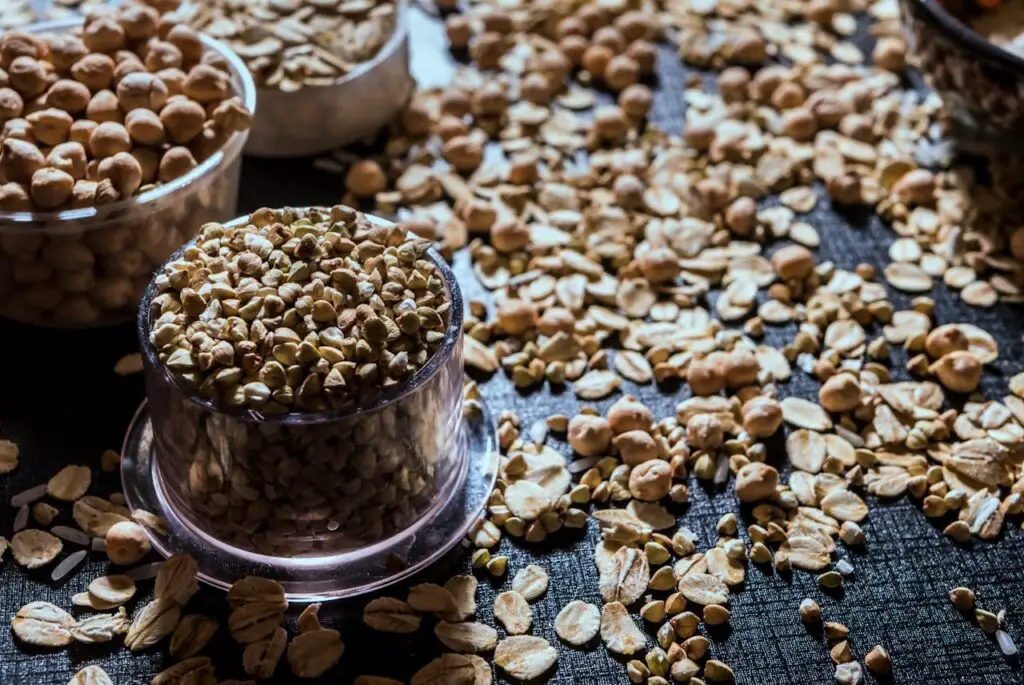
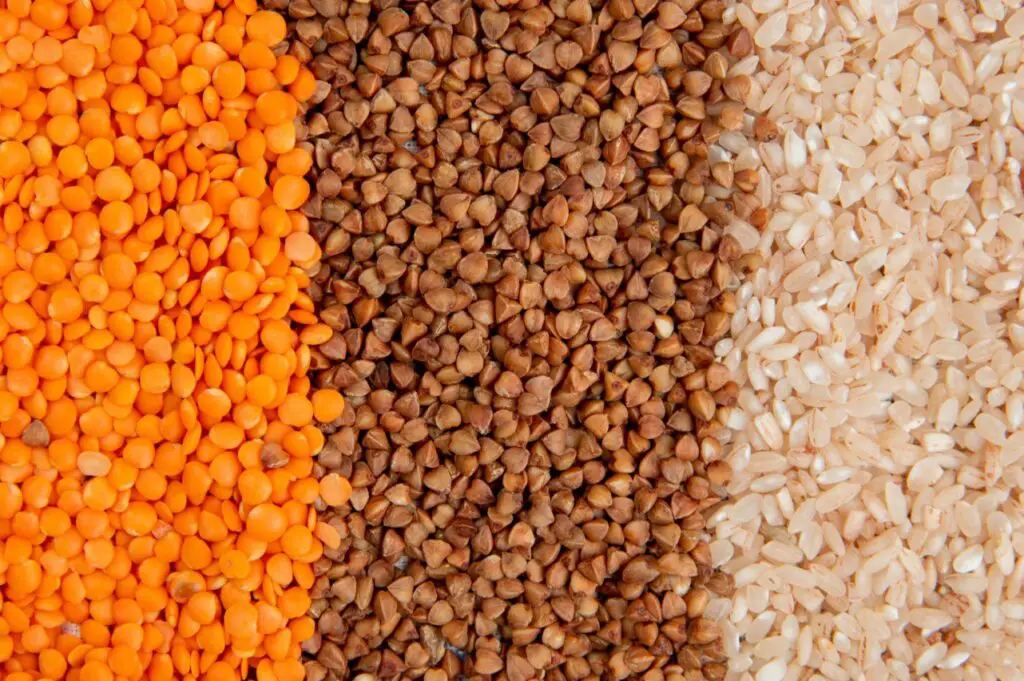
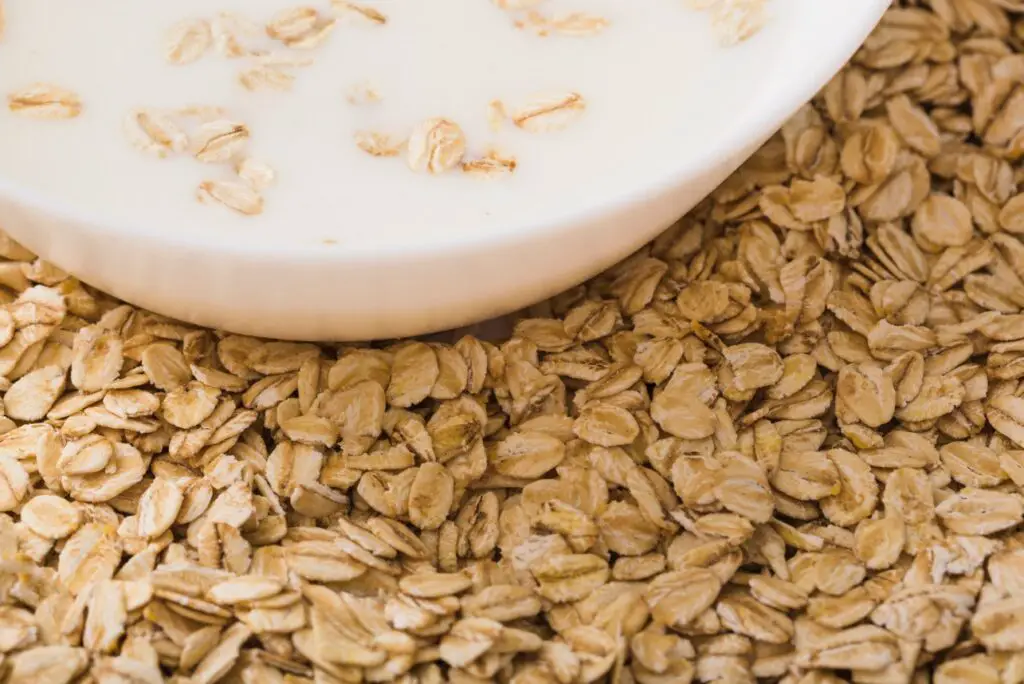
<p> Whole grains such as quinoa, brown rice, and oats are excellent sources of fiber, which slows carbohydrate digestion and helps regulate blood sugar levels. Unlike refined grains, whole grains retain their bran and germ, making them rich in essential nutrients that promote insulin sensitivity. Swapping white rice and white bread for whole grains can significantly improve blood sugar control and overall metabolic health. </p> :: Pexels

Whole grains such as quinoa, brown rice, and oats are excellent sources of fiber, which slows carbohydrate digestion and helps regulate blood sugar levels. Unlike refined grains, whole grains retain their bran and germ, making them rich in essential nutrients that promote insulin sensitivity. Swapping white rice and white bread for whole grains can significantly improve blood sugar control and overall metabolic health.

10. Legumes

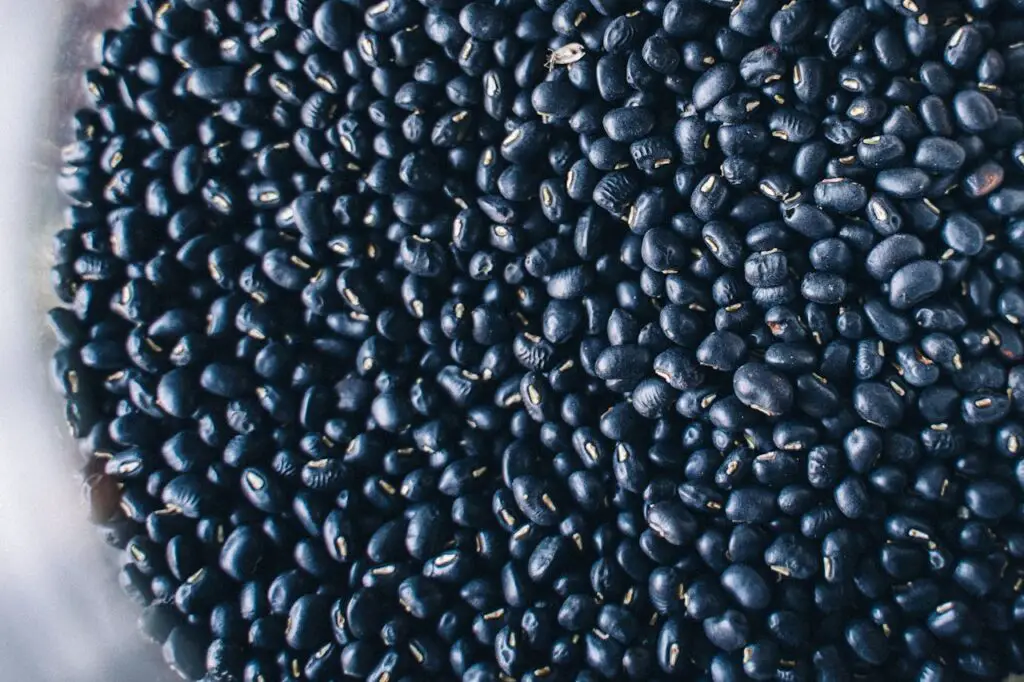
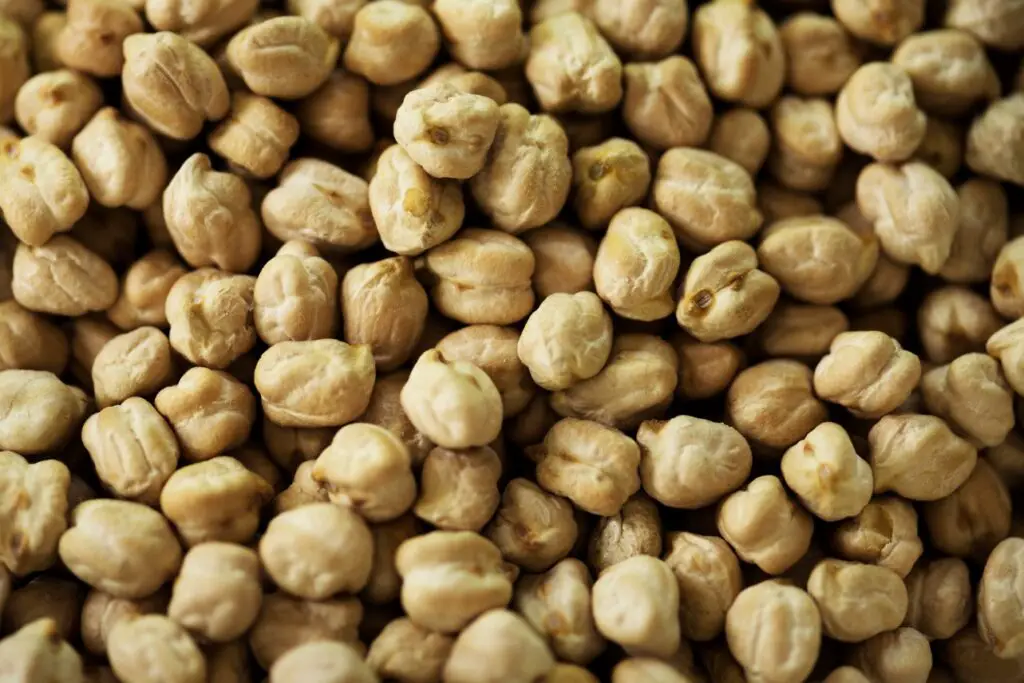
<p> Beans, lentils, and chickpeas are rich in fiber, protein, and complex carbohydrates, which help slow the release of glucose into the bloodstream. The high fiber content supports gut health and improves insulin function, reducing the risk of sugar spikes. Legumes are also low in fat and have a low glycemic index, making them an excellent choice for those looking to manage their blood sugar levels naturally. </p> :: Pexels

Beans, lentils, and chickpeas are rich in fiber, protein, and complex carbohydrates, which help slow the release of glucose into the bloodstream. The high fiber content supports gut health and improves insulin function, reducing the risk of sugar spikes. Legumes are also low in fat and have a low glycemic index, making them an excellent choice for those looking to manage their blood sugar levels naturally.

11. Fatty Fish

<p> Fatty fish such as salmon, mackerel, and sardines are rich in omega-3 fatty acids, which reduce inflammation and improve insulin sensitivity. The protein and healthy fats in fish help maintain steady blood sugar levels by preventing insulin resistance. Additionally, regular consumption of fatty fish supports heart health, which is crucial for people with diabetes or high blood sugar. Incorporating fish into your diet at least twice a week can provide long-term benefits for glucose control and overall well-being. </p> :: Pexels

Fatty fish such as salmon, mackerel, and sardines are rich in omega-3 fatty acids, which reduce inflammation and improve insulin sensitivity. The protein and healthy fats in fish help maintain steady blood sugar levels by preventing insulin resistance. Additionally, regular consumption of fatty fish supports heart health, which is crucial for people with diabetes or high blood sugar. Incorporating fish into your diet at least twice a week can provide long-term benefits for glucose control and overall well-being.

Final Thoughts

<p> Incorporating these 11 power foods into your daily diet can naturally help lower high sugar levels and improve overall metabolic health. Focusing on nutrient-dense, fiber-rich, and anti-inflammatory foods will not only stabilize blood sugar but also promote heart health, weight management, and long-term well-being. Making small yet consistent dietary changes can lead to significant improvements in your glucose control and energy levels. Start adding these superfoods to your meals today for a healthier future! </p> :: Pexels

Incorporating these 11 power foods into your daily diet can naturally help lower high sugar levels and improve overall metabolic health. Focusing on nutrient-dense, fiber-rich, and anti-inflammatory foods will not only stabilize blood sugar but also promote heart health, weight management, and long-term well-being. Making small yet consistent dietary changes can lead to significant improvements in your glucose control and energy levels. Start adding these superfoods to your meals today for a healthier future!

Filed Under: Health & Fitness

12 Beginner-Friendly Vegetables You Can Grow in Buckets All Year Round

September 22, 2025 | Leave a Comment

12 Beginner-Friendly Vegetables You Can Grow in Buckets All Year Round

<p> Growing vegetables in buckets is an excellent way for beginners to start gardening without needing a large outdoor space. Whether you have a small balcony, a patio, or a tiny backyard, bucket gardening allows you to cultivate fresh produce all year round with minimal effort. The key is choosing the right vegetables that thrive in confined spaces while ensuring they receive proper sunlight, water, and nutrients. Here are 12 beginner-friendly vegetables that grow well in buckets and provide fresh harvests in every season. </p> :: Pexels

Growing vegetables in buckets is an excellent way for beginners to start gardening without needing a large outdoor space. Whether you have a small balcony, a patio, or a tiny backyard, bucket gardening allows you to cultivate fresh produce all year round with minimal effort. The key is choosing the right vegetables that thrive in confined spaces while ensuring they receive proper sunlight, water, and nutrients. Here are 12 beginner-friendly vegetables that grow well in buckets and provide fresh harvests in every season.

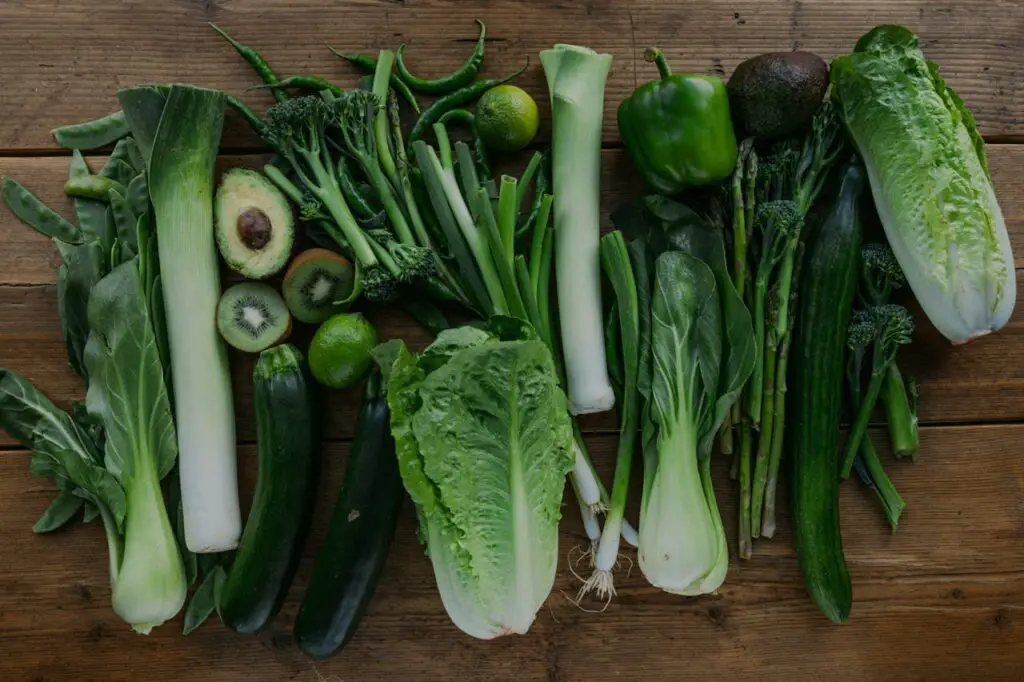
1. Lettuce

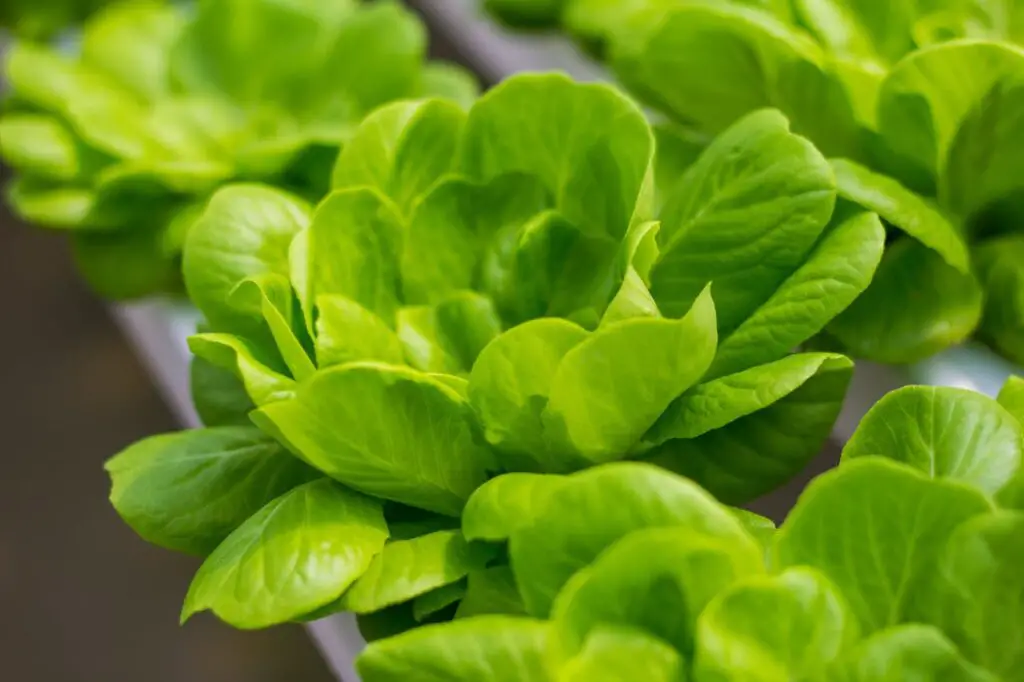
<p> Lettuce is one of the easiest vegetables to grow in a bucket, making it ideal for beginners. It grows quickly and does not require deep soil, so a five-gallon bucket is sufficient. Since lettuce prefers cooler temperatures, you can plant it in early spring or fall and even grow it indoors in winter with adequate light. Regularly harvesting outer leaves encourages continuous production, allowing you to enjoy a fresh supply for salads and sandwiches throughout the year. </p> :: Pexels

Lettuce is one of the easiest vegetables to grow in a bucket, making it ideal for beginners. It grows quickly and does not require deep soil, so a five-gallon bucket is sufficient. Since lettuce prefers cooler temperatures, you can plant it in early spring or fall and even grow it indoors in winter with adequate light. Regularly harvesting outer leaves encourages continuous production, allowing you to enjoy a fresh supply for salads and sandwiches throughout the year.

2. Spinach

<p> Spinach thrives in containers and can be grown year-round with proper care. This leafy green does not require a deep root system, making it perfect for buckets. Spinach grows best in partial sunlight and cooler temperatures, so it is well-suited for indoor growing during colder months. With frequent harvesting, spinach plants continue to produce new leaves, ensuring a steady supply of nutritious greens for smoothies, soups, and salads. </p> :: Pexels

Spinach thrives in containers and can be grown year-round with proper care. This leafy green does not require a deep root system, making it perfect for buckets. Spinach grows best in partial sunlight and cooler temperatures, so it is well-suited for indoor growing during colder months. With frequent harvesting, spinach plants continue to produce new leaves, ensuring a steady supply of nutritious greens for smoothies, soups, and salads.

3. Tomatoes

<p> Tomatoes are a favorite among bucket gardeners because they grow exceptionally well in containers. Opt for compact or determinate tomato varieties, such as cherry or patio tomatoes, which do not grow excessively tall. A five-gallon bucket provides ample space for the roots to develop, and with proper staking or caging, the plant remains stable. Ensure tomatoes receive at least six hours of sunlight daily and regular watering to enjoy juicy, homegrown tomatoes throughout the year. </p> :: Pexels

Tomatoes are a favorite among bucket gardeners because they grow exceptionally well in containers. Opt for compact or determinate tomato varieties, such as cherry or patio tomatoes, which do not grow excessively tall. A five-gallon bucket provides ample space for the roots to develop, and with proper staking or caging, the plant remains stable. Ensure tomatoes receive at least six hours of sunlight daily and regular watering to enjoy juicy, homegrown tomatoes throughout the year.

4. Carrots

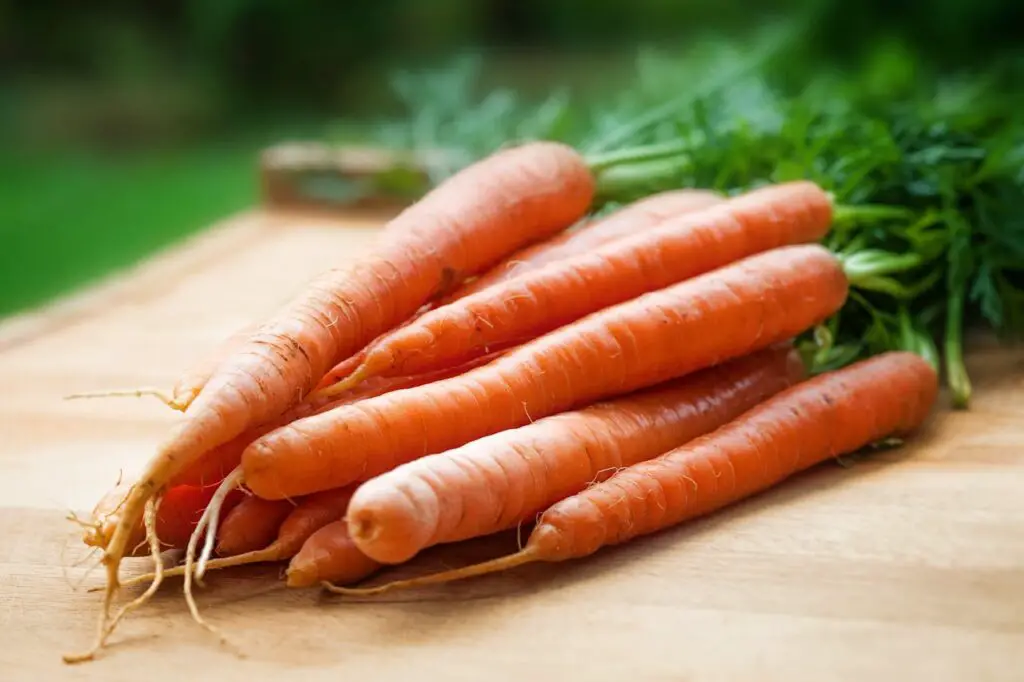
<p> Carrots are an excellent choice for bucket gardening, especially shorter varieties like Parisian or Chantenay carrots. A deep bucket allows the roots to grow properly, ensuring a good yield. Carrots prefer loose, well-draining soil and need consistent moisture to prevent cracking. Since they are a cool-season crop, they can be grown year-round with seasonal adjustments, making them a great option for beginners seeking a low-maintenance vegetable. </p> :: Pexels

Carrots are an excellent choice for bucket gardening, especially shorter varieties like Parisian or Chantenay carrots. A deep bucket allows the roots to grow properly, ensuring a good yield. Carrots prefer loose, well-draining soil and need consistent moisture to prevent cracking. Since they are a cool-season crop, they can be grown year-round with seasonal adjustments, making them a great option for beginners seeking a low-maintenance vegetable.

5. Radishes

Radishes are one of the fastest-growing vegetables, making them perfect for beginners looking for quick results. They require minimal space, making a small bucket sufficient for healthy growth. Radishes thrive in cooler temperatures, so they can be planted multiple times a year. With proper watering and adequate sunlight, you can harvest crisp, flavorful radishes in as little as 25 to 30 days after planting.

6. Peppers

<p> Peppers, whether sweet or spicy, are great bucket-friendly vegetables that require little maintenance. Choose smaller pepper varieties, such as jalapeños or mini bell peppers, which fit well in five-gallon buckets. Peppers need warm temperatures and plenty of sunlight to thrive, so placing them in a sunny location or using grow lights in winter ensures a continuous supply. Regular harvesting encourages further fruit production, providing you with fresh peppers year-round. </p> :: Pexels

Peppers, whether sweet or spicy, are great bucket-friendly vegetables that require little maintenance. Choose smaller pepper varieties, such as jalapeños or mini bell peppers, which fit well in five-gallon buckets. Peppers need warm temperatures and plenty of sunlight to thrive, so placing them in a sunny location or using grow lights in winter ensures a continuous supply. Regular harvesting encourages further fruit production, providing you with fresh peppers year-round.

7. Green Onions

<p> Green onions are one of the easiest vegetables to grow in buckets, as they do not require much space or care. You can plant them from seeds or regrow store-bought green onion stalks by placing the roots in soil. They grow well indoors or outdoors and can be harvested multiple times by simply snipping the tops. Green onions are ideal for small spaces, allowing you to enjoy fresh garnishes for meals with minimal effort. </p> :: Pexels

Green onions are one of the easiest vegetables to grow in buckets, as they do not require much space or care. You can plant them from seeds or regrow store-bought green onion stalks by placing the roots in soil. They grow well indoors or outdoors and can be harvested multiple times by simply snipping the tops. Green onions are ideal for small spaces, allowing you to enjoy fresh garnishes for meals with minimal effort.

8. Kale

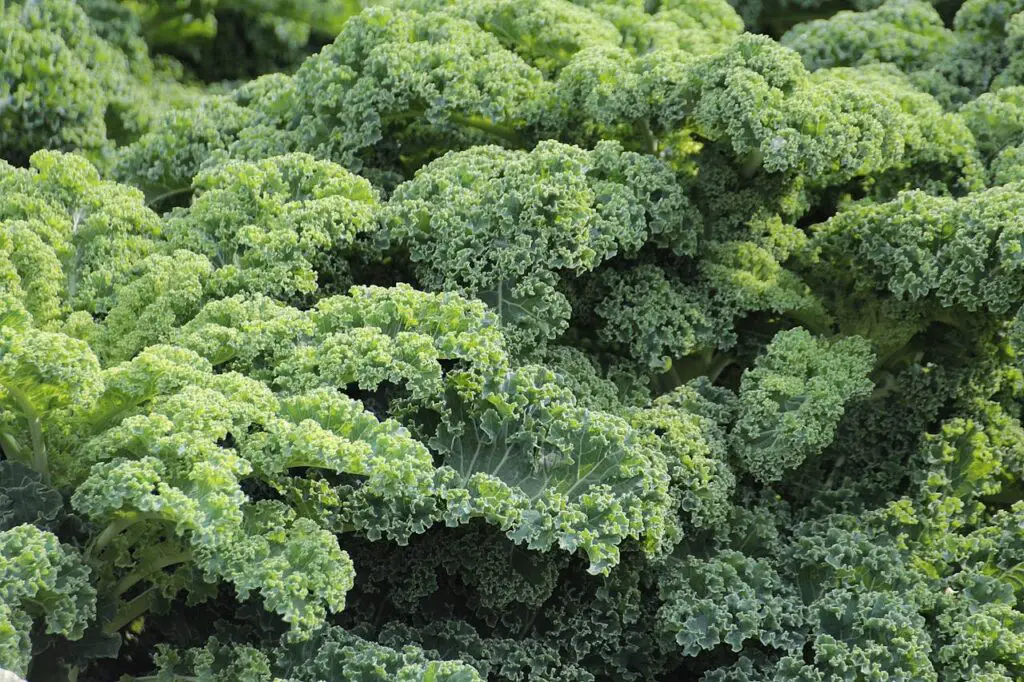
<p> Kale is a hardy leafy green that flourishes in buckets and provides nutritious harvests throughout the year. It prefers cooler temperatures but can tolerate various climates, making it an excellent choice for continuous gardening. A five-gallon bucket allows enough room for multiple kale plants, and regular harvesting of outer leaves promotes ongoing production. With proper watering and occasional fertilization, kale remains one of the most resilient vegetables for beginners. </p> :: Pexels

Kale is a hardy leafy green that flourishes in buckets and provides nutritious harvests throughout the year. It prefers cooler temperatures but can tolerate various climates, making it an excellent choice for continuous gardening. A five-gallon bucket allows enough room for multiple kale plants, and regular harvesting of outer leaves promotes ongoing production. With proper watering and occasional fertilization, kale remains one of the most resilient vegetables for beginners.

9. Beets

<p> Beets are a great choice for bucket gardening because they have shallow roots and do not require much space. They grow well in loose, well-drained soil, making a five-gallon bucket a perfect home for them. Beets thrive in both warm and cool temperatures, making them suitable for year-round cultivation. Additionally, both the root and the leafy greens are edible, giving you double the harvest from one plant. </p> :: Pexels

Beets are a great choice for bucket gardening because they have shallow roots and do not require much space. They grow well in loose, well-drained soil, making a five-gallon bucket a perfect home for them. Beets thrive in both warm and cool temperatures, making them suitable for year-round cultivation. Additionally, both the root and the leafy greens are edible, giving you double the harvest from one plant.

10. Cucumbers

<p> Cucumbers are another excellent option for bucket gardening, especially smaller varieties like bush cucumbers. They require a trellis or stake for support, as they tend to spread. Cucumbers need plenty of sunlight and regular watering to produce abundant fruit. With proper care, they continue to yield crisp, refreshing cucumbers for fresh eating or pickling throughout the growing season. </p> :: Pexels

Cucumbers are another excellent option for bucket gardening, especially smaller varieties like bush cucumbers. They require a trellis or stake for support, as they tend to spread. Cucumbers need plenty of sunlight and regular watering to produce abundant fruit. With proper care, they continue to yield crisp, refreshing cucumbers for fresh eating or pickling throughout the growing season.

11. Swiss Chard

<p> Swiss chard is a colorful and nutrient-rich vegetable that grows well in buckets. It is highly adaptable to different weather conditions, making it suitable for year-round gardening. The plant continuously produces leaves when harvested regularly, ensuring a fresh supply for salads, stir-fries, and sautés. Swiss chard requires minimal maintenance and thrives in both sun and partial shade, making it perfect for beginner gardeners. </p> :: Pexels

Swiss chard is a colorful and nutrient-rich vegetable that grows well in buckets. It is highly adaptable to different weather conditions, making it suitable for year-round gardening. The plant continuously produces leaves when harvested regularly, ensuring a fresh supply for salads, stir-fries, and sautés. Swiss chard requires minimal maintenance and thrives in both sun and partial shade, making it perfect for beginner gardeners.

12. Herbs (Bonus Pick: Basil, Parsley, or Cilantro)

<p> Although not technically vegetables, herbs like basil, parsley, and cilantro grow exceptionally well in buckets and are incredibly beginner-friendly. They do not require much space, and regular trimming encourages more growth. Basil thrives in warm conditions, while parsley and cilantro prefer cooler temperatures. By rotating your herb selection, you can enjoy fresh flavors in your cooking all year long without much effort. </p> :: Pexels

Although not technically vegetables, herbs like basil, parsley, and cilantro grow exceptionally well in buckets and are incredibly beginner-friendly. They do not require much space, and regular trimming encourages more growth. Basil thrives in warm conditions, while parsley and cilantro prefer cooler temperatures. By rotating your herb selection, you can enjoy fresh flavors in your cooking all year long without much effort.

Final Thoughts

<p> Growing vegetables in buckets is an easy and rewarding way for beginners to start gardening, regardless of space limitations. By choosing the right vegetables, providing proper care, and adjusting for seasonal changes, you can enjoy fresh, homegrown produce throughout the year. Whether you are growing leafy greens, root vegetables, or fruiting plants like tomatoes and peppers, bucket gardening makes it simple to cultivate a thriving vegetable garden with minimal effort. Start with these beginner-friendly options, and you will soon enjoy the satisfaction of harvesting your own fresh vegetables at home! </p> :: Pexels

Growing vegetables in buckets is an easy and rewarding way for beginners to start gardening, regardless of space limitations. By choosing the right vegetables, providing proper care, and adjusting for seasonal changes, you can enjoy fresh, homegrown produce throughout the year. Whether you are growing leafy greens, root vegetables, or fruiting plants like tomatoes and peppers, bucket gardening makes it simple to cultivate a thriving vegetable garden with minimal effort. Start with these beginner-friendly options, and you will soon enjoy the satisfaction of harvesting your own fresh vegetables at home!

Filed Under: Health & Fitness

Stay Sharp at 60+: 9 Proven Habits to Keep Your Brain Strong and Memory Clear

September 21, 2025 | Leave a Comment

Stay Sharp at 60+: 9 Proven Habits to Keep Your Brain Strong and Memory Clear

<p> Getting older is a privilege, but let’s be honest—it also comes with moments that make us chuckle and sometimes scratch our heads. Have you ever walked into a room only to wonder, “Wait, what did I come in here for?” Or maybe you have struggled to remember where you left your reading glasses, only to find them perched right on top of your head. Those little lapses are normal, but they do not mean you have to accept a fading memory as an unavoidable part of life.

The truth is, your brain is a lot like a muscle. The more you take care of it and challenge it, the stronger it stays. Science has shown that lifestyle choices play a huge role in how sharp your memory and thinking skills remain as you age. In fact, small daily habits can go a long way toward protecting your brain health.

So whether you are already retired, busy chasing after grandkids, or finally picking up hobbies you never had time for before, here are nine proven habits that will keep your brain strong and your memory clear well after 60. </p> :: Freepik

Getting older is a privilege, but let’s be honest—it also comes with moments that make us chuckle and sometimes scratch our heads. Have you ever walked into a room only to wonder, “Wait, what did I come in here for?” Or maybe you have struggled to remember where you left your reading glasses, only to find them perched right on top of your head. Those little lapses are normal, but they do not mean you have to accept a fading memory as an unavoidable part of life.

The truth is, your brain is a lot like a muscle. The more you take care of it and challenge it, the stronger it stays. Science has shown that lifestyle choices play a huge role in how sharp your memory and thinking skills remain as you age. In fact, small daily habits can go a long way toward protecting your brain health.

So whether you are already retired, busy chasing after grandkids, or finally picking up hobbies you never had time for before, here are nine proven habits that will keep your brain strong and your memory clear well after 60.

1. Move Your Body Regularly

<p> Your brain loves it when you move. Exercise does not just keep your heart pumping and your joints flexible, it also increases blood flow to the brain. That extra circulation helps deliver oxygen and nutrients, which keep your brain cells healthy and firing.

The great news is you do not have to train like an Olympian. A brisk 30-minute walk, water aerobics, dancing to your favorite oldies, or gardening can all count as exercise. If mobility is an issue, chair yoga or light resistance exercises are excellent alternatives. The key is to find something you actually enjoy and stick with it. A moving body supports a thriving mind. </p> :: Pexels

Your brain loves it when you move. Exercise does not just keep your heart pumping and your joints flexible, it also increases blood flow to the brain. That extra circulation helps deliver oxygen and nutrients, which keep your brain cells healthy and firing.

The great news is you do not have to train like an Olympian. A brisk 30-minute walk, water aerobics, dancing to your favorite oldies, or gardening can all count as exercise. If mobility is an issue, chair yoga or light resistance exercises are excellent alternatives. The key is to find something you actually enjoy and stick with it. A moving body supports a thriving mind.

2. Adopt a Brain-Healthy Diet

<p> What you put on your plate has a direct impact on how your brain functions. Diets rich in vegetables, fruits, whole grains, lean proteins, and healthy fats have been linked to better memory and reduced risk of dementia. Many experts recommend the Mediterranean or MIND diet, which focuses on fish, nuts, olive oil, and leafy greens.

Making small swaps can add up over time. Replace chips with a handful of walnuts, add berries to your morning oatmeal, or drizzle olive oil over your salad instead of creamy dressing. Think of it as fueling your brain for the long run. After all, food is not just about filling your stomach—it is brain fuel too. </p> :: Freepik

What you put on your plate has a direct impact on how your brain functions. Diets rich in vegetables, fruits, whole grains, lean proteins, and healthy fats have been linked to better memory and reduced risk of dementia. Many experts recommend the Mediterranean or MIND diet, which focuses on fish, nuts, olive oil, and leafy greens.

Making small swaps can add up over time. Replace chips with a handful of walnuts, add berries to your morning oatmeal, or drizzle olive oil over your salad instead of creamy dressing. Think of it as fueling your brain for the long run. After all, food is not just about filling your stomach—it is brain fuel too.

3. Get Quality Sleep Every Night

<p> Sleep is not a luxury. It is one of the most important tools for maintaining a sharp mind. During sleep, your brain organizes memories, processes information, and clears out waste that builds up throughout the day. Without enough quality rest, your ability to concentrate and recall information takes a hit.

Most adults over 60 need about seven to eight hours of sleep each night. If that feels impossible, start with small improvements. Create a bedtime routine, keep your bedroom cool and dark, and avoid screens an hour before bed. If you suspect issues like sleep apnea, talk to your doctor. Think of sleep as your brain’s overnight cleaning crew—without it, the clutter piles up. </p> :: Pexels

Sleep is not a luxury. It is one of the most important tools for maintaining a sharp mind. During sleep, your brain organizes memories, processes information, and clears out waste that builds up throughout the day. Without enough quality rest, your ability to concentrate and recall information takes a hit.

Most adults over 60 need about seven to eight hours of sleep each night. If that feels impossible, start with small improvements. Create a bedtime routine, keep your bedroom cool and dark, and avoid screens an hour before bed. If you suspect issues like sleep apnea, talk to your doctor. Think of sleep as your brain’s overnight cleaning crew—without it, the clutter piles up.

4. Keep Learning New Things

<p> You are never too old to pick up a new skill. In fact, the process of learning something unfamiliar challenges your brain in powerful ways, forming new connections and strengthening memory. This could be learning to play a musical instrument, trying out painting, taking up chess, or even diving into technology like learning how to edit photos on your smartphone.

The secret is novelty. When you challenge yourself with something new, your brain has to work harder, which strengthens it. Plus, learning something new can be incredibly fun and rewarding. Imagine the pride of finally nailing a new recipe or surprising your family by strumming a song on the guitar. </p> :: Pexels

You are never too old to pick up a new skill. In fact, the process of learning something unfamiliar challenges your brain in powerful ways, forming new connections and strengthening memory. This could be learning to play a musical instrument, trying out painting, taking up chess, or even diving into technology like learning how to edit photos on your smartphone.

The secret is novelty. When you challenge yourself with something new, your brain has to work harder, which strengthens it. Plus, learning something new can be incredibly fun and rewarding. Imagine the pride of finally nailing a new recipe or surprising your family by strumming a song on the guitar.

5. Stay Socially Active

<p> Humans are wired for connection, and your brain is no exception. Social engagement helps keep your mind sharp while also reducing the risk of depression and loneliness, both of which can negatively affect memory. Conversations, laughter, and meaningful relationships all act as natural brain boosters.

You do not need a packed social calendar to reap the benefits. Weekly coffee dates with friends, joining a book club, volunteering at a local charity, or even regular phone calls with family members can make a big difference. Staying socially active is about staying connected in whatever way brings you joy. </p> :: Pexels

Humans are wired for connection, and your brain is no exception. Social engagement helps keep your mind sharp while also reducing the risk of depression and loneliness, both of which can negatively affect memory. Conversations, laughter, and meaningful relationships all act as natural brain boosters.

You do not need a packed social calendar to reap the benefits. Weekly coffee dates with friends, joining a book club, volunteering at a local charity, or even regular phone calls with family members can make a big difference. Staying socially active is about staying connected in whatever way brings you joy.

6. Manage Stress and Practice Mindfulness

<p> Chronic stress is like a slow leak in your mental energy. Over time, it can actually change the brain’s structure, shrinking areas involved in memory and decision-making. That is why managing stress is not just about feeling better in the moment—it is about protecting your long-term brain health.

Mindfulness practices, such as meditation, deep breathing, or yoga, can help calm the mind and restore balance. If meditation feels intimidating, start small. Even five minutes of sitting quietly and focusing on your breath can help. Hobbies like gardening, birdwatching, or listening to calming music can also bring mindfulness into your day. The goal is not perfection—it is finding little ways to create peace in your routine. </p> :: Pexels

Chronic stress is like a slow leak in your mental energy. Over time, it can actually change the brain’s structure, shrinking areas involved in memory and decision-making. That is why managing stress is not just about feeling better in the moment—it is about protecting your long-term brain health.

Mindfulness practices, such as meditation, deep breathing, or yoga, can help calm the mind and restore balance. If meditation feels intimidating, start small. Even five minutes of sitting quietly and focusing on your breath can help. Hobbies like gardening, birdwatching, or listening to calming music can also bring mindfulness into your day. The goal is not perfection—it is finding little ways to create peace in your routine.

7. Watch Your Vascular Health

<p> Your heart and brain are deeply connected. If your blood vessels are clogged or under strain from high blood pressure, high cholesterol, or uncontrolled diabetes, your brain pays the price. Poor vascular health can lead to reduced blood flow and tiny, silent strokes that chip away at memory and cognitive skills over time.

The good news? Small changes make a big difference. Eating more plant-based foods, cutting back on salt and sugar, and staying active all support vascular health. Regular check-ups with your doctor and following medical advice are also essential. Protecting your heart is one of the most powerful ways to protect your brain. </p> :: Pexels

Your heart and brain are deeply connected. If your blood vessels are clogged or under strain from high blood pressure, high cholesterol, or uncontrolled diabetes, your brain pays the price. Poor vascular health can lead to reduced blood flow and tiny, silent strokes that chip away at memory and cognitive skills over time.

The good news? Small changes make a big difference. Eating more plant-based foods, cutting back on salt and sugar, and staying active all support vascular health. Regular check-ups with your doctor and following medical advice are also essential. Protecting your heart is one of the most powerful ways to protect your brain.

8. Challenge Your Brain Daily

<p> Just like your muscles need workouts, so does your brain. Mental challenges keep your thinking skills sharp and flexible. This does not mean you have to spend hours doing crossword puzzles—although those are great too. The point is to engage your brain with activities that require problem-solving, strategy, or memory.

Try Sudoku, card games, or word puzzles. Read a thought-provoking book, write in a journal, or learn a new technology skill. Even small changes, like taking a different route to the store or brushing your teeth with your non-dominant hand, force your brain to adapt and grow. Think of it as cross-training for your mind. </p> :: Pexels

Just like your muscles need workouts, so does your brain. Mental challenges keep your thinking skills sharp and flexible. This does not mean you have to spend hours doing crossword puzzles—although those are great too. The point is to engage your brain with activities that require problem-solving, strategy, or memory.

Try Sudoku, card games, or word puzzles. Read a thought-provoking book, write in a journal, or learn a new technology skill. Even small changes, like taking a different route to the store or brushing your teeth with your non-dominant hand, force your brain to adapt and grow. Think of it as cross-training for your mind.

9. Maintain Healthy Routines and Stay Organized

<p> One of the simplest but most effective ways to support memory is by staying organized. When your environment is cluttered and your schedule is chaotic, your brain has to work overtime just to keep up. By creating routines and using tools like calendars, to-do lists, or reminder apps, you free your mind to focus on more meaningful tasks.

Keep items like keys, glasses, and wallets in designated spots. Stick to consistent schedules for meals, exercise, and sleep. Use notes or sticky reminders if needed—these are smart strategies, not signs of weakness. The less mental energy you waste on daily chaos, the more you have for the things you truly enjoy. </p> :: Pexels

One of the simplest but most effective ways to support memory is by staying organized. When your environment is cluttered and your schedule is chaotic, your brain has to work overtime just to keep up. By creating routines and using tools like calendars, to-do lists, or reminder apps, you free your mind to focus on more meaningful tasks.

Keep items like keys, glasses, and wallets in designated spots. Stick to consistent schedules for meals, exercise, and sleep. Use notes or sticky reminders if needed—these are smart strategies, not signs of weakness. The less mental energy you waste on daily chaos, the more you have for the things you truly enjoy.

Final Thoughts

<p> A sharp mind after 60 is not about luck—it is about habits. Every time you choose to move your body, eat brain-friendly foods, connect with loved ones, or challenge your mind, you are investing in your cognitive future. The beauty is that none of these habits require perfection. Start small, choose two or three that feel doable, and build from there.

Your brain is capable of amazing things, even as you age. Think of these habits as deposits into your “memory bank.” The more you invest now, the more you can withdraw later in the form of clarity, sharpness, and joyful moments. After all, life is too rich to let brain fog steal the show. Stay curious, stay connected, and give your brain the love it deserves—you have many vibrant years ahead. </p> :: Pexels

A sharp mind after 60 is not about luck—it is about habits. Every time you choose to move your body, eat brain-friendly foods, connect with loved ones, or challenge your mind, you are investing in your cognitive future. The beauty is that none of these habits require perfection. Start small, choose two or three that feel doable, and build from there.

Your brain is capable of amazing things, even as you age. Think of these habits as deposits into your “memory bank.” The more you invest now, the more you can withdraw later in the form of clarity, sharpness, and joyful moments. After all, life is too rich to let brain fog steal the show. Stay curious, stay connected, and give your brain the love it deserves—you have many vibrant years ahead.

Filed Under: Health & Fitness

10 Health Benefits of Meditation for People of All Ages

September 19, 2025 | Leave a Comment

10 Health Benefits of Meditation for People of All Ages

<p> Meditation has been practiced for thousands of years and is known for its ability to promote mental clarity, emotional peace, and physical well-being. It is a simple, yet powerful tool that can benefit individuals at any stage of life, offering unique advantages for both the young and the elderly. Whether you're looking to reduce stress, improve your cognitive function, or simply find peace, meditation is a practice that has something for everyone. In this article, we will explore the 10 key health benefits of meditation for people of all ages, showing how this transformative practice can significantly improve your overall well-being. </p> :: Pexels

Meditation has been practiced for thousands of years and is known for its ability to promote mental clarity, emotional peace, and physical well-being. It is a simple, yet powerful tool that can benefit individuals at any stage of life, offering unique advantages for both the young and the elderly. Whether you’re looking to reduce stress, improve your cognitive function, or simply find peace, meditation is a practice that has something for everyone. In this article, we will explore the 10 key health benefits of meditation for people of all ages, showing how this transformative practice can significantly improve your overall well-being.

1. Reduces Stress and Anxiety

<p> One of the most celebrated benefits of meditation is its ability to reduce stress and anxiety. In today’s fast-paced world, it’s easy to feel overwhelmed by the demands of life—whether it's academic pressure, work deadlines, or personal responsibilities. Meditation offers an escape from these stressors by promoting relaxation and calming the mind. By focusing on your breath and being present in the moment, you allow yourself to release the worries that build up throughout the day. This reduction in stress levels is beneficial for everyone, from high school students trying to balance studies with extracurricular activities to older adults managing retirement or family concerns. </p> :: Pexels

One of the most celebrated benefits of meditation is its ability to reduce stress and anxiety. In today’s fast-paced world, it’s easy to feel overwhelmed by the demands of life—whether it’s academic pressure, work deadlines, or personal responsibilities. Meditation offers an escape from these stressors by promoting relaxation and calming the mind. By focusing on your breath and being present in the moment, you allow yourself to release the worries that build up throughout the day. This reduction in stress levels is beneficial for everyone, from high school students trying to balance studies with extracurricular activities to older adults managing retirement or family concerns.

2. Enhances Focus and Concentration

<p> Meditation helps improve concentration and focus, which is vital at any age. For students or young professionals, it helps with better attention during studies, meetings, and tasks. This practice trains your brain to focus on one thing at a time, which can be especially helpful in our distraction-filled world. For older individuals, meditation strengthens cognitive abilities and maintains mental sharpness. Studies show that regular meditation can even increase the size of areas of the brain related to memory and concentration. Whether you're preparing for an important exam or simply trying to stay sharp as you age, meditation can help enhance your focus. </p> :: Pexels

Meditation helps improve concentration and focus, which is vital at any age. For students or young professionals, it helps with better attention during studies, meetings, and tasks. This practice trains your brain to focus on one thing at a time, which can be especially helpful in our distraction-filled world. For older individuals, meditation strengthens cognitive abilities and maintains mental sharpness. Studies show that regular meditation can even increase the size of areas of the brain related to memory and concentration. Whether you’re preparing for an important exam or simply trying to stay sharp as you age, meditation can help enhance your focus.

3. Boosts Emotional Health and Stability

<p> Emotional well-being is crucial for a happy, fulfilling life. Meditation encourages a sense of mindfulness, which helps you understand and manage your emotions better. By regularly practicing meditation, you become more aware of your thoughts, feelings, and emotional reactions, which allows you to respond to situations with more clarity and calmness. For young adults, this means better emotional control during stressful times like job searches or relationship issues. For older adults, it can help prevent emotional upheaval during major life transitions such as retirement or the loss of loved ones. Meditation nurtures emotional stability, helping individuals maintain a balanced perspective at every stage of life. </p> :: Pexels

Emotional well-being is crucial for a happy, fulfilling life. Meditation encourages a sense of mindfulness, which helps you understand and manage your emotions better. By regularly practicing meditation, you become more aware of your thoughts, feelings, and emotional reactions, which allows you to respond to situations with more clarity and calmness. For young adults, this means better emotional control during stressful times like job searches or relationship issues. For older adults, it can help prevent emotional upheaval during major life transitions such as retirement or the loss of loved ones. Meditation nurtures emotional stability, helping individuals maintain a balanced perspective at every stage of life.

4. Improves Sleep Quality

<p> Sleep plays a crucial role in maintaining overall health, and meditation is an excellent tool for improving sleep quality. Many people, regardless of age, struggle with insomnia or poor sleep patterns due to stress or anxiety. Meditation offers a natural remedy by calming the nervous system and quieting the mind. By incorporating mindfulness techniques into your evening routine, you can alleviate the racing thoughts that often keep you up at night. For younger people facing late-night study sessions or work commitments, meditation can help ensure restful, restorative sleep. For older individuals, it can help regulate sleep cycles and address common sleep disturbances, leading to improved physical and mental health. </p> :: Pexels

Sleep plays a crucial role in maintaining overall health, and meditation is an excellent tool for improving sleep quality. Many people, regardless of age, struggle with insomnia or poor sleep patterns due to stress or anxiety. Meditation offers a natural remedy by calming the nervous system and quieting the mind. By incorporating mindfulness techniques into your evening routine, you can alleviate the racing thoughts that often keep you up at night. For younger people facing late-night study sessions or work commitments, meditation can help ensure restful, restorative sleep. For older individuals, it can help regulate sleep cycles and address common sleep disturbances, leading to improved physical and mental health.

5. Lowers Blood Pressure

<p> High blood pressure is a significant risk factor for heart disease and stroke, and it can affect people of all ages. Fortunately, meditation has been shown to help lower blood pressure by reducing stress and promoting relaxation. By calming the body and slowing down the heart rate, meditation helps to improve blood circulation, lowering overall blood pressure levels. For younger individuals, this is a preventative measure that can contribute to long-term heart health. For older adults, meditation can play a vital role in maintaining a healthy heart and reducing the risks associated with hypertension. As an added bonus, improved blood pressure can also lead to increased energy levels and a better quality of life. </p> :: Pexels

High blood pressure is a significant risk factor for heart disease and stroke, and it can affect people of all ages. Fortunately, meditation has been shown to help lower blood pressure by reducing stress and promoting relaxation. By calming the body and slowing down the heart rate, meditation helps to improve blood circulation, lowering overall blood pressure levels. For younger individuals, this is a preventative measure that can contribute to long-term heart health. For older adults, meditation can play a vital role in maintaining a healthy heart and reducing the risks associated with hypertension. As an added bonus, improved blood pressure can also lead to increased energy levels and a better quality of life.

6. Increases Self-Awareness and Personal Growth

<p> Meditation is an excellent tool for enhancing self-awareness, which is key to personal growth. By dedicating time to reflect and focus inward, you become more in tune with your thoughts, feelings, and motivations. This heightened awareness helps you understand your behavior and emotional patterns, leading to healthier decisions and interactions. For young adults, meditation provides an opportunity for introspection during crucial life stages, such as choosing a career or navigating relationships. For older adults, meditation fosters self-acceptance and peace, especially as they face major life transitions such as retirement or aging. By practicing mindfulness, individuals can continue to grow, no matter their age. </p> :: Pexels

Meditation is an excellent tool for enhancing self-awareness, which is key to personal growth. By dedicating time to reflect and focus inward, you become more in tune with your thoughts, feelings, and motivations. This heightened awareness helps you understand your behavior and emotional patterns, leading to healthier decisions and interactions. For young adults, meditation provides an opportunity for introspection during crucial life stages, such as choosing a career or navigating relationships. For older adults, meditation fosters self-acceptance and peace, especially as they face major life transitions such as retirement or aging. By practicing mindfulness, individuals can continue to grow, no matter their age.

7. Strengthens the Immune System

<p> A healthy immune system is essential for fighting off illnesses and staying well. Meditation has been shown to enhance immune function by promoting relaxation and reducing stress. Chronic stress can weaken the immune system, making you more susceptible to colds, flu, and other infections. Regular meditation helps counteract this by lowering cortisol levels and increasing the production of antibodies, which are crucial for immune defense. For younger people, meditation offers a natural way to stay healthy during busy, stressful times. For older adults, it can be an important tool for preventing illnesses and supporting long-term health. </p> :: Pexels

A healthy immune system is essential for fighting off illnesses and staying well. Meditation has been shown to enhance immune function by promoting relaxation and reducing stress. Chronic stress can weaken the immune system, making you more susceptible to colds, flu, and other infections. Regular meditation helps counteract this by lowering cortisol levels and increasing the production of antibodies, which are crucial for immune defense. For younger people, meditation offers a natural way to stay healthy during busy, stressful times. For older adults, it can be an important tool for preventing illnesses and supporting long-term health.

8. Helps Manage Chronic Pain

<p> Chronic pain is a common issue that affects individuals of all ages. Whether it's the result of an injury, arthritis, or an ongoing condition, pain can significantly impact your quality of life. Meditation offers an effective way to manage and reduce the perception of pain. Mindfulness practices help individuals observe their pain without reacting to it, which can reduce emotional distress and physical tension. This can make pain more manageable and improve overall comfort. For older individuals dealing with arthritis or back pain, meditation can provide relief and improve mobility. For younger individuals with sports injuries or chronic conditions, it can help promote healing and enhance daily functioning. </p> :: Pexels

Chronic pain is a common issue that affects individuals of all ages. Whether it’s the result of an injury, arthritis, or an ongoing condition, pain can significantly impact your quality of life. Meditation offers an effective way to manage and reduce the perception of pain. Mindfulness practices help individuals observe their pain without reacting to it, which can reduce emotional distress and physical tension. This can make pain more manageable and improve overall comfort. For older individuals dealing with arthritis or back pain, meditation can provide relief and improve mobility. For younger individuals with sports injuries or chronic conditions, it can help promote healing and enhance daily functioning.

9. Improves Memory and Cognitive Function

<p> Meditation can have a positive impact on memory and cognitive function, which is particularly beneficial as we age. Research has shown that regular meditation increases the grey matter in the brain, which is responsible for key functions like memory, decision-making, and emotional regulation. For students or young professionals, meditation helps improve memory retention and mental clarity, boosting academic and work performance. For older adults, meditation can help slow down age-related cognitive decline, reduce the risk of Alzheimer’s disease, and enhance mental agility. By incorporating meditation into your routine, you can maintain a sharp mind at any age. </p> :: Pexels

Meditation can have a positive impact on memory and cognitive function, which is particularly beneficial as we age. Research has shown that regular meditation increases the grey matter in the brain, which is responsible for key functions like memory, decision-making, and emotional regulation. For students or young professionals, meditation helps improve memory retention and mental clarity, boosting academic and work performance. For older adults, meditation can help slow down age-related cognitive decline, reduce the risk of Alzheimer’s disease, and enhance mental agility. By incorporating meditation into your routine, you can maintain a sharp mind at any age.

10. Cultivates Inner Peace and Contentment

<p> Finally, meditation helps cultivate a sense of inner peace and contentment, which is essential for living a fulfilling life. Through mindfulness and relaxation techniques, meditation encourages a deep sense of calm and acceptance. By focusing on the present moment, you let go of worries about the past or future, allowing you to experience life more fully. For younger individuals, meditation fosters a sense of peace during challenging times, such as exams or career decisions. For older adults, it helps find contentment in the present and encourages a positive outlook as they embrace the changes that come with aging. Meditation helps individuals of all ages live more peacefully, with a deeper sense of joy and satisfaction. </p> :: Pexels

Finally, meditation helps cultivate a sense of inner peace and contentment, which is essential for living a fulfilling life. Through mindfulness and relaxation techniques, meditation encourages a deep sense of calm and acceptance. By focusing on the present moment, you let go of worries about the past or future, allowing you to experience life more fully. For younger individuals, meditation fosters a sense of peace during challenging times, such as exams or career decisions. For older adults, it helps find contentment in the present and encourages a positive outlook as they embrace the changes that come with aging. Meditation helps individuals of all ages live more peacefully, with a deeper sense of joy and satisfaction.

Final Thoughts

<p> Meditation is more than just a trend; it is a timeless practice that offers powerful health benefits for people of all ages. Whether you're looking to reduce stress, improve focus, or boost your overall health, meditation provides a simple yet effective solution. By incorporating meditation into your daily routine, you can unlock its potential to transform your mind, body, and spirit. The benefits are clear, and no matter where you are in life, it’s never too early or too late to start meditating for a better, healthier future. </p> :: Pexels

Meditation is more than just a trend; it is a timeless practice that offers powerful health benefits for people of all ages. Whether you’re looking to reduce stress, improve focus, or boost your overall health, meditation provides a simple yet effective solution. By incorporating meditation into your daily routine, you can unlock its potential to transform your mind, body, and spirit. The benefits are clear, and no matter where you are in life, it’s never too early or too late to start meditating for a better, healthier future.

Filed Under: Health & Fitness

10 Foods That Can Worsen High Blood Pressure—What to Avoid

September 18, 2025 | Leave a Comment

10 Foods That Can Worsen High Blood Pressure—What to Avoid

<p> High blood pressure, or hypertension, is a serious health condition that can increase the risk of heart disease, stroke, and kidney failure. While genetics and lifestyle play a role, diet is one of the most significant factors that can either improve or worsen blood pressure levels. Certain foods, particularly those high in sodium, sugar, and unhealthy fats, can cause spikes in blood pressure and put extra strain on the heart. If you are trying to manage your blood pressure, avoiding these foods is essential. Here are 10 common foods that can worsen high blood pressure and should be limited or avoided. </p> :: Pexels

High blood pressure, or hypertension, is a serious health condition that can increase the risk of heart disease, stroke, and kidney failure. While genetics and lifestyle play a role, diet is one of the most significant factors that can either improve or worsen blood pressure levels. Certain foods, particularly those high in sodium, sugar, and unhealthy fats, can cause spikes in blood pressure and put extra strain on the heart. If you are trying to manage your blood pressure, avoiding these foods is essential. Here are 10 common foods that can worsen high blood pressure and should be limited or avoided.

1. Processed Meats

<p> Processed meats like bacon, ham, sausages, and deli meats are loaded with sodium and preservatives, making them a major culprit for high blood pressure. These meats often contain excessive amounts of salt, which can lead to fluid retention and increased pressure in the blood vessels. Even low-sodium versions can still be problematic, as they often contain other additives that may contribute to hypertension. If you love deli meats, try opting for fresh, lean cuts of poultry or fish seasoned with herbs instead of salt. </p> :: Freepik

Processed meats like bacon, ham, sausages, and deli meats are loaded with sodium and preservatives, making them a major culprit for high blood pressure. These meats often contain excessive amounts of salt, which can lead to fluid retention and increased pressure in the blood vessels. Even low-sodium versions can still be problematic, as they often contain other additives that may contribute to hypertension. If you love deli meats, try opting for fresh, lean cuts of poultry or fish seasoned with herbs instead of salt.

2. Canned Soups and Broths

<p> Canned soups may seem like a convenient meal, but they are often packed with sodium to enhance their shelf life and flavor. Many brands contain more than 800 milligrams of sodium per serving, which is nearly half of the recommended daily intake for people with high blood pressure. Even low-sodium or reduced-sodium versions can still have high salt content. Instead, consider making homemade soups using fresh ingredients and herbs for flavoring without the added salt. </p> :: Pexels

Canned soups may seem like a convenient meal, but they are often packed with sodium to enhance their shelf life and flavor. Many brands contain more than 800 milligrams of sodium per serving, which is nearly half of the recommended daily intake for people with high blood pressure. Even low-sodium or reduced-sodium versions can still have high salt content. Instead, consider making homemade soups using fresh ingredients and herbs for flavoring without the added salt.

3. Fast Food Burgers and Fries

<p> Fast food meals, especially burgers and fries, are a dangerous combination of high sodium, unhealthy fats, and refined carbohydrates. A single fast-food meal can exceed the recommended daily sodium intake, leading to fluid retention and increased blood pressure. Additionally, trans fats found in these foods contribute to inflammation and artery damage. If you crave a burger, consider making a homemade version with lean meat, whole-grain buns, and fresh vegetables. </p> :: Pexels

Fast food meals, especially burgers and fries, are a dangerous combination of high sodium, unhealthy fats, and refined carbohydrates. A single fast-food meal can exceed the recommended daily sodium intake, leading to fluid retention and increased blood pressure. Additionally, trans fats found in these foods contribute to inflammation and artery damage. If you crave a burger, consider making a homemade version with lean meat, whole-grain buns, and fresh vegetables.

4. Pickled and Fermented Foods

<p> Pickles, sauerkraut, and other fermented foods may be flavorful, but they are typically preserved with high amounts of sodium. Pickled vegetables and condiments like soy sauce and kimchi can significantly contribute to high blood pressure if consumed frequently. The brining process involves soaking foods in salt-heavy solutions, making them a hidden source of excessive sodium. If you enjoy pickled foods, try making them at home with less salt or using vinegar-based alternatives. </p> :: Pexels

Pickles, sauerkraut, and other fermented foods may be flavorful, but they are typically preserved with high amounts of sodium. Pickled vegetables and condiments like soy sauce and kimchi can significantly contribute to high blood pressure if consumed frequently. The brining process involves soaking foods in salt-heavy solutions, making them a hidden source of excessive sodium. If you enjoy pickled foods, try making them at home with less salt or using vinegar-based alternatives.

5. Sugary Beverages

<p> Sugary drinks like soda, fruit juices, energy drinks, and sweetened teas can lead to high blood pressure due to their high sugar content. Excess sugar can cause insulin resistance, weight gain, and increased inflammation, all of which can contribute to hypertension. Additionally, many sugary drinks contain caffeine, which can temporarily spike blood pressure levels. Instead, opt for water, herbal teas, or naturally flavored infused water to stay hydrated without the added sugar. </p> :: Pexels

Sugary drinks like soda, fruit juices, energy drinks, and sweetened teas can lead to high blood pressure due to their high sugar content. Excess sugar can cause insulin resistance, weight gain, and increased inflammation, all of which can contribute to hypertension. Additionally, many sugary drinks contain caffeine, which can temporarily spike blood pressure levels. Instead, opt for water, herbal teas, or naturally flavored infused water to stay hydrated without the added sugar.

6. Frozen and Prepackaged Meals

<p> Frozen dinners, prepackaged pasta meals, and microwavable foods often contain high levels of sodium and preservatives. These meals are designed to last longer on shelves, but their convenience comes at the cost of excessive salt intake, which can lead to increased blood pressure. Many frozen meals contain over 1,000 milligrams of sodium per serving. Cooking fresh meals at home using whole ingredients is a better alternative to control sodium intake. </p> :: Freepik

Frozen dinners, prepackaged pasta meals, and microwavable foods often contain high levels of sodium and preservatives. These meals are designed to last longer on shelves, but their convenience comes at the cost of excessive salt intake, which can lead to increased blood pressure. Many frozen meals contain over 1,000 milligrams of sodium per serving. Cooking fresh meals at home using whole ingredients is a better alternative to control sodium intake.

7. White Bread and Refined Carbohydrates

<p> White bread, pasta, and other refined carbohydrates can contribute to high blood pressure by causing spikes in blood sugar levels. Refined grains are stripped of their fiber and nutrients, leading to rapid digestion and increased insulin levels, which may negatively affect blood pressure regulation. Instead, opt for whole grains such as whole wheat bread, brown rice, and quinoa, which provide more fiber and nutrients to support heart health. </p> :: Pexels

White bread, pasta, and other refined carbohydrates can contribute to high blood pressure by causing spikes in blood sugar levels. Refined grains are stripped of their fiber and nutrients, leading to rapid digestion and increased insulin levels, which may negatively affect blood pressure regulation. Instead, opt for whole grains such as whole wheat bread, brown rice, and quinoa, which provide more fiber and nutrients to support heart health.

8. Alcohol

<p> Drinking too much alcohol can have a direct impact on blood pressure by increasing heart rate and weakening blood vessels over time. Heavy alcohol consumption can also interfere with blood pressure medications, making them less effective. Even moderate drinking can raise blood pressure in some individuals. To keep your blood pressure in check, consider limiting alcohol intake to occasional drinks or switching to non-alcoholic alternatives like herbal tea or flavored water. </p> :: Pexels

Drinking too much alcohol can have a direct impact on blood pressure by increasing heart rate and weakening blood vessels over time. Heavy alcohol consumption can also interfere with blood pressure medications, making them less effective. Even moderate drinking can raise blood pressure in some individuals. To keep your blood pressure in check, consider limiting alcohol intake to occasional drinks or switching to non-alcoholic alternatives like herbal tea or flavored water.

9. Cheese and Full-Fat Dairy Products

<p> Many cheeses and full-fat dairy products are high in saturated fats and sodium, which can contribute to high blood pressure and clogged arteries. Popular cheeses like feta, blue cheese, and Parmesan are particularly high in sodium and should be consumed in moderation. Opting for low-fat dairy options or plant-based alternatives like almond milk and low-sodium cottage cheese can help support better heart health. </p> :: Freepik

Many cheeses and full-fat dairy products are high in saturated fats and sodium, which can contribute to high blood pressure and clogged arteries. Popular cheeses like feta, blue cheese, and Parmesan are particularly high in sodium and should be consumed in moderation. Opting for low-fat dairy options or plant-based alternatives like almond milk and low-sodium cottage cheese can help support better heart health.

10. Candy and Processed Snacks

<p> Candy, chips, and other processed snacks are typically high in sugar, salt, and unhealthy fats, all of which can worsen high blood pressure. These foods can cause weight gain and inflammation, making it harder for the body to regulate blood pressure effectively. The combination of refined sugars and artificial ingredients can also lead to insulin resistance and poor circulation. Instead of reaching for processed snacks, try healthier alternatives like nuts, seeds, or fresh fruit to satisfy cravings without harming your blood pressure. </p> :: Pexels

Candy, chips, and other processed snacks are typically high in sugar, salt, and unhealthy fats, all of which can worsen high blood pressure. These foods can cause weight gain and inflammation, making it harder for the body to regulate blood pressure effectively. The combination of refined sugars and artificial ingredients can also lead to insulin resistance and poor circulation. Instead of reaching for processed snacks, try healthier alternatives like nuts, seeds, or fresh fruit to satisfy cravings without harming your blood pressure.

Final Thoughts

<p> Managing high blood pressure starts with making mindful dietary choices and avoiding foods that can worsen your condition. By cutting down on sodium, sugar, unhealthy fats, and processed foods, you can take control of your blood pressure and improve your overall health. Instead, focus on eating whole, nutrient-dense foods such as lean proteins, fresh vegetables, whole grains, and healthy fats to support heart health. Small dietary changes can make a significant difference in maintaining a healthy blood pressure and reducing the risk of serious health complications in the long run. </p> :: Pexels

Managing high blood pressure starts with making mindful dietary choices and avoiding foods that can worsen your condition. By cutting down on sodium, sugar, unhealthy fats, and processed foods, you can take control of your blood pressure and improve your overall health. Instead, focus on eating whole, nutrient-dense foods such as lean proteins, fresh vegetables, whole grains, and healthy fats to support heart health. Small dietary changes can make a significant difference in maintaining a healthy blood pressure and reducing the risk of serious health complications in the long run.

Filed Under: Health & Fitness

16 High-Fiber Foods to Keep Your Diet Balanced and Your Gut Happy

September 16, 2025 | Leave a Comment

16 High-Fiber Foods to Keep Your Diet Balanced and Your Gut Happy

<p> In today’s fast-paced world, it’s easy to neglect our gut health, but fiber is the unsung hero we all need. A high-fiber diet is not just a buzzword – it’s an essential component for keeping our digestive systems happy and healthy. Fiber helps with everything from regulating blood sugar levels to lowering cholesterol and, most importantly, promoting regular digestion. If you’re looking to make small but impactful changes in your diet that will benefit your gut and overall well-being, start with these 16 high-fiber foods. These are simple, tasty, and can easily be incorporated into your daily meals! </p> :: Pexels

In today’s fast-paced world, it’s easy to neglect our gut health, but fiber is the unsung hero we all need. A high-fiber diet is not just a buzzword – it’s an essential component for keeping our digestive systems happy and healthy. Fiber helps with everything from regulating blood sugar levels to lowering cholesterol and, most importantly, promoting regular digestion. If you’re looking to make small but impactful changes in your diet that will benefit your gut and overall well-being, start with these 16 high-fiber foods. These are simple, tasty, and can easily be incorporated into your daily meals!

1. Chia Seeds

<p> These tiny seeds might be small, but they pack a huge fiber punch. Chia seeds offer a solid 10 grams of fiber in just two tablespoons! Not only are they a great source of fiber, but they also bring healthy fats and antioxidants to the table. You can toss them into smoothies, sprinkle them over oatmeal, or create delicious chia puddings. So, if you’re looking to boost your fiber intake without adding too much effort to your routine, chia seeds are a quick and easy addition. </p> :: Pexels

These tiny seeds might be small, but they pack a huge fiber punch. Chia seeds offer a solid 10 grams of fiber in just two tablespoons! Not only are they a great source of fiber, but they also bring healthy fats and antioxidants to the table. You can toss them into smoothies, sprinkle them over oatmeal, or create delicious chia puddings. So, if you’re looking to boost your fiber intake without adding too much effort to your routine, chia seeds are a quick and easy addition.

2. Lentils

<p> Lentils are a fantastic option for anyone looking to add fiber while also getting in some extra protein. A cooked cup of lentils provides about 15.6 grams of fiber, making them an amazing way to support gut health. Plus, they’re super versatile – toss them in soups, stews, salads, or even veggie burgers! They’re not just fiber-packed; they’re also budget-friendly, making them perfect for anyone looking to eat well without breaking the bank. </p> :: Freepik

Lentils are a fantastic option for anyone looking to add fiber while also getting in some extra protein. A cooked cup of lentils provides about 15.6 grams of fiber, making them an amazing way to support gut health. Plus, they’re super versatile – toss them in soups, stews, salads, or even veggie burgers! They’re not just fiber-packed; they’re also budget-friendly, making them perfect for anyone looking to eat well without breaking the bank.

3. Avocados

<p> We all love a good avocado toast, but did you know that one medium avocado contains around 10 grams of fiber? These creamy fruits are not only delicious but are also a perfect source of soluble fiber, which can help regulate blood sugar levels. You can enjoy them in so many ways, from simple guacamole to topping salads or blending them into smoothies for extra creaminess. Plus, avocados are packed with healthy fats that keep you feeling full and satisfied. </p> :: Pexels

We all love a good avocado toast, but did you know that one medium avocado contains around 10 grams of fiber? These creamy fruits are not only delicious but are also a perfect source of soluble fiber, which can help regulate blood sugar levels. You can enjoy them in so many ways, from simple guacamole to topping salads or blending them into smoothies for extra creaminess. Plus, avocados are packed with healthy fats that keep you feeling full and satisfied.

4. Sweet Potatoes

<p> Sweet potatoes are a fiber-rich favorite, offering around 4 grams of fiber per medium-sized potato. But they’re not just a fiber boost – they’re also rich in vitamins and antioxidants. These tasty tubers are perfect for roasting, mashing, or even turning into fries. Their fiber content can help support a healthy digestive system and keep you feeling fuller for longer. Whether you’re meal prepping or making a quick side dish, sweet potatoes should be your go-to. </p> :: Pexels

Sweet potatoes are a fiber-rich favorite, offering around 4 grams of fiber per medium-sized potato. But they’re not just a fiber boost – they’re also rich in vitamins and antioxidants. These tasty tubers are perfect for roasting, mashing, or even turning into fries. Their fiber content can help support a healthy digestive system and keep you feeling fuller for longer. Whether you’re meal prepping or making a quick side dish, sweet potatoes should be your go-to.

5. Black Beans

<p> Black beans aren’t just great for taco night – they’re also packed with fiber. With 15 grams of fiber per cooked cup, black beans help regulate digestion and support a healthy gut. They’re a fantastic source of plant-based protein, which makes them perfect for anyone looking to reduce meat consumption. Add them to soups, salads, or even blend them into dips like black bean hummus. Black beans are a fiber-rich, versatile food that will quickly become a staple in your kitchen. </p> :: Pexels

Black beans aren’t just great for taco night – they’re also packed with fiber. With 15 grams of fiber per cooked cup, black beans help regulate digestion and support a healthy gut. They’re a fantastic source of plant-based protein, which makes them perfect for anyone looking to reduce meat consumption. Add them to soups, salads, or even blend them into dips like black bean hummus. Black beans are a fiber-rich, versatile food that will quickly become a staple in your kitchen.

6. Brussels Sprouts

<p> Brussels sprouts may have earned a bad reputation as kids, but these little vegetables are nutrient-packed and full of fiber. Half a cup of cooked Brussels sprouts offers about 4 grams of fiber. They’re also loaded with vitamin C and antioxidants that can boost your immune system. Whether roasted, steamed, or tossed in a salad, Brussels sprouts are a great fiber-rich side dish to include in your meals. They can even be the star of your plate! </p> :: Pexels

Brussels sprouts may have earned a bad reputation as kids, but these little vegetables are nutrient-packed and full of fiber. Half a cup of cooked Brussels sprouts offers about 4 grams of fiber. They’re also loaded with vitamin C and antioxidants that can boost your immune system. Whether roasted, steamed, or tossed in a salad, Brussels sprouts are a great fiber-rich side dish to include in your meals. They can even be the star of your plate!

7. Oats

<p> Oats are a breakfast classic, and for good reason. A cup of cooked oatmeal provides about 4 grams of fiber. They’re especially high in soluble fiber, which has been shown to help lower cholesterol levels and keep your digestive system running smoothly. The best part? Oats are incredibly versatile – enjoy them as oatmeal, add them to smoothies, or bake them into healthy muffins. This simple food can easily be incorporated into your daily routine. </p> :: Freepik

Oats are a breakfast classic, and for good reason. A cup of cooked oatmeal provides about 4 grams of fiber. They’re especially high in soluble fiber, which has been shown to help lower cholesterol levels and keep your digestive system running smoothly. The best part? Oats are incredibly versatile – enjoy them as oatmeal, add them to smoothies, or bake them into healthy muffins. This simple food can easily be incorporated into your daily routine.

8. Raspberries

<p> Raspberries are a sweet and delicious way to up your fiber intake. With 8 grams of fiber per cup, these berries are perfect for a quick snack or an addition to your breakfast. Not only are raspberries high in fiber, but they’re also loaded with antioxidants that support your overall health. You can throw them into smoothies, top your yogurt with them, or just enjoy them fresh. They’re a refreshing and fiber-rich treat! </p> :: Pexels

Raspberries are a sweet and delicious way to up your fiber intake. With 8 grams of fiber per cup, these berries are perfect for a quick snack or an addition to your breakfast. Not only are raspberries high in fiber, but they’re also loaded with antioxidants that support your overall health. You can throw them into smoothies, top your yogurt with them, or just enjoy them fresh. They’re a refreshing and fiber-rich treat!

9. Broccoli

<p> If you’re looking for a vegetable that’s both high in fiber and packed with nutrients, broccoli should be at the top of your list. A cup of cooked broccoli provides 5 grams of fiber, and it’s also an excellent source of vitamins and antioxidants. The fiber in broccoli helps support digestion and prevent constipation. Plus, it’s so versatile – you can steam it, roast it, or add it to soups and stir-fries. Broccoli is the perfect addition to a well-balanced meal. </p> :: Pexels

If you’re looking for a vegetable that’s both high in fiber and packed with nutrients, broccoli should be at the top of your list. A cup of cooked broccoli provides 5 grams of fiber, and it’s also an excellent source of vitamins and antioxidants. The fiber in broccoli helps support digestion and prevent constipation. Plus, it’s so versatile – you can steam it, roast it, or add it to soups and stir-fries. Broccoli is the perfect addition to a well-balanced meal.

10. Almonds

<p> Almonds are a snack favorite, and they’re packed with fiber too. A ¼-cup serving of almonds contains around 4 grams of fiber. They’re also a great source of healthy fats, vitamin E, and magnesium. The fiber in almonds helps with digestion and keeps you feeling satisfied throughout the day. You can snack on them, add them to salads, or blend them into smoothies. Almonds are a crunchy, fiber-packed snack that’s always easy to have on hand. </p> :: Pexels

Almonds are a snack favorite, and they’re packed with fiber too. A ¼-cup serving of almonds contains around 4 grams of fiber. They’re also a great source of healthy fats, vitamin E, and magnesium. The fiber in almonds helps with digestion and keeps you feeling satisfied throughout the day. You can snack on them, add them to salads, or blend them into smoothies. Almonds are a crunchy, fiber-packed snack that’s always easy to have on hand.

11. Carrots

<p> Carrots aren’t just for dipping in hummus – they’re also a great source of fiber. One cup of raw carrots provides around 4 grams of fiber. The fiber in carrots helps keep things moving in your digestive system, and their high vitamin A content supports healthy vision. Whether you enjoy them raw, roasted, or blended into soups, carrots are an easy way to add fiber and nutrients to your diet. </p> :: Pexels

Carrots aren’t just for dipping in hummus – they’re also a great source of fiber. One cup of raw carrots provides around 4 grams of fiber. The fiber in carrots helps keep things moving in your digestive system, and their high vitamin A content supports healthy vision. Whether you enjoy them raw, roasted, or blended into soups, carrots are an easy way to add fiber and nutrients to your diet.

12. Peas

<p> Peas may be small, but they’re mighty when it comes to fiber. One cooked cup of peas provides about 8 grams of fiber. They also offer a good amount of plant-based protein, making them an excellent addition to vegetarian meals. You can add peas to soups, stews, casseroles, or even enjoy them as a side dish. Their fiber content helps support digestion and gut health, and they’re easy to prepare in bulk for meal prepping. </p> :: Pexels

Peas may be small, but they’re mighty when it comes to fiber. One cooked cup of peas provides about 8 grams of fiber. They also offer a good amount of plant-based protein, making them an excellent addition to vegetarian meals. You can add peas to soups, stews, casseroles, or even enjoy them as a side dish. Their fiber content helps support digestion and gut health, and they’re easy to prepare in bulk for meal prepping.

13. Chickpeas

<p> Chickpeas are a fiber-rich legume that can be used in a variety of dishes. With 12 grams of fiber per cooked cup, chickpeas are an excellent choice for improving digestion. They’re high in both soluble and insoluble fiber, which makes them effective at supporting gut health and regulating blood sugar. Use them in salads, make hummus, or roast them for a crunchy snack. Chickpeas are a versatile, fiber-packed food that should be a regular part of your diet. </p> :: Pexels

Chickpeas are a fiber-rich legume that can be used in a variety of dishes. With 12 grams of fiber per cooked cup, chickpeas are an excellent choice for improving digestion. They’re high in both soluble and insoluble fiber, which makes them effective at supporting gut health and regulating blood sugar. Use them in salads, make hummus, or roast them for a crunchy snack. Chickpeas are a versatile, fiber-packed food that should be a regular part of your diet.

14. Pears

<p> Pears are not only sweet and juicy but also an excellent source of fiber, providing around 5-6 grams of fiber per medium pear. The soluble fiber in pears helps regulate digestion and cholesterol levels. They’re also packed with antioxidants that support overall health. Enjoy pears as a refreshing snack, toss them in salads, or bake them into desserts. This fiber-rich fruit is a delicious way to keep your digestive system in check. </p> :: Pexels

Pears are not only sweet and juicy but also an excellent source of fiber, providing around 5-6 grams of fiber per medium pear. The soluble fiber in pears helps regulate digestion and cholesterol levels. They’re also packed with antioxidants that support overall health. Enjoy pears as a refreshing snack, toss them in salads, or bake them into desserts. This fiber-rich fruit is a delicious way to keep your digestive system in check.

15. Popcorn

<p> Popcorn isn’t just a fun movie snack – it’s also a great source of fiber. A 3-cup serving of air-popped popcorn contains around 3-4 grams of fiber. Plus, it’s low in calories, making it a healthy snack option for weight management. Popcorn is a whole grain, so it provides fiber that helps keep your digestive system moving smoothly. For the healthiest option, air-pop your popcorn and skip the excess butter and salt. </p> :: Pexels



Popcorn isn’t just a fun movie snack – it’s also a great source of fiber. A 3-cup serving of air-popped popcorn contains around 3-4 grams of fiber. Plus, it’s low in calories, making it a healthy snack option for weight management. Popcorn is a whole grain, so it provides fiber that helps keep your digestive system moving smoothly. For the healthiest option, air-pop your popcorn and skip the excess butter and salt.

16. Apples

<p> Apples are one of the most popular fruits, and for good reason. With 4 grams of fiber per medium apple, they’re a simple and easy way to boost your fiber intake. Apples are rich in soluble fiber, particularly pectin, which helps with digestion and heart health. They also contain a variety of vitamins and antioxidants. Enjoy apples as a snack, toss them into salads, or bake them into healthy desserts. </p> :: Pexels

Apples are one of the most popular fruits, and for good reason. With 4 grams of fiber per medium apple, they’re a simple and easy way to boost your fiber intake. Apples are rich in soluble fiber, particularly pectin, which helps with digestion and heart health. They also contain a variety of vitamins and antioxidants. Enjoy apples as a snack, toss them into salads, or bake them into healthy desserts.

Final Thoughts

<p> Getting enough fiber doesn’t have to be a challenge. With these 16 high-fiber foods, you can easily add variety and flavor to your meals while promoting better digestion and overall health. Whether you’re snacking on almonds or enjoying a hearty lentil stew, these foods will keep your gut happy and your body nourished. So, start incorporating these fiber-packed foods into your daily routine and enjoy the many health benefits they offer! </p> :: Pexels

Getting enough fiber doesn’t have to be a challenge. With these 16 high-fiber foods, you can easily add variety and flavor to your meals while promoting better digestion and overall health. Whether you’re snacking on almonds or enjoying a hearty lentil stew, these foods will keep your gut happy and your body nourished. So, start incorporating these fiber-packed foods into your daily routine and enjoy the many health benefits they offer!

Filed Under: Health & Fitness

10 Medications to Never Take with Coffee: Protect Your Health and Wellness

September 15, 2025 | Leave a Comment

10 Medications to Never Take with Coffee: Protect Your Health and Wellness

<p> Coffee is a beloved beverage for millions of people worldwide. Whether it is the morning pick-me-up, an afternoon energy boost, or a cozy evening ritual, coffee plays a central role in many daily routines. Its rich aroma and energizing caffeine content help us start the day and stay alert, but despite its benefits, coffee is not always a perfect companion—especially when it comes to certain medications. Coffee can interfere with drug absorption, enhance side effects, or negate the medication’s effectiveness entirely. Here is a detailed list of 10 medications you should never take with coffee and why. </p> :: Pexels

Coffee is a beloved beverage for millions of people worldwide. Whether it is the morning pick-me-up, an afternoon energy boost, or a cozy evening ritual, coffee plays a central role in many daily routines. Its rich aroma and energizing caffeine content help us start the day and stay alert, but despite its benefits, coffee is not always a perfect companion—especially when it comes to certain medications. Coffee can interfere with drug absorption, enhance side effects, or negate the medication’s effectiveness entirely. Here is a detailed list of 10 medications you should never take with coffee and why.

1. Antidepressants (MAO Inhibitors)

<p> Monoamine oxidase inhibitors (MAOIs), such as phenelzine and tranylcypromine, are a class of antidepressants used to treat conditions like depression and anxiety disorders. However, these medications can have serious interactions with foods and drinks that contain tyramine—a compound found in coffee. Tyramine can raise blood pressure, and when it is combined with MAOIs, it can cause a dangerous spike in blood pressure known as a hypertensive crisis. This can lead to severe complications like heart attacks or strokes. To stay safe, people on MAO inhibitors should avoid coffee and other tyramine-rich foods like aged cheese and cured meats. </p> :: Pexels

Monoamine oxidase inhibitors (MAOIs), such as phenelzine and tranylcypromine, are a class of antidepressants used to treat conditions like depression and anxiety disorders. However, these medications can have serious interactions with foods and drinks that contain tyramine—a compound found in coffee. Tyramine can raise blood pressure, and when it is combined with MAOIs, it can cause a dangerous spike in blood pressure known as a hypertensive crisis. This can lead to severe complications like heart attacks or strokes. To stay safe, people on MAO inhibitors should avoid coffee and other tyramine-rich foods like aged cheese and cured meats.

2. Thyroid Medications

<p> Thyroid medications like levothyroxine are prescribed for individuals with hypothyroidism, a condition where the thyroid gland does not produce enough hormones to regulate the body's metabolism. While levothyroxine helps restore normal thyroid function, coffee can hinder its absorption. Studies have shown that drinking coffee within 30 minutes of taking levothyroxine can reduce the medication's absorption by up to 55%. This can result in erratic thyroid levels, making it difficult to manage the condition. To ensure your thyroid medication works effectively, it is recommended to wait at least 30 to 60 minutes after taking it before drinking coffee. </p> :: Pexels

Thyroid medications like levothyroxine are prescribed for individuals with hypothyroidism, a condition where the thyroid gland does not produce enough hormones to regulate the body’s metabolism. While levothyroxine helps restore normal thyroid function, coffee can hinder its absorption. Studies have shown that drinking coffee within 30 minutes of taking levothyroxine can reduce the medication’s absorption by up to 55%. This can result in erratic thyroid levels, making it difficult to manage the condition. To ensure your thyroid medication works effectively, it is recommended to wait at least 30 to 60 minutes after taking it before drinking coffee.

3. Antibiotics (Ciprofloxacin)

<p> Ciprofloxacin is a commonly prescribed antibiotic used to treat bacterial infections, but it can have some unpleasant side effects when combined with coffee. The caffeine in coffee can interact with ciprofloxacin, causing an increased stimulant effect, which can make you feel jittery, anxious, and experience a racing heart. Additionally, ciprofloxacin slows down the breakdown of caffeine in the body, making the effects of caffeine last much longer than usual. This can exacerbate side effects like insomnia and restlessness. To minimize these risks, avoid coffee when taking ciprofloxacin or separate your doses by several hours. </p> :: Pexels

Ciprofloxacin is a commonly prescribed antibiotic used to treat bacterial infections, but it can have some unpleasant side effects when combined with coffee. The caffeine in coffee can interact with ciprofloxacin, causing an increased stimulant effect, which can make you feel jittery, anxious, and experience a racing heart. Additionally, ciprofloxacin slows down the breakdown of caffeine in the body, making the effects of caffeine last much longer than usual. This can exacerbate side effects like insomnia and restlessness. To minimize these risks, avoid coffee when taking ciprofloxacin or separate your doses by several hours.

4. Antihistamines

<p> Antihistamines, such as diphenhydramine and cetirizine, are often used to treat allergy symptoms like sneezing, itching, and runny nose. While they can be effective for allergy relief, these medications can cause drowsiness. Mixing coffee with antihistamines can produce conflicting effects. While coffee may reduce the drowsiness caused by antihistamines, it can also lead to overstimulation, leaving you feeling anxious or jittery instead of calm. Furthermore, some antihistamines can slow down the body’s ability to metabolize caffeine, prolonging its stimulating effects. For the best results, try to avoid drinking coffee close to the time you take your antihistamine. </p> :: Pexels

Antihistamines, such as diphenhydramine and cetirizine, are often used to treat allergy symptoms like sneezing, itching, and runny nose. While they can be effective for allergy relief, these medications can cause drowsiness. Mixing coffee with antihistamines can produce conflicting effects. While coffee may reduce the drowsiness caused by antihistamines, it can also lead to overstimulation, leaving you feeling anxious or jittery instead of calm. Furthermore, some antihistamines can slow down the body’s ability to metabolize caffeine, prolonging its stimulating effects. For the best results, try to avoid drinking coffee close to the time you take your antihistamine.

5. Blood Pressure Medications

<p> Blood pressure medications, especially beta-blockers like metoprolol and propranolol, are prescribed to help control high blood pressure. However, coffee can interfere with these medications by counteracting their effects. The caffeine in coffee can increase blood pressure by narrowing blood vessels and stimulating the heart, which directly opposes the action of beta-blockers. This can make it harder to manage your blood pressure effectively, potentially leading to increased cardiovascular risks. If you are on blood pressure medications, it is best to limit your coffee intake or avoid it altogether to ensure your medications work as intended. </p> :: Pexels

Blood pressure medications, especially beta-blockers like metoprolol and propranolol, are prescribed to help control high blood pressure. However, coffee can interfere with these medications by counteracting their effects. The caffeine in coffee can increase blood pressure by narrowing blood vessels and stimulating the heart, which directly opposes the action of beta-blockers. This can make it harder to manage your blood pressure effectively, potentially leading to increased cardiovascular risks. If you are on blood pressure medications, it is best to limit your coffee intake or avoid it altogether to ensure your medications work as intended.

6. Bronchodilators (Theophylline)

<p> Theophylline is a bronchodilator used to treat asthma, chronic bronchitis, and other respiratory conditions by relaxing the muscles in the lungs and opening the airways. However, both theophylline and caffeine are stimulants, and taking them together can lead to overstimulation. This combination can cause unpleasant side effects such as nervousness, rapid heart rate, and insomnia. Additionally, coffee can increase the levels of theophylline in the bloodstream, heightening the risk of toxicity. Symptoms of theophylline toxicity include nausea, vomiting, and seizures. To prevent these risks, it is essential to separate your theophylline dose from coffee consumption. </p> :: Pexels

Theophylline is a bronchodilator used to treat asthma, chronic bronchitis, and other respiratory conditions by relaxing the muscles in the lungs and opening the airways. However, both theophylline and caffeine are stimulants, and taking them together can lead to overstimulation. This combination can cause unpleasant side effects such as nervousness, rapid heart rate, and insomnia. Additionally, coffee can increase the levels of theophylline in the bloodstream, heightening the risk of toxicity. Symptoms of theophylline toxicity include nausea, vomiting, and seizures. To prevent these risks, it is essential to separate your theophylline dose from coffee consumption.

7. Sedatives and Sleeping Pills

<p> Sedatives and sleeping pills, including medications like benzodiazepines (such as diazepam) and zolpidem, are used to treat anxiety, insomnia, and other sleep disorders. These medications work by calming the central nervous system and promoting relaxation or sleep. However, coffee, a natural stimulant, can counteract the sedative effects of these drugs, making it more difficult to achieve the desired calming or sleep-inducing effects. Drinking coffee while on sedatives may also increase the risk of side effects such as confusion and dizziness. For those who rely on these medications, it is best to avoid coffee for several hours before and after taking them. </p> :: Pexels

Sedatives and sleeping pills, including medications like benzodiazepines (such as diazepam) and zolpidem, are used to treat anxiety, insomnia, and other sleep disorders. These medications work by calming the central nervous system and promoting relaxation or sleep. However, coffee, a natural stimulant, can counteract the sedative effects of these drugs, making it more difficult to achieve the desired calming or sleep-inducing effects. Drinking coffee while on sedatives may also increase the risk of side effects such as confusion and dizziness. For those who rely on these medications, it is best to avoid coffee for several hours before and after taking them.

8. Osteoporosis Medications

<p> Osteoporosis medications, such as bisphosphonates (for example, alendronate and risedronate), help slow bone loss and strengthen bones in individuals with osteoporosis. However, taking these medications with coffee can reduce their absorption and effectiveness. Coffee is acidic, and its acidity can interfere with the body’s ability to absorb bisphosphonates, which may result in decreased bone density over time. For the best results, it is recommended to take these medications with water and to avoid drinking coffee for at least 30 minutes to an hour afterward to ensure proper absorption. </p> :: Pexels

Osteoporosis medications, such as bisphosphonates (for example, alendronate and risedronate), help slow bone loss and strengthen bones in individuals with osteoporosis. However, taking these medications with coffee can reduce their absorption and effectiveness. Coffee is acidic, and its acidity can interfere with the body’s ability to absorb bisphosphonates, which may result in decreased bone density over time. For the best results, it is recommended to take these medications with water and to avoid drinking coffee for at least 30 minutes to an hour afterward to ensure proper absorption.

9. Pain Relievers (Aspirin and NSAIDs)

<p> Pain relievers like aspirin and non-steroidal anti-inflammatory drugs (NSAIDs) such as ibuprofen are commonly used to treat headaches, muscle pain, and inflammation. However, combining these medications with coffee can irritate the stomach lining, increasing the risk of gastrointestinal issues such as heartburn, ulcers, and stomach bleeding. Coffee’s acidity can exacerbate the stomach-irritating properties of aspirin and NSAIDs, leading to discomfort or more serious complications. To protect your stomach, it is best to avoid coffee when taking these pain relievers or to consume it sparingly. </p> :: Pexels

Pain relievers like aspirin and non-steroidal anti-inflammatory drugs (NSAIDs) such as ibuprofen are commonly used to treat headaches, muscle pain, and inflammation. However, combining these medications with coffee can irritate the stomach lining, increasing the risk of gastrointestinal issues such as heartburn, ulcers, and stomach bleeding. Coffee’s acidity can exacerbate the stomach-irritating properties of aspirin and NSAIDs, leading to discomfort or more serious complications. To protect your stomach, it is best to avoid coffee when taking these pain relievers or to consume it sparingly.

10. Diabetes Medications

<p> Diabetes medications, such as metformin and insulin, help regulate blood sugar levels in individuals with diabetes. However, coffee can interfere with how the body processes glucose, making it more challenging to maintain stable blood sugar levels. The caffeine in coffee can cause blood sugar levels to spike or drop, which can counteract the effects of diabetes medications. In some cases, caffeine may even reduce the body’s sensitivity to insulin, making it harder to manage blood sugar effectively. If you have diabetes and are on medication, it is important to monitor your coffee intake and consult with your healthcare provider to determine what is safe for you. </p> :: Pexels

Diabetes medications, such as metformin and insulin, help regulate blood sugar levels in individuals with diabetes. However, coffee can interfere with how the body processes glucose, making it more challenging to maintain stable blood sugar levels. The caffeine in coffee can cause blood sugar levels to spike or drop, which can counteract the effects of diabetes medications. In some cases, caffeine may even reduce the body’s sensitivity to insulin, making it harder to manage blood sugar effectively. If you have diabetes and are on medication, it is important to monitor your coffee intake and consult with your healthcare provider to determine what is safe for you.

Final Thoughts

<p> While coffee is a staple for many people, it is important to remember that it does not always mix well with certain medications. From reducing drug absorption to amplifying side effects, the combination of coffee and medications can lead to unwanted complications. If you are taking any of the medications mentioned above, it is worth adjusting your coffee habits to ensure that your treatment is as effective and safe as possible. Always consult with your healthcare provider about potential interactions between coffee and your medications. By being mindful of these interactions, you can continue to enjoy your coffee without jeopardizing your health. </p> :: Pexels

While coffee is a staple for many people, it is important to remember that it does not always mix well with certain medications. From reducing drug absorption to amplifying side effects, the combination of coffee and medications can lead to unwanted complications. If you are taking any of the medications mentioned above, it is worth adjusting your coffee habits to ensure that your treatment is as effective and safe as possible. Always consult with your healthcare provider about potential interactions between coffee and your medications. By being mindful of these interactions, you can continue to enjoy your coffee without jeopardizing your health.

Filed Under: Health & Fitness

10 Health Concerns Baby Boomers Need to Watch Closely

September 13, 2025 | Leave a Comment

10 Health Concerns Baby Boomers Need to Watch Closely

<p> Aging is not about slowing down—it is about leveling up. Every new decade brings wisdom, experience, and memories worth treasuring, but it also brings changes to the body that should not be ignored. For Baby Boomers, now mostly in their 60s and 70s, staying healthy is not just about living longer. It is about living well enough to enjoy retirement, travel, grandchildren, and all the freedoms that come with this stage of life. The truth is that some health concerns creep in quietly and only make their presence known when they have already become a problem. The good news is that being proactive can help prevent many of them. With a little attention and some lifestyle adjustments, you can continue enjoying the things you love while protecting your well-being. Here are ten health concerns Baby Boomers should watch closely, along with practical tips that make it easier to stay on top of them. </p> :: Freepik

Aging is not about slowing down—it is about leveling up. Every new decade brings wisdom, experience, and memories worth treasuring, but it also brings changes to the body that should not be ignored. For Baby Boomers, now mostly in their 60s and 70s, staying healthy is not just about living longer. It is about living well enough to enjoy retirement, travel, grandchildren, and all the freedoms that come with this stage of life.

The truth is that some health concerns creep in quietly and only make their presence known when they have already become a problem. The good news is that being proactive can help prevent many of them. With a little attention and some lifestyle adjustments, you can continue enjoying the things you love while protecting your well-being.

Here are ten health concerns Baby Boomers should watch closely, along with practical tips that make it easier to stay on top of them.

1. Heart Disease and Cardiovascular Problems

<p> The heart works harder as the years go on, and it deserves extra care. High blood pressure, high cholesterol, and clogged arteries can raise the risk of heart attacks and strokes, making cardiovascular health a top concern for Baby Boomers. What to do: Schedule regular checkups, know your numbers, and follow a heart-friendly lifestyle. That means eating more fruits, vegetables, and lean proteins while cutting back on processed foods and salt. Moving your body every day helps too, whether it is walking the dog, swimming at the community pool, or dancing in the living room. Small, consistent changes keep your heart strong. </p> :: Freepik

The heart works harder as the years go on, and it deserves extra care. High blood pressure, high cholesterol, and clogged arteries can raise the risk of heart attacks and strokes, making cardiovascular health a top concern for Baby Boomers.

What to do: Schedule regular checkups, know your numbers, and follow a heart-friendly lifestyle. That means eating more fruits, vegetables, and lean proteins while cutting back on processed foods and salt. Moving your body every day helps too, whether it is walking the dog, swimming at the community pool, or dancing in the living room. Small, consistent changes keep your heart strong.

2. Type 2 Diabetes and Metabolic Syndrome

<p> More Baby Boomers are facing issues with high blood sugar and insulin resistance. Type 2 diabetes can quietly harm the kidneys, nerves, and eyes, while also increasing the risk of heart disease. Often, diabetes travels with other concerns like high blood pressure and high cholesterol, a combination sometimes called metabolic syndrome. What to do: Get screened regularly with fasting glucose or HbA1c tests. Focus on a balanced diet rich in fiber, whole grains, and vegetables. Staying active makes a huge difference, and losing even a modest amount of weight can improve blood sugar control. Think of it as giving your body a reset button. </p> :: Pexels

More Baby Boomers are facing issues with high blood sugar and insulin resistance. Type 2 diabetes can quietly harm the kidneys, nerves, and eyes, while also increasing the risk of heart disease. Often, diabetes travels with other concerns like high blood pressure and high cholesterol, a combination sometimes called metabolic syndrome.

What to do: Get screened regularly with fasting glucose or HbA1c tests. Focus on a balanced diet rich in fiber, whole grains, and vegetables. Staying active makes a huge difference, and losing even a modest amount of weight can improve blood sugar control. Think of it as giving your body a reset button.

3. Obesity and Unhealthy Weight Gain

<p> Losing weight often feels harder with age, and it is not your imagination. Metabolism slows down, muscle mass decreases, and lifestyle shifts can make the pounds creep up. Carrying extra weight increases the risk of nearly every chronic disease, from heart issues to arthritis. What to do: Keep an eye on portion sizes, swap out sugary snacks for healthier choices, and include strength training in your routine to preserve muscle. Even light weights or resistance bands work wonders. Good sleep and stress management are also key players in maintaining a healthy weight. Remember, it is not about chasing a number on the scale but about keeping your body strong and energized. </p> :: Pexels

Losing weight often feels harder with age, and it is not your imagination. Metabolism slows down, muscle mass decreases, and lifestyle shifts can make the pounds creep up. Carrying extra weight increases the risk of nearly every chronic disease, from heart issues to arthritis.

What to do: Keep an eye on portion sizes, swap out sugary snacks for healthier choices, and include strength training in your routine to preserve muscle. Even light weights or resistance bands work wonders. Good sleep and stress management are also key players in maintaining a healthy weight. Remember, it is not about chasing a number on the scale but about keeping your body strong and energized.

4. Arthritis, Osteoporosis, and Bone Health

<p> Joint stiffness, aching knees, or brittle bones are common complaints among Baby Boomers. Conditions like osteoarthritis and osteoporosis can limit mobility and raise the risk of fractures, which take longer to heal as we age. What to do: Do not wait until you have pain to protect your joints and bones. Include weight-bearing exercises like walking, dancing, or gentle hiking. Make sure you are getting enough calcium and vitamin D, whether through food or supplements. If you smoke, quitting will also strengthen your bones. And if joint pain does appear, talk to a doctor or physical therapist early—intervention can slow progression and improve mobility. </p> :: Freepik

Joint stiffness, aching knees, or brittle bones are common complaints among Baby Boomers. Conditions like osteoarthritis and osteoporosis can limit mobility and raise the risk of fractures, which take longer to heal as we age.

What to do: Do not wait until you have pain to protect your joints and bones. Include weight-bearing exercises like walking, dancing, or gentle hiking. Make sure you are getting enough calcium and vitamin D, whether through food or supplements. If you smoke, quitting will also strengthen your bones. And if joint pain does appear, talk to a doctor or physical therapist early—intervention can slow progression and improve mobility.

5. Respiratory Conditions and Lung Health

<p> Breathing should always feel effortless, but many Baby Boomers deal with chronic obstructive pulmonary disease (COPD), asthma, or decreased lung capacity, especially if smoking was once part of their lives. Pollution and aging itself can also make lungs more vulnerable. What to do: If you smoke, quitting remains the single most important step. Avoid secondhand smoke and limit exposure to dust or pollutants. Exercise helps keep the lungs strong, even something as simple as daily brisk walking. Do not forget about vaccines for flu and pneumonia, since respiratory infections can become serious quickly when lung health is compromised. </p> :: Pexels

Breathing should always feel effortless, but many Baby Boomers deal with chronic obstructive pulmonary disease (COPD), asthma, or decreased lung capacity, especially if smoking was once part of their lives. Pollution and aging itself can also make lungs more vulnerable.

What to do: If you smoke, quitting remains the single most important step. Avoid secondhand smoke and limit exposure to dust or pollutants. Exercise helps keep the lungs strong, even something as simple as daily brisk walking. Do not forget about vaccines for flu and pneumonia, since respiratory infections can become serious quickly when lung health is compromised.

6. Cognitive Decline, Dementia, and Alzheimer’s Risk

<p> Occasional forgetfulness is normal, but more serious cognitive decline is a growing concern. Alzheimer’s disease and other dementias affect many Baby Boomers, often linked to lifestyle factors like blood pressure, blood sugar, and sleep habits. What to do: Keep the brain active by learning new things—take a class, play an instrument, or try puzzles. Regular physical activity and social engagement are powerful protectors of brain health. Prioritize good sleep, and do not ignore hearing or vision problems, as these can speed up cognitive decline. If you notice ongoing memory issues, talk with your doctor early. </p> :: Pexels

Occasional forgetfulness is normal, but more serious cognitive decline is a growing concern. Alzheimer’s disease and other dementias affect many Baby Boomers, often linked to lifestyle factors like blood pressure, blood sugar, and sleep habits.

What to do: Keep the brain active by learning new things—take a class, play an instrument, or try puzzles. Regular physical activity and social engagement are powerful protectors of brain health. Prioritize good sleep, and do not ignore hearing or vision problems, as these can speed up cognitive decline. If you notice ongoing memory issues, talk with your doctor early.

7. Mental Health: Depression, Anxiety, and Isolation

<p> Retirement, empty nests, and the loss of loved ones can all take an emotional toll. Depression and anxiety are not uncommon among Baby Boomers, yet many people avoid discussing their mental health. Left untreated, these issues can affect not only mood but also physical health. What to do: Pay attention to how you feel. If you notice a lack of interest in hobbies, sleep problems, or ongoing sadness, it may be more than “just aging.” Stay socially active, whether through volunteering, joining a club, or simply connecting with friends. Physical activity and mindfulness practices also boost mental health. And if needed, do not hesitate to seek professional help—there is strength in reaching out. </p> :: Pexels

Retirement, empty nests, and the loss of loved ones can all take an emotional toll. Depression and anxiety are not uncommon among Baby Boomers, yet many people avoid discussing their mental health. Left untreated, these issues can affect not only mood but also physical health.

What to do: Pay attention to how you feel. If you notice a lack of interest in hobbies, sleep problems, or ongoing sadness, it may be more than “just aging.” Stay socially active, whether through volunteering, joining a club, or simply connecting with friends. Physical activity and mindfulness practices also boost mental health. And if needed, do not hesitate to seek professional help—there is strength in reaching out.

8. Cancer Awareness and Screenings

<p> Cancer risk increases with age, making regular screenings essential. Baby Boomers are particularly at risk for lung, breast, colon, and prostate cancers, especially if lifestyle factors or family history come into play. The encouraging part is that early detection can dramatically improve outcomes. What to do: Stay on top of recommended screenings such as mammograms, colonoscopies, and skin checks. Report unusual symptoms like lumps, bleeding, or unexplained weight changes right away. Healthy habits like limiting alcohol, avoiding smoking, and eating a colorful diet rich in fruits and vegetables are powerful preventive tools. </p> :: Freepik

Cancer risk increases with age, making regular screenings essential. Baby Boomers are particularly at risk for lung, breast, colon, and prostate cancers, especially if lifestyle factors or family history come into play. The encouraging part is that early detection can dramatically improve outcomes.

What to do: Stay on top of recommended screenings such as mammograms, colonoscopies, and skin checks. Report unusual symptoms like lumps, bleeding, or unexplained weight changes right away. Healthy habits like limiting alcohol, avoiding smoking, and eating a colorful diet rich in fruits and vegetables are powerful preventive tools.

9. Eyes, Hearing, and Sensory Health

<p> Declining vision and hearing may feel like small inconveniences, but they carry big risks. Poor eyesight can increase the risk of falls, and untreated hearing loss can contribute to social withdrawal and even cognitive decline. Conditions like cataracts, glaucoma, and macular degeneration become more common with age. What to do: Schedule annual checkups with both eye and hearing specialists. Use hearing aids if recommended—today’s devices are far more discreet and effective than in the past. Protect your eyes with sunglasses, eat nutrient-rich foods that support vision, and manage blood pressure and blood sugar, which also affect eye health. </p> :: Freepik

Declining vision and hearing may feel like small inconveniences, but they carry big risks. Poor eyesight can increase the risk of falls, and untreated hearing loss can contribute to social withdrawal and even cognitive decline. Conditions like cataracts, glaucoma, and macular degeneration become more common with age.

What to do: Schedule annual checkups with both eye and hearing specialists. Use hearing aids if recommended—today’s devices are far more discreet and effective than in the past. Protect your eyes with sunglasses, eat nutrient-rich foods that support vision, and manage blood pressure and blood sugar, which also affect eye health.

10. Mobility, Balance, and Risk of Falls

<p> For Baby Boomers, falls are no small matter. A broken hip or serious injury can dramatically change independence. With muscle strength and balance naturally declining over time, falls become a major concern. What to do: Include balance exercises such as yoga, tai chi, or simple one-leg stands in your daily routine. Strength training also supports stability. At home, make safety improvements like better lighting, removing loose rugs, and adding grab bars in bathrooms. Proper footwear is another simple but effective way to prevent accidents. If you ever feel dizzy or unsteady, bring it up with your doctor immediately. </p> :: Freepik

For Baby Boomers, falls are no small matter. A broken hip or serious injury can dramatically change independence. With muscle strength and balance naturally declining over time, falls become a major concern.

What to do: Include balance exercises such as yoga, tai chi, or simple one-leg stands in your daily routine. Strength training also supports stability. At home, make safety improvements like better lighting, removing loose rugs, and adding grab bars in bathrooms. Proper footwear is another simple but effective way to prevent accidents. If you ever feel dizzy or unsteady, bring it up with your doctor immediately.

Final Thoughts

<p> Getting older does not mean giving up on health—it means leaning into it with more intention. You have spent decades building a career, raising families, and shaping communities. Now it is time to invest in yourself. By paying attention to these ten health concerns, you can protect your independence, keep doing the activities you love, and make the most of this exciting stage of life. The bottom line? Aging is inevitable, but thriving is a choice. With the right care, the right habits, and the right mindset, Baby Boomers can continue to live not only longer but better. </p> :: Pexels

Getting older does not mean giving up on health—it means leaning into it with more intention. You have spent decades building a career, raising families, and shaping communities. Now it is time to invest in yourself. By paying attention to these ten health concerns, you can protect your independence, keep doing the activities you love, and make the most of this exciting stage of life.

The bottom line? Aging is inevitable, but thriving is a choice. With the right care, the right habits, and the right mindset, Baby Boomers can continue to live not only longer but better.

Filed Under: Health & Fitness

  • « Previous Page
  • 1
  • …
  • 16
  • 17
  • 18
  • 19
  • 20
  • Next Page »
  • Email
  • Facebook
  • Pinterest
  • Twitter

Our Most Popular Articles

ClickCashGo Review: Should You Avoid At All Costs?

Ultimate Guide to Mastering Your Credit Score

The 'YOLO' Mindset is a Dangerous Thing

Dave Ramsey's Financial Peace University Review: Is it Worth the Money?

Cash App Glitch 2025: Is the Free Money Glitch Real?

Five Steps To Debt Freedom

Here are five simple guidlines that will help you pay off debt.  

1) Get an emergency fund so you don’t take on debt when something comes up.

2) List your debts. This way you know where you stand.

3) Use the debt snowball. Pay your debts from smallest to largest, or most expensive to least expensive.

4) Avoid new debt. No new credit cards or loans. Period.

5) Go all cash. After everything is paid off, switch to all cash.

Helpful Resources

U of Tennesse Debt Repayment Plan Basics

Vertex 42's Debt Payoff Calculator

Savingadvice's Helpful Debt Forums

Jackie Becks Debt Blog