Our Debt Free Family

Commit. Plan. Take action.

  • BUDGETING
  • DEBT REDUCTION
  • INVESTING
  • LIFESTYLE
  • TOOLS
  • ABOUT
  • Privacy Policy
  • CONTACT

10 Surprising Reasons Baby Boomers Are Living Longer, Healthier Lives

September 12, 2025 | Leave a Comment

10 Surprising Reasons Baby Boomers Are Living Longer, Healthier Lives

<p> Baby boomers are breaking the mold when it comes to aging, living longer and healthier than previous generations. While medical advancements certainly play a role, there are other surprising lifestyle and societal factors contributing to their increased longevity. From prioritizing physical activity to embracing technology and mental well-being, baby boomers are proving that aging does not mean slowing down. Here are ten unexpected reasons why they are living longer, healthier lives. </p> :: Pexels

Baby boomers are breaking the mold when it comes to aging, living longer and healthier than previous generations. While medical advancements certainly play a role, there are other surprising lifestyle and societal factors contributing to their increased longevity. From prioritizing physical activity to embracing technology and mental well-being, baby boomers are proving that aging does not mean slowing down. Here are ten unexpected reasons why they are living longer, healthier lives.

1. More Active Lifestyles Than Previous Generations
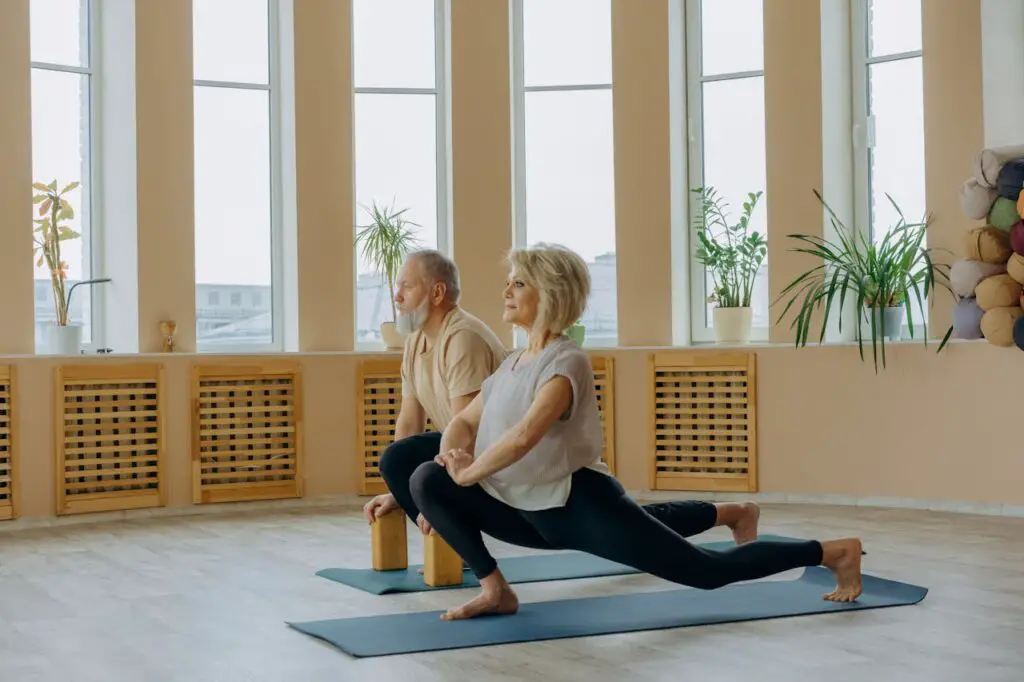
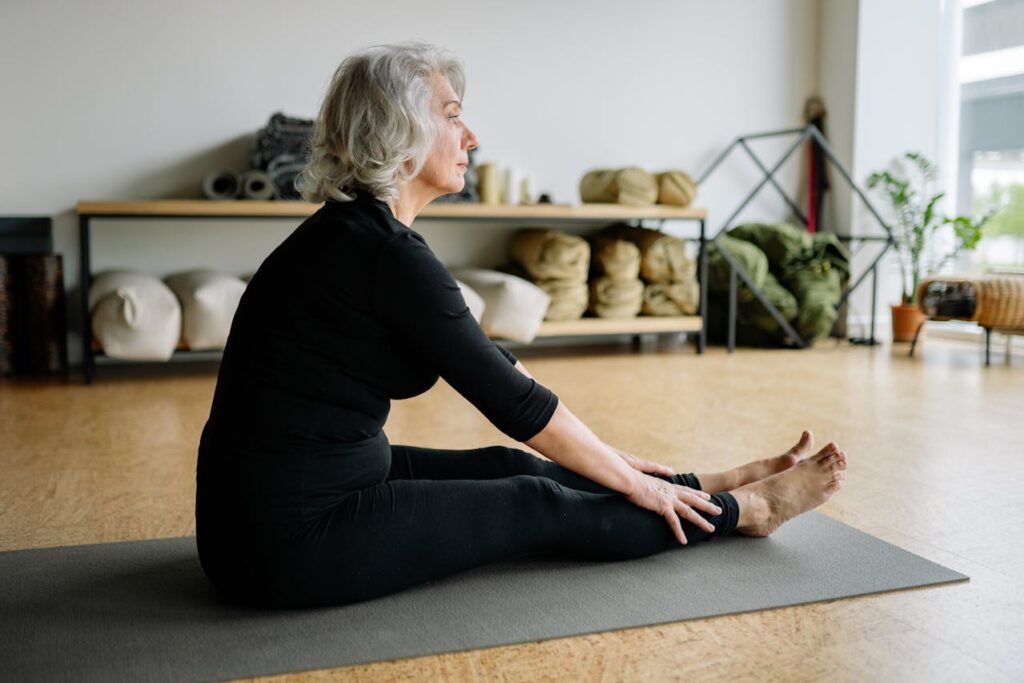
<p> Unlike their parents, baby boomers are not resigning themselves to a sedentary lifestyle. Many engage in regular physical activities such as yoga, swimming, cycling, and hiking, helping to maintain muscle strength, flexibility, and cardiovascular health. Retirement is no longer seen as a time to slow down but as an opportunity to pursue fitness goals, join exercise groups, or even take up new sports. With a greater understanding of the importance of movement, baby boomers are staying fit and reaping the benefits of an active lifestyle. </p> :: Pexels

Unlike their parents, baby boomers are not resigning themselves to a sedentary lifestyle. Many engage in regular physical activities such as yoga, swimming, cycling, and hiking, helping to maintain muscle strength, flexibility, and cardiovascular health. Retirement is no longer seen as a time to slow down but as an opportunity to pursue fitness goals, join exercise groups, or even take up new sports. With a greater understanding of the importance of movement, baby boomers are staying fit and reaping the benefits of an active lifestyle.

2. Greater Focus on Preventive Healthcare

<p> One of the key reasons baby boomers are living longer is their proactive approach to healthcare. They schedule routine screenings, monitor vital health indicators, and make informed lifestyle choices that help prevent chronic diseases. Regular check-ups for blood pressure, cholesterol, and diabetes enable early detection and treatment, reducing the risk of severe complications. Additionally, they are more conscious of diet and nutrition, opting for whole foods over processed options. By taking preventative measures, they are avoiding the pitfalls of neglecting health until it is too late. </p> :: Pexels

One of the key reasons baby boomers are living longer is their proactive approach to healthcare. They schedule routine screenings, monitor vital health indicators, and make informed lifestyle choices that help prevent chronic diseases. Regular check-ups for blood pressure, cholesterol, and diabetes enable early detection and treatment, reducing the risk of severe complications. Additionally, they are more conscious of diet and nutrition, opting for whole foods over processed options. By taking preventative measures, they are avoiding the pitfalls of neglecting health until it is too late.

3. Advancements in Medical Technology

<p> Medical advancements have significantly improved the quality and longevity of life for baby boomers. From minimally invasive surgeries to breakthrough medications, technological innovations have made managing chronic conditions easier and more effective. Wearable health devices help them track physical activity, heart rate, and sleep patterns, giving them greater control over their well-being. Telemedicine has also made healthcare more accessible, allowing baby boomers to consult with doctors remotely, reducing the need for in-person visits. These advancements have helped baby boomers maintain a higher quality of life for longer. </p> :: Pexels

Medical advancements have significantly improved the quality and longevity of life for baby boomers. From minimally invasive surgeries to breakthrough medications, technological innovations have made managing chronic conditions easier and more effective. Wearable health devices help them track physical activity, heart rate, and sleep patterns, giving them greater control over their well-being. Telemedicine has also made healthcare more accessible, allowing baby boomers to consult with doctors remotely, reducing the need for in-person visits. These advancements have helped baby boomers maintain a higher quality of life for longer.

4. Increased Awareness of Mental Health

<p> Unlike previous generations that often ignored or dismissed mental health concerns, baby boomers are taking a more proactive approach to emotional well-being. Many practice mindfulness, engage in therapy, and participate in stress-reducing activities such as meditation and journaling. Staying mentally engaged through hobbies, social activities, and volunteer work also contributes to a sense of purpose and fulfillment. By prioritizing mental health, they are improving their quality of life and reducing the risk of conditions such as depression and cognitive decline. </p> :: Pexels

Unlike previous generations that often ignored or dismissed mental health concerns, baby boomers are taking a more proactive approach to emotional well-being. Many practice mindfulness, engage in therapy, and participate in stress-reducing activities such as meditation and journaling. Staying mentally engaged through hobbies, social activities, and volunteer work also contributes to a sense of purpose and fulfillment. By prioritizing mental health, they are improving their quality of life and reducing the risk of conditions such as depression and cognitive decline.

5. Socially Active and Engaged Lives

<p> Staying socially active is a key factor in longevity, and baby boomers are making it a priority. Many join clubs, participate in community events, or use social media and video calls to stay in touch with family and friends. Research has shown that maintaining strong social connections reduces stress, enhances cognitive function, and lowers the risk of developing dementia. The ability to adapt to new ways of connecting with others has allowed baby boomers to stay engaged and supported, contributing to their overall happiness and longevity. </p> :: Pexels

Staying socially active is a key factor in longevity, and baby boomers are making it a priority. Many join clubs, participate in community events, or use social media and video calls to stay in touch with family and friends. Research has shown that maintaining strong social connections reduces stress, enhances cognitive function, and lowers the risk of developing dementia. The ability to adapt to new ways of connecting with others has allowed baby boomers to stay engaged and supported, contributing to their overall happiness and longevity.

6. Embracing Technology for Health and Wellness

<p> Baby boomers are utilizing technology to improve their health and daily lives. Many use fitness apps to track steps, monitor nutrition, and receive personalized workout recommendations. Online health resources provide valuable information, helping them make informed decisions about diet and exercise. Virtual fitness classes allow them to stay active from home, and telehealth services make it easier to consult with medical professionals. By embracing technology, baby boomers have more tools than ever to maintain their health and wellness. </p> :: Pexels

Baby boomers are utilizing technology to improve their health and daily lives. Many use fitness apps to track steps, monitor nutrition, and receive personalized workout recommendations. Online health resources provide valuable information, helping them make informed decisions about diet and exercise. Virtual fitness classes allow them to stay active from home, and telehealth services make it easier to consult with medical professionals. By embracing technology, baby boomers have more tools than ever to maintain their health and wellness.

7. Financial Stability and Smart Retirement Planning

<p> Many baby boomers have prioritized financial planning, allowing them to afford better healthcare, nutritious food, and an overall higher quality of life. Unlike previous generations that may have faced financial instability in their later years, baby boomers have taken steps to secure their retirement. Some continue working part-time, run small businesses, or invest in income-generating opportunities, keeping them financially independent and mentally engaged. This economic stability provides them with the resources necessary to focus on their well-being without the burden of financial stress. </p> :: Pexels

Many baby boomers have prioritized financial planning, allowing them to afford better healthcare, nutritious food, and an overall higher quality of life. Unlike previous generations that may have faced financial instability in their later years, baby boomers have taken steps to secure their retirement. Some continue working part-time, run small businesses, or invest in income-generating opportunities, keeping them financially independent and mentally engaged. This economic stability provides them with the resources necessary to focus on their well-being without the burden of financial stress.

8. Better Nutrition and Dietary Awareness

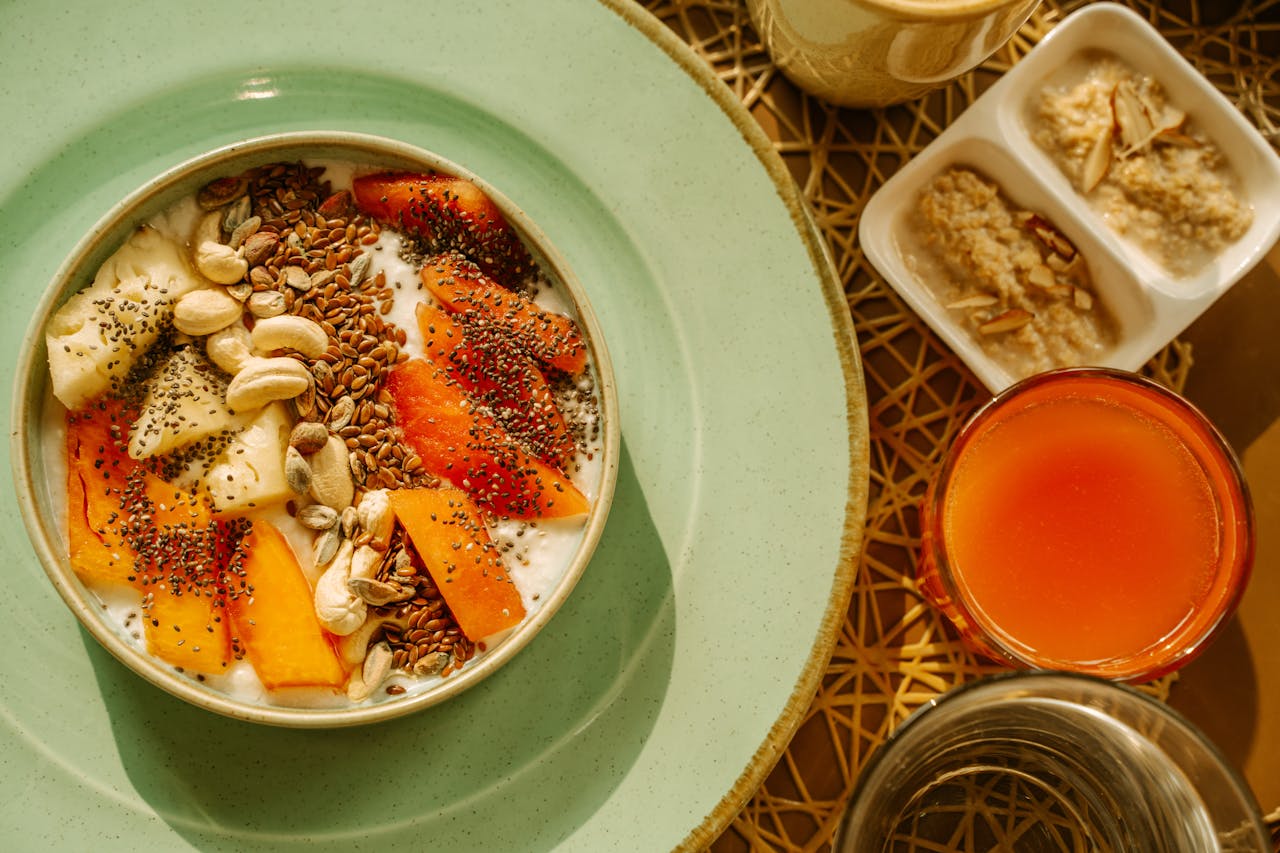
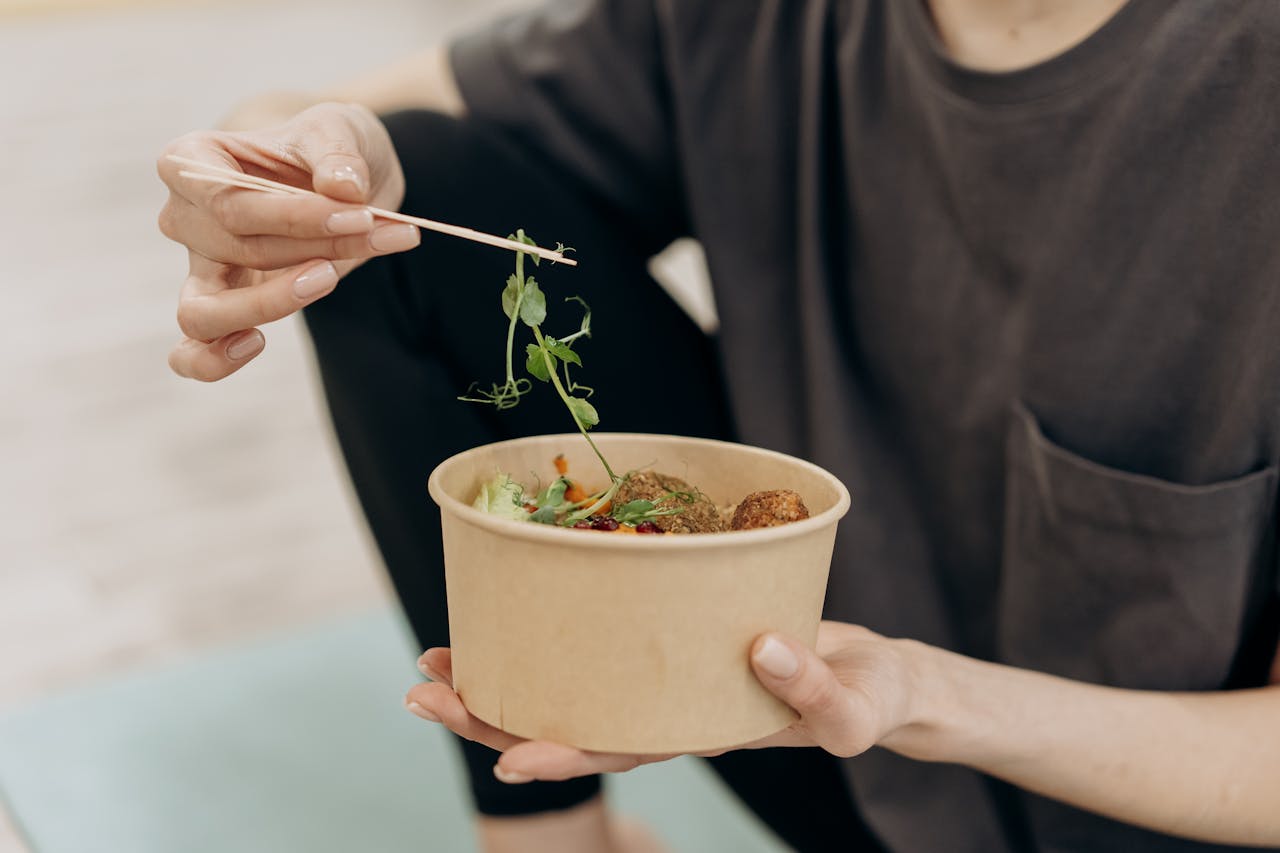
<p> Baby boomers are more aware of the impact of nutrition on health and longevity. Many follow balanced diets rich in fruits, vegetables, lean proteins, and whole grains. Some have embraced Mediterranean or plant-based diets, which have been linked to reduced risks of heart disease, diabetes, and other chronic illnesses. They are also conscious of reducing sugar and processed foods, opting for healthier alternatives that support long-term well-being. By making smarter dietary choices, baby boomers are fueling their bodies for optimal health as they age. </p> :: Pexels

Baby boomers are more aware of the impact of nutrition on health and longevity. Many follow balanced diets rich in fruits, vegetables, lean proteins, and whole grains. Some have embraced Mediterranean or plant-based diets, which have been linked to reduced risks of heart disease, diabetes, and other chronic illnesses. They are also conscious of reducing sugar and processed foods, opting for healthier alternatives that support long-term well-being. By making smarter dietary choices, baby boomers are fueling their bodies for optimal health as they age.

9. Pursuing Lifelong Learning and Cognitive Activities

<p> Keeping the brain engaged is a crucial factor in longevity, and baby boomers are dedicated to lifelong learning. Many enroll in online courses, attend workshops, or engage in intellectually stimulating activities such as reading, puzzles, and chess. Learning new skills and staying mentally active helps maintain cognitive function and reduces the risk of neurodegenerative diseases such as Alzheimer's. By continuously challenging themselves intellectually, baby boomers are keeping their minds sharp and their lives fulfilling. </p> :: Pexels

Keeping the brain engaged is a crucial factor in longevity, and baby boomers are dedicated to lifelong learning. Many enroll in online courses, attend workshops, or engage in intellectually stimulating activities such as reading, puzzles, and chess. Learning new skills and staying mentally active helps maintain cognitive function and reduces the risk of neurodegenerative diseases such as Alzheimer’s. By continuously challenging themselves intellectually, baby boomers are keeping their minds sharp and their lives fulfilling.

10. Positive Attitude and Adaptability

<p> A positive mindset is one of the most underrated contributors to longevity, and baby boomers have embraced adaptability and optimism. Many approach aging with a sense of adventure, viewing it as an opportunity to explore new passions, travel, and take on new challenges. Studies have shown that maintaining a positive outlook on life can lower stress levels, reduce the risk of heart disease, and improve overall well-being. By focusing on joy, gratitude, and resilience, baby boomers are proving that aging can be an exciting and rewarding journey. </p> :: Pexels

A positive mindset is one of the most underrated contributors to longevity, and baby boomers have embraced adaptability and optimism. Many approach aging with a sense of adventure, viewing it as an opportunity to explore new passions, travel, and take on new challenges. Studies have shown that maintaining a positive outlook on life can lower stress levels, reduce the risk of heart disease, and improve overall well-being. By focusing on joy, gratitude, and resilience, baby boomers are proving that aging can be an exciting and rewarding journey.

Final Thoughts

<p> Baby boomers are redefining aging, proving that a long and healthy life is not just about genetics but about lifestyle choices, mental resilience, and proactive health management. By staying physically active, embracing technology, maintaining strong social connections, and prioritizing lifelong learning, they are setting a new standard for healthy aging. Their ability to adapt to changing times while focusing on well-being serves as an inspiration for future generations. As they continue to lead fulfilling lives, baby boomers are showing that growing older does not mean slowing down—it means thriving. </p> :: Pexels

Baby boomers are redefining aging, proving that a long and healthy life is not just about genetics but about lifestyle choices, mental resilience, and proactive health management. By staying physically active, embracing technology, maintaining strong social connections, and prioritizing lifelong learning, they are setting a new standard for healthy aging. Their ability to adapt to changing times while focusing on well-being serves as an inspiration for future generations. As they continue to lead fulfilling lives, baby boomers are showing that growing older does not mean slowing down—it means thriving.


Filed Under: Health & Fitness

9 Smart Moves to Start Planning Your Healthcare in Your 40s

September 12, 2025 | Leave a Comment

9 Smart Moves to Start Planning Your Healthcare in Your 40s

<p> When you hit your 40s, life feels like a balancing act. You may be raising kids, supporting aging parents, or trying to keep up with your career while also wondering why your knees now sound like bubble wrap. It is an exciting decade, but it is also a turning point for your health. The choices you make now can determine whether your 50s and 60s feel vibrant and active or bogged down by preventable health problems. The truth is, your body is whispering clues long before major health issues arrive. A little extra weight, slower recovery after workouts, or constant stress may not seem like a big deal, but they are early signals. That is why your 40s are the perfect time to take charge of your healthcare planning. Think of it as creating a roadmap for your future self—one where you can enjoy family trips, retirement dreams, and your favorite hobbies without being sidelined by preventable illnesses. Here are nine practical and doable steps to help you get your healthcare game plan in order while you are still young enough to make a difference. </p> :: Freepik

When you hit your 40s, life feels like a balancing act. You may be raising kids, supporting aging parents, or trying to keep up with your career while also wondering why your knees now sound like bubble wrap. It is an exciting decade, but it is also a turning point for your health. The choices you make now can determine whether your 50s and 60s feel vibrant and active or bogged down by preventable health problems.

The truth is, your body is whispering clues long before major health issues arrive. A little extra weight, slower recovery after workouts, or constant stress may not seem like a big deal, but they are early signals. That is why your 40s are the perfect time to take charge of your healthcare planning. Think of it as creating a roadmap for your future self—one where you can enjoy family trips, retirement dreams, and your favorite hobbies without being sidelined by preventable illnesses.

Here are nine practical and doable steps to help you get your healthcare game plan in order while you are still young enough to make a difference.

1. Become best buddies with preventive care

<p> By the time you reach your 40s, regular checkups are not optional anymore—they are essential. Preventive care helps you spot issues before they become expensive and stressful problems. That means routine screenings like cholesterol checks, blood pressure monitoring, and diabetes tests should be on your calendar. For women, this decade is when mammograms officially enter the picture. For men, prostate health discussions often begin. Vaccines matter too: yearly flu shots, tetanus boosters, and shingles or hepatitis vaccines depending on your doctor’s advice. Preventive care is not about being a hypochondriac—it is about catching things early when they are easiest to manage. </p> :: Pexels

By the time you reach your 40s, regular checkups are not optional anymore—they are essential. Preventive care helps you spot issues before they become expensive and stressful problems. That means routine screenings like cholesterol checks, blood pressure monitoring, and diabetes tests should be on your calendar.

For women, this decade is when mammograms officially enter the picture. For men, prostate health discussions often begin. Vaccines matter too: yearly flu shots, tetanus boosters, and shingles or hepatitis vaccines depending on your doctor’s advice. Preventive care is not about being a hypochondriac—it is about catching things early when they are easiest to manage.

2. Build a reliable emergency health fund

<p> Even with solid insurance, unexpected costs can hit hard. A trip to the ER, a surprise surgery, or even ongoing therapy sessions can leave your budget in pieces. That is where an emergency health fund comes in. Aim to save at least enough to cover your deductible plus a little extra for copays, medications, and other surprise expenses. If your employer offers a Health Savings Account, use it—it lets you set aside money tax-free specifically for medical needs. Think of this fund as your financial safety net. It is not glamorous, but it means you can handle surprises without draining your savings or swiping your credit card in panic. </p> :: Freepik

Even with solid insurance, unexpected costs can hit hard. A trip to the ER, a surprise surgery, or even ongoing therapy sessions can leave your budget in pieces. That is where an emergency health fund comes in.

Aim to save at least enough to cover your deductible plus a little extra for copays, medications, and other surprise expenses. If your employer offers a Health Savings Account, use it—it lets you set aside money tax-free specifically for medical needs. Think of this fund as your financial safety net. It is not glamorous, but it means you can handle surprises without draining your savings or swiping your credit card in panic.

3. Get serious about family health history

<p> Do you know if heart disease, diabetes, or certain cancers run in your family? If not, now is the time to find out. Your family health history is one of the most powerful tools your doctor can use to tailor your care. Sit down with your parents, siblings, or even older relatives and gather information. Document who had what conditions and at what age they were diagnosed. Then, share this with your healthcare provider so you can create a personalized plan. It may mean getting screened earlier or more frequently, or it might just reinforce the need for lifestyle changes. Either way, this knowledge arms you with the power to act instead of react. </p> :: Pexels

Do you know if heart disease, diabetes, or certain cancers run in your family? If not, now is the time to find out. Your family health history is one of the most powerful tools your doctor can use to tailor your care.

Sit down with your parents, siblings, or even older relatives and gather information. Document who had what conditions and at what age they were diagnosed. Then, share this with your healthcare provider so you can create a personalized plan. It may mean getting screened earlier or more frequently, or it might just reinforce the need for lifestyle changes. Either way, this knowledge arms you with the power to act instead of react.

4. Strengthen your lifestyle foundation

<p> Yes, you have heard it a thousand times: eat better, move more, sleep enough. But in your 40s, these habits stop being optional and start becoming essential for longevity. This is the decade where metabolism slows down, muscle mass begins to decline, and stress can wreak havoc on your body. The good news? Even small changes pay off. Prioritize strength training to keep your muscles and bones strong, focus on whole foods instead of ultra-processed ones, and give yourself permission to actually rest. Do not underestimate sleep—it is the ultimate reset button for your brain and body. Think of your lifestyle habits as the foundation of your house: if it is strong now, you will not be scrambling to patch up cracks later. </p> :: Pexels

Yes, you have heard it a thousand times: eat better, move more, sleep enough. But in your 40s, these habits stop being optional and start becoming essential for longevity. This is the decade where metabolism slows down, muscle mass begins to decline, and stress can wreak havoc on your body.

The good news? Even small changes pay off. Prioritize strength training to keep your muscles and bones strong, focus on whole foods instead of ultra-processed ones, and give yourself permission to actually rest. Do not underestimate sleep—it is the ultimate reset button for your brain and body. Think of your lifestyle habits as the foundation of your house: if it is strong now, you will not be scrambling to patch up cracks later.

5. Understand your health insurance inside and out

<p> Most people only look at their insurance plan when something goes wrong. By then, it is usually too late to avoid the sticker shock. In your 40s, it is smart to dig into the details of your coverage. Know what your deductible is, what services are covered, and which doctors and hospitals are in-network. If you have a choice between a high-deductible plan and a lower one with higher premiums, weigh which makes sense for your family’s needs. Consider whether supplemental policies like disability or long-term care insurance are worth exploring. Having the right coverage—and knowing how it works—means you will not be blindsided by medical bills. </p> :: Pexels

Most people only look at their insurance plan when something goes wrong. By then, it is usually too late to avoid the sticker shock. In your 40s, it is smart to dig into the details of your coverage.

Know what your deductible is, what services are covered, and which doctors and hospitals are in-network. If you have a choice between a high-deductible plan and a lower one with higher premiums, weigh which makes sense for your family’s needs. Consider whether supplemental policies like disability or long-term care insurance are worth exploring. Having the right coverage—and knowing how it works—means you will not be blindsided by medical bills.

6. Invest in mental health and brain health

<p> Your 40s can be stressful. Careers are demanding, kids may be teenagers, and aging parents often need more support. It is easy to put your mental health last, but neglecting it now can take a major toll later. Therapy, meditation, exercise, or simply spending time with friends can all support mental well-being. Keeping your brain active is equally important. Challenge yourself with puzzles, reading, or even learning a new skill. Research shows that mental stimulation and social engagement during midlife can lower the risk of cognitive decline down the road. So, yes, that crossword puzzle habit or guitar lesson is doing more than just passing the time—it is building a stronger brain for your future. </p> :: Pexels

Your 40s can be stressful. Careers are demanding, kids may be teenagers, and aging parents often need more support. It is easy to put your mental health last, but neglecting it now can take a major toll later.

Therapy, meditation, exercise, or simply spending time with friends can all support mental well-being. Keeping your brain active is equally important. Challenge yourself with puzzles, reading, or even learning a new skill. Research shows that mental stimulation and social engagement during midlife can lower the risk of cognitive decline down the road. So, yes, that crossword puzzle habit or guitar lesson is doing more than just passing the time—it is building a stronger brain for your future.

7. Take chronic disease risk factors seriously

<p> If you already have high blood pressure, elevated cholesterol, or are carrying extra weight, do not brush it off. These are not just numbers on a chart; they are warning lights on your dashboard. Addressing these issues in your 40s can often prevent them from turning into full-blown disease. Work with your doctor to create a plan—whether it is medication, lifestyle changes, or more frequent monitoring. The earlier you act, the easier it is to manage and the lower the long-term costs will be. Prevention really is worth more than cure. </p> :: Pexels

If you already have high blood pressure, elevated cholesterol, or are carrying extra weight, do not brush it off. These are not just numbers on a chart; they are warning lights on your dashboard.

Addressing these issues in your 40s can often prevent them from turning into full-blown disease. Work with your doctor to create a plan—whether it is medication, lifestyle changes, or more frequent monitoring. The earlier you act, the easier it is to manage and the lower the long-term costs will be. Prevention really is worth more than cure.

8. Start thinking ahead about long-term care

<p> Nobody likes talking about aging, but the reality is that long-term care—like assisted living or in-home help—can be one of the biggest expenses in later life. Planning ahead does not mean you are giving up on independence; it means you are protecting it. Explore long-term care insurance while it is still affordable, and think about where and how you want to live as you get older. Discuss possibilities with your partner or family. On top of that, put your legal documents in order: wills, advance directives, and healthcare proxies. These steps may feel uncomfortable, but they are acts of love for your future self and your family. </p> :: Pexels

Nobody likes talking about aging, but the reality is that long-term care—like assisted living or in-home help—can be one of the biggest expenses in later life. Planning ahead does not mean you are giving up on independence; it means you are protecting it.

Explore long-term care insurance while it is still affordable, and think about where and how you want to live as you get older. Discuss possibilities with your partner or family. On top of that, put your legal documents in order: wills, advance directives, and healthcare proxies. These steps may feel uncomfortable, but they are acts of love for your future self and your family.

9. Revisit your healthcare plan regularly

<p> Healthcare planning is not a “set it and forget it” task. Your needs in your 40s will look different from your needs in your 50s, and life changes like new jobs, relocations, or family milestones can all shift the picture. Make it a habit to review your healthcare plan every couple of years. Check your insurance, update your family health history, and reassess your lifestyle goals. Maybe this year you want to run a half marathon, or maybe you simply want to make sure your blood pressure stays in a healthy range. Whatever it is, adjust your plan so it supports your goals. Flexibility is key to staying prepared. </p> :: Freepik

Healthcare planning is not a “set it and forget it” task. Your needs in your 40s will look different from your needs in your 50s, and life changes like new jobs, relocations, or family milestones can all shift the picture.

Make it a habit to review your healthcare plan every couple of years. Check your insurance, update your family health history, and reassess your lifestyle goals. Maybe this year you want to run a half marathon, or maybe you simply want to make sure your blood pressure stays in a healthy range. Whatever it is, adjust your plan so it supports your goals. Flexibility is key to staying prepared.

Final Thoughts

<p> Planning for your healthcare in your 40s is not about expecting the worst. It is about preparing yourself for the best possible future. Every step you take now—whether it is saving for emergencies, getting a screening, or making time for sleep—pays off in healthier, happier decades ahead. Think of it this way: your 40s are the halftime show of your life. It is your chance to regroup, refocus, and set the tone for the next act. By getting proactive now, you are giving your future self the ultimate gift—more energy, more freedom, and more time to enjoy the life you are building today. </p> :: Pexels

Planning for your healthcare in your 40s is not about expecting the worst. It is about preparing yourself for the best possible future. Every step you take now—whether it is saving for emergencies, getting a screening, or making time for sleep—pays off in healthier, happier decades ahead.

Think of it this way: your 40s are the halftime show of your life. It is your chance to regroup, refocus, and set the tone for the next act. By getting proactive now, you are giving your future self the ultimate gift—more energy, more freedom, and more time to enjoy the life you are building today.

Filed Under: Health & Fitness

The 10 Healthiest Vegetables You Should Be Eating, According to Experts

September 12, 2025 | Leave a Comment

The 10 Healthiest Vegetables You Should Be Eating, According to Experts

<p> When it comes to living a long, healthy life, your diet plays a crucial role. One of the simplest yet most effective ways to enhance your health is by including more vegetables in your meals. Experts agree that certain vegetables pack an extra punch when it comes to health benefits, offering a treasure trove of essential vitamins, minerals, and antioxidants. Here are the top 10 healthiest vegetables you should be eating, according to nutritionists and health experts, to fuel your body and support long-term wellness. </p> :: Freepik

When it comes to living a long, healthy life, your diet plays a crucial role. One of the simplest yet most effective ways to enhance your health is by including more vegetables in your meals. Experts agree that certain vegetables pack an extra punch when it comes to health benefits, offering a treasure trove of essential vitamins, minerals, and antioxidants. Here are the top 10 healthiest vegetables you should be eating, according to nutritionists and health experts, to fuel your body and support long-term wellness.

1. Watercress: The Nutrient-Packed Superfood

<p> Watercress may be small, but it is mighty in terms of its health benefits. This leafy green is often overlooked, yet it's one of the most nutrient-dense vegetables you can find. Rich in vitamins K, A, and C, along with calcium and potassium, watercress supports healthy bones, boosts the immune system, and helps maintain cardiovascular health. Studies show that this humble vegetable also contains powerful antioxidants that fight oxidative stress and inflammation in the body, which may help reduce the risk of chronic diseases like cancer. Adding watercress to salads or smoothies can be an easy way to get more of these incredible nutrients into your diet. </p> :: Freepik

Watercress may be small, but it is mighty in terms of its health benefits. This leafy green is often overlooked, yet it’s one of the most nutrient-dense vegetables you can find. Rich in vitamins K, A, and C, along with calcium and potassium, watercress supports healthy bones, boosts the immune system, and helps maintain cardiovascular health. Studies show that this humble vegetable also contains powerful antioxidants that fight oxidative stress and inflammation in the body, which may help reduce the risk of chronic diseases like cancer. Adding watercress to salads or smoothies can be an easy way to get more of these incredible nutrients into your diet.

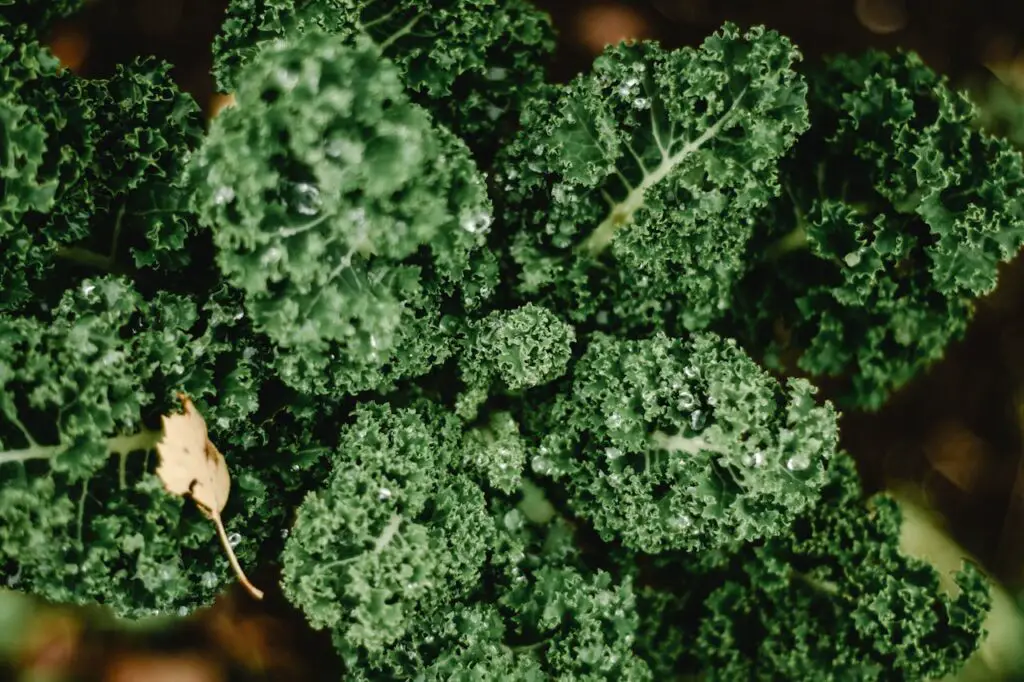
2. Kale: A Leafy Green Packed with Vitamins

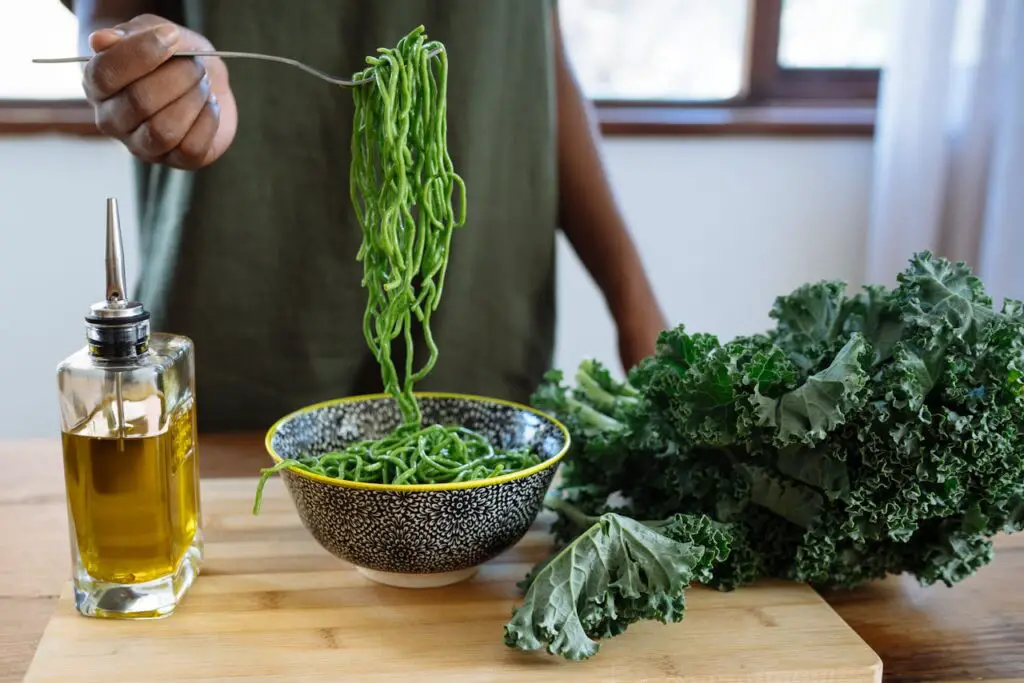
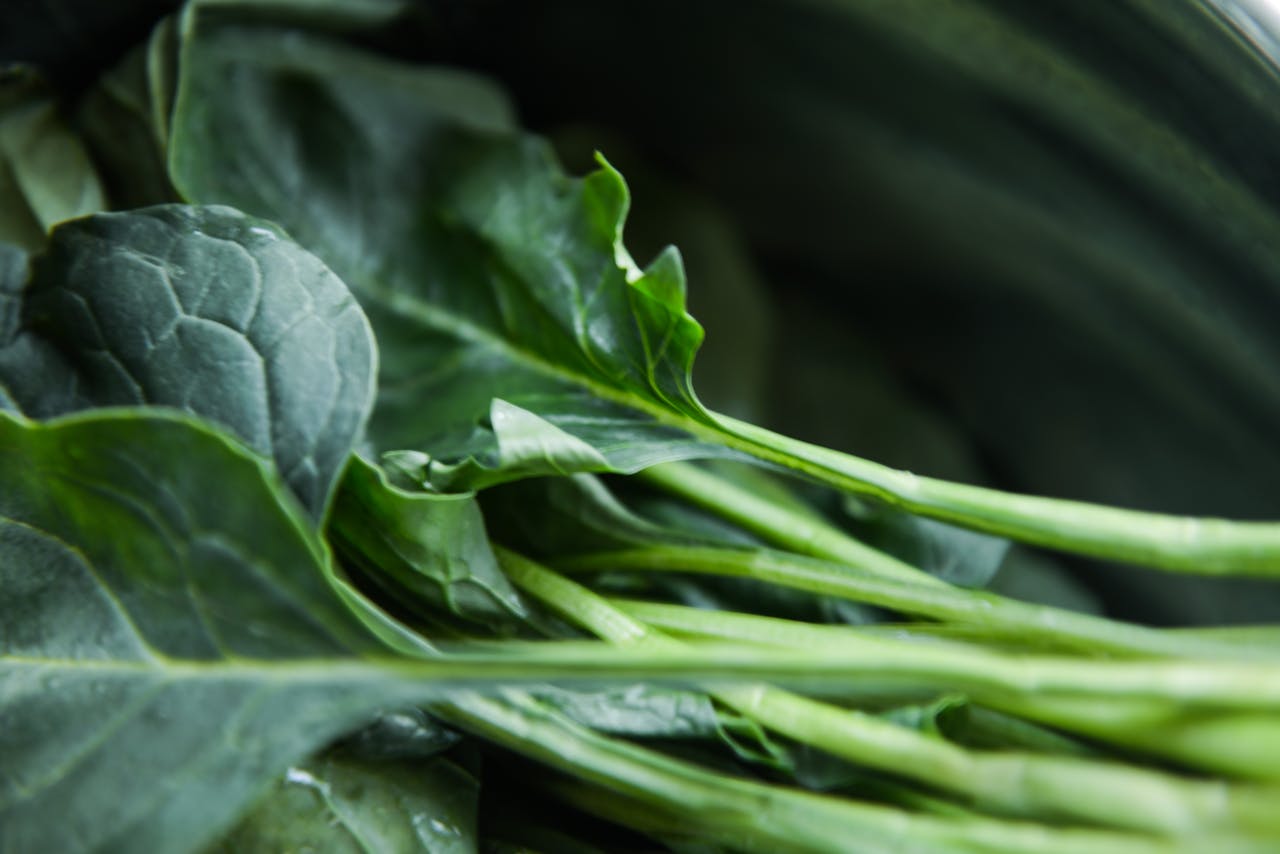
<p> Kale is widely regarded as one of the most nutrient-rich vegetables you can consume. It's loaded with vitamins A, C, and K, along with an impressive amount of calcium, iron, and fiber. These nutrients work together to promote bone health, boost the immune system, and improve overall cardiovascular health. Kale is also rich in antioxidants that help combat oxidative stress, which can contribute to aging and various diseases. Whether you toss it in salads, blend it into smoothies, or sauté it with olive oil and garlic, kale is a delicious and versatile addition to your meals. </p> :: Pexels

Kale is widely regarded as one of the most nutrient-rich vegetables you can consume. It’s loaded with vitamins A, C, and K, along with an impressive amount of calcium, iron, and fiber. These nutrients work together to promote bone health, boost the immune system, and improve overall cardiovascular health. Kale is also rich in antioxidants that help combat oxidative stress, which can contribute to aging and various diseases. Whether you toss it in salads, blend it into smoothies, or sauté it with olive oil and garlic, kale is a delicious and versatile addition to your meals.

3. Spinach: A Versatile Green for Better Health

<p> Spinach is another green leafy vegetable that tops the list of healthiest foods. Packed with vitamins A, C, and K, spinach supports eye health, promotes healthy skin, and aids in blood circulation. It's also a great source of folate and iron, both of which are essential for maintaining energy levels and preventing anemia. Spinach contains powerful plant compounds that have anti-inflammatory properties, which can help reduce the risk of chronic diseases like heart disease and cancer. Try adding fresh spinach to your salads or cooked spinach to your soups and stews for a health boost. </p> :: Freepik

Spinach is another green leafy vegetable that tops the list of healthiest foods. Packed with vitamins A, C, and K, spinach supports eye health, promotes healthy skin, and aids in blood circulation. It’s also a great source of folate and iron, both of which are essential for maintaining energy levels and preventing anemia. Spinach contains powerful plant compounds that have anti-inflammatory properties, which can help reduce the risk of chronic diseases like heart disease and cancer. Try adding fresh spinach to your salads or cooked spinach to your soups and stews for a health boost.

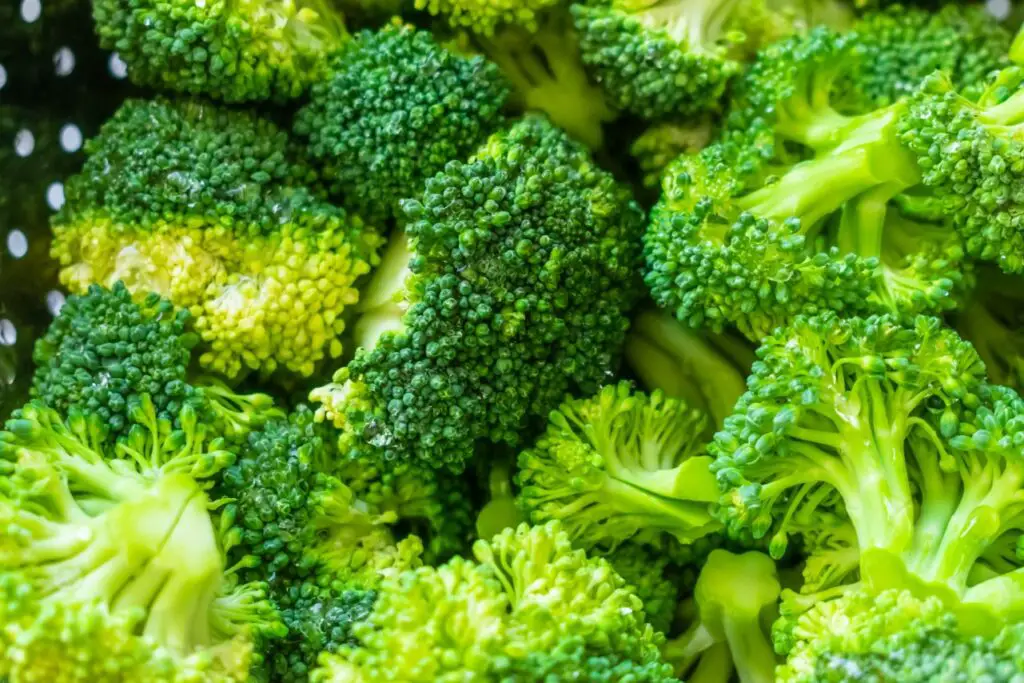
4. Broccoli: A Cruciferous Powerhouse

<p> Broccoli is a member of the cruciferous vegetable family, and it’s known for its numerous health benefits. This vegetable is an excellent source of vitamins C and K, fiber, and several potent antioxidants. Broccoli is well known for its ability to support immune function and aid in digestion. It also contains sulforaphane, a compound that has been shown to have anti-cancer properties by protecting cells from oxidative damage. Whether steamed, roasted, or added to stir-fries, broccoli is an easy vegetable to incorporate into any meal for added nutrients and flavor. </p> :: Freepik

Broccoli is a member of the cruciferous vegetable family, and it’s known for its numerous health benefits. This vegetable is an excellent source of vitamins C and K, fiber, and several potent antioxidants. Broccoli is well known for its ability to support immune function and aid in digestion. It also contains sulforaphane, a compound that has been shown to have anti-cancer properties by protecting cells from oxidative damage. Whether steamed, roasted, or added to stir-fries, broccoli is an easy vegetable to incorporate into any meal for added nutrients and flavor.

5. Brussels Sprouts: Small But Mighty

<p> Don’t let their size fool you—Brussels sprouts are packed with nutrition. These little green veggies are rich in vitamins C and K, fiber, and antioxidants, which contribute to a healthy heart, improved digestion, and reduced inflammation. The high fiber content in Brussels sprouts helps maintain digestive health and supports healthy blood sugar levels. Additionally, Brussels sprouts are a great source of glucosinolates, which are compounds that have been linked to a reduced risk of cancer. Roasting or grilling Brussels sprouts brings out their natural sweetness, making them a tasty and nutritious side dish. </p> :: Pexels

Don’t let their size fool you—Brussels sprouts are packed with nutrition. These little green veggies are rich in vitamins C and K, fiber, and antioxidants, which contribute to a healthy heart, improved digestion, and reduced inflammation. The high fiber content in Brussels sprouts helps maintain digestive health and supports healthy blood sugar levels. Additionally, Brussels sprouts are a great source of glucosinolates, which are compounds that have been linked to a reduced risk of cancer. Roasting or grilling Brussels sprouts brings out their natural sweetness, making them a tasty and nutritious side dish.

6. Sweet Potatoes: The Nutrient-Dense Root Vegetable

<p> Sweet potatoes are an incredibly nutritious root vegetable that should be a staple in your diet. They are rich in beta-carotene, which your body converts into vitamin A. This vitamin is crucial for maintaining healthy vision, skin, and immune function. Sweet potatoes also provide fiber, potassium, and antioxidants, which help reduce inflammation and promote heart health. Unlike regular white potatoes, sweet potatoes have a lower glycemic index, making them a better choice for stabilizing blood sugar levels. Whether mashed, roasted, or baked, sweet potatoes are a comforting, nutritious addition to any meal. </p> :: Pexels

Sweet potatoes are an incredibly nutritious root vegetable that should be a staple in your diet. They are rich in beta-carotene, which your body converts into vitamin A. This vitamin is crucial for maintaining healthy vision, skin, and immune function. Sweet potatoes also provide fiber, potassium, and antioxidants, which help reduce inflammation and promote heart health. Unlike regular white potatoes, sweet potatoes have a lower glycemic index, making them a better choice for stabilizing blood sugar levels. Whether mashed, roasted, or baked, sweet potatoes are a comforting, nutritious addition to any meal.

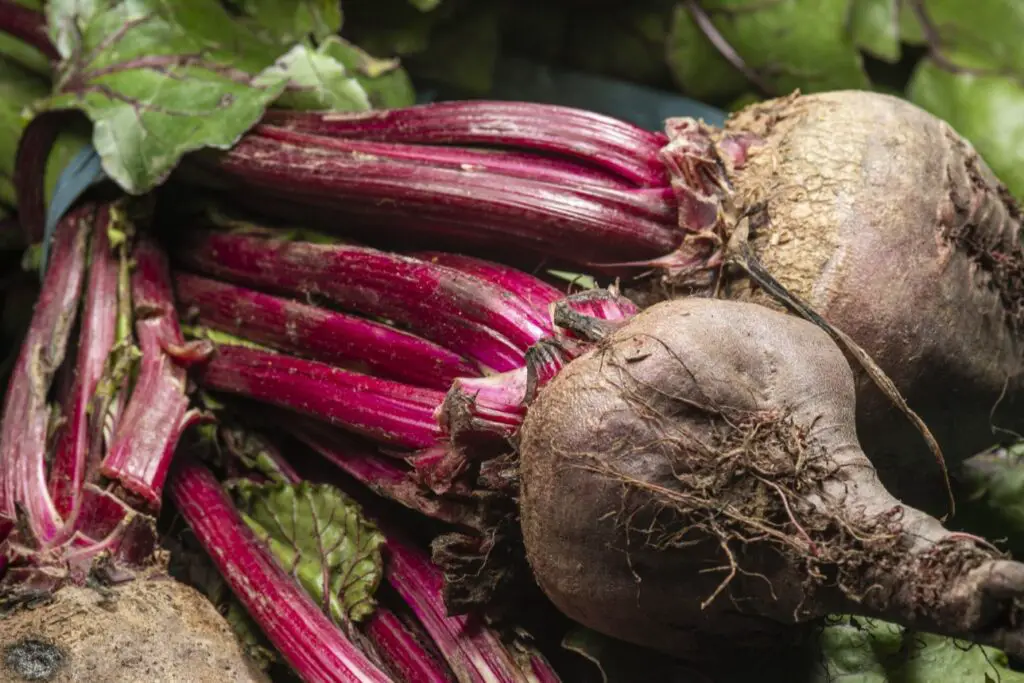
7. Beets: Boost Your Heart Health

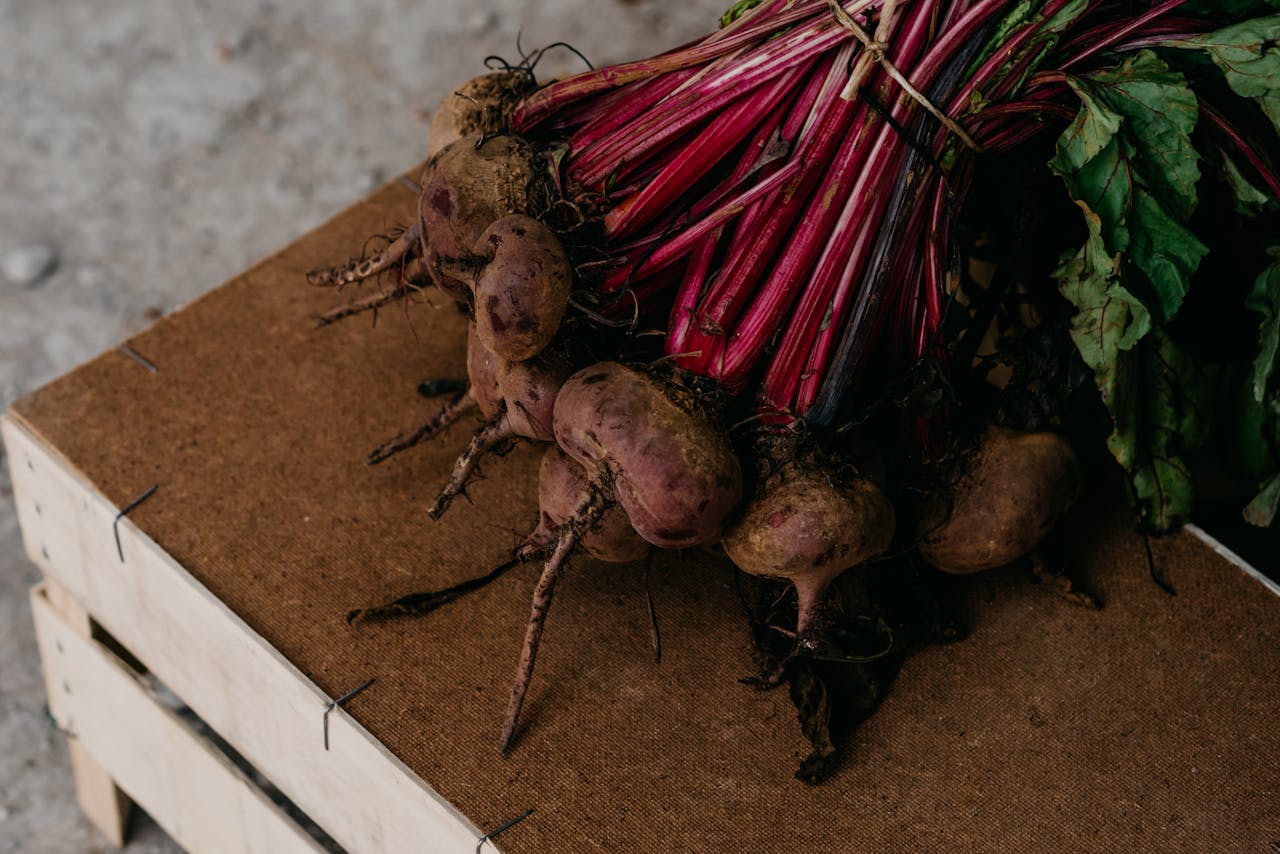
<p> Beets are not only delicious but also packed with powerful nutrients that benefit your heart and overall health. Rich in folate, manganese, and antioxidants, beets support heart health by improving blood flow, lowering blood pressure, and reducing inflammation. Beets are also a natural source of nitrates, compounds that have been shown to enhance athletic performance by improving oxygen flow to muscles. Additionally, the betalains found in beets possess anti-inflammatory and antioxidant properties, which may reduce the risk of chronic diseases like cancer. Add roasted beets to your salads or enjoy beet juice as a refreshing drink to reap the benefits of this vibrant root vegetable. </p> :: Freepik

Beets are not only delicious but also packed with powerful nutrients that benefit your heart and overall health. Rich in folate, manganese, and antioxidants, beets support heart health by improving blood flow, lowering blood pressure, and reducing inflammation. Beets are also a natural source of nitrates, compounds that have been shown to enhance athletic performance by improving oxygen flow to muscles. Additionally, the betalains found in beets possess anti-inflammatory and antioxidant properties, which may reduce the risk of chronic diseases like cancer. Add roasted beets to your salads or enjoy beet juice as a refreshing drink to reap the benefits of this vibrant root vegetable.

8. Carrots: A Crunchy, Vision-Boosting Snack

<p> Carrots are a classic vegetable known for their health benefits, especially when it comes to eye health. Rich in beta-carotene, which the body converts into vitamin A, carrots support good vision, especially in low-light conditions. In addition to promoting eye health, carrots are also a great source of fiber, vitamin K, and antioxidants, which help support digestive health and protect against chronic diseases. Carrots can be eaten raw as a snack, added to soups, or roasted with a little olive oil and seasoning for a delicious side dish. </p> :: Pexels

Carrots are a classic vegetable known for their health benefits, especially when it comes to eye health. Rich in beta-carotene, which the body converts into vitamin A, carrots support good vision, especially in low-light conditions. In addition to promoting eye health, carrots are also a great source of fiber, vitamin K, and antioxidants, which help support digestive health and protect against chronic diseases. Carrots can be eaten raw as a snack, added to soups, or roasted with a little olive oil and seasoning for a delicious side dish.

9. Artichokes: A Digestive and Detox Powerhouse

<p> Artichokes are a powerhouse of fiber, antioxidants, and essential vitamins like C and K. These nutrients play a vital role in supporting digestive health, reducing cholesterol, and detoxifying the liver. The high fiber content in artichokes aids in digestion by promoting healthy bowel movements and preventing constipation. Artichokes are also rich in silymarin, an antioxidant that helps protect the liver from damage caused by toxins. Steam or roast artichokes for a healthy and delicious side dish, or add them to salads for a burst of flavor and nutrition. </p> :: Pexels

Artichokes are a powerhouse of fiber, antioxidants, and essential vitamins like C and K. These nutrients play a vital role in supporting digestive health, reducing cholesterol, and detoxifying the liver. The high fiber content in artichokes aids in digestion by promoting healthy bowel movements and preventing constipation. Artichokes are also rich in silymarin, an antioxidant that helps protect the liver from damage caused by toxins. Steam or roast artichokes for a healthy and delicious side dish, or add them to salads for a burst of flavor and nutrition.

10. Asparagus: A Springtime Superfood

<p> Asparagus is a springtime vegetable that is loaded with health benefits. It’s an excellent source of vitamins A, C, and K, as well as folate and fiber. Asparagus helps support bone health, digestive function, and detoxification processes. The antioxidants in asparagus, such as glutathione, work to reduce inflammation and fight oxidative stress in the body. Asparagus is also known for its diuretic properties, which can help flush out excess salt and reduce bloating. You can enjoy asparagus roasted, grilled, or added to salads for a light, nutritious addition to any meal. </p> :: Pexels

Asparagus is a springtime vegetable that is loaded with health benefits. It’s an excellent source of vitamins A, C, and K, as well as folate and fiber. Asparagus helps support bone health, digestive function, and detoxification processes. The antioxidants in asparagus, such as glutathione, work to reduce inflammation and fight oxidative stress in the body. Asparagus is also known for its diuretic properties, which can help flush out excess salt and reduce bloating. You can enjoy asparagus roasted, grilled, or added to salads for a light, nutritious addition to any meal.

Final Thoughts

<p> Eating a variety of these healthy vegetables regularly can have a profound impact on your health. From supporting your immune system to improving digestion and protecting against chronic diseases, these vegetables offer an array of benefits that can help you live a longer, healthier life. So, whether you’re adding kale to your smoothie, roasting Brussels sprouts, or enjoying a beet salad, there are endless ways to incorporate these nutrient-packed vegetables into your diet. Remember, the more colorful your plate, the more nutrients you're getting—so make these 10 vegetables a regular part of your meals and enjoy the numerous health benefits they offer! </p> :: Pexels

Eating a variety of these healthy vegetables regularly can have a profound impact on your health. From supporting your immune system to improving digestion and protecting against chronic diseases, these vegetables offer an array of benefits that can help you live a longer, healthier life. So, whether you’re adding kale to your smoothie, roasting Brussels sprouts, or enjoying a beet salad, there are endless ways to incorporate these nutrient-packed vegetables into your diet. Remember, the more colorful your plate, the more nutrients you’re getting—so make these 10 vegetables a regular part of your meals and enjoy the numerous health benefits they offer!

Filed Under: Health & Fitness

10 Fun Fitness Challenges to Try with Friends or Family

September 11, 2025 | Leave a Comment

10 Fun Fitness Challenges to Try with Friends or Family

<p> Looking for a way to spice up your fitness routine and have fun with your loved ones? Fitness challenges are a fantastic way to get everyone moving, laughing, and bonding. Whether you’re looking for a fun way to stay active or just want to encourage some healthy competition, these 10 fitness challenges are perfect for friends or family. From indoor activities to outdoor adventures, these challenges will keep everyone engaged and motivated. So, gather your friends or family and get ready to break a sweat with these exciting and fun fitness challenges! </p> :: Pexels

Looking for a way to spice up your fitness routine and have fun with your loved ones? Fitness challenges are a fantastic way to get everyone moving, laughing, and bonding. Whether you’re looking for a fun way to stay active or just want to encourage some healthy competition, these 10 fitness challenges are perfect for friends or family. From indoor activities to outdoor adventures, these challenges will keep everyone engaged and motivated. So, gather your friends or family and get ready to break a sweat with these exciting and fun fitness challenges!

1. Step Challenge: Who Can Walk the Most Steps in a Week?

<p> A step challenge is a simple yet effective way to get everyone moving more throughout the day. The goal is to track the number of steps each participant takes, using a fitness tracker or pedometer, and see who can walk the most steps over the course of a week. Whether it’s walking around the block, taking the stairs, or going for a hike, this challenge encourages everyone to move more. It’s a great way to stay active, improve cardiovascular health, and have fun competing with friends or family. Plus, you can easily adjust the difficulty based on each person’s fitness level, making it a challenge that everyone can enjoy. The beauty of this challenge lies in its simplicity. All it requires is a fitness tracker or smartphone, and you can compete virtually from anywhere. Whether you're at work, at home, or out running errands, each step counts toward your total. It’s a great reminder to take the stairs, walk to lunch, or take a walk after dinner. The best part? This challenge is great for all ages, so everyone from kids to grandparents can participate and stay motivated. </p> :: Pexels

A step challenge is a simple yet effective way to get everyone moving more throughout the day. The goal is to track the number of steps each participant takes, using a fitness tracker or pedometer, and see who can walk the most steps over the course of a week. Whether it’s walking around the block, taking the stairs, or going for a hike, this challenge encourages everyone to move more. It’s a great way to stay active, improve cardiovascular health, and have fun competing with friends or family. Plus, you can easily adjust the difficulty based on each person’s fitness level, making it a challenge that everyone can enjoy.

The beauty of this challenge lies in its simplicity. All it requires is a fitness tracker or smartphone, and you can compete virtually from anywhere. Whether you’re at work, at home, or out running errands, each step counts toward your total. It’s a great reminder to take the stairs, walk to lunch, or take a walk after dinner. The best part? This challenge is great for all ages, so everyone from kids to grandparents can participate and stay motivated.

2. Push-Up Challenge: Who Can Do the Most Push-Ups in One Minute?

<p> Push-ups are a classic exercise that work the upper body and core. In this challenge, participants see how many push-ups they can complete in one minute. You can add variations like knee push-ups or different hand placements to make the challenge accessible for all fitness levels. It’s a great way to test strength and endurance while fostering friendly competition. Plus, push-ups are an excellent way to tone your arms, chest, and core, making this challenge both fun and effective. For beginners, you can modify the challenge by allowing knee push-ups or wall push-ups. For those who want to take it up a notch, try doing clapping push-ups or diamond push-ups for a greater challenge. Push-ups are a total-body exercise, so even though they primarily target the chest and arms, they also engage the core and lower body, making this challenge a great full-body workout. It’s a fun way to push your limits and see how many push-ups you can do in a minute. </p> :: Pexels

Push-ups are a classic exercise that work the upper body and core. In this challenge, participants see how many push-ups they can complete in one minute. You can add variations like knee push-ups or different hand placements to make the challenge accessible for all fitness levels. It’s a great way to test strength and endurance while fostering friendly competition. Plus, push-ups are an excellent way to tone your arms, chest, and core, making this challenge both fun and effective.

For beginners, you can modify the challenge by allowing knee push-ups or wall push-ups. For those who want to take it up a notch, try doing clapping push-ups or diamond push-ups for a greater challenge. Push-ups are a total-body exercise, so even though they primarily target the chest and arms, they also engage the core and lower body, making this challenge a great full-body workout. It’s a fun way to push your limits and see how many push-ups you can do in a minute.

3. Plank Challenge: How Long Can You Hold a Plank?

<p> The plank challenge is all about core strength and endurance. Participants take turns holding the plank position, and the goal is to see who can hold it the longest. You can increase the difficulty by adding side planks or leg lifts. This challenge is perfect for all fitness levels, as it can be modified to suit beginners or advanced participants. Planks are one of the best exercises for building core strength, and this challenge will leave everyone feeling strong and accomplished. Planks are a fantastic way to improve posture, balance, and overall stability. By holding a plank, you engage multiple muscle groups, including the abs, shoulders, back, and legs. To make the challenge more fun, you can add different variations like forearm planks, side planks, or even plank jacks. This challenge is perfect for people of all ages and fitness levels, and it can be done anywhere, from the living room to the park. The best part? It’s a low-impact exercise, making it suitable for those with joint issues or injuries. </p> :: Pexels

The plank challenge is all about core strength and endurance. Participants take turns holding the plank position, and the goal is to see who can hold it the longest. You can increase the difficulty by adding side planks or leg lifts. This challenge is perfect for all fitness levels, as it can be modified to suit beginners or advanced participants. Planks are one of the best exercises for building core strength, and this challenge will leave everyone feeling strong and accomplished.

Planks are a fantastic way to improve posture, balance, and overall stability. By holding a plank, you engage multiple muscle groups, including the abs, shoulders, back, and legs. To make the challenge more fun, you can add different variations like forearm planks, side planks, or even plank jacks. This challenge is perfect for people of all ages and fitness levels, and it can be done anywhere, from the living room to the park. The best part? It’s a low-impact exercise, making it suitable for those with joint issues or injuries.

4. Relay Race Challenge: Create a Fun Obstacle Course

<p> Relay races are an exciting way to bring out everyone’s competitive spirit. Set up an obstacle course in your backyard or at a local park, and challenge participants to complete different tasks before tagging their teammate. Incorporate exercises like jumping jacks, burpees, sprints, and crawling under obstacles. The relay race promotes teamwork, speed, and endurance, and it’s a great way to get the whole family involved in some active fun. Plus, it’s a fantastic way to enjoy the outdoors while getting a full-body workout. You can make the relay race as easy or challenging as you like, depending on the participants' fitness levels. For younger kids, you might want to keep the obstacles simple, like hopping over cones or running through tunnels. For adults or more advanced participants, you can include more challenging tasks like tire flips, balance beams, or agility drills. The relay race encourages teamwork, communication, and friendly competition, making it a perfect challenge for family gatherings or group events. </p> :: Pexels

Relay races are an exciting way to bring out everyone’s competitive spirit. Set up an obstacle course in your backyard or at a local park, and challenge participants to complete different tasks before tagging their teammate. Incorporate exercises like jumping jacks, burpees, sprints, and crawling under obstacles. The relay race promotes teamwork, speed, and endurance, and it’s a great way to get the whole family involved in some active fun. Plus, it’s a fantastic way to enjoy the outdoors while getting a full-body workout.

You can make the relay race as easy or challenging as you like, depending on the participants’ fitness levels. For younger kids, you might want to keep the obstacles simple, like hopping over cones or running through tunnels. For adults or more advanced participants, you can include more challenging tasks like tire flips, balance beams, or agility drills. The relay race encourages teamwork, communication, and friendly competition, making it a perfect challenge for family gatherings or group events.

5. Yoga Challenge: Hold Poses for a Set Time

<p> Yoga is a wonderful way to improve flexibility, balance, and mindfulness. In this challenge, participants take turns holding different yoga poses for a set period, such as 30 seconds or one minute. You can add variations like tree pose, warrior pose, or downward dog to keep things interesting. This challenge is perfect for all ages and fitness levels, as yoga is low-impact but highly effective. It’s also a great way to relax and de-stress while still getting a good workout. Plus, it’s a fun way to spend time together while improving your body and mind. Yoga poses can be modified to suit everyone, from beginners to advanced practitioners. For instance, a simple child's pose can be used as a rest between more challenging poses like the plank or crow pose. This challenge encourages mindfulness, as participants focus on their breathing and body alignment while holding each pose. It's a great way to promote mental and physical well-being in a relaxing, yet engaging way. Whether you’re practicing at home or in a park, yoga is a peaceful yet effective challenge for all. </p> :: Pexels

Yoga is a wonderful way to improve flexibility, balance, and mindfulness. In this challenge, participants take turns holding different yoga poses for a set period, such as 30 seconds or one minute. You can add variations like tree pose, warrior pose, or downward dog to keep things interesting. This challenge is perfect for all ages and fitness levels, as yoga is low-impact but highly effective. It’s also a great way to relax and de-stress while still getting a good workout. Plus, it’s a fun way to spend time together while improving your body and mind.

Yoga poses can be modified to suit everyone, from beginners to advanced practitioners. For instance, a simple child’s pose can be used as a rest between more challenging poses like the plank or crow pose. This challenge encourages mindfulness, as participants focus on their breathing and body alignment while holding each pose. It’s a great way to promote mental and physical well-being in a relaxing, yet engaging way. Whether you’re practicing at home or in a park, yoga is a peaceful yet effective challenge for all.

6. Jump Rope Challenge: How Many Jumps Can You Do in One Minute?

<p> Jumping rope is a fantastic cardio workout that improves coordination and endurance. In this challenge, participants see how many jumps they can complete in one minute. You can make it even more fun by adding different jump variations, such as crisscross jumps or double-unders. Jump rope is a great full-body workout that burns calories and strengthens muscles, making this challenge both fun and effective. It’s a great way to get your heart pumping and improve cardiovascular health while having a blast with friends or family. The jump rope challenge is perfect for all fitness levels, as it can be modified to suit beginners or more advanced participants. For beginners, you can start with basic jumps, while more experienced jumpers can try faster speeds or complex tricks. Jump rope is a great way to improve agility, coordination, and cardiovascular fitness, making it a fantastic addition to any fitness routine. Plus, it’s a fun and inexpensive way to get your heart rate up and burn calories. </p> :: Pexels

Jumping rope is a fantastic cardio workout that improves coordination and endurance. In this challenge, participants see how many jumps they can complete in one minute. You can make it even more fun by adding different jump variations, such as crisscross jumps or double-unders. Jump rope is a great full-body workout that burns calories and strengthens muscles, making this challenge both fun and effective. It’s a great way to get your heart pumping and improve cardiovascular health while having a blast with friends or family.

The jump rope challenge is perfect for all fitness levels, as it can be modified to suit beginners or more advanced participants. For beginners, you can start with basic jumps, while more experienced jumpers can try faster speeds or complex tricks. Jump rope is a great way to improve agility, coordination, and cardiovascular fitness, making it a fantastic addition to any fitness routine. Plus, it’s a fun and inexpensive way to get your heart rate up and burn calories.

7. Squat Challenge: Who Can Do the Most Squats in One Minute?

<p> Squats are one of the best exercises for building strength in the legs and glutes. In this challenge, participants see who can do the most squats in one minute. You can mix things up by trying different types of squats, such as sumo squats, jump squats, or air squats. Squats are an excellent way to tone the lower body, and this challenge will help everyone push their limits. Whether you’re a beginner or a seasoned athlete, squats are a great way to build strength and endurance, and this challenge will leave everyone feeling empowered. Squats target multiple muscle groups, including the quadriceps, hamstrings, glutes, and calves, making them an efficient full-body exercise. This challenge can be done anywhere and requires no equipment, making it accessible to everyone. You can add variations to make the challenge more fun, such as squat pulses, jump squats, or even holding a squat position for a set time. It’s a great way to get your legs stronger and your heart pumping. </p> :: Pexels

Squats are one of the best exercises for building strength in the legs and glutes. In this challenge, participants see who can do the most squats in one minute. You can mix things up by trying different types of squats, such as sumo squats, jump squats, or air squats. Squats are an excellent way to tone the lower body, and this challenge will help everyone push their limits. Whether you’re a beginner or a seasoned athlete, squats are a great way to build strength and endurance, and this challenge will leave everyone feeling empowered.

Squats target multiple muscle groups, including the quadriceps, hamstrings, glutes, and calves, making them an efficient full-body exercise. This challenge can be done anywhere and requires no equipment, making it accessible to everyone. You can add variations to make the challenge more fun, such as squat pulses, jump squats, or even holding a squat position for a set time. It’s a great way to get your legs stronger and your heart pumping.

8. Fitness Bingo: Complete a Card of Exercises

<p> Fitness Bingo is a fun and interactive way to get everyone involved in a variety of exercises. Create a bingo card with different exercises listed in each square, such as push-ups, lunges, sit-ups, jumping jacks, and mountain climbers. Participants must complete the exercises in each square to mark it off, and the first person to complete a full line or the entire card wins. This challenge encourages variety in your workouts, making it a fun way to target different muscle groups and keep things exciting. Plus, it’s a great way to add some friendly competition to your fitness routine. Fitness Bingo is a versatile challenge that can be customized to suit any fitness level. You can add more challenging exercises for advanced participants or keep it simple for beginners. This challenge is a great way to mix up your workout routine and keep things fresh and exciting. Plus, it’s a great way to encourage teamwork, as participants can cheer each other on and motivate each other to complete the exercises. </p> :: Pexels

Fitness Bingo is a fun and interactive way to get everyone involved in a variety of exercises. Create a bingo card with different exercises listed in each square, such as push-ups, lunges, sit-ups, jumping jacks, and mountain climbers. Participants must complete the exercises in each square to mark it off, and the first person to complete a full line or the entire card wins. This challenge encourages variety in your workouts, making it a fun way to target different muscle groups and keep things exciting. Plus, it’s a great way to add some friendly competition to your fitness routine.

Fitness Bingo is a versatile challenge that can be customized to suit any fitness level. You can add more challenging exercises for advanced participants or keep it simple for beginners. This challenge is a great way to mix up your workout routine and keep things fresh and exciting. Plus, it’s a great way to encourage teamwork, as participants can cheer each other on and motivate each other to complete the exercises.

9. Hiking Challenge: Conquer a New Trail

<p> For those who love the outdoors, a hiking challenge is a great way to stay active while enjoying nature. Choose a new trail to explore and challenge each other to complete it. You can make it more interesting by setting a time goal or aiming to hike a certain number of miles over the weekend. Hiking is an excellent way to improve cardiovascular health, build strength, and enjoy the beauty of nature. This challenge encourages everyone to get outdoors, get moving, and experience the joy of hiking together. Hiking offers a unique challenge because it combines cardio with strength training. It targets the legs, glutes, and core while also offering a great cardiovascular workout. Whether you’re hiking through the woods, up a mountain, or along a scenic trail, this challenge is a fun way to enjoy nature and stay fit. Plus, hiking is a great activity for all fitness levels, as you can choose trails that suit your abilities. </p> :: Pexels

For those who love the outdoors, a hiking challenge is a great way to stay active while enjoying nature. Choose a new trail to explore and challenge each other to complete it. You can make it more interesting by setting a time goal or aiming to hike a certain number of miles over the weekend. Hiking is an excellent way to improve cardiovascular health, build strength, and enjoy the beauty of nature. This challenge encourages everyone to get outdoors, get moving, and experience the joy of hiking together.

Hiking offers a unique challenge because it combines cardio with strength training. It targets the legs, glutes, and core while also offering a great cardiovascular workout. Whether you’re hiking through the woods, up a mountain, or along a scenic trail, this challenge is a fun way to enjoy nature and stay fit. Plus, hiking is a great activity for all fitness levels, as you can choose trails that suit your abilities.

10. Dance-Off Challenge: Who Has the Best Moves?

<p> If you’re looking for a fun and energetic way to get moving, a dance-off challenge is the way to go. Participants take turns showing off their best dance moves, and everyone votes on who has the best routine. You can add music from different genres, such as pop, hip-hop, or even throwback hits, to keep things exciting. Dancing is a great way to get your heart pumping, improve coordination, and have fun with friends or family. Whether you’re a pro dancer or just love to move to the beat, this challenge is sure to get everyone laughing and having a blast. Dancing is an excellent workout that engages the entire body. It improves cardiovascular health, builds strength, and boosts mood. Plus, it’s a fun way to express yourself and show off your creativity. Whether you're busting out some breakdancing moves or doing the cha-cha, a dance-off challenge is a fun way to get everyone moving and having a great time together. </p> :: Pexels

If you’re looking for a fun and energetic way to get moving, a dance-off challenge is the way to go. Participants take turns showing off their best dance moves, and everyone votes on who has the best routine. You can add music from different genres, such as pop, hip-hop, or even throwback hits, to keep things exciting. Dancing is a great way to get your heart pumping, improve coordination, and have fun with friends or family. Whether you’re a pro dancer or just love to move to the beat, this challenge is sure to get everyone laughing and having a blast.

Dancing is an excellent workout that engages the entire body. It improves cardiovascular health, builds strength, and boosts mood. Plus, it’s a fun way to express yourself and show off your creativity. Whether you’re busting out some breakdancing moves or doing the cha-cha, a dance-off challenge is a fun way to get everyone moving and having a great time together.

Final Thoughts

<p> Fitness challenges are a fantastic way to stay active, bond with friends or family, and have a blast while working toward your fitness goals. Whether you’re looking for a simple step challenge or a full-body workout, these 10 fun challenges are perfect for everyone, regardless of fitness level. So, gather your loved ones, pick a challenge, and get ready to break a sweat while having fun! </p> :: Pexels

Fitness challenges are a fantastic way to stay active, bond with friends or family, and have a blast while working toward your fitness goals. Whether you’re looking for a simple step challenge or a full-body workout, these 10 fun challenges are perfect for everyone, regardless of fitness level. So, gather your loved ones, pick a challenge, and get ready to break a sweat while having fun!

Filed Under: Health & Fitness

10 Hidden Drinking Habits That Worry Health Experts More Than Binge Drinking

September 10, 2025 | Leave a Comment

10 Hidden Drinking Habits That Worry Health Experts More Than Binge Drinking

<p> When it comes to alcohol consumption, most people are aware of the dangers of binge drinking. However, health experts are increasingly concerned about certain drinking habits that fly under the radar but can be just as damaging to your health in the long run. From subtle daily patterns to seemingly harmless social behaviors, these hidden habits can take a toll on your well-being. Here are 10 drinking habits that worry health experts more than binge drinking, and why you should be mindful of them. </p> :: Pexels

When it comes to alcohol consumption, most people are aware of the dangers of binge drinking. However, health experts are increasingly concerned about certain drinking habits that fly under the radar but can be just as damaging to your health in the long run. From subtle daily patterns to seemingly harmless social behaviors, these hidden habits can take a toll on your well-being. Here are 10 drinking habits that worry health experts more than binge drinking, and why you should be mindful of them.

1. Drinking Alcohol Every Day

<p> While a glass of wine with dinner might seem harmless, daily alcohol consumption can have serious health consequences. Health experts warn that drinking every day, even in moderate amounts, can lead to liver damage, high blood pressure, and an increased risk of certain cancers. The body needs time to recover from alcohol's effects, and consuming it regularly doesn’t give it that chance. Over time, this can result in a build-up of toxins in the liver and other organs, leading to chronic health issues. Even small daily drinking habits can add up, leading to a significant negative impact on your health. </p> :: Pexels

While a glass of wine with dinner might seem harmless, daily alcohol consumption can have serious health consequences. Health experts warn that drinking every day, even in moderate amounts, can lead to liver damage, high blood pressure, and an increased risk of certain cancers. The body needs time to recover from alcohol’s effects, and consuming it regularly doesn’t give it that chance. Over time, this can result in a build-up of toxins in the liver and other organs, leading to chronic health issues. Even small daily drinking habits can add up, leading to a significant negative impact on your health.

2. Using Alcohol to Cope with Stress

<p> Many people turn to alcohol as a way to unwind after a stressful day. However, using alcohol as a coping mechanism can quickly lead to dependence. Health experts are concerned about the long-term effects of this habit, as it can increase the risk of developing mental health disorders like anxiety and depression. Additionally, it can interfere with your ability to develop healthy coping strategies, creating a vicious cycle of stress and alcohol use that is difficult to break. Over time, this reliance on alcohol can lead to more serious psychological issues, making it harder to manage stress in healthy ways. </p> :: Pexels

Many people turn to alcohol as a way to unwind after a stressful day. However, using alcohol as a coping mechanism can quickly lead to dependence. Health experts are concerned about the long-term effects of this habit, as it can increase the risk of developing mental health disorders like anxiety and depression. Additionally, it can interfere with your ability to develop healthy coping strategies, creating a vicious cycle of stress and alcohol use that is difficult to break. Over time, this reliance on alcohol can lead to more serious psychological issues, making it harder to manage stress in healthy ways.

3. Drinking Alone

<p> Drinking alone can be a red flag for health experts, as it is often associated with unhealthy drinking patterns. While social drinking is common, consuming alcohol in isolation can indicate that a person is using it as a way to escape or self-medicate. Health professionals worry that this behavior may lead to addiction or alcohol abuse, as it can be a sign of emotional distress or an attempt to mask underlying mental health issues. It’s important to be aware of how often you drink alone and to seek support if it becomes a regular habit. Drinking in isolation can also increase the likelihood of excessive drinking, as there are fewer social cues to moderate consumption. </p> :: Pexels

Drinking alone can be a red flag for health experts, as it is often associated with unhealthy drinking patterns. While social drinking is common, consuming alcohol in isolation can indicate that a person is using it as a way to escape or self-medicate. Health professionals worry that this behavior may lead to addiction or alcohol abuse, as it can be a sign of emotional distress or an attempt to mask underlying mental health issues. It’s important to be aware of how often you drink alone and to seek support if it becomes a regular habit. Drinking in isolation can also increase the likelihood of excessive drinking, as there are fewer social cues to moderate consumption.

4. Drinking Without Eating

<p> Drinking on an empty stomach is a dangerous habit that can have immediate and long-term health effects. Alcohol is absorbed more quickly into the bloodstream when there is no food in the stomach, leading to quicker intoxication and a higher risk of alcohol poisoning. Health experts are concerned that this habit can also lead to poor decision-making, as people may drink more than they intended. Additionally, drinking without eating can irritate the stomach lining and increase the risk of ulcers and gastritis. It can also impair the body's ability to process alcohol effectively, leading to an increased risk of negative health consequences. </p> :: Pexels

Drinking on an empty stomach is a dangerous habit that can have immediate and long-term health effects. Alcohol is absorbed more quickly into the bloodstream when there is no food in the stomach, leading to quicker intoxication and a higher risk of alcohol poisoning. Health experts are concerned that this habit can also lead to poor decision-making, as people may drink more than they intended. Additionally, drinking without eating can irritate the stomach lining and increase the risk of ulcers and gastritis. It can also impair the body’s ability to process alcohol effectively, leading to an increased risk of negative health consequences.

5. Drinking Too Quickly

<p> Whether you're at a party or having a casual drink with friends, drinking too quickly can put a strain on your body. Health experts warn that consuming alcohol too rapidly can overwhelm the liver's ability to process it, leading to a higher blood alcohol concentration (BAC). This can result in impaired judgment, increased risk of accidents, and long-term damage to the liver and other organs. Pacing yourself while drinking is essential to avoid these risks and ensure that your body can process the alcohol safely. Drinking slowly allows your body to metabolize alcohol at a healthier rate, reducing the chances of overconsumption. </p> :: Pexels

Whether you’re at a party or having a casual drink with friends, drinking too quickly can put a strain on your body. Health experts warn that consuming alcohol too rapidly can overwhelm the liver’s ability to process it, leading to a higher blood alcohol concentration (BAC). This can result in impaired judgment, increased risk of accidents, and long-term damage to the liver and other organs. Pacing yourself while drinking is essential to avoid these risks and ensure that your body can process the alcohol safely. Drinking slowly allows your body to metabolize alcohol at a healthier rate, reducing the chances of overconsumption.

6. Drinking to Improve Mood

<p> Many people reach for a drink to lift their spirits when they're feeling down. However, using alcohol as a mood booster can lead to dependency and emotional instability. Health experts caution that relying on alcohol to feel better can exacerbate mental health issues, such as depression and anxiety. Over time, this habit can make it harder to regulate emotions without alcohol, leading to a cycle of drinking to self-medicate. It's important to seek healthier ways to manage your emotions and stress, such as exercise, meditation, or talking to a therapist. Turning to alcohol as a quick fix can mask underlying issues and prevent you from addressing the root causes of your emotional distress. </p> :: Pexels

Many people reach for a drink to lift their spirits when they’re feeling down. However, using alcohol as a mood booster can lead to dependency and emotional instability. Health experts caution that relying on alcohol to feel better can exacerbate mental health issues, such as depression and anxiety. Over time, this habit can make it harder to regulate emotions without alcohol, leading to a cycle of drinking to self-medicate. It’s important to seek healthier ways to manage your emotions and stress, such as exercise, meditation, or talking to a therapist. Turning to alcohol as a quick fix can mask underlying issues and prevent you from addressing the root causes of your emotional distress.

7. Drinking Excessively on Weekends

<p> While binge drinking is often associated with excessive drinking in a single sitting, health experts are also concerned about people who drink excessively on weekends. This habit can have long-term consequences, as it puts stress on the liver and increases the risk of heart disease, stroke, and certain cancers. The body may not have enough time to fully recover from the effects of alcohol, leading to a cumulative impact on health. Experts recommend moderating alcohol consumption throughout the week to avoid the negative effects of weekend binges. Excessive weekend drinking can also disrupt your sleep patterns, affect your mental clarity, and contribute to feelings of fatigue during the week. </p> :: Pexels

While binge drinking is often associated with excessive drinking in a single sitting, health experts are also concerned about people who drink excessively on weekends. This habit can have long-term consequences, as it puts stress on the liver and increases the risk of heart disease, stroke, and certain cancers. The body may not have enough time to fully recover from the effects of alcohol, leading to a cumulative impact on health. Experts recommend moderating alcohol consumption throughout the week to avoid the negative effects of weekend binges. Excessive weekend drinking can also disrupt your sleep patterns, affect your mental clarity, and contribute to feelings of fatigue during the week.

8. Drinking When You’re Tired

<p> Drinking when you're already tired or fatigued is another hidden drinking habit that health experts warn against. Alcohol is a depressant, and consuming it when you're already feeling exhausted can make the effects more pronounced, leading to poor decision-making and a greater risk of accidents. Additionally, drinking when you're tired can disrupt your sleep patterns, making it harder for your body to recover and recharge. This can lead to a vicious cycle of fatigue, alcohol consumption, and poor sleep quality. The lack of proper rest combined with alcohol consumption can impair cognitive function and increase the risk of long-term health issues. </p> :: Pexels

Drinking when you’re already tired or fatigued is another hidden drinking habit that health experts warn against. Alcohol is a depressant, and consuming it when you’re already feeling exhausted can make the effects more pronounced, leading to poor decision-making and a greater risk of accidents. Additionally, drinking when you’re tired can disrupt your sleep patterns, making it harder for your body to recover and recharge. This can lead to a vicious cycle of fatigue, alcohol consumption, and poor sleep quality. The lack of proper rest combined with alcohol consumption can impair cognitive function and increase the risk of long-term health issues.

9. Drinking to Fit In

<p> Social pressures can often lead people to drink more than they normally would, especially in group settings where alcohol is present. Health experts are concerned that drinking to fit in can result in unhealthy drinking habits, as people may feel compelled to keep up with others or drink beyond their limits. This can lead to a loss of control over alcohol consumption and an increased risk of developing alcohol use disorders. It’s important to recognize when you're drinking to please others and to set boundaries that prioritize your health. Drinking to fit in can also prevent you from truly enjoying social situations, as you may be more focused on keeping up with others than on your own well-being. </p> :: Pexels

Social pressures can often lead people to drink more than they normally would, especially in group settings where alcohol is present. Health experts are concerned that drinking to fit in can result in unhealthy drinking habits, as people may feel compelled to keep up with others or drink beyond their limits. This can lead to a loss of control over alcohol consumption and an increased risk of developing alcohol use disorders. It’s important to recognize when you’re drinking to please others and to set boundaries that prioritize your health. Drinking to fit in can also prevent you from truly enjoying social situations, as you may be more focused on keeping up with others than on your own well-being.

10. Drinking Low-Calorie or “Healthier” Alcohol

<p> Many people opt for low-calorie or "healthier" alcohol options, thinking they are making a better choice for their health. However, health experts warn that these drinks can still have significant health risks, particularly when consumed in excess. Even though these beverages may have fewer calories, they still contain alcohol, which can lead to liver damage, impaired judgment, and long-term health issues. It's important to remember that moderation is key, regardless of the type of alcohol you're drinking. Just because a drink is marketed as being healthier or lower in calories doesn’t mean it is free from the harmful effects of alcohol. </p> :: Pexels

Many people opt for low-calorie or “healthier” alcohol options, thinking they are making a better choice for their health. However, health experts warn that these drinks can still have significant health risks, particularly when consumed in excess. Even though these beverages may have fewer calories, they still contain alcohol, which can lead to liver damage, impaired judgment, and long-term health issues. It’s important to remember that moderation is key, regardless of the type of alcohol you’re drinking. Just because a drink is marketed as being healthier or lower in calories doesn’t mean it is free from the harmful effects of alcohol.

Final Thoughts

<p> These 10 hidden drinking habits may not seem as obvious as binge drinking, but they can have serious consequences for your health over time. Health experts emphasize the importance of moderation, self-awareness, and developing healthier coping strategies to ensure that alcohol doesn't negatively impact your life. By recognizing these habits and taking steps to reduce or eliminate them, you can protect your health and improve your overall well-being. Whether you're trying to cut back on alcohol or simply become more mindful of your drinking patterns, understanding these hidden habits is the first step toward better health. </p> :: Pexels

These 10 hidden drinking habits may not seem as obvious as binge drinking, but they can have serious consequences for your health over time. Health experts emphasize the importance of moderation, self-awareness, and developing healthier coping strategies to ensure that alcohol doesn’t negatively impact your life. By recognizing these habits and taking steps to reduce or eliminate them, you can protect your health and improve your overall well-being. Whether you’re trying to cut back on alcohol or simply become more mindful of your drinking patterns, understanding these hidden habits is the first step toward better health.

Filed Under: Health & Fitness

10 Foods That Naturally Boost Liver Function

September 10, 2025 | Leave a Comment

10 Foods That Naturally Boost Liver Function

<p> The liver is your body's powerhouse, responsible for detoxifying harmful substances, producing proteins, and storing energy. However, with the demands of modern life, the liver can become overburdened. The good news is that you can naturally support your liver's health by incorporating certain foods into your diet. These foods not only boost liver function but also provide vital nutrients and antioxidants that help protect the liver from damage. Let’s explore 10 foods that naturally enhance liver function, ensuring it stays in top shape for years to come. </p> :: Pexels

The liver is your body’s powerhouse, responsible for detoxifying harmful substances, producing proteins, and storing energy. However, with the demands of modern life, the liver can become overburdened. The good news is that you can naturally support your liver’s health by incorporating certain foods into your diet. These foods not only boost liver function but also provide vital nutrients and antioxidants that help protect the liver from damage. Let’s explore 10 foods that naturally enhance liver function, ensuring it stays in top shape for years to come.

1. Garlic: A Detoxifying Superstar

<p> Garlic is much more than a flavorful kitchen staple; it’s a natural detoxifier that helps your liver work its magic. Packed with sulfur compounds, garlic activates liver enzymes that are crucial for flushing out toxins from the body. It also contains allicin, a powerful antioxidant that reduces oxidative stress and inflammation in the liver. By adding garlic to your meals, you can give your liver a helping hand in its daily detoxification process, keeping it healthy and efficient. </p> :: Pexels

Garlic is much more than a flavorful kitchen staple; it’s a natural detoxifier that helps your liver work its magic. Packed with sulfur compounds, garlic activates liver enzymes that are crucial for flushing out toxins from the body. It also contains allicin, a powerful antioxidant that reduces oxidative stress and inflammation in the liver. By adding garlic to your meals, you can give your liver a helping hand in its daily detoxification process, keeping it healthy and efficient.

2. Leafy Greens: Your Liver’s Best Ally

<p> When it comes to supporting liver health, leafy greens like kale, spinach, and arugula are top contenders. These greens are rich in chlorophyll, a substance that helps neutralize toxins in the bloodstream and makes it easier for the liver to process them. Leafy greens also promote bile production, which aids in the digestion of fats and the removal of waste. Whether you enjoy them in salads, smoothies, or cooked dishes, leafy greens are a simple yet powerful way to keep your liver functioning optimally. </p> :: Pexels

When it comes to supporting liver health, leafy greens like kale, spinach, and arugula are top contenders. These greens are rich in chlorophyll, a substance that helps neutralize toxins in the bloodstream and makes it easier for the liver to process them. Leafy greens also promote bile production, which aids in the digestion of fats and the removal of waste. Whether you enjoy them in salads, smoothies, or cooked dishes, leafy greens are a simple yet powerful way to keep your liver functioning optimally.

3. Avocados: A Nutrient-Packed Liver Protector

<p> Avocados are not only creamy and delicious but also packed with healthy fats and antioxidants that support liver function. They are rich in glutathione, a compound that helps the liver detoxify by neutralizing harmful free radicals. Glutathione also plays a role in the regeneration of liver cells, ensuring the liver remains resilient and capable of processing toxins efficiently. The high levels of vitamins C and E in avocados further help protect the liver from oxidative damage, making them an essential food for liver health. </p> :: Pexels

Avocados are not only creamy and delicious but also packed with healthy fats and antioxidants that support liver function. They are rich in glutathione, a compound that helps the liver detoxify by neutralizing harmful free radicals. Glutathione also plays a role in the regeneration of liver cells, ensuring the liver remains resilient and capable of processing toxins efficiently. The high levels of vitamins C and E in avocados further help protect the liver from oxidative damage, making them an essential food for liver health.

4. Beets: A Natural Liver Cleanser

<p> Beets are a vibrant root vegetable that works wonders for your liver. They are packed with betalains, a type of antioxidant that helps reduce inflammation and protect liver cells from damage. Beets also boost the liver’s detoxification process by promoting bile production, which aids in fat digestion and toxin elimination. The high fiber content in beets helps with digestion and supports the body’s ability to expel waste, allowing the liver to focus on its detoxifying duties. Incorporating beets into your diet can keep your liver functioning at its best. </p> :: Pexels

Beets are a vibrant root vegetable that works wonders for your liver. They are packed with betalains, a type of antioxidant that helps reduce inflammation and protect liver cells from damage. Beets also boost the liver’s detoxification process by promoting bile production, which aids in fat digestion and toxin elimination. The high fiber content in beets helps with digestion and supports the body’s ability to expel waste, allowing the liver to focus on its detoxifying duties. Incorporating beets into your diet can keep your liver functioning at its best.

5. Turmeric: The Golden Spice for Liver Health

<p> Turmeric is a powerful spice that has been used for centuries for its medicinal properties, particularly in supporting liver health. The active compound in turmeric, curcumin, has potent anti-inflammatory and antioxidant effects that help protect the liver from damage. Curcumin also promotes bile production, which aids in the breakdown of fats and the elimination of toxins. By adding turmeric to your meals or enjoying it in a warm cup of tea, you can give your liver the support it needs to stay healthy and efficient. </p> :: Pexels

Turmeric is a powerful spice that has been used for centuries for its medicinal properties, particularly in supporting liver health. The active compound in turmeric, curcumin, has potent anti-inflammatory and antioxidant effects that help protect the liver from damage. Curcumin also promotes bile production, which aids in the breakdown of fats and the elimination of toxins. By adding turmeric to your meals or enjoying it in a warm cup of tea, you can give your liver the support it needs to stay healthy and efficient.

6. Walnuts: Healthy Fats for Liver Repair

<p> Walnuts are not only a great snack but also a powerhouse for liver health. Rich in omega-3 fatty acids, walnuts help reduce inflammation and support the repair of liver cells. These healthy fats also play a role in improving liver function and reducing the risk of fatty liver disease. Walnuts contain high levels of glutathione and arginine, both of which help detoxify the liver by neutralizing harmful substances. Incorporating walnuts into your diet can help protect your liver and promote its ability to process toxins effectively. </p> :: Pexels

Walnuts are not only a great snack but also a powerhouse for liver health. Rich in omega-3 fatty acids, walnuts help reduce inflammation and support the repair of liver cells. These healthy fats also play a role in improving liver function and reducing the risk of fatty liver disease. Walnuts contain high levels of glutathione and arginine, both of which help detoxify the liver by neutralizing harmful substances. Incorporating walnuts into your diet can help protect your liver and promote its ability to process toxins effectively.

7. Grapefruit: A Sweet Detoxifier

<p> Grapefruit is a refreshing fruit that offers more than just a burst of flavor. It is packed with antioxidants, including naringenin, which helps reduce inflammation and protects the liver from oxidative stress. Grapefruit also stimulates the production of liver enzymes that aid in detoxification, helping the liver break down fats and eliminate waste. Whether you enjoy it as a snack or in a fresh juice, grapefruit is a delicious and natural way to boost liver function and support detoxification. </p> :: Pexels

Grapefruit is a refreshing fruit that offers more than just a burst of flavor. It is packed with antioxidants, including naringenin, which helps reduce inflammation and protects the liver from oxidative stress. Grapefruit also stimulates the production of liver enzymes that aid in detoxification, helping the liver break down fats and eliminate waste. Whether you enjoy it as a snack or in a fresh juice, grapefruit is a delicious and natural way to boost liver function and support detoxification.

8. Green Tea: A Liver Detox in Every Sip

<p> Green tea is a well-known beverage for its numerous health benefits, and liver health is no exception. Rich in catechins, a powerful antioxidant, green tea helps reduce inflammation in the liver and protects liver cells from oxidative damage. Studies have shown that regular consumption of green tea can lower the risk of liver diseases, including fatty liver disease and cirrhosis. By sipping on green tea throughout the day, you can support your liver’s detoxification process and promote overall liver health. </p> :: Pexels

Green tea is a well-known beverage for its numerous health benefits, and liver health is no exception. Rich in catechins, a powerful antioxidant, green tea helps reduce inflammation in the liver and protects liver cells from oxidative damage. Studies have shown that regular consumption of green tea can lower the risk of liver diseases, including fatty liver disease and cirrhosis. By sipping on green tea throughout the day, you can support your liver’s detoxification process and promote overall liver health.

9. Apples: A Fiber-Rich Detox Food

<p> An apple a day might just keep the doctor away, especially when it comes to liver health. Apples are rich in fiber, which helps regulate digestion and promotes the elimination of waste from the body. The soluble fiber in apples, known as pectin, helps cleanse the digestive system and supports the liver in its detoxification efforts. Apples also contain antioxidants, such as flavonoids, which protect the liver from oxidative stress and inflammation. Including apples in your diet can help keep your liver healthy and support its natural detoxifying abilities. </p> :: Pexels

An apple a day might just keep the doctor away, especially when it comes to liver health. Apples are rich in fiber, which helps regulate digestion and promotes the elimination of waste from the body. The soluble fiber in apples, known as pectin, helps cleanse the digestive system and supports the liver in its detoxification efforts. Apples also contain antioxidants, such as flavonoids, which protect the liver from oxidative stress and inflammation. Including apples in your diet can help keep your liver healthy and support its natural detoxifying abilities.

10. Olive Oil: A Healthy Fat for Liver Function

<p> Olive oil is a staple in many Mediterranean diets, and for good reason. This healthy fat is rich in monounsaturated fats and antioxidants that support liver health. Olive oil helps reduce liver inflammation and oxidative stress, making it an excellent choice for those looking to protect their liver from damage. Studies have shown that olive oil can help lower fat levels in the liver, which is especially beneficial for individuals with fatty liver disease. By incorporating olive oil into your cooking, you can support liver function and promote overall health. </p> :: Pexels

Olive oil is a staple in many Mediterranean diets, and for good reason. This healthy fat is rich in monounsaturated fats and antioxidants that support liver health. Olive oil helps reduce liver inflammation and oxidative stress, making it an excellent choice for those looking to protect their liver from damage. Studies have shown that olive oil can help lower fat levels in the liver, which is especially beneficial for individuals with fatty liver disease. By incorporating olive oil into your cooking, you can support liver function and promote overall health.

Final Thoughts

<p> Incorporating these 10 foods into your daily diet can significantly enhance liver function and help detoxify your body naturally. From garlic’s detoxifying powers to the healthy fats found in avocados and olive oil, each of these foods offers unique benefits that support the liver’s ability to process toxins, regenerate cells, and maintain overall health. A healthy liver is essential for a healthy body, so start adding these liver-boosting foods to your meals today and give your liver the support it deserves. Your body will thank you! </p> :: Pexels

Incorporating these 10 foods into your daily diet can significantly enhance liver function and help detoxify your body naturally. From garlic’s detoxifying powers to the healthy fats found in avocados and olive oil, each of these foods offers unique benefits that support the liver’s ability to process toxins, regenerate cells, and maintain overall health. A healthy liver is essential for a healthy body, so start adding these liver-boosting foods to your meals today and give your liver the support it deserves. Your body will thank you!

Filed Under: Health & Fitness

8 Signs You’re Lacking Magnesium and How to Fix It

September 10, 2025 | Leave a Comment

8 Signs You’re Lacking Magnesium and How to Fix It

<p> Magnesium is a crucial mineral that plays a vital role in over 300 biochemical reactions in the body. Despite its importance, many people are unaware that they may be lacking this essential nutrient. Magnesium supports muscle function, bone health, nerve function, and even helps regulate blood sugar levels. If you’re experiencing any of the following signs, it could indicate that you’re magnesium-deficient. Fortunately, there are simple steps you can take to address the deficiency and restore balance to your body. </p> :: Pexels

Magnesium is a crucial mineral that plays a vital role in over 300 biochemical reactions in the body. Despite its importance, many people are unaware that they may be lacking this essential nutrient. Magnesium supports muscle function, bone health, nerve function, and even helps regulate blood sugar levels. If you’re experiencing any of the following signs, it could indicate that you’re magnesium-deficient. Fortunately, there are simple steps you can take to address the deficiency and restore balance to your body.

1. Muscle Cramps and Spasms

<p> Muscle cramps and spasms are one of the most common signs of magnesium deficiency. Magnesium helps regulate muscle contractions, and without enough of it, your muscles may become overstimulated, leading to painful cramps. If you find yourself waking up in the middle of the night with leg cramps or experiencing random muscle spasms throughout the day, it could be a sign that your magnesium levels are too low. To fix this, increase your intake of magnesium-rich foods such as leafy greens, nuts, seeds, and whole grains. You may also want to consider magnesium supplements if the cramps persist. </p> :: Pexels

Muscle cramps and spasms are one of the most common signs of magnesium deficiency. Magnesium helps regulate muscle contractions, and without enough of it, your muscles may become overstimulated, leading to painful cramps. If you find yourself waking up in the middle of the night with leg cramps or experiencing random muscle spasms throughout the day, it could be a sign that your magnesium levels are too low. To fix this, increase your intake of magnesium-rich foods such as leafy greens, nuts, seeds, and whole grains. You may also want to consider magnesium supplements if the cramps persist.

2. Fatigue and Low Energy

<p> If you’re constantly feeling tired or drained, even after a full night’s sleep, magnesium deficiency could be the culprit. Magnesium is involved in energy production at the cellular level, and when your body doesn’t have enough of it, you may experience a significant drop in energy levels. Low magnesium can also affect your ability to sleep soundly, leading to a cycle of fatigue. To combat this, ensure you’re eating magnesium-rich foods like avocados, bananas, and dark chocolate. Additionally, try taking a magnesium supplement before bed to help improve your energy levels and promote better sleep. </p> :: Pexels

If you’re constantly feeling tired or drained, even after a full night’s sleep, magnesium deficiency could be the culprit. Magnesium is involved in energy production at the cellular level, and when your body doesn’t have enough of it, you may experience a significant drop in energy levels. Low magnesium can also affect your ability to sleep soundly, leading to a cycle of fatigue. To combat this, ensure you’re eating magnesium-rich foods like avocados, bananas, and dark chocolate. Additionally, try taking a magnesium supplement before bed to help improve your energy levels and promote better sleep.

3. Anxiety and Stress

<p> Magnesium plays a crucial role in regulating the nervous system and managing stress levels. A deficiency in magnesium can cause an imbalance in neurotransmitters, leading to feelings of anxiety, nervousness, or irritability. If you find yourself feeling overwhelmed or anxious for no apparent reason, it could be due to low magnesium levels. To fix this, consider incorporating more magnesium-rich foods into your diet, such as spinach, almonds, and pumpkin seeds. You can also try magnesium supplements, which have been shown to help reduce anxiety and promote relaxation. </p> :: Pexels

Magnesium plays a crucial role in regulating the nervous system and managing stress levels. A deficiency in magnesium can cause an imbalance in neurotransmitters, leading to feelings of anxiety, nervousness, or irritability. If you find yourself feeling overwhelmed or anxious for no apparent reason, it could be due to low magnesium levels. To fix this, consider incorporating more magnesium-rich foods into your diet, such as spinach, almonds, and pumpkin seeds. You can also try magnesium supplements, which have been shown to help reduce anxiety and promote relaxation.

4. Irregular Heartbeat

<p> Magnesium is essential for maintaining proper heart function. A deficiency in magnesium can lead to an irregular heartbeat, also known as arrhythmia. Symptoms may include palpitations, dizziness, or a fluttering sensation in your chest. If you experience these symptoms, it’s important to consult a healthcare professional, as an irregular heartbeat can be a sign of a more serious underlying issue. To support heart health, increase your magnesium intake by consuming foods like salmon, beans, and leafy greens. Magnesium supplements can also help regulate your heart rhythm and improve overall cardiovascular health. </p> :: Pexels

Magnesium is essential for maintaining proper heart function. A deficiency in magnesium can lead to an irregular heartbeat, also known as arrhythmia. Symptoms may include palpitations, dizziness, or a fluttering sensation in your chest. If you experience these symptoms, it’s important to consult a healthcare professional, as an irregular heartbeat can be a sign of a more serious underlying issue. To support heart health, increase your magnesium intake by consuming foods like salmon, beans, and leafy greens. Magnesium supplements can also help regulate your heart rhythm and improve overall cardiovascular health.

5. Numbness or Tingling

<p> Numbness or tingling sensations, particularly in the hands and feet, are another sign of magnesium deficiency. This occurs because magnesium plays a key role in nerve function. When magnesium levels are low, nerve transmission can become impaired, leading to sensations of numbness or tingling. To alleviate this, focus on magnesium-rich foods such as bananas, avocado, and almonds. If the tingling persists, magnesium supplements may help restore nerve function and reduce these uncomfortable sensations. </p> :: Pexels

Numbness or tingling sensations, particularly in the hands and feet, are another sign of magnesium deficiency. This occurs because magnesium plays a key role in nerve function. When magnesium levels are low, nerve transmission can become impaired, leading to sensations of numbness or tingling. To alleviate this, focus on magnesium-rich foods such as bananas, avocado, and almonds. If the tingling persists, magnesium supplements may help restore nerve function and reduce these uncomfortable sensations.

6. Poor Sleep Quality

<p> Magnesium is often referred to as the "relaxation mineral" because of its ability to help calm the nervous system and promote restful sleep. If you’re having trouble falling asleep or staying asleep, magnesium deficiency could be to blame. Magnesium helps regulate melatonin, the hormone responsible for sleep, and without enough of it, you may find yourself tossing and turning at night. To improve your sleep, try adding magnesium-rich foods like walnuts, pumpkin seeds, and leafy greens to your diet. Additionally, magnesium supplements, particularly magnesium glycinate, are known for their calming effects and can help you get a better night’s rest. </p> :: Pexels

Magnesium is often referred to as the “relaxation mineral” because of its ability to help calm the nervous system and promote restful sleep. If you’re having trouble falling asleep or staying asleep, magnesium deficiency could be to blame. Magnesium helps regulate melatonin, the hormone responsible for sleep, and without enough of it, you may find yourself tossing and turning at night. To improve your sleep, try adding magnesium-rich foods like walnuts, pumpkin seeds, and leafy greens to your diet. Additionally, magnesium supplements, particularly magnesium glycinate, are known for their calming effects and can help you get a better night’s rest.

7. Bone Weakness or Pain

<p> Magnesium is vital for bone health because it helps regulate calcium levels in the body. A magnesium deficiency can lead to weakened bones and an increased risk of fractures. If you experience unexplained bone pain or have a history of frequent fractures, it may be a sign that your magnesium levels are too low. To strengthen your bones, incorporate magnesium-rich foods such as kale, almonds, and tofu into your diet. You can also consider taking a magnesium supplement in combination with calcium and vitamin D to support bone health. </p> :: Pexels

Magnesium is vital for bone health because it helps regulate calcium levels in the body. A magnesium deficiency can lead to weakened bones and an increased risk of fractures. If you experience unexplained bone pain or have a history of frequent fractures, it may be a sign that your magnesium levels are too low. To strengthen your bones, incorporate magnesium-rich foods such as kale, almonds, and tofu into your diet. You can also consider taking a magnesium supplement in combination with calcium and vitamin D to support bone health.

8. Digestive Issues

<p> Magnesium is essential for maintaining proper digestion and a healthy gut. A deficiency in magnesium can lead to constipation, bloating, and other digestive issues. Magnesium helps relax the muscles of the digestive tract, promoting regular bowel movements. If you’re struggling with constipation or other digestive discomforts, increasing your magnesium intake can help. Foods like beans, leafy greens, and whole grains are excellent sources of magnesium. You can also try magnesium supplements, which are often recommended for those dealing with constipation. </p> :: Pexels

Magnesium is essential for maintaining proper digestion and a healthy gut. A deficiency in magnesium can lead to constipation, bloating, and other digestive issues. Magnesium helps relax the muscles of the digestive tract, promoting regular bowel movements. If you’re struggling with constipation or other digestive discomforts, increasing your magnesium intake can help. Foods like beans, leafy greens, and whole grains are excellent sources of magnesium. You can also try magnesium supplements, which are often recommended for those dealing with constipation.

Final Thoughts

<p> Magnesium is a vital mineral that plays a key role in numerous bodily functions, from muscle contraction to heart health. If you’re experiencing any of the signs of magnesium deficiency, it’s essential to address it promptly to avoid further complications. By increasing your intake of magnesium-rich foods, considering supplements, and making lifestyle changes to reduce stress and limit depleting substances like alcohol and caffeine, you can restore your magnesium levels and improve your overall health. If you continue to experience symptoms despite making these changes, it’s a good idea to consult with a healthcare professional for further guidance. Taking action now will help you feel more energized, relaxed, and healthier overall. </p> :: Pexels

Magnesium is a vital mineral that plays a key role in numerous bodily functions, from muscle contraction to heart health. If you’re experiencing any of the signs of magnesium deficiency, it’s essential to address it promptly to avoid further complications. By increasing your intake of magnesium-rich foods, considering supplements, and making lifestyle changes to reduce stress and limit depleting substances like alcohol and caffeine, you can restore your magnesium levels and improve your overall health. If you continue to experience symptoms despite making these changes, it’s a good idea to consult with a healthcare professional for further guidance. Taking action now will help you feel more energized, relaxed, and healthier overall.

Filed Under: Health & Fitness

The 15 Biggest Health Concerns for Today’s Boomers (and How to Stay Ahead of Them)

September 9, 2025 | Leave a Comment

The 15 Biggest Health Concerns for Today’s Boomers (and How to Stay Ahead of Them)

<p> Aging is not what it used to be. For Baby Boomers, it is less about slowing down and more about living smarter, healthier, and with purpose. You might not run marathons like you did in your 30s (though some of you still do), but you can still enjoy long walks with the grandkids, volunteer in your community, travel to new places, and live vibrantly.

But here is the truth: getting older does come with challenges. Boomers today are living longer than ever before, but many are also dealing with higher rates of chronic illness compared to earlier generations. The good news? Knowledge is power, and by being proactive, you can manage risks and live a strong, fulfilling life well into your golden years.

This list highlights the 15 biggest health concerns for today’s Boomers. More importantly, it offers practical ways to manage them—without the medical jargon and with a little humor sprinkled in. Let’s dive in. </p> :: Pexels

Aging is not what it used to be. For Baby Boomers, it is less about slowing down and more about living smarter, healthier, and with purpose. You might not run marathons like you did in your 30s (though some of you still do), but you can still enjoy long walks with the grandkids, volunteer in your community, travel to new places, and live vibrantly.

But here is the truth: getting older does come with challenges. Boomers today are living longer than ever before, but many are also dealing with higher rates of chronic illness compared to earlier generations. The good news? Knowledge is power, and by being proactive, you can manage risks and live a strong, fulfilling life well into your golden years.

This list highlights the 15 biggest health concerns for today’s Boomers. More importantly, it offers practical ways to manage them—without the medical jargon and with a little humor sprinkled in. Let’s dive in.

1. Heart Disease and High Blood Pressure

<p> Your heart has been pumping faithfully for decades, but it deserves a little extra care now. High blood pressure and heart disease are leading health issues for Boomers. The best defense? Keep moving, eat more greens than fried foods, manage stress, and schedule those checkups. Even something as simple as a brisk walk after dinner can keep your heart in great shape. </p> :: Freepik

Your heart has been pumping faithfully for decades, but it deserves a little extra care now. High blood pressure and heart disease are leading health issues for Boomers. The best defense? Keep moving, eat more greens than fried foods, manage stress, and schedule those checkups. Even something as simple as a brisk walk after dinner can keep your heart in great shape.

2. Cancer

<p> Nobody likes to think about cancer, but staying aware is critical. Cancers like breast, prostate, colon, and lung are more common as we age. While you cannot control every risk factor, regular screenings and early detection can make all the difference. Think of screenings as your secret weapon—they give you the upper hand before anything serious develops. </p> :: Freepik

Nobody likes to think about cancer, but staying aware is critical. Cancers like breast, prostate, colon, and lung are more common as we age. While you cannot control every risk factor, regular screenings and early detection can make all the difference. Think of screenings as your secret weapon—they give you the upper hand before anything serious develops.

3. Type 2 Diabetes and High Cholesterol

<p> Both diabetes and high cholesterol are sneaky because they often come without symptoms. Left unchecked, they can cause serious trouble for your heart, kidneys, and overall health. The best way to fight back is through balanced meals, regular physical activity, and keeping up with routine blood tests. Small changes—like choosing water instead of soda or adding more veggies to your plate—really do add up. </p> :: Freepik

Both diabetes and high cholesterol are sneaky because they often come without symptoms. Left unchecked, they can cause serious trouble for your heart, kidneys, and overall health. The best way to fight back is through balanced meals, regular physical activity, and keeping up with routine blood tests. Small changes—like choosing water instead of soda or adding more veggies to your plate—really do add up.

4. Obesity

<p> Obesity is more than carrying extra pounds—it is linked to joint pain, heart disease, diabetes, and even certain cancers. Many Boomers are heavier than earlier generations at this age, but the good news is that progress is always possible. Start small. Swap out sugary snacks for fruit, take short walks, or even dance around the living room. Every step counts, literally. </p> :: Freepik

Obesity is more than carrying extra pounds—it is linked to joint pain, heart disease, diabetes, and even certain cancers. Many Boomers are heavier than earlier generations at this age, but the good news is that progress is always possible. Start small. Swap out sugary snacks for fruit, take short walks, or even dance around the living room. Every step counts, literally.

5. Respiratory Illnesses

<p> Chronic lung problems like COPD and asthma can make daily life more difficult, especially for those who smoked in the past. But quitting smoking, even later in life, has huge benefits. Keeping your indoor air clean and following your doctor’s guidance can help you breathe easier. Protect those lungs—they carry you through every laugh and conversation. </p> :: Pexels

Chronic lung problems like COPD and asthma can make daily life more difficult, especially for those who smoked in the past. But quitting smoking, even later in life, has huge benefits. Keeping your indoor air clean and following your doctor’s guidance can help you breathe easier. Protect those lungs—they carry you through every laugh and conversation.

6. Arthritis and Osteoporosis

<p> If your joints creak like an old floorboard, you are not imagining things. Arthritis and osteoporosis are common concerns, often causing stiffness or raising the risk of fractures. The fix is not giving up activity but embracing the right kind of movement—low-impact exercise, stretching, and balance training. Pair that with calcium and vitamin D, and your bones will thank you. </p> :: Freepik

If your joints creak like an old floorboard, you are not imagining things. Arthritis and osteoporosis are common concerns, often causing stiffness or raising the risk of fractures. The fix is not giving up activity but embracing the right kind of movement—low-impact exercise, stretching, and balance training. Pair that with calcium and vitamin D, and your bones will thank you.

7. Dementia and Alzheimer’s

<p> A little forgetfulness happens to everyone, but dementia and Alzheimer’s are more serious conditions. The risk increases with age, but that does not mean you are powerless. Keeping your mind active with reading, puzzles, or even learning something new helps. Add in regular exercise and social engagement, and you are giving your brain the best chance to stay sharp. </p> :: Pexels

A little forgetfulness happens to everyone, but dementia and Alzheimer’s are more serious conditions. The risk increases with age, but that does not mean you are powerless. Keeping your mind active with reading, puzzles, or even learning something new helps. Add in regular exercise and social engagement, and you are giving your brain the best chance to stay sharp.

8. Mental Health and Depression

<p> Retirement should feel like freedom, but it sometimes leaves people feeling lost or lonely. Add health changes, financial stress, or caregiving responsibilities, and it is no wonder depression is a concern for many Boomers. The antidote? Stay connected, find purpose, and reach out if you are struggling. Talking about mental health is not weakness—it is wisdom. </p> :: Pexels

Retirement should feel like freedom, but it sometimes leaves people feeling lost or lonely. Add health changes, financial stress, or caregiving responsibilities, and it is no wonder depression is a concern for many Boomers. The antidote? Stay connected, find purpose, and reach out if you are struggling. Talking about mental health is not weakness—it is wisdom.

9. Sleep Problems and Fatigue

<p> If you are waking up earlier than you want or struggling to stay asleep, you are not alone. Changes in sleep patterns are common with age. Sticking to a routine, avoiding screens before bed, and skipping that late-night snack can help you rest better. Quality sleep is not just a luxury—it is a necessity for energy and overall health. </p> :: Pexels

If you are waking up earlier than you want or struggling to stay asleep, you are not alone. Changes in sleep patterns are common with age. Sticking to a routine, avoiding screens before bed, and skipping that late-night snack can help you rest better. Quality sleep is not just a luxury—it is a necessity for energy and overall health.

10. Vision and Hearing Loss

<p> Having trouble reading the menu in a dim restaurant or missing parts of conversations? Vision and hearing changes are normal with age, but they affect more than convenience—they impact safety and independence. Regular eye exams and hearing checks keep you ahead of the curve, and today’s glasses and hearing aids are more effective (and stylish) than ever. </p> :: Pexels

Having trouble reading the menu in a dim restaurant or missing parts of conversations? Vision and hearing changes are normal with age, but they affect more than convenience—they impact safety and independence. Regular eye exams and hearing checks keep you ahead of the curve, and today’s glasses and hearing aids are more effective (and stylish) than ever.

11. Weakened Immune System

<p> As the immune system slows down, infections like the flu, pneumonia, and shingles can hit harder. The solution? Stay current on recommended vaccines. They are not just for kids—they are vital tools for staying healthy as you age. A quick shot now can save you weeks of misery later. </p> :: Freepik

As the immune system slows down, infections like the flu, pneumonia, and shingles can hit harder. The solution? Stay current on recommended vaccines. They are not just for kids—they are vital tools for staying healthy as you age. A quick shot now can save you weeks of misery later.

12. Social Isolation

<p> One of the quietest health threats facing Boomers is loneliness. As kids grow up and careers wind down, many people feel disconnected. Studies even show that social isolation can be as damaging as smoking. Building a support network—whether through volunteering, joining clubs, or connecting online—boosts both mental and physical health. </p> :: Pexels

One of the quietest health threats facing Boomers is loneliness. As kids grow up and careers wind down, many people feel disconnected. Studies even show that social isolation can be as damaging as smoking. Building a support network—whether through volunteering, joining clubs, or connecting online—boosts both mental and physical health.

13. Elder Abuse and Financial Scams

<p> Sadly, elder abuse and financial exploitation are real threats. Boomers are often targeted by scammers, and sometimes even taken advantage of by people they know. Protect yourself by talking openly about finances with trusted family members or advisors, and be cautious of anyone offering “too good to be true” opportunities. Awareness is your best defense. </p> :: Pexels

Sadly, elder abuse and financial exploitation are real threats. Boomers are often targeted by scammers, and sometimes even taken advantage of by people they know. Protect yourself by talking openly about finances with trusted family members or advisors, and be cautious of anyone offering “too good to be true” opportunities. Awareness is your best defense.

14. Rising Healthcare Costs

<p> Healthcare is not just about staying healthy—it is also about affording it. Rising medical expenses and changes to Medicare mean many Boomers face higher out-of-pocket costs. Take time to review your coverage, shop for the best options, and plan ahead for long-term care. A little preparation now can save big headaches later. </p> :: Pexels

Healthcare is not just about staying healthy—it is also about affording it. Rising medical expenses and changes to Medicare mean many Boomers face higher out-of-pocket costs. Take time to review your coverage, shop for the best options, and plan ahead for long-term care. A little preparation now can save big headaches later.

15. Caregiver Stress

<p> Many Boomers are not only managing their own health but also caring for aging parents, spouses, or grandchildren. Caregiving can be rewarding but also draining. Burnout is real. Asking for help, sharing responsibilities, and taking breaks is not selfish—it is essential. Remember, you cannot pour from an empty cup. </p> :: Freepik

Many Boomers are not only managing their own health but also caring for aging parents, spouses, or grandchildren. Caregiving can be rewarding but also draining. Burnout is real. Asking for help, sharing responsibilities, and taking breaks is not selfish—it is essential. Remember, you cannot pour from an empty cup.

Final Thoughts

<p> Yes, the list of health concerns is long, but here is the bigger picture: Baby Boomers are resilient. You are the generation that witnessed incredible change, adapted to it, and often led the way. That same resilience can carry you into your later years with strength and vitality.

The truth is, aging is not about perfection—it is about intention. Eat better when you can. Move your body in ways you enjoy. Stay connected with people who matter. Ask for help when you need it. And above all, do not lose your sense of humor. Laugh at the little things, cherish the big moments, and celebrate the wisdom you have earned.

Your golden years are not about slowing down—they are about making the most of the time you have. With awareness, proactive choices, and a little self-kindness, you can keep thriving, not just surviving.

Here’s to living fully, loving deeply, and embracing the years ahead with confidence and joy. </p> :: Pexels

Yes, the list of health concerns is long, but here is the bigger picture: Baby Boomers are resilient. You are the generation that witnessed incredible change, adapted to it, and often led the way. That same resilience can carry you into your later years with strength and vitality.

The truth is, aging is not about perfection—it is about intention. Eat better when you can. Move your body in ways you enjoy. Stay connected with people who matter. Ask for help when you need it. And above all, do not lose your sense of humor. Laugh at the little things, cherish the big moments, and celebrate the wisdom you have earned.

Your golden years are not about slowing down—they are about making the most of the time you have. With awareness, proactive choices, and a little self-kindness, you can keep thriving, not just surviving.

Here’s to living fully, loving deeply, and embracing the years ahead with confidence and joy.

Filed Under: Health & Fitness

8 Nutritionist-Approved Tips to Cut Sugar Without Giving Up Sweets

September 8, 2025 | Leave a Comment

8 Nutritionist-Approved Tips to Cut Sugar Without Giving Up Sweets

<p> Reducing sugar in your diet is one of the most impactful changes you can make for your health, but the idea of giving up your favorite treats can feel overwhelming. The great news is that you do not have to eliminate sweets entirely to maintain a healthy lifestyle. By making thoughtful adjustments, you can lower your sugar intake without feeling deprived. These eight nutritionist-approved tips will help you cut back on sugar while still indulging in the desserts you love. </p> :: Pexels

Reducing sugar in your diet is one of the most impactful changes you can make for your health, but the idea of giving up your favorite treats can feel overwhelming. The great news is that you do not have to eliminate sweets entirely to maintain a healthy lifestyle. By making thoughtful adjustments, you can lower your sugar intake without feeling deprived. These eight nutritionist-approved tips will help you cut back on sugar while still indulging in the desserts you love.

1. Switch to Natural Sweeteners Instead of Refined Sugar

<p> Natural sweeteners like honey, maple syrup, and stevia are excellent alternatives to refined sugar. These options often have a lower glycemic index, meaning they are less likely to cause a spike in blood sugar levels. Unlike processed sugars, natural sweeteners can also provide trace nutrients. For example, honey contains antioxidants, while maple syrup is a source of manganese and zinc. Incorporating these sweeteners into your daily routine is simple. Use honey to sweeten your tea, drizzle maple syrup over your pancakes, or add stevia to your coffee. Natural sweeteners can be used in baking too, allowing you to create healthier versions of your favorite desserts. These small swaps can significantly reduce your sugar intake without sacrificing flavor. </p> :: Pexels

Natural sweeteners like honey, maple syrup, and stevia are excellent alternatives to refined sugar. These options often have a lower glycemic index, meaning they are less likely to cause a spike in blood sugar levels. Unlike processed sugars, natural sweeteners can also provide trace nutrients. For example, honey contains antioxidants, while maple syrup is a source of manganese and zinc.

Incorporating these sweeteners into your daily routine is simple. Use honey to sweeten your tea, drizzle maple syrup over your pancakes, or add stevia to your coffee. Natural sweeteners can be used in baking too, allowing you to create healthier versions of your favorite desserts. These small swaps can significantly reduce your sugar intake without sacrificing flavor.

2. Use Fresh Fruits to Satisfy Sweet Cravings

<p> Fresh fruits are a delicious and nutritious way to satisfy your sweet tooth. They are packed with natural sugars, fiber, and essential vitamins and minerals. Unlike processed sweets, fruits come with the added benefit of fiber, which slows sugar absorption and keeps your blood sugar levels stable. If you are craving something sweet, reach for fruits like strawberries, mangoes, or apples. You can also use fruits as natural sweeteners in recipes. For example, mashed bananas can replace sugar in muffins, and pureed dates work well in smoothies. For a simple dessert, try freezing grapes or blending frozen bananas into a creamy "nice cream." Fruits are a versatile and guilt-free way to enjoy sweetness while nourishing your body. </p> :: Pexels

Fresh fruits are a delicious and nutritious way to satisfy your sweet tooth. They are packed with natural sugars, fiber, and essential vitamins and minerals. Unlike processed sweets, fruits come with the added benefit of fiber, which slows sugar absorption and keeps your blood sugar levels stable.

If you are craving something sweet, reach for fruits like strawberries, mangoes, or apples. You can also use fruits as natural sweeteners in recipes. For example, mashed bananas can replace sugar in muffins, and pureed dates work well in smoothies. For a simple dessert, try freezing grapes or blending frozen bananas into a creamy “nice cream.” Fruits are a versatile and guilt-free way to enjoy sweetness while nourishing your body.

3. Check Food Labels to Avoid Hidden Sugars

<p> Hidden sugars are a common culprit in many packaged foods, even those that do not taste particularly sweet. They are often listed under names like corn syrup, maltose, or agave nectar. Consuming these hidden sugars can quickly add up, making it difficult to control your overall sugar intake. To avoid hidden sugars, make it a habit to read food labels carefully. Look for unsweetened versions of yogurt, nut butter, and cereal, and opt for whole foods whenever possible. Many sauces, dressings, and snacks contain added sugars, so be sure to check those labels too. By being mindful of what you are eating, you can significantly reduce your sugar consumption without making drastic changes to your diet. </p> :: Pexels

Hidden sugars are a common culprit in many packaged foods, even those that do not taste particularly sweet. They are often listed under names like corn syrup, maltose, or agave nectar. Consuming these hidden sugars can quickly add up, making it difficult to control your overall sugar intake.

To avoid hidden sugars, make it a habit to read food labels carefully. Look for unsweetened versions of yogurt, nut butter, and cereal, and opt for whole foods whenever possible. Many sauces, dressings, and snacks contain added sugars, so be sure to check those labels too. By being mindful of what you are eating, you can significantly reduce your sugar consumption without making drastic changes to your diet.

4. Add Flavor with Spices Instead of Sugar

<p> Spices like cinnamon, nutmeg, and vanilla extract are fantastic for enhancing the flavor of your dishes without adding sugar. These spices not only add a sweet taste but also come with health benefits. For example, cinnamon is known to help regulate blood sugar levels, and nutmeg has calming properties that can aid digestion. Incorporating spices into your meals is easy and effective. Sprinkle cinnamon on your oatmeal, stir a few drops of vanilla extract into your coffee, or add nutmeg to your baked goods. You can even experiment with cardamom, ginger, or cloves for a unique flavor profile. These spices can transform simple dishes into flavorful treats while keeping your sugar intake in check. </p> :: Pexels

Spices like cinnamon, nutmeg, and vanilla extract are fantastic for enhancing the flavor of your dishes without adding sugar. These spices not only add a sweet taste but also come with health benefits. For example, cinnamon is known to help regulate blood sugar levels, and nutmeg has calming properties that can aid digestion.

Incorporating spices into your meals is easy and effective. Sprinkle cinnamon on your oatmeal, stir a few drops of vanilla extract into your coffee, or add nutmeg to your baked goods. You can even experiment with cardamom, ginger, or cloves for a unique flavor profile. These spices can transform simple dishes into flavorful treats while keeping your sugar intake in check.

5. Choose Dark Chocolate Instead of Milk Chocolate

<p> Chocolate lovers, rejoice! You do not have to give up chocolate to reduce your sugar intake. Opting for dark chocolate with at least 70 percent cocoa is a healthier choice. Dark chocolate contains less sugar and more antioxidants compared to milk chocolate, making it a more nutritious option. The rich flavor of dark chocolate also means you are likely to feel satisfied with a smaller portion. Pair it with nuts or fresh fruit for a balanced and indulgent snack. Over time, your taste buds will adjust, and you may find yourself preferring the bold, bittersweet taste of dark chocolate over its sugary counterpart. </p> :: Pexels

Chocolate lovers, rejoice! You do not have to give up chocolate to reduce your sugar intake. Opting for dark chocolate with at least 70 percent cocoa is a healthier choice. Dark chocolate contains less sugar and more antioxidants compared to milk chocolate, making it a more nutritious option.

The rich flavor of dark chocolate also means you are likely to feel satisfied with a smaller portion. Pair it with nuts or fresh fruit for a balanced and indulgent snack. Over time, your taste buds will adjust, and you may find yourself preferring the bold, bittersweet taste of dark chocolate over its sugary counterpart.

6. Make Your Desserts at Home

<p> Homemade desserts give you complete control over the ingredients, allowing you to reduce or replace sugar with healthier alternatives. For instance, you can use applesauce, mashed bananas, or unsweetened almond milk as natural sweeteners in your recipes. These ingredients not only reduce sugar but also add moisture and flavor to your baked goods. When you make desserts at home, you can also avoid the artificial additives and preservatives found in store-bought treats. Try experimenting with recipes for sugar-free cookies, low-sugar cakes, or homemade granola bars. Baking at home is a fun and rewarding way to enjoy sweets while maintaining a healthier diet. </p> :: Pexels

Homemade desserts give you complete control over the ingredients, allowing you to reduce or replace sugar with healthier alternatives. For instance, you can use applesauce, mashed bananas, or unsweetened almond milk as natural sweeteners in your recipes. These ingredients not only reduce sugar but also add moisture and flavor to your baked goods.

When you make desserts at home, you can also avoid the artificial additives and preservatives found in store-bought treats. Try experimenting with recipes for sugar-free cookies, low-sugar cakes, or homemade granola bars. Baking at home is a fun and rewarding way to enjoy sweets while maintaining a healthier diet.

7. Replace Sugary Drinks with Healthier Options

<p> Sugary beverages like soda, sweetened coffee, and juice are some of the biggest contributors to excess sugar in the average diet. Replacing these drinks with healthier options can make a significant difference in your sugar intake. Water is always the best choice for hydration, but if you crave flavor, try herbal teas or sparkling water infused with slices of lemon, lime, or cucumber. Unsweetened iced tea or black coffee with a splash of milk are also excellent alternatives. Staying hydrated can help reduce sugar cravings, as dehydration is often mistaken for hunger or a desire for sweets. </p> :: Pexels

Sugary beverages like soda, sweetened coffee, and juice are some of the biggest contributors to excess sugar in the average diet. Replacing these drinks with healthier options can make a significant difference in your sugar intake.

Water is always the best choice for hydration, but if you crave flavor, try herbal teas or sparkling water infused with slices of lemon, lime, or cucumber. Unsweetened iced tea or black coffee with a splash of milk are also excellent alternatives. Staying hydrated can help reduce sugar cravings, as dehydration is often mistaken for hunger or a desire for sweets.

8. Practice Mindful Eating to Savor Every Bite

<p> Mindful eating is about being present and fully enjoying your food. When you slow down and savor each bite, you are more likely to feel satisfied with smaller portions. This approach can help you enjoy sweets in moderation without overindulging. For example, instead of eating a large slice of cake while distracted, take a few bites and focus on the flavors and textures. Pay attention to your body’s hunger and fullness cues, and stop eating when you feel satisfied. Mindful eating not only helps you reduce sugar but also enhances your overall relationship with food. </p> :: Pexels


Mindful eating is about being present and fully enjoying your food. When you slow down and savor each bite, you are more likely to feel satisfied with smaller portions. This approach can help you enjoy sweets in moderation without overindulging.
For example, instead of eating a large slice of cake while distracted, take a few bites and focus on the flavors and textures. Pay attention to your body’s hunger and fullness cues, and stop eating when you feel satisfied. Mindful eating not only helps you reduce sugar but also enhances your overall relationship with food.

Final Thoughts

<p> Cutting sugar does not mean you have to give up the sweets you love. By following these eight nutritionist-approved tips, you can enjoy desserts while prioritizing your health. From choosing natural sweeteners to practicing mindful eating, these strategies empower you to reduce sugar without feeling deprived. Start small, stay consistent, and watch your sugar cravings diminish over time. With a little effort, you can strike the perfect balance between indulgence and wellness. </p> :: Pexels

Cutting sugar does not mean you have to give up the sweets you love. By following these eight nutritionist-approved tips, you can enjoy desserts while prioritizing your health. From choosing natural sweeteners to practicing mindful eating, these strategies empower you to reduce sugar without feeling deprived. Start small, stay consistent, and watch your sugar cravings diminish over time. With a little effort, you can strike the perfect balance between indulgence and wellness.

Filed Under: Health & Fitness

After 50? Here Are 10 Habits You Should Break Immediately

September 8, 2025 | Leave a Comment

After 50? Here Are 10 Habits You Should Break Immediately

<p> Hitting 50 can feel like crossing a new threshold in life. For some, it is a wake-up call that time is precious and health matters more than ever. For others, it is a chance to finally slow down and enjoy the fruits of decades of hard work. Either way, the habits you carry into this new chapter play a big role in how well you live it. The truth is, some routines that seemed harmless in your 20s, 30s, or even 40s can actually start working against you after 50. Think of it like carrying an old backpack filled with unnecessary weight—it might not bother you much at first, but over time, it wears you down. The good news? You can lighten that load starting today. Here are ten habits worth breaking once you hit 50, along with simple, realistic ways to replace them with healthier choices. </p> :: Freepik

Hitting 50 can feel like crossing a new threshold in life. For some, it is a wake-up call that time is precious and health matters more than ever. For others, it is a chance to finally slow down and enjoy the fruits of decades of hard work. Either way, the habits you carry into this new chapter play a big role in how well you live it.

The truth is, some routines that seemed harmless in your 20s, 30s, or even 40s can actually start working against you after 50. Think of it like carrying an old backpack filled with unnecessary weight—it might not bother you much at first, but over time, it wears you down. The good news? You can lighten that load starting today.

Here are ten habits worth breaking once you hit 50, along with simple, realistic ways to replace them with healthier choices.

1. Skipping Regular Health Checkups

<p> At 25, skipping a yearly physical might not have been a big deal. At 50, ignoring your health screenings is like driving with the check-engine light on and hoping for the best. Regular checkups help catch silent problems such as high blood pressure, cholesterol issues, or even early signs of cancer before they turn into major concerns. It is also important to review your medications and supplements with your doctor. As we get older, the risk of drug interactions climbs dramatically, especially if you are taking more than one prescription. Making those appointments may feel inconvenient, but it is a small investment that pays off in peace of mind and better long-term health. </p> :: Pexels

At 25, skipping a yearly physical might not have been a big deal. At 50, ignoring your health screenings is like driving with the check-engine light on and hoping for the best. Regular checkups help catch silent problems such as high blood pressure, cholesterol issues, or even early signs of cancer before they turn into major concerns.

It is also important to review your medications and supplements with your doctor. As we get older, the risk of drug interactions climbs dramatically, especially if you are taking more than one prescription. Making those appointments may feel inconvenient, but it is a small investment that pays off in peace of mind and better long-term health.

2. Eating Too Many Processed Foods

<p> A quick frozen dinner or a bag of chips might seem harmless, but when processed foods dominate your diet, they take a real toll. They are often packed with sodium, sugar, and unhealthy fats that can raise your risk for heart disease, diabetes, and weight gain. This does not mean you need to give up convenience altogether. Try swapping out one or two processed meals a week for something fresh. Pre-cut vegetables, rotisserie chicken, or overnight oats can be just as easy as opening a package, but much better for your body. Small swaps over time add up to big benefits. </p> :: Freepik

A quick frozen dinner or a bag of chips might seem harmless, but when processed foods dominate your diet, they take a real toll. They are often packed with sodium, sugar, and unhealthy fats that can raise your risk for heart disease, diabetes, and weight gain.

This does not mean you need to give up convenience altogether. Try swapping out one or two processed meals a week for something fresh. Pre-cut vegetables, rotisserie chicken, or overnight oats can be just as easy as opening a package, but much better for your body. Small swaps over time add up to big benefits.

3. Sitting More Than You Move

<p> We all know exercise is important, but it is not just about hitting the gym. After 50, prolonged sitting can be one of the biggest health risks you face. Too much time on the couch is linked to everything from heart disease to memory decline. The good news is you do not need to become a marathon runner. Movement can be simple and enjoyable: a brisk walk around the block, gardening, dancing in the kitchen, or even chasing your grandkids. The key is consistency. Every little bit of movement counts, and your body will thank you for it. </p> :: Pexels

We all know exercise is important, but it is not just about hitting the gym. After 50, prolonged sitting can be one of the biggest health risks you face. Too much time on the couch is linked to everything from heart disease to memory decline.

The good news is you do not need to become a marathon runner. Movement can be simple and enjoyable: a brisk walk around the block, gardening, dancing in the kitchen, or even chasing your grandkids. The key is consistency. Every little bit of movement counts, and your body will thank you for it.

4. Letting Stress Run the Show

<p> Stress has a sneaky way of stealing both joy and health. High stress levels push up cortisol, a hormone that, when chronically elevated, can harm your heart, immune system, and metabolism. After 50, the effects of stress become even harder to bounce back from. You do not need to spend hours meditating to keep stress in check. Sometimes, it is as simple as writing in a journal, calling a close friend, or practicing deep breathing when life feels overwhelming. The trick is to notice when stress starts running your day and step in with small calming rituals. </p> :: Pexels

Stress has a sneaky way of stealing both joy and health. High stress levels push up cortisol, a hormone that, when chronically elevated, can harm your heart, immune system, and metabolism. After 50, the effects of stress become even harder to bounce back from.

You do not need to spend hours meditating to keep stress in check. Sometimes, it is as simple as writing in a journal, calling a close friend, or practicing deep breathing when life feels overwhelming. The trick is to notice when stress starts running your day and step in with small calming rituals.


5. Treating Sleep as Optional

<p> Some people think aging means needing less sleep, but that is a myth. Your body and brain still crave seven to nine hours a night, even if falling asleep or staying asleep feels harder now. Ignoring your sleep needs can affect memory, mood, and even heart health. If you often lie awake staring at the ceiling, it might be time to rework your nighttime routine. Turn off screens an hour before bed, keep your bedroom cool and dark, and avoid heavy meals or alcohol late at night. Sleep is not a luxury—it is a powerful form of daily maintenance your body depends on. </p> :: Pexels

Some people think aging means needing less sleep, but that is a myth. Your body and brain still crave seven to nine hours a night, even if falling asleep or staying asleep feels harder now. Ignoring your sleep needs can affect memory, mood, and even heart health.

If you often lie awake staring at the ceiling, it might be time to rework your nighttime routine. Turn off screens an hour before bed, keep your bedroom cool and dark, and avoid heavy meals or alcohol late at night. Sleep is not a luxury—it is a powerful form of daily maintenance your body depends on.

6. Over-Restricting Your Diet

<p> Once metabolism slows down, many people over 50 respond by slashing calories or cutting out entire food groups. While well-intentioned, overly restrictive diets often backfire. They can leave you feeling deprived, cause nutrient deficiencies, and increase stress around eating. A healthier approach is balance. Focus on nourishing foods that you enjoy, practice portion awareness, and leave room for treats without guilt. Food should fuel your body and bring you joy, not create a daily battle with yourself. </p> :: Pexels

Once metabolism slows down, many people over 50 respond by slashing calories or cutting out entire food groups. While well-intentioned, overly restrictive diets often backfire. They can leave you feeling deprived, cause nutrient deficiencies, and increase stress around eating.

A healthier approach is balance. Focus on nourishing foods that you enjoy, practice portion awareness, and leave room for treats without guilt. Food should fuel your body and bring you joy, not create a daily battle with yourself.

7. Neglecting Oral and Hearing Health

<p> Oral and hearing health often get pushed to the side, but both are critical after 50. Gum disease has been linked to systemic problems like diabetes and heart disease, and untreated hearing loss can increase the risk of cognitive decline. The fix is simple: brush and floss daily, schedule regular dental visits, and do not hesitate to use ear protection in noisy environments. If you suspect hearing loss, get tested. Protecting your teeth and ears is about more than comfort—it is about keeping your whole body healthy. </p> :: Pexels

Oral and hearing health often get pushed to the side, but both are critical after 50. Gum disease has been linked to systemic problems like diabetes and heart disease, and untreated hearing loss can increase the risk of cognitive decline.

The fix is simple: brush and floss daily, schedule regular dental visits, and do not hesitate to use ear protection in noisy environments. If you suspect hearing loss, get tested. Protecting your teeth and ears is about more than comfort—it is about keeping your whole body healthy.

8. Pulling Away from Social Connections

<p> Spending time alone can be peaceful, but too much isolation can chip away at both mental and physical health. Research has shown that loneliness can raise the risk of depression, heart disease, and even premature death. Staying socially active does not mean you have to become a social butterfly. It might be as simple as having lunch with a friend, joining a community class, or volunteering for a cause you care about. Strong connections keep life richer, happier, and healthier. </p> :: Pexels

Spending time alone can be peaceful, but too much isolation can chip away at both mental and physical health. Research has shown that loneliness can raise the risk of depression, heart disease, and even premature death.

Staying socially active does not mean you have to become a social butterfly. It might be as simple as having lunch with a friend, joining a community class, or volunteering for a cause you care about. Strong connections keep life richer, happier, and healthier.

9. Neglecting Mental Stimulation

<p> Just as your muscles need exercise, your brain thrives on challenges. Doing the same things day in and day out can leave your mind stagnant, while new experiences strengthen neural connections and memory. You do not need to enroll in college again to keep your brain sharp. Reading a new book genre, trying a puzzle, learning a hobby, or even traveling somewhere new can spark fresh growth. Think of it as cross-training for your brain—the more variety, the better. </p> :: Pexels

Just as your muscles need exercise, your brain thrives on challenges. Doing the same things day in and day out can leave your mind stagnant, while new experiences strengthen neural connections and memory.

You do not need to enroll in college again to keep your brain sharp. Reading a new book genre, trying a puzzle, learning a hobby, or even traveling somewhere new can spark fresh growth. Think of it as cross-training for your brain—the more variety, the better.

10. Letting Negative Habits Take Over

<p> We all have little habits that do not serve us, whether it is doom-scrolling before bed, talking down to ourselves, or holding onto grudges. On their own, these habits may seem minor. Over time, though, they pile up and create unnecessary stress and unhappiness. Breaking these patterns starts with awareness. Notice the moments when you slip into a negative cycle, pause, and gently redirect. Replace self-criticism with gratitude, screen time with a walk, or worry with a simple deep breath. Tiny changes can dramatically improve your daily outlook. </p> :: Freepik

We all have little habits that do not serve us, whether it is doom-scrolling before bed, talking down to ourselves, or holding onto grudges. On their own, these habits may seem minor. Over time, though, they pile up and create unnecessary stress and unhappiness.

Breaking these patterns starts with awareness. Notice the moments when you slip into a negative cycle, pause, and gently redirect. Replace self-criticism with gratitude, screen time with a walk, or worry with a simple deep breath. Tiny changes can dramatically improve your daily outlook.

Final Thoughts

<p> Reaching 50 is not a finish line—it is the start of a new chapter. By breaking the habits that weigh you down, you clear the way for energy, joy, and health in the years to come. No one expects perfection. What matters is progress, one habit at a time. So start small. Replace one processed meal with something fresh. Add a ten-minute walk to your day. Call a friend instead of scrolling on your phone. Each step is a vote for the life you want to live, and those steps add up faster than you think. The truth is, your 50s and beyond can be some of your most fulfilling years. Break free from the habits that hold you back, and you might just find this chapter to be the most vibrant yet. </p> :: Pexels

Reaching 50 is not a finish line—it is the start of a new chapter. By breaking the habits that weigh you down, you clear the way for energy, joy, and health in the years to come. No one expects perfection. What matters is progress, one habit at a time.

So start small. Replace one processed meal with something fresh. Add a ten-minute walk to your day. Call a friend instead of scrolling on your phone. Each step is a vote for the life you want to live, and those steps add up faster than you think.

The truth is, your 50s and beyond can be some of your most fulfilling years. Break free from the habits that hold you back, and you might just find this chapter to be the most vibrant yet.

Filed Under: Health & Fitness

  • « Previous Page
  • 1
  • …
  • 17
  • 18
  • 19
  • 20
  • Next Page »
  • Email
  • Facebook
  • Pinterest
  • Twitter

Our Most Popular Articles

ClickCashGo Review: Should You Avoid At All Costs?

Ultimate Guide to Mastering Your Credit Score

The 'YOLO' Mindset is a Dangerous Thing

Dave Ramsey's Financial Peace University Review: Is it Worth the Money?

Cash App Glitch 2025: Is the Free Money Glitch Real?

Five Steps To Debt Freedom

Here are five simple guidlines that will help you pay off debt.  

1) Get an emergency fund so you don’t take on debt when something comes up.

2) List your debts. This way you know where you stand.

3) Use the debt snowball. Pay your debts from smallest to largest, or most expensive to least expensive.

4) Avoid new debt. No new credit cards or loans. Period.

5) Go all cash. After everything is paid off, switch to all cash.

Helpful Resources

U of Tennesse Debt Repayment Plan Basics

Vertex 42's Debt Payoff Calculator

Savingadvice's Helpful Debt Forums

Jackie Becks Debt Blog