Fitness Routines That Actually Work After 60: 12 Smart Ways to Stay Strong, Steady, and Energized
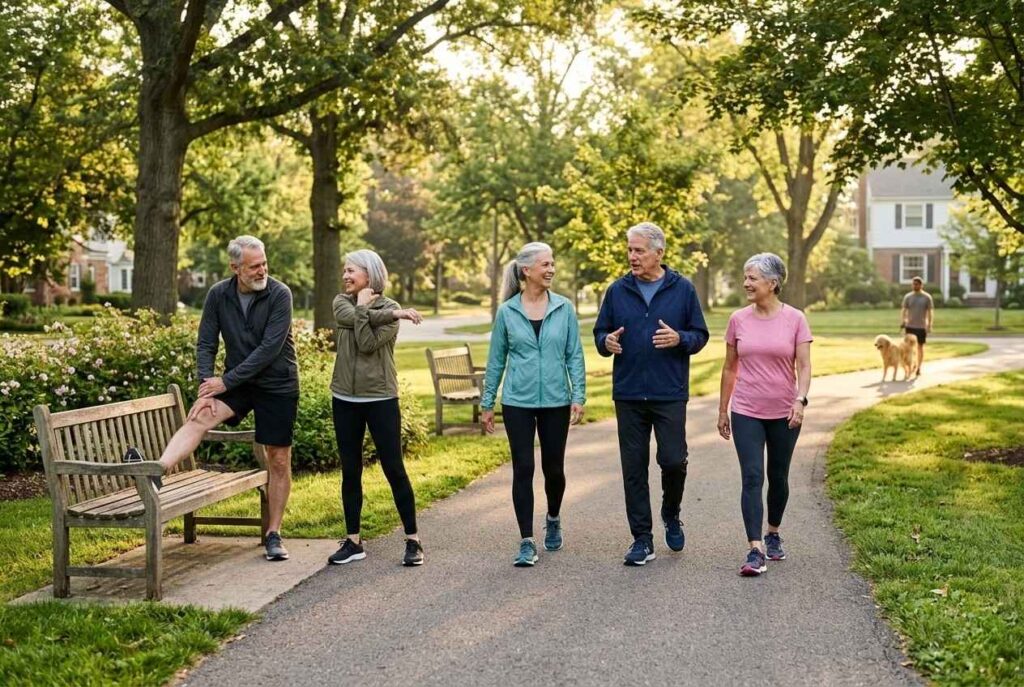
There is a funny myth about turning 60. Some people imagine it as the moment you are supposed to slow down, sit more, and accept that aches and pains are just part of the package. But talk to active adults across the United States and you will hear a very different story. Many say their 60s are when they finally have the time, freedom, and motivation to focus on their health.
The truth is this: your body still responds to exercise after 60. You can build muscle. You can improve balance. You can boost your heart health. You can absolutely feel stronger and more energetic than you did a decade ago. The key is choosing routines that respect your joints, protect your bones, and support your real life.
If you are ready to move with more confidence and less fear of injury, here are 12 fitness routines that truly work after 60.
1. Brisk Walking for Everyday Heart Health
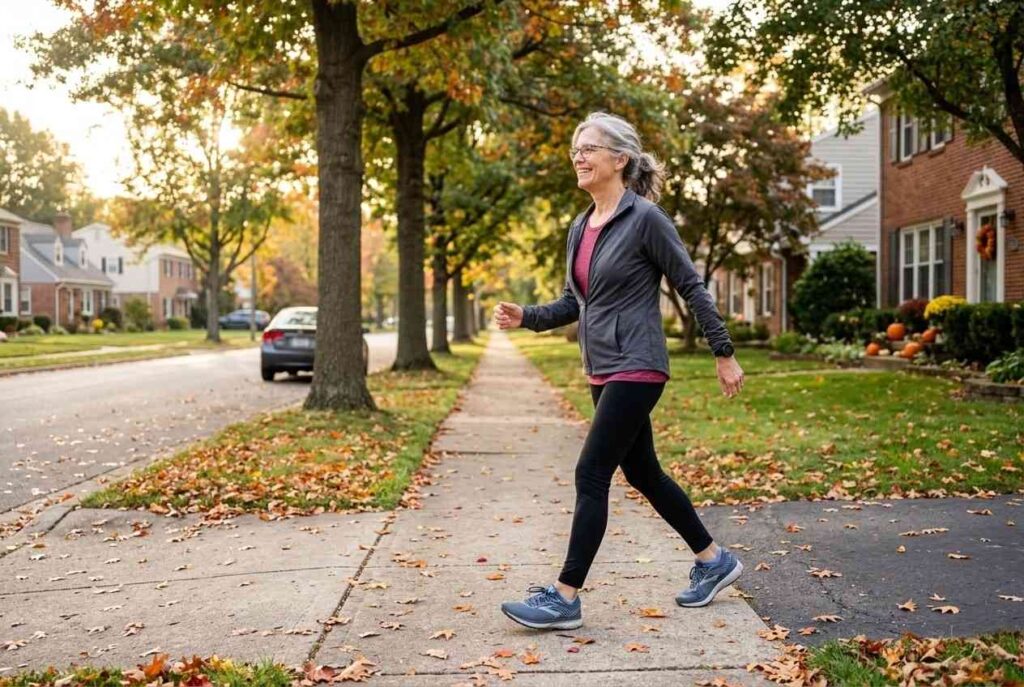
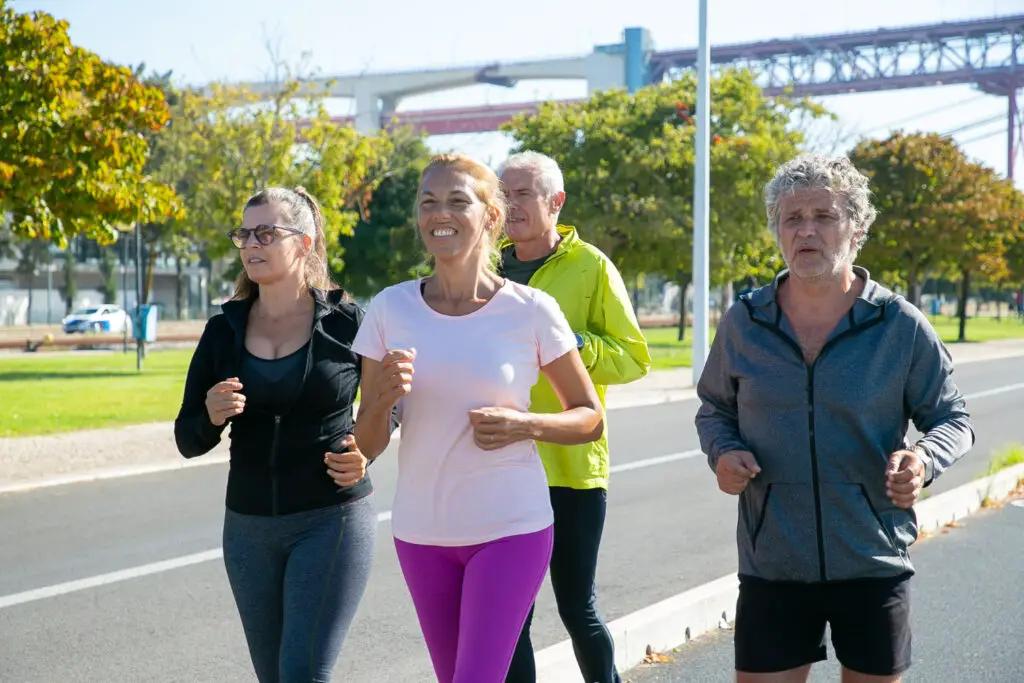
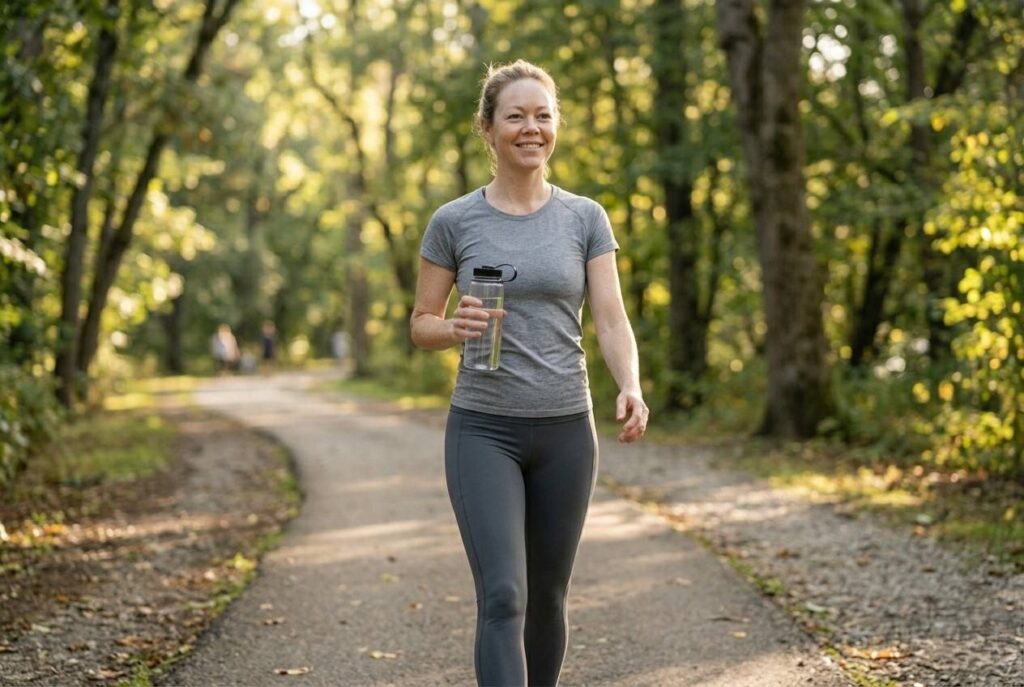
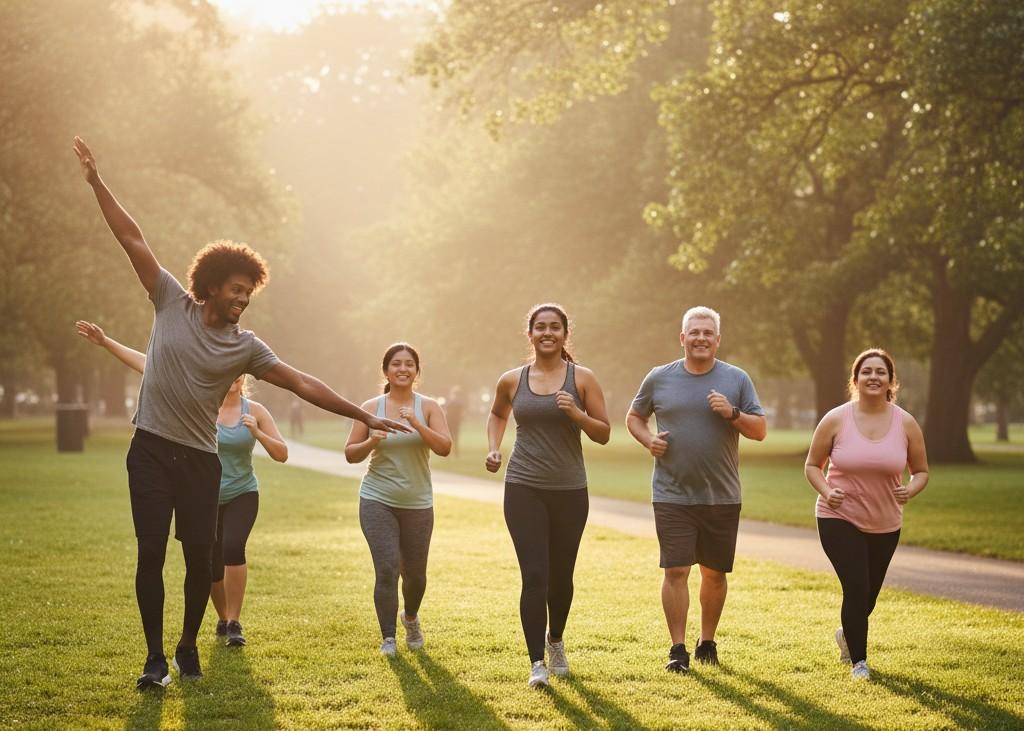
Never underestimate the power of a good walk. Brisk walking is one of the most effective and accessible workouts for adults over 60. It strengthens your heart, improves circulation, supports lung function, and helps maintain a healthy weight. The best part is that it fits easily into daily life. You can walk around your neighborhood, at a local park, or even inside a shopping mall when the weather is not cooperating. Aim for a pace where you can talk but not sing. Over time, walking regularly can improve endurance, reduce stress, and leave you feeling surprisingly accomplished after something so simple.
2. Tai Chi for Balance and Calm
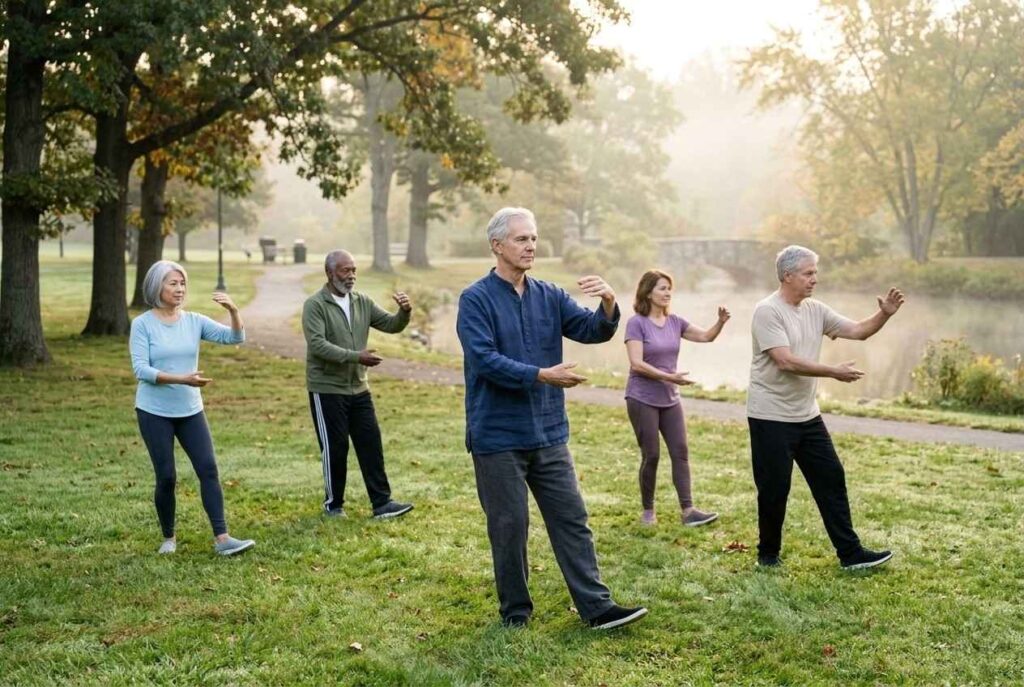
Tai chi is often described as meditation in motion, and that description fits perfectly. This slow, flowing practice focuses on controlled movements, steady breathing, and mental focus. For adults over 60, tai chi can significantly improve balance and coordination, which are crucial for preventing falls. It is gentle on the joints and adaptable for different ability levels. Many community centers across the United States offer beginner classes, and there are also online options if you prefer to practice at home. Beyond physical benefits, tai chi helps quiet the mind and reduce stress, making it a powerful tool for both body and mood.
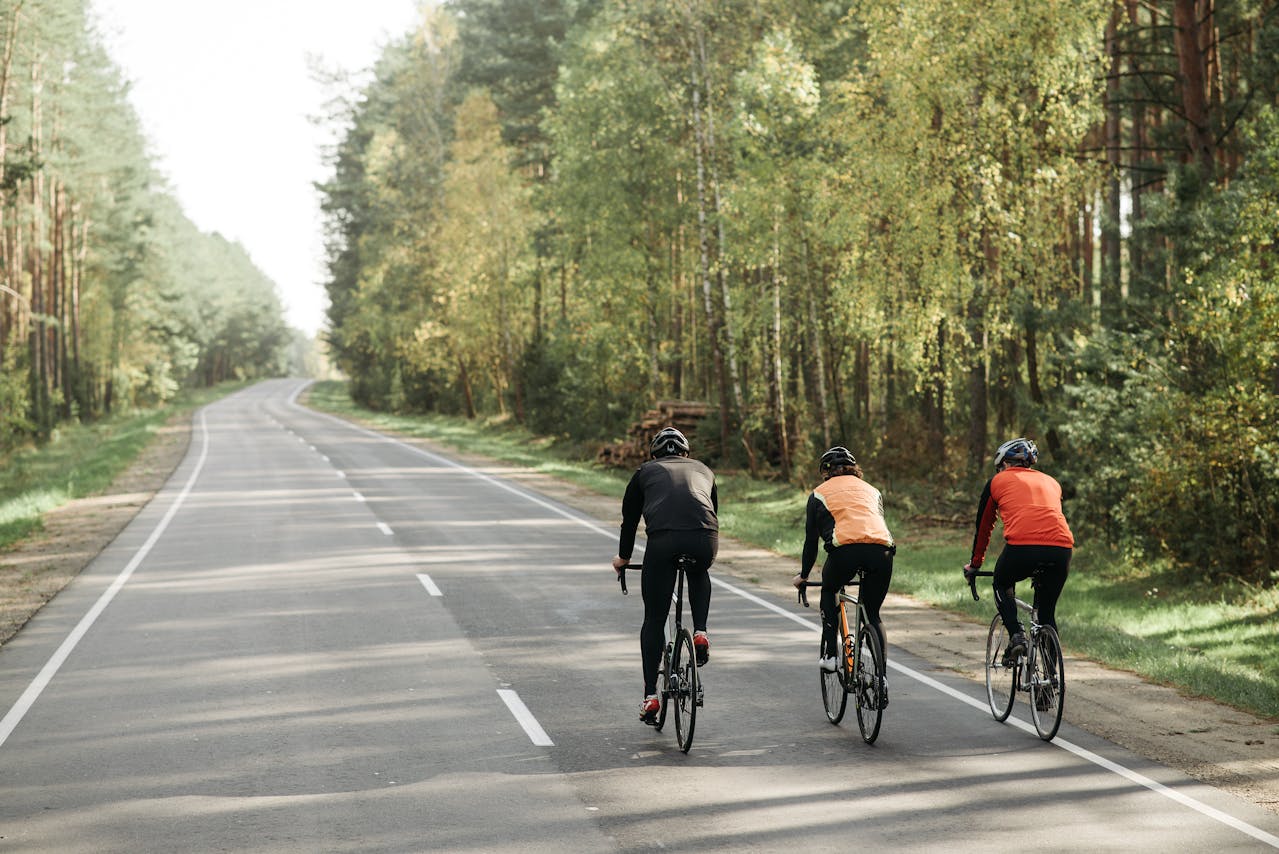
3. Cycling for Low Impact Cardio
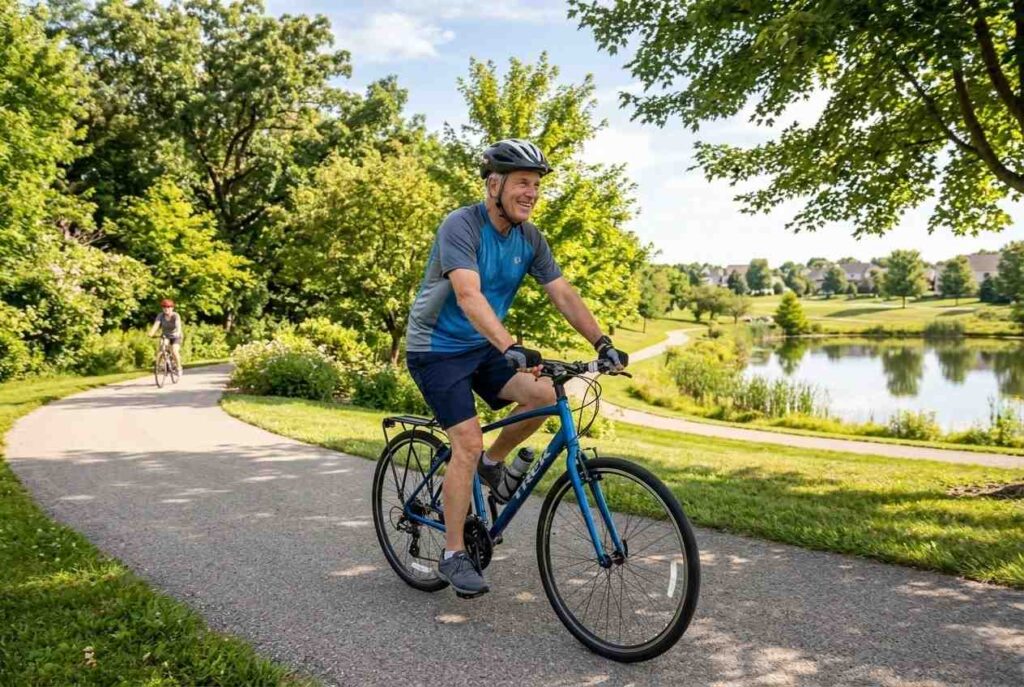
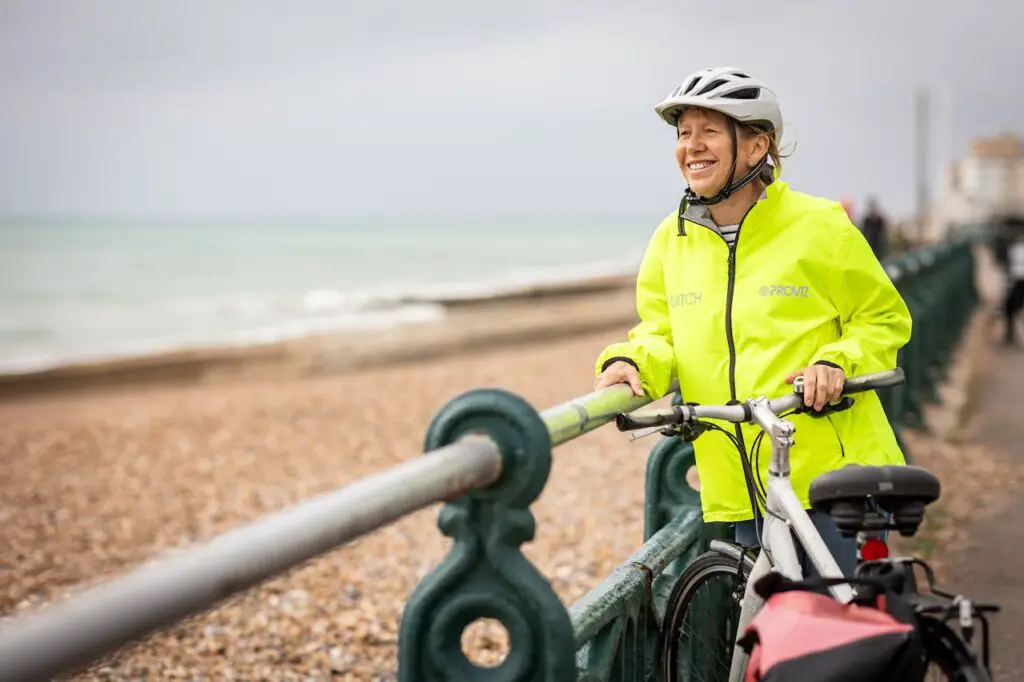
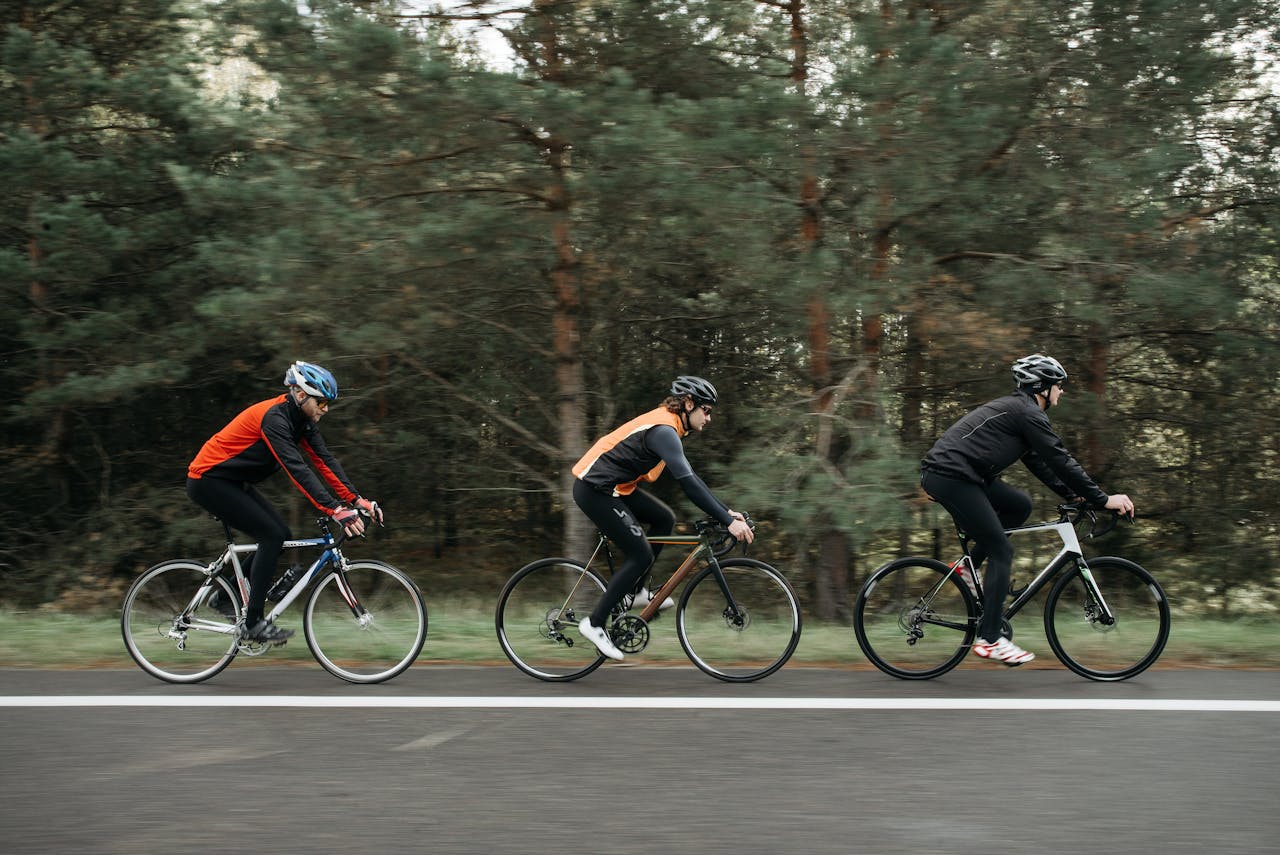
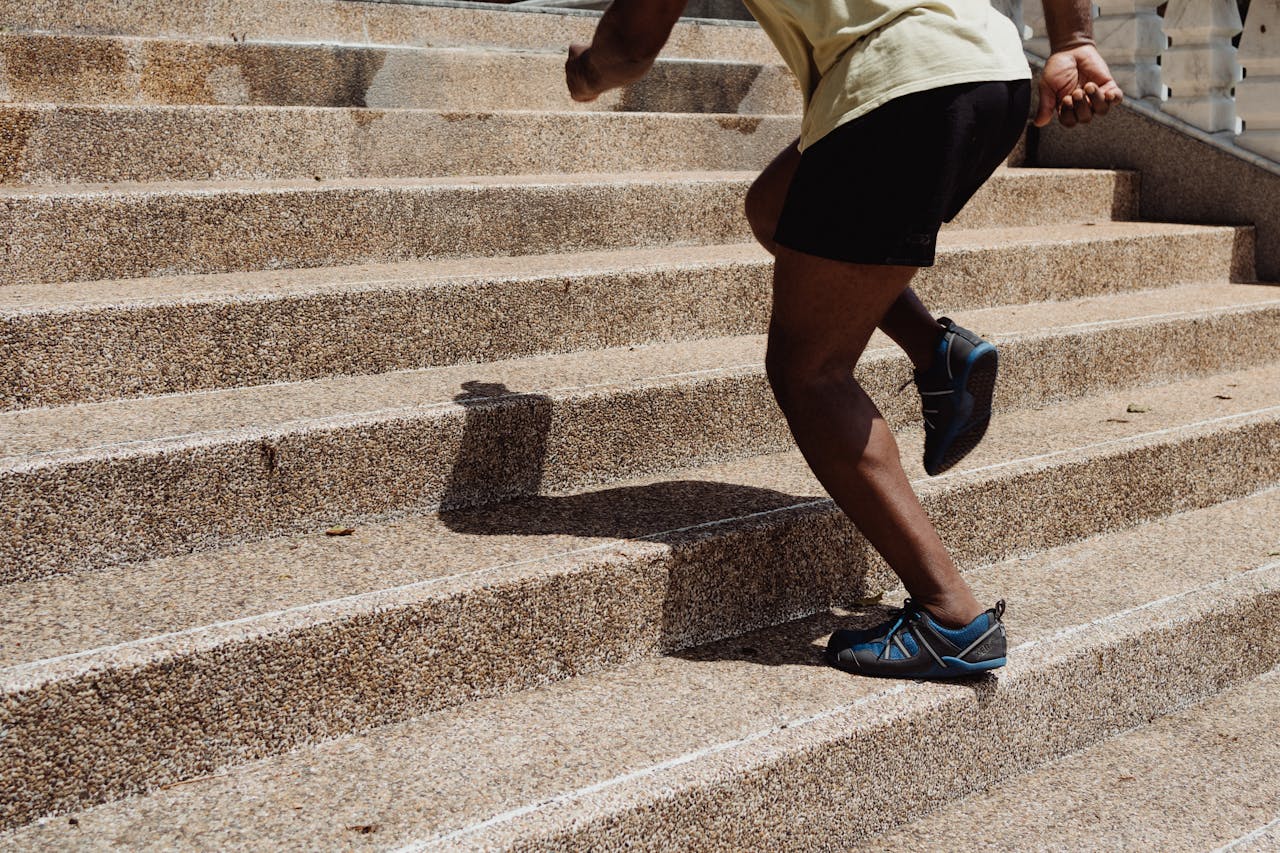
If your knees are not fans of running, cycling might be your new best friend. Whether you use a stationary bike at home, a recumbent bike at the gym, or ride outdoors on safe paths, cycling provides excellent cardiovascular benefits without pounding your joints. It strengthens the legs, supports heart health, and can even improve stamina for everyday tasks like climbing stairs. Start with short sessions and gradually increase your time. Many people find cycling enjoyable because it feels more like recreation than exercise, especially when done outside on a sunny day.
4. Swimming and Water Aerobics for Joint Friendly Strength
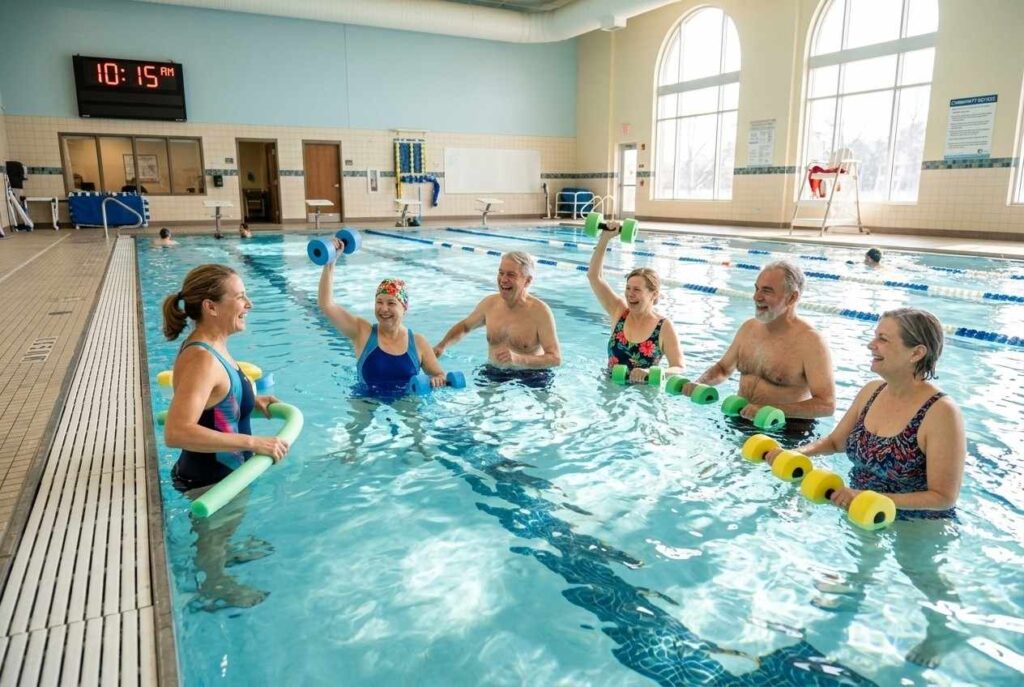
Water workouts are often considered gold standard exercise for older adults. The buoyancy of water supports your body weight, reducing strain on hips, knees, and the lower back. At the same time, water creates natural resistance, helping you build muscle and improve endurance. Swimming laps, joining a water aerobics class, or even walking in the shallow end can boost heart health and flexibility. Many local YMCAs and community pools offer senior friendly programs, making this a practical and social option as well.
5. Chair Workouts for Accessible Movement
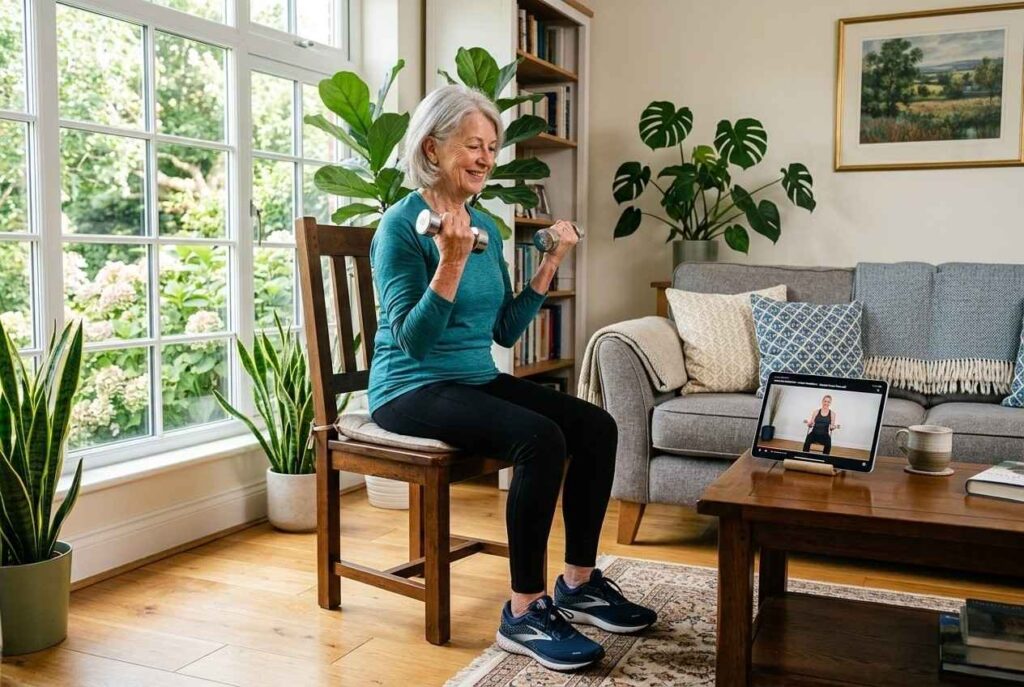
Not every workout needs to happen standing up. Chair exercises are ideal if you have limited mobility, balance concerns, or are returning to exercise after a break. From seated leg lifts and marches to arm circles and light hand weights, chair routines can improve circulation, strengthen muscles, and maintain flexibility. They are also convenient because you can do them at home while watching television or listening to music. Consistency matters more than intensity, and chair workouts make consistency realistic.
6. Sit to Stand for Functional Leg Strength
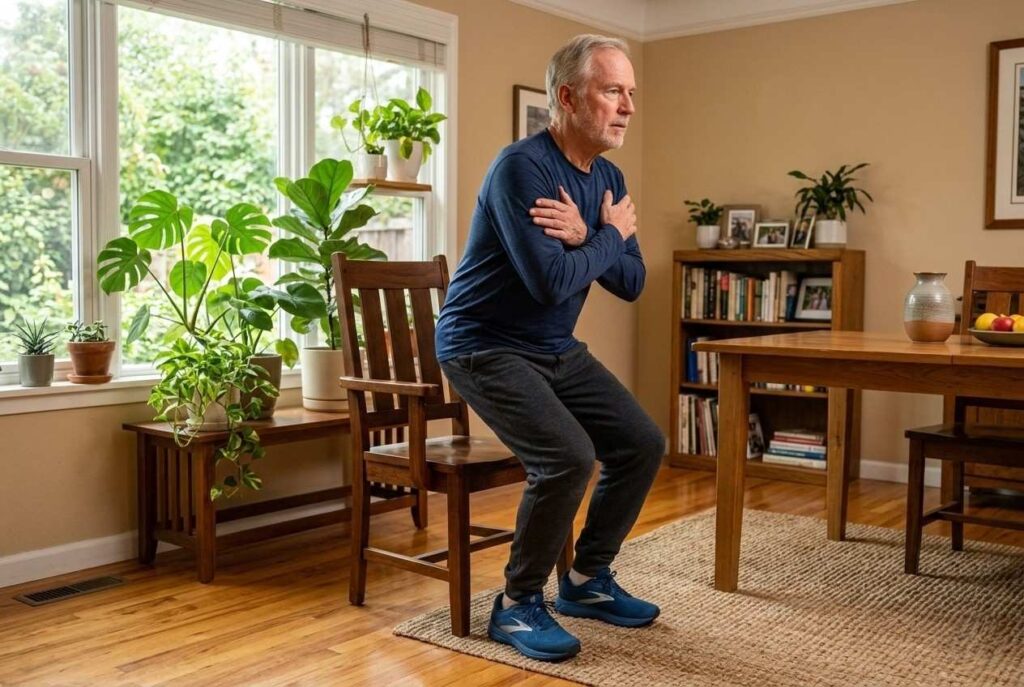
One of the most practical exercises after 60 is something you already do every day: standing up from a chair. Practicing controlled sit to stand movements strengthens your thighs, hips, and glutes. These muscles are essential for climbing stairs, getting out of the car, and maintaining independence. To do this safely, sit in a sturdy chair, cross your arms over your chest if possible, and stand up slowly before sitting back down with control. Start with a few repetitions and build up gradually. It may look simple, but it delivers serious benefits.
7. Resistance Band Training for Muscle and Bone Support
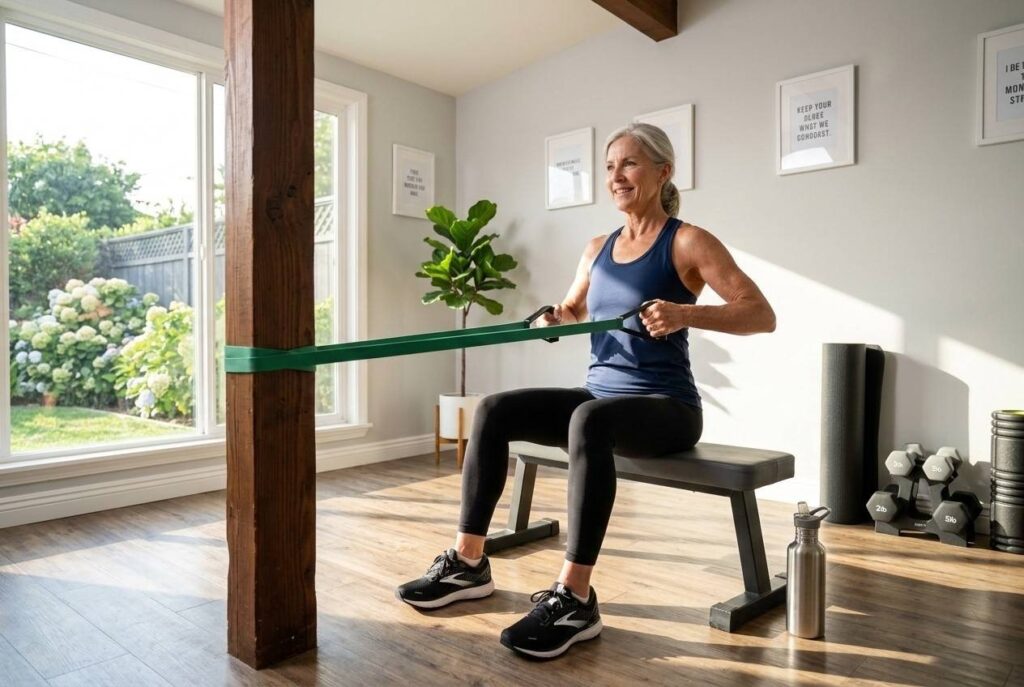
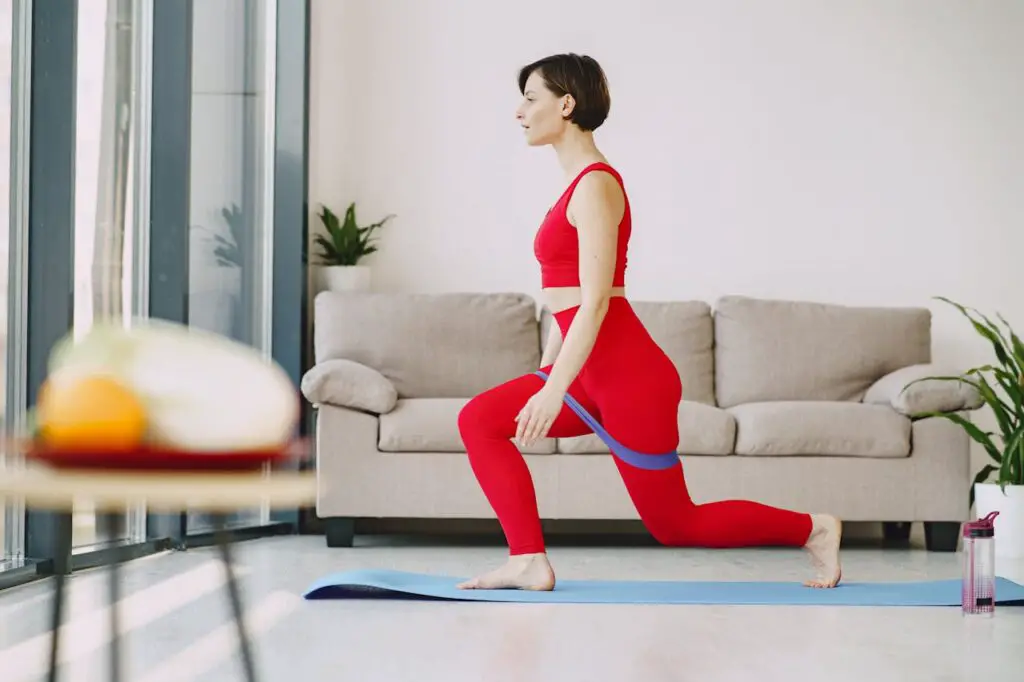
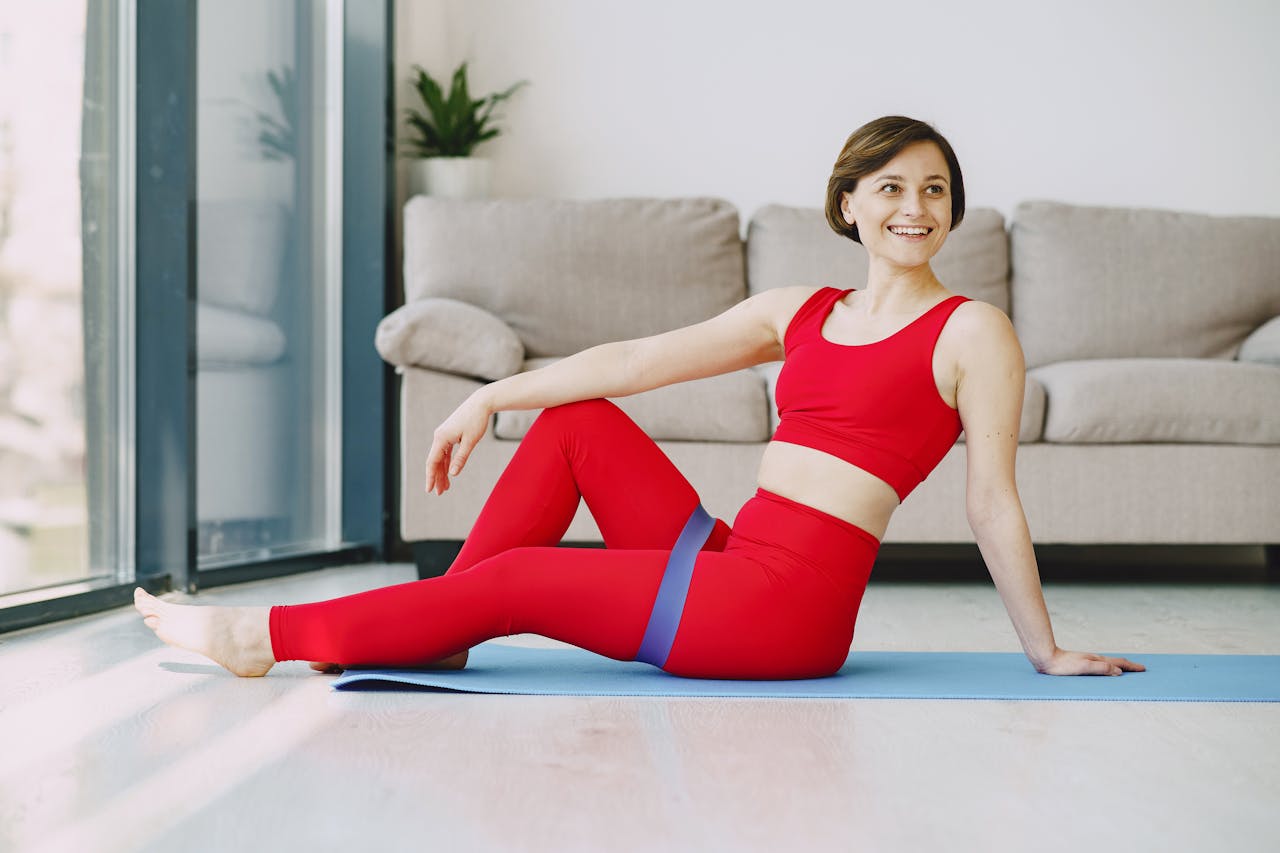
After 60, maintaining muscle mass becomes increasingly important. Resistance bands offer a safe and affordable way to build strength without heavy weights. They are gentle on joints yet effective for challenging muscles. You can use them for bicep curls, seated rows, leg presses, and shoulder exercises. Strength training not only improves muscle tone but also supports bone density, which is critical for reducing fracture risk. Two to three sessions per week can make a noticeable difference in how strong and capable you feel.
8. Pilates for Core Stability and Posture
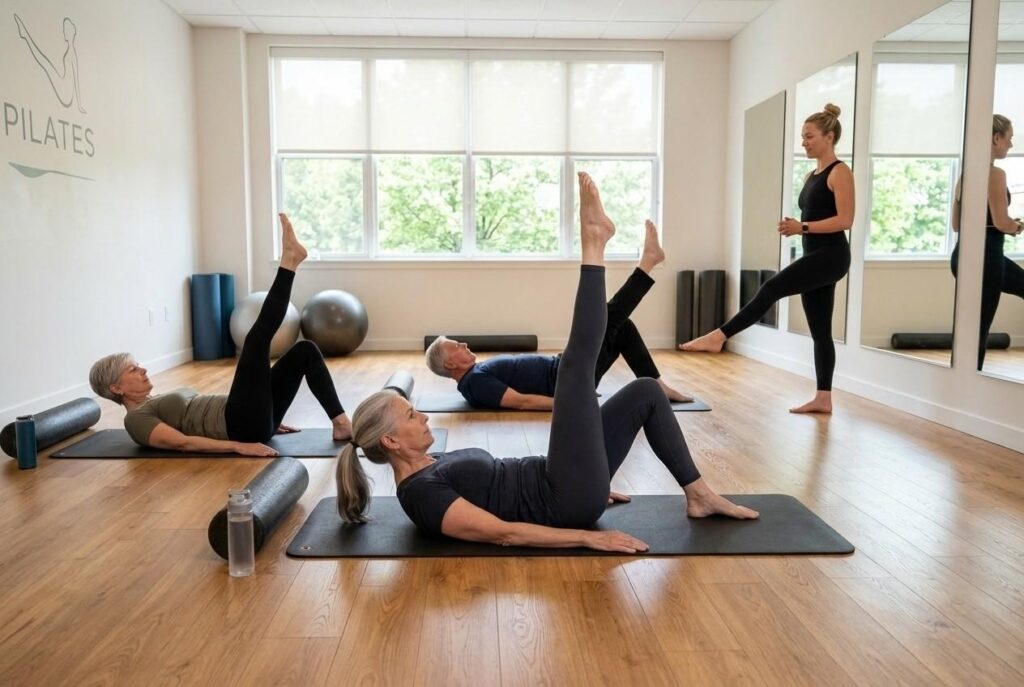
A strong core is not about having visible abs. It is about stability, posture, and protecting your spine. Pilates focuses on controlled movements that strengthen deep abdominal muscles, improve flexibility, and enhance body awareness. For adults over 60, this translates into better balance, fewer back issues, and smoother daily movement. Many exercises can be modified to be performed on a mat or even in a chair. If you struggle with posture or occasional back discomfort, Pilates can be a gentle but powerful addition to your routine.
9. Balance Training for Fall Prevention
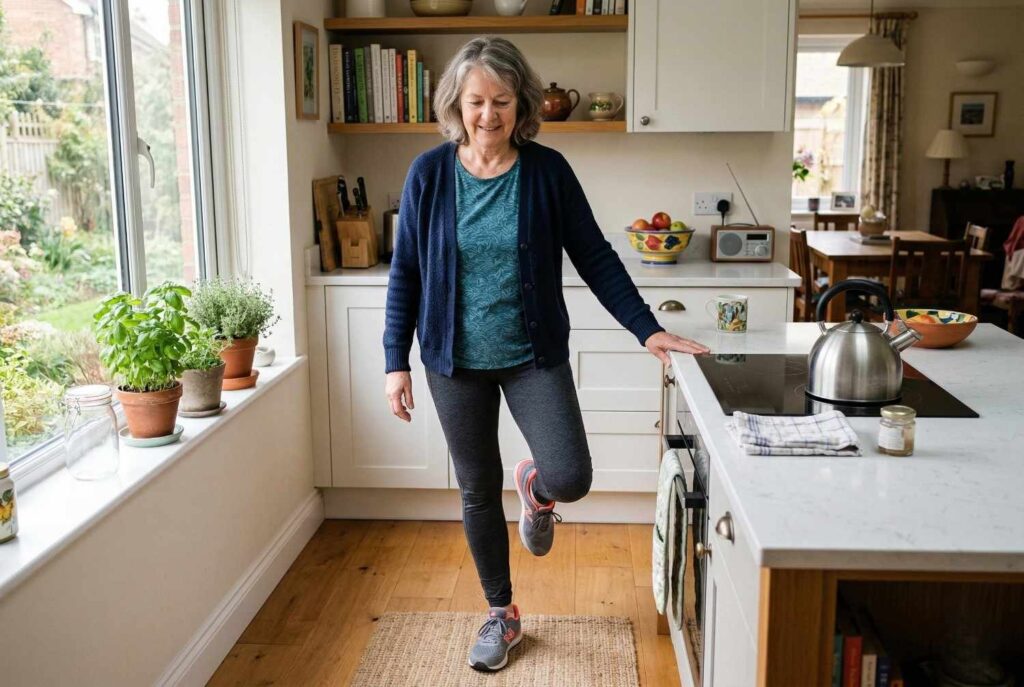
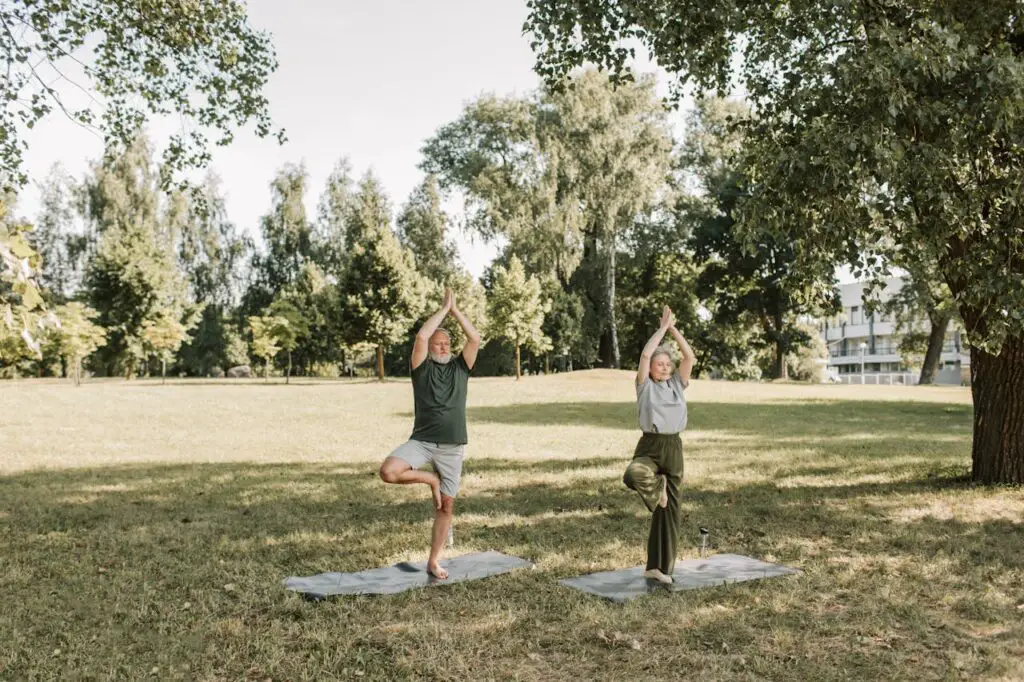
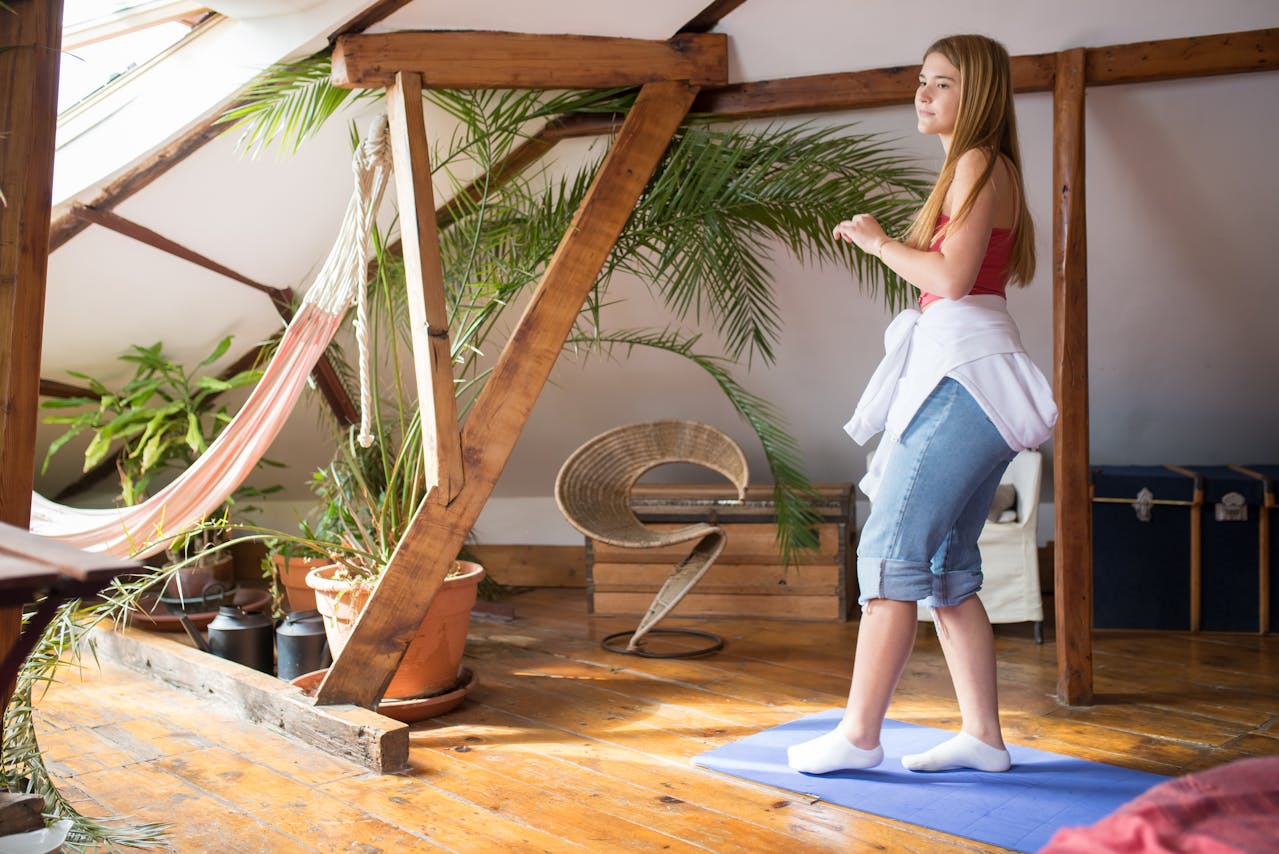
Balance does not improve by accident. It improves with practice. Simple exercises such as standing on one foot while holding onto a counter, walking heel to toe in a straight line, or performing gentle side leg raises can strengthen stabilizing muscles. Better balance reduces the risk of falls, which is one of the most serious health concerns for older adults in the United States. You can add balance work to your daily routine while brushing your teeth or waiting for the kettle to boil. Small moments of practice add up.
10. Dance Fitness for Joyful Cardio
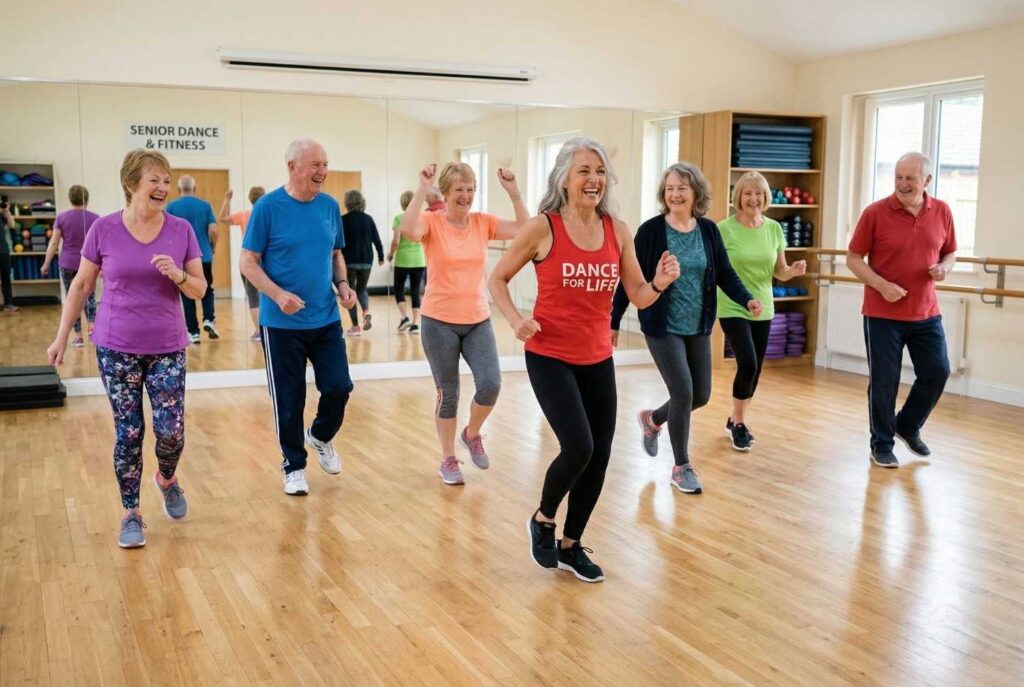
Exercise does not have to feel like a chore. Dance fitness brings music, rhythm, and fun into the equation. Whether it is a structured class like line dancing or simply turning on your favorite songs in the living room, dancing improves heart health, coordination, and mood. It challenges both the body and the brain as you remember steps and move to the beat. Many people stick with dance because it feels social and uplifting rather than repetitive. If you want a workout that leaves you smiling, this is it.
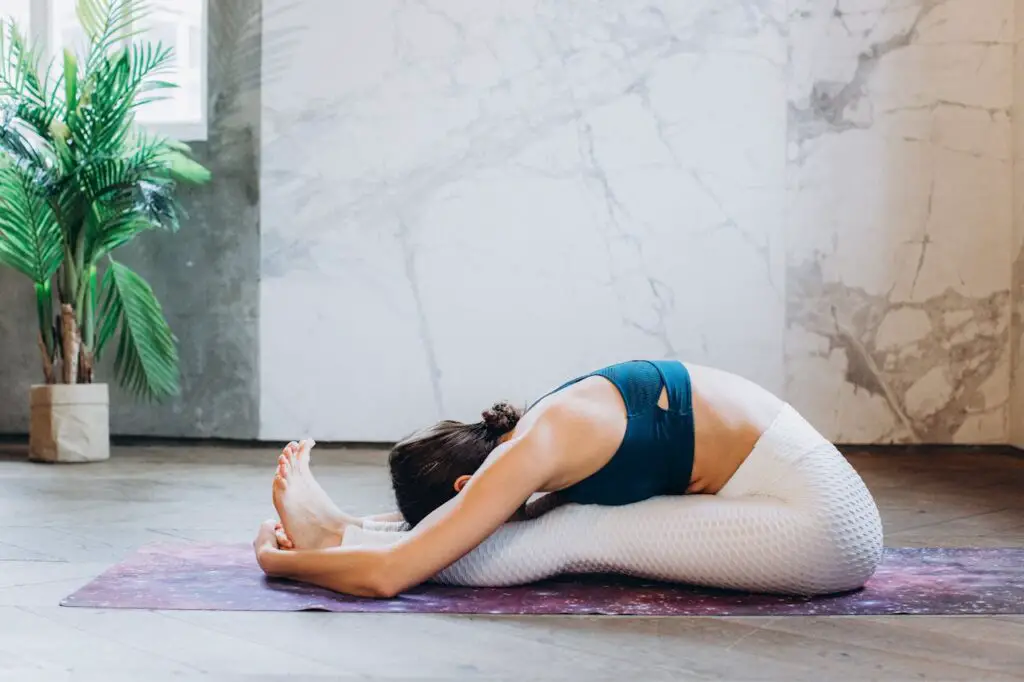
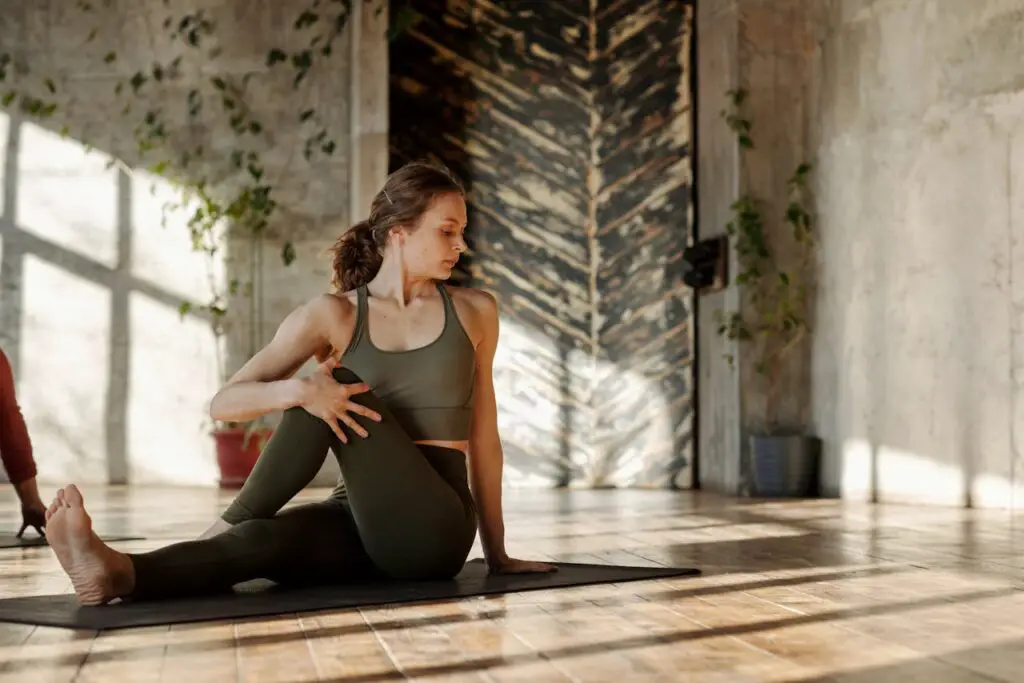
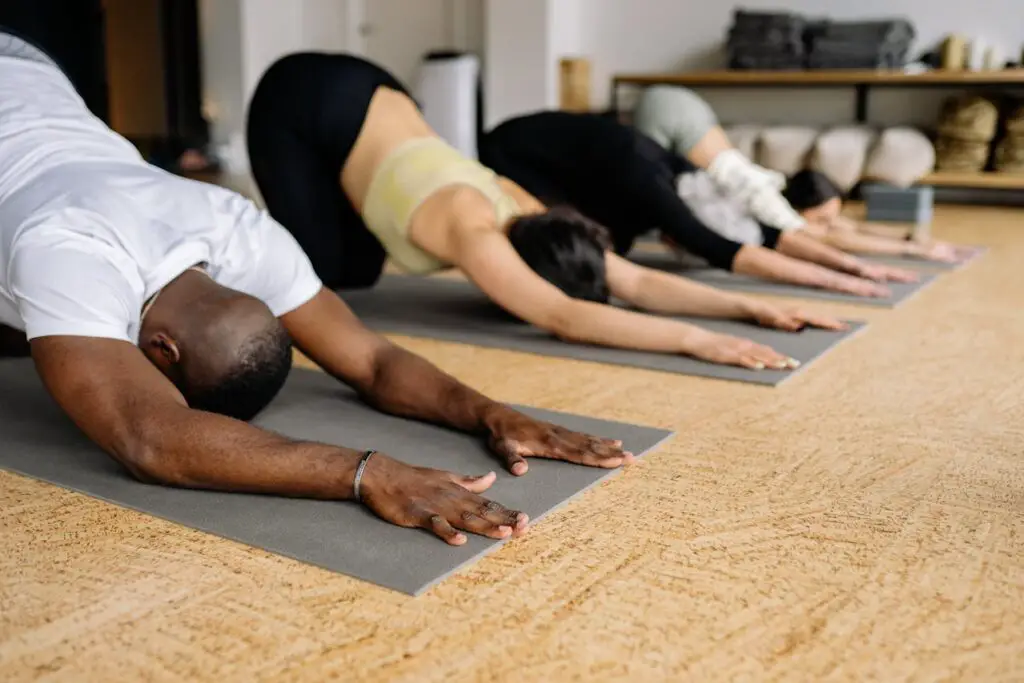
11. Gentle Yoga for Flexibility and Stress Relief
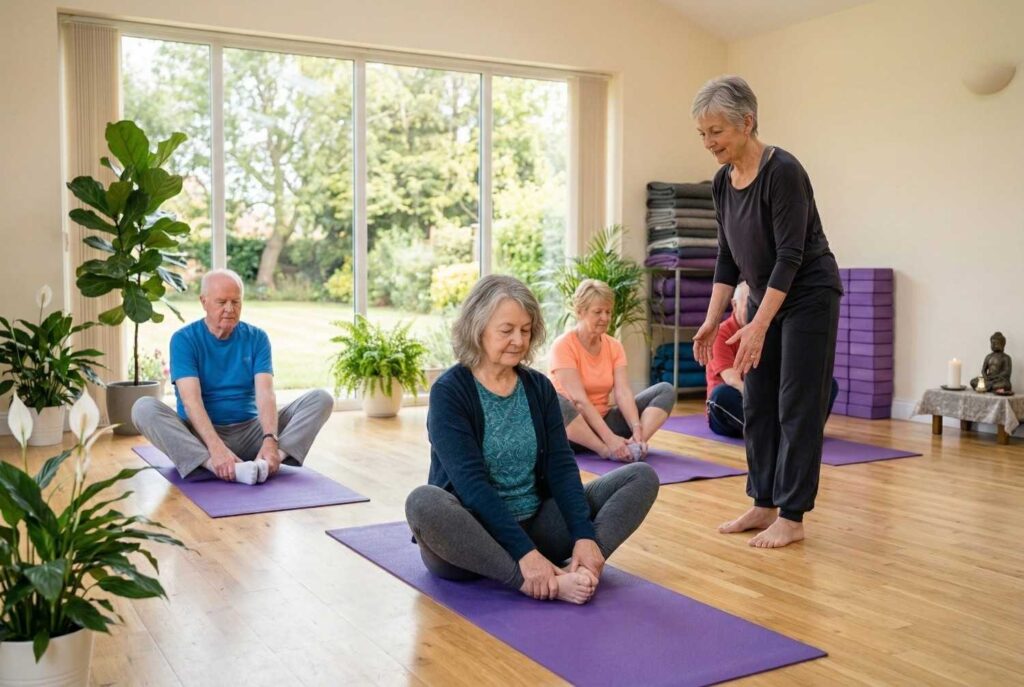
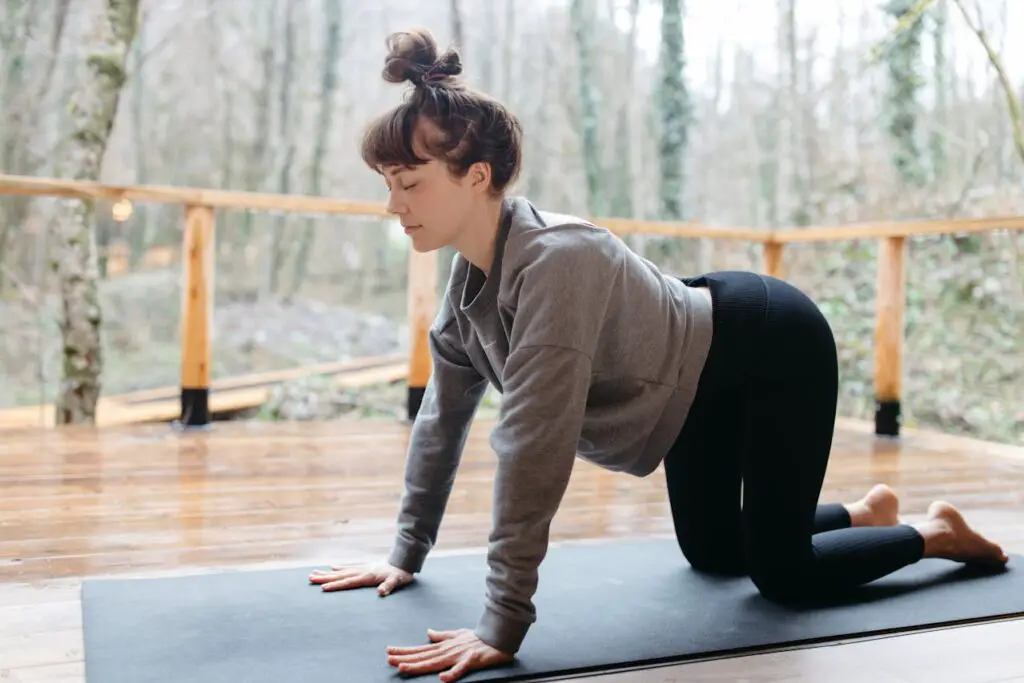
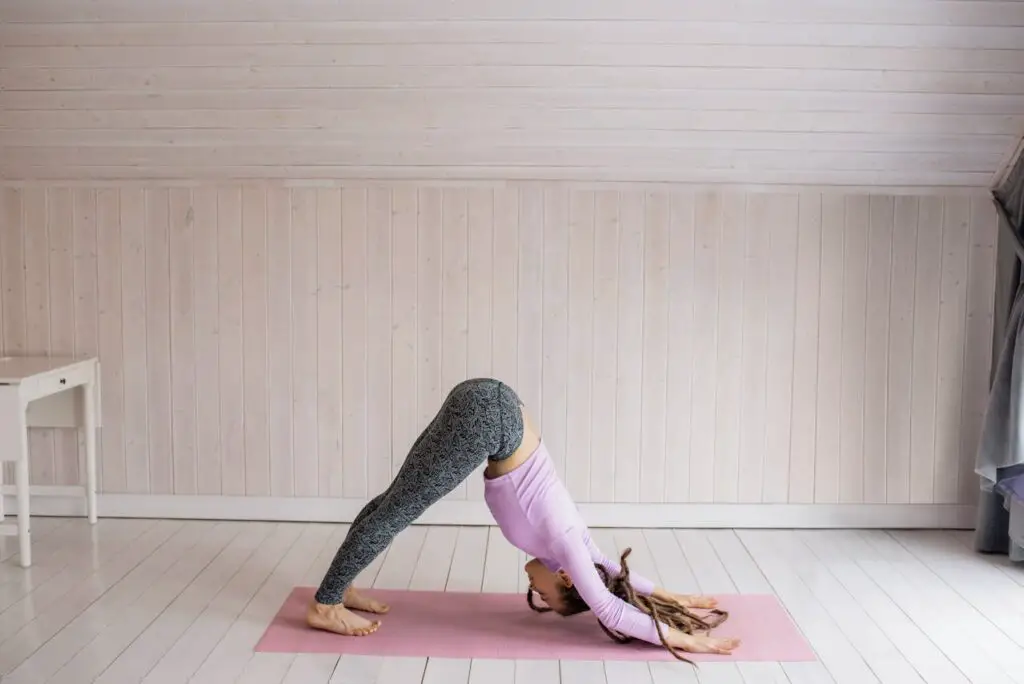
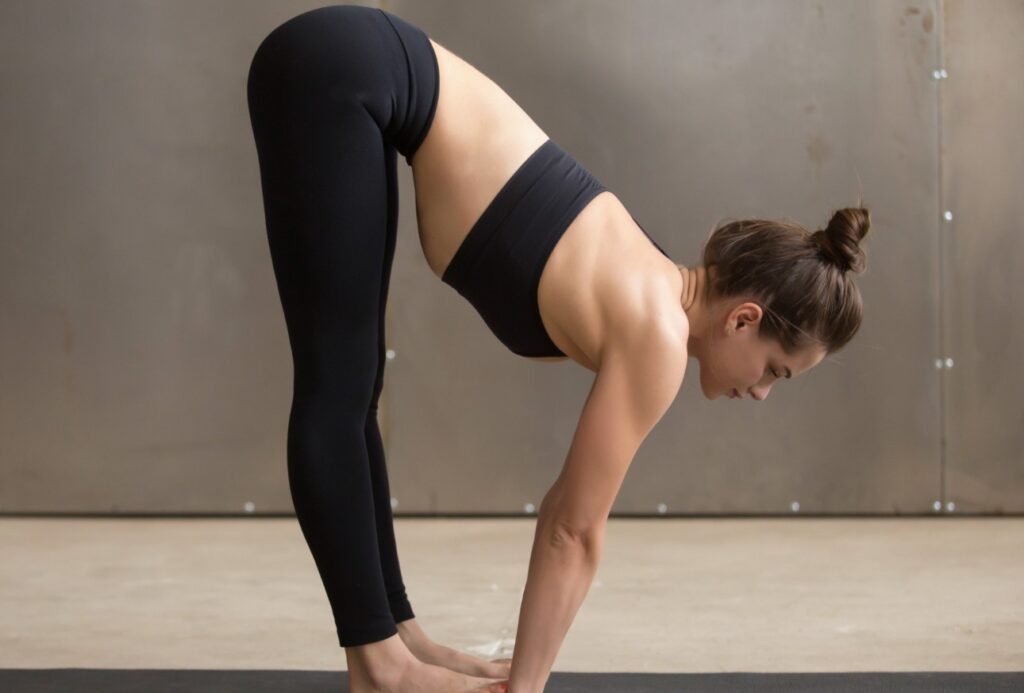
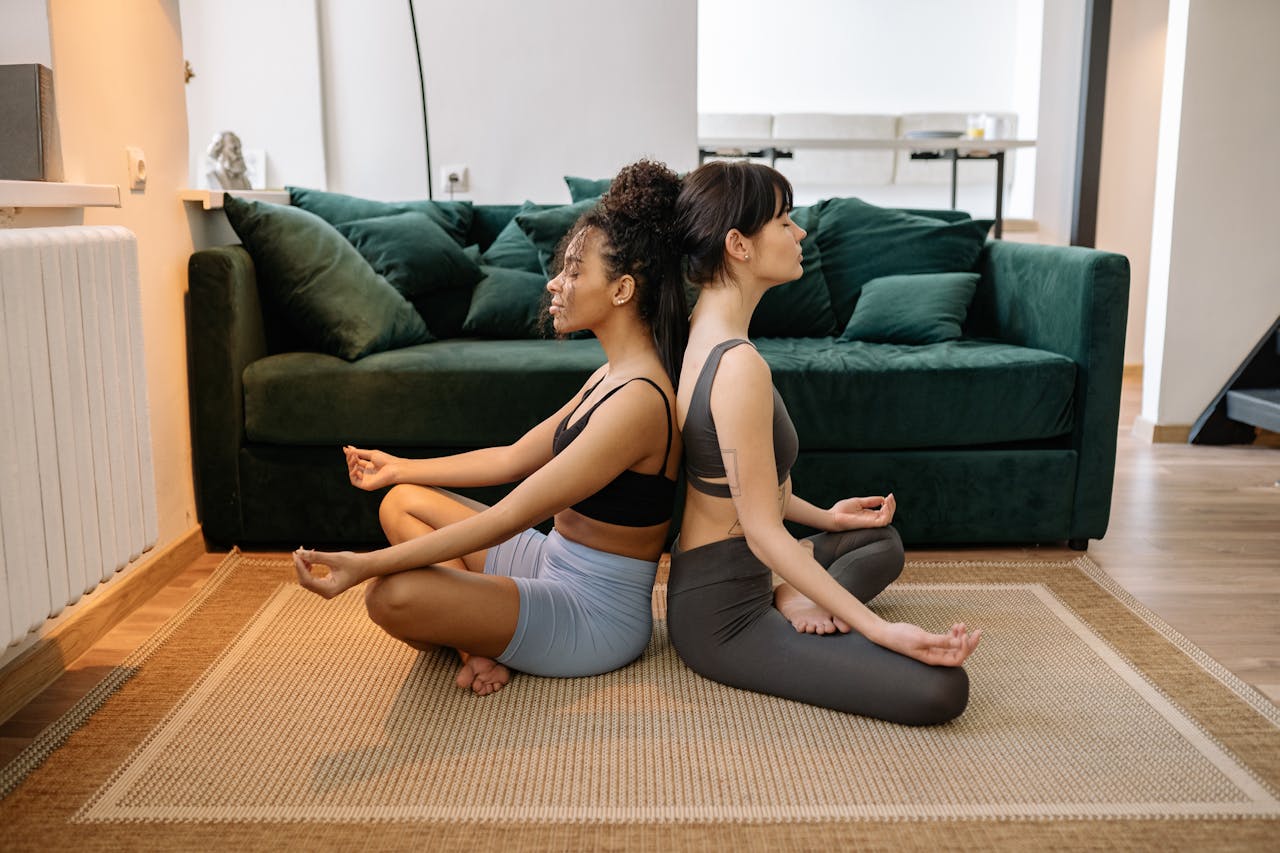
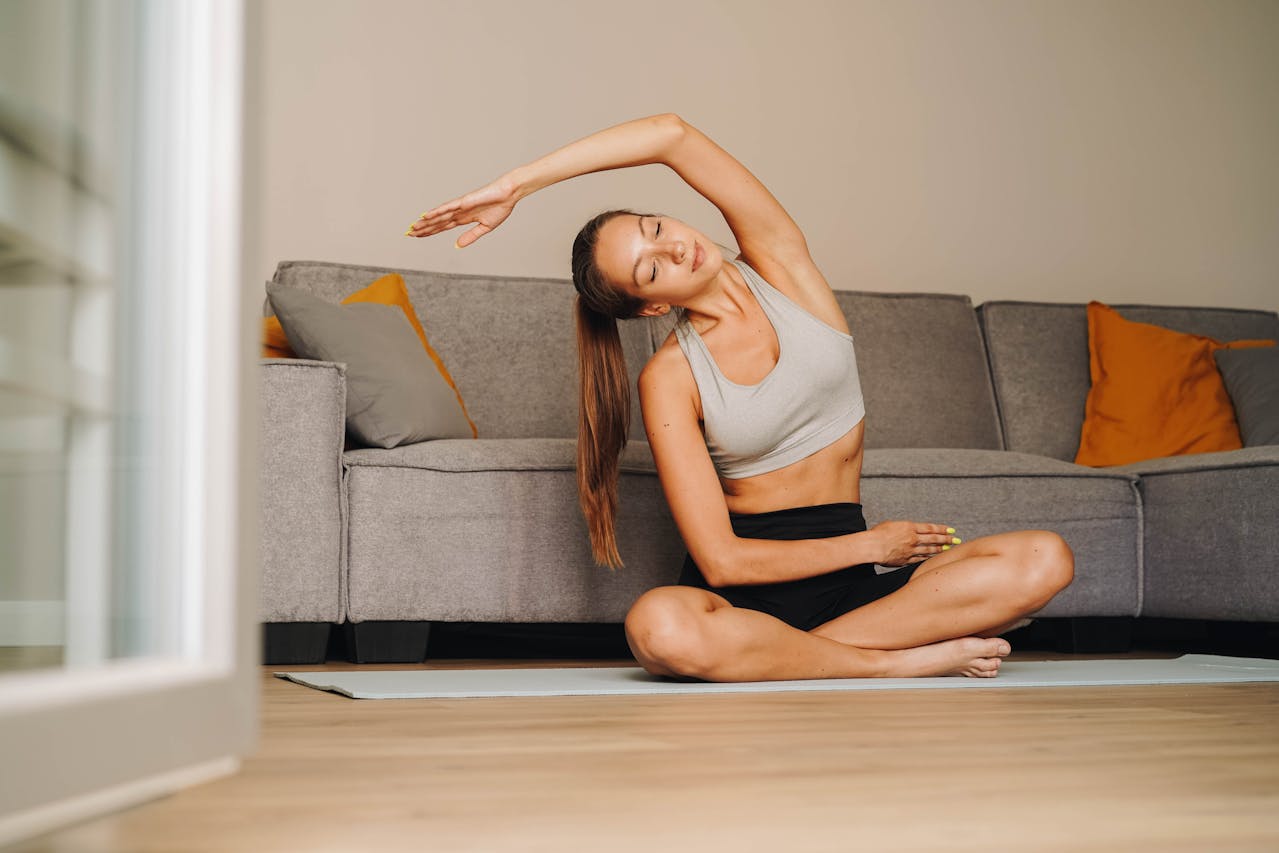
Gentle yoga focuses on stretching, controlled breathing, and mindful movement. It can ease stiffness, improve flexibility, and promote relaxation. For adults over 60, yoga also supports joint mobility and posture. You do not need to twist yourself into complicated poses. Many beginner classes emphasize safe, accessible movements with props like blocks or straps. Regular practice can help you feel looser in the morning and more relaxed at night. It is as much about mental well being as it is about physical strength.
12. Light Interval Training for a Metabolism Boost
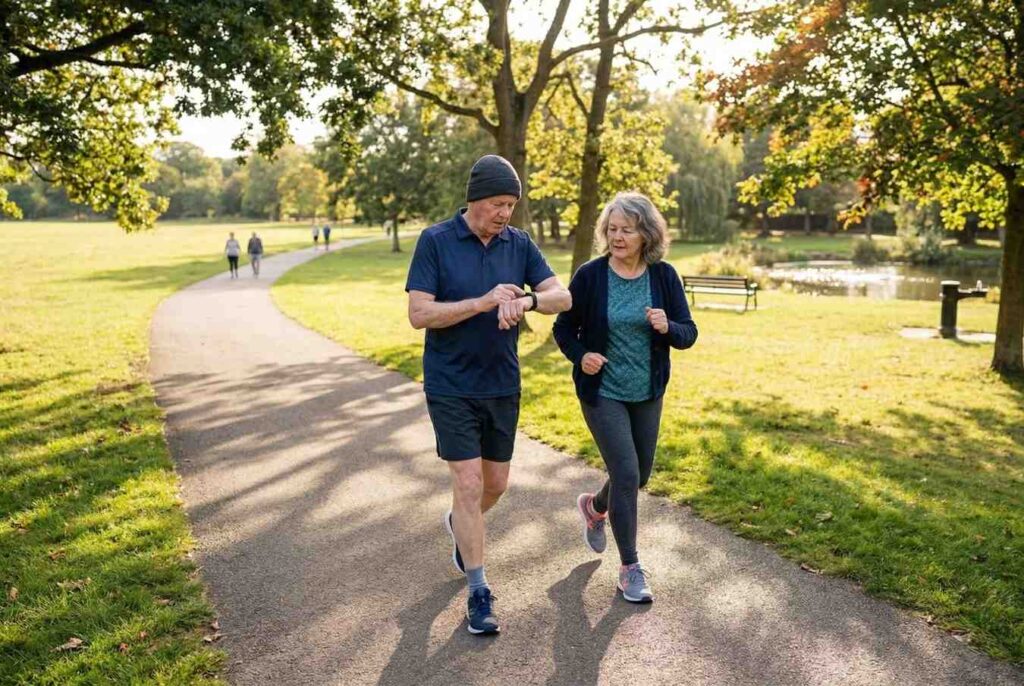
For those who are healthy and have medical clearance, light interval training can be a smart addition. This does not mean extreme workouts. It could be as simple as walking at a faster pace for 30 seconds, then slowing down for one minute, and repeating the cycle several times. These short bursts can improve cardiovascular fitness and help maintain muscle. The key is moderation and listening to your body. Done carefully, intervals can add variety and efficiency to your weekly routine.
Final Thoughts
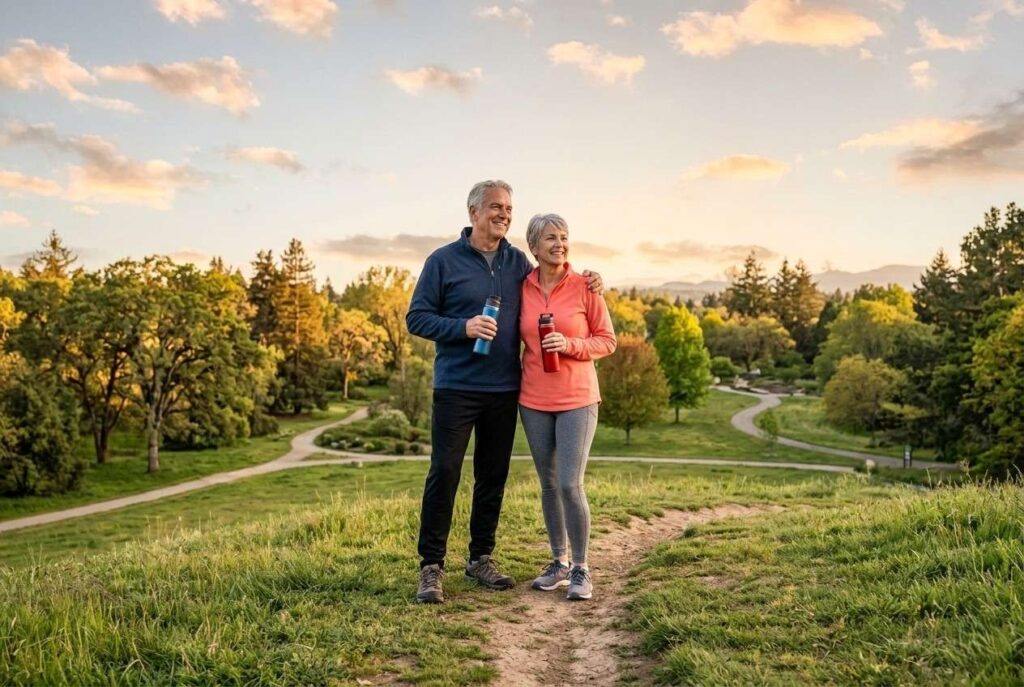
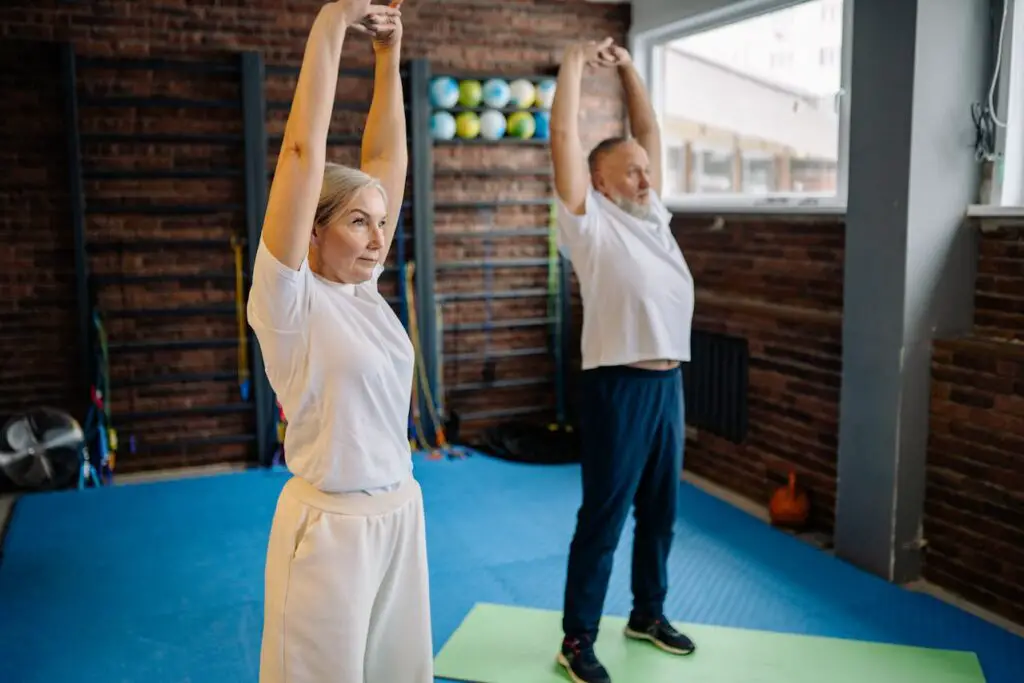
Turning 60 is not a signal to step back from life. In many ways, it is an invitation to step forward with more intention. Fitness after 60 is not about chasing a younger version of yourself. It is about protecting your independence, supporting your health, and feeling confident in your own skin.
The routines in this guide are not extreme, flashy, or unrealistic. They are practical, proven, and adaptable for real people with real responsibilities. The most important step is simply to start. Choose one or two activities that appeal to you and commit to showing up consistently. Progress may feel slow at first, but your body is always listening and responding.
With steady effort, you may find yourself climbing stairs more easily, sleeping more soundly, and moving through your day with greater ease. That is the real win. After 60, fitness is not about proving anything to anyone. It is about building a strong foundation for the years ahead and enjoying the freedom that comes with a body that still works for you, not against you.