10 Healthy Habits That Depend on Privilege, Not Just Discipline
We love to celebrate discipline when it comes to health. Meal prepping, early morning workouts, meditation routines, and consistent sleep patterns are often framed as signs of willpower and dedication. But the truth is, these habits are not just about personal discipline. They are also shaped by the privileges we have, from financial stability to safe neighborhoods, time, and access to healthcare. Recognizing the role of privilege does not diminish anyone’s effort. Instead, it opens our eyes to the invisible factors that make healthy living easier for some and harder for others.
By understanding how privilege influences wellness, we can approach health with more empathy and awareness. Here are ten habits that many consider “discipline,” but in reality, rely heavily on access, resources, and opportunity.
1. Affording Fresh, Nutritious Food

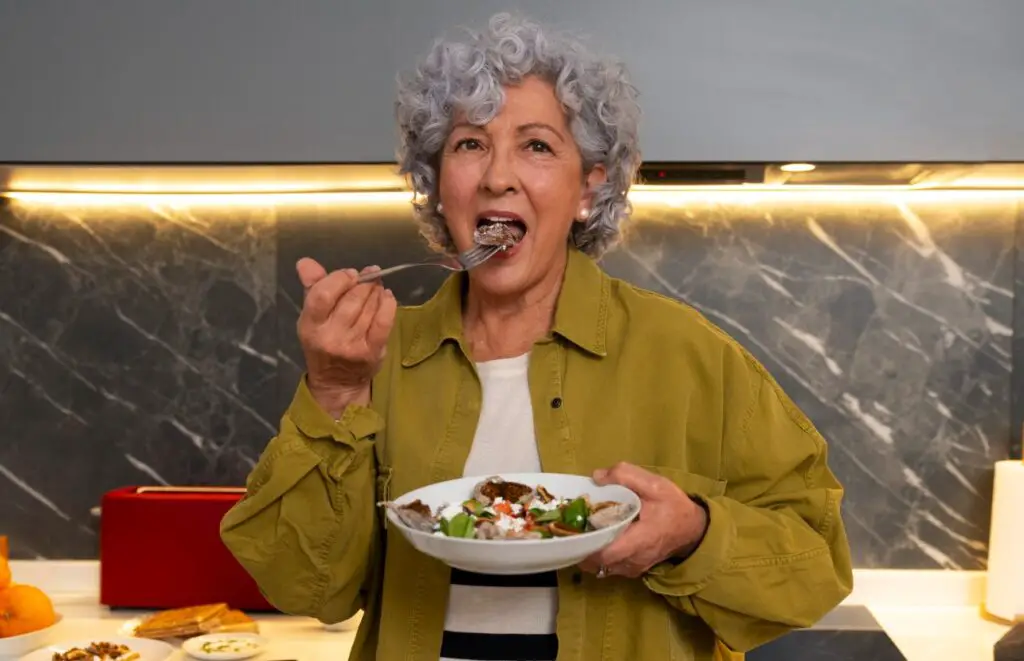
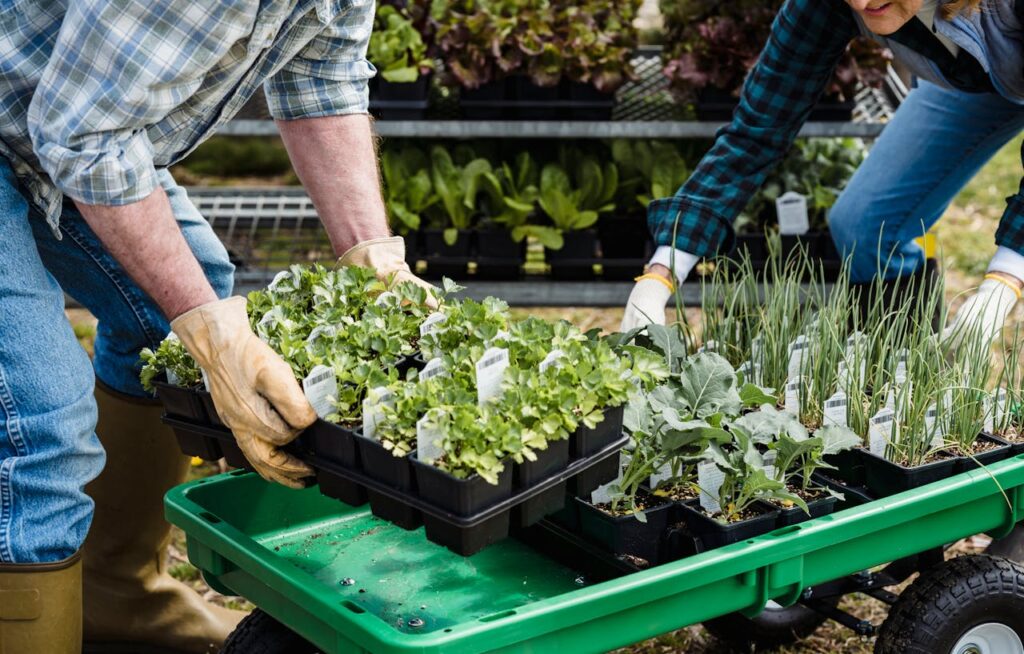
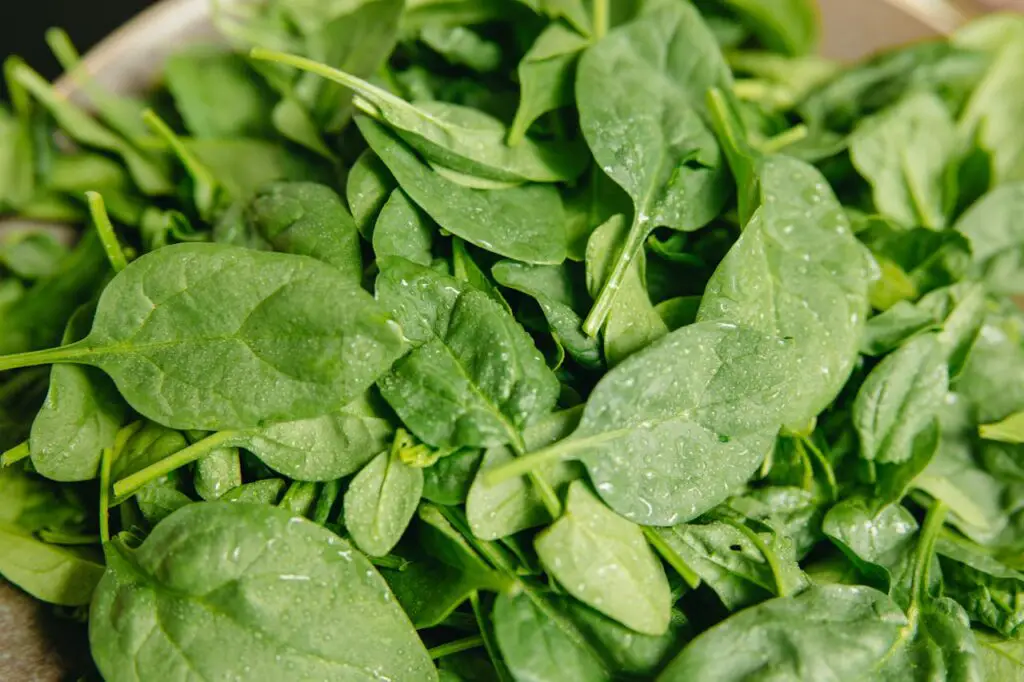
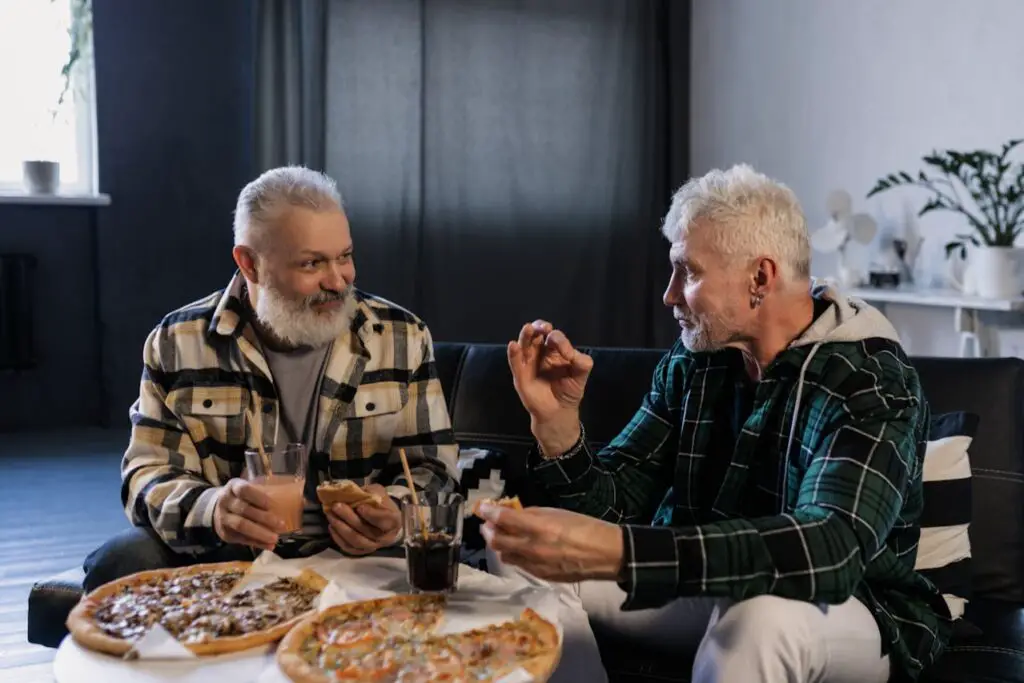
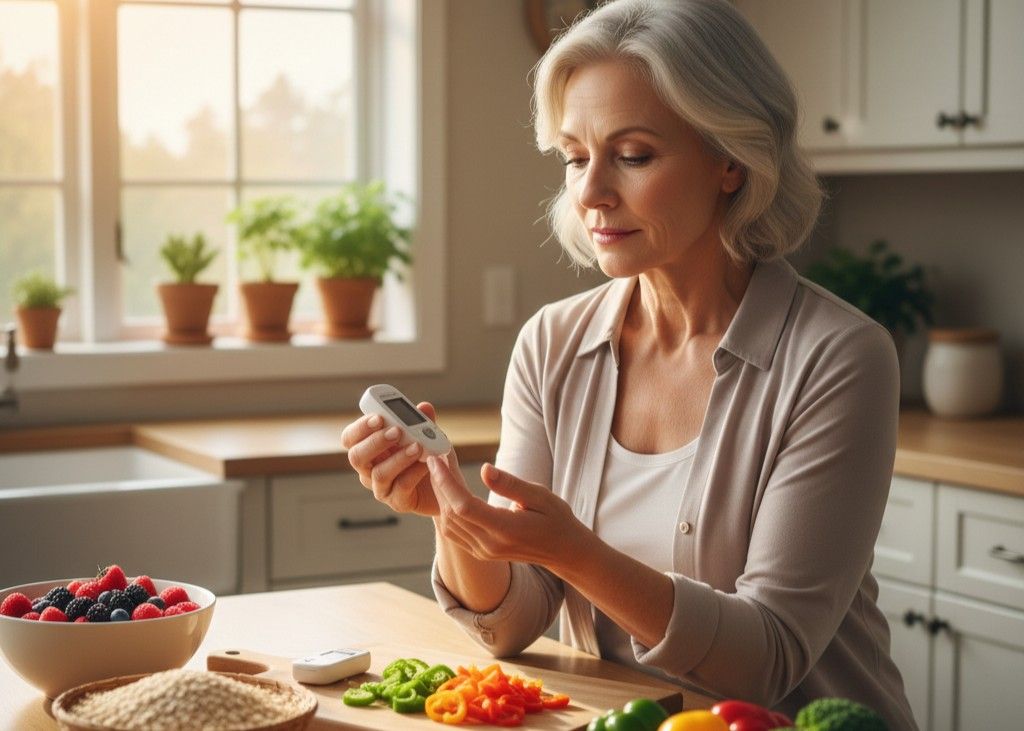
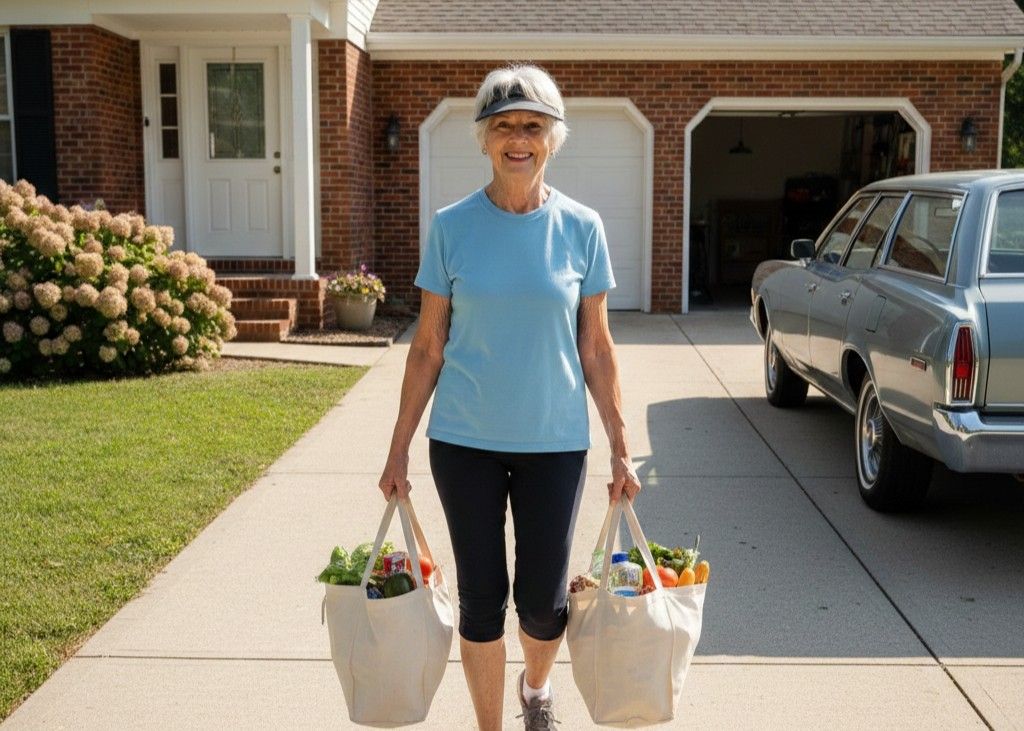
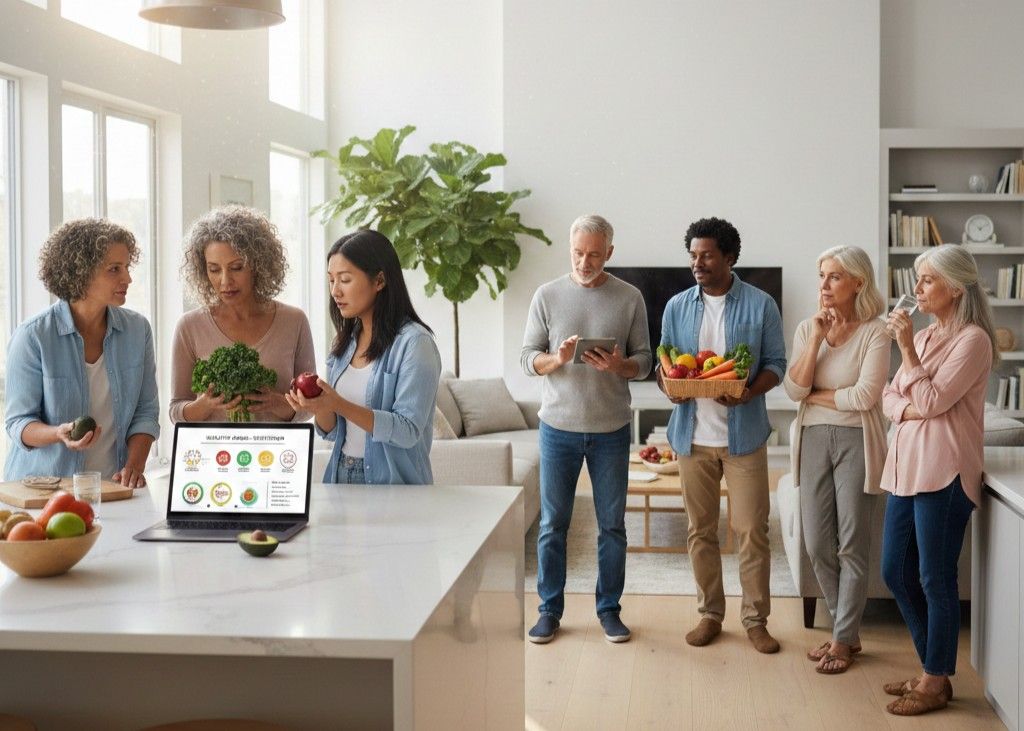
Eating well is often praised as a simple choice, but fresh fruits, vegetables, lean proteins, and whole foods cost more than processed and packaged options. For many people, tight budgets and limited access to grocery stores create real barriers to eating healthily. Living near a grocery store with affordable and quality produce, having the money to buy it, and having the time to cook meals from scratch are privileges that are often invisible when we talk about healthy eating. Discipline plays a role, but access and financial stability are equally critical.
2. Living in a Safe, Walkable Neighborhood
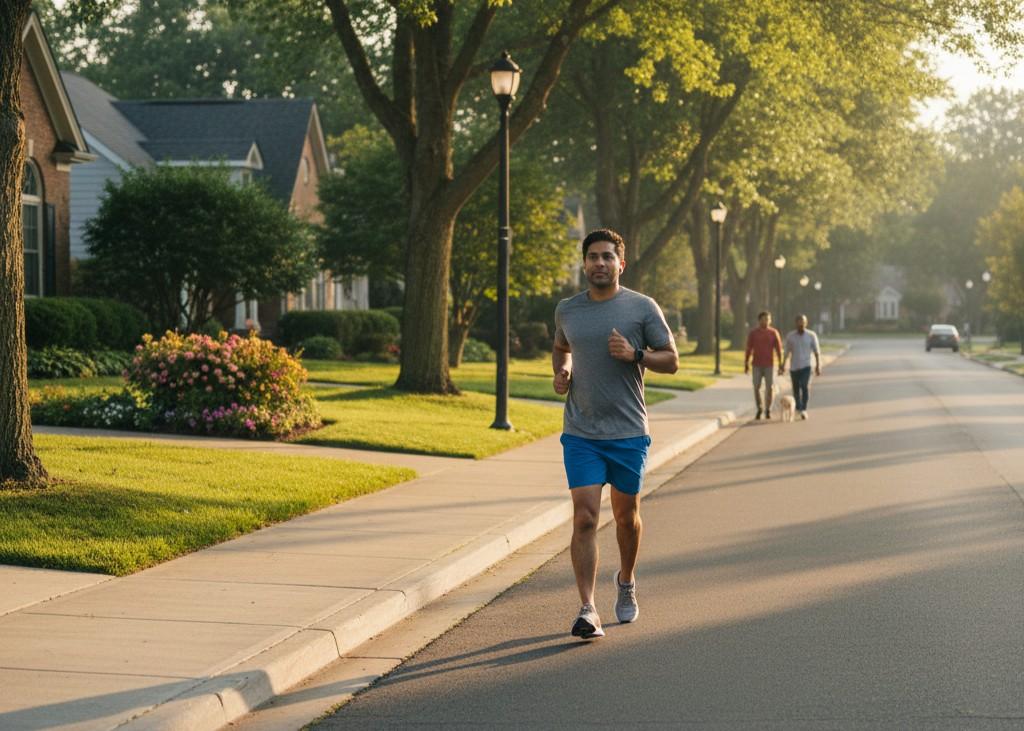
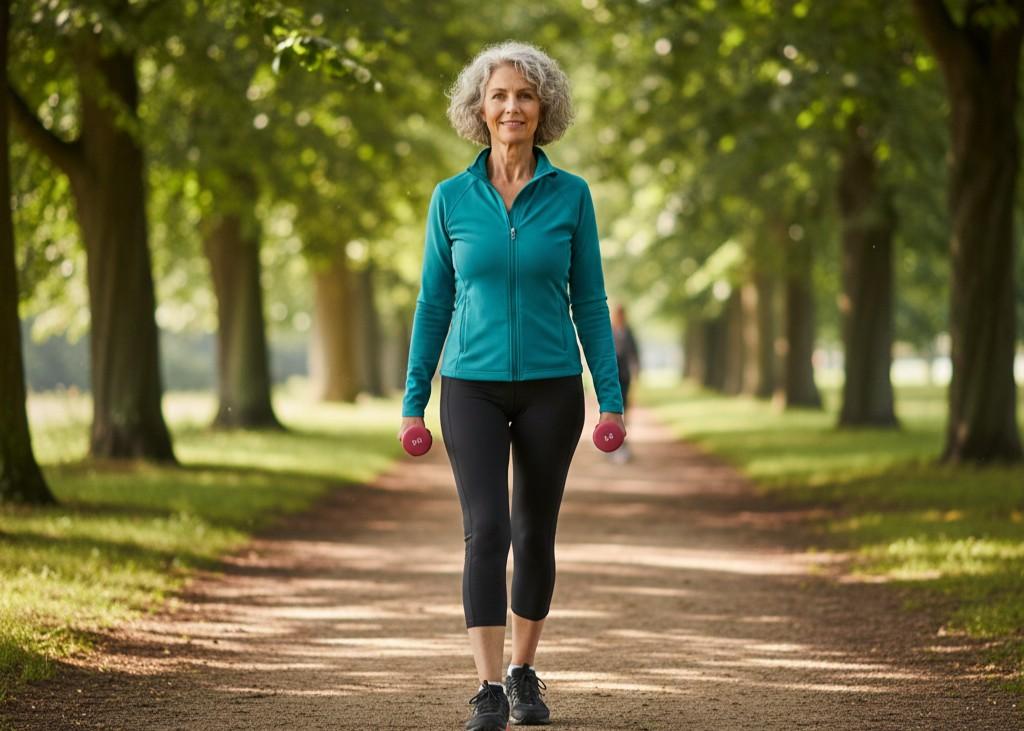
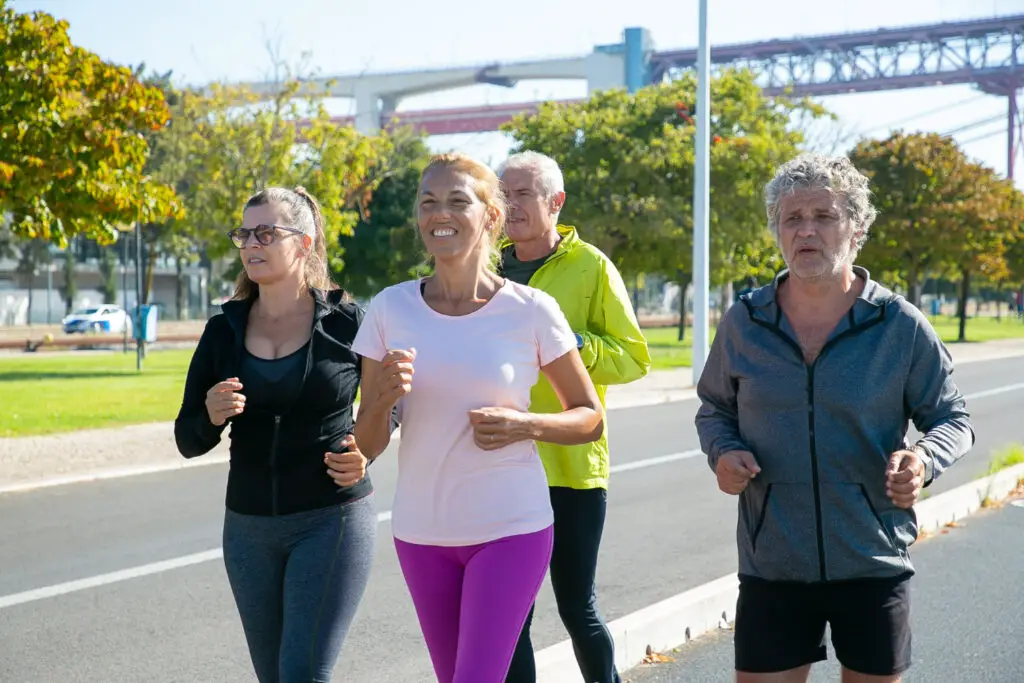
Exercise is celebrated as a key habit for health, but it depends on where you live. Walking in the morning or evening may feel simple in a neighborhood with low traffic, streetlights, and sidewalks. For those living in areas with high traffic, crime, or no safe outdoor spaces, exercising outdoors can be risky or stressful. Neighborhood safety and the availability of parks and walking trails make a huge difference in what kind of physical activity is realistically possible. What looks like commitment for some is often a product of environmental privilege.
3. Having Health Insurance and Access to Preventive Care

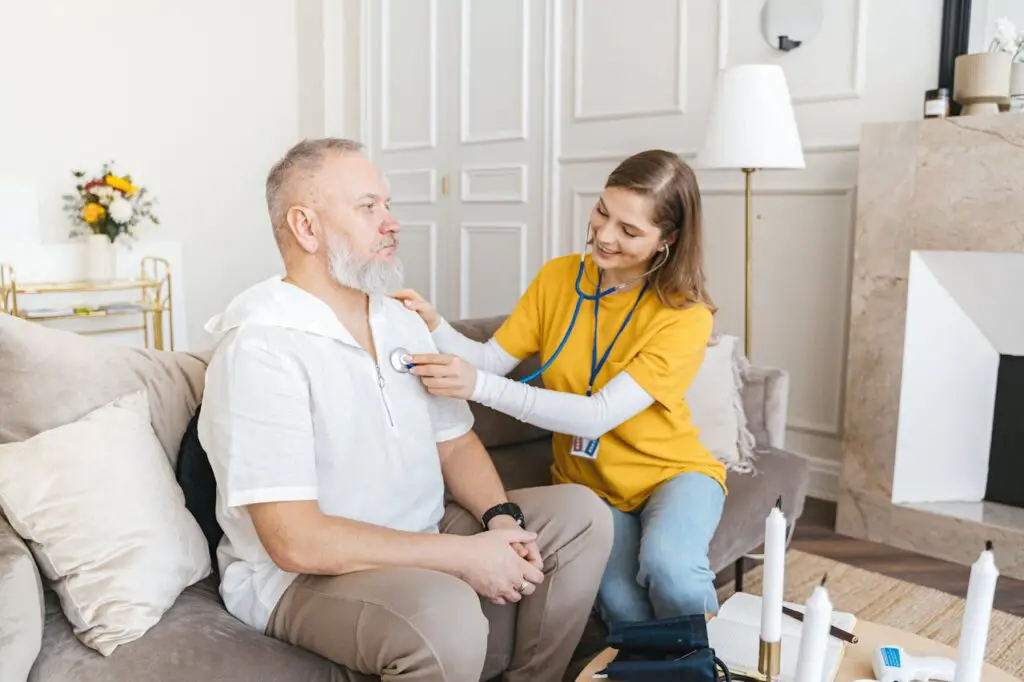
Regular checkups, screenings, and preventive care are essential for long-term health. But in the United States, access to healthcare often depends on employment, income, and insurance coverage. Millions of people delay doctor visits due to cost or lack of coverage. Visiting a doctor regularly is not simply a matter of discipline; it is deeply connected to financial security and systemic healthcare access. Those with reliable insurance and easy access to clinics benefit from early detection and prevention, which others may not have the privilege to prioritize.
4. Having Time for Fitness
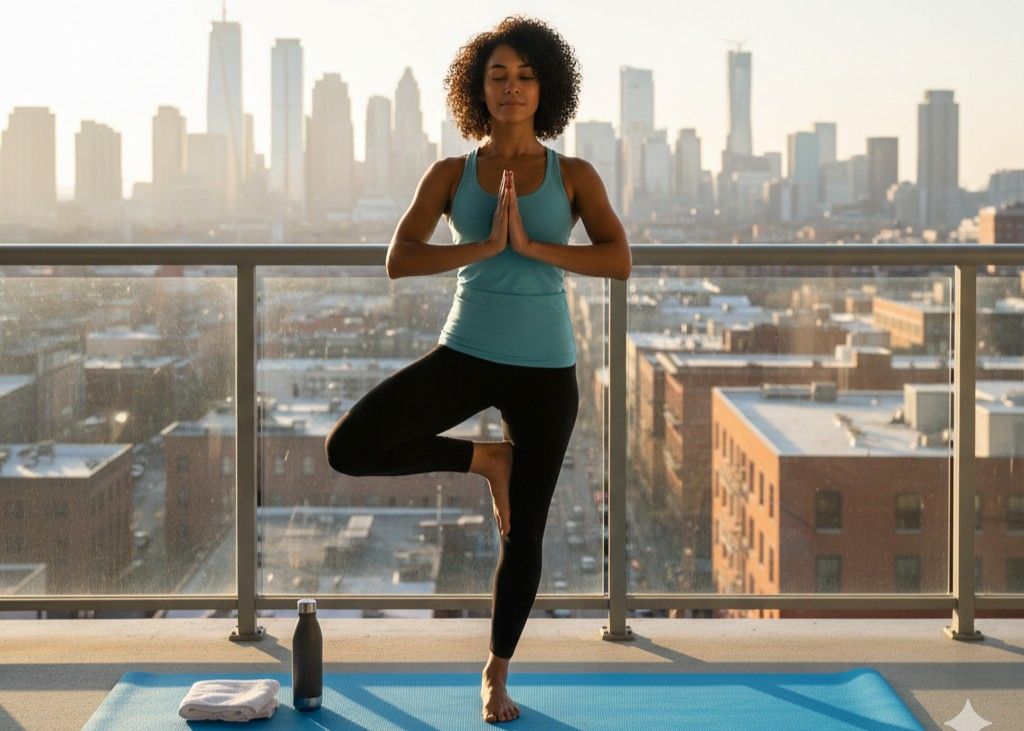
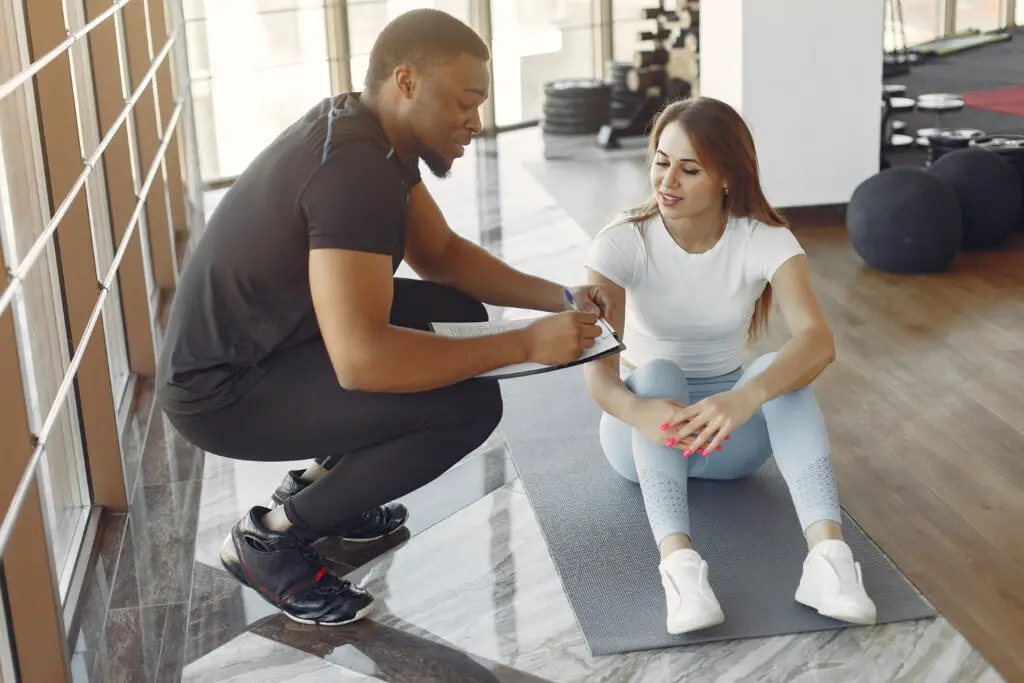
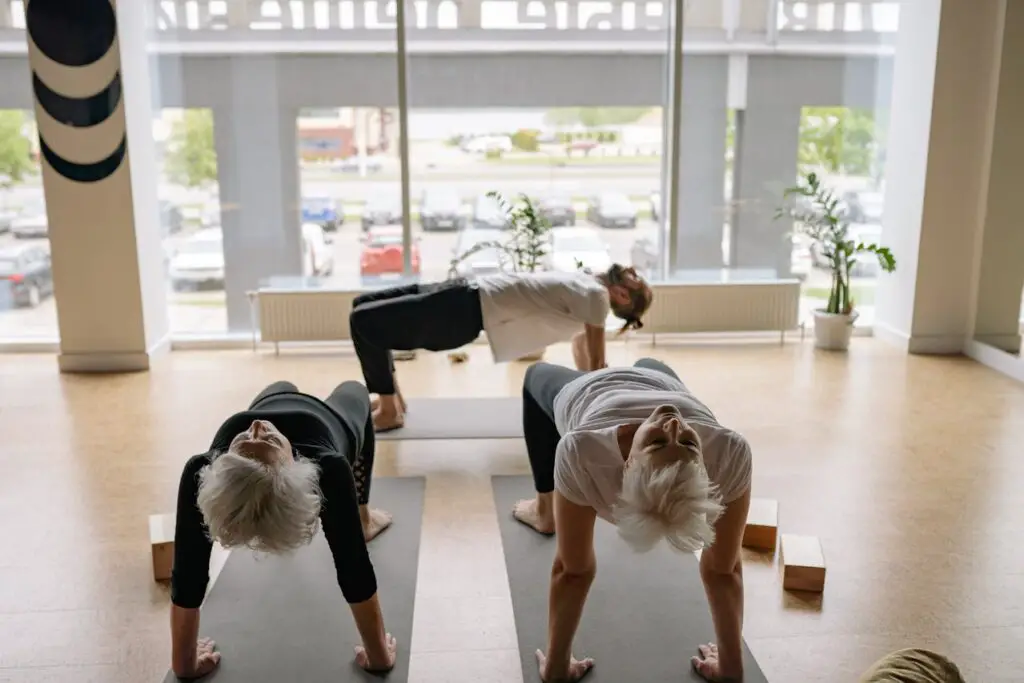
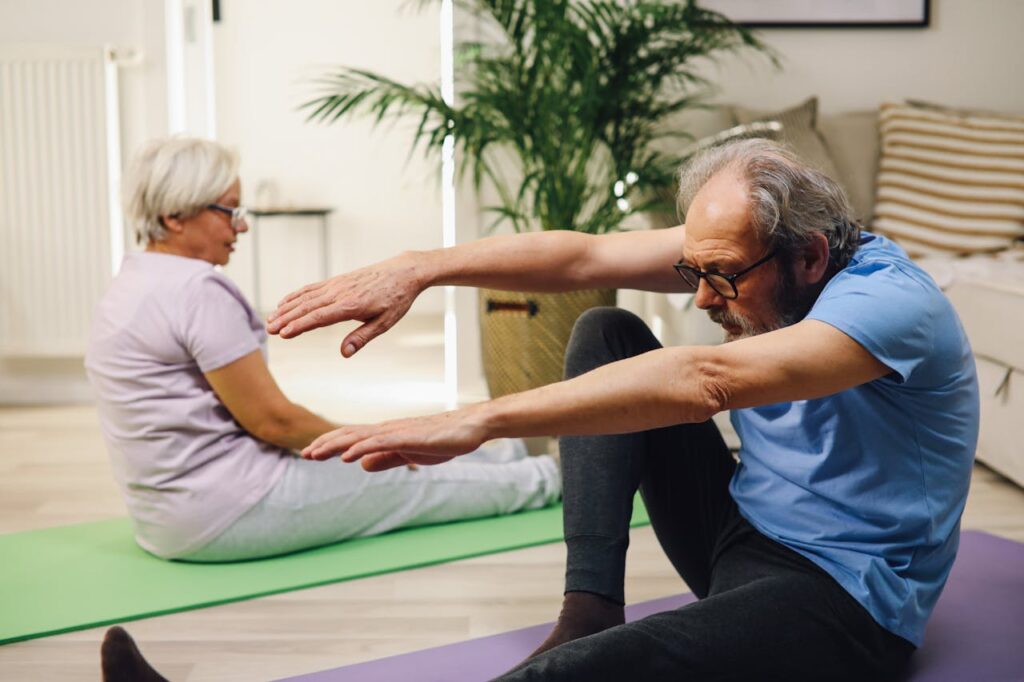
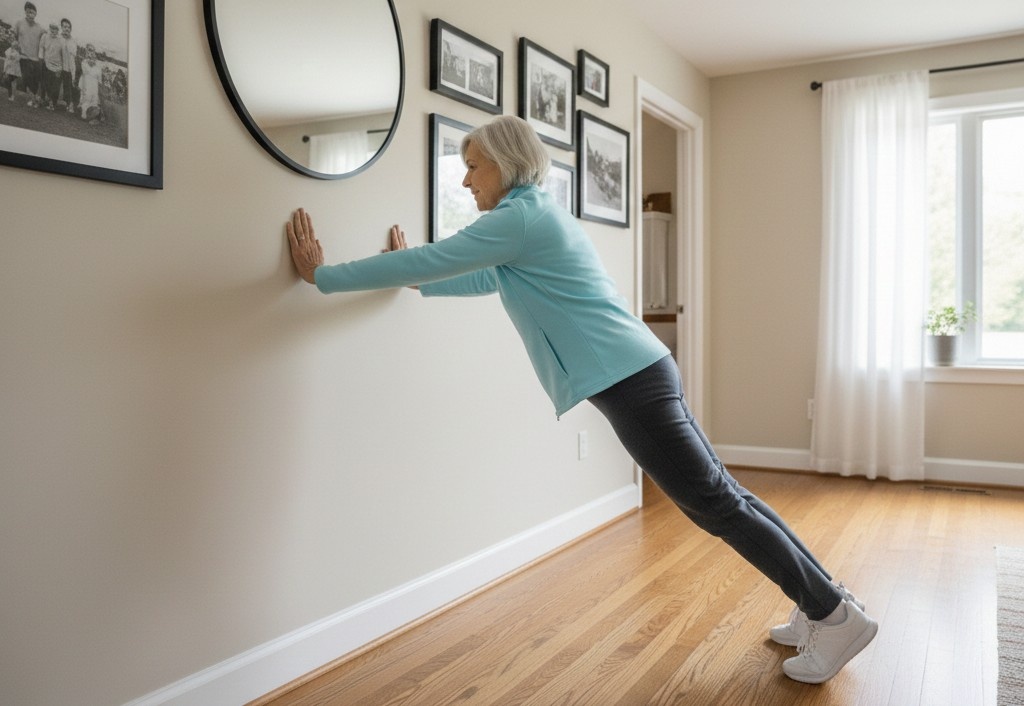
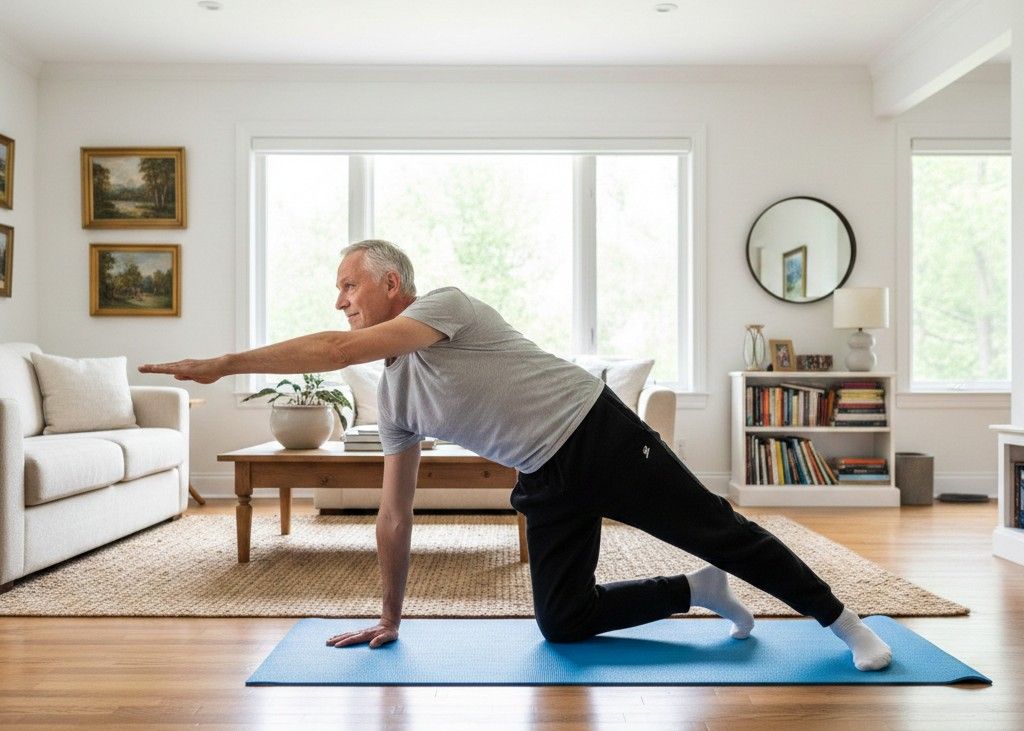
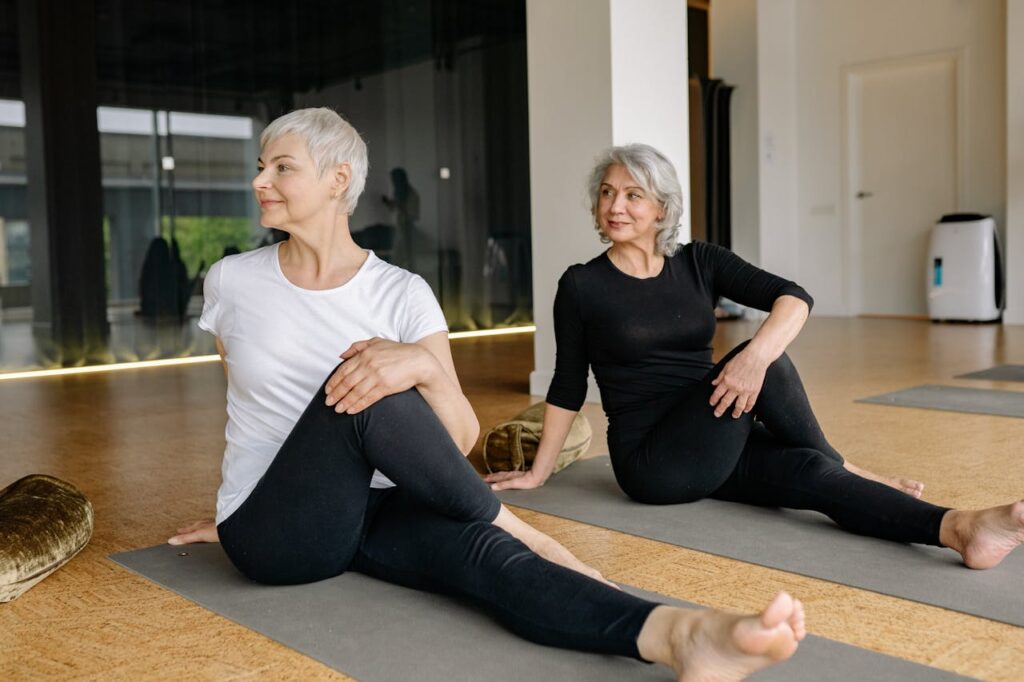
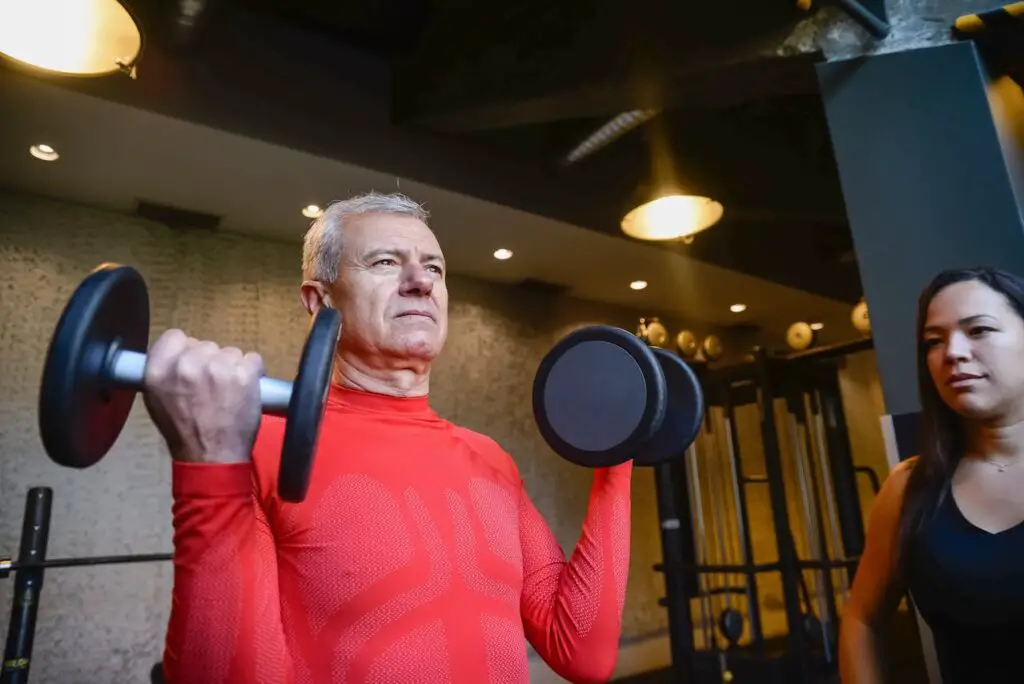
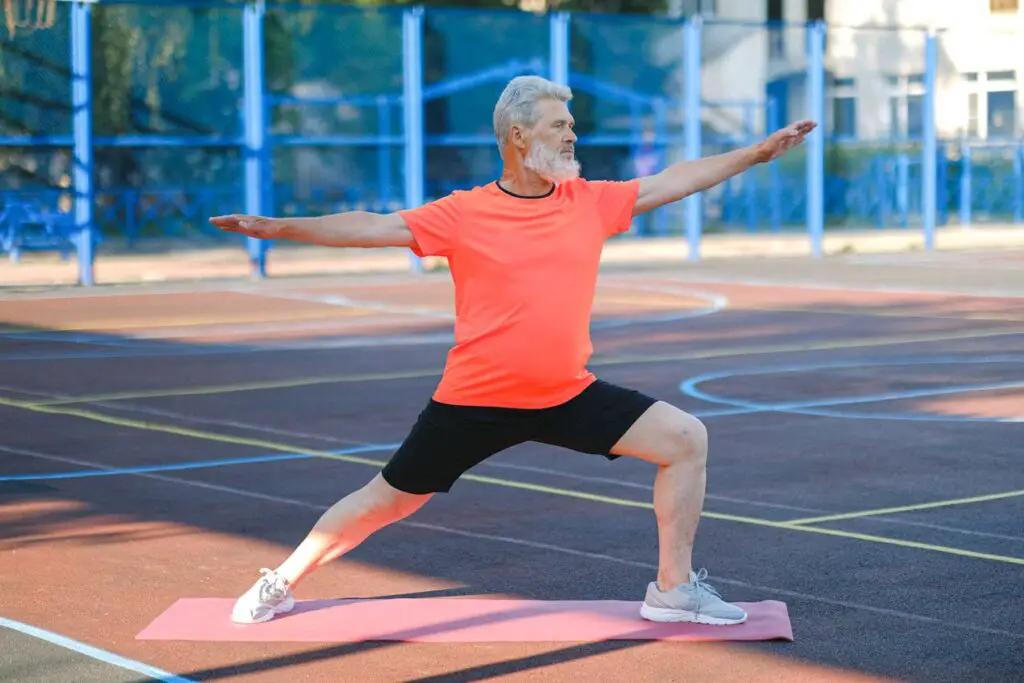
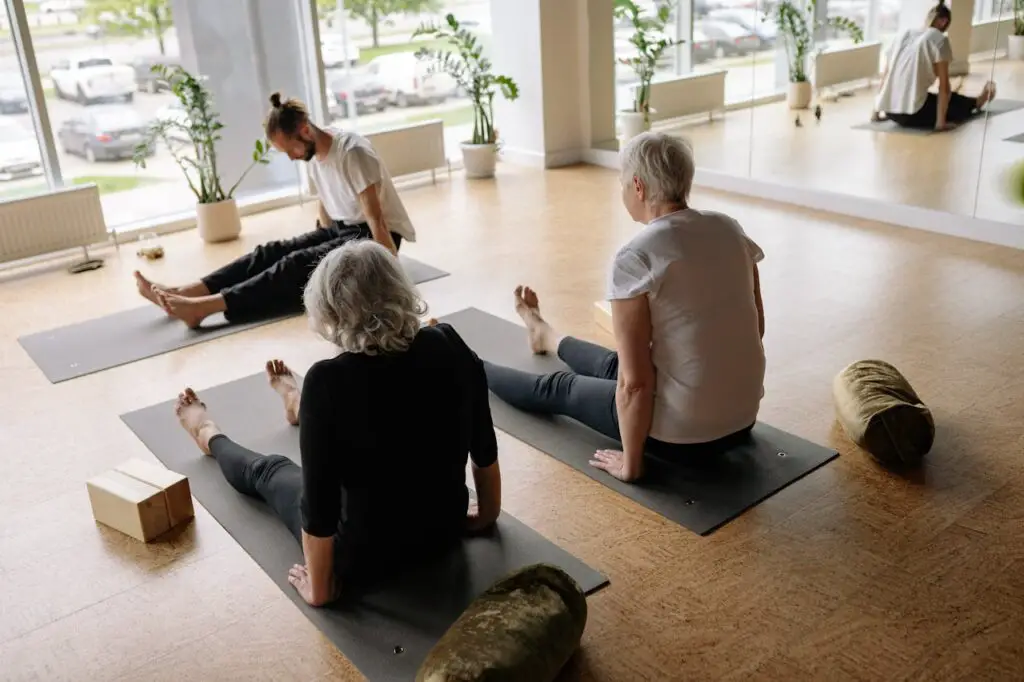
Finding time for exercise is commonly framed as a matter of motivation. Yet many people juggle multiple jobs, care responsibilities, or long commutes, leaving little energy for workouts. Time itself is a privilege, and being able to dedicate consistent hours to exercise is not equally available to everyone. Waking up early to hit the gym or attending yoga classes is much easier when your life allows for flexibility and rest. Discipline helps, but without the gift of time, even the most motivated person can struggle to maintain a fitness routine.
5. Access to Mental Health Support

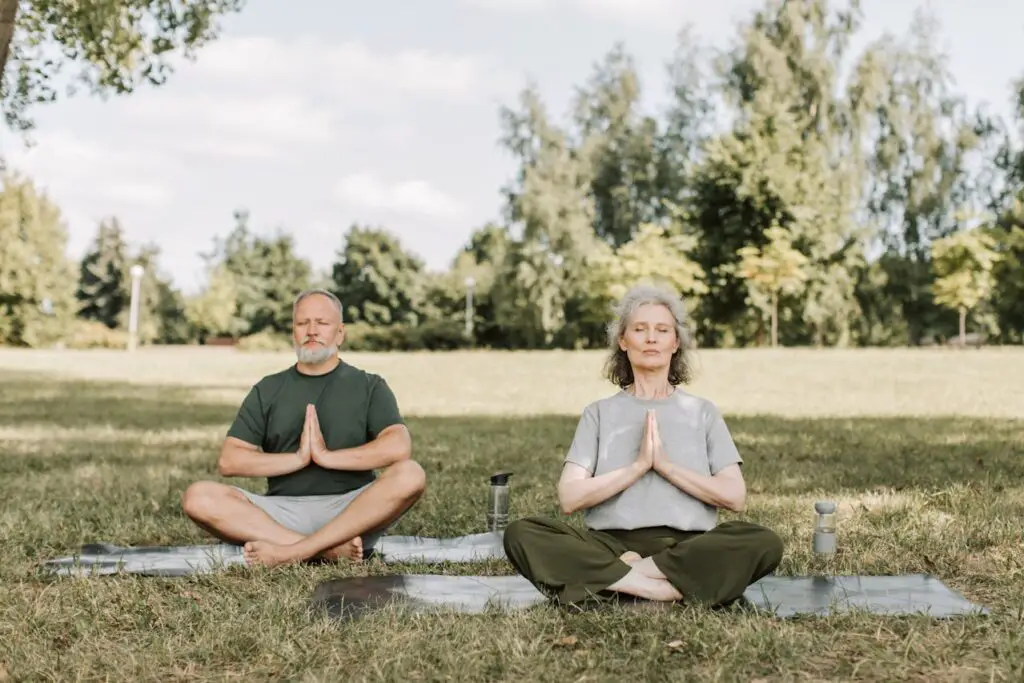
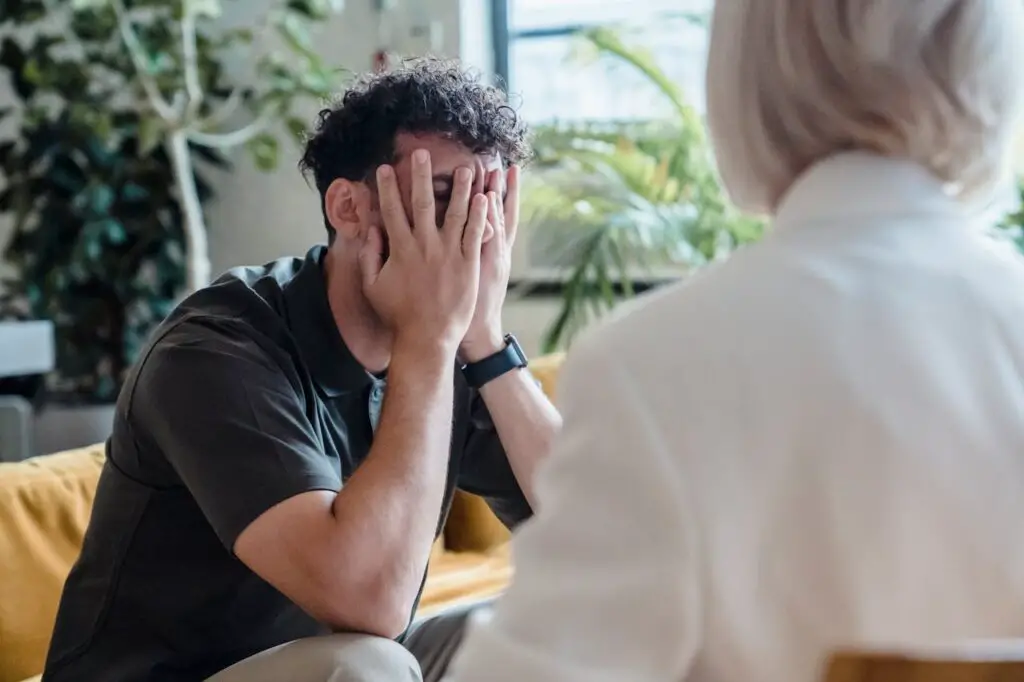
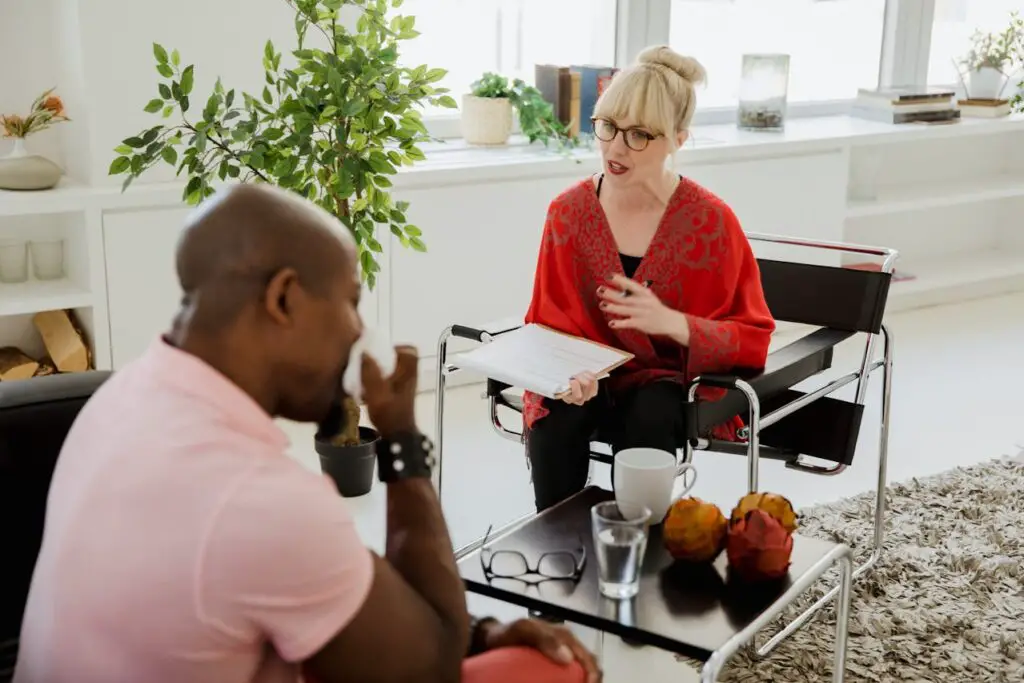
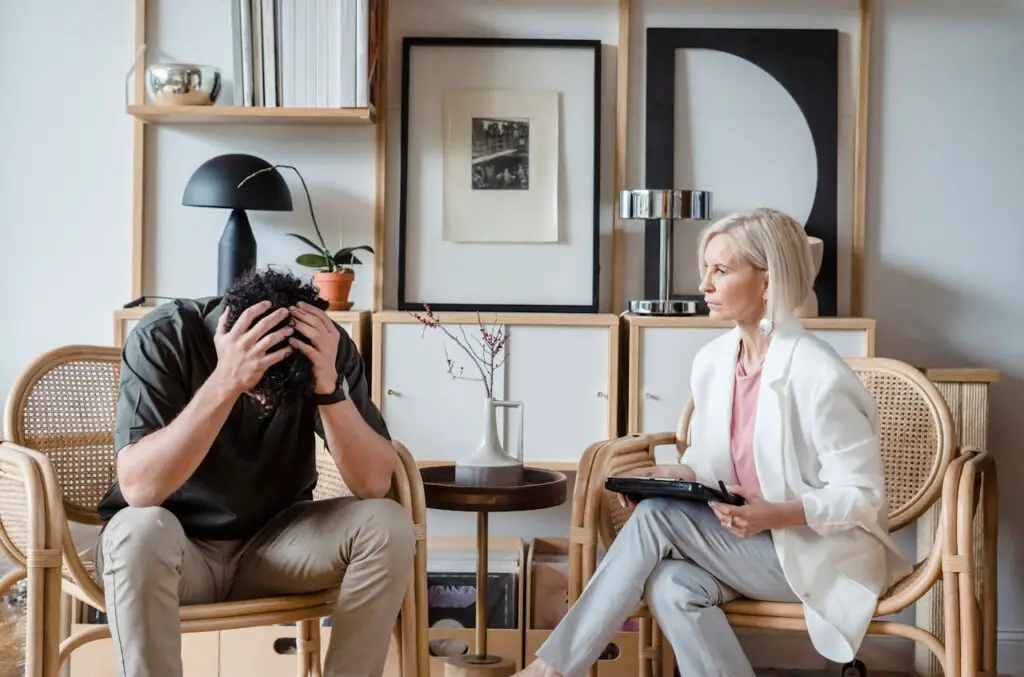
Prioritizing mental health through therapy, meditation, or counseling is an important habit. But mental health support requires time, money, and access. Not everyone can afford therapy or has culturally supportive networks that normalize seeking help. Even simple practices like journaling or mindfulness can be challenging without the time, space, or privacy to engage in them. What is often framed as a personal choice or self-care discipline is also a reflection of privilege in access and resources.
6. Having a Clean, Quiet Space for Rest

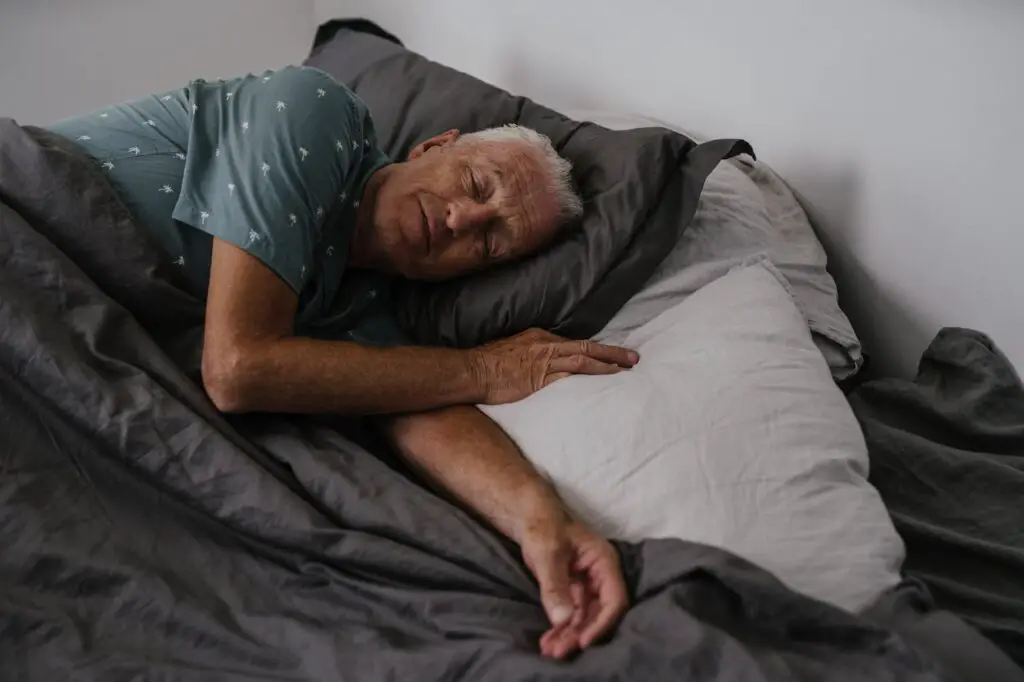
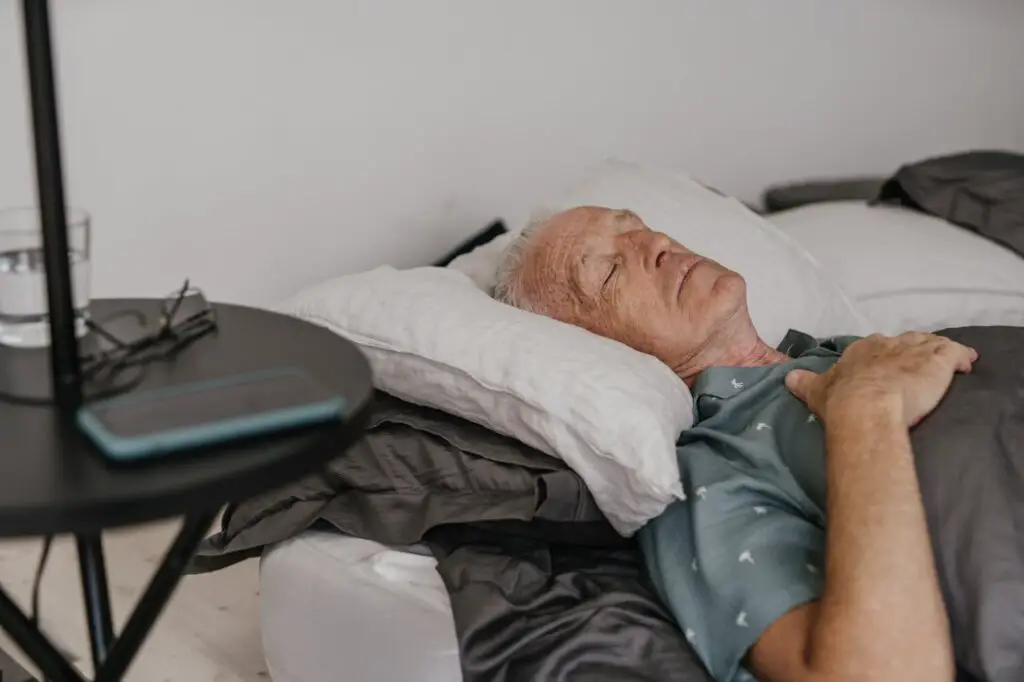
Sleep is one of the most critical components of wellness. However, quality sleep depends on having a safe and comfortable place to rest. Crowded living situations, noisy environments, or unstable housing make restorative sleep difficult. A comfortable bed, quiet nights, and the ability to control your schedule are advantages not everyone has. Privilege plays a large role in one of the most basic habits we often take for granted. Sleep is essential, but the ability to achieve it consistently is shaped by circumstances outside of willpower.
7. Easy Access to Reliable Health Information
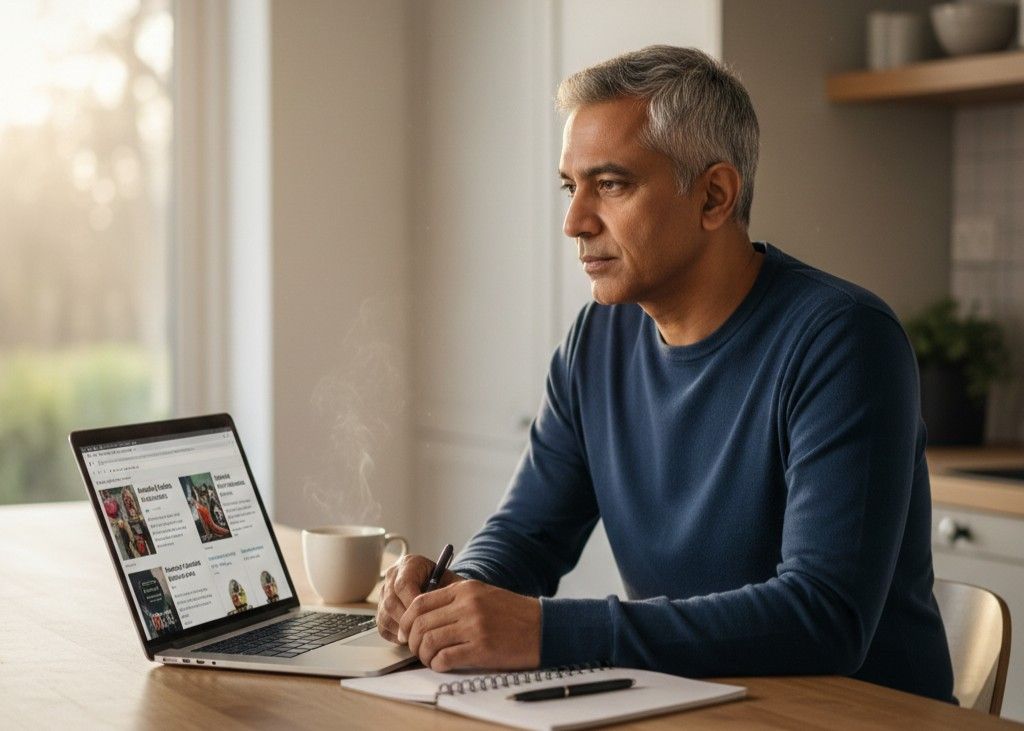
Knowing what is healthy and how to implement it may seem like a personal responsibility, but it depends on access to reliable information. Those with high-speed internet, time to research, and a strong educational background have a clear advantage in understanding nutrition, exercise, and medical guidance. On the other hand, people with limited access to technology or resources may struggle to separate accurate health information from misinformation. Understanding and acting on health knowledge is not just a discipline issue; it is a privilege tied to access.
8. Being Physically Able
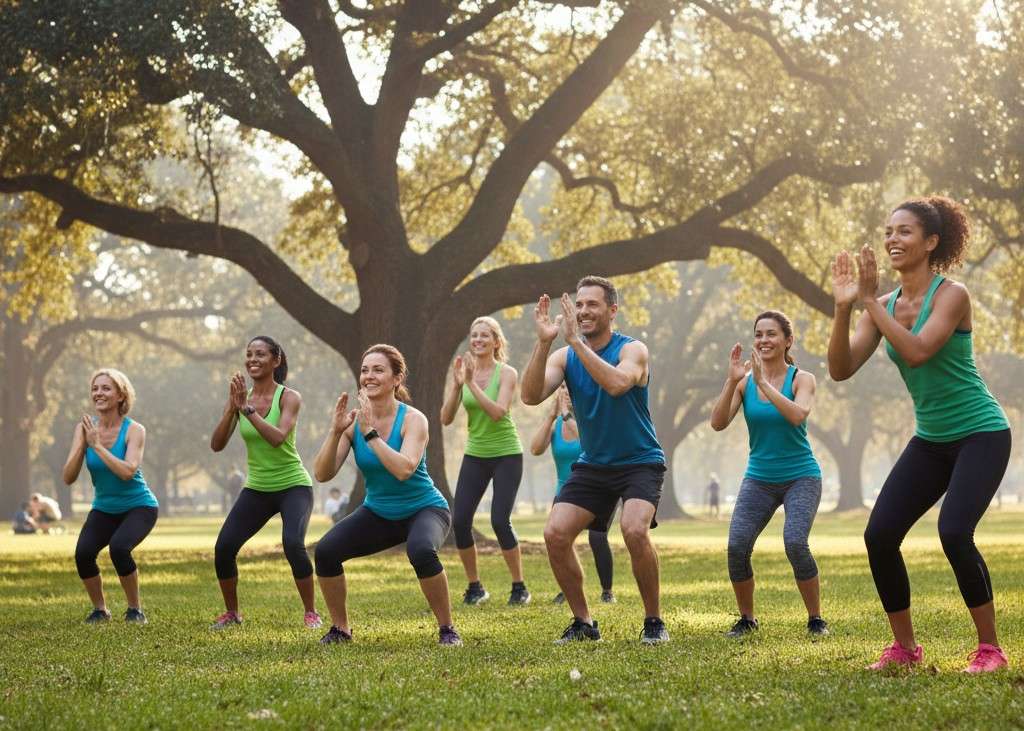
The ability to move freely and without chronic pain is often overlooked when discussing healthy habits. Physical ability makes it easier to engage in exercise, participate in sports, or perform everyday activities that support wellness. Those living with disabilities or chronic conditions face barriers that cannot be solved through discipline alone. Being able-bodied is a form of privilege that shapes what healthy habits are feasible and sustainable. Recognizing this can foster empathy and a broader understanding of health beyond individual effort.
9. Having Social Support

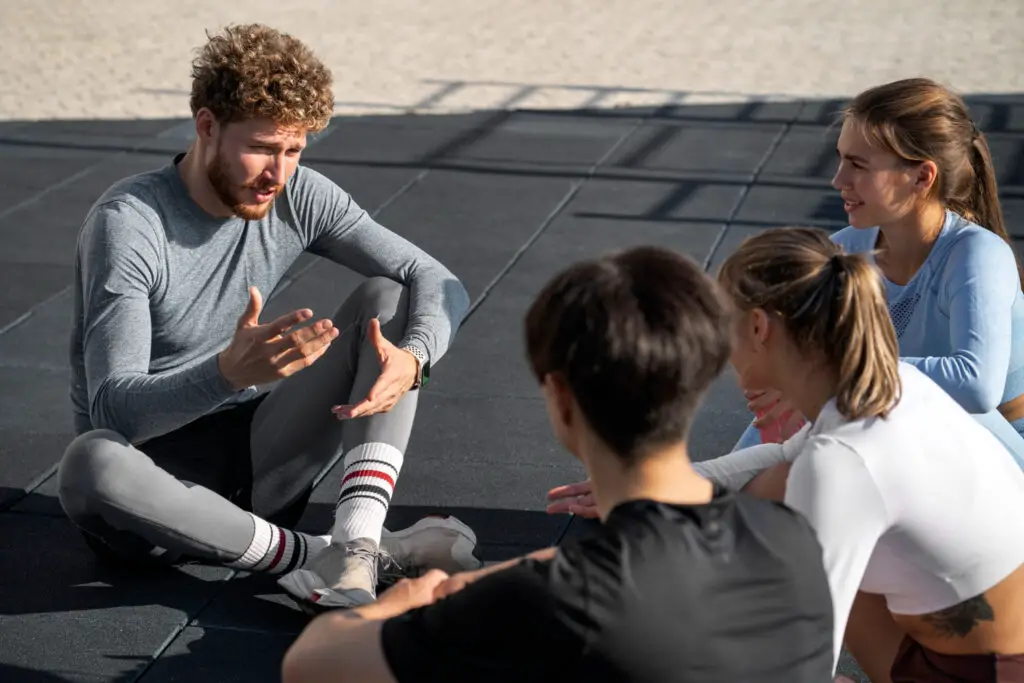
Having friends, family, or communities that encourage wellness is a major contributor to healthy living. Social support helps us maintain exercise routines, eat better, and manage stress. Not everyone has this type of support, whether due to social isolation, financial stress, or other life circumstances. The habit of maintaining wellness is easier when there is someone cheering you on, helping share responsibilities, or simply reminding you to prioritize your health. Support networks are a privilege that can amplify the impact of personal discipline.
10. Time Off Work and Paid Leave

Rest, recovery, and stress management require time off from work. Many people in the United States do not have paid leave or flexible schedules. Without time off, attending doctor appointments, practicing stress-relief activities, or recovering from illness becomes significantly harder. Having paid leave or flexible hours is a privilege that allows health routines to flourish. Habits that involve rest and self-care are often celebrated as signs of discipline, but they are only fully possible when life grants the time to focus on them.
Final Thoughts
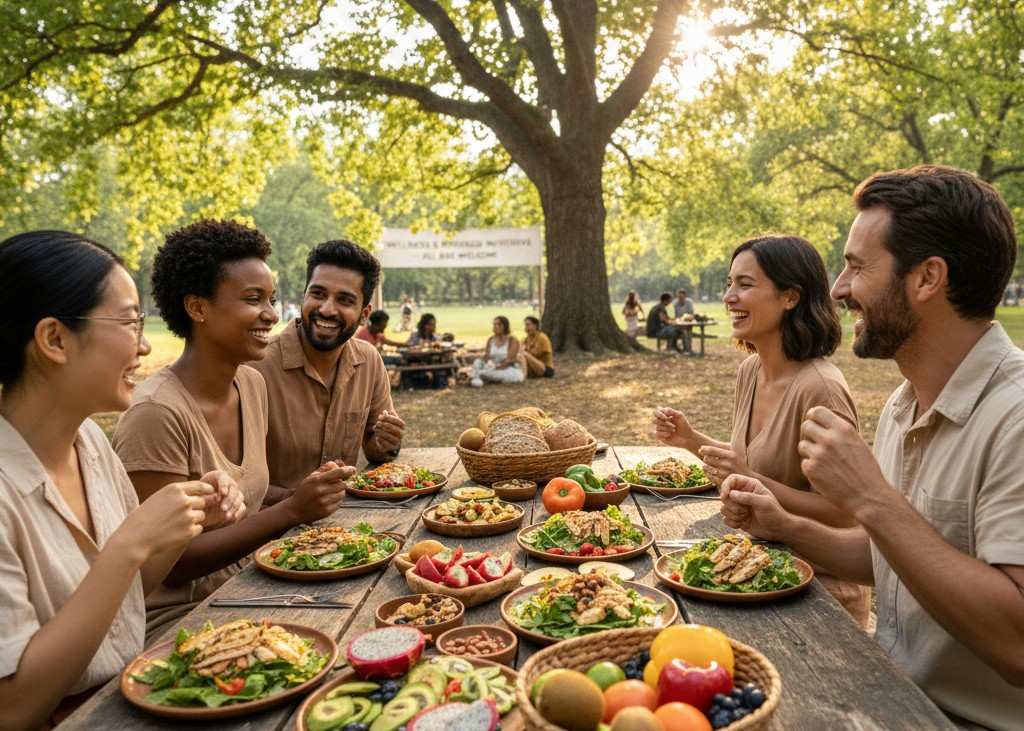
Health is often celebrated as a personal achievement, but the reality is more complex. The habits we admire, from eating well and exercising to resting and managing stress, are shaped by access, resources, and environment. Recognizing the role of privilege does not make anyone’s effort less valid; it simply gives context. Discipline matters, but it is not the whole story.
By understanding the invisible advantages some people have, we can approach wellness with empathy and realism. We can advocate for communities that provide safe spaces, affordable food, healthcare access, and flexible schedules. We can check our assumptions and celebrate the hard work of those who overcome barriers we may never face. Health is personal, but it is also social. Being mindful of privilege helps us create a world where healthy habits are achievable for everyone, not just for those who start with advantages.
Remember, the next time you celebrate your discipline, reflect on the privileges that supported your success. That awareness brings humility, gratitude, and the insight to help others achieve wellness too.