Our Debt Free Family

Commit. Plan. Take action.

  • BUDGETING
  • DEBT REDUCTION
  • INVESTING
  • LIFESTYLE
  • TOOLS
  • ABOUT
  • Privacy Policy
  • CONTACT

8 Unusual Eating Habits in Your 60s That Could Signal Early Dementia

February 11, 2026 | Leave a Comment

8 Odd Eating Habits After 60 That Could Be Early Signs of Dementia

<p> Aging brings plenty of changes—some welcome, some a little strange. Maybe you’ve found yourself reaching for sweets more often, forgetting lunch entirely, or craving the same meal every day. At first glance, these shifts might seem harmless or even quirky. But according to experts, unusual changes in eating habits after 60 could be more than just a change in taste—they might be early warning signs of dementia. Cognitive health is just as important as physical health, and sometimes our bodies give us subtle clues that something is off. While many people associate dementia with memory loss or confusion, it can also affect appetite, food preferences, and behavior around meals. Understanding these changes can help you or your loved ones catch early warning signs and take action sooner rather than later. Here are eight surprising eating behaviors that could signal something more serious is going on behind the scenes. </p> :: Freepik AI

Aging brings plenty of changes—some welcome, some a little strange. Maybe you’ve found yourself reaching for sweets more often, forgetting lunch entirely, or craving the same meal every day. At first glance, these shifts might seem harmless or even quirky. But according to experts, unusual changes in eating habits after 60 could be more than just a change in taste—they might be early warning signs of dementia.

Cognitive health is just as important as physical health, and sometimes our bodies give us subtle clues that something is off. While many people associate dementia with memory loss or confusion, it can also affect appetite, food preferences, and behavior around meals. Understanding these changes can help you or your loved ones catch early warning signs and take action sooner rather than later.

Here are eight surprising eating behaviors that could signal something more serious is going on behind the scenes.

1. Craving Sweets and Carbs Out of Nowhere

<p> It is not unusual to enjoy dessert now and then, but if you suddenly find yourself gobbling down bags of candy, constantly reaching for cookies, or indulging in large amounts of bread or pasta—especially if this is out of character—it might be time to take notice. Experts say sudden and intense cravings for sugar and carbohydrates can be an early indicator of frontotemporal dementia (FTD). This type of dementia affects the part of the brain that controls behavior and impulse regulation, sometimes causing people to eat compulsively or obsessively. </p> :: Freepik

It is not unusual to enjoy dessert now and then, but if you suddenly find yourself gobbling down bags of candy, constantly reaching for cookies, or indulging in large amounts of bread or pasta—especially if this is out of character—it might be time to take notice. Experts say sudden and intense cravings for sugar and carbohydrates can be an early indicator of frontotemporal dementia (FTD). This type of dementia affects the part of the brain that controls behavior and impulse regulation, sometimes causing people to eat compulsively or obsessively.

2. Forgetting to Eat Entirely

<p> Occasionally skipping a meal because you are busy is one thing. But regularly forgetting to eat, not realizing you are hungry, or losing track of mealtimes altogether can be a red flag. In the early stages of Alzheimer’s and other forms of dementia, routine tasks like preparing or remembering meals can start to fall through the cracks. If you or someone you love frequently misses meals or seems unaware of hunger, it is worth exploring with a healthcare provider. </p> :: Freepik

Occasionally skipping a meal because you are busy is one thing. But regularly forgetting to eat, not realizing you are hungry, or losing track of mealtimes altogether can be a red flag. In the early stages of Alzheimer’s and other forms of dementia, routine tasks like preparing or remembering meals can start to fall through the cracks. If you or someone you love frequently misses meals or seems unaware of hunger, it is worth exploring with a healthcare provider.

3. Fixating on One Type of Food

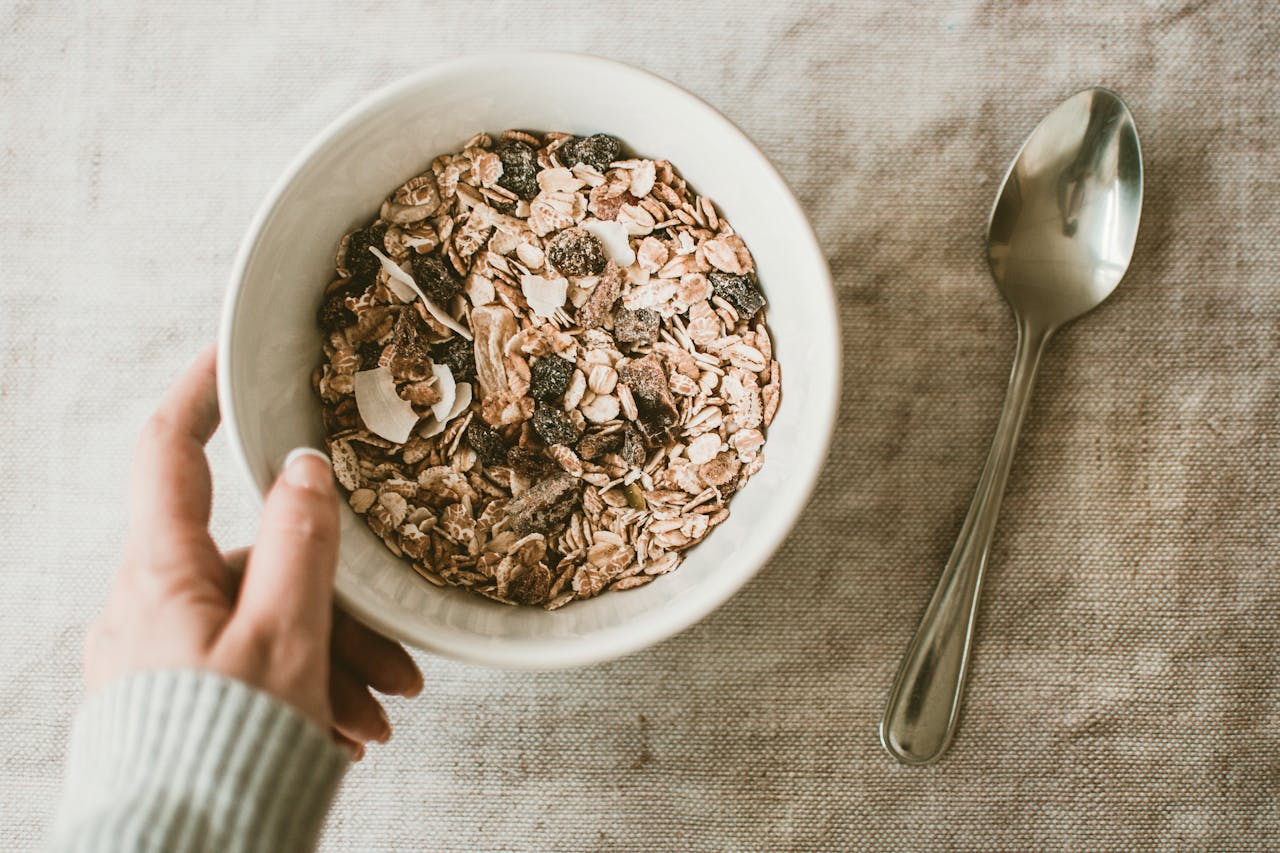
<p> Have you suddenly become obsessed with eating the same exact meal every day—like oatmeal for breakfast, lunch, and dinner? While a strong preference for a particular food might seem harmless, this kind of rigid repetition is common in people developing dementia. The brain may struggle with decision-making, leading someone to stick with what feels “safe” or familiar. In some cases, this can escalate to the exclusion of all other foods, which can lead to nutritional deficiencies over time. </p> :: Pexels

Have you suddenly become obsessed with eating the same exact meal every day—like oatmeal for breakfast, lunch, and dinner? While a strong preference for a particular food might seem harmless, this kind of rigid repetition is common in people developing dementia. The brain may struggle with decision-making, leading someone to stick with what feels “safe” or familiar. In some cases, this can escalate to the exclusion of all other foods, which can lead to nutritional deficiencies over time.

4. Acting Inappropriately at the Table

<p> Dementia can change how we behave in social settings, even ones as familiar as the dinner table. If someone begins eating with their hands, making a mess intentionally, playing with food, or ignoring basic table manners they previously followed, it may be more than forgetfulness. This type of behavior can indicate a breakdown in the brain’s ability to manage social norms and motor coordination, both of which are affected by cognitive decline. </p> :: Freepik AI

Dementia can change how we behave in social settings, even ones as familiar as the dinner table. If someone begins eating with their hands, making a mess intentionally, playing with food, or ignoring basic table manners they previously followed, it may be more than forgetfulness. This type of behavior can indicate a breakdown in the brain’s ability to manage social norms and motor coordination, both of which are affected by cognitive decline.

5. Snacking Late at Night or Hoarding Junk Food

<p> Impulse control is another common issue in early dementia. If someone begins snacking excessively—especially at odd hours—or starts buying excessive amounts of junk food on impulse, it could signal trouble. Some individuals may hide food or become defensive about their eating habits, often without realizing anything has changed. These patterns, especially when paired with other behavioral shifts, should not be dismissed as mere quirks. </p> :: Pexels

Impulse control is another common issue in early dementia. If someone begins snacking excessively—especially at odd hours—or starts buying excessive amounts of junk food on impulse, it could signal trouble. Some individuals may hide food or become defensive about their eating habits, often without realizing anything has changed. These patterns, especially when paired with other behavioral shifts, should not be dismissed as mere quirks.

6. Eating Non-Food Items (Yes, Really)

<p> In more advanced cases, some people with dementia may begin to put non-food items into their mouths or attempt to eat things like napkins, soap, or paper. This behavior, known as pica, can be incredibly dangerous and is a clear sign that something is seriously wrong. It often stems from confusion, sensory misfiring, or the brain’s inability to distinguish edible from inedible. If this happens, medical attention is crucial—immediately. </p> :: Freepik AI

In more advanced cases, some people with dementia may begin to put non-food items into their mouths or attempt to eat things like napkins, soap, or paper. This behavior, known as pica, can be incredibly dangerous and is a clear sign that something is seriously wrong. It often stems from confusion, sensory misfiring, or the brain’s inability to distinguish edible from inedible. If this happens, medical attention is crucial—immediately.

7. Suddenly Hating Foods You Used to Love

<p> Taste buds evolve with age, but a sudden and unexplained dislike for previously loved foods can be another subtle indicator of dementia. The brain plays a big role in how we perceive taste and smell, and those processes can be disrupted in the early stages of cognitive decline. If a lifelong coffee drinker suddenly cannot stand the taste of their morning cup, or a steak lover goes cold turkey without reason, there may be more going on than just a new health kick. </p> :: Pexels

Taste buds evolve with age, but a sudden and unexplained dislike for previously loved foods can be another subtle indicator of dementia. The brain plays a big role in how we perceive taste and smell, and those processes can be disrupted in the early stages of cognitive decline. If a lifelong coffee drinker suddenly cannot stand the taste of their morning cup, or a steak lover goes cold turkey without reason, there may be more going on than just a new health kick.

8. Struggling with Chewing, Swallowing, or Using Utensils

<p> It is easy to blame trouble eating on dentures or arthritis, but sometimes those challenges are neurological. Early signs of dementia may include difficulty chewing or swallowing, using utensils incorrectly, or even forgetting how to eat certain foods. These issues are often mistaken for physical problems, but they may be linked to changes in brain function. If these behaviors appear alongside other cognitive concerns, consult with a speech therapist or neurologist. </p> :: Freepik AI

It is easy to blame trouble eating on dentures or arthritis, but sometimes those challenges are neurological. Early signs of dementia may include difficulty chewing or swallowing, using utensils incorrectly, or even forgetting how to eat certain foods. These issues are often mistaken for physical problems, but they may be linked to changes in brain function. If these behaviors appear alongside other cognitive concerns, consult with a speech therapist or neurologist.

Final Thoughts

<p> Getting older comes with enough surprises—your eating habits should not be one of them. While it is easy to brush off changes in diet as “just aging,” sometimes your plate is trying to tell you something your brain cannot quite say yet. Not every quirky food habit is a sign of dementia, but when they come in clusters or feel unusually intense, it is worth a closer look. Catching early warning signs like these gives you the power to seek help, adapt routines, and plan for the future with confidence. More importantly, it lets you take care of yourself—and others—with wisdom and grace. Because staying sharp is not about being perfect. It is about paying attention, asking questions, and showing up for your health, one bite at a time. </p> :: Pexels

Getting older comes with enough surprises—your eating habits should not be one of them. While it is easy to brush off changes in diet as “just aging,” sometimes your plate is trying to tell you something your brain cannot quite say yet. Not every quirky food habit is a sign of dementia, but when they come in clusters or feel unusually intense, it is worth a closer look.

Catching early warning signs like these gives you the power to seek help, adapt routines, and plan for the future with confidence. More importantly, it lets you take care of yourself—and others—with wisdom and grace.

Because staying sharp is not about being perfect. It is about paying attention, asking questions, and showing up for your health, one bite at a time.

Filed Under: Health & Fitness

9 Vegetables That Keep Your Heart Happy and Your Cholesterol in Check

February 10, 2026 | Leave a Comment

9 Vegetables That Keep Your Heart Happy and Your Cholesterol in Check

<p> You know that feeling when your doctor says, “You should watch your cholesterol,” and suddenly every food you love starts looking like a guilty pleasure? You are not alone. Many Americans find themselves in that moment—staring at their plate, wondering how to make healthier choices without giving up flavor or feeling like they are living off rabbit food. Here is the truth: taking care of your heart does not mean surviving on bland meals or ditching all your favorites. In fact, the key to better heart health might be hiding right in your crisper drawer. Certain vegetables are packed with fiber, antioxidants, and plant-based compounds that not only help lower LDL (the “bad” cholesterol) but also protect your arteries and keep your blood pressure in check. Best of all, these veggies are versatile, affordable, and easy to work into your everyday meals—even if you are not a master chef. So, whether you are trying to lower your cholesterol, prevent heart disease, or simply eat smarter, this list of heart-friendly vegetables will get you on the right track—without making your tastebuds miserable. Let’s dig into the nine vegetables that your heart (and your doctor) will love. </p> :: Pexels

You know that feeling when your doctor says, “You should watch your cholesterol,” and suddenly every food you love starts looking like a guilty pleasure? You are not alone. Many Americans find themselves in that moment—staring at their plate, wondering how to make healthier choices without giving up flavor or feeling like they are living off rabbit food.

Here is the truth: taking care of your heart does not mean surviving on bland meals or ditching all your favorites. In fact, the key to better heart health might be hiding right in your crisper drawer. Certain vegetables are packed with fiber, antioxidants, and plant-based compounds that not only help lower LDL (the “bad” cholesterol) but also protect your arteries and keep your blood pressure in check.

Best of all, these veggies are versatile, affordable, and easy to work into your everyday meals—even if you are not a master chef. So, whether you are trying to lower your cholesterol, prevent heart disease, or simply eat smarter, this list of heart-friendly vegetables will get you on the right track—without making your tastebuds miserable.

Let’s dig into the nine vegetables that your heart (and your doctor) will love.

1. Spinach

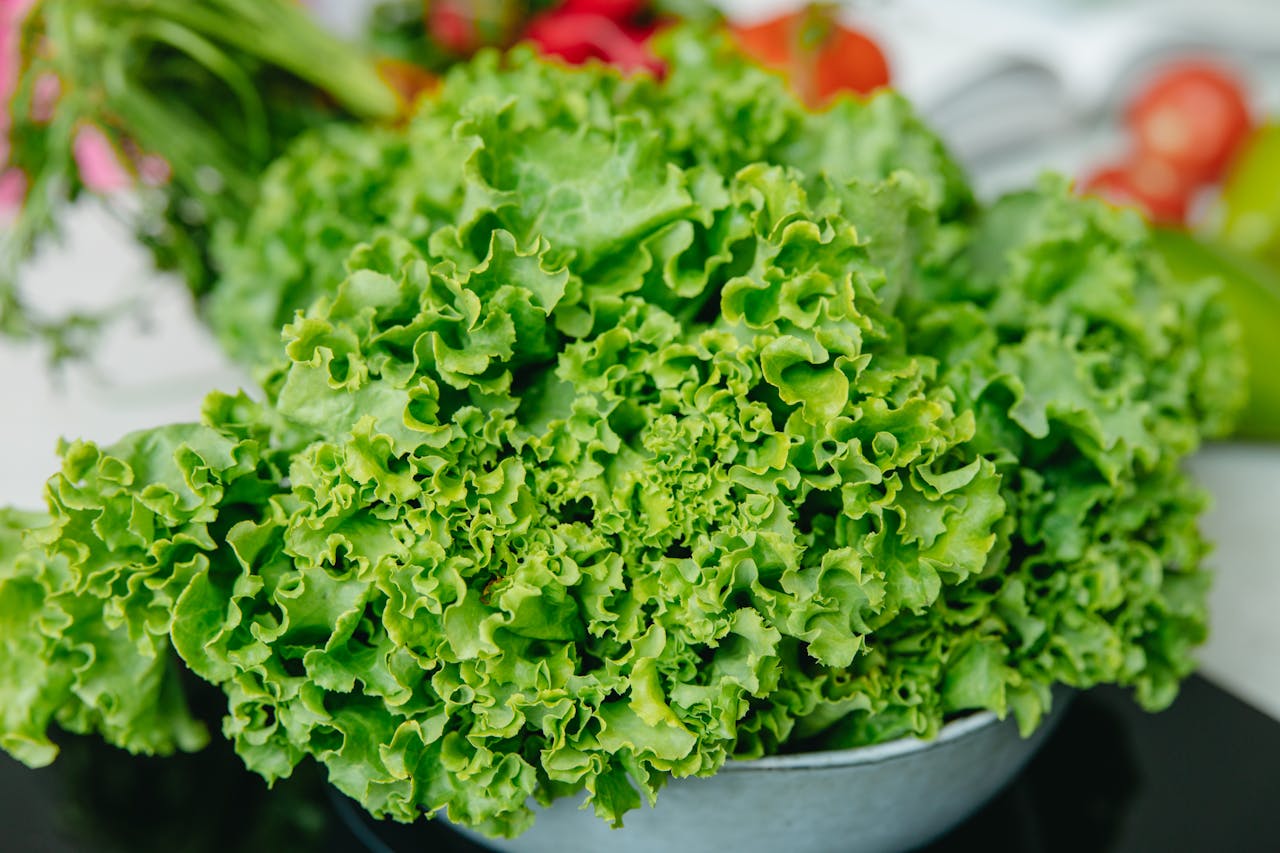
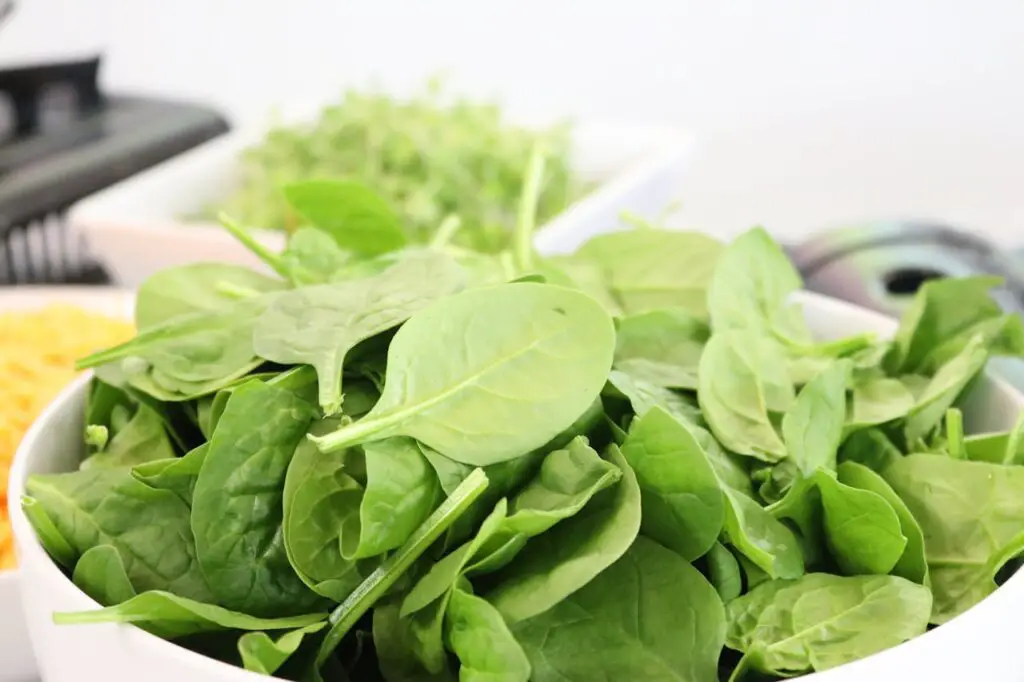
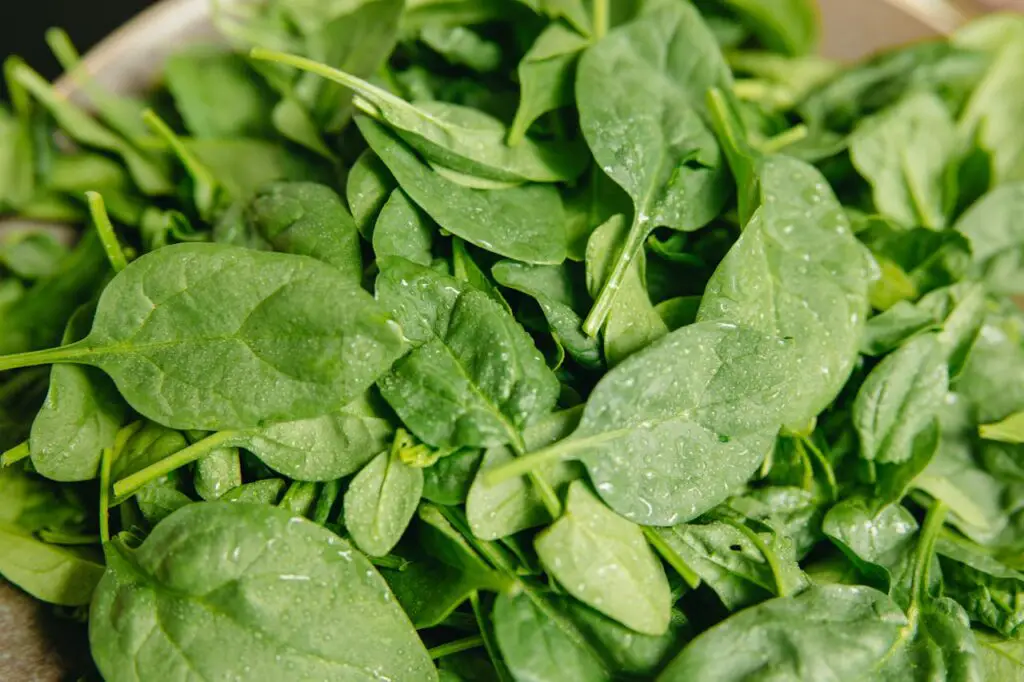
<p> Spinach is more than just a leafy green to toss into a salad—it is a genuine nutritional powerhouse. Rich in soluble fiber, magnesium, potassium, and plant-based nitrates, spinach helps relax blood vessels, reduce blood pressure, and sweep cholesterol out of your system. It also offers a generous dose of antioxidants that help reduce inflammation, a known risk factor for heart disease. Whether you blend it into a smoothie, sauté it with garlic, or layer it into a sandwich, spinach is an easy way to get more green into your day and goodness into your heart. </p> :: Pexels

Spinach is more than just a leafy green to toss into a salad—it is a genuine nutritional powerhouse. Rich in soluble fiber, magnesium, potassium, and plant-based nitrates, spinach helps relax blood vessels, reduce blood pressure, and sweep cholesterol out of your system. It also offers a generous dose of antioxidants that help reduce inflammation, a known risk factor for heart disease. Whether you blend it into a smoothie, sauté it with garlic, or layer it into a sandwich, spinach is an easy way to get more green into your day and goodness into your heart.

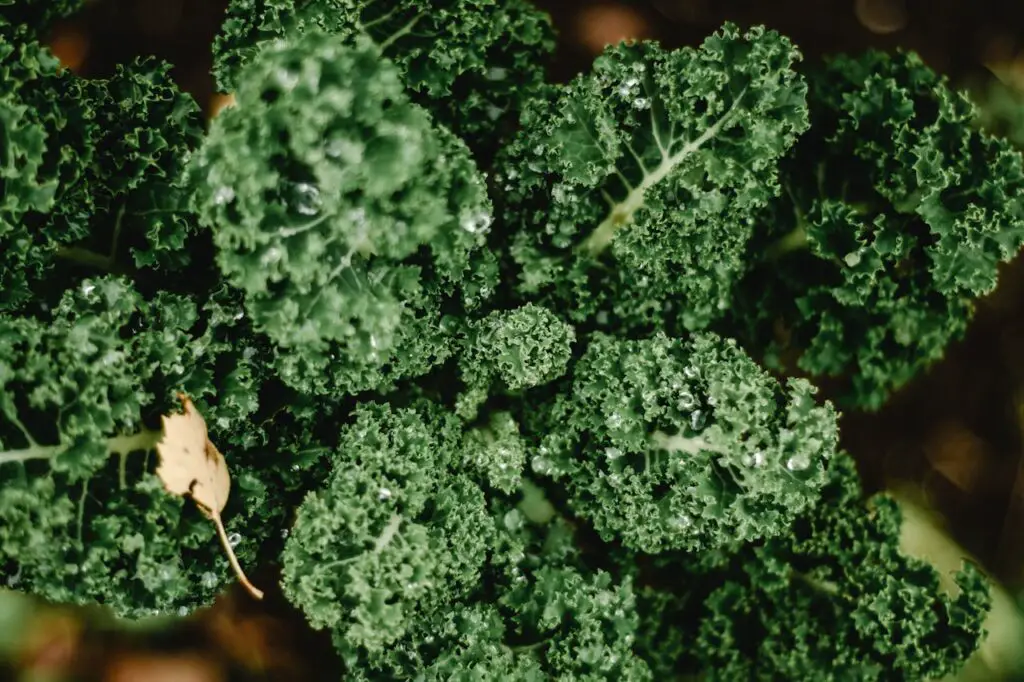
2. Kale

<p> Kale is not just for trendy green juices and Instagram food pics—it is a bonafide cholesterol-busting machine. This dark, leafy green is rich in fiber, vitamin K, calcium, and potent antioxidants that help reduce plaque buildup in your arteries. It also binds with bile acids in your digestive tract, which your body then eliminates—taking excess cholesterol with it. Add it to soups, bake it into chips, or toss it into a stir-fry for a flavorful crunch that supports heart health in every bite. </p> :: Pexels

Kale is not just for trendy green juices and Instagram food pics—it is a bonafide cholesterol-busting machine. This dark, leafy green is rich in fiber, vitamin K, calcium, and potent antioxidants that help reduce plaque buildup in your arteries. It also binds with bile acids in your digestive tract, which your body then eliminates—taking excess cholesterol with it. Add it to soups, bake it into chips, or toss it into a stir-fry for a flavorful crunch that supports heart health in every bite.

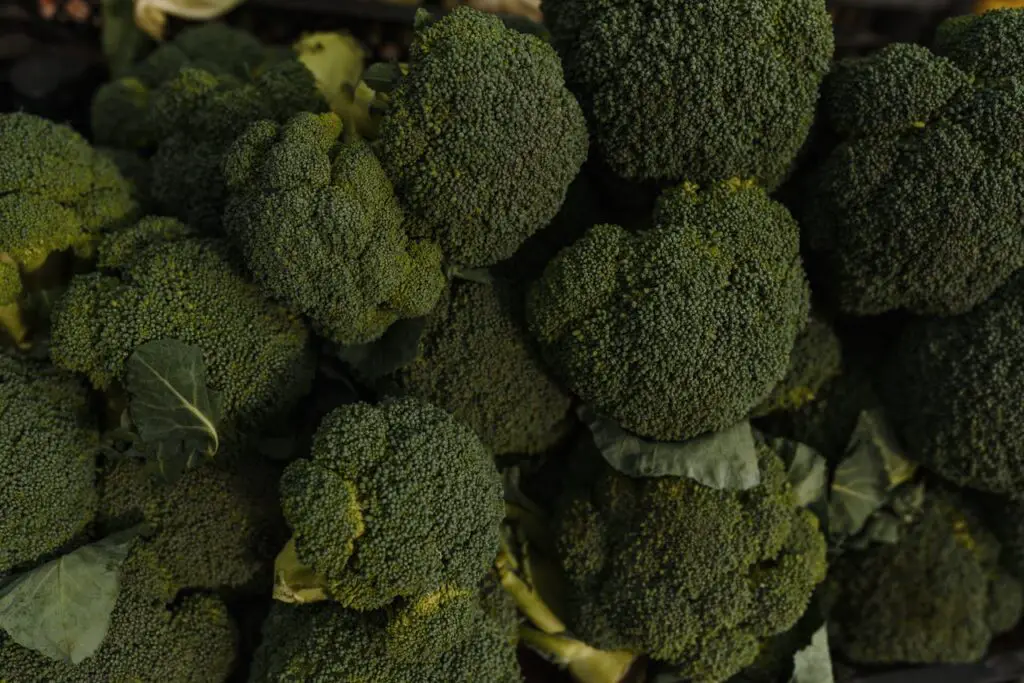
3. Broccoli

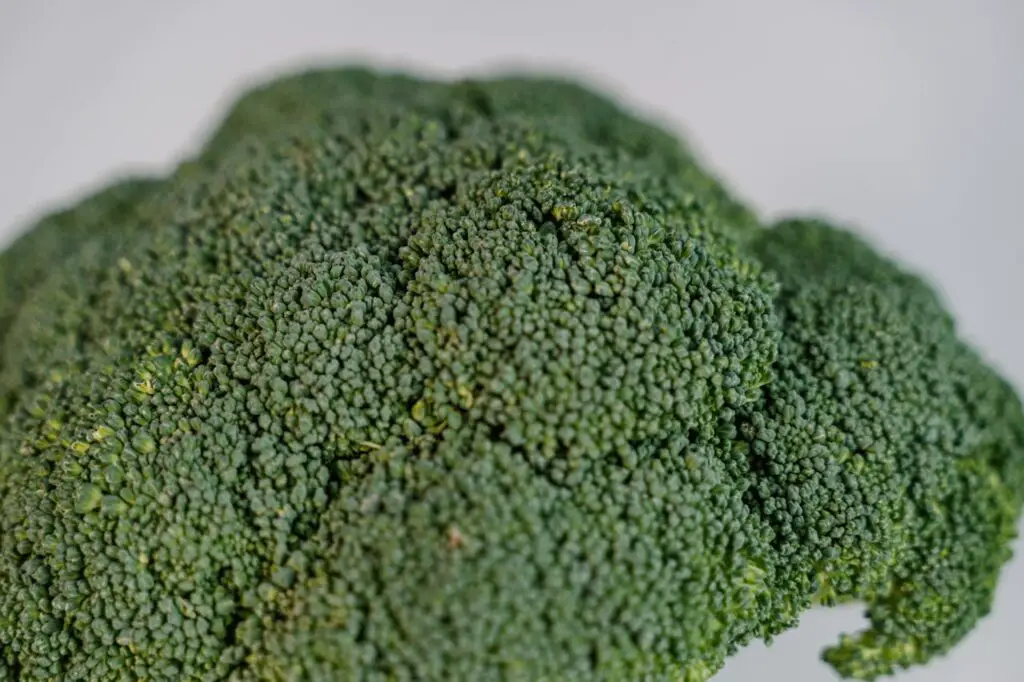
<p> If your mom told you to eat your broccoli, she was definitely onto something. This cruciferous vegetable is high in fiber, particularly the soluble kind that lowers LDL cholesterol by preventing it from being absorbed in the intestines. Broccoli also contains sulforaphane, a powerful compound that helps reduce inflammation and oxidative stress—both of which are linked to heart problems. Roast it, steam it, or add it to pasta dishes for a satisfying and heart-smart addition to your meals. </p> :: Pexels

If your mom told you to eat your broccoli, she was definitely onto something. This cruciferous vegetable is high in fiber, particularly the soluble kind that lowers LDL cholesterol by preventing it from being absorbed in the intestines. Broccoli also contains sulforaphane, a powerful compound that helps reduce inflammation and oxidative stress—both of which are linked to heart problems. Roast it, steam it, or add it to pasta dishes for a satisfying and heart-smart addition to your meals.

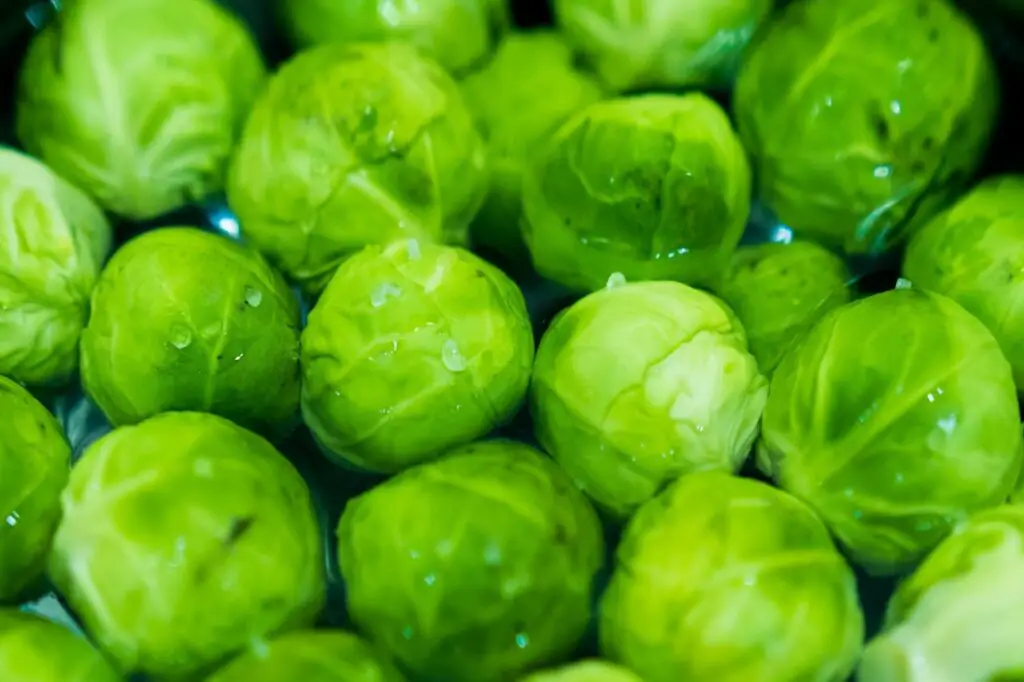
4. Brussels Sprouts

<p> Tiny but mighty, Brussels sprouts are like the underdogs of the vegetable world—and they deliver big for your heart. They are packed with soluble fiber and contain antioxidants like kaempferol that help protect your blood vessels and reduce cholesterol buildup. Their anti-inflammatory properties are especially beneficial for keeping your arteries clear and your blood flowing smoothly. Roasted with olive oil and a sprinkle of sea salt, they are surprisingly addictive and deliciously good for your cardiovascular system. </p> :: Pexels

Tiny but mighty, Brussels sprouts are like the underdogs of the vegetable world—and they deliver big for your heart. They are packed with soluble fiber and contain antioxidants like kaempferol that help protect your blood vessels and reduce cholesterol buildup. Their anti-inflammatory properties are especially beneficial for keeping your arteries clear and your blood flowing smoothly. Roasted with olive oil and a sprinkle of sea salt, they are surprisingly addictive and deliciously good for your cardiovascular system.

5. Okra

<p> Often overlooked in modern kitchens, okra is a hidden gem when it comes to heart health. Its high soluble fiber content forms a gel-like substance in the gut that binds with cholesterol and carries it out of the body. This unique characteristic gives okra the ability to actively reduce LDL cholesterol levels. It is also rich in antioxidants and vitamin C, which support healthy circulation and overall heart function. Try it in gumbo, stir-fries, or simply oven-roasted for a crunchy, flavorful dish that delivers on heart protection. </p> :: Pexels

Often overlooked in modern kitchens, okra is a hidden gem when it comes to heart health. Its high soluble fiber content forms a gel-like substance in the gut that binds with cholesterol and carries it out of the body. This unique characteristic gives okra the ability to actively reduce LDL cholesterol levels. It is also rich in antioxidants and vitamin C, which support healthy circulation and overall heart function. Try it in gumbo, stir-fries, or simply oven-roasted for a crunchy, flavorful dish that delivers on heart protection.

6. Eggplant

<p> If you are looking for a hearty, satisfying vegetable that is easy on your heart, eggplant is your friend. With its deep purple skin rich in nasunin—an antioxidant that protects the lining of blood vessels—eggplant supports cholesterol regulation and reduces inflammation. It is also full of soluble fiber, making it an excellent ally in lowering bad cholesterol. Grill it, roast it, or layer it in a veggie lasagna for a meaty texture without the actual meat (and none of the saturated fat). </p> :: Pexels

If you are looking for a hearty, satisfying vegetable that is easy on your heart, eggplant is your friend. With its deep purple skin rich in nasunin—an antioxidant that protects the lining of blood vessels—eggplant supports cholesterol regulation and reduces inflammation. It is also full of soluble fiber, making it an excellent ally in lowering bad cholesterol. Grill it, roast it, or layer it in a veggie lasagna for a meaty texture without the actual meat (and none of the saturated fat).

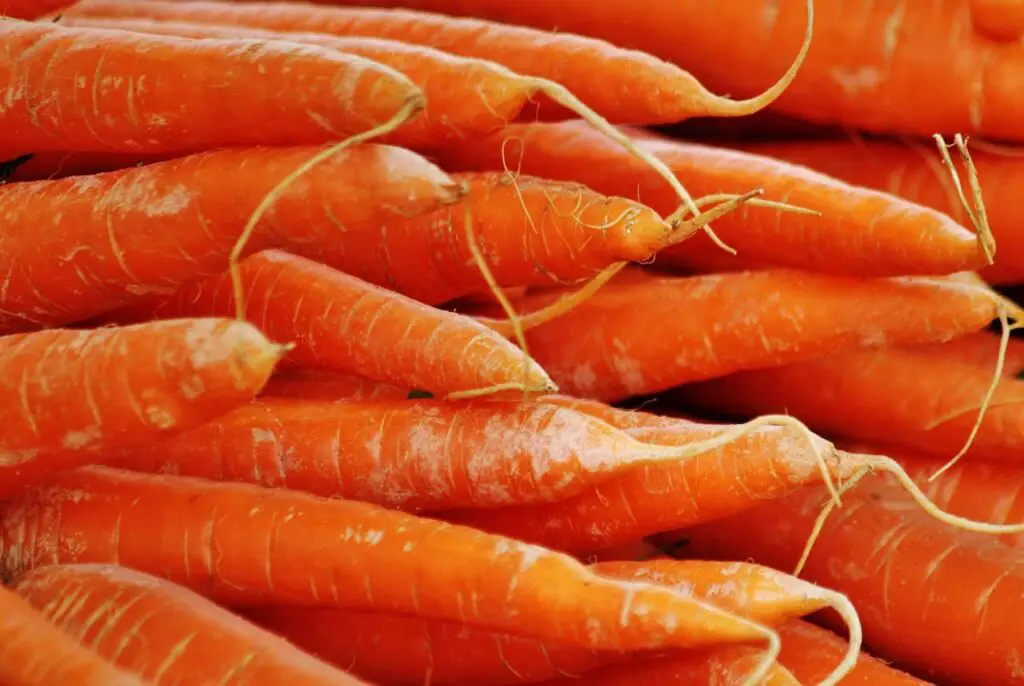
7. Carrots

<p> Carrots are more than just crunchy snacks or salad toppers—they are loaded with cholesterol-fighting benefits. Their fiber content, especially pectin, helps bind with cholesterol and prevent it from being absorbed in your digestive system. Carrots are also rich in beta-carotene, an antioxidant linked to reduced risk of heart disease. The best part? They are easy to eat raw, roasted, or tossed into soups and stews. Keep a bag of baby carrots in your fridge, and you are always a few bites away from a heart-healthy choice. </p> :: Pexels

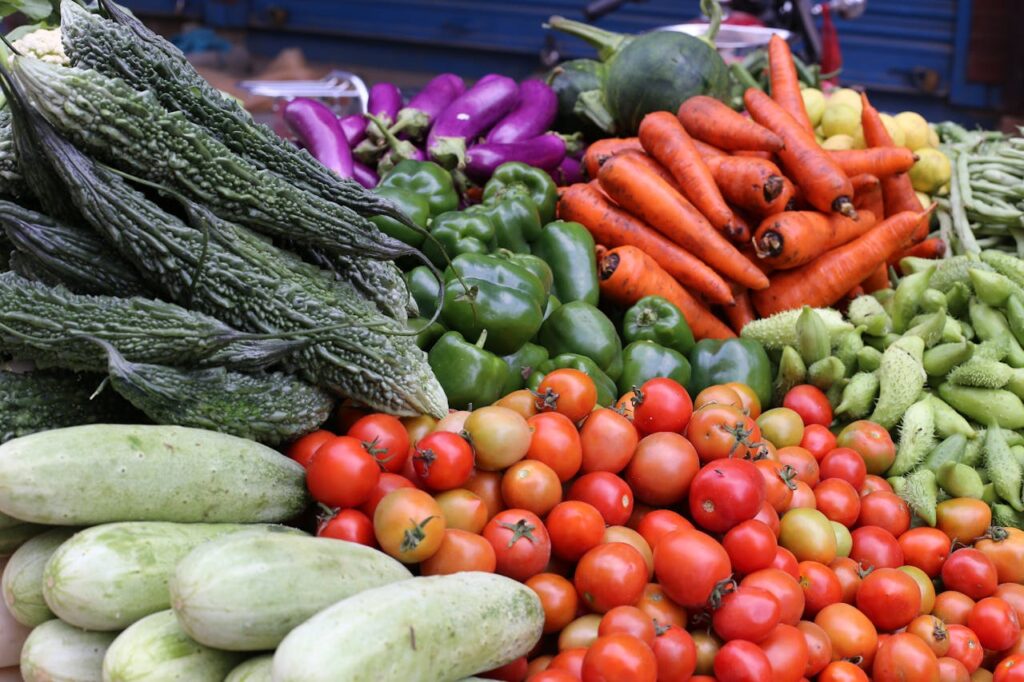
Carrots are more than just crunchy snacks or salad toppers—they are loaded with cholesterol-fighting benefits. Their fiber content, especially pectin, helps bind with cholesterol and prevent it from being absorbed in your digestive system. Carrots are also rich in beta-carotene, an antioxidant linked to reduced risk of heart disease. The best part? They are easy to eat raw, roasted, or tossed into soups and stews. Keep a bag of baby carrots in your fridge, and you are always a few bites away from a heart-healthy choice.

8. Beetroot

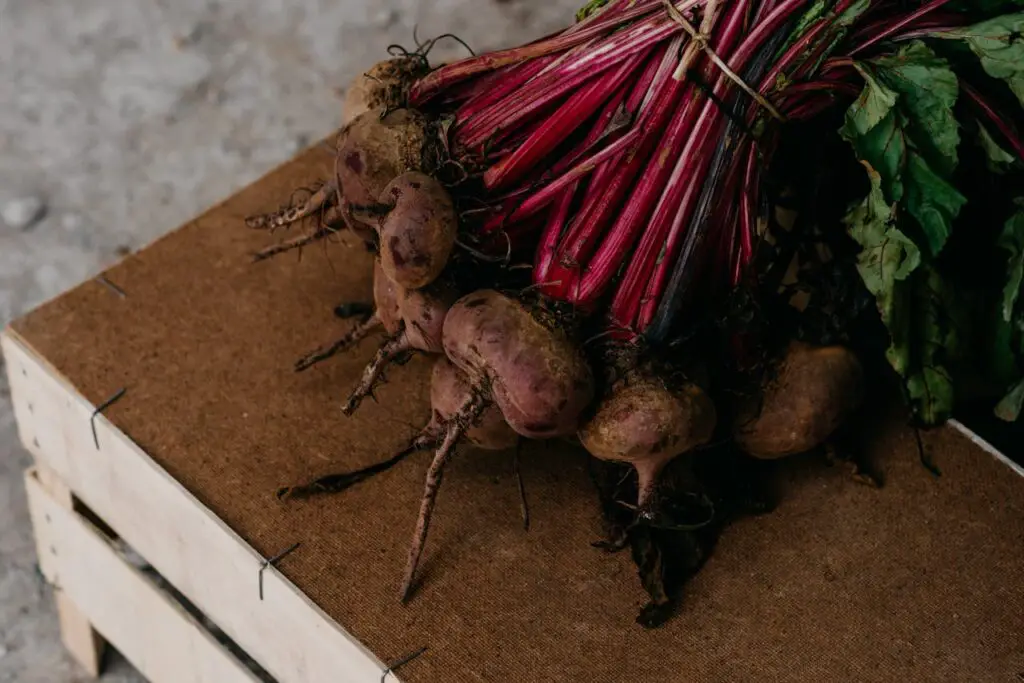
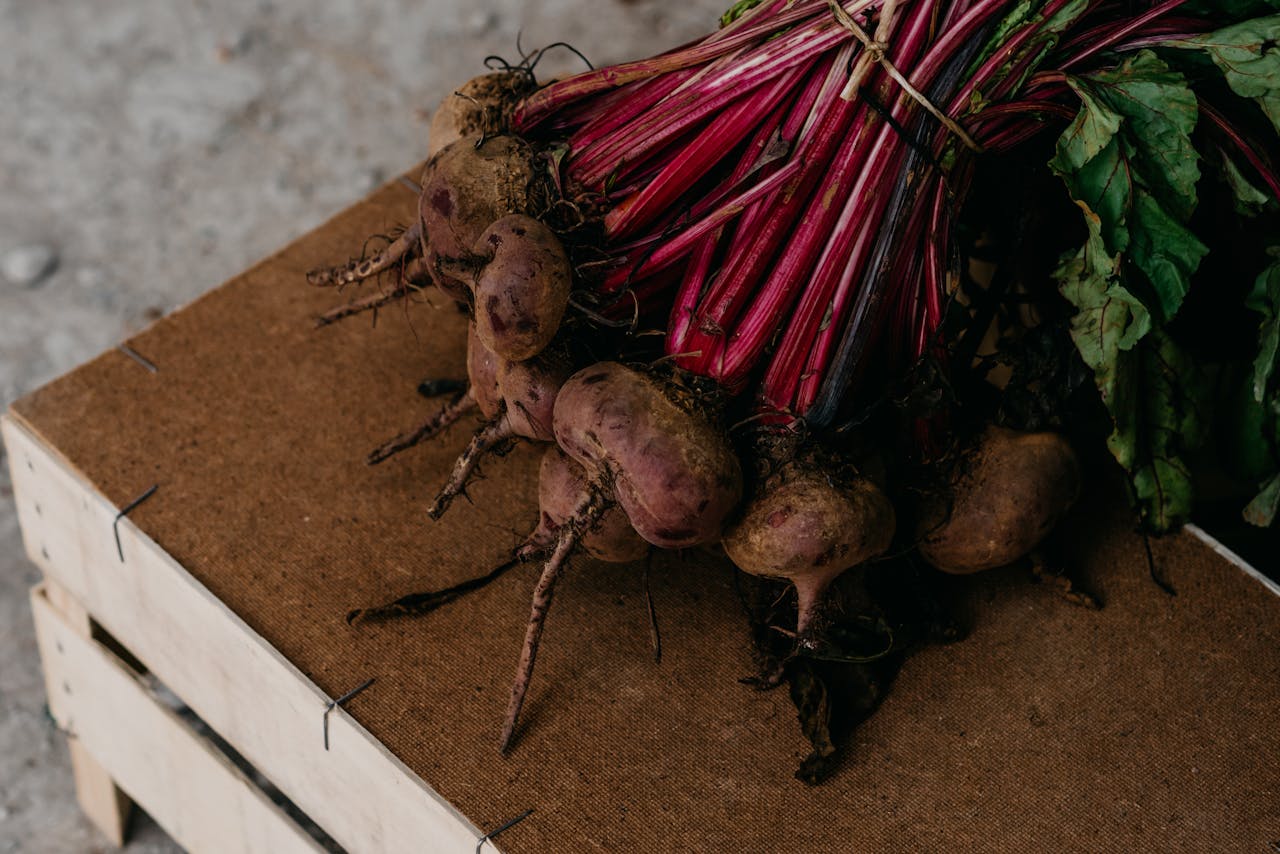
<p> Beets bring a vibrant splash of color to your plate—and a host of benefits for your heart. High in natural nitrates, beets help widen blood vessels, improving circulation and lowering blood pressure. They also provide fiber and antioxidants that help reduce LDL levels and support good cholesterol (HDL) production. Whether you enjoy them roasted, juiced, or grated into salads, beets are a flavorful way to support heart health while adding a little sweetness to your day. </p> :: Pexels

Beets bring a vibrant splash of color to your plate—and a host of benefits for your heart. High in natural nitrates, beets help widen blood vessels, improving circulation and lowering blood pressure. They also provide fiber and antioxidants that help reduce LDL levels and support good cholesterol (HDL) production. Whether you enjoy them roasted, juiced, or grated into salads, beets are a flavorful way to support heart health while adding a little sweetness to your day.

9. Green Beans

<p> Simple and unassuming, green beans are a comfort food that also happen to be great for your cardiovascular health. They are low in calories but high in fiber, folate, and antioxidants that work together to lower inflammation and regulate cholesterol levels. Green beans also provide potassium, which helps control blood pressure and reduce strain on your heart. Sauté them with garlic, steam them, or add them to casseroles for a familiar veggie with powerful benefits. </p> :: Pexels

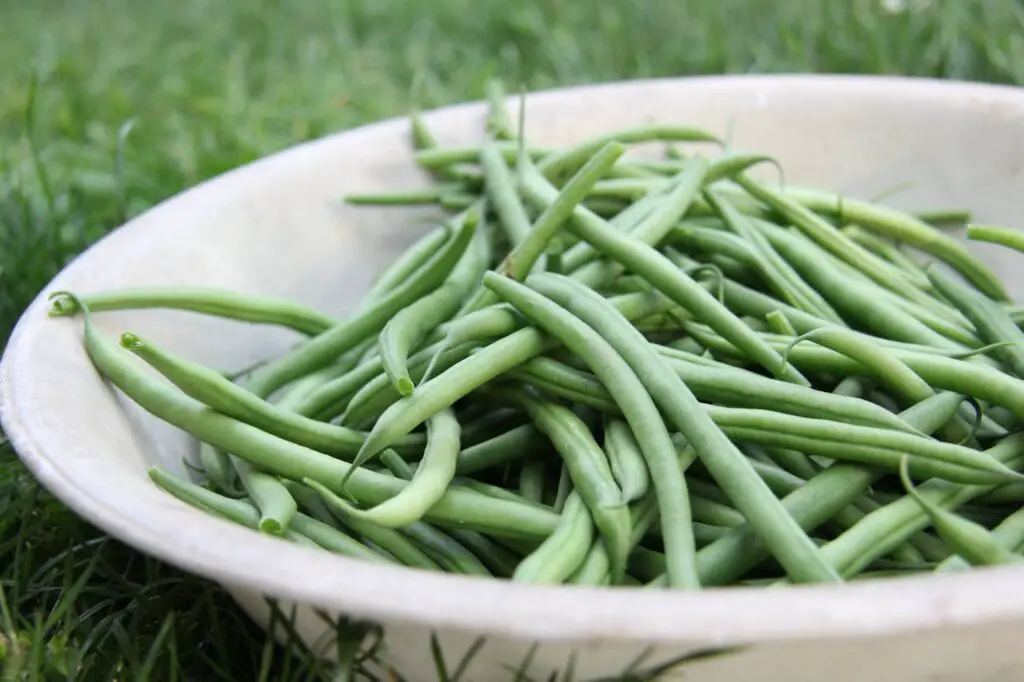
Simple and unassuming, green beans are a comfort food that also happen to be great for your cardiovascular health. They are low in calories but high in fiber, folate, and antioxidants that work together to lower inflammation and regulate cholesterol levels. Green beans also provide potassium, which helps control blood pressure and reduce strain on your heart. Sauté them with garlic, steam them, or add them to casseroles for a familiar veggie with powerful benefits.

Final Thoughts

<p> At the end of the day, taking care of your heart is not about perfection—it is about small, consistent choices that add up over time. You do not need to give up everything you love or survive on celery sticks alone. Simply by adding more of these nine heart-smart vegetables to your meals, you are taking meaningful steps toward better health, more energy, and a longer, more vibrant life. What is truly amazing is that these vegetables are not just good for your heart—they are good for your whole body. They improve digestion, support weight management, and even boost brain function. Plus, they are affordable, widely available, and easy to prepare. You do not need a fancy meal plan or gourmet chef skills—just a willingness to try something new and make your plate a little greener (and redder, and orange-er, too). So next time you are grocery shopping, load up your cart with spinach, kale, broccoli, and the rest of these cholesterol-fighting champs. Your heart will thank you, your tastebuds will not complain, and you just might inspire your friends and family to eat better along the way. Here is to a healthier, happier heart—one delicious veggie at a time. </p> :: Pexels

At the end of the day, taking care of your heart is not about perfection—it is about small, consistent choices that add up over time. You do not need to give up everything you love or survive on celery sticks alone. Simply by adding more of these nine heart-smart vegetables to your meals, you are taking meaningful steps toward better health, more energy, and a longer, more vibrant life.

What is truly amazing is that these vegetables are not just good for your heart—they are good for your whole body. They improve digestion, support weight management, and even boost brain function. Plus, they are affordable, widely available, and easy to prepare. You do not need a fancy meal plan or gourmet chef skills—just a willingness to try something new and make your plate a little greener (and redder, and orange-er, too).

So next time you are grocery shopping, load up your cart with spinach, kale, broccoli, and the rest of these cholesterol-fighting champs. Your heart will thank you, your tastebuds will not complain, and you just might inspire your friends and family to eat better along the way.

Here is to a healthier, happier heart—one delicious veggie at a time.

Filed Under: Health & Fitness

Stay Steady on Your Feet: 7 Balance Exercises to Keep You Confident After 60

February 10, 2026 | Leave a Comment

Stay Steady on Your Feet: 7 Balance Exercises to Keep You Confident After 60

<p> Do you sometimes feel a little off-balance when you get out of bed or reach for something on the top shelf? You are not alone. For many of us over 60, a once-simple task—like walking down stairs or stepping over a rug—can suddenly feel like crossing a tightrope. And let’s be honest: feeling unsteady isn’t just frustrating, it’s a little scary too. But here’s the good news: your balance can improve, and it does not require anything extreme—just a little daily practice. With the right exercises, you can retrain your body, strengthen key muscles, and reduce your risk of falls, all while gaining back the confidence to move through life with ease. This blog covers seven simple, practical balance exercises that are especially helpful for adults over 60. You do not need a gym membership, special equipment, or a personal trainer. Just a chair, a little floor space, and a few minutes of your time. Whether you want to dance at a wedding, walk through the park without hesitation, or just feel more stable in your day-to-day life, these movements can help. Let’s dive in and start standing strong—one exercise at a time. </p> :: Freepik

Do you sometimes feel a little off-balance when you get out of bed or reach for something on the top shelf? You are not alone. For many of us over 60, a once-simple task—like walking down stairs or stepping over a rug—can suddenly feel like crossing a tightrope. And let’s be honest: feeling unsteady isn’t just frustrating, it’s a little scary too.

But here’s the good news: your balance can improve, and it does not require anything extreme—just a little daily practice. With the right exercises, you can retrain your body, strengthen key muscles, and reduce your risk of falls, all while gaining back the confidence to move through life with ease.

This blog covers seven simple, practical balance exercises that are especially helpful for adults over 60. You do not need a gym membership, special equipment, or a personal trainer. Just a chair, a little floor space, and a few minutes of your time.

Whether you want to dance at a wedding, walk through the park without hesitation, or just feel more stable in your day-to-day life, these movements can help. Let’s dive in and start standing strong—one exercise at a time.

1. Single-Leg Stand (Flamingo Style)

<p> Picture yourself standing tall like a flamingo. Sounds easy, right? This exercise is a staple for improving balance, and it could not be simpler. Hold onto the back of a sturdy chair or a kitchen counter. Slowly lift one foot off the ground, keeping your posture upright and your stomach pulled in. Hold for 10 to 30 seconds, then switch legs. Repeat a few times on each side. If you are wobbly at first, that’s okay—it means your body is working. As you get stronger, try doing it without holding on, or even closing your eyes for an extra challenge. This move helps train your ankles, legs, and core to keep you steady throughout your day. </p> :: Freepik

Picture yourself standing tall like a flamingo. Sounds easy, right? This exercise is a staple for improving balance, and it could not be simpler. Hold onto the back of a sturdy chair or a kitchen counter. Slowly lift one foot off the ground, keeping your posture upright and your stomach pulled in. Hold for 10 to 30 seconds, then switch legs. Repeat a few times on each side.

If you are wobbly at first, that’s okay—it means your body is working. As you get stronger, try doing it without holding on, or even closing your eyes for an extra challenge. This move helps train your ankles, legs, and core to keep you steady throughout your day.

2. Heel-to-Toe Walk (The Tightrope Trick)

<p> Remember walking along the curb like it was a balance beam when you were a kid? The heel-to-toe walk brings that playful memory back with real benefits. Start by placing one foot directly in front of the other, so the heel of your front foot touches the toes of your back foot. Walk forward slowly and in a straight line for about 20 steps. This exercise strengthens the small muscles in your feet and ankles while improving your posture and coordination. It’s great for building awareness of your movements and staying in control—whether you are navigating uneven sidewalks or stepping off a bus. </p> :: Pexels

Remember walking along the curb like it was a balance beam when you were a kid? The heel-to-toe walk brings that playful memory back with real benefits. Start by placing one foot directly in front of the other, so the heel of your front foot touches the toes of your back foot. Walk forward slowly and in a straight line for about 20 steps.

This exercise strengthens the small muscles in your feet and ankles while improving your posture and coordination. It’s great for building awareness of your movements and staying in control—whether you are navigating uneven sidewalks or stepping off a bus.

3. Weight Shifts (Rock the Boat)

<p> Stand with your feet hip-width apart and your hands resting on your hips or lightly on a chair. Shift your weight onto one leg, lifting the other foot just slightly off the floor. Hold this position for 10 to 15 seconds, then return to center and repeat on the opposite side. Think of it like gently rocking a boat from one side to the other. This easy motion helps your body get used to balancing on one leg, which is essential for everyday tasks like walking or turning. Plus, it’s a quiet, gentle way to sneak some exercise into your day—perfect while waiting for the microwave or brushing your teeth. </p> :: Freepik

Stand with your feet hip-width apart and your hands resting on your hips or lightly on a chair. Shift your weight onto one leg, lifting the other foot just slightly off the floor. Hold this position for 10 to 15 seconds, then return to center and repeat on the opposite side.

Think of it like gently rocking a boat from one side to the other. This easy motion helps your body get used to balancing on one leg, which is essential for everyday tasks like walking or turning. Plus, it’s a quiet, gentle way to sneak some exercise into your day—perfect while waiting for the microwave or brushing your teeth.

4. Sit-to-Stand (Chair Power Ups)

<p> This move mimics the very real action of getting up from a chair—which many people struggle with as they age. Sit in a sturdy, upright chair. Without using your hands, push through your feet and stand up tall. Then slowly sit back down with control. Repeat this movement 10 times. It may sound basic, but sit-to-stand exercises are incredibly effective for building leg and hip strength. They also improve your sense of balance and control when moving between positions. With regular practice, you may find everyday motions like standing up from the couch or using the bathroom become much easier. </p> :: Freepik AI

This move mimics the very real action of getting up from a chair—which many people struggle with as they age. Sit in a sturdy, upright chair. Without using your hands, push through your feet and stand up tall. Then slowly sit back down with control. Repeat this movement 10 times.

It may sound basic, but sit-to-stand exercises are incredibly effective for building leg and hip strength. They also improve your sense of balance and control when moving between positions. With regular practice, you may find everyday motions like standing up from the couch or using the bathroom become much easier.

5. Back-Leg Raises (Supported Leg Lifts)

<p> Stand behind a chair, holding it for support. Slowly lift one leg straight back without bending your knee or pointing your toes. Hold it up for a few seconds, then lower it back down. Repeat 10 times on each leg. This movement strengthens your glutes and lower back, which are key to maintaining posture and preventing falls. Over time, this simple lift can help you feel sturdier when walking, standing, or even climbing stairs. And it is gentle on the joints—ideal for older adults with arthritis or hip discomfort. </p> :: Pexels

Stand behind a chair, holding it for support. Slowly lift one leg straight back without bending your knee or pointing your toes. Hold it up for a few seconds, then lower it back down. Repeat 10 times on each leg.

This movement strengthens your glutes and lower back, which are key to maintaining posture and preventing falls. Over time, this simple lift can help you feel sturdier when walking, standing, or even climbing stairs. And it is gentle on the joints—ideal for older adults with arthritis or hip discomfort.

6. Tree Pose (Yoga with a Twist)

<p> This beginner-friendly yoga move is a fun and focused way to challenge your balance and engage your core. Start by standing tall. Shift your weight onto one foot, then place the sole of your opposite foot on the inside of your calf or thigh—just avoid placing it directly on your knee. Bring your hands together at your chest or raise them overhead. You might wobble at first (we all do!), but the longer you hold the pose, the stronger your body becomes. Tree pose not only builds stability, but also encourages calmness and mental focus. You’ll be surprised how this short, meditative moment can center your entire day. </p> :: Freepik

This beginner-friendly yoga move is a fun and focused way to challenge your balance and engage your core. Start by standing tall. Shift your weight onto one foot, then place the sole of your opposite foot on the inside of your calf or thigh—just avoid placing it directly on your knee. Bring your hands together at your chest or raise them overhead.

You might wobble at first (we all do!), but the longer you hold the pose, the stronger your body becomes. Tree pose not only builds stability, but also encourages calmness and mental focus. You’ll be surprised how this short, meditative moment can center your entire day.

7. Wall Pilates Marches and Leg Circles

<p> Pilates can sound intimidating, but this wall-based variation is incredibly approachable. Stand with your back against a wall, feet a few inches away, and engage your core. March in place by lifting one knee at a time, slowly and with control. Alternatively, try lifting one foot slightly off the ground and drawing small circles in the air with your toes. These movements build strength in your legs and hips while improving coordination. Using the wall for support allows you to perform them with good posture and without putting pressure on your joints. It’s a great routine for those easing into a new fitness habit. </p> :: Freepik

Pilates can sound intimidating, but this wall-based variation is incredibly approachable. Stand with your back against a wall, feet a few inches away, and engage your core. March in place by lifting one knee at a time, slowly and with control. Alternatively, try lifting one foot slightly off the ground and drawing small circles in the air with your toes.

These movements build strength in your legs and hips while improving coordination. Using the wall for support allows you to perform them with good posture and without putting pressure on your joints. It’s a great routine for those easing into a new fitness habit.

Final Thoughts

<p> Aging doesn’t mean you have to give up your sense of control or confidence. In fact, this stage of life can be one of your most empowered—especially when you take small, daily steps toward better health. The exercises above aren’t just about avoiding slips and trips. They are about standing tall when you greet someone at the door. Walking into a room without hesitation. Reaching for a shelf without second-guessing your footing. That’s real freedom. That’s what these exercises give back. Balance is more than a physical skill—it’s a mindset. When you feel steady on your feet, you feel more secure in your world. And that’s a beautiful thing. So, pull up a chair, take off your shoes, and give these moves a try. You’ve got more strength—and balance—than you think. </p> :: Pexels

Aging doesn’t mean you have to give up your sense of control or confidence. In fact, this stage of life can be one of your most empowered—especially when you take small, daily steps toward better health.

The exercises above aren’t just about avoiding slips and trips. They are about standing tall when you greet someone at the door. Walking into a room without hesitation. Reaching for a shelf without second-guessing your footing. That’s real freedom. That’s what these exercises give back.

Balance is more than a physical skill—it’s a mindset. When you feel steady on your feet, you feel more secure in your world. And that’s a beautiful thing.

So, pull up a chair, take off your shoes, and give these moves a try. You’ve got more strength—and balance—than you think.

Filed Under: Health & Fitness

8 Clear Signs You Desperately Need a Mental Health Day—Why You Should Not Wait

February 10, 2026 | Leave a Comment

8 Clear Signs You Desperately Need a Mental Health Day—Why You Should Not Wait

<p> In our fast-paced world, it's all too easy to push ourselves beyond our limits, treating rest and recovery as luxuries rather than necessities. We prioritize work deadlines, family obligations, and countless daily tasks, often ignoring the fact that our mental health is suffering. But just as our bodies need rest from physical exhaustion, our minds also need time to recharge. Mental health days are not indulgences—they’re essential for keeping ourselves balanced, productive, and emotionally resilient. So how do you know when it’s time to hit pause? If you’ve been pushing through stress, anxiety, or emotional exhaustion, here are eight clear signs that you desperately need a mental health day. </p> :: Pexels

In our fast-paced world, it’s all too easy to push ourselves beyond our limits, treating rest and recovery as luxuries rather than necessities. We prioritize work deadlines, family obligations, and countless daily tasks, often ignoring the fact that our mental health is suffering. But just as our bodies need rest from physical exhaustion, our minds also need time to recharge. Mental health days are not indulgences—they’re essential for keeping ourselves balanced, productive, and emotionally resilient. So how do you know when it’s time to hit pause? If you’ve been pushing through stress, anxiety, or emotional exhaustion, here are eight clear signs that you desperately need a mental health day.

1. You’re Constantly Feeling Overwhelmed

<p> Do you feel like you’re barely keeping your head above water? When every task, no matter how small, starts to feel insurmountable, it's a clear sign that you’re overwhelmed. Maybe your inbox is overflowing, your to-do list is endless, or you're juggling personal and professional obligations. Whatever the reason, when stress becomes constant, it can leave you feeling like you’re in a never-ending race. This feeling of overwhelm isn’t just a minor inconvenience—it’s a signal that your mental and emotional resources are being depleted. Taking a mental health day gives you the chance to step away from the chaos, clear your mind, and regain your sense of control. With a day of rest, you’ll return to your tasks with a fresh perspective and the energy to tackle them more effectively. </p> :: Pexels

Do you feel like you’re barely keeping your head above water? When every task, no matter how small, starts to feel insurmountable, it’s a clear sign that you’re overwhelmed. Maybe your inbox is overflowing, your to-do list is endless, or you’re juggling personal and professional obligations. Whatever the reason, when stress becomes constant, it can leave you feeling like you’re in a never-ending race. This feeling of overwhelm isn’t just a minor inconvenience—it’s a signal that your mental and emotional resources are being depleted. Taking a mental health day gives you the chance to step away from the chaos, clear your mind, and regain your sense of control. With a day of rest, you’ll return to your tasks with a fresh perspective and the energy to tackle them more effectively.

2. You’re Irritated by the Smallest Things

<p> Do you find yourself snapping at loved ones or getting disproportionately upset over trivial things? Maybe a slow driver on your commute enrages you, or a spilled cup of coffee sends you into a spiral of frustration. This level of irritability often indicates that you’re emotionally drained. When stress is high, your patience runs thin, and it becomes harder to manage your emotions. Little irritations, which you'd normally brush off, start to feel like major disruptions. If you’re constantly on edge, it’s a sign that your mental health needs attention. A mental health day allows you to reset, release the built-up tension, and regain emotional control, so you’re better equipped to handle life’s minor annoyances with grace. </p> :: Pexels

Do you find yourself snapping at loved ones or getting disproportionately upset over trivial things? Maybe a slow driver on your commute enrages you, or a spilled cup of coffee sends you into a spiral of frustration. This level of irritability often indicates that you’re emotionally drained. When stress is high, your patience runs thin, and it becomes harder to manage your emotions. Little irritations, which you’d normally brush off, start to feel like major disruptions. If you’re constantly on edge, it’s a sign that your mental health needs attention. A mental health day allows you to reset, release the built-up tension, and regain emotional control, so you’re better equipped to handle life’s minor annoyances with grace.

3. Your Sleep Schedule Is Completely Off

<p> Have you been struggling to fall asleep or waking up multiple times throughout the night? On the flip side, maybe you’re sleeping too much and still feeling exhausted. When your mental health is suffering, one of the first signs is often disrupted sleep. Chronic stress and anxiety can wreak havoc on your sleep patterns, creating a vicious cycle that’s hard to break. Sleep issues can lead to heightened stress, irritability, and even more mental fatigue. Taking a mental health day can give you the opportunity to reset your sleep routine. By dedicating time to rest and relaxation, you’re likely to see improvements in both the quality and quantity of your sleep, helping you feel more refreshed and mentally clear. </p> :: Pexels

Have you been struggling to fall asleep or waking up multiple times throughout the night? On the flip side, maybe you’re sleeping too much and still feeling exhausted. When your mental health is suffering, one of the first signs is often disrupted sleep. Chronic stress and anxiety can wreak havoc on your sleep patterns, creating a vicious cycle that’s hard to break. Sleep issues can lead to heightened stress, irritability, and even more mental fatigue. Taking a mental health day can give you the opportunity to reset your sleep routine. By dedicating time to rest and relaxation, you’re likely to see improvements in both the quality and quantity of your sleep, helping you feel more refreshed and mentally clear.

4. You’ve Lost Interest in Things You Used to Love

<p> If activities you once enjoyed now feel like a burden or you can’t muster up excitement for hobbies that used to bring you joy, it’s a sign that your mental health may be suffering. Stress and burnout have a way of dulling our enthusiasm for life, making even our favorite pastimes feel pointless or exhausting. This emotional numbness is a clear indication that you need to step back and recharge. Taking a mental health day allows you to reconnect with activities that spark joy or simply spend time resting without any pressure. Whether it's indulging in a hobby, going for a walk, or binge-watching your favorite show, a day off can reignite your sense of enjoyment and remind you of what makes you happy. </p> :: Pexels

If activities you once enjoyed now feel like a burden or you can’t muster up excitement for hobbies that used to bring you joy, it’s a sign that your mental health may be suffering. Stress and burnout have a way of dulling our enthusiasm for life, making even our favorite pastimes feel pointless or exhausting. This emotional numbness is a clear indication that you need to step back and recharge. Taking a mental health day allows you to reconnect with activities that spark joy or simply spend time resting without any pressure. Whether it’s indulging in a hobby, going for a walk, or binge-watching your favorite show, a day off can reignite your sense of enjoyment and remind you of what makes you happy.

5. You’re Struggling to Stay Focused

<p> Have you noticed that it’s becoming harder to concentrate on tasks that usually come naturally to you? Whether it’s zoning out in the middle of meetings, forgetting important details, or struggling to complete simple tasks, lack of focus is a common symptom of mental fatigue. When your mind is overloaded with stress, it’s difficult to stay present and productive. This lack of concentration can be frustrating, and it often leads to even more stress as tasks pile up. If your mind feels scattered, it’s a signal that you need to hit pause. A mental health day can help clear away the mental fog, giving you the chance to return to work or your daily routine with improved focus and sharper problem-solving skills. </p> :: Pexels

Have you noticed that it’s becoming harder to concentrate on tasks that usually come naturally to you? Whether it’s zoning out in the middle of meetings, forgetting important details, or struggling to complete simple tasks, lack of focus is a common symptom of mental fatigue. When your mind is overloaded with stress, it’s difficult to stay present and productive. This lack of concentration can be frustrating, and it often leads to even more stress as tasks pile up. If your mind feels scattered, it’s a signal that you need to hit pause. A mental health day can help clear away the mental fog, giving you the chance to return to work or your daily routine with improved focus and sharper problem-solving skills.

6. You’re Dealing with Physical Symptoms of Stress

<p> Mental health issues don’t just impact your emotions—they can take a serious toll on your physical well-being. If you’re experiencing frequent headaches, digestive issues, muscle tension, or even chest pain, stress could be the underlying cause. These physical symptoms are your body’s way of telling you that it's overwhelmed. Ignoring them won’t make them go away—in fact, they’re likely to worsen if left unaddressed. A mental health day gives you the opportunity to focus on self-care, whether that’s through relaxation techniques, a warm bath, or some light exercise to release tension. Taking time to care for both your mind and body can alleviate these stress-induced symptoms and help prevent long-term health issues. </p> :: Pexels

Mental health issues don’t just impact your emotions—they can take a serious toll on your physical well-being. If you’re experiencing frequent headaches, digestive issues, muscle tension, or even chest pain, stress could be the underlying cause. These physical symptoms are your body’s way of telling you that it’s overwhelmed. Ignoring them won’t make them go away—in fact, they’re likely to worsen if left unaddressed. A mental health day gives you the opportunity to focus on self-care, whether that’s through relaxation techniques, a warm bath, or some light exercise to release tension. Taking time to care for both your mind and body can alleviate these stress-induced symptoms and help prevent long-term health issues.

7. You Feel Completely Emotionally Drained

<p> When was the last time you felt truly excited about something, or emotionally engaged with the world around you? If you’re feeling numb, disconnected, or emotionally exhausted, you’ve likely been running on empty for far too long. Emotional exhaustion makes it difficult to connect with others, find joy in your relationships, or even care about things that matter to you. It’s not just a bad day—it’s a sign that your emotional reserves are depleted. A mental health day can help restore your emotional energy by giving you the space to process your feelings, reflect on what’s weighing you down, and reconnect with yourself. With this emotional reset, you’ll be able to return to your routine with a renewed sense of purpose and connection. </p> :: Pexels

When was the last time you felt truly excited about something, or emotionally engaged with the world around you? If you’re feeling numb, disconnected, or emotionally exhausted, you’ve likely been running on empty for far too long. Emotional exhaustion makes it difficult to connect with others, find joy in your relationships, or even care about things that matter to you. It’s not just a bad day—it’s a sign that your emotional reserves are depleted. A mental health day can help restore your emotional energy by giving you the space to process your feelings, reflect on what’s weighing you down, and reconnect with yourself. With this emotional reset, you’ll be able to return to your routine with a renewed sense of purpose and connection.

8. You’re Avoiding Social Interactions

<p> Are you withdrawing from social interactions and avoiding friends, family, or colleagues? If you’re isolating yourself, it may be because you’re too emotionally drained to engage with others. While some alone time can be beneficial, avoiding social contact for extended periods can lead to feelings of loneliness and even deepen your stress or anxiety. If socializing feels like too much effort, it’s a sign that you need a mental break. A mental health day allows you to recharge in solitude or, if you feel up to it, connect with supportive loved ones in a low-pressure setting. By taking the time to rest and recharge, you’ll be more capable of engaging with others in a positive and fulfilling way. </p> :: Pexels

Are you withdrawing from social interactions and avoiding friends, family, or colleagues? If you’re isolating yourself, it may be because you’re too emotionally drained to engage with others. While some alone time can be beneficial, avoiding social contact for extended periods can lead to feelings of loneliness and even deepen your stress or anxiety. If socializing feels like too much effort, it’s a sign that you need a mental break. A mental health day allows you to recharge in solitude or, if you feel up to it, connect with supportive loved ones in a low-pressure setting. By taking the time to rest and recharge, you’ll be more capable of engaging with others in a positive and fulfilling way.

Final Thoughts

<p> Recognizing these signs early is crucial for maintaining your overall well-being. Just as you would take a sick day when your body isn’t functioning at its best, your mind deserves the same level of care and attention. When you’re feeling overwhelmed, irritable, or emotionally drained, it’s time to take a mental health day before burnout sets in. A day off can work wonders for your mental clarity, emotional balance, and physical health, allowing you to return to your daily responsibilities feeling refreshed and ready to tackle whatever comes your way. So, the next time you notice these signs creeping in, don’t wait—prioritize your mental health and take the break you deserve. By being proactive about your mental health, you're not only taking care of your mind but also ensuring that you can continue to show up as your best self in all areas of your life. A mental health day isn’t just a break from work—it’s an investment in your long-term happiness and well-being. Listen to the signs, and give yourself the care you need. </p> :: Pexels

Recognizing these signs early is crucial for maintaining your overall well-being. Just as you would take a sick day when your body isn’t functioning at its best, your mind deserves the same level of care and attention. When you’re feeling overwhelmed, irritable, or emotionally drained, it’s time to take a mental health day before burnout sets in. A day off can work wonders for your mental clarity, emotional balance, and physical health, allowing you to return to your daily responsibilities feeling refreshed and ready to tackle whatever comes your way. So, the next time you notice these signs creeping in, don’t wait—prioritize your mental health and take the break you deserve.

By being proactive about your mental health, you’re not only taking care of your mind but also ensuring that you can continue to show up as your best self in all areas of your life. A mental health day isn’t just a break from work—it’s an investment in your long-term happiness and well-being. Listen to the signs, and give yourself the care you need.

Filed Under: Health & Fitness

6 Foods That Clear Out Zombie Cells (And Why You Should Care)

February 10, 2026 | Leave a Comment

6 Foods That Clear Out Zombie Cells (And Why You Should Care)

<p> Imagine your body as a busy, bustling city. Every day, your cells are hard at work, keeping everything running smoothly. Most of them are efficient, performing their duties without complaint. But some cells stop pulling their weight. They no longer divide or repair themselves, and instead, they stick around, causing mischief. Scientists call these senescent cells, though many people refer to them as zombie cells. Over time, these cells can release inflammatory chemicals that interfere with surrounding healthy cells, accelerate aging, and contribute to chronic health issues.

Zombie cells are a normal part of aging, but having too many can stress your body. The fascinating part is that your body has natural ways to remove these cells, and certain foods can help give it a little extra support. Eating well is not just about maintaining a healthy weight or keeping your energy levels up—it’s about giving your cells what they need to thrive and age gracefully. Incorporating the right foods into your daily routine is like sending reinforcements into the city, helping it stay organized, clean, and resilient.

Below is a list of six powerful foods that support your body in clearing out zombie cells. Each of these foods is delicious, easy to include in your diet, and packed with nutrients that can benefit your health on multiple levels. </p> :: Gemini

Imagine your body as a busy, bustling city. Every day, your cells are hard at work, keeping everything running smoothly. Most of them are efficient, performing their duties without complaint. But some cells stop pulling their weight. They no longer divide or repair themselves, and instead, they stick around, causing mischief. Scientists call these senescent cells, though many people refer to them as zombie cells. Over time, these cells can release inflammatory chemicals that interfere with surrounding healthy cells, accelerate aging, and contribute to chronic health issues.

Zombie cells are a normal part of aging, but having too many can stress your body. The fascinating part is that your body has natural ways to remove these cells, and certain foods can help give it a little extra support. Eating well is not just about maintaining a healthy weight or keeping your energy levels up—it’s about giving your cells what they need to thrive and age gracefully. Incorporating the right foods into your daily routine is like sending reinforcements into the city, helping it stay organized, clean, and resilient.

Below is a list of six powerful foods that support your body in clearing out zombie cells. Each of these foods is delicious, easy to include in your diet, and packed with nutrients that can benefit your health on multiple levels.

1. Berries: Tiny but Mighty

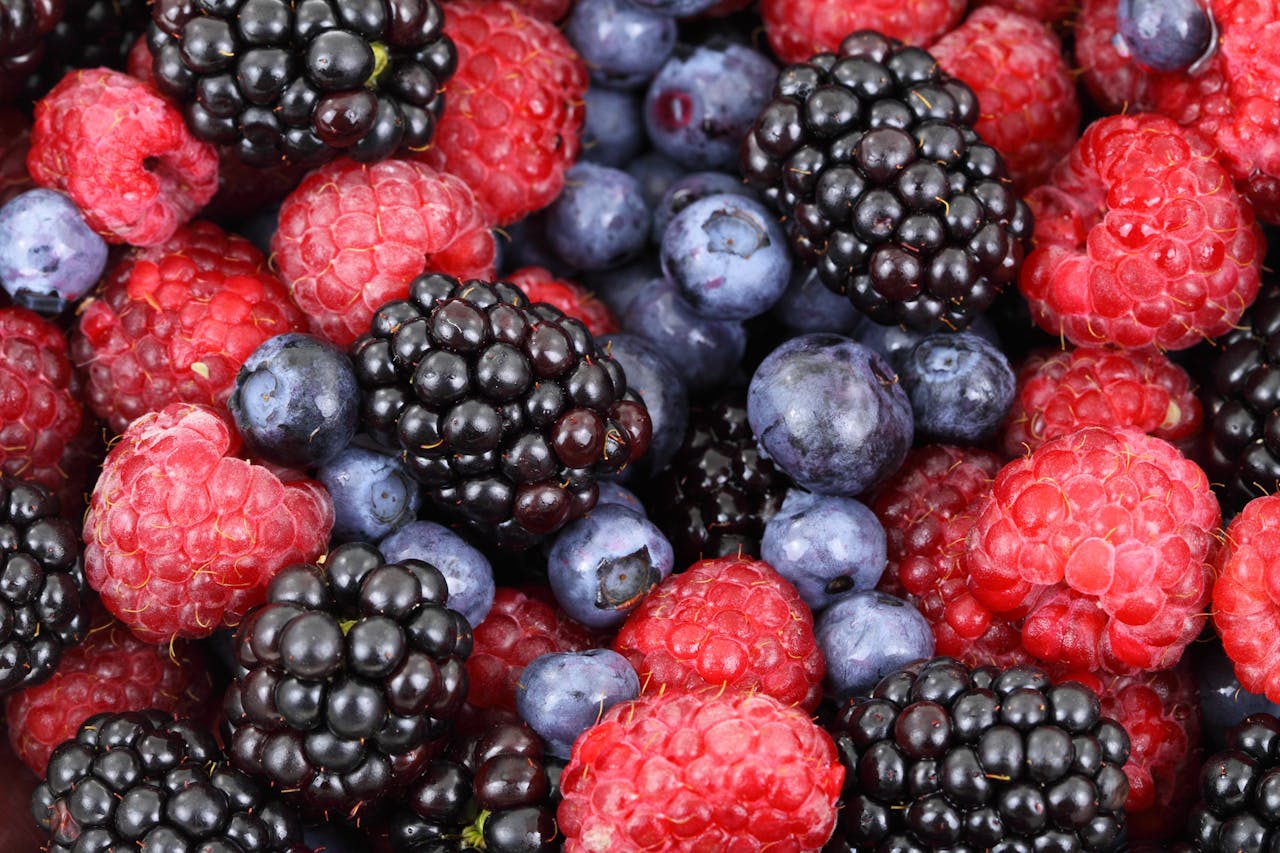
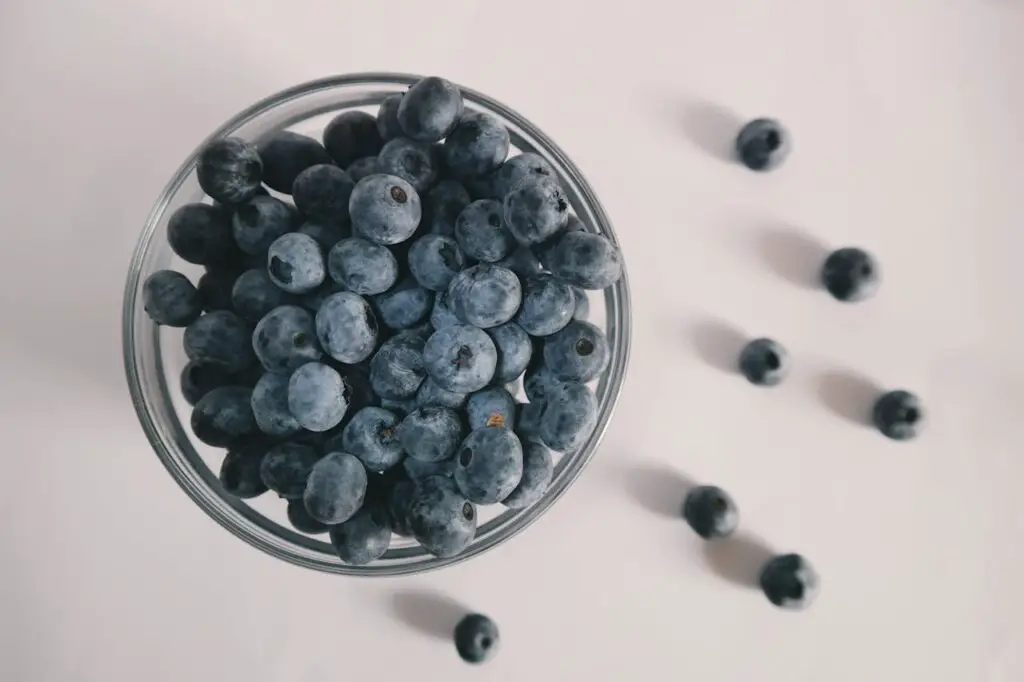
<p> Berries, including blueberries, strawberries, raspberries, and blackberries, are not just tasty—they are packed with natural compounds such as fisetin, which research has shown may help remove senescent cells. Fisetin acts like a miniature cleanup crew, helping your body reduce inflammation and maintain healthy tissues. One of the best things about berries is their versatility. You can add them to your morning oatmeal or yogurt, blend them into smoothies, or enjoy a handful as a snack. Berries are also loaded with fiber, which supports digestive health, and antioxidants that combat oxidative stress. Incorporating berries into your diet is a simple, enjoyable way to give your body a natural boost. They are sweet, satisfying, and powerful allies in supporting cellular health. </p> :: Gemini

Berries, including blueberries, strawberries, raspberries, and blackberries, are not just tasty—they are packed with natural compounds such as fisetin, which research has shown may help remove senescent cells. Fisetin acts like a miniature cleanup crew, helping your body reduce inflammation and maintain healthy tissues. One of the best things about berries is their versatility. You can add them to your morning oatmeal or yogurt, blend them into smoothies, or enjoy a handful as a snack. Berries are also loaded with fiber, which supports digestive health, and antioxidants that combat oxidative stress. Incorporating berries into your diet is a simple, enjoyable way to give your body a natural boost. They are sweet, satisfying, and powerful allies in supporting cellular health.

2. Fatty Fish: Healthy Fats for Cellular Health

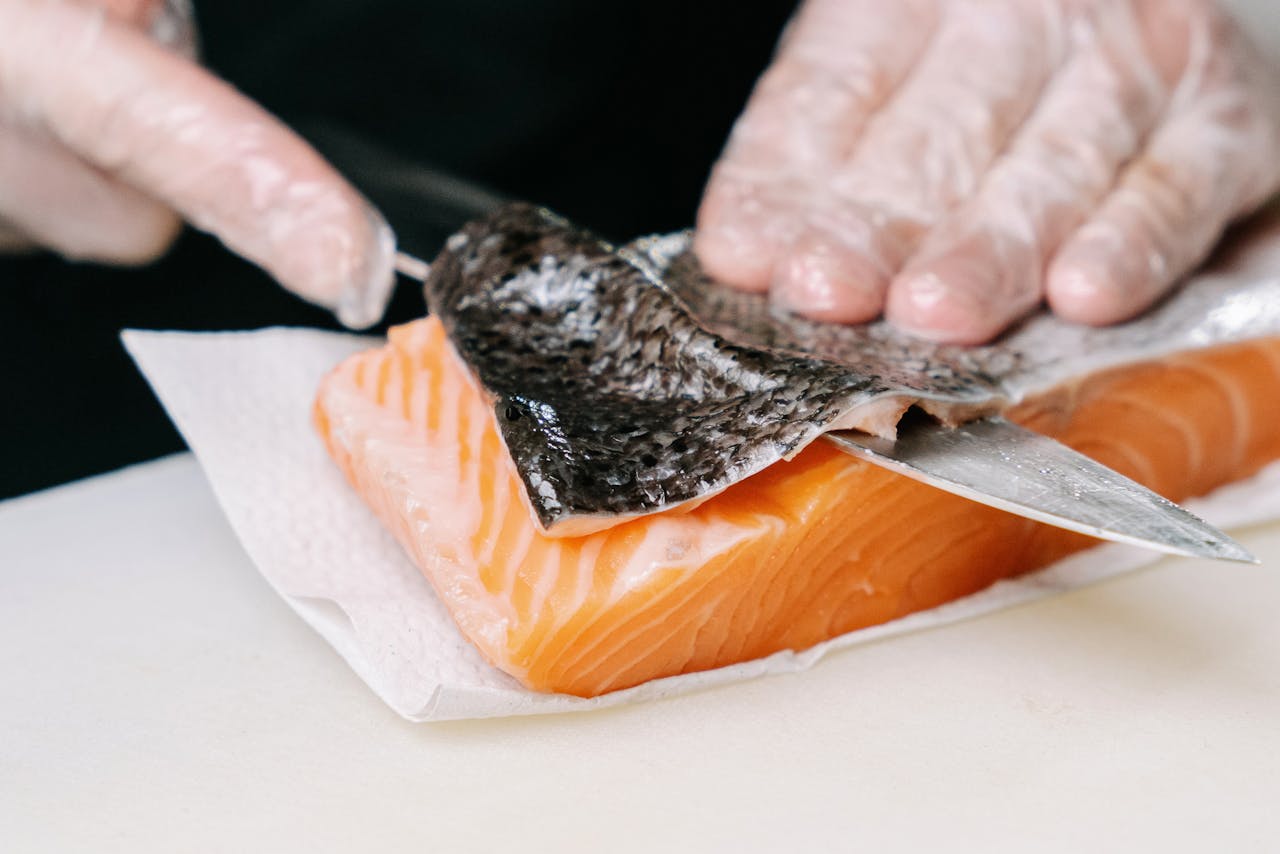
<p> Fatty fish, such as salmon, sardines, and mackerel, are rich in omega-3 fatty acids. These healthy fats play a crucial role in reducing chronic inflammation, a major factor that allows zombie cells to persist. Omega-3s help your cells function properly and support overall cardiovascular and brain health. Including fatty fish in your meals two to three times per week can provide your body with a steady supply of these beneficial fats. Cooking methods matter, too. Grilling, baking, or pan-searing your fish preserves its nutritional value without adding unnecessary fats. Fatty fish are not only delicious but also a practical way to support long-term cellular health, giving your body the tools it needs to manage senescent cells effectively. </p> :: Gemini

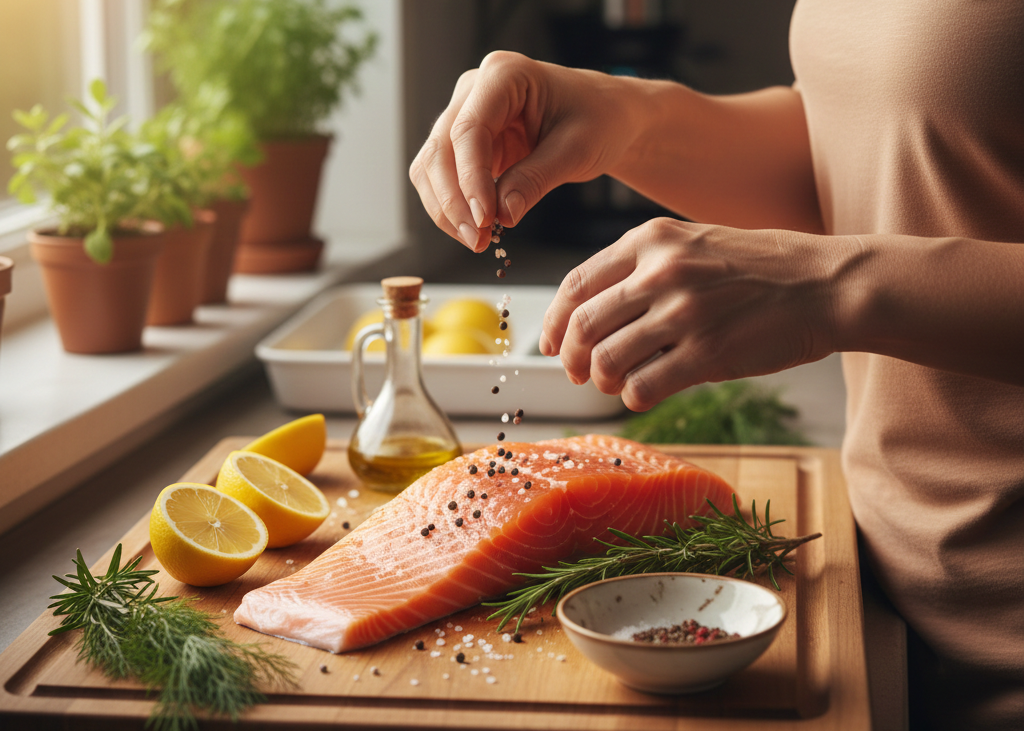
Fatty fish, such as salmon, sardines, and mackerel, are rich in omega-3 fatty acids. These healthy fats play a crucial role in reducing chronic inflammation, a major factor that allows zombie cells to persist. Omega-3s help your cells function properly and support overall cardiovascular and brain health. Including fatty fish in your meals two to three times per week can provide your body with a steady supply of these beneficial fats. Cooking methods matter, too. Grilling, baking, or pan-searing your fish preserves its nutritional value without adding unnecessary fats. Fatty fish are not only delicious but also a practical way to support long-term cellular health, giving your body the tools it needs to manage senescent cells effectively.

3. Green Tea: Sip Your Way to Cellular Wellness

<p> Green tea is more than a soothing beverage; it contains a powerful compound called EGCG, or epigallocatechin gallate. EGCG has been studied for its ability to support autophagy, the process through which your body breaks down and recycles damaged cellular components. While most research is still in early stages, drinking green tea regularly has been linked to reduced oxidative stress and better overall cellular health. Green tea also contains natural antioxidants that may help protect your cells from free radical damage. Swapping your afternoon coffee or sugary drinks for a cup of green tea is a simple way to include this beneficial compound in your daily routine. The ritual of sipping green tea can also be calming, helping reduce stress—a factor that plays a role in inflammation and cellular aging. </p> :: Gemini

Green tea is more than a soothing beverage; it contains a powerful compound called EGCG, or epigallocatechin gallate. EGCG has been studied for its ability to support autophagy, the process through which your body breaks down and recycles damaged cellular components. While most research is still in early stages, drinking green tea regularly has been linked to reduced oxidative stress and better overall cellular health. Green tea also contains natural antioxidants that may help protect your cells from free radical damage. Swapping your afternoon coffee or sugary drinks for a cup of green tea is a simple way to include this beneficial compound in your daily routine. The ritual of sipping green tea can also be calming, helping reduce stress—a factor that plays a role in inflammation and cellular aging.

4. Apples and Onions: Everyday Heroes

<p> Apples and onions may seem ordinary, but they are loaded with quercetin, a flavonoid studied for its potential to support the removal of senescent cells. Quercetin helps lower inflammation and encourages your body to clear out cells that are no longer functioning properly. Apples are best eaten with the skin on, which contains a high concentration of nutrients, while onions can be enjoyed raw in salads, caramelized in dishes, or added to soups and stews. These everyday foods are convenient, affordable, and widely available, making it easy to include them in your diet consistently. Regularly consuming apples and onions not only supports cellular health but also contributes to heart health, immune function, and overall wellness. </p> :: Gemini

Apples and onions may seem ordinary, but they are loaded with quercetin, a flavonoid studied for its potential to support the removal of senescent cells. Quercetin helps lower inflammation and encourages your body to clear out cells that are no longer functioning properly. Apples are best eaten with the skin on, which contains a high concentration of nutrients, while onions can be enjoyed raw in salads, caramelized in dishes, or added to soups and stews. These everyday foods are convenient, affordable, and widely available, making it easy to include them in your diet consistently. Regularly consuming apples and onions not only supports cellular health but also contributes to heart health, immune function, and overall wellness.

5. Cruciferous Vegetables: Detoxifying Champions

<p> Vegetables such as broccoli, kale, cauliflower, and Brussels sprouts are part of the cruciferous family and are known for their high levels of sulforaphane and other bioactive compounds. These nutrients support detoxification pathways in your body, reduce inflammation, and may assist in managing the accumulation of senescent cells. Cruciferous vegetables also provide fiber, vitamins, and minerals that promote overall health, including improved digestion and stronger immunity. They are incredibly versatile and can be roasted, steamed, stir-fried, or blended into soups and smoothies. Including these vegetables in your meals several times a week is a delicious and effective way to give your body the tools it needs to support cellular function and reduce inflammation naturally. </p> :: Gemini

Vegetables such as broccoli, kale, cauliflower, and Brussels sprouts are part of the cruciferous family and are known for their high levels of sulforaphane and other bioactive compounds. These nutrients support detoxification pathways in your body, reduce inflammation, and may assist in managing the accumulation of senescent cells. Cruciferous vegetables also provide fiber, vitamins, and minerals that promote overall health, including improved digestion and stronger immunity. They are incredibly versatile and can be roasted, steamed, stir-fried, or blended into soups and smoothies. Including these vegetables in your meals several times a week is a delicious and effective way to give your body the tools it needs to support cellular function and reduce inflammation naturally.

6. Red Grapes and Dark Chocolate: Sweet but Serious

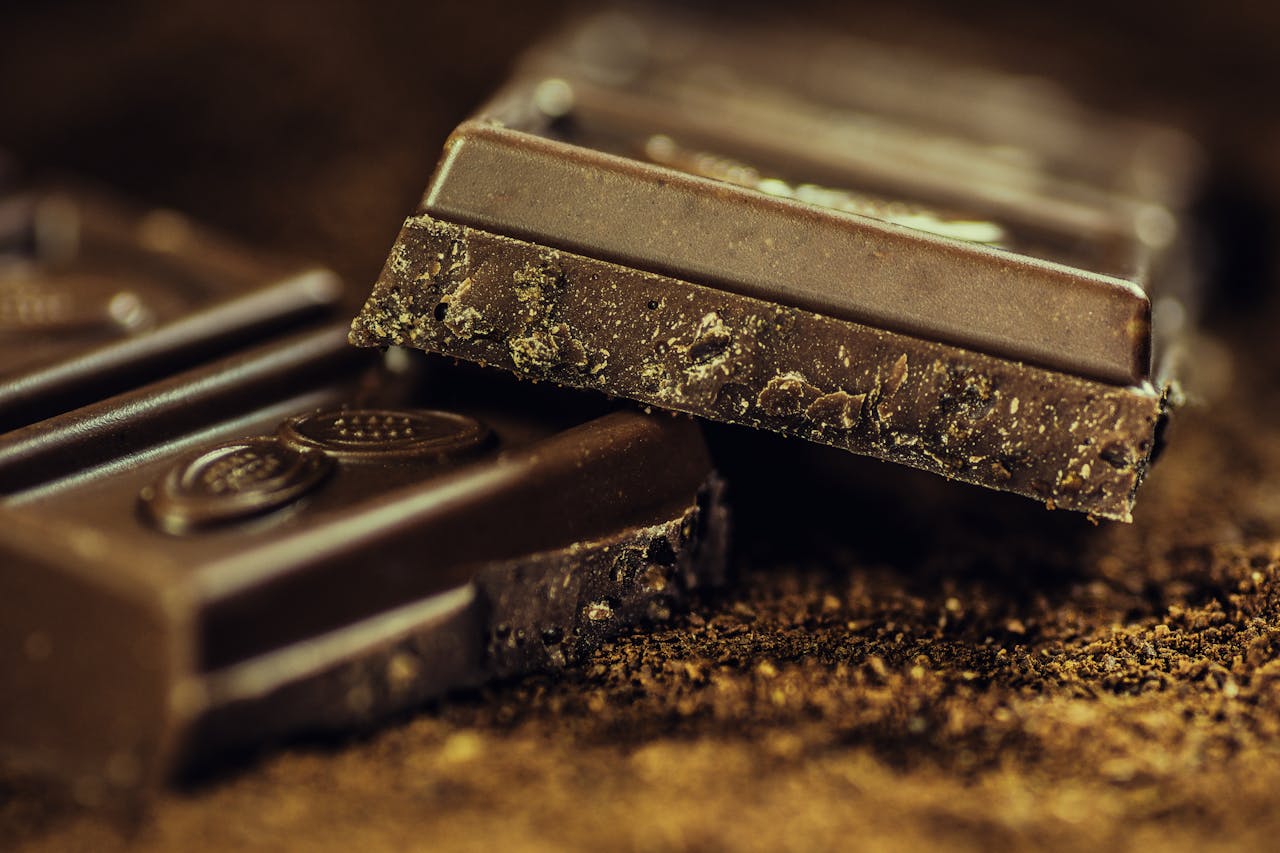
<p> Some indulgent foods can also support cellular health. Red grapes, especially with the skin, and high-cocoa dark chocolate contain compounds like resveratrol and polyphenols. These compounds support cellular health, reduce inflammation, and may improve mitochondrial function, which is responsible for energy production in your cells. Moderation is key, of course. Choose dark chocolate with at least 70 percent cocoa, and enjoy it alongside nuts or Greek yogurt. Red grapes can be eaten fresh, frozen, or tossed into salads. Including these foods occasionally allows you to enjoy the pleasure of a sweet treat while still supporting your body at the cellular level. </p> :: Gemini

Some indulgent foods can also support cellular health. Red grapes, especially with the skin, and high-cocoa dark chocolate contain compounds like resveratrol and polyphenols. These compounds support cellular health, reduce inflammation, and may improve mitochondrial function, which is responsible for energy production in your cells. Moderation is key, of course. Choose dark chocolate with at least 70 percent cocoa, and enjoy it alongside nuts or Greek yogurt. Red grapes can be eaten fresh, frozen, or tossed into salads. Including these foods occasionally allows you to enjoy the pleasure of a sweet treat while still supporting your body at the cellular level.

Final Thoughts

<p> Aging is a natural part of life, but how your body handles it can be influenced by the choices you make every day. Supporting cellular health is one of the most effective ways to maintain energy, vitality, and resilience as you age. By including berries, fatty fish, green tea, apples, onions, cruciferous vegetables, and red grapes or dark chocolate in your diet, you are providing your body with nutrients and compounds that assist in clearing out senescent cells and reducing inflammation.

This is not about chasing a miracle solution or stopping aging entirely. Instead, it is about making simple, manageable choices that nourish your cells and support your body’s natural ability to stay healthy. Each meal and snack becomes an opportunity to give your cells what they need to thrive. Over time, these choices can help maintain healthy tissues, improve energy levels, and promote overall wellness.

Eating for your cells does not have to feel like a chore. It can be enjoyable, flavorful, and sustainable. Start by adding just one or two of these foods into your daily routine and gradually increase them. Over time, these habits can make a significant difference in your cellular health and long-term vitality. Your body will thank you for it, and your cells will be better equipped to age gracefully, giving you more energy, resilience, and overall well-being.

Incorporating these six foods is a practical, realistic, and delicious way to support your body at the cellular level. Every bite matters, and each positive choice brings you closer to a healthier, stronger, and more vibrant version of yourself. So fill your plate with color, savor the flavors, and give your zombie cells the boot. </p> :: Gemini

Aging is a natural part of life, but how your body handles it can be influenced by the choices you make every day. Supporting cellular health is one of the most effective ways to maintain energy, vitality, and resilience as you age. By including berries, fatty fish, green tea, apples, onions, cruciferous vegetables, and red grapes or dark chocolate in your diet, you are providing your body with nutrients and compounds that assist in clearing out senescent cells and reducing inflammation.

This is not about chasing a miracle solution or stopping aging entirely. Instead, it is about making simple, manageable choices that nourish your cells and support your body’s natural ability to stay healthy. Each meal and snack becomes an opportunity to give your cells what they need to thrive. Over time, these choices can help maintain healthy tissues, improve energy levels, and promote overall wellness.

Eating for your cells does not have to feel like a chore. It can be enjoyable, flavorful, and sustainable. Start by adding just one or two of these foods into your daily routine and gradually increase them. Over time, these habits can make a significant difference in your cellular health and long-term vitality. Your body will thank you for it, and your cells will be better equipped to age gracefully, giving you more energy, resilience, and overall well-being.

Incorporating these six foods is a practical, realistic, and delicious way to support your body at the cellular level. Every bite matters, and each positive choice brings you closer to a healthier, stronger, and more vibrant version of yourself. So fill your plate with color, savor the flavors, and give your zombie cells the boot.

Filed Under: Health & Fitness

10 Expert-Recommended Foods That Naturally Lower Blood Pressure

February 9, 2026 | Leave a Comment

10 Expert-Recommended Foods That Naturally Lower Blood Pressure

<p> High blood pressure, also known as hypertension, is a common health issue that affects millions of people worldwide. It is a major risk factor for heart disease, stroke, and other serious health problems. While medication can be an essential part of managing high blood pressure, there are also natural ways to reduce it, such as by adjusting your diet. By incorporating specific foods into your daily meals, you can lower your blood pressure and reduce your reliance on prescription drugs. Here are 10 expert-recommended foods that are proven to help lower blood pressure and support overall heart health. </p> :: Pexels

High blood pressure, also known as hypertension, is a common health issue that affects millions of people worldwide. It is a major risk factor for heart disease, stroke, and other serious health problems. While medication can be an essential part of managing high blood pressure, there are also natural ways to reduce it, such as by adjusting your diet. By incorporating specific foods into your daily meals, you can lower your blood pressure and reduce your reliance on prescription drugs. Here are 10 expert-recommended foods that are proven to help lower blood pressure and support overall heart health.

1. Leafy Greens: A Potassium Powerhouse

<p> Leafy greens such as spinach, kale, and arugula are excellent sources of potassium, a mineral that helps regulate blood pressure by counteracting the effects of sodium. Sodium retention can lead to higher blood pressure, but potassium helps remove excess sodium from the body through urine, thus lowering blood pressure naturally. Additionally, leafy greens are rich in antioxidants, which protect blood vessels from damage and improve circulation. Adding these greens to salads, smoothies, or side dishes is a simple way to keep your blood pressure in a healthy range. </p> :: Pexels

Leafy greens such as spinach, kale, and arugula are excellent sources of potassium, a mineral that helps regulate blood pressure by counteracting the effects of sodium. Sodium retention can lead to higher blood pressure, but potassium helps remove excess sodium from the body through urine, thus lowering blood pressure naturally. Additionally, leafy greens are rich in antioxidants, which protect blood vessels from damage and improve circulation. Adding these greens to salads, smoothies, or side dishes is a simple way to keep your blood pressure in a healthy range.

2. Berries: Flavonoid-Rich Heart Helpers

<p> Berries, particularly blueberries and strawberries, are packed with flavonoids, which are compounds known for their heart-healthy properties. Flavonoids help improve the function of blood vessels by relaxing them, promoting better circulation, and reducing strain on the arterial walls. Studies show that consuming berries regularly can significantly lower both systolic and diastolic blood pressure. Berries can easily be incorporated into your diet by adding them to yogurt, oatmeal, or smoothies, providing both flavor and health benefits. </p> :: Pexels

Berries, particularly blueberries and strawberries, are packed with flavonoids, which are compounds known for their heart-healthy properties. Flavonoids help improve the function of blood vessels by relaxing them, promoting better circulation, and reducing strain on the arterial walls. Studies show that consuming berries regularly can significantly lower both systolic and diastolic blood pressure. Berries can easily be incorporated into your diet by adding them to yogurt, oatmeal, or smoothies, providing both flavor and health benefits.

3. Beets: Nature’s Nitric Oxide Boosters

<p> Beets are rich in nitrates, compounds that are converted into nitric oxide in the body. Nitric oxide helps relax and widen blood vessels, which improves blood flow and reduces pressure on the arteries. Research shows that drinking beet juice or eating cooked beets can result in an immediate reduction in blood pressure. Whether enjoyed roasted, blended into a smoothie, or juiced, beets are a vibrant and delicious way to support better blood circulation and heart health. </p> :: Pexels

Beets are rich in nitrates, compounds that are converted into nitric oxide in the body. Nitric oxide helps relax and widen blood vessels, which improves blood flow and reduces pressure on the arteries. Research shows that drinking beet juice or eating cooked beets can result in an immediate reduction in blood pressure. Whether enjoyed roasted, blended into a smoothie, or juiced, beets are a vibrant and delicious way to support better blood circulation and heart health.

4. Oats: The Cholesterol-Busting Fiber Source

<p> Oats are an excellent source of beta-glucan, a type of soluble fiber that has been shown to lower both cholesterol and blood pressure. This fiber helps maintain the flexibility of blood vessels and prevents them from stiffening, which can lead to higher blood pressure. Including oats in your breakfast, whether through oatmeal, granola, or baked goods, is a simple yet effective way to improve your heart health. Oats are also highly versatile, making them an easy addition to any meal plan. </p> :: Pexels

Oats are an excellent source of beta-glucan, a type of soluble fiber that has been shown to lower both cholesterol and blood pressure. This fiber helps maintain the flexibility of blood vessels and prevents them from stiffening, which can lead to higher blood pressure. Including oats in your breakfast, whether through oatmeal, granola, or baked goods, is a simple yet effective way to improve your heart health. Oats are also highly versatile, making them an easy addition to any meal plan.

5. Bananas: A Convenient Potassium Fix

<p> Bananas are one of the most convenient and potassium-rich fruits available, making them a great choice for naturally lowering blood pressure. Potassium helps balance sodium levels in the body, reducing water retention and relaxing tension in the blood vessels. Eating bananas regularly can help keep your blood pressure within a healthy range, especially when paired with a low-sodium diet. Bananas can be enjoyed on their own, in smoothies, or as a topping for cereal, providing a versatile and heart-friendly snack option. </p> :: Pexels

Bananas are one of the most convenient and potassium-rich fruits available, making them a great choice for naturally lowering blood pressure. Potassium helps balance sodium levels in the body, reducing water retention and relaxing tension in the blood vessels. Eating bananas regularly can help keep your blood pressure within a healthy range, especially when paired with a low-sodium diet. Bananas can be enjoyed on their own, in smoothies, or as a topping for cereal, providing a versatile and heart-friendly snack option.

6. Garlic: A Flavorful Way to Dilate Blood Vessels

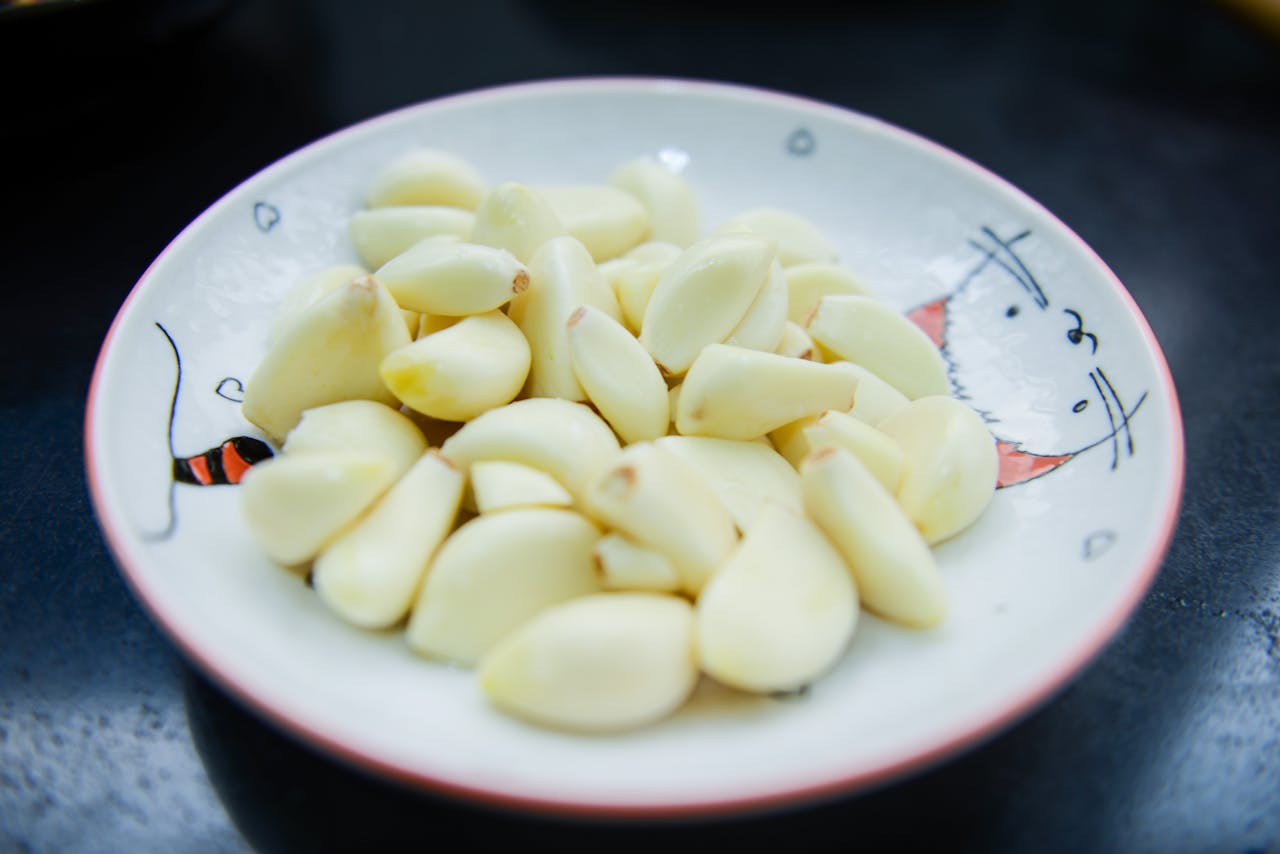
<p> Garlic has long been used for its medicinal properties, including its ability to lower blood pressure. The compound allicin, found in garlic, helps relax and widen blood vessels, improving circulation and reducing pressure on arterial walls. Studies show that consuming raw or cooked garlic can lead to significant reductions in blood pressure. Whether added to soups, sauces, or roasted dishes, garlic not only enhances flavor but also offers a natural way to support heart health. </p> :: Pexels

Garlic has long been used for its medicinal properties, including its ability to lower blood pressure. The compound allicin, found in garlic, helps relax and widen blood vessels, improving circulation and reducing pressure on arterial walls. Studies show that consuming raw or cooked garlic can lead to significant reductions in blood pressure. Whether added to soups, sauces, or roasted dishes, garlic not only enhances flavor but also offers a natural way to support heart health.

7. Fatty Fish: Omega-3s for Heart Health

<p> Fatty fish such as salmon, mackerel, and sardines are rich in omega-3 fatty acids, which are essential for maintaining heart health. Omega-3s help lower inflammation, improve blood vessel function, and reduce blood clotting, all of which contribute to lower blood pressure. Consuming fatty fish at least twice a week has been shown to significantly lower systolic and diastolic blood pressure. Whether grilled, baked, or broiled, fatty fish are a delicious way to incorporate omega-3s into your diet. </p> :: Pexels

Fatty fish such as salmon, mackerel, and sardines are rich in omega-3 fatty acids, which are essential for maintaining heart health. Omega-3s help lower inflammation, improve blood vessel function, and reduce blood clotting, all of which contribute to lower blood pressure. Consuming fatty fish at least twice a week has been shown to significantly lower systolic and diastolic blood pressure. Whether grilled, baked, or broiled, fatty fish are a delicious way to incorporate omega-3s into your diet.

8. Nuts and Seeds: Magnesium and Potassium Boosters

<p> Nuts and seeds, especially almonds, flaxseeds, and chia seeds, are packed with essential nutrients like magnesium, potassium, and healthy fats that all play a role in regulating blood pressure. Magnesium helps relax blood vessels, improving blood flow and reducing pressure on artery walls, while potassium balances sodium levels in the body. Adding nuts and seeds to salads, smoothies, or oatmeal is an easy and nutritious way to incorporate these heart-friendly foods into your daily meals. </p> :: Pexels

Nuts and seeds, especially almonds, flaxseeds, and chia seeds, are packed with essential nutrients like magnesium, potassium, and healthy fats that all play a role in regulating blood pressure. Magnesium helps relax blood vessels, improving blood flow and reducing pressure on artery walls, while potassium balances sodium levels in the body. Adding nuts and seeds to salads, smoothies, or oatmeal is an easy and nutritious way to incorporate these heart-friendly foods into your daily meals.

9. Dark Chocolate: A Sweet Way to Support Blood Flow

<p> Dark chocolate, when eaten in moderation, can actually help lower blood pressure. It contains flavonoids, which promote the production of nitric oxide in the body. Nitric oxide relaxes and dilates blood vessels, improving circulation and reducing blood pressure. Research suggests that consuming small amounts of dark chocolate, with at least 70 percent cocoa, can lead to improvements in blood pressure levels. Enjoy a square or two of dark chocolate as a treat while also benefiting your heart. </p> :: Pexels

Dark chocolate, when eaten in moderation, can actually help lower blood pressure. It contains flavonoids, which promote the production of nitric oxide in the body. Nitric oxide relaxes and dilates blood vessels, improving circulation and reducing blood pressure. Research suggests that consuming small amounts of dark chocolate, with at least 70 percent cocoa, can lead to improvements in blood pressure levels. Enjoy a square or two of dark chocolate as a treat while also benefiting your heart.

10. Citrus Fruits: Vitamin C for Vascular Health

<p> Citrus fruits like oranges, lemons, and grapefruits are high in vitamin C, which is essential for maintaining healthy blood vessels. Vitamin C helps improve the elasticity and strength of blood vessels, allowing for better blood flow and lower blood pressure. In addition, citrus fruits are rich in potassium, further enhancing their ability to regulate blood pressure. Adding citrus fruits to your meals or enjoying a glass of fresh juice is a refreshing way to support heart health naturally. </p> :: Pexels

Citrus fruits like oranges, lemons, and grapefruits are high in vitamin C, which is essential for maintaining healthy blood vessels. Vitamin C helps improve the elasticity and strength of blood vessels, allowing for better blood flow and lower blood pressure. In addition, citrus fruits are rich in potassium, further enhancing their ability to regulate blood pressure. Adding citrus fruits to your meals or enjoying a glass of fresh juice is a refreshing way to support heart health naturally.

Final Thoughts

<p> Maintaining healthy blood pressure is crucial for protecting your heart and preventing serious complications such as heart attacks and strokes. While medication can be helpful for some individuals, dietary changes are an effective way to naturally lower blood pressure. By incorporating these 10 expert-recommended foods into your diet, you can improve your overall heart health and reduce the risk of hypertension-related issues. Remember to consult your healthcare provider before making significant changes to your diet, especially if you are on medication for high blood pressure. Along with regular exercise and stress management, these heart-healthy foods can help you maintain optimal blood pressure levels and support your overall well-being. </p> :: Pexels

Maintaining healthy blood pressure is crucial for protecting your heart and preventing serious complications such as heart attacks and strokes. While medication can be helpful for some individuals, dietary changes are an effective way to naturally lower blood pressure. By incorporating these 10 expert-recommended foods into your diet, you can improve your overall heart health and reduce the risk of hypertension-related issues. Remember to consult your healthcare provider before making significant changes to your diet, especially if you are on medication for high blood pressure. Along with regular exercise and stress management, these heart-healthy foods can help you maintain optimal blood pressure levels and support your overall well-being.

Filed Under: Health & Fitness

7 Signs You’re Eating Too Much Sugar (And What to Do About It)

February 9, 2026 | Leave a Comment

7 Signs You’re Eating Too Much Sugar (And What to Do About It)

<p> In today’s world, sugar is everywhere. From sweetened beverages to packaged snacks, it's hard to avoid. While sugar might give you a quick burst of energy, overconsumption can lead to a range of health problems. If you’ve been feeling off lately, your sugar intake might be to blame. In this blog, we’ll dive into seven signs that you’re eating too much sugar and what you can do about it. Recognizing these signs early can help you regain control of your health and make more mindful choices in your diet. </p> :: Pexels

In today’s world, sugar is everywhere. From sweetened beverages to packaged snacks, it’s hard to avoid. While sugar might give you a quick burst of energy, overconsumption can lead to a range of health problems. If you’ve been feeling off lately, your sugar intake might be to blame. In this blog, we’ll dive into seven signs that you’re eating too much sugar and what you can do about it. Recognizing these signs early can help you regain control of your health and make more mindful choices in your diet.

1. Constant Sugar Cravings

<p> Do you find yourself reaching for sugary snacks throughout the day, even when you’re not really hungry? Constant sugar cravings are a telltale sign that you might be consuming too much sugar. When you eat sugar, your blood sugar levels spike, giving you a temporary burst of energy. But as your blood sugar crashes, you feel tired and sluggish, prompting you to crave more sugar to feel better again. This cycle can become addictive, making it harder to resist sugary treats. What to do about it: Start by incorporating more balanced meals into your day. Focus on including protein, healthy fats, and fiber-rich foods, such as nuts, seeds, vegetables, and whole grains. These foods help keep your blood sugar levels stable and keep you feeling fuller for longer. By reducing the amount of sugar in your diet and replacing it with more nutritious options, you’ll break the cycle of cravings. </p> :: Pexels

Do you find yourself reaching for sugary snacks throughout the day, even when you’re not really hungry? Constant sugar cravings are a telltale sign that you might be consuming too much sugar. When you eat sugar, your blood sugar levels spike, giving you a temporary burst of energy. But as your blood sugar crashes, you feel tired and sluggish, prompting you to crave more sugar to feel better again. This cycle can become addictive, making it harder to resist sugary treats.

What to do about it: Start by incorporating more balanced meals into your day. Focus on including protein, healthy fats, and fiber-rich foods, such as nuts, seeds, vegetables, and whole grains. These foods help keep your blood sugar levels stable and keep you feeling fuller for longer. By reducing the amount of sugar in your diet and replacing it with more nutritious options, you’ll break the cycle of cravings.

2. Weight Gain

<p> Excess sugar is one of the leading causes of weight gain, especially when consumed in large quantities. Sugary foods and drinks are often packed with empty calories that don’t provide much nutritional value. When you consume more sugar than your body needs for energy, the excess is stored as fat, particularly around your midsection. This can lead to weight gain over time and increase your risk of obesity-related health issues. What to do about it: Cutting back on sugary drinks like soda, energy drinks, and even fruit juices is a great place to start. These beverages are often loaded with added sugars that contribute to weight gain. Instead, opt for water, herbal teas, or sparkling water with a splash of lemon. Focus on eating whole foods that are rich in nutrients, such as fruits, vegetables, and lean proteins. These foods are more filling and can help you manage your weight while keeping your energy levels up. </p> :: Pexels

Excess sugar is one of the leading causes of weight gain, especially when consumed in large quantities. Sugary foods and drinks are often packed with empty calories that don’t provide much nutritional value. When you consume more sugar than your body needs for energy, the excess is stored as fat, particularly around your midsection. This can lead to weight gain over time and increase your risk of obesity-related health issues.

What to do about it: Cutting back on sugary drinks like soda, energy drinks, and even fruit juices is a great place to start. These beverages are often loaded with added sugars that contribute to weight gain. Instead, opt for water, herbal teas, or sparkling water with a splash of lemon. Focus on eating whole foods that are rich in nutrients, such as fruits, vegetables, and lean proteins. These foods are more filling and can help you manage your weight while keeping your energy levels up.

3. Frequent Mood Swings

<p> If you’ve been feeling irritable, anxious, or moody, it could be due to your sugar intake. When you consume sugar, your blood sugar levels spike rapidly, giving you a temporary energy boost. However, this is often followed by a crash, leaving you feeling drained and irritable. This rollercoaster effect on your blood sugar can make it difficult to maintain stable moods throughout the day. What to do about it: To keep your mood steady, focus on eating foods that provide a steady release of energy. Complex carbohydrates like whole grains, legumes, and vegetables are digested slowly, helping to maintain balanced blood sugar levels. Avoid sugary snacks and drinks, which can cause those sudden spikes and crashes. Instead, choose snacks that combine protein and fiber, like a handful of almonds or a piece of fruit with nut butter, to help stabilize your mood. </p> :: Pexels

If you’ve been feeling irritable, anxious, or moody, it could be due to your sugar intake. When you consume sugar, your blood sugar levels spike rapidly, giving you a temporary energy boost. However, this is often followed by a crash, leaving you feeling drained and irritable. This rollercoaster effect on your blood sugar can make it difficult to maintain stable moods throughout the day.

What to do about it: To keep your mood steady, focus on eating foods that provide a steady release of energy. Complex carbohydrates like whole grains, legumes, and vegetables are digested slowly, helping to maintain balanced blood sugar levels. Avoid sugary snacks and drinks, which can cause those sudden spikes and crashes. Instead, choose snacks that combine protein and fiber, like a handful of almonds or a piece of fruit with nut butter, to help stabilize your mood.

4. Skin Problems

<p> Your skin can also show signs of too much sugar. High sugar intake can cause inflammation in the body, which can trigger skin problems such as acne, eczema, or psoriasis. Sugar can also accelerate the breakdown of collagen and elastin, the proteins responsible for keeping your skin firm and youthful. As a result, you might notice more wrinkles, fine lines, or sagging skin as you age. What to do about it: To improve your skin health, start by reducing your sugar intake. Focus on eating a diet rich in antioxidants, healthy fats, and vitamins, particularly vitamin C and vitamin E, which help protect the skin from damage. Foods like berries, leafy greens, and nuts are great for supporting skin health. Drinking plenty of water is also essential for keeping your skin hydrated and glowing. </p> :: Pexels

Your skin can also show signs of too much sugar. High sugar intake can cause inflammation in the body, which can trigger skin problems such as acne, eczema, or psoriasis. Sugar can also accelerate the breakdown of collagen and elastin, the proteins responsible for keeping your skin firm and youthful. As a result, you might notice more wrinkles, fine lines, or sagging skin as you age.

What to do about it: To improve your skin health, start by reducing your sugar intake. Focus on eating a diet rich in antioxidants, healthy fats, and vitamins, particularly vitamin C and vitamin E, which help protect the skin from damage. Foods like berries, leafy greens, and nuts are great for supporting skin health. Drinking plenty of water is also essential for keeping your skin hydrated and glowing.

5. Constant Fatigue

<p> If you’re constantly feeling tired, even after a full night’s sleep, sugar could be to blame. While sugar can provide a quick burst of energy, it’s often followed by a crash that leaves you feeling drained and sluggish. This can create a cycle of energy highs and lows, leaving you dependent on sugar to get through the day. Over time, this can lead to chronic fatigue. What to do about it: To break the cycle of fatigue, try to stabilize your blood sugar levels by eating balanced meals throughout the day. Choose whole, nutrient-dense foods like vegetables, lean proteins, and whole grains, which provide sustained energy. Avoid reaching for sugary snacks when you feel tired. Instead, try a healthier alternative like a handful of nuts or a piece of fruit. Additionally, make sure you’re getting enough sleep and managing stress, as these factors also play a significant role in your energy levels. </p> :: Pexels

If you’re constantly feeling tired, even after a full night’s sleep, sugar could be to blame. While sugar can provide a quick burst of energy, it’s often followed by a crash that leaves you feeling drained and sluggish. This can create a cycle of energy highs and lows, leaving you dependent on sugar to get through the day. Over time, this can lead to chronic fatigue.

What to do about it: To break the cycle of fatigue, try to stabilize your blood sugar levels by eating balanced meals throughout the day. Choose whole, nutrient-dense foods like vegetables, lean proteins, and whole grains, which provide sustained energy. Avoid reaching for sugary snacks when you feel tired. Instead, try a healthier alternative like a handful of nuts or a piece of fruit. Additionally, make sure you’re getting enough sleep and managing stress, as these factors also play a significant role in your energy levels.

6. Increased Hunger

<p> If you’re constantly hungry, even after eating a meal, it might be a sign that you’re eating too much sugar. Sugar causes rapid spikes and crashes in blood sugar levels, which can leave you feeling hungry shortly after eating. This can lead to overeating and snacking more often, even when you’ve consumed enough calories. What to do about it: To reduce hunger and avoid overeating, focus on eating meals that are rich in protein, fiber, and healthy fats. These nutrients help slow down digestion and keep you feeling full for longer. Opt for whole foods like vegetables, fruits, and lean proteins instead of sugary snacks, which can leave you feeling hungry again soon after eating. By stabilizing your blood sugar levels, you’ll find it easier to manage your hunger and avoid unnecessary snacking. </p> :: Pexels

If you’re constantly hungry, even after eating a meal, it might be a sign that you’re eating too much sugar. Sugar causes rapid spikes and crashes in blood sugar levels, which can leave you feeling hungry shortly after eating. This can lead to overeating and snacking more often, even when you’ve consumed enough calories.

What to do about it: To reduce hunger and avoid overeating, focus on eating meals that are rich in protein, fiber, and healthy fats. These nutrients help slow down digestion and keep you feeling full for longer. Opt for whole foods like vegetables, fruits, and lean proteins instead of sugary snacks, which can leave you feeling hungry again soon after eating. By stabilizing your blood sugar levels, you’ll find it easier to manage your hunger and avoid unnecessary snacking.

7. Increased Risk of Chronic Diseases

<p> Consuming too much sugar over time can increase your risk of developing chronic diseases such as type 2 diabetes, heart disease, and fatty liver disease. High sugar intake contributes to insulin resistance, which can lead to elevated blood sugar levels. Over time, this can damage your organs and increase your risk of developing serious health conditions. What to do about it: To reduce your risk of chronic diseases, it’s important to cut back on sugary foods and drinks. Focus on a diet that includes plenty of whole, unprocessed foods such as vegetables, fruits, whole grains, and lean proteins. Regular physical activity is also key to maintaining healthy blood sugar levels and supporting overall health. If you’re unsure where to start, consider speaking with a healthcare provider or nutritionist to develop a personalized plan for reducing sugar and improving your overall health. </p> :: Pexels

Consuming too much sugar over time can increase your risk of developing chronic diseases such as type 2 diabetes, heart disease, and fatty liver disease. High sugar intake contributes to insulin resistance, which can lead to elevated blood sugar levels. Over time, this can damage your organs and increase your risk of developing serious health conditions.

What to do about it: To reduce your risk of chronic diseases, it’s important to cut back on sugary foods and drinks. Focus on a diet that includes plenty of whole, unprocessed foods such as vegetables, fruits, whole grains, and lean proteins. Regular physical activity is also key to maintaining healthy blood sugar levels and supporting overall health. If you’re unsure where to start, consider speaking with a healthcare provider or nutritionist to develop a personalized plan for reducing sugar and improving your overall health.

Final Thoughts

<p> If you’ve noticed any of these signs, it’s time to take a closer look at your sugar intake. From constant cravings to fatigue and skin issues, the effects of too much sugar can affect various aspects of your health. The good news is that you don’t have to make drastic changes overnight. Start by gradually cutting back on sugary snacks and drinks and replacing them with healthier options. Focus on eating a balanced diet with plenty of whole foods that provide essential nutrients and keep your blood sugar levels stable. By making small, sustainable changes, you can improve your overall health and feel your best. Remember, moderation is key, and your body will thank you for it! </p> :: Pexels

If you’ve noticed any of these signs, it’s time to take a closer look at your sugar intake. From constant cravings to fatigue and skin issues, the effects of too much sugar can affect various aspects of your health. The good news is that you don’t have to make drastic changes overnight. Start by gradually cutting back on sugary snacks and drinks and replacing them with healthier options. Focus on eating a balanced diet with plenty of whole foods that provide essential nutrients and keep your blood sugar levels stable. By making small, sustainable changes, you can improve your overall health and feel your best. Remember, moderation is key, and your body will thank you for it!

Filed Under: Health & Fitness

10 Superfoods Boomers Should Add to Their Grocery List for Better Health and Vitality

February 8, 2026 | Leave a Comment

10 Superfoods Boomers Should Add to Their Grocery List for Better Health and Vitality

<p> Getting older doesn’t mean slowing down—it means being smarter about how you fuel your body. If you’re a baby boomer, you already know that staying healthy isn’t just about exercise and doctor visits. It starts in the grocery aisle. The right foods can boost your energy, sharpen your mind, protect your heart, and keep your bones strong. But with so many options out there, it can feel overwhelming to pick what’s truly good for you. That’s where superfoods come in. These nutritional powerhouses are packed with vitamins, minerals, antioxidants, and other goodies that work overtime to support your health. Best of all? They’re delicious, easy to prepare, and perfect for adding some color and flavor to your meals. Ready to upgrade your grocery list? Here are 10 superfoods every boomer should be eating—because feeling great at 60, 70, and beyond starts with what’s on your plate today. </p> :: Freepik

Getting older doesn’t mean slowing down—it means being smarter about how you fuel your body. If you’re a baby boomer, you already know that staying healthy isn’t just about exercise and doctor visits. It starts in the grocery aisle. The right foods can boost your energy, sharpen your mind, protect your heart, and keep your bones strong. But with so many options out there, it can feel overwhelming to pick what’s truly good for you.

That’s where superfoods come in. These nutritional powerhouses are packed with vitamins, minerals, antioxidants, and other goodies that work overtime to support your health. Best of all? They’re delicious, easy to prepare, and perfect for adding some color and flavor to your meals.

Ready to upgrade your grocery list? Here are 10 superfoods every boomer should be eating—because feeling great at 60, 70, and beyond starts with what’s on your plate today.

1. Blueberries — The Tiny Brain Boosters

<p> If you want a snack that’s both tasty and a brain’s best friend, blueberries fit the bill perfectly. These little blue gems are loaded with antioxidants called flavonoids that help protect your brain cells from damage and improve memory. Research shows they may even slow down age-related cognitive decline, making them a smart choice for maintaining mental sharpness. Toss some blueberries into your morning oatmeal, yogurt, or smoothie for an easy, antioxidant-packed boost. Plus, who doesn’t love a naturally sweet treat without any added sugar? </p> :: Pexels

If you want a snack that’s both tasty and a brain’s best friend, blueberries fit the bill perfectly. These little blue gems are loaded with antioxidants called flavonoids that help protect your brain cells from damage and improve memory. Research shows they may even slow down age-related cognitive decline, making them a smart choice for maintaining mental sharpness. Toss some blueberries into your morning oatmeal, yogurt, or smoothie for an easy, antioxidant-packed boost. Plus, who doesn’t love a naturally sweet treat without any added sugar?

2. Salmon — Omega-3 Rich Heart Hero

<p> Heart health should be top of mind, and salmon is one of the best foods you can add to your menu for protecting this vital organ. This fatty fish is rich in omega-3 fatty acids, which help reduce inflammation, lower blood pressure, and keep your arteries flexible. Omega-3s also support brain function and may help ease joint pain, making salmon a triple threat for aging well. Choose wild-caught salmon when you can and prepare it grilled, baked, or broiled with simple herbs and lemon. Your heart will thank you. </p> :: Pexels

Heart health should be top of mind, and salmon is one of the best foods you can add to your menu for protecting this vital organ. This fatty fish is rich in omega-3 fatty acids, which help reduce inflammation, lower blood pressure, and keep your arteries flexible. Omega-3s also support brain function and may help ease joint pain, making salmon a triple threat for aging well. Choose wild-caught salmon when you can and prepare it grilled, baked, or broiled with simple herbs and lemon. Your heart will thank you.

3. Spinach — The Iron and Vitamin K Powerhouse

<p> Don’t underestimate leafy greens like spinach—it’s a nutritional champion. Spinach is packed with iron, which supports healthy blood, and vitamin K, a key player in bone health. As you age, keeping your bones strong becomes even more important to prevent fractures and osteoporosis. Spinach also contains antioxidants that support your immune system and overall vitality. You can enjoy it raw in salads, steamed as a side, or blended into smoothies for a green boost without a strong flavor. </p> :: Pexels

Don’t underestimate leafy greens like spinach—it’s a nutritional champion. Spinach is packed with iron, which supports healthy blood, and vitamin K, a key player in bone health. As you age, keeping your bones strong becomes even more important to prevent fractures and osteoporosis. Spinach also contains antioxidants that support your immune system and overall vitality. You can enjoy it raw in salads, steamed as a side, or blended into smoothies for a green boost without a strong flavor.

4. Walnuts — Brain-Boosting Nuts

<p> Snack smarter by reaching for walnuts instead of chips or cookies. Walnuts are full of healthy fats, vitamin E, and antioxidants that help protect brain cells from damage and support memory and cognitive function. They also improve heart health by lowering bad cholesterol and reducing inflammation. A small handful a day can provide these benefits, and they add a delightful crunch when sprinkled over salads, oatmeal, or even mixed into your yogurt. Easy to add, hard to resist! </p> :: Pexels

Snack smarter by reaching for walnuts instead of chips or cookies. Walnuts are full of healthy fats, vitamin E, and antioxidants that help protect brain cells from damage and support memory and cognitive function. They also improve heart health by lowering bad cholesterol and reducing inflammation. A small handful a day can provide these benefits, and they add a delightful crunch when sprinkled over salads, oatmeal, or even mixed into your yogurt. Easy to add, hard to resist!

5. Greek Yogurt — Probiotic and Protein Punch

<p> As we age, maintaining muscle mass and digestive health becomes critical, and Greek yogurt checks both boxes. It’s rich in protein, which helps keep your muscles strong and supports recovery after exercise. It’s also loaded with probiotics—the “good bacteria” that promote a healthy gut, improving digestion and even boosting your immune system. Opt for plain, unsweetened Greek yogurt and add fresh fruit or a touch of honey for a wholesome breakfast or snack that feels indulgent but is incredibly good for you. </p> :: Freepik

As we age, maintaining muscle mass and digestive health becomes critical, and Greek yogurt checks both boxes. It’s rich in protein, which helps keep your muscles strong and supports recovery after exercise. It’s also loaded with probiotics—the “good bacteria” that promote a healthy gut, improving digestion and even boosting your immune system. Opt for plain, unsweetened Greek yogurt and add fresh fruit or a touch of honey for a wholesome breakfast or snack that feels indulgent but is incredibly good for you.

6. Sweet Potatoes — Fiber and Beta-Carotene Rich

<p> Sweet potatoes are a comforting, nutrient-rich food packed with fiber, vitamins A and C, and antioxidants like beta-carotene. Vitamin A supports eye health—something many boomers pay close attention to—and beta-carotene helps fight inflammation. The fiber in sweet potatoes promotes healthy digestion and stable blood sugar levels, which is important for overall energy. Roast them, mash them, or add them to soups for a sweet, satisfying side that feels like comfort food with a healthy twist. </p> :: Pexels

Sweet potatoes are a comforting, nutrient-rich food packed with fiber, vitamins A and C, and antioxidants like beta-carotene. Vitamin A supports eye health—something many boomers pay close attention to—and beta-carotene helps fight inflammation. The fiber in sweet potatoes promotes healthy digestion and stable blood sugar levels, which is important for overall energy. Roast them, mash them, or add them to soups for a sweet, satisfying side that feels like comfort food with a healthy twist.

7. Quinoa — The Complete Plant Protein

<p> Looking for a gluten-free grain that does more than just fill you up? Quinoa is a nutritional superstar that contains all nine essential amino acids, making it a rare plant-based complete protein. It’s also high in fiber and magnesium, both of which contribute to heart health and strong bones—major concerns as we get older. Quinoa cooks quickly and is incredibly versatile: toss it into salads, use it as a side dish, or enjoy it for breakfast mixed with nuts and fruit. It’s an easy way to boost your protein without relying on meat alone. </p> :: Freepik

Looking for a gluten-free grain that does more than just fill you up? Quinoa is a nutritional superstar that contains all nine essential amino acids, making it a rare plant-based complete protein. It’s also high in fiber and magnesium, both of which contribute to heart health and strong bones—major concerns as we get older. Quinoa cooks quickly and is incredibly versatile: toss it into salads, use it as a side dish, or enjoy it for breakfast mixed with nuts and fruit. It’s an easy way to boost your protein without relying on meat alone.

8. Broccoli — The Cancer-Fighting Cruciferous

<p> Broccoli isn’t just a classic side dish—it’s a nutritional powerhouse packed with vitamins C and K, fiber, and sulforaphane, a compound that has been linked to cancer prevention. Beyond that, broccoli supports immune health and bone strength, thanks to its calcium and vitamin K content. Whether steamed, roasted, or eaten raw with your favorite dip, broccoli adds crunch, flavor, and serious health benefits to your plate. Plus, it’s a versatile vegetable that pairs well with almost anything. </p> :: Pexels

Broccoli isn’t just a classic side dish—it’s a nutritional powerhouse packed with vitamins C and K, fiber, and sulforaphane, a compound that has been linked to cancer prevention. Beyond that, broccoli supports immune health and bone strength, thanks to its calcium and vitamin K content. Whether steamed, roasted, or eaten raw with your favorite dip, broccoli adds crunch, flavor, and serious health benefits to your plate. Plus, it’s a versatile vegetable that pairs well with almost anything.

9. Avocado — Heart-Healthy Good Fats

<p> Creamy, buttery, and packed with heart-healthy monounsaturated fats, avocados deserve a spot on your grocery list. These fats help lower LDL (“bad”) cholesterol while increasing HDL (“good”) cholesterol, supporting a healthy cardiovascular system. Avocados are also loaded with potassium, which helps regulate blood pressure—another key factor in heart health. Slice them on toast, mash into guacamole, or add chunks to your salads and sandwiches for a creamy texture and a nutrient boost. </p> :: Pexels

Creamy, buttery, and packed with heart-healthy monounsaturated fats, avocados deserve a spot on your grocery list. These fats help lower LDL (“bad”) cholesterol while increasing HDL (“good”) cholesterol, supporting a healthy cardiovascular system. Avocados are also loaded with potassium, which helps regulate blood pressure—another key factor in heart health. Slice them on toast, mash into guacamole, or add chunks to your salads and sandwiches for a creamy texture and a nutrient boost.

10. Turmeric — The Golden Anti-Inflammatory

<p> Turmeric is the golden spice you want in your kitchen if joint pain or inflammation is part of your aging journey. The active compound curcumin in turmeric has powerful anti-inflammatory and antioxidant effects that may help reduce symptoms of arthritis and protect against age-related diseases like Alzheimer’s. You can sprinkle turmeric into soups, stews, or even blend it into a warming turmeric latte (golden milk) for a soothing, healthful drink. Just add a pinch of black pepper to boost curcumin absorption and enjoy the benefits. </p> :: Pexels

Turmeric is the golden spice you want in your kitchen if joint pain or inflammation is part of your aging journey. The active compound curcumin in turmeric has powerful anti-inflammatory and antioxidant effects that may help reduce symptoms of arthritis and protect against age-related diseases like Alzheimer’s. You can sprinkle turmeric into soups, stews, or even blend it into a warming turmeric latte (golden milk) for a soothing, healthful drink. Just add a pinch of black pepper to boost curcumin absorption and enjoy the benefits.

Final Thoughts

<p> Growing older doesn’t have to mean giving up on vibrant health or flavorful meals. By embracing these 10 superfoods, you’re giving your body the tools it needs to stay strong, sharp, and energized—without sacrificing taste or convenience. These foods aren’t just trendy buzzwords; they’re proven nutritional powerhouses that can help you maintain your independence and enjoy every stage of life. Start small: add blueberries to your cereal, swap chips for walnuts, or roast some sweet potatoes with your dinner. Little changes add up fast. Your grocery list is your first step toward feeling your best, and with these superfoods in your cart, you’re setting yourself up for years of health and happiness. So here’s to aging gracefully—and deliciously. Go ahead, stock up, experiment with new recipes, and most importantly, enjoy the journey. Your body—and your taste buds—will thank you! </p> :: Pexels

Growing older doesn’t have to mean giving up on vibrant health or flavorful meals. By embracing these 10 superfoods, you’re giving your body the tools it needs to stay strong, sharp, and energized—without sacrificing taste or convenience. These foods aren’t just trendy buzzwords; they’re proven nutritional powerhouses that can help you maintain your independence and enjoy every stage of life.

Start small: add blueberries to your cereal, swap chips for walnuts, or roast some sweet potatoes with your dinner. Little changes add up fast. Your grocery list is your first step toward feeling your best, and with these superfoods in your cart, you’re setting yourself up for years of health and happiness.

So here’s to aging gracefully—and deliciously. Go ahead, stock up, experiment with new recipes, and most importantly, enjoy the journey. Your body—and your taste buds—will thank you!

Filed Under: Health & Fitness

Gut Health 2.0: 7 Signs Your Microbiome Needs a Reset

February 8, 2026 | Leave a Comment

Gut Health 2.0: 7 Signs Your Microbiome Needs a Reset

<p> We’re told to listen to our bodies, but most of us don’t realize just how loudly our gut speaks every single day. Inside your digestive system lives a bustling ecosystem of trillions of bacteria, fungi, and other microorganisms—collectively known as your gut microbiome. These tiny residents do far more than help digest food. They influence your immune system, regulate inflammation, support hormone balance, shape your mood, and even affect how well you sleep at night.

When your microbiome is thriving, your body tends to feel balanced and resilient. But when that internal ecosystem becomes disrupted—due to stress, poor diet, illness, antibiotics, or lifestyle changes—it doesn’t stay silent. Instead, it sends signals. Some are obvious, like digestive discomfort. Others are subtle, showing up as fatigue, skin issues, or emotional changes that don’t seem to have a clear cause.

Recognizing these warning signs early can save you months of frustration and help you address the root problem instead of chasing symptoms. Below are seven clear signs your microbiome may be asking for a reset, along with insight into why they matter and what they could mean for your overall health. </p> :: Gemini

We’re told to listen to our bodies, but most of us don’t realize just how loudly our gut speaks every single day. Inside your digestive system lives a bustling ecosystem of trillions of bacteria, fungi, and other microorganisms—collectively known as your gut microbiome. These tiny residents do far more than help digest food. They influence your immune system, regulate inflammation, support hormone balance, shape your mood, and even affect how well you sleep at night.

When your microbiome is thriving, your body tends to feel balanced and resilient. But when that internal ecosystem becomes disrupted—due to stress, poor diet, illness, antibiotics, or lifestyle changes—it doesn’t stay silent. Instead, it sends signals. Some are obvious, like digestive discomfort. Others are subtle, showing up as fatigue, skin issues, or emotional changes that don’t seem to have a clear cause.

Recognizing these warning signs early can save you months of frustration and help you address the root problem instead of chasing symptoms. Below are seven clear signs your microbiome may be asking for a reset, along with insight into why they matter and what they could mean for your overall health.

1. Persistent Digestive Discomfort

<p> Occasional bloating or gas happens to everyone, but when digestive discomfort becomes a regular part of your life, it’s often a red flag. Chronic bloating, excessive gas, constipation, diarrhea, or alternating bowel habits can all signal an imbalance in gut bacteria.

Your microbiome plays a major role in breaking down food and regulating digestion. When beneficial bacteria are reduced and less helpful microbes take over, fermentation can happen at the wrong time and place in the gut. This leads to gas buildup, inflammation, and discomfort—especially after meals.

Many people normalize these symptoms and brush them off as “just how my stomach is,” but ongoing digestive issues are not something to ignore. Over time, they can interfere with nutrient absorption and contribute to fatigue, food sensitivities, and inflammation throughout the body. </p> :: Gemini

Occasional bloating or gas happens to everyone, but when digestive discomfort becomes a regular part of your life, it’s often a red flag. Chronic bloating, excessive gas, constipation, diarrhea, or alternating bowel habits can all signal an imbalance in gut bacteria.

Your microbiome plays a major role in breaking down food and regulating digestion. When beneficial bacteria are reduced and less helpful microbes take over, fermentation can happen at the wrong time and place in the gut. This leads to gas buildup, inflammation, and discomfort—especially after meals.

Many people normalize these symptoms and brush them off as “just how my stomach is,” but ongoing digestive issues are not something to ignore. Over time, they can interfere with nutrient absorption and contribute to fatigue, food sensitivities, and inflammation throughout the body.

2. Unexplained Weight Fluctuations

<p> If your weight is changing despite no major shifts in diet or activity, your gut may be involved. Research shows that gut bacteria influence how many calories you absorb from food, how fat is stored, and how hunger hormones are regulated.

Certain bacterial imbalances can increase inflammation and insulin resistance, making weight gain more likely. Others can interfere with appetite signals, leaving you feeling constantly hungry—or unusually uninterested in food. This can lead to unexpected weight gain or loss that feels impossible to control.

While gut health is not the only factor in weight management, an imbalanced microbiome can make maintaining a healthy weight far more difficult, even when you’re doing “everything right.” </p> :: Gemini

If your weight is changing despite no major shifts in diet or activity, your gut may be involved. Research shows that gut bacteria influence how many calories you absorb from food, how fat is stored, and how hunger hormones are regulated.

Certain bacterial imbalances can increase inflammation and insulin resistance, making weight gain more likely. Others can interfere with appetite signals, leaving you feeling constantly hungry—or unusually uninterested in food. This can lead to unexpected weight gain or loss that feels impossible to control.

While gut health is not the only factor in weight management, an imbalanced microbiome can make maintaining a healthy weight far more difficult, even when you’re doing “everything right.”

3. Low Energy and Chronic Fatigue

<p> If you feel drained even after a full night’s sleep, your gut could be quietly contributing to your low energy levels. A healthy microbiome helps your body absorb and produce essential nutrients, including B vitamins, iron, and magnesium—all of which are critical for energy production.

When gut bacteria are out of balance, nutrient absorption can suffer. Even if your diet looks healthy on paper, your body may not be getting what it needs. In addition, an unhealthy gut can increase systemic inflammation, which places extra stress on the body and leads to that constant, heavy fatigue many people struggle with.

This type of exhaustion often gets blamed on stress or aging, but supporting gut health can sometimes make a noticeable difference in daily energy and stamina. </p> :: Gemini

If you feel drained even after a full night’s sleep, your gut could be quietly contributing to your low energy levels. A healthy microbiome helps your body absorb and produce essential nutrients, including B vitamins, iron, and magnesium—all of which are critical for energy production.

When gut bacteria are out of balance, nutrient absorption can suffer. Even if your diet looks healthy on paper, your body may not be getting what it needs. In addition, an unhealthy gut can increase systemic inflammation, which places extra stress on the body and leads to that constant, heavy fatigue many people struggle with.

This type of exhaustion often gets blamed on stress or aging, but supporting gut health can sometimes make a noticeable difference in daily energy and stamina.

4. Brain Fog, Mood Swings, or Anxiety

<p> Your gut and brain are in constant communication through the gut-brain axis, a complex network involving nerves, hormones, and chemical messengers. In fact, a significant portion of serotonin—the neurotransmitter associated with mood and well-being—is produced in the gut.

When your microbiome is disrupted, this communication system can falter. The result may be brain fog, trouble concentrating, irritability, low mood, or heightened anxiety. Many people are surprised to learn that what feels like a mental or emotional issue may actually be rooted in gut health.

If your mood feels unpredictable or your thinking feels cloudy for no clear reason, your microbiome may be playing a larger role than you realize. </p> :: Gemini

Your gut and brain are in constant communication through the gut-brain axis, a complex network involving nerves, hormones, and chemical messengers. In fact, a significant portion of serotonin—the neurotransmitter associated with mood and well-being—is produced in the gut.

When your microbiome is disrupted, this communication system can falter. The result may be brain fog, trouble concentrating, irritability, low mood, or heightened anxiety. Many people are surprised to learn that what feels like a mental or emotional issue may actually be rooted in gut health.

If your mood feels unpredictable or your thinking feels cloudy for no clear reason, your microbiome may be playing a larger role than you realize.

5. New or Worsening Food Sensitivities

<p> Developing reactions to foods you once tolerated well can be confusing and frustrating. An imbalanced microbiome can weaken the gut lining and reduce the diversity of enzymes needed to break down certain foods properly.

When digestion becomes inefficient, partially digested food particles can irritate the gut and trigger symptoms like bloating, cramps, nausea, or fatigue after meals. Over time, this can lead to the appearance of new food sensitivities or worsen existing ones.

While this doesn’t always mean you need to permanently eliminate foods, it may indicate that your gut needs support before it can handle them comfortably again. </p> :: Gemini

Developing reactions to foods you once tolerated well can be confusing and frustrating. An imbalanced microbiome can weaken the gut lining and reduce the diversity of enzymes needed to break down certain foods properly.

When digestion becomes inefficient, partially digested food particles can irritate the gut and trigger symptoms like bloating, cramps, nausea, or fatigue after meals. Over time, this can lead to the appearance of new food sensitivities or worsen existing ones.

While this doesn’t always mean you need to permanently eliminate foods, it may indicate that your gut needs support before it can handle them comfortably again.

6. Frequent Illness or Weakened Immunity

<p> If you feel like you’re constantly fighting off colds, infections, or seasonal bugs, your gut health could be a contributing factor. Roughly 70 percent of your immune system is located in your gut, where beneficial bacteria help regulate immune responses and protect against harmful pathogens.

When the microbiome is out of balance, immune function can become compromised. This may lead to more frequent illnesses, longer recovery times, or lingering symptoms that don’t seem to resolve.

Supporting your gut microbiome helps strengthen immune defenses, allowing your body to respond more effectively to everyday threats. </p> :: Gemini

If you feel like you’re constantly fighting off colds, infections, or seasonal bugs, your gut health could be a contributing factor. Roughly 70 percent of your immune system is located in your gut, where beneficial bacteria help regulate immune responses and protect against harmful pathogens.

When the microbiome is out of balance, immune function can become compromised. This may lead to more frequent illnesses, longer recovery times, or lingering symptoms that don’t seem to resolve.

Supporting your gut microbiome helps strengthen immune defenses, allowing your body to respond more effectively to everyday threats.

7. Skin Problems That Refuse to Improve

<p> Skin issues like acne, eczema, rosacea, psoriasis, or unexplained dryness often have deeper roots than surface-level skincare. The gut and skin are closely connected through immune and inflammatory pathways.

An imbalanced microbiome can promote inflammation that shows up on the skin, even if you’re using high-quality skincare products. If topical treatments haven’t helped and skin issues persist, it may be time to look inward.

Improving gut health can reduce inflammatory triggers and help restore balance, leading to clearer, calmer skin over time. </p> :: Gemini

Skin issues like acne, eczema, rosacea, psoriasis, or unexplained dryness often have deeper roots than surface-level skincare. The gut and skin are closely connected through immune and inflammatory pathways.

An imbalanced microbiome can promote inflammation that shows up on the skin, even if you’re using high-quality skincare products. If topical treatments haven’t helped and skin issues persist, it may be time to look inward.

Improving gut health can reduce inflammatory triggers and help restore balance, leading to clearer, calmer skin over time.

Final Thoughts

<p> Your gut is not just a digestion machine—it’s a powerful control center that influences nearly every aspect of your health. When it’s out of balance, the effects can ripple through your body in ways that don’t always seem connected at first.

A microbiome reset doesn’t mean extreme cleanses, harsh restrictions, or short-term trends. True gut health is built through consistent, sustainable habits. Prioritizing fiber-rich whole foods, incorporating fermented options, staying active, managing stress, and getting quality sleep all help create an environment where beneficial bacteria can thrive.

If needed, probiotics or targeted supplements—under the guidance of a healthcare professional—can also provide support. Most importantly, learn to listen to your body’s signals rather than ignoring them.

Every small step you take toward better gut health matters. When you support your microbiome, you’re investing in better digestion, stronger immunity, clearer thinking, healthier skin, and more consistent energy. Your gut has been sending messages all along—now you’re equipped to understand them and respond with care. </p> :: Gemini

Your gut is not just a digestion machine—it’s a powerful control center that influences nearly every aspect of your health. When it’s out of balance, the effects can ripple through your body in ways that don’t always seem connected at first.

A microbiome reset doesn’t mean extreme cleanses, harsh restrictions, or short-term trends. True gut health is built through consistent, sustainable habits. Prioritizing fiber-rich whole foods, incorporating fermented options, staying active, managing stress, and getting quality sleep all help create an environment where beneficial bacteria can thrive.

If needed, probiotics or targeted supplements—under the guidance of a healthcare professional—can also provide support. Most importantly, learn to listen to your body’s signals rather than ignoring them.

Every small step you take toward better gut health matters. When you support your microbiome, you’re investing in better digestion, stronger immunity, clearer thinking, healthier skin, and more consistent energy. Your gut has been sending messages all along—now you’re equipped to understand them and respond with care.

Filed Under: Health & Fitness

7 Best Activities for Staying Active After 60 (No Marathon Required)

February 6, 2026 | Leave a Comment

7 Best Activities for Staying Active After 60 (No Marathon Required)

<p> Staying active after 60 is one of the best gifts you can give yourself. It boosts your energy, sharpens your mind, and helps you maintain independence — all while making life more enjoyable. But let’s be honest: not everyone dreams of running marathons or signing up for triathlons. If pounding the pavement isn’t your idea of fun, don’t worry! There are plenty of enjoyable, practical ways to keep moving that don’t require training like an athlete. Whether you’re a seasoned fitness enthusiast or just starting out, these seven activities are perfect for baby boomers who want to stay active without the pressure of high-impact workouts. </p> :: Pexels

Staying active after 60 is one of the best gifts you can give yourself. It boosts your energy, sharpens your mind, and helps you maintain independence — all while making life more enjoyable. But let’s be honest: not everyone dreams of running marathons or signing up for triathlons. If pounding the pavement isn’t your idea of fun, don’t worry! There are plenty of enjoyable, practical ways to keep moving that don’t require training like an athlete. Whether you’re a seasoned fitness enthusiast or just starting out, these seven activities are perfect for baby boomers who want to stay active without the pressure of high-impact workouts.

1. Walking — Your Friendly, Low-Impact Power Move

<p> Walking might sound basic, but that’s exactly what makes it so effective and accessible. It’s low-impact, requires no special equipment beyond good shoes, and you can do it anywhere — from your neighborhood to a scenic park or even indoors at the mall. Aim for brisk 30-minute walks most days of the week to improve cardiovascular health, strengthen muscles, and boost your mood. Plus, walking is a fantastic social activity. Invite a friend, join a local walking group, or even take a pet along for some extra motivation. The best part? You get all the health benefits without feeling like you’re “exercising.” </p> :: Pexels

Walking might sound basic, but that’s exactly what makes it so effective and accessible. It’s low-impact, requires no special equipment beyond good shoes, and you can do it anywhere — from your neighborhood to a scenic park or even indoors at the mall. Aim for brisk 30-minute walks most days of the week to improve cardiovascular health, strengthen muscles, and boost your mood. Plus, walking is a fantastic social activity. Invite a friend, join a local walking group, or even take a pet along for some extra motivation. The best part? You get all the health benefits without feeling like you’re “exercising.”

2. Water Aerobics — Fun, Refreshing, and Joint-Friendly

<p> If joint pain or arthritis slows you down, water aerobics can be a game-changer. Exercising in the pool reduces stress on your joints while providing resistance that tones muscles and improves flexibility. Many community centers and gyms offer water aerobics classes tailored for older adults, often set to upbeat music and led by encouraging instructors. You’ll find yourself laughing, splashing, and moving your body without the aches and pains that sometimes come with land workouts. And don’t underestimate the social perks — water classes are a great way to meet new people and enjoy a lively atmosphere. </p> :: Pexels

If joint pain or arthritis slows you down, water aerobics can be a game-changer. Exercising in the pool reduces stress on your joints while providing resistance that tones muscles and improves flexibility. Many community centers and gyms offer water aerobics classes tailored for older adults, often set to upbeat music and led by encouraging instructors. You’ll find yourself laughing, splashing, and moving your body without the aches and pains that sometimes come with land workouts. And don’t underestimate the social perks — water classes are a great way to meet new people and enjoy a lively atmosphere.

3. Tai Chi — The Gentle Martial Art with Big Benefits

<p> Tai Chi might look like slow, graceful dance moves, but this ancient Chinese martial art packs powerful health benefits for older adults. It focuses on balance, flexibility, and controlled breathing — all crucial for reducing fall risk and improving mental clarity. Regular Tai Chi practice has been shown to reduce stress, ease arthritis symptoms, and promote better sleep. Plus, it’s gentle enough for beginners and those with limited mobility. Many senior centers, gyms, and parks offer Tai Chi classes, or you can find online videos if you prefer practicing at home. It’s a wonderful way to nurture both your body and mind without breaking a sweat. </p> :: Pexels

Tai Chi might look like slow, graceful dance moves, but this ancient Chinese martial art packs powerful health benefits for older adults. It focuses on balance, flexibility, and controlled breathing — all crucial for reducing fall risk and improving mental clarity. Regular Tai Chi practice has been shown to reduce stress, ease arthritis symptoms, and promote better sleep. Plus, it’s gentle enough for beginners and those with limited mobility. Many senior centers, gyms, and parks offer Tai Chi classes, or you can find online videos if you prefer practicing at home. It’s a wonderful way to nurture both your body and mind without breaking a sweat.

4. Gardening — Cultivate Your Health and Happiness

<p> Gardening is often overlooked as an exercise, but it’s surprisingly physical and mentally rewarding. Digging, planting, weeding, and watering engage your arms, legs, and core muscles while getting you outside in the fresh air and sunshine. Plus, nurturing plants can boost your mood and reduce stress. Whether you have a sprawling backyard or just a few pots on the balcony, gardening can be customized to your energy level and mobility. Raised beds and container gardening make it easier for those with limited bending or kneeling ability. As a bonus, growing your own herbs and veggies can inspire healthier eating habits. </p> :: Pexels

Gardening is often overlooked as an exercise, but it’s surprisingly physical and mentally rewarding. Digging, planting, weeding, and watering engage your arms, legs, and core muscles while getting you outside in the fresh air and sunshine. Plus, nurturing plants can boost your mood and reduce stress. Whether you have a sprawling backyard or just a few pots on the balcony, gardening can be customized to your energy level and mobility. Raised beds and container gardening make it easier for those with limited bending or kneeling ability. As a bonus, growing your own herbs and veggies can inspire healthier eating habits.

5. Chair Yoga — Stretch, Strengthen, and Stay Comfortable

<p> Not a fan of floor exercises or worried about balance issues? Chair yoga offers a gentle, accessible way to improve flexibility, strength, and relaxation. Using a sturdy chair for support, you can enjoy many classic yoga poses that increase circulation, ease stiffness, and reduce tension without risking falls. Chair yoga classes or videos often incorporate breathing techniques and meditation, which are great for managing stress and enhancing well-being. It’s perfect for anyone looking for a calm, restorative form of movement that fits into daily life — no yoga mat or gym membership needed. </p> :: Freepik

Not a fan of floor exercises or worried about balance issues? Chair yoga offers a gentle, accessible way to improve flexibility, strength, and relaxation. Using a sturdy chair for support, you can enjoy many classic yoga poses that increase circulation, ease stiffness, and reduce tension without risking falls. Chair yoga classes or videos often incorporate breathing techniques and meditation, which are great for managing stress and enhancing well-being. It’s perfect for anyone looking for a calm, restorative form of movement that fits into daily life — no yoga mat or gym membership needed.

6. Dancing — Turn Up the Music and Feel Alive

<p> Dancing is an energizing way to get moving that feels more like a party than a workout. Whether it’s ballroom, line dancing, salsa, or just grooving to your favorite tunes at home, dancing improves cardiovascular fitness, coordination, and balance. It also triggers the release of feel-good endorphins and sparks social connection. Local community centers and dance studios often offer beginner classes specifically for older adults, making it easy to learn new steps and meet people. No matter your skill level, dancing lets you express yourself, have fun, and stay active in a way that feels joyful — no marathon training required. </p> :: Pexels

Dancing is an energizing way to get moving that feels more like a party than a workout. Whether it’s ballroom, line dancing, salsa, or just grooving to your favorite tunes at home, dancing improves cardiovascular fitness, coordination, and balance. It also triggers the release of feel-good endorphins and sparks social connection. Local community centers and dance studios often offer beginner classes specifically for older adults, making it easy to learn new steps and meet people. No matter your skill level, dancing lets you express yourself, have fun, and stay active in a way that feels joyful — no marathon training required.

7. Strength Training with Light Weights — Build Muscle and Confidence

<p> Maintaining muscle mass is essential as we age, helping to support joints, improve balance, and keep everyday tasks easier. Strength training with light weights or resistance bands can be done safely at home or in a gym setting and doesn’t mean heavy lifting or intimidating gym machines. Focus on exercises that target major muscle groups two to three times per week, using manageable weights that let you complete 8-15 repetitions comfortably. Start slow and gradually increase resistance to build strength, endurance, and confidence. Not only will you feel stronger physically, but boosting your muscle tone can also increase your metabolism and energy levels. </p> :: Pexels

Maintaining muscle mass is essential as we age, helping to support joints, improve balance, and keep everyday tasks easier. Strength training with light weights or resistance bands can be done safely at home or in a gym setting and doesn’t mean heavy lifting or intimidating gym machines. Focus on exercises that target major muscle groups two to three times per week, using manageable weights that let you complete 8-15 repetitions comfortably. Start slow and gradually increase resistance to build strength, endurance, and confidence. Not only will you feel stronger physically, but boosting your muscle tone can also increase your metabolism and energy levels.

Final Thoughts

<p> The key to staying active after 60 is finding activities you genuinely enjoy — no marathon medals required. Whether it’s walking with a friend, swaying to music, or tending your garden, moving your body regularly will improve your health, mood, and quality of life. Remember, consistency beats intensity every time. Start where you are, listen to your body, and celebrate small wins along the way. Your future self will thank you for making activity a joyful, sustainable part of your everyday routine. Ready to get moving? Pick one (or more) of these activities and start enjoying the benefits today. Staying active is not about pushing limits but embracing life fully, at your own pace. </p> :: Pexels

The key to staying active after 60 is finding activities you genuinely enjoy — no marathon medals required. Whether it’s walking with a friend, swaying to music, or tending your garden, moving your body regularly will improve your health, mood, and quality of life. Remember, consistency beats intensity every time. Start where you are, listen to your body, and celebrate small wins along the way. Your future self will thank you for making activity a joyful, sustainable part of your everyday routine.
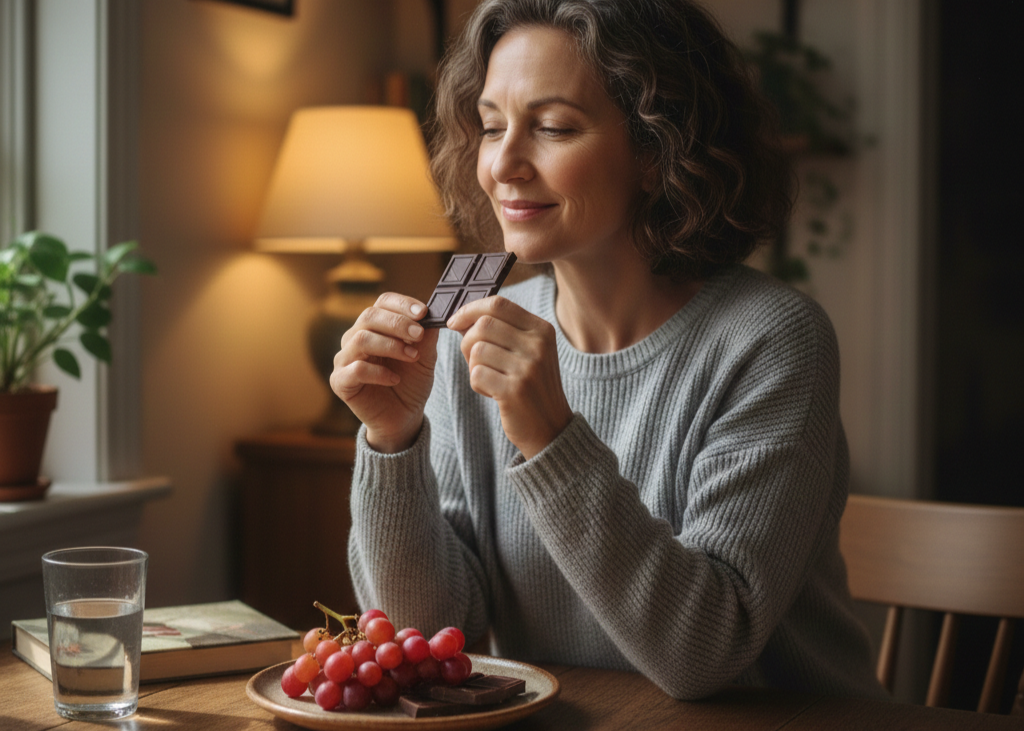

Ready to get moving? Pick one (or more) of these activities and start enjoying the benefits today. Staying active is not about pushing limits but embracing life fully, at your own pace.
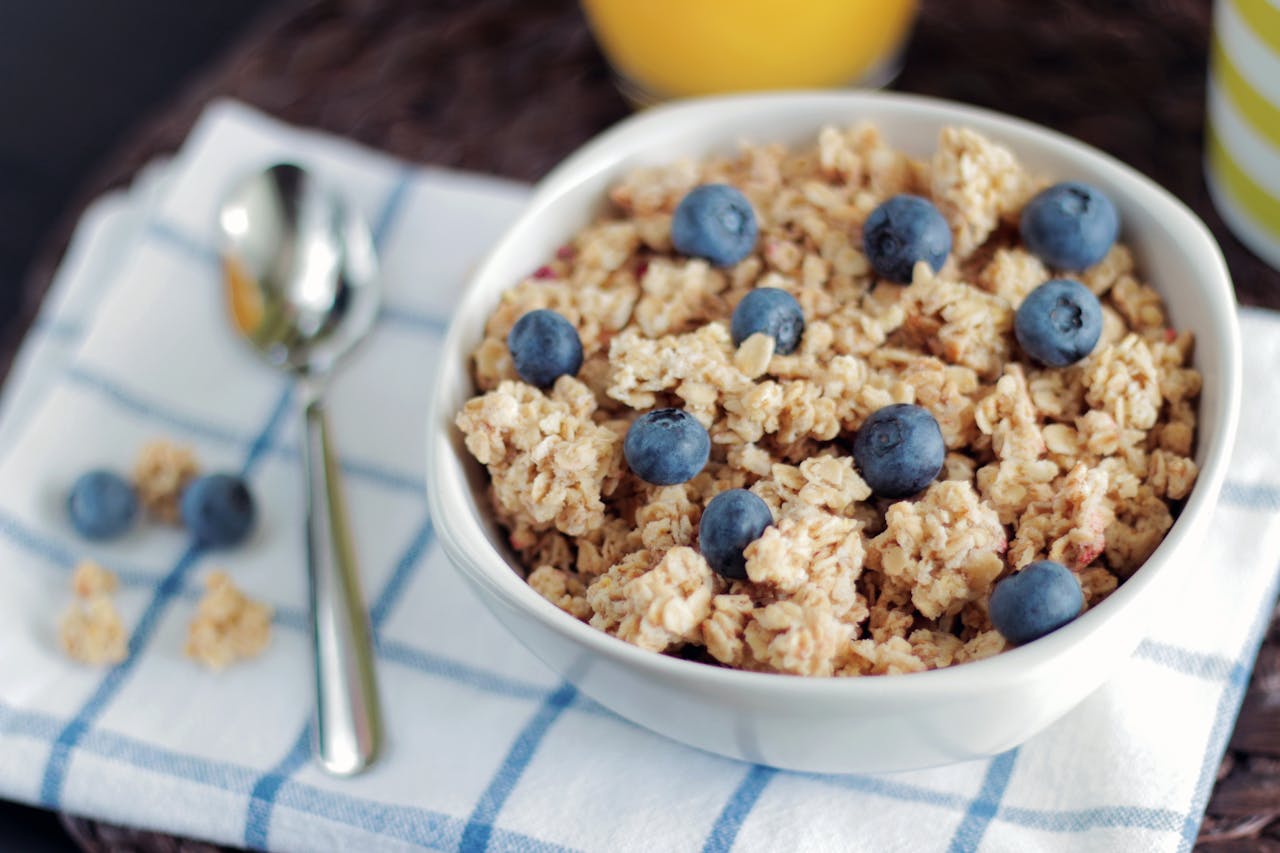
Filed Under: Health & Fitness

  • « Previous Page
  • 1
  • …
  • 3
  • 4
  • 5
  • 6
  • 7
  • …
  • 20
  • Next Page »
  • Email
  • Facebook
  • Pinterest
  • Twitter

Our Most Popular Articles

ClickCashGo Review: Should You Avoid At All Costs?

Ultimate Guide to Mastering Your Credit Score

The 'YOLO' Mindset is a Dangerous Thing

Dave Ramsey's Financial Peace University Review: Is it Worth the Money?

Cash App Glitch 2025: Is the Free Money Glitch Real?

Five Steps To Debt Freedom

Here are five simple guidlines that will help you pay off debt.  

1) Get an emergency fund so you don’t take on debt when something comes up.

2) List your debts. This way you know where you stand.

3) Use the debt snowball. Pay your debts from smallest to largest, or most expensive to least expensive.

4) Avoid new debt. No new credit cards or loans. Period.

5) Go all cash. After everything is paid off, switch to all cash.

Helpful Resources

U of Tennesse Debt Repayment Plan Basics

Vertex 42's Debt Payoff Calculator

Savingadvice's Helpful Debt Forums

Jackie Becks Debt Blog