Our Debt Free Family

Commit. Plan. Take action.

  • BUDGETING
  • DEBT REDUCTION
  • INVESTING
  • LIFESTYLE
  • TOOLS
  • ABOUT
  • Privacy Policy
  • CONTACT

10 Things From the 1960s That Boomers Believe Would Break Gen Z and Millennials

October 16, 2025 | Leave a Comment

10 Things From the 1960s That Boomers Believe Would Break Gen Z and Millennials

<p> The 1960s were a time of freedom, grit, and a whole lot of resilience. If you grew up during this era, you know that life was simpler in some ways but also a lot tougher. You had to make do with what you had, stay entertained without the internet, and accept that rules were a little looser (sometimes a little too loose). For baby boomers, these memories often bring laughter, nostalgia, and a sense of pride at having survived a world that looked very different from today’s.

But when boomers talk about the good old days with their children and grandchildren, it is often met with disbelief—or even shock. After all, Gen Z and Millennials grew up with helmets, smartphones, instant information, and constant communication. Many of the things boomers took for granted in the 1960s would leave younger generations scratching their heads or throwing up their hands in frustration.

Let’s take a walk down memory lane and revisit ten very real parts of 1960s life that boomers know well—and that younger generations might not survive for more than a day. </p> :: Gemini

The 1960s were a time of freedom, grit, and a whole lot of resilience. If you grew up during this era, you know that life was simpler in some ways but also a lot tougher. You had to make do with what you had, stay entertained without the internet, and accept that rules were a little looser (sometimes a little too loose). For baby boomers, these memories often bring laughter, nostalgia, and a sense of pride at having survived a world that looked very different from today’s.

But when boomers talk about the good old days with their children and grandchildren, it is often met with disbelief—or even shock. After all, Gen Z and Millennials grew up with helmets, smartphones, instant information, and constant communication. Many of the things boomers took for granted in the 1960s would leave younger generations scratching their heads or throwing up their hands in frustration.

Let’s take a walk down memory lane and revisit ten very real parts of 1960s life that boomers know well—and that younger generations might not survive for more than a day.

1. Riding Your Bike Without a Helmet

<p> Back in the 1960s, riding your bike was pure freedom. Kids flew down steep hills, raced through neighborhoods, and jumped curbs with no protective gear other than maybe a pair of sneakers. Helmets were not even part of the conversation. Sure, there were plenty of skinned knees and the occasional broken arm, but that was just part of growing up. Today’s younger generations would never dream of letting a child ride without protective headgear, and the thought of it might give Gen Z parents heart palpitations. </p> :: Gemini

Back in the 1960s, riding your bike was pure freedom. Kids flew down steep hills, raced through neighborhoods, and jumped curbs with no protective gear other than maybe a pair of sneakers. Helmets were not even part of the conversation. Sure, there were plenty of skinned knees and the occasional broken arm, but that was just part of growing up. Today’s younger generations would never dream of letting a child ride without protective headgear, and the thought of it might give Gen Z parents heart palpitations.

2. Disappearing All Day Without Checking In

<p> Boomers remember the classic rule: “Be home when the streetlights come on.” That was it. No phones, no text messages, and certainly no GPS tracking apps. Kids could spend hours playing baseball in an empty lot, exploring creeks, or riding bikes across town. Parents trusted their children to figure things out, and neighbors kept a casual eye out. Compare that to today, when parents expect a check-in every couple of hours, and you can see why Gen Z and Millennials might struggle with that kind of unmonitored freedom. </p> :: Gemini

Boomers remember the classic rule: “Be home when the streetlights come on.” That was it. No phones, no text messages, and certainly no GPS tracking apps. Kids could spend hours playing baseball in an empty lot, exploring creeks, or riding bikes across town. Parents trusted their children to figure things out, and neighbors kept a casual eye out. Compare that to today, when parents expect a check-in every couple of hours, and you can see why Gen Z and Millennials might struggle with that kind of unmonitored freedom.

3. Getting News from Just One Source

<p> In the 1960s, most families got their news from a single evening broadcast and a local newspaper. Walter Cronkite was “the most trusted man in America,” and people largely accepted what they heard without feeling the need to fact-check a dozen different sources. Contrast that with today’s world, where Millennials and Gen Z sift through social media, podcasts, and news apps just to make sure they are not being misled. Living in a time when one or two sources shaped the national conversation would feel downright limiting to them. </p> :: Gemini

In the 1960s, most families got their news from a single evening broadcast and a local newspaper. Walter Cronkite was “the most trusted man in America,” and people largely accepted what they heard without feeling the need to fact-check a dozen different sources. Contrast that with today’s world, where Millennials and Gen Z sift through social media, podcasts, and news apps just to make sure they are not being misled. Living in a time when one or two sources shaped the national conversation would feel downright limiting to them.

4. Collecting S and H Green Stamps

<p> Before there were credit card points and cash-back apps, there were S and H Green Stamps. Shoppers collected these little stamps from grocery and department stores, licked them into booklets, and eventually traded them in for household items or toys. It was a slow, sticky process, but it felt rewarding when you finally walked out of the redemption center with a brand-new toaster. Younger generations, who are used to instant rewards and digital perks, might not have the patience to wait weeks or months for a payoff. </p> :: Gemini

Before there were credit card points and cash-back apps, there were S and H Green Stamps. Shoppers collected these little stamps from grocery and department stores, licked them into booklets, and eventually traded them in for household items or toys. It was a slow, sticky process, but it felt rewarding when you finally walked out of the redemption center with a brand-new toaster. Younger generations, who are used to instant rewards and digital perks, might not have the patience to wait weeks or months for a payoff.

5. Strapping On Roller Skates with a Key

<p> If you wanted to roller skate in the 1960s, you did not pull on a sleek pair of inline skates. Instead, you clamped heavy metal skates onto your shoes with the help of a skate key. They were noisy, wobbly, and often came loose mid-skate, but they provided hours of fun on sidewalks and driveways. Today’s kids, used to smooth polyurethane wheels and perfect designs, would probably be baffled that anyone managed to stay upright on these contraptions. </p> :: Gemini

If you wanted to roller skate in the 1960s, you did not pull on a sleek pair of inline skates. Instead, you clamped heavy metal skates onto your shoes with the help of a skate key. They were noisy, wobbly, and often came loose mid-skate, but they provided hours of fun on sidewalks and driveways. Today’s kids, used to smooth polyurethane wheels and perfect designs, would probably be baffled that anyone managed to stay upright on these contraptions.

6. Dropping By Unannounced

<p> One of the best parts of the 1960s was the social spontaneity. You did not need to text ahead or check someone’s availability. You just walked up to a friend’s house, rang the bell, and asked, “Want to play?” or “Want to come in for coffee?” Families kept extra snacks in the freezer because they expected visitors at any moment. Fast forward to today, when most people guard their schedules with calendars and texts, and a knock at the door without notice can feel intrusive. Gen Z and Millennials might not even open the door. </p> :: Gemini

One of the best parts of the 1960s was the social spontaneity. You did not need to text ahead or check someone’s availability. You just walked up to a friend’s house, rang the bell, and asked, “Want to play?” or “Want to come in for coffee?” Families kept extra snacks in the freezer because they expected visitors at any moment. Fast forward to today, when most people guard their schedules with calendars and texts, and a knock at the door without notice can feel intrusive. Gen Z and Millennials might not even open the door.

7. Getting Birthday Spankings in School

<p> This one is almost unthinkable now. In the 1960s, it was common for teachers—or even classmates—to give birthday spankings. One playful whack for every year, followed by the dreaded “pinch to grow on.” It was meant to be harmless fun, but you can imagine the reaction if that happened in a modern classroom. Parents would be in the principal’s office instantly, lawyers might be called, and the story would probably go viral. What was once a lighthearted tradition would be seen as a complete scandal today. </p> :: Gemini

This one is almost unthinkable now. In the 1960s, it was common for teachers—or even classmates—to give birthday spankings. One playful whack for every year, followed by the dreaded “pinch to grow on.” It was meant to be harmless fun, but you can imagine the reaction if that happened in a modern classroom. Parents would be in the principal’s office instantly, lawyers might be called, and the story would probably go viral. What was once a lighthearted tradition would be seen as a complete scandal today.

8. Smoking Indoors, Even on Airplanes

<p> It is hard to believe now, but smoking was allowed almost everywhere in the 1960s. You could light up in restaurants, offices, classrooms, and even on airplanes. Ashtrays were standard in homes and cars, and nobody thought twice about the cloud of smoke. Younger generations, who grew up with smoke-free public spaces and endless warnings about secondhand smoke, would be horrified at the thought of sitting in a sealed airplane cabin filled with cigarette haze. </p> :: Gemini

It is hard to believe now, but smoking was allowed almost everywhere in the 1960s. You could light up in restaurants, offices, classrooms, and even on airplanes. Ashtrays were standard in homes and cars, and nobody thought twice about the cloud of smoke. Younger generations, who grew up with smoke-free public spaces and endless warnings about secondhand smoke, would be horrified at the thought of sitting in a sealed airplane cabin filled with cigarette haze.

9. Being Scolded by Other Adults

<p> If you misbehaved on the street or mouthed off at a store, you could expect any nearby adult to call you out. “Wait until I tell your mother” was a real threat, because word traveled quickly. Discipline was seen as a community effort, and parents often backed up other adults who corrected their kids. Today, most people are hesitant to say a word to someone else’s child. Millennials and Gen Z would probably see it as overstepping or even offensive, but boomers knew it kept kids accountable. </p> :: Gemini

If you misbehaved on the street or mouthed off at a store, you could expect any nearby adult to call you out. “Wait until I tell your mother” was a real threat, because word traveled quickly. Discipline was seen as a community effort, and parents often backed up other adults who corrected their kids. Today, most people are hesitant to say a word to someone else’s child. Millennials and Gen Z would probably see it as overstepping or even offensive, but boomers knew it kept kids accountable.

10. Living with Just One “Truth”

<p> Beyond the news, the 1960s had a kind of cultural unity. Television shows, commercials, and even school lessons reinforced the same set of ideas. There was not the overwhelming flood of conflicting opinions that we see today. For better or worse, most people were on the same page. Millennials and Gen Z live in an environment where countless voices compete for attention, and while that has its benefits, the idea of a single “truth” shaping everyday life would feel stifling to them. </p> :: Gemini

Beyond the news, the 1960s had a kind of cultural unity. Television shows, commercials, and even school lessons reinforced the same set of ideas. There was not the overwhelming flood of conflicting opinions that we see today. For better or worse, most people were on the same page. Millennials and Gen Z live in an environment where countless voices compete for attention, and while that has its benefits, the idea of a single “truth” shaping everyday life would feel stifling to them.

Final Thoughts

<p> For baby boomers, the 1960s were not just a decade—they were an experience. Life was filled with a kind of toughness and resilience that shaped an entire generation. We drank from garden hoses, rode in cars without seatbelts, and entertained ourselves without a single screen in sight. Looking back, it is almost funny to imagine how today’s younger generations would react to these experiences.

But here is the beauty of reminiscing: it is not about proving which generation had it harder or better. It is about sharing stories, creating connections, and remembering that every era has its own challenges and strengths. Boomers can laugh at the quirks of their youth, while Millennials and Gen Z can appreciate just how much times have changed. And maybe, in those conversations, we all learn a little more about resilience, creativity, and the power of simpler times.

The next time you sit with your kids or grandkids, try sharing one of these stories. Chances are, they will shake their heads in disbelief—and then lean in to hear more. After all, history is not just in books. Sometimes, it is sitting right across the table, smiling at the memories. </p> :: Gemini

For baby boomers, the 1960s were not just a decade—they were an experience. Life was filled with a kind of toughness and resilience that shaped an entire generation. We drank from garden hoses, rode in cars without seatbelts, and entertained ourselves without a single screen in sight. Looking back, it is almost funny to imagine how today’s younger generations would react to these experiences.

But here is the beauty of reminiscing: it is not about proving which generation had it harder or better. It is about sharing stories, creating connections, and remembering that every era has its own challenges and strengths. Boomers can laugh at the quirks of their youth, while Millennials and Gen Z can appreciate just how much times have changed. And maybe, in those conversations, we all learn a little more about resilience, creativity, and the power of simpler times.

The next time you sit with your kids or grandkids, try sharing one of these stories. Chances are, they will shake their heads in disbelief—and then lean in to hear more. After all, history is not just in books. Sometimes, it is sitting right across the table, smiling at the memories.

Filed Under: Lifestyle

Safe & Sound: 10 Home Upgrades for a More Comfortable Senior Life!

October 15, 2025 | Leave a Comment

Safe & Sound: 10 Home Upgrades for a More Comfortable Senior Life!

A home should be a place of comfort, not a source of stress. As we age, small changes can make a big difference in safety and ease of living. Simple upgrades help prevent accidents, improve mobility, and make daily tasks simpler. From better lighting to smart technology, these improvements are worth considering. Let’s look at ten home upgrades that can make senior life safer and more comfortable.


1. Grab Bars and Handrails

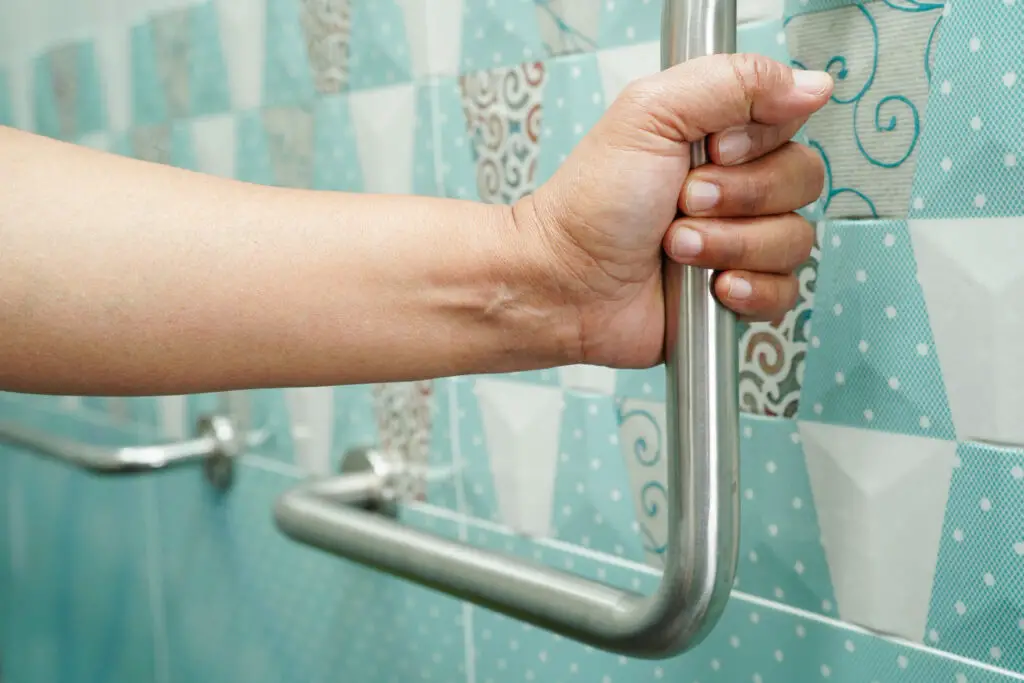
<p>Slips and falls are a major risk for seniors, but grab bars and handrails offer extra stability. Bathrooms, hallways, and staircases are common places where they are needed most. These supports provide balance when moving around the house. Installation is simple and cost-effective, making this a must-have upgrade. Many models blend into home decor without looking medical. A small addition like this can prevent big injuries.</p> ::Vecteezy.com

Slips and falls are a major risk for seniors, but grab bars and handrails offer extra stability. Bathrooms, hallways, and staircases are common places where they are needed most. These supports provide balance when moving around the house. Installation is simple and cost-effective, making this a must-have upgrade. Many models blend into home decor without looking medical. A small addition like this can prevent big injuries.

 

2. Non-Slip Flooring

<p>Loose rugs and slick floors increase the chance of falls. Replacing them with slip-resistant materials like cork, vinyl, or textured tile improves traction. If replacing flooring is not an option, adding non-slip mats in high-risk areas works well. Even small changes, like removing loose rugs, help reduce hazards. Proper footwear also plays a role in safety, so non-slip slippers can be a good investment. A stable floor gives peace of mind when walking around the home.</p> ::Pexels

Loose rugs and slick floors increase the chance of falls. Replacing them with slip-resistant materials like cork, vinyl, or textured tile improves traction. If replacing flooring is not an option, adding non-slip mats in high-risk areas works well. Even small changes, like removing loose rugs, help reduce hazards. Proper footwear also plays a role in safety, so non-slip slippers can be a good investment. A stable floor gives peace of mind when walking around the home.


3. Adjustable Bed

<p>Getting in and out of bed can be tough for seniors with mobility issues. An adjustable bed allows for easy height and angle changes, making it more comfortable. These beds also help with conditions like acid reflux, back pain, and circulation problems. Many models come with remote controls for simple use. A good night’s sleep is important for overall health, and this upgrade makes rest easier. Plus, it adds a touch of luxury to the bedroom.</p> ::Vecteezy.com

Getting in and out of bed can be tough for seniors with mobility issues. An adjustable bed allows for easy height and angle changes, making it more comfortable. These beds also help with conditions like acid reflux, back pain, and circulation problems. Many models come with remote controls for simple use. A good night’s sleep is important for overall health, and this upgrade makes rest easier. Plus, it adds a touch of luxury to the bedroom.


4. Motion Sensor Lights

<p>Poor lighting leads to trips and falls, especially at night. Motion sensor lights turn on automatically when movement is detected. They are useful in hallways, bathrooms, and staircases, where visibility is key. LED versions are energy-efficient and last for years without needing replacements. Wireless models make installation easy and flexible. This upgrade adds both safety and convenience to daily life.</p> ::Pexels

Poor lighting leads to trips and falls, especially at night. Motion sensor lights turn on automatically when movement is detected. They are useful in hallways, bathrooms, and staircases, where visibility is key. LED versions are energy-efficient and last for years without needing replacements. Wireless models make installation easy and flexible. This upgrade adds both safety and convenience to daily life.


5. Smart Door Locks

<p>Keys can be tricky to handle for those with arthritis or dexterity issues. Smart door locks remove the need for physical keys, using codes, fingerprint scans, or voice commands instead. These locks also allow caregivers or family members to access the home when needed. Some models can be controlled with a smartphone, adding extra security. Forgetting to lock the door is no longer a worry. Peace of mind is just a touch away with this simple upgrade.</p> ::Pexels

Keys can be tricky to handle for those with arthritis or dexterity issues. Smart door locks remove the need for physical keys, using codes, fingerprint scans, or voice commands instead. These locks also allow caregivers or family members to access the home when needed. Some models can be controlled with a smartphone, adding extra security. Forgetting to lock the door is no longer a worry. Peace of mind is just a touch away with this simple upgrade.


6. Walk-In Tub or Curb-Free Shower

<p>Bathrooms can be dangerous for seniors due to wet floors and high steps. Walk-in tubs and curb-free showers make bathing much safer. These designs remove the need to step over high edges, reducing fall risks. Many walk-in tubs also have built-in seating and handrails for extra support. Some models even come with therapeutic jets for sore muscles. Bathing should be a relaxing experience, not a struggle.</p> ::Pexels

Bathrooms can be dangerous for seniors due to wet floors and high steps. Walk-in tubs and curb-free showers make bathing much safer. These designs remove the need to step over high edges, reducing fall risks. Many walk-in tubs also have built-in seating and handrails for extra support. Some models even come with therapeutic jets for sore muscles. Bathing should be a relaxing experience, not a struggle.


7. Ergonomic Kitchen Tools

<p>Cooking should be fun, not frustrating. Ergonomic kitchen tools reduce strain on hands and wrists, making meal prep easier. Items like easy-grip utensils, automatic can openers, and lightweight cookware are game-changers. A well-designed kitchen setup allows seniors to keep cooking independently. Small upgrades like these can make a big difference in daily comfort. They also encourage a healthy and enjoyable lifestyle.</p> ::Pexels

Cooking should be fun, not frustrating. Ergonomic kitchen tools reduce strain on hands and wrists, making meal prep easier. Items like easy-grip utensils, automatic can openers, and lightweight cookware are game-changers. A well-designed kitchen setup allows seniors to keep cooking independently. Small upgrades like these can make a big difference in daily comfort. They also encourage a healthy and enjoyable lifestyle.


8. Stair Lifts or Ramps

<p>For seniors with mobility challenges, stairs can become a major obstacle. Stair lifts allow safe movement between floors without the risk of falls. Ramps are another great option, especially for wheelchair users or those with walkers. These upgrades help seniors stay independent in multi-level homes. Though they require an investment, they greatly improve quality of life. Moving around the house should be effortless, not exhausting.</p> ::Vecteezy.com

For seniors with mobility challenges, stairs can become a major obstacle. Stair lifts allow safe movement between floors without the risk of falls. Ramps are another great option, especially for wheelchair users or those with walkers. These upgrades help seniors stay independent in multi-level homes. Though they require an investment, they greatly improve quality of life. Moving around the house should be effortless, not exhausting.


9. Voice-Activated Assistants

<p>Devices like Amazon Echo and Google Nest make life simpler with voice commands. Seniors can use them to set reminders, control lights, call family, or even play music. These gadgets are easy to use and don’t require complex tech skills. They also help with emergencies by allowing hands-free calls. For those living alone, they offer both convenience and connection. A little technology can go a long way in making life easier.</p> ::Pexels

Devices like Amazon Echo and Google Nest make life simpler with voice commands. Seniors can use them to set reminders, control lights, call family, or even play music. These gadgets are easy to use and don’t require complex tech skills. They also help with emergencies by allowing hands-free calls. For those living alone, they offer both convenience and connection. A little technology can go a long way in making life easier.


10. Emergency Alert System

<p>A medical alert system provides immediate help at the push of a button. These devices are wearable and can contact emergency services or loved ones when needed. Some models detect falls automatically, sending alerts even if the person is unable to press a button. They offer peace of mind for both seniors and their families. Safety should never be left to chance, and this upgrade ensures help is always within reach.</p> ::Pexels
A medical alert system provides immediate help at the push of a button. These devices are wearable and can contact emergency services or loved ones when needed. Some models detect falls automatically, sending alerts even if the person is unable to press a button. They offer peace of mind for both seniors and their families. Safety should never be left to chance, and this upgrade ensures help is always within reach.

 

Conclusion

<p>A few smart changes can make a home much safer and more comfortable for seniors. From better lighting to advanced security, these upgrades enhance independence and ease daily life. Simple additions like grab bars or smart locks can prevent major accidents. Investing in these improvements means fewer worries and a more relaxed living space. Everyone deserves a home that supports their well-being at every stage of life.</p> ::Pexels


A few smart changes can make a home much safer and more comfortable for seniors. From better lighting to advanced security, these upgrades enhance independence and ease daily life. Simple additions like grab bars or smart locks can prevent major accidents. Investing in these improvements means fewer worries and a more relaxed living space. Everyone deserves a home that supports their well-being at every stage of life.

Filed Under: Lifestyle

Happy Pet, Happy Life: 10 Simple Ways to Keep Your Furry Friend Thriving!

October 15, 2025 | Leave a Comment

Happy Pet, Happy Life: 10 Simple Ways to Keep Your Furry Friend Thriving!

<p>Pets bring joy, love, and light to our lives. A happy pet is a sign of a caring home and a warm heart. Simple changes in your daily routine can help your furry friend live a long, healthy life. Small steps such as proper nutrition, regular check-ups, and fun play can boost their well-being. Many pet owners swear by a few key habits that help keep their pets thriving. This guide offers ten simple ways to ensure your pet stays happy, active, and full of life.</p> ::Pexels

Pets bring joy, love, and light to our lives. A happy pet is a sign of a caring home and a warm heart. Simple changes in your daily routine can help your furry friend live a long, healthy life. Small steps such as proper nutrition, regular check-ups, and fun play can boost their well-being. Many pet owners swear by a few key habits that help keep their pets thriving. This guide offers ten simple ways to ensure your pet stays happy, active, and full of life.


1. Regular Vet Visits

<p>Regular vet visits are the bedrock of a healthy pet life. Routine check-ups help catch small issues before they grow into big problems. A good vet will check your pet’s teeth, ears, and overall health, making sure all is well. Many pet owners praise the peace of mind that comes with knowing their pet is in top shape. Regular visits also allow you to discuss diet, exercise, and any changes in behavior. With a trusted vet by your side, you can keep your pet safe and sound.</p> ::Pexels

Regular vet visits are the bedrock of a healthy pet life. Routine check-ups help catch small issues before they grow into big problems. A good vet will check your pet’s teeth, ears, and overall health, making sure all is well. Many pet owners praise the peace of mind that comes with knowing their pet is in top shape. Regular visits also allow you to discuss diet, exercise, and any changes in behavior. With a trusted vet by your side, you can keep your pet safe and sound.


2. Nutritious Diet and Fresh Water

<p>A well-fed pet is a happy pet, and a proper diet is key to a long life. High-quality food with the right balance of protein, grains, and vegetables gives your pet the fuel it needs to thrive. It is important to choose a diet that fits your pet’s breed, age, and size. Fresh water should be available at all times to keep your pet hydrated and healthy. Many owners report that a good diet not only boosts energy but also improves the coat, mood, and overall health of their pet. Simple changes in feeding habits can lead to a noticeable boost in your pet’s quality of life.</p> ::Pexels

A well-fed pet is a happy pet, and a proper diet is key to a long life. High-quality food with the right balance of protein, grains, and vegetables gives your pet the fuel it needs to thrive. It is important to choose a diet that fits your pet’s breed, age, and size. Fresh water should be available at all times to keep your pet hydrated and healthy. Many owners report that a good diet not only boosts energy but also improves the coat, mood, and overall health of their pet. Simple changes in feeding habits can lead to a noticeable boost in your pet’s quality of life.


3. Daily Exercise and Playtime

<p>Daily exercise is vital for both the body and mind of your pet. Whether it is a brisk walk, a playful run in the yard, or a game of fetch, regular activity helps maintain a healthy weight and builds strong muscles. Many pets thrive on routine play, which also offers a chance to bond with you. Exercise can ease joint pain and boost energy levels, making even a small bout of playtime very rewarding. Pets that get regular exercise tend to be happier and more alert, as they can channel their energy into fun activities. A few minutes of play each day can be the key to a long and joyful pet life.</p> ::Pexels

Daily exercise is vital for both the body and mind of your pet. Whether it is a brisk walk, a playful run in the yard, or a game of fetch, regular activity helps maintain a healthy weight and builds strong muscles. Many pets thrive on routine play, which also offers a chance to bond with you. Exercise can ease joint pain and boost energy levels, making even a small bout of playtime very rewarding. Pets that get regular exercise tend to be happier and more alert, as they can channel their energy into fun activities. A few minutes of play each day can be the key to a long and joyful pet life.


4. Interactive Toys and Mental Stimulation

<p>Mental stimulation is just as important as physical exercise for a pet’s well-being. Interactive toys, puzzles, and games help keep your pet’s mind active and sharp. Many pet owners find that a busy mind leads to a calm and content pet. Simple toys like treat-dispensing balls or puzzle feeders can offer hours of fun and learning. New challenges can reduce boredom and help prevent destructive behavior. By adding a few interactive toys to your pet’s routine, you can make playtime both fun and enriching.</p> ::Pexels

Mental stimulation is just as important as physical exercise for a pet’s well-being. Interactive toys, puzzles, and games help keep your pet’s mind active and sharp. Many pet owners find that a busy mind leads to a calm and content pet. Simple toys like treat-dispensing balls or puzzle feeders can offer hours of fun and learning. New challenges can reduce boredom and help prevent destructive behavior. By adding a few interactive toys to your pet’s routine, you can make playtime both fun and enriching.


5. Regular Grooming and Hygiene

<p>Keeping your pet clean is a simple way to boost its comfort and health. Regular grooming, such as brushing, bathing, and nail trimming, not only keeps your pet looking its best but also prevents skin issues and infections. Many pet owners find that grooming time is a great way to bond with their furry friend. Clean ears, shiny coats, and trimmed nails make pets feel fresh and happy. This routine task also gives you the chance to check for any unusual lumps or skin problems early on. A well-groomed pet is a sign of a well-cared-for pet.</p> ::Pexels

Keeping your pet clean is a simple way to boost its comfort and health. Regular grooming, such as brushing, bathing, and nail trimming, not only keeps your pet looking its best but also prevents skin issues and infections. Many pet owners find that grooming time is a great way to bond with their furry friend. Clean ears, shiny coats, and trimmed nails make pets feel fresh and happy. This routine task also gives you the chance to check for any unusual lumps or skin problems early on. A well-groomed pet is a sign of a well-cared-for pet.


6. Consistent Training and Socialization

<p>Training is a vital part of a pet’s life that keeps them safe and well-behaved. Consistent training builds good habits, whether it is for simple commands like “sit” or more complex tricks. Many pet owners find that a well-trained pet is easier to care for and brings more joy to daily interactions. Socialization with other pets and people can also reduce anxiety and boost confidence. Regular training sessions, combined with social outings, can help your pet feel at ease in new environments. This method not only makes life smoother but also strengthens the bond between you and your pet.</p> ::Pexels

Training is a vital part of a pet’s life that keeps them safe and well-behaved. Consistent training builds good habits, whether it is for simple commands like “sit” or more complex tricks. Many pet owners find that a well-trained pet is easier to care for and brings more joy to daily interactions. Socialization with other pets and people can also reduce anxiety and boost confidence. Regular training sessions, combined with social outings, can help your pet feel at ease in new environments. This method not only makes life smoother but also strengthens the bond between you and your pet.


7. A Safe and Stimulating Home Environment

<p>Your home should be a haven for your pet. A safe and clean space, free from hazards, gives your pet the freedom to explore without fear. Many owners invest in pet-friendly furniture and secure storage for items that could be harmful. A stimulating environment filled with toys, soft bedding, and quiet spots can help your pet feel at ease. Small changes, like adding a perch by the window or a cozy crate, can offer comfort and fun. A well-set home environment is key to a pet’s daily happiness and well-being.</p> ::Pexels

Your home should be a haven for your pet. A safe and clean space, free from hazards, gives your pet the freedom to explore without fear. Many owners invest in pet-friendly furniture and secure storage for items that could be harmful. A stimulating environment filled with toys, soft bedding, and quiet spots can help your pet feel at ease. Small changes, like adding a perch by the window or a cozy crate, can offer comfort and fun. A well-set home environment is key to a pet’s daily happiness and well-being.


8. Routine Health Checks and Preventive Care

<p>Beyond regular vet visits, routine health checks at home are a smart way to keep your pet thriving. Simple actions such as brushing your pet’s teeth, checking its ears for wax, and monitoring its weight can catch issues early. Many pet owners use basic tools like pet thermometers and grooming kits to stay on top of their pet’s health. Preventive care, including vaccinations and flea control, ensures your pet is protected from common ailments. A bit of daily attention can go a long way in keeping your pet strong and healthy. With routine checks, you can spot changes quickly and act before small issues become serious.</p> ::Pexels

Beyond regular vet visits, routine health checks at home are a smart way to keep your pet thriving. Simple actions such as brushing your pet’s teeth, checking its ears for wax, and monitoring its weight can catch issues early. Many pet owners use basic tools like pet thermometers and grooming kits to stay on top of their pet’s health. Preventive care, including vaccinations and flea control, ensures your pet is protected from common ailments. A bit of daily attention can go a long way in keeping your pet strong and healthy. With routine checks, you can spot changes quickly and act before small issues become serious.


9. Comfortable Rest and Sleep

<p>Rest is vital for a pet’s health, just as it is for us. A quiet, cozy spot with a soft bed or cushion can make a big difference in your pet’s well-being. Many pets benefit from having a dedicated area where they feel safe to rest and sleep undisturbed. Good rest helps maintain energy levels and supports overall health, making it easier for your pet to play and enjoy daily activities. Ensure that the sleeping area is kept clean and free of noise, so your pet can relax fully. A well-rested pet is more active, alert, and happy.</p> ::Pexels

Rest is vital for a pet’s health, just as it is for us. A quiet, cozy spot with a soft bed or cushion can make a big difference in your pet’s well-being. Many pets benefit from having a dedicated area where they feel safe to rest and sleep undisturbed. Good rest helps maintain energy levels and supports overall health, making it easier for your pet to play and enjoy daily activities. Ensure that the sleeping area is kept clean and free of noise, so your pet can relax fully. A well-rested pet is more active, alert, and happy.


10. Lots of Love and Attention

<p>Finally, nothing beats the power of love and attention in keeping your pet thriving. Pets thrive on social interaction, and a kind word or gentle pat goes a long way. Many pet owners find that spending quality time with their pet creates a strong bond and improves overall behavior. Love and attention can reduce stress and make your pet feel valued and safe. Whether through a cuddle, playtime, or simple companionship, the care you give is returned with endless joy. A loving home is the best gift you can give your pet.</p> ::Pexels

Finally, nothing beats the power of love and attention in keeping your pet thriving. Pets thrive on social interaction, and a kind word or gentle pat goes a long way. Many pet owners find that spending quality time with their pet creates a strong bond and improves overall behavior. Love and attention can reduce stress and make your pet feel valued and safe. Whether through a cuddle, playtime, or simple companionship, the care you give is returned with endless joy. A loving home is the best gift you can give your pet.


Conclusion

<p>Keeping your pet happy and healthy does not require grand gestures—simple, thoughtful actions can go a long way. From regular vet visits to daily exercise, each step is a building block toward a thriving pet. A nutritious diet, routine grooming, and a safe home environment work together to create a joyful life for your furry friend. Socialization, mental play, and the warmth of your love add the extra boost that every pet needs. When you invest time and care in these habits, you not only enhance your pet’s life but also enrich your own. A happy pet is a constant source of joy, comfort, and love, and these ten tips show you how to make that happiness last.</p> ::Pexels

Keeping your pet happy and healthy does not require grand gestures—simple, thoughtful actions can go a long way. From regular vet visits to daily exercise, each step is a building block toward a thriving pet. A nutritious diet, routine grooming, and a safe home environment work together to create a joyful life for your furry friend. Socialization, mental play, and the warmth of your love add the extra boost that every pet needs. When you invest time and care in these habits, you not only enhance your pet’s life but also enrich your own. A happy pet is a constant source of joy, comfort, and love, and these ten tips show you how to make that happiness last.

Filed Under: Lifestyle

Stronger Together: 7 Fun Ways to Bond with Your Pet!

October 14, 2025 | Leave a Comment

Stronger Together: 7 Fun Ways to Bond with Your Pet!

<p>Pets bring joy, love, and laughter to our lives. But a strong bond does not happen by chance. It takes time, effort, and shared moments. Whether you have a playful dog, a curious cat, or a small pet like a rabbit, spending quality time together will deepen your connection. Here are seven fun ways to create lasting memories with your furry friend.</p> ::Pexels

Pets bring joy, love, and laughter to our lives. But a strong bond does not happen by chance. It takes time, effort, and shared moments. Whether you have a playful dog, a curious cat, or a small pet like a rabbit, spending quality time together will deepen your connection. Here are seven fun ways to create lasting memories with your furry friend.

1. Take Daily Walks

<p>A walk is more than just exercise—it is a chance to explore and spend time together. Dogs love sniffing, running, and seeing new sights, but even some cats enjoy short leash walks. Walking side by side builds trust and routine. It also keeps both of you active and healthy. Choose quiet paths or parks where your pet can feel safe and relaxed. If your pet is new to walking, start slow and use treats for encouragement.</p> ::Pexels

A walk is more than just exercise—it is a chance to explore and spend time together. Dogs love sniffing, running, and seeing new sights, but even some cats enjoy short leash walks. Walking side by side builds trust and routine. It also keeps both of you active and healthy. Choose quiet paths or parks where your pet can feel safe and relaxed. If your pet is new to walking, start slow and use treats for encouragement.

2. Try Interactive Playtime

<p>Playing together is one of the best ways to bond with your pet. Fetch, tug-of-war, and hide-and-seek are great for dogs. Cats love feather wands, laser pointers, and puzzle toys. Even small pets like ferrets or rabbits enjoy a fun chase or obstacle course. Interactive play keeps your pet’s mind sharp and strengthens your connection. Make play a daily habit, even if it is just for a few minutes.</p> ::Pexels

Playing together is one of the best ways to bond with your pet. Fetch, tug-of-war, and hide-and-seek are great for dogs. Cats love feather wands, laser pointers, and puzzle toys. Even small pets like ferrets or rabbits enjoy a fun chase or obstacle course. Interactive play keeps your pet’s mind sharp and strengthens your connection. Make play a daily habit, even if it is just for a few minutes.

3. Teach New Tricks

<p>Training is not just for obedience—it builds trust and communication. Teaching a new trick, whether it is a basic command or a fun stunt, keeps your pet engaged. Dogs can learn “sit,” “stay,” or even “roll over.” Cats can master high-fives or jumping through hoops. Reward-based training with treats or praise makes learning fun. The more you practice, the stronger your bond will become.</p> ::Pexels

Training is not just for obedience—it builds trust and communication. Teaching a new trick, whether it is a basic command or a fun stunt, keeps your pet engaged. Dogs can learn “sit,” “stay,” or even “roll over.” Cats can master high-fives or jumping through hoops. Reward-based training with treats or praise makes learning fun. The more you practice, the stronger your bond will become.

4. Have a Cozy Movie Night

<p>Sometimes, bonding is as simple as relaxing together. Pick a night, grab a blanket, and watch a movie while your pet snuggles beside you. Many dogs love lying close to their owners, and even cats will settle in when they feel calm. Choose a quiet space without loud noises to make your pet feel safe. A relaxing night together helps build trust and comfort.</p> ::Pexels

Sometimes, bonding is as simple as relaxing together. Pick a night, grab a blanket, and watch a movie while your pet snuggles beside you. Many dogs love lying close to their owners, and even cats will settle in when they feel calm. Choose a quiet space without loud noises to make your pet feel safe. A relaxing night together helps build trust and comfort.

5. Try Pet Massage

<p>A gentle massage is not just relaxing for humans—it is great for pets too. Massaging your dog or cat can help ease stress, improve circulation, and strengthen your bond. Start by gently rubbing their ears, neck, or back, and watch their response. Some pets love belly rubs, while others prefer soft strokes on their head. Pay attention to what your pet enjoys, and keep the touch light and slow.</p> ::Pexels

A gentle massage is not just relaxing for humans—it is great for pets too. Massaging your dog or cat can help ease stress, improve circulation, and strengthen your bond. Start by gently rubbing their ears, neck, or back, and watch their response. Some pets love belly rubs, while others prefer soft strokes on their head. Pay attention to what your pet enjoys, and keep the touch light and slow.

6. Explore New Adventures

<p>A new experience can bring excitement and trust between you and your pet. Take your dog on a road trip, visit a pet-friendly café, or try a new hiking trail. For indoor pets like cats, setting up a new play area or a window perch can be just as exciting. Exposing pets to different sights and sounds in a safe way helps build confidence. Every shared adventure strengthens your connection.</p> ::Pexels

A new experience can bring excitement and trust between you and your pet. Take your dog on a road trip, visit a pet-friendly café, or try a new hiking trail. For indoor pets like cats, setting up a new play area or a window perch can be just as exciting. Exposing pets to different sights and sounds in a safe way helps build confidence. Every shared adventure strengthens your connection.

7. Create a Special Routine

<p>Pets love consistency. A daily routine—whether it is morning cuddles, an afternoon walk, or bedtime play—makes them feel safe and loved. Even feeding at the same time each day builds trust. Over time, these little moments become special rituals that your pet looks forward to. The more consistent you are, the more secure and happy your pet will feel.</p> ::Pexels

Pets love consistency. A daily routine—whether it is morning cuddles, an afternoon walk, or bedtime play—makes them feel safe and loved. Even feeding at the same time each day builds trust. Over time, these little moments become special rituals that your pet looks forward to. The more consistent you are, the more secure and happy your pet will feel.

Conclusion

<p>A strong bond with your pet is built through love, time, and shared experiences. Whether you are playing, training, or simply cuddling, every moment together counts. The more effort you put into bonding, the deeper your connection will grow. Try these fun activities, and watch your relationship with your furry friend flourish.</p> ::Pexels

A strong bond with your pet is built through love, time, and shared experiences. Whether you are playing, training, or simply cuddling, every moment together counts. The more effort you put into bonding, the deeper your connection will grow. Try these fun activities, and watch your relationship with your furry friend flourish.

Filed Under: Lifestyle

8 Essential Home Maintenance DIYs to Tackle in Your 40s to Protect Your Investment

October 14, 2025 | Leave a Comment

8 Essential Home Maintenance DIYs to Tackle in Your 40s to Protect Your Investment

<p> Reaching your 40s is the perfect time to take home maintenance seriously and protect your biggest asset—your house. Preventative care can help you avoid costly repairs and ensure your home remains comfortable for years to come. Tackling essential DIY projects now can improve energy efficiency, extend the lifespan of key components, and keep your property in top shape. Here are eight crucial home maintenance tasks you should handle in your 40s to safeguard your investment and enhance your living space. </p> :: Pexels

Reaching your 40s is the perfect time to take home maintenance seriously and protect your biggest asset—your house. Preventative care can help you avoid costly repairs and ensure your home remains comfortable for years to come. Tackling essential DIY projects now can improve energy efficiency, extend the lifespan of key components, and keep your property in top shape. Here are eight crucial home maintenance tasks you should handle in your 40s to safeguard your investment and enhance your living space.

1. Inspect and Seal Windows and Doors

<p> Drafty windows and doors can increase energy bills and cause temperature fluctuations in your home. Check for cracks, gaps, and worn-out weather stripping around your windows and doors. Use caulk or foam sealant to fill in any openings and replace damaged weather stripping for better insulation. Sealing these gaps will prevent air leaks, reduce heating and cooling costs, and keep your home comfortable year-round. </p> :: Pexels

Drafty windows and doors can increase energy bills and cause temperature fluctuations in your home. Check for cracks, gaps, and worn-out weather stripping around your windows and doors. Use caulk or foam sealant to fill in any openings and replace damaged weather stripping for better insulation. Sealing these gaps will prevent air leaks, reduce heating and cooling costs, and keep your home comfortable year-round.

2. Clean and Maintain Gutters and Downspouts

<p> Clogged gutters can lead to water damage, foundation issues, and even mold growth inside your home. Make it a habit to clean your gutters and downspouts at least twice a year, especially in the fall and spring. Use a ladder, gloves, and a small trowel to remove leaves and debris. Flush the system with a hose to ensure proper drainage, and reinforce any sagging sections with gutter brackets. Keeping gutters clean will protect your home from water-related damage. </p> :: Freepik

Clogged gutters can lead to water damage, foundation issues, and even mold growth inside your home. Make it a habit to clean your gutters and downspouts at least twice a year, especially in the fall and spring. Use a ladder, gloves, and a small trowel to remove leaves and debris. Flush the system with a hose to ensure proper drainage, and reinforce any sagging sections with gutter brackets. Keeping gutters clean will protect your home from water-related damage.

3. Check and Replace HVAC Filters Regularly

<p> Your heating and cooling system is essential for home comfort, but neglecting maintenance can lead to higher energy costs and system breakdowns. Dirty air filters reduce airflow and make your HVAC system work harder. Change your filters every one to three months, or more frequently if you have pets or allergies. Upgrading to high-efficiency HEPA filters can also improve indoor air quality and keep allergens at bay. </p> :: Freepik

Your heating and cooling system is essential for home comfort, but neglecting maintenance can lead to higher energy costs and system breakdowns. Dirty air filters reduce airflow and make your HVAC system work harder. Change your filters every one to three months, or more frequently if you have pets or allergies. Upgrading to high-efficiency HEPA filters can also improve indoor air quality and keep allergens at bay.

4. Inspect and Maintain Your Roof

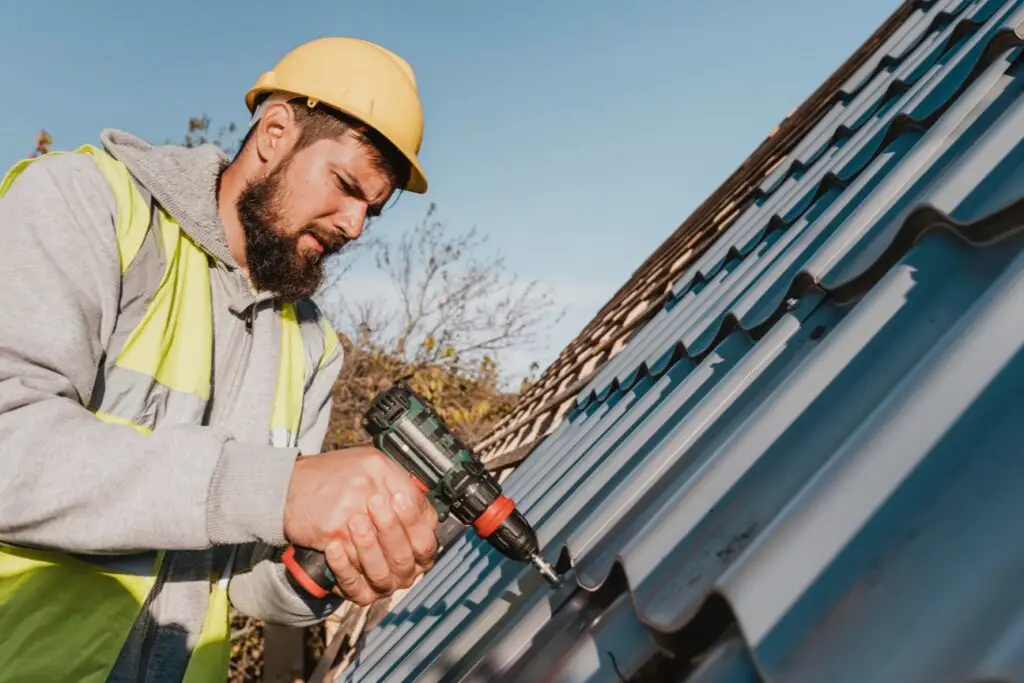
<p> Your roof protects your home from the elements, so it is important to check for damage before small issues turn into costly repairs. Look for missing, curling, or damaged shingles, as well as moss, mold, or algae growth. If you notice minor damage, replace the affected shingles or apply a roof sealant to prevent leaks. Keeping your roof in good condition can extend its lifespan and prevent expensive water damage inside your home. </p> :: Freepik

Your roof protects your home from the elements, so it is important to check for damage before small issues turn into costly repairs. Look for missing, curling, or damaged shingles, as well as moss, mold, or algae growth. If you notice minor damage, replace the affected shingles or apply a roof sealant to prevent leaks. Keeping your roof in good condition can extend its lifespan and prevent expensive water damage inside your home.

5. Test and Upgrade Home Safety Devices

<p> Smoke detectors, carbon monoxide detectors, and fire extinguishers are essential for home safety, but they need regular maintenance. Test these devices monthly and replace batteries at least once a year. If your detectors are over 10 years old, consider upgrading to newer models with smart features. Check your fire extinguisher’s pressure gauge to ensure it is still functional and easily accessible in case of an emergency. Keeping these safety devices in working order can save lives. </p> :: Freepik

Smoke detectors, carbon monoxide detectors, and fire extinguishers are essential for home safety, but they need regular maintenance. Test these devices monthly and replace batteries at least once a year. If your detectors are over 10 years old, consider upgrading to newer models with smart features. Check your fire extinguisher’s pressure gauge to ensure it is still functional and easily accessible in case of an emergency. Keeping these safety devices in working order can save lives.

6. Flush and Maintain Your Water Heater

<p> Over time, sediment and mineral deposits build up in your water heater, reducing efficiency and increasing energy costs. At least once a year, flush the tank by turning off the power or gas supply, attaching a hose to the drain valve, and letting the water flow into a bucket until it runs clear. Also, inspect the anode rod inside the tank, as it helps prevent corrosion. Replacing the anode rod when worn out can extend the lifespan of your water heater and improve its performance. </p> :: Freepik

Over time, sediment and mineral deposits build up in your water heater, reducing efficiency and increasing energy costs. At least once a year, flush the tank by turning off the power or gas supply, attaching a hose to the drain valve, and letting the water flow into a bucket until it runs clear. Also, inspect the anode rod inside the tank, as it helps prevent corrosion. Replacing the anode rod when worn out can extend the lifespan of your water heater and improve its performance.

7. Maintain Your Home’s Exterior

<p> Your home’s exterior is constantly exposed to harsh weather, so regular upkeep is necessary to prevent long-term damage. Power wash siding, decks, and patios annually to remove dirt, mold, and mildew. Inspect your foundation for cracks, check for peeling paint, and reseal any deteriorating caulk around doors and windows. Addressing minor exterior issues now will help protect your home’s structure and boost curb appeal. </p> :: Pexels

Your home’s exterior is constantly exposed to harsh weather, so regular upkeep is necessary to prevent long-term damage. Power wash siding, decks, and patios annually to remove dirt, mold, and mildew. Inspect your foundation for cracks, check for peeling paint, and reseal any deteriorating caulk around doors and windows. Addressing minor exterior issues now will help protect your home’s structure and boost curb appeal.

8. Check and Maintain Plumbing Fixtures

<p> Small plumbing issues can lead to major problems if ignored. Inspect all faucets, under-sink pipes, and toilet connections for leaks. Replace worn-out washers or O-rings in faucets to prevent drips. To keep drains clear, use a mixture of baking soda and vinegar followed by hot water to break down buildup. Also, test your water pressure and ensure that shutoff valves are working properly in case of an emergency. Preventative plumbing maintenance can save you from expensive repairs down the line. </p> :: Freepik

Small plumbing issues can lead to major problems if ignored. Inspect all faucets, under-sink pipes, and toilet connections for leaks. Replace worn-out washers or O-rings in faucets to prevent drips. To keep drains clear, use a mixture of baking soda and vinegar followed by hot water to break down buildup. Also, test your water pressure and ensure that shutoff valves are working properly in case of an emergency. Preventative plumbing maintenance can save you from expensive repairs down the line.

Final Thoughts

<p> Taking care of your home in your 40s ensures it remains a safe, comfortable, and valuable investment. These essential DIY maintenance tasks will help prevent costly repairs, improve energy efficiency, and extend the life of your home’s key components. Regular upkeep will give you peace of mind and keep your home in excellent condition for years to come. Start with these simple yet impactful projects, and you will enjoy the long-term benefits of a well-maintained home. </p> :: Pexels

Taking care of your home in your 40s ensures it remains a safe, comfortable, and valuable investment. These essential DIY maintenance tasks will help prevent costly repairs, improve energy efficiency, and extend the life of your home’s key components. Regular upkeep will give you peace of mind and keep your home in excellent condition for years to come. Start with these simple yet impactful projects, and you will enjoy the long-term benefits of a well-maintained home.

Filed Under: Lifestyle

Live Green, Live Happy: 7 Simple Eco-Friendly Habits Anyone Can Start Today!

October 14, 2025 | Leave a Comment

Live Green, Live Happy: 7 Simple Eco-Friendly Habits Anyone Can Start Today!

<p>Living green is not just a trend—it is a way to make our world better and our lives happier. When you choose eco-friendly habits, you help save energy, cut waste, and protect nature. Many people find that small changes can lead to big results in cost savings and personal well-being. Adopting these habits is easy and can be done step by step. Each habit in this list is popular because it is simple, effective, and has a clear impact on both the environment and your daily life. Below are seven eco-friendly habits you can start today to live a greener, happier life.</p> ::Pexels

Living green is not just a trend—it is a way to make our world better and our lives happier. When you choose eco-friendly habits, you help save energy, cut waste, and protect nature. Many people find that small changes can lead to big results in cost savings and personal well-being. Adopting these habits is easy and can be done step by step. Each habit in this list is popular because it is simple, effective, and has a clear impact on both the environment and your daily life. Below are seven eco-friendly habits you can start today to live a greener, happier life.


1. Practice the Three R’s: Reduce, Reuse, Recycle

<p>The first habit is to practice the three R’s: reduce, reuse, and recycle. By cutting down on what you use, you help lessen waste and save resources. Many people now carry reusable bags and water bottles to avoid single-use items. This habit is popular because it is easy to adopt and makes a direct impact on lowering pollution levels. It also helps you save money by reusing items that might otherwise be thrown away. Taking a few simple steps at home can lead to a cleaner, greener future for all.</p> ::Pexels

The first habit is to practice the three R’s: reduce, reuse, and recycle. By cutting down on what you use, you help lessen waste and save resources. Many people now carry reusable bags and water bottles to avoid single-use items. This habit is popular because it is easy to adopt and makes a direct impact on lowering pollution levels. It also helps you save money by reusing items that might otherwise be thrown away. Taking a few simple steps at home can lead to a cleaner, greener future for all.


2. Use Energy-Efficient Lighting and Appliances

<p>Switching to energy-efficient lighting and appliances is a smart way to cut down on energy use. Replacing old bulbs with LED lights reduces electricity bills and lowers your carbon footprint. Many households have seen real savings by choosing energy-efficient models for everything from refrigerators to washing machines. This habit is well-liked because it is a one-time upgrade that continues to save energy over the long run. Simple changes like these also reduce the strain on the power grid and help protect our environment. It is a win-win for your wallet and the planet.</p> ::Pexels

Switching to energy-efficient lighting and appliances is a smart way to cut down on energy use. Replacing old bulbs with LED lights reduces electricity bills and lowers your carbon footprint. Many households have seen real savings by choosing energy-efficient models for everything from refrigerators to washing machines. This habit is well-liked because it is a one-time upgrade that continues to save energy over the long run. Simple changes like these also reduce the strain on the power grid and help protect our environment. It is a win-win for your wallet and the planet.


3. Conserve Water Every Day

<p>Water is a precious resource, and conserving it is vital. Simple actions, such as fixing leaks, taking shorter showers, or using a broom instead of a hose to clean driveways, can save a lot of water over time. Many communities now promote water-saving techniques to ensure there is enough for future needs. This habit is popular because it is easy to implement and can lead to a noticeable drop in your water bill. By turning off the tap when brushing your teeth or using a rain barrel for plants, you make a small change that adds up. Keeping water use low is a key step in protecting our natural resources.</p> ::Pexels

Water is a precious resource, and conserving it is vital. Simple actions, such as fixing leaks, taking shorter showers, or using a broom instead of a hose to clean driveways, can save a lot of water over time. Many communities now promote water-saving techniques to ensure there is enough for future needs. This habit is popular because it is easy to implement and can lead to a noticeable drop in your water bill. By turning off the tap when brushing your teeth or using a rain barrel for plants, you make a small change that adds up. Keeping water use low is a key step in protecting our natural resources.


4. Eat Locally and Seasonally

<p>Eating locally and seasonally is a simple yet effective way to reduce your environmental impact. When you buy food grown near your home, you cut down on the energy used for long-distance transport. Many people enjoy the fresh taste of seasonal produce and take pride in supporting local farmers. This habit is popular because it helps boost the local economy while also reducing waste and pollution. A trip to the local market can be a pleasant social experience that connects you with your community. Enjoying fresh, local food brings both health and environmental benefits.</p> ::Pexels

Eating locally and seasonally is a simple yet effective way to reduce your environmental impact. When you buy food grown near your home, you cut down on the energy used for long-distance transport. Many people enjoy the fresh taste of seasonal produce and take pride in supporting local farmers. This habit is popular because it helps boost the local economy while also reducing waste and pollution. A trip to the local market can be a pleasant social experience that connects you with your community. Enjoying fresh, local food brings both health and environmental benefits.


5. Choose Eco-Friendly Transport Options

<p>Rethinking how you travel can make a big difference. Instead of driving alone, consider carpooling, using public transport, or riding a bike when possible. Many cities now have improved public transit systems and bike lanes, making these choices both safe and convenient. This habit is popular because it reduces air pollution and traffic congestion, while also saving on fuel costs. It can also be a fun way to see your city from a new perspective. Changing your transport habits is a clear step toward a greener, more sustainable lifestyle.</p> ::Pexels

Rethinking how you travel can make a big difference. Instead of driving alone, consider carpooling, using public transport, or riding a bike when possible. Many cities now have improved public transit systems and bike lanes, making these choices both safe and convenient. This habit is popular because it reduces air pollution and traffic congestion, while also saving on fuel costs. It can also be a fun way to see your city from a new perspective. Changing your transport habits is a clear step toward a greener, more sustainable lifestyle.


6. Grow Your Own Garden or Use Indoor Plants

<p>Starting a garden, or even keeping a few indoor plants, is a rewarding way to live green. Growing your own herbs, vegetables, or flowers reduces the need to buy store-bought produce and cuts down on packaging waste. Many people enjoy the relaxing nature of gardening, and it adds a touch of beauty to your home. This habit is popular because it offers fresh food, improves air quality, and serves as a stress reliever. Even if you have limited space, container gardening or indoor plants can bring life and color to your surroundings. A garden, big or small, is a step toward self-sufficiency and a greener home.</p> ::Pexels

Starting a garden, or even keeping a few indoor plants, is a rewarding way to live green. Growing your own herbs, vegetables, or flowers reduces the need to buy store-bought produce and cuts down on packaging waste. Many people enjoy the relaxing nature of gardening, and it adds a touch of beauty to your home. This habit is popular because it offers fresh food, improves air quality, and serves as a stress reliever. Even if you have limited space, container gardening or indoor plants can bring life and color to your surroundings. A garden, big or small, is a step toward self-sufficiency and a greener home.


7. Ditch Single-Use Plastics

<p>Reducing reliance on single-use plastics is a crucial step toward a sustainable life. Switching to reusable items such as cloth bags, metal straws, and refillable water bottles can drastically cut down the waste you produce. Many consumers now opt for eco-friendly alternatives to everyday items like plastic wrap and disposable cups. This habit is popular because it is easy to adopt and has a direct impact on reducing landfill waste and ocean pollution. Simple actions, such as refusing plastic bags at the store or choosing items with minimal packaging, help protect our planet. Ditching single-use plastics is a clear and effective way to live greener every day.</p> ::Pexels

Reducing reliance on single-use plastics is a crucial step toward a sustainable life. Switching to reusable items such as cloth bags, metal straws, and refillable water bottles can drastically cut down the waste you produce. Many consumers now opt for eco-friendly alternatives to everyday items like plastic wrap and disposable cups. This habit is popular because it is easy to adopt and has a direct impact on reducing landfill waste and ocean pollution. Simple actions, such as refusing plastic bags at the store or choosing items with minimal packaging, help protect our planet. Ditching single-use plastics is a clear and effective way to live greener every day.


Conclusion

<p>In conclusion, living green is a choice that benefits both you and the environment. These seven simple habits—practicing the three R’s, using energy-efficient devices, conserving water, eating locally, choosing eco-friendly transport, growing your own garden, and ditching single-use plastics—are proven ways to reduce your ecological footprint. They are popular because they are practical, cost-effective, and easy to start. Each habit brings small, steady change that adds up to a big impact over time. Embracing these habits not only leads to a healthier planet but also to a happier, more mindful way of living. Live green, live happy, and be the change you wish to see in the world.</p> ::Pexels

In conclusion, living green is a choice that benefits both you and the environment. These seven simple habits—practicing the three R’s, using energy-efficient devices, conserving water, eating locally, choosing eco-friendly transport, growing your own garden, and ditching single-use plastics—are proven ways to reduce your ecological footprint. They are popular because they are practical, cost-effective, and easy to start. Each habit brings small, steady change that adds up to a big impact over time. Embracing these habits not only leads to a healthier planet but also to a happier, more mindful way of living. Live green, live happy, and be the change you wish to see in the world.

Filed Under: Lifestyle

Start Growing Today: 10 Quick & Easy Indoor Gardening Hacks!

October 14, 2025 | Leave a Comment

Start Growing Today: 10 Quick & Easy Indoor Gardening Hacks!

<p>Indoor gardening is a great way to bring nature inside your home. It brightens your space and gives you a sense of calm. Even if you have little room, you can grow fresh herbs, small plants, and flowers with ease. Many people now try indoor gardening to boost their mood and add a touch of green to their day. With a few smart hacks, anyone can start growing today and enjoy a lively, natural space indoors.</p> ::Pexels

Indoor gardening is a great way to bring nature inside your home. It brightens your space and gives you a sense of calm. Even if you have little room, you can grow fresh herbs, small plants, and flowers with ease. Many people now try indoor gardening to boost their mood and add a touch of green to their day. With a few smart hacks, anyone can start growing today and enjoy a lively, natural space indoors.

Use Window Sills for Natural Light

<p>One of the simplest ways to begin indoor gardening is by using your window sills. They offer plenty of natural light, which is vital for plant growth. Many people choose window sills because they do not require extra cost or effort. Placing small pots on the window sill makes plants thrive and adds a fresh look to your room. This hack is popular due to its ease and low cost, and it works well in most homes. Natural light not only helps plants grow but also brightens your living space.</p> ::Pexels

One of the simplest ways to begin indoor gardening is by using your window sills. They offer plenty of natural light, which is vital for plant growth. Many people choose window sills because they do not require extra cost or effort. Placing small pots on the window sill makes plants thrive and adds a fresh look to your room. This hack is popular due to its ease and low cost, and it works well in most homes. Natural light not only helps plants grow but also brightens your living space.

Start with Easy-to-Grow Plants

<p>Begin your indoor garden with plants that are known for their hardiness. Herbs like basil, mint, and parsley are ideal choices because they need little care. Easy-to-grow plants are a hit among beginners, as they flourish with minimal effort. Their simple needs mean you can enjoy fresh herbs without much work. This hack is favored for its high success rate and the joy of having home-grown flavors at your fingertips. With these plants, even novice gardeners can see quick wins that boost confidence.</p> ::Pexels

Begin your indoor garden with plants that are known for their hardiness. Herbs like basil, mint, and parsley are ideal choices because they need little care. Easy-to-grow plants are a hit among beginners, as they flourish with minimal effort. Their simple needs mean you can enjoy fresh herbs without much work. This hack is favored for its high success rate and the joy of having home-grown flavors at your fingertips. With these plants, even novice gardeners can see quick wins that boost confidence.

Use Self-Watering Pots

<p>Self-watering pots help reduce the need for constant care and daily watering. They are designed to keep the soil moist, which is perfect for busy people or those new to gardening. Many gardeners find these pots popular because they save time and prevent over- or under-watering. With self-watering pots, you can focus more on enjoying your garden than on daily watering chores. This hack offers a stress-free way to keep plants healthy and thriving. It is a smart choice for those who want a low-maintenance yet effective garden solution.</p> ::Pexels

Self-watering pots help reduce the need for constant care and daily watering. They are designed to keep the soil moist, which is perfect for busy people or those new to gardening. Many gardeners find these pots popular because they save time and prevent over- or under-watering. With self-watering pots, you can focus more on enjoying your garden than on daily watering chores. This hack offers a stress-free way to keep plants healthy and thriving. It is a smart choice for those who want a low-maintenance yet effective garden solution.

Create a Vertical Garden

<p>Vertical gardening is a smart use of small spaces and can transform a plain wall into a lush display. By hanging planters or using wall-mounted racks, you can grow many plants without taking up valuable floor space. This method is popular in apartments and small homes where space is limited. Vertical gardens not only look great but also improve air quality and add vibrant color to your walls. It is a creative hack that makes indoor gardening both fun and efficient. With a vertical setup, you can enjoy a garden that grows upward, saving space while maximizing beauty.</p> ::Pexels

Vertical gardening is a smart use of small spaces and can transform a plain wall into a lush display. By hanging planters or using wall-mounted racks, you can grow many plants without taking up valuable floor space. This method is popular in apartments and small homes where space is limited. Vertical gardens not only look great but also improve air quality and add vibrant color to your walls. It is a creative hack that makes indoor gardening both fun and efficient. With a vertical setup, you can enjoy a garden that grows upward, saving space while maximizing beauty.

Try Hydroponic Gardening

<p>Hydroponic gardening lets you grow plants without soil by using a water-based nutrient solution. This method is popular among those who want a modern twist on indoor gardening. It often leads to faster growth since the roots have direct access to nutrients. Many people are drawn to hydroponics for its clean and controlled setup, which is ideal for indoor environments. Simple hydroponic kits are now available and are easy to use for beginners. This hack is a neat way to experiment with new methods and see quick results in plant growth.</p> ::Pexels

Hydroponic gardening lets you grow plants without soil by using a water-based nutrient solution. This method is popular among those who want a modern twist on indoor gardening. It often leads to faster growth since the roots have direct access to nutrients. Many people are drawn to hydroponics for its clean and controlled setup, which is ideal for indoor environments. Simple hydroponic kits are now available and are easy to use for beginners. This hack is a neat way to experiment with new methods and see quick results in plant growth.

Use Grow Lights

<p>When natural light is scarce, grow lights serve as an excellent alternative. These lights mimic the sun’s rays and help your plants grow even in dim rooms. Grow lights are popular among those living in areas with low sunlight or during dark winter days. They come in various forms, from small bulbs to LED panels, and can be easily set up in any room. This hack is essential for anyone looking to maintain a vibrant indoor garden all year round. With grow lights, you can ensure your plants receive the energy they need to flourish.</p> ::Pexels

When natural light is scarce, grow lights serve as an excellent alternative. These lights mimic the sun’s rays and help your plants grow even in dim rooms. Grow lights are popular among those living in areas with low sunlight or during dark winter days. They come in various forms, from small bulbs to LED panels, and can be easily set up in any room. This hack is essential for anyone looking to maintain a vibrant indoor garden all year round. With grow lights, you can ensure your plants receive the energy they need to flourish.

Repurpose Household Items as Planters

<p>Creativity can turn everyday items into unique planters for your indoor garden. Jars, old mugs, or even teapots can serve as homes for small plants. This hack is perfect for those on a budget and adds a personal touch to your garden décor. Repurposing items is popular because it reduces waste and gives new life to things you already have at home. It also allows you to customize your garden with a touch of style and charm. Simple DIY planters can transform your space while promoting sustainable practices.</p> ::Pexels

Creativity can turn everyday items into unique planters for your indoor garden. Jars, old mugs, or even teapots can serve as homes for small plants. This hack is perfect for those on a budget and adds a personal touch to your garden décor. Repurposing items is popular because it reduces waste and gives new life to things you already have at home. It also allows you to customize your garden with a touch of style and charm. Simple DIY planters can transform your space while promoting sustainable practices.

Use Organic Soil and Natural Fertilizers

<p>Quality soil and natural fertilizers form the foundation of a thriving indoor garden. Choose organic soil that is rich in nutrients and free of harsh chemicals. Many gardeners prefer organic options because they promote healthy growth and are gentle on the environment. Natural fertilizers, like compost or worm castings, help your plants grow strong and vibrant without harmful additives. This hack is favored for its simplicity and proven track record in boosting plant health. With organic soil and fertilizers, your garden can flourish naturally and sustainably.</p> ::Pexels

Quality soil and natural fertilizers form the foundation of a thriving indoor garden. Choose organic soil that is rich in nutrients and free of harsh chemicals. Many gardeners prefer organic options because they promote healthy growth and are gentle on the environment. Natural fertilizers, like compost or worm castings, help your plants grow strong and vibrant without harmful additives. This hack is favored for its simplicity and proven track record in boosting plant health. With organic soil and fertilizers, your garden can flourish naturally and sustainably.

Regular Pruning and Maintenance

<p>Keeping your plants trimmed and tidy is key to a lush indoor garden. Regular pruning removes dead leaves and encourages new growth, helping your plants stay healthy. Many indoor gardeners find that a little care goes a long way in maintaining their green space. Maintenance tasks like cleaning dust from leaves allow plants to absorb more light and air. This hack is popular because it not only keeps your garden neat but also boosts the overall health of your plants. Consistent care ensures that your garden remains a vibrant, growing oasis.</p> ::Pexels

Keeping your plants trimmed and tidy is key to a lush indoor garden. Regular pruning removes dead leaves and encourages new growth, helping your plants stay healthy. Many indoor gardeners find that a little care goes a long way in maintaining their green space. Maintenance tasks like cleaning dust from leaves allow plants to absorb more light and air. This hack is popular because it not only keeps your garden neat but also boosts the overall health of your plants. Consistent care ensures that your garden remains a vibrant, growing oasis.

Join an Online Gardening Community

<p>An online gardening community can be a great resource for tips, support, and shared experiences. Many beginners join forums or social media groups to learn from seasoned gardeners. These communities are popular because they offer a wealth of knowledge and a chance to connect with like-minded enthusiasts. Sharing your progress and asking questions can make indoor gardening more fun and less daunting. This hack is ideal for gaining confidence, learning new techniques, and staying motivated. It turns a solo hobby into a shared adventure that enriches your gardening journey.</p> ::Pexels

An online gardening community can be a great resource for tips, support, and shared experiences. Many beginners join forums or social media groups to learn from seasoned gardeners. These communities are popular because they offer a wealth of knowledge and a chance to connect with like-minded enthusiasts. Sharing your progress and asking questions can make indoor gardening more fun and less daunting. This hack is ideal for gaining confidence, learning new techniques, and staying motivated. It turns a solo hobby into a shared adventure that enriches your gardening journey.

Conclusion

<p>Embracing indoor gardening is a step toward a greener, more joyful home. These 10 quick and easy hacks show that you do not need a vast space or high-tech tools to create a vibrant indoor garden. From using window sills and self-watering pots to joining online communities, every tip is designed to be simple and effective. Each hack has gained popularity for its ease, affordability, and the tangible boost it gives to plant growth. Start growing today, and watch your living space transform into a lively oasis that brings peace, beauty, and fresh air into your daily life.</p> ::Pexels

Embracing indoor gardening is a step toward a greener, more joyful home. These 10 quick and easy hacks show that you do not need a vast space or high-tech tools to create a vibrant indoor garden. From using window sills and self-watering pots to joining online communities, every tip is designed to be simple and effective. Each hack has gained popularity for its ease, affordability, and the tangible boost it gives to plant growth. Start growing today, and watch your living space transform into a lively oasis that brings peace, beauty, and fresh air into your daily life.

Filed Under: Lifestyle

12 Reasons Why You Should Stop Chasing Happiness Through Monetary Gain

October 13, 2025 | Leave a Comment

12 Reasons Why You Should Stop Chasing Happiness Through Monetary Gain

<p>In a society that often equates success with financial wealth, many people find themselves tirelessly chasing happiness through monetary gain. However, this pursuit can often lead to frustration and disappointment rather than fulfillment. Here are 11 compelling reasons why you should stop chasing happiness through money and start focusing on more meaningful aspects of life. </p>:: Pexels

In a society that often equates success with financial wealth, many people find themselves tirelessly chasing happiness through monetary gain. However, this pursuit can often lead to frustration and disappointment rather than fulfillment. Here are 11 compelling reasons why you should stop chasing happiness through money and start focusing on more meaningful aspects of life.


1. Money Can’t Buy Genuine Happiness

<p>The adage "money can't buy happiness" holds a profound truth. While financial resources can provide comfort and security, they do not guarantee genuine, lasting happiness. True happiness comes from meaningful relationships, personal growth, and a sense of purpose—things that money alone cannot provide. When you focus solely on accumulating wealth, you may miss out on these essential elements of a fulfilling life. </p>:: Pexels

The adage “money can’t buy happiness” holds a profound truth. While financial resources can provide comfort and security, they do not guarantee genuine, lasting happiness. True happiness comes from meaningful relationships, personal growth, and a sense of purpose—things that money alone cannot provide. When you focus solely on accumulating wealth, you may miss out on these essential elements of a fulfilling life.


2. The Hedonic Treadmill Effect

<p>The hedonic treadmill effect describes the tendency of people to quickly return to a relatively stable level of happiness despite major positive or negative events or life changes. For example, buying a new car or moving into a bigger house may bring temporary joy, but over time, the excitement fades, and you find yourself desiring more. Chasing happiness through monetary gain keeps you on this treadmill, always striving for the next material possession, but never truly satisfied. </p>:: Pexels

The hedonic treadmill effect describes the tendency of people to quickly return to a relatively stable level of happiness despite major positive or negative events or life changes. For example, buying a new car or moving into a bigger house may bring temporary joy, but over time, the excitement fades, and you find yourself desiring more. Chasing happiness through monetary gain keeps you on this treadmill, always striving for the next material possession, but never truly satisfied.


3. Stress and Burnout

<p>Pursuing financial success often comes with high levels of stress and the risk of burnout. Long hours, intense competition, and constant pressure to achieve can take a significant toll on your mental and physical health. Over time, this stress can lead to serious health issues, including anxiety, depression, and chronic fatigue. By focusing on non-monetary sources of happiness, you can reduce stress and improve your overall well-being. </p>:: Pexels

Pursuing financial success often comes with high levels of stress and the risk of burnout. Long hours, intense competition, and constant pressure to achieve can take a significant toll on your mental and physical health. Over time, this stress can lead to serious health issues, including anxiety, depression, and chronic fatigue. By focusing on non-monetary sources of happiness, you can reduce stress and improve your overall well-being.


4. Neglect of Personal Relationships

<p>When your primary focus is on making money, personal relationships can suffer. Friends and family may feel neglected if you prioritize work and financial gain over spending time with them. Strong, supportive relationships are a key component of happiness, providing emotional support, companionship, and a sense of belonging. Neglecting these relationships in favor of wealth can lead to loneliness and isolation. </p>:: Pexels

When your primary focus is on making money, personal relationships can suffer. Friends and family may feel neglected if you prioritize work and financial gain over spending time with them. Strong, supportive relationships are a key component of happiness, providing emotional support, companionship, and a sense of belonging. Neglecting these relationships in favor of wealth can lead to loneliness and isolation.


5. The Illusion of Control

<p>Money can create the illusion of control over your life, but it cannot protect you from every hardship or guarantee a perfect future. Unexpected events such as health issues, natural disasters, or economic downturns can disrupt even the most carefully planned financial strategies. Placing your happiness on monetary gain leaves you vulnerable to these uncertainties. Building resilience through emotional strength and supportive relationships is a more reliable path to long-term happiness. </p>:: Pexels

Money can create the illusion of control over your life, but it cannot protect you from every hardship or guarantee a perfect future. Unexpected events such as health issues, natural disasters, or economic downturns can disrupt even the most carefully planned financial strategies. Placing your happiness on monetary gain leaves you vulnerable to these uncertainties. Building resilience through emotional strength and supportive relationships is a more reliable path to long-term happiness.


6. Decreased Life Satisfaction

<p>Research has shown that people who prioritize materialistic values and monetary gain tend to have lower overall life satisfaction. They often experience less joy, fewer positive emotions, and a diminished sense of well-being. On the other hand, those who focus on intrinsic values such as personal growth, meaningful work, and relationships report higher levels of life satisfaction and happiness. Shifting your focus from money to these intrinsic values can lead to a more fulfilling life. </p>:: Pexels

Research has shown that people who prioritize materialistic values and monetary gain tend to have lower overall life satisfaction. They often experience less joy, fewer positive emotions, and a diminished sense of well-being. On the other hand, those who focus on intrinsic values such as personal growth, meaningful work, and relationships report higher levels of life satisfaction and happiness. Shifting your focus from money to these intrinsic values can lead to a more fulfilling life.


7. Limited Time and Energy

<p>Time and energy are finite resources. When you invest most of them in the pursuit of monetary gain, you have less available for activities that bring true joy and fulfillment. Hobbies, volunteer work, exercise, and quality time with loved ones often take a backseat to career ambitions. Balancing your priorities to include these activities can enhance your happiness and provide a more well-rounded life experience. </p>:: Pexels

Time and energy are finite resources. When you invest most of them in the pursuit of monetary gain, you have less available for activities that bring true joy and fulfillment. Hobbies, volunteer work, exercise, and quality time with loved ones often take a backseat to career ambitions. Balancing your priorities to include these activities can enhance your happiness and provide a more well-rounded life experience.


8. The True Cost of Wealth

<p>The pursuit of wealth often comes with hidden costs that can diminish your happiness. These may include high levels of debt, the pressure to maintain a certain lifestyle, or the fear of losing your financial status. Additionally, wealth can sometimes attract insincere relationships and create trust issues, as it can be challenging to discern if people value you for your money or for who you are. Recognizing the true cost of wealth can help you make more informed choices about what truly matters in life. </p>:: Pexels

The pursuit of wealth often comes with hidden costs that can diminish your happiness. These may include high levels of debt, the pressure to maintain a certain lifestyle, or the fear of losing your financial status. Additionally, wealth can sometimes attract insincere relationships and create trust issues, as it can be challenging to discern if people value you for your money or for who you are. Recognizing the true cost of wealth can help you make more informed choices about what truly matters in life.


9. Values and Purpose Misalignment

<p>Chasing money often leads to a misalignment between your values and actions. When financial gain becomes the primary goal, you may find yourself engaging in work or activities that do not align with your personal values or passions. This misalignment can create a sense of emptiness and dissatisfaction. Pursuing work and activities that resonate with your core values and provide a sense of purpose can bring a deeper, more sustainable form of happiness. </p>:: Pexels

Chasing money often leads to a misalignment between your values and actions. When financial gain becomes the primary goal, you may find yourself engaging in work or activities that do not align with your personal values or passions. This misalignment can create a sense of emptiness and dissatisfaction. Pursuing work and activities that resonate with your core values and provide a sense of purpose can bring a deeper, more sustainable form of happiness.


10. Gratitude and Contentment

<p>Practicing gratitude and contentment can significantly enhance your happiness. When you constantly chase more money, it is easy to overlook what you already have and to take things for granted. Developing a habit of gratitude helps you appreciate the present moment and find joy in the simple pleasures of life. Contentment does not mean complacency; it means recognizing and valuing what you have while still striving for personal growth and improvement.</p>::Pexels

Practicing gratitude and contentment can significantly enhance your happiness. When you constantly chase more money, it is easy to overlook what you already have and to take things for granted. Developing a habit of gratitude helps you appreciate the present moment and find joy in the simple pleasures of life. Contentment does not mean complacency; it means recognizing and valuing what you have while still striving for personal growth and improvement.


11. The Legacy You Leave Behind

<p>Ultimately, the legacy you leave behind is not defined by the amount of money you accumulate but by the impact you have on others and the world. Acts of kindness, contributions to your community, and the relationships you build are the true measures of a meaningful life. By focusing on these aspects rather than monetary gain, you can create a legacy of love, compassion, and positive influence that endures long after you are gone. </p>:: Pexels

Ultimately, the legacy you leave behind is not defined by the amount of money you accumulate but by the impact you have on others and the world. Acts of kindness, contributions to your community, and the relationships you build are the true measures of a meaningful life. By focusing on these aspects rather than monetary gain, you can create a legacy of love, compassion, and positive influence that endures long after you are gone.


12. Experiences Over Possessions

<p>Research consistently shows that spending money on experiences rather than material possessions leads to greater happiness. Experiences such as travel, attending concerts, or participating in recreational activities create lasting memories and foster social connections. Unlike material goods, which can quickly lose their appeal, experiences continue to provide joy and satisfaction long after they have ended. Focusing on creating meaningful experiences can significantly enhance your overall happiness and provide a richer, more fulfilling life. </p>:: Pexels

Research consistently shows that spending money on experiences rather than material possessions leads to greater happiness. Experiences such as travel, attending concerts, or participating in recreational activities create lasting memories and foster social connections. Unlike material goods, which can quickly lose their appeal, experiences continue to provide joy and satisfaction long after they have ended. Focusing on creating meaningful experiences can significantly enhance your overall happiness and provide a richer, more fulfilling life.


Final Thoughts

<p>Chasing happiness through monetary gain is a pursuit fraught with pitfalls and disappointments. While financial stability is important, it should not be the sole focus of your life. True happiness comes from a balance of meaningful relationships, personal growth, and intrinsic values. By shifting your focus away from wealth and towards these more fulfilling aspects of life, you can achieve a deeper, more lasting sense of happiness. </p>:: Pexels

Chasing happiness through monetary gain is a pursuit fraught with pitfalls and disappointments. While financial stability is important, it should not be the sole focus of your life. True happiness comes from a balance of meaningful relationships, personal growth, and intrinsic values. By shifting your focus away from wealth and towards these more fulfilling aspects of life, you can achieve a deeper, more lasting sense of happiness.

Filed Under: Lifestyle

12 Everyday Habits That Make People Respect You Without Saying a Word

October 13, 2025 | Leave a Comment

12 Everyday Habits That Make People Respect You Without Saying a Word

<p> Respect is one of those things you cannot demand—it has to be earned. But here is the catch: sometimes it is not what you say that earns it, but what you quietly do. Think about the people you admire most. Chances are, it is not because they bragged about being confident, trustworthy, or grounded. You noticed it in their posture, the way they listened, or the fact that they always kept their word.

The truth is, respect is built on small, everyday habits that people pick up on—even when you do not realize it. From the way you carry yourself to how you treat others in little moments, these subtle cues speak louder than any speech about who you are. The good news? Anyone can adopt them, and with a bit of consistency, these habits can transform how people see you.

Here are 12 simple but powerful habits that will make people respect you without you ever having to say a word. </p> :: Freepik

Respect is one of those things you cannot demand—it has to be earned. But here is the catch: sometimes it is not what you say that earns it, but what you quietly do. Think about the people you admire most. Chances are, it is not because they bragged about being confident, trustworthy, or grounded. You noticed it in their posture, the way they listened, or the fact that they always kept their word.

The truth is, respect is built on small, everyday habits that people pick up on—even when you do not realize it. From the way you carry yourself to how you treat others in little moments, these subtle cues speak louder than any speech about who you are. The good news? Anyone can adopt them, and with a bit of consistency, these habits can transform how people see you.

Here are 12 simple but powerful habits that will make people respect you without you ever having to say a word.

1. Stand Tall and Own Your Space

<p> Posture is more powerful than most people realize. Walking into a room with your shoulders back, spine straight, and head held high instantly changes the way others perceive you. It shows confidence and self-assurance without arrogance. On the other hand, slouching or looking down signals insecurity. Standing tall is not just about looking confident—it actually makes you feel more confident, which others naturally pick up on. </p> :: Gemini

Posture is more powerful than most people realize. Walking into a room with your shoulders back, spine straight, and head held high instantly changes the way others perceive you. It shows confidence and self-assurance without arrogance. On the other hand, slouching or looking down signals insecurity. Standing tall is not just about looking confident—it actually makes you feel more confident, which others naturally pick up on.

2. Move With Calm Intention

<p> There is something magnetic about people who move deliberately. Instead of fidgeting or rushing around, they walk, gesture, and act with a sense of purpose. This habit communicates that you are grounded, thoughtful, and in control of yourself. It is not about moving slowly for the sake of it—it is about moving with intention, which quietly earns the respect of those around you. </p> :: Gemini

There is something magnetic about people who move deliberately. Instead of fidgeting or rushing around, they walk, gesture, and act with a sense of purpose. This habit communicates that you are grounded, thoughtful, and in control of yourself. It is not about moving slowly for the sake of it—it is about moving with intention, which quietly earns the respect of those around you.

3. Use Eye Contact to Connect

<p> Eye contact can be tricky. Too little, and people think you are unsure of yourself. Too much, and it feels like a staring contest. The sweet spot is maintaining comfortable, natural eye contact during conversations. It shows that you are present and genuinely engaged. Even short bursts of strong eye contact make a big difference in how people perceive you. It tells others: “I see you, and I respect what you are saying.” </p> :: Gemini

Eye contact can be tricky. Too little, and people think you are unsure of yourself. Too much, and it feels like a staring contest. The sweet spot is maintaining comfortable, natural eye contact during conversations. It shows that you are present and genuinely engaged. Even short bursts of strong eye contact make a big difference in how people perceive you. It tells others: “I see you, and I respect what you are saying.”

4. Speak Slowly and Clearly

<p> When you rush through your words, it can come across as nervous or uncertain. But when you take your time and speak at a steady pace, it gives your words weight. People lean in to listen because you sound confident and thoughtful. Slowing down also helps you avoid stumbling over your sentences, which adds even more to your credibility. Speaking clearly is one of those small changes that instantly elevates how others see you. </p> :: Gemini

When you rush through your words, it can come across as nervous or uncertain. But when you take your time and speak at a steady pace, it gives your words weight. People lean in to listen because you sound confident and thoughtful. Slowing down also helps you avoid stumbling over your sentences, which adds even more to your credibility. Speaking clearly is one of those small changes that instantly elevates how others see you.

5. Let Your Actions Match Your Words

<p> We have all met someone who says one thing but does another—and it is hard to respect them after that. On the flip side, people who consistently back up their words with actions build a reputation for reliability and integrity. Whether it is keeping a promise, showing up on time, or following through on a commitment, aligning your actions with your words is one of the fastest ways to earn trust and respect. </p> :: Gemini

We have all met someone who says one thing but does another—and it is hard to respect them after that. On the flip side, people who consistently back up their words with actions build a reputation for reliability and integrity. Whether it is keeping a promise, showing up on time, or following through on a commitment, aligning your actions with your words is one of the fastest ways to earn trust and respect.

6. Steer Clear of Gossip and Negativity

<p> Gossip can be tempting, but participating in it almost always backfires. It makes people wonder what you might say about them when they are not around. Choosing not to spread rumors or dwell on negativity shows maturity and integrity. You do not have to make a big show of rejecting gossip—simply staying out of it sends the message that you rise above drama. That quiet strength makes people respect you more than joining in ever could. </p> :: Gemini

Gossip can be tempting, but participating in it almost always backfires. It makes people wonder what you might say about them when they are not around. Choosing not to spread rumors or dwell on negativity shows maturity and integrity. You do not have to make a big show of rejecting gossip—simply staying out of it sends the message that you rise above drama. That quiet strength makes people respect you more than joining in ever could.

7. Listen More Than You Speak

<p> In a world where everyone is eager to be heard, good listeners stand out. Giving someone your full attention, nodding, and letting them finish their thoughts without interruption communicates respect. People naturally respect those who make them feel heard. It is a simple but powerful habit: talk less, listen more, and watch how quickly people begin to see you as someone they value. </p> :: Gemini

In a world where everyone is eager to be heard, good listeners stand out. Giving someone your full attention, nodding, and letting them finish their thoughts without interruption communicates respect. People naturally respect those who make them feel heard. It is a simple but powerful habit: talk less, listen more, and watch how quickly people begin to see you as someone they value.

8. Set Boundaries Without Apology

<p> Respecting yourself teaches others to respect you. One of the best ways to do that is by setting boundaries. Whether it is declining extra work when your plate is full or saying no to something that does not serve you, boundaries signal strength. You do not have to be harsh—just clear and consistent. People may not always like boundaries at first, but over time, they will respect you for knowing your limits and sticking to them. </p> :: Gemini

Respecting yourself teaches others to respect you. One of the best ways to do that is by setting boundaries. Whether it is declining extra work when your plate is full or saying no to something that does not serve you, boundaries signal strength. You do not have to be harsh—just clear and consistent. People may not always like boundaries at first, but over time, they will respect you for knowing your limits and sticking to them.

9. Be Fully Present

<p> Few things feel more disrespectful than talking to someone who is glued to their phone. Giving people your undivided attention is a rare and powerful habit. It shows that you value them and the moment you are sharing. Whether you are at a family dinner, a work meeting, or a casual chat with a friend, putting your phone away and engaging fully sends a clear message: “You matter.” </p> :: Gemini

Few things feel more disrespectful than talking to someone who is glued to their phone. Giving people your undivided attention is a rare and powerful habit. It shows that you value them and the moment you are sharing. Whether you are at a family dinner, a work meeting, or a casual chat with a friend, putting your phone away and engaging fully sends a clear message: “You matter.”

10. Value Punctuality

<p> Showing up on time might not seem like a big deal, but it sends a strong signal. When you are punctual, you show that you respect other people’s time as much as your own. Consistently arriving late, on the other hand, communicates carelessness or disregard. Making punctuality a habit builds trust and shows that you can be counted on. It is one of the simplest, most effective ways to earn lasting respect. </p> :: Gemini

Showing up on time might not seem like a big deal, but it sends a strong signal. When you are punctual, you show that you respect other people’s time as much as your own. Consistently arriving late, on the other hand, communicates carelessness or disregard. Making punctuality a habit builds trust and shows that you can be counted on. It is one of the simplest, most effective ways to earn lasting respect.

11. Be Honest About What You Do Not Know

<p> No one has all the answers—and pretending you do usually backfires. Admitting when you do not know something shows humility and authenticity. People respect honesty far more than false confidence. Plus, acknowledging your limits makes you more approachable and trustworthy. It takes quiet strength to say, “I am not sure, but I will find out.” That strength builds respect faster than faking expertise ever will. </p> :: Gemini

No one has all the answers—and pretending you do usually backfires. Admitting when you do not know something shows humility and authenticity. People respect honesty far more than false confidence. Plus, acknowledging your limits makes you more approachable and trustworthy. It takes quiet strength to say, “I am not sure, but I will find out.” That strength builds respect faster than faking expertise ever will.


12. Embrace Quiet Confidence

<p> There is a big difference between being loud and being confident. True confidence does not need to shout. It shows up in the calm way you carry yourself, the steady tone of your voice, and the ease with which you interact with others. People respect those who are comfortable in their own skin without needing constant validation. Quiet confidence draws people in naturally—and it leaves a lasting impression. </p> :: Gemini

There is a big difference between being loud and being confident. True confidence does not need to shout. It shows up in the calm way you carry yourself, the steady tone of your voice, and the ease with which you interact with others. People respect those who are comfortable in their own skin without needing constant validation. Quiet confidence draws people in naturally—and it leaves a lasting impression.

Final Thoughts

<p> Respect is not something you gain by demanding it. It grows out of the choices you make every day. These habits might seem small—standing tall, listening well, being punctual—but together they shape the way people see you. The best part? You do not have to change who you are. You simply need to be intentional with how you show up in the world.

Start by choosing two or three of these habits to focus on. Practice them consistently, and you will notice how people begin to treat you differently. Over time, these habits become second nature, and the respect you earn becomes part of your identity.

At the end of the day, you do not have to say a word to make people respect you. The way you carry yourself, the way you treat others, and the quiet consistency of your actions do the talking for you. And that kind of respect? It lasts. </p> :: Freepik

Respect is not something you gain by demanding it. It grows out of the choices you make every day. These habits might seem small—standing tall, listening well, being punctual—but together they shape the way people see you. The best part? You do not have to change who you are. You simply need to be intentional with how you show up in the world.

Start by choosing two or three of these habits to focus on. Practice them consistently, and you will notice how people begin to treat you differently. Over time, these habits become second nature, and the respect you earn becomes part of your identity.

At the end of the day, you do not have to say a word to make people respect you. The way you carry yourself, the way you treat others, and the quiet consistency of your actions do the talking for you. And that kind of respect? It lasts.

Filed Under: Lifestyle

10 Private Things Psychologists Say You Should Never Share

October 13, 2025 | Leave a Comment

10 Private Things Psychologists Say You Should Never Share

<p> We live in a world where “sharing” has practically become a reflex. Whether it is posting your latest thought on social media, venting to a coworker, or telling a friend every detail of your weekend, it feels natural to be open. But here is the thing: psychologists say that not everything in our lives is meant to be shared. In fact, oversharing can sometimes harm relationships, put your privacy at risk, or even weaken your motivation.

Think of it like this: your personal life is a little like your home. You would not throw open the front door to every passerby and invite them to rummage through your closets, right? The same goes for your thoughts, goals, and vulnerabilities. Some things should remain behind closed doors unless you trust the person completely or there is a real benefit to sharing.

If you have ever found yourself wondering, “Did I say too much?” you are not alone. To help, here are ten things psychologists recommend keeping private. Treat this as your friendly guide to drawing boundaries, protecting your peace of mind, and deciding when to stay quiet. </p> :: Freepik

We live in a world where “sharing” has practically become a reflex. Whether it is posting your latest thought on social media, venting to a coworker, or telling a friend every detail of your weekend, it feels natural to be open. But here is the thing: psychologists say that not everything in our lives is meant to be shared. In fact, oversharing can sometimes harm relationships, put your privacy at risk, or even weaken your motivation.

Think of it like this: your personal life is a little like your home. You would not throw open the front door to every passerby and invite them to rummage through your closets, right? The same goes for your thoughts, goals, and vulnerabilities. Some things should remain behind closed doors unless you trust the person completely or there is a real benefit to sharing.

If you have ever found yourself wondering, “Did I say too much?” you are not alone. To help, here are ten things psychologists recommend keeping private. Treat this as your friendly guide to drawing boundaries, protecting your peace of mind, and deciding when to stay quiet.

1. Your Big Goals Before They Are Real Plans

<p> It feels exciting to tell people about your dream business, your plans to run a marathon, or that big move you are considering. But research shows that talking about goals too early can actually trick your brain into feeling like you have already accomplished something. That early applause from others gives you a sense of completion, and suddenly, your drive to push forward weakens. Instead, keep your goals close until you have laid some groundwork. Share them later when you have progress to show, and you will find the encouragement feels even more rewarding. </p> :: Pexels

It feels exciting to tell people about your dream business, your plans to run a marathon, or that big move you are considering. But research shows that talking about goals too early can actually trick your brain into feeling like you have already accomplished something. That early applause from others gives you a sense of completion, and suddenly, your drive to push forward weakens. Instead, keep your goals close until you have laid some groundwork. Share them later when you have progress to show, and you will find the encouragement feels even more rewarding.

2. Your Deep Insecurities

<p> We all have insecurities, whether it is about our appearance, intelligence, or abilities. While opening up can sometimes create closeness, sharing your deepest self-doubts with the wrong person can backfire. Some people may not know how to respond, while others could misuse the information. That does not mean you should bottle everything up, but it does mean you should be selective. Save your most vulnerable thoughts for people who have earned your trust—like a close friend, a partner, or a therapist who knows how to handle those conversations. </p> :: Pexels

We all have insecurities, whether it is about our appearance, intelligence, or abilities. While opening up can sometimes create closeness, sharing your deepest self-doubts with the wrong person can backfire. Some people may not know how to respond, while others could misuse the information. That does not mean you should bottle everything up, but it does mean you should be selective. Save your most vulnerable thoughts for people who have earned your trust—like a close friend, a partner, or a therapist who knows how to handle those conversations.

3. Your Financial Situation

<p> Money has a way of complicating relationships. Revealing your income, debts, or financial struggles can spark comparison, envy, or judgment. At work, it can create tension. Among friends, it can change dynamics. Of course, there are times you need to be open, like with a spouse or a financial advisor, but most people in your circle do not need to know your full financial picture. Keeping those details private protects not just your bank account but also your peace of mind. </p> :: Pexels

Money has a way of complicating relationships. Revealing your income, debts, or financial struggles can spark comparison, envy, or judgment. At work, it can create tension. Among friends, it can change dynamics. Of course, there are times you need to be open, like with a spouse or a financial advisor, but most people in your circle do not need to know your full financial picture. Keeping those details private protects not just your bank account but also your peace of mind.

4. Your Relationship Conflicts

<p> Everyone vents now and then, but constantly telling others about the arguments you have with your partner or every flaw in your relationship rarely helps. Friends or family may take sides, judge your partner, or hold onto things you have already moved past. Relationships work best when conflicts are addressed within the relationship itself or, if needed, with a therapist. If you do need to talk to someone, focus on how you are feeling instead of listing every detail of the fight. That way, you are seeking support without damaging the relationship. </p> :: Pexels

Everyone vents now and then, but constantly telling others about the arguments you have with your partner or every flaw in your relationship rarely helps. Friends or family may take sides, judge your partner, or hold onto things you have already moved past. Relationships work best when conflicts are addressed within the relationship itself or, if needed, with a therapist. If you do need to talk to someone, focus on how you are feeling instead of listing every detail of the fight. That way, you are seeking support without damaging the relationship.

5. Your Health Issues and Genetic Risks

<p> Health is personal, and sharing too much about your medical history or genetic risks can sometimes lead to unintended consequences. Maybe it invites unwanted advice, pity, or even discrimination. While it makes sense to open up with doctors, close family, or trusted friends when you need support, you do not need to broadcast every detail. Protecting your privacy around health information is just as important as protecting your physical well-being. </p> :: Pexels

Health is personal, and sharing too much about your medical history or genetic risks can sometimes lead to unintended consequences. Maybe it invites unwanted advice, pity, or even discrimination. While it makes sense to open up with doctors, close family, or trusted friends when you need support, you do not need to broadcast every detail. Protecting your privacy around health information is just as important as protecting your physical well-being.

6. Your Passwords and Private Access

<p> It might feel harmless to give a partner or friend your password, especially if you trust them, but psychologists and digital safety experts alike say this is one boundary worth keeping. When relationships change or trust is broken, having shared your private access can leave you exposed. Whether it is social media, email, or your bank account, your passwords are like the keys to your home. Keep them safe, and never hand them over lightly. </p> :: Pexels

It might feel harmless to give a partner or friend your password, especially if you trust them, but psychologists and digital safety experts alike say this is one boundary worth keeping. When relationships change or trust is broken, having shared your private access can leave you exposed. Whether it is social media, email, or your bank account, your passwords are like the keys to your home. Keep them safe, and never hand them over lightly.

7. Your Traumas or Deep Secrets You Have Not Processed

<p> Trauma is heavy, and while sharing it can be healing, not everyone is prepared to handle it. Opening up too quickly to people who are not equipped may leave you feeling dismissed or misunderstood. That can hurt more than it helps. Psychologists often recommend processing deep wounds in therapy or safe, supportive environments before talking more widely. That way, when you do choose to share, it comes from a place of strength rather than raw pain. </p> :: Pexels

Trauma is heavy, and while sharing it can be healing, not everyone is prepared to handle it. Opening up too quickly to people who are not equipped may leave you feeling dismissed or misunderstood. That can hurt more than it helps. Psychologists often recommend processing deep wounds in therapy or safe, supportive environments before talking more widely. That way, when you do choose to share, it comes from a place of strength rather than raw pain.

8. Your Family’s Private Conflicts

<p> Families can be messy, and it is tempting to vent about the drama to friends or coworkers. But exposing every fight or issue can make things worse. Outsiders may misinterpret situations, pass judgment, or repeat what they hear. Keeping family matters private helps protect relationships and respect. When conflicts arise, try to resolve them within the family or, if needed, seek professional guidance rather than turning it into a public story. </p> :: Pexels

Families can be messy, and it is tempting to vent about the drama to friends or coworkers. But exposing every fight or issue can make things worse. Outsiders may misinterpret situations, pass judgment, or repeat what they hear. Keeping family matters private helps protect relationships and respect. When conflicts arise, try to resolve them within the family or, if needed, seek professional guidance rather than turning it into a public story.

9. Your Most Extreme Personal Beliefs

<p> We all have opinions about politics, religion, and personal values, but sharing every extreme view with everyone you meet can quickly spark conflict. While healthy conversations are important, leading with deeply polarizing opinions often closes doors rather than opening them. Psychologists suggest choosing your audience wisely and knowing when to hold back. Sometimes the smartest way to be heard is by listening first and choosing carefully what you reveal. </p> :: Pexels

We all have opinions about politics, religion, and personal values, but sharing every extreme view with everyone you meet can quickly spark conflict. While healthy conversations are important, leading with deeply polarizing opinions often closes doors rather than opening them. Psychologists suggest choosing your audience wisely and knowing when to hold back. Sometimes the smartest way to be heard is by listening first and choosing carefully what you reveal.

10. Your Life Plans You Are Still Unsure About

<p> Thinking about quitting your job, relocating, or making another big change? Sharing those “maybe” plans too soon can invite opinions and pressure you are not ready for. People might project their own fears or push you in directions that do not feel right. Keeping early plans private gives you room to explore, reflect, and change your mind without outside interference. Once you are more certain, you can share on your own terms. </p> :: Pexels

Thinking about quitting your job, relocating, or making another big change? Sharing those “maybe” plans too soon can invite opinions and pressure you are not ready for. People might project their own fears or push you in directions that do not feel right. Keeping early plans private gives you room to explore, reflect, and change your mind without outside interference. Once you are more certain, you can share on your own terms.

Final Thoughts

<p> We live in an era where oversharing feels almost normal. Social media encourages us to post every meal, every thought, and every milestone. But psychologists remind us that protecting your private world is an act of self-care. Not everything needs to be public knowledge. Some details are better kept within trusted circles or saved for moments when sharing truly benefits you.

At the heart of it, setting boundaries is about respect—respect for yourself and respect for your relationships. By keeping certain parts of your life private, you create space to protect your energy, focus on your growth, and share with intention. Remember, privacy is not about secrecy. It is about choice. And when you choose wisely what to share and what to keep close, you are in control of your own story. </p> :: Pexels

We live in an era where oversharing feels almost normal. Social media encourages us to post every meal, every thought, and every milestone. But psychologists remind us that protecting your private world is an act of self-care. Not everything needs to be public knowledge. Some details are better kept within trusted circles or saved for moments when sharing truly benefits you.

At the heart of it, setting boundaries is about respect—respect for yourself and respect for your relationships. By keeping certain parts of your life private, you create space to protect your energy, focus on your growth, and share with intention. Remember, privacy is not about secrecy. It is about choice. And when you choose wisely what to share and what to keep close, you are in control of your own story.

Filed Under: Budgeting, Lifestyle

  • « Previous Page
  • 1
  • …
  • 40
  • 41
  • 42
  • 43
  • 44
  • …
  • 59
  • Next Page »
  • Email
  • Facebook
  • Pinterest
  • Twitter

Our Most Popular Articles

ClickCashGo Review: Should You Avoid At All Costs?

Ultimate Guide to Mastering Your Credit Score

The 'YOLO' Mindset is a Dangerous Thing

Dave Ramsey's Financial Peace University Review: Is it Worth the Money?

Cash App Glitch 2025: Is the Free Money Glitch Real?

Five Steps To Debt Freedom

Here are five simple guidlines that will help you pay off debt.  

1) Get an emergency fund so you don’t take on debt when something comes up.

2) List your debts. This way you know where you stand.

3) Use the debt snowball. Pay your debts from smallest to largest, or most expensive to least expensive.

4) Avoid new debt. No new credit cards or loans. Period.

5) Go all cash. After everything is paid off, switch to all cash.

Helpful Resources

U of Tennesse Debt Repayment Plan Basics

Vertex 42's Debt Payoff Calculator

Savingadvice's Helpful Debt Forums

Jackie Becks Debt Blog