Dentists Warn About These 9 Common Mistakes Millions Make After Brushing Their Teeth That Could Risk Their Health

Brushing your teeth is one of the simplest daily habits we all take for granted. Minty fresh breath, a sparkling smile, and the satisfaction of knowing your oral health is in check. But what happens right after brushing can matter just as much as the brushing itself. Millions of people unknowingly engage in post-brushing habits that can actually undermine their oral health, wear down enamel, and increase the risk of cavities, gum disease, and even bad breath.
Dentists across the United States are raising concerns about these common mistakes. The good news is, correcting them is usually straightforward and doesn’t require major lifestyle changes. By being mindful of what you do immediately after brushing, you can protect your teeth, gums, and overall health much more effectively.
Here are nine common mistakes to avoid after brushing, along with practical tips to maintain a healthy, confident smile.
1. Rinsing With Water Immediately After Brushing
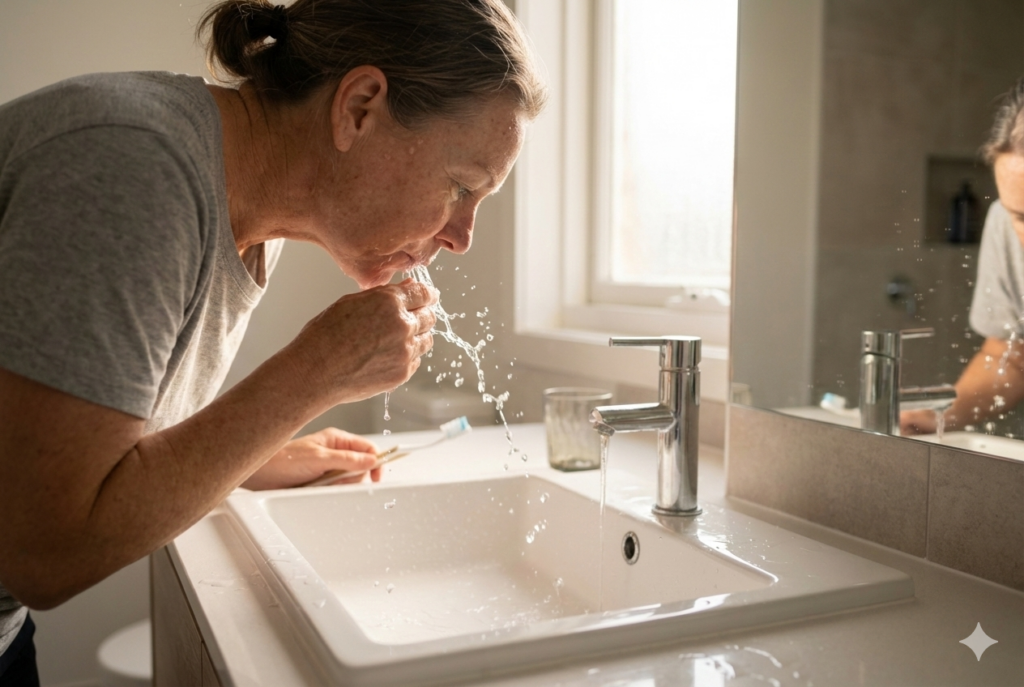
Many people have the habit of spitting and rinsing with water right after brushing. While it feels natural, rinsing immediately can actually wash away the fluoride left behind by toothpaste. Fluoride is essential because it strengthens tooth enamel and helps protect against cavities.
Instead of rinsing with water, try simply spitting out the excess toothpaste and letting the fluoride work for at least ten to thirty minutes. If you feel the need to rinse, a small sip of plain water is less disruptive. Over time, skipping the rinse can make a noticeable difference in the strength of your enamel and the overall health of your teeth. It might feel strange at first, but giving your teeth this small period to soak in fluoride is one of the simplest ways to improve your oral care routine.
2. Eating or Drinking Too Soon

Reaching for coffee, juice, or a snack immediately after brushing is a common habit, but it can undo the work you just did. Acidic foods and drinks, including coffee, citrus juices, soda, and even some energy drinks, temporarily soften tooth enamel. Eating or drinking too soon after brushing exposes your teeth to acids without giving the protective fluoride from toothpaste a chance to work.
Dentists recommend waiting at least thirty minutes before consuming anything other than water. This waiting period allows your enamel to recover and reduces the risk of erosion and cavities. Think of it as giving your teeth a protective shield to do its job before putting it to the test. By simply adjusting the timing of your meals and drinks, you can greatly improve your long-term oral health.
3. Skipping Flossing Entirely
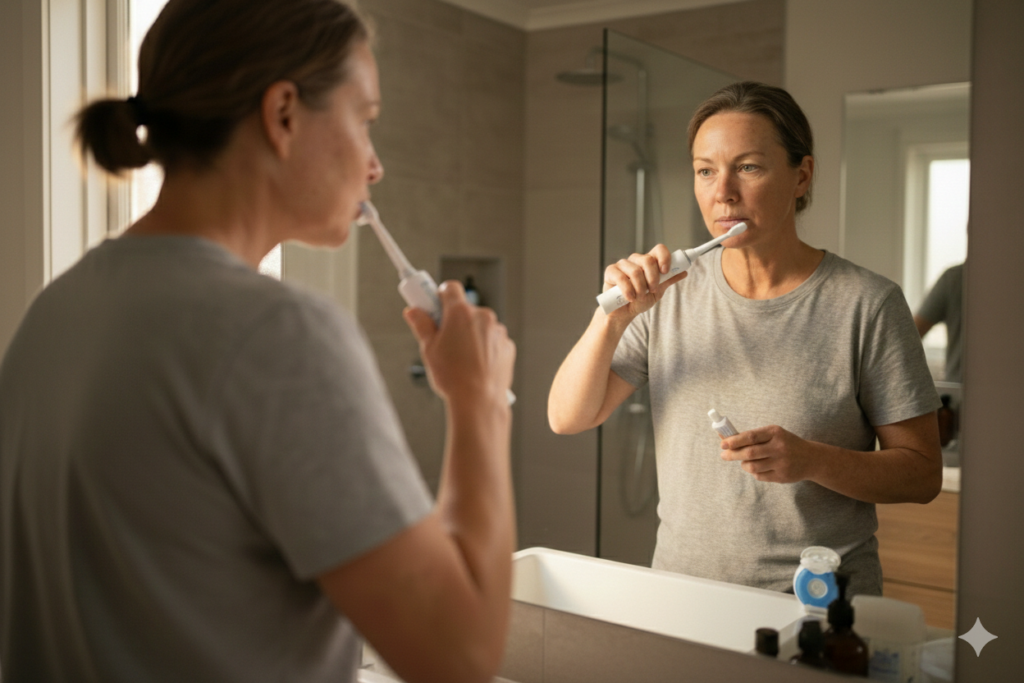
Brushing cleans roughly two-thirds of your tooth surfaces, but the gaps between teeth are still vulnerable to plaque and bacteria buildup. Skipping flossing can increase the risk of cavities, gum disease, and chronic bad breath. Flossing ensures that these hard-to-reach areas are clean, preventing the spread of bacteria that can cause larger problems down the line.
Dentists recommend flossing at least once a day, preferably before brushing. Flossing before brushing allows fluoride from toothpaste to reach every surface, including those tight spaces between your teeth. Even a quick, one-minute flossing session is enough to prevent plaque buildup and maintain healthier gums. Think of flossing as the final piece in a complete oral hygiene puzzle, without which your brushing routine remains incomplete.
4. Using Mouthwash Right After Brushing
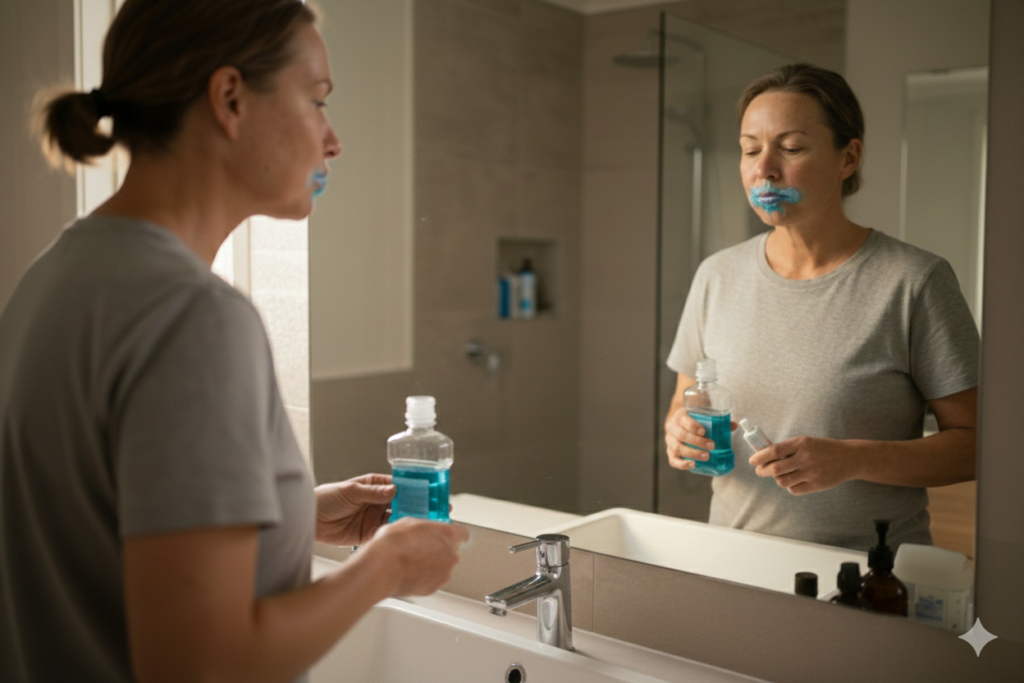
Mouthwash can be a great addition to your oral care routine, helping reduce bacteria and freshen breath. However, using mouthwash immediately after brushing can sometimes reduce the effectiveness of fluoride toothpaste. Swishing mouthwash too soon washes away the fluoride before it has a chance to protect your enamel.
A better strategy is to use mouthwash either before brushing or wait twenty to thirty minutes afterward. This way, you get the best of both worlds: fluoride protection and the antibacterial benefits of mouthwash. Incorporating mouthwash thoughtfully into your routine can give you fresher breath, healthier gums, and stronger teeth.
5. Not Replacing Your Toothbrush Often Enough

Your toothbrush is one of the most important tools in your oral care arsenal, but it doesn’t last forever. Bristles fray and lose effectiveness after roughly three to four months of regular use. A worn toothbrush cannot clean as effectively and may even irritate your gums.
Old toothbrushes can also harbor bacteria, which can be reintroduced into your mouth during brushing. Replacing your toothbrush quarterly, or after recovering from an illness, ensures you are cleaning with a fresh, effective tool. Regular replacement is a simple habit that can prevent many oral health problems before they even begin. If you want to take it a step further, consider a toothbrush with soft bristles and a built-in timer to help you brush evenly for the full two minutes.
6. Neglecting the Tongue
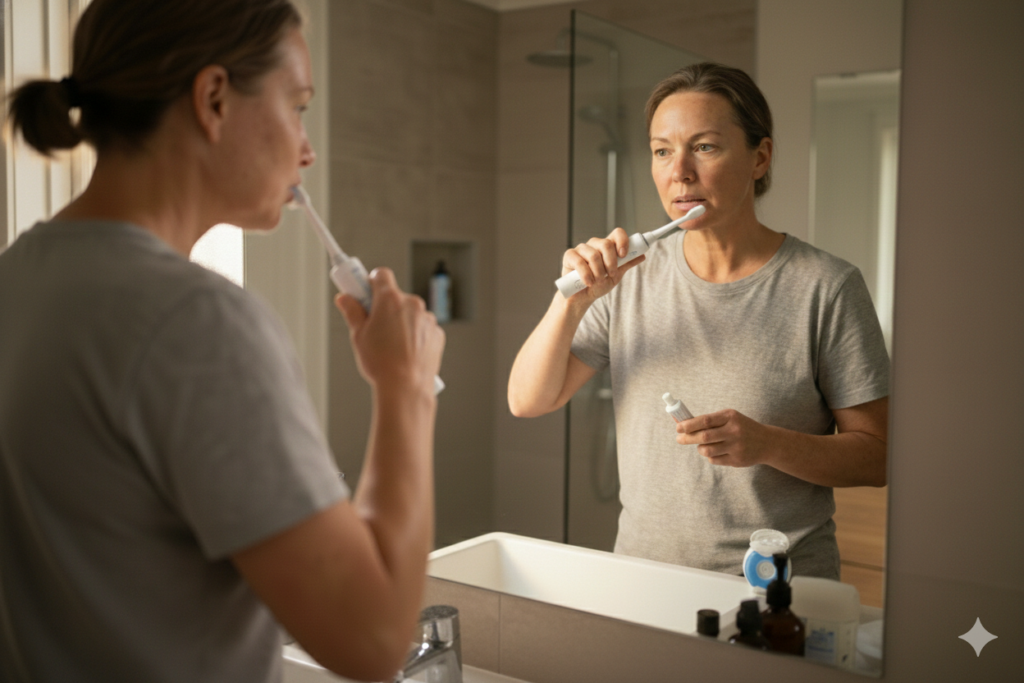
Brushing teeth alone is not enough. Your tongue can harbor bacteria that cause bad breath and contribute to oral health problems if neglected. Plaque and food particles tend to accumulate on the tongue, creating an environment where bacteria thrive.
Taking a few seconds to gently brush your tongue or use a tongue scraper can dramatically improve breath freshness and reduce bacterial load. This step is quick, easy, and has a surprisingly big impact on overall oral hygiene. Many people overlook the tongue, but it is an essential part of maintaining a clean and healthy mouth.
7. Brushing Too Hard or Too Quickly
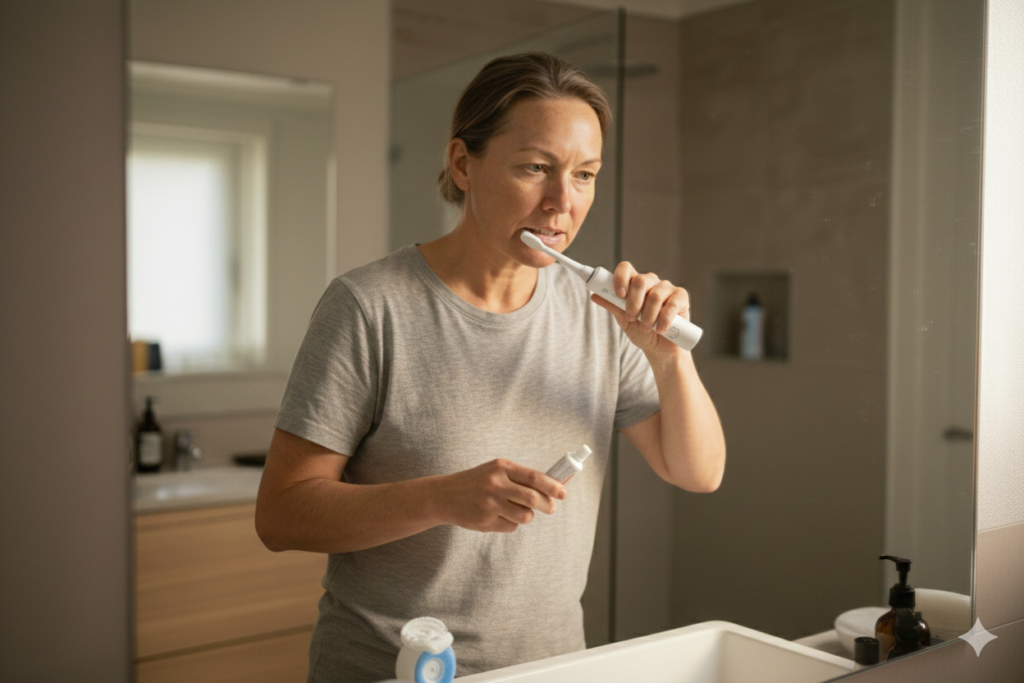
Brushing aggressively or rushing through your routine is a common misconception: more force does not equal cleaner teeth. In fact, brushing too hard can damage enamel and irritate gums, leading to sensitivity and even gum recession over time.
Dentists recommend brushing for at least two minutes using gentle, circular motions. This ensures you remove plaque effectively while protecting enamel and gums. Using a timer or an electric toothbrush with a built-in timer can help maintain proper brushing duration and technique. A mindful, deliberate approach not only cleans better but also reduces the risk of long-term damage. Quality matters far more than force when it comes to brushing.
8. Brushing Immediately After Acidic Foods or Drinks

Many people think brushing right after acidic foods or drinks is a good idea, but it can actually harm teeth. Acidic substances like citrus, soda, wine, and tomatoes temporarily soften enamel, making it more susceptible to wear if brushed immediately.
Waiting thirty minutes after consuming acidic foods allows saliva to neutralize the acids and enamel to harden. This small adjustment prevents unnecessary enamel erosion while maintaining the benefits of a clean mouth. By simply timing your brushing around meals and acidic drinks, you can protect your teeth from long-term damage.
9. Skipping Brushing Before Bed

Skipping brushing before bed may seem harmless, especially after a long day, but it is one of the most damaging habits for oral health. Saliva production slows down during sleep, giving bacteria a chance to feed on leftover food particles. This can lead to cavities, gum inflammation, and bad breath by morning.
A consistent nighttime brushing routine is essential. Even if you are tired, brushing before bed ensures your teeth are protected while you sleep. Incorporating this habit into your nightly routine is one of the easiest ways to prevent future dental issues and maintain long-term oral health.
Final Thoughts

Brushing your teeth is important, but what you do afterward can be just as crucial. Avoiding these nine mistakes protects your enamel, gums, and breath. Simple habits like waiting to rinse, flossing daily, cleaning your tongue, and timing your meals and drinks properly can prevent long-term dental problems and maintain a healthy, confident smile.
Your mouth is the gateway to your overall health. Making mindful choices after brushing not only protects your teeth but also supports overall wellness. Healthy oral habits are simple to adopt and can prevent costly dental issues while keeping your smile bright. By adjusting these small habits, you can maintain a strong, healthy mouth and enjoy the confidence that comes with it.
Remember, oral health is not just about appearance. It is about function, comfort, and long-term wellness. A few small, intentional steps after brushing every day can make a huge difference in the longevity of your teeth and the quality of your smile.
With just a little extra attention, your oral care routine can go from good to excellent, protecting your teeth today and in the years to come.
Leave a Reply