Sip Smart with These 12 Types of Drinks and Their Nutritional Benefits

Whether you are starting your morning, refueling after a workout, or just trying to stay hydrated throughout the day, the drinks you choose matter more than you might realize. Drinks can do a lot more than quench your thirst. They can provide energy, nutrients, and even mood boosts, or they can sneak in extra calories and sugar without you noticing. With so many options available, it can be tricky to know which ones are truly beneficial for your health and which ones are better saved as occasional treats.
In this article, we will explore twelve popular types of drinks, breaking down their nutritional values, what they can offer your body, and how to enjoy them wisely. By the end, you will have a practical guide for making smart sipping choices every day.
1. Water: The Essential Hydration Hero
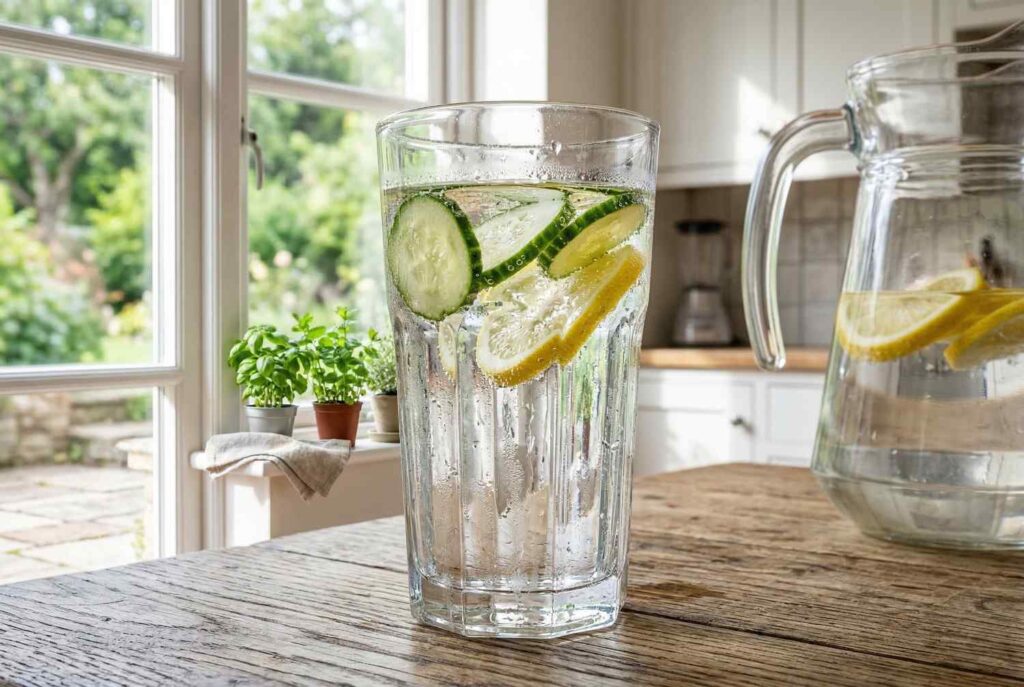
Nothing beats water for hydration. It contains no calories, no sugar, and no fat. Every sip you take helps your body perform essential functions like regulating temperature, transporting nutrients, and keeping your skin healthy. While water does not provide energy or vitamins, it forms the foundation of a healthy lifestyle. Adding a slice of lemon or cucumber can give your water a refreshing twist without adding calories. Drinking enough water daily can improve focus, mood, and overall vitality.
2. Black Coffee: Minimal Calories and a Morning Boost

Black coffee is one of the simplest ways to get a pick-me-up. An 8-ounce cup contains roughly two calories and delivers a caffeine boost that can enhance alertness and mental clarity. Coffee is also rich in antioxidants, which may contribute to long-term health benefits. Be careful, however, when adding sugar, cream, or flavored syrups, because the calories and sugar can quickly add up. Drinking coffee in moderation can be both enjoyable and good for your body, making it an easy addition to your morning routine.
3. Tea: A Calm Source of Antioxidants

Tea is a versatile beverage that comes in many varieties, from green and black to herbal blends. Unsweetened tea has almost no calories and provides antioxidants that may support heart and immune health. Green tea, in particular, is linked to reduced inflammation and metabolic benefits. Herbal teas such as chamomile or peppermint can soothe the digestive system and help you relax. To get the most out of your tea, skip the sugar and cream and enjoy it plain or with a touch of natural flavoring like fresh herbs.
4. 100 Percent Fruit Juice: Nutrients in a Glass

Fruit juices like orange or apple juice are packed with vitamins and minerals, especially vitamin C and potassium. However, they can be high in natural sugars and calories, often ranging from 110 to 170 calories per 12-ounce glass. Unlike whole fruit, juice lacks fiber, which means it can cause a rapid spike in blood sugar. To enjoy the benefits without overdoing sugar, limit your intake to a small glass with breakfast or blend juice with water for a lighter option.
5. Milk: Protein, Calcium, and Satisfaction
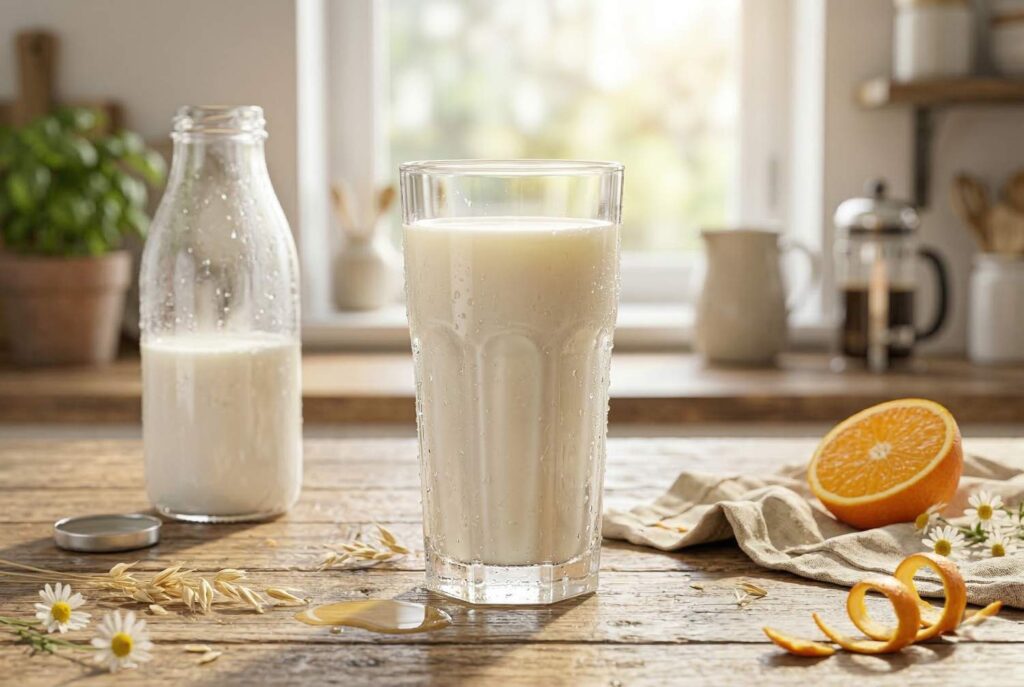
Milk is more than just a beverage for children. It is a good source of protein, calcium, and vitamin D, which are important for strong bones and overall health. Whole milk has more calories than skim or low-fat options, but all types offer essential nutrients that can support muscle repair and help you feel full longer. Milk is also versatile for cooking, smoothies, or simply as a satisfying drink on its own. Drinking a glass of milk after exercise or with meals can be a practical way to boost nutrition.
6. Plant-Based Milks: Alternatives With Nutrition
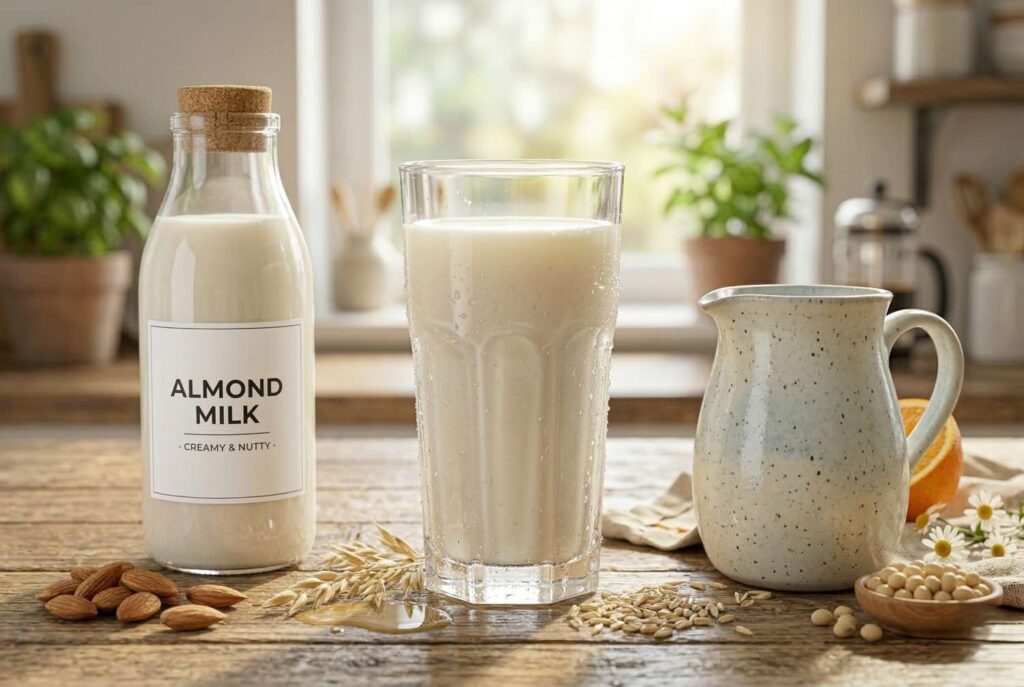
Plant-based milks such as almond, soy, and oat milk have become popular alternatives for those avoiding dairy. Fortified plant-based milks can provide calcium and vitamin D similar to cow’s milk. Soy milk also offers a decent amount of protein, while oat milk is often higher in calories but adds fiber. Check nutrition labels carefully, as the nutrient content can vary widely depending on the brand and whether sugar has been added. Choosing unsweetened versions can help you enjoy the benefits without extra calories.
7. Sports Drinks: Replenish Electrolytes When Needed
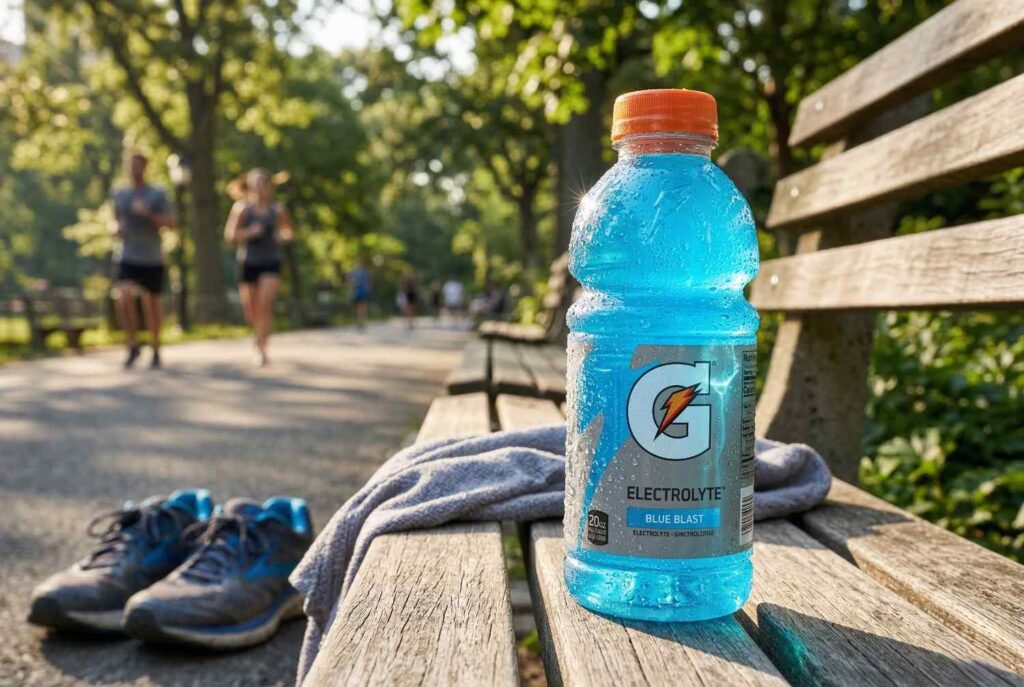
Sports drinks are designed to replace electrolytes such as sodium and potassium lost during intense exercise. They can be helpful for long workouts or hot weather activities, but they also tend to contain added sugar and calories. Drinking sports drinks casually or without significant physical activity can contribute unnecessary calories. If you need hydration during normal daily routines, water is typically the better option. Using sports drinks strategically, when sweating heavily, can help maintain performance and prevent dehydration.
8. Sweetened Iced Tea and Soda: Treats to Enjoy Wisely

Bottled sweet tea and soda can taste refreshing, but they often come with hidden sugar and calories, typically between 120 and 190 per 12-ounce serving. While these drinks can be enjoyed as occasional treats, relying on them regularly may contribute to weight gain and other health issues. Opting for unsweetened iced tea or sparkling water can satisfy your craving for a flavorful beverage without excess calories. Being mindful of portion sizes and frequency can help you enjoy these drinks responsibly.
9. Energy Drinks: Quick Stimulation With Caution

Energy drinks deliver caffeine and sometimes vitamins such as B-complex, giving a temporary boost in energy and alertness. However, many energy drinks also contain high sugar content, which can add hundreds of calories and lead to crashes later. Excessive caffeine intake can cause jitters, rapid heartbeat, and sleep disturbances. These drinks should be used sparingly and with awareness of your total caffeine consumption for the day. When used strategically, they can provide a useful energy boost for occasional long days.
10. Smoothies: Nutrient Dense But Watch the Sugar
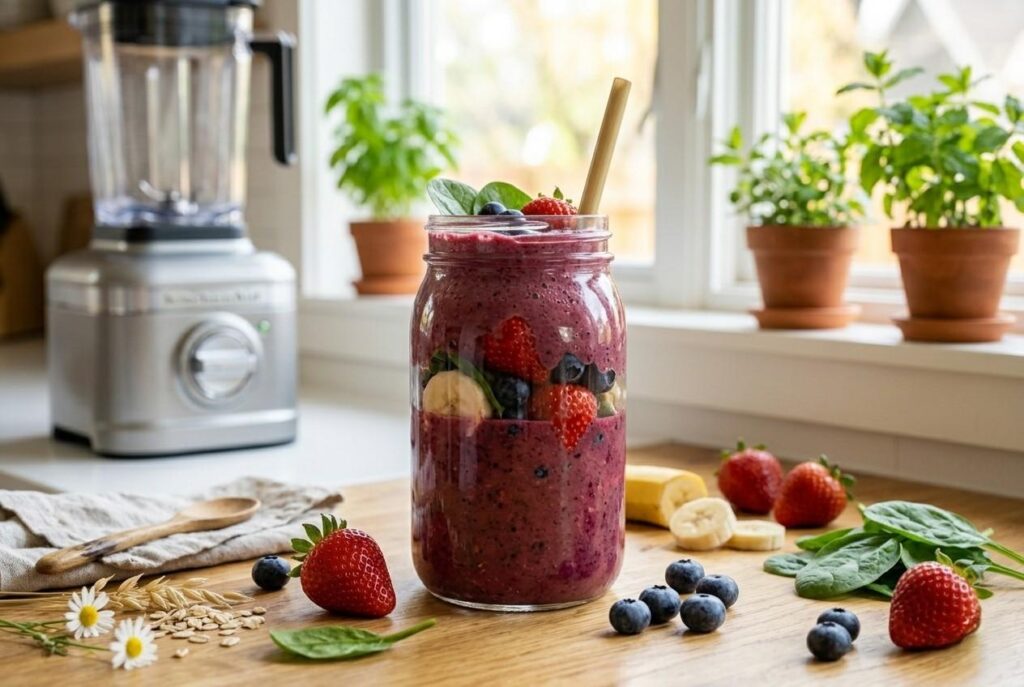
Smoothies are a favorite for those seeking a nutrient-packed beverage. Homemade blends of fruits, vegetables, and protein sources can provide fiber, vitamins, and minerals while keeping sugar lower than store-bought options. Many commercial smoothies contain juice, syrups, and other added sugars, which can quickly increase calories and reduce nutritional value. To make smoothies healthier, include vegetables, protein powder, or unsweetened yogurt to balance flavor and nutrition. Smoothies can serve as a quick meal replacement or a nutritious snack if made thoughtfully.
11. Meal Replacement and Protein Drinks: Convenience and Nutrition
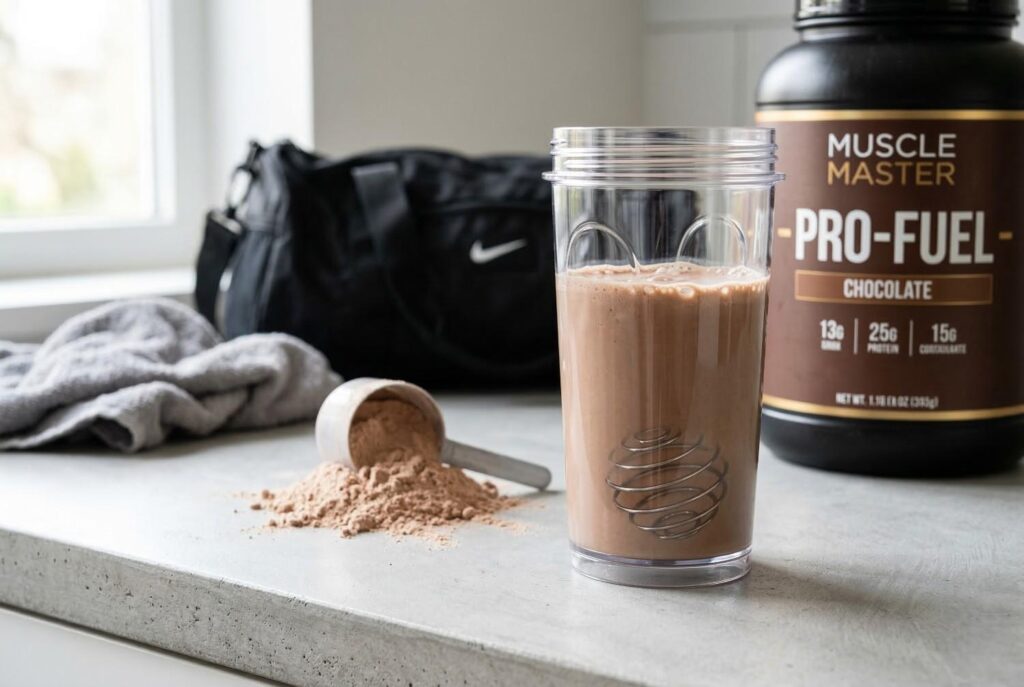
Ready-to-drink meal replacements and protein shakes are designed to deliver a balanced mix of protein, carbohydrates, and fats in one convenient serving. They typically contain between 170 and 240 calories per cup, making them practical for on-the-go meals or post-exercise recovery. These drinks are not necessary for everyone but can be helpful for those looking to manage hunger, support weight goals, or maintain muscle mass. Selecting options with minimal added sugar and higher protein can help maximize the nutritional benefits.
12. Alcoholic Beverages: Moderation Matters

Alcoholic drinks vary in calories and nutrient content. A standard beer, glass of wine, or mixed cocktail can range from 80 to 300 calories or more depending on ingredients and serving size. Alcohol itself provides very little nutritional value and can affect hydration and metabolism. Lighter options, such as a vodka soda or wine spritzer, reduce calorie intake and can allow for occasional enjoyment without excessive sugar. Being mindful of portion sizes and drinking in moderation helps you enjoy alcohol without compromising your health goals.
Final Thoughts

Choosing the right drinks for your body does not have to feel complicated. Understanding what each beverage offers in terms of hydration, nutrients, and calories can help you make informed decisions without giving up enjoyment. Water and unsweetened tea are always reliable choices for hydration. Coffee, milk, smoothies, and plant-based alternatives can provide additional benefits when consumed wisely. Sports drinks and energy beverages have their place, but moderation is key. Even indulgent beverages like soda or alcohol can fit into a balanced lifestyle if enjoyed consciously.
At the end of the day, drinking thoughtfully is about balance. Pay attention to your body, read labels, and consider how a drink fits into your daily nutrition. Small choices add up over time, and making smarter decisions about what you sip can enhance your energy, health, and overall well-being. Your body will thank you for every mindful sip.
Leave a Reply