Everyday Habits That Could Be Damaging Your Kidneys: 9 Things You Might Be Doing Without Realizing

Kidneys are some of the unsung heroes of our bodies. They quietly filter blood, balance fluids and minerals, regulate blood pressure, and remove toxins. Yet, despite all the work they do, most of us take them for granted. Little habits that seem harmless can actually create serious problems over time. The concerning part is that kidney damage can creep in silently, often showing no symptoms until it becomes serious.
The good news is that many of these habits are completely under your control. By recognizing risky patterns and making small, practical adjustments, you can protect your kidneys and keep them functioning well for years. Here are nine everyday habits that could be quietly stressing your kidneys and how you can make simple changes to reduce the damage.
1. Not Drinking Enough Water

Going long periods without water might seem harmless, but chronic dehydration is a leading cause of kidney stress. When your body does not get enough fluid, urine becomes concentrated, making it harder for your kidneys to flush out toxins and waste. Over time, this can increase the risk of kidney stones and long-term kidney strain.
Better approach: Aim for steady hydration throughout the day. You do not need to gulp gallons at once. Keeping a water bottle handy and sipping regularly helps your kidneys do their job efficiently. Treat each sip as a mini boost for your kidneys.
2. Eating Too Much Salt

Salt makes food taste great, but too much sodium can make your kidneys work overtime. High sodium levels force kidneys to filter more fluid to maintain balance in the body, which over time can contribute to high blood pressure. Since high blood pressure is a leading cause of chronic kidney disease, reducing salt intake is a smart move.
Better approach: Use herbs, garlic, lemon, and spices to flavor your meals. Cutting back on processed foods can dramatically reduce your sodium intake. Over time, your taste buds will adapt, and your meals will still taste delicious.
3. Overusing Painkillers
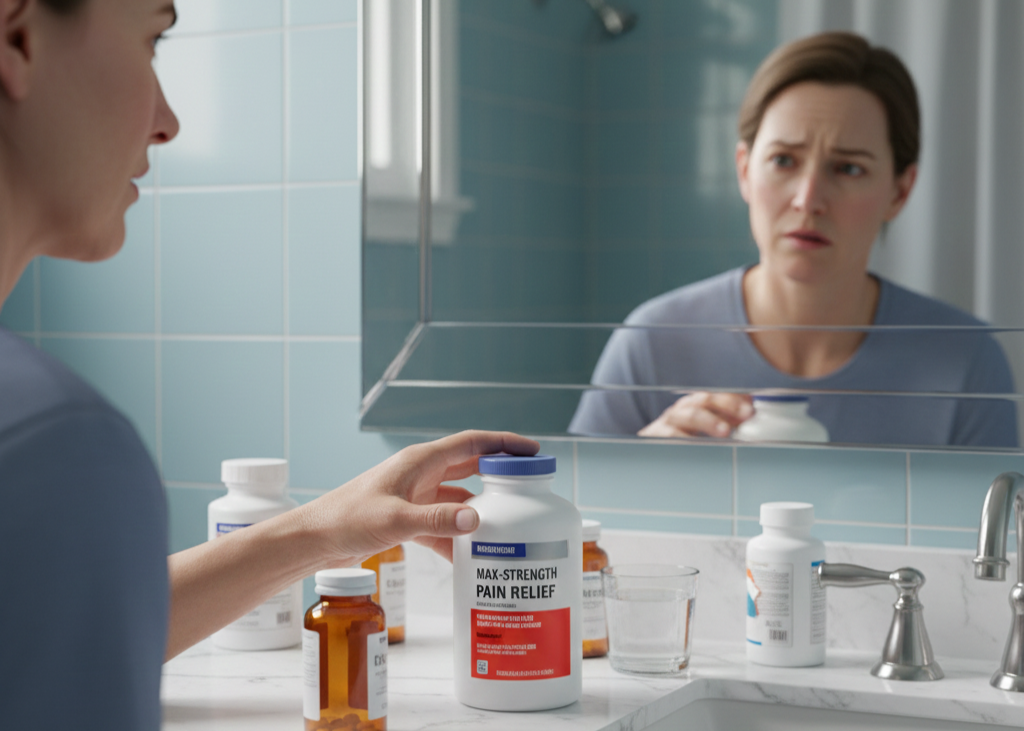
Over-the-counter pain medications like ibuprofen and naproxen can be lifesavers for occasional headaches or muscle aches. The problem arises when these drugs are taken frequently or for long periods. Regular use can reduce blood flow to the kidneys, affecting their ability to filter waste properly.
Better approach: Use painkillers sparingly and only as needed. Explore alternative pain relief methods like stretching, warm baths, massage, or targeted exercise. If pain becomes chronic, consult your doctor instead of self-medicating.
4. Consuming a Diet High in Processed Foods and Sugar

Fast food, packaged snacks, sugary drinks, and ready-made meals are convenient, but they often carry hidden dangers for your kidneys. High sugar and refined carbohydrates can contribute to weight gain and insulin resistance. Processed foods are often high in sodium, phosphorus additives, and other chemicals that can strain kidney function over time.
Better approach: Focus on whole foods such as vegetables, fruits, whole grains, legumes, and lean proteins. Swap sugary drinks for water or unsweetened beverages. Even small changes, like cooking at home a few nights a week, can make a big difference for kidney health.
5. Eating Excess Animal Protein

Protein is essential, but too much protein from animal sources can overwork your kidneys. Every time you consume protein, your kidneys have to filter out the waste products. For those with pre-existing kidney concerns, excessive protein intake can accelerate damage.
Better approach: Balance your diet with plant-based proteins like beans, lentils, tofu, and moderate amounts of fish or poultry. Reducing red and processed meats can ease kidney workload without sacrificing essential nutrients.
6. Skimping on Sleep

Sleep is more than rest for the brain. It is a critical recovery period for your entire body, including your kidneys. Poor sleep or chronic sleep deprivation can lead to higher blood pressure, inflammation, and metabolic imbalances, all of which put stress on your kidneys.
Better approach: Prioritize seven to eight hours of quality sleep most nights. Consistent sleep schedules, a calming bedtime routine, and avoiding late-night caffeine or heavy meals can help. Think of sleep as giving your kidneys a nightly reset.
7. Smoking and Excessive Alcohol

Tobacco and alcohol are double trouble for kidneys. Smoking restricts blood flow and damages tiny blood vessels essential for kidney function. Excessive alcohol causes dehydration and blood pressure spikes, adding further strain.
Better approach: If you smoke, consider quitting. It may not be easy, but your kidneys and overall health will benefit greatly. Limit alcohol consumption and practice moderation. Hydrating and taking breaks from alcohol can significantly reduce kidney stress.
8. Living a Sedentary Lifestyle

Sitting for hours at a desk or spending evenings glued to the television might feel harmless, but inactivity contributes to weight gain, high blood pressure, and poor circulation — all of which affect kidney health. Regular movement helps maintain blood pressure, supports metabolic balance, and reduces strain on your kidneys.
Better approach: Incorporate simple physical activity into your day. Walk more, stretch regularly, or try low-impact exercises like yoga or cycling. Even short bouts of activity can improve kidney function and overall health.
9. Ignoring Chronic Health Conditions

Conditions like high blood pressure and elevated blood sugar can quietly damage your kidneys. Untreated or poorly managed, these conditions harm the tiny blood vessels in the kidneys, increasing the risk of chronic kidney disease over time.
Better approach: Stay proactive with regular health monitoring. Keep track of blood pressure and blood sugar levels, and follow your healthcare provider’s advice. Early detection and consistent management are key to protecting your kidneys.
Final Thoughts

Kidneys are small but mighty organs that play a vital role in keeping your body healthy. The habits listed here might seem harmless at first glance, but over time, they can take a significant toll. The good news is that many of these risks are entirely within your control.
Simple steps like drinking more water, reducing salt and processed foods, moderating painkiller and protein intake, getting quality sleep, staying active, avoiding smoking and excessive alcohol, and managing chronic conditions can dramatically reduce kidney stress. Think of these changes not as restrictions but as small acts of kindness for your kidneys.
Protecting your kidneys is about creating a lifestyle that supports long-term wellness. By making mindful, practical adjustments today, you can keep your kidneys healthy and functioning well for years to come. It is never too late to start giving your kidneys the attention and care they deserve.
Leave a Reply