Our Debt Free Family

Commit. Plan. Take action.

  • BUDGETING
  • DEBT REDUCTION
  • INVESTING
  • LIFESTYLE
  • TOOLS
  • ABOUT
  • Privacy Policy
  • CONTACT
You are here: Home / Money / Why You’re Still Struggling Financially: 10 Expenses You’re Probably Overlooking

Why You’re Still Struggling Financially: 10 Expenses You’re Probably Overlooking

February 25, 2026 | Leave a Comment

Why You’re Still Struggling Financially: 10 Expenses You’re Probably Overlooking

<p> Despite careful budgeting and frugal living, many still find themselves struggling to make ends meet or grow their savings. While big-ticket items like housing or car payments are often the focus of budgeting, it’s the smaller, overlooked expenses that can silently drain your bank account. From unnoticed subscription renewals to impulse purchases disguised as necessities, these hidden costs can add up quickly. In this blog, we’ll explore 10 commonly overlooked expenses that might be sabotaging your financial well-being and offer tips to help you regain control. </p> :: Pexels

Despite careful budgeting and frugal living, many still find themselves struggling to make ends meet or grow their savings. While big-ticket items like housing or car payments are often the focus of budgeting, it’s the smaller, overlooked expenses that can silently drain your bank account. From unnoticed subscription renewals to impulse purchases disguised as necessities, these hidden costs can add up quickly. In this blog, we’ll explore 10 commonly overlooked expenses that might be sabotaging your financial well-being and offer tips to help you regain control.

1. Subscription Services

<p> Subscription services are easy to overlook because many operate on an automatic renewal basis. Whether it’s streaming platforms, gym memberships, or monthly apps, these recurring charges may seem insignificant at first, but they can accumulate over time. It’s easy to forget about that trial subscription you signed up for months ago, and now you’re paying for something you rarely use. To avoid this, review your bank statements regularly and cancel any subscriptions you don’t actively use. Apps that track recurring expenses can also be helpful in identifying these hidden costs and keeping your budget under control. </p> :: Pexels

Subscription services are easy to overlook because many operate on an automatic renewal basis. Whether it’s streaming platforms, gym memberships, or monthly apps, these recurring charges may seem insignificant at first, but they can accumulate over time. It’s easy to forget about that trial subscription you signed up for months ago, and now you’re paying for something you rarely use. To avoid this, review your bank statements regularly and cancel any subscriptions you don’t actively use. Apps that track recurring expenses can also be helpful in identifying these hidden costs and keeping your budget under control.

2. Food Delivery and Takeout

<p> Convenience is king in today’s busy world, and food delivery apps make it easier than ever to have meals delivered to your door. However, the costs can add up quickly when you factor in service fees, delivery charges, and tips. A meal that costs $10 at a restaurant can easily become $20 by the time it reaches your home. While the occasional takeout won’t break the bank, making it a habit can put a serious dent in your finances. Consider meal prepping or cooking at home more often to save money without sacrificing convenience entirely. </p> :: Pexels

Convenience is king in today’s busy world, and food delivery apps make it easier than ever to have meals delivered to your door. However, the costs can add up quickly when you factor in service fees, delivery charges, and tips. A meal that costs $10 at a restaurant can easily become $20 by the time it reaches your home. While the occasional takeout won’t break the bank, making it a habit can put a serious dent in your finances. Consider meal prepping or cooking at home more often to save money without sacrificing convenience entirely.

3. Bank Fees

<p> Bank fees are small but sneaky. They often come in the form of monthly maintenance charges, overdraft fees, or ATM withdrawal costs. While a $5 or $10 fee here and there might not seem like a lot, these charges can add up to hundreds of dollars a year. Many people are unaware they’re even being charged. Check your bank’s fee structure and consider switching to an account that offers fee-free services, or at the very least, one with lower fees. Monitoring your account balances closely can also help you avoid unnecessary overdraft charges. </p> :: Pexels

Bank fees are small but sneaky. They often come in the form of monthly maintenance charges, overdraft fees, or ATM withdrawal costs. While a $5 or $10 fee here and there might not seem like a lot, these charges can add up to hundreds of dollars a year. Many people are unaware they’re even being charged. Check your bank’s fee structure and consider switching to an account that offers fee-free services, or at the very least, one with lower fees. Monitoring your account balances closely can also help you avoid unnecessary overdraft charges.

4. Unused Gym Memberships<p> Many people sign up for gym memberships with the best of intentions but fail to use them regularly. If you’re paying $30 or more a month for a membership you rarely use, you’re throwing money away. The automatic nature of these payments makes them easy to forget. Instead of keeping an unused gym membership, consider alternatives like home workouts, jogging, or free community fitness programs. There are also apps and websites offering fitness routines for a fraction of the cost of a gym membership. Canceling your gym membership can free up funds for other priorities. </p> :: Pexels

Many people sign up for gym memberships with the best of intentions but fail to use them regularly. If you’re paying $30 or more a month for a membership you rarely use, you’re throwing money away. The automatic nature of these payments makes them easy to forget. Instead of keeping an unused gym membership, consider alternatives like home workouts, jogging, or free community fitness programs. There are also apps and websites offering fitness routines for a fraction of the cost of a gym membership. Canceling your gym membership can free up funds for other priorities.

5. Energy Vampires
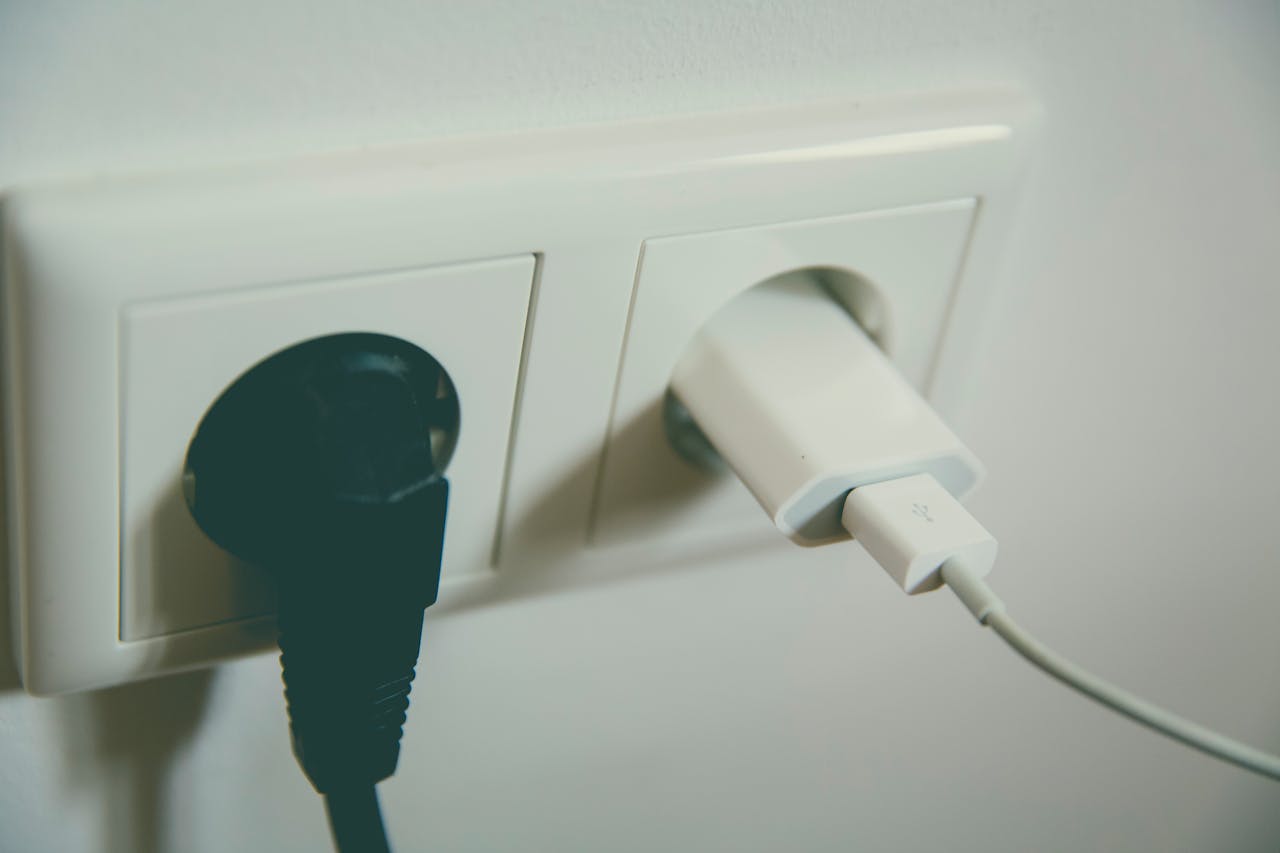
<p> "Energy vampires" are devices that consume electricity even when they’re turned off. Items like phone chargers, gaming consoles, or TVs in standby mode can significantly increase your electricity bill. While the cost per device may seem minimal, over time, they can add up to a hefty sum. To mitigate this, unplug devices when they’re not in use, or invest in power strips with switches so you can easily cut off power to multiple items at once. This small habit change can reduce your energy usage and save you money on monthly bills. </p> :: Pexels

“Energy vampires” are devices that consume electricity even when they’re turned off. Items like phone chargers, gaming consoles, or TVs in standby mode can significantly increase your electricity bill. While the cost per device may seem minimal, over time, they can add up to a hefty sum. To mitigate this, unplug devices when they’re not in use, or invest in power strips with switches so you can easily cut off power to multiple items at once. This small habit change can reduce your energy usage and save you money on monthly bills.

6. Car Maintenance
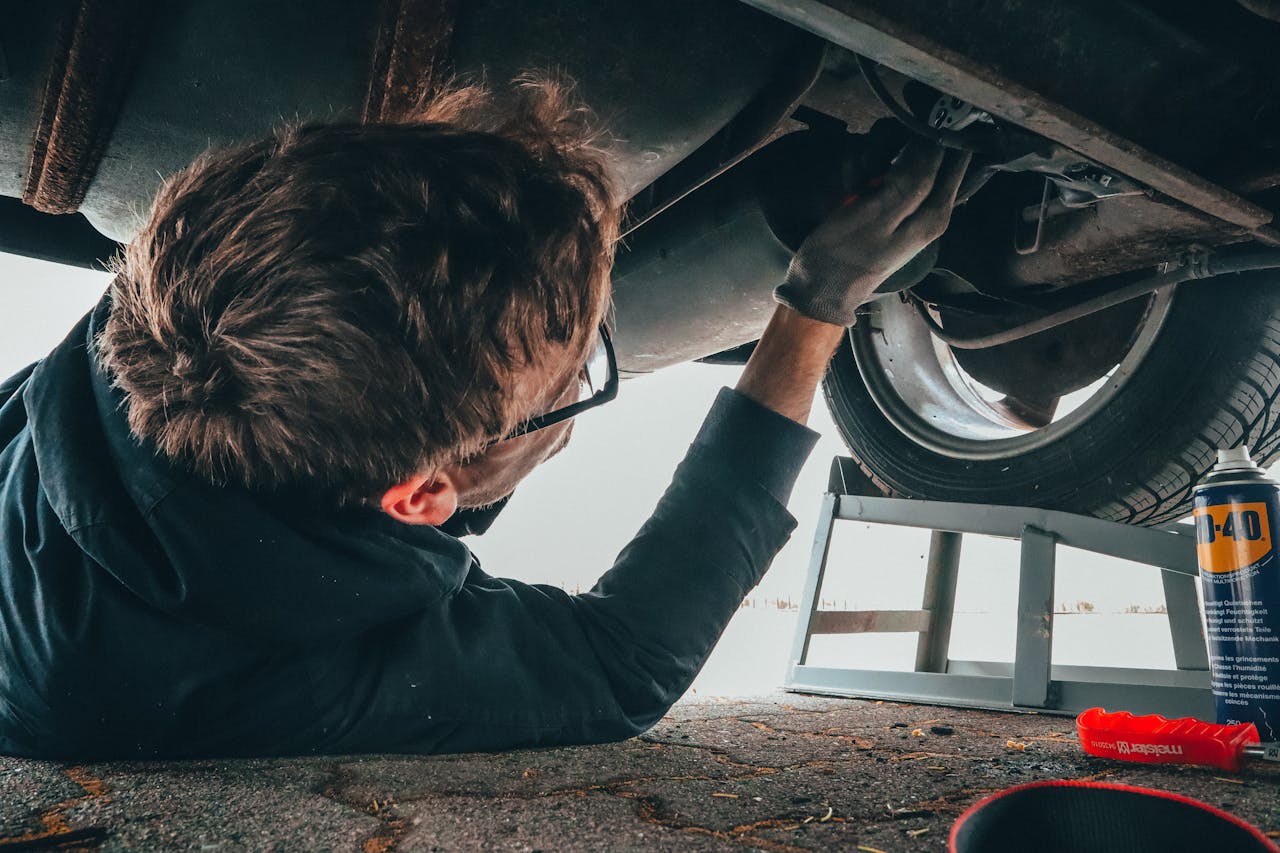
<p> While it’s easy to delay routine car maintenance like oil changes or tire rotations, neglecting these small expenses can lead to much larger repair costs down the road. Failing to maintain your car can cause wear and tear that shortens its lifespan, leading to more expensive fixes. Regularly servicing your car not only helps it run more efficiently but also prevents costly breakdowns. Keep track of your vehicle’s maintenance schedule, and budget for these expenses ahead of time to avoid getting hit with surprise repair bills. </p> :: Pexels

While it’s easy to delay routine car maintenance like oil changes or tire rotations, neglecting these small expenses can lead to much larger repair costs down the road. Failing to maintain your car can cause wear and tear that shortens its lifespan, leading to more expensive fixes. Regularly servicing your car not only helps it run more efficiently but also prevents costly breakdowns. Keep track of your vehicle’s maintenance schedule, and budget for these expenses ahead of time to avoid getting hit with surprise repair bills.

7. Interest on Credit Cards

<p> If you’re carrying a balance on your credit cards, you’re likely paying significant interest each month. High-interest rates can turn small purchases into expensive burdens over time. Many people focus on paying the minimum amount due, not realizing that interest charges are silently eating away at their finances. To combat this, prioritize paying down high-interest debt as quickly as possible. Even if you can only contribute a little extra toward your balance each month, it will make a big difference in the long run and reduce the amount of interest you pay. </p> :: Pexels

If you’re carrying a balance on your credit cards, you’re likely paying significant interest each month. High-interest rates can turn small purchases into expensive burdens over time. Many people focus on paying the minimum amount due, not realizing that interest charges are silently eating away at their finances. To combat this, prioritize paying down high-interest debt as quickly as possible. Even if you can only contribute a little extra toward your balance each month, it will make a big difference in the long run and reduce the amount of interest you pay.

8. Clothing Impulse Buys

<p> Sales, promotions, and online shopping make it easy to fall into the trap of buying clothes you don’t really need. You might feel like you’re getting a great deal, but those impulse purchases can quickly add up. A $20 shirt here or a $50 pair of shoes there can result in hundreds of dollars spent on items you wear once or twice, or never at all. To avoid this, set a clothing budget and stick to it. Before buying something, ask yourself if you truly need it or if it’s just an emotional purchase. </p> :: Pexels

Sales, promotions, and online shopping make it easy to fall into the trap of buying clothes you don’t really need. You might feel like you’re getting a great deal, but those impulse purchases can quickly add up. A $20 shirt here or a $50 pair of shoes there can result in hundreds of dollars spent on items you wear once or twice, or never at all. To avoid this, set a clothing budget and stick to it. Before buying something, ask yourself if you truly need it or if it’s just an emotional purchase.

9. Overpriced Convenience Items

<p> Convenience items like bottled water, pre-cut fruits and vegetables, and ready-made snacks are tempting because they save time, but they often come with a high price tag. Buying a bottle of water for $2 every day adds up to over $700 a year. Similarly, paying extra for pre-packaged or pre-prepared foods can quickly inflate your grocery bill. By making small changes, like using a reusable water bottle or prepping your own snacks, you can cut down on these unnecessary expenses without sacrificing too much convenience.</p> :: Pexels

Convenience items like bottled water, pre-cut fruits and vegetables, and ready-made snacks are tempting because they save time, but they often come with a high price tag. Buying a bottle of water for $2 every day adds up to over $700 a year. Similarly, paying extra for pre-packaged or pre-prepared foods can quickly inflate your grocery bill. By making small changes, like using a reusable water bottle or prepping your own snacks, you can cut down on these unnecessary expenses without sacrificing too much convenience.

10. Lottery Tickets and Gambling<p> The dream of winning big makes lottery tickets and other forms of gambling appealing, but the odds are rarely in your favor. Even small, occasional purchases of lottery tickets can add up over time without any return on investment. The same applies to other forms of casual gambling, like betting on sports or visiting casinos. If you’re struggling financially, it’s crucial to remember that these activities are more likely to drain your wallet than to make you rich. Redirecting that money into savings or investments will provide more tangible benefits over time. </p> :: Pexels

The dream of winning big makes lottery tickets and other forms of gambling appealing, but the odds are rarely in your favor. Even small, occasional purchases of lottery tickets can add up over time without any return on investment. The same applies to other forms of casual gambling, like betting on sports or visiting casinos. If you’re struggling financially, it’s crucial to remember that these activities are more likely to drain your wallet than to make you rich. Redirecting that money into savings or investments will provide more tangible benefits over time.

Final Thoughts

<p> It’s often the small, overlooked expenses that undermine financial stability. While large purchases and bills are easy to account for, these subtle costs can quietly drain your finances without you realizing it. The good news is that with a bit of mindfulness and budgeting, you can regain control of your money. Take the time to assess your spending habits and cut back where needed. By tackling these 10 often-overlooked expenses, you can reduce financial strain, boost your savings, and move closer to achieving your financial goals. </p> :: Pexels

It’s often the small, overlooked expenses that undermine financial stability. While large purchases and bills are easy to account for, these subtle costs can quietly drain your finances without you realizing it. The good news is that with a bit of mindfulness and budgeting, you can regain control of your money. Take the time to assess your spending habits and cut back where needed. By tackling these 10 often-overlooked expenses, you can reduce financial strain, boost your savings, and move closer to achieving your financial goals.

Filed Under: Money

Leave a Reply Cancel reply

Your email address will not be published. Required fields are marked *

  • Email
  • Facebook
  • Pinterest
  • Twitter

Our Most Popular Articles

ClickCashGo Review: Should You Avoid At All Costs?

Ultimate Guide to Mastering Your Credit Score

The 'YOLO' Mindset is a Dangerous Thing

Dave Ramsey's Financial Peace University Review: Is it Worth the Money?

Cash App Glitch 2025: Is the Free Money Glitch Real?

Five Steps To Debt Freedom

Here are five simple guidlines that will help you pay off debt.  

1) Get an emergency fund so you don’t take on debt when something comes up.

2) List your debts. This way you know where you stand.

3) Use the debt snowball. Pay your debts from smallest to largest, or most expensive to least expensive.

4) Avoid new debt. No new credit cards or loans. Period.

5) Go all cash. After everything is paid off, switch to all cash.

Helpful Resources

U of Tennesse Debt Repayment Plan Basics

Vertex 42's Debt Payoff Calculator

Savingadvice's Helpful Debt Forums

Jackie Becks Debt Blog