Our Debt Free Family

Commit. Plan. Take action.

  • BUDGETING
  • DEBT REDUCTION
  • INVESTING
  • LIFESTYLE
  • TOOLS
  • ABOUT
  • Privacy Policy
  • CONTACT

Online Jobs for Boomers That Actually Pay: 10 Smart Ways to Earn Extra Income After Retirement

April 17, 2026 | Leave a Comment

Online Jobs for Boomers That Actually Pay: 10 Smart Ways to Earn Extra Income After Retirement

<p> There is a quiet shift happening in how people think about retirement. It is no longer just about stopping work entirely. For many boomers across the United States, retirement has become a chance to reset, explore new interests, and yes, earn a little extra income along the way.

Some want to stay busy. Others want to ease financial pressure. And for many, it is simply about maintaining a sense of purpose. The good news is that earning money today does not always mean long commutes, strict schedules, or physically demanding work. Thanks to the internet, there are now practical ways to earn from the comfort of home using skills you already have.

If you are curious but cautious, that is completely normal. Not every online job is worth your time, and some can feel overwhelming at first. That is why this list focuses on realistic, beginner-friendly options that are flexible, useful, and actually worth exploring.

Here are ten online jobs that can help boomers earn extra income without turning retirement into a second full-time career. </p> :: Pexels

There is a quiet shift happening in how people think about retirement. It is no longer just about stopping work entirely. For many boomers across the United States, retirement has become a chance to reset, explore new interests, and yes, earn a little extra income along the way.

Some want to stay busy. Others want to ease financial pressure. And for many, it is simply about maintaining a sense of purpose. The good news is that earning money today does not always mean long commutes, strict schedules, or physically demanding work. Thanks to the internet, there are now practical ways to earn from the comfort of home using skills you already have.

If you are curious but cautious, that is completely normal. Not every online job is worth your time, and some can feel overwhelming at first. That is why this list focuses on realistic, beginner-friendly options that are flexible, useful, and actually worth exploring.

Here are ten online jobs that can help boomers earn extra income without turning retirement into a second full-time career.

1. Freelance Writing

<p> If you have a way with words or simply enjoy sharing your thoughts, freelance writing can be a surprisingly rewarding path. Many companies are not looking for flashy language or technical jargon. What they really want is clarity, authenticity, and real-life insight, something boomers often have in abundance.

You might write blog posts, opinion pieces, or helpful guides based on your experience. A retired nurse could write about health topics. A former manager could share leadership advice. Even personal stories can find an audience online. The beauty of freelance writing is that you control your workload. You can start with one article a week and build from there. Platforms like Upwork and Fiverr can help you find your first clients, but many writers eventually work directly with businesses once they gain confidence. </p> :: Pexels

If you have a way with words or simply enjoy sharing your thoughts, freelance writing can be a surprisingly rewarding path. Many companies are not looking for flashy language or technical jargon. What they really want is clarity, authenticity, and real-life insight, something boomers often have in abundance.


You might write blog posts, opinion pieces, or helpful guides based on your experience. A retired nurse could write about health topics. A former manager could share leadership advice. Even personal stories can find an audience online. The beauty of freelance writing is that you control your workload. You can start with one article a week and build from there. Platforms like Upwork and Fiverr can help you find your first clients, but many writers eventually work directly with businesses once they gain confidence.

2. Virtual Assistant

<p> Behind every busy business owner is a long list of small tasks that need to get done. Emails pile up, appointments need scheduling, and customer messages require replies. This is where virtual assistants step in.

If you are organized and dependable, this role can feel very natural. Tasks may include managing calendars, responding to emails, updating spreadsheets, or even handling basic social media posts. You do not need advanced technical skills to get started. Most tasks are straightforward, and there are plenty of free tutorials online if you need a quick refresher. Many virtual assistants enjoy the steady nature of the work and the ability to build ongoing relationships with clients. </p> :: Pexels

Behind every busy business owner is a long list of small tasks that need to get done. Emails pile up, appointments need scheduling, and customer messages require replies. This is where virtual assistants step in.

If you are organized and dependable, this role can feel very natural. Tasks may include managing calendars, responding to emails, updating spreadsheets, or even handling basic social media posts. You do not need advanced technical skills to get started. Most tasks are straightforward, and there are plenty of free tutorials online if you need a quick refresher. Many virtual assistants enjoy the steady nature of the work and the ability to build ongoing relationships with clients.

3. Online Tutoring

<p> There is something deeply satisfying about helping someone learn. Online tutoring allows you to do exactly that while earning money from home. Whether you were a teacher or simply strong in a particular subject, your knowledge is valuable.

Students of all ages need help with math, reading, writing, and test preparation. There is also a growing demand for conversational English tutors, especially among international learners. Sessions are typically done through video calls, and many platforms let you choose your availability. This makes it easy to work around your schedule. Beyond the income, many tutors find this work meaningful because they can see the direct impact they are making. </p> :: Pexels

There is something deeply satisfying about helping someone learn. Online tutoring allows you to do exactly that while earning money from home. Whether you were a teacher or simply strong in a particular subject, your knowledge is valuable.

Students of all ages need help with math, reading, writing, and test preparation. There is also a growing demand for conversational English tutors, especially among international learners. Sessions are typically done through video calls, and many platforms let you choose your availability. This makes it easy to work around your schedule. Beyond the income, many tutors find this work meaningful because they can see the direct impact they are making.

4. Selling Handmade or Vintage Items

<p> If you have always enjoyed creating things or collecting unique items, this is where creativity meets opportunity. Selling online allows you to turn hobbies into a small but steady source of income.

Handmade goods like candles, knitted items, or home decor can do well on platforms like Etsy. On the other hand, if you have vintage items, antiques, or collectibles, sites like eBay can help you connect with buyers who appreciate them. Many boomers find joy in this type of work because it feels personal. You are not just selling products. You are sharing pieces of your story, your creativity, or even your past. </p> :: Pexels

If you have always enjoyed creating things or collecting unique items, this is where creativity meets opportunity. Selling online allows you to turn hobbies into a small but steady source of income.

Handmade goods like candles, knitted items, or home decor can do well on platforms like Etsy. On the other hand, if you have vintage items, antiques, or collectibles, sites like eBay can help you connect with buyers who appreciate them. Many boomers find joy in this type of work because it feels personal. You are not just selling products. You are sharing pieces of your story, your creativity, or even your past.

5. Customer Service Representative

<p> For those who enjoy helping people, remote customer service roles can be a solid option. Many companies hire part-time representatives to assist customers through phone, email, or chat.

If you have spent years interacting with people, this type of work will likely feel familiar. The main responsibilities usually involve answering questions, solving simple problems, and guiding customers through processes. While some roles require set hours, many offer flexible shifts. This makes it easier to fit work into your routine without feeling overwhelmed. It is also one of the more stable online jobs in terms of consistent pay. </p> :: Pexels

For those who enjoy helping people, remote customer service roles can be a solid option. Many companies hire part-time representatives to assist customers through phone, email, or chat.

If you have spent years interacting with people, this type of work will likely feel familiar. The main responsibilities usually involve answering questions, solving simple problems, and guiding customers through processes. While some roles require set hours, many offer flexible shifts. This makes it easier to fit work into your routine without feeling overwhelmed. It is also one of the more stable online jobs in terms of consistent pay.

6. Bookkeeping

<p> Numbers may not be everyone’s favorite, but if you are comfortable managing finances, bookkeeping can be a great fit. Small businesses often need help keeping track of their income, expenses, and invoices.

The work is detail-oriented but not overly complicated, especially with modern software that simplifies the process. If you have handled budgets in the past, whether professionally or personally, you already have a strong foundation. Some people choose to take a short online course to refresh their skills, but it is not always necessary. Bookkeeping offers steady demand, and once you build trust with clients, it can become a reliable source of income. </p> :: Pexels

Numbers may not be everyone’s favorite, but if you are comfortable managing finances, bookkeeping can be a great fit. Small businesses often need help keeping track of their income, expenses, and invoices.

The work is detail-oriented but not overly complicated, especially with modern software that simplifies the process. If you have handled budgets in the past, whether professionally or personally, you already have a strong foundation. Some people choose to take a short online course to refresh their skills, but it is not always necessary. Bookkeeping offers steady demand, and once you build trust with clients, it can become a reliable source of income.

7. Online Surveys and Market Research

<p> This is one of the simplest ways to earn a little extra money online. While it will not replace a full income, it can be a nice supplement for small expenses.

Companies value feedback from real consumers, especially those with years of purchasing experience. By completing surveys or participating in market research, you can get paid to share your opinions. The work is straightforward and requires no special training. Many people treat it as a casual activity, something to do while relaxing in the evening. The key is to stick with legitimate platforms and avoid anything that promises unrealistic earnings. </p> :: Pexels

This is one of the simplest ways to earn a little extra money online. While it will not replace a full income, it can be a nice supplement for small expenses.

Companies value feedback from real consumers, especially those with years of purchasing experience. By completing surveys or participating in market research, you can get paid to share your opinions. The work is straightforward and requires no special training. Many people treat it as a casual activity, something to do while relaxing in the evening. The key is to stick with legitimate platforms and avoid anything that promises unrealistic earnings.

8. Transcription Work

<p> If you prefer quiet, focused tasks, transcription might be worth considering. The job involves listening to audio recordings and typing them into written form.

This could include interviews, podcasts, meetings, or even subtitles for videos. Accuracy and attention to detail are important, but the learning curve is manageable. Many transcription jobs allow you to choose when and how much you work. It is a good option for those who enjoy independent tasks and do not mind spending time at the computer. </p> :: Pexels

If you prefer quiet, focused tasks, transcription might be worth considering. The job involves listening to audio recordings and typing them into written form.

This could include interviews, podcasts, meetings, or even subtitles for videos. Accuracy and attention to detail are important, but the learning curve is manageable. Many transcription jobs allow you to choose when and how much you work. It is a good option for those who enjoy independent tasks and do not mind spending time at the computer.

9. Selling Digital Products

<p> At first glance, this might sound complicated, but it is actually one of the more interesting ways to earn online. Digital products are items that customers can download, such as planners, templates, or guides.

Think about what you know or what you have created in the past. It could be a budgeting template, a collection of recipes, or even a simple guide based on your experience. Once you create a digital product, you can sell it repeatedly without needing to restock or ship anything. That is what makes it appealing. It has the potential to generate income over time with relatively low ongoing effort. </p> :: Pexels

At first glance, this might sound complicated, but it is actually one of the more interesting ways to earn online. Digital products are items that customers can download, such as planners, templates, or guides.

Think about what you know or what you have created in the past. It could be a budgeting template, a collection of recipes, or even a simple guide based on your experience. Once you create a digital product, you can sell it repeatedly without needing to restock or ship anything. That is what makes it appealing. It has the potential to generate income over time with relatively low ongoing effort.

10. Remote Consulting

<p> Years of experience are more valuable than many people realize. Remote consulting allows you to turn that experience into a source of income by helping others navigate challenges.

Businesses, startups, and even individuals often look for guidance from someone who has already walked the path they are on. Whether your background is in education, healthcare, business, or another field, there may be opportunities to share your expertise. Consulting can be done through video calls, emails, or structured sessions. It is flexible and often pays well, especially if you have specialized knowledge. </p> :: Pexels

Years of experience are more valuable than many people realize. Remote consulting allows you to turn that experience into a source of income by helping others navigate challenges.

Businesses, startups, and even individuals often look for guidance from someone who has already walked the path they are on. Whether your background is in education, healthcare, business, or another field, there may be opportunities to share your expertise. Consulting can be done through video calls, emails, or structured sessions. It is flexible and often pays well, especially if you have specialized knowledge.

Final Thoughts

<p> There is no single right way to approach earning money after retirement. Some people want a steady stream of income, while others are simply looking for a little extra spending money. What matters most is finding something that fits your lifestyle, your energy, and your interests.

The idea is not to replace the freedom that retirement brings. It is to enhance it. The best online jobs are the ones that feel manageable, enjoyable, and meaningful in their own way. You might start small with a few hours a week and gradually build from there. Or you might find one opportunity that fits perfectly and stick with it.

It is also worth remembering that trying something new does not mean committing forever. You can explore, experiment, and adjust as you go. That flexibility is one of the biggest advantages of online work.

Retirement today is not about stepping away from life. It is about choosing how you want to spend your time. And if earning extra income is part of that picture, there are more options than ever to make it happen on your own terms. </p> :: Pexels

There is no single right way to approach earning money after retirement. Some people want a steady stream of income, while others are simply looking for a little extra spending money. What matters most is finding something that fits your lifestyle, your energy, and your interests.

The idea is not to replace the freedom that retirement brings. It is to enhance it. The best online jobs are the ones that feel manageable, enjoyable, and meaningful in their own way. You might start small with a few hours a week and gradually build from there. Or you might find one opportunity that fits perfectly and stick with it.

It is also worth remembering that trying something new does not mean committing forever. You can explore, experiment, and adjust as you go. That flexibility is one of the biggest advantages of online work.

Retirement today is not about stepping away from life. It is about choosing how you want to spend your time. And if earning extra income is part of that picture, there are more options than ever to make it happen on your own terms.

Filed Under: Money

14 Actions Employees Wish They Took Before Leaving Federal Service

April 9, 2026 | Leave a Comment

14 Actions Employees Wish They Took Before Leaving Federal Service

<p>Leaving federal service is a major transition, whether for retirement, a private-sector opportunity, or another career change. Many former federal employees reflect on what they could have done differently before making their exit. Careful planning can help avoid common regrets and ensure a smoother transition.</p> ::Pexels

Leaving federal service is a major transition, whether for retirement, a private-sector opportunity, or another career change. Many former federal employees reflect on what they could have done differently before making their exit. Careful planning can help avoid common regrets and ensure a smoother transition.

1. Maximize Federal Benefits

<p>One of the most important steps before leaving federal service is maximizing available benefits. Employees should contribute as much as possible to their Thrift Savings Plan (TSP) to take full advantage of government matching contributions. It’s also essential to explore rollover options to avoid tax penalties and review Federal Employees Group Life Insurance (FEGLI) coverage to determine whether continuing the policy makes sense after leaving.</p> ::Pexels

One of the most important steps before leaving federal service is maximizing available benefits. Employees should contribute as much as possible to their Thrift Savings Plan (TSP) to take full advantage of government matching contributions. It’s also essential to explore rollover options to avoid tax penalties and review Federal Employees Group Life Insurance (FEGLI) coverage to determine whether continuing the policy makes sense after leaving.

2. Review Pension and Retirement Options

<p>Another critical aspect is reviewing pension and retirement options. Employees under the Federal Employees Retirement System (FERS) or Civil Service Retirement System (CSRS) should verify their retirement eligibility date and ensure their service years are accurately recorded with HR to prevent any discrepancies. Understanding how leaving before full retirement eligibility affects benefits is crucial for financial planning.</p> ::Pexels

Another critical aspect is reviewing pension and retirement options. Employees under the Federal Employees Retirement System (FERS) or Civil Service Retirement System (CSRS) should verify their retirement eligibility date and ensure their service years are accurately recorded with HR to prevent any discrepancies. Understanding how leaving before full retirement eligibility affects benefits is crucial for financial planning.

3. Plan for Health Insurance After You Leave

<p>Health insurance is another area where planning ahead is essential. Employees under the Federal Employees Health Benefits (FEHB) Program should confirm whether they meet the five-year rule required to maintain coverage into retirement. Those not yet eligible for retirement may need to explore COBRA or private insurance options. For retirees over 65, understanding the interaction between Medicare and FEHB is necessary to ensure seamless healthcare coverage.</p> ::Pexels

Health insurance is another area where planning ahead is essential. Employees under the Federal Employees Health Benefits (FEHB) Program should confirm whether they meet the five-year rule required to maintain coverage into retirement. Those not yet eligible for retirement may need to explore COBRA or private insurance options. For retirees over 65, understanding the interaction between Medicare and FEHB is necessary to ensure seamless healthcare coverage.

4. Use Up Available Leave

<p>Using accumulated leave wisely can make a financial difference. Annual leave is paid out in a lump sum upon departure, so employees with large balances should plan accordingly. Sick leave, on the other hand, can be credited toward retirement for pension calculations, making it beneficial to delay departure if doing so would significantly increase pension benefits.</p> ::Pexels

Using accumulated leave wisely can make a financial difference. Annual leave is paid out in a lump sum upon departure, so employees with large balances should plan accordingly. Sick leave, on the other hand, can be credited toward retirement for pension calculations, making it beneficial to delay departure if doing so would significantly increase pension benefits.

5. Obtain Copies of Personnel and Financial Records

<p>Before leaving, employees should secure copies of all essential personnel and financial records. Accessing documents like SF-50 forms (Notification of Personnel Action), TSP statements, pension estimates, and pay stubs becomes much harder after separation. Requesting a copy of the Official Personnel Folder (OPF) ensures that important service records are preserved.</p> ::Pexels

Before leaving, employees should secure copies of all essential personnel and financial records. Accessing documents like SF-50 forms (Notification of Personnel Action), TSP statements, pension estimates, and pay stubs becomes much harder after separation. Requesting a copy of the Official Personnel Folder (OPF) ensures that important service records are preserved.

6. Check Security Clearance Status (If Applicable)

<p>For employees with a security clearance, understanding post-employment clearance status is crucial. Some clearances remain active for a limited period after departure, while others may require sponsorship from a new employer. It’s wise to confirm expiration dates and gather documentation about the last background check and reinvestigation.</p> ::Pexels

For employees with a security clearance, understanding post-employment clearance status is crucial. Some clearances remain active for a limited period after departure, while others may require sponsorship from a new employer. It’s wise to confirm expiration dates and gather documentation about the last background check and reinvestigation.

7. Strengthen Your Professional Network

<p>Building a strong professional network before leaving can be invaluable. Staying connected with colleagues through LinkedIn, alumni groups, and professional associations can open doors to future opportunities. Requesting recommendation letters or references before departure ensures that professional credibility remains intact.</p> ::Pexels

Building a strong professional network before leaving can be invaluable. Staying connected with colleagues through LinkedIn, alumni groups, and professional associations can open doors to future opportunities. Requesting recommendation letters or references before departure ensures that professional credibility remains intact.

8. Understand Post-Government Employment Restrictions

<p>Employees should also be aware of post-government employment restrictions. Certain roles, particularly those involving contracting or procurement, come with regulations limiting where former employees can work or who they can interact with in the private sector. Some employees may be required to file a financial disclosure report or adhere to lobbying restrictions for a specific period.</p> ::Pexels

Employees should also be aware of post-government employment restrictions. Certain roles, particularly those involving contracting or procurement, come with regulations limiting where former employees can work or who they can interact with in the private sector. Some employees may be required to file a financial disclosure report or adhere to lobbying restrictions for a specific period.

9. Prepare for Culture Shock in the Private Sector

<p>Many former federal employees experience culture shock when transitioning to the private sector. Differences in workplace culture, compensation structures, and promotion systems can be striking. Unlike the federal government, where career progression is often based on tenure, the private sector ties advancement more directly to performance. Additionally, while private-sector salaries may be higher, the benefits are often less generous. Adjusting to these changes requires preparation and an open mindset.</p> ::Pexels

Many former federal employees experience culture shock when transitioning to the private sector. Differences in workplace culture, compensation structures, and promotion systems can be striking. Unlike the federal government, where career progression is often based on tenure, the private sector ties advancement more directly to performance. Additionally, while private-sector salaries may be higher, the benefits are often less generous. Adjusting to these changes requires preparation and an open mindset. Here’s a list of mistakes to avoid in your first week at a new job.

10. Stay Up to Date with Private Sector Workforce Trends

<p>Keeping up with industry trends, emerging technologies, and job market shifts can make transitioning to the private sector much easier. Understanding which skills are in demand and what employers are looking for can help federal employees position themselves as strong candidates for private-sector roles.</p> ::Pexels

Keeping up with industry trends, emerging technologies, and job market shifts can make transitioning to the private sector much easier. Understanding which skills are in demand and what employers are looking for can help federal employees position themselves as strong candidates for private-sector roles.

11. Make Connections with Government Contractors

<p>Many former federal employees find job opportunities with government contractors, as these companies value the experience and knowledge of former government workers. Networking with contractors while still in federal service can open doors to post-government employment and make the transition smoother.</p> ::Pexels

Many former federal employees find job opportunities with government contractors, as these companies value the experience and knowledge of former government workers. Networking with contractors while still in federal service can open doors to post-government employment and make the transition smoother.

12. Start a Side Business

<p>Exploring entrepreneurship before leaving federal service can provide additional income and a safety net during the transition. Whether it’s consulting, freelancing, or starting an online business, having another source of revenue can reduce financial stress after leaving.</p> ::Pexels

Exploring entrepreneurship before leaving federal service can provide additional income and a safety net during the transition. Whether it’s consulting, freelancing, or starting an online business, having another source of revenue can reduce financial stress after leaving.

13. Keep Your Resume Up to Date

<p>Many federal employees wait until they’re ready to leave before updating their resumes, which can lead to missed opportunities. Keeping an updated resume that highlights transferable skills, leadership experience, and accomplishments ensures that employees are ready to apply for private-sector jobs at any time.</p> ::Pexels

Many federal employees wait until they’re ready to leave before updating their resumes, which can lead to missed opportunities. Keeping an updated resume that highlights transferable skills, leadership experience, and accomplishments ensures that employees are ready to apply for private-sector jobs at any time.

14. Budget Better for Periods of Unemployment

<p>Federal jobs often provide stable salaries and benefits, making it easy to underestimate the financial risks of transitioning to the private sector. Employees should save for potential periods of unemployment by building an emergency fund and reducing unnecessary expenses before leaving federal service.</p> ::Pexels

Federal jobs often provide stable salaries and benefits, making it easy to underestimate the financial risks of transitioning to the private sector. Employees should save for potential periods of unemployment by building an emergency fund and reducing unnecessary expenses before leaving federal service.

Final Thoughts

<p>Leaving federal service is a major milestone, and taking proactive steps can help ensure a smooth transition. Whether retiring, switching to the private sector, or starting a business, careful planning allows employees to maximize their benefits, avoid common financial pitfalls, and set themselves up for long-term success.</p> ::Pexels

Leaving federal service is a major milestone, and taking proactive steps can help ensure a smooth transition. Whether retiring, switching to the private sector, or starting a business, careful planning allows employees to maximize their benefits, avoid common financial pitfalls, and set themselves up for long-term success.

Filed Under: Money

8 Reasons Why Overemployment Isn’t the Best Solution to Combat Inflation

April 7, 2026 | Leave a Comment

8 Reasons Why Overemployment Isn’t the Best Solution to Combat Inflation

<p>Overemployment, where individuals take on multiple jobs or work excessive hours to increase their income, has become a common strategy to combat rising living costs. However, while it may provide a temporary financial boost, overemployment may not be the best long-term solution against inflation. Here are eight reasons why relying on overemployment can be problematic. </p>:: 123rf

Overemployment, where individuals take on multiple jobs or work excessive hours to increase their income, has become a common strategy to combat rising living costs. However, while it may provide a temporary financial boost, overemployment may not be the best long-term solution against inflation. Here are eight reasons why relying on overemployment can be problematic.


1. Physical and Mental Health Risks

<p>Working excessive hours or juggling multiple jobs can take a significant toll on your physical and mental health. Chronic stress, burnout, and sleep deprivation are common consequences of overemployment. These health issues can reduce productivity, lead to absenteeism, and ultimately negate any financial gains from working extra hours. </p>:: 123rf

Working excessive hours or juggling multiple jobs can take a significant toll on your physical and mental health. Chronic stress, burnout, and sleep deprivation are common consequences of overemployment. These health issues can reduce productivity, lead to absenteeism, and ultimately negate any financial gains from working extra hours.


 

2. Reduced Quality of Life

<p>Overemployment often leaves little time for personal activities, hobbies, and social interactions. The lack of work-life balance can lead to strained relationships and a decreased overall quality of life. The long hours can also limit opportunities for rest and relaxation, which are crucial for maintaining mental and emotional well-being. </p>:: 123rf

Overemployment often leaves little time for personal activities, hobbies, and social interactions. The lack of work-life balance can lead to strained relationships and a decreased overall quality of life. The long hours can also limit opportunities for rest and relaxation, which are crucial for maintaining mental and emotional well-being.


3. Diminished Job Performance

<p> When you're spread too thin across multiple jobs or working long hours, the quality of your work can suffer. Fatigue and lack of focus can lead to mistakes, decreased efficiency, and a decline in job performance. This can jeopardize job security and professional reputation, which may have long-term negative effects on your career. </p>:: 123rf

When you’re spread too thin across multiple jobs or working long hours, the quality of your work can suffer. Fatigue and lack of focus can lead to mistakes, decreased efficiency, and a decline in job performance. This can jeopardize job security and professional reputation, which may have long-term negative effects on your career.


4. Limited Time for Skill Development

<p>Overemployment leaves little room for skill development and education, which are essential for long-term career growth and resilience against economic changes. Without investing in skills and knowledge, you might miss out on opportunities for promotions and higher-paying jobs that could provide a more sustainable solution to inflation. </p>::123rf

Overemployment leaves little room for skill development and education, which are essential for long-term career growth and resilience against economic changes. Without investing in skills and knowledge, you might miss out on opportunities for promotions and higher-paying jobs that could provide a more sustainable solution to inflation.


5. Financial Instability

<p>While overemployment may increase your income in the short term, it doesn't address the underlying issue of inflation eroding purchasing power. If inflation continues to rise, the extra income may not be sufficient to keep up with the increasing cost of living. This could lead to a cycle of constantly needing to work more without achieving true financial stability. </p>::: 123rf

While overemployment may increase your income in the short term, it doesn’t address the underlying issue of inflation eroding purchasing power. If inflation continues to rise, the extra income may not be sufficient to keep up with the increasing cost of living. This could lead to a cycle of constantly needing to work more without achieving true financial stability.


6. Tax Implications

<p> Having multiple jobs can complicate your tax situation. Different jobs may have varying tax withholdings, and additional income can push you into a higher tax bracket, reducing the net benefit of the extra work. Managing taxes from multiple income sources can be complex and time-consuming, potentially leading to financial penalties if not handled correctly. </p>:: 123rf

Having multiple jobs can complicate your tax situation. Different jobs may have varying tax withholdings, and additional income can push you into a higher tax bracket, reducing the net benefit of the extra work. Managing taxes from multiple income sources can be complex and time-consuming, potentially leading to financial penalties if not handled correctly.


7. Negative Impact on Personal Relationships

<p>Spending more time at work means less time with family and friends. This can lead to feelings of isolation and strained personal relationships. The lack of time to nurture these relationships can cause emotional distress and a support system breakdown, which is vital for mental health and well-being. </p>:: 123rf

Spending more time at work means less time with family and friends. This can lead to feelings of isolation and strained personal relationships. The lack of time to nurture these relationships can cause emotional distress and a support system breakdown, which is vital for mental health and well-being.


8. Potential for Burnout and Resentment

<p>Continuous overemployment can lead to burnout, a state of physical and emotional exhaustion that can severely impact your health and productivity. Additionally, the constant pressure to work more can lead to resentment towards your job(s) and employer(s), diminishing job satisfaction and overall happiness. </p>:: 123rf

Continuous overemployment can lead to burnout, a state of physical and emotional exhaustion that can severely impact your health and productivity. Additionally, the constant pressure to work more can lead to resentment towards your job(s) and employer(s), diminishing job satisfaction and overall happiness.


Final Thoughts

<p>While overemployment might seem like a practical solution to combat inflation, it comes with significant drawbacks that can affect your health, quality of life, job performance, and financial stability. Instead of relying on overemployment, consider exploring other strategies such as improving budgeting skills, seeking higher-paying job opportunities, or investing in education and skill development. By adopting a more balanced approach, you can achieve long-term financial stability and well-being without sacrificing your health and personal life. </p>:: 123rf

While overemployment might seem like a practical solution to combat inflation, it comes with significant drawbacks that can affect your health, quality of life, job performance, and financial stability. Instead of relying on overemployment, consider exploring other strategies such as improving budgeting skills, seeking higher-paying job opportunities, or investing in education and skill development. By adopting a more balanced approach, you can achieve long-term financial stability and well-being without sacrificing your health and personal life.

Filed Under: Money

10 Things to Never Say When Asked “How Much Do You Want to Spend?”

April 7, 2026 | Leave a Comment

10 Things to Never Say When Asked “How Much Do You Want to Spend?”

<p>Negotiations and financial discussions can be delicate. Whether you're buying a car, negotiating a salary, or planning a home renovation, knowing how to navigate the question, "How much do you want to spend?" is crucial. Your response can significantly impact the outcome, either setting the stage for a favorable deal or putting you at a disadvantage. Here are ten things you should never say when asked about your budget. </p>:: 123rf

140021555 m normal none

Negotiations and financial discussions can be delicate. Whether you’re buying a car, negotiating a salary, or planning a home renovation, knowing how to navigate the question, “How much do you want to spend?” is crucial. Your response can significantly impact the outcome, either setting the stage for a favorable deal or putting you at a disadvantage. Here are ten things you should never say when asked about your budget:


1. “I don’t know.”

<p>Responding with "I don’t know" signals indecisiveness and a lack of preparedness. This answer can lead the other party to set the price or budget, often to their advantage. Always enter negotiations with a clear idea of your financial limits and goals. </p>:: 123rf

Responding with “I don’t know” signals indecisiveness and a lack of preparedness. This answer can lead the other party to set the price or budget, often to their advantage. Always enter negotiations with a clear idea of your financial limits and goals.


2. “As little as possible.”

<p>Saying "As little as possible" can come across as unrealistic or uncooperative. It suggests that you're not willing to engage in a fair negotiation and may close off opportunities for finding mutually beneficial solutions. Instead, be prepared to discuss what you’re willing to pay for the value you expect. </p>:: 123rf

Saying “As little as possible” can come across as unrealistic or uncooperative. It suggests that you’re not willing to engage in a fair negotiation and may close off opportunities for finding mutually beneficial solutions. Instead, be prepared to discuss what you’re willing to pay for the value you expect.


3. “I’m not sure, what do you think?”

<p>Deflecting the question with "What do you think?" puts you at a strategic disadvantage. It signals that you are unprepared and allows the other party to set the terms. This can result in higher costs or less favorable terms than you might have achieved with a clear stance. </p>:: 123rf

Deflecting the question with “What do you think?” puts you at a strategic disadvantage. It signals that you are unprepared and allows the other party to set the terms. This can result in higher costs or less favorable terms than you might have achieved with a clear stance.


4. “I want the best quality regardless of price.”

<p>While it’s good to value quality, saying "I want the best quality regardless of price" can lead to excessive spending. It signals that you have an open-ended budget, encouraging vendors or sellers to upsell you. Instead, express your desire for quality within a specific price range. </p>:: 123rf

While it’s good to value quality, saying “I want the best quality regardless of price” can lead to excessive spending. It signals that you have an open-ended budget, encouraging vendors or sellers to upsell you. Instead, express your desire for quality within a specific price range.


5. “I’ll spend whatever it takes.”

<p>Similar to the previous point, saying "I’ll spend whatever it takes" opens you up to potential exploitation. It suggests that you are not concerned with cost, which can lead to inflated prices. Always set a clear budget to avoid overspending. </p>:: 123rf

Similar to the previous point, saying “I’ll spend whatever it takes” opens you up to potential exploitation. It suggests that you are not concerned with cost, which can lead to inflated prices. Always set a clear budget to avoid overspending.


6. “I haven’t really thought about it.”

<p>Admitting that you "haven’t really thought about it" shows a lack of preparation. It can undermine your credibility and make it difficult to negotiate effectively. Always consider your budget and financial limits before entering a discussion about spending. </p>:: 123rf

Admitting that you “haven’t really thought about it” shows a lack of preparation. It can undermine your credibility and make it difficult to negotiate effectively. Always consider your budget and financial limits before entering a discussion about spending.


7. “I have $X to spend.”

<p>Being too specific, like saying "I have $X to spend," can also be detrimental. It sets a hard limit and gives the other party an advantage in pricing. They may price their offer just under your maximum budget, leaving you with little room to negotiate. </p>:: 123rf

Being too specific, like saying “I have $X to spend,” can also be detrimental. It sets a hard limit and gives the other party an advantage in pricing. They may price their offer just under your maximum budget, leaving you with little room to negotiate.


8. “Whatever you recommend.”

<p>Saying "Whatever you recommend" places all the control in the hands of the other party. While it’s important to consider expert advice, this phrase can lead to biased recommendations that serve their interests rather than yours. Maintain some control by setting clear parameters for your spending. </p>:: 123rf

Saying “Whatever you recommend” places all the control in the hands of the other party. While it’s important to consider expert advice, this phrase can lead to biased recommendations that serve their interests rather than yours. Maintain some control by setting clear parameters for your spending.


9. “I’m looking for a deal.”

<p>While everyone loves a good deal, saying "I’m looking for a deal" can set you up for disappointment. It might lead sellers to show you lower-quality options or to think you’re only interested in the cheapest choice. Instead, focus on value for money, balancing quality and cost. </p>:: 123rf

While everyone loves a good deal, saying “I’m looking for a deal” can set you up for disappointment. It might lead sellers to show you lower-quality options or to think you’re only interested in the cheapest choice. Instead, focus on value for money, balancing quality and cost.


10. “I’m willing to go over budget if needed.”

<p>Expressing a willingness to go over budget, even if conditional, signals that your budget isn’t firm. This can lead to unnecessary upselling and increased costs. Stick to your budget and clearly communicate your limits to avoid overspending. </p>:: 123rf

Expressing a willingness to go over budget, even if conditional, signals that your budget isn’t firm. This can lead to unnecessary upselling and increased costs. Stick to your budget and clearly communicate your limits to avoid overspending.


Final Thoughts

Effective negotiation and financial planning require careful communication. When asked, “How much do you want to spend?” it’s important to strike a balance between flexibility and firmness. Avoiding these ten common pitfalls can help you maintain control of the conversation and ensure that you get the best value for your money. Prepare in advance, know your limits, and communicate clearly to navigate financial discussions with confidence and ease.

Filed Under: Money

6 Everyday Essentials That Are About to Get Too Expensive Thanks to Tariffs

April 6, 2026 | Leave a Comment

6 Everyday Essentials That Are About to Get Too Expensive Thanks to Tariffs

<p> In early 2025, the U.S. government implemented significant tariffs on imports from Canada, Mexico, and China. While these measures aim to protect domestic industries and address trade imbalances, they are also set to impact the prices of several everyday essentials. Here's a look at six items you might soon find more expensive due to these tariffs. </p> :: Pexels

In early 2025, the U.S. government implemented significant tariffs on imports from Canada, Mexico, and China. While these measures aim to protect domestic industries and address trade imbalances, they are also set to impact the prices of several everyday essentials. Here’s a look at six items you might soon find more expensive due to these tariffs:

1. Fresh Produce

<p> The imposition of tariffs on imports from Mexico, a major supplier of fruits and vegetables to the U.S., is expected to lead to higher prices for fresh produce. Items like avocados, tomatoes, and berries could become more expensive, affecting both consumers and the agricultural industry. According to the U.S. Department of Agriculture, in 2024, the United States imported $46 billion of agricultural products from Mexico, with fresh fruits totaling $9 billion. As these tariffs take effect, the cost of these essential grocery items could rise, making it harder for families to maintain their usual food budgets. </p> :: Pexels

The imposition of tariffs on imports from Mexico, a major supplier of fruits and vegetables to the U.S., is expected to lead to higher prices for fresh produce. Items like avocados, tomatoes, and berries could become more expensive, affecting both consumers and the agricultural industry. According to the U.S. Department of Agriculture, in 2024, the United States imported $46 billion of agricultural products from Mexico, with fresh fruits totaling $9 billion. As these tariffs take effect, the cost of these essential grocery items could rise, making it harder for families to maintain their usual food budgets.

2. Automobiles

<p> The automotive industry is bracing for increased costs as tariffs on steel and aluminum imports are set to take effect. These metals are essential for vehicle manufacturing, and the additional costs are likely to be passed on to consumers, resulting in higher prices for both new and used cars. In 2024, the United States imported more than $100 billion worth of cars and vehicle parts from Mexico, with another $34 billion coming from Canada. As a result, car buyers may soon see a surge in prices, particularly for models that rely heavily on foreign-manufactured parts. </p> :: Pexels

The automotive industry is bracing for increased costs as tariffs on steel and aluminum imports are set to take effect. These metals are essential for vehicle manufacturing, and the additional costs are likely to be passed on to consumers, resulting in higher prices for both new and used cars. In 2024, the United States imported more than $100 billion worth of cars and vehicle parts from Mexico, with another $34 billion coming from Canada. As a result, car buyers may soon see a surge in prices, particularly for models that rely heavily on foreign-manufactured parts.

3. Household Appliances

<p> Appliances such as refrigerators, washing machines, and microwaves often rely on imported components. With the new tariffs, manufacturers may face higher production costs, leading to increased prices for consumers. The Consumer Technology Association reports that in 2023, China accounted for 78% of U.S. smartphone imports and 79% of laptop and tablet imports. Appliances are similarly affected, and as tariffs impact manufacturing costs, it’s likely that shoppers will soon have to pay more for essential household goods. </p> :: Freepik

4. Clothing and Footwear

<p> Many clothing and footwear items are produced overseas, particularly in countries like China. The 10 percent tariff on Chinese imports is expected to raise production costs, which may result in higher prices for consumers. The Footwear Distributors and Retailers of America notes that more than half of shoes sold in the United States are made in China. As tariffs increase manufacturing costs, shoppers can expect to see higher prices for apparel and footwear, making it more difficult to stick to personal budgets for clothing. </p> :: Pexels

Many clothing and footwear items are produced overseas, particularly in countries like China. The 10% tariff on Chinese imports is expected to raise production costs, which may result in higher prices for consumers. The Footwear Distributors & Retailers of America notes that more than half of shoes sold in the United States are made in China. As tariffs increase manufacturing costs, shoppers can expect to see higher prices for apparel and footwear, making it more difficult to stick to personal budgets for clothing.

5. Electronics

<p> Consumer electronics, including smartphones, laptops, and televisions, often contain components sourced from various countries. The tariffs could increase production costs, leading to higher prices for these popular items. The Consumer Technology Association reports that in 2023, China accounted for 78% of U.S. smartphone imports and 79% of laptop and tablet imports. As these tariffs hit, consumers will feel the burden as the price of their favorite gadgets goes up. Whether it’s upgrading to the latest phone model or replacing a laptop, tech enthusiasts will face the reality of rising costs. </p> :: Pexels

Consumer electronics, including smartphones, laptops, and televisions, often contain components sourced from various countries. The tariffs could increase production costs, leading to higher prices for these popular items. The Consumer Technology Association reports that in 2023, China accounted for 78% of U.S. smartphone imports and 79% of laptop and tablet imports. As these tariffs hit, consumers will feel the burden as the price of their favorite gadgets goes up. Whether it’s upgrading to the latest phone model or replacing a laptop, tech enthusiasts will face the reality of rising costs.

6. Energy Products

<p> Tariffs on energy imports, particularly from Canada, could lead to higher prices for gasoline, natural gas, and electricity. This would affect consumers' utility bills and transportation costs. In 2024, the United States imported $5.69 billion of beer and $4.81 billion of alcohol from Mexico, according to International Trade Administration data. As tariffs on these imports increase, consumers may see price hikes not just in everyday goods but also in their energy bills, impacting their monthly budget and overall cost of living. </p> :: Pexels

Tariffs on energy imports, particularly from Canada, could lead to higher prices for gasoline, natural gas, and electricity. This would affect consumers’ utility bills and transportation costs. In 2024, the United States imported $5.69 billion of beer and $4.81 billion of alcohol from Mexico, according to International Trade Administration data. As tariffs on these imports increase, consumers may see price hikes not just in everyday goods but also in their energy bills, impacting their monthly budget and overall cost of living.

Final Thoughts

<p> While the intention behind these tariffs is to protect domestic industries and address trade imbalances, the reality is that these measures will likely drive up the cost of several everyday essentials. Fresh produce, automobiles, household appliances, clothing, electronics, and energy products are all poised to become more expensive. As these changes roll out, consumers will need to stay informed and adjust their spending habits accordingly to mitigate the impact on their wallets. By planning ahead and keeping an eye on pricing trends, you can navigate the rising costs and continue to manage your household budget efficiently. </p> :: Pexels

While the intention behind these tariffs is to protect domestic industries and address trade imbalances, the reality is that these measures will likely drive up the cost of several everyday essentials. Fresh produce, automobiles, household appliances, clothing, electronics, and energy products are all poised to become more expensive. As these changes roll out, consumers will need to stay informed and adjust their spending habits accordingly to mitigate the impact on their wallets. By planning ahead and keeping an eye on pricing trends, you can navigate the rising costs and continue to manage your household budget efficiently.

Filed Under: Money

Watch Out! 10 Money Scams Circulating Right Now You Need to Avoid

April 5, 2026 | Leave a Comment

Watch Out! 10 Money Scams Circulating Right Now You Need to Avoid

<p> Scams have been around for centuries, but in today’s world they have taken on a slicker, more high-tech edge. With scammers using everything from fake phone calls to artificial intelligence, it feels like they are lurking around every corner of the internet. The sad truth is that older adults, especially baby boomers, are often prime targets. Why? Because you worked hard, saved well, and now have what criminals want most—resources. But here is the good news: you are not powerless. The same life experience that got you through market crashes, Y2K, and dial-up internet can help you outsmart even the craftiest fraudster. All it takes is knowing what tricks are making the rounds and having a few simple strategies ready. Think of it as sharpening your scam radar. Below are ten of the most talked-about scams today, along with straightforward, practical ways to protect yourself. Consider this your pocket guide to keeping your money safe and your peace of mind intact. </p> :: Freepik

Scams have been around for centuries, but in today’s world they have taken on a slicker, more high-tech edge. With scammers using everything from fake phone calls to artificial intelligence, it feels like they are lurking around every corner of the internet. The sad truth is that older adults, especially baby boomers, are often prime targets. Why? Because you worked hard, saved well, and now have what criminals want most—resources.

But here is the good news: you are not powerless. The same life experience that got you through market crashes, Y2K, and dial-up internet can help you outsmart even the craftiest fraudster. All it takes is knowing what tricks are making the rounds and having a few simple strategies ready. Think of it as sharpening your scam radar.

Below are ten of the most talked-about scams today, along with straightforward, practical ways to protect yourself. Consider this your pocket guide to keeping your money safe and your peace of mind intact.

1. Impostor Scams (Fake IRS, Social Security, or Utility Calls)

<p> The phone rings and the voice on the other end claims to be from the IRS, Social Security, or even your local utility company. They say you owe money or that your benefits will be cut off unless you pay right away. Cue the panic, right? The truth: no government agency or utility will ever demand immediate payment over the phone, and they definitely will not ask you to pay with gift cards or cryptocurrency. If you get one of these calls, hang up. Then call the real agency directly using an official number. A pause to double-check can save you a world of stress. </p> :: Freepik

The phone rings and the voice on the other end claims to be from the IRS, Social Security, or even your local utility company. They say you owe money or that your benefits will be cut off unless you pay right away. Cue the panic, right?

The truth: no government agency or utility will ever demand immediate payment over the phone, and they definitely will not ask you to pay with gift cards or cryptocurrency. If you get one of these calls, hang up. Then call the real agency directly using an official number. A pause to double-check can save you a world of stress.

2. Fake Tech Support or Virus Alerts

<p> You are browsing online when suddenly a pop-up screams, “Your computer is infected!” Or maybe someone calls claiming they are from Microsoft and need access to fix your machine. It is a setup. Here is the reality: tech companies do not cold call. Do not give anyone remote access unless you personally called them first. If you see a scary pop-up, close your browser and run a scan using trusted antivirus software you already have. Remember—your computer is not calling for help, a scammer is. </p> :: Freepik

You are browsing online when suddenly a pop-up screams, “Your computer is infected!” Or maybe someone calls claiming they are from Microsoft and need access to fix your machine. It is a setup.

Here is the reality: tech companies do not cold call. Do not give anyone remote access unless you personally called them first. If you see a scary pop-up, close your browser and run a scan using trusted antivirus software you already have. Remember—your computer is not calling for help, a scammer is.

3. Romance and “Pig Butchering” Scams

<p> Love can be a beautiful thing, but online romance scams are breaking hearts and draining bank accounts. In these schemes, scammers build trust and affection over weeks or months. Then, once you feel emotionally connected, they ask for money—often disguised as an investment opportunity or a personal emergency. Protect yourself by insisting on live video calls and meeting in person before trusting anyone with money. If someone refuses or constantly makes excuses, take it as a red flag. Most importantly, never send money to someone you have not met face-to-face, no matter how sweet the story sounds. </p> :: Pexels

Love can be a beautiful thing, but online romance scams are breaking hearts and draining bank accounts. In these schemes, scammers build trust and affection over weeks or months. Then, once you feel emotionally connected, they ask for money—often disguised as an investment opportunity or a personal emergency.

Protect yourself by insisting on live video calls and meeting in person before trusting anyone with money. If someone refuses or constantly makes excuses, take it as a red flag. Most importantly, never send money to someone you have not met face-to-face, no matter how sweet the story sounds.

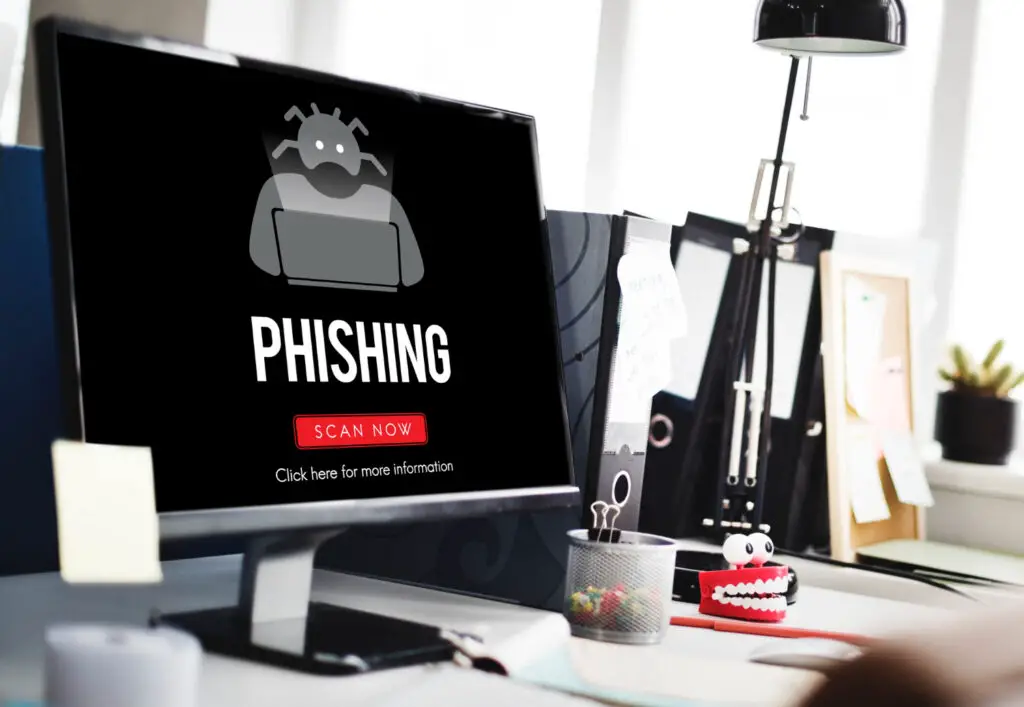
4. Phishing Emails and Text Messages

<p> We have all seen them: “Your bank account is locked” or “Click here to confirm your password.” These emails and texts are designed to look official, but the moment you click that link you hand over sensitive information. Instead of clicking, go directly to your bank or service provider’s website through your browser. Hover over links to see where they actually lead. If you are unsure, call the company using the number on your statement or card. A few extra seconds can protect your identity. </p> :: Freepik

We have all seen them: “Your bank account is locked” or “Click here to confirm your password.” These emails and texts are designed to look official, but the moment you click that link you hand over sensitive information.

Instead of clicking, go directly to your bank or service provider’s website through your browser. Hover over links to see where they actually lead. If you are unsure, call the company using the number on your statement or card. A few extra seconds can protect your identity.

5. Fake Check or Overpayment Scams

<p> You sell an item online, and the buyer sends a check for more than the price. They ask you to refund the difference, and by the time the bank flags the check as fake, your money is gone. The rule here is simple: never send money back to someone who “accidentally” overpaid. If you receive a check, wait until it fully clears—not just appears in your account—before spending or sending a dime. Scammers count on impatience, so slowing down works in your favor. </p> :: Freepik

You sell an item online, and the buyer sends a check for more than the price. They ask you to refund the difference, and by the time the bank flags the check as fake, your money is gone.

The rule here is simple: never send money back to someone who “accidentally” overpaid. If you receive a check, wait until it fully clears—not just appears in your account—before spending or sending a dime. Scammers count on impatience, so slowing down works in your favor.

6. Cryptocurrency and Investment Scams

<p> “Get in now and double your money in weeks!” These offers sound tempting, but they are almost always smoke and mirrors. With cryptocurrency, fake trading platforms, and risky “too good to be true” investments, scammers know how to lure people in with promises of fast riches. If you want to invest, stick with well-known, regulated companies. Research through the Securities and Exchange Commission or FINRA, and never invest based on a cold call or an email pitch. Slow and steady still wins the race. </p> :: Pexels

“Get in now and double your money in weeks!” These offers sound tempting, but they are almost always smoke and mirrors. With cryptocurrency, fake trading platforms, and risky “too good to be true” investments, scammers know how to lure people in with promises of fast riches.

If you want to invest, stick with well-known, regulated companies. Research through the Securities and Exchange Commission or FINRA, and never invest based on a cold call or an email pitch. Slow and steady still wins the race.

7. Job and Task Scams

<p> Work-from-home scams are on the rise, with ads offering easy money for posting reviews, clicking links, or completing “tasks.” Often you will receive a small payout at first to make the job look real. Soon after, the “employer” asks you to buy special software or pay a fee to keep working. Here is the truth: real employers do not ask you to pay them. If a job requires you to buy in or fund an account, it is a scam. Research the company name online, check the Better Business Bureau, or ask your state’s attorney general. </p> :: Pexels

Work-from-home scams are on the rise, with ads offering easy money for posting reviews, clicking links, or completing “tasks.” Often you will receive a small payout at first to make the job look real. Soon after, the “employer” asks you to buy special software or pay a fee to keep working.

Here is the truth: real employers do not ask you to pay them. If a job requires you to buy in or fund an account, it is a scam. Research the company name online, check the Better Business Bureau, or ask your state’s attorney general.

8. Medicare and Insurance Scams

<p> “Hello, we are calling about your new Medicare card.” Scammers posing as insurance representatives often trick older adults into giving out their Social Security numbers or medical information. Some may even try to get you to pay fees for “upgraded” benefits that do not exist. Legitimate Medicare and insurance companies will not call to ask for personal information out of the blue. If you get a call like this, hang up and contact your provider directly. Protecting your medical information is just as important as guarding your wallet. </p> :: Freepik

“Hello, we are calling about your new Medicare card.” Scammers posing as insurance representatives often trick older adults into giving out their Social Security numbers or medical information. Some may even try to get you to pay fees for “upgraded” benefits that do not exist.

Legitimate Medicare and insurance companies will not call to ask for personal information out of the blue. If you get a call like this, hang up and contact your provider directly. Protecting your medical information is just as important as guarding your wallet.

9. Grandparent or Emergency Scams

<p> This one tugs at the heart. A caller claims to be your grandchild or someone speaking on their behalf, saying they are in jail, stranded overseas, or in some urgent trouble. They beg you not to tell anyone and to send money right away. The best defense: slow down and verify. Ask a question only your grandchild would know. Call their parents or reach out directly before sending money. Scammers love creating urgency and secrecy, but your calm verification will stop them in their tracks. </p> :: Freepik

This one tugs at the heart. A caller claims to be your grandchild or someone speaking on their behalf, saying they are in jail, stranded overseas, or in some urgent trouble. They beg you not to tell anyone and to send money right away.

The best defense: slow down and verify. Ask a question only your grandchild would know. Call their parents or reach out directly before sending money. Scammers love creating urgency and secrecy, but your calm verification will stop them in their tracks.

10. Deepfake and Artificial Intelligence Impersonation Scams

<p> Technology has given scammers a chilling new tool: artificial intelligence. Now they can mimic voices or even create realistic video messages that look and sound like someone you know. Imagine getting a call that sounds exactly like your son asking for money—that is the new frontier of fraud. The solution is to set up a family “code word” that only you and your loved ones know. If you get a call or video that feels suspicious, ask for the word. If they cannot provide it, hang up and call your loved one directly. A little family planning can keep you safe from a big headache. </p> :: Freepik

Technology has given scammers a chilling new tool: artificial intelligence. Now they can mimic voices or even create realistic video messages that look and sound like someone you know. Imagine getting a call that sounds exactly like your son asking for money—that is the new frontier of fraud.

The solution is to set up a family “code word” that only you and your loved ones know. If you get a call or video that feels suspicious, ask for the word. If they cannot provide it, hang up and call your loved one directly. A little family planning can keep you safe from a big headache.

Final Thoughts

<p> Scammers thrive on fear, confusion, and speed. They want you to act first and think later. But here is the secret weapon: you do not have to give them that power. By pausing, asking questions, and verifying information, you put control back in your own hands. Baby boomers have lived through enough to know that quick fixes and easy promises rarely work out. Staying skeptical is not about being cynical—it is about being smart. Share these tips with friends, keep conversations open with family, and remember that you are not alone. If something feels off, it probably is. Trust your instincts, take your time, and always check twice before parting with your money. The scammers may be getting smarter, but with knowledge and caution, so are you. </p> :: Pexels

Scammers thrive on fear, confusion, and speed. They want you to act first and think later. But here is the secret weapon: you do not have to give them that power. By pausing, asking questions, and verifying information, you put control back in your own hands.

Baby boomers have lived through enough to know that quick fixes and easy promises rarely work out. Staying skeptical is not about being cynical—it is about being smart. Share these tips with friends, keep conversations open with family, and remember that you are not alone.

If something feels off, it probably is. Trust your instincts, take your time, and always check twice before parting with your money. The scammers may be getting smarter, but with knowledge and caution, so are you.

Filed Under: Money

The Subscription Lifestyle in America: 10 Things We’re Paying for Every Month Now and What It’s Really Doing to Us

April 2, 2026 | Leave a Comment

The Subscription Lifestyle in America: 10 Things We’re Paying for Every Month Now and What It’s Really Doing to Us

<p> Open your banking app for a second and scroll through your latest charges. You might see Netflix, Spotify, Amazon Prime, iCloud, a meal delivery membership, maybe a fitness app you swore you would use more often, and possibly a random charge that makes you squint and wonder, Wait… what even is this? That is the subscription lifestyle in a nutshell. Not long ago, monthly bills were fairly predictable. Rent or mortgage, utilities, insurance, phone, maybe cable. Now, modern life comes with a growing list of recurring charges that sneak into our budgets one click at a time. Most of them seem harmless on their own. Five dollars here. Ten dollars there. A “free trial” that quietly becomes permanent. Before long, your monthly budget is carrying a stack of tiny commitments that feel small individually but surprisingly heavy together. And that is what makes this topic so relatable for so many Americans. Subscriptions are not just a tech trend anymore. They are part of everyday life. We subscribe to entertainment, groceries, software, fitness, storage, convenience, and even information. Some of these services genuinely make life easier. Others just make it more expensive while pretending to be helpful. So, will it ever stop? Probably not. The subscription model is simply too profitable for companies and too convenient for consumers. But that does not mean we have to let it quietly take over our wallets. Here is a closer look at the subscription lifestyle, what we are really paying for each month, and the effect it is having on real people trying to stay on top of their money. </p> :: Gemini

Open your banking app for a second and scroll through your latest charges. You might see Netflix, Spotify, Amazon Prime, iCloud, a meal delivery membership, maybe a fitness app you swore you would use more often, and possibly a random charge that makes you squint and wonder, Wait… what even is this?

That is the subscription lifestyle in a nutshell.

Not long ago, monthly bills were fairly predictable. Rent or mortgage, utilities, insurance, phone, maybe cable. Now, modern life comes with a growing list of recurring charges that sneak into our budgets one click at a time. Most of them seem harmless on their own. Five dollars here. Ten dollars there. A “free trial” that quietly becomes permanent. Before long, your monthly budget is carrying a stack of tiny commitments that feel small individually but surprisingly heavy together.

And that is what makes this topic so relatable for so many Americans. Subscriptions are not just a tech trend anymore. They are part of everyday life. We subscribe to entertainment, groceries, software, fitness, storage, convenience, and even information. Some of these services genuinely make life easier. Others just make it more expensive while pretending to be helpful.

So, will it ever stop? Probably not. The subscription model is simply too profitable for companies and too convenient for consumers. But that does not mean we have to let it quietly take over our wallets. Here is a closer look at the subscription lifestyle, what we are really paying for each month, and the effect it is having on real people trying to stay on top of their money.

1. Streaming Services Are Basically the New Cable

<p> Streaming was supposed to be the affordable alternative. That was the dream. Cancel cable, save money, and only pay for what you actually watch. For a while, that worked. Then every network launched its own platform, every show moved behind a different paywall, and suddenly households were juggling Netflix, Hulu, Disney+, Max, Peacock, and Prime Video like it was a part-time job. What started as a money-saving move has slowly become a modern version of cable with better menus and more password confusion. The convenience is real, but so is the creeping cost, especially when families keep multiple services active all year long just in case they might want to watch one show. </p> :: Gemini

Streaming was supposed to be the affordable alternative. That was the dream. Cancel cable, save money, and only pay for what you actually watch. For a while, that worked. Then every network launched its own platform, every show moved behind a different paywall, and suddenly households were juggling Netflix, Hulu, Disney+, Max, Peacock, and Prime Video like it was a part-time job. What started as a money-saving move has slowly become a modern version of cable with better menus and more password confusion. The convenience is real, but so is the creeping cost, especially when families keep multiple services active all year long just in case they might want to watch one show.

2. Music and Premium Video Plans Feel Cheap Until They Multiply

<p> A music subscription does not seem like a big deal. Neither does ad-free YouTube, a sports add-on, or a premium podcast app. That is exactly how subscription creep works. These services are priced low enough to feel painless, which makes them easy to justify in the moment. But when you add them all together, they stop feeling like tiny luxuries and start looking like a real monthly expense. Many people barely notice how much they are spending on entertainment because the charges are scattered across the month. It is not one big bill that gets your attention. It is six or seven smaller ones that slip by quietly. </p> :: Gemini

A music subscription does not seem like a big deal. Neither does ad-free YouTube, a sports add-on, or a premium podcast app. That is exactly how subscription creep works. These services are priced low enough to feel painless, which makes them easy to justify in the moment. But when you add them all together, they stop feeling like tiny luxuries and start looking like a real monthly expense. Many people barely notice how much they are spending on entertainment because the charges are scattered across the month. It is not one big bill that gets your attention. It is six or seven smaller ones that slip by quietly.

3. Delivery Memberships Turn Convenience Into a Monthly Habit

<p> Food delivery and grocery delivery used to feel like a once-in-a-while treat. Now, for many Americans, they have become routine. Services like Amazon Prime, Walmart+, DoorDash, Uber One, and Instacart offer speed, convenience, and the tempting promise of “saving” on fees. The problem is that these memberships often encourage more spending, not less. Once delivery becomes easy and familiar, it becomes harder to resist those extra orders. Suddenly you are paying a monthly fee so you can spend even more money with less friction. It is convenient, yes. It is also one of the sneakiest ways subscriptions reshape spending habits. </p> :: Gemini

Food delivery and grocery delivery used to feel like a once-in-a-while treat. Now, for many Americans, they have become routine. Services like Amazon Prime, Walmart+, DoorDash, Uber One, and Instacart offer speed, convenience, and the tempting promise of “saving” on fees. The problem is that these memberships often encourage more spending, not less. Once delivery becomes easy and familiar, it becomes harder to resist those extra orders. Suddenly you are paying a monthly fee so you can spend even more money with less friction. It is convenient, yes. It is also one of the sneakiest ways subscriptions reshape spending habits.

4. Cloud Storage Has Become One of Those Bills You Barely Question

<p> There was a time when running out of storage on your phone felt like a minor inconvenience. Now it feels like a full-blown emergency. Photos, videos, work files, family backups, and device syncs have made cloud storage feel less like an optional upgrade and more like a digital utility. That is why so many people now pay monthly for iCloud, Google One, Dropbox, or Microsoft storage plans without giving it much thought. The cost may seem small, but it is another example of how modern life keeps creating “must-have” subscriptions that quietly join the permanent bill pile. </p> :: Gemini

There was a time when running out of storage on your phone felt like a minor inconvenience. Now it feels like a full-blown emergency. Photos, videos, work files, family backups, and device syncs have made cloud storage feel less like an optional upgrade and more like a digital utility. That is why so many people now pay monthly for iCloud, Google One, Dropbox, or Microsoft storage plans without giving it much thought. The cost may seem small, but it is another example of how modern life keeps creating “must-have” subscriptions that quietly join the permanent bill pile.

5. Fitness Subscriptions Are the Wellness Version of Good Intentions

<p> Fitness subscriptions are often sold with optimism. This will be the month you finally stick to your workout plan. This app will help you meditate daily. This premium plan will unlock the classes that change everything. Sometimes that is true. These services can be genuinely helpful, especially for people who prefer working out at home or want more flexible wellness options. But they can also become expensive reminders of goals that did not quite happen. A gym membership, a yoga app, a meditation platform, and a smartwatch premium service can all stack up quickly. Staying healthy is important, but modern wellness can start to feel like it comes with a monthly cover charge. </p> :: Gemini

Fitness subscriptions are often sold with optimism. This will be the month you finally stick to your workout plan. This app will help you meditate daily. This premium plan will unlock the classes that change everything. Sometimes that is true. These services can be genuinely helpful, especially for people who prefer working out at home or want more flexible wellness options. But they can also become expensive reminders of goals that did not quite happen. A gym membership, a yoga app, a meditation platform, and a smartwatch premium service can all stack up quickly. Staying healthy is important, but modern wellness can start to feel like it comes with a monthly cover charge.

6. Software Subscriptions Have Changed the Way We “Own” Everyday Tools

<p> If you work from home, freelance, run a side hustle, or create content, you probably know this one all too well. Many of the tools people rely on now are no longer one-time purchases. Office software, design programs, editing apps, password managers, antivirus plans, writing tools, and AI platforms increasingly charge monthly or yearly. For professionals, these services can absolutely be worth it. They save time and help people work more efficiently. But they also blur the line between essential and optional. Before long, it can feel like your job itself comes with its own recurring bill stack just to stay productive. </p> :: Gemini

If you work from home, freelance, run a side hustle, or create content, you probably know this one all too well. Many of the tools people rely on now are no longer one-time purchases. Office software, design programs, editing apps, password managers, antivirus plans, writing tools, and AI platforms increasingly charge monthly or yearly. For professionals, these services can absolutely be worth it. They save time and help people work more efficiently. But they also blur the line between essential and optional. Before long, it can feel like your job itself comes with its own recurring bill stack just to stay productive.

7. Newsletters, News Sites, and Creator Memberships Are Now Competing for Your Budget

<p> People are getting tired of pop-up ads, unreliable social media feeds, and low-quality content farms. That has led more readers to pay directly for premium newsletters, digital newspapers, podcasts, and creator memberships. In many ways, this shift is a good thing. Quality journalism and thoughtful creators deserve support. But there is a practical limit to how many subscriptions the average person can manage. One subscription for a favorite publication makes sense. Three or four can start to feel excessive. The result is a strange new reality where staying informed and supporting good content can also become another source of budget pressure. </p> :: Gemini

People are getting tired of pop-up ads, unreliable social media feeds, and low-quality content farms. That has led more readers to pay directly for premium newsletters, digital newspapers, podcasts, and creator memberships. In many ways, this shift is a good thing. Quality journalism and thoughtful creators deserve support. But there is a practical limit to how many subscriptions the average person can manage. One subscription for a favorite publication makes sense. Three or four can start to feel excessive. The result is a strange new reality where staying informed and supporting good content can also become another source of budget pressure.

8. Subscription Fatigue Is Real and It Is Mentally Exhausting

<p> The financial cost of subscriptions gets most of the attention, but the mental cost matters too. There is a special kind of frustration that comes from trying to remember what you are subscribed to, when the billing date hits, whether you still use it, and how annoying it will be to cancel. That is where subscription fatigue kicks in. It is not just about money anymore. It is about mental clutter. When too many services are quietly pulling from your account, it can create a constant low-level feeling of being nickel-and-dimed. Even people who can technically afford the charges often say they are tired of managing them. </p> :: Gemini

The financial cost of subscriptions gets most of the attention, but the mental cost matters too. There is a special kind of frustration that comes from trying to remember what you are subscribed to, when the billing date hits, whether you still use it, and how annoying it will be to cancel. That is where subscription fatigue kicks in. It is not just about money anymore. It is about mental clutter. When too many services are quietly pulling from your account, it can create a constant low-level feeling of being nickel-and-dimed. Even people who can technically afford the charges often say they are tired of managing them.

9. Unused Subscriptions Waste More Money Than Most People Realize

<p> TThis is where things get painfully relatable. Almost everyone has paid for something they forgot about. Maybe it was a free trial that rolled over. Maybe it was a streaming service you kept “for later.” Maybe it was an app you used twice and never touched again. These forgotten subscriptions are like tiny financial leaks. One or two may not seem serious, but over the course of a year they can add up to a meaningful amount. In a time when groceries, insurance, and everyday expenses already feel high, paying for things you do not use is one of the easiest ways to make your budget feel tighter than it needs to be. </p> :: Gemini

This is where things get painfully relatable. Almost everyone has paid for something they forgot about. Maybe it was a free trial that rolled over. Maybe it was a streaming service you kept “for later.” Maybe it was an app you used twice and never touched again. These forgotten subscriptions are like tiny financial leaks. One or two may not seem serious, but over the course of a year they can add up to a meaningful amount. In a time when groceries, insurance, and everyday expenses already feel high, paying for things you do not use is one of the easiest ways to make your budget feel tighter than it needs to be.

10. The Biggest Effect Is That Subscriptions Change How We Think About Money

<p> This may be the most important part of the whole conversation. Subscriptions do not just cost money. They change how we relate to it. Instead of making one-time decisions, we now live with ongoing commitments that continue until we actively stop them. That sounds simple, but it has a real psychological effect. It makes spending feel smaller than it is. It makes optional purchases feel normal. It can make your paycheck feel “spoken for” before the month even begins. Over time, that can crowd out savings, make budgeting harder, and create the sense that you are always paying for access to your own lifestyle. That is a very different financial mindset than simply buying what you need when you need it. </p> :: Gemini

This may be the most important part of the whole conversation. Subscriptions do not just cost money. They change how we relate to it. Instead of making one-time decisions, we now live with ongoing commitments that continue until we actively stop them. That sounds simple, but it has a real psychological effect. It makes spending feel smaller than it is. It makes optional purchases feel normal. It can make your paycheck feel “spoken for” before the month even begins. Over time, that can crowd out savings, make budgeting harder, and create the sense that you are always paying for access to your own lifestyle. That is a very different financial mindset than simply buying what you need when you need it.

Final Thoughts

<p> The subscription lifestyle is not going away anytime soon. If anything, it is becoming even more embedded in everyday American life. Companies love it because recurring revenue is predictable. Consumers keep saying yes because convenience is powerful, and sometimes these services really do make life easier. But that is exactly why it is worth paying attention. Subscriptions are not automatically bad. Some are incredibly useful. Some save time, reduce stress, and genuinely improve day-to-day life. The problem is not the existence of subscriptions. The problem is how quietly they multiply and how easily they can become background noise in your budget. That is where people get stuck. When every service is “only a few dollars a month,” it becomes dangerously easy to underestimate the total. What feels like harmless convenience can slowly turn into financial clutter. And unlike a one-time purchase, subscriptions keep asking for money month after month, whether you are getting real value or not. The good news is that you do not need to swear off subscriptions completely. You just need to be more intentional than the companies want you to be. Keep the ones that truly earn their place. Cancel the ones you forgot about. Pause the ones you only use seasonally. Question the ones that promised to save you money but somehow made you spend more. If a subscription is no longer making your life better, it does not deserve permanent space in your monthly budget. So, will it ever stop? No, probably not. But the better question is this: Will you keep paying for things that quietly stopped serving you? That is where the real power is. </p> :: Gemini

The subscription lifestyle is not going away anytime soon. If anything, it is becoming even more embedded in everyday American life. Companies love it because recurring revenue is predictable. Consumers keep saying yes because convenience is powerful, and sometimes these services really do make life easier.

But that is exactly why it is worth paying attention.

Subscriptions are not automatically bad. Some are incredibly useful. Some save time, reduce stress, and genuinely improve day-to-day life. The problem is not the existence of subscriptions. The problem is how quietly they multiply and how easily they can become background noise in your budget.

That is where people get stuck.

When every service is “only a few dollars a month,” it becomes dangerously easy to underestimate the total. What feels like harmless convenience can slowly turn into financial clutter. And unlike a one-time purchase, subscriptions keep asking for money month after month, whether you are getting real value or not.

The good news is that you do not need to swear off subscriptions completely. You just need to be more intentional than the companies want you to be.

Keep the ones that truly earn their place. Cancel the ones you forgot about. Pause the ones you only use seasonally. Question the ones that promised to save you money but somehow made you spend more. If a subscription is no longer making your life better, it does not deserve permanent space in your monthly budget.

So, will it ever stop?

No, probably not.

But the better question is this: Will you keep paying for things that quietly stopped serving you?

That is where the real power is.

Filed Under: Money

10 Smart and Savvy Money Saving Hacks Every College Student Should Know

April 2, 2026 | Leave a Comment

10 Smart and Savvy Money Saving Hacks Every College Student Should Know

<p> College life is exciting, full of new experiences, late-night study sessions, and chances to make lifelong friends. But let’s be real — it can also be expensive. Between tuition, textbooks, housing, and the irresistible allure of coffee runs and campus events, your money can disappear faster than a pizza at midnight. The good news? There are practical, real-world ways to stretch your budget without missing out on the college experience. From small daily tweaks to bigger lifestyle changes, these expert-backed hacks are designed to help students in the United States save money, stay stress-free, and even have a little fun while doing it. Think of this as your ultimate guide to surviving college financially — and maybe even thriving. </p> :: Gemini

College life is exciting, full of new experiences, late-night study sessions, and chances to make lifelong friends. But let’s be real — it can also be expensive. Between tuition, textbooks, housing, and the irresistible allure of coffee runs and campus events, your money can disappear faster than a pizza at midnight. The good news? There are practical, real-world ways to stretch your budget without missing out on the college experience.

From small daily tweaks to bigger lifestyle changes, these expert-backed hacks are designed to help students in the United States save money, stay stress-free, and even have a little fun while doing it. Think of this as your ultimate guide to surviving college financially — and maybe even thriving.

1. Master Your Budget Like a Pro

<p> Budgeting might sound boring, but it is the foundation of financial freedom in college. Think of it as a GPS for your money. Start by tracking all your income and expenses, including part-time jobs, allowances, and gifts. When you see where your money is going, it is easier to identify areas to cut back. Tools like Mint, YNAB, or even a simple spreadsheet can help. The best part is that once you get the hang of budgeting, you will feel more in control and less stressed about money. </p> :: Gemini

Budgeting might sound boring, but it is the foundation of financial freedom in college. Think of it as a GPS for your money. Start by tracking all your income and expenses, including part-time jobs, allowances, and gifts. When you see where your money is going, it is easier to identify areas to cut back. Tools like Mint, YNAB, or even a simple spreadsheet can help. The best part is that once you get the hang of budgeting, you will feel more in control and less stressed about money.

2. Cook More Meals at Home

<p> Eating out can add up fast, especially when late-night pizza or convenience meals are on the menu. Learning to cook simple, affordable meals can save hundreds of dollars a semester. Staples like eggs, pasta, rice, beans, and vegetables are cheap, filling, and versatile. Meal prepping at the start of the week helps you avoid unhealthy, expensive last-minute options. And if you team up with roommates to buy groceries in bulk, the savings multiply. Cooking is not only practical, but it can also become a fun, creative outlet. </p> :: Gemini

Eating out can add up fast, especially when late-night pizza or convenience meals are on the menu. Learning to cook simple, affordable meals can save hundreds of dollars a semester. Staples like eggs, pasta, rice, beans, and vegetables are cheap, filling, and versatile. Meal prepping at the start of the week helps you avoid unhealthy, expensive last-minute options. And if you team up with roommates to buy groceries in bulk, the savings multiply. Cooking is not only practical, but it can also become a fun, creative outlet.


3. Buy Used or Digital Textbooks

<p> Textbooks are notoriously expensive, but you do not have to pay full price. Used copies, rentals, and digital versions are all great alternatives. Websites, campus Facebook groups, and exchange programs often have affordable options. Not only will you save money, but you will also avoid cluttering your dorm room with books you might never open again. This hack is simple and one of the fastest ways to cut college costs without sacrificing your education. </p> :: Gemini

Textbooks are notoriously expensive, but you do not have to pay full price. Used copies, rentals, and digital versions are all great alternatives. Websites, campus Facebook groups, and exchange programs often have affordable options. Not only will you save money, but you will also avoid cluttering your dorm room with books you might never open again. This hack is simple and one of the fastest ways to cut college costs without sacrificing your education.


4. Walk, Bike, or Use Public Transit

<p> Owning a car in college can drain your budget quickly with gas, insurance, parking fees, and maintenance costs. If you live close to campus, walking or biking is the most cost-effective and healthy option. Many schools offer discounted or free student transit passes, which beat rideshare or taxi costs every time. This approach saves money while also keeping you active and reducing stress. Plus, it is a more eco-friendly way to get around campus. </p> :: Gemini

Owning a car in college can drain your budget quickly with gas, insurance, parking fees, and maintenance costs. If you live close to campus, walking or biking is the most cost-effective and healthy option. Many schools offer discounted or free student transit passes, which beat rideshare or taxi costs every time. This approach saves money while also keeping you active and reducing stress. Plus, it is a more eco-friendly way to get around campus.


5. Take Advantage of Student Discounts

<p> Your student ID is more powerful than you might think. Many stores, restaurants, software companies, and entertainment platforms offer student discounts. Services like UNiDAYS and Student Beans curate verified deals, making it easy to find savings on everything from tech to clothing. Even asking in-store if a student discount is available can pay off. Signing up for Amazon Prime Student or discounted software subscriptions is another smart way to reduce monthly expenses while accessing useful tools. </p> :: Gemini

Your student ID is more powerful than you might think. Many stores, restaurants, software companies, and entertainment platforms offer student discounts. Services like UNiDAYS and Student Beans curate verified deals, making it easy to find savings on everything from tech to clothing. Even asking in-store if a student discount is available can pay off. Signing up for Amazon Prime Student or discounted software subscriptions is another smart way to reduce monthly expenses while accessing useful tools.


6. Share Housing Costs

<p> Housing is often the largest expense in college life. One of the simplest ways to save is by sharing your living space with roommates. Splitting rent, utilities, and even groceries reduces the burden on your wallet and can make life more social and fun. If living with roommates is not appealing, consider renting a place slightly farther from campus, where prices tend to be lower. Smart housing decisions can make a huge difference in your overall budget. </p> :: Gemini

Housing is often the largest expense in college life. One of the simplest ways to save is by sharing your living space with roommates. Splitting rent, utilities, and even groceries reduces the burden on your wallet and can make life more social and fun. If living with roommates is not appealing, consider renting a place slightly farther from campus, where prices tend to be lower. Smart housing decisions can make a huge difference in your overall budget.


7. Find Work On Campus or Freelance

<p> A part-time job can provide not only extra income but also valuable experience. Campus jobs are designed to fit student schedules, making them convenient options. Freelancing or side gigs like tutoring, writing, or graphic design offer flexibility and allow you to earn money around classes. Beyond financial benefits, these jobs help you build skills and a resume that will impress future employers. Even a few hours a week can significantly ease your financial stress. </p> :: Gemini

A part-time job can provide not only extra income but also valuable experience. Campus jobs are designed to fit student schedules, making them convenient options. Freelancing or side gigs like tutoring, writing, or graphic design offer flexibility and allow you to earn money around classes. Beyond financial benefits, these jobs help you build skills and a resume that will impress future employers. Even a few hours a week can significantly ease your financial stress.


8. Use Free Campus Resources

<p> Many college campuses offer resources that you have already paid for with tuition. Libraries, study centers, gyms, workshops, and student events are often free or low-cost. Concerts, movie nights, and club activities provide entertainment without the hefty price tag. Taking advantage of these opportunities can help you stay social, active, and informed without draining your budget. Exploring what your campus offers is a smart, underutilized way to save money while still enjoying student life. </p> :: Gemini

Many college campuses offer resources that you have already paid for with tuition. Libraries, study centers, gyms, workshops, and student events are often free or low-cost. Concerts, movie nights, and club activities provide entertainment without the hefty price tag. Taking advantage of these opportunities can help you stay social, active, and informed without draining your budget. Exploring what your campus offers is a smart, underutilized way to save money while still enjoying student life.


9. Sell Items You No Longer Need

<p> Decluttering can be profitable. Old textbooks, electronics, clothes, and other items you no longer use can be sold through Facebook Marketplace, eBay, or campus swap groups. Not only does this clear out your space, but it also puts cash in your pocket. Selling unused items is a simple hack that requires little effort yet delivers tangible results. It is an easy win for students who want to be smart with their money and reduce clutter at the same time. </p> :: Gemini

Decluttering can be profitable. Old textbooks, electronics, clothes, and other items you no longer use can be sold through Facebook Marketplace, eBay, or campus swap groups. Not only does this clear out your space, but it also puts cash in your pocket. Selling unused items is a simple hack that requires little effort yet delivers tangible results. It is an easy win for students who want to be smart with their money and reduce clutter at the same time.


10. Build Long-Term Money Habits

<p> The final hack is perhaps the most important: develop healthy money habits now that will benefit you well beyond college. Avoid impulse purchases, create a small emergency fund, and pay bills on time to avoid fees. Learning basic financial literacy and practicing mindful spending helps you gain control over your money. The habits you establish in college — like saving consistently, budgeting effectively, and making informed financial decisions — will set you up for long-term success. </p> :: Gemini

The final hack is perhaps the most important: develop healthy money habits now that will benefit you well beyond college. Avoid impulse purchases, create a small emergency fund, and pay bills on time to avoid fees. Learning basic financial literacy and practicing mindful spending helps you gain control over your money. The habits you establish in college — like saving consistently, budgeting effectively, and making informed financial decisions — will set you up for long-term success.


Final Thoughts: College Life Can Be Affordable and Fun

<p> Being a student does not mean living paycheck to paycheck. With smart strategies, intentional choices, and a little creativity, you can stretch your budget without missing out on memorable college experiences. Saving money is not about depriving yourself — it is about making decisions that give you freedom, flexibility, and financial confidence. By mastering budgeting, cooking at home, taking advantage of student discounts, sharing living costs, and using campus resources, you can maintain a comfortable lifestyle while building habits that will serve you long after graduation. Every small saving adds up, and the knowledge you gain from managing your finances now can become one of your most valuable assets. College is your time to learn, grow, and set a strong foundation for the future — financially and personally. So, start implementing these hacks today, and you might be surprised how much money you can save while still fully enjoying your college years. Smart choices now pay dividends later, and with a bit of effort, you can graduate not just with a degree, but with financial confidence and freedom. </p> :: Gemini

Being a student does not mean living paycheck to paycheck. With smart strategies, intentional choices, and a little creativity, you can stretch your budget without missing out on memorable college experiences. Saving money is not about depriving yourself — it is about making decisions that give you freedom, flexibility, and financial confidence.

By mastering budgeting, cooking at home, taking advantage of student discounts, sharing living costs, and using campus resources, you can maintain a comfortable lifestyle while building habits that will serve you long after graduation. Every small saving adds up, and the knowledge you gain from managing your finances now can become one of your most valuable assets. College is your time to learn, grow, and set a strong foundation for the future — financially and personally.

So, start implementing these hacks today, and you might be surprised how much money you can save while still fully enjoying your college years. Smart choices now pay dividends later, and with a bit of effort, you can graduate not just with a degree, but with financial confidence and freedom.

Filed Under: Money

7 Proven Investment Strategies to Secure Your Retirement Goals

April 1, 2026 | Leave a Comment

7 Proven Investment Strategies to Secure Your Retirement Goals

<p> Planning for retirement can feel like a daunting task, but with the right investment strategies, you can build a secure and prosperous future. Securing your retirement is more than just saving money—it's about making smart investment decisions that help your wealth grow over time. Whether you're in your 40s, 50s, or preparing to retire soon, implementing these proven investment strategies will allow you to reach your retirement goals with confidence. In this article, we'll dive into seven effective strategies that can maximize your returns and ensure your golden years are truly comfortable. </p> :: Pexels

Planning for retirement can feel like a daunting task, but with the right investment strategies, you can build a secure and prosperous future. Securing your retirement is more than just saving money—it’s about making smart investment decisions that help your wealth grow over time. Whether you’re in your 40s, 50s, or preparing to retire soon, implementing these proven investment strategies will allow you to reach your retirement goals with confidence. Lets dive into seven effective strategies that can maximize your returns and ensure your golden years are truly comfortable.

1. Start Early with a Roth IRA

<p> One of the smartest ways to secure your retirement goals is by taking advantage of tax-efficient accounts like a Roth Individual Retirement Account (IRA). A Roth IRA allows your investments to grow tax-free, meaning you won't pay taxes on your withdrawals in retirement as long as you follow the rules. Starting early with a Roth IRA maximizes the power of compound interest, helping your investments grow exponentially over the years. The earlier you start, the more time your money has to grow, and this strategy can be incredibly valuable in the long run. You can contribute up to a certain limit each year, and the more consistently you invest, the more you'll accumulate. Plus, if you're in a lower tax bracket now, it can make sense to lock in those tax-free withdrawals when you're retired and potentially in a higher tax bracket. </p> :: Pexels

One of the smartest ways to secure your retirement goals is by taking advantage of tax-efficient accounts like a Roth Individual Retirement Account (IRA). A Roth IRA allows your investments to grow tax-free, meaning you won’t pay taxes on your withdrawals in retirement as long as you follow the rules. Starting early with a Roth IRA maximizes the power of compound interest, helping your investments grow exponentially over the years. The earlier you start, the more time your money has to grow, and this strategy can be incredibly valuable in the long run. You can contribute up to a certain limit each year, and the more consistently you invest, the more you’ll accumulate. Plus, if you’re in a lower tax bracket now, it can make sense to lock in those tax-free withdrawals when you’re retired and potentially in a higher tax bracket.

2. Diversify Your Portfolio for Consistent Growth

<p> Another key strategy for securing your retirement is diversifying your portfolio. By spreading your investments across a range of asset classes—such as stocks, bonds, real estate, and commodities—you can minimize the risks of market volatility while maximizing your potential for growth. Diversification helps you avoid putting all your eggs in one basket, which means you're less likely to suffer huge losses in case one investment sector performs poorly. For example, if the stock market is down, bonds or real estate may still perform well, helping balance your returns. Diversifying your portfolio allows for more consistent growth over time, giving you greater peace of mind as you move closer to retirement. </p> :: Pexels

Another key strategy for securing your retirement is diversifying your portfolio. By spreading your investments across a range of asset classes—such as stocks, bonds, real estate, and commodities—you can minimize the risks of market volatility while maximizing your potential for growth. Diversification helps you avoid putting all your eggs in one basket, which means you’re less likely to suffer huge losses in case one investment sector performs poorly. For example, if the stock market is down, bonds or real estate may still perform well, helping balance your returns. Diversifying your portfolio allows for more consistent growth over time, giving you greater peace of mind as you move closer to retirement.

3. Focus on Dividend Stocks for Steady Income

<p> If you're looking for steady income in retirement, investing in dividend stocks is a proven strategy. Dividend-paying stocks provide regular payouts, which can help supplement your retirement income. These stocks are typically from established companies with a long track record of profitability, making them more reliable than growth stocks. By focusing on dividend stocks, you not only benefit from the income generated by the dividends but also have the potential for capital appreciation as the stock price rises over time. Reinvesting your dividends into more shares can also accelerate the growth of your retirement portfolio, providing you with both immediate income and long-term growth. </p> :: Pexels

If you’re looking for steady income in retirement, investing in dividend stocks is a proven strategy. Dividend-paying stocks provide regular payouts, which can help supplement your retirement income. These stocks are typically from established companies with a long track record of profitability, making them more reliable than growth stocks. By focusing on dividend stocks, you not only benefit from the income generated by the dividends but also have the potential for capital appreciation as the stock price rises over time. Reinvesting your dividends into more shares can also accelerate the growth of your retirement portfolio, providing you with both immediate income and long-term growth.

4. Contribute to a 401(k) for Employer Matching

<p> Maximizing contributions to a 401(k) is one of the best ways to secure your retirement goals, especially if your employer offers matching contributions. When you contribute to your 401(k), your employer may match a portion of your contributions, effectively giving you free money to boost your retirement savings. Many employers match 50% or 100% of your contributions up to a certain percentage of your salary. This is essentially "found money" that can significantly grow your retirement savings over time. Make sure to contribute at least enough to get the full employer match. This way, you're making the most of this powerful investment opportunity and building your retirement fund faster. </p> :: Pexels

Maximizing contributions to a 401(k) is one of the best ways to secure your retirement goals, especially if your employer offers matching contributions. When you contribute to your 401(k), your employer may match a portion of your contributions, effectively giving you free money to boost your retirement savings. Many employers match 50% or 100% of your contributions up to a certain percentage of your salary. This is essentially “found money” that can significantly grow your retirement savings over time. Make sure to contribute at least enough to get the full employer match. This way, you’re making the most of this powerful investment opportunity and building your retirement fund faster.

5. Take Advantage of Dollar-Cost Averaging

<p> Dollar-cost averaging is an investment strategy that involves consistently investing a fixed amount of money into the market at regular intervals, regardless of market conditions. This strategy reduces the risk of making large investments at the wrong time, such as during a market peak. By spreading out your investments, you buy more shares when prices are low and fewer shares when prices are high. Over time, dollar-cost averaging smooths out the impact of market volatility, which helps reduce the risk of investing a lump sum at the wrong moment. This strategy is especially effective for long-term investors who don't want to time the market but still want to take advantage of its overall growth. </p> :: Pexels

Dollar-cost averaging is an investment strategy that involves consistently investing a fixed amount of money into the market at regular intervals, regardless of market conditions. This strategy reduces the risk of making large investments at the wrong time, such as during a market peak. By spreading out your investments, you buy more shares when prices are low and fewer shares when prices are high. Over time, dollar-cost averaging smooths out the impact of market volatility, which helps reduce the risk of investing a lump sum at the wrong moment. This strategy is especially effective for long-term investors who don’t want to time the market but still want to take advantage of its overall growth.

6. Invest in Real Estate for Passive Income

<p> Investing in real estate is another proven strategy to secure your retirement. Real estate has historically been a reliable asset class for building wealth and generating passive income. Whether you choose to invest in rental properties or real estate investment trusts (REITs), real estate can provide you with regular cash flow, appreciation potential, and tax benefits. Rental properties, for example, can generate monthly rental income, while appreciating in value over time. REITs allow you to invest in a diversified portfolio of real estate assets without directly owning physical properties, offering liquidity and professional management. Real estate can be a powerful way to diversify your portfolio and build a steady stream of income for retirement. </p> :: Pexels

Investing in real estate is another proven strategy to secure your retirement. Real estate has historically been a reliable asset class for building wealth and generating passive income. Whether you choose to invest in rental properties or real estate investment trusts (REITs), real estate can provide you with regular cash flow, appreciation potential, and tax benefits. Rental properties, for example, can generate monthly rental income, while appreciating in value over time. REITs allow you to invest in a diversified portfolio of real estate assets without directly owning physical properties, offering liquidity and professional management. Real estate can be a powerful way to diversify your portfolio and build a steady stream of income for retirement.

7. Focus on Low-Cost Index Funds for Long-Term Growth

<p> For many investors, low-cost index funds are the perfect solution for securing retirement goals. These funds track the performance of a broad market index, such as the SPY ( Standard and Poor's 500), and provide exposure to a wide range of companies across different industries. The low fees associated with index funds make them an ideal option for long-term investors, as high management fees can eat into your returns over time. Index funds also tend to perform better than actively managed funds in the long run, making them an efficient choice for retirement savings. By investing in index funds, you're setting yourself up for reliable, market-matching returns, which can help you grow your retirement nest egg with minimal effort. </p> :: Pexels

For many investors, low-cost index funds are the perfect solution for securing retirement goals. These funds track the performance of a broad market index, such as the S&P 500, and provide exposure to a wide range of companies across different industries. The low fees associated with index funds make them an ideal option for long-term investors, as high management fees can eat into your returns over time. Index funds also tend to perform better than actively managed funds in the long run, making them an efficient choice for retirement savings. By investing in index funds, you’re setting yourself up for reliable, market-matching returns, which can help you grow your retirement nest egg with minimal effort.

Final Thoughts

<p> Securing your retirement goals requires more than just saving money—it's about making strategic investments that allow your wealth to grow and work for you. By starting early with a Roth IRA, diversifying your portfolio, focusing on dividend stocks, contributing to a 401(k) with employer matching, using dollar-cost averaging, investing in real estate, and embracing low-cost index funds, you'll be well on your way to a secure financial future. The key to success lies in consistency, patience, and making informed investment decisions. The sooner you start implementing these proven strategies, the more likely you are to enjoy a comfortable retirement. Each of these strategies is designed to help mitigate risks while maximizing the potential for growth. By following a disciplined investment approach and taking advantage of tax-efficient accounts, steady income streams, and diversification, you can secure your retirement and ensure that your golden years are stress-free and full of financial freedom. </p> :: Pexels

Securing your retirement goals requires more than just saving money—it’s about making strategic investments that allow your wealth to grow and work for you. By starting early with a Roth IRA, diversifying your portfolio, focusing on dividend stocks, contributing to a 401(k) with employer matching, using dollar-cost averaging, investing in real estate, and embracing low-cost index funds, you’ll be well on your way to a secure financial future. The key to success lies in consistency, patience, and making informed investment decisions. The sooner you start implementing these proven strategies, the more likely you are to enjoy a comfortable retirement.

Each of these strategies is designed to help mitigate risks while maximizing the potential for growth. By following a disciplined investment approach and taking advantage of tax-efficient accounts, steady income streams, and diversification, you can secure your retirement and ensure that your golden years are stress-free and full of financial freedom.

Filed Under: Money

10 Grocery Buys Baby Boomers Often Call a Waste of Money

March 31, 2026 | Leave a Comment

10 Grocery Buys Baby Boomers Often Call a Waste of Money

<p> There is a reason Baby Boomers still get a little smug in the grocery store.

They grew up in households where leftovers were not optional, brand loyalty had limits, and “use what you already have” was practically a family motto. Long before meal kits, snack packs, and premium convenience foods took over supermarket shelves, many Boomers learned how to stretch a dollar with simple habits that still make sense today.

And honestly, that mindset feels pretty relevant right now.

Food prices may not be rising as wildly as they did at the peak of inflation, but American households are still feeling squeezed. At the same time, the U.S. Department of Agriculture estimates that 30 to 40 percent of the food supply is wasted, and the average American family of four loses about $1,500 a year to uneaten food. That means one of the fastest ways to cut your grocery bill is not necessarily couponing harder. It is buying less of the stuff that quietly gets overpriced, overbought, or thrown away.

To be clear, this is not about judging anyone for grabbing convenience items when life gets hectic. Sometimes a shortcut is worth every penny. But if you want a smarter grocery budget and fewer “why did I buy this?” moments, these are the kinds of purchases many Baby Boomers would tell you to rethink. </p> :: Gemini

There is a reason Baby Boomers still get a little smug in the grocery store.

They grew up in households where leftovers were not optional, brand loyalty had limits, and “use what you already have” was practically a family motto. Long before meal kits, snack packs, and premium convenience foods took over supermarket shelves, many Boomers learned how to stretch a dollar with simple habits that still make sense today.

And honestly, that mindset feels pretty relevant right now.

Food prices may not be rising as wildly as they did at the peak of inflation, but American households are still feeling squeezed. At the same time, the U.S. Department of Agriculture estimates that 30 to 40 percent of the food supply is wasted, and the average American family of four loses about $1,500 a year to uneaten food. That means one of the fastest ways to cut your grocery bill is not necessarily couponing harder. It is buying less of the stuff that quietly gets overpriced, overbought, or thrown away.

To be clear, this is not about judging anyone for grabbing convenience items when life gets hectic. Sometimes a shortcut is worth every penny. But if you want a smarter grocery budget and fewer “why did I buy this?” moments, these are the kinds of purchases many Baby Boomers would tell you to rethink.

1. Pre-cut fruits and vegetables

<p> If there is one item that makes old-school shoppers raise an eyebrow, it is pre-cut produce. Stores charge a premium for the labor and convenience, which means you are paying extra for something you could often do yourself in just a few minutes at home.

That does not mean pre-cut produce is always a bad buy. If you have limited time, mobility issues, or a physical reason that food prep is difficult, it can absolutely be worth it. But for the average shopper, whole produce is usually the better value. You get more food for less money, and you often have more flexibility in how and when you use it. A Boomer would probably say the same thing they have said for decades: if all it takes is a knife and five minutes, save the cash. </p> :: Gemini

If there is one item that makes old-school shoppers raise an eyebrow, it is pre-cut produce. Stores charge a premium for the labor and convenience, which means you are paying extra for something you could often do yourself in just a few minutes at home.

That does not mean pre-cut produce is always a bad buy. If you have limited time, mobility issues, or a physical reason that food prep is difficult, it can absolutely be worth it. But for the average shopper, whole produce is usually the better value. You get more food for less money, and you often have more flexibility in how and when you use it. A Boomer would probably say the same thing they have said for decades: if all it takes is a knife and five minutes, save the cash.

2. Bottled water for everyday use at home

<p> Many Boomers are deeply suspicious of spending grocery money on water that already comes out of the tap. If your tap water is safe and the taste is the issue, a simple filter pitcher or faucet filter usually makes more financial sense long term.

Of course, there are exceptions. If you live somewhere with unsafe water, are under a boil advisory, or are storing emergency supplies, bottled water makes sense. But for routine use at home, a reusable bottle and a filter pitcher can often cost far less over time. It is one of those sneaky grocery expenses that feels harmless until you realize you have been carrying home expensive cases of water month after month. </p> :: Gemini

Many Boomers are deeply suspicious of spending grocery money on water that already comes out of the tap. If your tap water is safe and the taste is the issue, a simple filter pitcher or faucet filter usually makes more financial sense long term.

Of course, there are exceptions. If you live somewhere with unsafe water, are under a boil advisory, or are storing emergency supplies, bottled water makes sense. But for routine use at home, a reusable bottle and a filter pitcher can often cost far less over time. It is one of those sneaky grocery expenses that feels harmless until you realize you have been carrying home expensive cases of water month after month.

3. Snack packs and other single-serve convenience snacks

<p> Tiny bags of crackers, nuts, cookies, and chips may look convenient, but the per-ounce price is often much higher than the full-size version. This is one of those grocery categories where you are often paying for packaging more than food.

If you have kids, pack lunches, or want better portion control, it is usually cheaper to buy the family-size version and divide it up at home. It is not glamorous, but it works. And if a Boomer sees you paying extra for five mini bags of pretzels, they may not say anything out loud. But you will probably feel the judgment from three aisles away. </p> :: Gemini

Tiny bags of crackers, nuts, cookies, and chips may look convenient, but the per-ounce price is often much higher than the full-size version. This is one of those grocery categories where you are often paying for packaging more than food.

If you have kids, pack lunches, or want better portion control, it is usually cheaper to buy the family-size version and divide it up at home. It is not glamorous, but it works. And if a Boomer sees you paying extra for five mini bags of pretzels, they may not say anything out loud. But you will probably feel the judgment from three aisles away.

4. Processed convenience meals you could make more cheaply yourself

<p> Ready-made meals can be helpful when life gets chaotic, but they are also one of the easiest ways to overpay at the grocery store. The more work a store or manufacturer does for you, the more you usually pay.

This does not mean all frozen foods are bad buys. Frozen vegetables, frozen fruit, and certain pantry staples can be smart, practical purchases. But the overpriced frozen dinner, microwave burrito habit, or “healthy” single-serve bowl that costs as much as a homemade lunch is exactly the kind of grocery choice many Boomers would call wasteful. Their usual logic is simple: if you can make a bigger portion for less money and get leftovers out of it, why are you paying more for less? </p> :: Gemini

Ready-made meals can be helpful when life gets chaotic, but they are also one of the easiest ways to overpay at the grocery store. The more work a store or manufacturer does for you, the more you usually pay.

This does not mean all frozen foods are bad buys. Frozen vegetables, frozen fruit, and certain pantry staples can be smart, practical purchases. But the overpriced frozen dinner, microwave burrito habit, or “healthy” single-serve bowl that costs as much as a homemade lunch is exactly the kind of grocery choice many Boomers would call wasteful. Their usual logic is simple: if you can make a bigger portion for less money and get leftovers out of it, why are you paying more for less?

5. Prepared meals from the deli case

<p> Grocery store deli sections are full of tempting options, especially after a long day when cooking sounds exhausting. But convenience has a price. Those ready-to-heat pasta trays, cut-up fruit cups, and prebuilt family meals often cost far more than buying basic ingredients yourself.

Again, there are times when the convenience is worth it. Busy weeknights happen. Illness happens. Travel weeks happen. But if prepared grocery meals become a routine instead of a backup plan, they can quietly inflate your food budget. Baby Boomers tend to see these as “special occasion convenience” purchases, not everyday staples. And if you are buying them often, that is usually where the money starts slipping away. </p> :: Gemini

Grocery store deli sections are full of tempting options, especially after a long day when cooking sounds exhausting. But convenience has a price. Those ready-to-heat pasta trays, cut-up fruit cups, and prebuilt family meals often cost far more than buying basic ingredients yourself.

Again, there are times when the convenience is worth it. Busy weeknights happen. Illness happens. Travel weeks happen. But if prepared grocery meals become a routine instead of a backup plan, they can quietly inflate your food budget. Baby Boomers tend to see these as “special occasion convenience” purchases, not everyday staples. And if you are buying them often, that is usually where the money starts slipping away.

6. Name-brand pantry staples when the store brand is just as good

<p> This is one area where many Boomers are absolutely relentless. They know that brand loyalty can get expensive fast, especially when it comes to basics like pasta, oats, canned vegetables, broth, flour, sugar, peanut butter, and condiments.

There are definitely categories where a favorite brand may be worth the splurge. Everyone seems to have that one ketchup or coffee they refuse to compromise on. But for a lot of pantry staples, the cheaper store-brand version works just fine. If you automatically reach for the famous label every time without checking the price or ingredients, you might be paying more for familiarity than for quality. </p> :: Gemini

This is one area where many Boomers are absolutely relentless. They know that brand loyalty can get expensive fast, especially when it comes to basics like pasta, oats, canned vegetables, broth, flour, sugar, peanut butter, and condiments.

There are definitely categories where a favorite brand may be worth the splurge. Everyone seems to have that one ketchup or coffee they refuse to compromise on. But for a lot of pantry staples, the cheaper store-brand version works just fine. If you automatically reach for the famous label every time without checking the price or ingredients, you might be paying more for familiarity than for quality.

7. Bulk buys you will not realistically finish

<p> Buying in bulk can save money. It can also waste money if your household never gets through what you bought. That giant spinach tub, industrial-size muffin pack, mega bag of avocados, or huge yogurt bundle is only a good deal if you actually use it.

This is where the Baby Boomer stereotype gets interesting. Yes, many Boomers love warehouse stores and big-value packs. But the truly frugal ones also know a “deal” is only a deal if you finish what you buy. If half of it goes bad before anyone touches it, you did not save money. You just bought more than your real life could handle. </p> :: Gemini

Buying in bulk can save money. It can also waste money if your household never gets through what you bought. That giant spinach tub, industrial-size muffin pack, mega bag of avocados, or huge yogurt bundle is only a good deal if you actually use it.

This is where the Baby Boomer stereotype gets interesting. Yes, many Boomers love warehouse stores and big-value packs. But the truly frugal ones also know a “deal” is only a deal if you finish what you buy. If half of it goes bad before anyone touches it, you did not save money. You just bought more than your real life could handle.

8. Grocery items bought only because they are on sale

<p> Sales can absolutely be useful. But they can also trick people into buying things they never planned to use. A yellow discount sticker has convinced many otherwise sensible shoppers to suddenly believe they need five boxes of snack bars, a random gourmet sauce, or a giant bag of produce nobody asked for.

That is where old-school grocery wisdom really matters. Stocking up on something your household already uses regularly can be smart. Buying a bunch of random items just because they are marked down is a different story. If the sale makes you spend money on food you would not normally buy, it is not saving you money. It is just clever marketing with brighter signs. </p> :: Gemini

Sales can absolutely be useful. But they can also trick people into buying things they never planned to use. A yellow discount sticker has convinced many otherwise sensible shoppers to suddenly believe they need five boxes of snack bars, a random gourmet sauce, or a giant bag of produce nobody asked for.

That is where old-school grocery wisdom really matters. Stocking up on something your household already uses regularly can be smart. Buying a bunch of random items just because they are marked down is a different story. If the sale makes you spend money on food you would not normally buy, it is not saving you money. It is just clever marketing with brighter signs.

9. Trendy grocery treats that quietly become weekly habits

<p> Not every grocery money trap looks dramatic. Sometimes it is the small “treat” purchases that slowly become regular habits without you noticing. Think fancy coffee creamers, bottled cold brew drinks, premium snack trays, specialty desserts, or refrigerated drinks that somehow sneak into the cart every week.

This does not mean you should never buy fun food. Please buy the good ice cream if it makes you happy. The Boomer lesson is not “never enjoy yourself.” It is “know when a treat has become a line item.” One little splurge may not matter much, but several recurring splurges can quietly inflate your grocery bill more than you realize. </p> :: Gemini

Not every grocery money trap looks dramatic. Sometimes it is the small “treat” purchases that slowly become regular habits without you noticing. Think fancy coffee creamers, bottled cold brew drinks, premium snack trays, specialty desserts, or refrigerated drinks that somehow sneak into the cart every week.

This does not mean you should never buy fun food. Please buy the good ice cream if it makes you happy. The Boomer lesson is not “never enjoy yourself.” It is “know when a treat has become a line item.” One little splurge may not matter much, but several recurring splurges can quietly inflate your grocery bill more than you realize.

10. Fresh produce you buy for your fantasy self instead of your real life

<p> This might be the most useful grocery advice on the list.

We have all done it. You buy kale because this is the week you become a smoothie person. You buy fresh herbs because maybe you will suddenly start cooking like a celebrity chef. You buy asparagus because it looked healthy and optimistic. Then a week later, the spinach is limp, the cilantro is tragic, and the asparagus has become a science project.

Boomers are often brutally honest about this. If you keep throwing away the same fresh foods, stop buying them every trip. Buy what fits your actual habits first. Your ideal self can come back next month. Grocery shopping is not the place for identity crises. </p> :: Gemini

This might be the most useful grocery advice on the list.

We have all done it. You buy kale because this is the week you become a smoothie person. You buy fresh herbs because maybe you will suddenly start cooking like a celebrity chef. You buy asparagus because it looked healthy and optimistic. Then a week later, the spinach is limp, the cilantro is tragic, and the asparagus has become a science project.

Boomers are often brutally honest about this. If you keep throwing away the same fresh foods, stop buying them every trip. Buy what fits your actual habits first. Your ideal self can come back next month. Grocery shopping is not the place for identity crises.

Final Thoughts

<p> Baby Boomers are not always right about everything, but when it comes to grocery shopping, they have earned the right to be a little opinionated.

Their real superpower is not being cheap. It is being practical.

They understand that the biggest grocery budget killers are usually not the dramatic splurges. They are the quiet ones. The pre-cut fruit that costs more than it should. The snack packs that charge extra for tiny portions. The bulk buy that looked smart until half of it expired. The store-brand alternative you ignored because the familiar label felt safer. The produce you bought with ambition and threw away with guilt.

If you want to save money without turning grocery shopping into a second job, start here. Pay attention to what you consistently overpay for. Notice what keeps getting tossed out. Be honest about what your household actually eats. And stop letting convenience, sales tags, and wishful thinking write your grocery list.

That is the part Boomers have understood all along.

Smart grocery shopping is not about deprivation. It is about value. And in 2026, that may be one of the most useful old-school habits worth bringing back. </p> :: Gemini

Baby Boomers are not always right about everything, but when it comes to grocery shopping, they have earned the right to be a little opinionated.

Their real superpower is not being cheap. It is being practical.

They understand that the biggest grocery budget killers are usually not the dramatic splurges. They are the quiet ones. The pre-cut fruit that costs more than it should. The snack packs that charge extra for tiny portions. The bulk buy that looked smart until half of it expired. The store-brand alternative you ignored because the familiar label felt safer. The produce you bought with ambition and threw away with guilt.

If you want to save money without turning grocery shopping into a second job, start here. Pay attention to what you consistently overpay for. Notice what keeps getting tossed out. Be honest about what your household actually eats. And stop letting convenience, sales tags, and wishful thinking write your grocery list.

That is the part Boomers have understood all along.

Smart grocery shopping is not about deprivation. It is about value. And in 2026, that may be one of the most useful old-school habits worth bringing back.

Filed Under: Money

  • 1
  • 2
  • 3
  • …
  • 16
  • Next Page »
  • Email
  • Facebook
  • Pinterest
  • Twitter

Our Most Popular Articles

ClickCashGo Review: Should You Avoid At All Costs?

Ultimate Guide to Mastering Your Credit Score

The 'YOLO' Mindset is a Dangerous Thing

Dave Ramsey's Financial Peace University Review: Is it Worth the Money?

Cash App Glitch 2025: Is the Free Money Glitch Real?

Five Steps To Debt Freedom

Here are five simple guidlines that will help you pay off debt.  

1) Get an emergency fund so you don’t take on debt when something comes up.

2) List your debts. This way you know where you stand.

3) Use the debt snowball. Pay your debts from smallest to largest, or most expensive to least expensive.

4) Avoid new debt. No new credit cards or loans. Period.

5) Go all cash. After everything is paid off, switch to all cash.

Helpful Resources

U of Tennesse Debt Repayment Plan Basics

Vertex 42's Debt Payoff Calculator

Savingadvice's Helpful Debt Forums

Jackie Becks Debt Blog