10 Farmers Market Hacks to Get the Best Harvest Deals
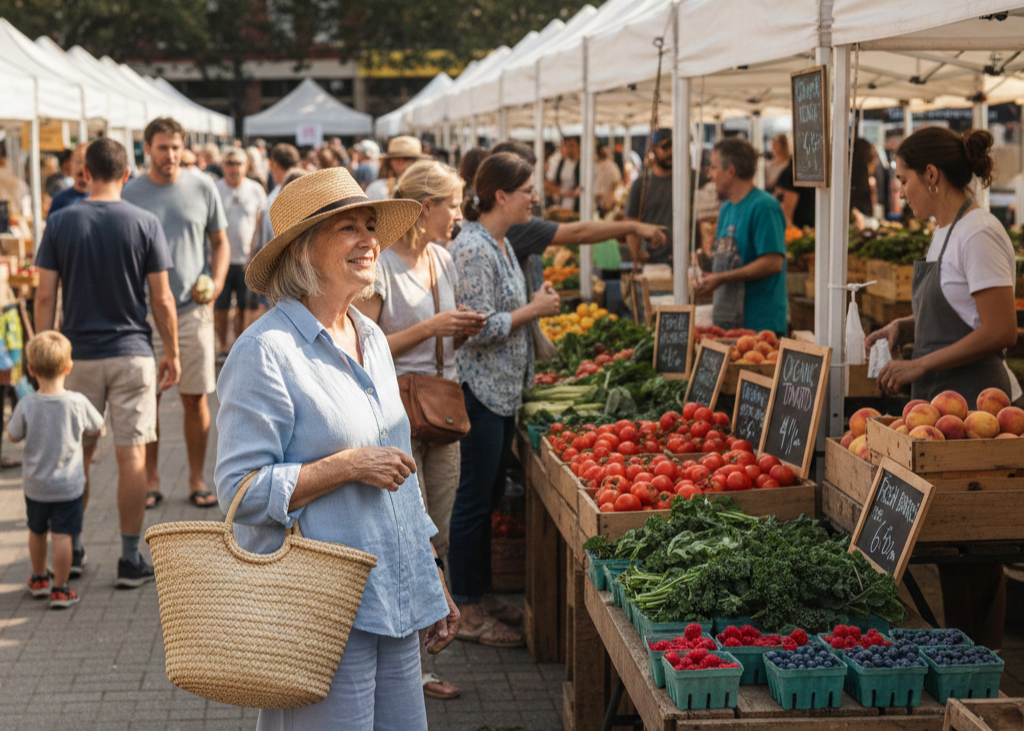
Walking into a farmers market is a feast for the senses. The vibrant reds of tomatoes, the deep green of freshly picked kale, and the sweet aroma of just-ripe berries fill the air. There is a unique energy that comes from being surrounded by farmers and artisans who pour their hearts into what they grow and create. But while the sights and smells are intoxicating, navigating the market to get the best deals can feel overwhelming. How do you know which stalls have the best prices, or when it is the right time to visit? How do you make sure you are not paying more than necessary for perfectly good produce?
Shopping at farmers markets is both an art and a science, and with a few simple strategies, you can turn every visit into a win for your taste buds and your wallet. From timing your trip to knowing what is in season, these ten practical hacks will help you enjoy the freshest produce while saving money and having a more enjoyable experience. Whether you are a seasoned shopper or trying the market for the first time, these tips will make your next trip smarter, easier, and more fun.
1. Get There Early and Consider Shopping Late
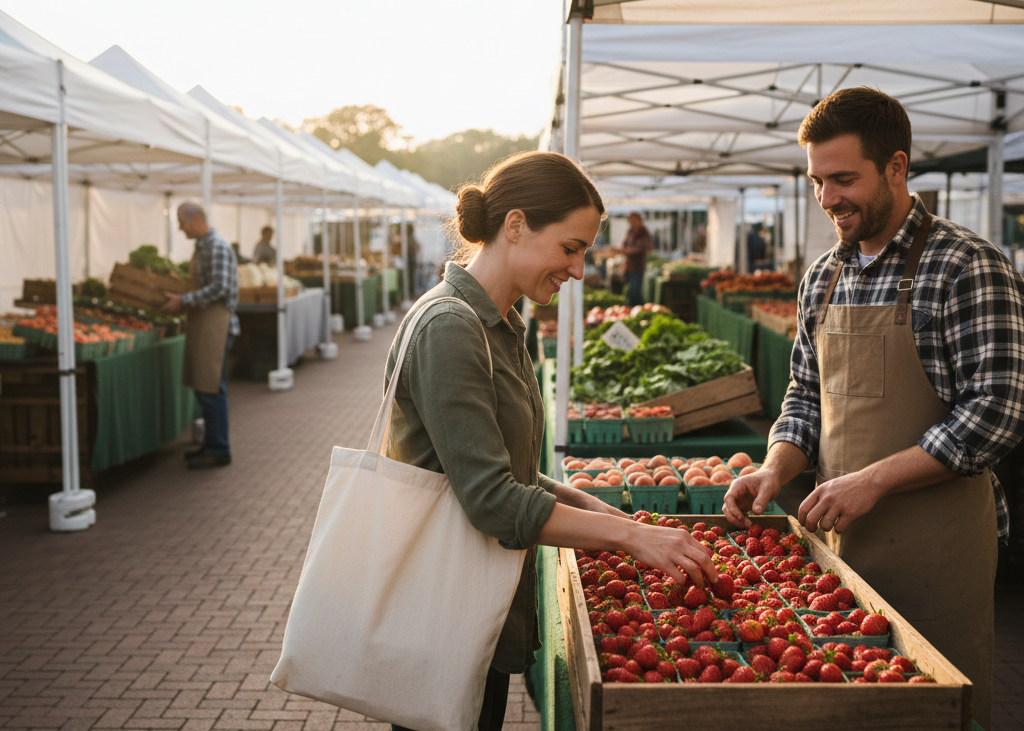
The time you arrive at the market can make a huge difference in both your choices and your savings. If you arrive right when the market opens, you get first pick of the day’s best items. Imagine walking past rows of freshly picked strawberries, plump peaches, and leafy greens glistening with morning dew. You can carefully select the ripest, most beautiful produce without worrying that it will be sold out.
However, there is also an advantage to visiting later in the day. Vendors prefer selling their remaining produce rather than taking it home and risking spoilage. Late shoppers often find discounts or even free extras thrown into their bags as farmers clear out inventory. Experienced market-goers often plan their visits based on what they hope to get, mixing early trips for quality and late trips for bargains. Timing your visit strategically can make a significant difference in both price and freshness.
2. Take a Full Lap Before Buying
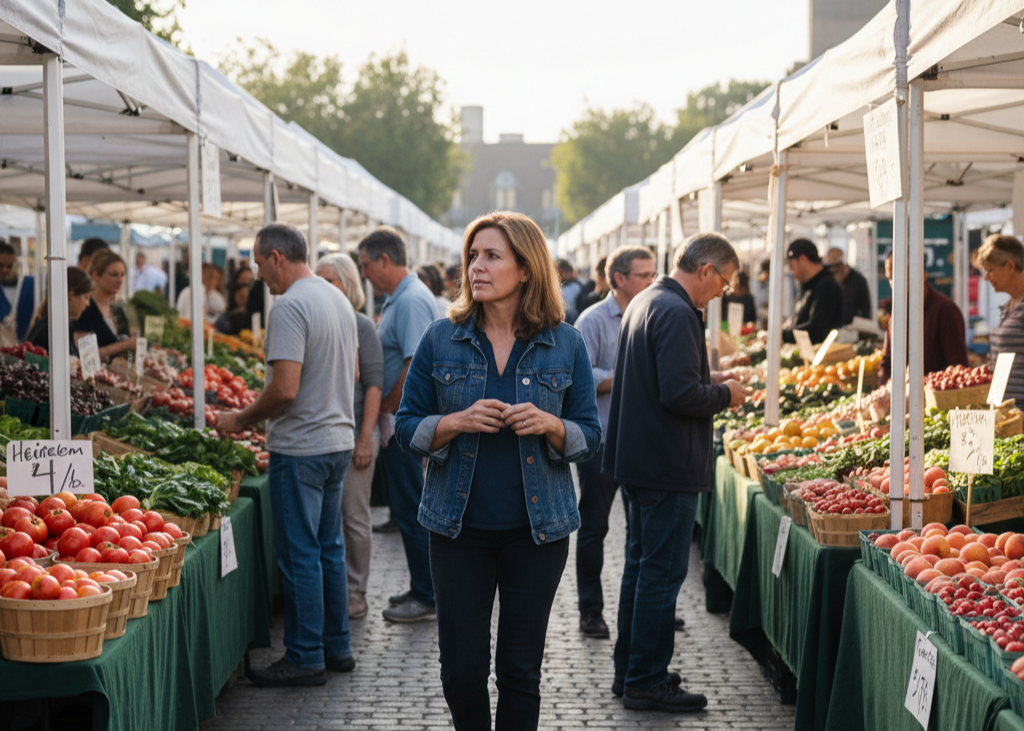
It is tempting to grab the first bunch of kale or the first basket of berries you see. However, taking a full lap around the market before committing to any purchase is one of the smartest ways to save money. Prices and quality vary widely between stalls, and the same item may be available for less just a few steps away.
Walking the full market also gives you a sense of variety. Some farmers may have unique heirloom varieties, organic produce, or items that are unusually large or flavorful. Once you have scoped out all your options, you can make a confident decision about where to spend your money. This extra step ensures you get the best value while enjoying a more informed shopping experience.
3. Bring Cash and Small Bills
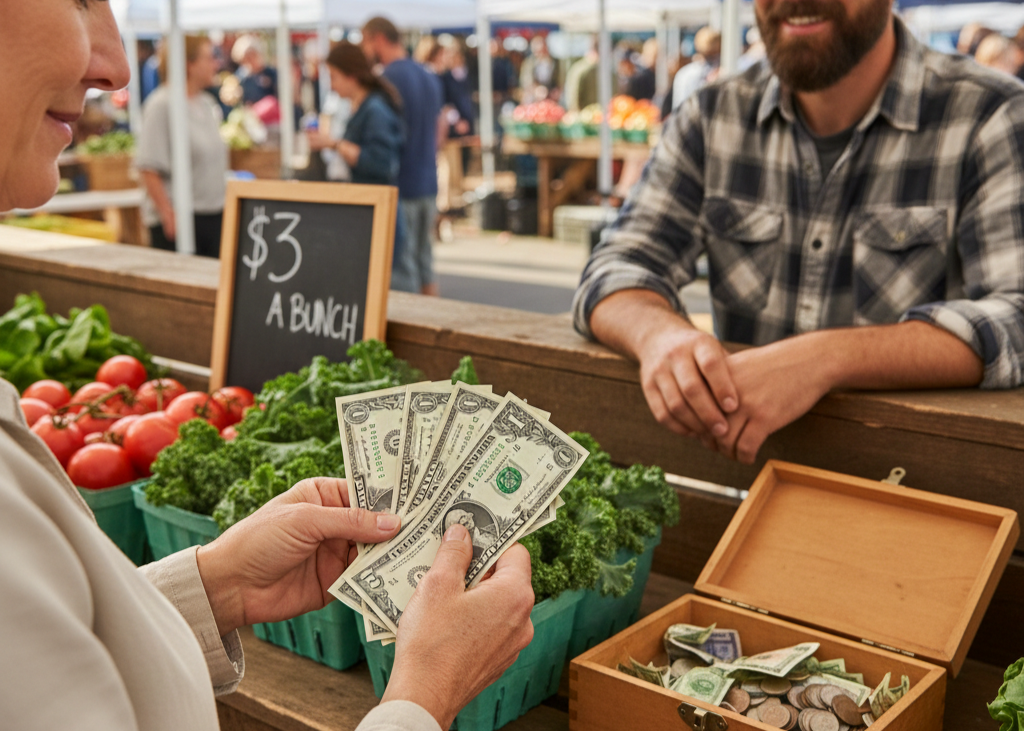
Even in an increasingly digital world, cash remains king at many farmers markets. Vendors often prefer cash for its simplicity and convenience, and having small bills can be a real advantage. Paying with exact change can sometimes earn you small discounts or even an extra item thrown in just for fun.
Carrying cash also ensures you are prepared for vendors who may not have card readers, especially at smaller markets or during busy periods. A mix of ones, fives, and tens allows for flexibility and makes transactions smooth and friendly. Beyond the practical benefits, paying with cash also encourages mindful shopping — you can see exactly how much you are spending as you go.
4. Chat Up the Farmers
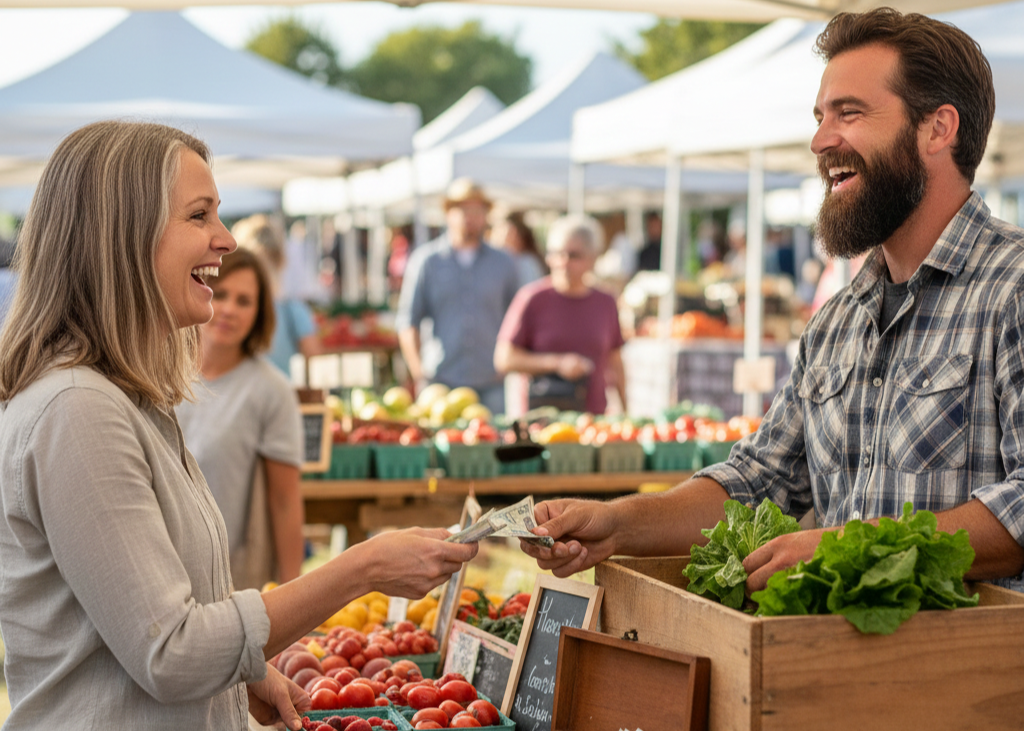
Farmers markets are about more than just buying produce—they are about connection. Vendors are often passionate about their work and love to share their knowledge. A friendly conversation can lead to tips about what is in season, suggestions for cooking unfamiliar vegetables, and advice on storing produce to keep it fresh longer.
You might learn, for example, that the cherry tomatoes at one stall were picked just hours ago, or that the squash you are eyeing is perfect for roasting because of its natural sweetness. Sometimes, striking up a rapport with a vendor can even lead to insider deals or early access to particularly prized items. Taking the time to ask questions, smile, and show genuine interest can make your shopping experience both informative and rewarding.
5. Know What is in Season
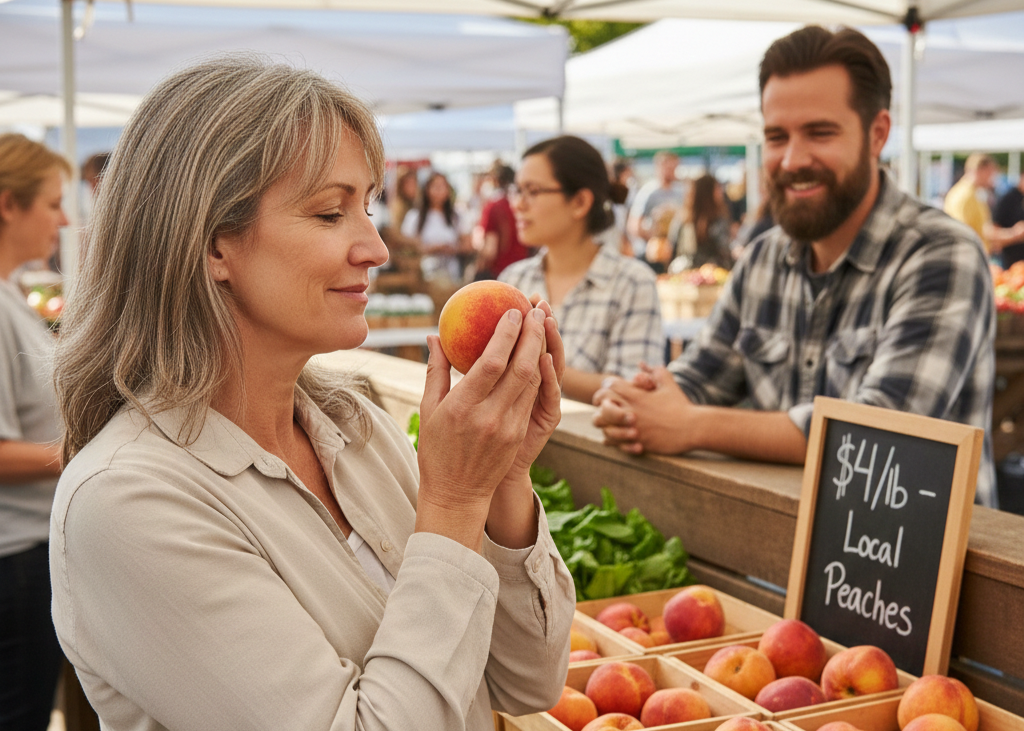
Buying in season is one of the simplest ways to save money and enjoy the freshest produce. Seasonal items are abundant, which means prices are naturally lower and flavors are at their peak. Checking a regional seasonal produce guide before you visit can help you plan your shopping list and focus on items that are likely to be both affordable and delicious.
Shopping seasonally also opens the door to culinary creativity. You might discover a new vegetable you have never cooked before or experiment with a fruit that is only available for a short period. By embracing the rhythm of the seasons, you get the best flavors and the best deals while learning to appreciate the natural cycles of food.
6. Ask About Seconds and Imperfect Produce
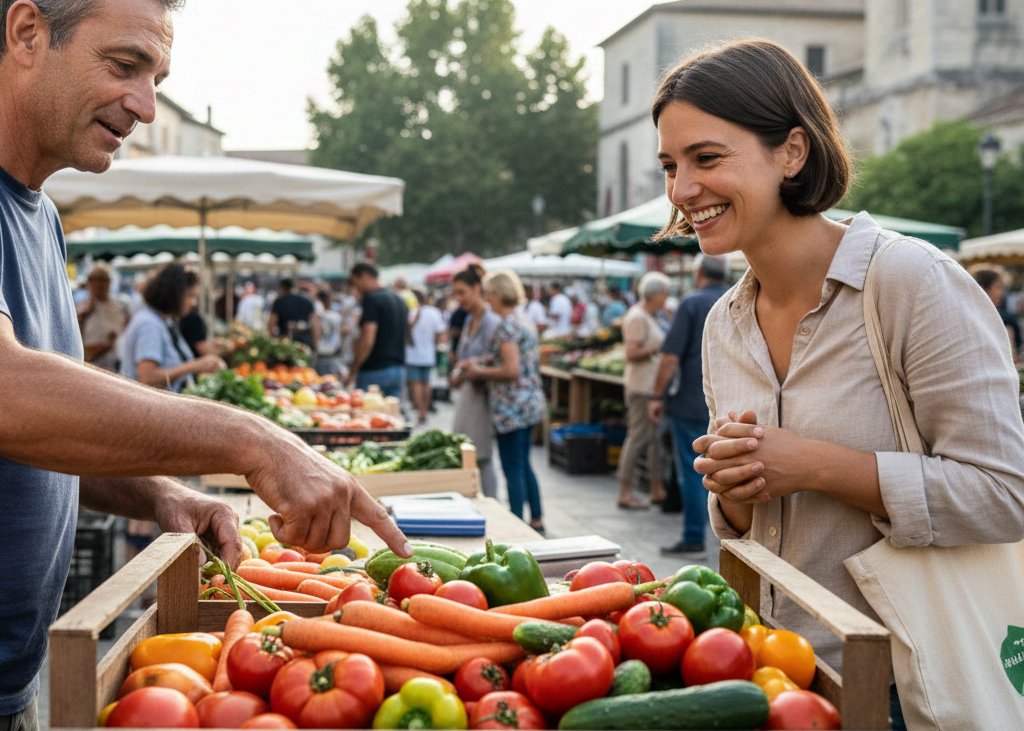
Not every carrot, tomato, or apple meets the “perfect” standard, but that does not mean it is not delicious. Many vendors have slightly imperfect produce, sometimes called “seconds,” which may have minor blemishes, unusual shapes, or sizes that are smaller than normal.
These items are often discounted, making them a budget-friendly choice for anyone willing to overlook cosmetic imperfections. Seconds are perfect for cooking, baking, canning, or making sauces. By asking about them, you can get high-quality produce at a lower price and help reduce food waste. In many cases, you will find that seconds are just as flavorful and nutritious as the more visually appealing items.
7. Buy in Bulk for Bigger Savings
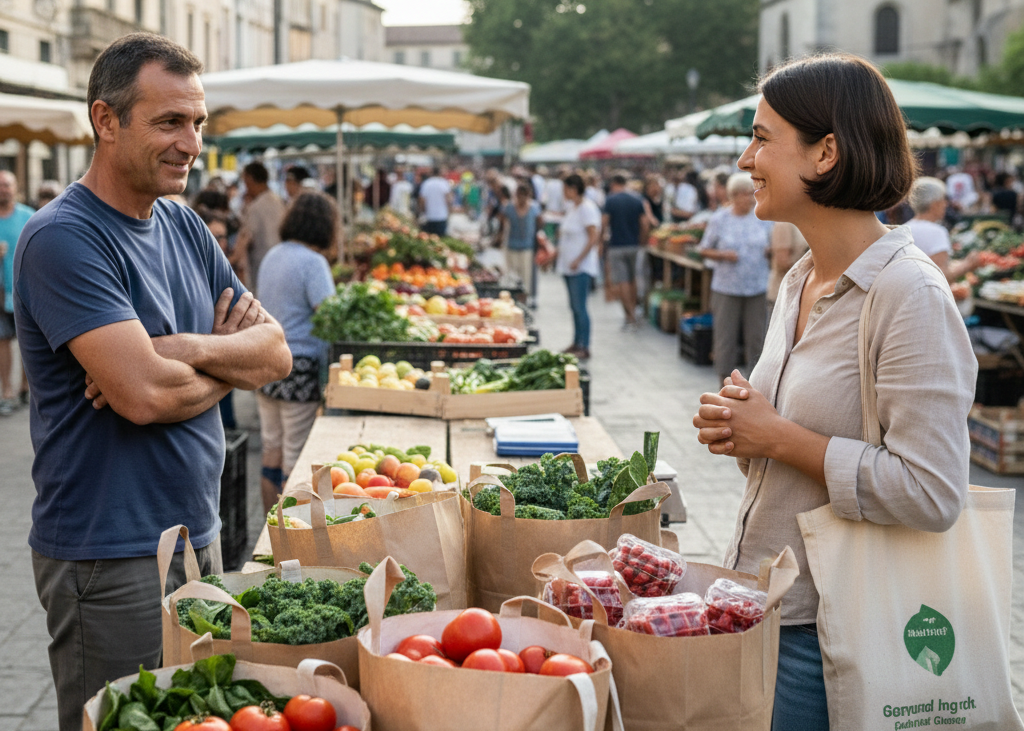
When you plan to cook for the week, preserve produce, or share with friends, buying in bulk can be a smart move. Vendors often offer lower prices per pound when you purchase larger quantities, and they may include extra items as a bonus.
Bulk shopping does require planning. Make sure you have enough reusable bags or a cooler to transport your purchases without bruising or damaging them. If you are buying items to preserve, such as tomatoes for sauce or berries for freezing, bulk buying can save both time and money. Beyond savings, it also allows you to enjoy seasonal abundance in larger quantities.
8. Go With a Flexible Game Plan
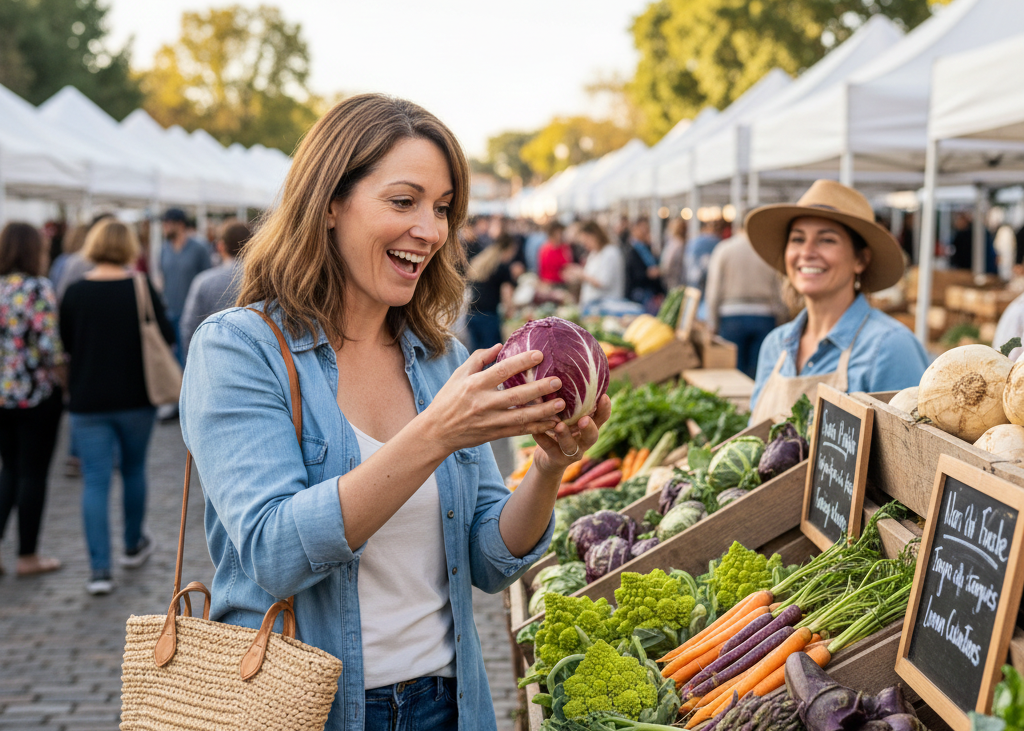
Rigid shopping lists can limit your options at a farmers market. Instead, plan your purchases by categories or meal ideas, such as greens for salads, vegetables for roasting, or fruits for smoothies. This approach allows you to take advantage of the best deals and freshest produce each week.
Flexibility also encourages culinary experimentation. You might discover a new vegetable or fruit that inspires a creative recipe. Markets are dynamic, and having a flexible game plan allows you to adapt to what is fresh, available, and affordable. This mindset turns shopping into an adventure rather than a chore, making every visit more enjoyable.
9. Bring Your Own Bags and Coolers
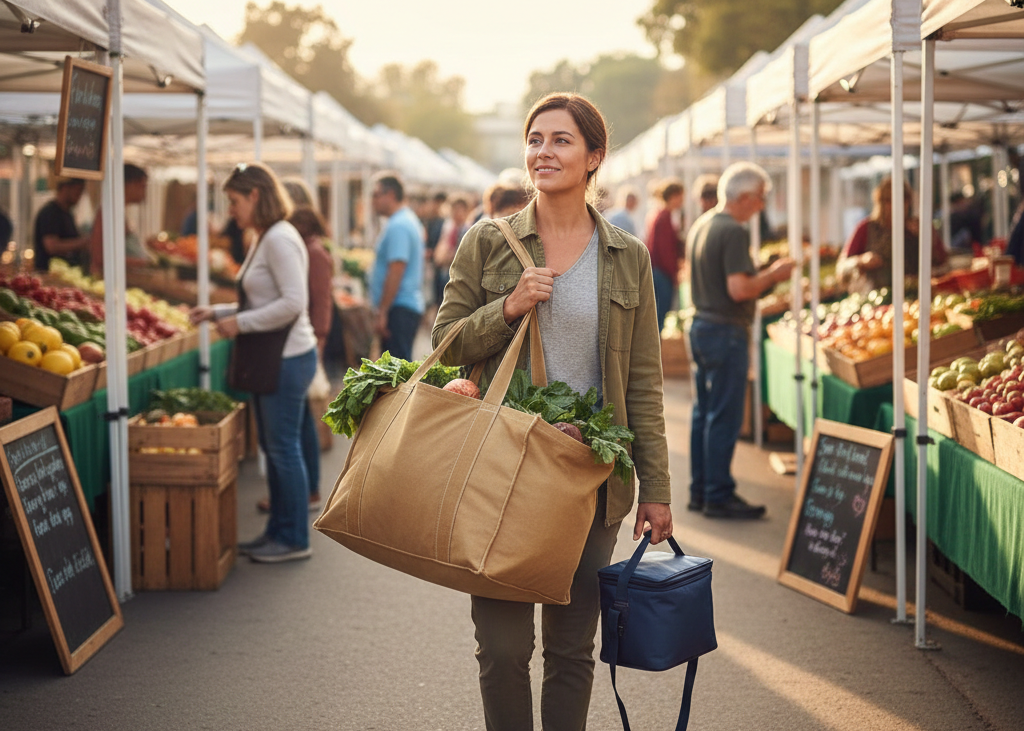
Reusable bags are essential for any market visit. They are more durable than the paper or plastic options provided and make it easier to carry multiple purchases. Coolers or insulated bags are particularly helpful for keeping perishable items like eggs, dairy, and delicate greens fresh until you get home.
Carrying sturdy bags and coolers also helps protect your produce from bruising or spoilage. This extra effort ensures your purchases stay in peak condition, giving you more time to enjoy them. Additionally, using your own bags is environmentally friendly and reduces waste, aligning your shopping habits with sustainable practices.
10. Shop in Non-Prime Weather
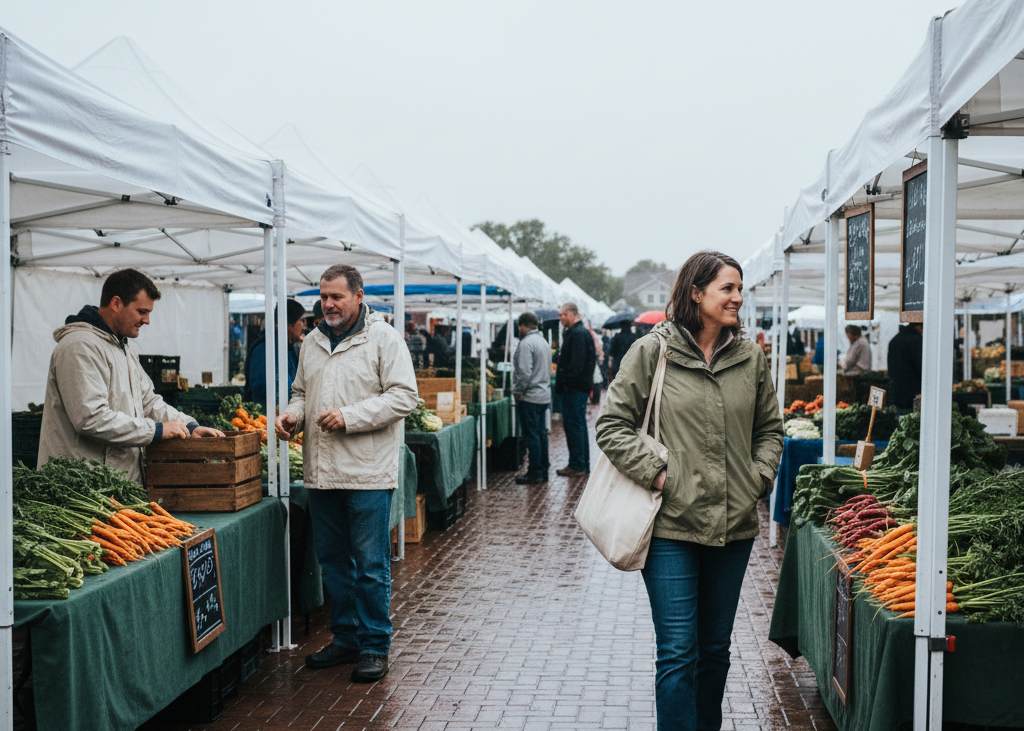
It might seem counterintuitive, but visiting a farmers market on a rainy, hot, or chilly day can actually pay off. Fewer shoppers mean vendors are more willing to negotiate and offer deals to ensure they sell their produce rather than take it home.
Dressing appropriately for the weather allows you to take advantage of quieter market conditions and sometimes lower prices. You may find yourself walking past long lines of midday shoppers and enjoying a more relaxed, peaceful experience while discovering unexpected bargains. Sometimes a little drizzle or an early morning chill can be the perfect opportunity to get the best harvest deals.
Final Thoughts
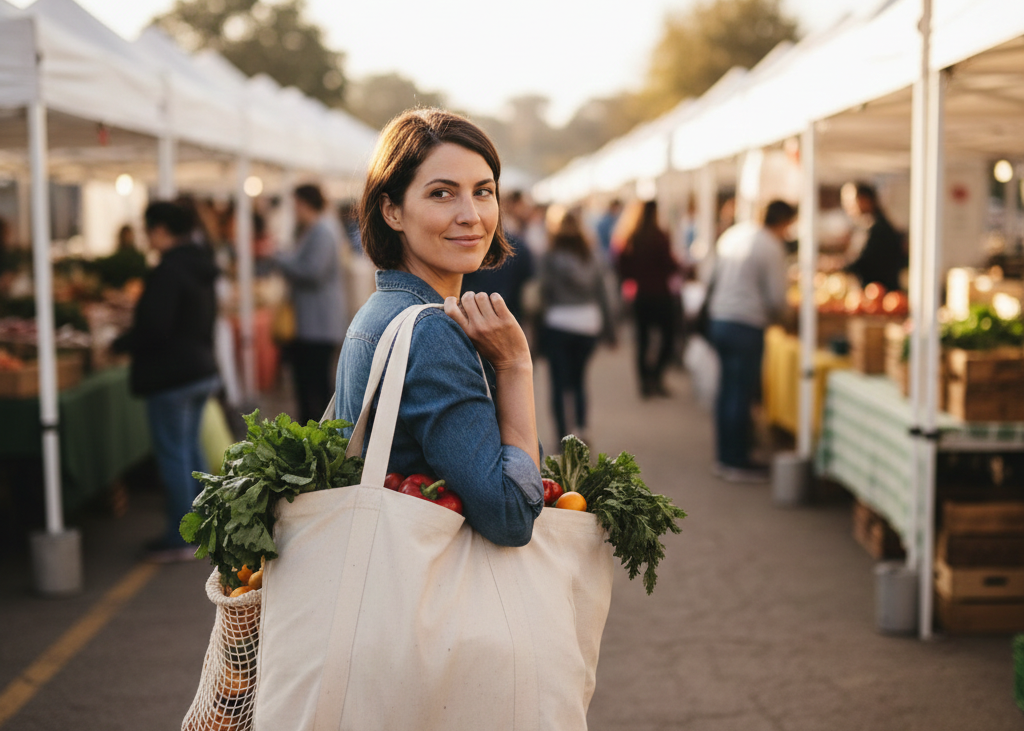
Farmers markets are vibrant hubs of community, flavor, and discovery. They offer more than just fresh produce—they provide an opportunity to connect with the people who grow your food, explore new culinary experiences, and support local agriculture. By following these ten practical hacks, you can shop smart, save money, and bring home the freshest, most flavorful ingredients available.
Smart shopping at a farmers market is not just about strategy—it is about embracing the experience. Every visit is a chance to learn, experiment, and enjoy the season’s bounty. Whether you are picking up your weekly groceries or hunting for a rare treat, approaching the market with curiosity, patience, and a few insider tricks ensures that every basket is filled with value, freshness, and joy. Farmers markets are more than a stop on your way home—they are an adventure, and these hacks are your map to getting the best deals while having the most enjoyable, rewarding shopping experience possible.
Leave a Reply