Our Debt Free Family

Commit. Plan. Take action.

  • BUDGETING
  • DEBT REDUCTION
  • INVESTING
  • LIFESTYLE
  • TOOLS
  • ABOUT
  • Privacy Policy
  • CONTACT
You are here: Home / Entertainment / 8 Fascinating Facts About Halloween You Probably Didn’t Know
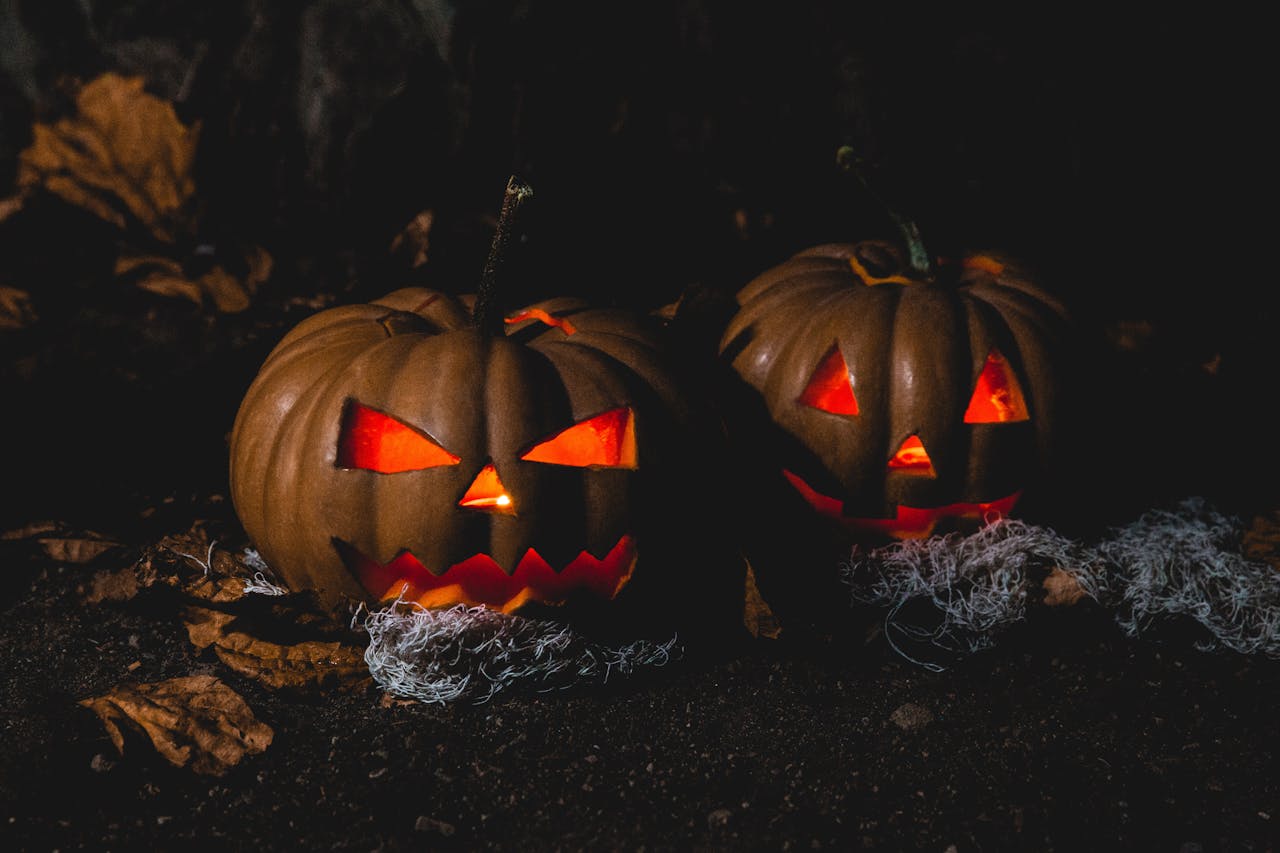
8 Fascinating Facts About Halloween You Probably Didn’t Know

October 27, 2024 | Leave a Comment

8 Fascinating Facts About Halloween You Probably Didn’t Know

<p> Halloween, celebrated on October 31st, is a time for costumes, candy, and spooky fun. While many people enjoy the festivities, the holiday is steeped in rich history and tradition that often goes unnoticed. From ancient rituals to modern-day practices, Halloween is a tapestry woven from various cultural influences. In this article, we’ll explore ten fascinating facts about Halloween that you probably didn’t know, shedding light on the origins and evolution of this beloved holiday. </p> :: Pexels

Halloween, celebrated on October 31st, is a time for costumes, candy, and spooky fun. While many people enjoy the festivities, the holiday is steeped in rich history and tradition that often goes unnoticed. From ancient rituals to modern-day practices, Halloween is a tapestry woven from various cultural influences. Here, we’ll explore ten fascinating facts about Halloween that you probably didn’t know, shedding light on the origins and evolution of this beloved holiday.

1. The Origins of Halloween Date Back Over 2,000 Years
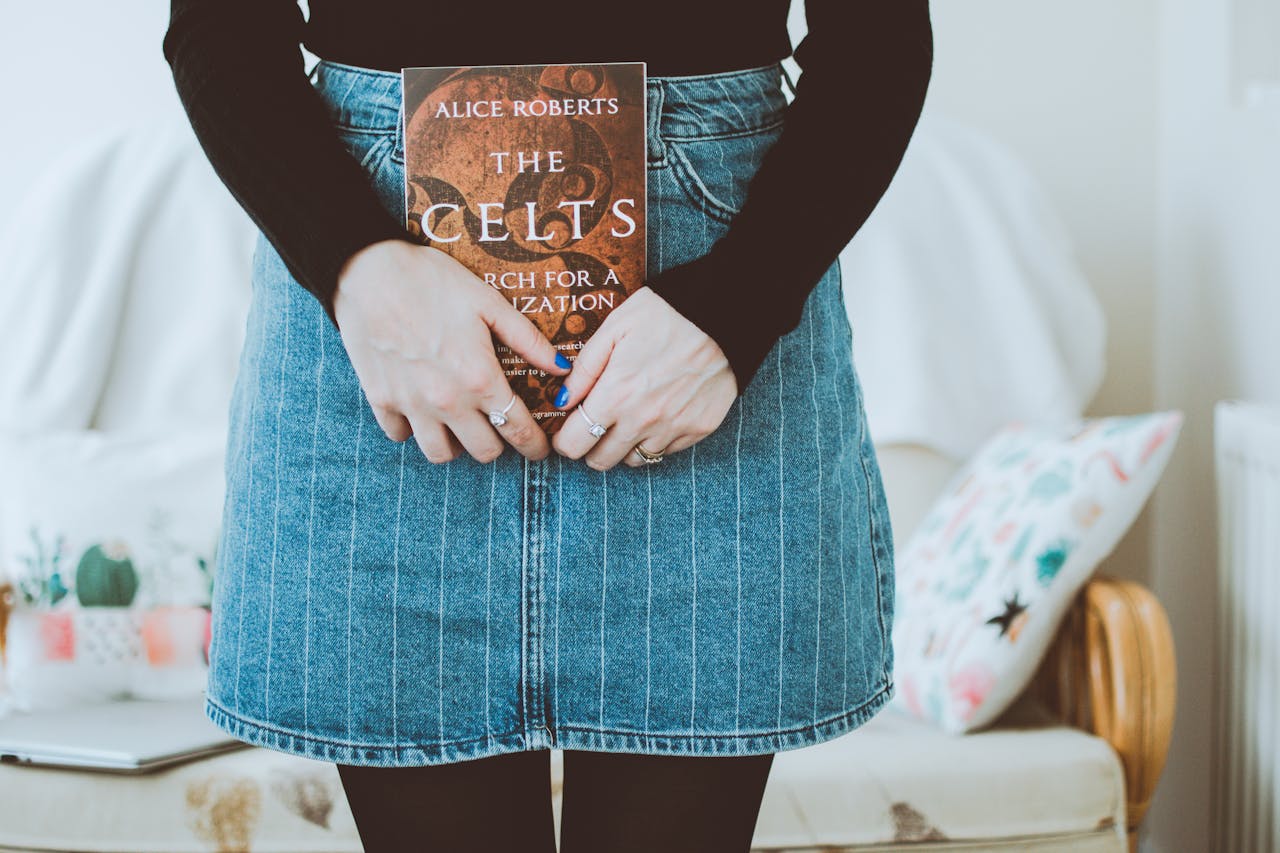
<p> Halloween's roots can be traced back to the ancient Celtic festival of Samhain, celebrated over 2,000 years ago. This festival marked the end of the harvest season and the onset of winter, a time when the boundary between the living and the dead was believed to be blurred. Celts would light bonfires and wear costumes to ward off roaming spirits. This practice laid the groundwork for many Halloween traditions we recognize today. </p> :: Pexels

Halloween’s roots can be traced back to the ancient Celtic festival of Samhain, celebrated over 2,000 years ago. This festival marked the end of the harvest season and the onset of winter, a time when the boundary between the living and the dead was believed to be blurred. Celts would light bonfires and wear costumes to ward off roaming spirits. This practice laid the groundwork for many Halloween traditions we recognize today.

2. The Name “Halloween” Comes from All Hallows’ Eve
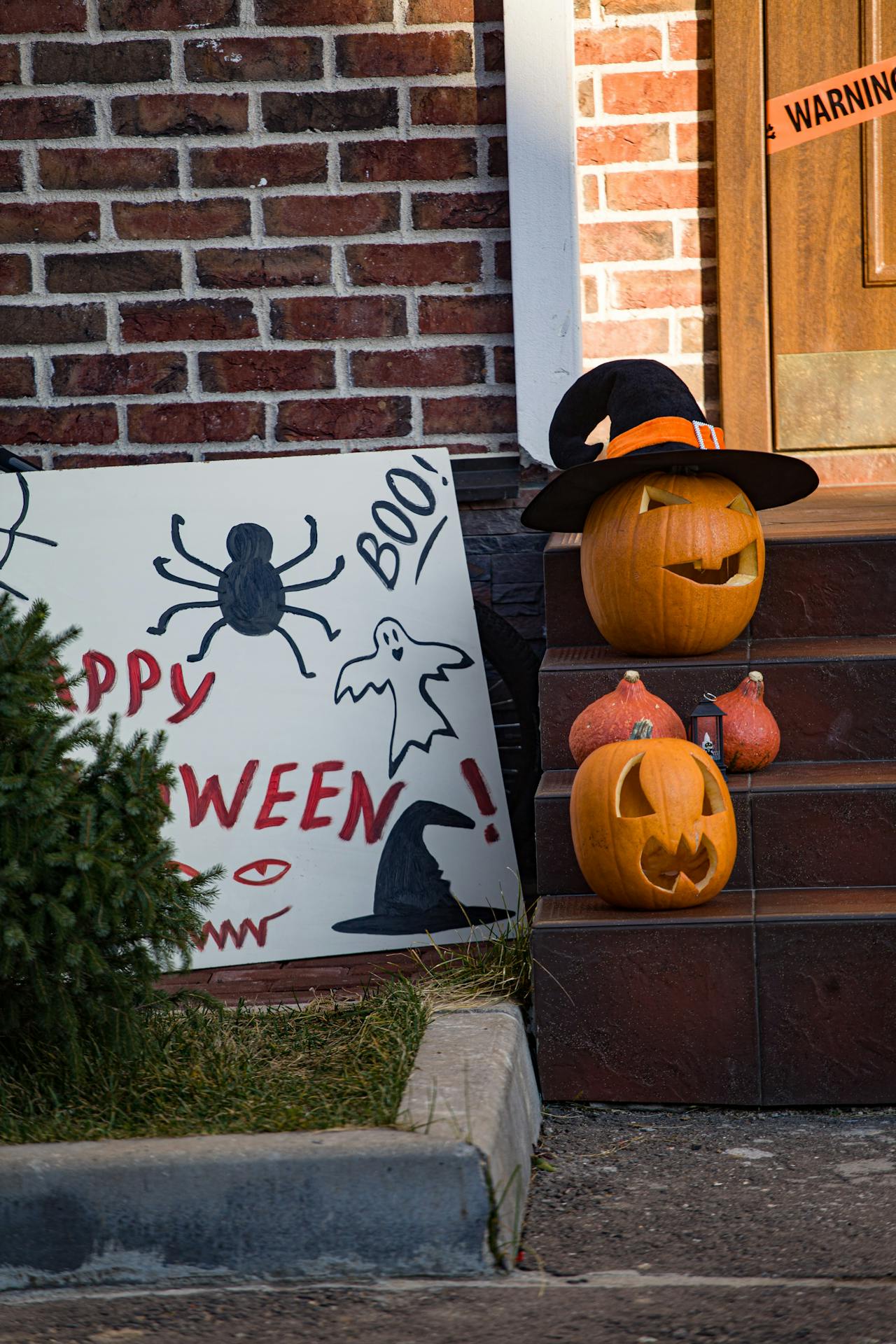
<p> The name "Halloween" is derived from "All Hallows' Eve," which refers to the evening before All Hallows' Day (or All Saints' Day), celebrated on November 1st. This Christian holiday honors saints and martyrs, and the evening before it became a time for various pre-Christian customs to blend with Christian practices. Over time, "All Hallows' Eve" was shortened to "Halloween." </p> :: Pexels

The name “Halloween” is derived from “All Hallows’ Eve,” which refers to the evening before All Hallows’ Day (or All Saints’ Day), celebrated on November 1st. This Christian holiday honors saints and martyrs, and the evening before it became a time for various pre-Christian customs to blend with Christian practices. Over time, “All Hallows’ Eve” was shortened to “Halloween.”

3. Trick-or-Treating Has Historical Roots
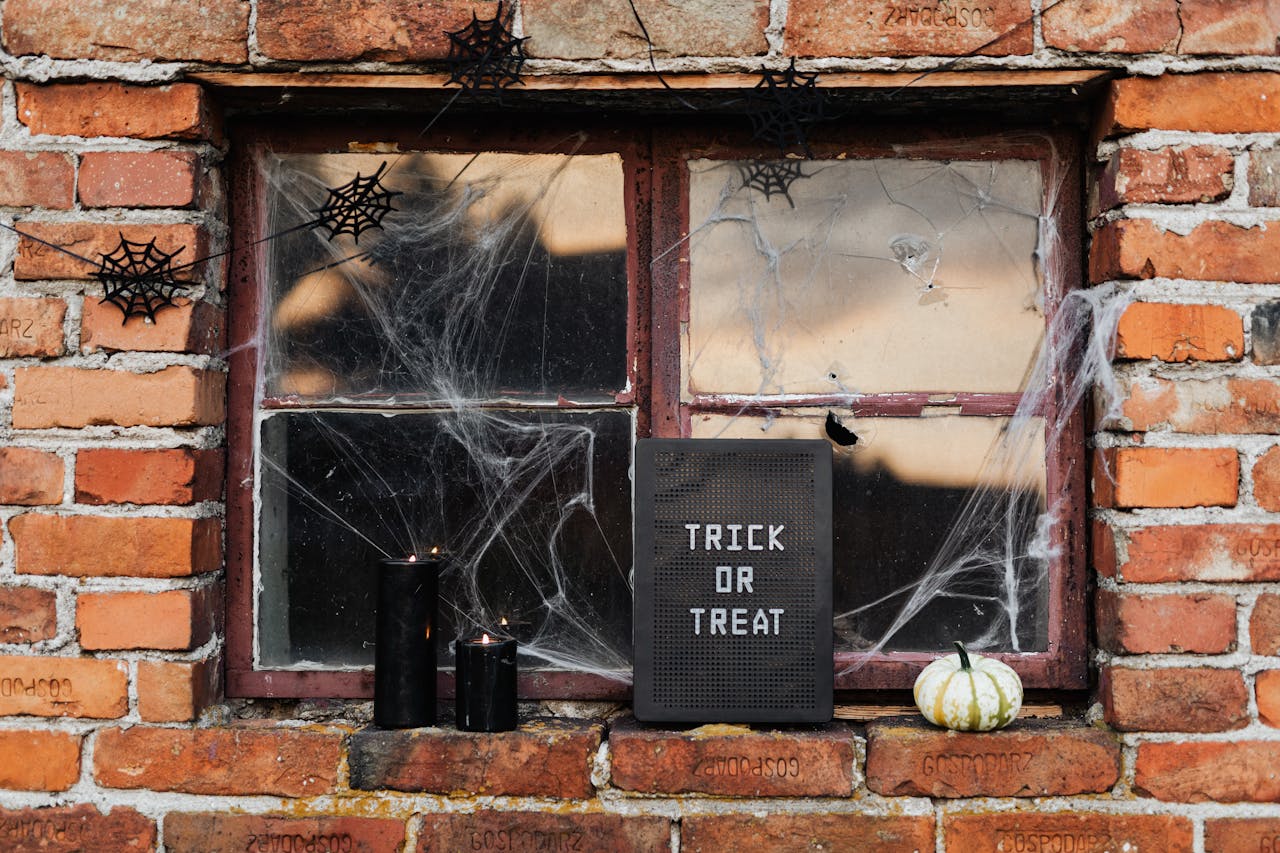
<p> The tradition of trick-or-treating has historical origins in several practices. One of the earliest is "souling," where the poor would go door-to-door on All Hallows' Eve, asking for food in exchange for prayers for the deceased. Another practice involved children dressing up and performing in exchange for treats. The modern custom of trick-or-treating as we know it began in the United States in the late 19th century and has since become a staple of Halloween celebrations. </p> :: Pexels

The tradition of trick-or-treating has historical origins in several practices. One of the earliest is “souling,” where the poor would go door-to-door on All Hallows’ Eve, asking for food in exchange for prayers for the deceased. Another practice involved children dressing up and performing in exchange for treats. The modern custom of trick-or-treating as we know it began in the United States in the late 19th century and has since become a staple of Halloween celebrations.

4. The First Jack-o’-Lanterns Were Made from Turnips
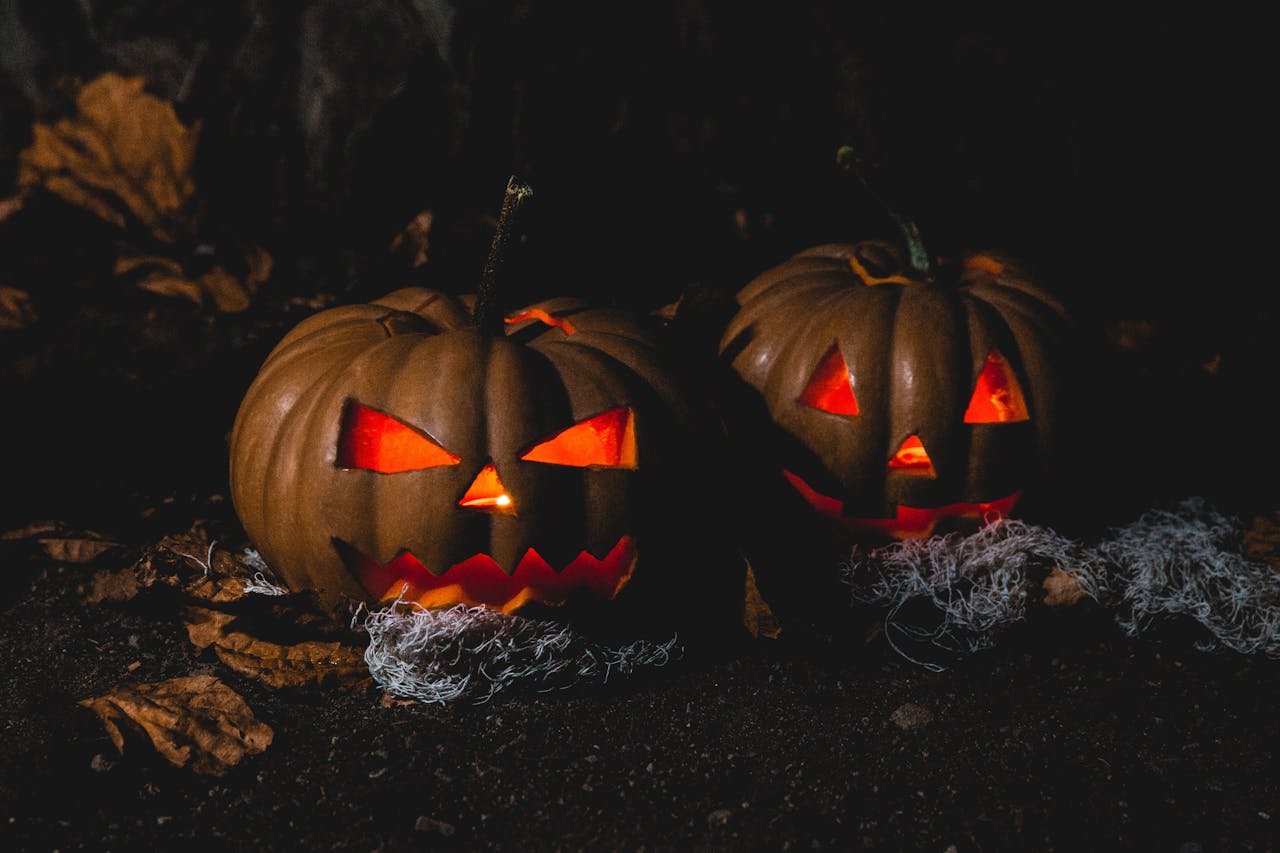
<p> While pumpkins are the quintessential symbol of Halloween today, the original jack-o'-lanterns were carved from turnips or potatoes. This tradition originated in Ireland, where people would hollow out these vegetables and place candles inside to ward off evil spirits. When Irish immigrants came to America, they discovered that pumpkins were more abundant and easier to carve, leading to the popularization of the pumpkin jack-o'-lantern. </p> :: Pexels

While pumpkins are the quintessential symbol of Halloween today, the original jack-o’-lanterns were carved from turnips or potatoes. This tradition originated in Ireland, where people would hollow out these vegetables and place candles inside to ward off evil spirits. When Irish immigrants came to America, they discovered that pumpkins were more abundant and easier to carve, leading to the popularization of the pumpkin jack-o’-lantern.

5. Halloween Is the Second Highest-Grossing Commercial Holiday
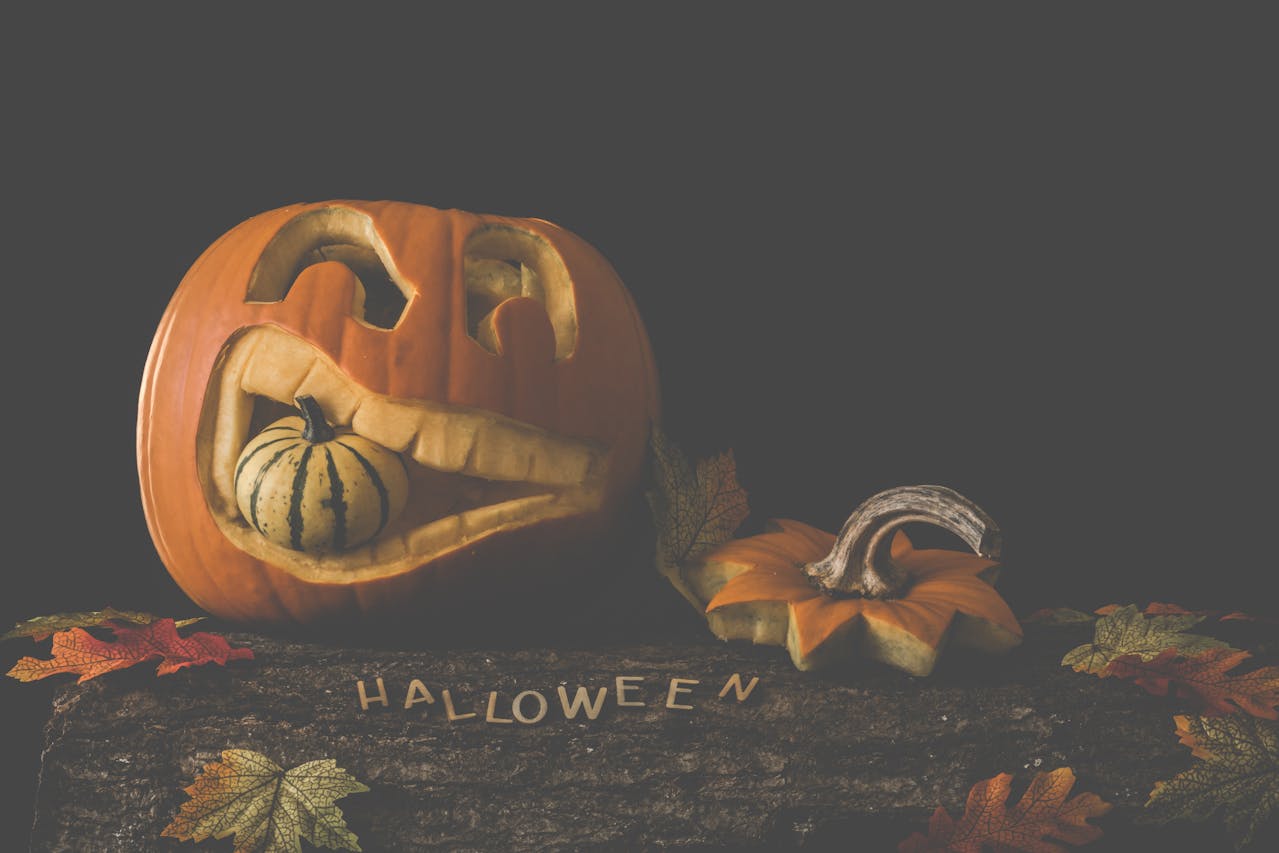
<p> After Christmas, Halloween ranks as the second highest-grossing commercial holiday in the United States. In 2022, consumers spent approximately $10.6 billion on Halloween-related expenses, including costumes, decorations, and candy. This financial boom highlights the holiday's popularity and the extent to which people embrace the festive spirit. </p> :: Pexels

After Christmas, Halloween ranks as the second highest-grossing commercial holiday in the United States. In 2022, consumers spent approximately $10.6 billion on Halloween-related expenses, including costumes, decorations, and candy. This financial boom highlights the holiday’s popularity and the extent to which people embrace the festive spirit.

6. Halloween Was Once Considered a Time for Divination
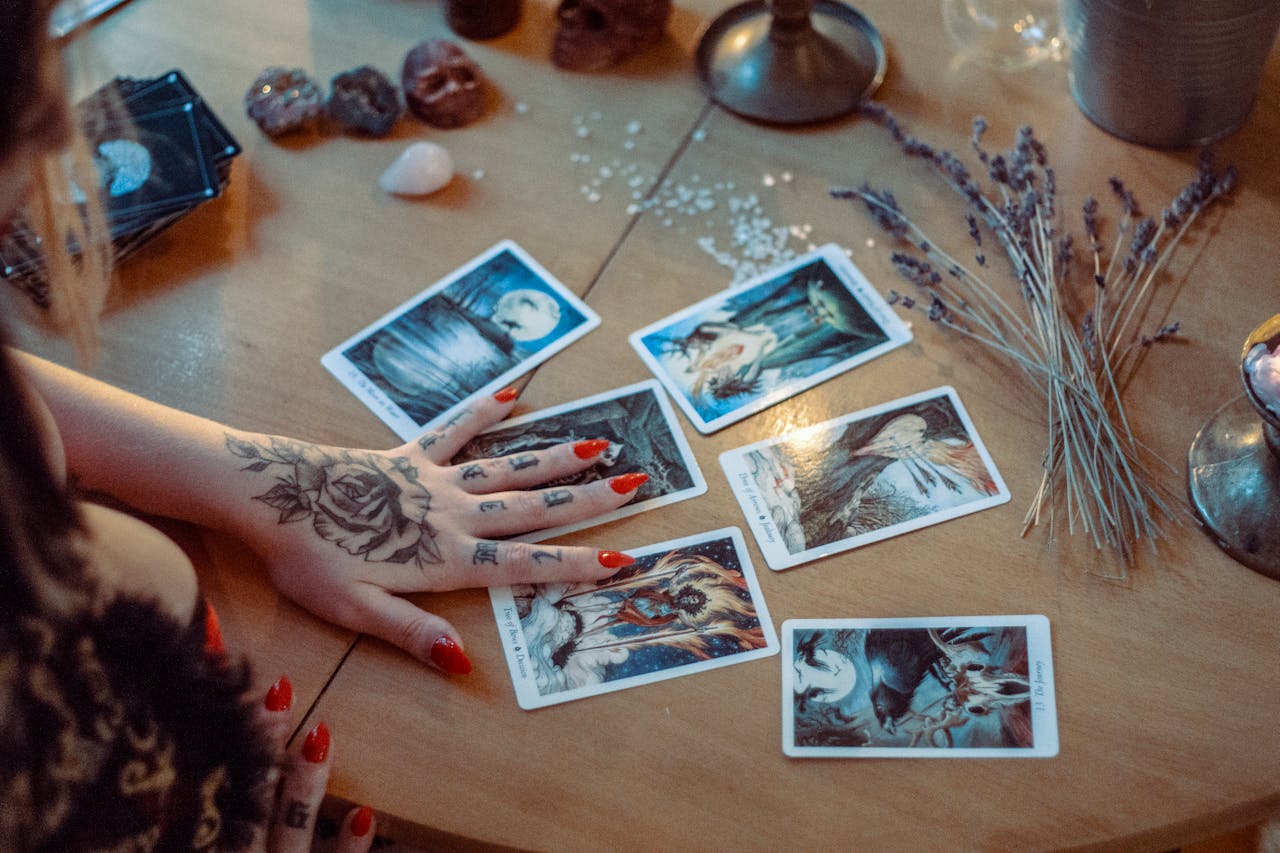
<p> In ancient times, Halloween was viewed as a time for divination and fortune-telling. People believed that the veil between the worlds of the living and the dead was thinnest on this night, allowing for predictions about the future. Young women would often participate in rituals, such as peeling an apple and throwing the peel over their shoulders, believing that the shape of the peel would reveal the initials of their future husbands. </p> :: Pexels

In ancient times, Halloween was viewed as a time for divination and fortune-telling. People believed that the veil between the worlds of the living and the dead was thinnest on this night, allowing for predictions about the future. Young women would often participate in rituals, such as peeling an apple and throwing the peel over their shoulders, believing that the shape of the peel would reveal the initials of their future husbands.

7. The Famous Halloween Colors Have Meaning
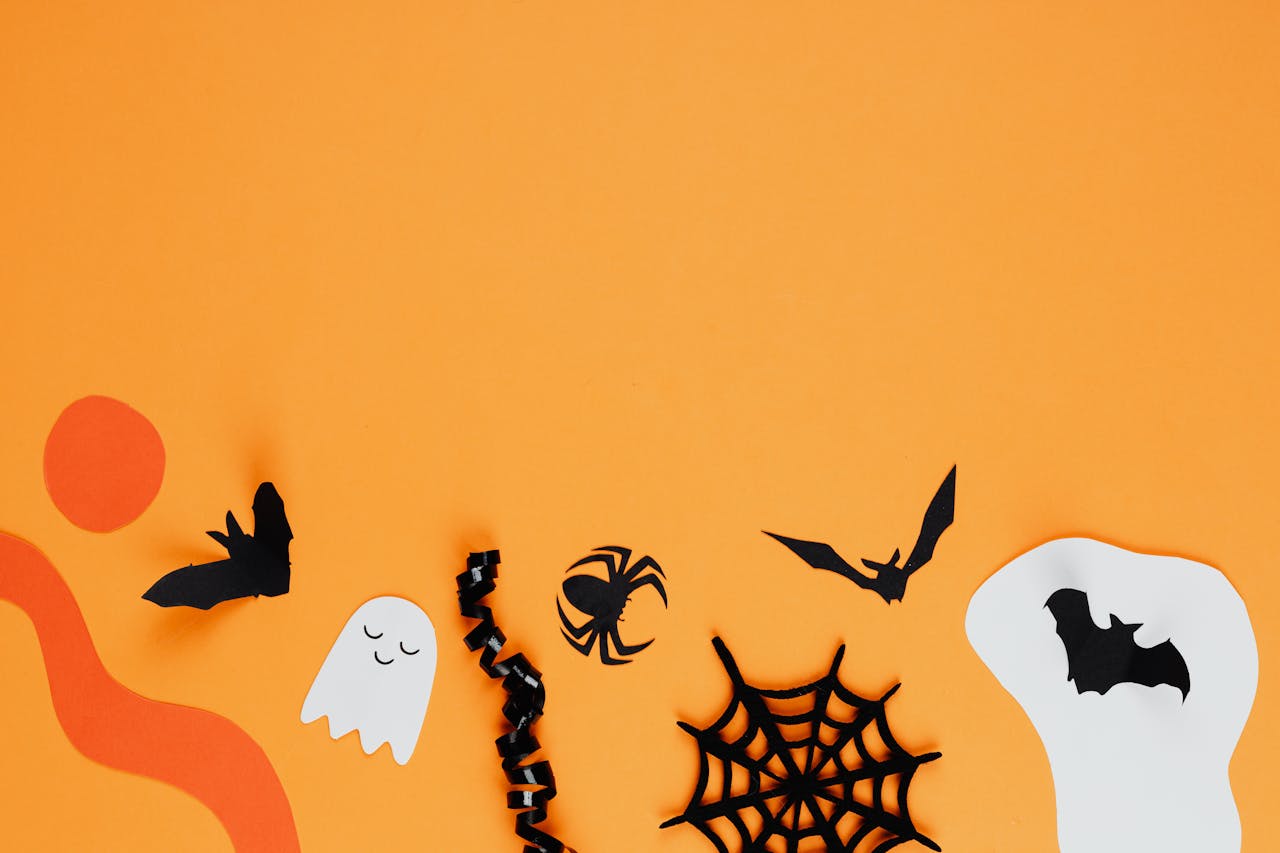
<p> The traditional colors of Halloween—orange and black—have significant meanings. Orange symbolizes the fall harvest and the vibrant colors of autumn leaves, while black represents darkness, death, and the unknown. Together, these colors create a stark contrast that perfectly embodies the essence of Halloween, merging the celebration of life and the acknowledgment of mortality. </p> :: Pexels

The traditional colors of Halloween—orange and black—have significant meanings. Orange symbolizes the fall harvest and the vibrant colors of autumn leaves, while black represents darkness, death, and the unknown. Together, these colors create a stark contrast that perfectly embodies the essence of Halloween, merging the celebration of life and the acknowledgment of mortality.

8. Some People Believe Halloween Is Bad Luck
<p> While Halloween is a time for fun and festivities for many, some cultures consider it to be a harbinger of bad luck. In certain superstitions, it is believed that celebrating Halloween can invite evil spirits and misfortune into one's life. As a result, some people choose not to participate in Halloween activities or go out of their way to avoid anything related to the holiday. </p> :: Pexels

While Halloween is a time for fun and festivities for many, some cultures consider it to be a harbinger of bad luck. In certain superstitions, it is believed that celebrating Halloween can invite evil spirits and misfortune into one’s life. As a result, some people choose not to participate in Halloween activities or go out of their way to avoid anything related to the holiday.

Final Thoughts
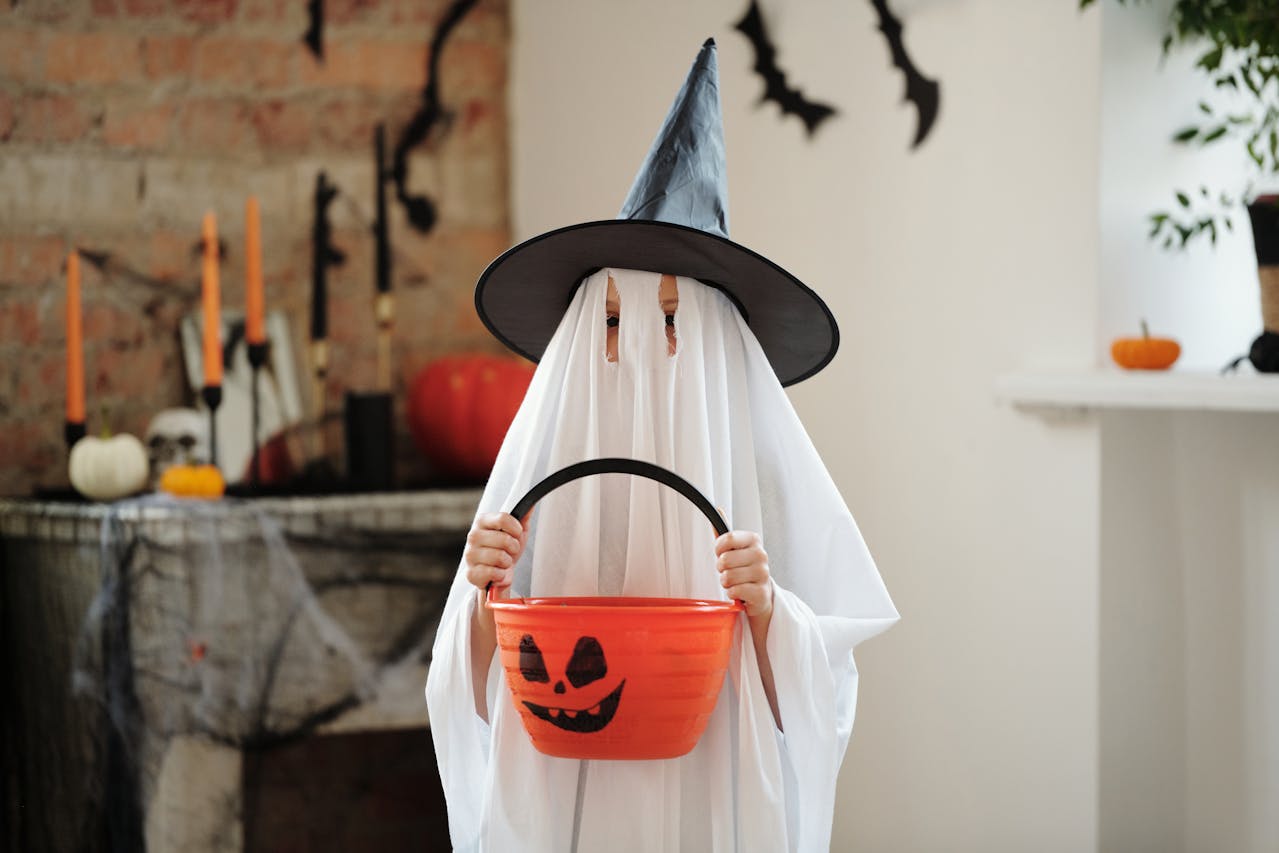
<p> Halloween is a holiday rich in history and tradition, with many fascinating facts that often go unnoticed. From its ancient origins to modern-day celebrations, Halloween has evolved into a unique blend of cultural influences and practices. By understanding these ten intriguing facts, you can deepen your appreciation for this spooky holiday and share its rich legacy with friends and family. Whether you’re dressing up, carving pumpkins, or enjoying candy, remember the fascinating history that makes Halloween a cherished time of year. </p> :: Pexels

Halloween is a holiday rich in history and tradition, with many fascinating facts that often go unnoticed. From its ancient origins to modern-day celebrations, Halloween has evolved into a unique blend of cultural influences and practices. By understanding these ten intriguing facts, you can deepen your appreciation for this spooky holiday and share its rich legacy with friends and family. Whether you’re dressing up, carving pumpkins, or enjoying candy, remember the fascinating history that makes Halloween a cherished time of year.

Filed Under: Entertainment

Leave a Reply Cancel reply

Your email address will not be published. Required fields are marked *

  • Email
  • Facebook
  • Pinterest
  • Twitter

Our Most Popular Articles

ClickCashGo Review: Should You Avoid At All Costs?

Ultimate Guide to Mastering Your Credit Score

The 'YOLO' Mindset is a Dangerous Thing

Dave Ramsey's Financial Peace University Review: Is it Worth the Money?

Cash App Glitch 2025: Is the Free Money Glitch Real?

Five Steps To Debt Freedom

Here are five simple guidlines that will help you pay off debt.  

1) Get an emergency fund so you don’t take on debt when something comes up.

2) List your debts. This way you know where you stand.

3) Use the debt snowball. Pay your debts from smallest to largest, or most expensive to least expensive.

4) Avoid new debt. No new credit cards or loans. Period.

5) Go all cash. After everything is paid off, switch to all cash.

Helpful Resources

U of Tennesse Debt Repayment Plan Basics

Vertex 42's Debt Payoff Calculator

Savingadvice's Helpful Debt Forums

Jackie Becks Debt Blog