13 Foods Boomers Just Cannot Stop Eating Even When They Know It’s Bad for Their Health

For many baby boomers, food is more than just fuel. It is comfort, nostalgia, and a way to connect with family traditions. From school lunches to holiday dinners, certain foods have earned a permanent spot in our hearts and on our plates. The problem is that some of these beloved foods are not exactly kind to our bodies as we age. Heartburn, high blood pressure, and fluctuating cholesterol levels often remind us that what felt safe decades ago may not be so harmless now. Yet, despite knowing better, these foods are almost impossible to resist.
Whether it is a classic dish from childhood, a treat that brings back memories of family gatherings, or a simple snack that always satisfies, boomers often find themselves reaching for the same old favorites. While giving up these foods entirely may feel impossible or even unnecessary, understanding their impact on health and finding smarter ways to enjoy them can make a huge difference. Here are the foods boomers just cannot stop eating and tips for enjoying them in a healthier way.
1. Tuna Noodle Casserole

Few dishes scream “comfort food” like tuna noodle casserole. This creamy combination of canned tuna, noodles, and a rich soup base is nostalgic and convenient, reminding many boomers of dinners growing up. It is quick, affordable, and filling. However, it is often loaded with sodium and saturated fats. Consuming it frequently can affect blood pressure and heart health over time.
There are ways to enjoy this classic without the guilt. Swap the traditional white noodles for whole-grain pasta and replace the heavy cream soup with a low-sodium broth thickened with a bit of milk. Adding vegetables such as peas, carrots, or mushrooms not only boosts fiber but also adds vibrant color and extra nutrients. This version keeps the flavor and comfort intact but makes it easier for your body to handle.
2. Hot Dogs

Hot dogs have been a staple at backyard barbecues, ballparks, and family gatherings for decades. Their appeal is undeniable: they are quick to prepare, flavorful, and satisfying. Unfortunately, they are also processed meats high in sodium, saturated fat, and preservatives. Frequent consumption of hot dogs has been linked to higher risks of heart disease and certain cancers.
The good news is that there are healthier alternatives. Lean turkey or chicken sausages can deliver a similar taste and convenience without overloading on unhealthy ingredients. Grilling or baking them instead of pan-frying reduces the fat content. Pairing them with whole-grain buns and fresh vegetables can make your summer meal both nostalgic and nutritious.
3. White Bread Sandwiches
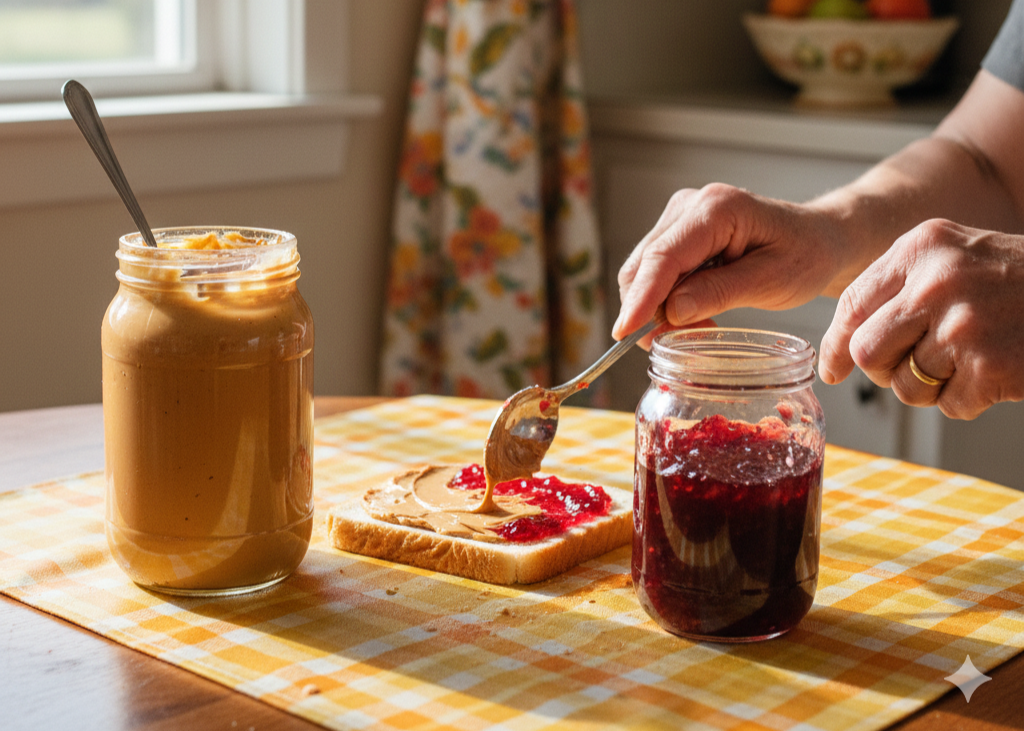
Soft, fluffy white bread has a special place in many boomers’ memories. It held peanut butter and jelly sandwiches, grilled cheese, and ham and cheese favorites. Its texture and flavor are comforting, but nutritionally, white bread is low in fiber and high in refined carbohydrates. Over time, regular consumption can lead to blood sugar spikes, energy crashes, and weight gain.
Swapping white bread for whole-grain or sprouted breads can make a noticeable difference. Whole grains provide more fiber, which helps regulate digestion and blood sugar while keeping you fuller for longer. The same nostalgic sandwich can still taste great with a healthier bread base. Adding extra toppings like fresh vegetables or avocado also boosts both flavor and nutrition.
4. Canned Soups
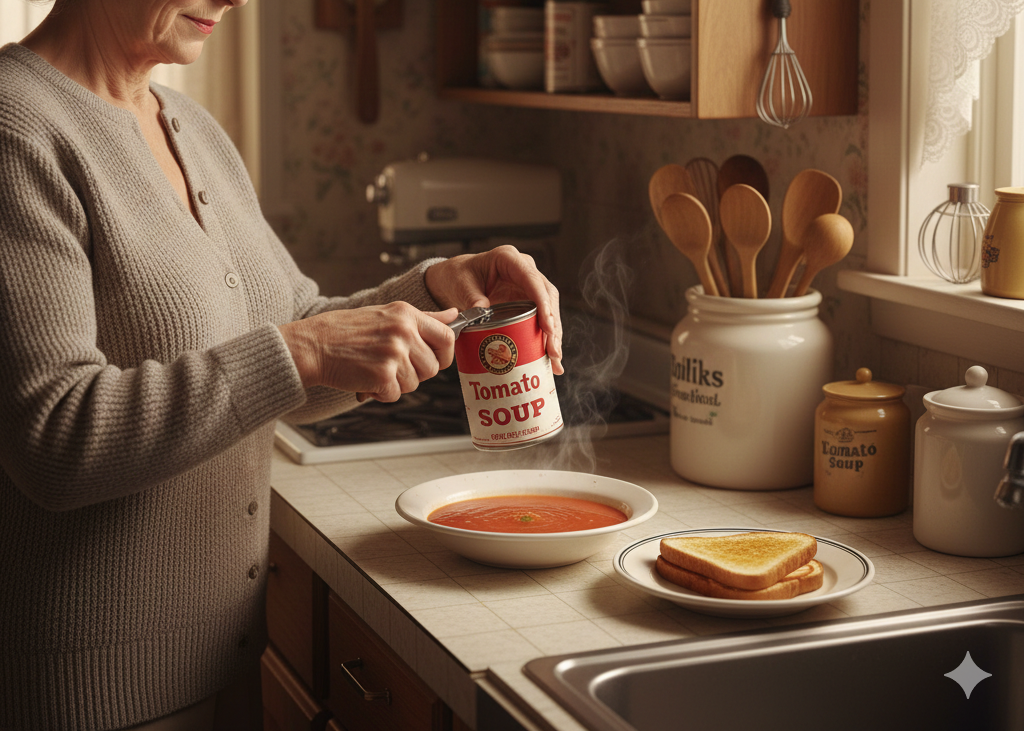
Canned soups are convenient, comforting, and often a quick go-to for lunch or dinner. Many boomers grew up with these soups, and their taste evokes memories of warmth and care. Yet, the convenience comes with a downside. Many canned soups are loaded with sodium, which can negatively impact blood pressure and overall heart health. Some even contain added sugar and artificial preservatives.
Homemade soups are an easy solution. Using fresh vegetables, lean proteins, herbs, and low-sodium broth gives you a flavorful, nourishing alternative. You can even make large batches and freeze individual portions for quick meals later. This approach allows you to maintain the convenience while significantly improving the nutritional value.
5. Fried Chicken
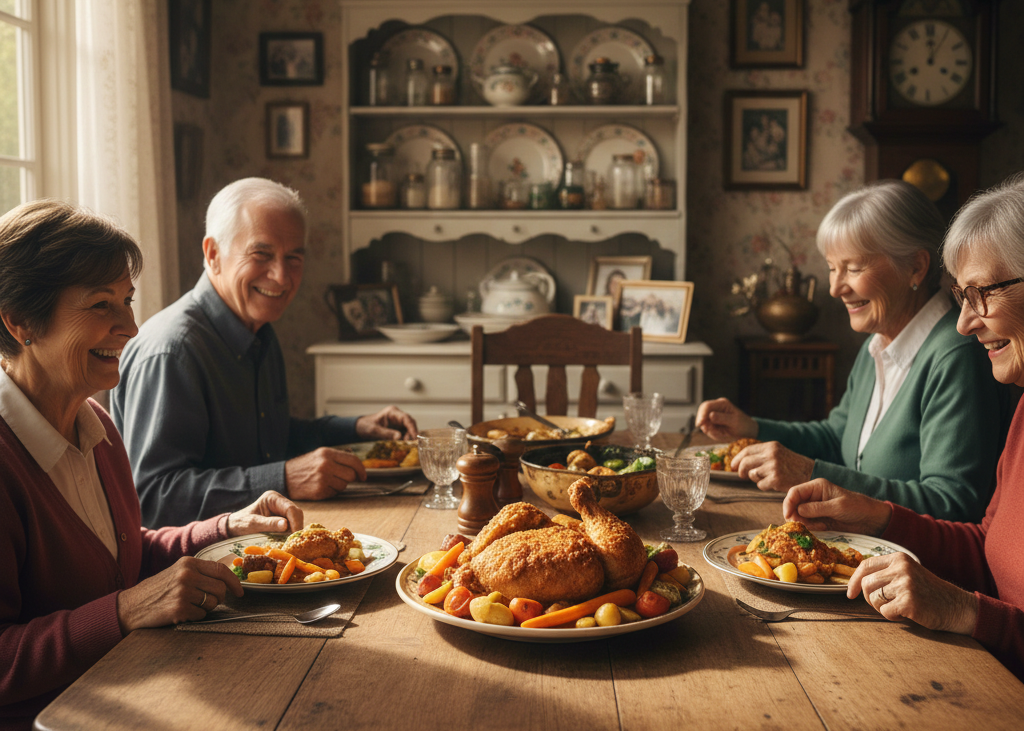
Golden, crispy, and juicy fried chicken is hard to resist. It is a classic dish that evokes family dinners, picnics, and Sunday gatherings. However, frying chicken increases calories and unhealthy fats, which can elevate cholesterol and contribute to heart disease.
Healthier methods can still give you that satisfying crunch. Baking or air-frying chicken with a light coating of spices or breadcrumbs can provide the texture you love without the excessive fat. Pairing it with roasted vegetables or a light salad keeps the meal balanced and supports long-term health. Small changes like these make it possible to enjoy the classic taste without the drawbacks.
6. Cheese Plate Snacks

Cheese has always been a favorite snack. Whether on crackers at a party or enjoyed alone as a quick bite, cheese is convenient and flavorful. The challenge lies in its high content of saturated fat and sodium, which can impact cholesterol and blood pressure.
Moderation is key. Enjoy smaller portions and pair them with fresh fruit, whole-grain crackers, or nuts. These combinations provide extra nutrients, fiber, and variety while keeping the snack satisfying. Cheese does not have to be off-limits; mindful portion control allows you to enjoy it while protecting heart health.
7. Cold Cuts and Deli Meats

A classic deli sandwich can be a comforting lunch, filled with bologna, ham, salami, or roast beef. Cold cuts are easy to prepare and bring back memories of school lunches and quick meals at home. Unfortunately, these meats are highly processed, full of sodium, and contain preservatives that can increase the risk of chronic diseases over time.
Freshly sliced turkey or chicken breast is a healthier alternative. Add fresh vegetables, avocado, and whole-grain bread to create a sandwich that satisfies like the classic version but is better for your health. Even small changes to an everyday lunch can make a significant impact over time.
8. Sugar-Sweetened Beverages

Sweet iced tea, sodas, and juice cocktails are often associated with nostalgia, summer barbecues, and indulgence. Many boomers grew up enjoying these beverages as a treat, but the sugar content in these drinks contributes to weight gain, insulin resistance, and increased risk of type 2 diabetes.
Simple swaps can be surprisingly effective. Water infused with fresh fruit, sparkling water, or unsweetened herbal teas can provide flavor and refreshment without the sugar overload. You may find that after a few weeks, your taste buds adjust, and overly sweet drinks are less appealing. Small changes in beverage choices can have a major impact on overall health.
9. Potato Chips
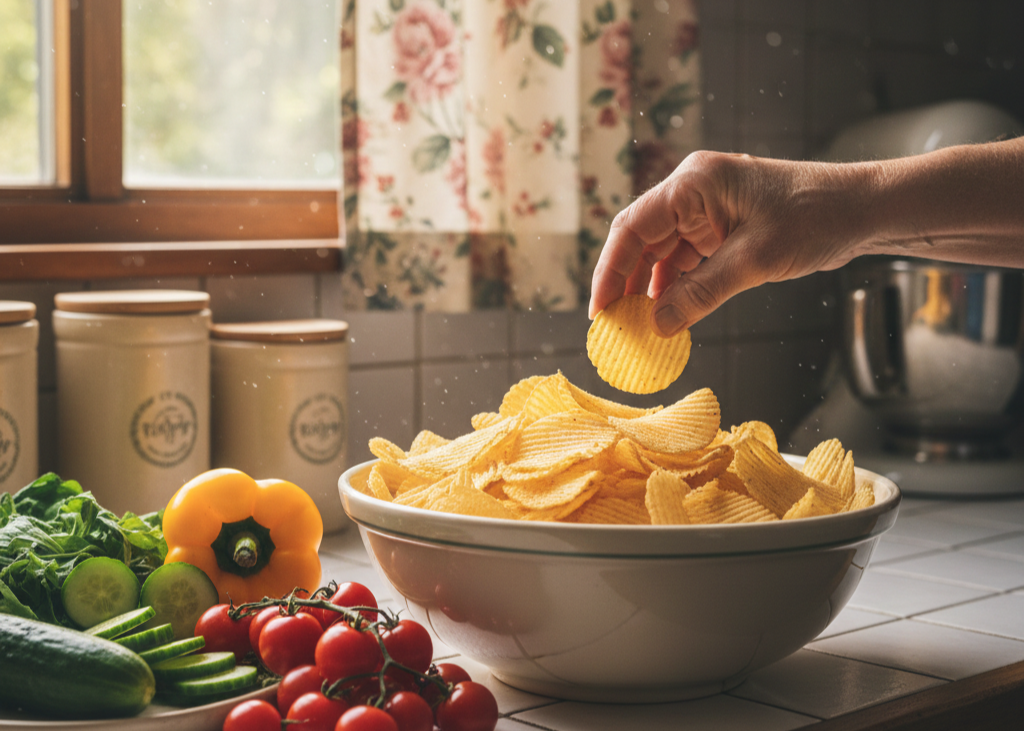
Few snacks are as addictive as potato chips. Their crunch, saltiness, and convenience make them a favorite for many boomers. Unfortunately, potato chips are high in fat, salt, and calories and easy to overeat. Regular consumption can contribute to weight gain and higher cholesterol levels.
Healthier alternatives include air-popped popcorn, roasted chickpeas, or baked vegetable chips. Adding spices such as paprika, garlic powder, or chili flakes can enhance flavor without relying on excessive salt or fat. Snacks like these provide satisfaction while supporting a more balanced diet.
10. Creamed Spinach and Creamy Sides

Creamy side dishes, such as creamed spinach or scalloped potatoes, often grace holiday tables and dinner spreads. They are rich, flavorful, and nostalgic. Yet, heavy cream and butter make these dishes high in saturated fat, which can negatively affect heart health over time.
Lightened-up versions are simple to prepare. Use olive oil, garlic, and a small amount of milk instead of cream. You can even add fresh herbs to enhance flavor. This approach maintains the comfort and taste of traditional favorites while making them much healthier. It is a perfect example of how minor adjustments can have a meaningful effect.
11. Jell-O Salads

Jell-O salads are a colorful, retro favorite that many boomers associate with holidays, potlucks, and childhood dinners. While visually appealing, they are typically high in sugar and low in nutritional value.
Fresh fruit salads or yogurt parfaits with berries make excellent replacements. They retain the sweet, colorful appeal but offer vitamins, fiber, and protein. You can even get creative with layered parfaits that feel festive while being far healthier. Swapping ingredients without losing the fun keeps nostalgia alive in a much more nourishing way.
12. Meatloaf
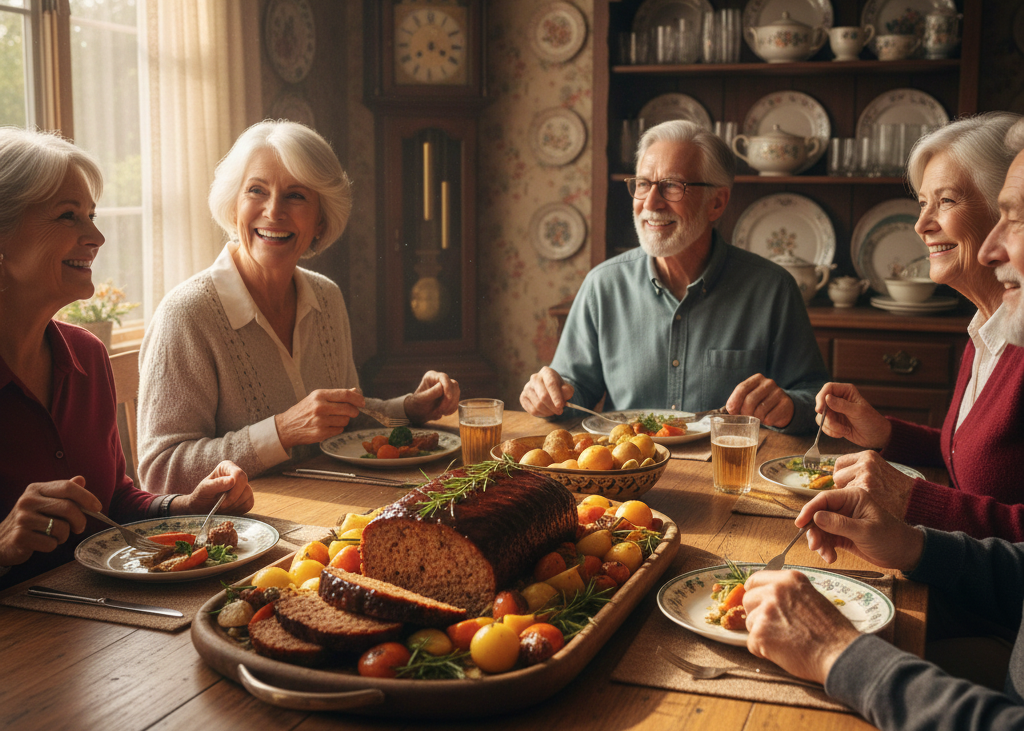
Meatloaf is another comfort food that many boomers grew up loving. It is hearty, satisfying, and often associated with family dinners. Traditional recipes use breadcrumbs, eggs, and sugary ketchup glazes, adding extra calories and sugar to a protein-rich meal.
Healthier versions are easy to make. Use lean ground turkey or chicken, oats instead of breadcrumbs, and a tomato-based glaze rather than sugary ketchup. Pair the meatloaf with roasted vegetables or a side salad to create a more balanced meal that supports heart and digestive health. You can enjoy a classic taste while taking care of your body.
13. Cool Whip and Whipped Toppings

Cool Whip revolutionized dessert toppings with its light and fluffy texture. It has long been a staple for pies, cakes, and holiday desserts. However, it is heavily processed and contains additives that offer little in nutritional value.
Fresh whipped cream made from real dairy, or coconut cream for a dairy-free option, provides a delicious alternative. You still get the fluffy texture and creamy indulgence but without processed ingredients. Enjoying a smaller portion can satisfy sweet cravings while keeping desserts healthier.
Final Thoughts

The foods on this list are beloved for a reason. They bring comfort, nostalgia, and joy. Food is one of life’s greatest pleasures, and growing older does not mean giving up what you love. However, as our bodies age, nutritional needs change, and it becomes increasingly important to make mindful choices.
Enjoying these foods does not have to come with guilt. Simple changes, like swapping ingredients, moderating portions, and incorporating more fresh fruits and vegetables, can help you maintain both pleasure and health. Even small adjustments can add up over time, keeping the nostalgia alive while supporting long-term wellness.
Remember, aging gracefully is about balance. You can still savor the foods that bring back memories while nurturing your body. By making smarter choices and enjoying these classics mindfully, boomers can continue to enjoy comfort, flavor, and satisfaction at the table for many years to come.
Leave a Reply