Foods Doctors Once Said Were Healthy but Are Not Anymore: 10 Everyday Items to Rethink

For years, many of us filled our grocery carts feeling confident we were making smart, healthy choices. We trusted food labels, commercials, and even old-school nutrition advice that promised better energy, weight control, and long-term health. The problem is that nutrition science evolves, and food manufacturing has changed dramatically over the decades. Some foods that were once praised by doctors and diet experts are now viewed very differently thanks to new research and a better understanding of how processed ingredients affect the body.
This does not mean you were doing anything wrong back then. It simply means we know more now. Modern doctors and nutritionists are taking a closer look at sugar content, processing methods, artificial ingredients, and how foods impact blood sugar, gut health, and inflammation. What they are finding is eye-opening.
Below are ten foods that were once considered healthy but are no longer recommended as often. Each one still shows up in American kitchens every day, often wearing a health halo that can be hard to see through. Knowing the truth helps you make better choices without feeling overwhelmed or deprived.
1. Granola and Granola Bars
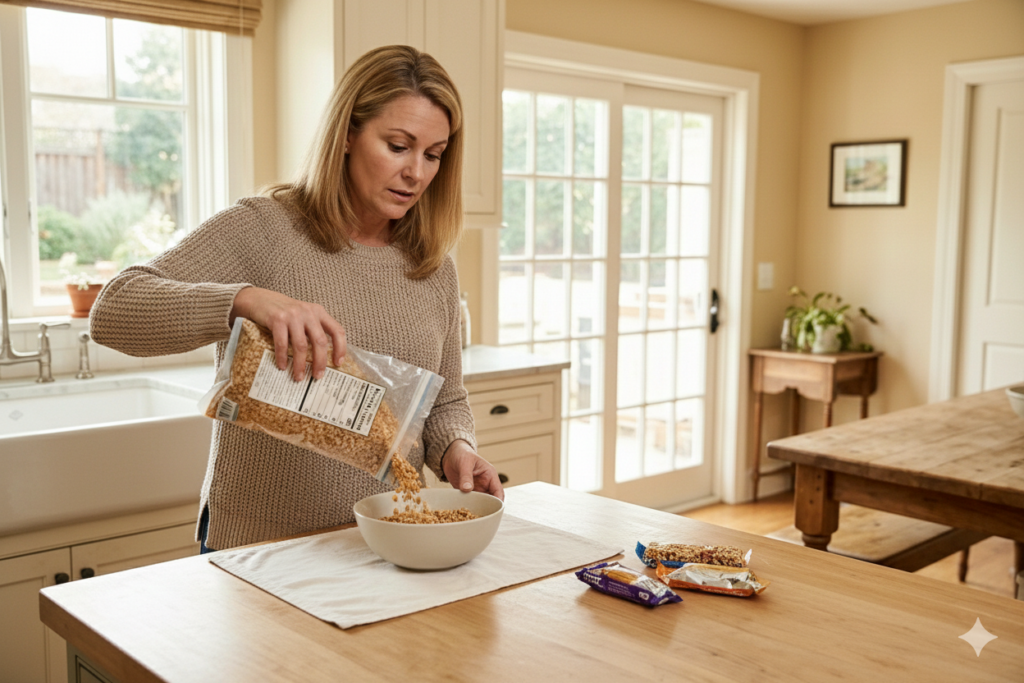
Granola earned its healthy reputation thanks to oats, nuts, and a rustic, natural image. Unfortunately, many store-bought versions are loaded with added sugars, refined oils, and extra calories that turn a simple breakfast into a dessert in disguise. Some granola bars contain as much sugar as a candy bar, making them far less filling and much harder on your blood sugar than most people realize. While granola is not automatically bad, doctors now recommend treating packaged versions as an occasional treat rather than a daily staple.
2. Flavored Yogurt

Yogurt itself can be a great source of protein and probiotics, but flavored varieties are a different story. Many popular fruit-flavored yogurts contain large amounts of added sugar, sometimes more than ice cream. This sugar overload can cancel out the gut-friendly benefits yogurt is known for and contribute to weight gain and blood sugar spikes. Doctors today often recommend plain yogurt with fresh fruit instead of anything labeled strawberry, vanilla, or honey-flavored.
3. Fruit Juice

For years, fruit juice was seen as a convenient way to get vitamins and start the day right. What we now understand is that juicing removes most of the fiber, leaving behind concentrated sugar that hits your bloodstream quickly. Even one glass of orange juice can contain the sugar of several oranges without the fullness whole fruit provides. Doctors increasingly advise skipping juice altogether and choosing whole fruit instead, especially for people watching their blood sugar.
4. Diet Soda

Diet soda gained popularity as a guilt-free alternative to sugary drinks, but its health image has faded. Artificial sweeteners may not add calories, but studies suggest they can confuse appetite signals, disrupt gut bacteria, and increase cravings for sweet foods. Some people even experience stronger sugar cravings after drinking diet soda than they would after having a regular one. Doctors now tend to recommend water, unsweetened tea, or lightly flavored sparkling water instead.
5. Low-Fat and Fat-Free Packaged Foods
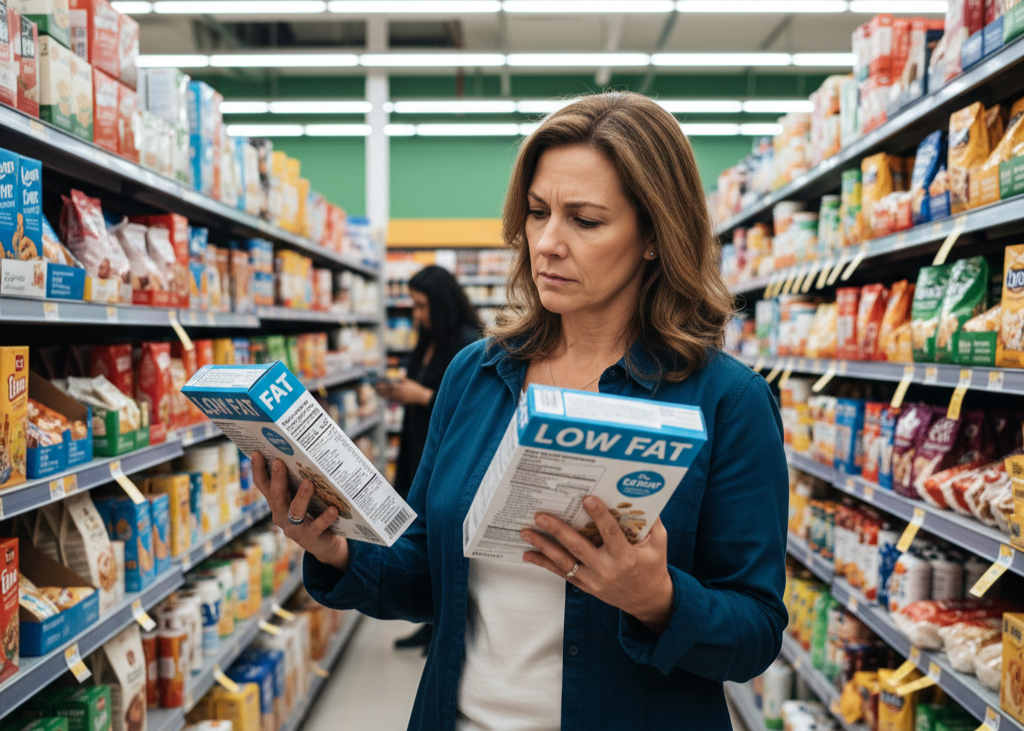
During the low-fat craze of the past few decades, fat was treated as the enemy. Food companies responded by removing fat and replacing it with sugar, starches, and artificial flavorings. The result was a wave of low-fat cookies, crackers, and snacks that left people hungry and overeating. Doctors now recognize that healthy fats are essential for fullness and overall health, and that low-fat labels often signal a highly processed product.
6. Premade Smoothies

Smoothies seem like a perfect health food, especially when they are filled with fruit and sold in bright, cheerful bottles. The problem is that many premade smoothies contain multiple servings of fruit blended into a single drink, along with added sweeteners and little protein or fiber. This can cause a rapid rise in blood sugar and leave you hungry shortly after. Doctors now suggest making smoothies at home where you can control ingredients and balance them properly.
7. Sports Drinks

Sports drinks were designed for endurance athletes who lose significant electrolytes during intense physical activity. Over time, they became everyday beverages for errands, school events, and casual workouts. For most people, the sugar and additives in sports drinks are unnecessary and can contribute to weight gain and dental issues. Doctors often emphasize that water is more than enough for the average workout or daily hydration needs.
8. Veggie Chips and Vegetable Snacks

Veggie chips sound like a smart alternative to regular chips, but many are made from vegetable powders mixed with refined starches and oils. They usually contain little fiber and no meaningful nutritional advantage over traditional chips. Their healthy image often leads people to eat larger portions without realizing it. Doctors recommend eating actual vegetables instead of relying on processed snacks with vegetable branding.
9. Packaged Protein Bars and Shakes

Protein has become a buzzword in the health world, and food companies have taken full advantage. Many protein bars and shakes are highly processed and packed with added sugar, artificial sweeteners, and fillers. While protein is important, most people already get enough from their regular diet. Doctors now advise using whole-food protein sources rather than relying on packaged products unless there is a specific medical or athletic need.
10. Whole Wheat Bread and Refined Grain Products

Whole wheat labels can be misleading. Many breads and grain products labeled whole wheat are still heavily refined and low in fiber, causing them to act more like white bread in the body. These products can raise blood sugar quickly and leave you feeling hungry soon after eating. Doctors increasingly recommend truly whole grains like oats, quinoa, and minimally processed breads with short ingredient lists.
Final Thoughts

Learning that some familiar foods are no longer considered healthy can feel frustrating, especially when you have relied on them for years. The good news is that healthy eating does not require perfection or drastic changes overnight. Nutrition advice evolves because science improves, and having better information allows you to make smarter choices moving forward.
Instead of focusing on what to cut out completely, think about what to add more of. Whole foods, simple ingredients, and meals that leave you satisfied tend to stand the test of time. When you understand how food marketing works, it becomes easier to spot health halos and choose options that truly support your well-being.
Your goal is not to eat perfectly, but to eat wisely most of the time. With a little awareness and flexibility, you can enjoy food, protect your health, and feel confident that what you are eating actually matches the healthy image on the label.
Leave a Reply