Foods That May Hurt You Naturally: 10 Common Culprits to Watch

We all love food. It fuels our day, comforts us when we are stressed, and even brings people together. But what if some of the foods we eat regularly are quietly harming us? It may surprise you to learn that even everyday items that seem harmless or “normal” can contribute to inflammation, chronic disease, or digestive troubles over time.
This list of ten foods will help you spot the common culprits that may hurt you naturally. Knowing what to limit, avoid, or replace can make a big difference for your health and well-being. Don’t worry, this isn’t about turning your diet into a joyless list of rules. Instead, think of it as a guide to eating smarter without losing the fun of food.
1. Sugary Drinks and Sweets

Sugary drinks and sweets, including sodas, sweetened coffee drinks, candy, and desserts, are a major source of added sugar in most American diets. Consuming them frequently can lead to weight gain, spikes in blood sugar, insulin resistance, and even chronic inflammation. Over time, these effects increase the risk of type 2 diabetes and heart disease.
It is not about avoiding sugar completely, but being mindful of how often and how much you indulge. For instance, saving that soda or sweet treat for special occasions instead of making it a daily habit can protect your health without making life dull.
2. Refined Carbohydrates

Refined carbohydrates, such as white bread, white rice, pasta made from white flour, and pastries, are quickly digested and can cause rapid blood sugar spikes followed by crashes. These foods are stripped of fiber and nutrients, which makes them less filling and potentially harmful to metabolic health.
Switching to whole-grain alternatives, brown rice, or oats can help maintain stable blood sugar, support digestion, and keep your energy levels consistent throughout the day. Even small swaps can have a lasting impact.
3. Red Meat

Red meat like beef, pork, and lamb can be a good source of protein and iron, but consuming it in large amounts or too frequently can raise the risk of heart disease, type 2 diabetes, and certain cancers. Studies have found links between high red meat intake and colorectal cancer, in particular.
The key is moderation. Enjoy red meat occasionally as part of a balanced diet, and consider adding more plant-based proteins or lean meats like poultry and fish to your meals.
4. Processed Meats

Processed meats, such as bacon, hot dogs, deli meats, and sausages, are often loaded with preservatives, high sodium, and unhealthy fats. Regular consumption has been associated with inflammation, heart disease, and an increased risk of cancer.
Try to limit processed meats and reserve them for occasional treats. Substituting them with lean protein sources like beans, lentils, or grilled chicken can provide the satisfaction of a hearty meal without the long-term health risks.
5. Deep-Fried Foods

Deep-fried foods, including French fries, fried chicken, and donuts, may taste amazing, but they can be heavy on unhealthy fats and calories. Repeated consumption can contribute to inflammation, heart problems, and weight gain.
If you love the crispy texture of fried foods, consider healthier preparation methods. Baking, roasting, or air-frying can give you a similar crunch without overloading your body with harmful fats.
6. Raw or Undercooked Animal Products

Raw or undercooked meat, poultry, fish, and eggs can carry bacteria such as Salmonella, E. coli, and Listeria. These pathogens may cause serious foodborne illnesses that lead to vomiting, diarrhea, fever, and in severe cases, long-term complications.
Cooking animal products thoroughly reduces the risk of contamination. Always follow safe cooking guidelines and when dining out, ensure foods are properly prepared before eating.
7. Raw Sprouts, Unpasteurized Milk, and Soft Cheeses
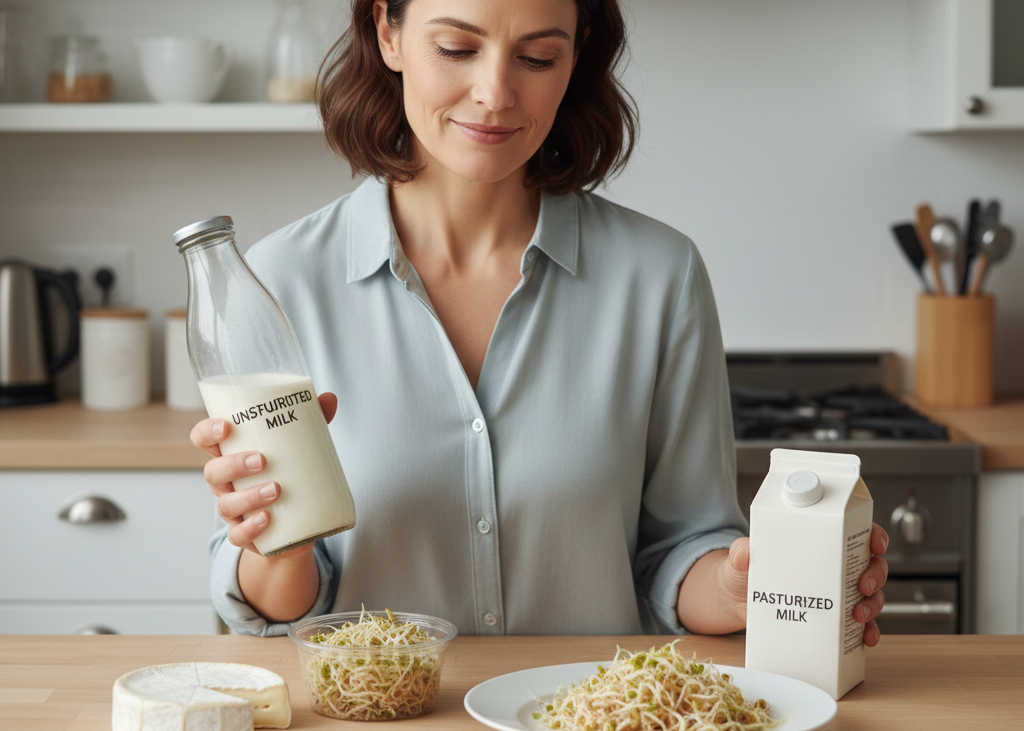
Raw sprouts, unpasteurized milk, and soft cheeses are sometimes overlooked as potential risks. They can harbor harmful bacteria and cause foodborne illnesses, particularly in vulnerable populations like young children, older adults, and pregnant people.
Always wash produce thoroughly, cook sprouts when possible, and choose pasteurized dairy products. Small precautions like these can prevent serious health issues.
8. Ultra-Processed Foods and Snacks

Ultra-processed foods such as chips, packaged baked goods, instant noodles, and ready-to-eat meals are convenient, but often packed with added sugar, sodium, unhealthy fats, and preservatives. These foods are typically low in nutrients while high in calories, which can negatively affect metabolism and long-term health.
Focusing on whole foods, like fruits, vegetables, nuts, and seeds, ensures your body gets essential nutrients without hidden dangers. Even swapping just one or two ultra-processed items a day can improve your overall diet quality.
9. Foods High in Trans Fats or Unhealthy Saturated Fats

Some margarines, commercially baked goods, and fried foods contain trans fats and excessive saturated fats, which increase bad cholesterol, promote inflammation, and raise the risk of heart disease.
Choosing healthier fats from olive oil, avocado, nuts, and seeds instead of processed spreads or fried snacks supports heart health and overall wellness. The shift does not have to be drastic—small, consistent choices add up over time.
10. Overeating Healthy Foods

Even foods considered healthy can become harmful when eaten in excessive portions. Overeating increases calorie intake, can cause digestive discomfort, promote inflammation, and contribute to weight gain and metabolic issues.
Practicing portion control, listening to hunger cues, and being mindful of how much you eat are just as important as choosing the right foods. Healthy habits include not only what you eat but also how much and how often.
Final Thoughts

Food should be enjoyed, not feared. This list of ten foods is not a guide to heartlessly eliminate anything from your life, but a tool to help you make smarter choices. Recognizing the potential harm in everyday foods allows you to take control of your health without sacrificing enjoyment.
Start by making small changes: swap white bread for whole grains, choose baked over fried, reduce sugary drinks, and add more plant-based meals. Over time, these adjustments can dramatically reduce inflammation, improve energy, support heart health, and help maintain a healthy weight.
Being mindful of your diet is not about perfection—it is about balance and sustainability. Think of it as giving your body the best tools to thrive while still enjoying the foods you love in moderation.
With a little awareness and some practical swaps, you can eat in a way that supports long-term wellness while still savoring the pleasure of food. After all, the best diet is one that nourishes both your body and your life.
Leave a Reply